Engineered for immediate integration into Philippine flour mill intakes, removing bulk impurities under high capacity.
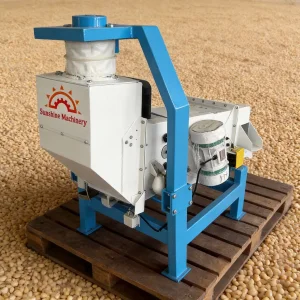
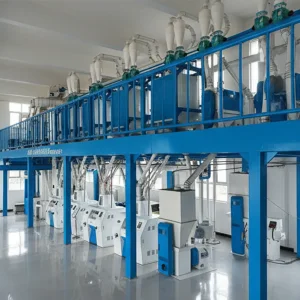
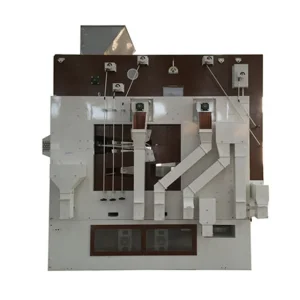
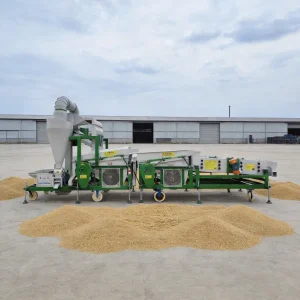
The Philippines stands as one of the largest importers of milling wheat in Southeast Asia, relying heavily on importing high-grade grain classes from countries like the United States, Australia, and Canada to feed its growing domestic demand for flour, local bakery products (such as *Pandesal*), noodles, and animal feed. As urban centers like Manila, Cebu, and Davao rapidly expand, modern industrial millers face stringent standards to deliver clean, toxin-free, and optimally tempered grains.
However, tropical climates pose unique challenges. High ambient temperatures and relative humidity levels exceeding 80% accelerate the growth of storage molds, grain pests (e.g., maize weevils), and the formation of hazardous mycotoxins, specifically aflatoxin. Importers must execute aggressive pre-cleaning and conditioning protocols at port terminals and milling plants to remove broken kernels, mud balls, dust, and metal contaminants before processing.
Henan Jiujie Machine Co., Ltd. is a leading exporter of heavy-duty, waterless wheat cleaning technology, providing local millers in Luzon, Visayas, and Mindanao with customized equipment layouts to prevent environmental pollution while optimizing raw material yield.
Request Technical GuideHigh moisture and dust levels inside processing spaces are addressed via advanced pneumatic aspiration channels, protecting grain health and lowering plant dust explosions hazards.
Our completely dry cleaning methodology circumvents wastewater disposal complications, directly complying with the Philippine Clean Water Act (RA 9275).
Why modern grain millers are migrating away from traditional systems toward smart, multi-stage separation lines.
| Cleaning Indicator | Traditional Mechanical Systems | Jiujie Modern Precision Dry-Cleaning Systems | Direct Benefits for Philippine Millers |
|---|---|---|---|
| Dockage & Impurity Removal | 85% - 90% (Leaves mud particles & micro-stones) | 99.8% (Multi-stage sorting + gravity tables) | Reduces roll wear on flour mills; produces low-ash flour. |
| Water Consumption | High (Requires grain washing to remove dust) | Zero (Purely mechanical & pneumatic separation) | Eliminates wastewater discharge fines & mold risk. |
| Energy Efficiency | High power consumption with low throughput | Variable-frequency motors (saves up to 25% energy) | Offsets high industrial power rates in the Philippines. |
| Mycotoxin/Aflatoxin Control | Ineffective (Cannot separate shriveled/mildew grains) | High efficiency via precise density grading | Meets strict FDA standards for food consumption. |
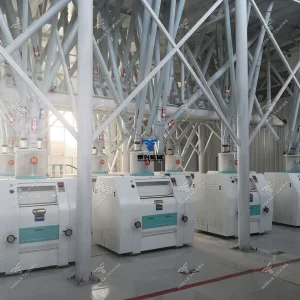
Our state-of-the-art Chinese factory guarantees supply chain resilience, utilizing precision CNC machinery for wear-resistant components.
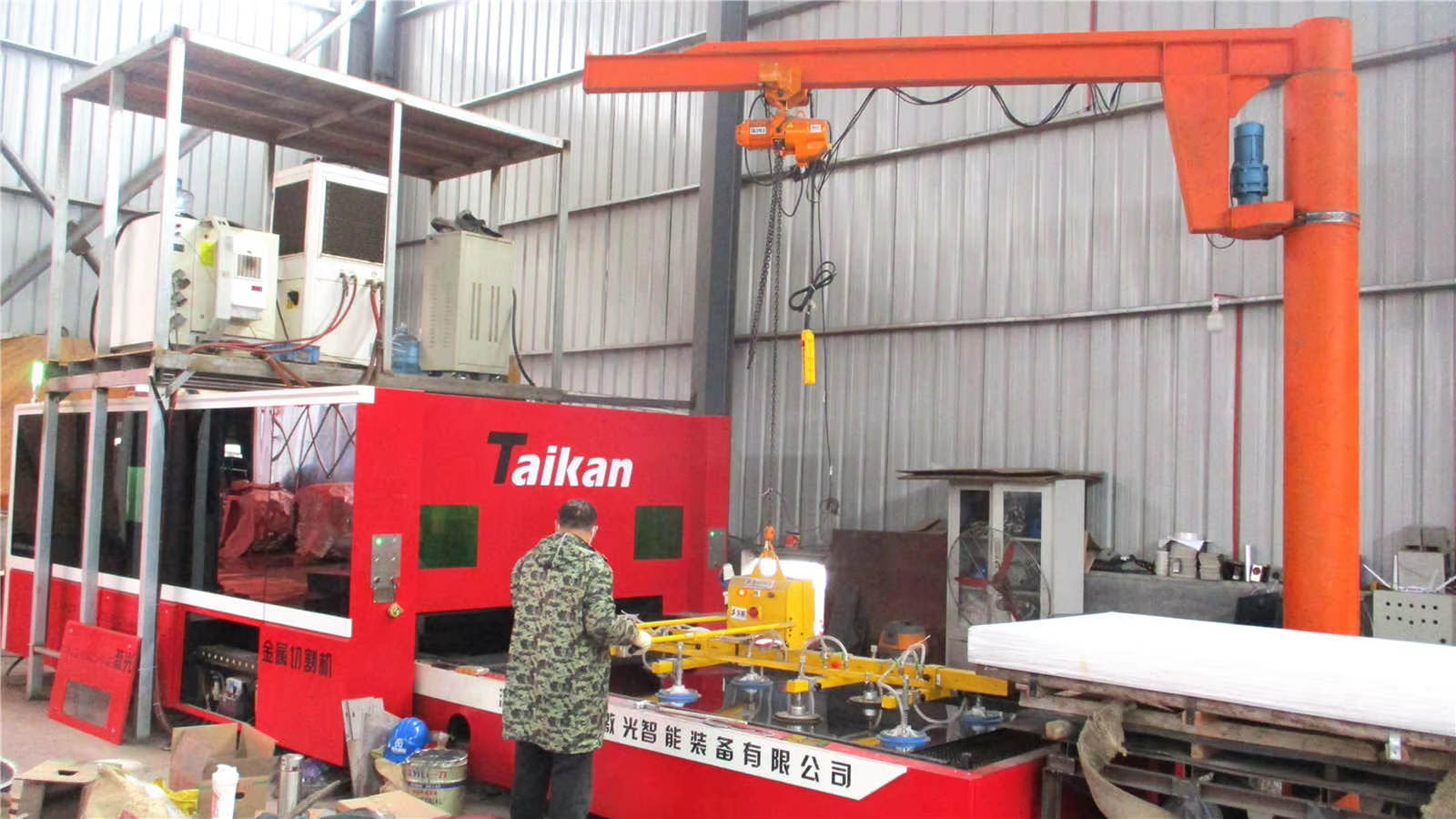
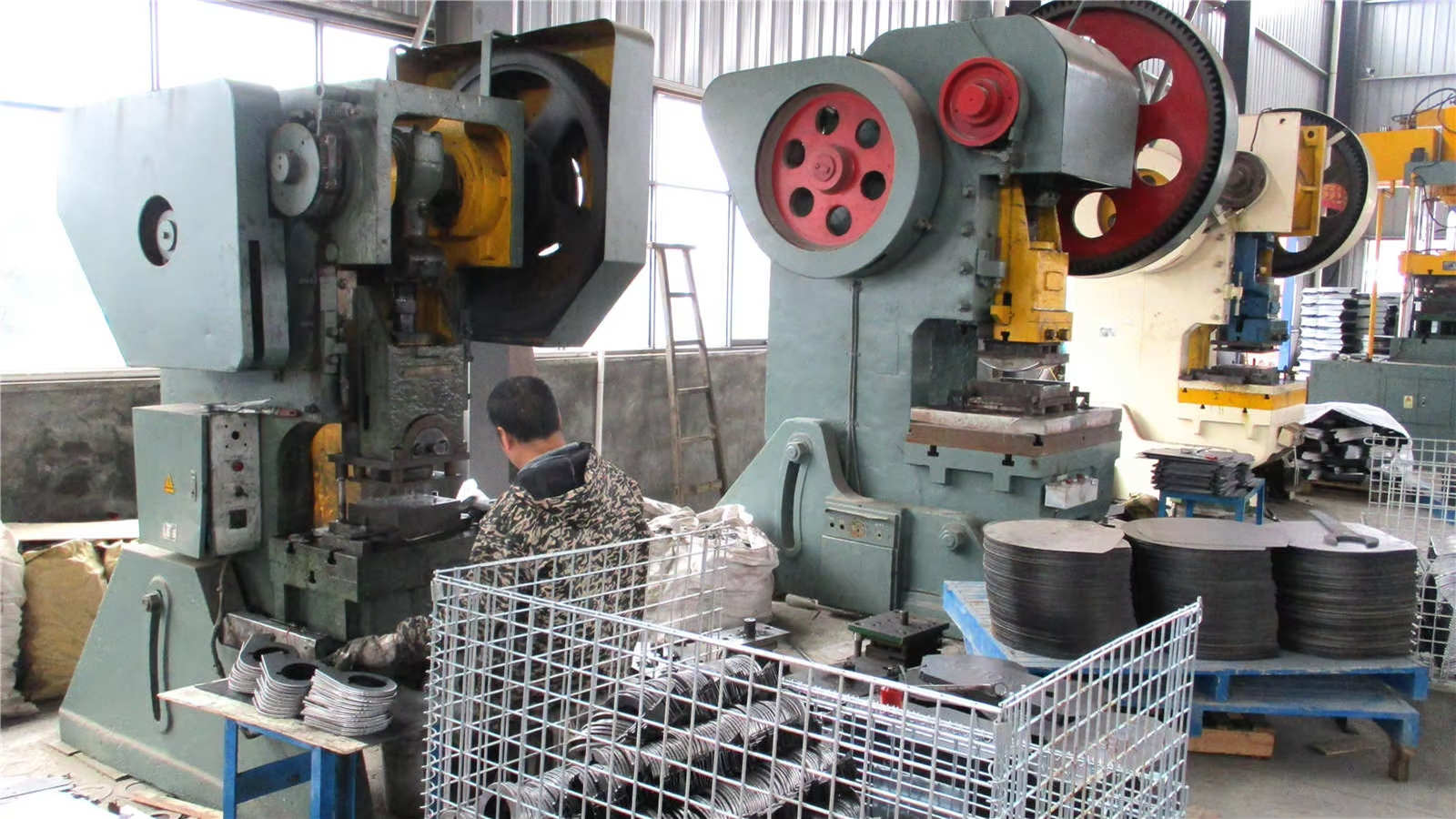
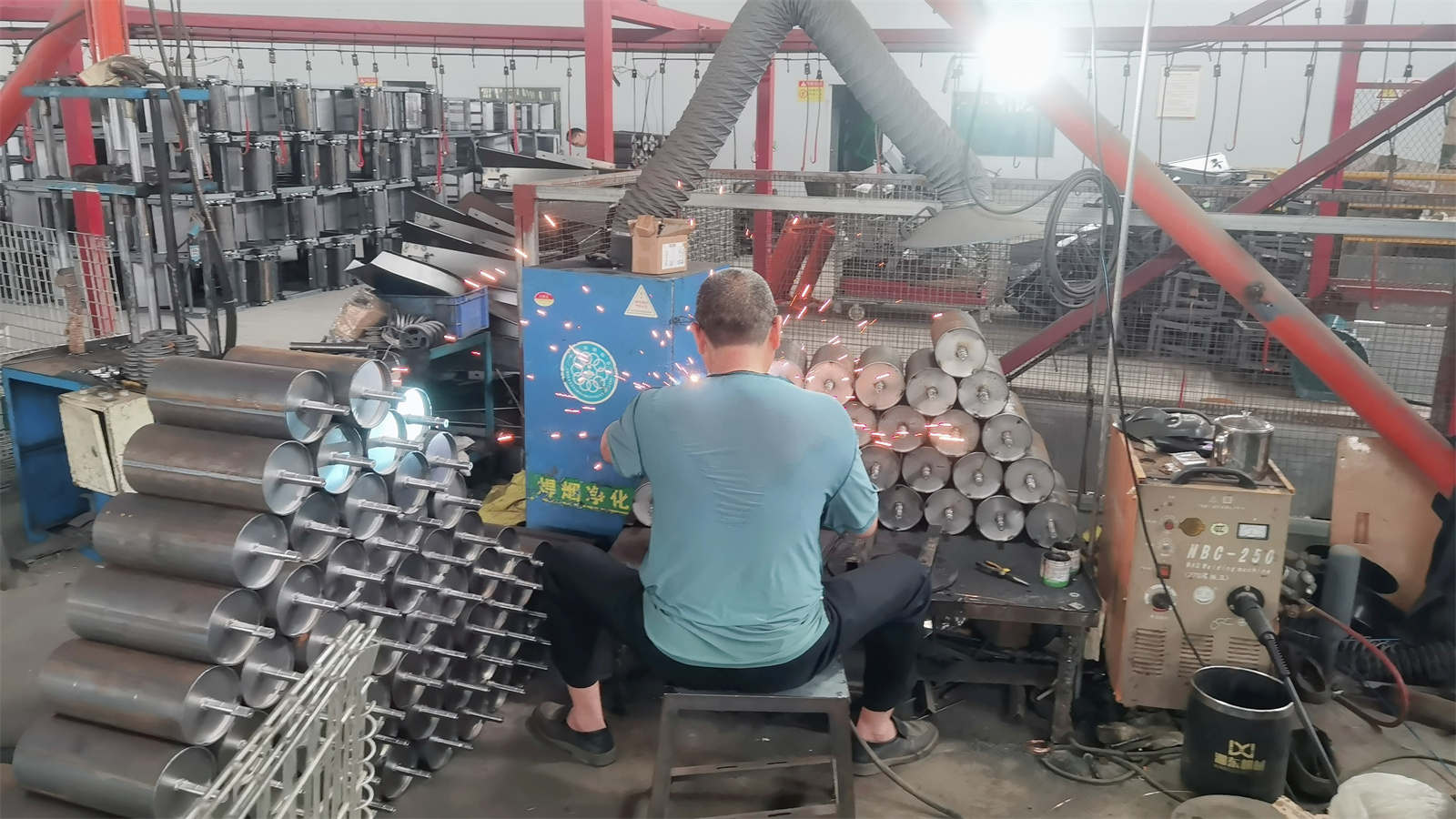
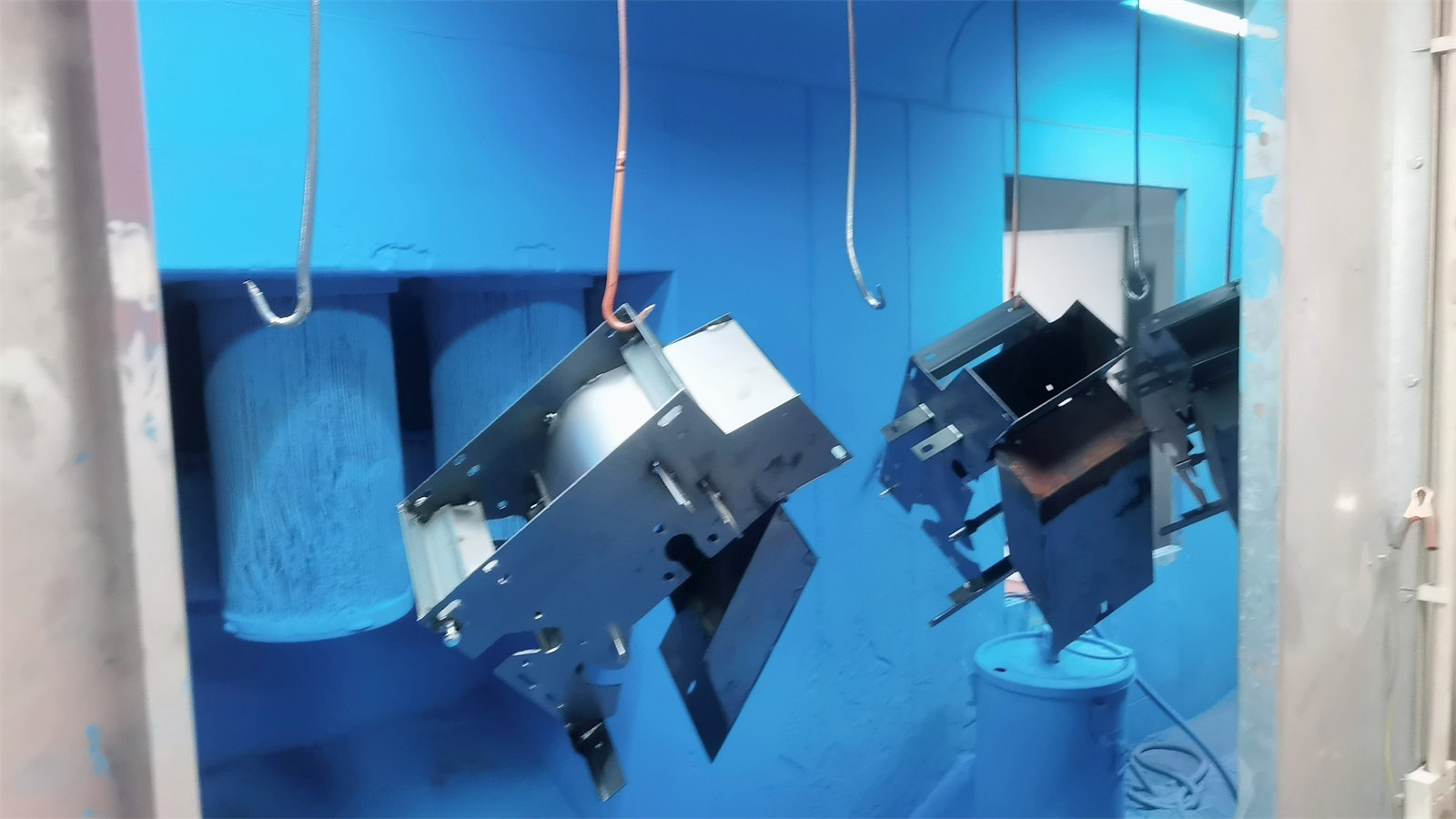
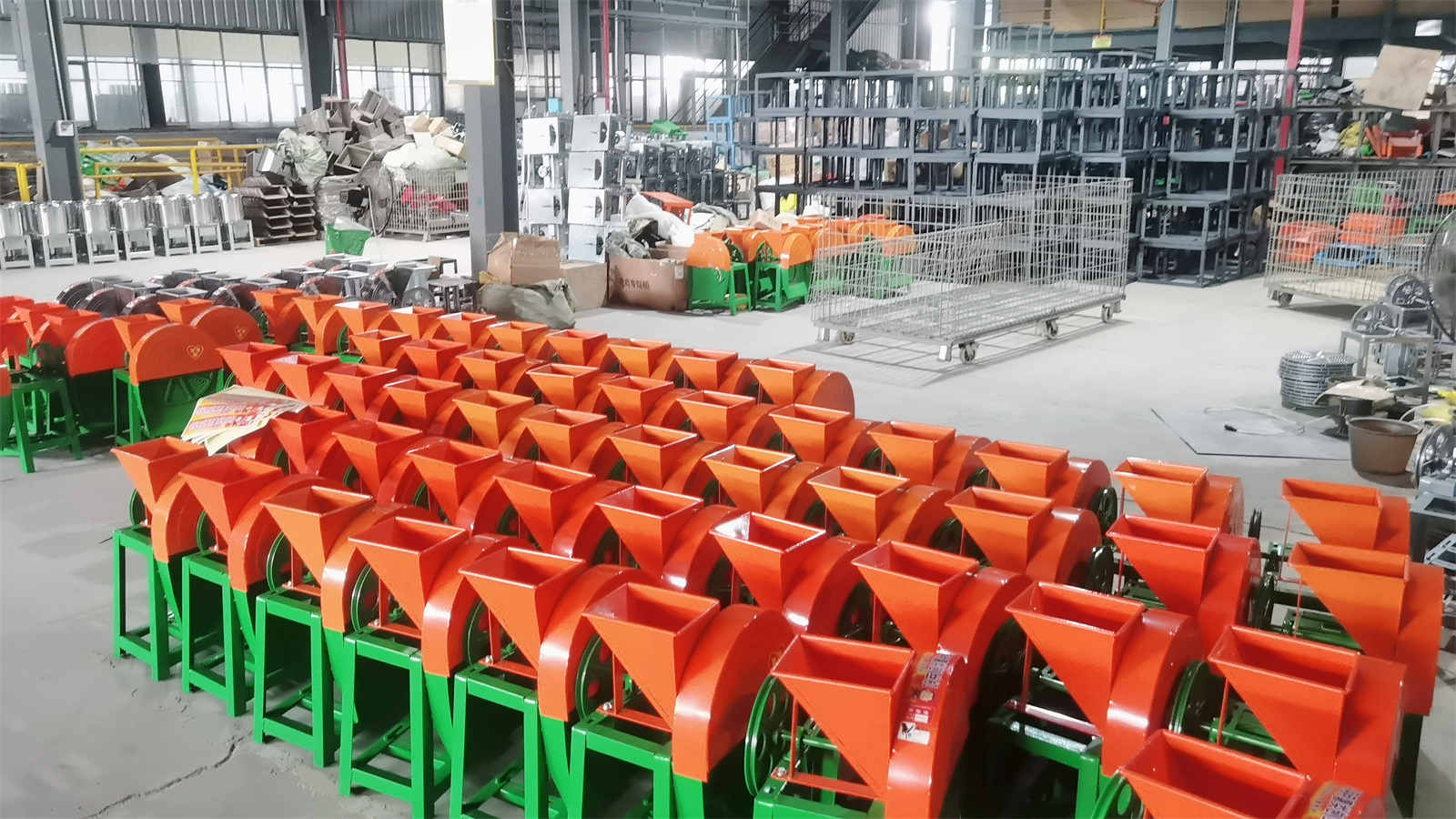
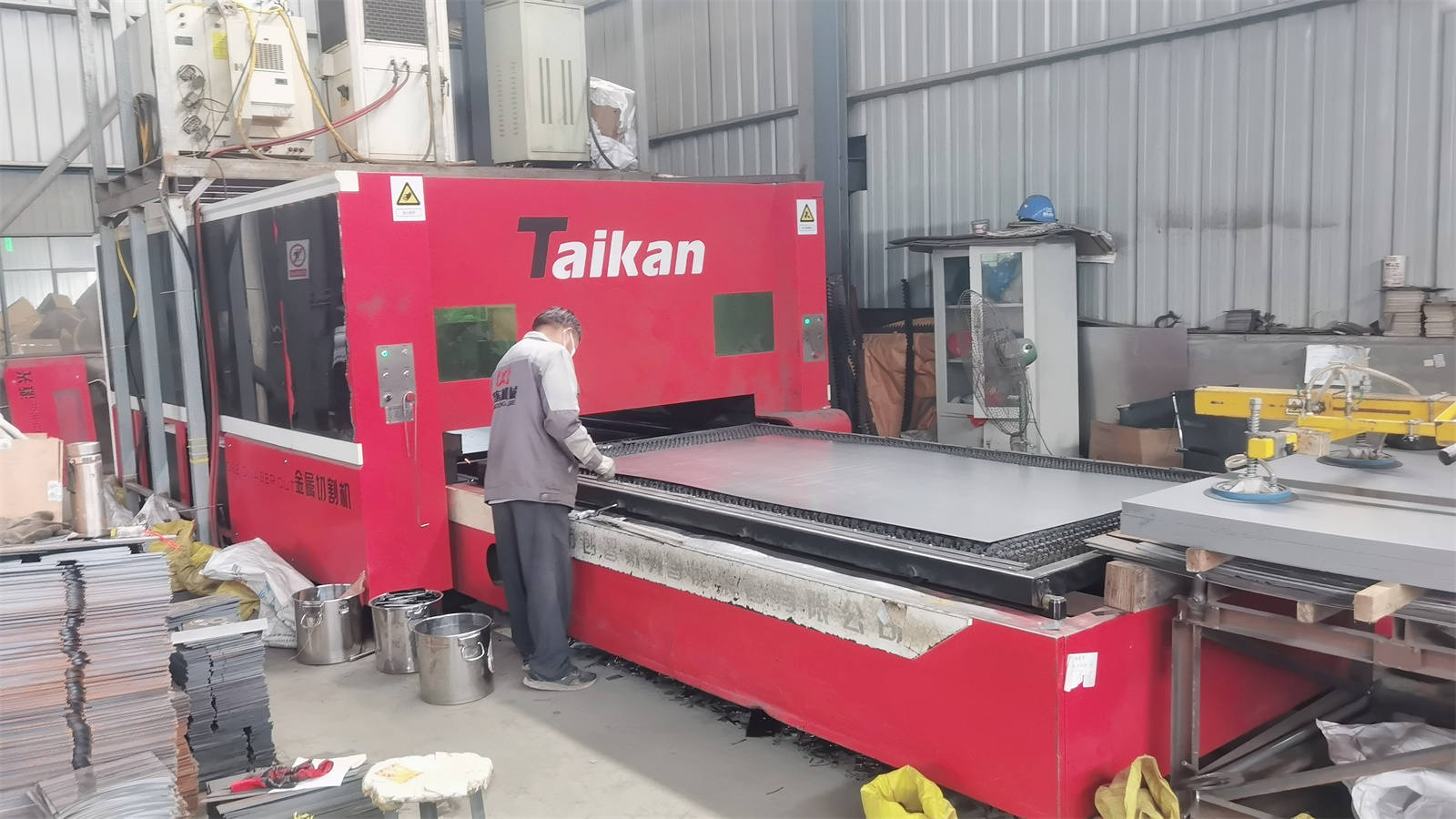
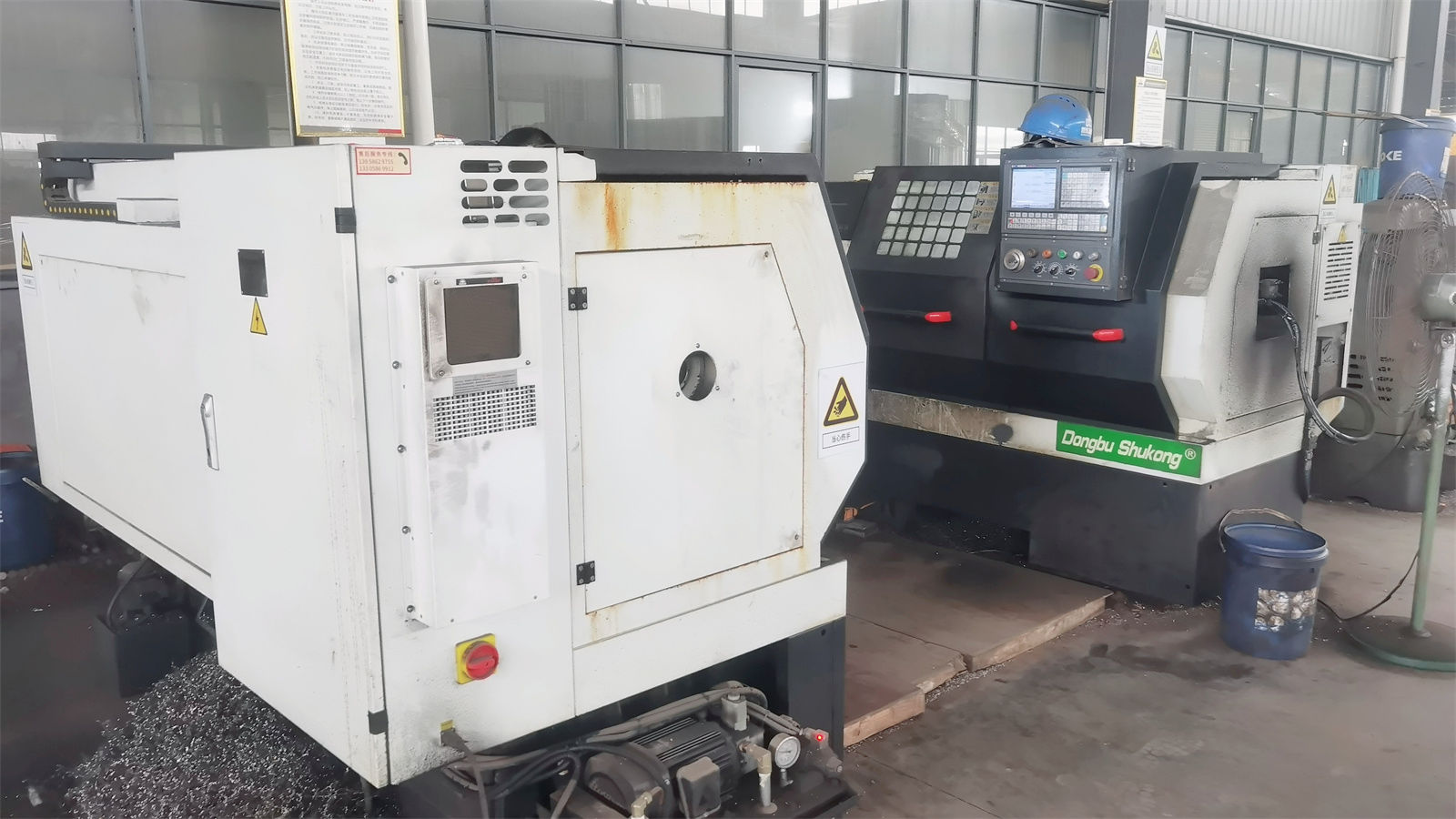
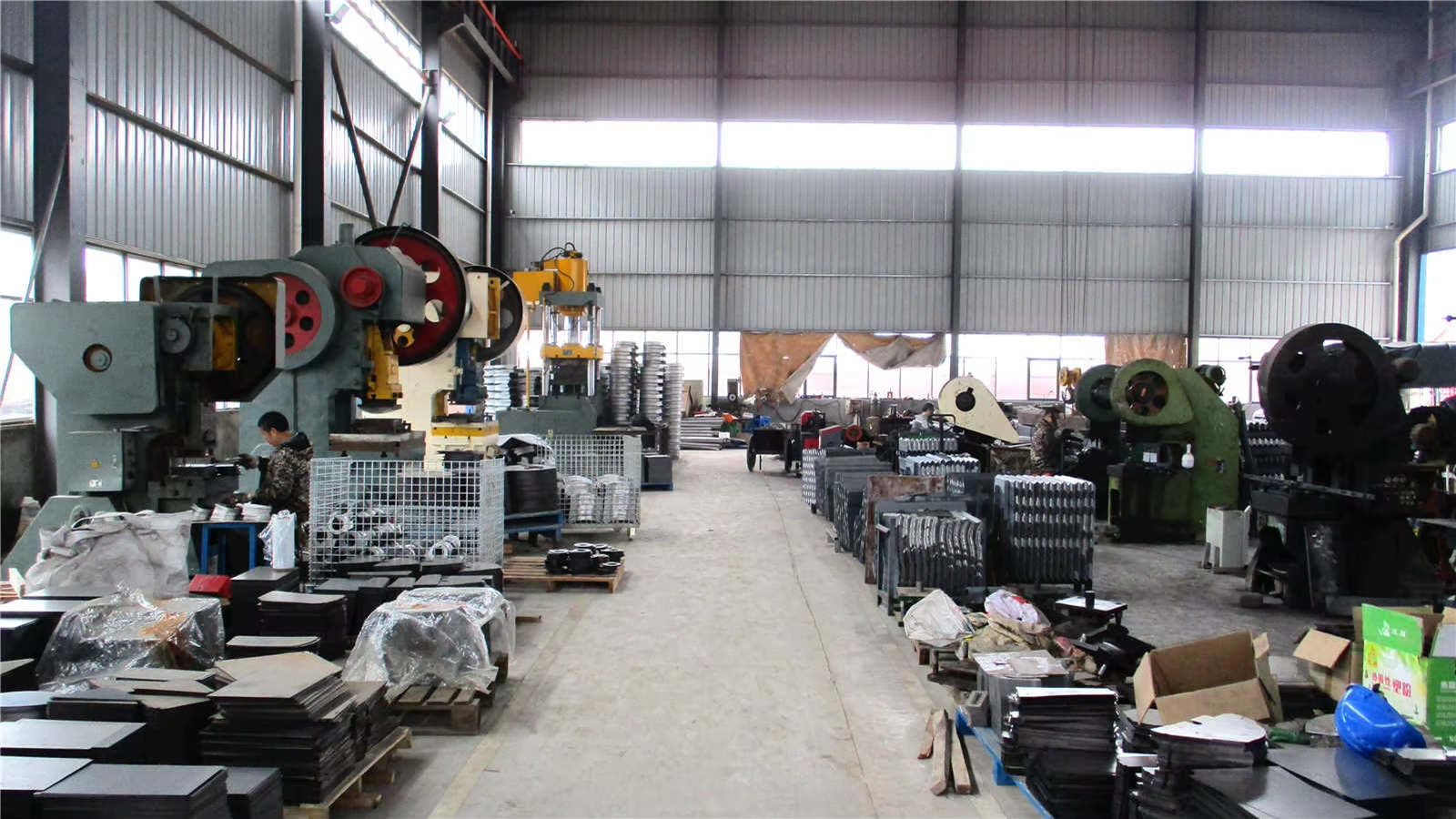
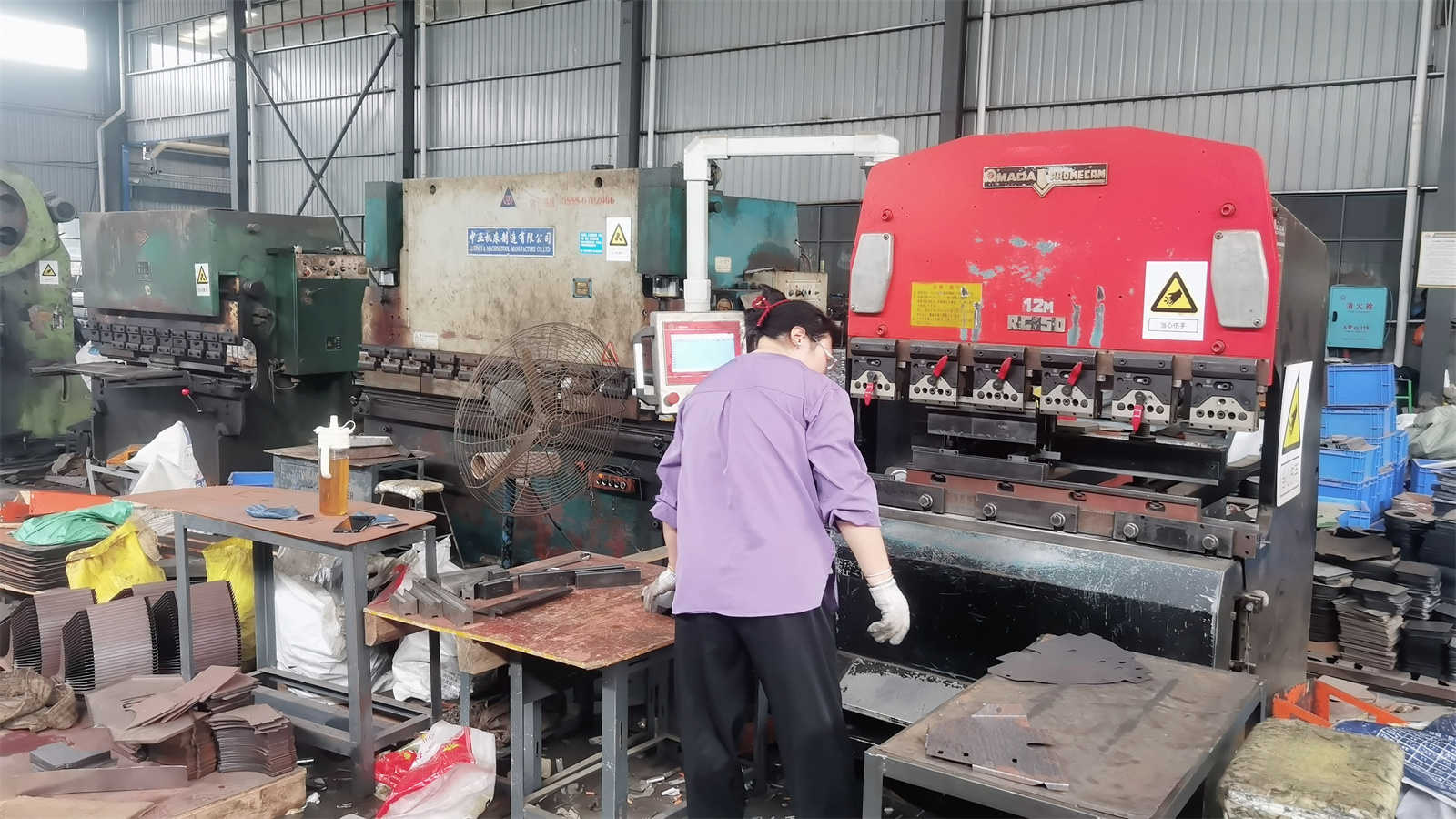
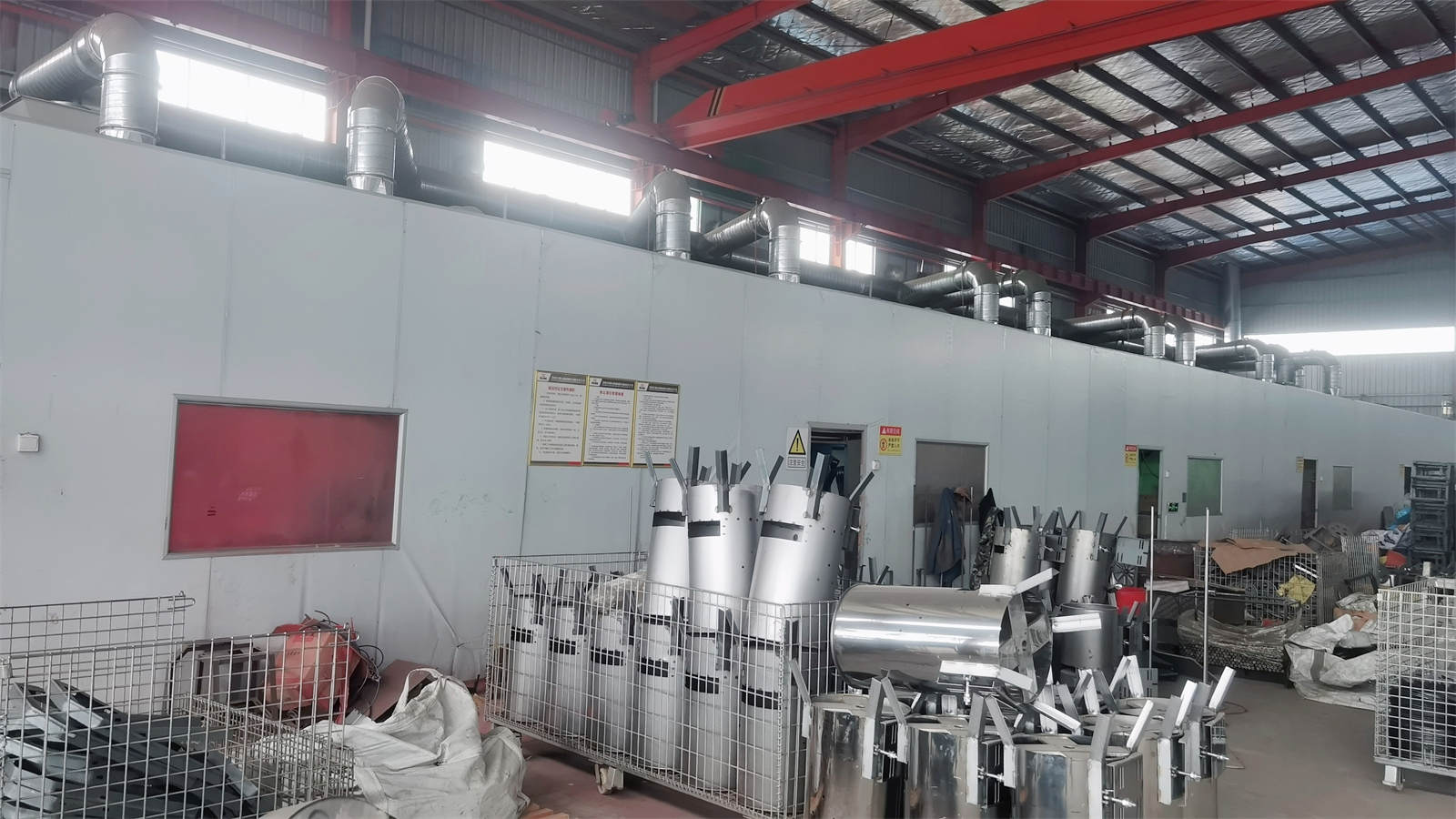
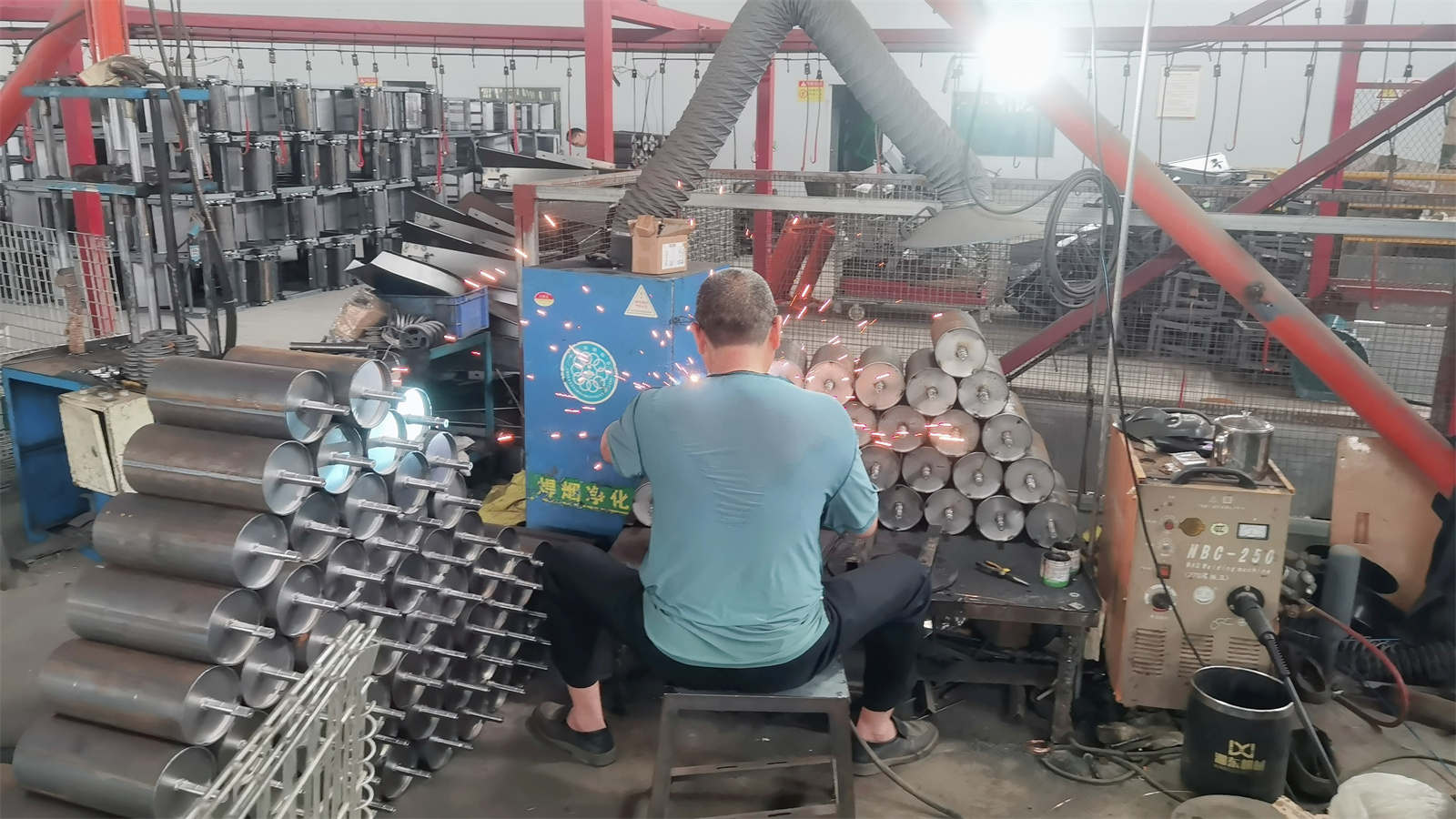
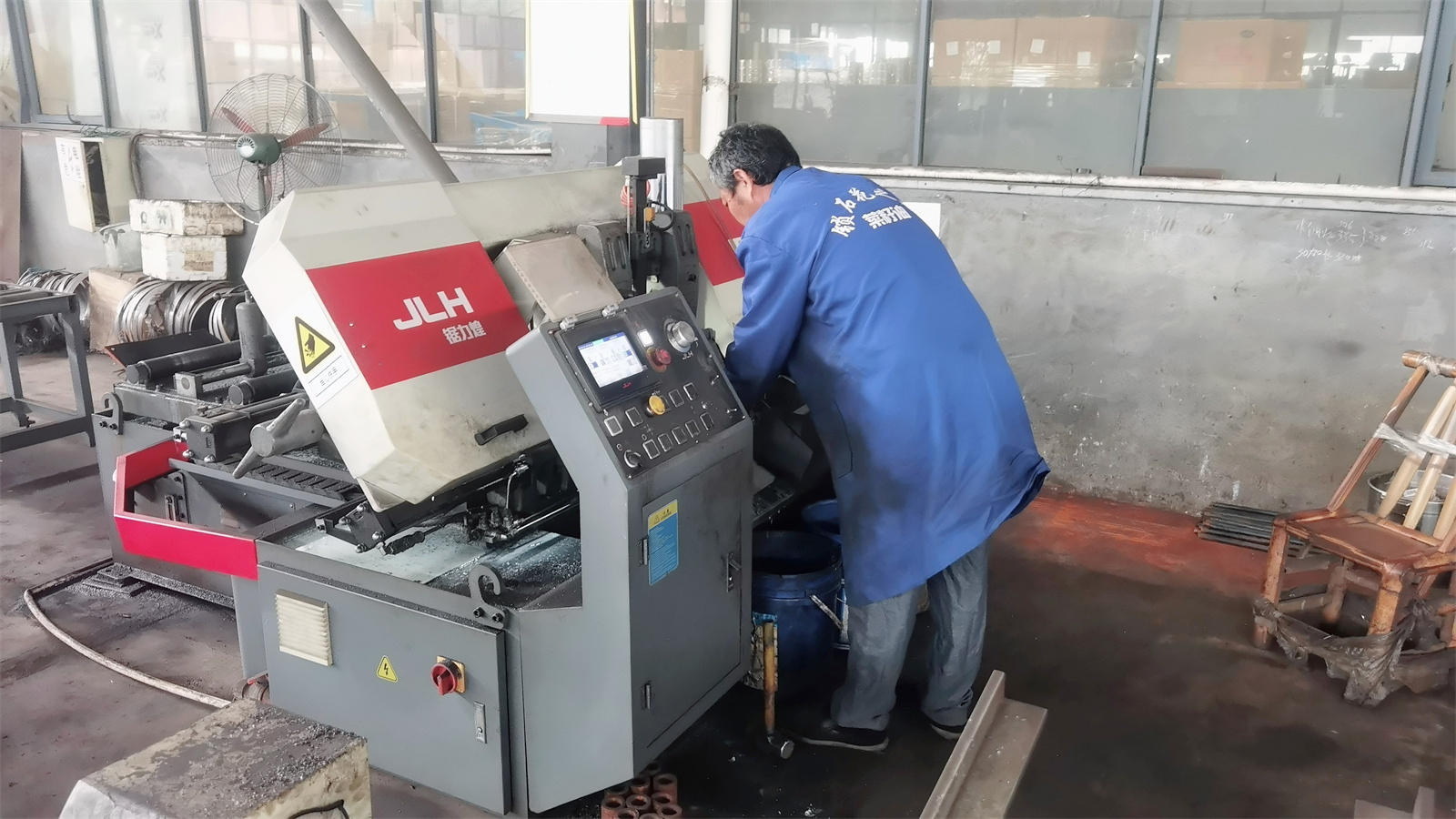
Tailored mechanical designs configured to meet specific environmental and regional processing demands.
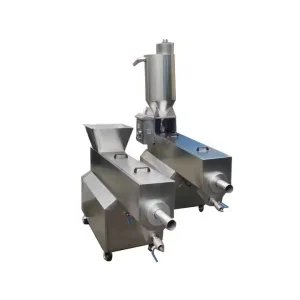
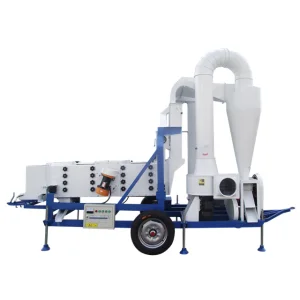
Ideal for import terminals in Manila and Batangas. Handles raw grain from panamax ships, immediately removing light chaff, straw, and dust to protect storage silos from packing and fermentation.
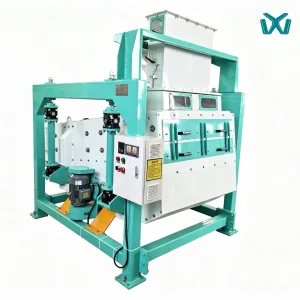
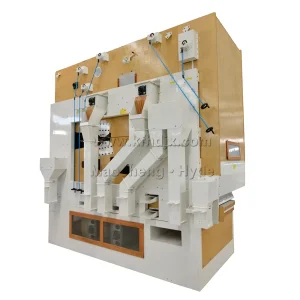
For flour producers targeting top-grade baking flour. Integrates advanced scourers and destoners to eliminate micro-stones and black specks, lowering flour ash levels below 0.35% for premium Pandesal and pastry applications.
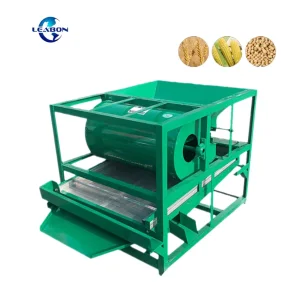
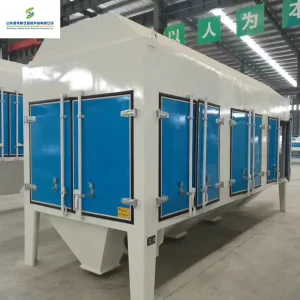
Applied in Bulacan and Pampanga feed mill complexes. Removes metallic scrap, corn cobs, and heavy impurities prior to hammer mill grinding, safeguarding machinery and ensuring optimal feed safety for poultry and swine.
Explore our complete catalog of high-capacity separators, gravity tables, and integrated milling components.
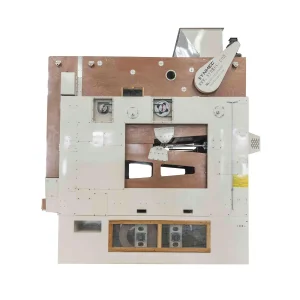
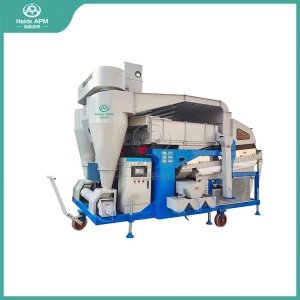
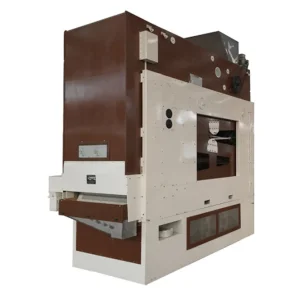
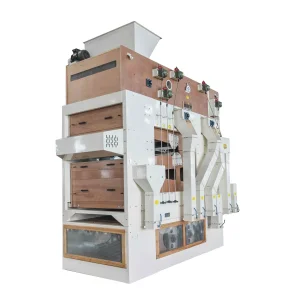
Decarbonization, automation, and intelligent monitoring in Southeast Asian grain terminals.
Developing real-time acoustic sensors for vibrating screens. This technology alerts maintenance crews in Manila via a cloud-based dashboard before a screen tears, preventing contamination bypasses.
Pneumatic aspiration hoods coupled with high-efficiency cyclone collectors. Lowering operational noise and fan energy usage while trapping 99.9% of airborne PM10 particles.
Near-Infrared (NIR) sensors measuring moisture profiles in incoming wheat. Automatically regulates water valves to adjust conditioning times, optimizing grain tempering for the local tropical environment.
Get authoritative answers on import regulations, mechanical installation, and equipment parameters.
Wet washing generates massive volumes of high-BOD (Biochemical Oxygen Demand) wastewater, which requires expensive chemical treatment to comply with the Philippine Clean Water Act (RA 9275). Additionally, adding free moisture in a tropical climate accelerates mold formation (especially aflatoxins) and insect infestation. Our modern dry-cleaning methods use gravity tables, destoners, and pneumatic aspiration to achieve better purity with zero water usage.
We provide comprehensive digital twin manuals, detailed AutoCAD installation layouts, and step-by-step video instructions. For large-scale projects (such as 100 Ton/24H installations), we dispatch experienced field engineers to supervise installation, carry out electrical testing, and train local Filipino operators on routine screen replacements and pneumatic system maintenance.
Yes. Our separators feature interchangeable screen decks. By adjusting screen perforations (round vs. slotted), air-flow velocity in the aspiration chamber, and gravity deck angles, the same machinery can switch between wheat, corn/maize, barley, and even coffee beans or sesame seeds.
Our grain cleaning and flour milling lines carry full ISO9001 Quality Management System certification and European CE approval. They are built utilizing CNC components that align with EU safety and environmental regulations, ensuring long-term mechanical reliability and compliance.
Contact our engineering sales team today to receive a personalized machinery layout configuration, specific energy consumption projection, and sea freight quote to Manila or Cebu ports.
Send Inquiry Now Jiujie Machine