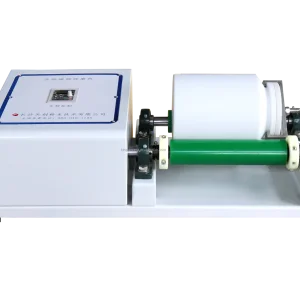
Discover our highly requested, precision-engineered grinding assemblies, mineral processing lines, and agricultural pulverizers exported globally.
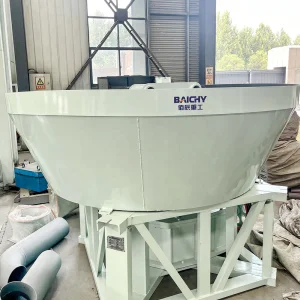
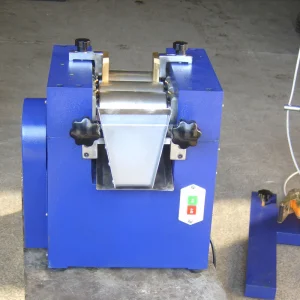
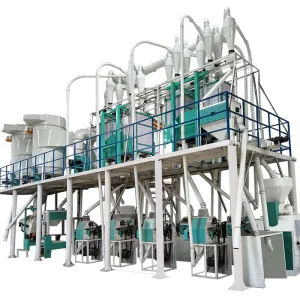
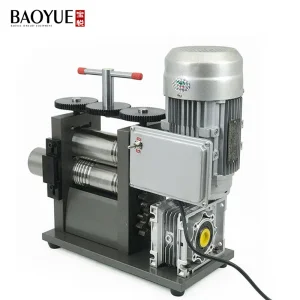
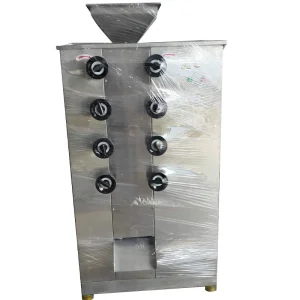
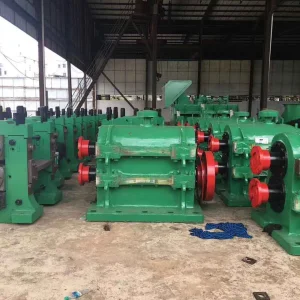
The industrial roller mill represents the apex of modern particle size reduction technology, serving as the backbone for critical processing sectors globally. Historically valued for its fundamental ability to pulverize and grind friable materials, the modern roller mill has evolved through advanced mechanical physics, state-of-the-art metallurgy, and automated control frameworks. Today, the choice of a roller mill is no longer merely a procurement of heavy metal castings; it is a strategic decision that directly impacts operational yield, energy efficiencies (OPEX), and output quality control.
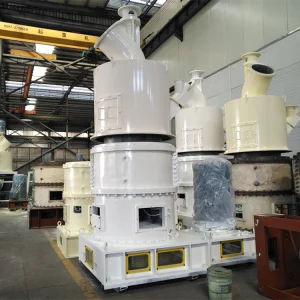
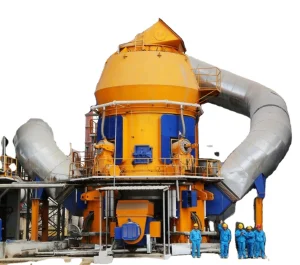
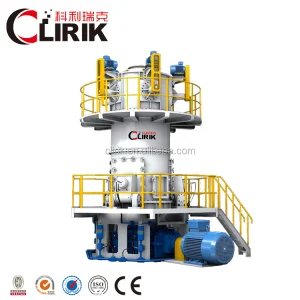
Across the global market, roller mills are classified into specialized subsets according to their shear, compression, and impact mechanisms. From the high-velocity compression observed in Vertical Roller Mills (VRMs) used in raw cement grinding and slag processing, to the high-shear friction dynamics of Three-Roller Mills processing viscous chemical pigments, each application demands unique configurations. Industrial operators are increasingly turning away from high-impact ball mills—which suffer from inefficient heat dissipation and massive energy wastage—in favor of roller mills. Research demonstrates that modern vertical roller mills can achieve up to 30% to 40% energy savings compared to traditional ball milling systems in comparable mineral throughput operations.
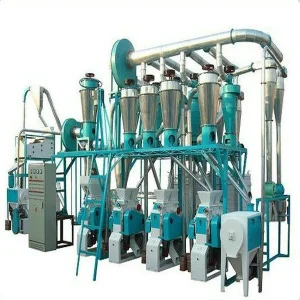
In the agricultural sphere, particularly in grain processing and flour milling plants, the roller mill is critical in preserving biological nutrients. The gradual reduction process—where grain undergoes multiple passes through corrugated and smooth break rolls—prevents structural starch damage that occurs under high-temperature milling processes. By adjusting the speed differential between paired rolls (often running at ratios like 2.5:1 or 1.5:1), processing facilities can isolate the bran, germ, and endosperm with exceptional accuracy.
Henan Jiujie Machine Co., Ltd. is a professional supplier of complete equipment and engineering services for the food production and grain processing industries. Our business covers a wide range of applications, including wheat flour milling plants, feed processing factories, and rice processing plants.
Our product portfolio includes conveying equipment, cleaning equipment, flour milling equipment, and other related machinery. Over the years, our products have been widely recognized by customers both in domestic and international markets.
Since its establishment, Henan Jiujie Machine Co., Ltd. has been dedicated to the research and development of grain processing technology and machinery. With extensive industry experience, we are able to provide integrated solutions across the entire grain and food processing industrial chain. Our solutions cover multiple stages, including raw material collection, storage, cleaning, grading, sieving, grinding, mixing, shaping, production, and packaging.
Our flour milling equipment has obtained the ISO9001 quality management system certification and CE certification. The environmental protection standards of our equipment comply with relevant EU requirements. Our grain cleaning process is designed to operate without water usage, ensuring no wastewater discharge and supporting environmentally friendly production.
Our products are characterized not only by stable performance but also by easy installation, convenient maintenance, and low operating costs. With advanced technology, reliable quality, and modern design, our equipment has earned high appreciation from clients worldwide.
The dry-method grain cleaning engineering pioneered by Henan Jiujie represents a substantial leap in sustainable manufacturing. Traditional wet cleaning methods pose a double threat: they generate high volumes of polluted effluent that require expensive chemical processing, and they introduce excess moisture into the wheat kernel, which can lead to bacterial and fungal growth inside storage silos. Our water-free design leverages high-efficiency vibrating separators, de-stoners, and magnetic separators alongside intensive scourers. This system successfully extracts contaminants, stone fragments, and surface dust without altering the intrinsic moisture balance of the grain, ensuring compliance with strict environmental regulations in water-stressed regions globally.
Henan Jiujie Machine Co., Ltd. places strong emphasis on technological innovation and continuous improvement of manufacturing capability and product quality. We have introduced a series of advanced processing equipment, including CNC laser cutting machines, CNC bending machines, and CNC lathes.
In addition, we are equipped with CNC machining centers, CNC boring machines, surface grinding machines, planers, and other high-precision manufacturing equipment. We have also established an electrostatic spraying production line to further enhance product surface quality and durability.
Our manufacturing processes include steel plate laser cutting, CNC bending, CO₂ arc welding, argon arc welding, robotic welding, and electrostatic surface treatment. These advanced production technologies ensure consistent product quality and continuous innovation.
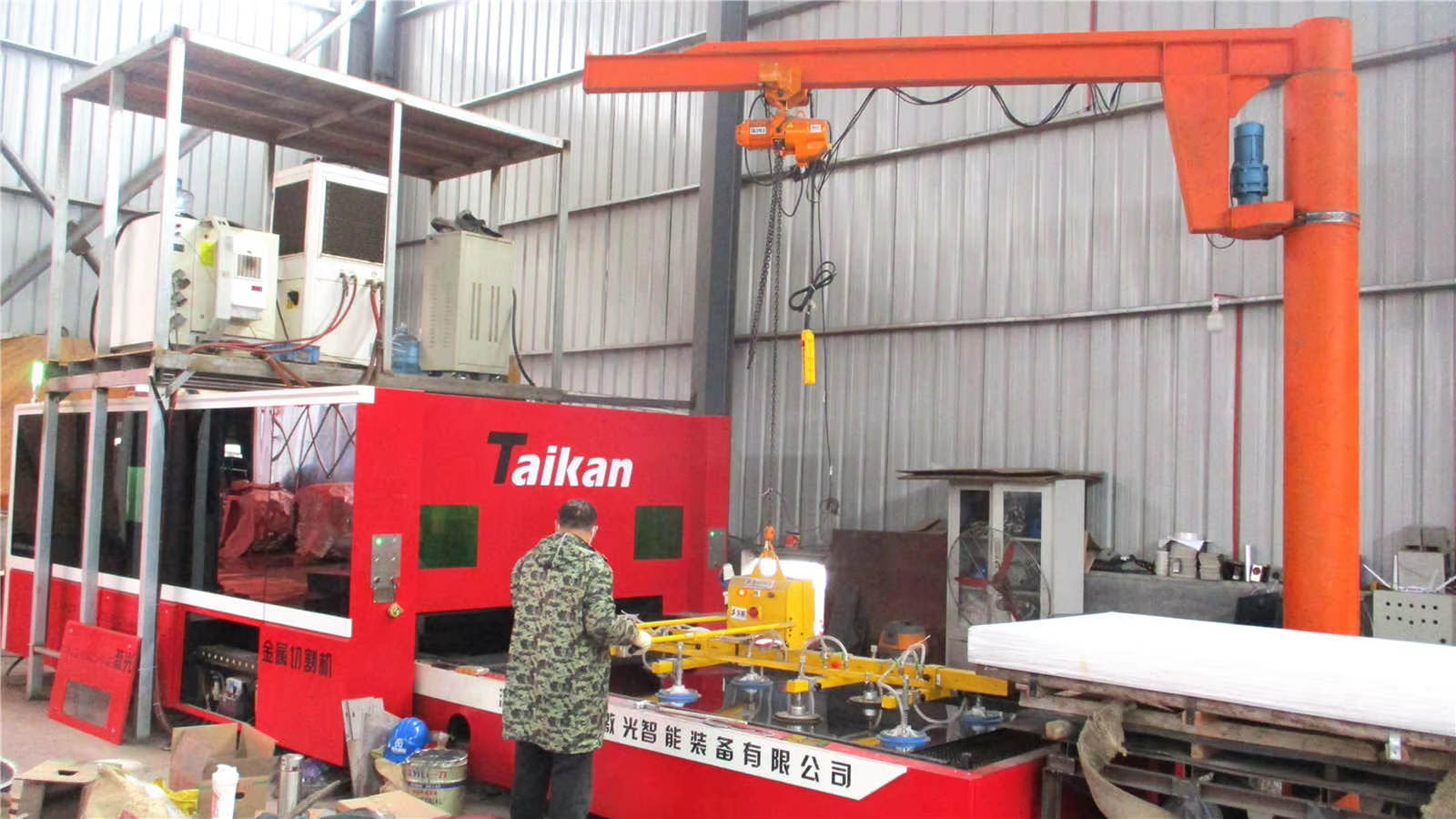
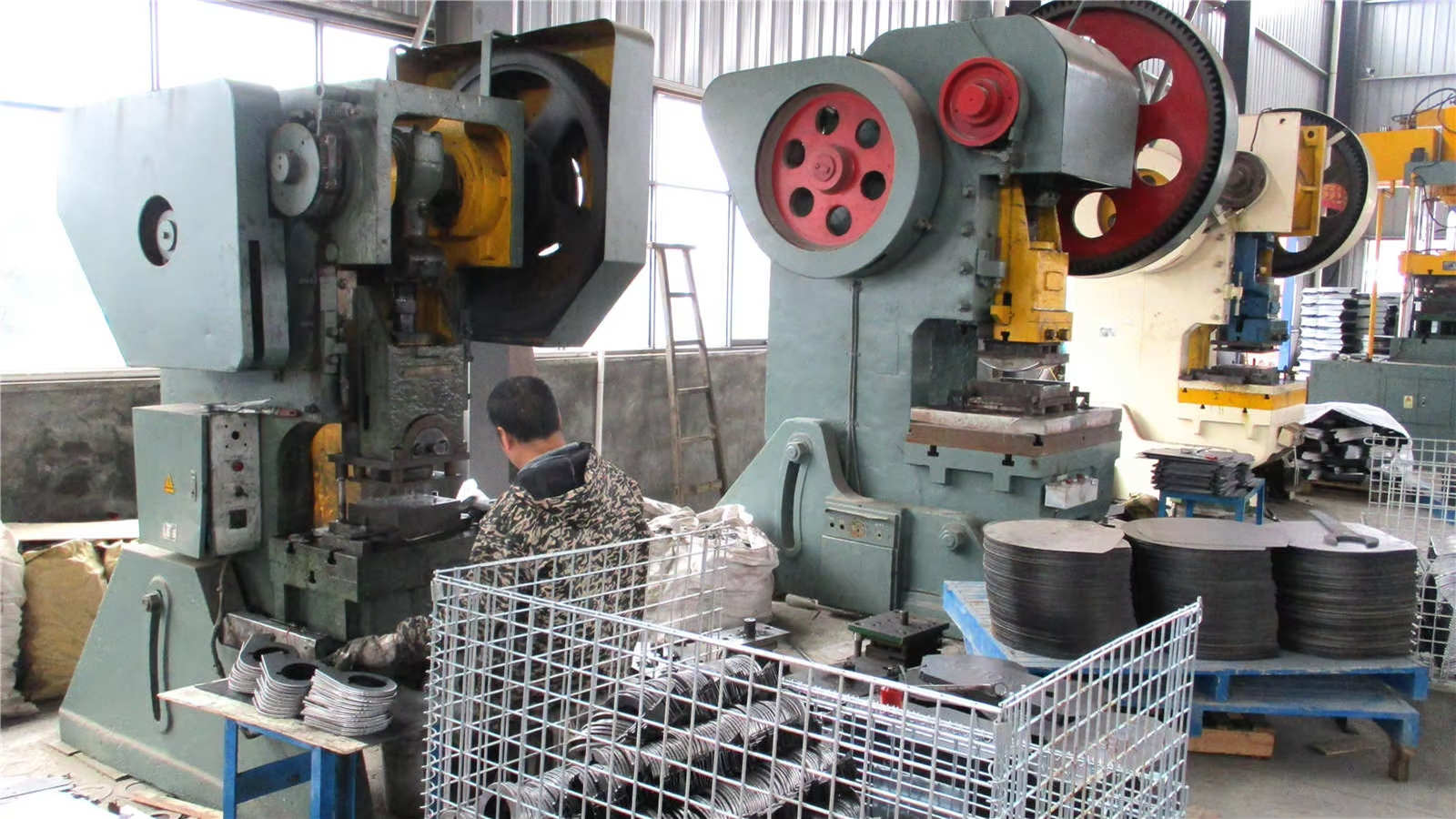
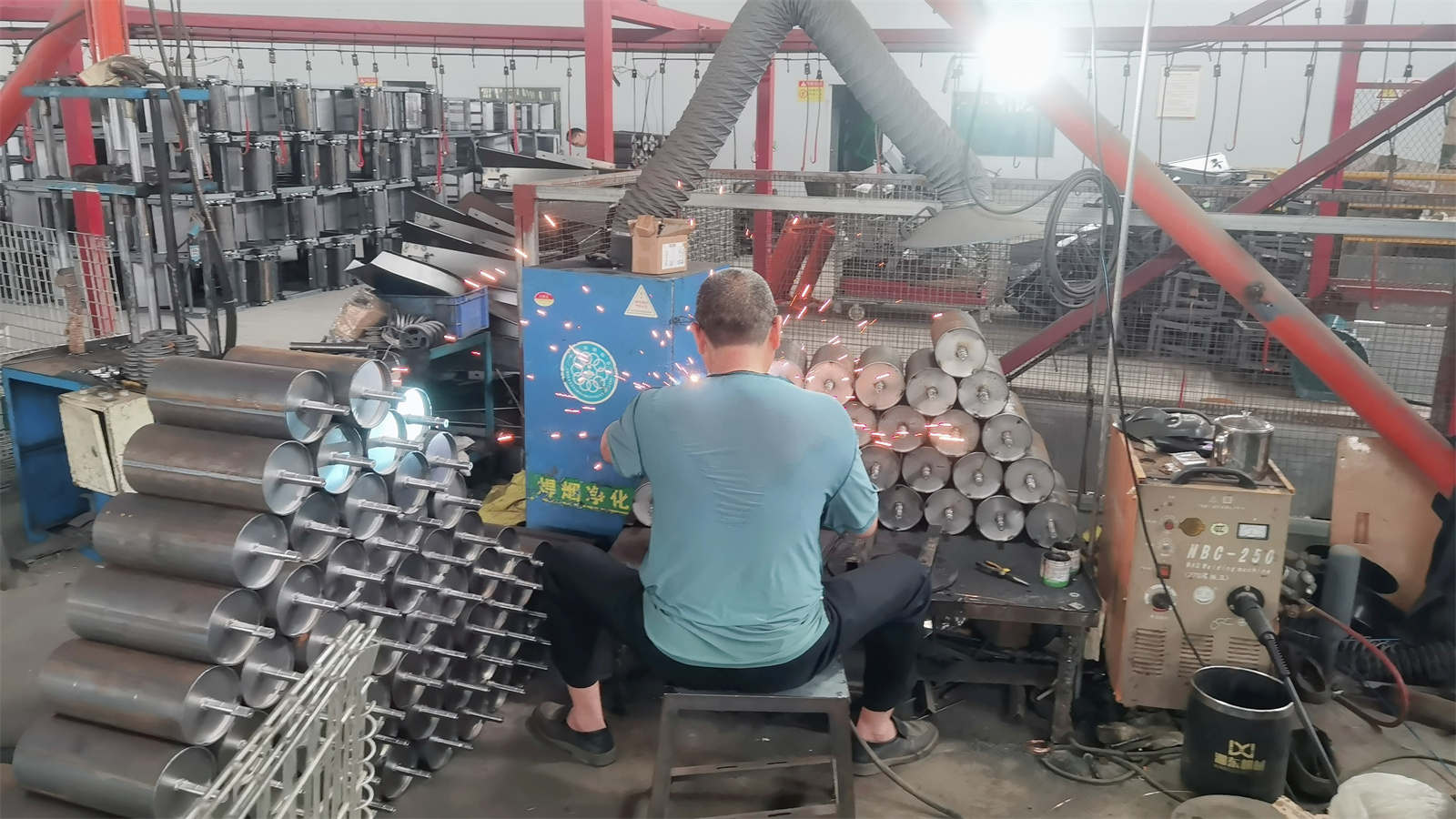
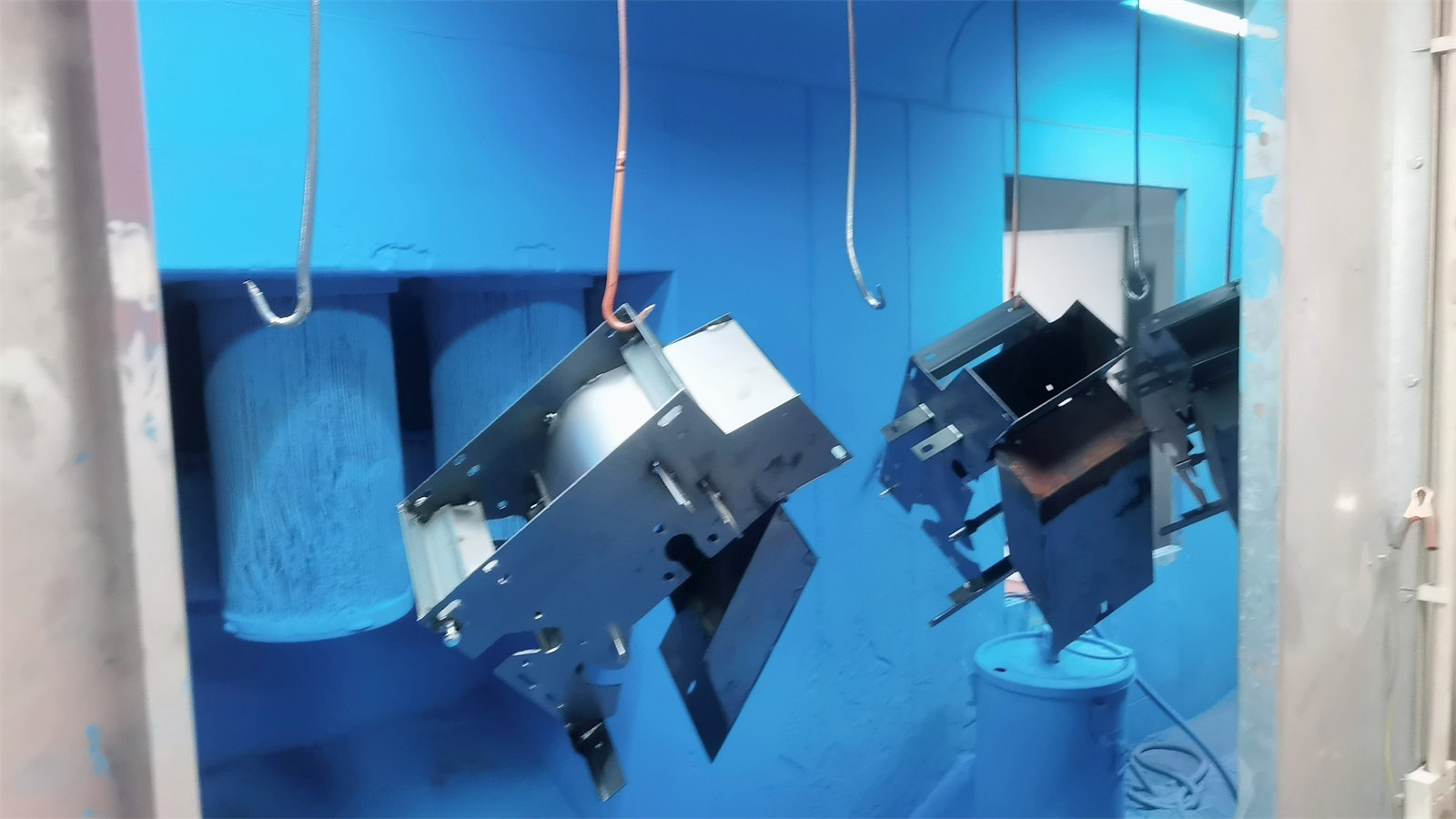
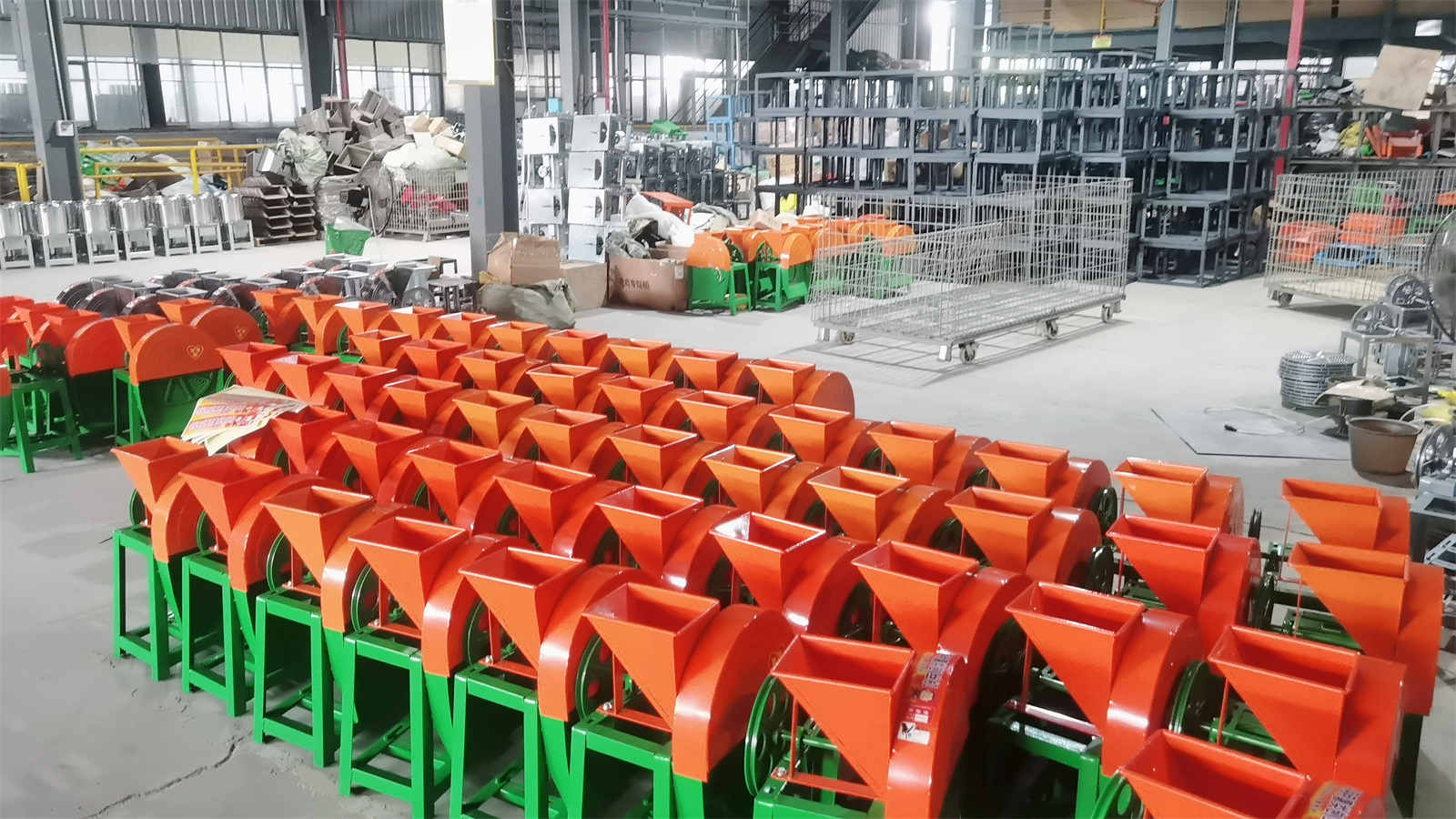
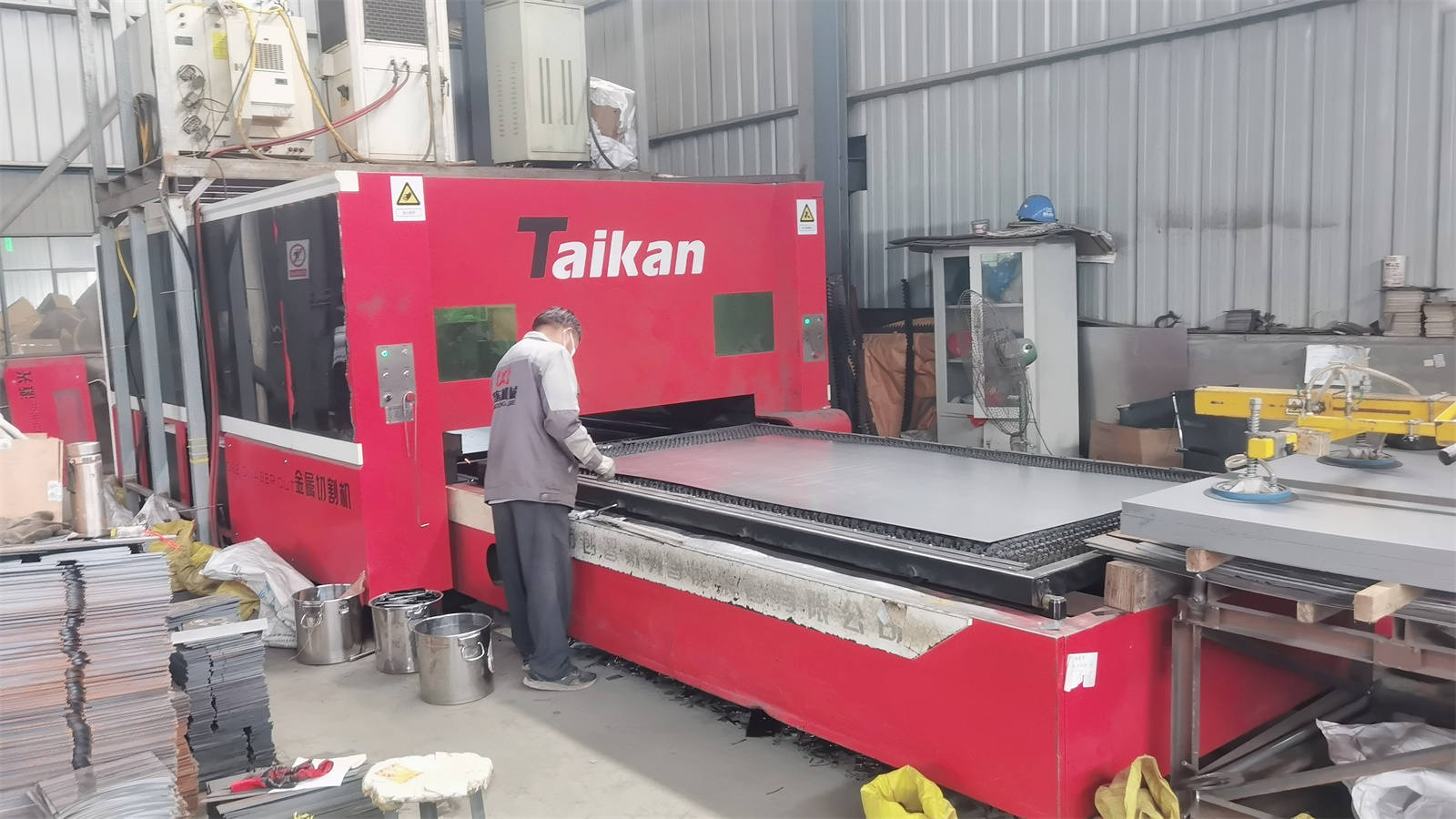
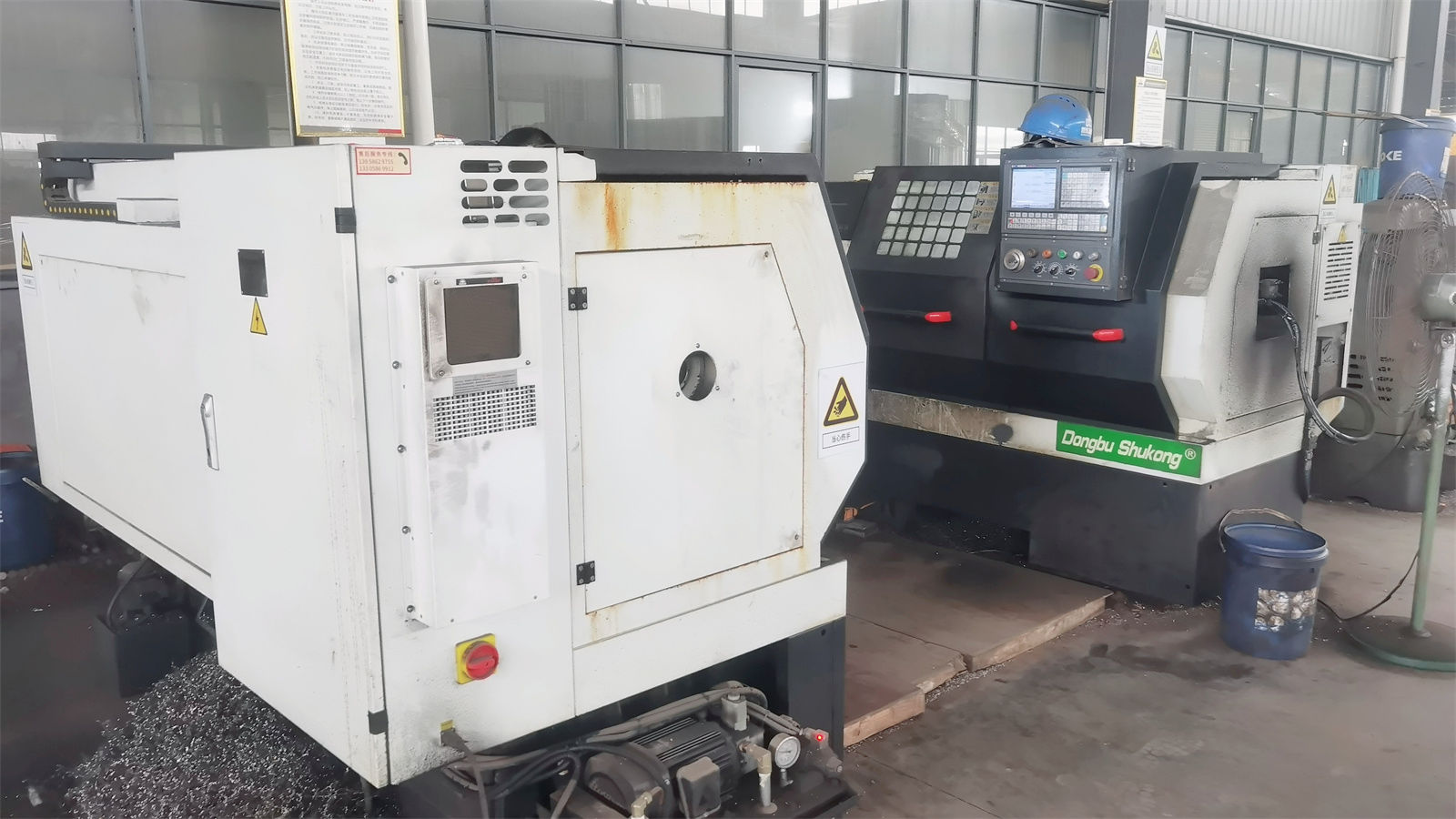
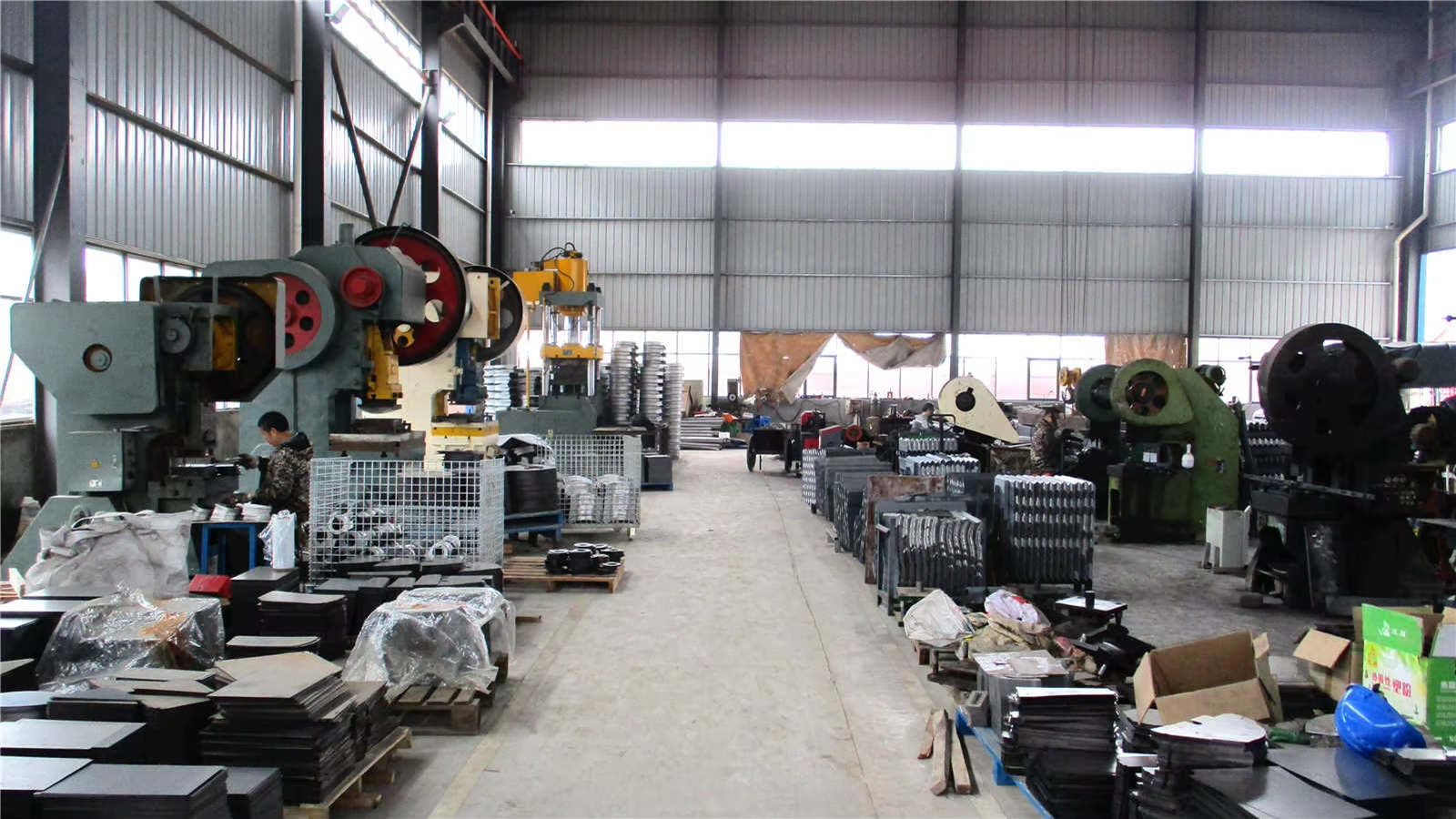
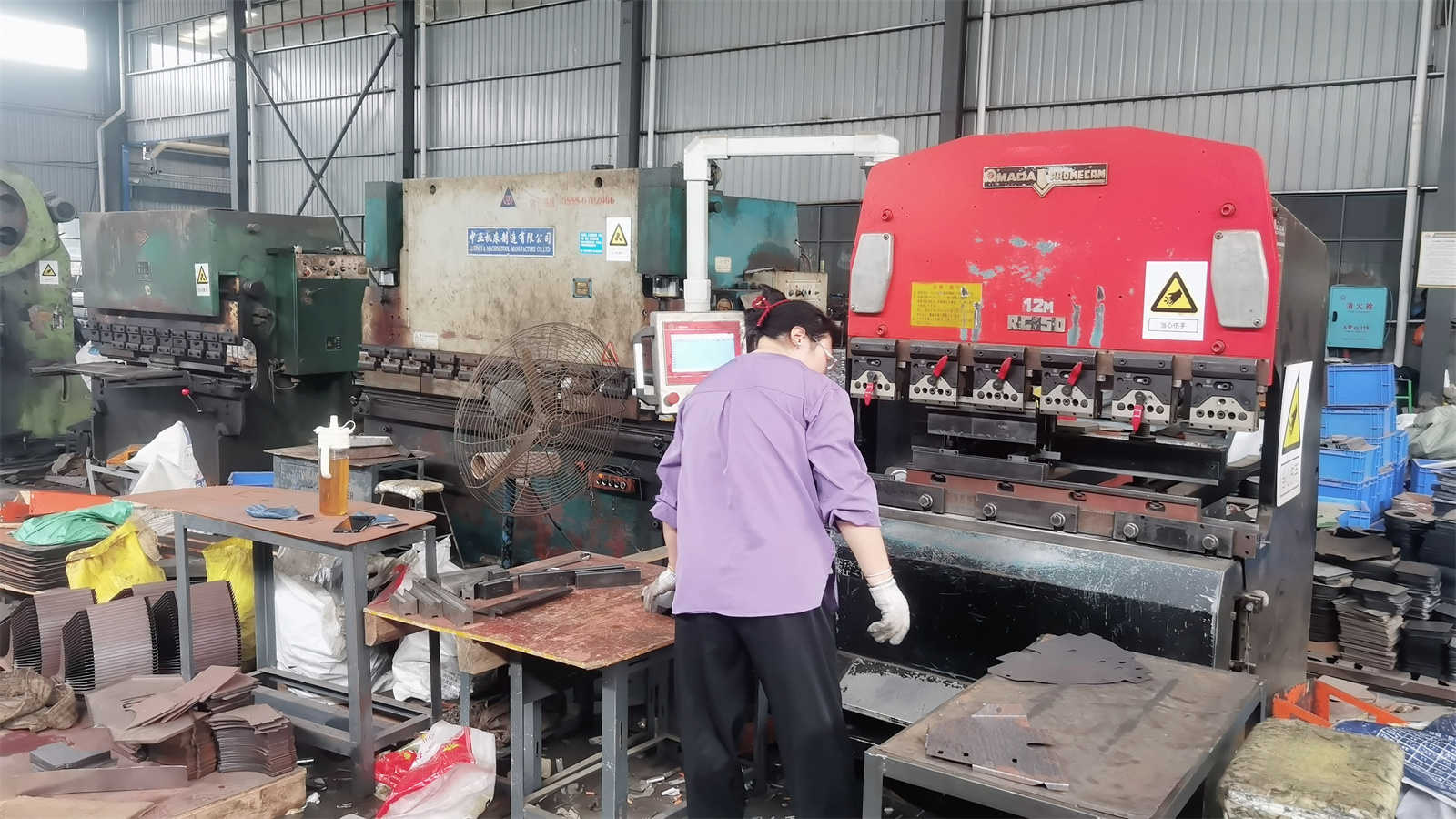
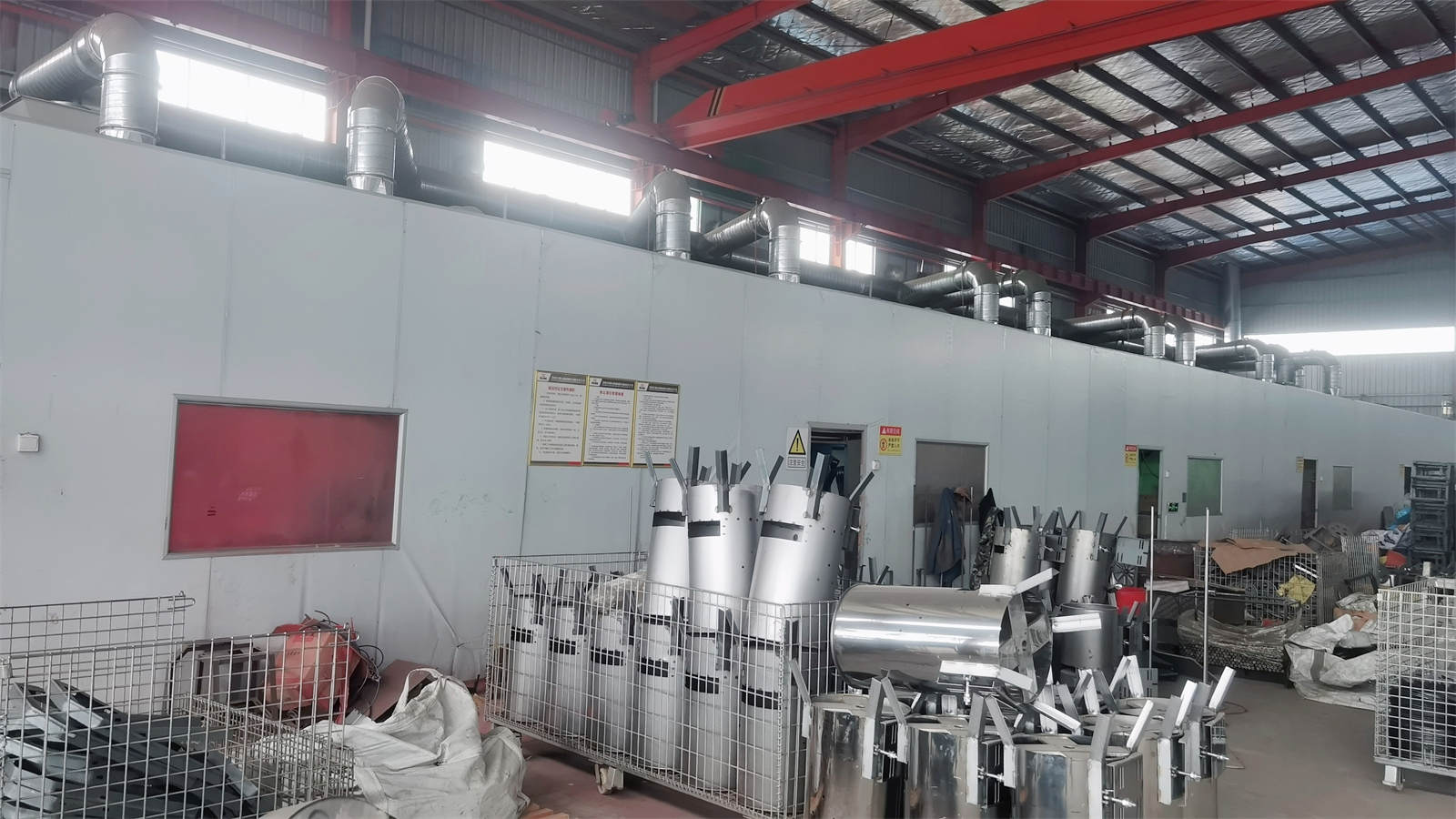
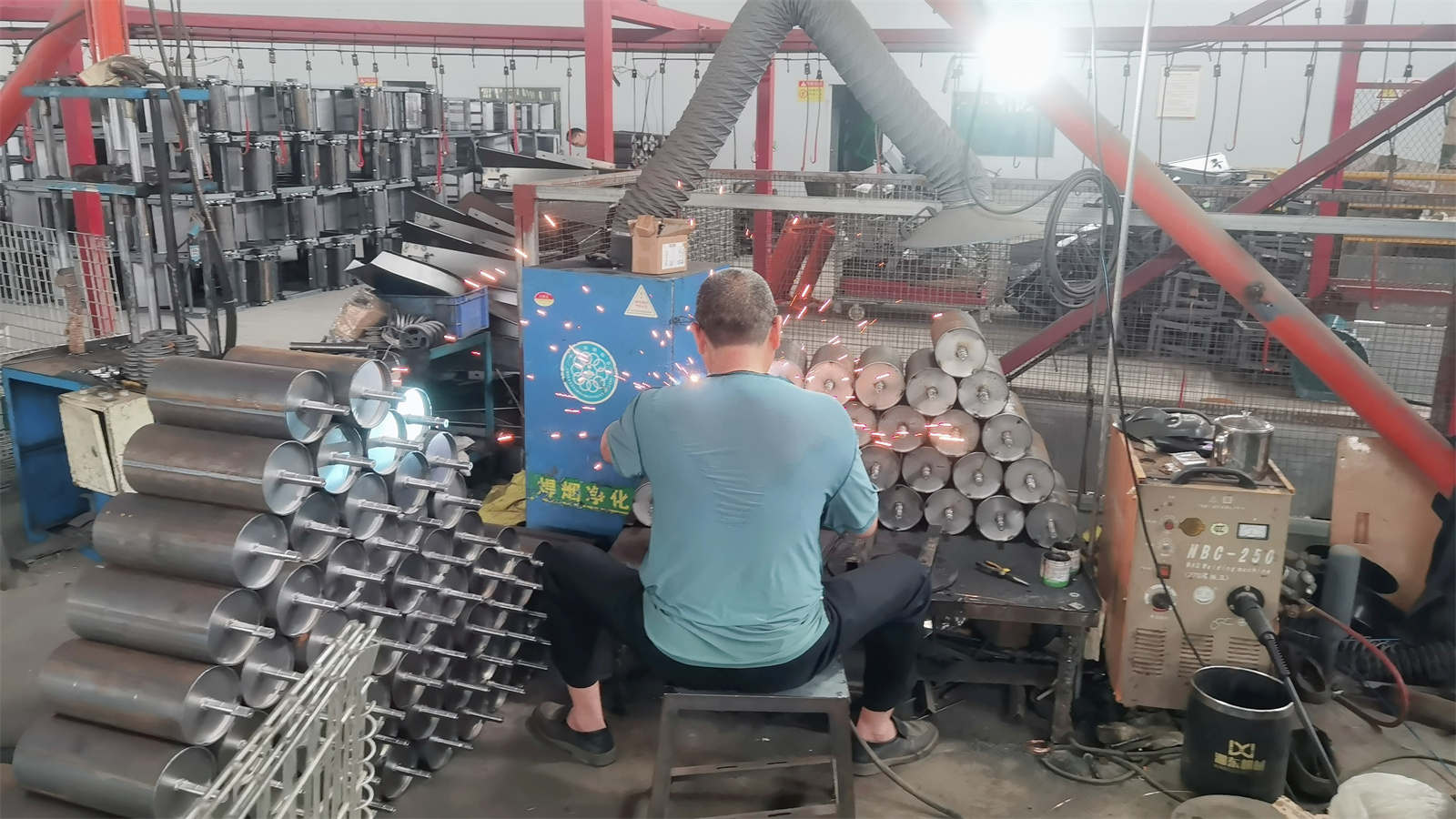
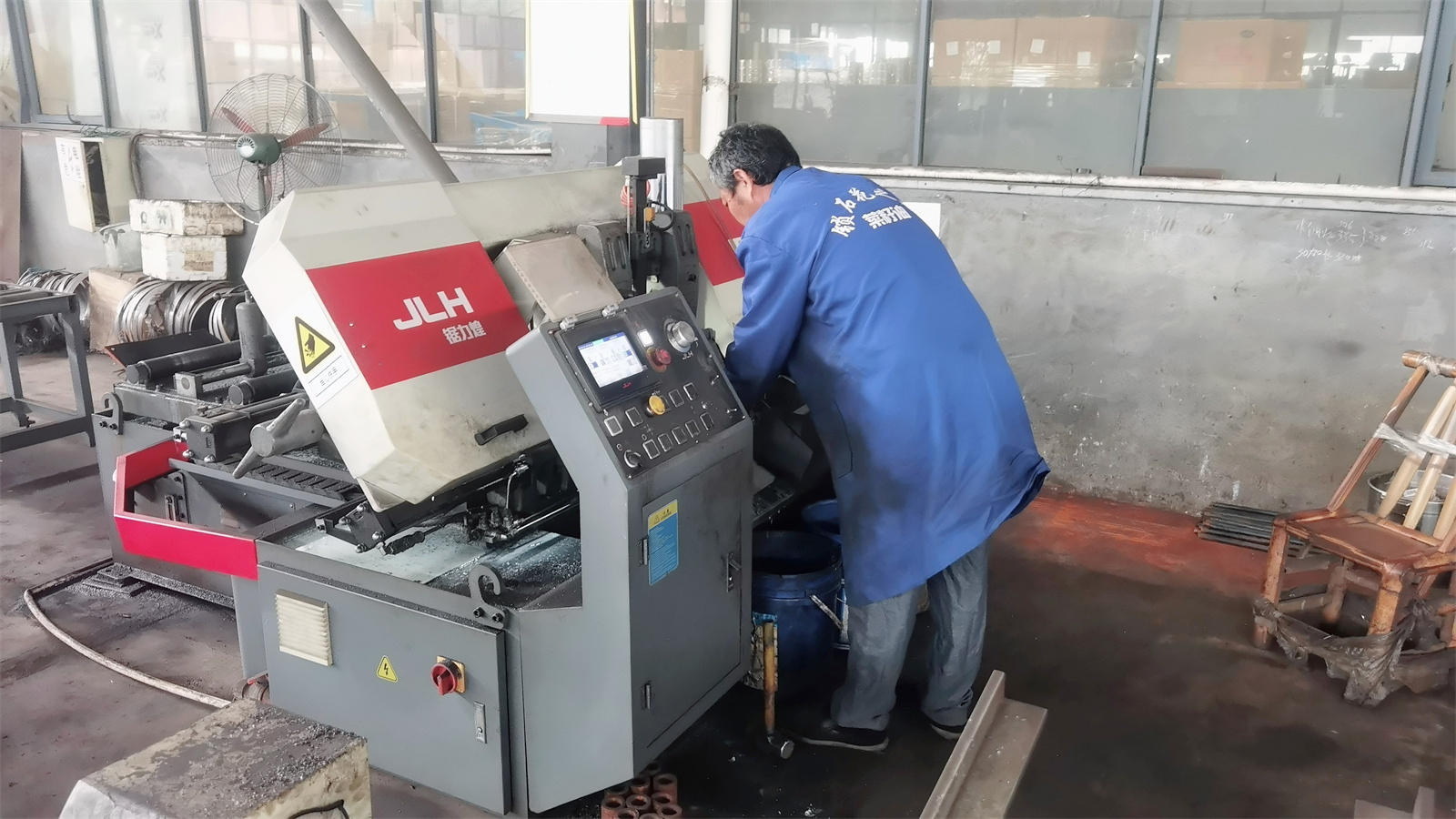
Purchasing heavy machinery from Chinese manufacturers like Henan Jiujie offers key advantages in cost efficiency, precision, and technological integration. Over the last two decades, China has transitioned from a basic casting producer to a leader in high-precision, automated industrial machinery. Henan province, a major industrial machinery hub, provides access to an established ecosystem of raw materials, expert metallurgical engineering, and integrated logistics.
This industrial integration translates to direct cost advantages for global buyers. Chinese factories can source certified alloy steel, advanced electrical components (such as Siemens PLC systems, ABB drives, and SKF/FAG bearings), and precision transmission gears locally. This proximity minimizes raw material transit costs and allows for fast customization. As a result, capital expenditure (CAPEX) can be reduced by 30% to 50% compared to Western counterparts, without compromising the tolerances, performance metrics, or service life of the machinery.
Furthermore, the scale of manufacturing in China enables rapid delivery timelines. With extensive assembly floor spaces, CNC machining centers operating in continuous shifts, and dedicated quality-control inspectors, complete mill assemblies can be fabricated, tested, and dispatched in record times. Our clients benefit from shorter lead times, allowing them to commission plants sooner and accelerate project returns.
No single roller mill configuration fits all scenarios. Demands differ substantially across regions due to varied inputs, energy grids, and product targets. Below are several localized industrial scenarios where Henan Jiujie machinery delivers tailored value:
In regions processing hard grains under variable power grids, our 30TPD/50TPD automatic roller mill plants feature high-capacity mechanical drives and dynamic vibration dampening. This ensures stable operation even during voltage fluctuations, protecting core bearings.
For gold and copper extraction, the Wet Pan Mill remains a reliable, cost-effective milling solution. Engineered with high-density manganese alloy steel rolls, these mills grind abrasive ores down to 100-200 mesh size in demanding, remote environments.
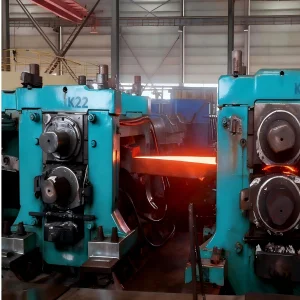
For metal forming industries, the 6-High Reversible Cold Rolling Mill and LG Series Pilger Mills provide micrometer-level control. They are ideal for producing thin-walled seamless copper tubing and high-strength stainless steel strips for electronic and aerospace uses.
The future of milling focuses on integration, digital control, and advanced wear-resistant metallurgy. As global environmental codes tighten and labor rates rise, mills are moving toward highly automated configurations:
When sourcing roller mills, focusing solely on the initial purchase price can lead to higher long-term costs. Sourcing managers must evaluate the Total Cost of Ownership (TCO), which includes capital cost, installation expenses, energy consumption, replacement parts cycles, and operational uptime.
We recommend analyzing the following key operational parameters when evaluating suppliers:
| Key Performance Metric | Target Specifications | Operational Significance |
|---|---|---|
| Roll Metallurgy | Centrifugally Cast Double-Pour (Chilled Iron) | Prevents deformation, extends grinding roll life under pressure. |
| Bearing Integration | Double-row spherical roller bearings (SKF/FAG) | Maintains alignment under intense operational loads. |
| Control Infrastructure | Integrated Siemens / Schneider PLC | Enables smooth coordination with central control systems. |
| Surface Coating | Multi-layer electrostatic powder treatment | Prevents corrosion in high-humidity processing environments. |
Read technical answers regarding deployment, mechanical properties, operational parameters, and maintenance protocols.
The operational lifespan is determined by material abrasive characteristics, roll metallurgy, and the frequency of re-corrugation or re-grinding. Standard centrifugally cast double-layer rolls from Henan Jiujie offer continuous operation for 8,000 to 12,000 hours under standard grain milling conditions before requiring resurfacing. Harder mineral-grinding rollers can last between 4,000 and 8,000 hours, depending on silica concentrations in the feed.
Water-free grain cleaning uses mechanical friction, dust aspiration, and gravity separation rather than water washing. This prevents municipal sewage costs, reduces bacterial growth during storage, and maintains precise control over grain moisture content prior to milling.
Yes. Our control engineering group configures Siemens-based PLC cabinets to use standard communication protocols (such as Profinet and Modbus). This allows seamless connection with existing SCADA networks and central command centers, enabling remote control and data collection.
Depending on individual site engineering designs and customization specifications, the production phase spans 45 to 60 days. Post-fabrication, dry test runs are performed on our facility floors prior to packaging in custom moisture-proof sea containers. Installation supervision is completed by our engineering teams sent directly to the site.
We isolate key vibrating structures using premium spring-loaded vibration isolators and heavy rubber dampers. Furthermore, every roll assembly undergoes precise dynamic balancing trials before final integration, reducing vibration and noise throughout the building structure.
Examine our industrial rolling lines, laboratory test mills, and vertical grinding systems built for global export.
 Jiujie Machine