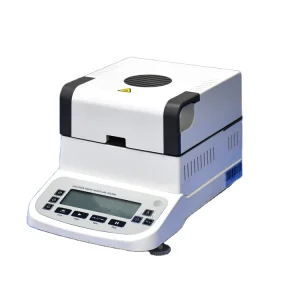
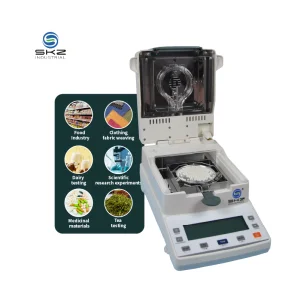
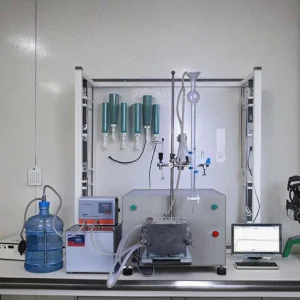
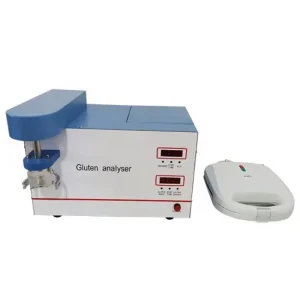
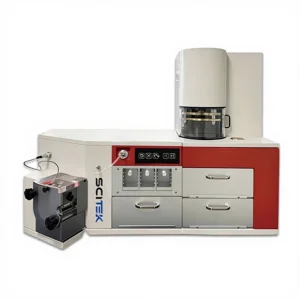
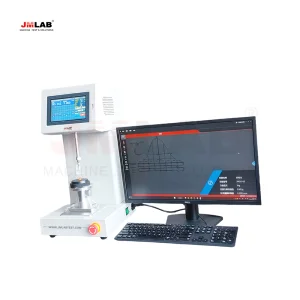
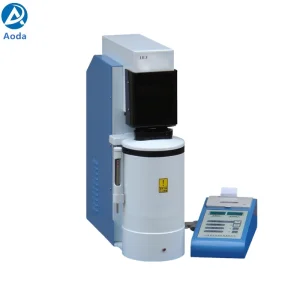
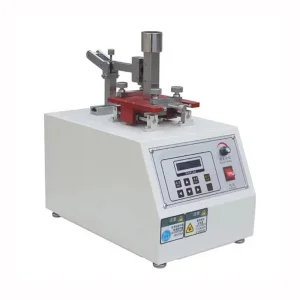
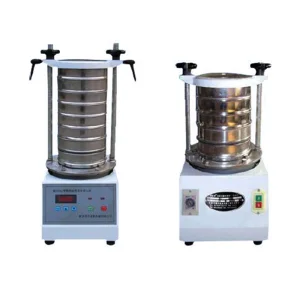
Accurate characterization of grain moisture, whiteness, gluten properties, and dough rheology.
The global wheat and flour processing industry forms the bedrock of worldwide food security. With rising consumer demands for standardized food quality and the rapid automation of industrial bakeries, Flour Laboratory Testing Equipment has transitioned from optional quality control to an indispensable regulatory and operational necessity. Flour quality is defined by multiple chemical and physical variables, including moisture levels, protein content, starch damage, enzymatic activity (primarily alpha-amylase), and the viscoelastic properties of gluten. Failure to properly analyze these parameters leads to massive operational losses in commercial baking, consistency failures in pasta production, and rejected grain shipments at international ports.
"According to international agricultural trading metrics, over 65% of shipment disputes in wheat procurement arise from discrepancies in moisture content and gluten strength metrics. The deployment of calibrated, ISO/CE-compliant laboratory testers acts as a definitive baseline for global trade arbitration."
Modern flour testing methodologies focus on evaluating the raw kernel and the milled powder across several distinct dimensions:
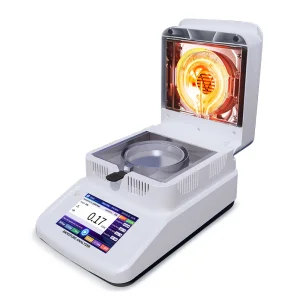
Crucial for calculating dry matter basis and preventing microbial spoilage during storage. Rapid halogen and infrared moisture analyzers provide real-time metrics with milligram precision.
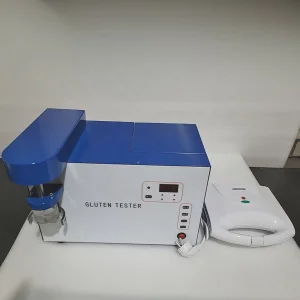
Determines the structural integrity of dough. Automated washers and centrifuges isolate wet gluten to calculate the exact Gluten Index, ensuring the flour fits its target application (e.g., high-gluten bread flour vs. weak pastry flour).
Measures dough resistance and extensibility using Alveographs and Farinographs. This profiles how dough behaves under mechanical stress during industrial mixing and baking.
Quantifies sprout damage in grain. Sprouted wheat contains high levels of alpha-amylase, which breaks down starch, causing sticky dough and collapsed bread crumbs.
As global milling requirements tighten, Henan Jiujie Machine Co., Ltd. has established a leading role as an exporter and manufacturer of state-of-the-art laboratory testing machines and comprehensive milling plant engineering. The core competitive advantage of Chinese manufacturing in the field of analytical equipment is no longer limited to cost efficiency; it is driven by massive supply chain convergence, technological innovation, and advanced CAD/CNC manufacturing infrastructure.
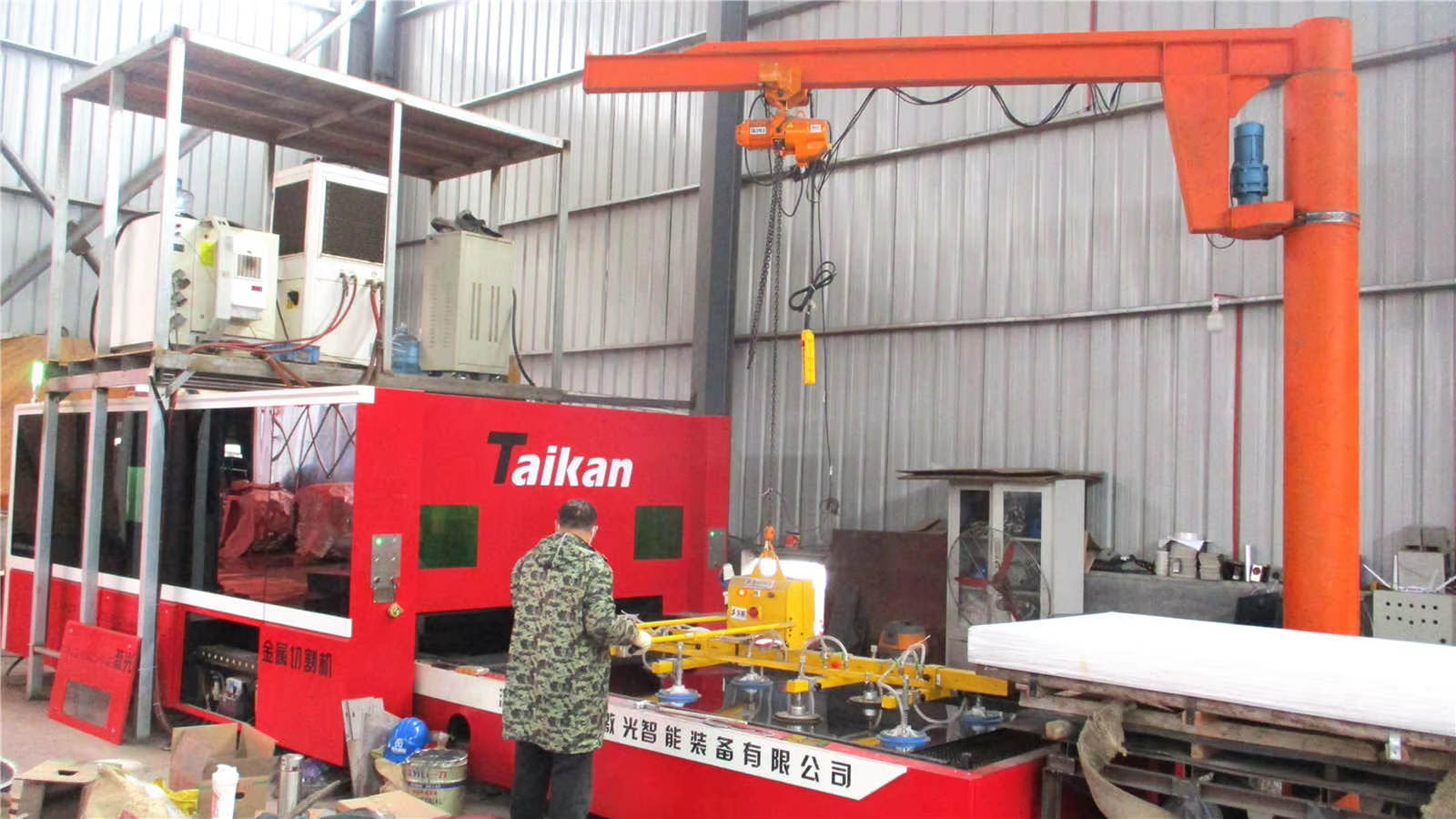
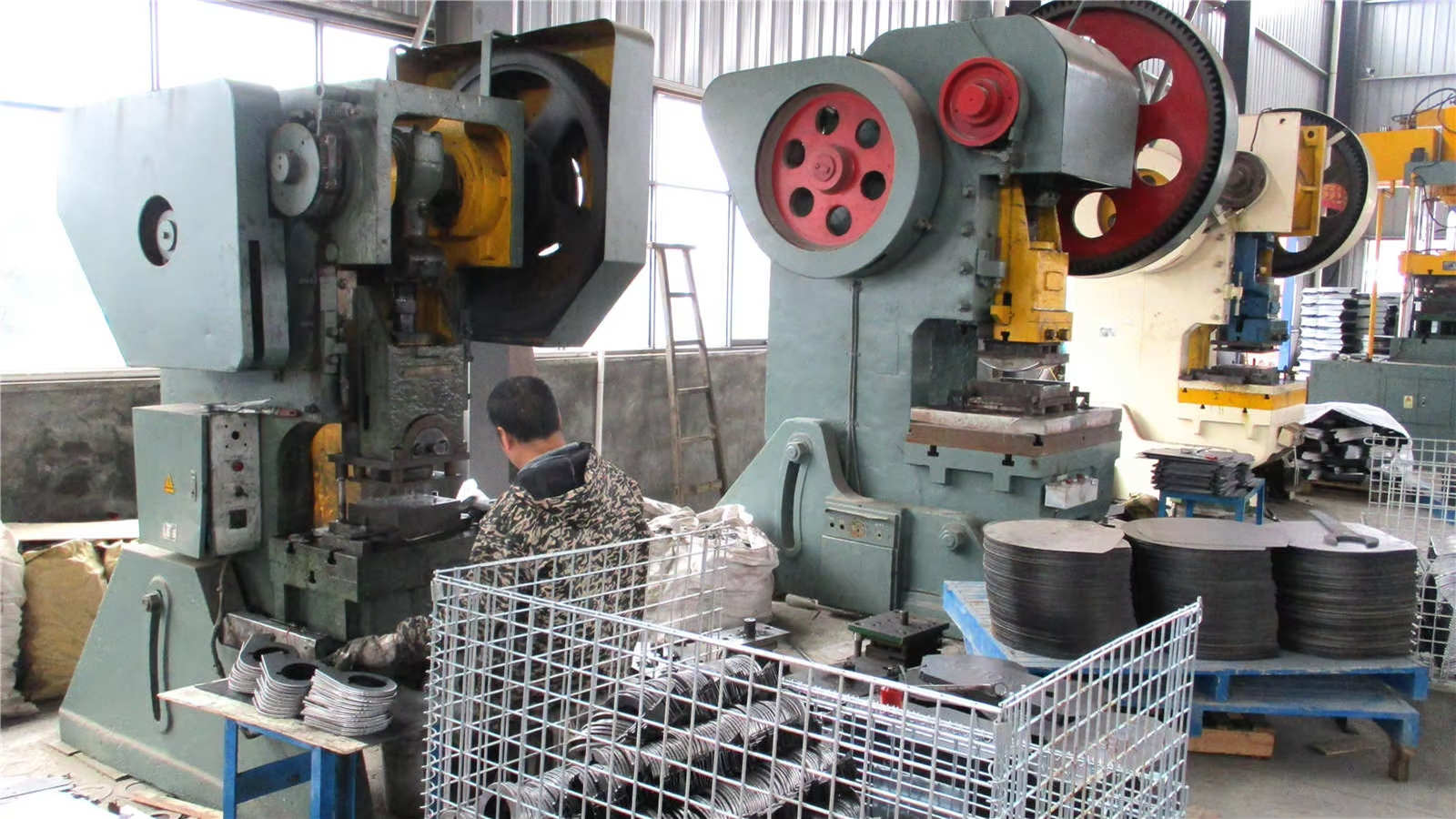
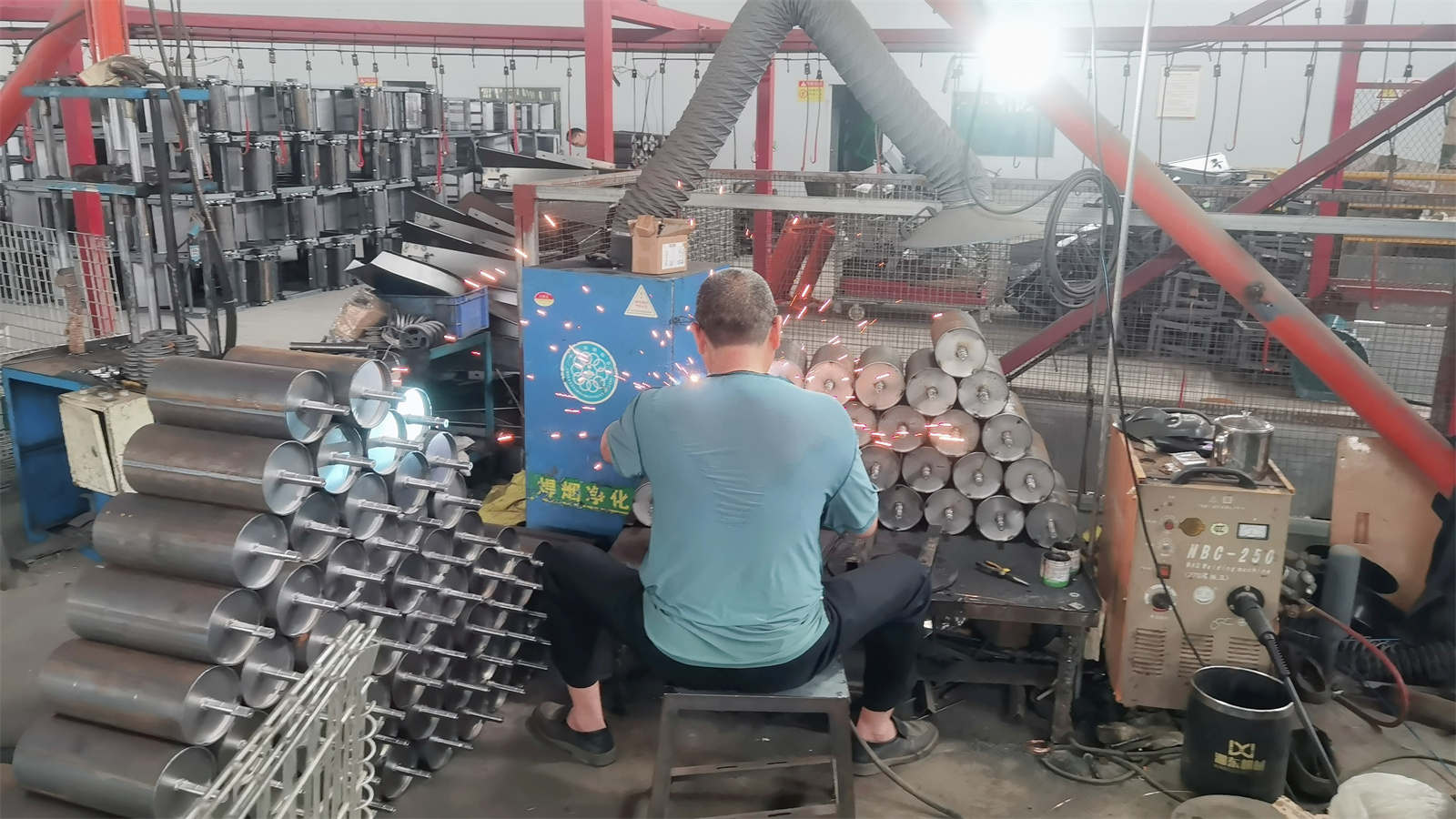
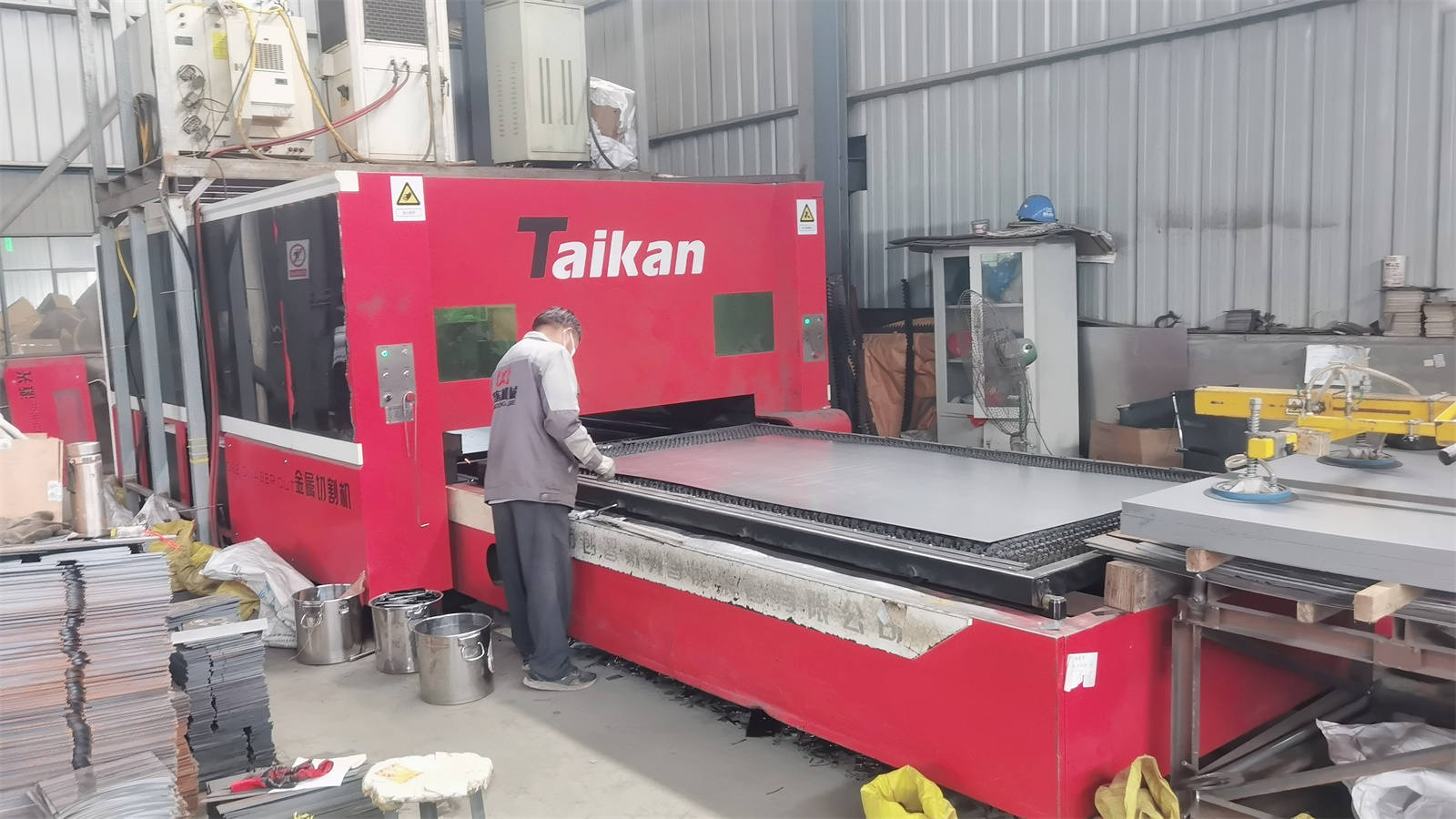
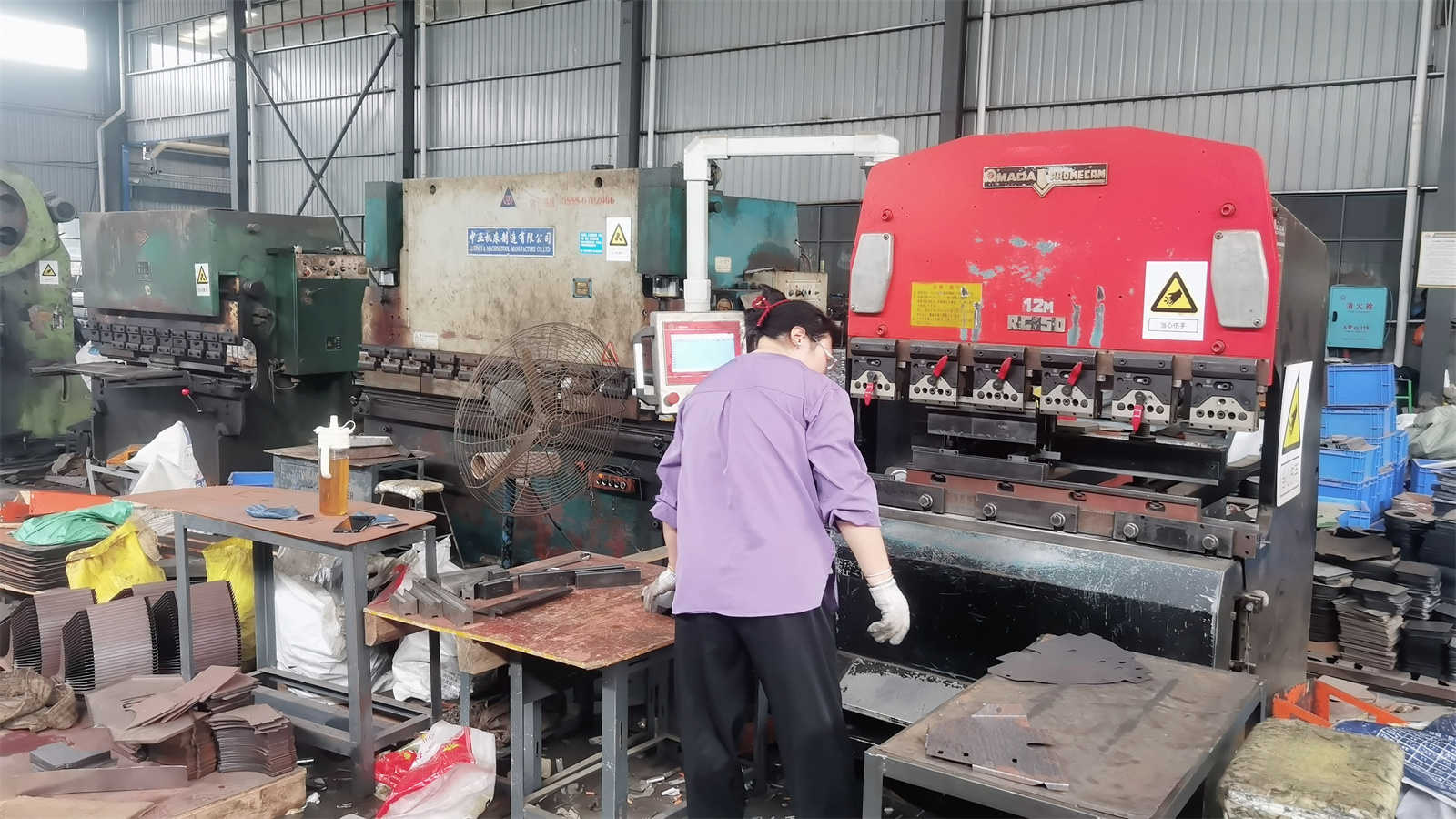
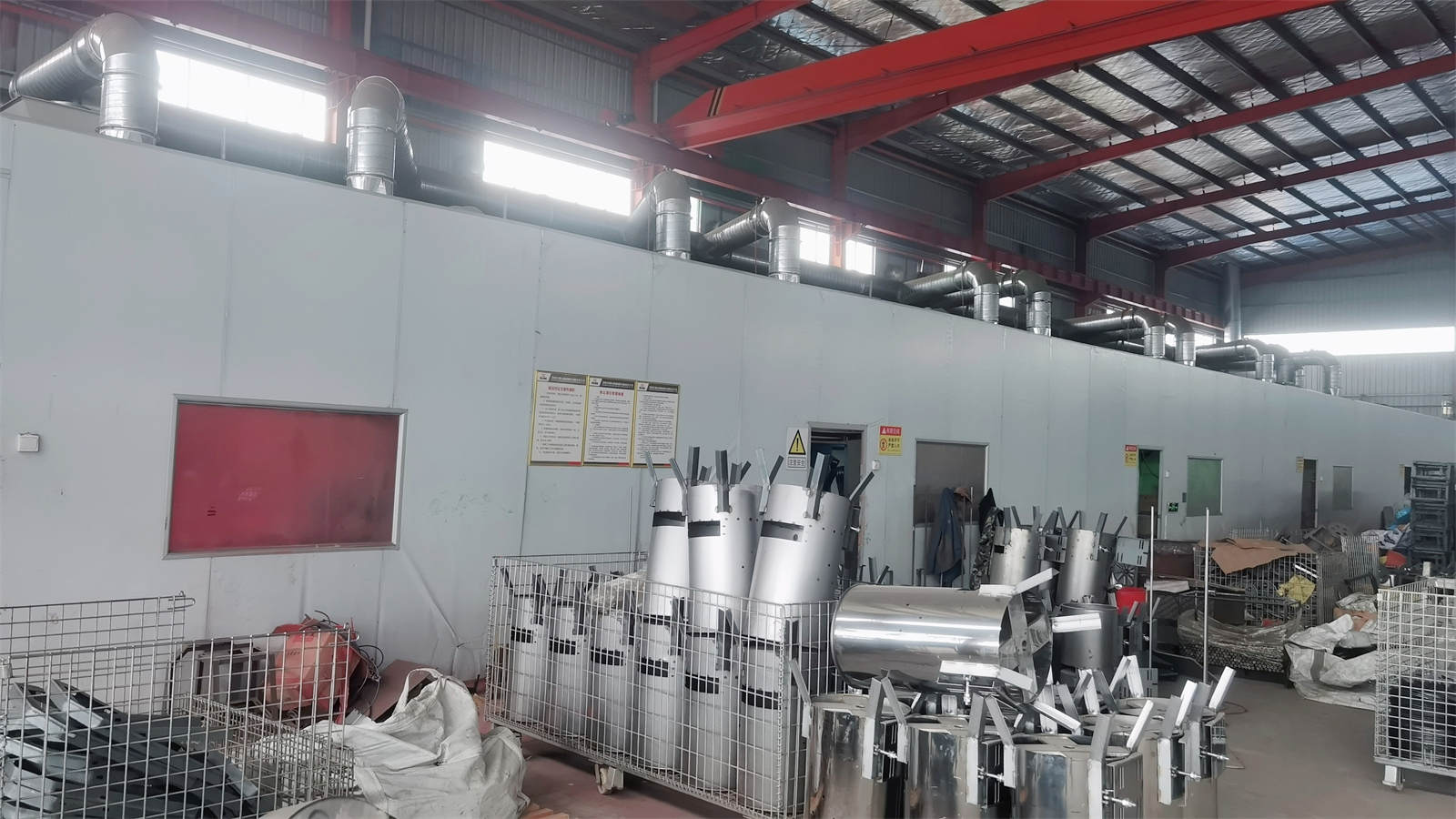
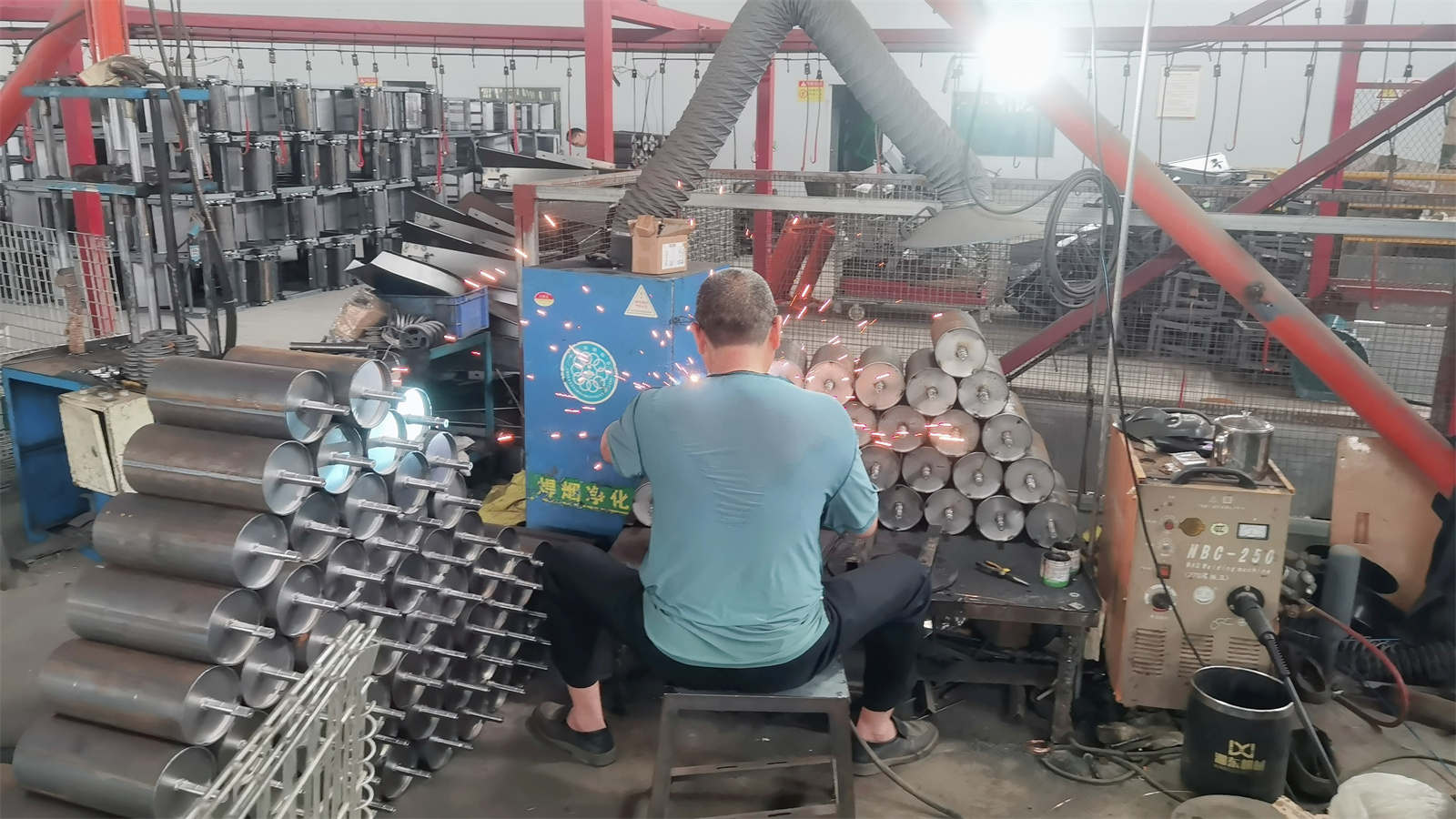
At our manufacturing facility in Henan, we integrate every stage of production—from raw steel processing to final calibration. By employing AutoCAD engineering design networks alongside high-precision CNC laser cutting, CNC bending machines, and robotic CO₂ and argon arc welding, we produce instruments with structural tolerances of less than 0.05mm. The resulting structural stability directly translates into higher repeatability and less baseline vibration in instruments like our Electronic Powder Analyzer (Farinograph) and Glutomatic Washers.
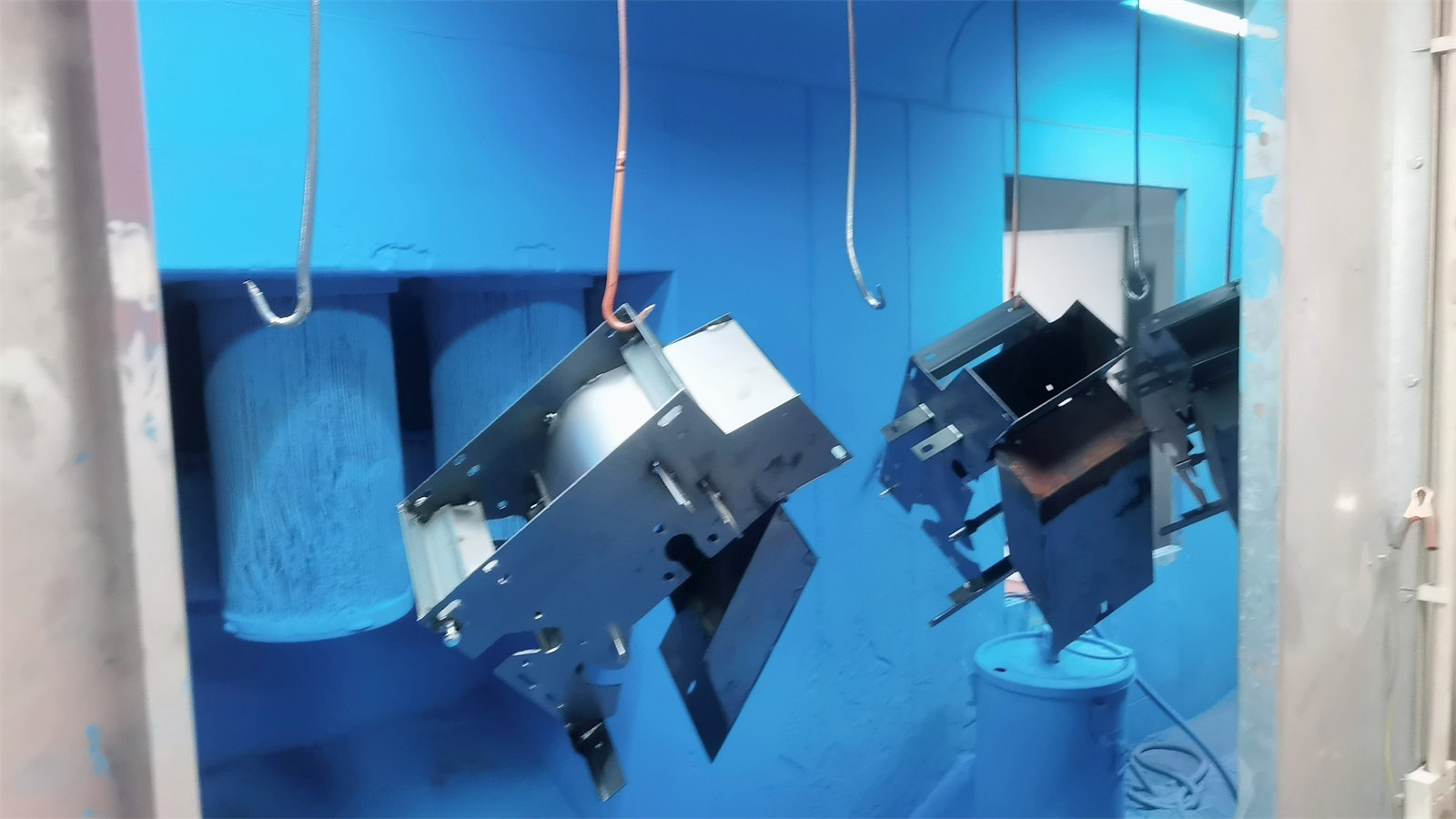
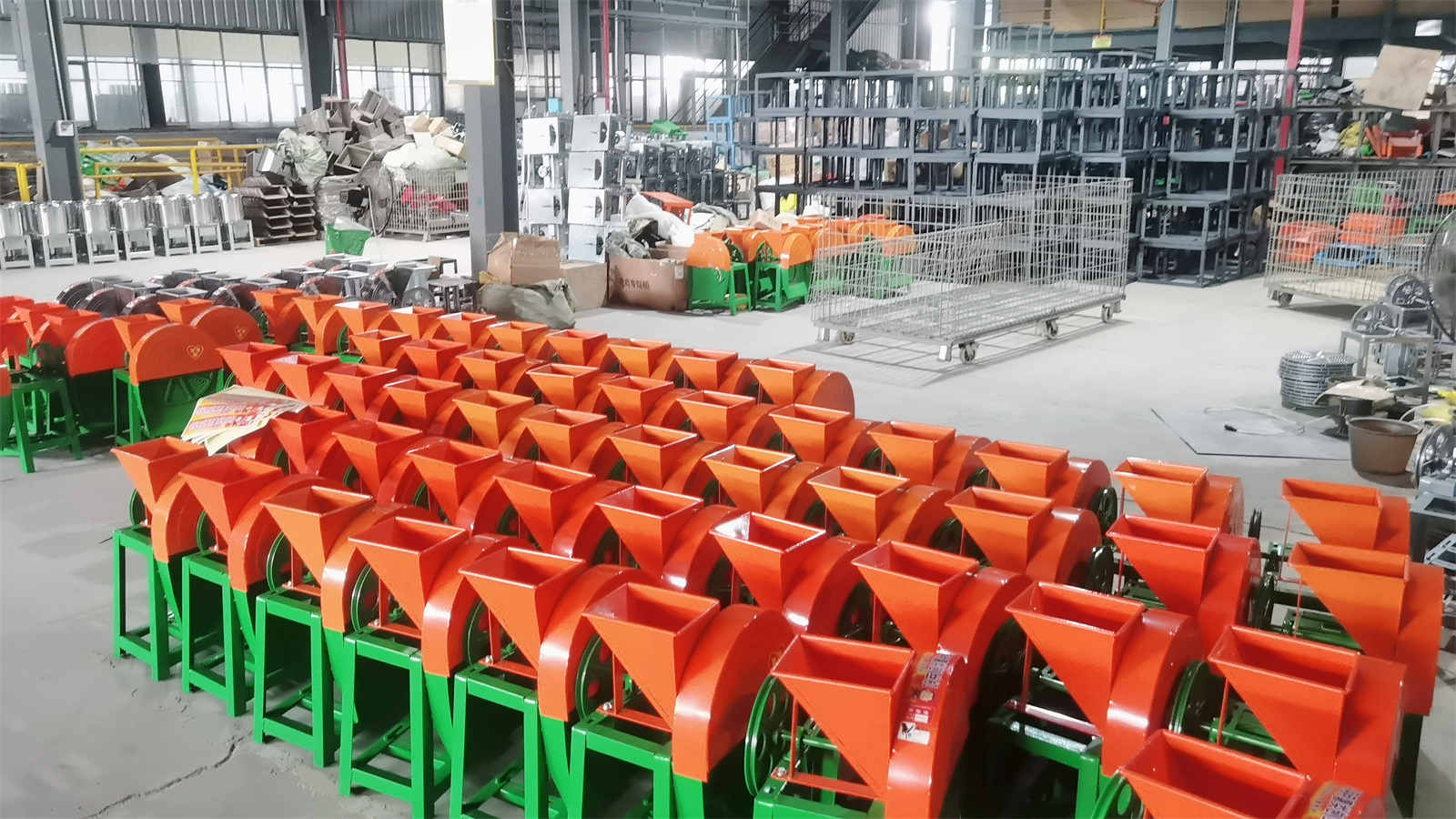
Furthermore, our electrostatic spraying painting lines guarantee that each piece of lab equipment remains highly resistant to corrosive chemical reagents, moisture, and flour dust, which are prevalent in heavy milling environments. This industrial durability ensures that global laboratories receive CE-certified instrumentation with operational lifespans exceeding a decade at competitive prices.
Different global regions present distinct environmental challenges and application requirements for grain and flour analysis. Understanding these local contexts is vital for deploying the appropriate configuration of laboratory machinery.
In these highly regulated markets, processors face rigid compliance criteria under FDA, USDA, and EU food safety standards. Laboratory equipment must output standardized results that directly align with ISO 5530 (for dough rheology) and ICC/AACC standards. Additionally, the shift towards clean label bakery products (reducing artificial dough conditioners) requires precise measurements of flour enzymes and gluten indices. Our falling number testers and digital alveographs allow mills to formulate perfect flour blends naturally without chemical additives.
As the world’s largest wheat import region, MENA requires heavy-duty moisture analyzers and grain cleaners capable of operating under high ambient temperatures and dusty conditions. Rapid moisture analysis is critical at receiving silos to prevent grain fermentation and insect infestation. Our waterless grain cleaning processes support environmental preservation in water-scarce regions, ensuring that grain purification does not generate wastewater.
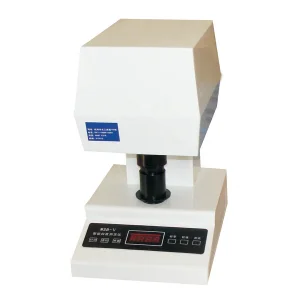
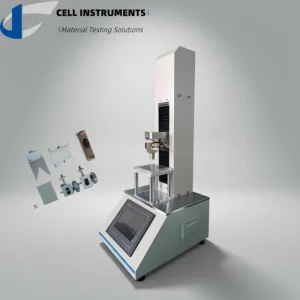
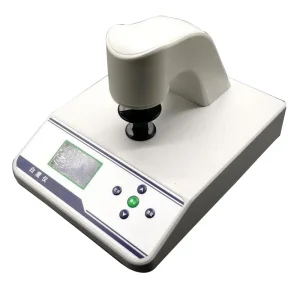
The shift in Asian dietary habits toward wheat-based products (instant noodles, flatbreads, and European-style pastries) demands diverse flour profiles. Whiteness testing is a major commercial criterion for premium noodle flour, where starch ash content and brightness are analyzed using high-precision Whiteness Testers. Simultaneously, texture analyzers are widely adopted in cosmetic and food R&D centers across Japan, South Korea, and Southeast Asia to evaluate gel strength and noodle bite elasticity.
Henan Jiujie Machine Co., Ltd. is a professional supplier of complete equipment and engineering services for the food production and grain processing industries. Our business covers a wide range of applications, including wheat flour milling plants, feed processing factories, and rice processing plants.
Our product portfolio includes conveying equipment, cleaning equipment, flour milling equipment, and other related machinery. Over the years, our products have been widely recognized by customers both in domestic and international markets.
Since its establishment, Henan Jiujie Machine Co., Ltd. has been dedicated to the research and development of grain processing technology and machinery. With extensive industry experience, we are able to provide integrated solutions across the entire grain and food processing industrial chain. Our solutions cover multiple stages, including raw material collection, storage, cleaning, grading, sieving, grinding, mixing, shaping, production, and packaging.
Our flour milling equipment has obtained the ISO9001 quality management system certification and CE certification. The environmental protection standards of our equipment comply with relevant EU requirements. Our grain cleaning process is designed to operate without water usage, ensuring no wastewater discharge and supporting environmentally friendly production.
Our products are characterized not only by stable performance but also by easy installation, convenient maintenance, and low operating costs. With advanced technology, reliable quality, and modern design, our equipment has earned high appreciation from clients worldwide.
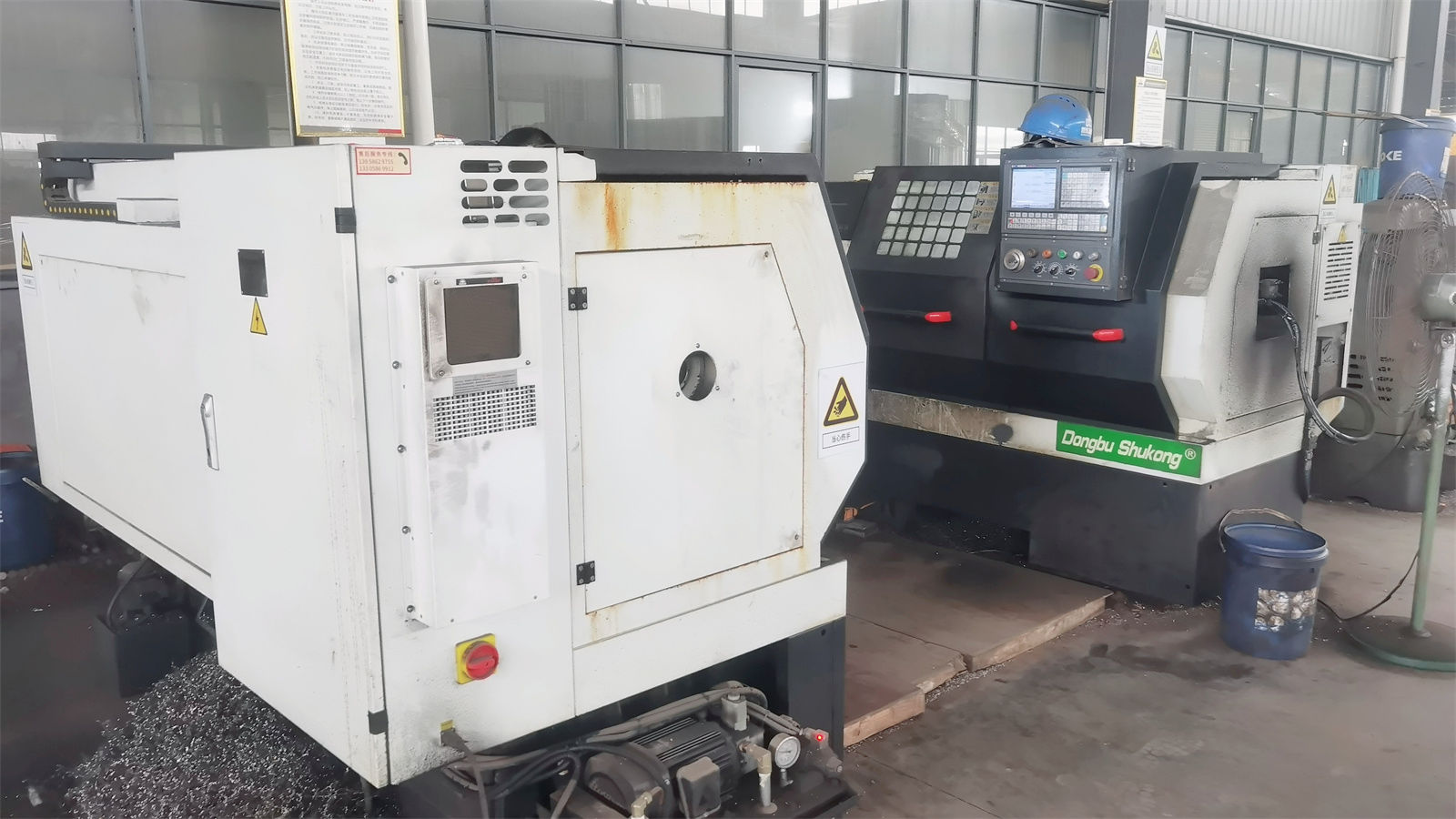
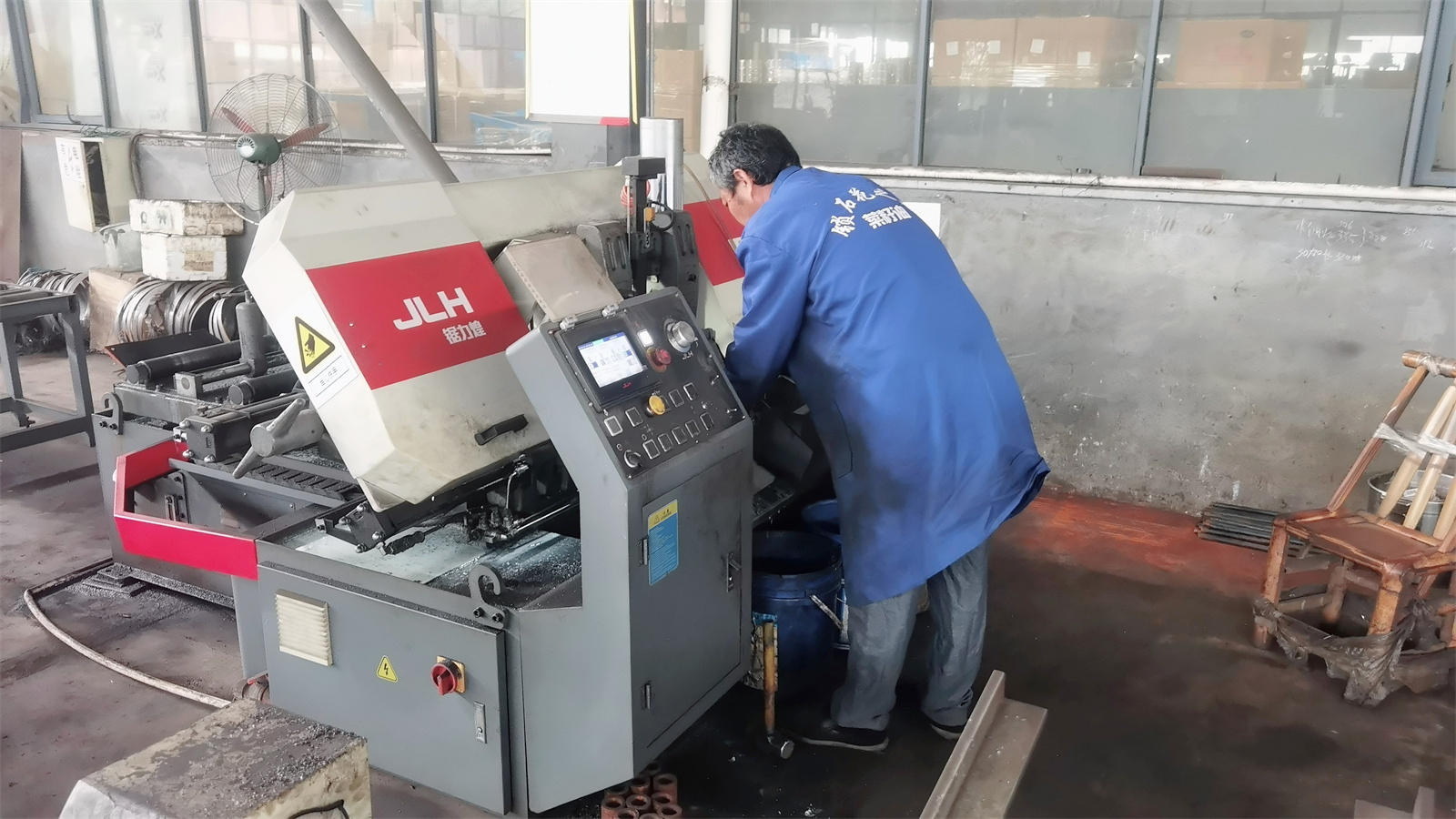
Henan Jiujie Machine Co., Ltd. places strong emphasis on technological innovation and continuous improvement of manufacturing capability and product quality. We have introduced a series of advanced processing equipment, including CNC laser cutting machines, CNC bending machines, and CNC lathes.
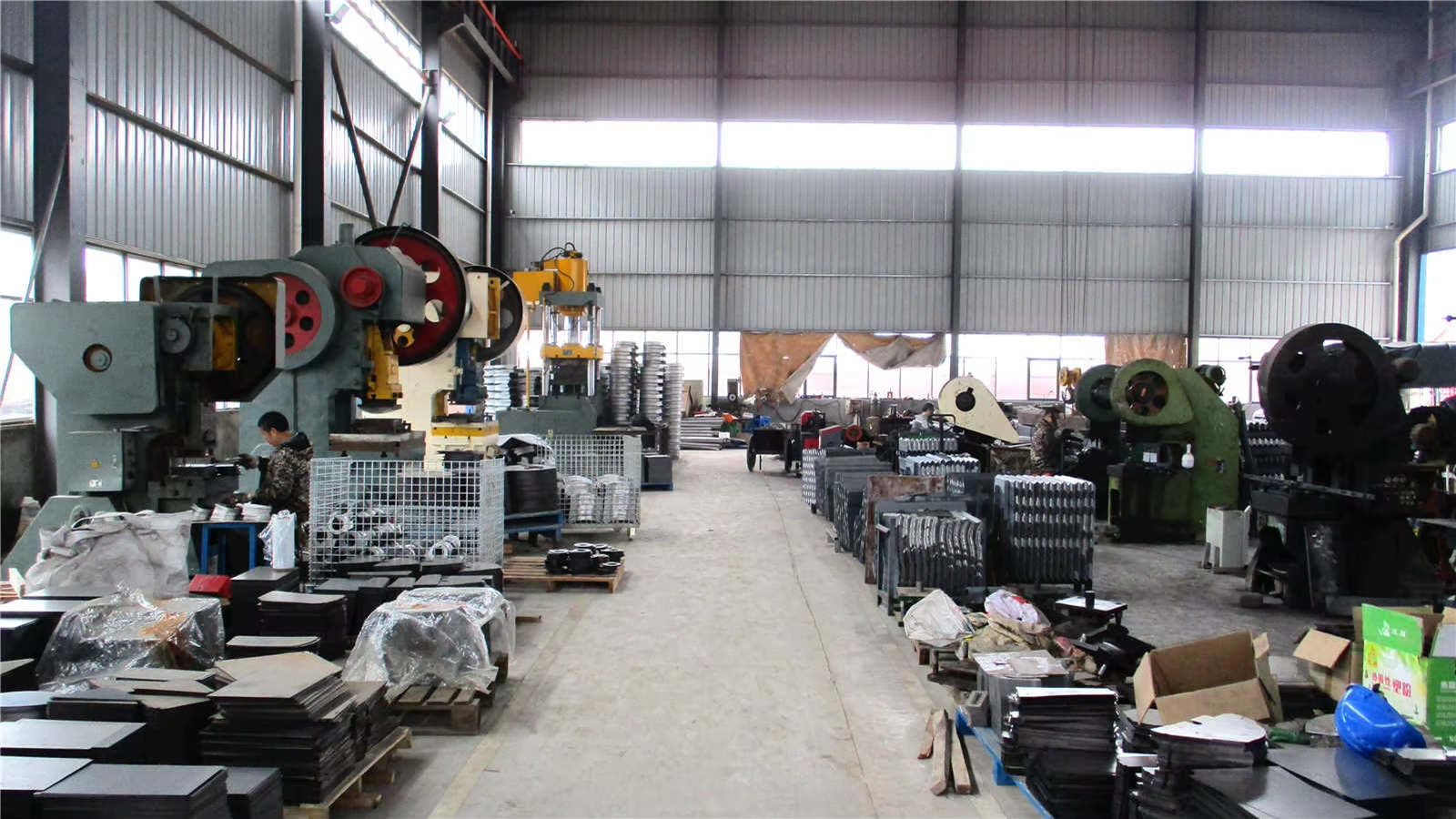
In addition, we are equipped with CNC machining centers, CNC boring machines, surface grinding machines, planers, and other high-precision manufacturing equipment. We have also established an electrostatic spraying production line to further enhance product surface quality and durability.
Our manufacturing processes include steel plate laser cutting, CNC bending, CO₂ arc welding, argon arc welding, robotic welding, and electrostatic surface treatment. These advanced production technologies ensure consistent product quality and continuous innovation.
As a professional industrial solution provider, Henan Jiujie Machine Co., Ltd. delivers not only equipment but also comprehensive production solutions that enhance the overall value chain for our customers.
By utilizing AutoCAD-based engineering design systems and advanced machining centers, we are able to provide high-precision, durable products at competitive prices. We are committed to offering complete pre-sales consultation, technical support, and reliable after-sales service.
Customer satisfaction is always our top priority. We sincerely welcome partners and friends from all over the world to contact us and cooperate for mutual success.
Key requirements for international purchasing departments and expert answers to common flour testing questions.
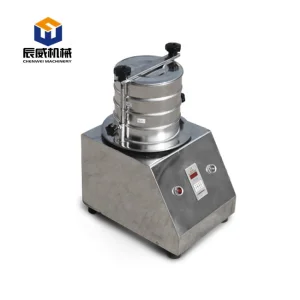
Advanced texture profiling, falling number estimation, grain sieving, and color fastness instrumentation.
 Jiujie Machine