Engineered for High-Precision Pre-Cleaning and Fine Impurity Removal in Nordic Wheat Processing Operations
Finland’s agricultural landscape is characterized by its unique geographical position in the high latitudes of Northern Europe. The country represents one of the northernmost agrarian zones globally, where cereal cultivation is highly influenced by the Nordic climate. While oats, barley, and rye traditionally dominate Finnish grain production, wheat—especially spring wheat—has seen sustained growth due to evolving culinary preferences, industrial bread production, and advances in cold-resilient seed breeding. Flour mills, commercial bakeries, and feed manufacturers across Finland demand raw grains of the highest purity to meet strict food safety regulations and ensure efficient subsequent processing.
The industrial structures in the Finnish grain sector are dominated by major cooperatives, private agricultural companies, and high-output milling facilities (such as those located in Lahti, Nokia, and Helsinki). These operations rely heavily on imported and domestic cleaning machinery to manage crop impurities that arise from localized soil conditions, weed varieties, and harvesting practices. With a strong national emphasis on digitalization, automation, and industrial efficiency, Finnish agricultural processors demand milling and pre-cleaning systems that integrate seamlessly into modern SCADA architectures. These systems must also operate with low energy overheads and minimal manual intervention.
“As energy costs fluctuations and climate variability affect Nordic harvests, the implementation of highly efficient, low-energy pre-cleaning systems has shifted from an operational preference to a core economic necessity for Finnish millers and grain traders.”
Harvesting grain in Finland presents a unique set of challenges that directly impact grain quality. The short, intensive growing season often culminates in a rapid harvest window characterized by high moisture content and damp ambient conditions. Consequently, wheat entering storage silos or milling lines often exhibits a higher moisture percentage, typically ranging from 15% to over 20% before drying. This wet environment makes grains highly susceptible to mold growth, fungal contamination, and the proliferation of mycotoxins—specifically Deoxynivalenol (DON) and Ochratoxin A.
Additionally, Finnish fields harbor specialized weed populations. Species such as wild oats (Avena fatua), cleavers (Galium aparine), and various heavy seeds pose significant contamination risks. Traditional sieve structures frequently struggle to separate wild oats from commercial wheat due to similarities in size and shape. This necessitates advanced air-screen separators and gravity-table systems capable of sorting by specific weight and aerodynamics. Furthermore, the presence of ergot sclerotia (Claviceps purpurea)—a toxic fungus that infects rye and wheat—demands precise density separation and optical grading to ensure compliance with strict EU safety thresholds.
Large-scale global agribusinesses and food conglomerates are increasingly prioritizing equipment that offers long-term reliability, low maintenance cycles, and high material durability. The shift toward vertical integration in grain processing means that suppliers must deliver not just standalone machines, but unified ecosystems where pre-cleaners, fine-cleaners, destoners, and milling machinery communicate dynamically. In regions like Northern Europe, procurement officers seek equipment manufactured with high-grade components, such as CNC-machined steel frames, energy-efficient ABB or Siemens motors, and reliable pneumatic components.
Moreover, modern procurement strategies focus heavily on total cost of ownership (TCO). This accounts for wear parts lifecycle, service support, and the simplicity of replacing screen sieves. Our machinery addresses these demands through modular design. This allows rapid changes between screen configurations (e.g., transitioning from wheat to barley or oats) in under 15 minutes, drastically reducing plant downtime and maximizing output flexibility.
Henan Jiujie Machine Co., Ltd. is a professional supplier of complete equipment and engineering services for the food production and grain processing industries. Our business covers a wide range of applications, including wheat flour milling plants, feed processing factories, and rice processing plants. Our product portfolio includes conveying equipment, cleaning equipment, flour milling equipment, and other related machinery. Over the years, our products have been widely recognized by customers both in domestic and international markets.
Since its establishment, Henan Jiujie Machine Co., Ltd. has been dedicated to the research and development of grain processing technology and machinery. With extensive industry experience, we are able to provide integrated solutions across the entire grain and food processing industrial chain. Our solutions cover multiple stages, including raw material collection, storage, cleaning, grading, sieving, grinding, mixing, shaping, production, and packaging.
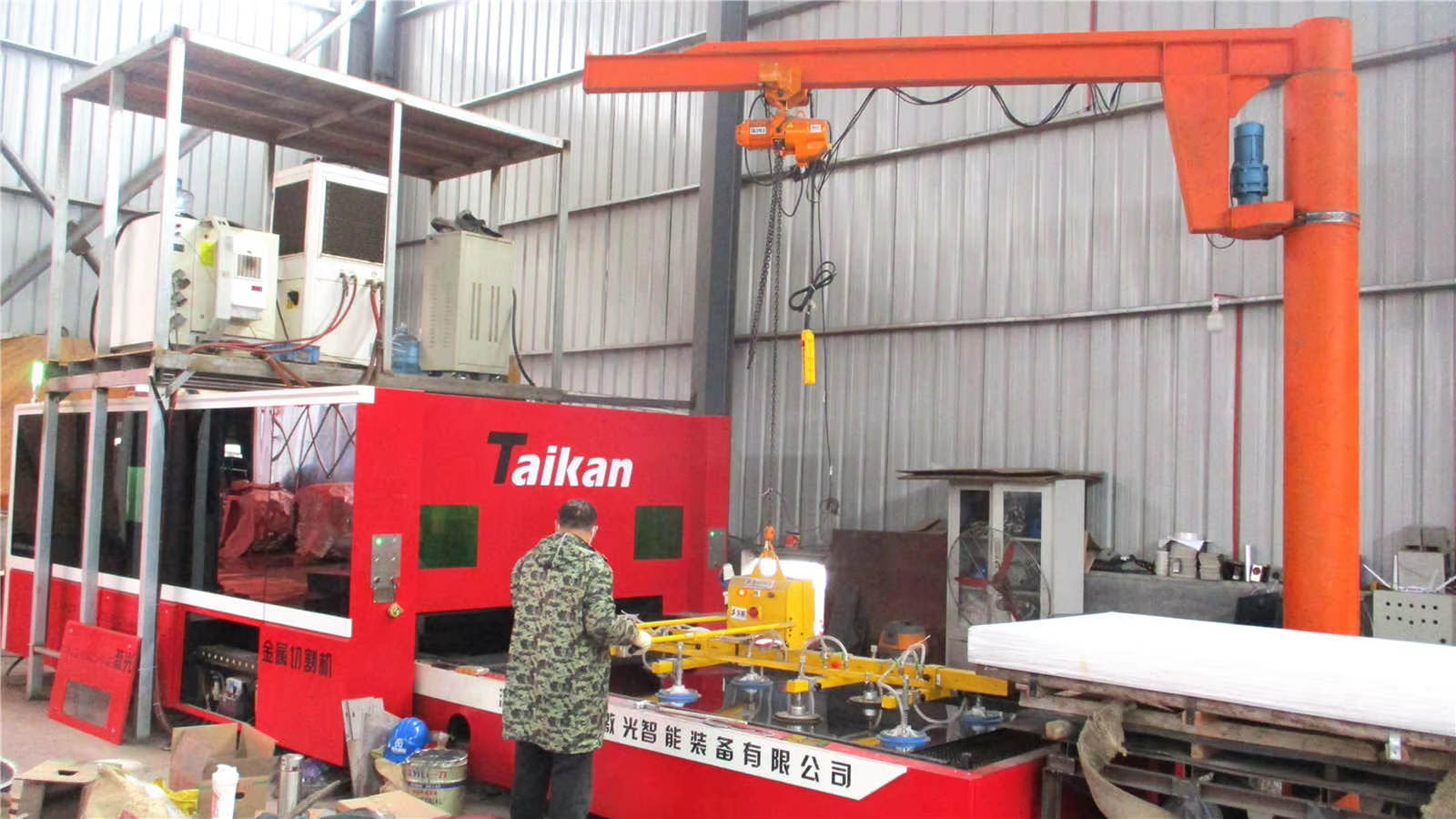
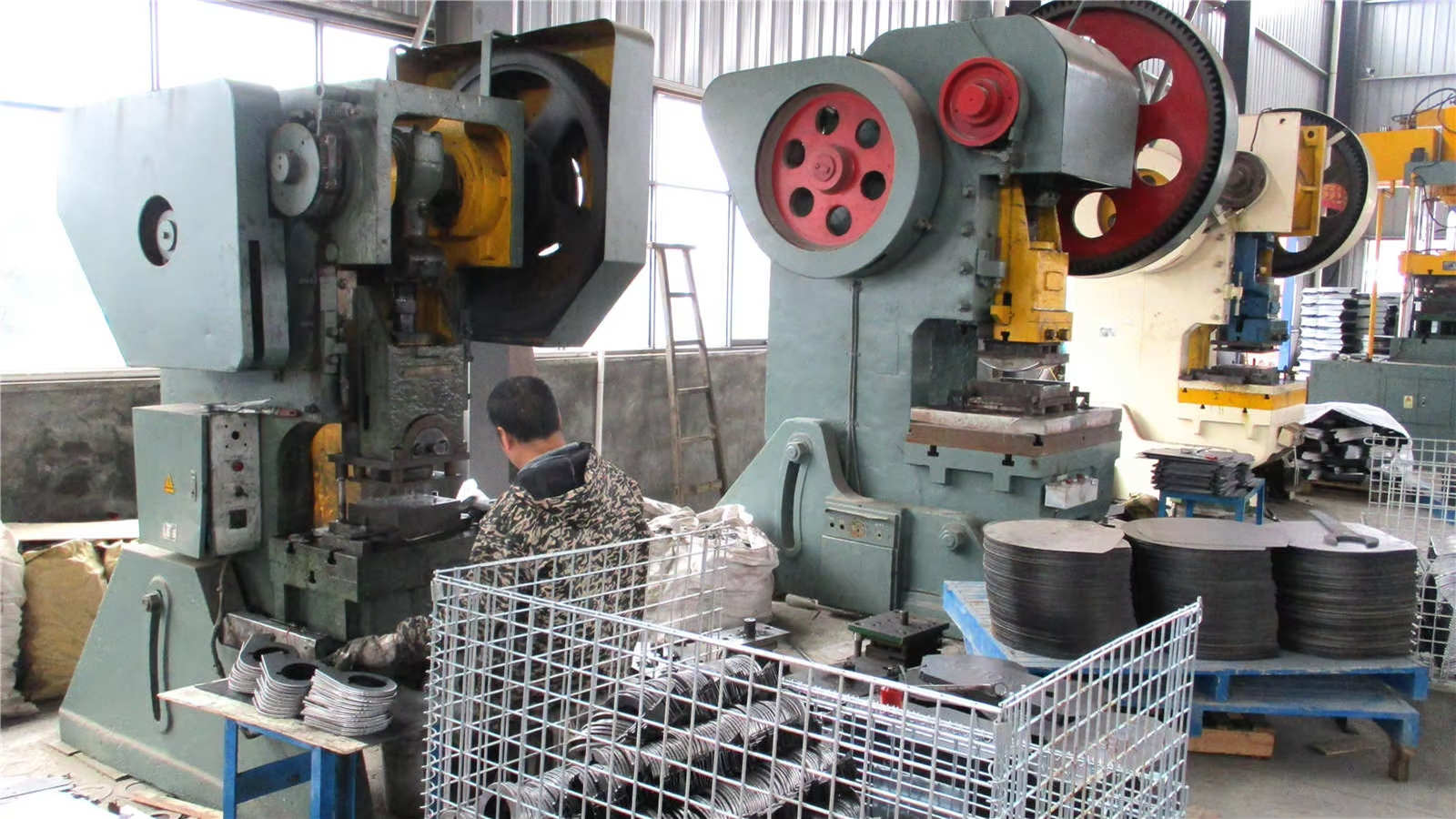
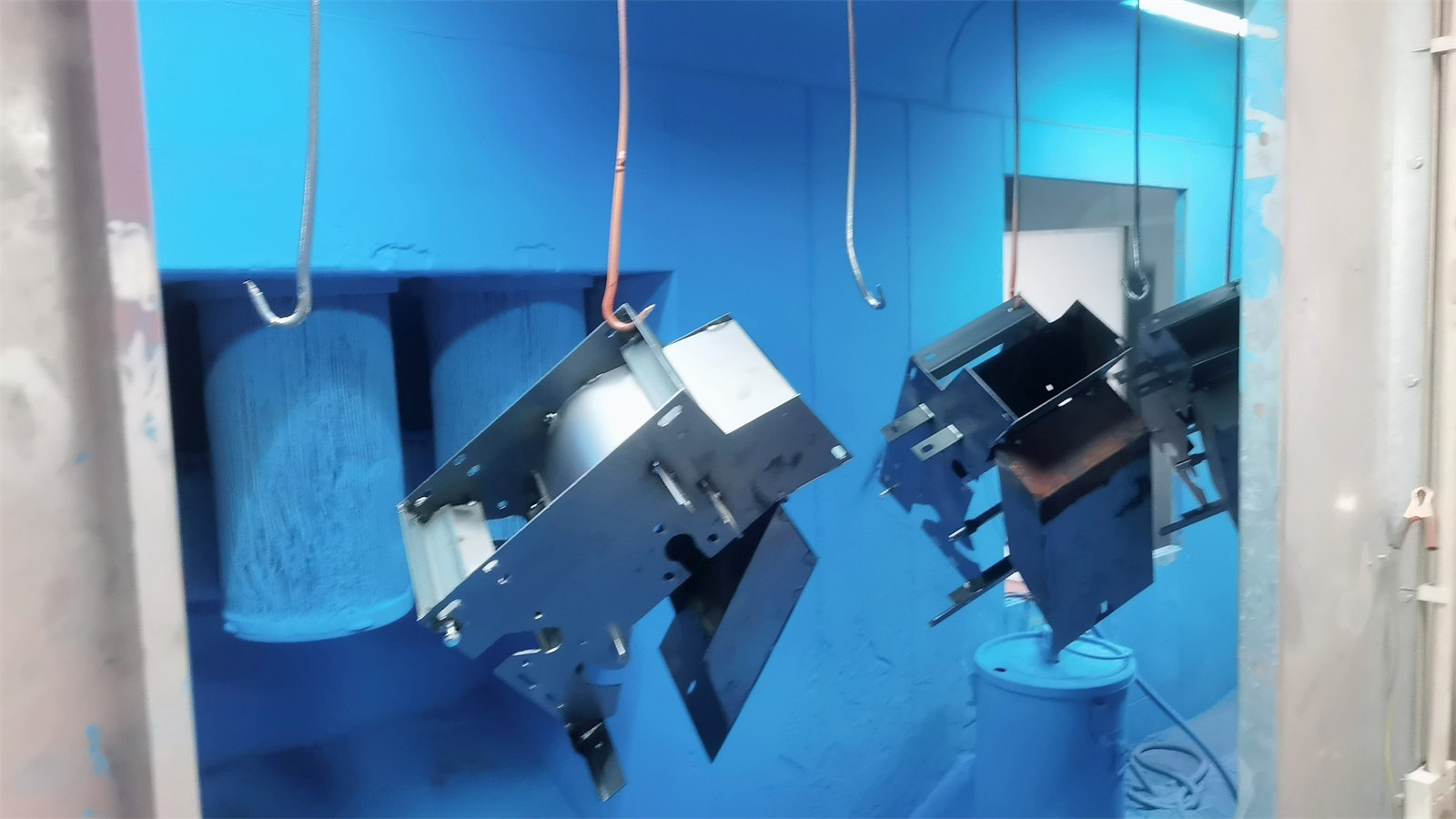
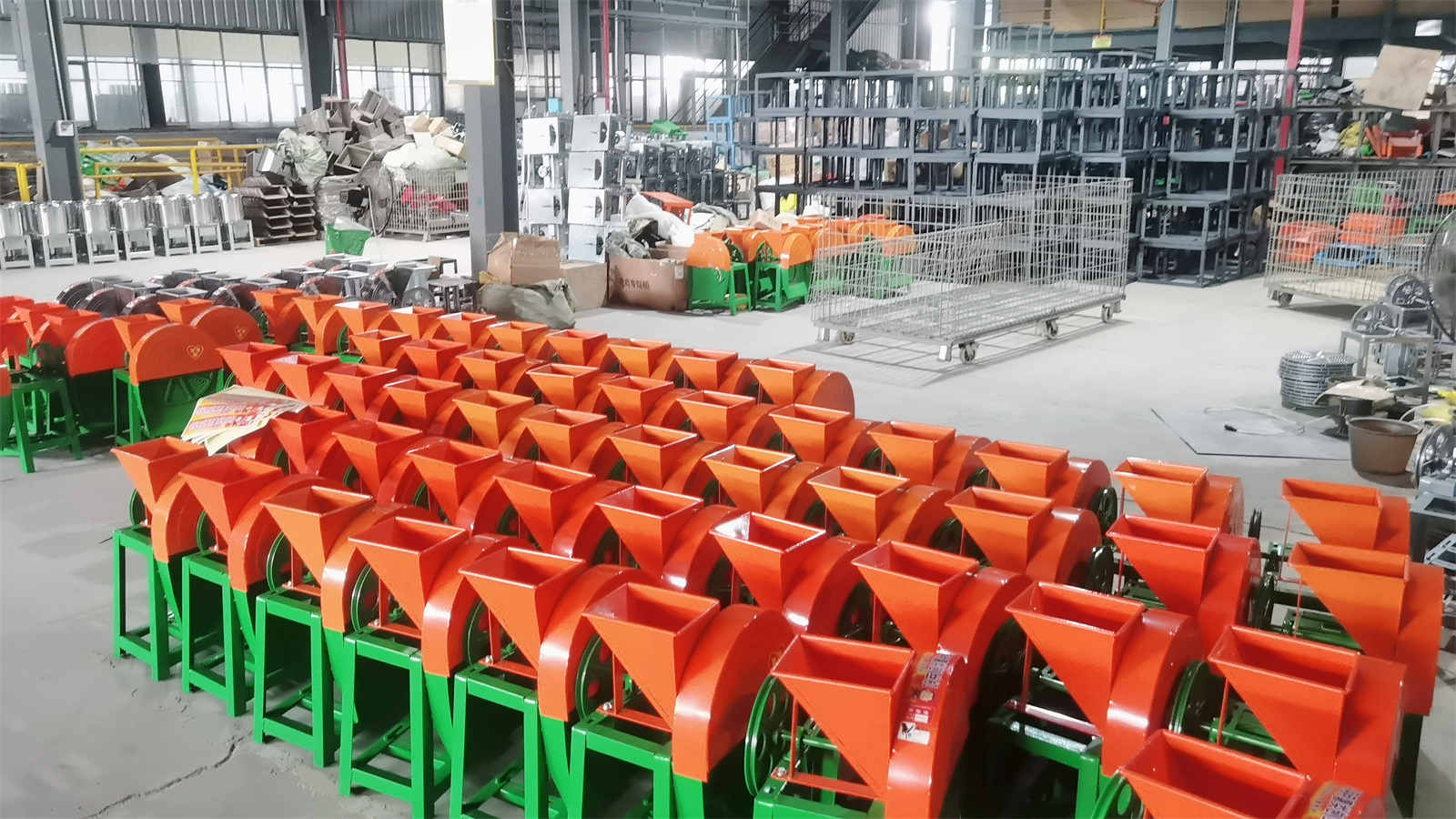
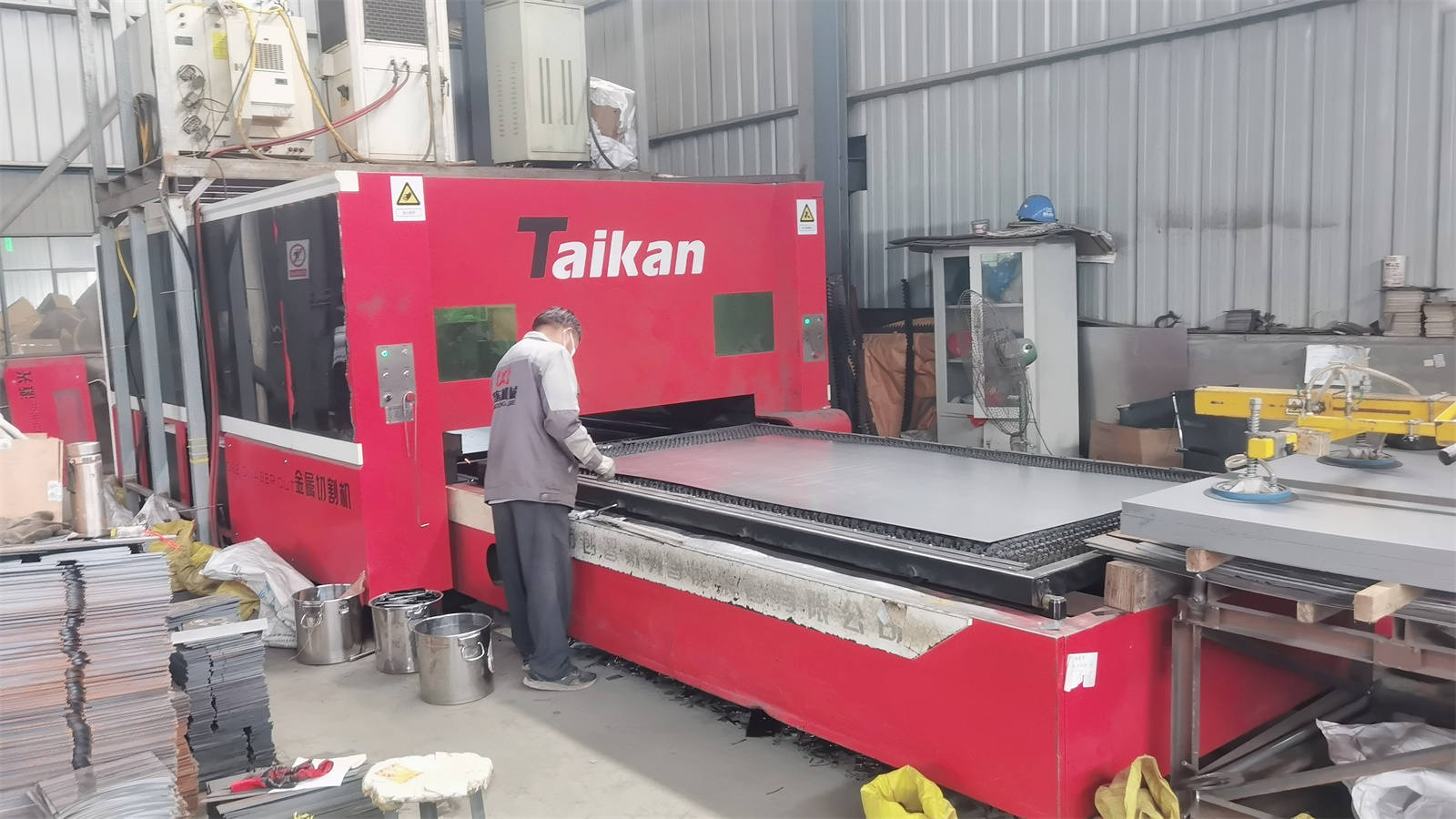
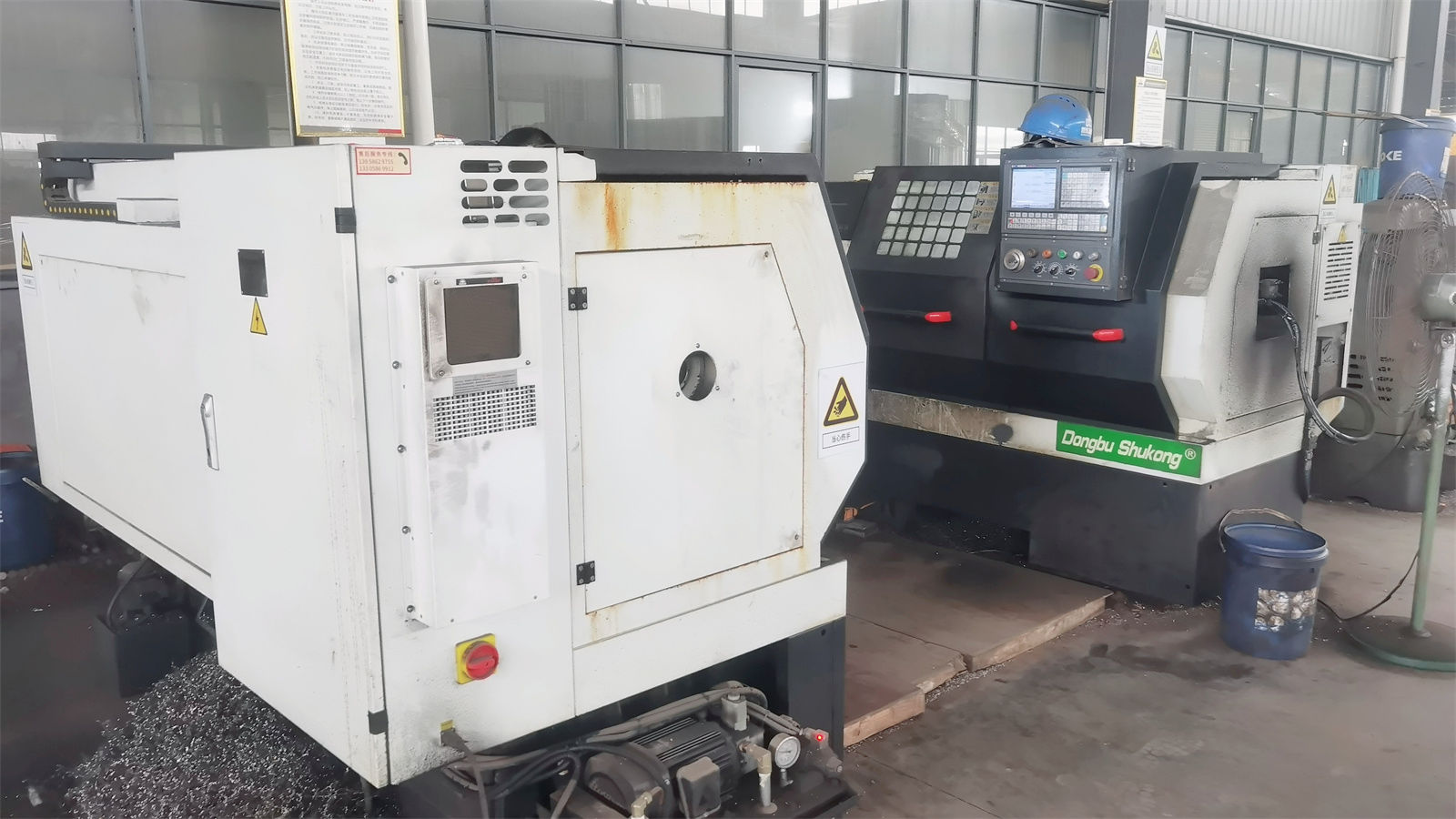
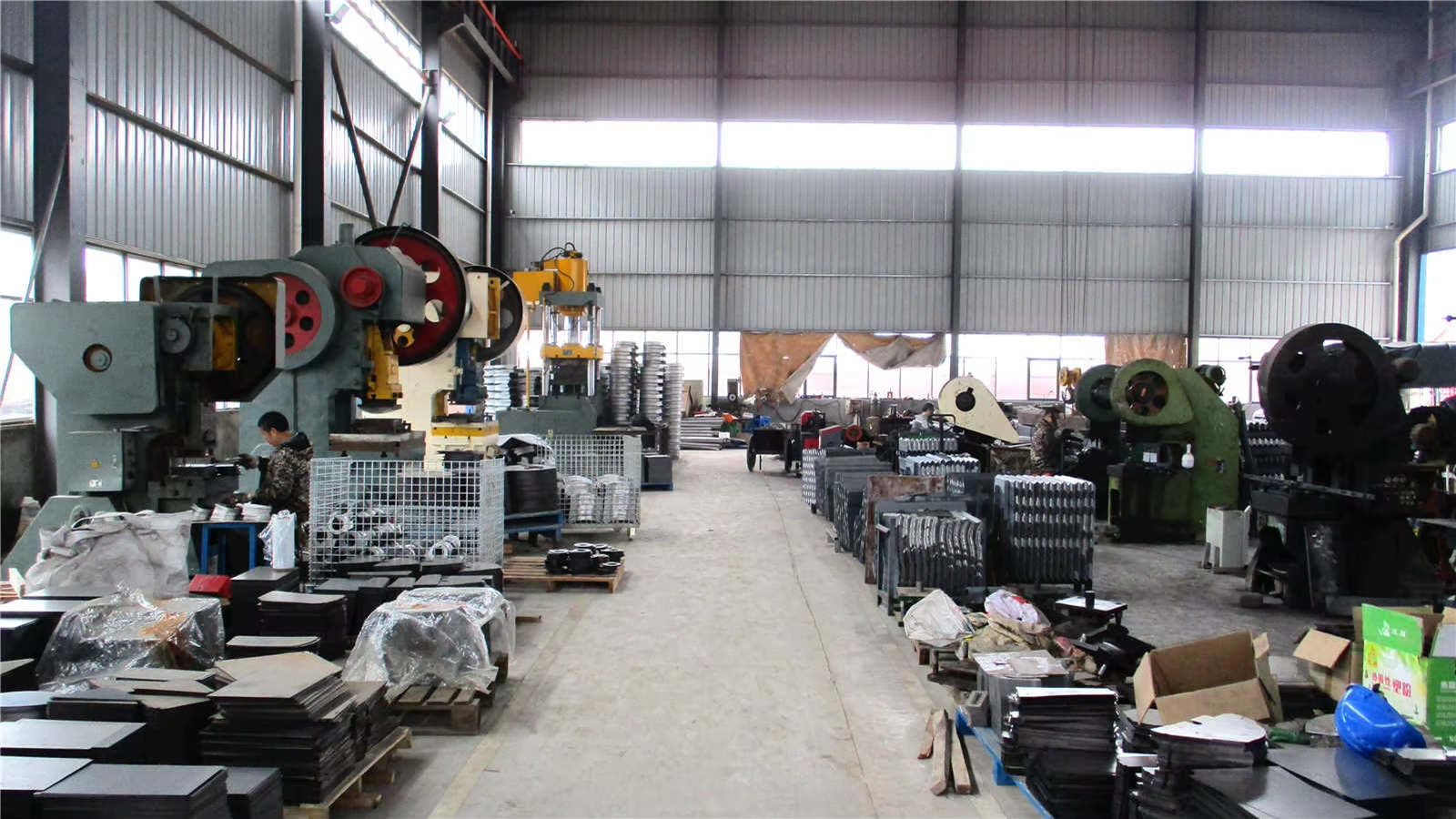
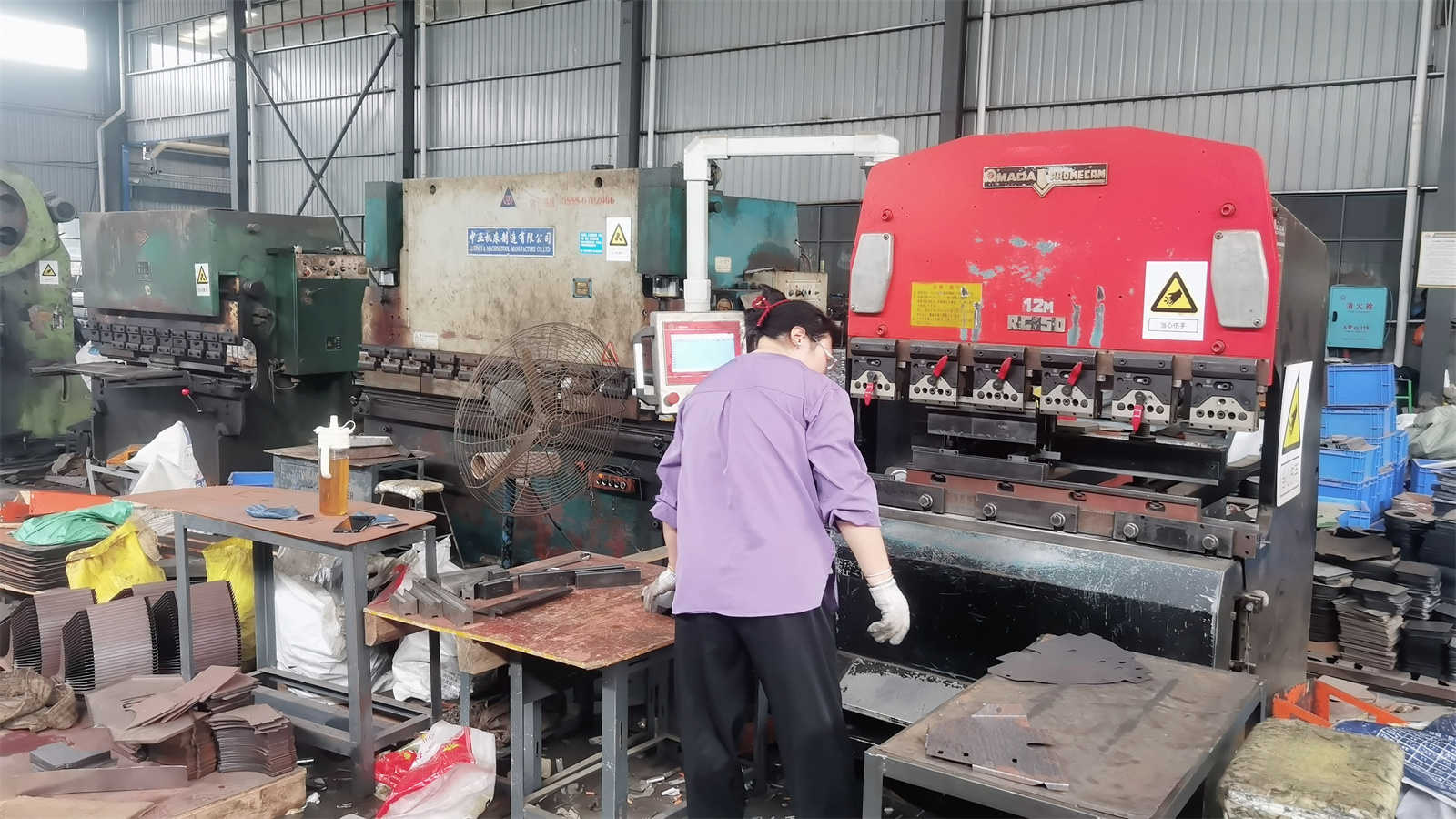
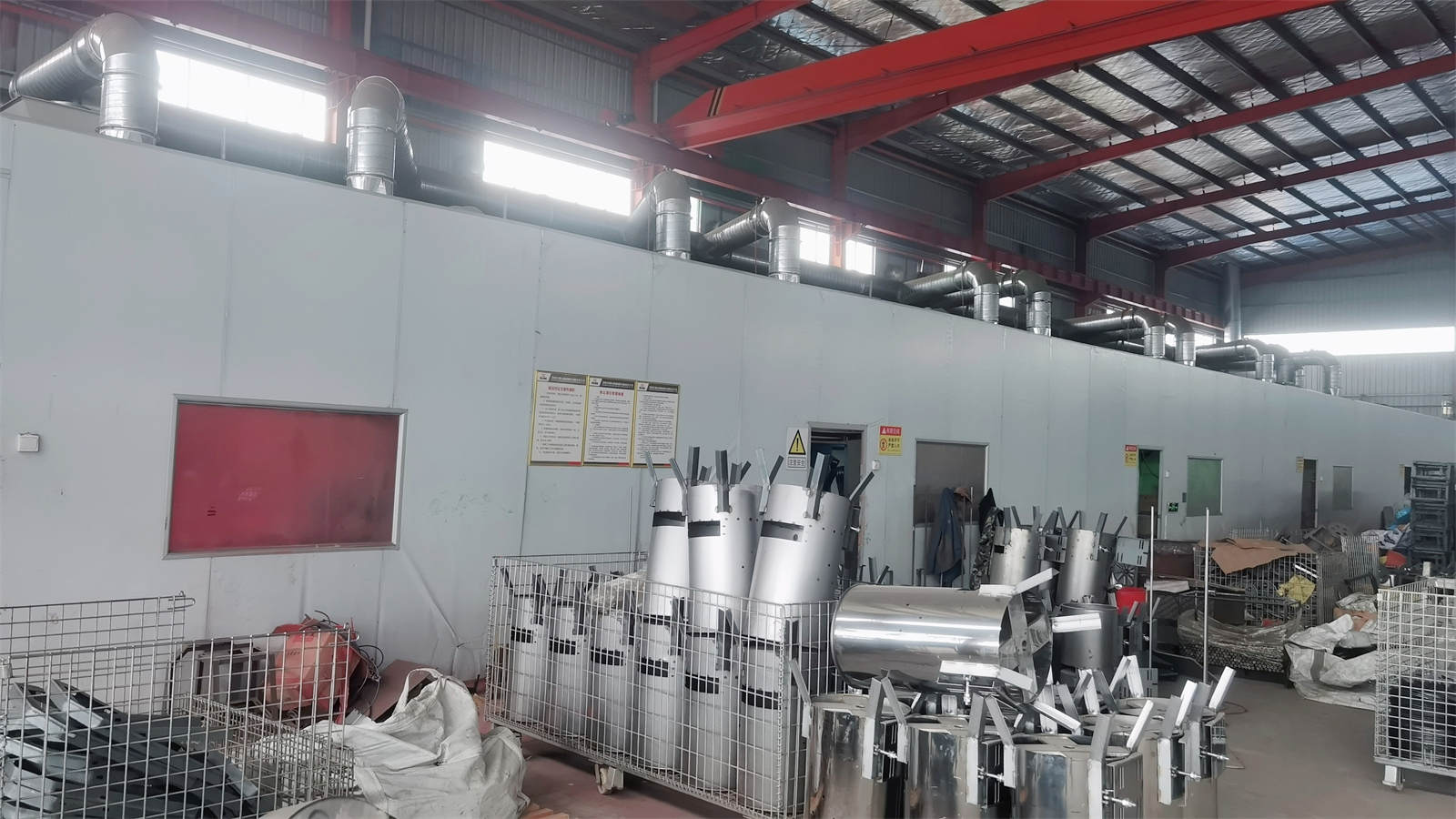
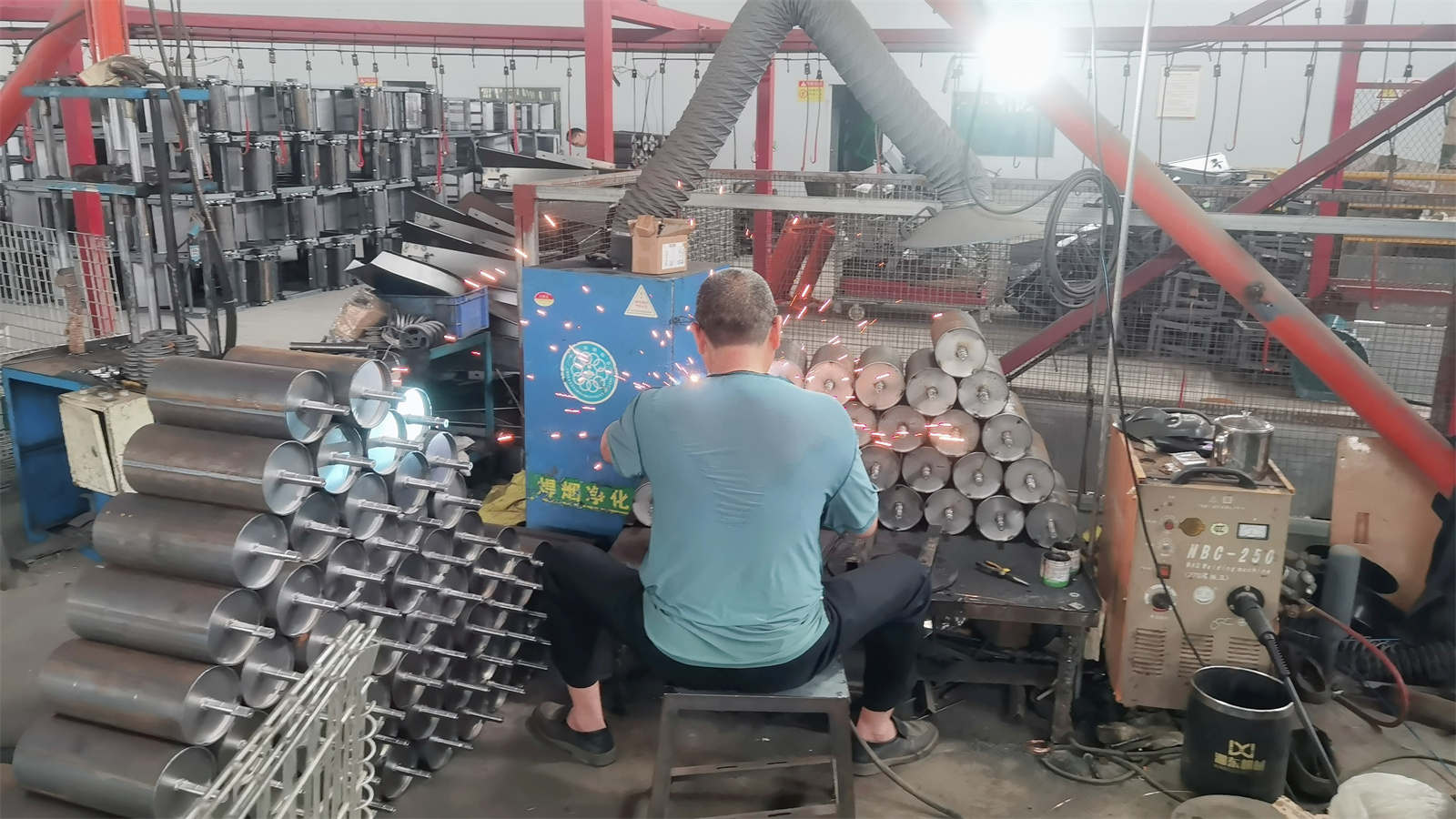
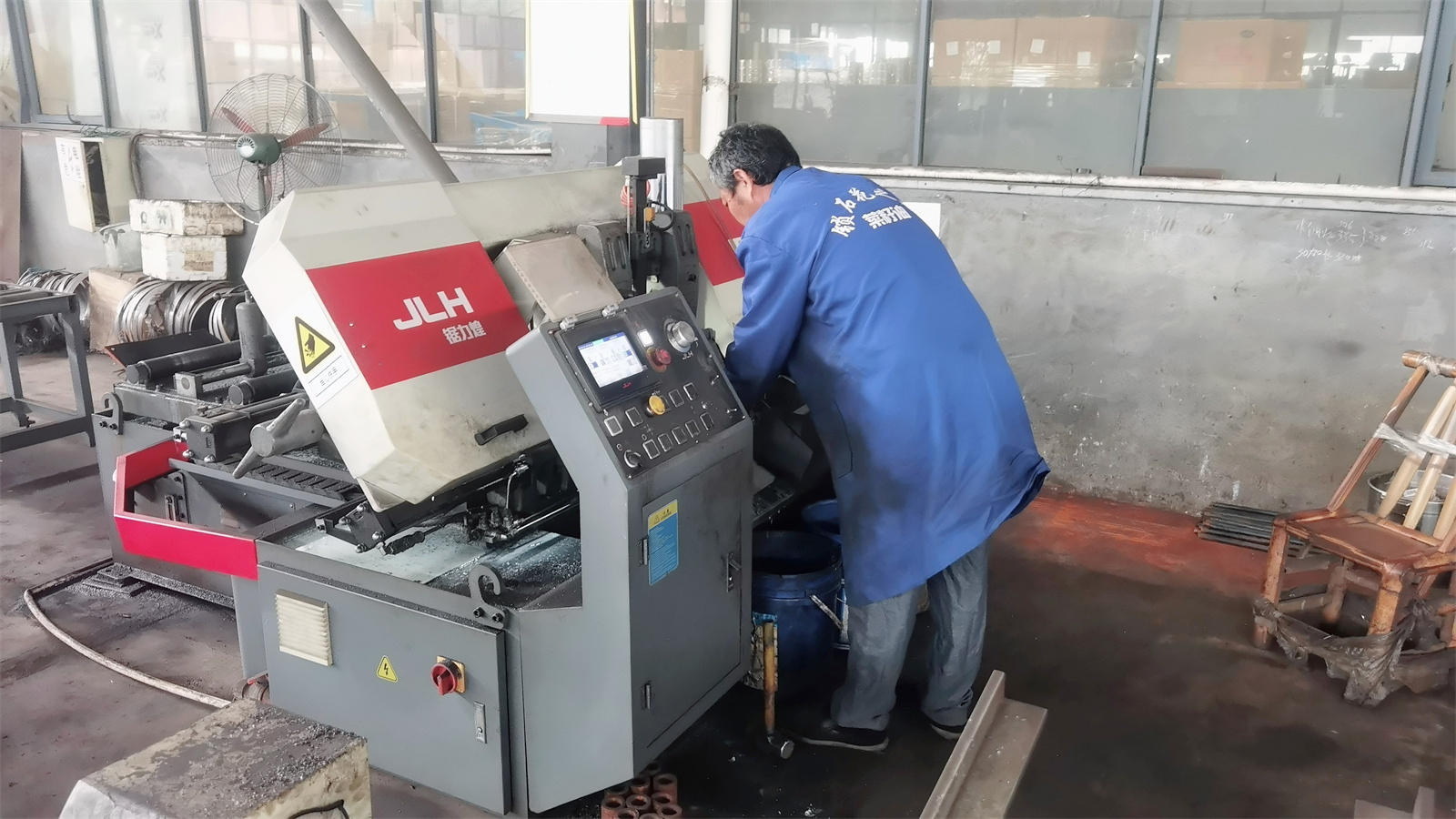
To support high-precision engineering, Henan Jiujie Machine Co., Ltd. places strong emphasis on technological innovation and continuous improvement of manufacturing capability and product quality. We have introduced a series of advanced processing equipment, including CNC laser cutting machines, CNC bending machines, and CNC lathes. In addition, we are equipped with CNC machining centers, CNC boring machines, surface grinding machines, planers, and other high-precision manufacturing equipment. We have also established an electrostatic spraying production line to further enhance product surface quality and durability.
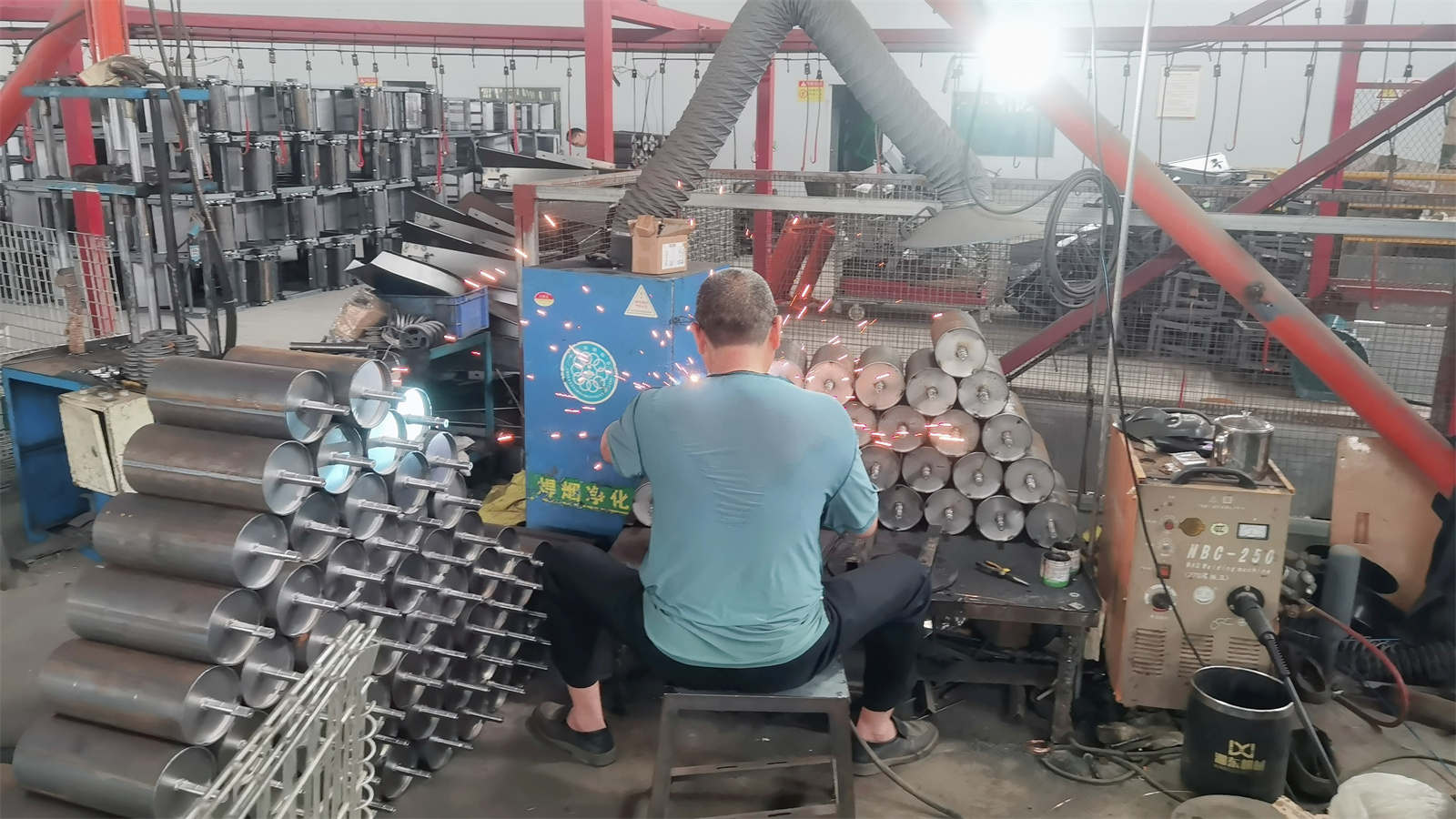
Our manufacturing processes include steel plate laser cutting, CNC bending, CO₂ arc welding, argon arc welding, robotic welding, and electrostatic surface treatment. These advanced production technologies ensure consistent product quality and continuous innovation.
Explore our state-of-the-art production workflow and precision machining facilities.
In modern industrial wheat processing, wheat cleaning is not a singular step but a system of operations designed to incrementally eliminate dockage. A complete industrial line includes several stages, each designed to remove specific contaminants:
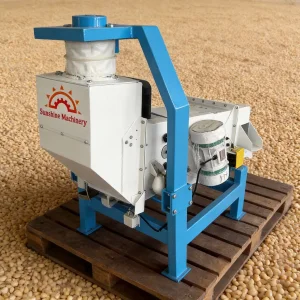
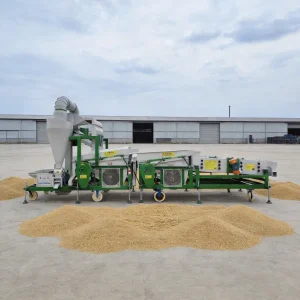
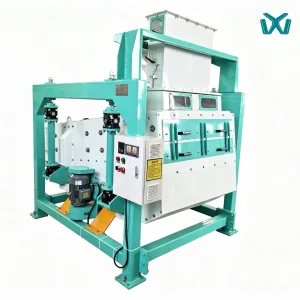
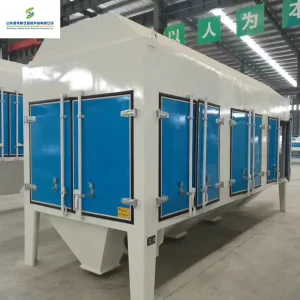
Designed for rapid processing during harvest intake, the pre-cleaning system removes large straw pieces, stones, dust, and light impurities. This stage protects downstream storage silos and drying installations from blockages and mechanical wear. Our high-throughput vibratory screen cleaners handle up to 30 tons per hour, ensuring incoming wheat is quickly stabilized before drying or long-term storage.
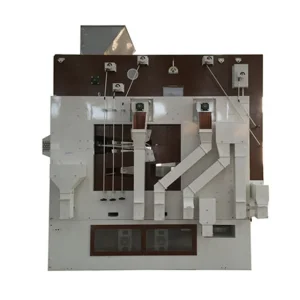
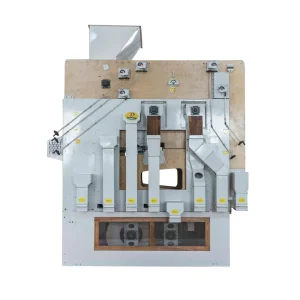
This phase uses precise screen grading, air aspiration, and density-based separation. Destoners remove mineral components and stones of similar size to wheat kernels, while magnetic separators extract ferrous metal contaminants. Air screen systems remove lighter chaff, dust, and shriveled grains, raising the hectoliter weight of the batch.
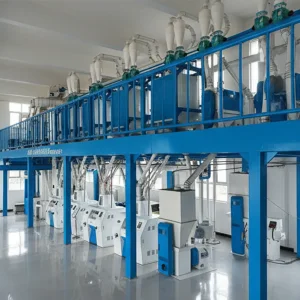
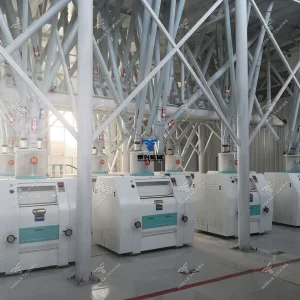
Critical for flour milling, this stage introduces precise water dosing. Moisture penetrates the wheat kernel to toughen the outer bran and soften the endosperm. This ensures clean separation during milling. Our automated 100-ton milling lines feature conditioning systems that monitor wheat moisture in real-time, adjusting water flow to hit exact targets for the mills.
Immediately prior to milling, scourers clean the wheat surface, removing dirt, mold spores, and crease impurities. This step lowers the overall ash content in the final flour, improving its color and baking properties.
| Equipment Type | Primary Separation Principle | Target Impurities Removed | Nordic Application Relevance |
|---|---|---|---|
| Vibratory Screeners | Dimensional sizing (width/thickness) | Large straw, stones, small seeds, broken grain | Vital for high-capacity pre-cleaning of damp, raw harvests. |
| Air Aspiration Cleaners | Aerodynamic properties (terminal velocity) | Dust, chaff, hulls, light hollow grains | Reduces mold spore count and dust levels in enclosed silo areas. |
| Gravity Selectors | Specific gravity / weight density | Stones, glass, ergot sclerotia, shriveled kernels | Critical for removing ergot and low-weight moldy kernels. |
| Scourers / Brush Machines | Mechanical abrasion and friction | Crease dirt, surface mold, loose outer bran layers | Decreases microbiological load and controls ash content. |
Operating in the Finnish market requires adherence to European Union health, safety, and environmental standards. Our flour milling and grain cleaning equipment has obtained the ISO9001 quality management system certification and CE certification. The environmental protection standards of our equipment comply with relevant EU requirements, including the Machinery Directive 2006/42/EC and Electromagnetic Compatibility (EMC) standards.
A key feature of our grain cleaning systems is their dry design. Unlike traditional processes that rely on water washing to remove stones and dust, our equipment runs on a waterless cleaning methodology. This eliminates wastewater discharge, avoiding the need for effluent treatment systems and helping plants meet strict local environmental limits. This dry process also avoids raising grain moisture right before milling, which lowers the heating energy needed for subsequent drying.
The grain processing industry is moving toward smart factories. At Henan Jiujie Machine Co., Ltd., we are actively developing and integrating next-generation technologies to prepare our equipment for future industry needs:
Integrating high-resolution optical and multi-spectral sensors to detect subtle color differences and seed damage, sorting out impurities that match wheat in size and density.
Deploying vibration and temperature sensors across vibrating screeners to monitor bearing health and screen tension, enabling predictive maintenance that avoids unplanned shutdowns.
Utilizing IE4-class variable frequency drives to adjust motor speeds based on real-time grain volumes, reducing energy consumption during low-load intervals.
Our technical goal is to build self-optimizing grain processing lines. By linking real-time grain moisture and purity data from sensor arrays directly to the intake systems, the equipment can dynamically modify vibration frequencies, screen angles, and air velocity to ensure stable output quality despite changing input conditions.
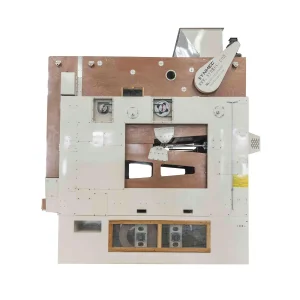
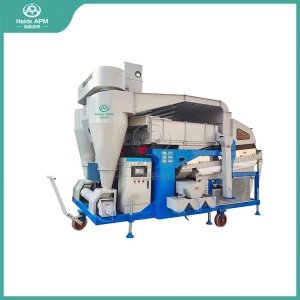
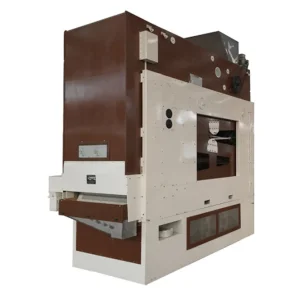
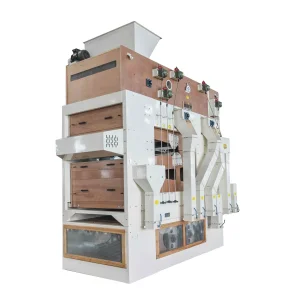
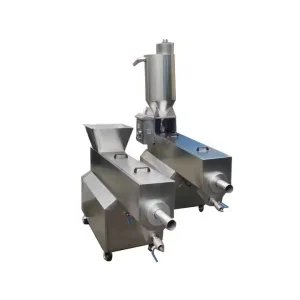
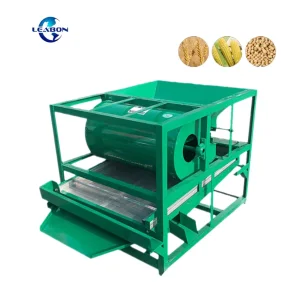
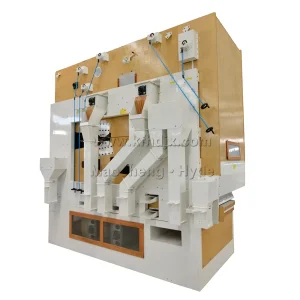
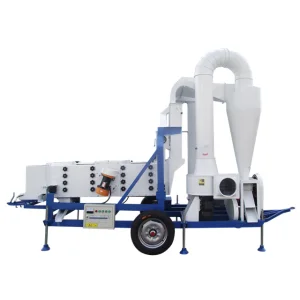
Browse our full range of certified grain cleaning and processing systems engineered for global exporting standards
Technical Answers to Critical Operational Queries in Nordic Agricultural Milling
 Jiujie Machine