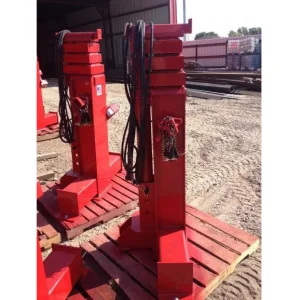
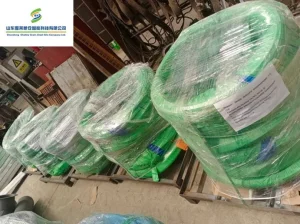
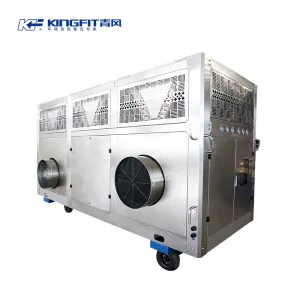
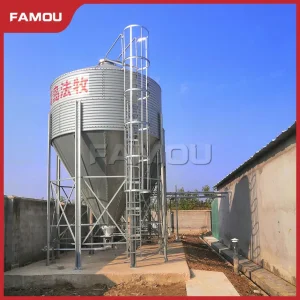
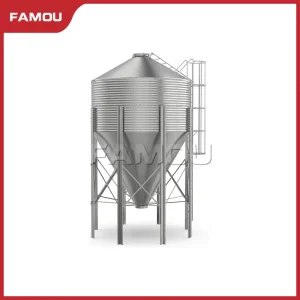
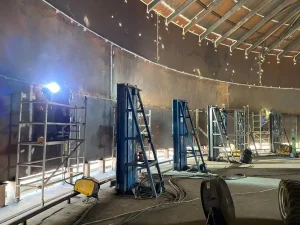
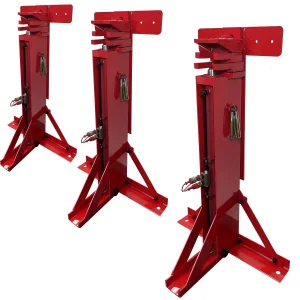
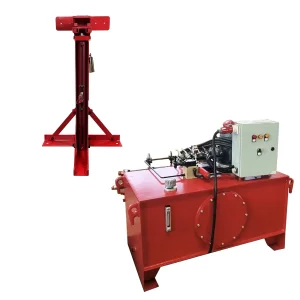
To ensure safe, rapid, and structurally sound setups across Victoria's grain terminals, we supply high-performance synchronized jacking machinery alongside digital temperature sensing components. The following four systems represent our core technologies for high-capacity industrial silos.
Victoria's agricultural region relies on efficient logistics pathways routing through Melbourne and Geelong ports. Maintaining grain quality during storage is crucial for international exports. Regional grain accumulators and port operators encounter unique challenges that require advanced, customized storage infrastructure.
A primary challenge in Victoria is the significant weather volatility. Swings between hot, dry summer periods and high-relative-humidity coastal conditions create microclimatic variations inside steel silos. If temperature and moisture are not precisely monitored, grain can sweat. This leads to hot spots, mold growth, and insect infestations. To mitigate these risks, operators are transitioning from simple bulk silos to intelligent, sealed storage systems equipped with integrated aeration and monitoring technologies.
In Australia, chemical pest control requires gas-tight storage conforming to AS 2628. This standard guarantees a gas-tight seal capable of maintaining phosphine concentrations long enough to eliminate insects at all life stages. Achieving this seal requires precision-engineered bolted enamel or galvanized silos. Additionally, utilizing non-disruptive, low-stress erection techniques (such as synchronous PLC-controlled jacking) ensures joints and sealants remain undamaged during the assembly process.
Structural reliability is also critical. Silos in Victoria must handle high wind loads (conforming to AS/NZS 1170.2) and seismic loads (complying with AS 1170.4). Storing bulk solids exerts high pressures on silo walls. Structural designs must comply with AS 3774 to prevent buckling or catastrophic structural failures.
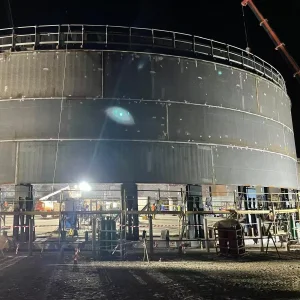
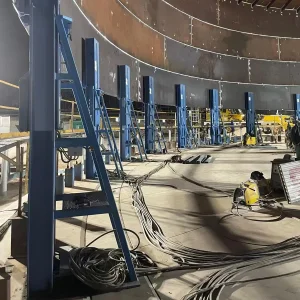
In Victoria, high labor costs and strict safety regulations for working at heights (under WorkSafe Victoria guidelines) have driven a move away from traditional crane-dependent, top-down assembly. Modern grain silos are built from the top down using mechanical or hydraulic jacking systems at ground level.
Using centralized PLC networks, hydraulic or mechanical jacks lift the silo structure in synchronized millimeter increments. This system monitors load distribution in real time, preventing structural distortion or unbalanced loads during construction.
Our lead-screw systems feature built-in mechanical self-locking designs and safety emergency brakes. If hydraulic pressure drops or electrical power fails, the jacks lock in position, securing the suspended structure.
Because the silo shell is assembled at ground level and raised progressively, wind-catch profiles are minimized during the most vulnerable phases of the build, improving worksite safety.
Eliminating high-tonnage mobile cranes reduces site footprint demands and equipment rental expenses, helping projects remain on budget and within schedule.
As Melbourne positions itself as a tech-driven logistics hub, grain storage technology is transitioning from passive containment to active, automated preservation. Key technological milestones include:
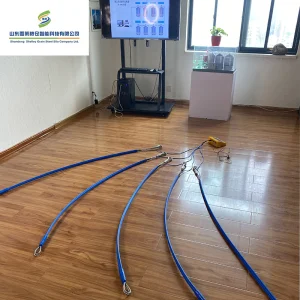
Multi-depth digital sensor cables monitor temperature, humidity, and CO₂ levels. They transfer data in real time to automated grain management interfaces to help identify spoilage risks early.
Smart fans adjust airflow based on real-time ambient temperature and humidity. The system runs only when external conditions are suitable, saving energy while maintaining grain quality.
Modern silos feature explosion-venting panels, conductive grounding systems, and dust extraction lines to minimize static charges and grain dust ignition risks.
Henan Jiujie Machine Co., Ltd. supplies complete processing equipment and engineering services for grain and food production lines, including wheat flour milling plants, feed processing factories, and rice processing facilities. Our solutions span the entire processing chain—covering raw material reception, cleaning, storage, milling, mixing, and packaging.
We hold ISO9001 quality management and CE certifications. Our grain cleaning systems are designed to operate without water, helping facilities eliminate wastewater discharge and meet modern environmental standards. By using advanced AutoCAD engineering systems and high-precision CNC machinery, we deliver reliable, long-lasting equipment tailored to our clients' specifications.
Our manufacturing plant utilizes specialized equipment to ensure consistent build quality, tight tolerances, and durable surface finishes.
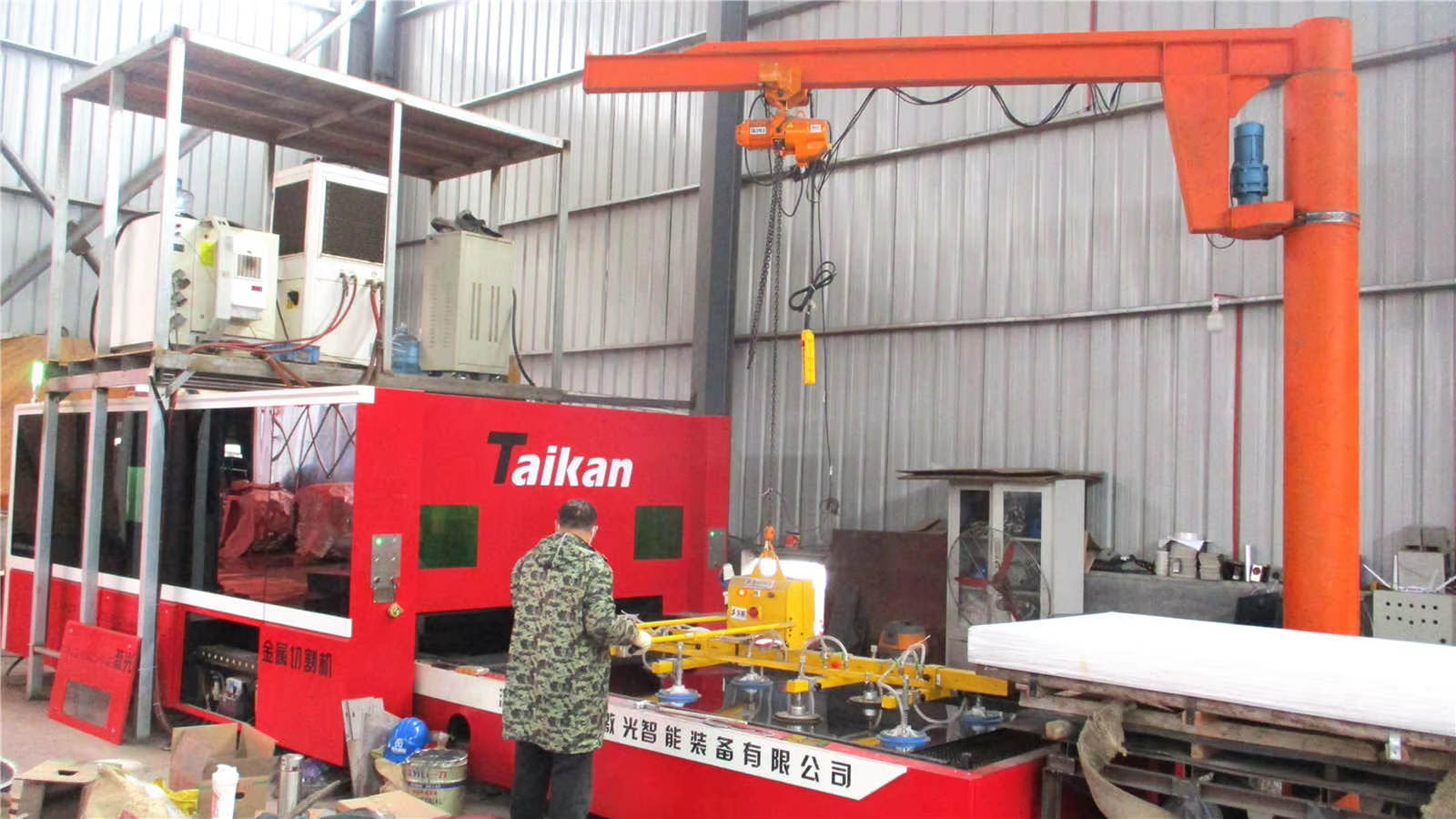
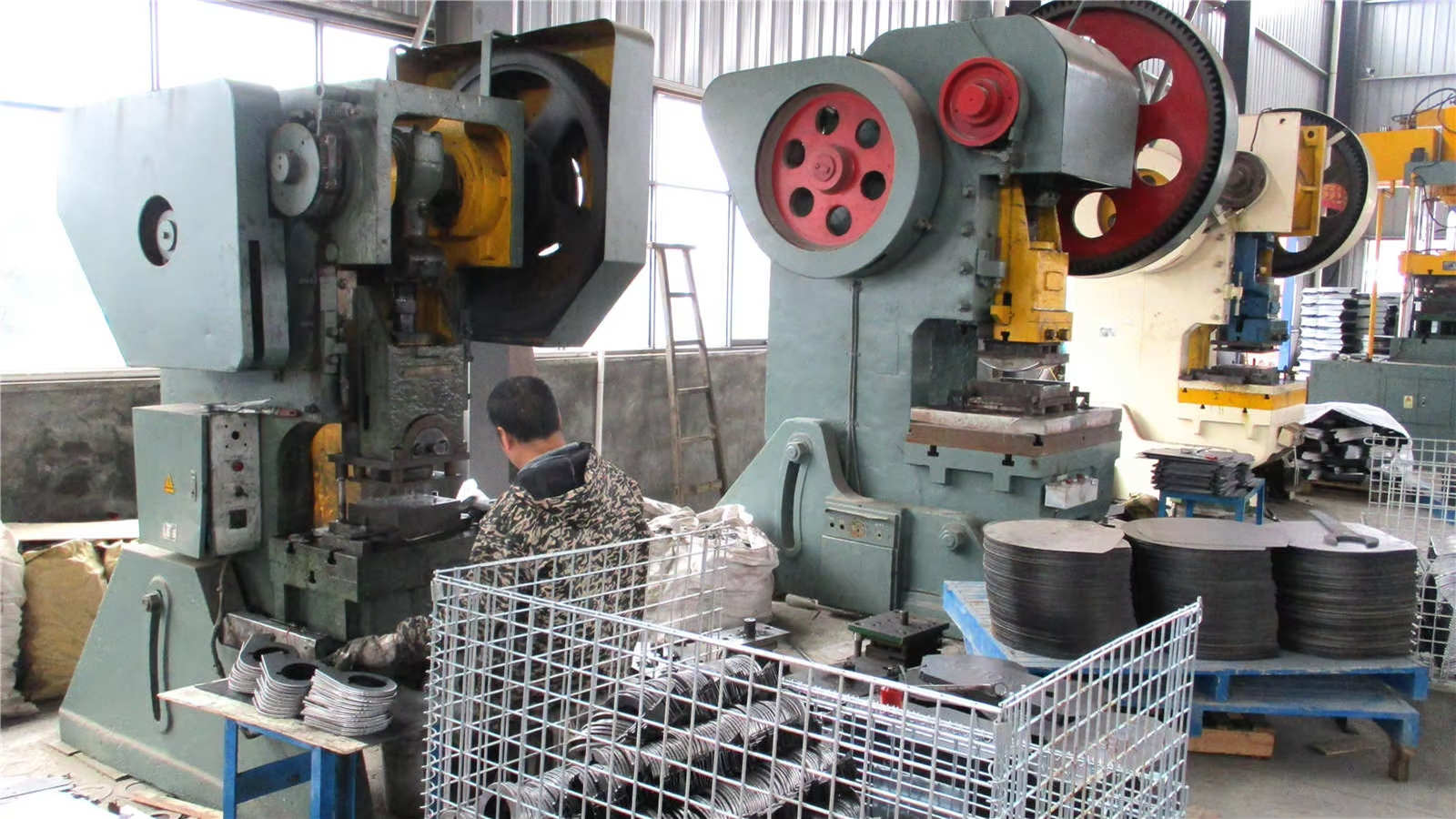
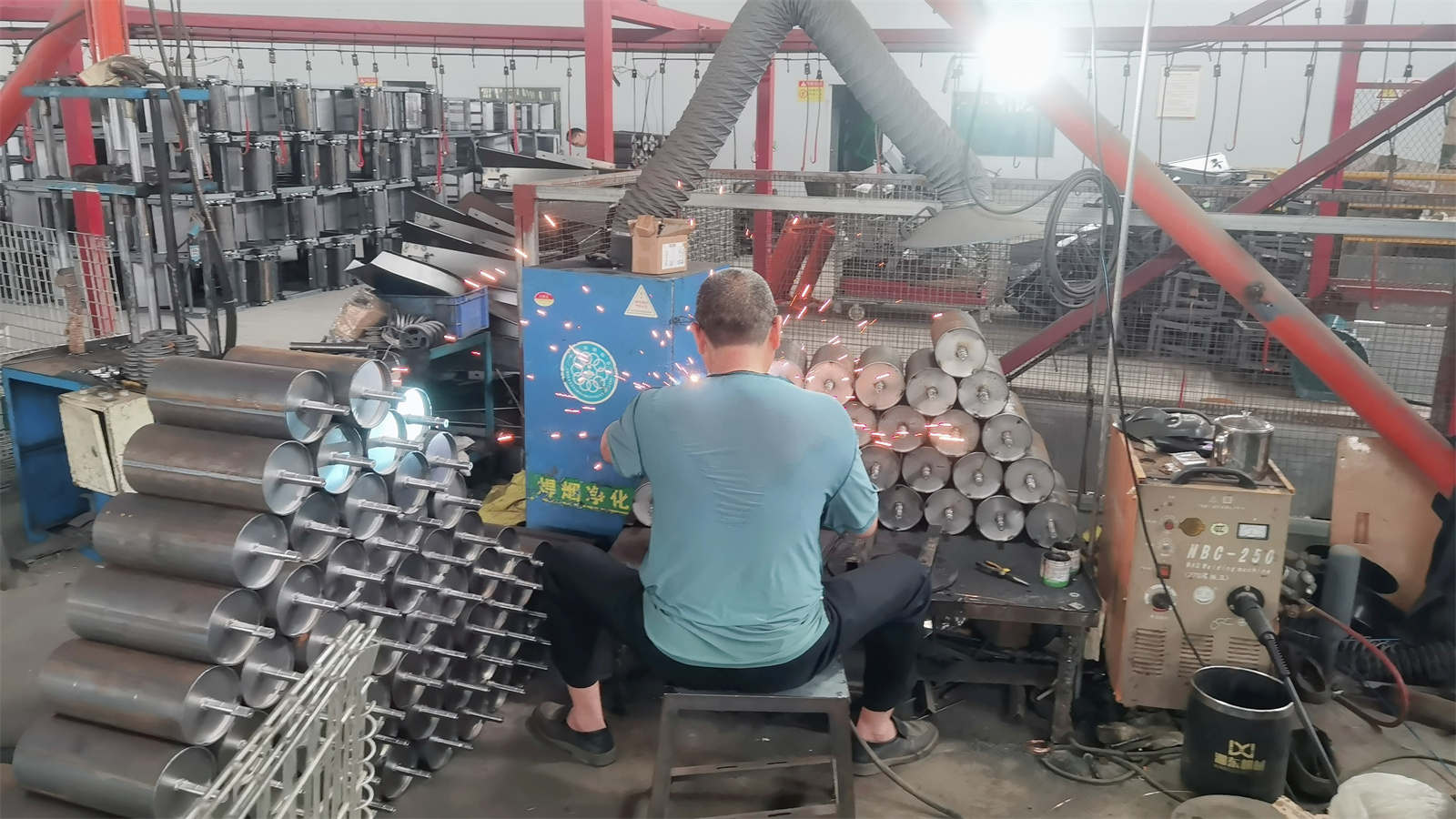
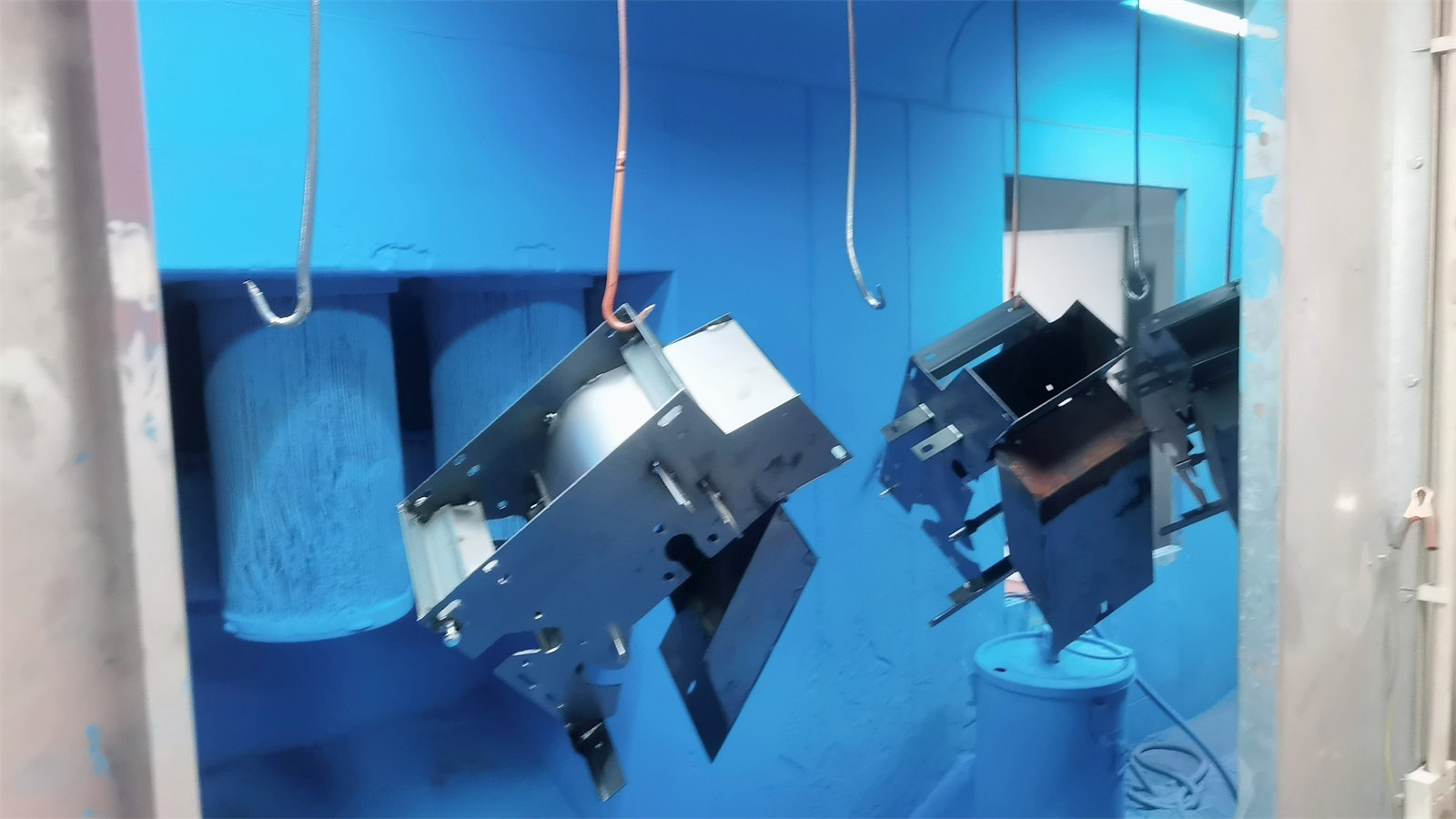
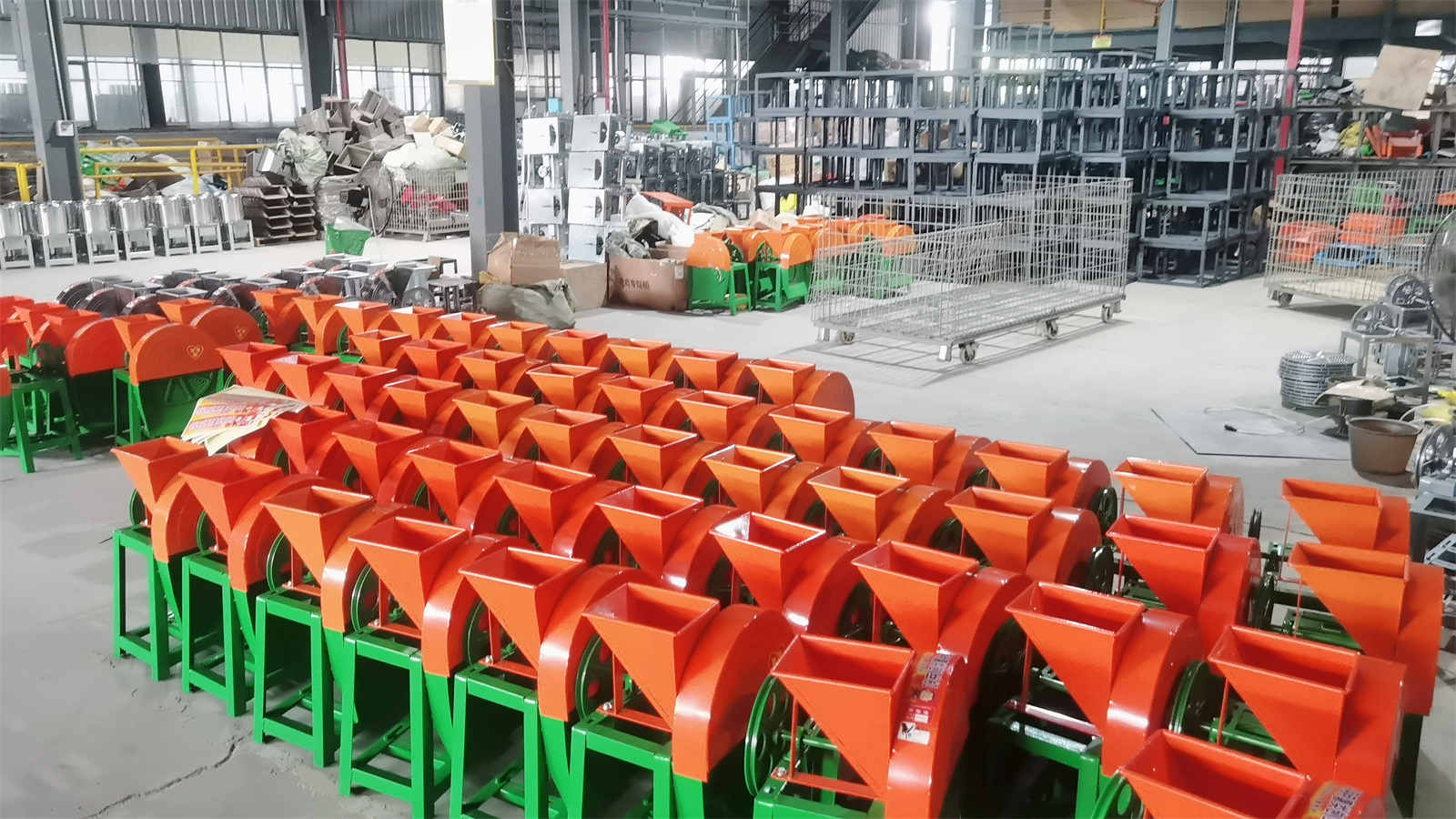
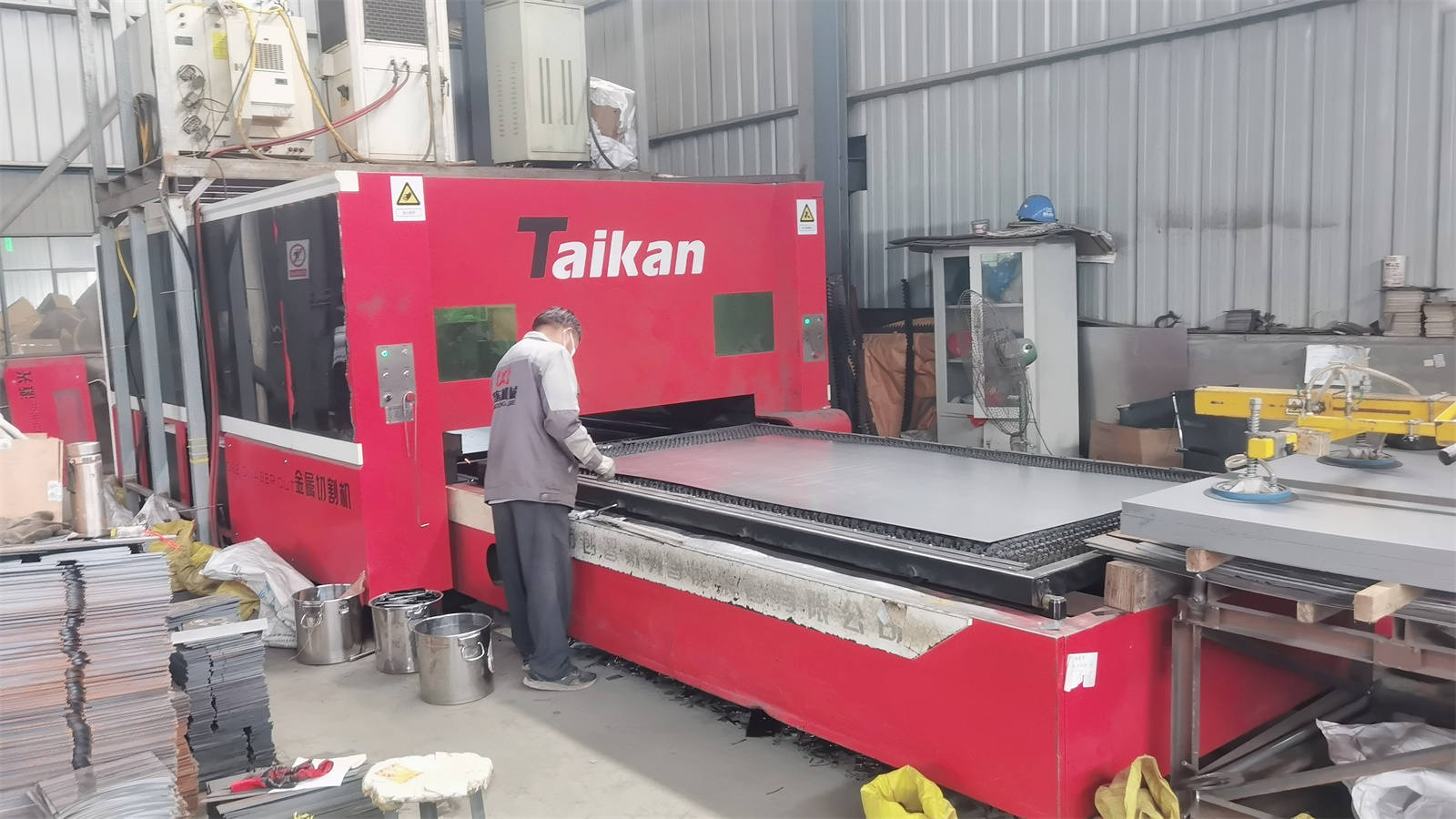
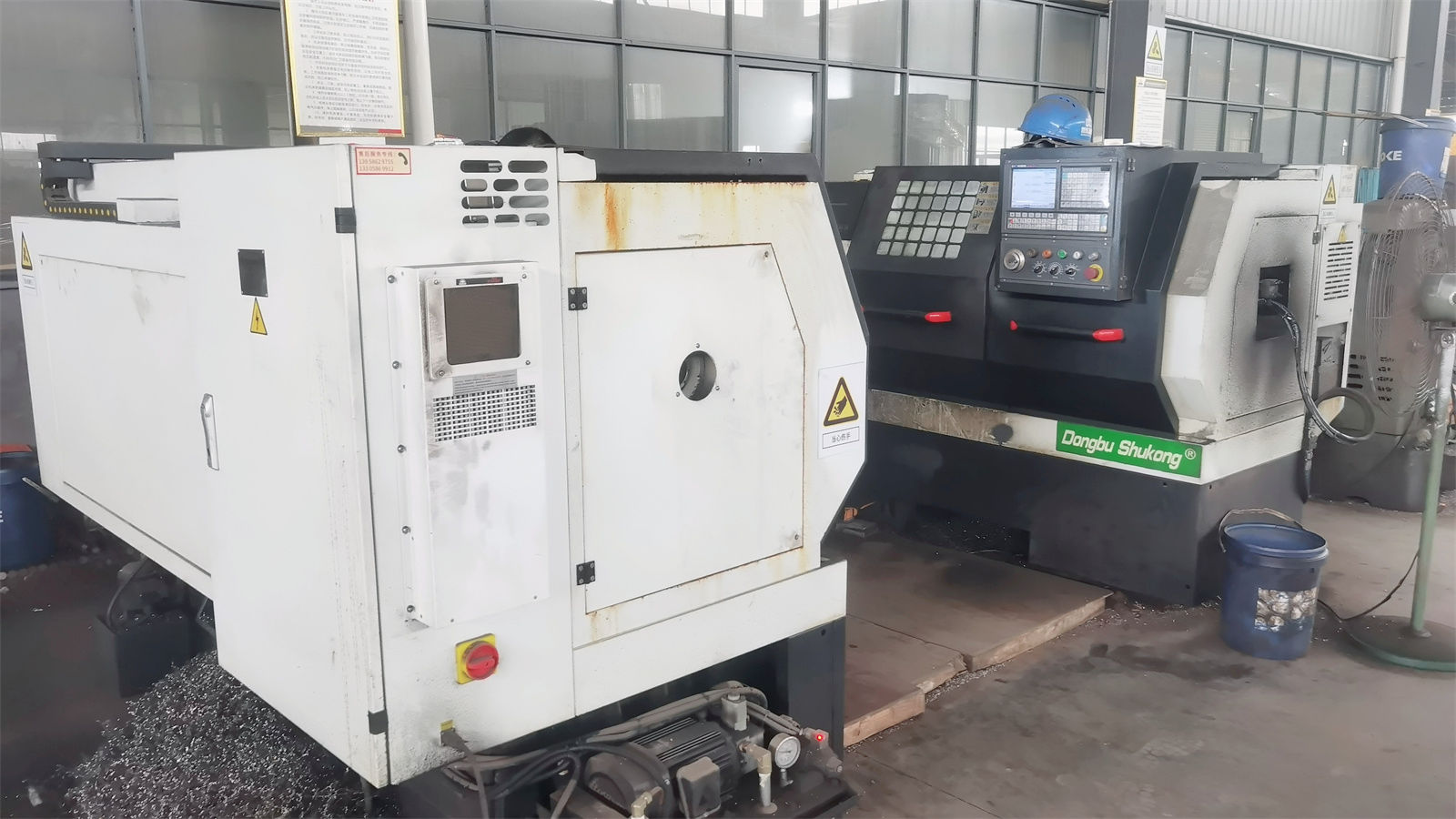
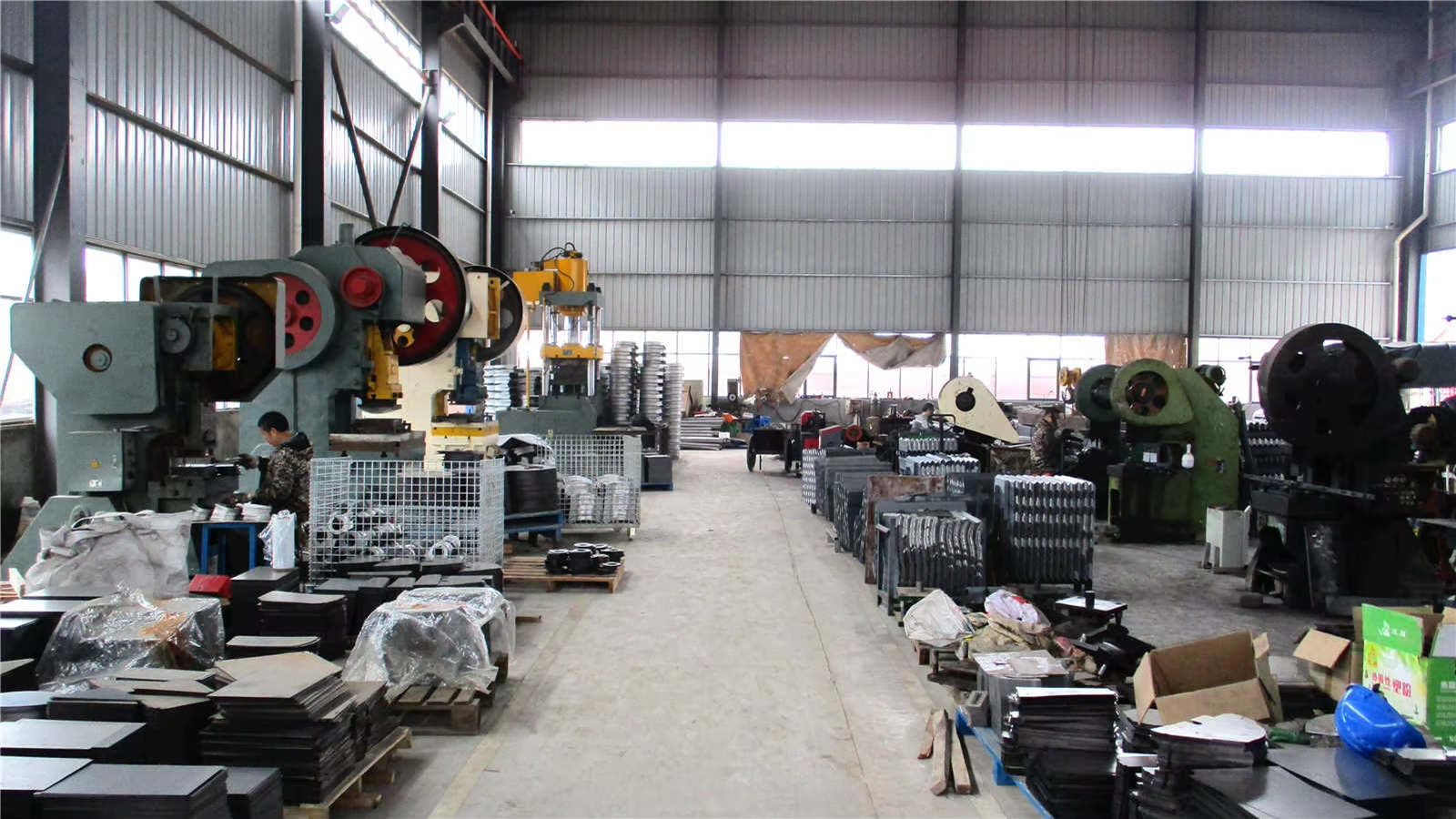
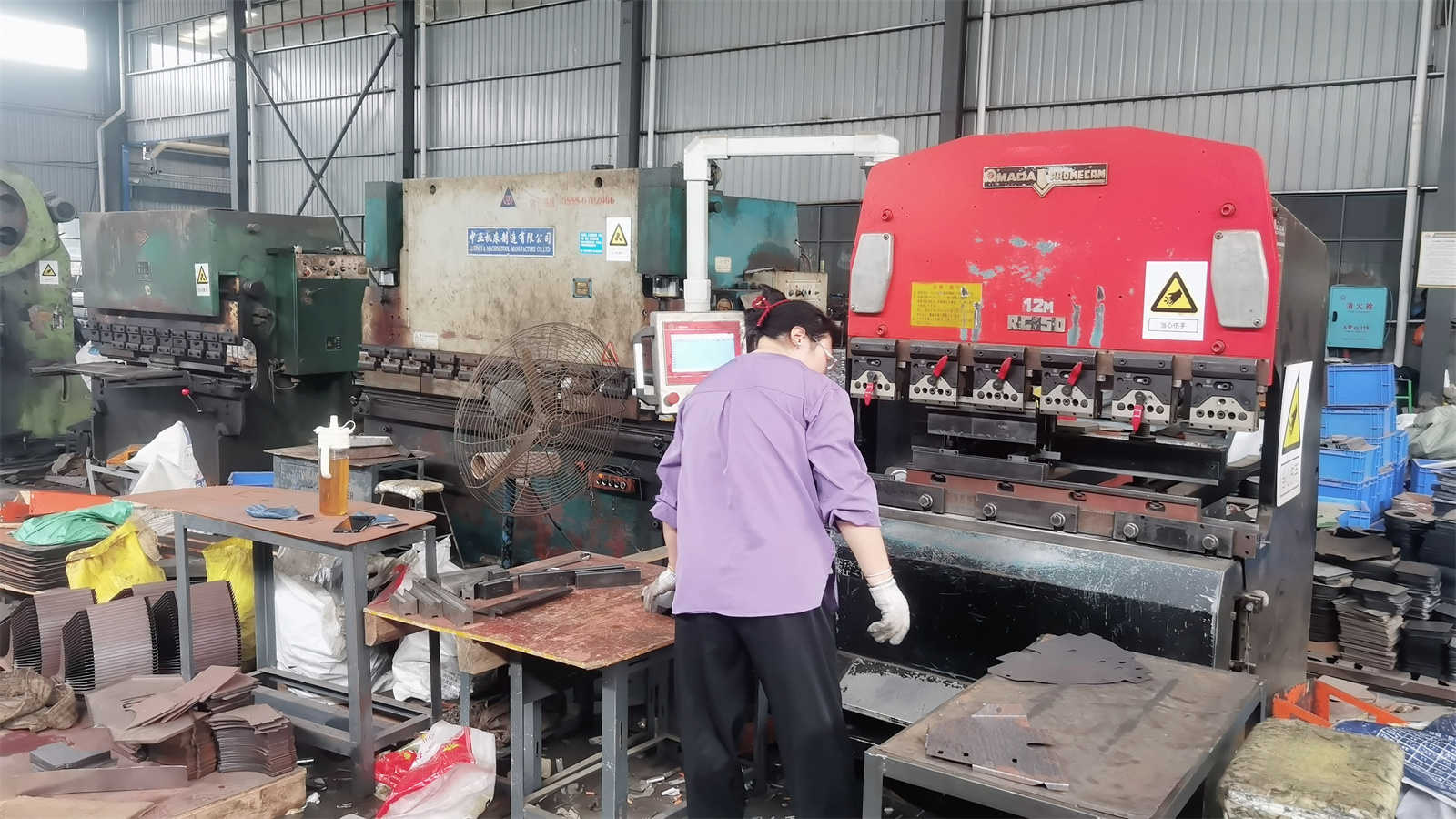
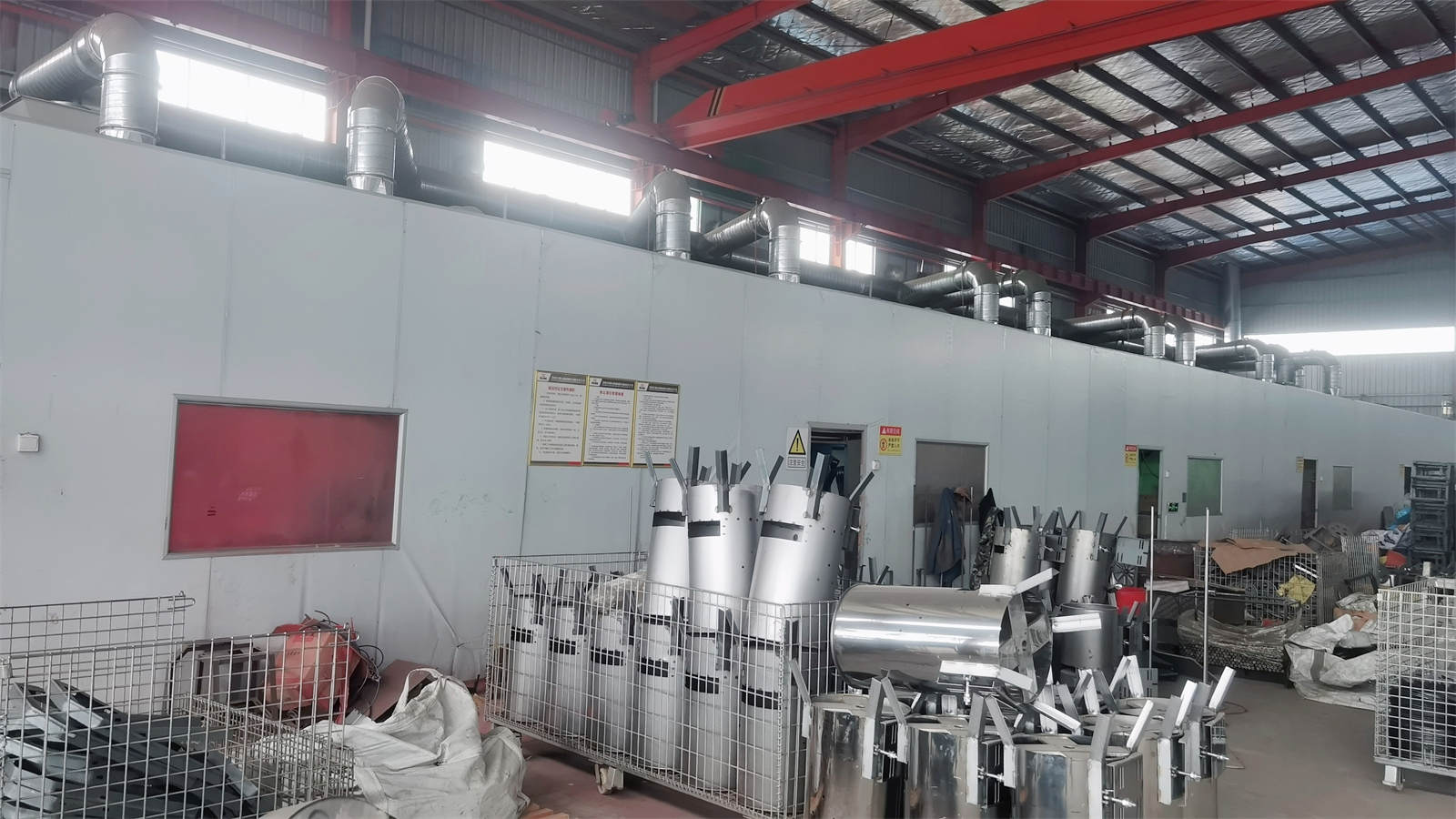
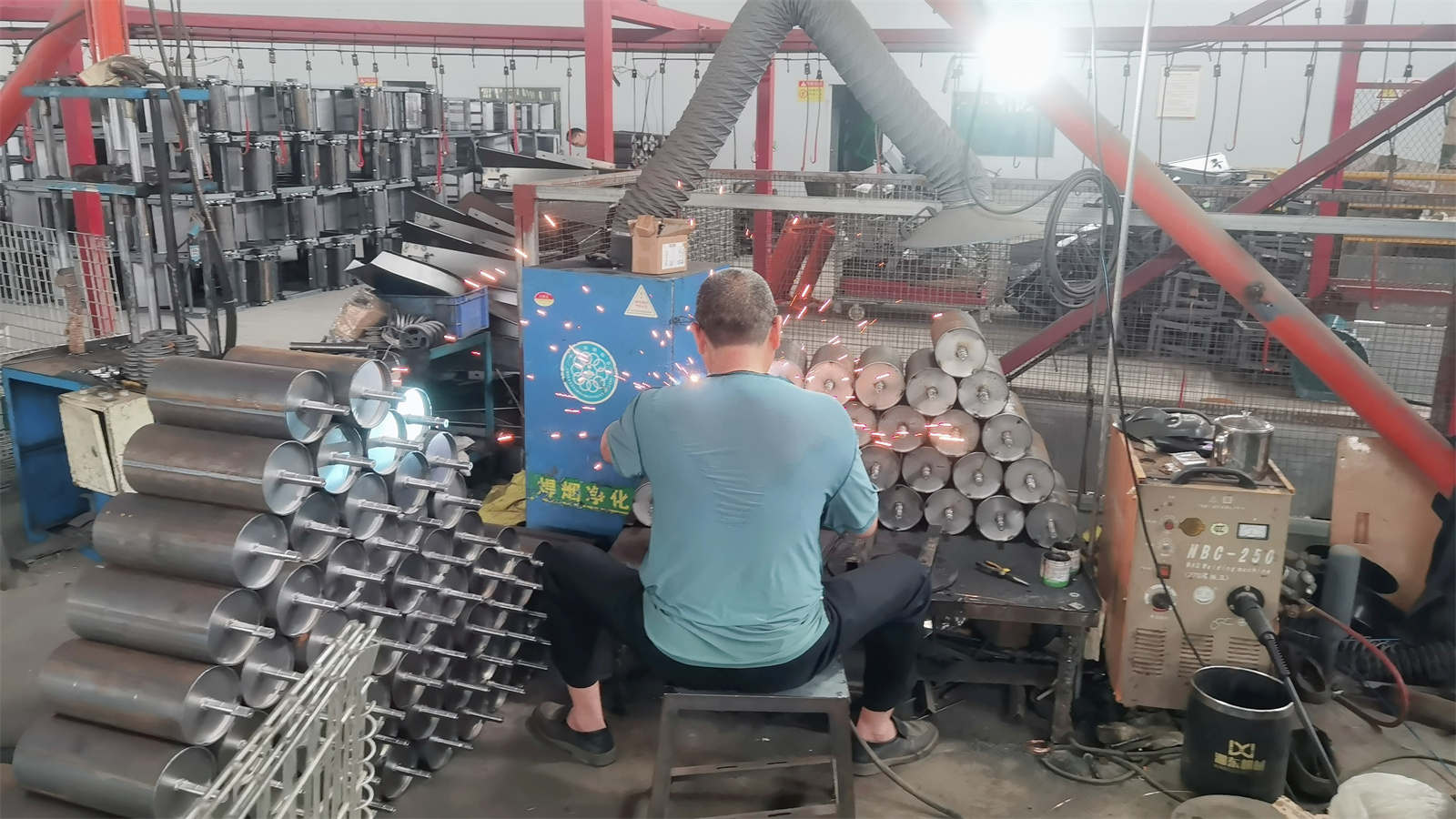
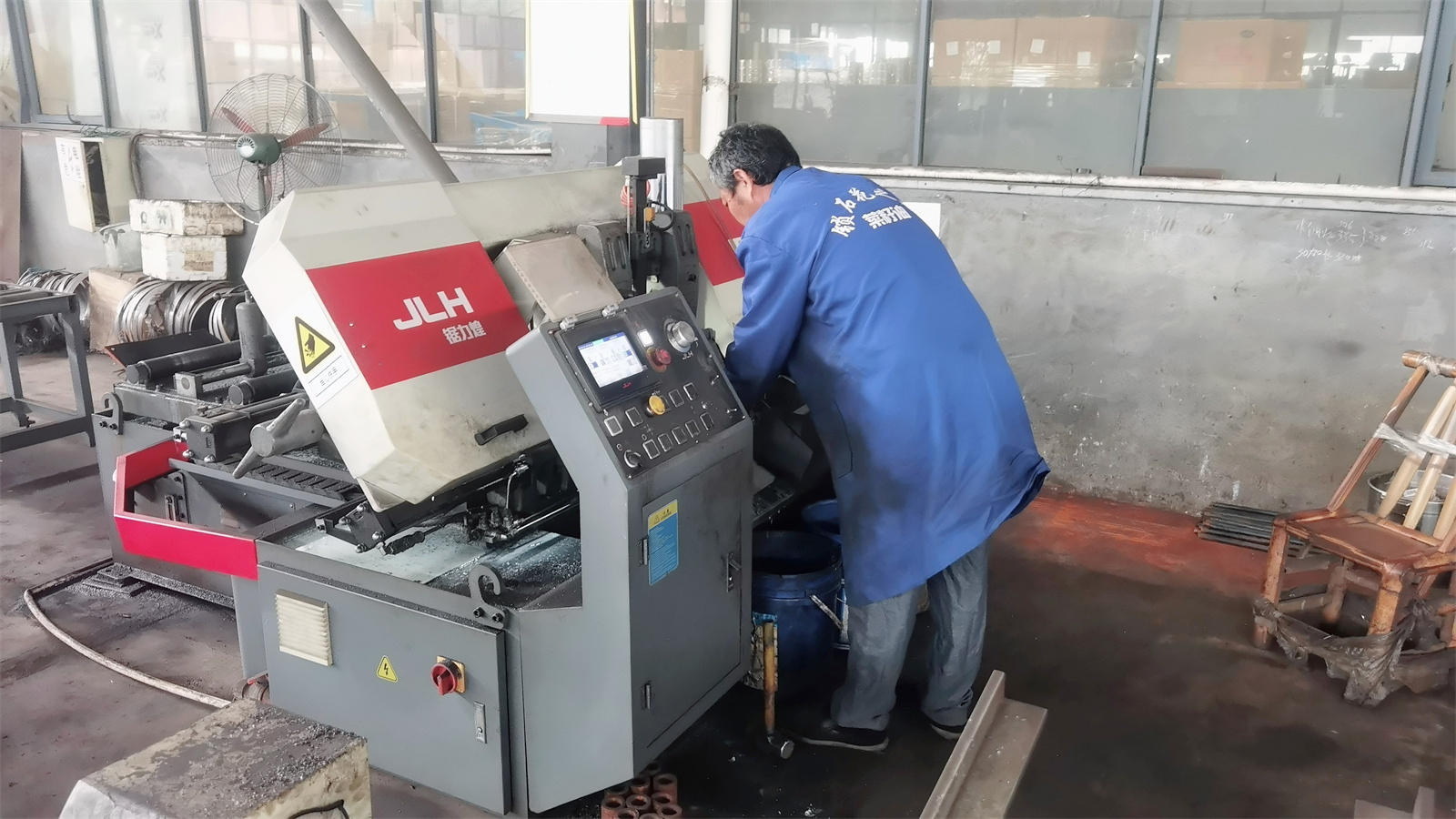
Our heavy-duty mechanical jacks, safety braking systems, temperature control assemblies, and agricultural silos are designed for dependable operation in demanding agricultural and commercial applications. Browse the technical specifications below:
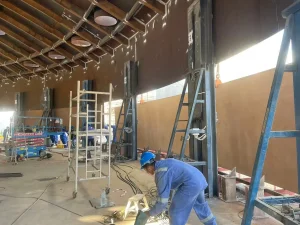
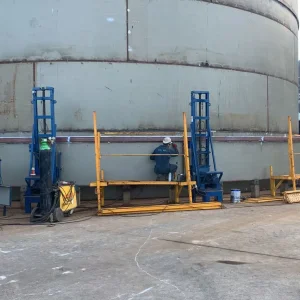
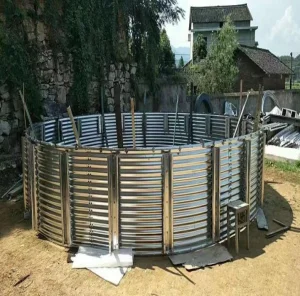
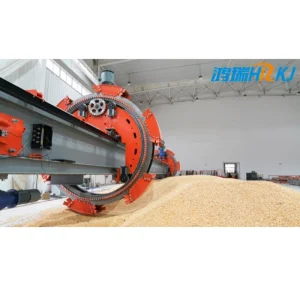
We also offer configuration-specific solutions for diverse storage and installation demands in agricultural sectors, high-stroke setups, and custom-diameter enamel storage tanks.
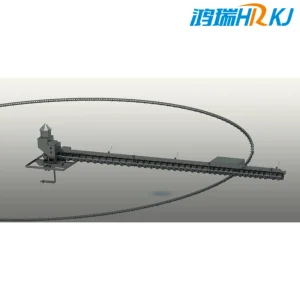
 Jiujie Machine