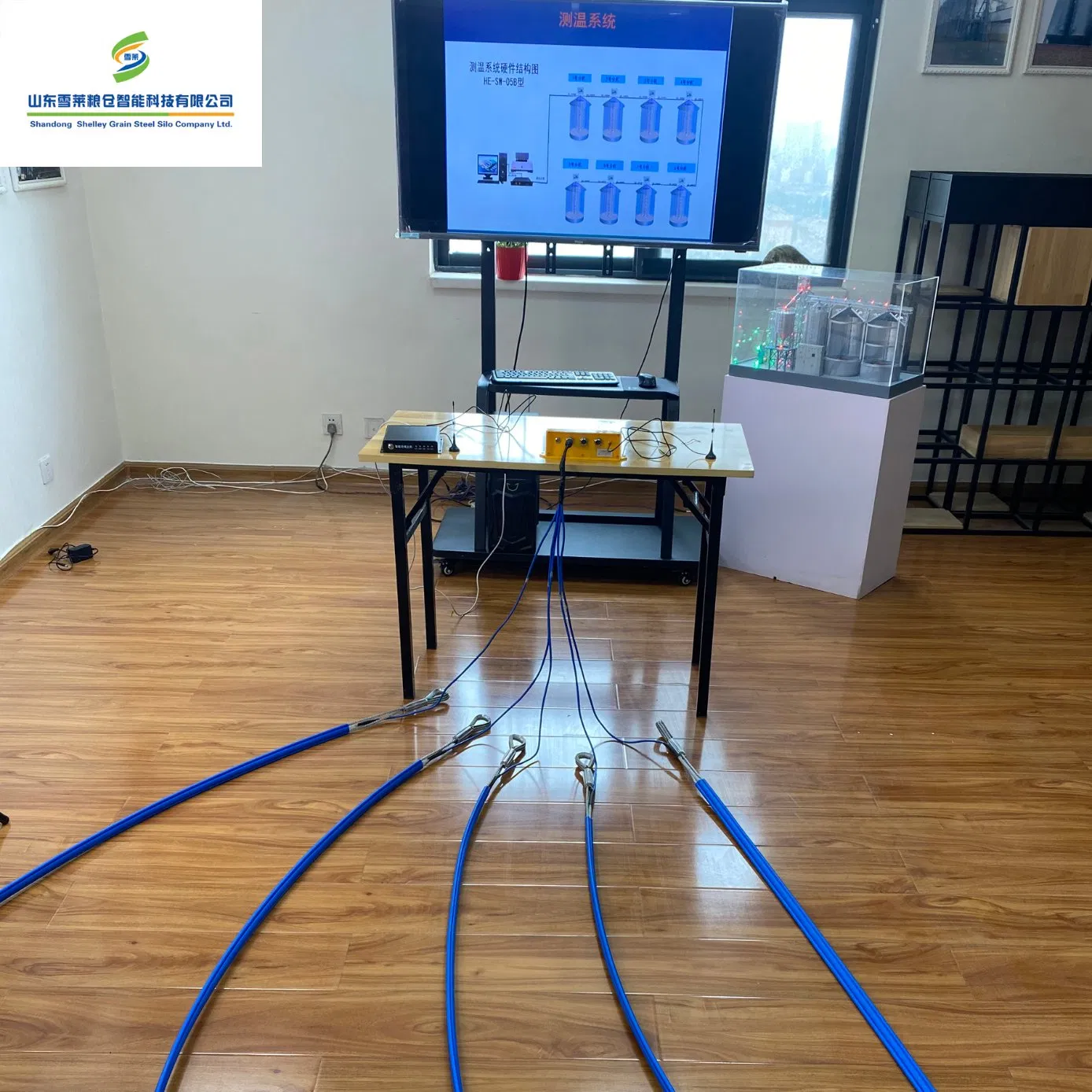
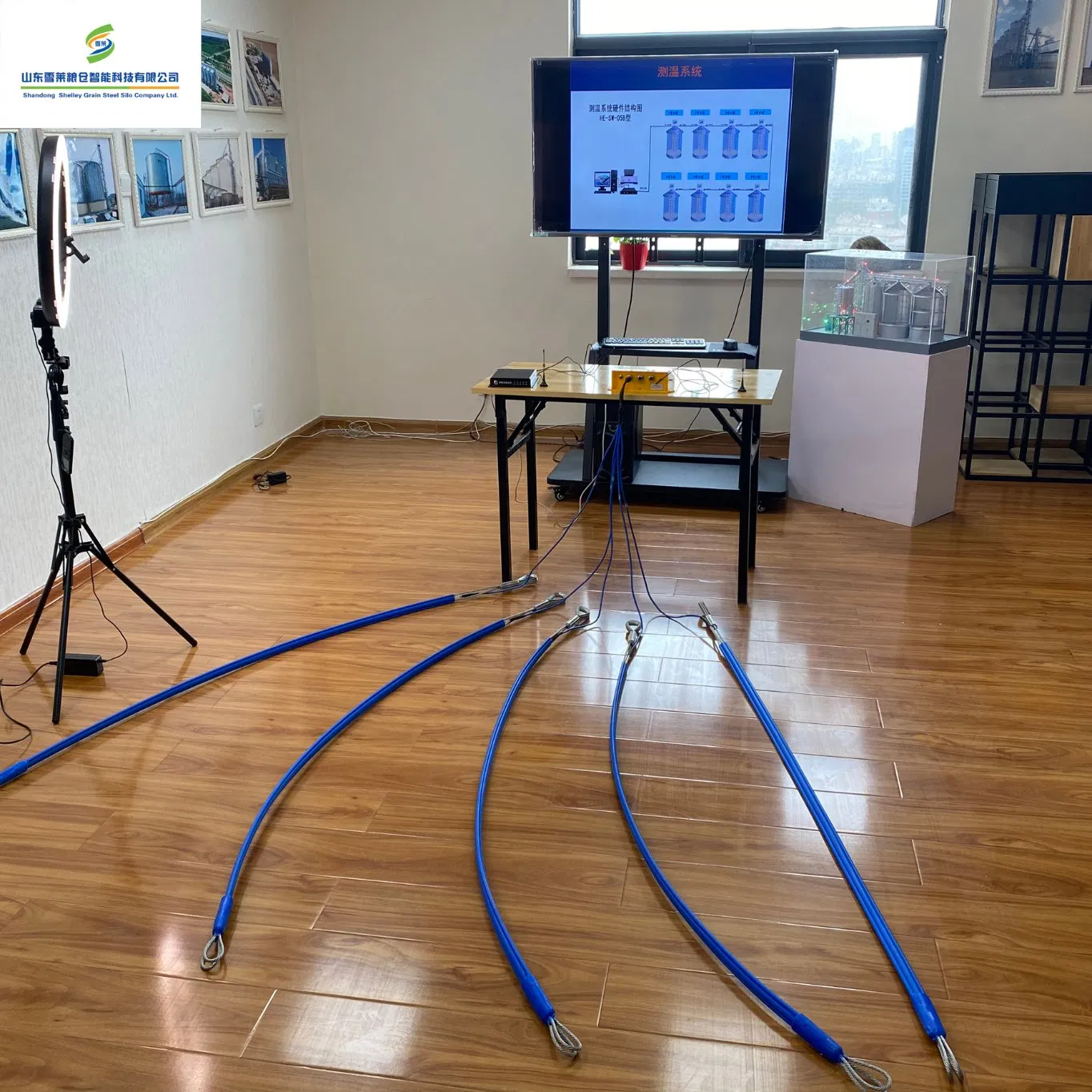
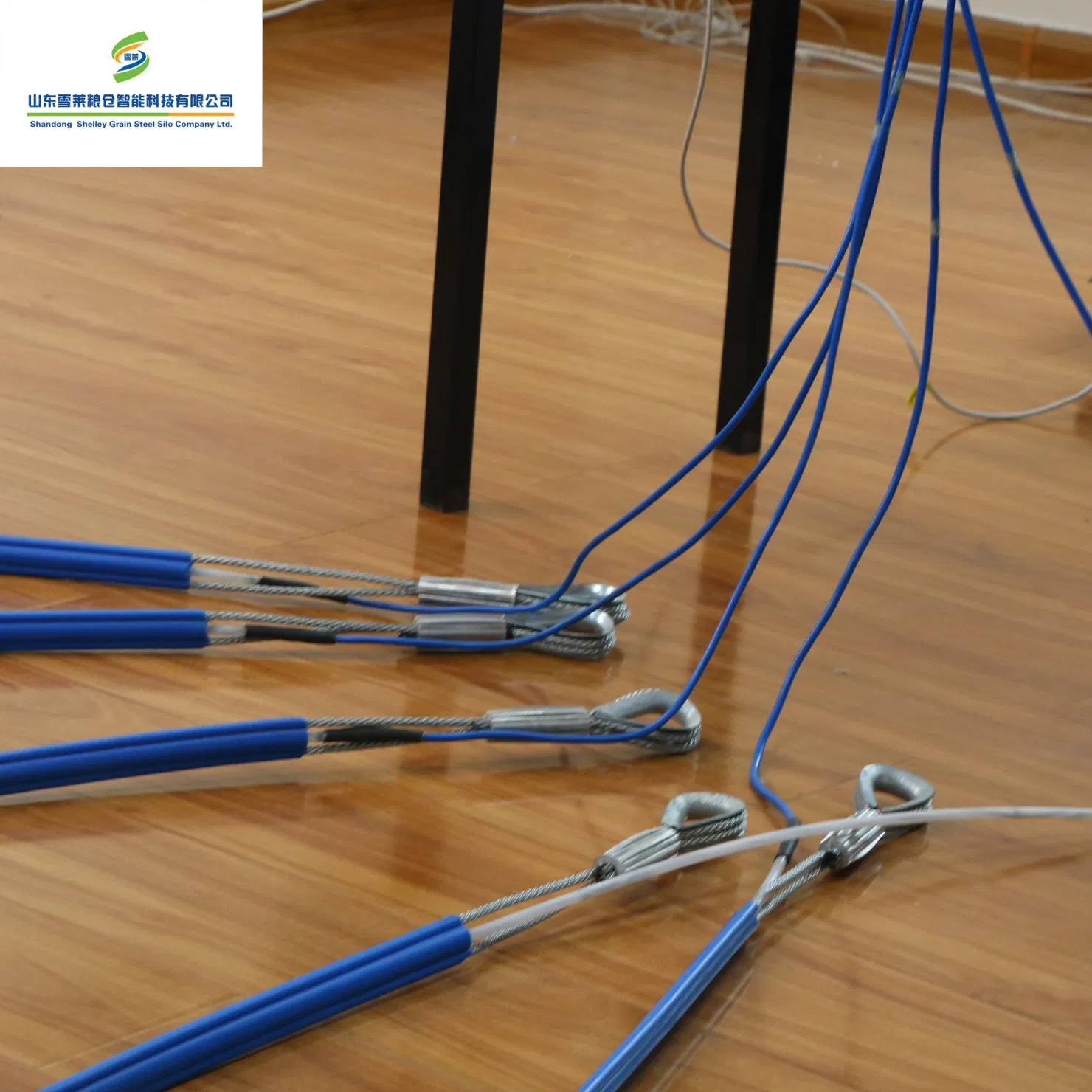
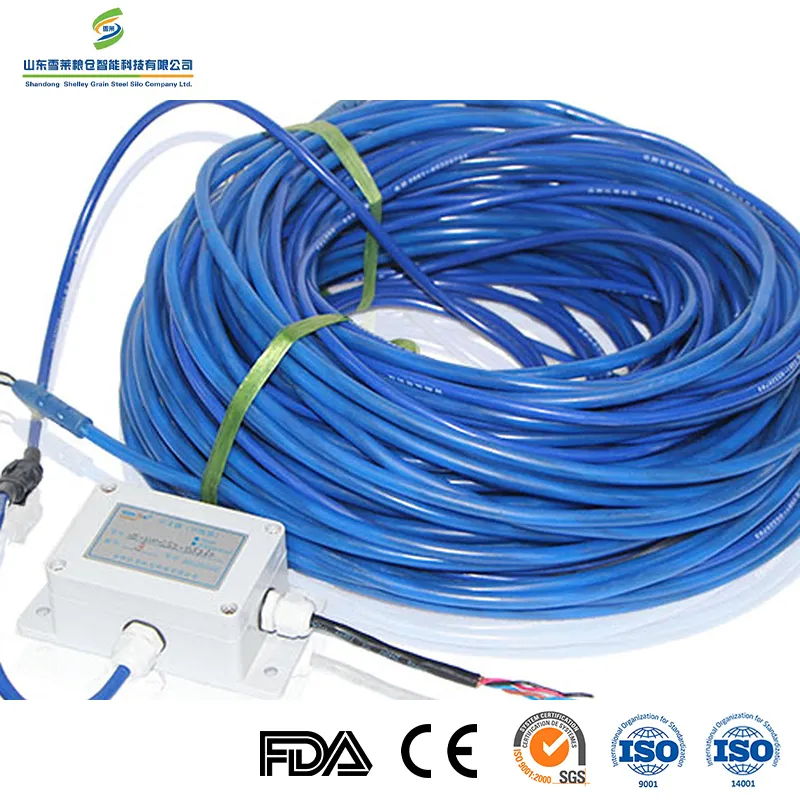
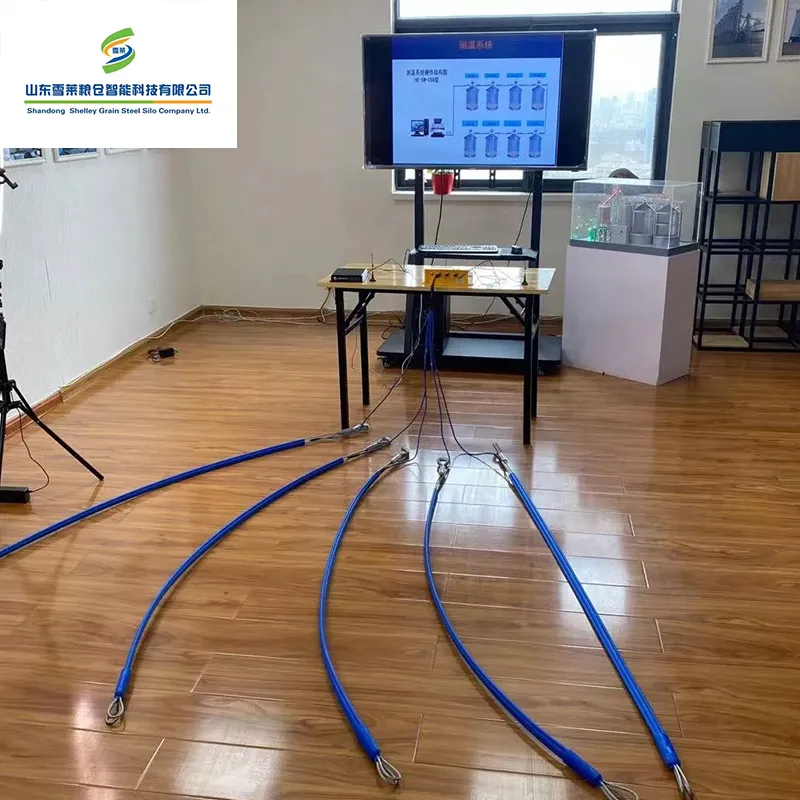
Temperature Monitoring System is the key component of grain storage control system, it is very important to keep the stored grains at the right temperature and prevent spoilage, loss of value. Temperature is the important factor to affect the grain quality. The temperature changes of stored products will indicate that there are problems inside the grain storage silos. Whenever grain rots or when there is a pest problem, the temperature in the silos will rise to indicate there is a problem. The temperature monitoring system is capable of measuring temperature changes inside the silos to enhance real time temperature monitoring.
Specification
Item
Model
Quantity
Remark
Computer
-
1 set
-
printer
-
1 set
-
Temperature measuring software
BL-11
1 set
-
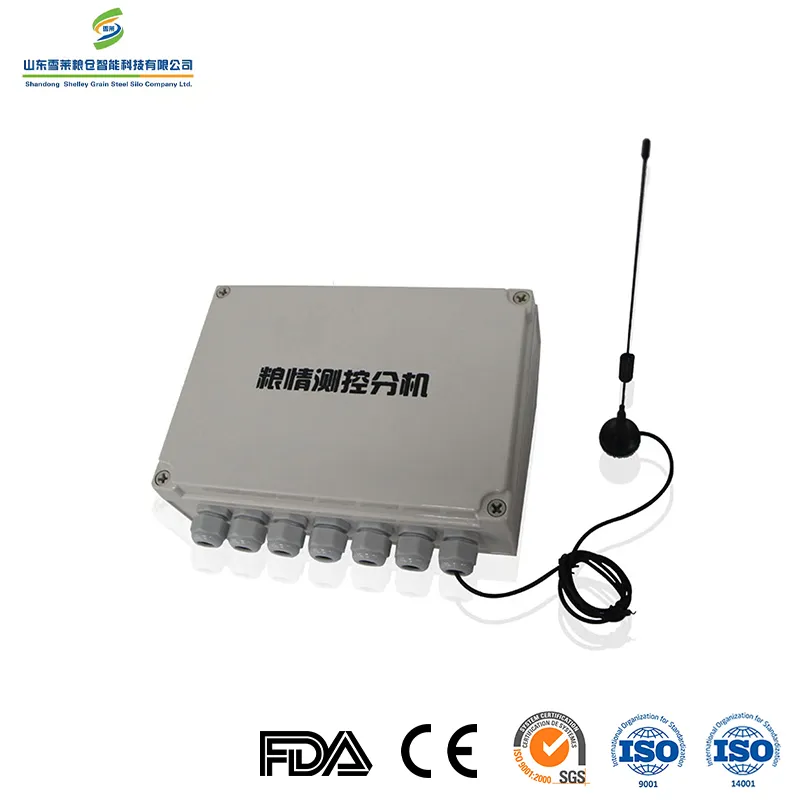
Host
BL-11
1 set
-
Extension
BL-11
4 sets
-
Extension of humidity measuring
BL-11
2 sets
-
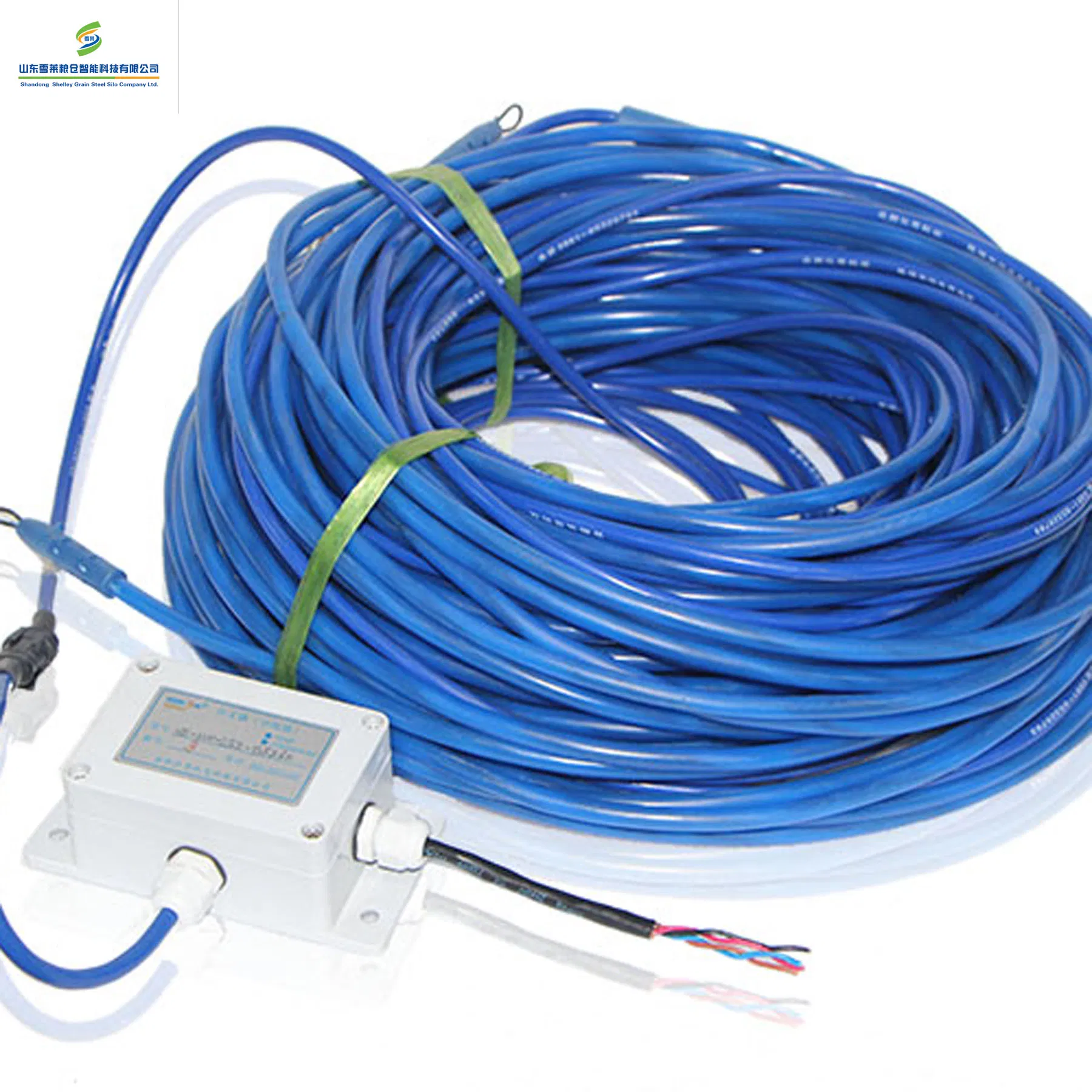
Temperature monitoring cables
8points/14m
60 pcs
Each silos have 6 temperature measuring lines, each line have 8 temperature measuring points.
humidity sensor
1500
11 pcs
-
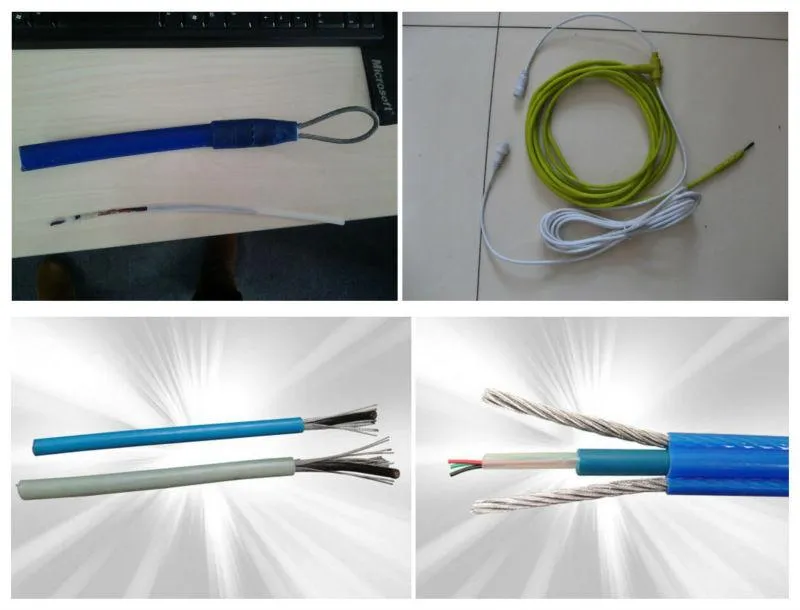
Details Images
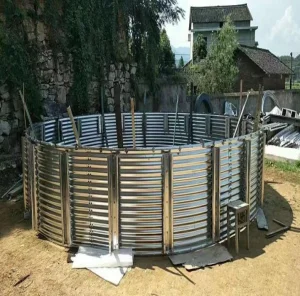
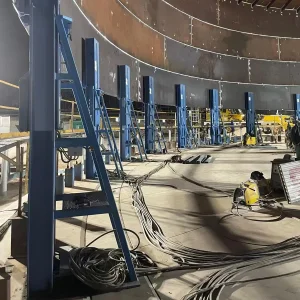
Usage: Temperature monitoring system are installed in silo or grain building warehouse, it is used for monitoring grain's moisture or temperature. In order to keep material in a good quality when storing in a long time.
Technical Data of Equipment
• Temperature measuring range: -30ºC to +70 ºC
• Humidity measuring range: 20% to 99% RH
• Temperature measurement resolution ratio: 0.2ºC
• Humidity measurement resolution ratio: 1% RH
• Temperature measurement error: ±1ºC
• Humidity measurement error: ±5% RH
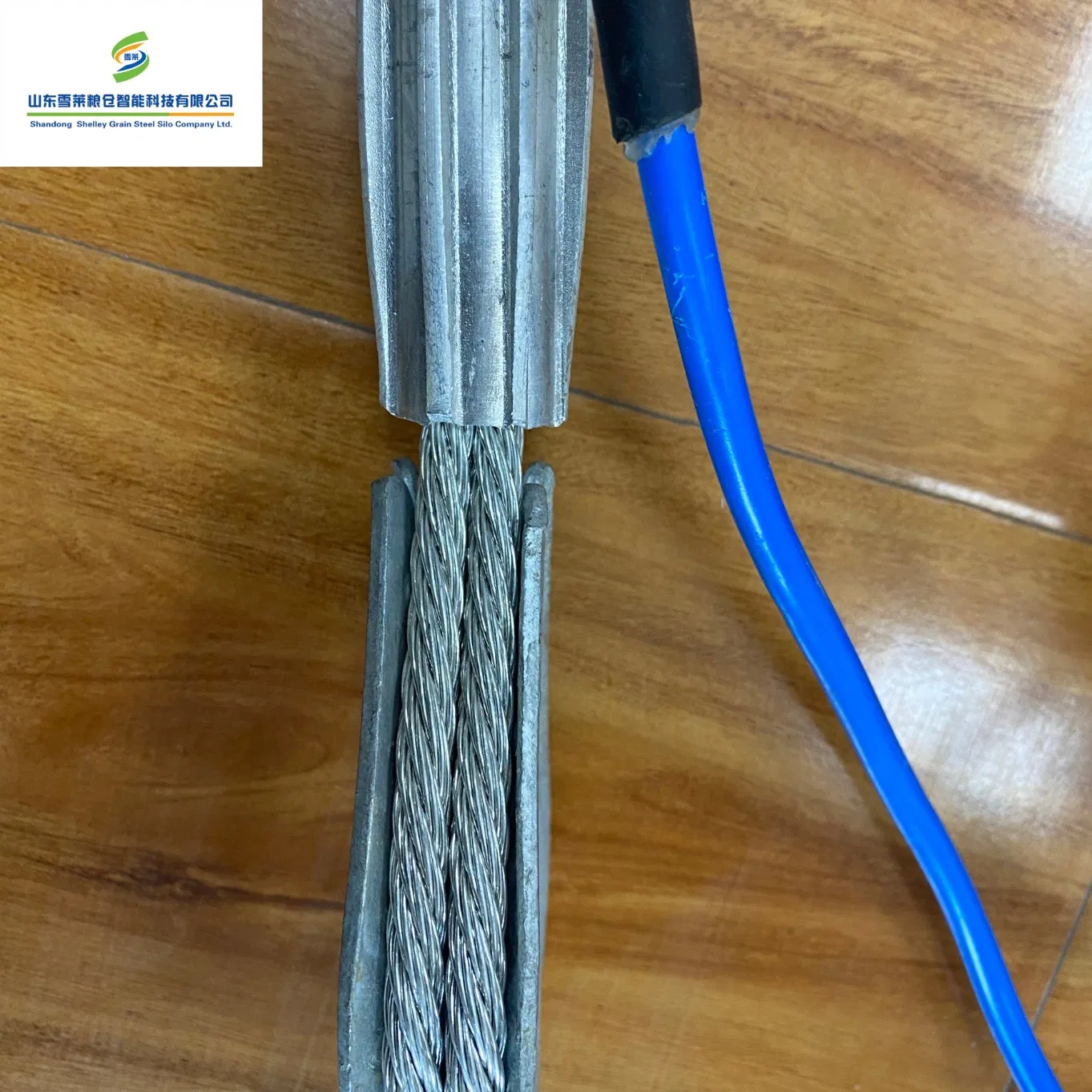
• Temperature measurement cable tension: Not less than 2.5 tons.
Function
Host and extension are using 485 long distance communications technologies.
Extension and sensor inside of silo will adopt advanced digital one-wire bus technology.
Imported digital temperature sensor.
Intelligent system fault self-checking.
Programming interface is simple.
Have the data analysis tool of Temperature curve, Temperature scatter-plot chart, column type chart etc.
Temperature and humidity limit alarm. Daytime temperature limit alarm, and temperature rise alarm.
The special initial point for silo alarm can prevent the false alarm caused by great variation of temperature.
Simultaneously detect temperature & humidity of grain.
Support circular measurement, at any time refresh measure temperature & humidity.
Support continuous level indicator, ventilation control function.
Support cable/wireless data transmission.
Device Introduction:
• Temperature testing Cable: The temperature line has three or two cores inside. Usage: convey signal and power.
• Sensor: The sensor is exported from USA DALLAS 18B20. As a key component, it is high quality and sensitive.
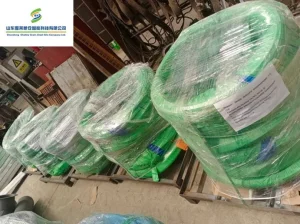
Packing & Delivery
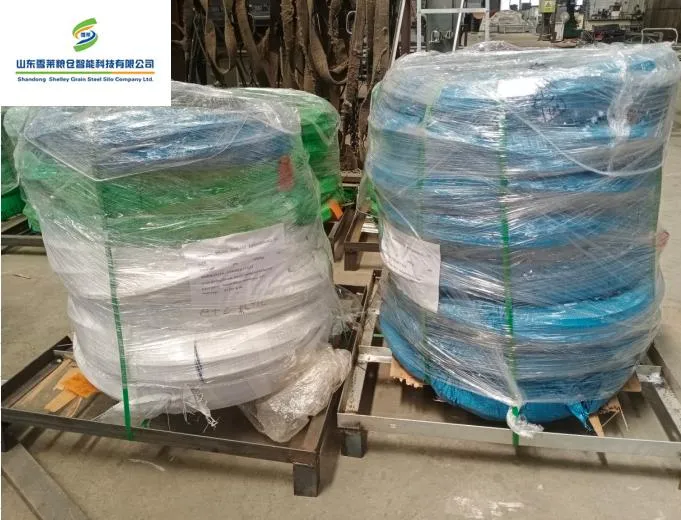
PE Film in roll and then in pallet or package according to customers' special request.
Frequently Asked Questions
Q1: Why is temperature monitoring essential for grain storage silos?
A1: Temperature is a vital indicator of grain quality. Temperature increases inside silos often signal potential issues, such as grain rotting or pest infestation. Early monitoring helps prevent spoilage and loss of value.
Q2: What is the measuring range and accuracy of the sensors?
A2: The system measures temperature from -30ºC to +70 ºC with an error margin of ±1ºC. It measures humidity from 20% to 99% RH with an error margin of ±5% RH.
Q3: What communication technologies are used in this monitoring system?
A3: The host and extension units utilize 485 long-distance communication technologies, while the extension and internal silo sensors use advanced digital one-wire bus technology.
Q4: What kind of sensor is used inside the cables?
A4: The system uses imported USA DALLAS 18B20 digital temperature sensors, which are highly sensitive and ensure stable signal transmission.
Q5: How does the system handle potential false alarms?
A5: The system features a special initial point setting for silo alarms, designed to prevent false alarms caused by sudden natural variations in external temperatures.
Q6: What options are available for data transmission and analysis?
A6: The system supports both cable and wireless data transmission. It also includes comprehensive analysis tools to display temperature curves, scatter-plot charts, and column type charts.
 Jiujie Machine