Explore our precision-engineered grain milling equipment, material handling components, and industrial testing solutions designed for maximum efficiency.
In the contemporary agricultural processing sector, the concept of the combined mill has evolved from basic mechanical integrations into highly sophisticated, multi-stage modular processing systems. Modern food security challenges, rising energy costs, and stringent hygiene standards require food processors to optimize every stage of their workflow. The traditional method of processing agricultural raw materials involved separate installations for destoning, seed cleaning, aspiration, magnetic separation, milling, and grading. Each transition between these systems introduced material loss, mechanical degradation of grains, and substantial power grid strains.
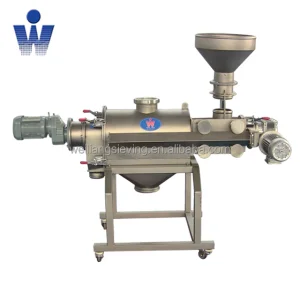
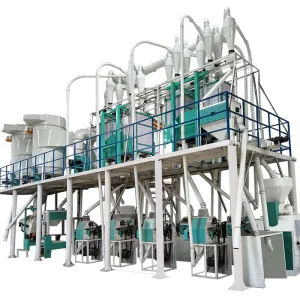
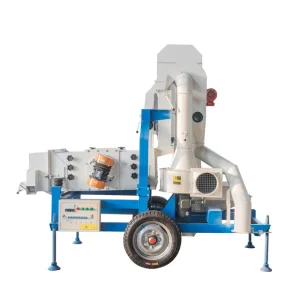
Today, the combined mill bridges these technical gaps. By uniting the functions of seed cleaning, grading, stone extraction, milling, and fine sifting into a unified kinematic structure, modern setups offer a significant leap in efficiency. Globally, industrial food processors are moving away from oversized, disjointed facilities to compact, high-yield plants. Whether handling wheat, corn, barley, or specialized crops, the integration of these processes ensures minimal thermal build-up, maintaining the natural properties and gluten structure of the end-product.
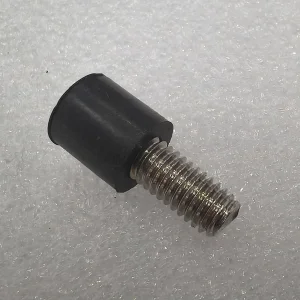
The manufacturing of combined milling plants is shifting toward automation and custom materials engineering. One primary driver is the demand for low-maintenance, vibration-dampened machinery capable of continuous operation. Innovations in natural and synthetic elastomers, such as food-grade NBR and FKM dampers reinforced with 304 stainless steel, have allowed modern factories to run quieter and with significantly less structural fatigue.
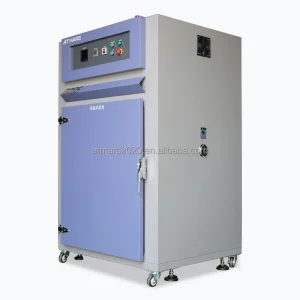
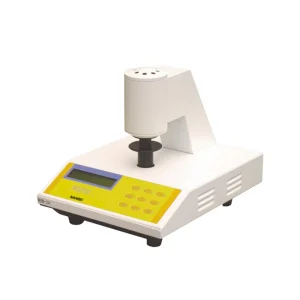
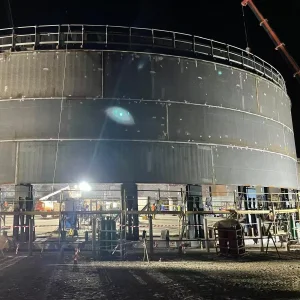
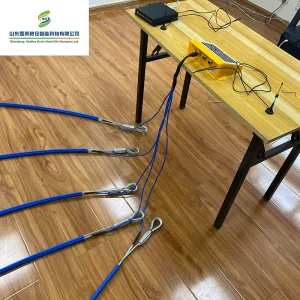
Furthermore, digital integration—ranging from PLC-controlled lead screw jacking systems for storage silos to integrated optical sensors—allows operators to manage entire grain processing lines from central interfaces. High-accuracy testing instruments like whiteness meters and high-temperature laboratory drying ovens are now standard additions in combined mill installations. These components ensure real-time quality control checks that align outputs with international grade certifications.
Procurement managers and engineering directors in the industrial food sector face complex sourcing decisions. When purchasing combined mills and associated sorting systems, their criteria extend far beyond the initial capital expenditure. Modern procurement strategies focus heavily on Total Cost of Ownership (TCO), operational uptime, and local regulatory compliance.
A critical consideration for global buyers is modular scalability. A mill must be designed with standard mechanical interfaces so it can easily adapt to shifts in raw materials—for example, switching from soft wheat processing to high-protein durum or ancient grains like quinoa. Furthermore, global food safety regulations (such as FDA standards in the United States and EFSA requirements in the European Union) demand that contact surfaces be constructed of high-grade, non-reactive materials like 304 or 316 stainless steel, and that all dust extraction and collection systems prevent cross-contamination.
Machines must align with strict international standards, including CE and ISO9001 certifications. Dust collection systems must prevent explosions and maintain clean workspaces.
With volatile utility costs, modern plants prioritize milling units with optimized motor loads, regenerative drives, and low-friction bearings.
Modular layouts allow combined mills to integrate directly with existing conveying networks, storage silos, and automated packaging systems.
The application of combined mills varies significantly depending on geographical and agricultural regions. For example:
As an industry-leading supplier of complete food production and grain processing equipment, Henan Jiujie Machine Co., Ltd. delivers engineered solutions that span the entire value chain. Our expertise covers wheat flour milling plants, animal feed processing facilities, and high-precision rice processing installations. We build machines that bridge the gap between traditional mechanical engineering and modern smart manufacturing.
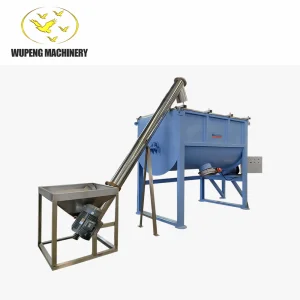
From raw material receipt to storage, cleaning, grading, sifting, grinding, mixing, and final packaging, Jiujie systems are built to perform under demanding conditions. Our engineering teams utilize CAD/CAM design systems and high-precision machining centers to build components with tight mechanical tolerances, ensuring long service lives and minimal downtime.
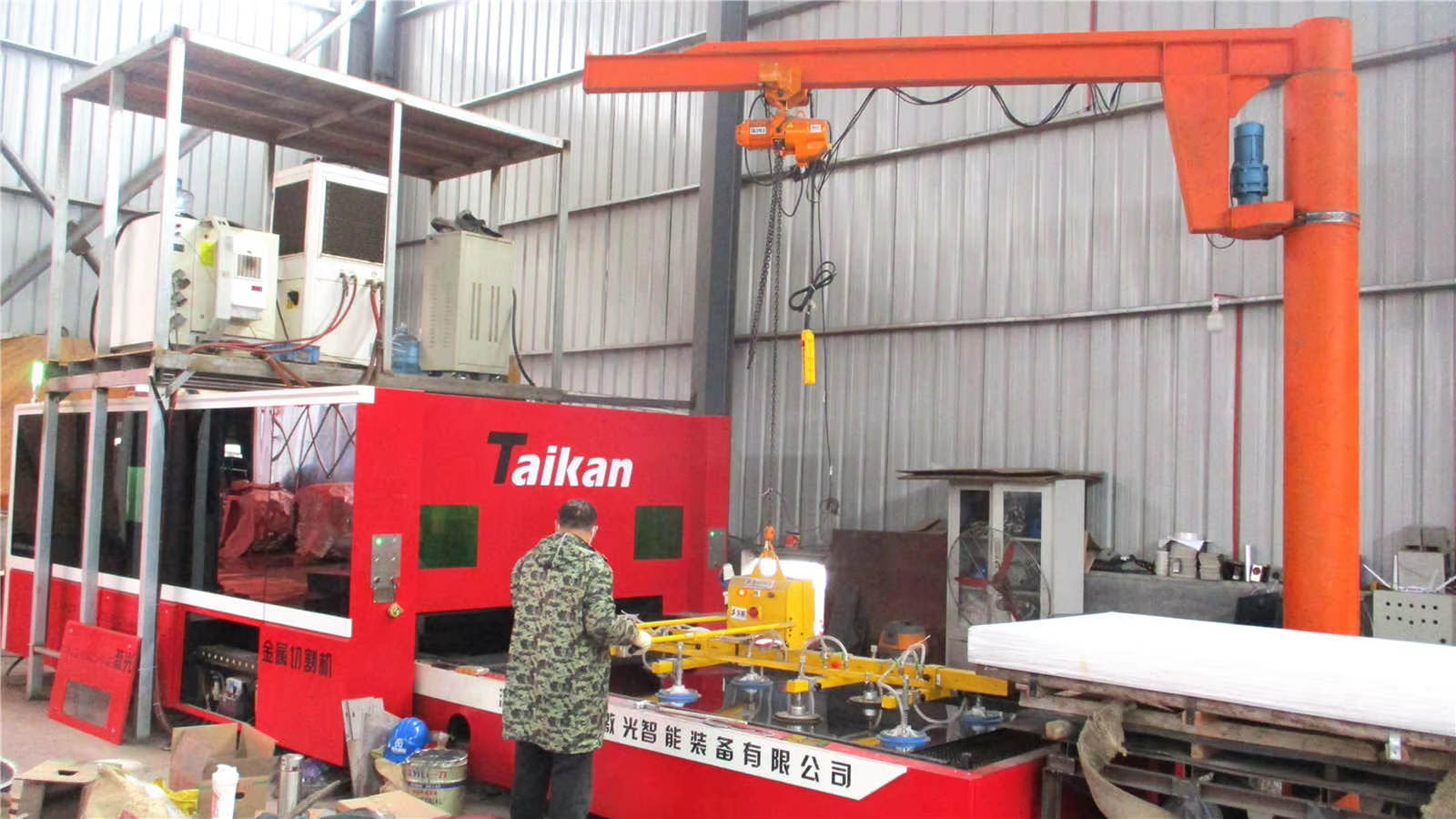
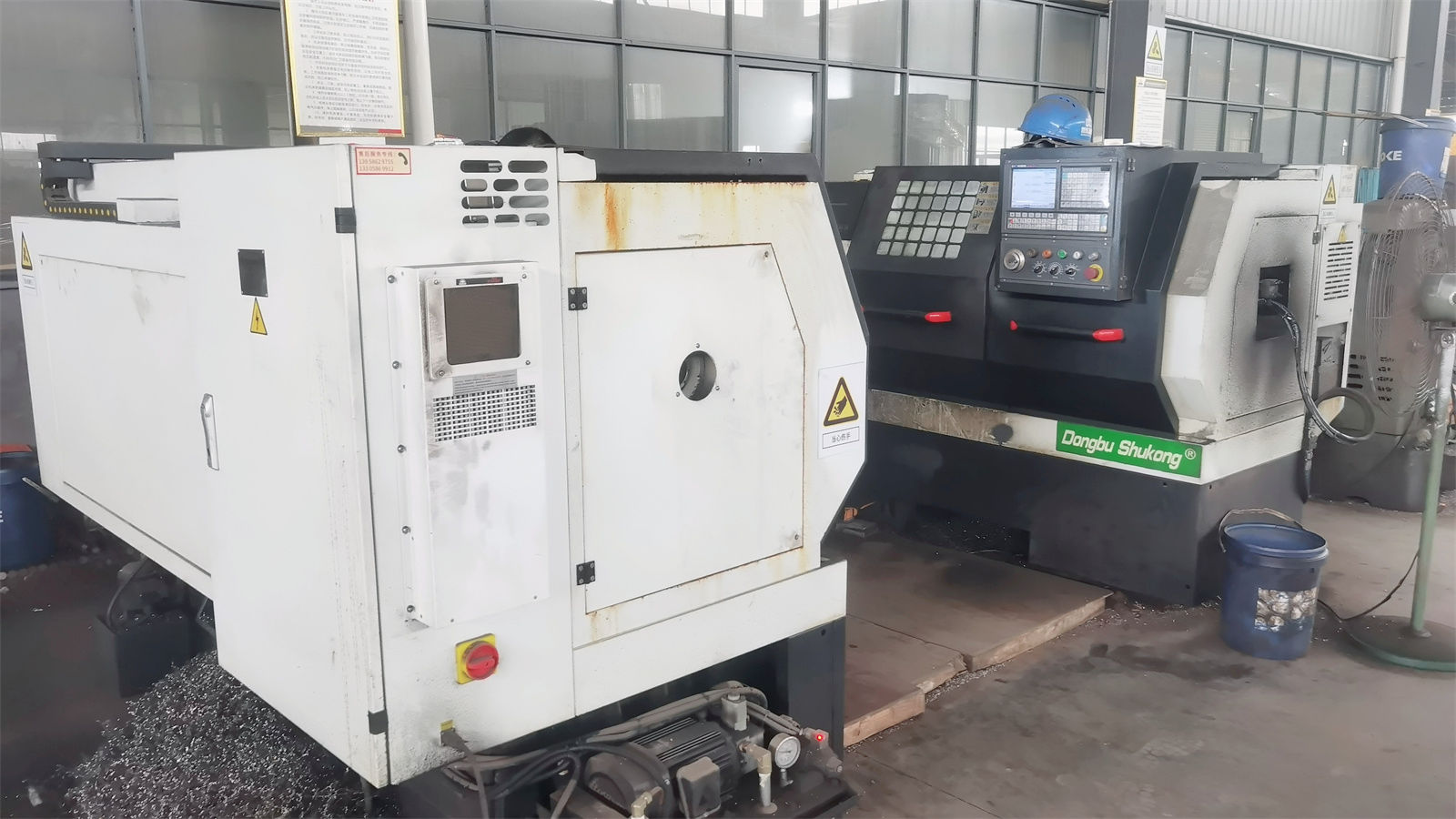
China's manufacturing sector has undergone a significant digital transformation, transitioning from manual assembly lines to high-precision, automated smart factories. As a key representative of this shift, Henan Jiujie Machine Co., Ltd. has integrated CNC-driven technologies to ensure consistent equipment quality and build-to-order manufacturing flexibility.
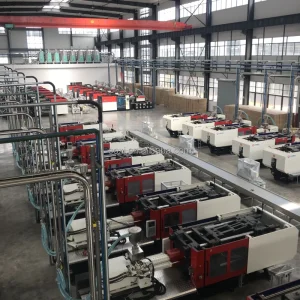
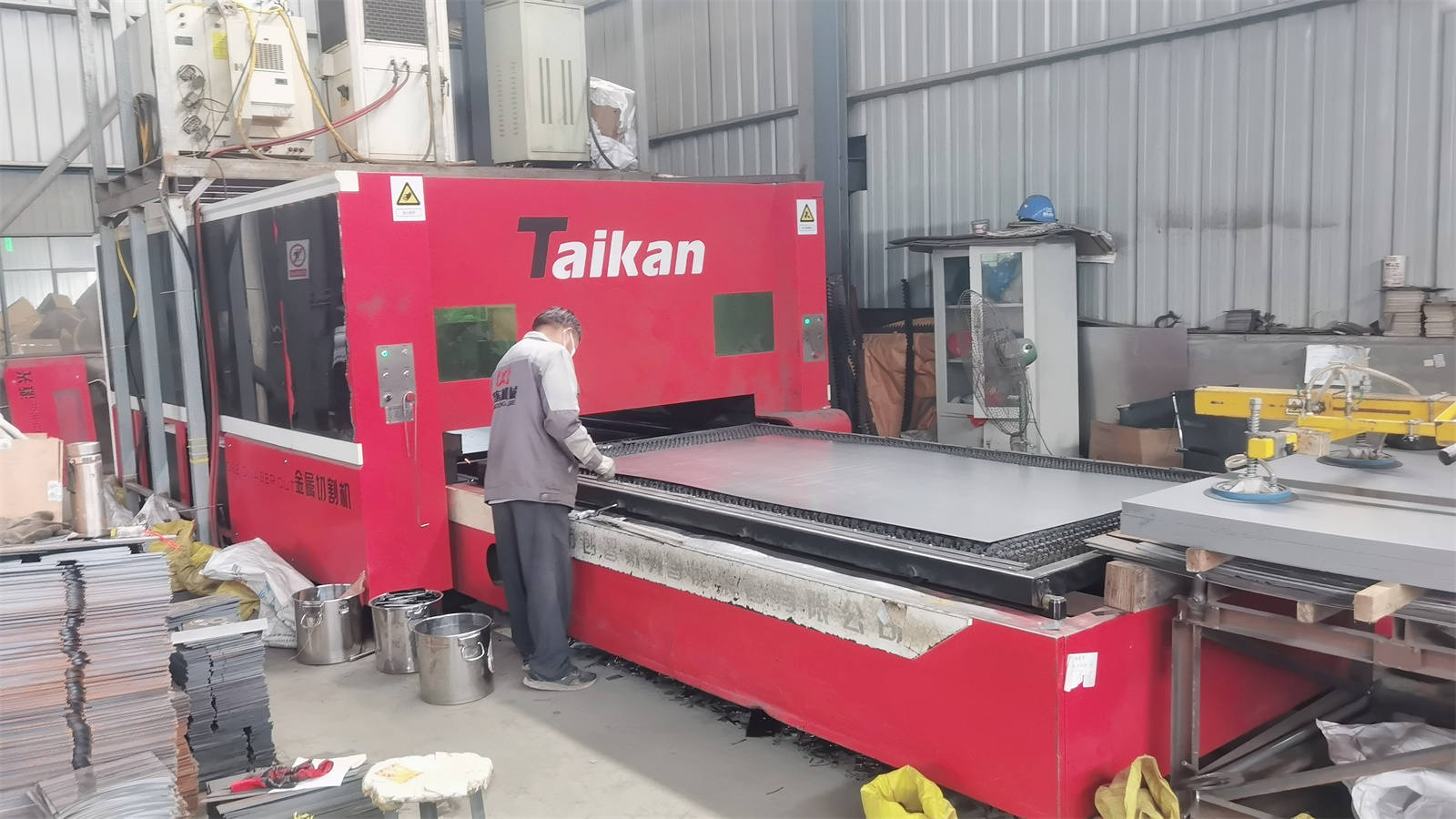
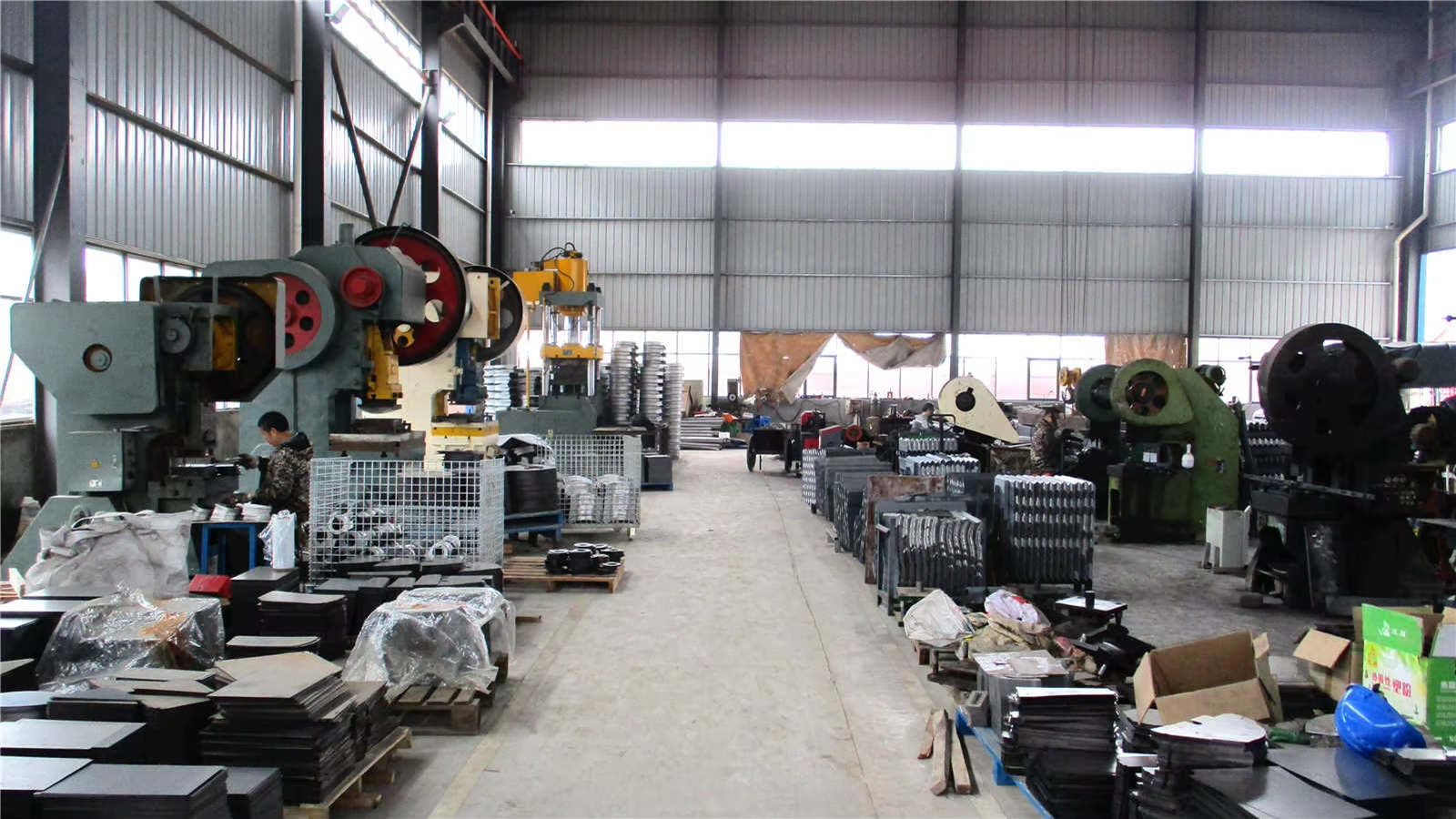
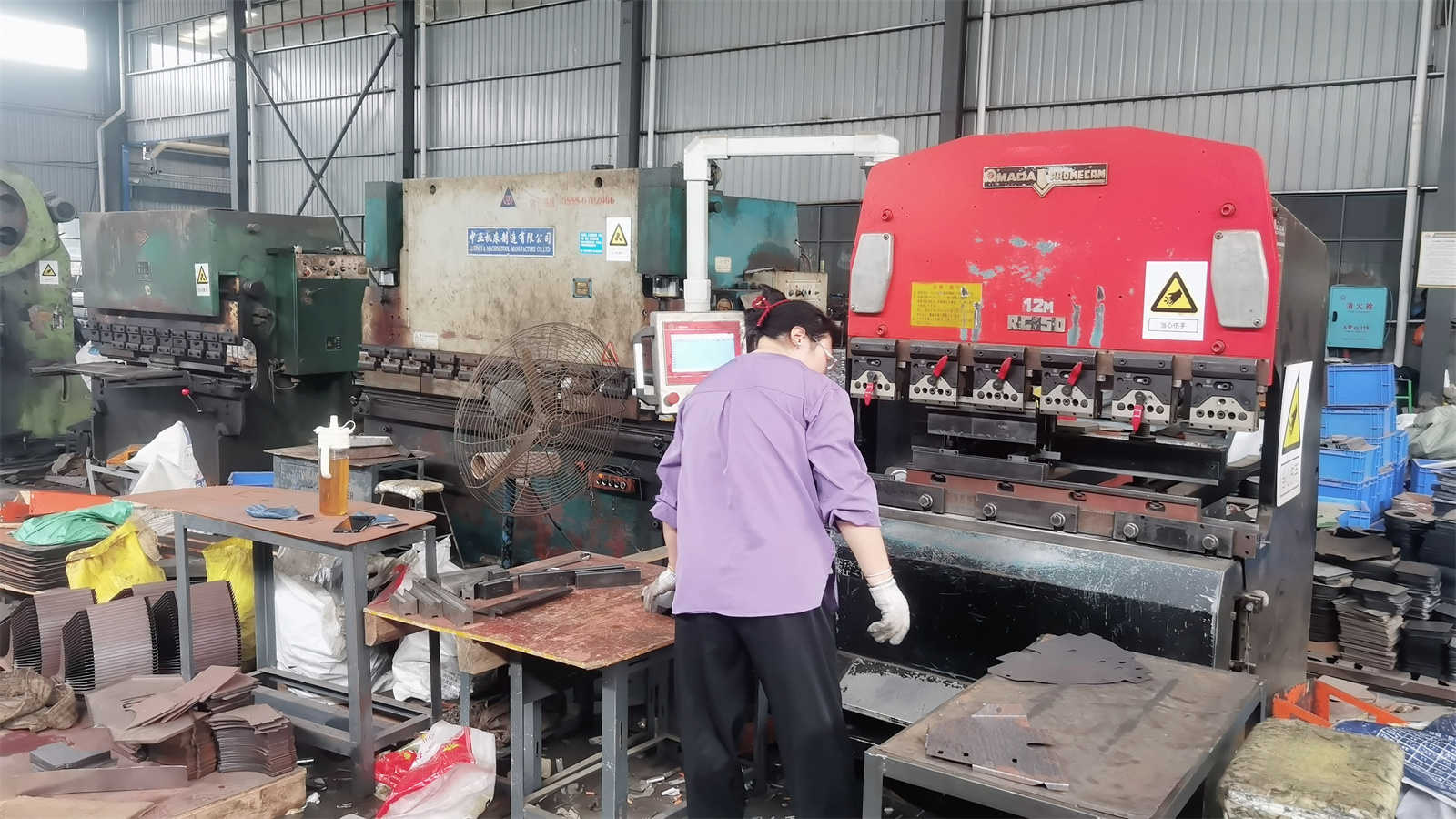
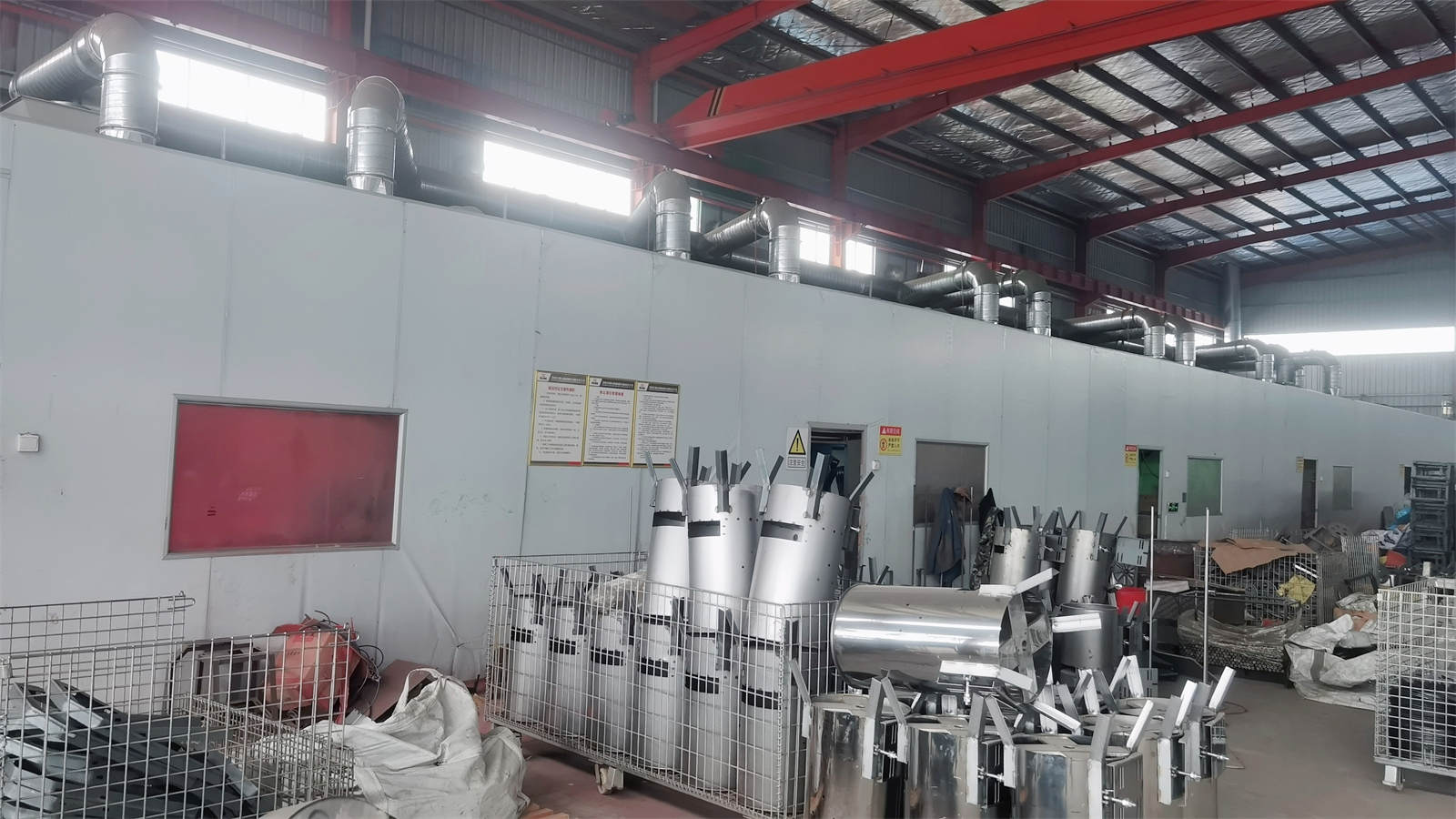
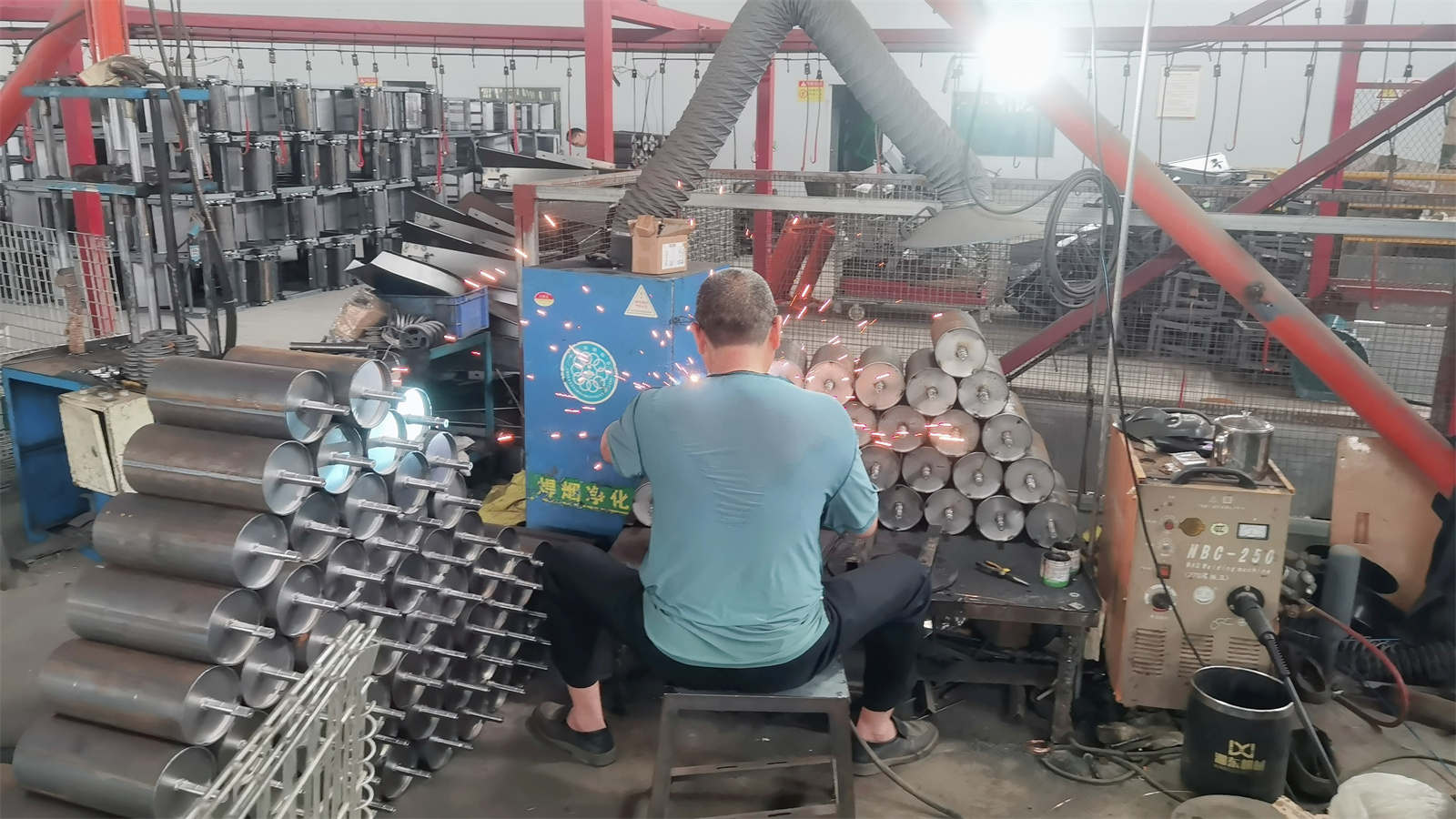
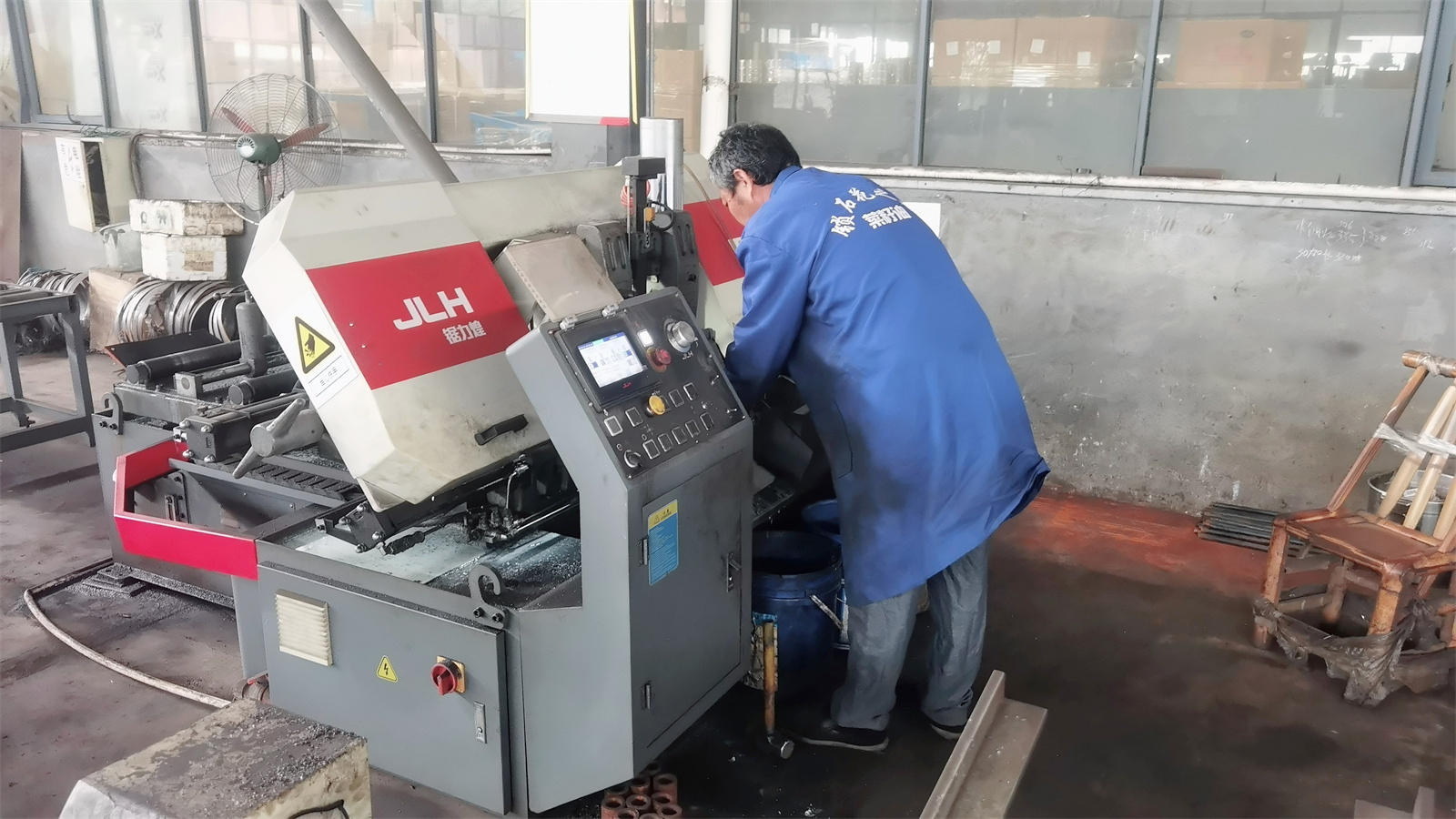
Our manufacturing facility features advanced fabrication systems, including CNC laser cutters, high-precision bending lines, and robotic CO₂ and argon arc welding stations. By automating steel plate processing and machining, we reduce dimensional deviations to below 0.05 mm. This level of precision is critical when building industrial roller mills, grading sifters, and high-speed centrifuges, where even minor alignment errors can lead to premature bearing wear and mechanical instability. Additionally, our automated electrostatic spraying and powder coating lines protect all outer components from oxidation and chemical wear, extending the lifespan of machinery operated in demanding environments.
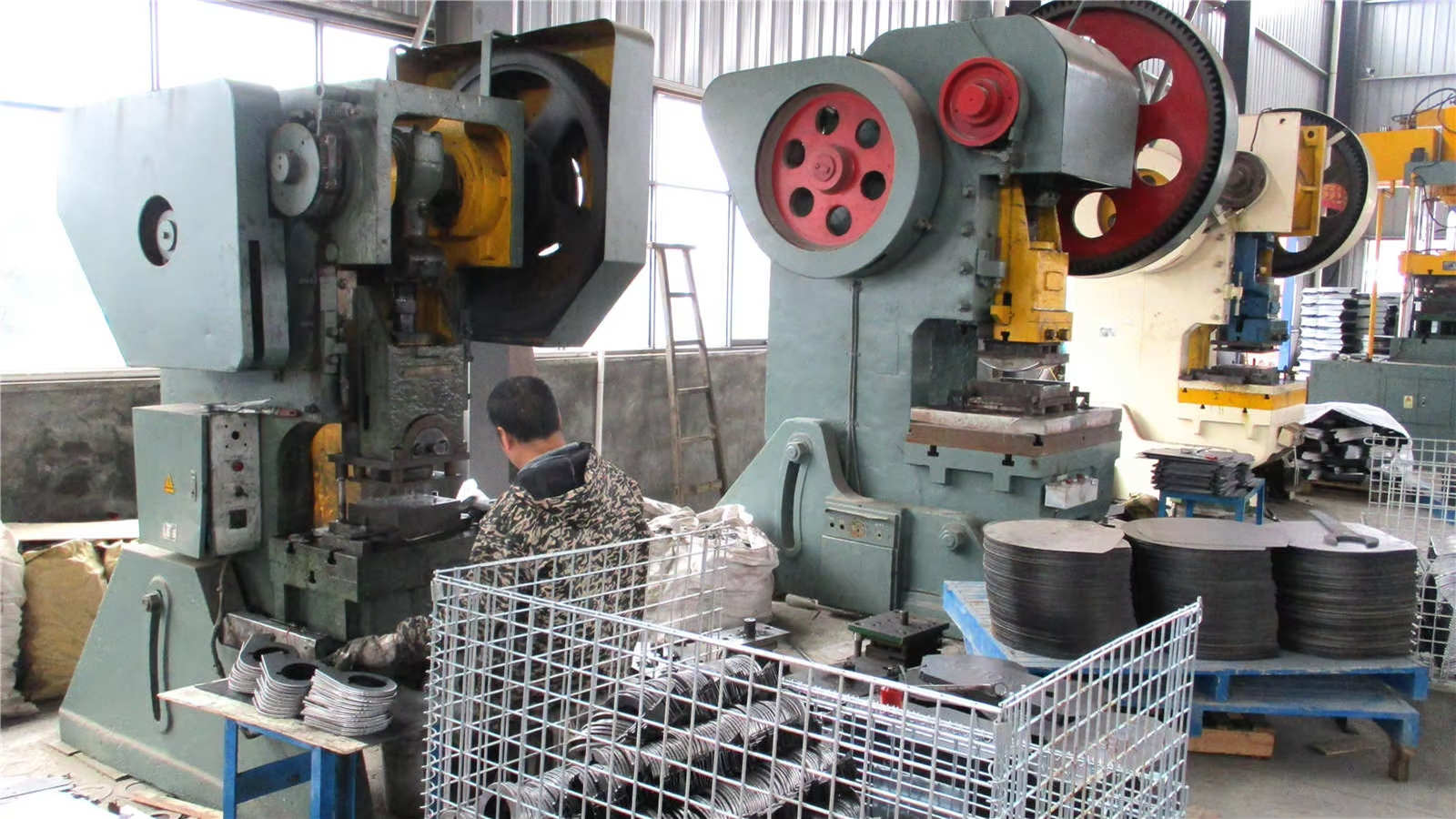
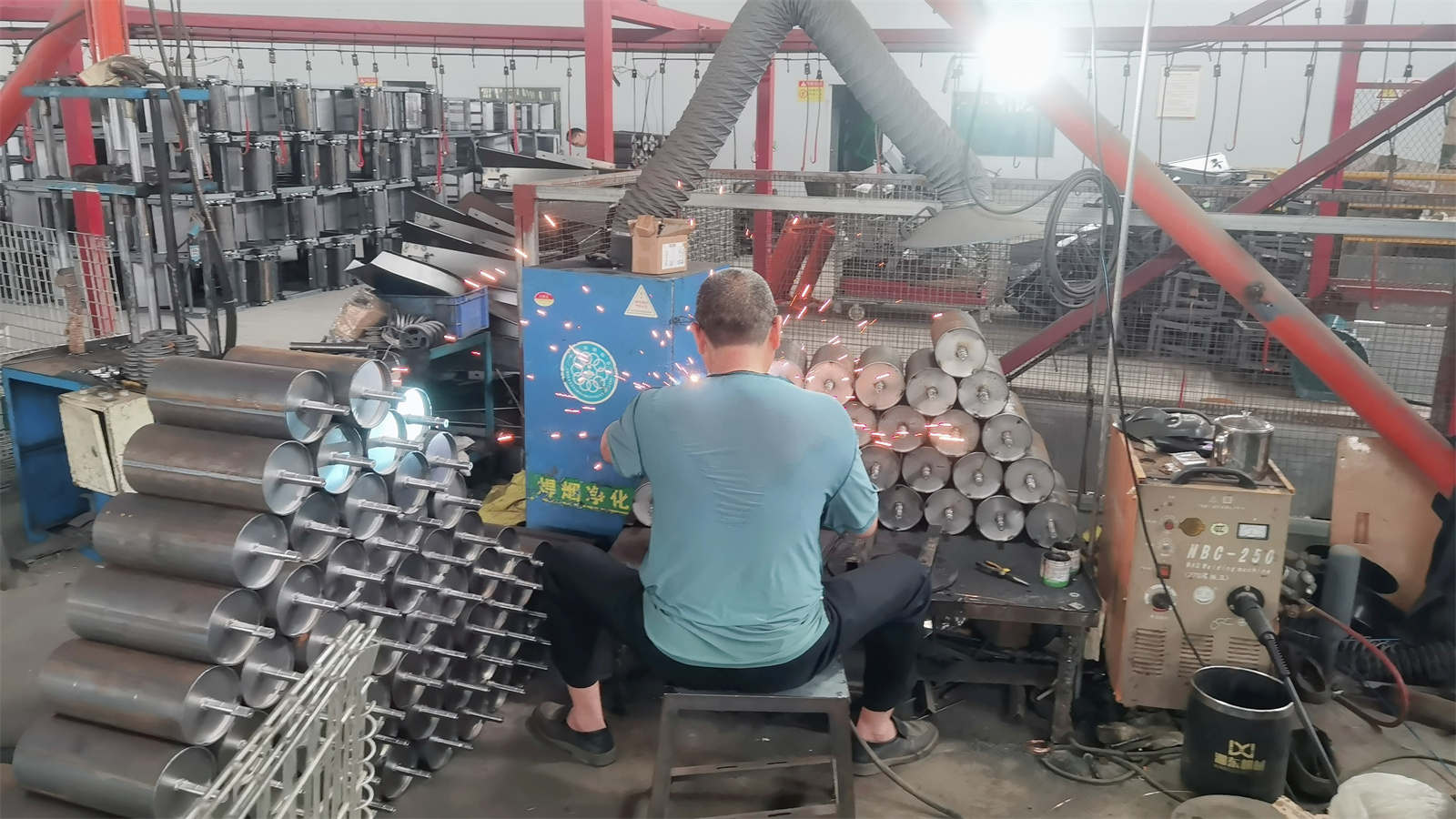
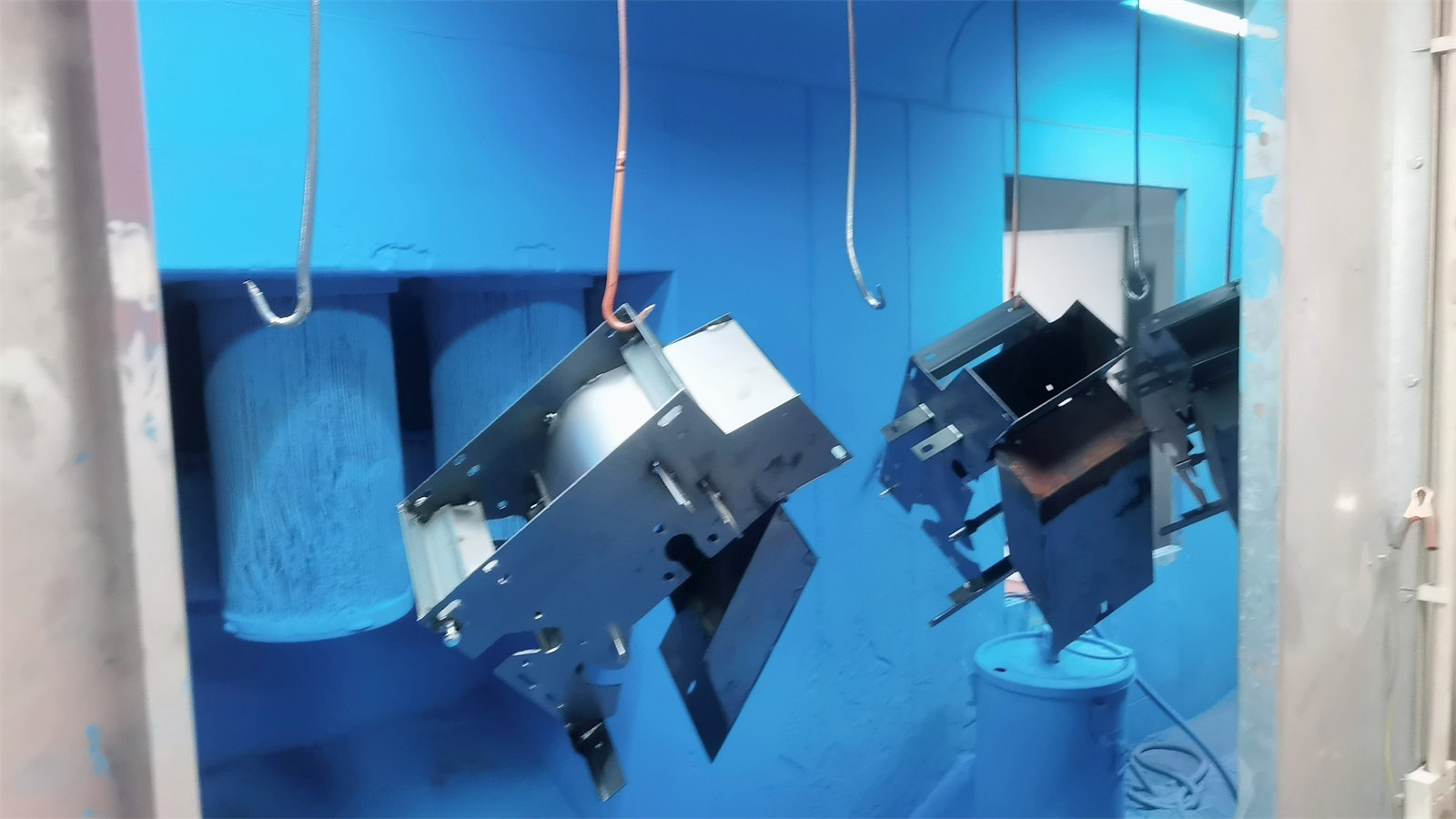
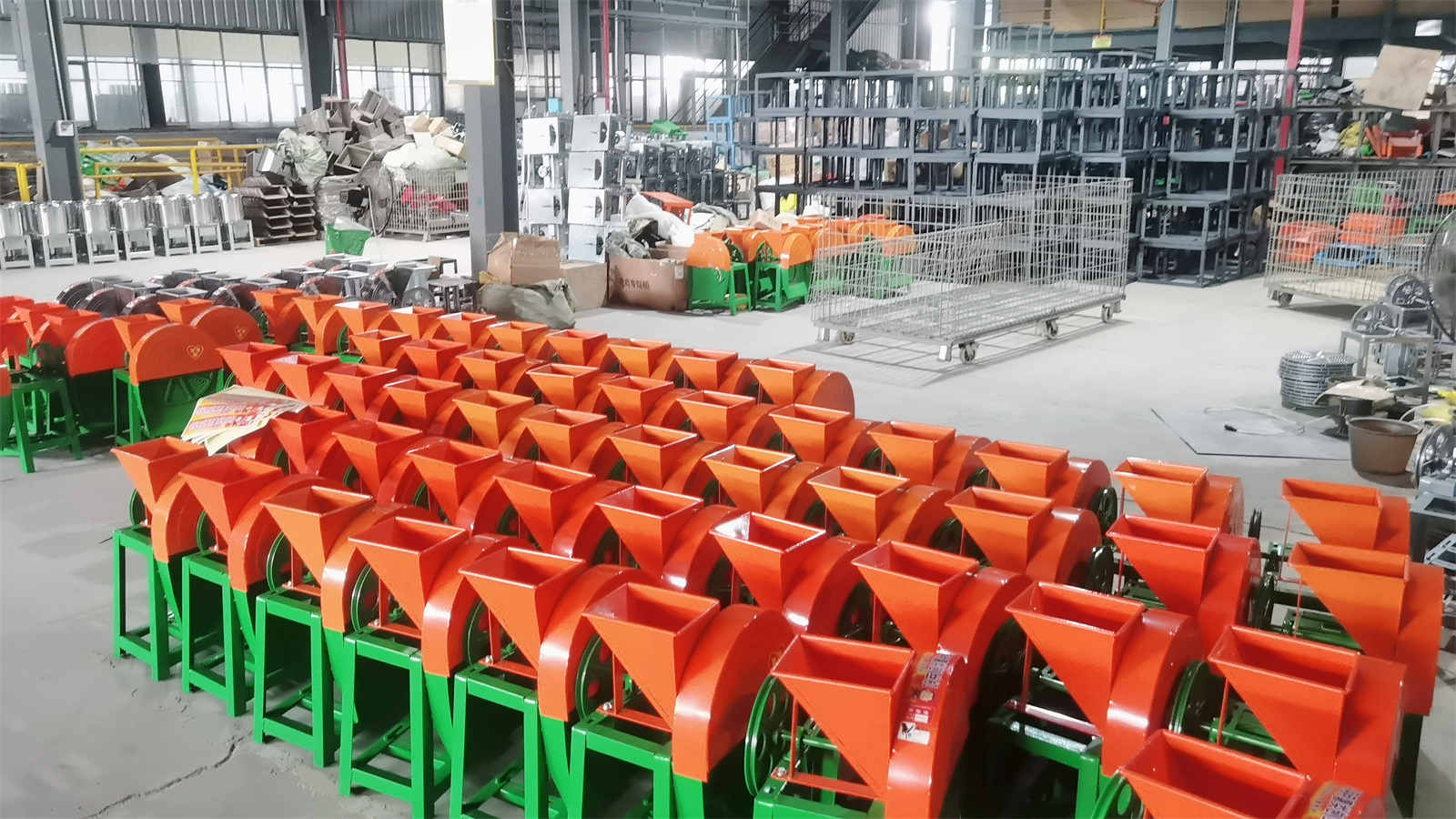
Our manufacturing processes are guided by international standards. The flour milling equipment, separators, and storage systems produced by Henan Jiujie Machine Co., Ltd. are certified under the ISO9001:2015 quality management system and hold European CE marks. These certifications ensure our equipment meets rigorous quality and safety benchmarks, allowing global operators to integrate them into regulated production chains.
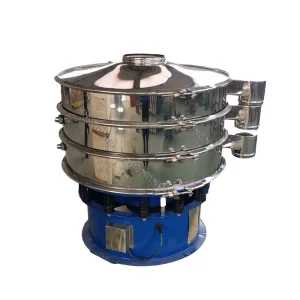
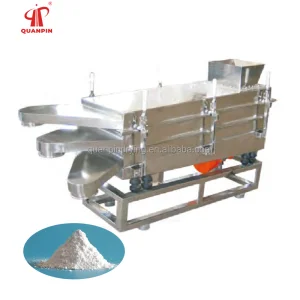
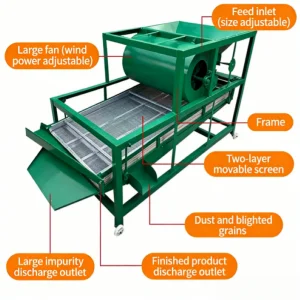
Beyond mechanical safety, our engineering emphasizes environmental sustainability. Traditional grain cleaning lines often rely on water-intensive washing processes to remove soil, stones, and dust. Jiujie has replaced these legacy techniques with an advanced, waterless dry-cleaning process. By utilizing high-velocity air separation, aspirators, and vibrating grading sieves, we eliminate wastewater discharge entirely. This design supports global environmental compliance standards while lowering daily operating costs for facilities.
Our production floor is equipped to support custom manufacturing requirements. Below are the key fabrication machines that drive our manufacturing capabilities:
Get expert engineering answers regarding combined mill configuration, operation, and maintenance.
Browse our line of destoning, grain sorting, safety monitoring, and automated storage solutions.
 Jiujie Machine