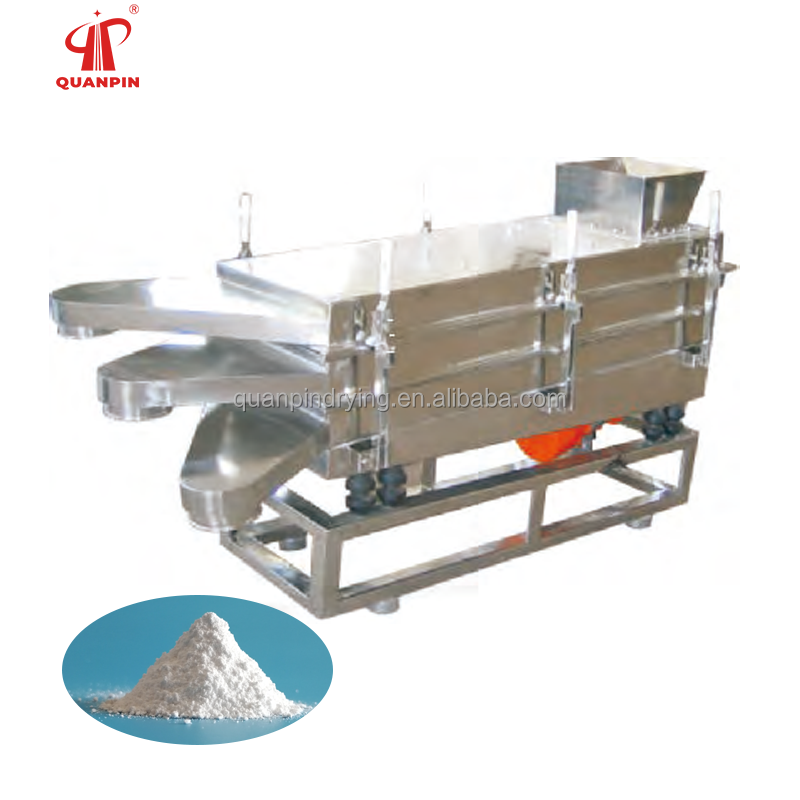
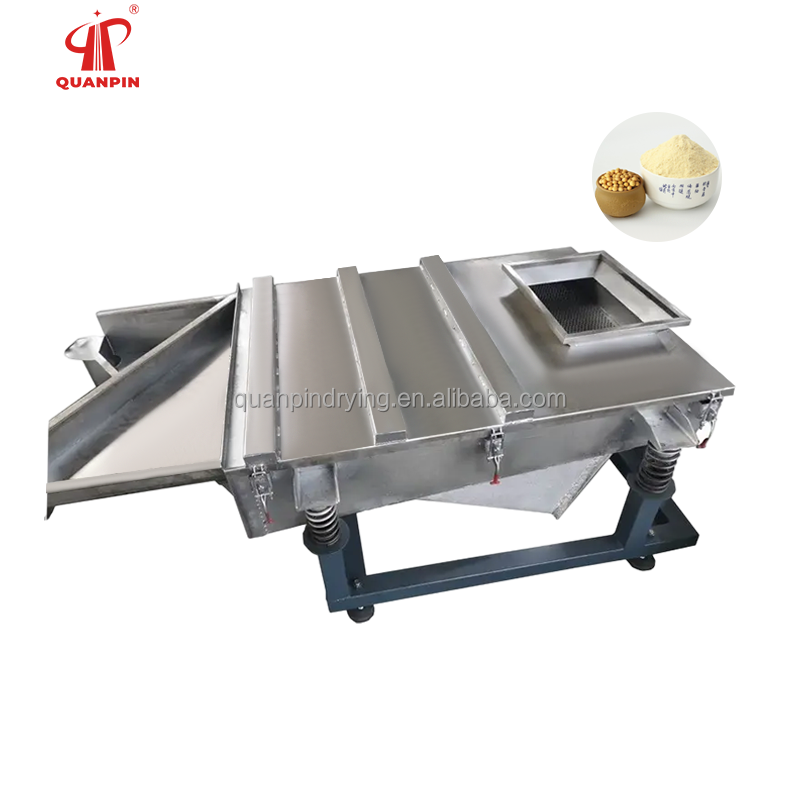
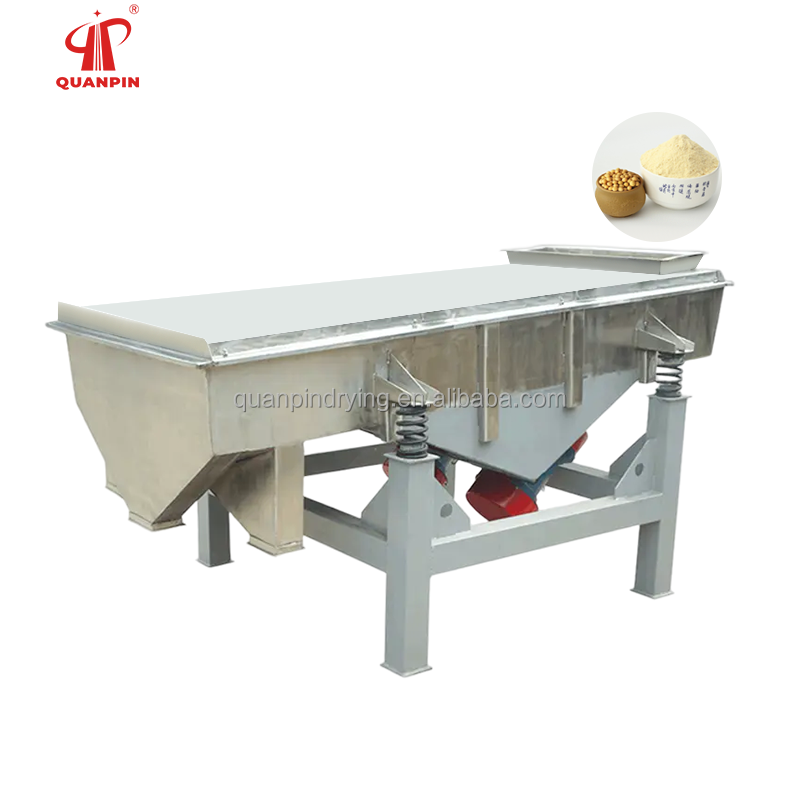
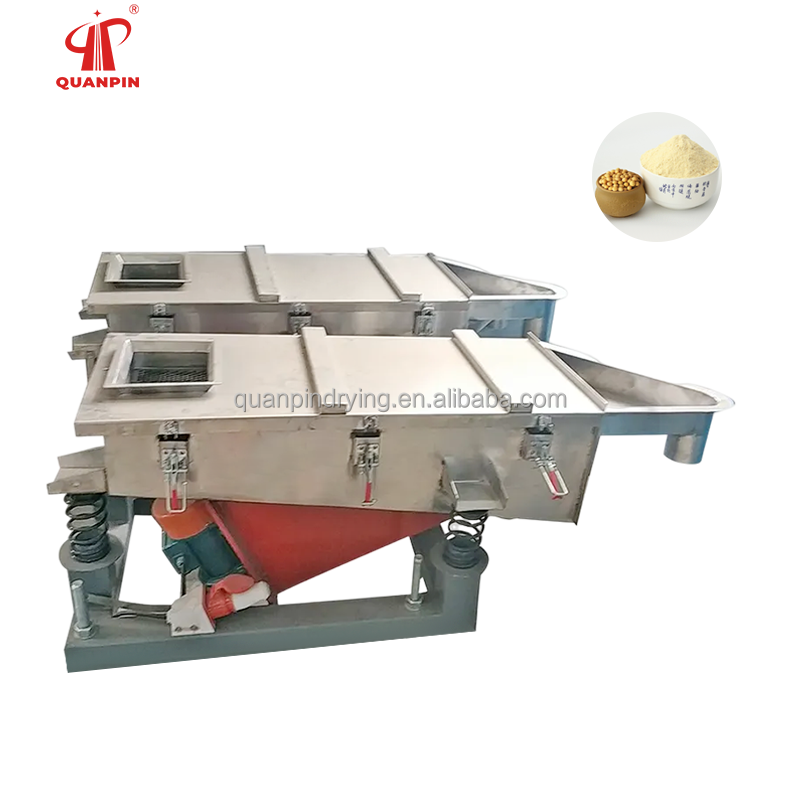
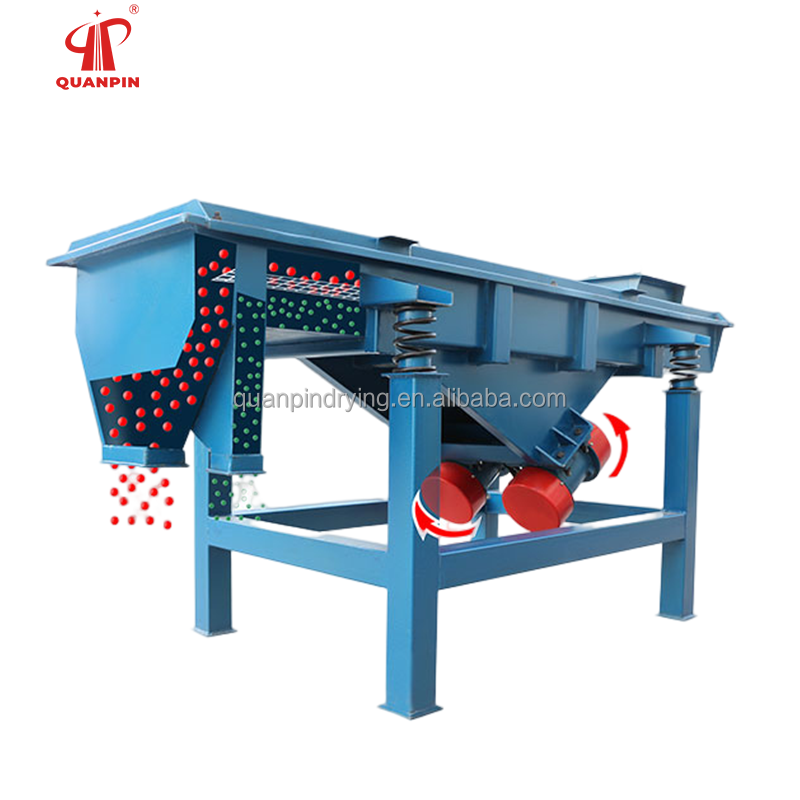
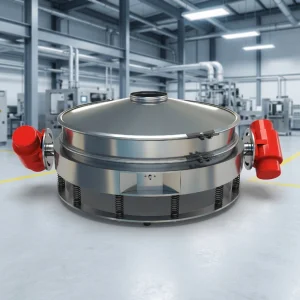
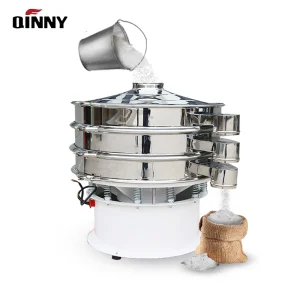
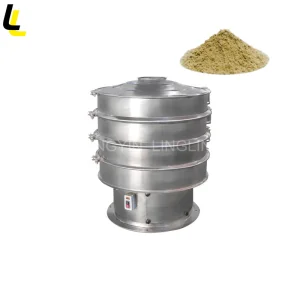
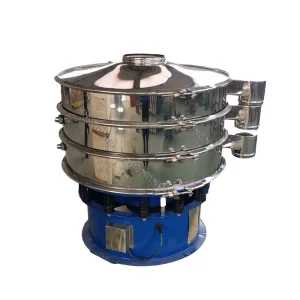
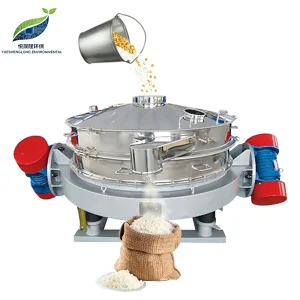
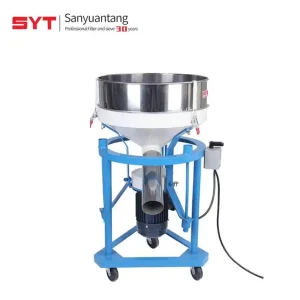
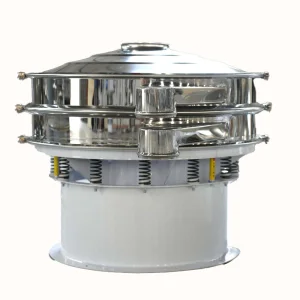
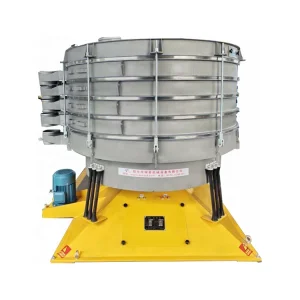
FS Series Square Shape Vibrating Sifter
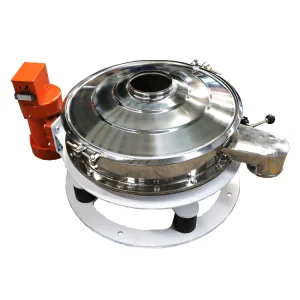
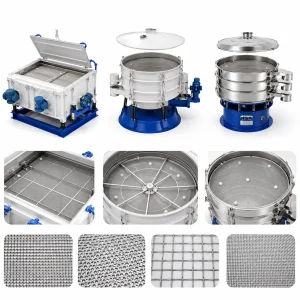
The machine consists of screen box at material inlet and outlet, vibrator and shock absorber.
There are 4-6 sets of flexible rubber shock absorber connected between base and screen box in up-down order. Centrifugal force is generated upon starting the machine.
Control shock absorber against amplitude eccentric device correspondingly for best performance and material screening process in throwing vibration and loose.
It is the ideal choice for pharmaceutical, food, chemical, metallurgy and electronic industries.
Frequently Asked Questions
Delivery Period
Around 20-60 days, delivery periods will vary from different types of machinery.
Payment Terms
Acceptable payment terms: T/T, L/C, Cash after signing the contract, first deposit 30% of total as prepayment, and the rest 70% after FAT but before shipment.
Quality Warranty
We guarantee all the machines are brand new, designed and manufactured as per approbation by user. Every set of our machine has a guarantee period of 15 months after shipment. During the warranty period, we will provide technician debugging onsite, or free spare parts caused by the malfunction of machines. We reply to the user's questions within 24 hours after receiving notification.
Package of Merchandise
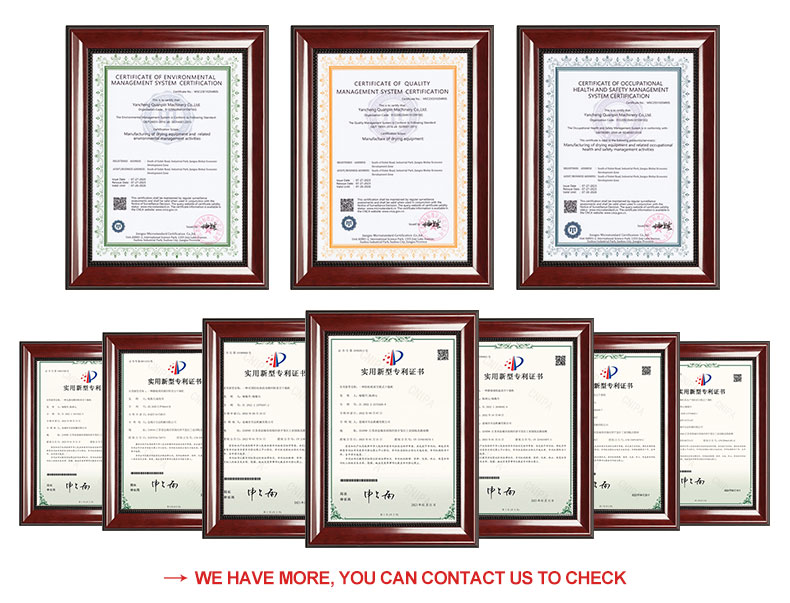
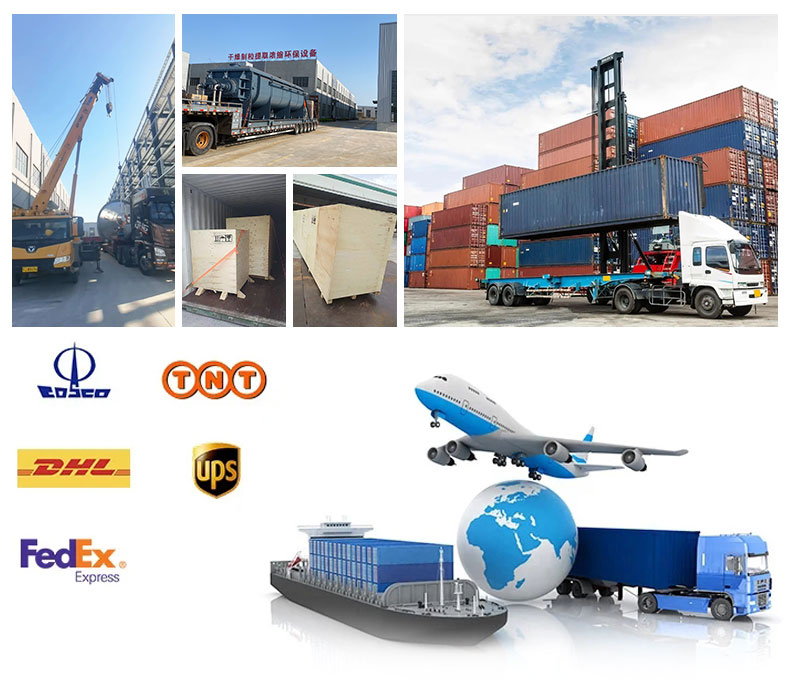
First, the machines are wrapped with plastic membrane on the surface, externally we use plywood cases, and finally, they are loaded into containers.
What is the service process when we place an order?
First, we invite you to visit our factory to negotiate technology, choose models, and receive feasible advice for each material. Secondly, we welcome you to do FAT before shipment so we can make modifications if it doesn't meet your satisfaction. Finally, we will dispatch at least one experienced technician for guide commissioning and operator training, or provide video guidance if onsite commissioning is not required.
What information is needed to recommend the best machine?
We need to know the following information:
1) What is your material name?
2) What is the initial moisture percentage before drying?
3) What is the residual moisture percentage after drying?
4) What is the heating temperature your material can undertake during the drying process?
5) What is the heating source (steam, electricity, natural gas, or others)?
6) What is the production capacity in kg/h before or after drying?