Lesotho, a high-altitude kingdom landlocked within South Africa, is experiencing a structural transition within its agro-processing sector. The national consumption of staple grains, particularly wheat and maize, far outpaces domestic cultivation. Consequently, Lesotho relies heavily on grain imports from neighboring South African regions, supplemented by local farming cooperatives in the lowlands (districts like Maseru, Leribe, and Berea). This dual-source supply chain presents significant grain quality and sanitation challenges.
Imported grains and locally harvested wheat are often subjected to prolonged transportation, varying humidity profiles, and primitive storage conditions. The results are high levels of agricultural impurities, including straw, field dust, stones, glass, metal fragments, and hazardous mycotoxin-producing molds (such as ergot and fusarium). For Lesotho’s commercial flour milling companies, such as those operating in Maseru's industrial estates, deploying advanced wheat cleaning equipment is not merely an optional step; it is a critical process required to safeguard human health, prolong mill roll lifespan, and comply with international food safety standards (such as HACCP and ISO 22000).
Furthermore, Lesotho’s geographic realities—specifically its high altitude, which averages over 1,400 meters above sea level—powerfully affect pneumatic processing dynamics. Low atmospheric density reduces the lifting capacity of standard air-screen separators. Henan Jiujie Machine Co., Ltd. specializes in recalibrating the motor speeds, airflow chambers, and fan pitch angles of our export-grade machines to guarantee optimal performance under these low-density atmospheric conditions, preventing grain loss during pneumatic extraction.
Historically, commercial wheat cleaning relied heavily on "wet dampers" and washing systems to remove surface dust and stones. However, modern global industrial standards have shifted rapidly toward Dry-Cleaning Systems. In water-scarce regions like Southern Africa, where Lesotho is frequently impacted by El Niño-induced droughts, water-based grain washing is economically and environmentally unsustainable. Additionally, wastewater discharge from traditional grain washers introduces severe biological oxygen demand (BOD) loads, creating costly environmental liabilities for operators.
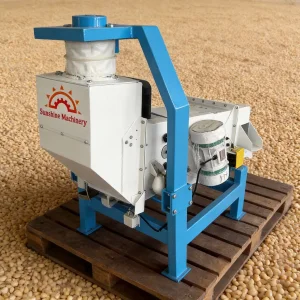
Henan Jiujie’s technology focuses on high-precision mechanical friction, air-screen aspiration, magnetic separation, and specific-gravity classification. Our dry de-stoners remove heavy mineral stones of identical size to wheat kernels without consuming a drop of water. By avoiding moisture addition during the cleaning phase, processors eliminate the risk of premature germination, mold proliferation, and toxic chemical effluent generation, while drastically reducing electrical energy consumption per ton of processed grain.
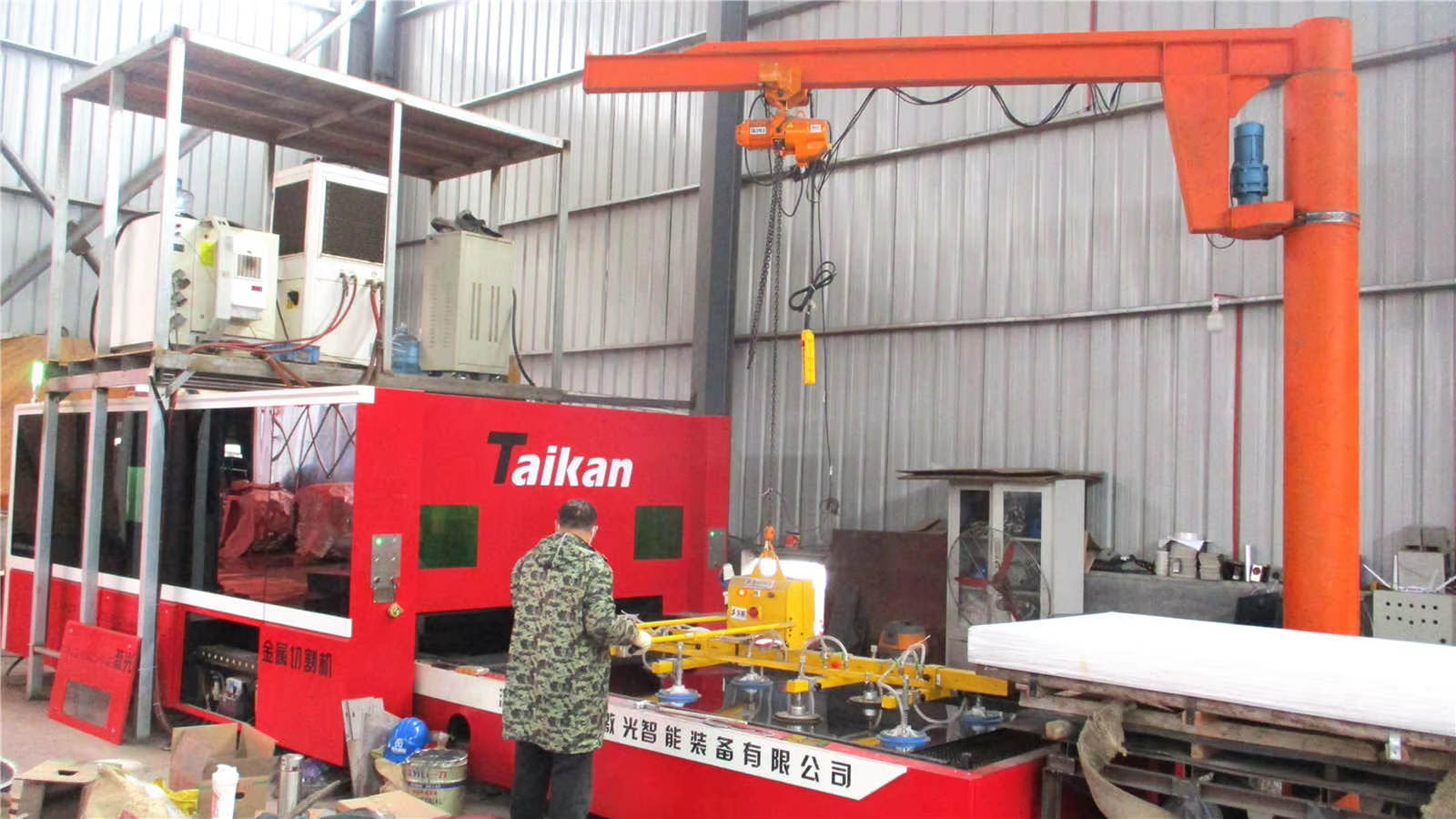
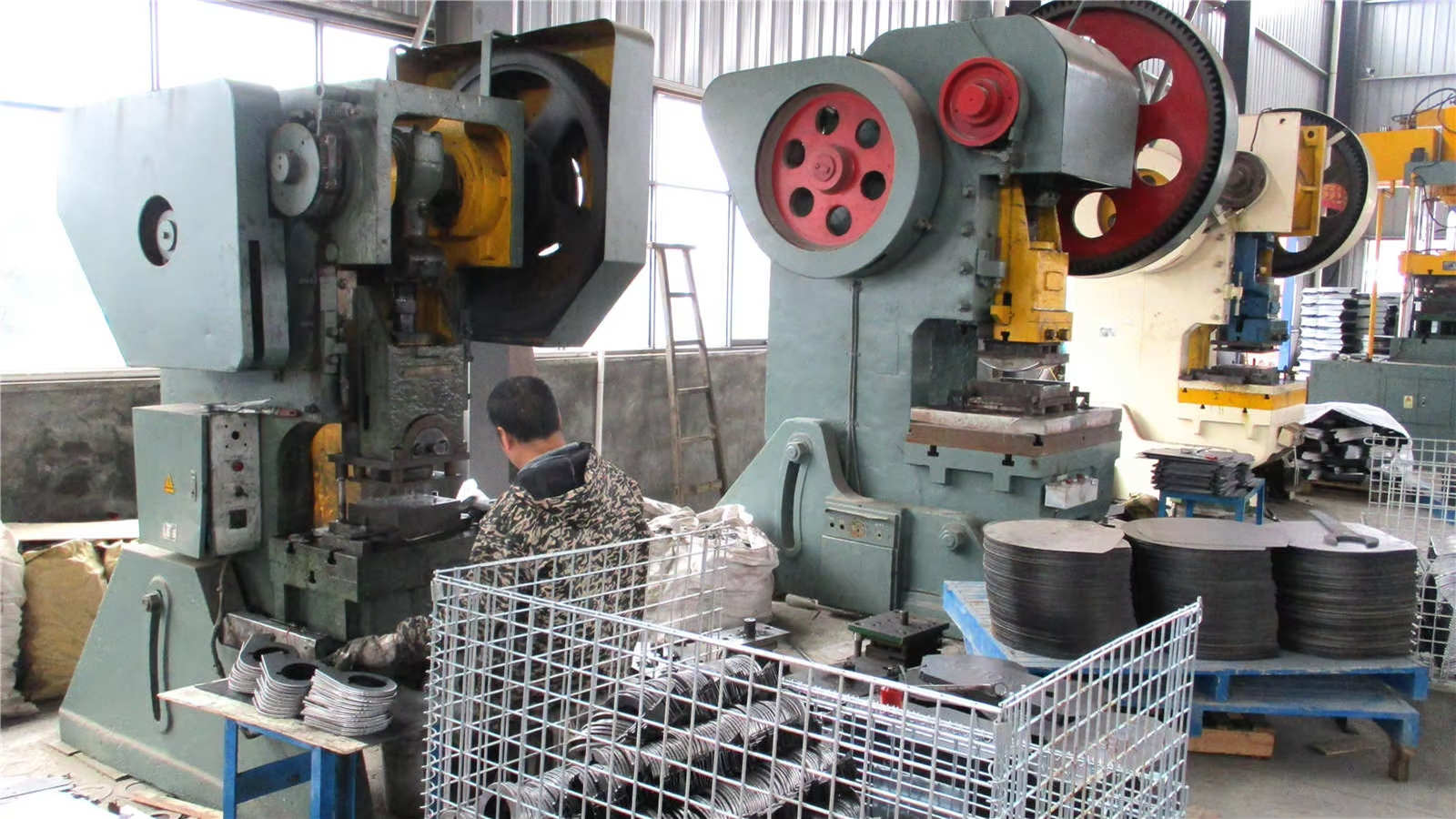
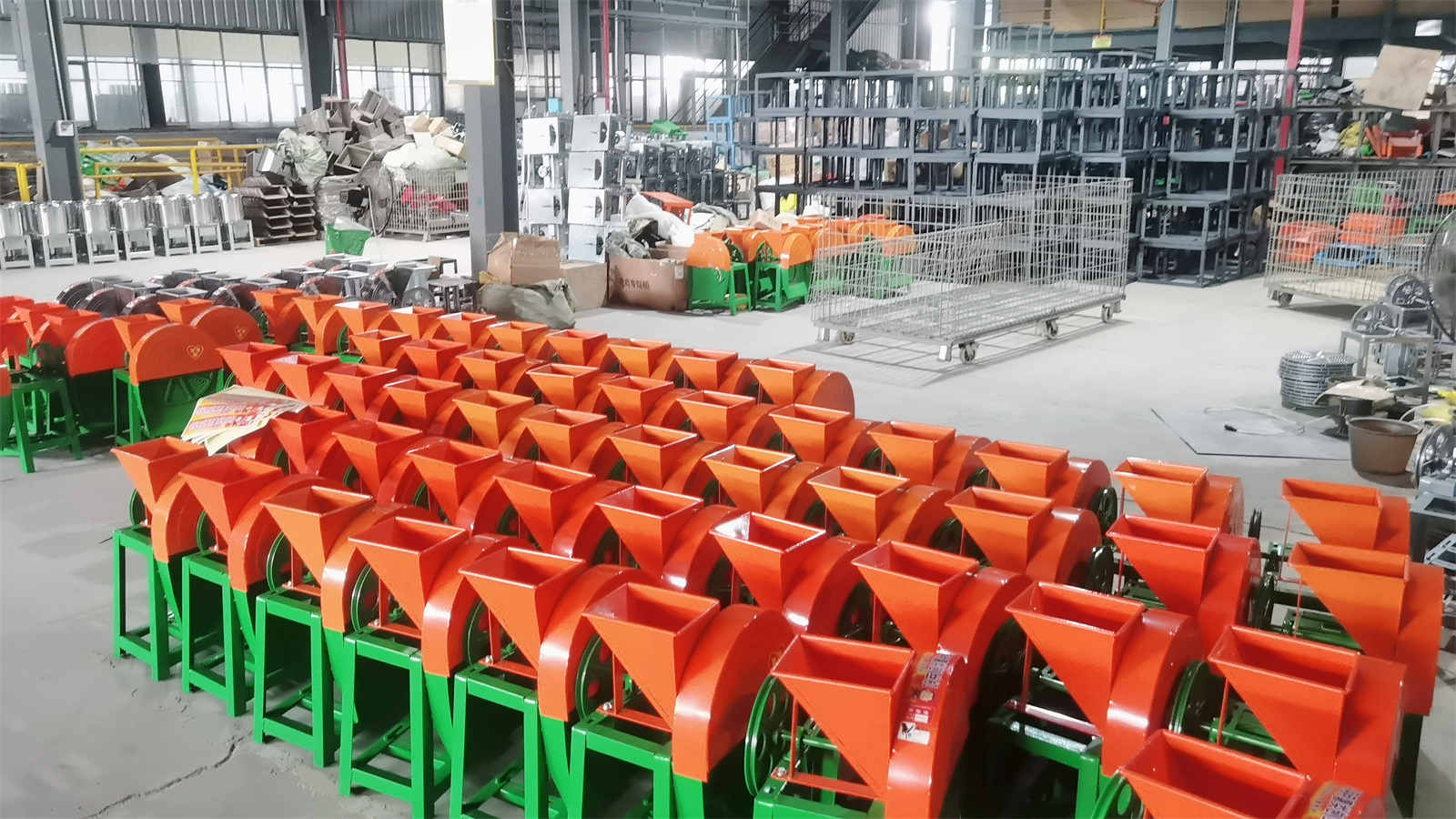
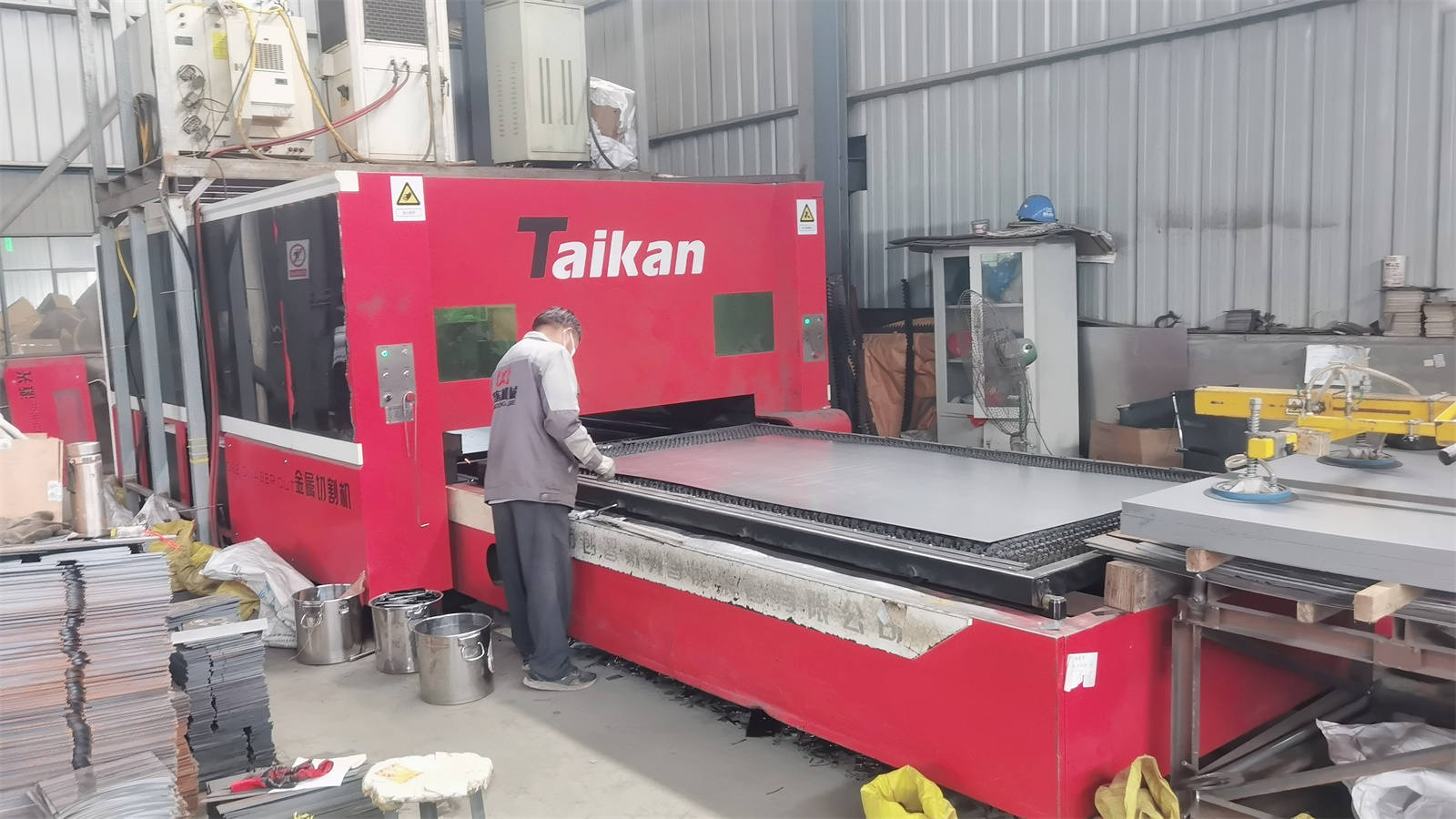
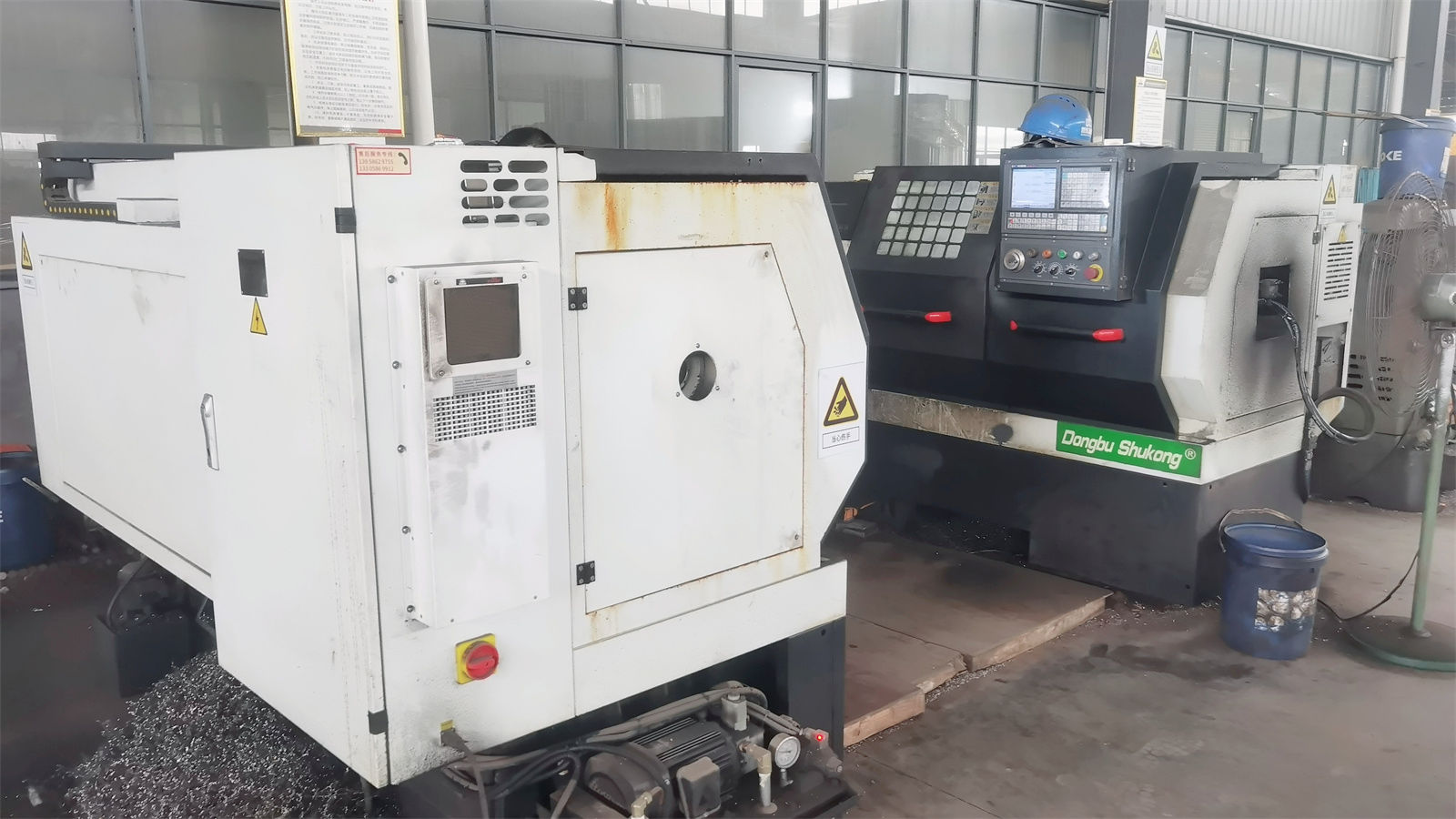
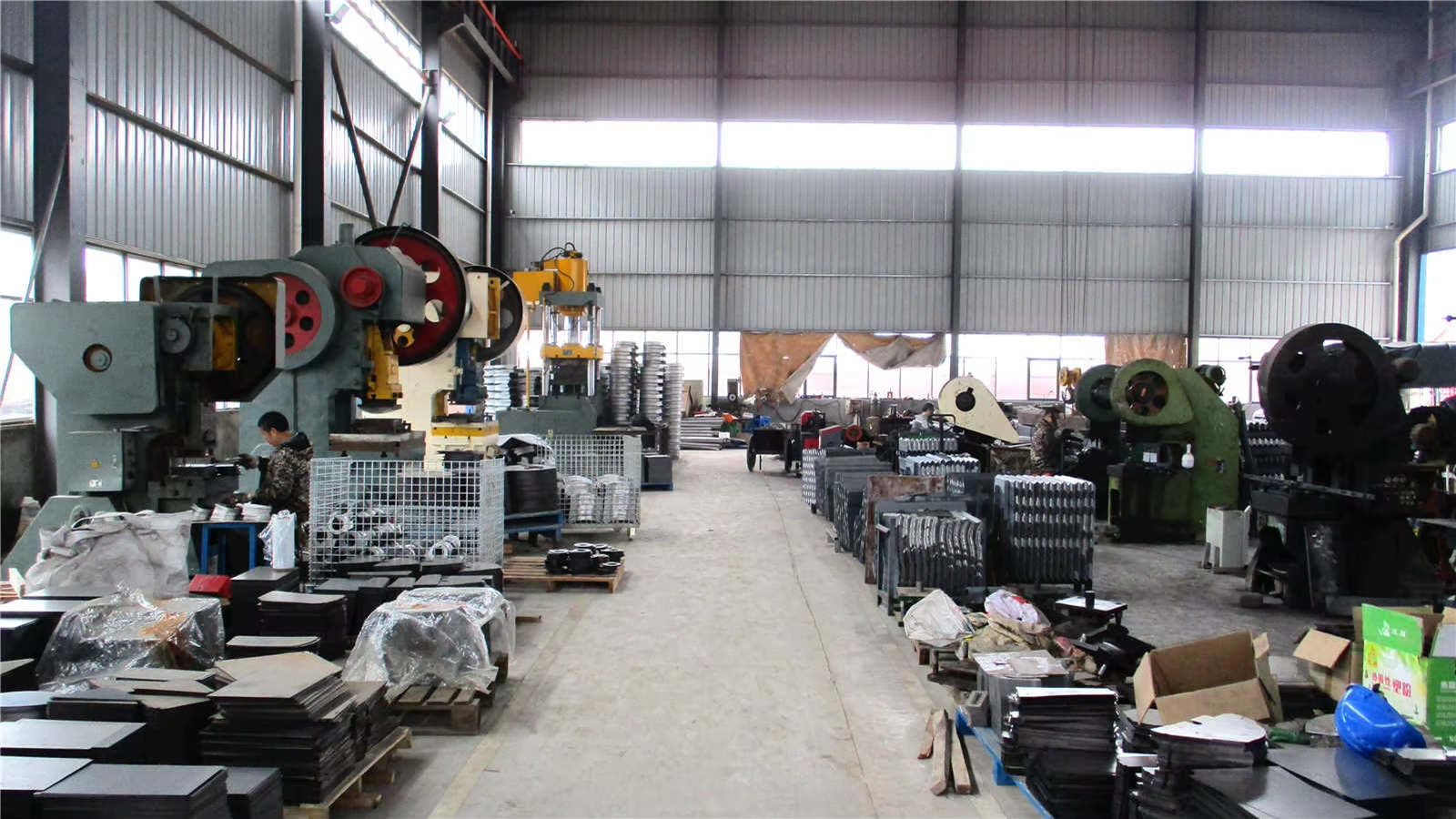
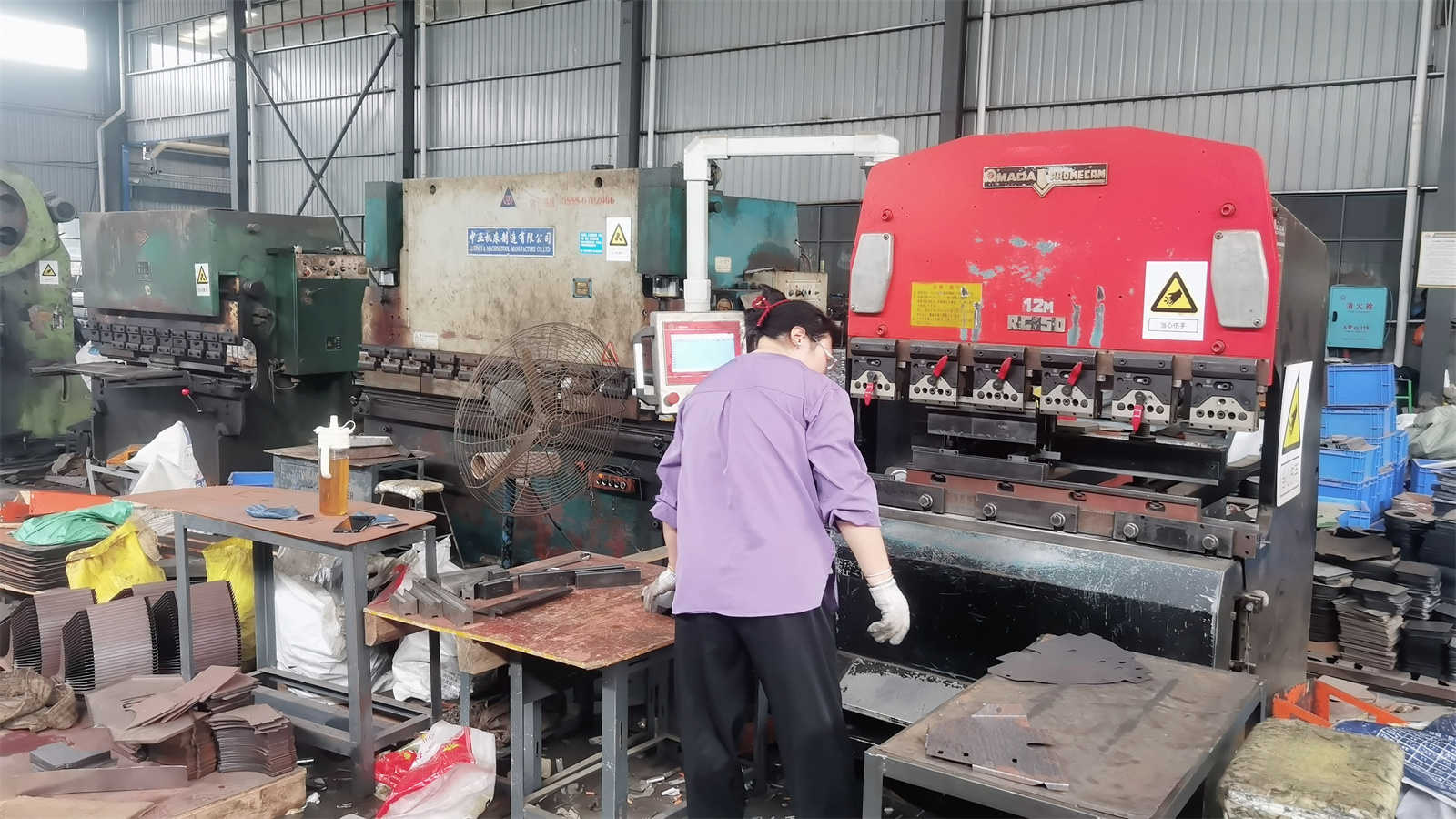
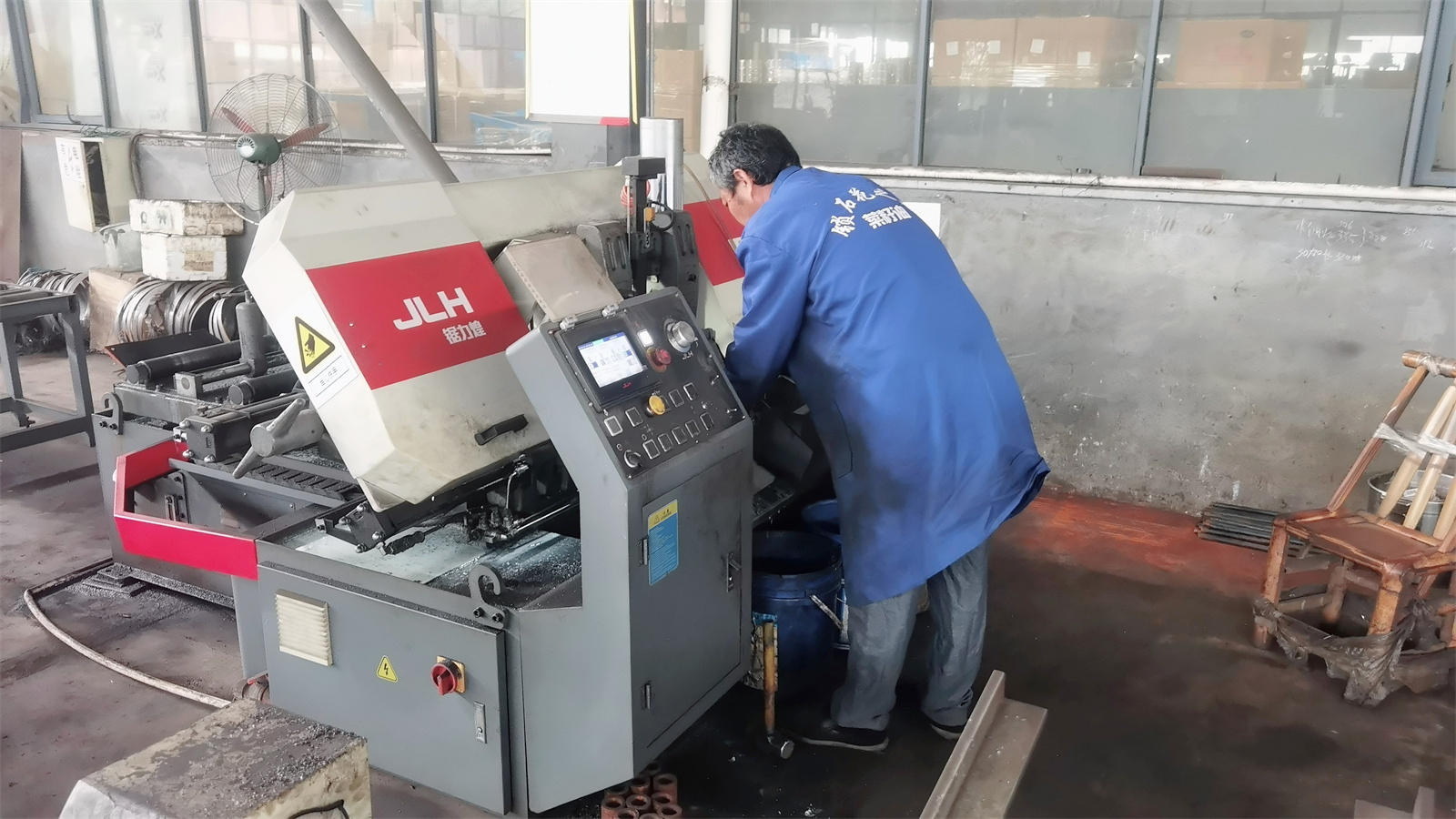
Henan Jiujie Machine Co., Ltd. has established itself as an engineering powerhouse in the grain processing sector. Our manufacturing facility utilizes high-precision technology to ensure structural integrity and mechanical consistency. We employ CNC laser cutting machines to process heavy-gauge structural steel plates with sub-millimeter tolerances, ensuring that every vibratory frame fits perfectly and operates with minimal harmonic vibration. This directly translates to longer bearing life and reduced downtime for African mills.
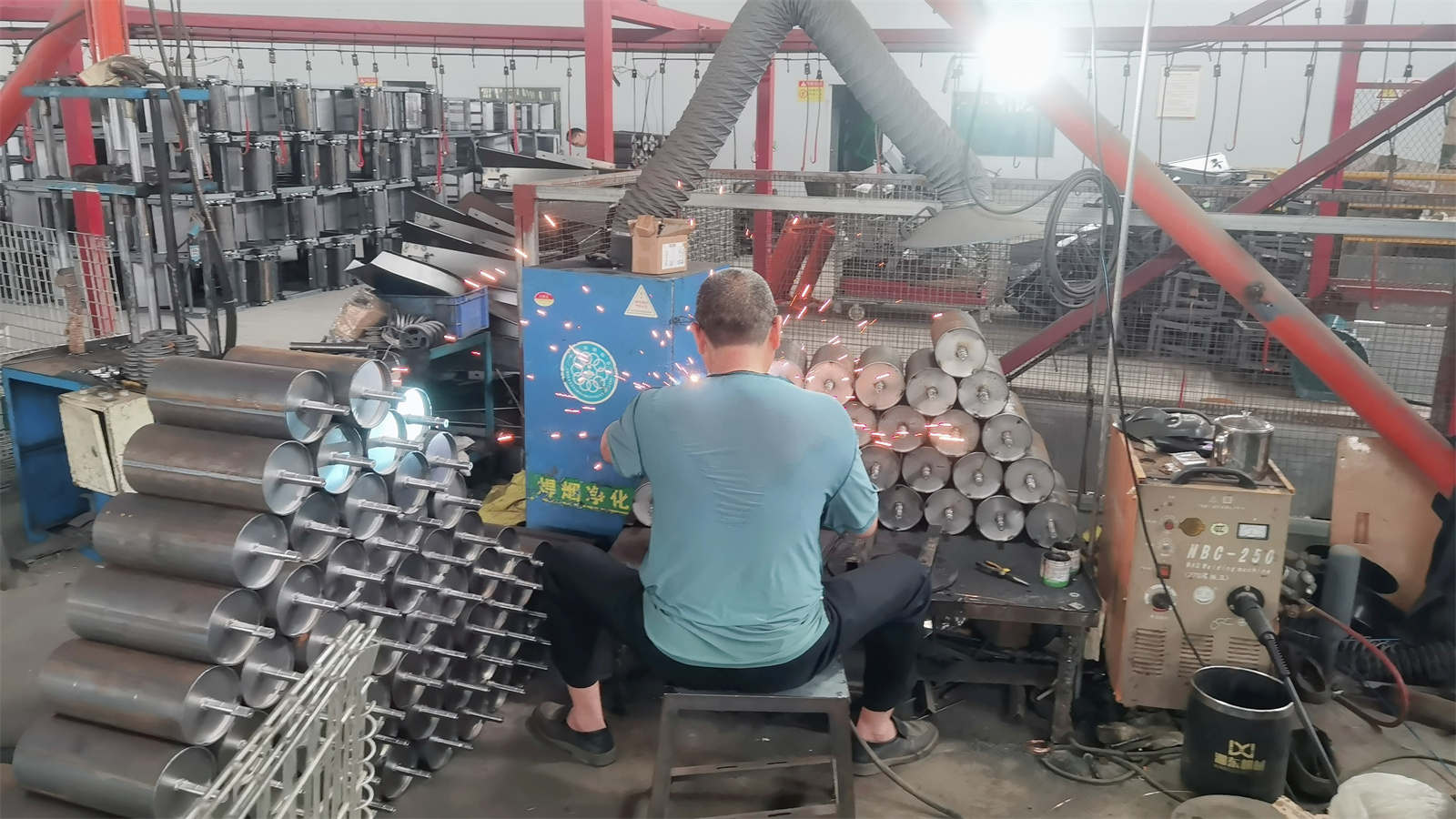
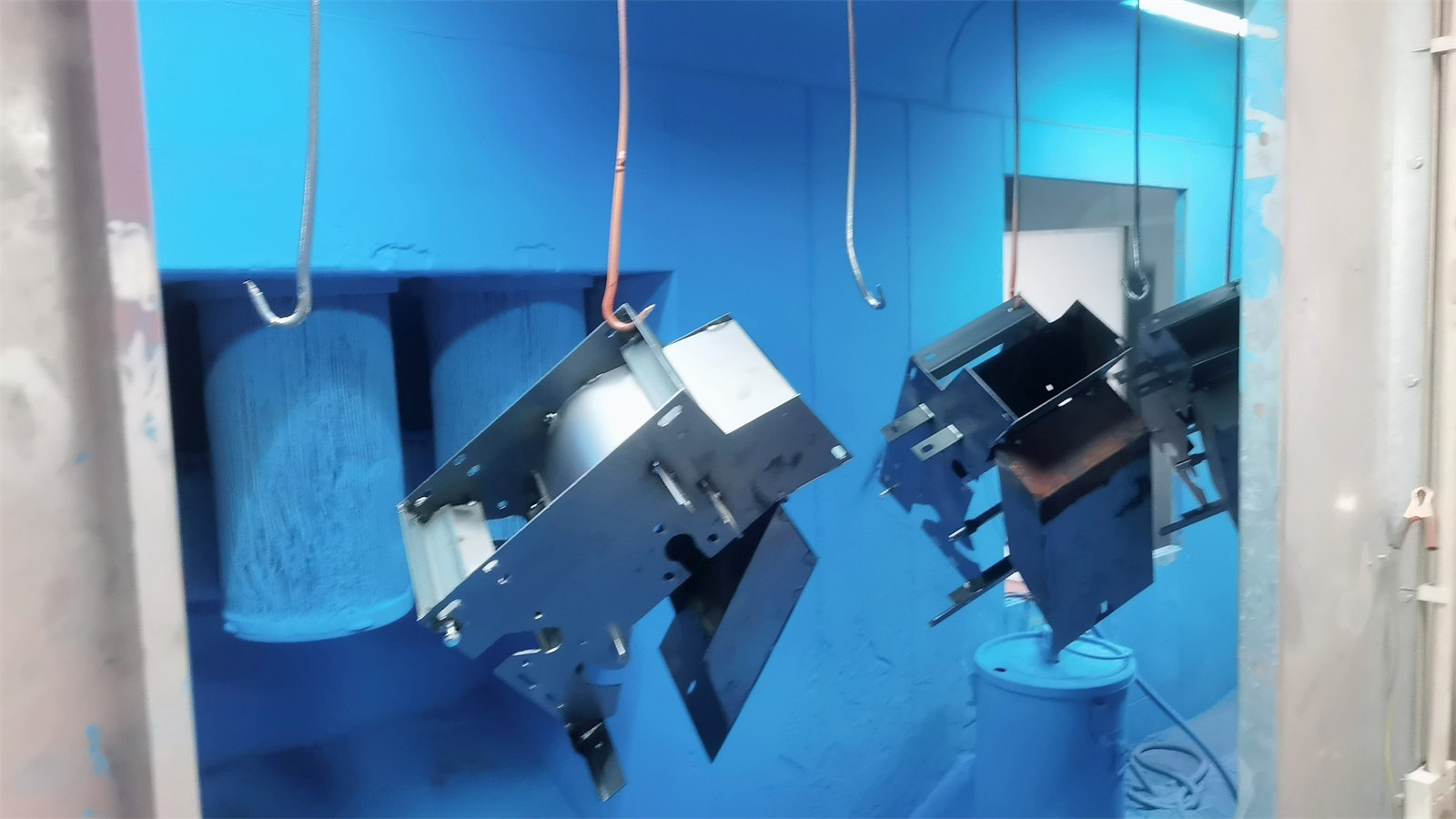
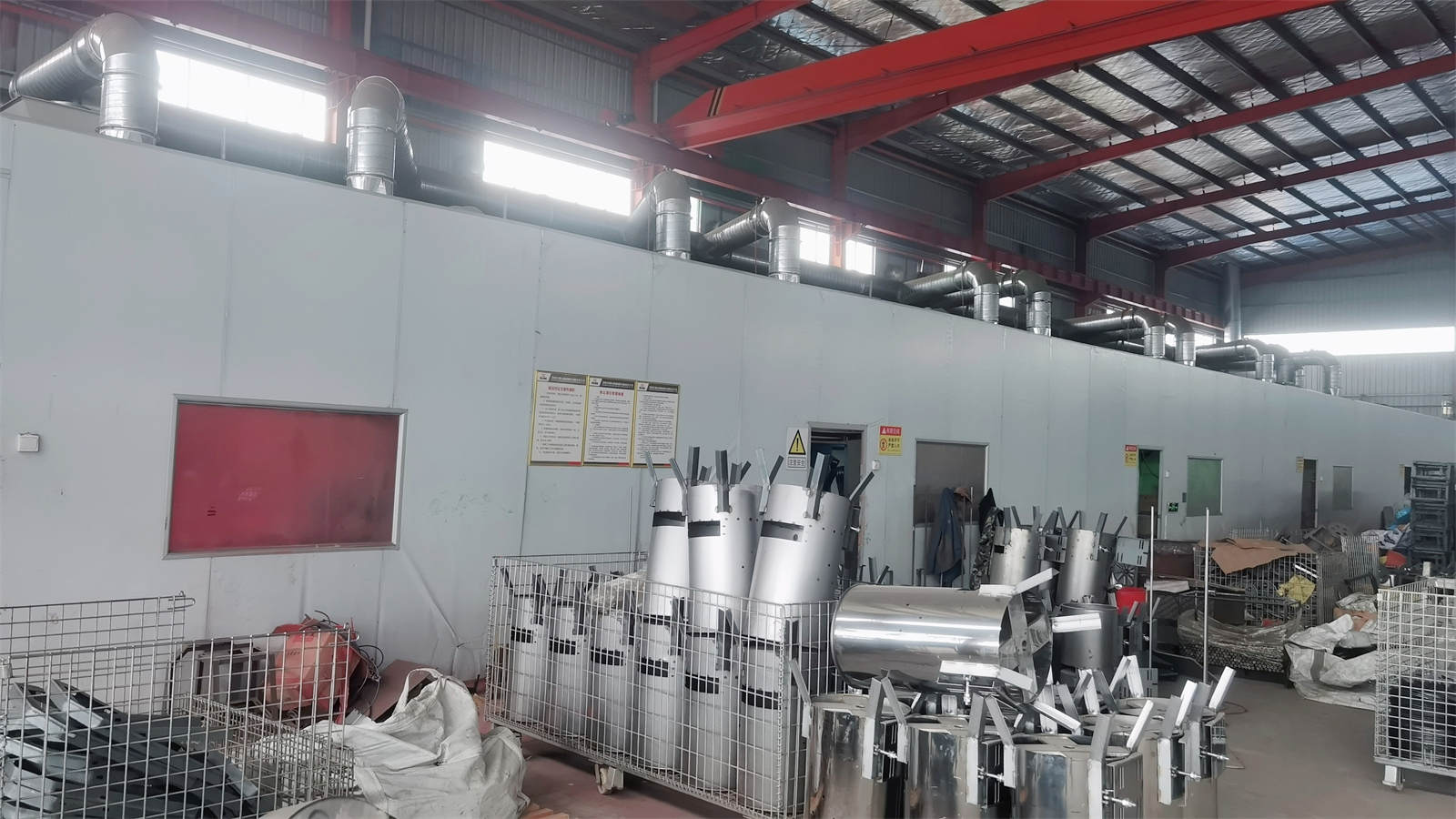
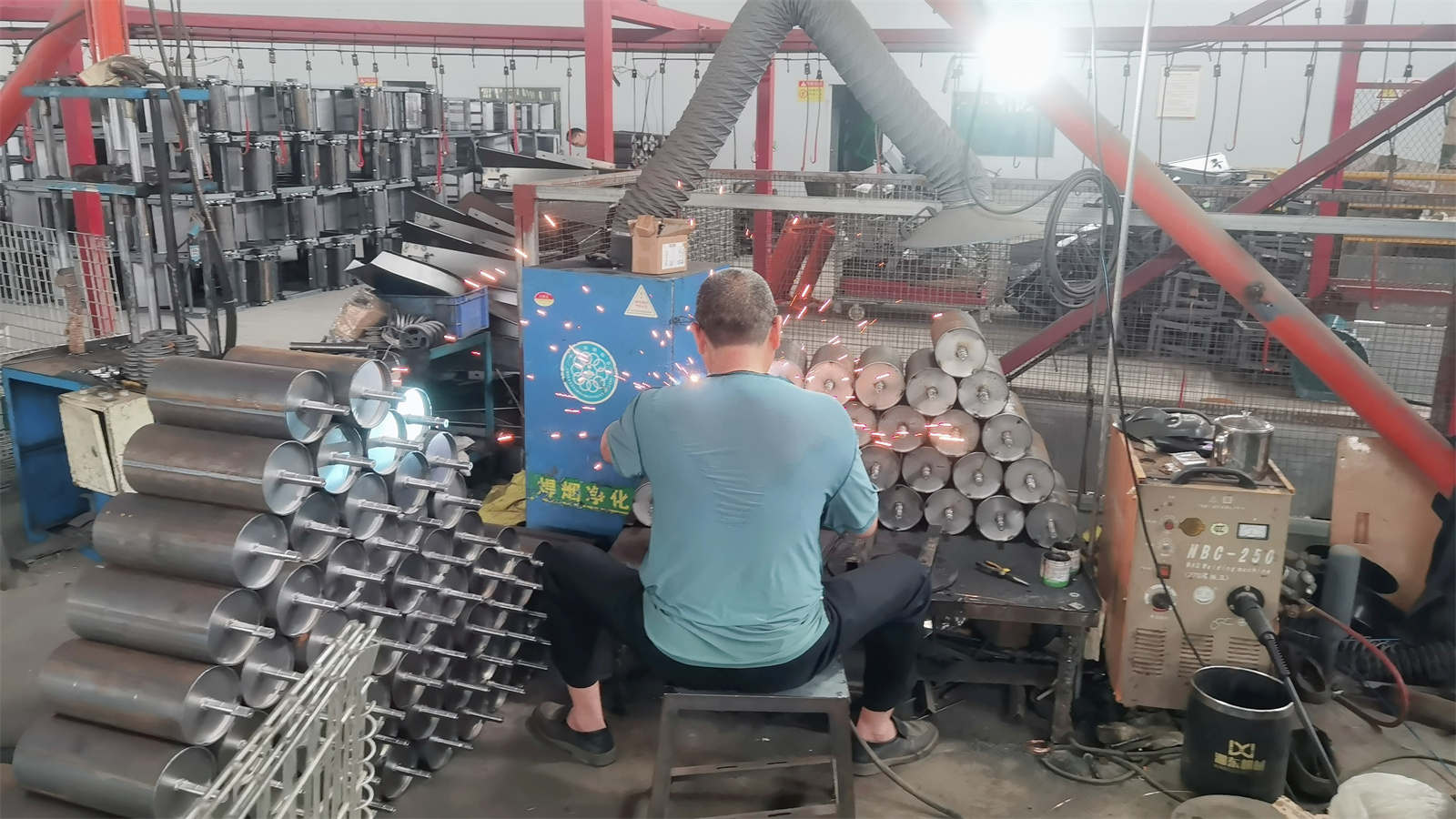
Furthermore, our assembly and fabrication pipelines integrate advanced robotic welding systems alongside seasoned structural welders, adhering strictly to CE standards. After structural fabrication, components undergo electrostatic powder coating. This heat-cured polyurethane surface treatment provides superior resistance to mechanical wear, high UV exposure, and moisture oxidation, ensuring that equipment operating in Lesotho’s diverse climatic conditions remains corrosion-free for decades.
To understand the business value of Henan Jiujie’s machinery in Lesotho, we analyze three primary operational scenarios where our equipment is actively deployed:
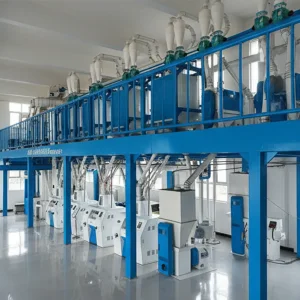
1. Industrial Flour Mills in the Maseru Industrial Area: Large-scale commercial mills processing imported hard red winter wheat from South Africa and international ports. These facilities operate continuous 24-hour schedules and require our Modern Automated 100 Ton Wheat Flour Milling Equipment. The integrated cleaning and tempering systems ensure the bran is sufficiently toughened before milling, maximizing extraction rates of high-grade cake and white bread flour.
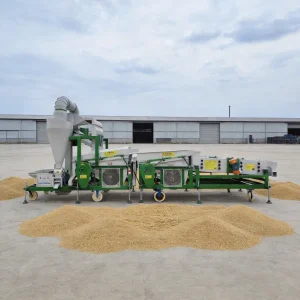
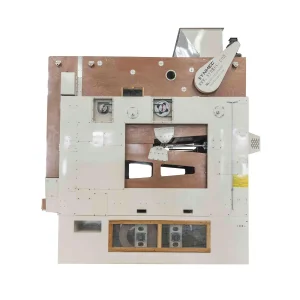
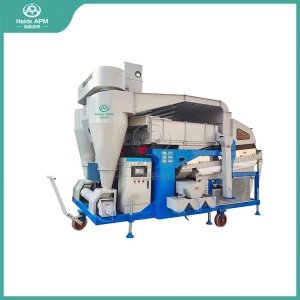
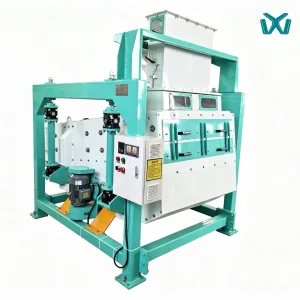
2. Decentralized Agro-Processing Cooperatives in Leribe and Mafeteng: Mid-scale mills processing locally grown soft wheat, maize, and sorghum. In these districts, grains are often dried on open ground, leading to heavy contamination with gravel, dry mud, and stones. The Air Screen Cleaning Equipment combined with dynamic gravity tables provides a cost-effective solution, allowing local millers to upgrade low-grade farm inputs into premium, clean, high-value packaged flour.
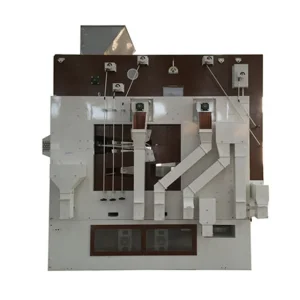
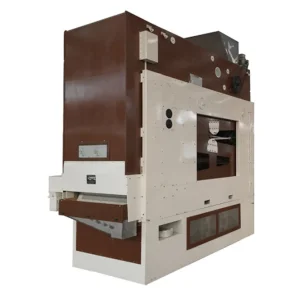
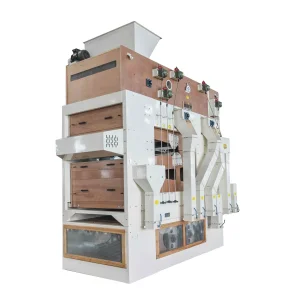
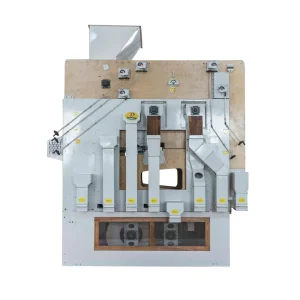
3. Certified Seed Propagation Programs (Berea & Mohale's Hoek): Agricultural research institutions and cooperative seed banks require precise sorting to isolate high-germination seed stocks. The European Standard Fine Seed Cleaning Equipment provides the multi-deck air-screen sorting needed to remove split seeds, light chaff, weed seeds, and underdeveloped kernels, ensuring certified wheat seed distribution across Lesotho.
 Jiujie Machine