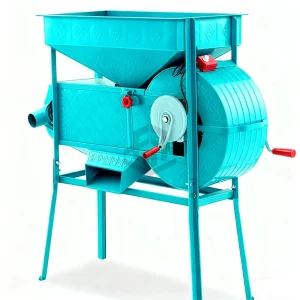
Moroccan wheat milling plants demand reliable conditioning. Explore our premium grain dampeners configured with high-precision flow sensors and structural reinforcement suitable for high-volume operations across Rabat, Casablanca, and Fes.
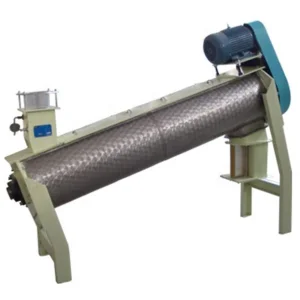
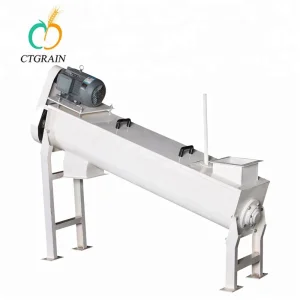
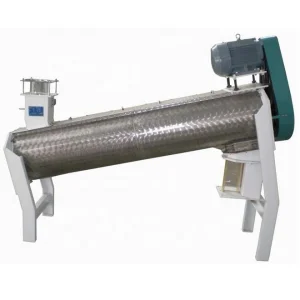
As one of the leading wheat-consuming nations in North Africa, Morocco possesses a sophisticated flour milling sector that constitutes a major pillar of its agro-industrial economy. The Ministry of Agriculture, Fisheries, Rural Development, Water and Forests under the *Génération Green 2020-2030* initiative has intensified modernization across the agricultural supply chain. Since grain consumption patterns in Morocco lean heavily towards wheat-based staples, local milling operations are under intense pressure to maintain high extraction efficiency, lower ash levels, and reduce energy consumption.
A critical step in industrial flour milling is wheat tempering (conditioning). Grain dampeners play a defining role here. Because Morocco imports a substantial percentage of its soft and durum wheat from Canada, France, Ukraine, and South America, the incoming raw materials vary widely in grain hardness, vitreousness, and initial moisture content (typically ranging from 9% to 12%). Tempering adjusts the moisture level of the grain to an optimal range of 14% to 17% prior to milling. This toughens the bran coat, preventing it from shattering into fine specks that would compromise flour purity, while simultaneously softening the endosperm to reduce the mechanical energy required during the grinding phases.
With fluctuating regional temperatures and varying atmospheric humidity in coastal hubs like Casablanca compared to drier inland zones such as Marrakech or Fes, static water dosing is no longer viable. Advanced automated moisture dampening systems are essential to prevent over-dampening (which causes screen blinding and mill choking) or under-dampening (which leads to high ash content and low extraction yields).
Our research and manufacturing team at Henan Jiujie Machine Co., Ltd. views grain dampening as a precise thermodynamic and mechanical process rather than simple water mixing. The grain tempering process consists of two primary phases: water addition and distribution (dampening) and storage conditioning (tempering bins).
The dual-shaft design utilized in our Moroccan export models features counter-rotating paddles pitched at calculated angles. This configuration introduces a fluidized zone within the dampener housing, ensuring that every individual kernel undergoes surface-to-water contact. The high-speed rotor rotates between 300 to 450 RPM, which creates enough centrifugal force to press water molecules into the pericarp of the wheat grain without breaking or scouring the kernel structure.
The automated system operates using a continuous feedback loop. An inline microwave sensor measures the real-time capacitance of the incoming dry wheat, calculating the exact baseline moisture. Concurrently, an electronic flowmeter registers the raw weight throughput per hour. The central PLC processes these inputs and calculates the required water flow rate using the formula:
A modulating solenoid valve immediately adjusts the water input, correcting deviations within milliseconds. This level of automation is essential for Moroccan large-scale industrial mills, ensuring stability during batch transitions or when shifting from hard imported grains to soft local varieties.
| Dampening Technology Type | Moisture Range Addition | Automation Grade | Best Applied Scenarios in Morocco |
|---|---|---|---|
| Intensive Single Shaft Dampener | Up to 4.0% in a single pass | Manual / Semi-Auto | Small-scale local cooperative mills in regions like Beni Mellal. |
| Intensive Double Shaft Dampener | Up to 6.0% in a single pass | Fully Automated PLC Integrated | High-throughput commercial wheat flour mills in industrial hubs. |
| Computerized Auto-Moisture Control System | Dynamic real-time optimization | Industry 4.0 AI / IoT compatible | Large modern mills requiring precise control for mixed import grains. |
Collaborating with an established Chinese machinery manufacturer like Henan Jiujie Machine Co., Ltd. offers significant economic and technical advantages for Moroccan agribusinesses. The Chinese grain machinery manufacturing ecosystem represents the ideal balance of advanced technology, scale efficiency, and robust supply chain integration.
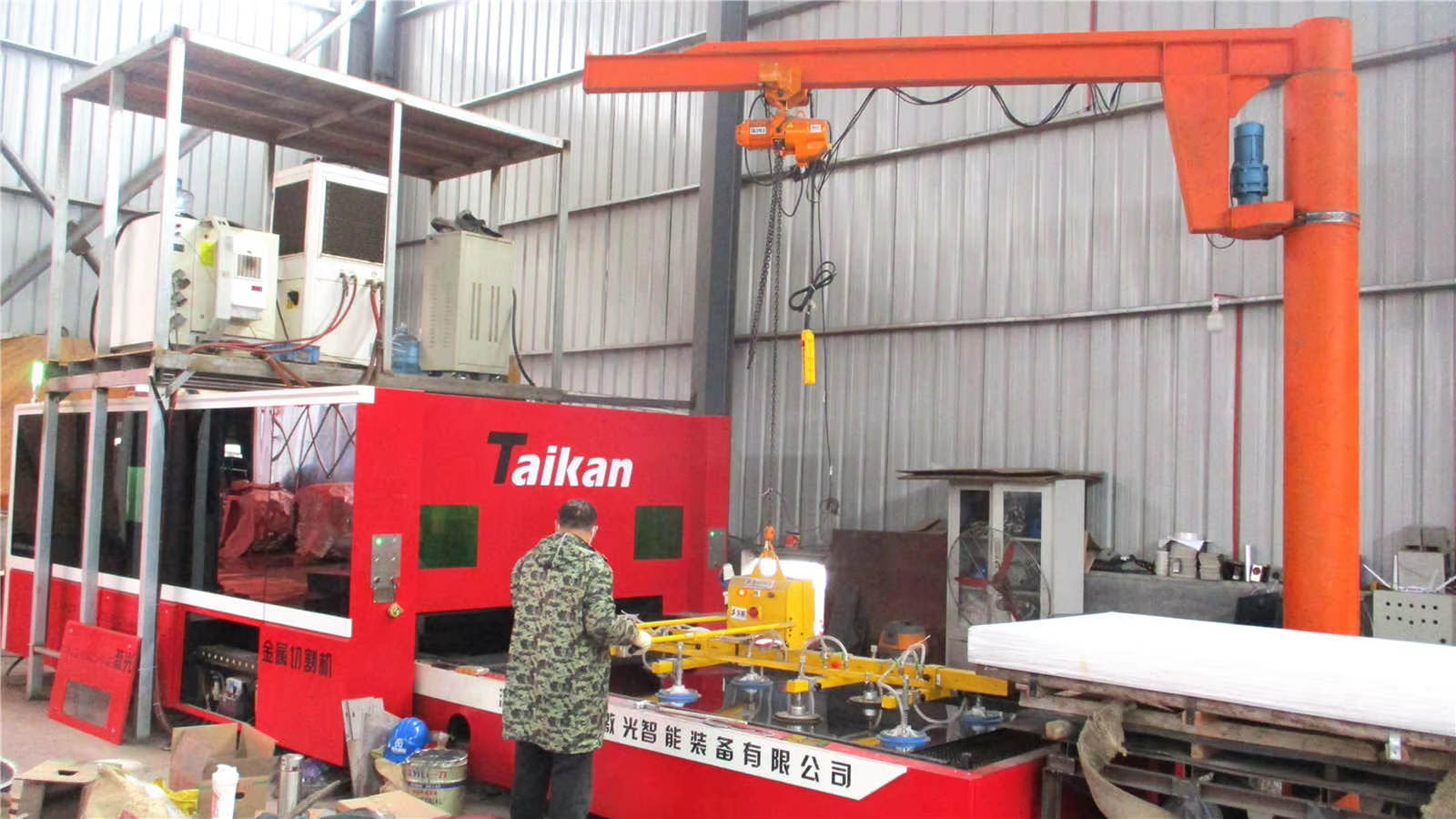
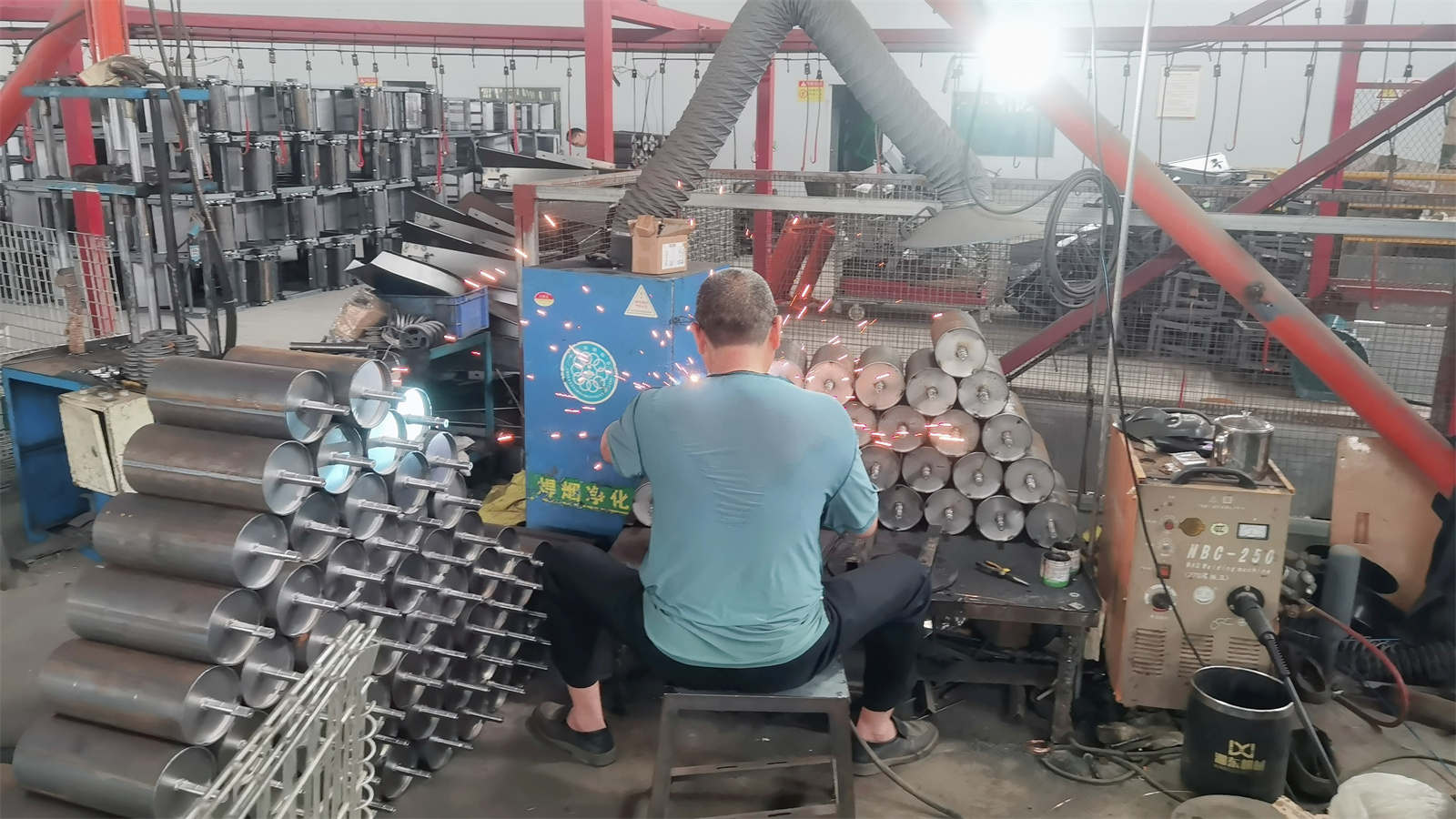
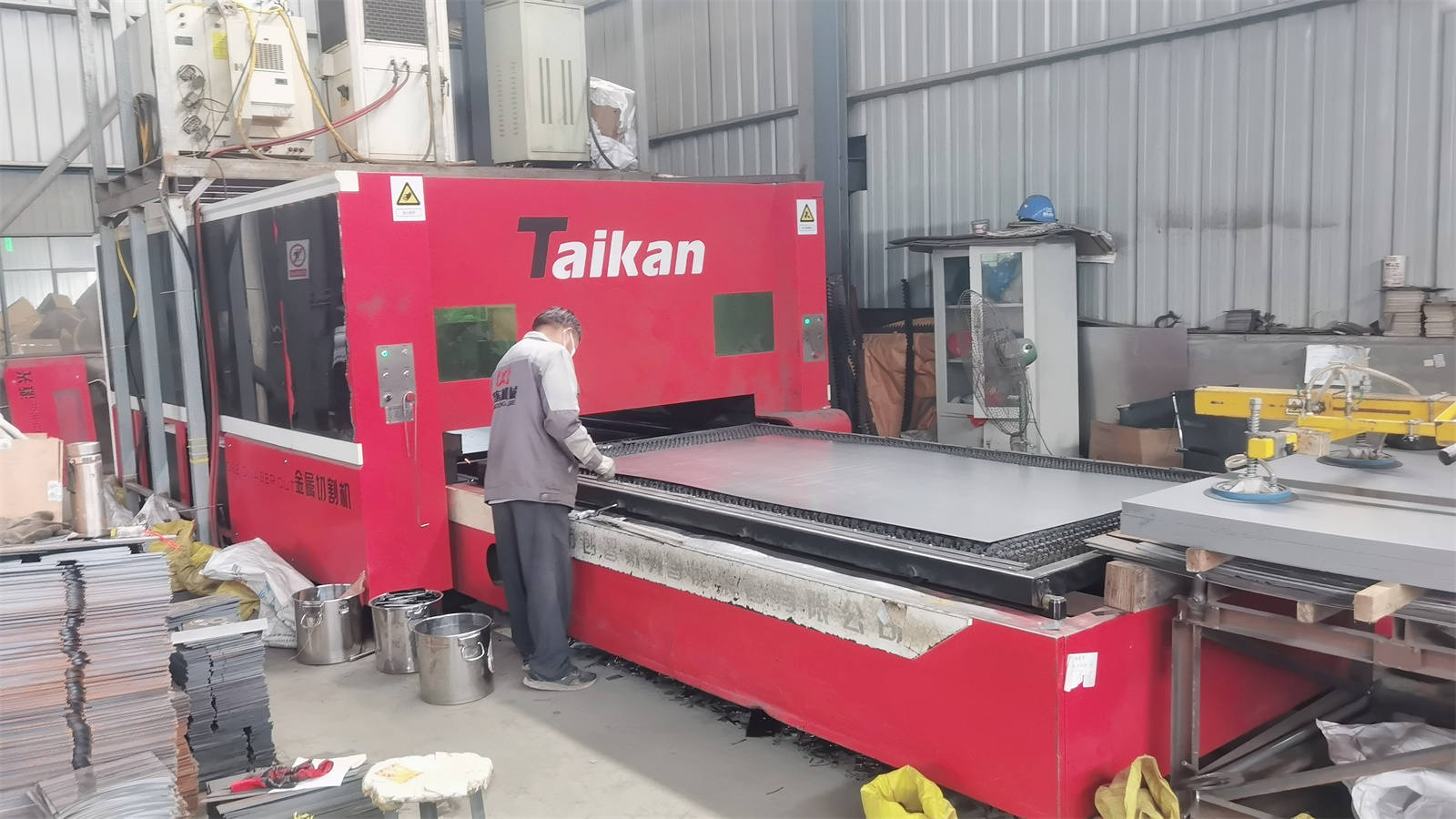
Our state-of-the-art facility utilizes high-precision CNC laser cutting machines, CNC bending units, and robotic welding platforms. This level of automated tooling guarantees structural tolerances under 0.05mm. The dampener housings are fabricated from high-grade SUS304 stainless steel, which eliminates corrosion risks during the intensive dampening process. The rotors are dynamically balanced to eliminate vibration, which extends the operational life of the heavy-duty bearings.
Because of China's extensive raw material access and localized components manufacturing, Henan Jiujie can offer modern, computerized automatic wheat dampening systems at a fraction of the cost of Western European alternatives, without sacrificing quality. The savings allow Moroccan mill owners to modernize their plants rapidly and accelerate their ROI.
Through major Chinese shipping ports such as Qingdao, Tianjin, and Shanghai, we offer streamlined logistics to Morocco's primary maritime gates: Tanger Med and the Port of Casablanca. Our standard shipping configurations are reinforced to withstand sea transit humidity, ensuring that precision electronics arrive in perfect condition.
A primary concern for Moroccan companies importing foreign grain machinery is operational compliance and technical support. At Henan Jiujie Machine Co., Ltd., we have tailored our grain dampener designs and post-sale networks to meet Moroccan regulatory requirements.
All our machines exported to Morocco are configured for standard local power grids: 380V/220V, 50Hz, three-phase. The control panels are equipped with high-quality components conforming to IEC standards, and the human-machine interfaces (HMI) on the automated control units are pre-programmed in French, English, and Arabic to support local operators.
Our machinery is CE and ISO9001 certified. The dry grain cleaning and dampening processes are engineered to operate without water wastage, aligning with Morocco's national environmental protection standards. The stainless steel structural materials comply with international food safety certifications, preventing metal trace migration into the processed flour.
Henan Jiujie Machine Co., Ltd. is a professional supplier of complete equipment and engineering services for the food production and grain processing industries. Our business covers a wide range of applications, including wheat flour milling plants, feed processing factories, and rice processing plants. Our product portfolio includes conveying equipment, cleaning equipment, flour milling equipment, and other related machinery. Over the years, our products have been widely recognized by customers both in domestic and international markets.
Since its establishment, Henan Jiujie Machine Co., Ltd. has been dedicated to the research and development of grain processing technology and machinery. With extensive industry experience, we are able to provide integrated solutions across the entire grain and food processing industrial chain. Our solutions cover multiple stages, including raw material collection, storage, cleaning, grading, sieving, grinding, mixing, shaping, production, and packaging.
Our flour milling equipment has obtained the ISO9001 quality management system certification and CE certification. The environmental protection standards of our equipment comply with relevant EU requirements. Our grain cleaning process is designed to operate without water usage, ensuring no wastewater discharge and supporting environmentally friendly production.
Our products are characterized not only by stable performance but also by easy installation, convenient maintenance, and low operating costs. With advanced technology, reliable quality, and modern design, our equipment has earned high appreciation from clients worldwide.
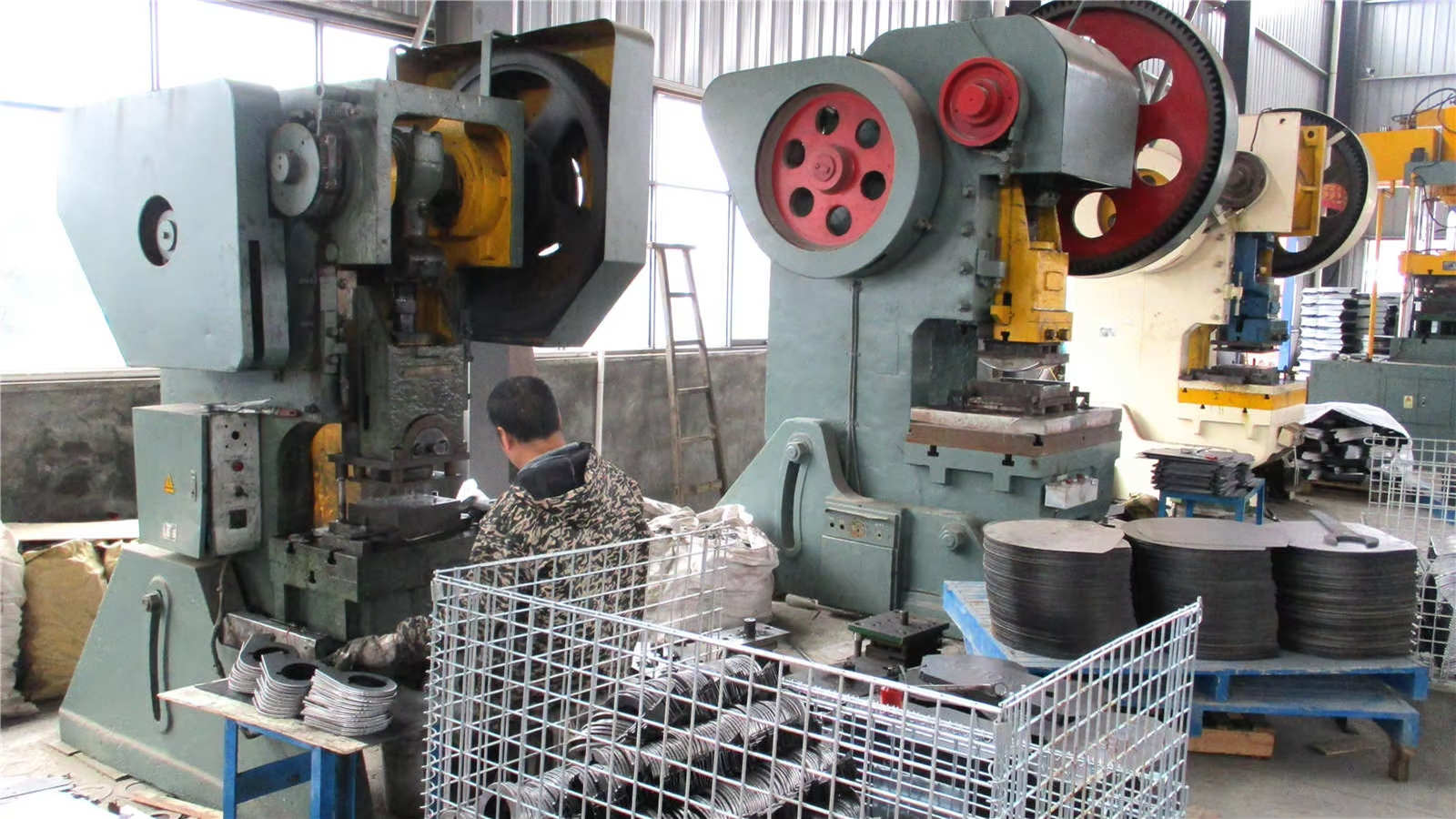
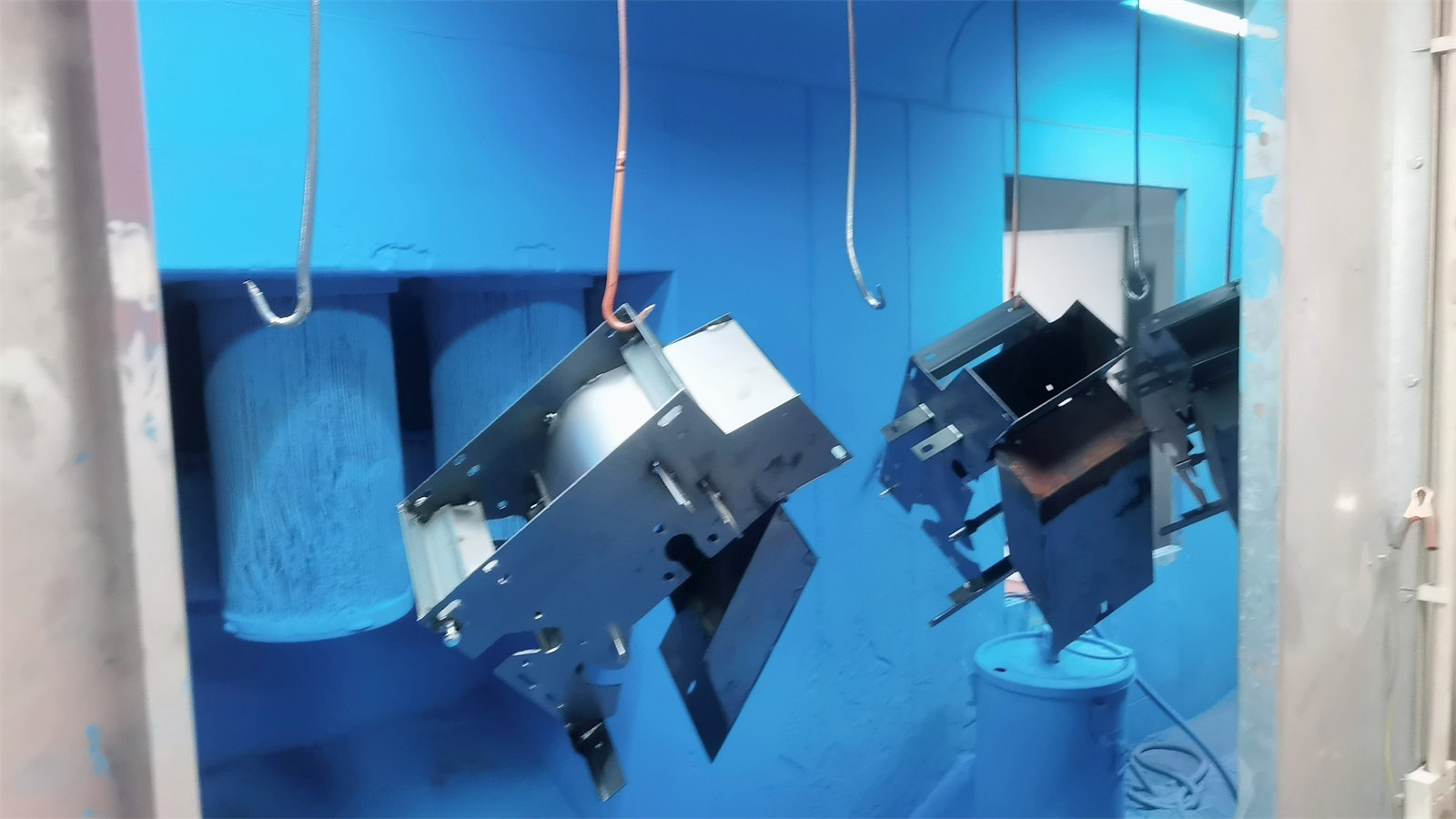
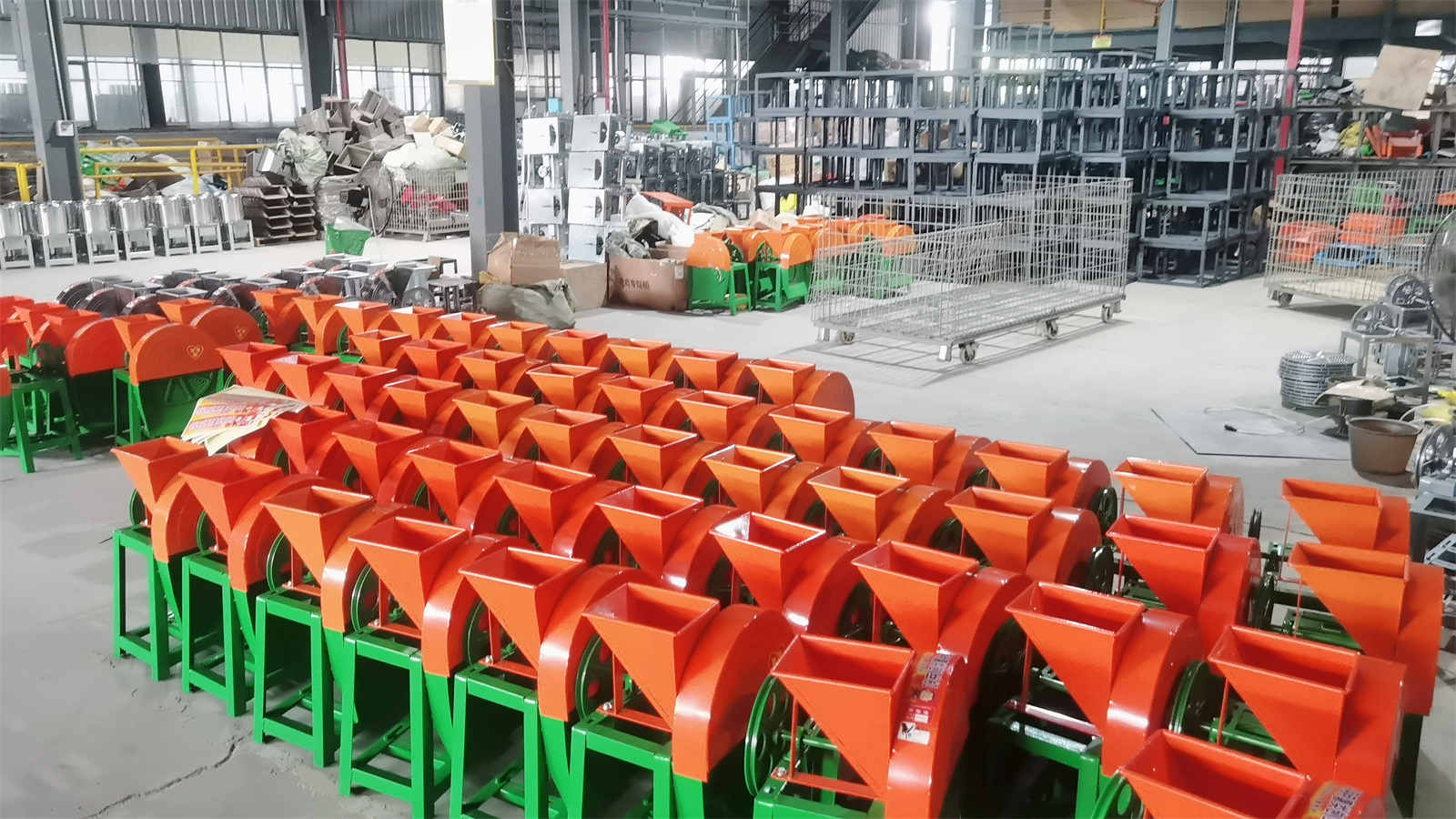
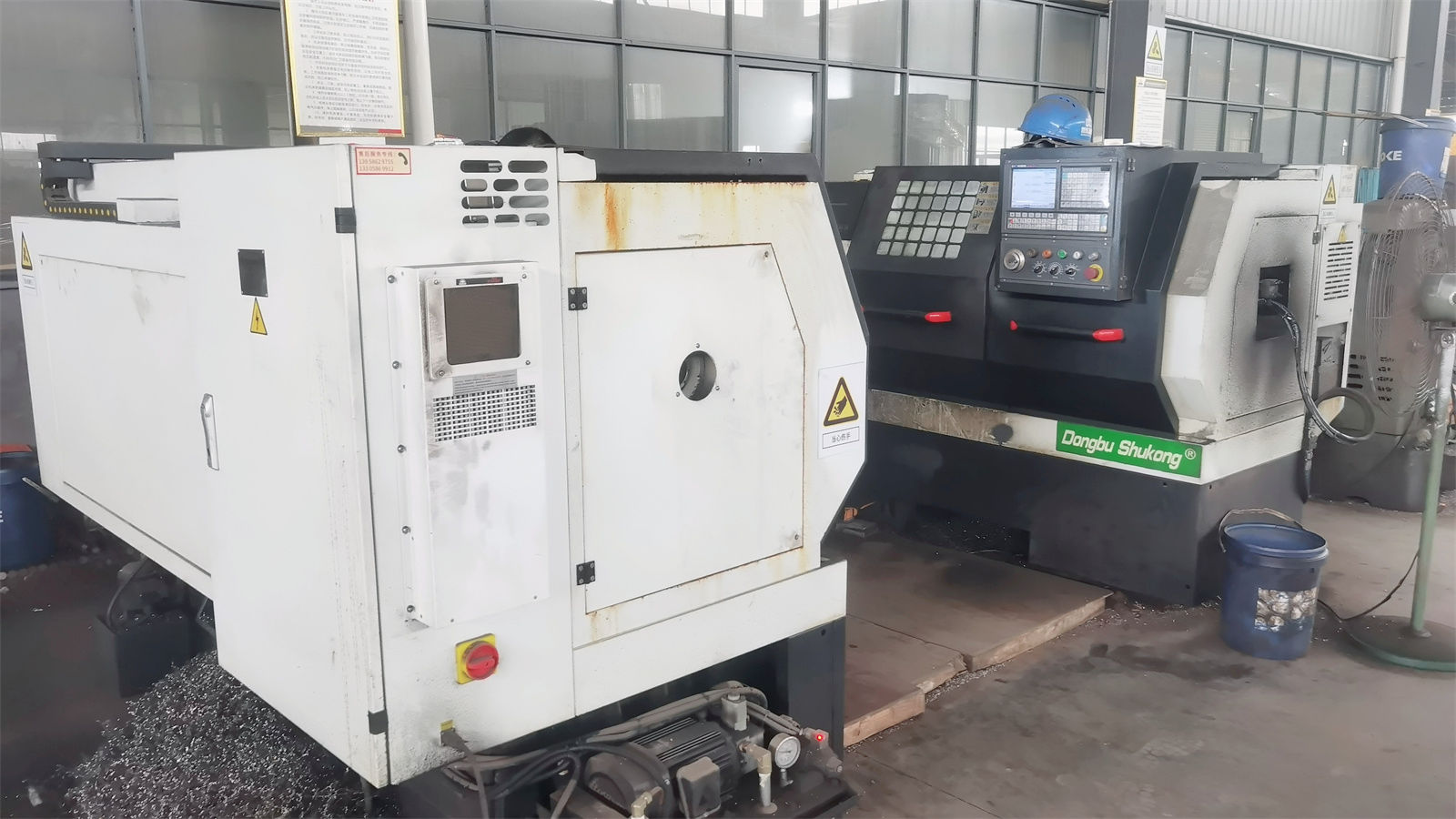
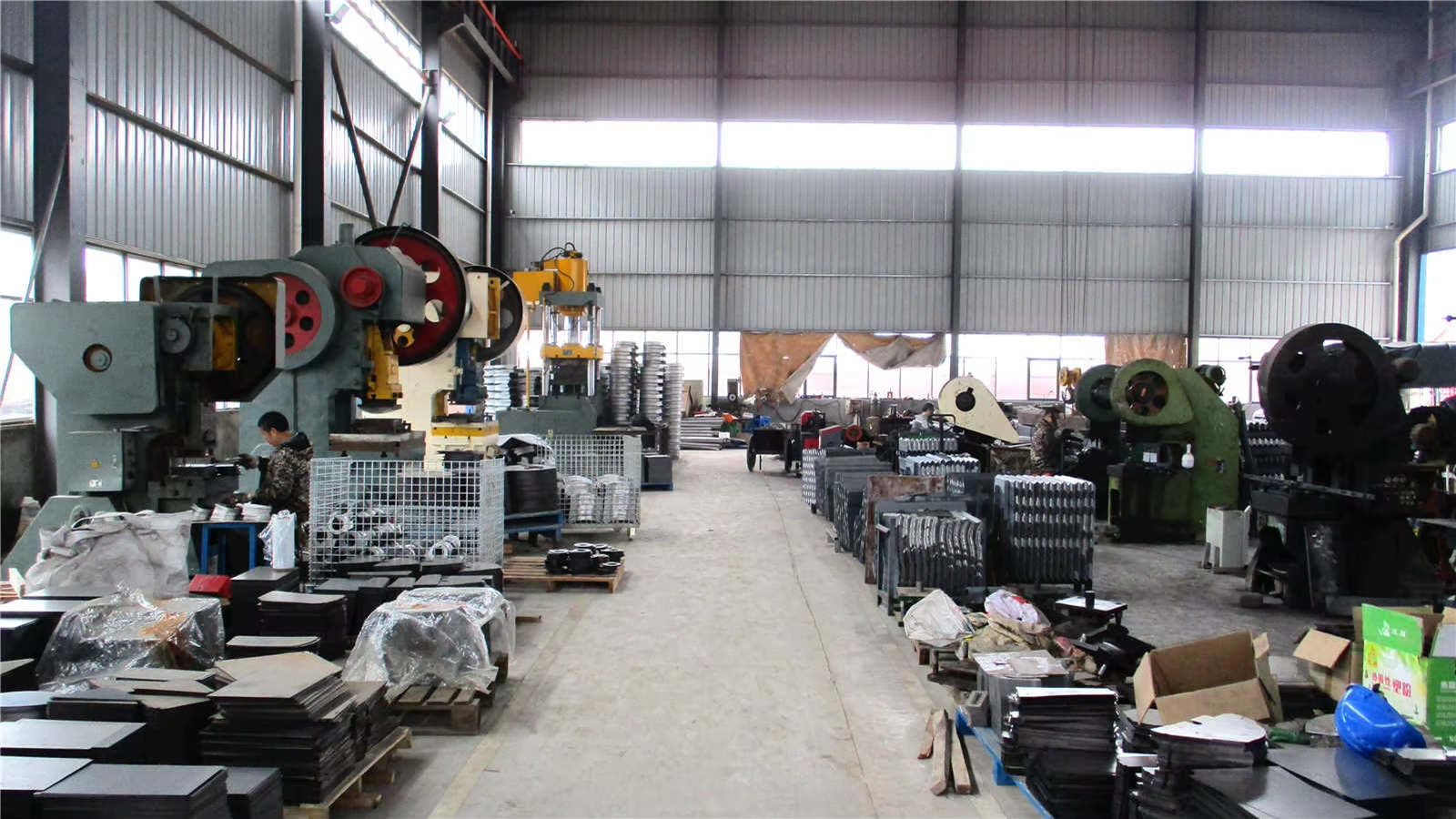
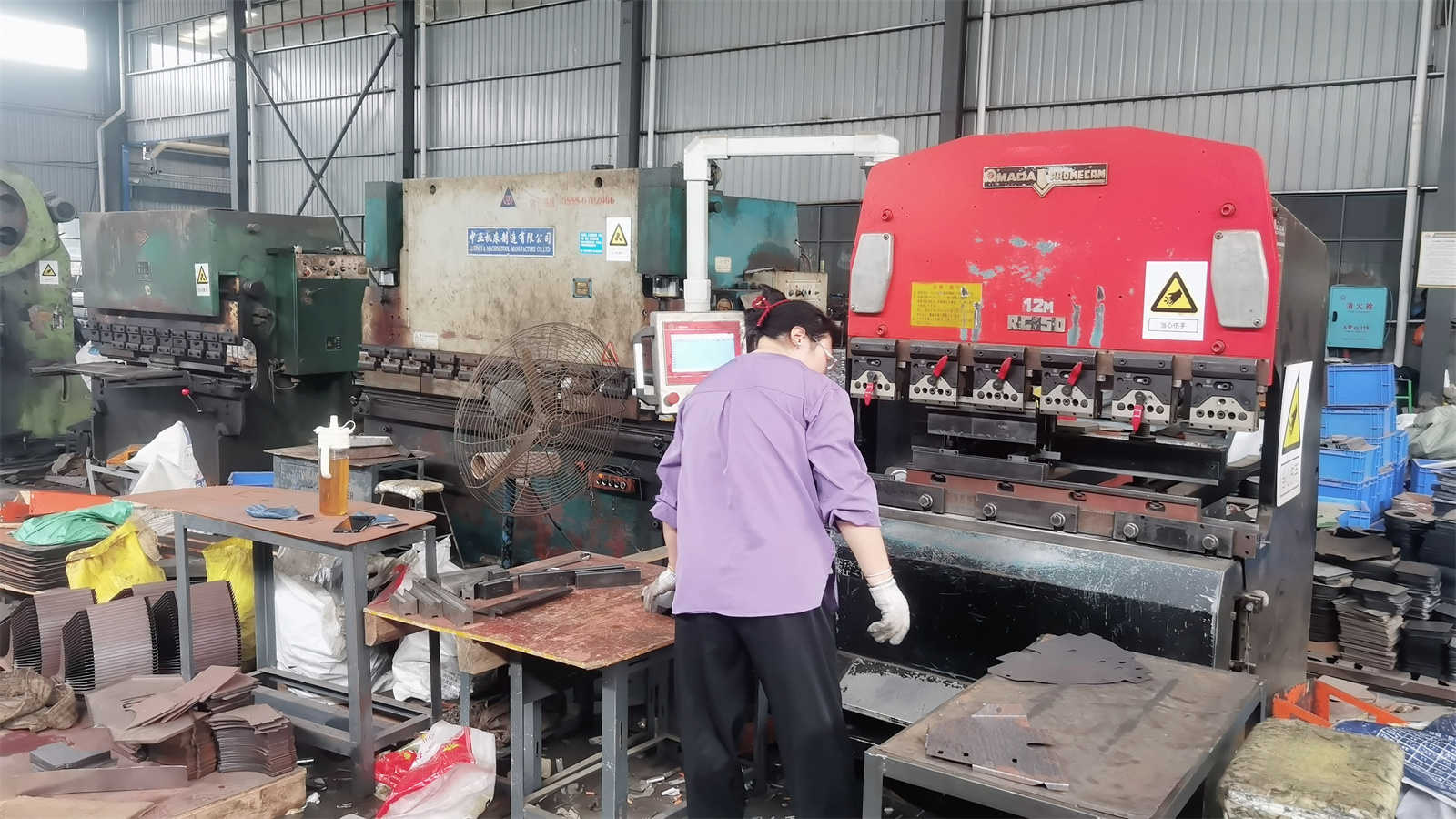
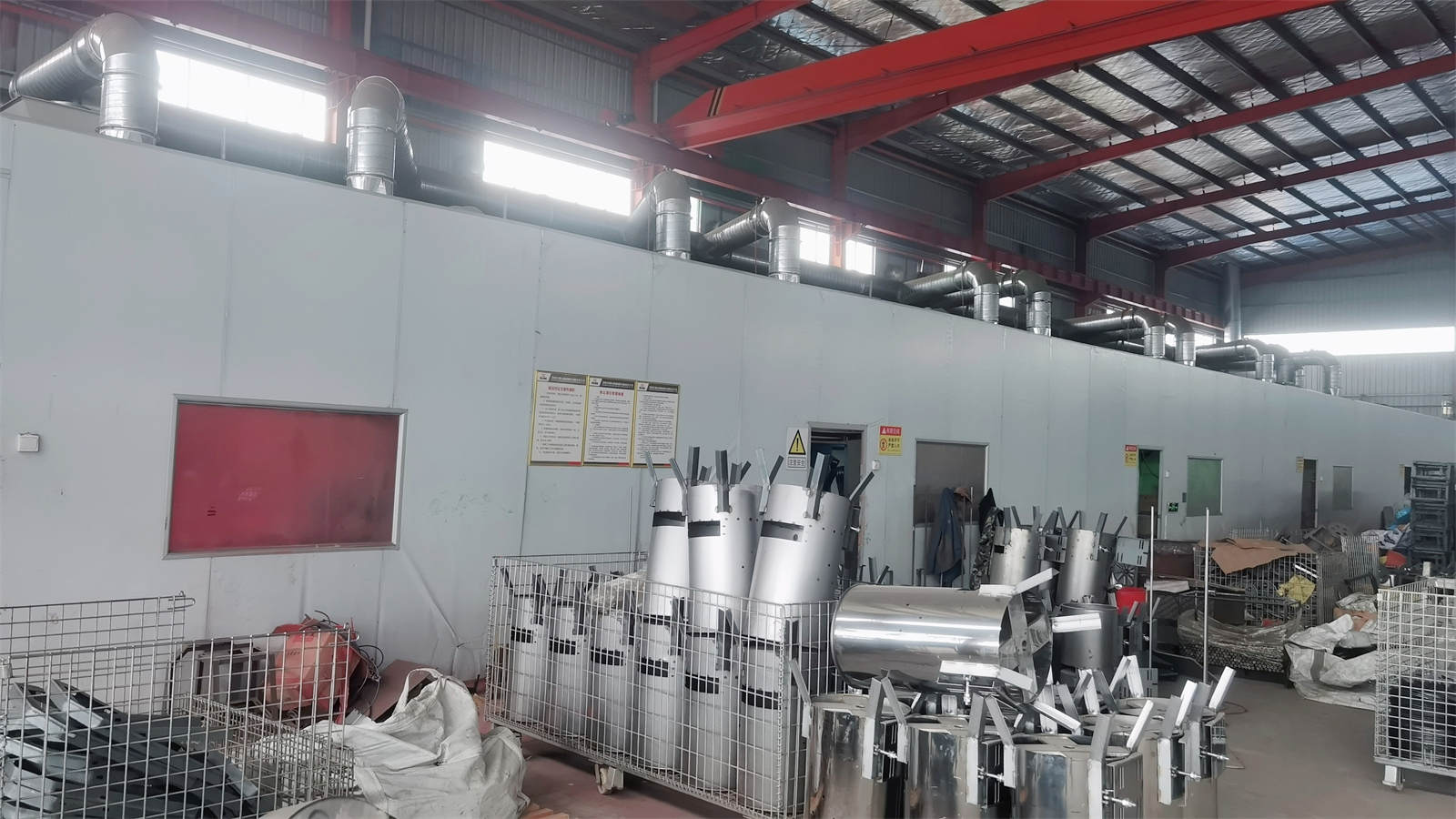
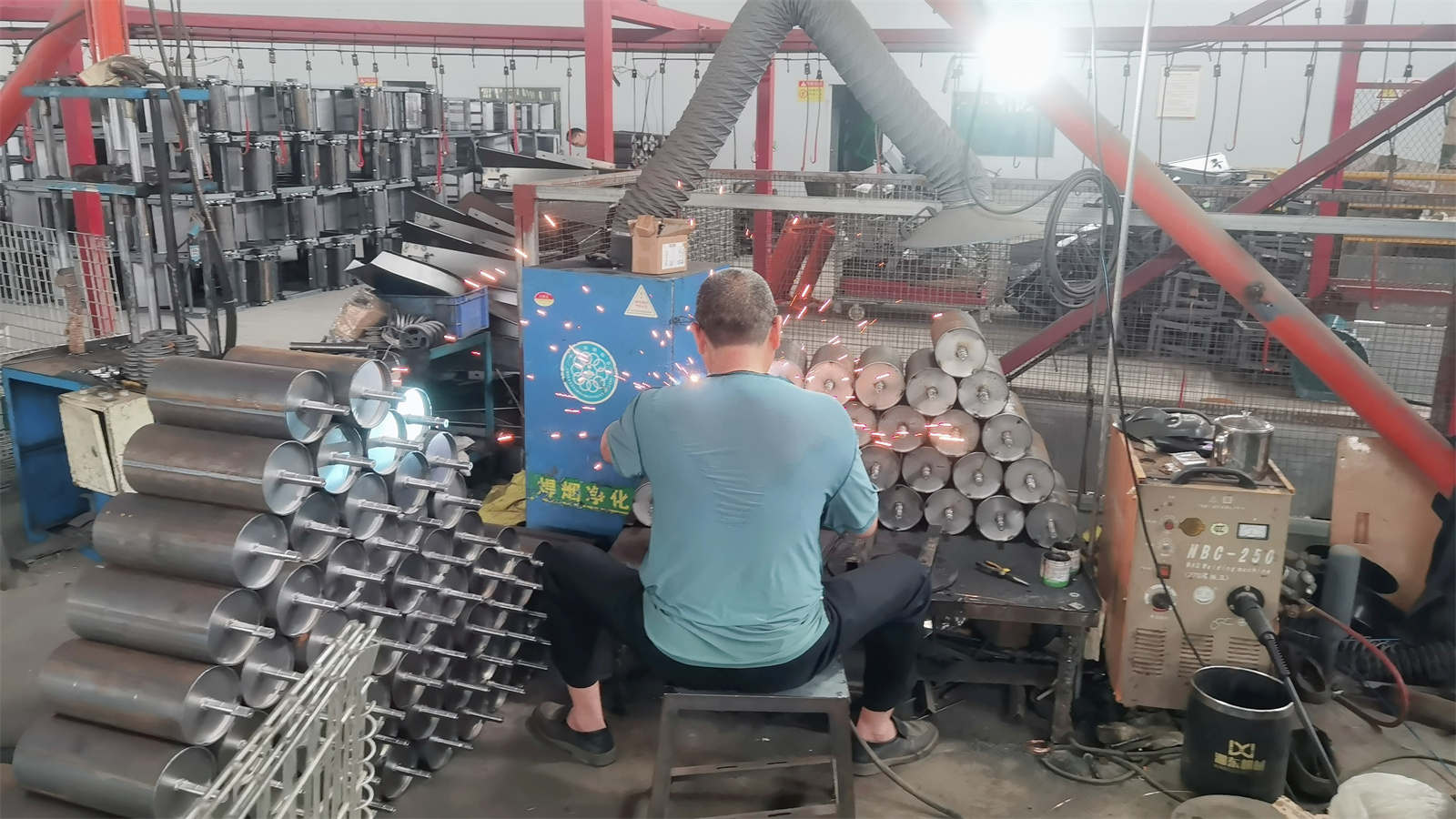
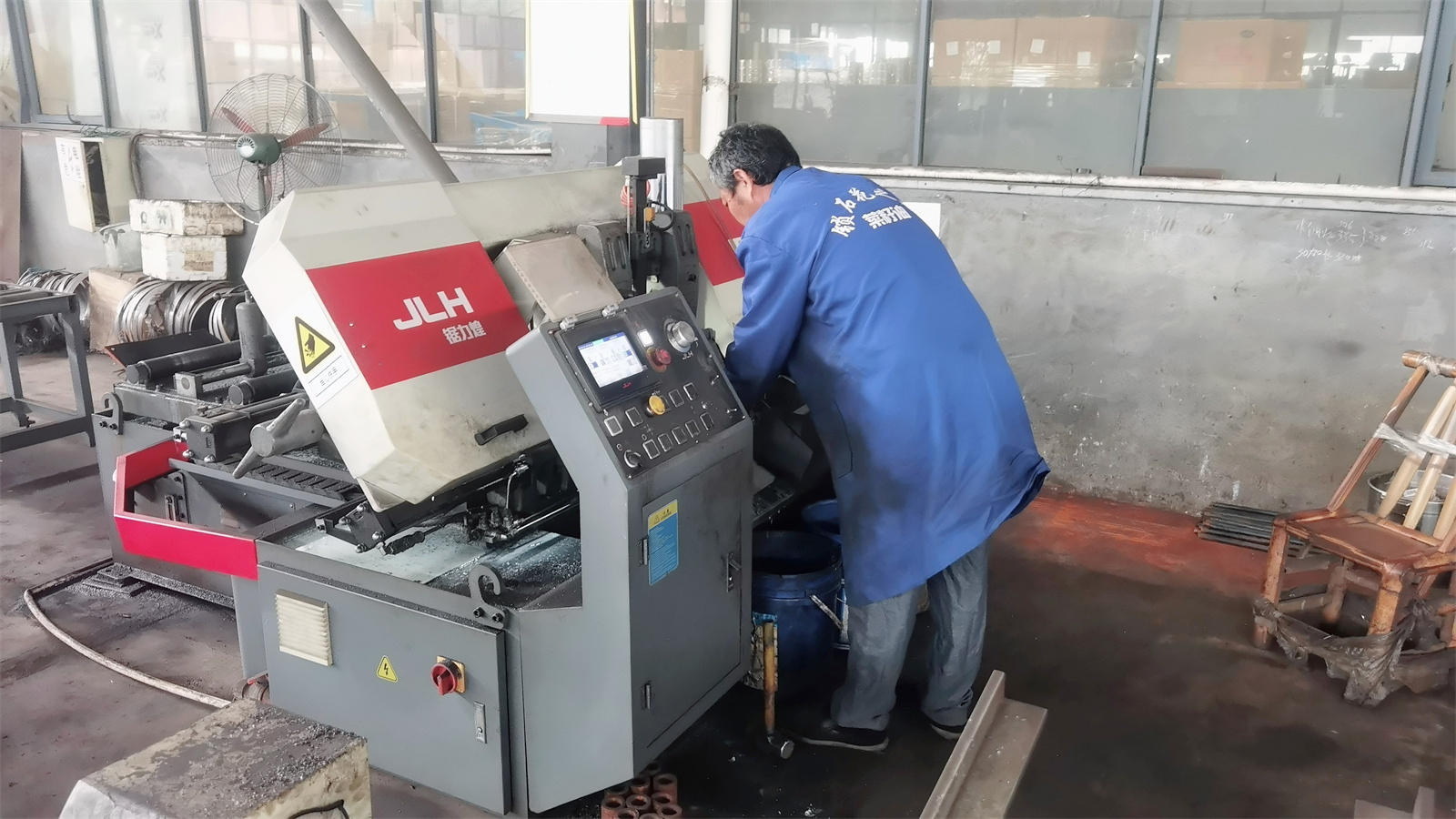
Henan Jiujie Machine Co., Ltd. places strong emphasis on technological innovation and continuous improvement of manufacturing capability and product quality. We have introduced a series of advanced processing equipment, including CNC laser cutting machines, CNC bending machines, and CNC lathes. In addition, we are equipped with CNC machining centers, CNC boring machines, surface grinding machines, planers, and other high-precision manufacturing equipment. We have also established an electrostatic spraying production line to further enhance product surface quality and durability.
Our manufacturing processes include steel plate laser cutting, CNC bending, CO₂ arc welding, argon arc welding, robotic welding, and electrostatic surface treatment. These advanced production technologies ensure consistent product quality and continuous innovation.
As a professional industrial solution provider, Henan Jiujie Machine Co., Ltd. delivers not only equipment but also comprehensive production solutions that enhance the overall value chain for our customers. By utilizing AutoCAD-based engineering design systems and advanced machining centers, we are able to provide high-precision, durable products at competitive prices. We are committed to offering complete pre-sales consultation, technical support, and reliable after-sales service. Customer satisfaction is always our top priority. We sincerely welcome partners and friends from all over the world to contact us and cooperate for mutual success.
Contact Henan Jiujie's engineering division to receive tailored design layouts, product catalogs, and custom quotes for Moroccan milling installations.
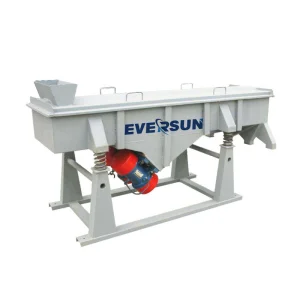
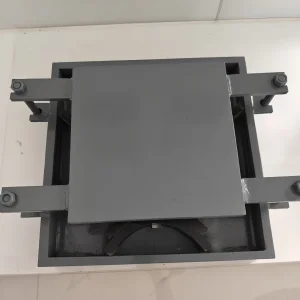
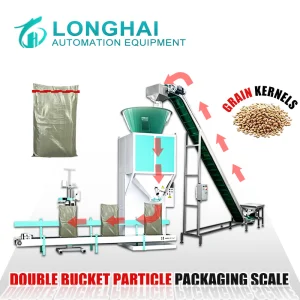
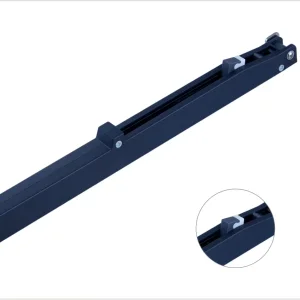
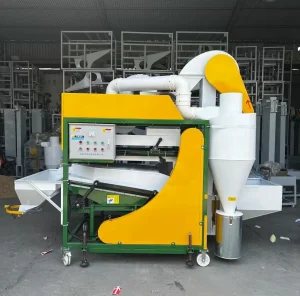
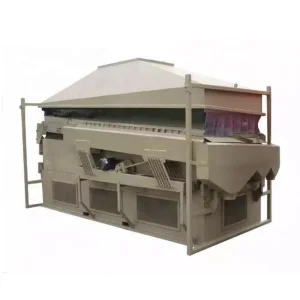
Our selection of materials handling, cleaning, vibration control, and bagging components is customized for agricultural logistics, mills, and food production plants operating under Moroccan climate conditions.
 Jiujie Machine