Jiujie Machine
1 / 5
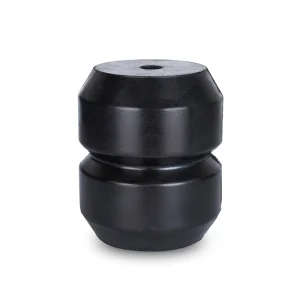
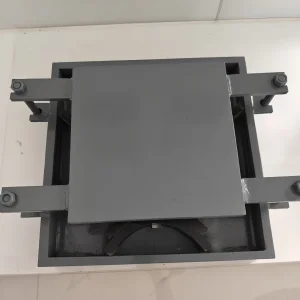
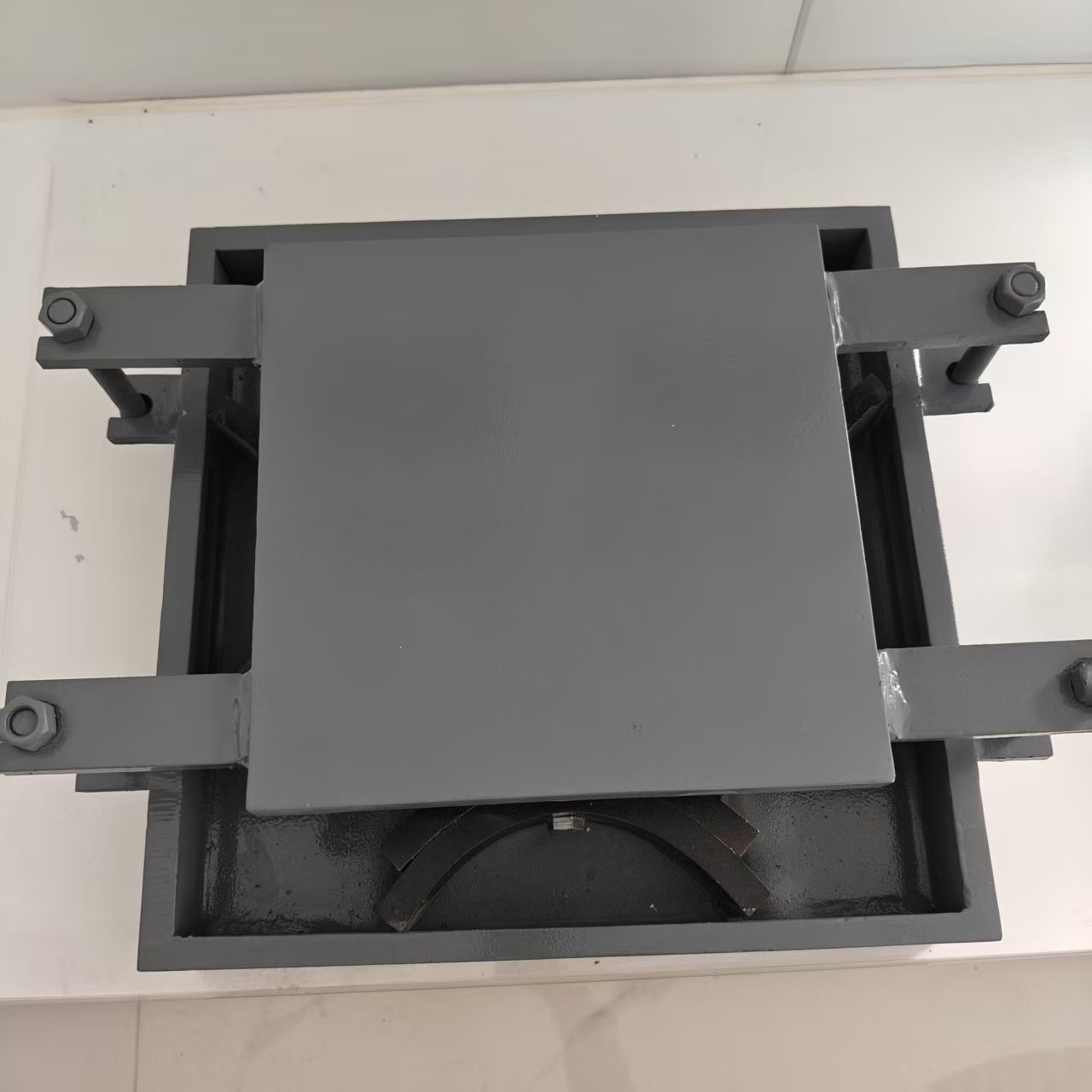
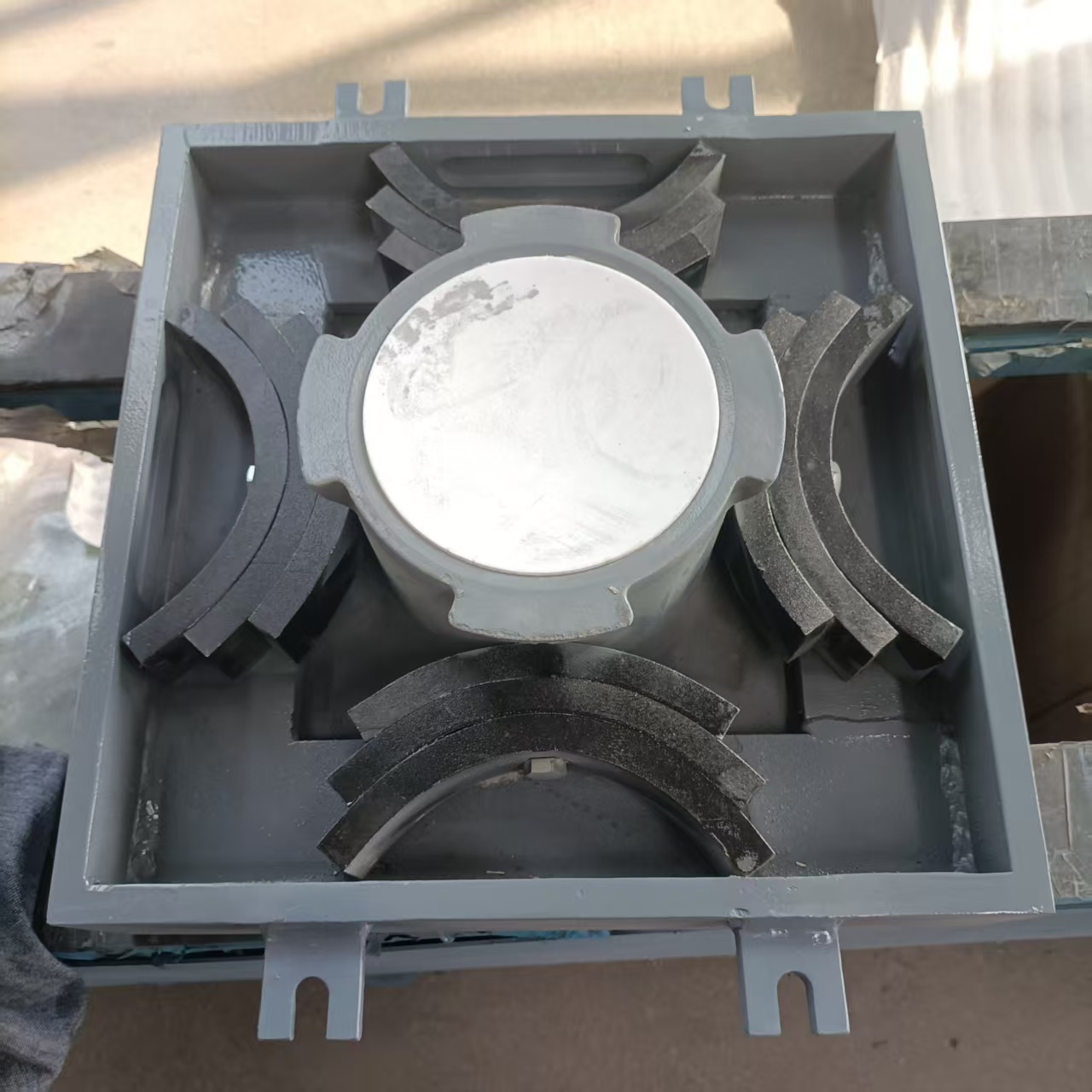
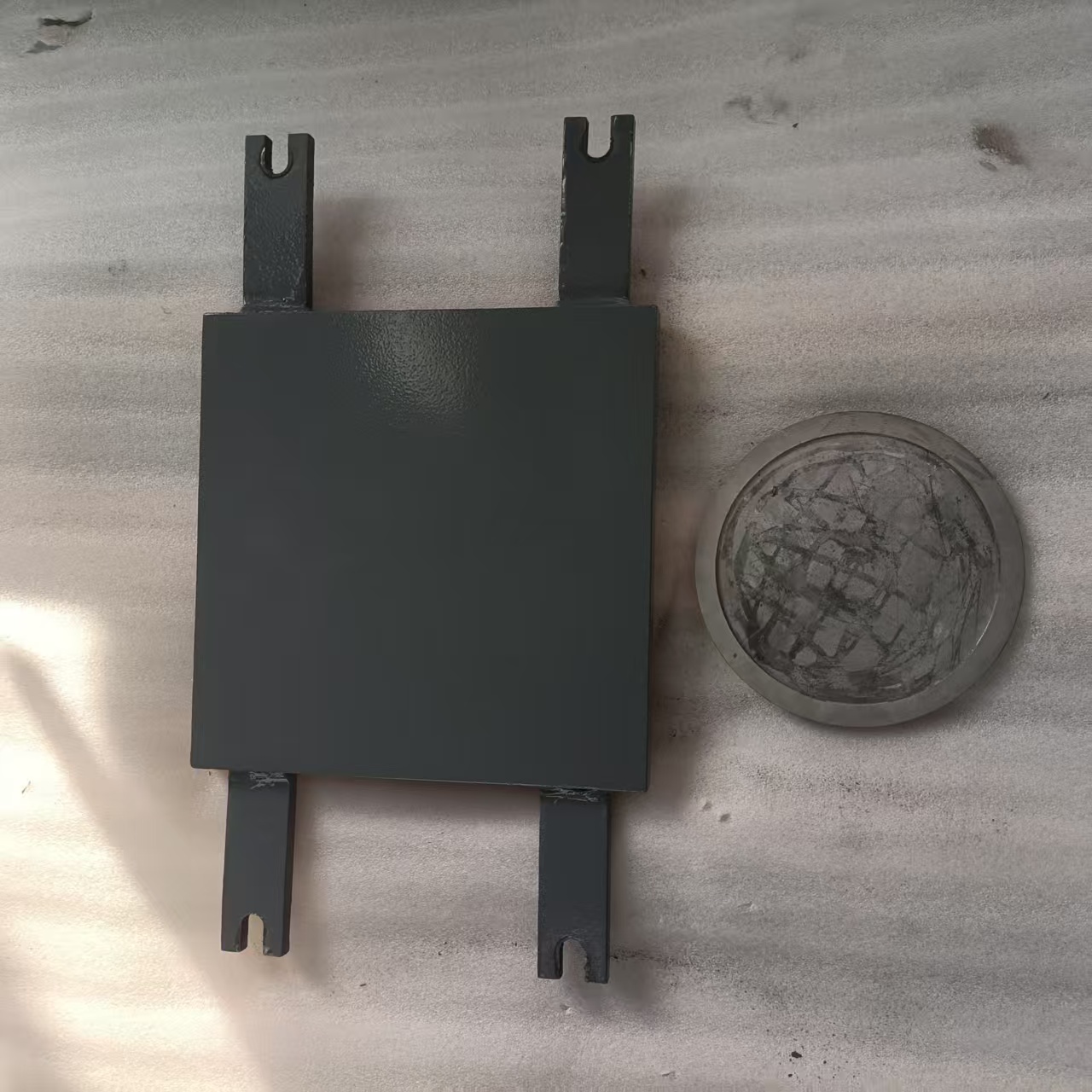
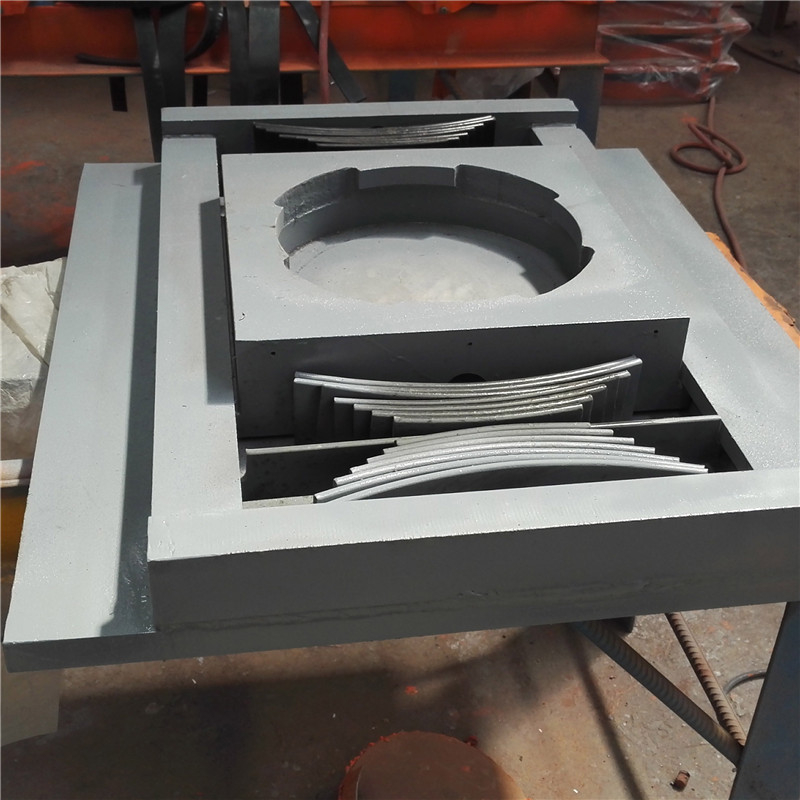
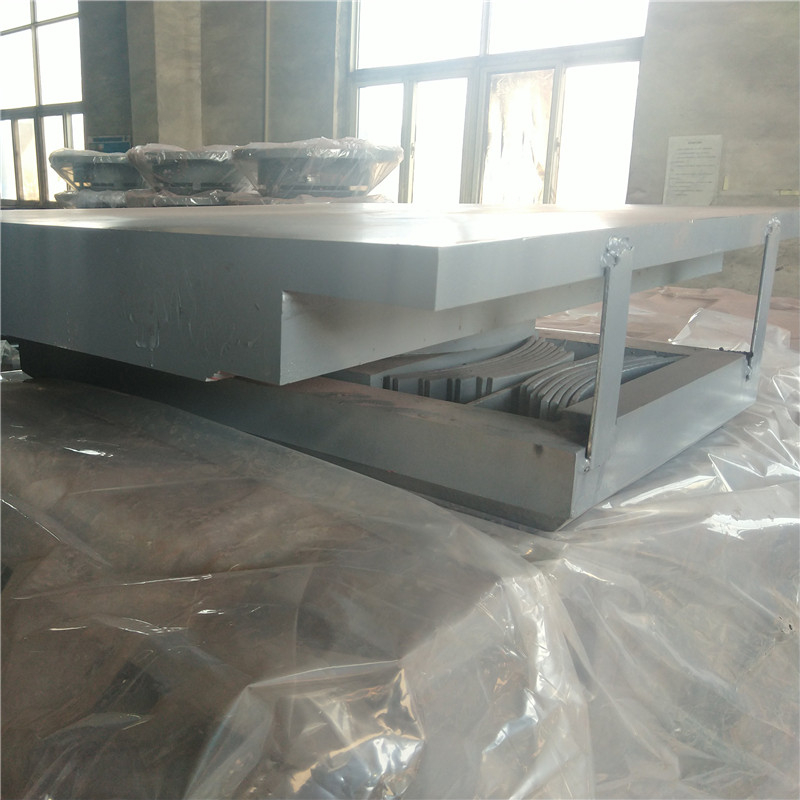
Elastic damping steel bearing is a type of seismic isolation bearing that adopts rigid metal force transmission and energy dissipation & reset function via elastic components. It is widely applied in bridges, long-span spatial structures and high-rise buildings to realize vertical load bearing, horizontal shock absorption, universal rotation and post-earthquake reset.
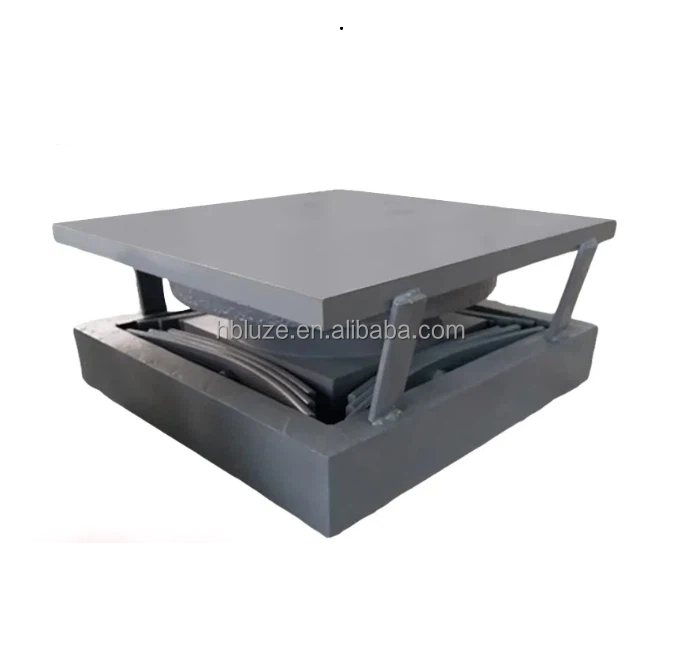
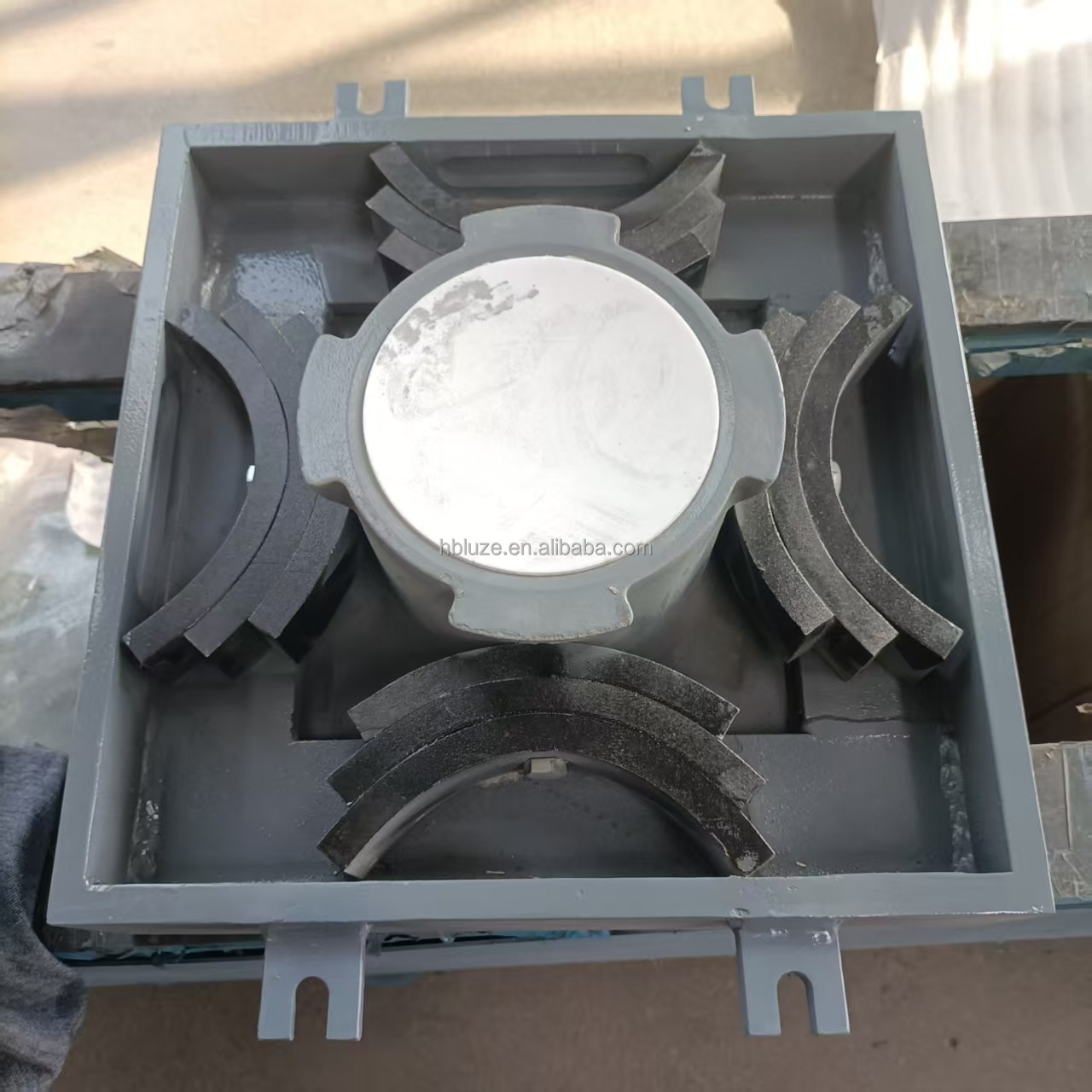
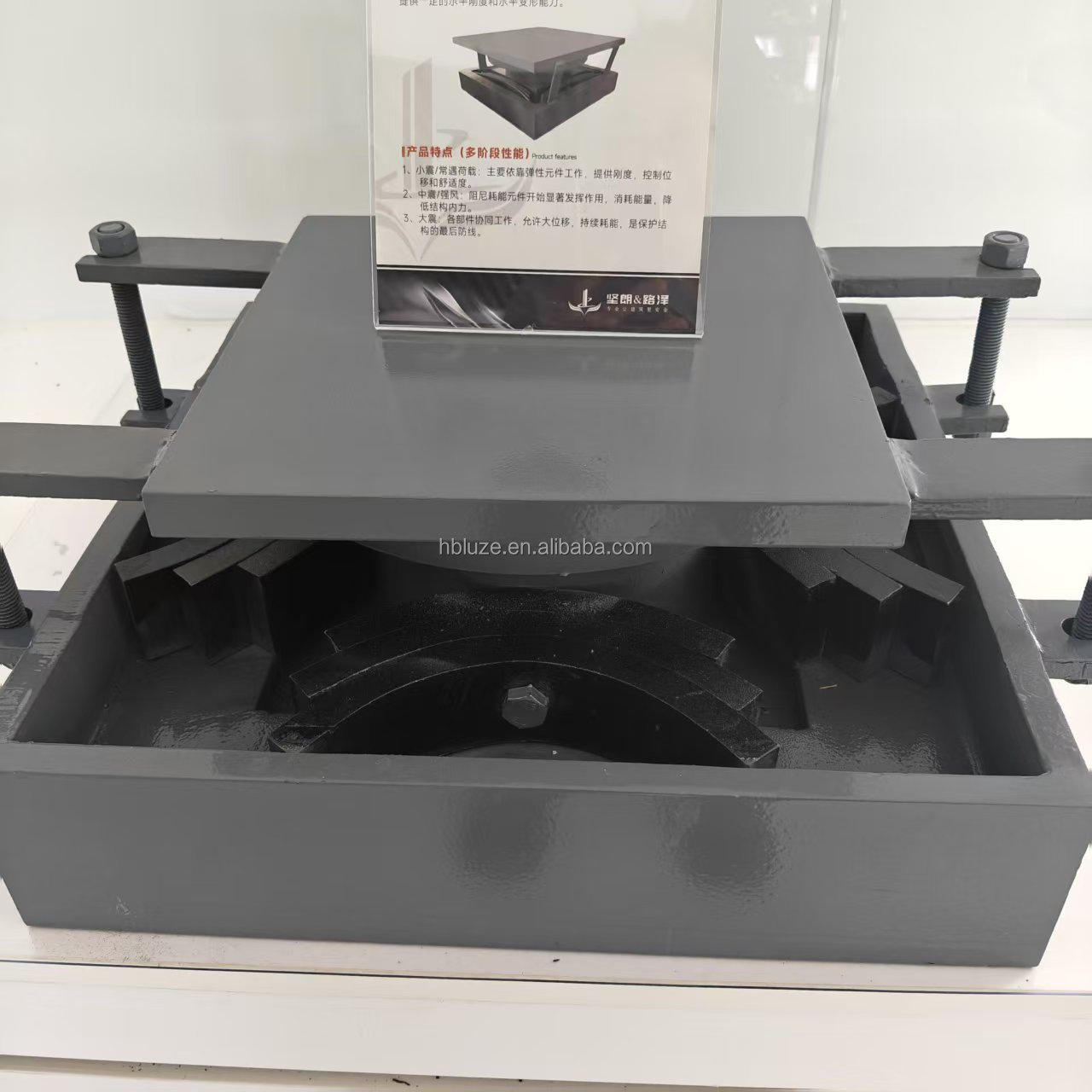


The elastic damping steel bearing is designed for bridges, long-span spatial structures, and high-rise buildings. It realizes vertical load bearing, horizontal shock absorption (earthquake/wind vibration), universal rotation, and automatic post-earthquake reset using elastic components and rigid metal force transmission.
It uses a high-performance sliding pair consisting of a stainless steel plate combined with a PTFE (polytetrafluoroethylene) slide plate. This combination provides an extremely low friction coefficient (μ≤0.03), enabling stable two-way sliding displacement.
During a major earthquake, the core steel leaf or coil springs work in combination with optional dampers to dissipate seismic energy. This process prolongs the structural period and reduces the overall seismic response of the building or bridge.
Due to the robust all-metal and PTFE structural design, these bearings are entirely free from the aging and creep issues commonly associated with rubber. They offer a service life exceeding 50 years, even in extreme environments.
Pot rubber bearings age quickly, ordinary spherical steel bearings lack self-resetting capabilities and damping components, and friction pendulum bearings suffer from large residual displacements after seismic events. Elastic damping steel bearings combine long life, active damping, and precise self-resetting capabilities to overcome these limitations.