Top Trusted Cereal Processing Line Exporter & Exporters

Henan Jiujie Machine Co., Ltd. — Setting Global Standards in High-Yield Grain Milling, Seed Cleaning, & Smart Flour Processing Lines with ISO9001 & CE Excellence.

Macro Perspectives

Redefining Cereal Processing: Security, Efficiency, & Integration

A comprehensive analysis of global market expectations, processing line architecture, and high-precision grain yields.

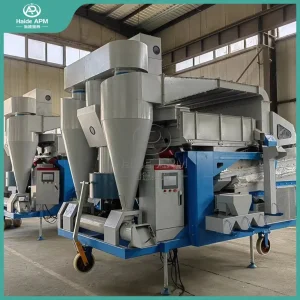
In the contemporary global agri-food economy, the efficiency of post-harvest grain handling stands as the single most critical parameter determining operational profitability and food safety. Processing whole grains, raw wheat, paddy, and oilseeds into high-value flour, grade-separated grains, and clean seed batches requires a sophisticated harmony of mechanics, pneumatics, and sensor technology. As a prominent cereal processing line exporter, Henan Jiujie Machine Co., Ltd. has stood at the intersection of engineering innovation and agricultural stewardship, delivering turn-key processing mills globally that satisfy the complex demands of the modern agricultural industry.

Traditional milling and sorting methods are no longer sufficient to sustain profit margins under modern logistical conditions. High levels of foreign materials (FM), moisture instability, insect infestation, and grain breakage at the point of origin have forced global processors to seek all-in-one milling lines. Effective grain processing must minimize raw material loss at every step—from pre-cleaning and de-stoning to high-efficiency grading, pneumatic transport, dust extraction, and digital final packaging. These challenges demand processing plants designed with a systemic perspective, ensuring minimal friction and energy conservation across the processing chain.

30+ Tons
Hourly Capacity
Achievable by our industrial scale multifunction gravity separators.
100%
Waterless Cleaning
Environmentally friendly operation with zero wastewater discharge.
ISO & CE
Certified Quality
Designed in full compliance with European safety & environmental norms.
<0.5%
Grain Loss Rate
Achieved through precision specific gravity stratification and destoning.
Manufacturing Power

Why Sourcing from China’s Premier Factory (Jiujie) Redefines Value

An in-depth look at our advanced production facilities and heavy CNC machining centers that ensure structural rigidity and longevity.

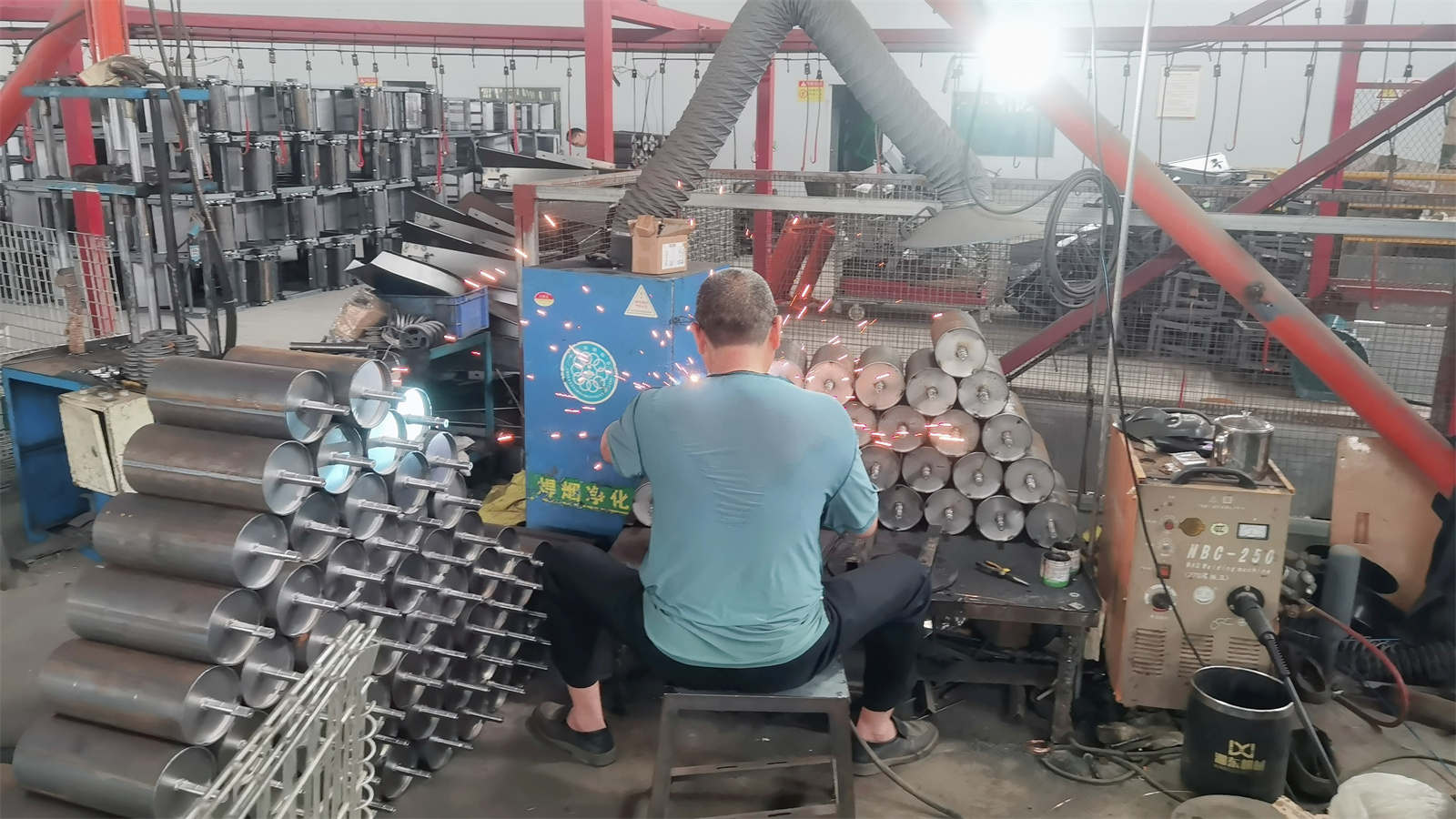
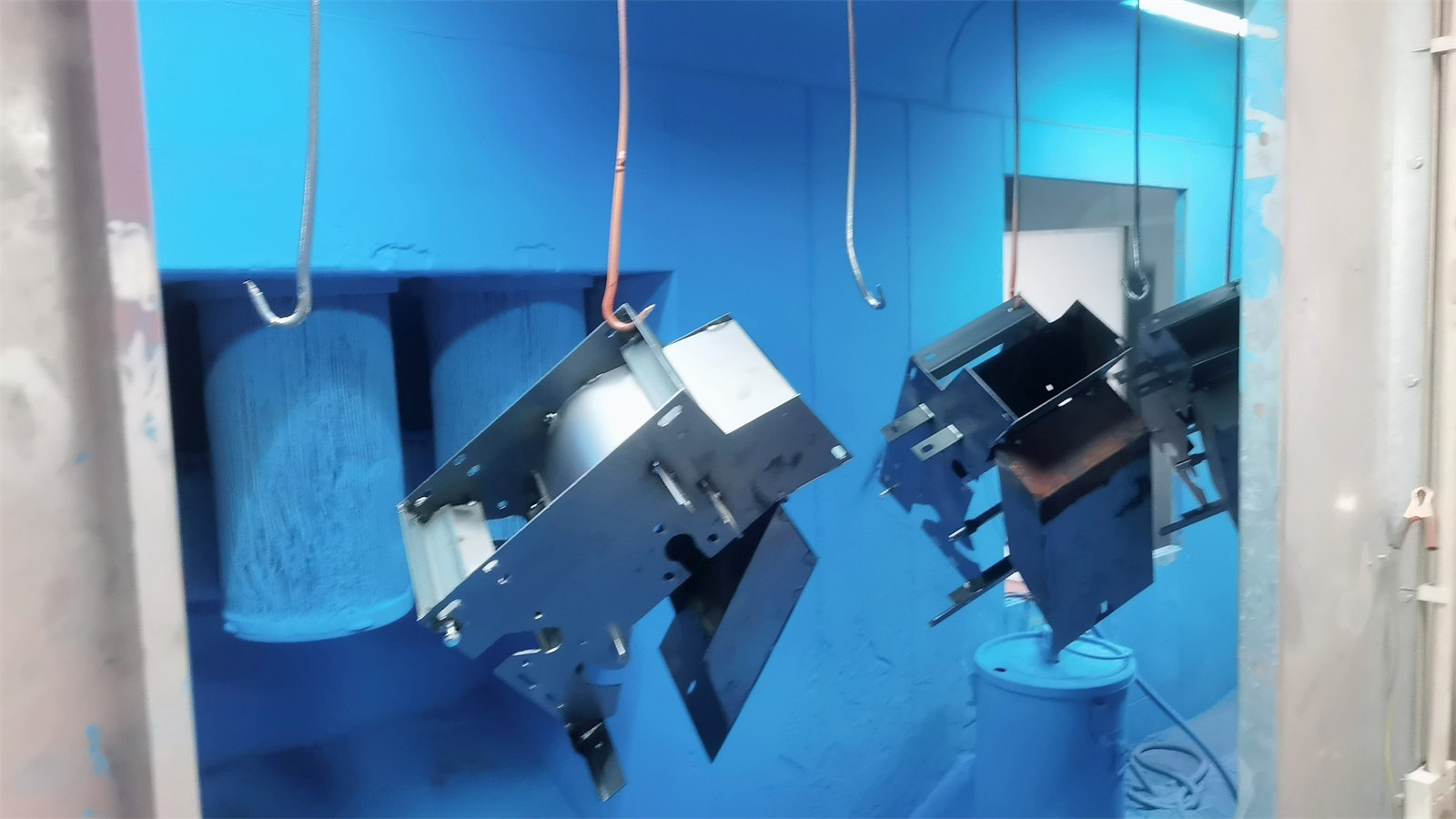
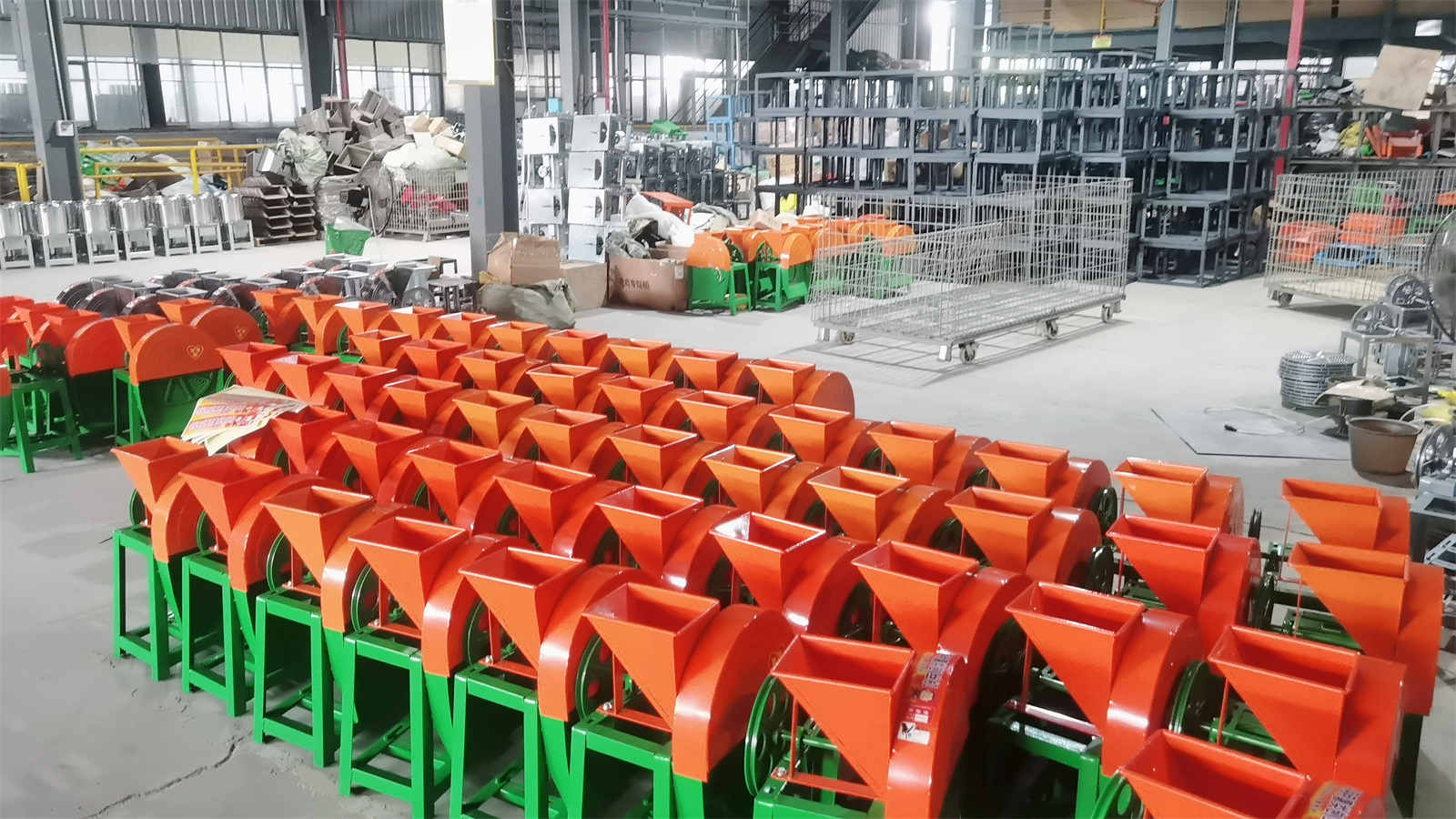
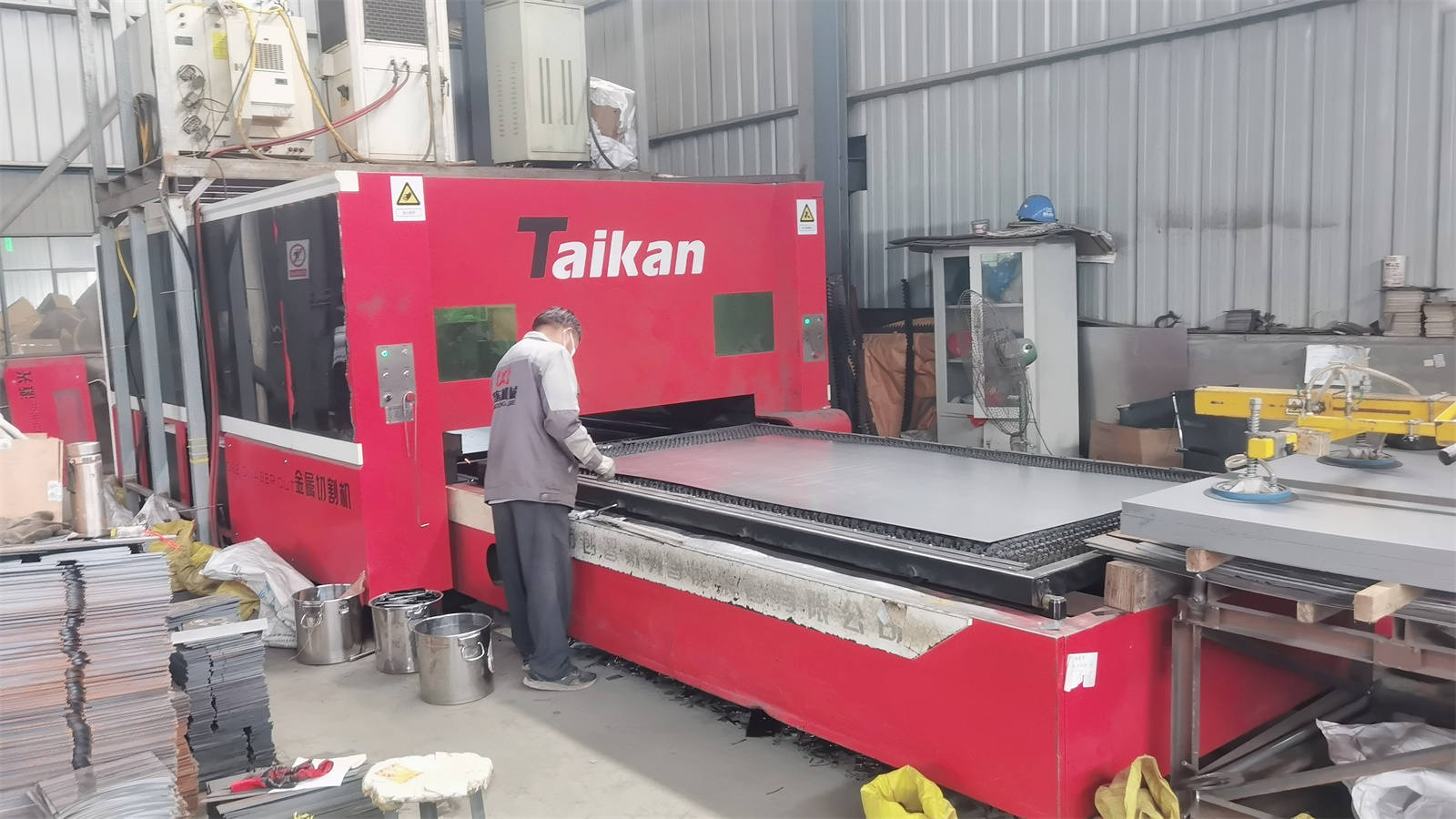
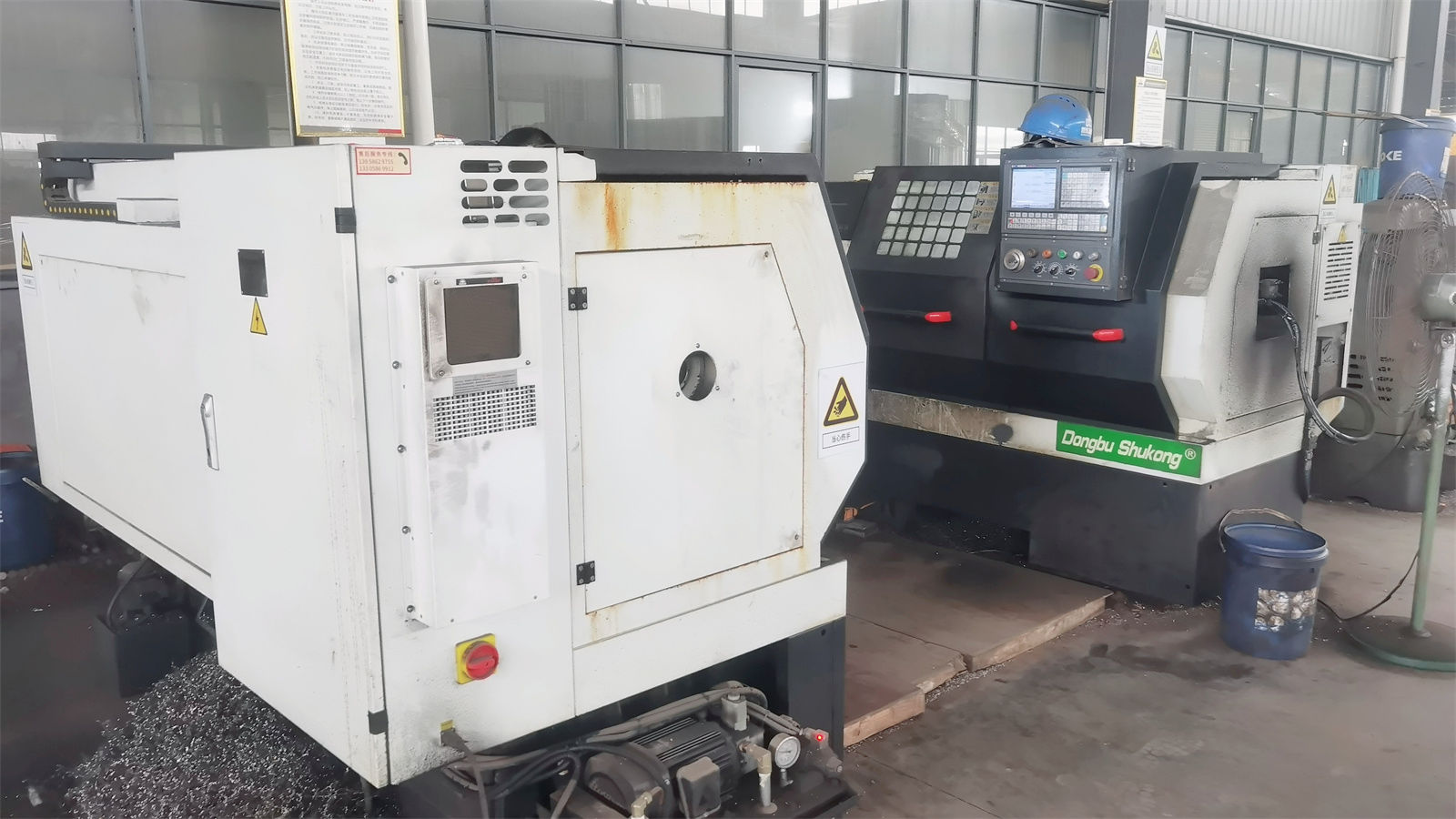
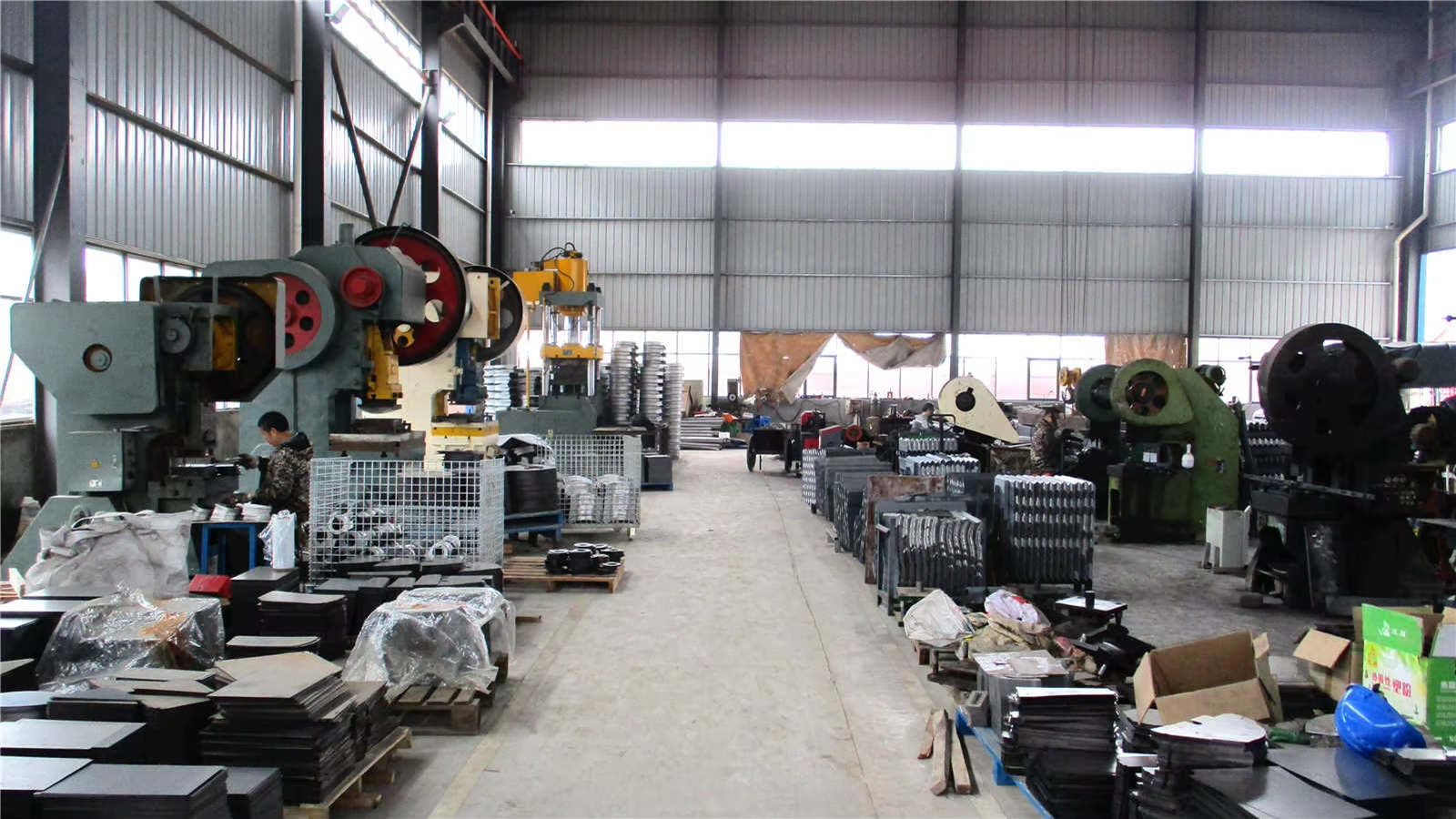
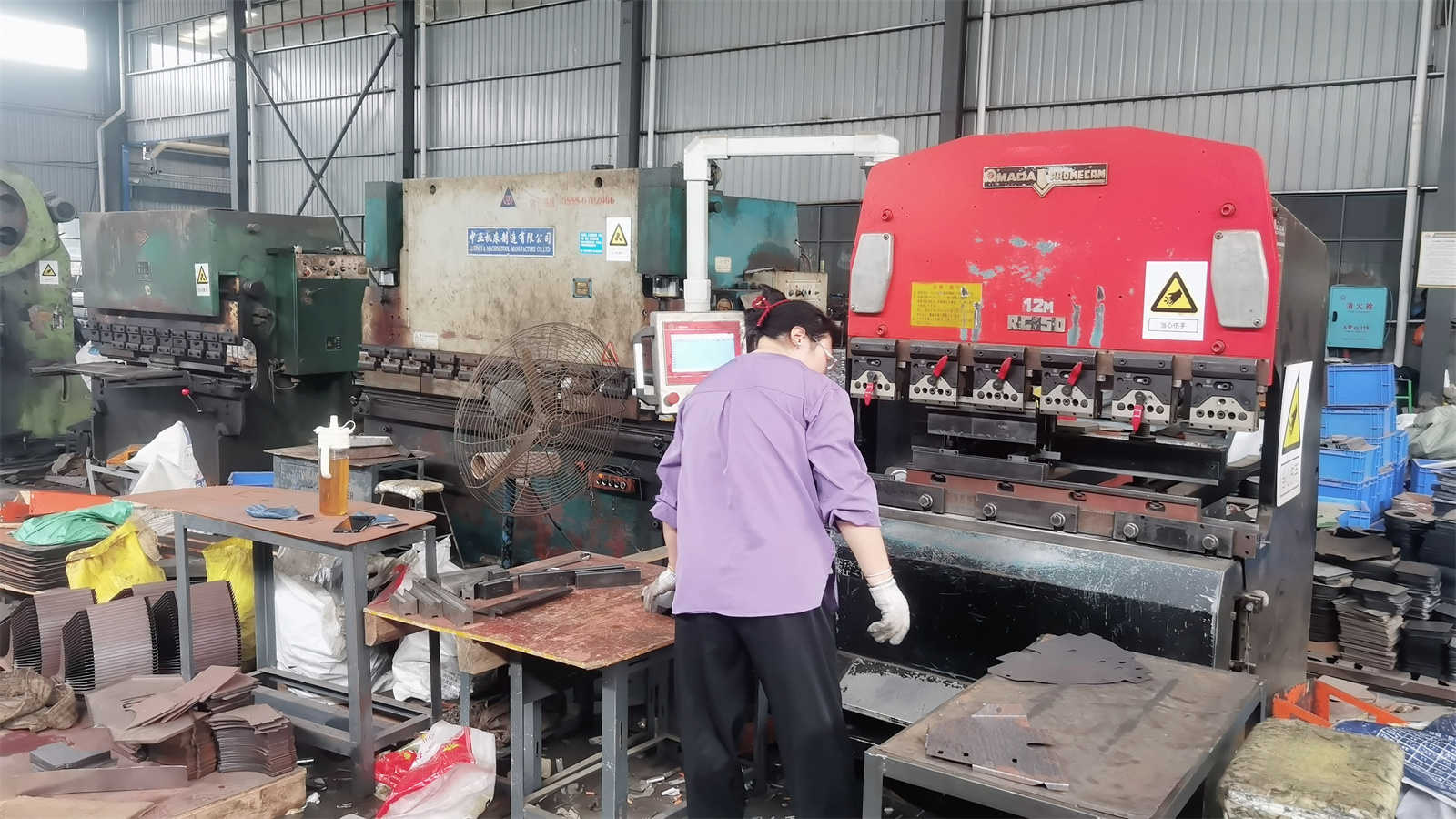
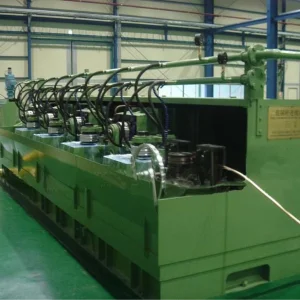
Sourcing grain processing machinery from Henan Jiujie Machine Co., Ltd. guarantees access to China's most robust industrial manufacturing infrastructure. Our manufacturing processes utilize laser cutting, computer numerical control (CNC) bending, high-integrity CO₂ and argon arc welding, robotic-assisted welding structures, and automated electrostatic powder coating. By combining domestic material sourcing efficiency with cutting-edge German and Japanese CNC machine centers, we design components with tolerance levels measuring in microns.

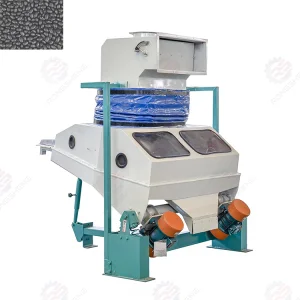
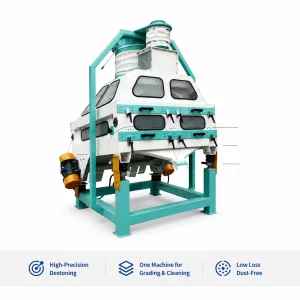
Our commitment to material and structural design is exemplified by our grain destoners, which use reinforced spring supports to preserve stable vibration amplitude over years of continuous operation, preventing fatigue damage and minimizing structural downtime. We utilize AutoCAD-based engineering design systems to draft custom blueprints tailored to your layout, ensuring seamless building integration, optimal pipe routing, and efficient material handling transitions.
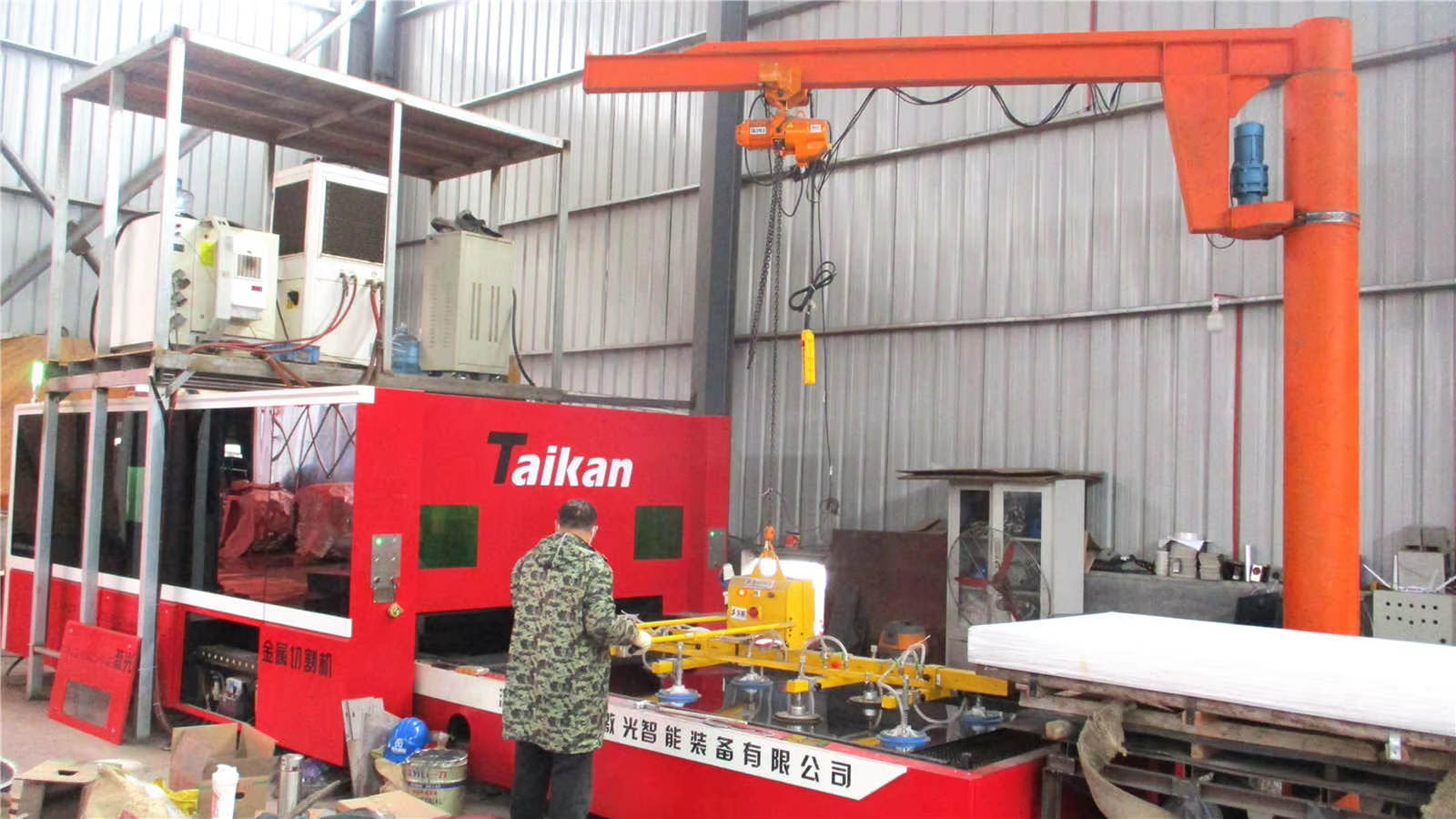
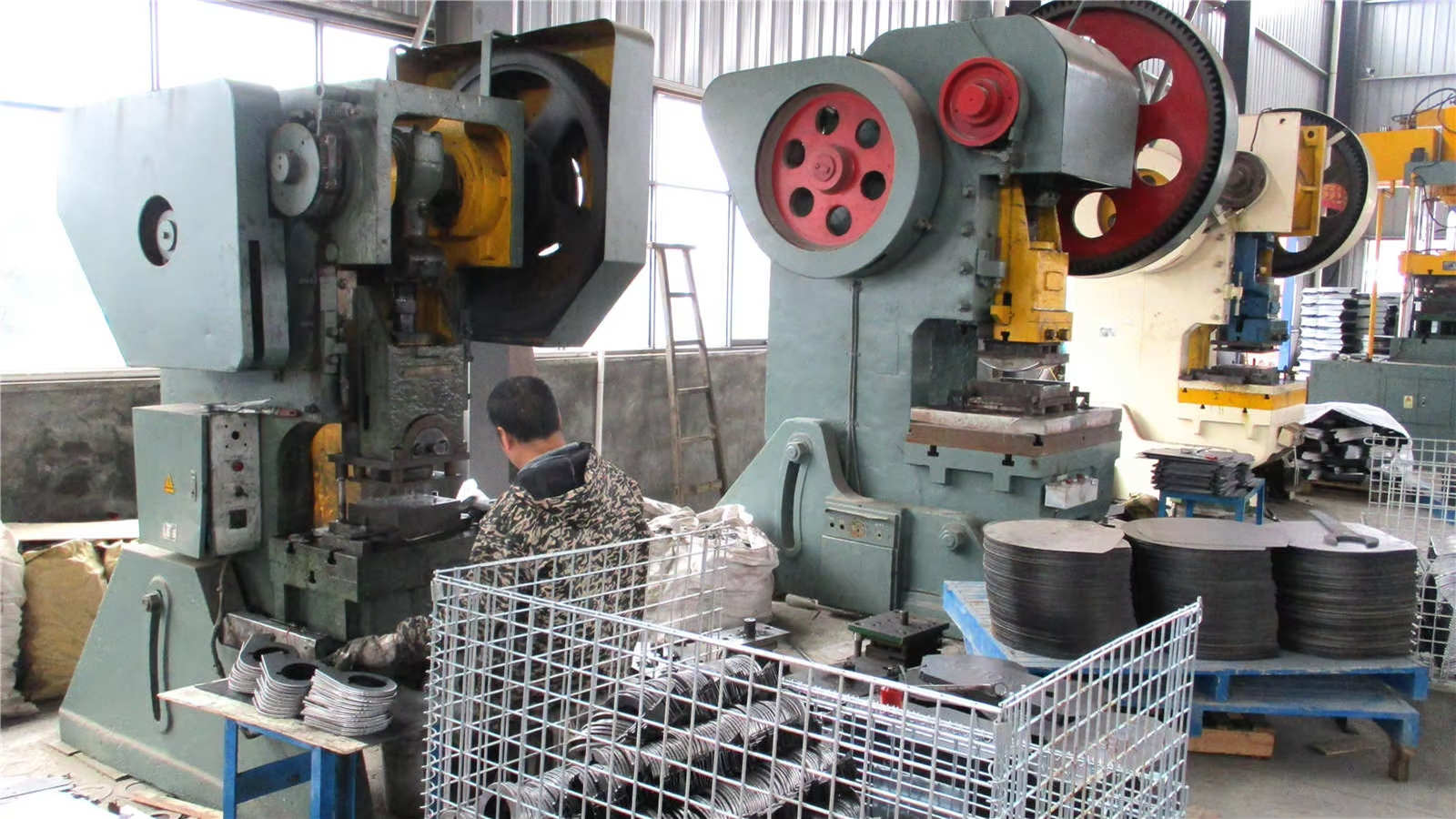
Manufacturing Flow & Machinery Assets

Cutting Process
Cutting
Punching Process
Punching
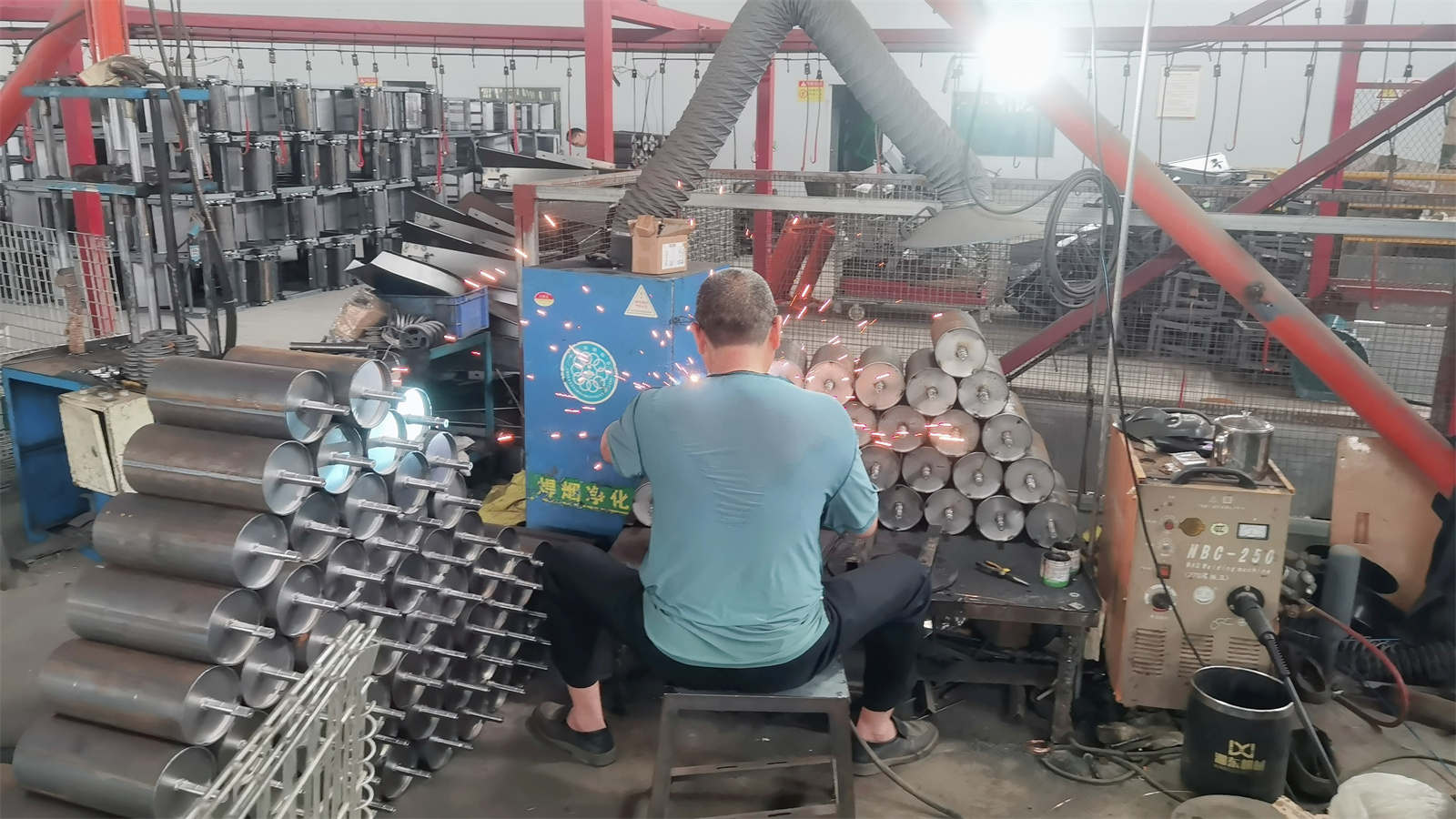
Welding Process
Welding
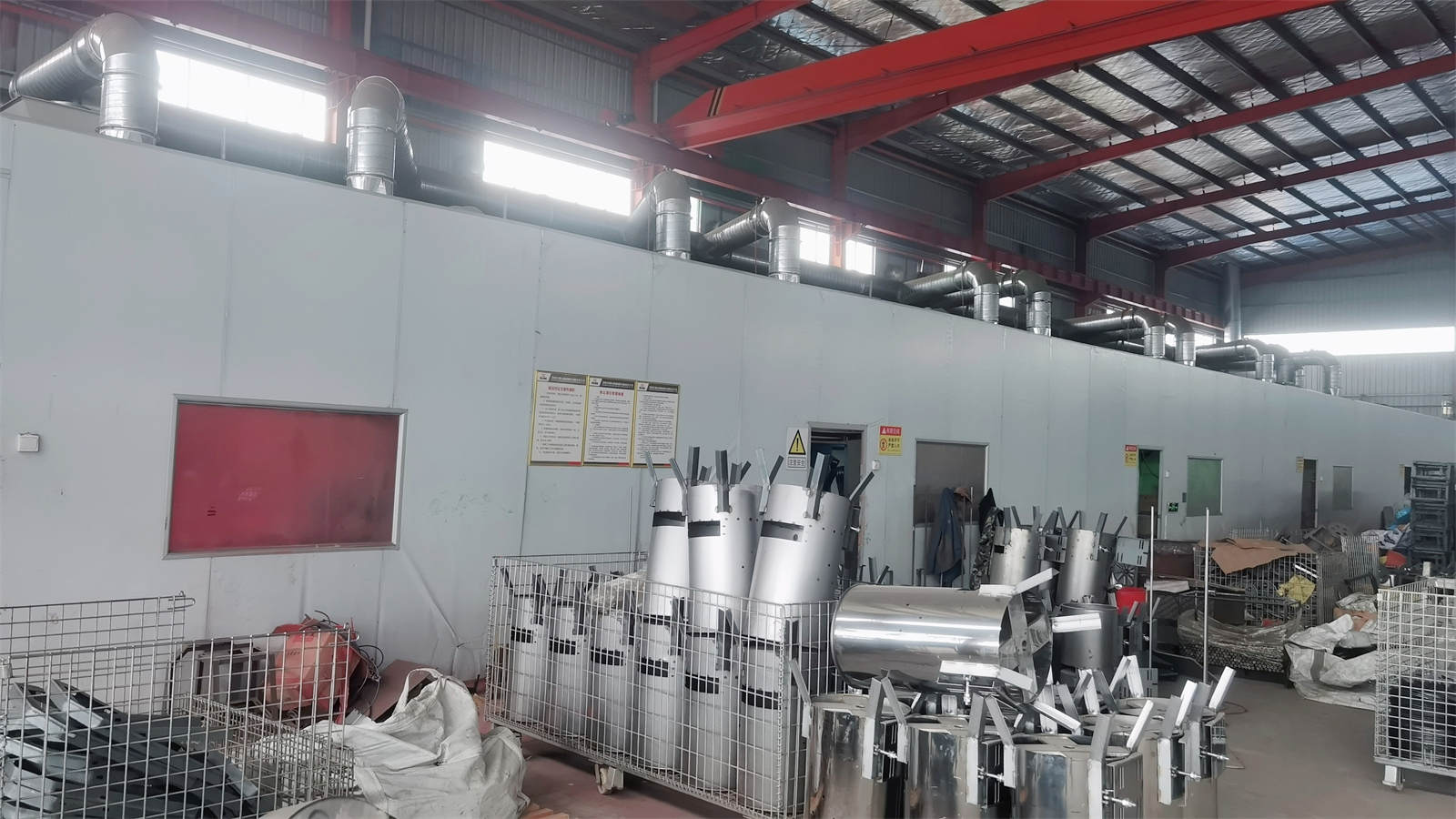
Painting Process
Painting
Assembling Process
Assembling
Laser Cutting Machine
CNC Lathe
CNC Lathe
Punching Machine
Punching Machine
Bending Machine
Bending Machine
Painting Line
Painting Line
Welding Machine
Welding Machine
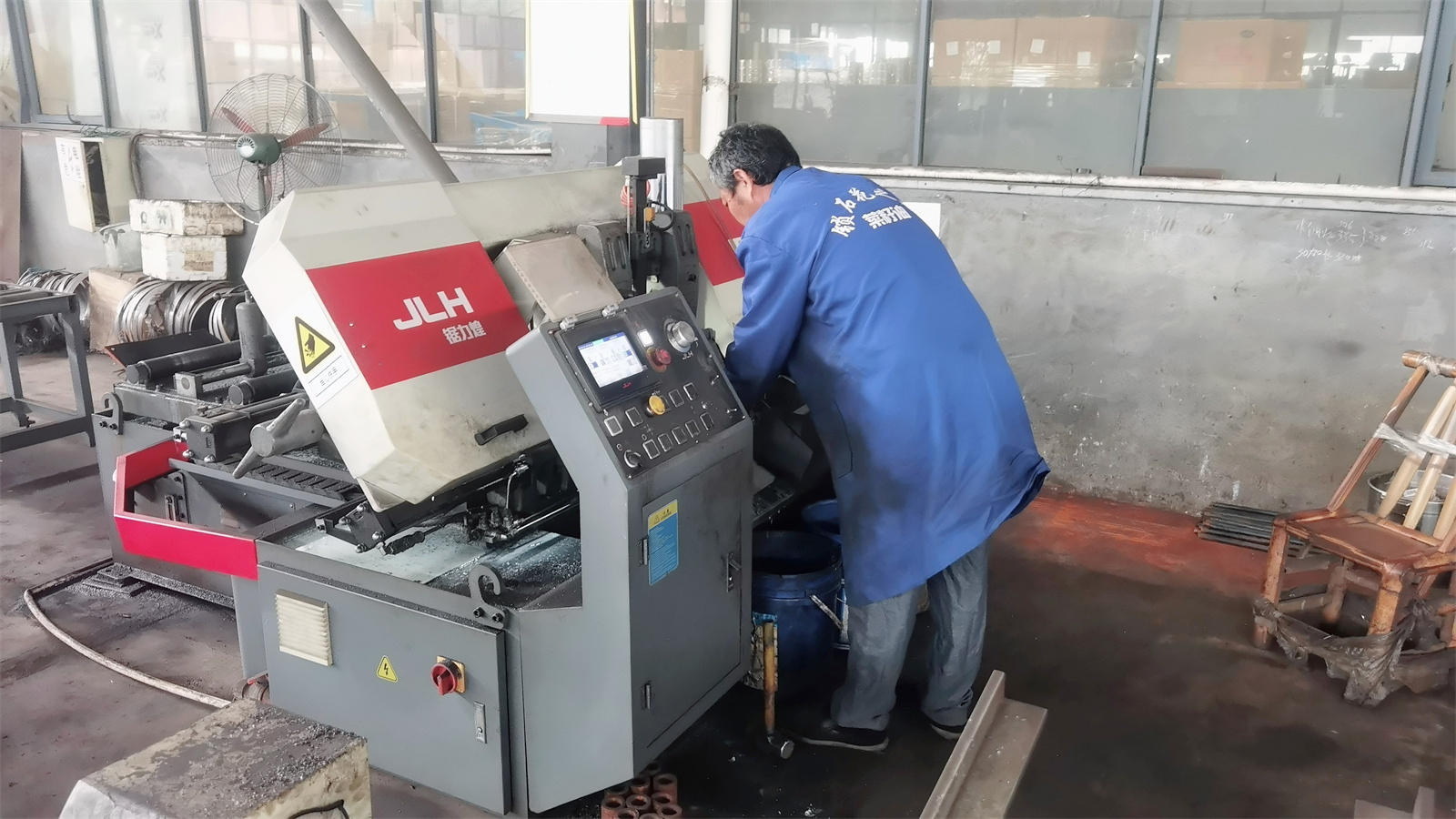
Sawing Machine
Sawing Machine
Integrated Solutions

Macro Grain Processing Solutions: From Harvest to Packaging

A systematic analysis of integrated grain processing workflows configured for raw materials handling worldwide.

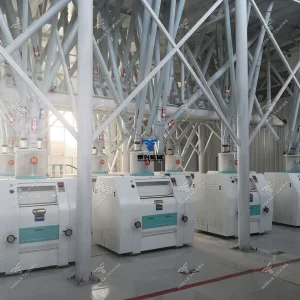
The engineering philosophy of Henan Jiujie Machine Co., Ltd. focuses on reducing system integration friction. Complete solutions span multiple steps: raw material intake, storage, cleaning, grading, sieving, grinding, mixing, shaping, and packaging. Rather than integrating machinery from disparate vendors, purchasing a single-sourced processing line ensures unified mechanics and matched component capacities.

System Process Stages

  • 1
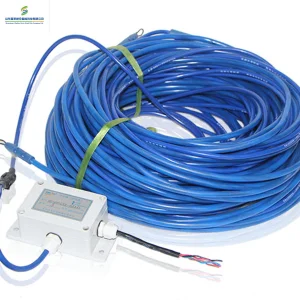
    Intake & Silo Storage: Large volume grain silos (for soybean, wheat, and rapeseed) equipped with integrated temperature monitoring systems to prevent spoilage, hot spots, and moisture migration.
  • 2
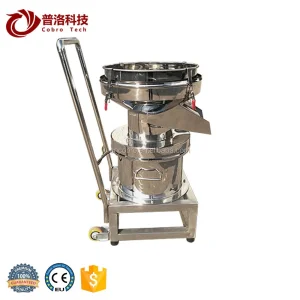
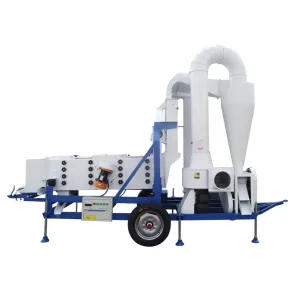
    Scalping & Waterless Cleaning: Removing oversized and undersized impurities using high-capacity seed vibratory cleaners and specific-gravity destoners without utilizing water, ensuring no organic wastewater discharge.
  • 3
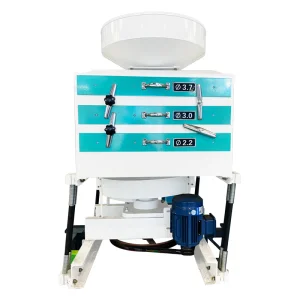
    Grading & Separating: Using gravity separator tables and plansifter sieves to sort grains by density and dimensional size, ensuring uniform milling characteristics.
  • 4
    Milling & Sifting: Passing grains through roller mills and circular sifter screens to grind the endosperm and separate the bran, producing uniform flour.
  • 5
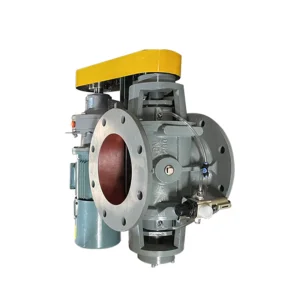
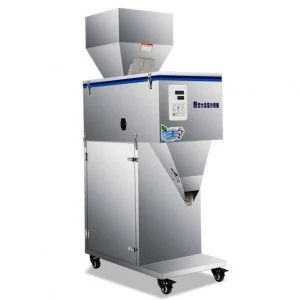
    Pneumatic Conveying & Packaging: Employing heavy-duty rotary airlock valves for pneumatic transport and automated bagging systems for product bagging and weight verification.

System Integration Metrics

Jiujie's unified technical blueprint provides direct operational benefits to industrial plants:

Direct Coupling Alignment

Eliminates speed mismatches between rotary airlocks and pneumatic receiver cycles, preventing choke blockages.

Unified Electrical Controls

Compatible with PLC systems (Siemens/Allen-Bradley), enabling global telemetry integration and sensor monitoring.

Integrated Dust Aspiration

Common connection manifolds reduce overall ducting friction, maintaining safe operating conditions and compliance with air emission rules.

Global Case Analysis

Global Procurement Demands & Localized Applications

How our technical designs meet the distinct operational conditions and regulatory requirements of international markets.

Grain processors operate in diverse environmental and commercial realities. A one-size-fits-all approach inevitably leads to inefficiencies, processing bottlenecks, or high maintenance costs. As a major cereal processing line exporter, Jiujie engineers processing lines to meet localized conditions:

Middle East & North Africa (MENA)

Primary Challenges: High ambient dust levels, water scarcity, extreme heat peaks.

Our dry gravity tables and waterless destoners are designed for these arid conditions. High-efficiency aspiration hoods capture dust at the source, preventing explosive atmospheric concentrations while preserving scarce local water resources.

Southeast Asian Rice Hubs

Primary Challenges: High humidity levels, mold risk, high rice breakage rates.

We deploy our rice grading plansifters with customized screens and integrated temperature sensing within silos. This system monitors moisture peaks, preventing mold formation and optimizing drying cycles to reduce kernel breakage.

Europe & North America

Primary Challenges: Strict safety and environmental norms, high labor costs.

These regions demand automated, CE-compliant operations. We supply processing lines with integrated smart control sensors, low-vibration assemblies, and laboratory equipment like whiteness analyzers and fluorometers for real-time quality verification.

Future Trends

Emerging Trends in Cereal Processing Technology

The integration of digital analysis, predictive maintenance, and low-footprint designs in modern milling operations.

The global grain milling landscape is undergoing a digital transformation. To maintain margins, operators must adopt technologies that optimize yields. The following three key technological trends are shaping modern cereal processing lines:

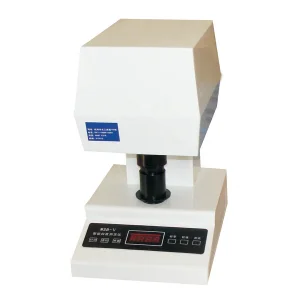
  1. Sensor-Driven Quality Control: Real-time flour assessment using specialized lab analyzers—such as whiteness meters and fluorometers—is replacing manual lab sampling. Continuous color and impurity measurements enable operators to adjust roller mill settings in real-time, maintaining product consistency.
  2. Predictive Maintenance Frameworks: Integrated vibration and temperature sensors monitor bearings in specific gravity destoners, gravity tables, and sifter screens. Early detection of mechanical anomalies reduces unplanned downtime, extending the operating life of key equipment.
  3. Aspiration and Dust Safety: Standard dust collection systems are transitioning to centralized, baghouse aspiration designs. These systems maintain negative pressure across the processing line, mitigating dust explosion risks and helping facilities meet strict environmental emission standards.
Expert Q&A

Technical FAQ: Grain Processing Engineering

Expert insights on processing plant operation, system sizing, installation, and optimization.

Q1 How does the water-free grain cleaning process improve plant economics?
Traditional dampening and wet stone separation require significant water volumes and generate wastewater that requires chemical treatment before discharge. Our water-free cleaning systems use air aspiration and specific-gravity stratification. By separating stones, glass, and heavy impurities dry, you eliminate water utility costs and wastewater filtration infrastructure. This approach also prevents grain swelling and mold growth during the initial cleaning stages.
Q2 What factors prevent structural fatigue on specific gravity destoners?
Vibratory destoners run continuously, exposing structural frames to cyclic mechanical stress. To prevent metal fatigue and weld cracking, our machinery features reinforced spring supports and custom-calibrated vibration dampers. This design isolates kinetic energy to the deck, maintaining a stable stroke length and uniform throw angle. This ensures consistent separation efficiency while reducing stress on the surrounding floor structure.
Q3 How do silo temperature monitoring systems protect stored grains?
Moisture accumulation and insect activity cause localized heat points within silos. Left unaddressed, these hot spots lead to grain spoilage and localized chemical decay. Our digital temperature monitoring cables measure temperatures at multiple points throughout the silo column. If temperatures rise above set limits, the system triggers the silo ventilation fans or alerts the control room to rotate the grain, preventing spoilage.
Q4 What are the main advantages of a 6-High Reversible Cold Rolling Mill in equipment manufacture?
Processing plant frames, screens, and transport pipes require precise metal sheet thicknesses to handle high-volume grain abrasion. Our 6-high reversible cold rolling mill produces stainless steel and aluminum strips with tight thickness tolerances. This material precision is essential for manufacturing balanced sifter screens and ducting that resist abrasive wear, extending the lifespan of our equipment.
Q5 How are after-sales services and engineering customization handled globally?
Every facility has unique physical layout constraints. We use AutoCAD-based engineering design systems to tailor-fit processing machinery to your facility. For international installations, we supply comprehensive blueprints, detailed electrical schematics, and video guidelines. We also deploy engineering technicians for on-site commissioning, operator training, and performance tuning.
Q6 How does pneumatic conveying improve food safety compared to mechanical bucket elevators?
Bucket elevators have internal crevices where dust and organic residues can accumulate, creating breeding grounds for insects and mold. In contrast, pneumatic conveying systems using rotary airlock valves transport materials through fully enclosed pipes. This design eliminates product exposure to external contaminants, minimizes dust emissions into the processing plant, and allows for rapid cleaning.