Explore high-performance industrial equipment configured for global supply chains, featuring advanced materials and intelligent automation systems.
An in-depth review of China's advanced airflow drying ecosystem, engineering benchmarks, and sustainable technology pathways.
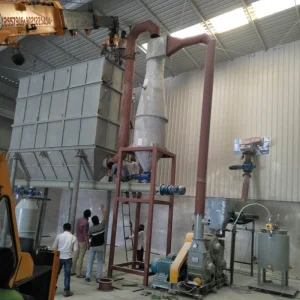
Airflow dryers—widely referred to in the process engineering sector as pneumatic flash dryers—operate at the intersection of thermodynamics and high-velocity fluid dynamics. The physical foundation of this technology lies in the instantaneous transfer of heat from a highly turbulent gas stream to wet particulate materials. In contrast to conventional rotary dryers or fluid bed systems, which rely on extended residence times to diffuse moisture from the core of a particle, an airflow dryer uses high shear velocities to disperse the material into a dilute phase. This configuration increases the surface boundary area of the solid phases exponentially, allowing moisture sublimation to take place within fractions of a second (typically 0.2 to 2.0 seconds).
Due to the extremely short residence time, the internal temperature of the material remains low even when exposed to high inlet air temperatures (often exceeding 150°C to 250°C). This thermodynamic dynamic makes airflow drying technology the standard approach for heat-sensitive food ingredients, grains, starches, biological chemicals, and pharmaceutical polymers. Under modern industrial operating parameters, the process guarantees that the primary organic structures do not undergo thermal degradation, protein denaturation, or chemical oxidation, thereby preserving critical product quality attributes such as color, viability, and nutritional solubility.
For international supply chain managers and process engineers in regions like North America, the European Union, and Southeast Asia, procuring heavy-duty processing machinery has evolved past basic capital expenditure calculations. Today's procurement decisions are heavily influenced by global decarbonization frameworks, such as the EU's Carbon Border Adjustment Mechanism (CBAM), alongside tightening corporate ESG directives. Global purchasers now prioritize specific operational metrics when evaluating airflow dryer systems and associated grain milling infrastructure:
Buyers look for systems with minimized fuel and electrical power draw. Optimizing the heat exchanger loop and utilizing waste heat integration from downstream processes can reduce baseline fuel consumption by 15% to 30%.
Integration with PLC systems (such as Siemens or Allen-Bradley architectures) is essential. Modern factories require real-time tracking of moisture inputs, inlet/outlet gas temperatures, and automated airflow velocity controls.
Processing lines must feature food-grade materials (such as SUS304 or SUS316L stainless steel) with smooth welds and dust-free conveying loops to meet strict FDA, USDA, and European food safety regulations.
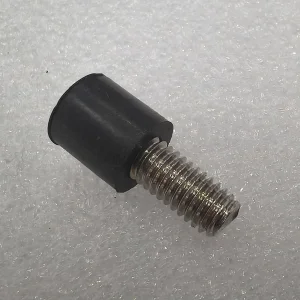
Furthermore, operational stability under continuous load is crucial. Industrial processors cannot afford unplanned downtime in seasonal processing campaigns. Thus, specifying heavy-duty mechanical elements, vibration-dampening structures (such as high-grade natural rubber or NBR components), and robust dust extraction units (high-efficiency cyclones paired with pulse-jet bag filters) has become a key requirement in procurement tenders worldwide.
SEO Insight & Information Gain: When sourcing airflow dryers, the total cost of ownership (TCO) is determined by thermal balance design. Efficient air-to-gas ratios and high cyclone separation rates (exceeding 99.5%) prevent product loss, directly boosting processing yield and reducing raw material waste.
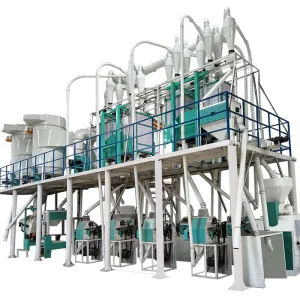
Strategically positioned at the core of China's agricultural machinery manufacturing sector, Henan Jiujie Machine Co., Ltd. has established itself as an authoritative supplier of complete processing plants and comprehensive engineering services. The company's engineering scope covers the entire agricultural product value chain, delivering solutions for wheat flour milling plants, animal feed processing facilities, and large-scale rice milling projects.
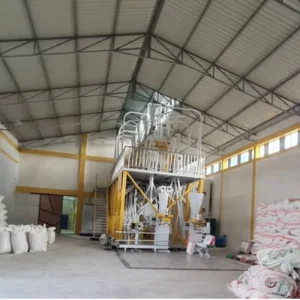
By offering an integrated product portfolio that includes pneumatic conveying machinery, raw material cleaning systems, high-capacity flour milling machines, and secondary separation equipment, Henan Jiujie covers the entire production process from raw material intake to final packaging. The company's engineering systems help global agricultural enterprises upgrade from legacy batch setups to fully continuous, automated production lines.
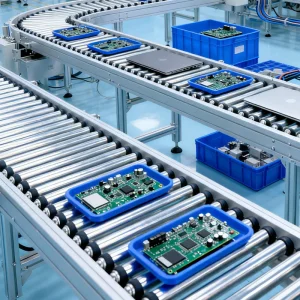
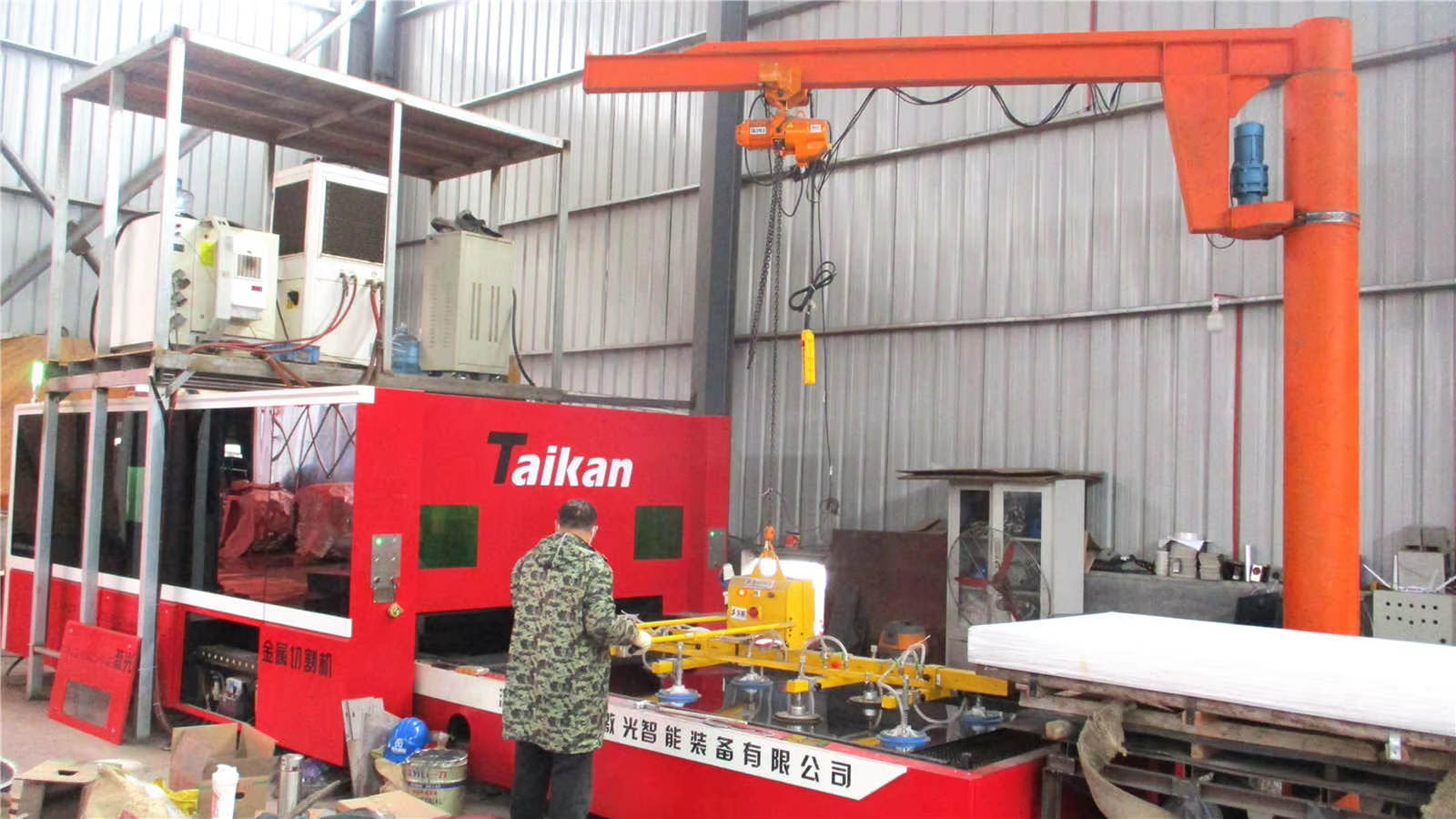
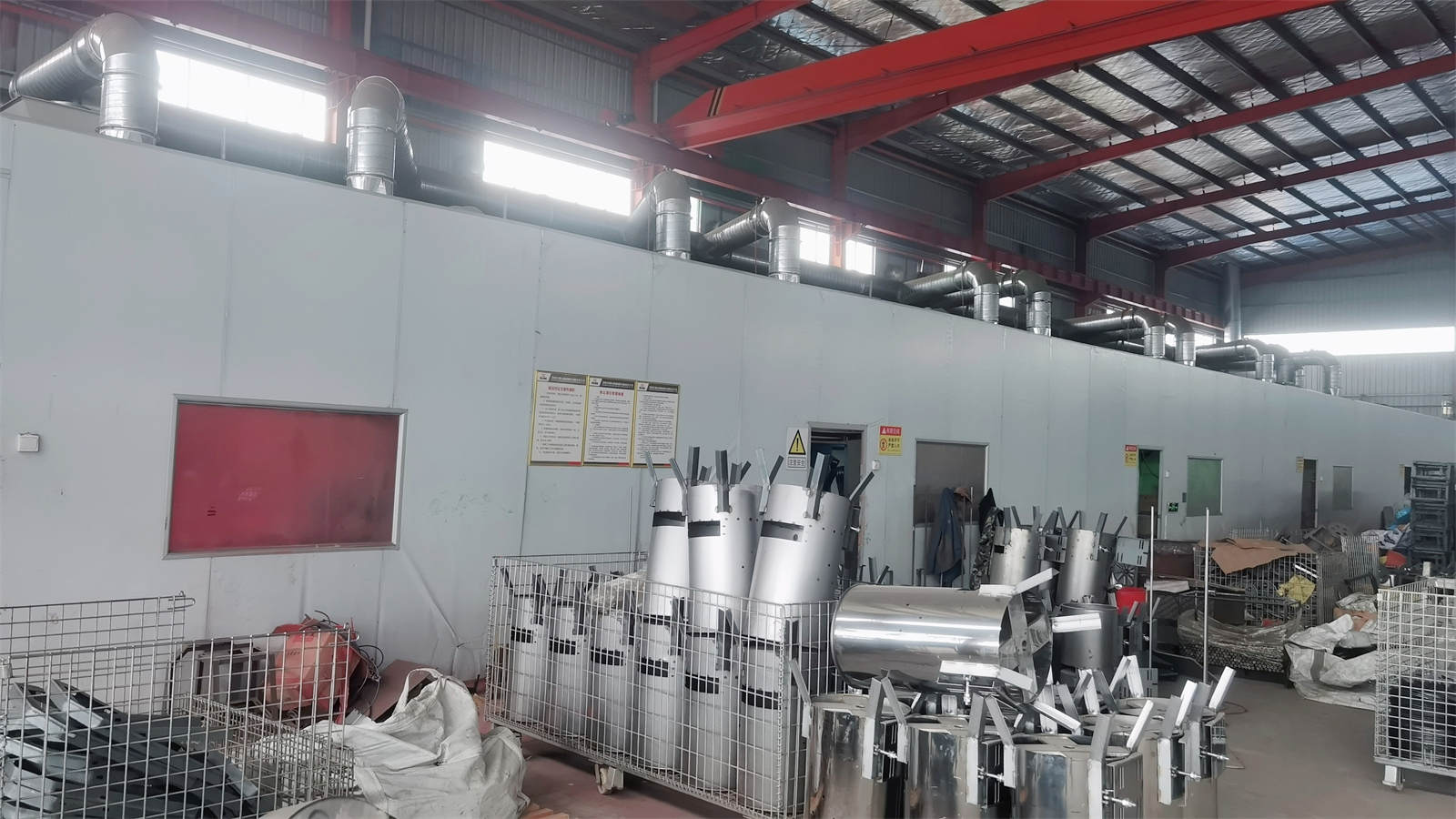
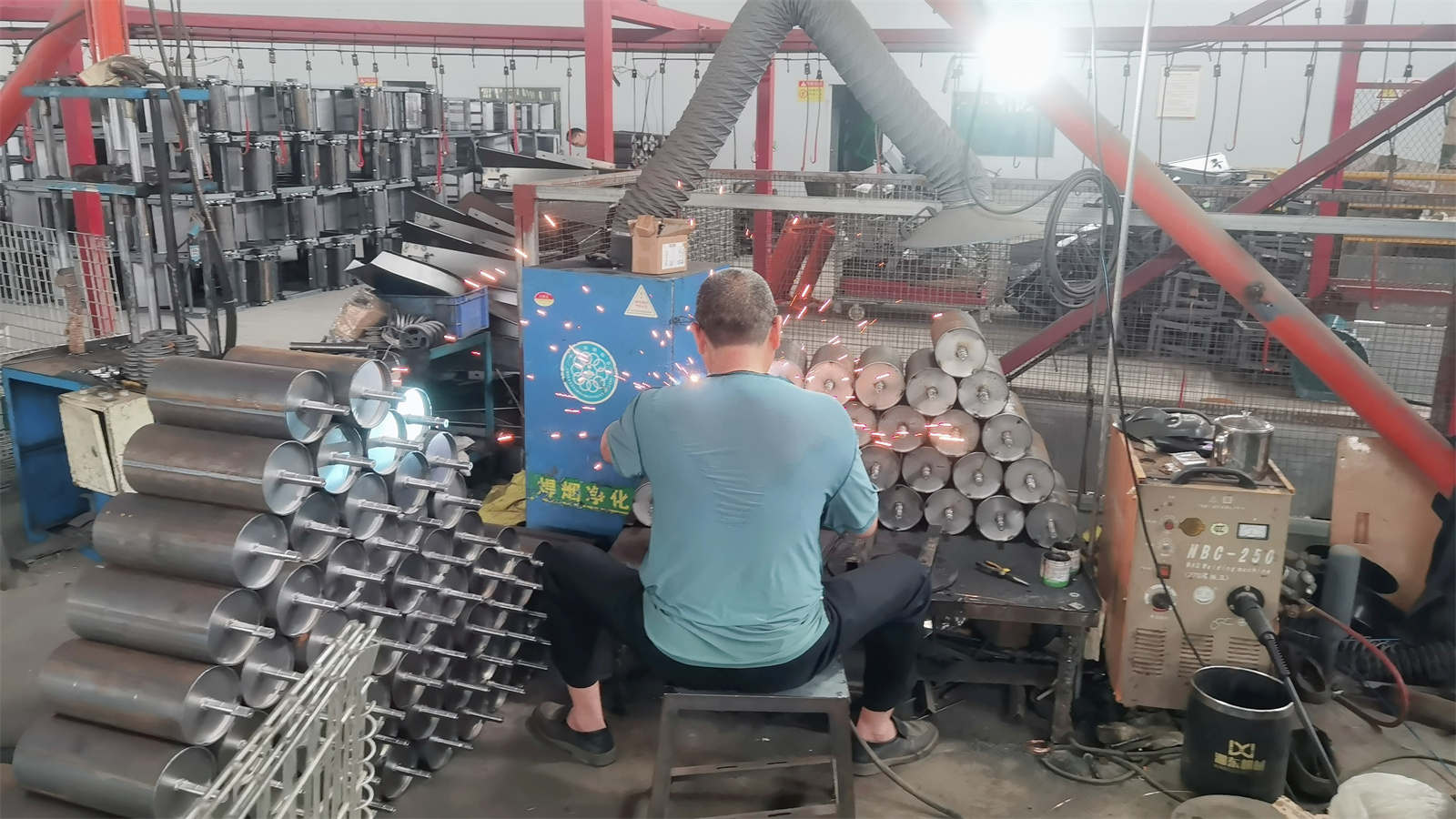
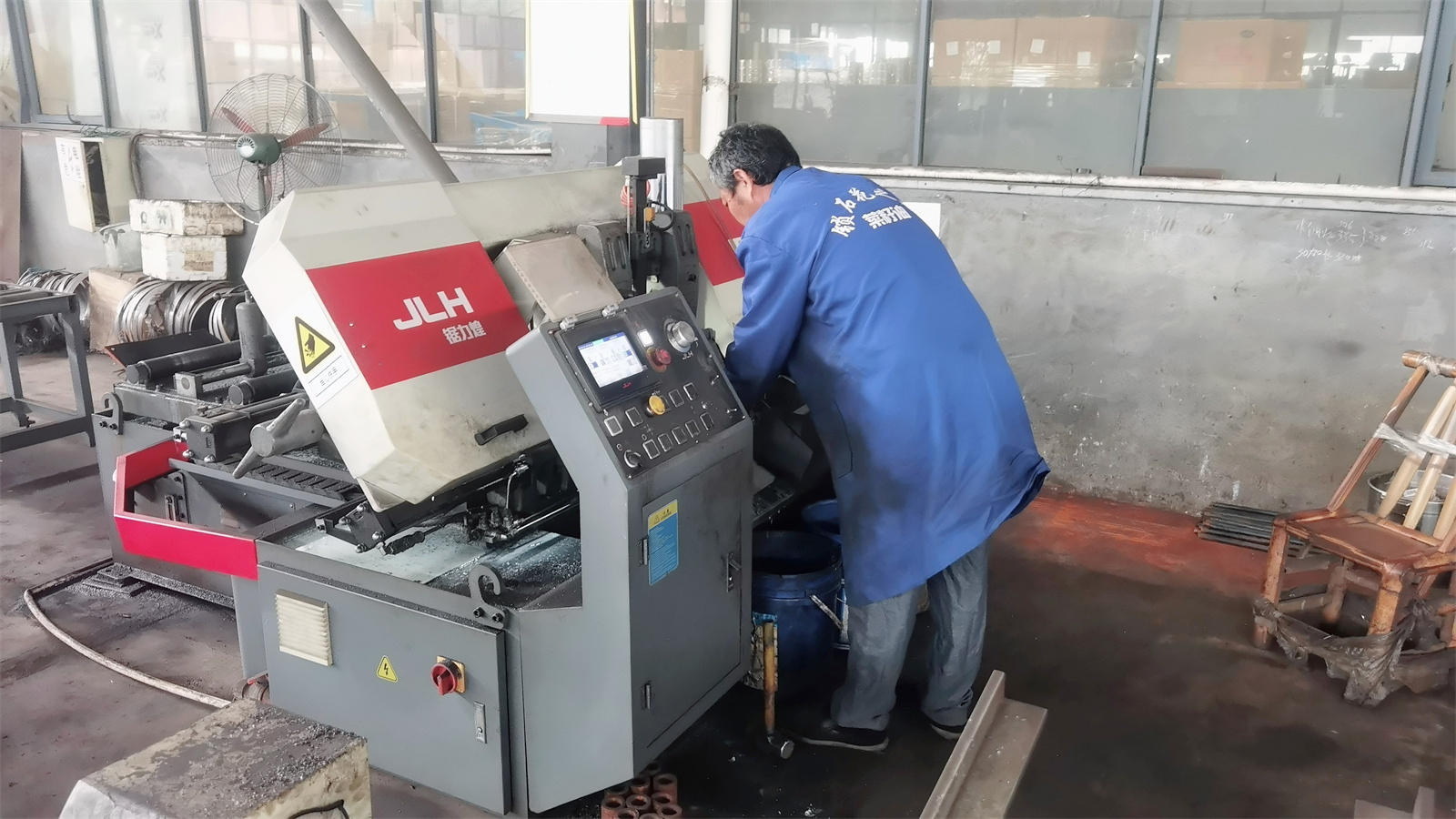
The manufacturing infrastructure of Henan Jiujie Machine Co., Ltd. demonstrates China's industrial transition toward Factory 4.0 standards. To ensure component precision and long-term machinery durability under continuous load, the company has integrated advanced fabrication machinery into its production workflows:
Our quality assurance framework is backed by ISO9001 quality management system certification and CE compliance, meeting the technical standards required for import and operation in EU markets. Environmental sustainability is also built directly into our process designs: our grain cleaning systems operate on dry-method processes, eliminating water usage and the need for wastewater treatment systems.
A detailed view of our CNC metal processing, robotic welding stations, and specialized coating lines that define our equipment quality standards.
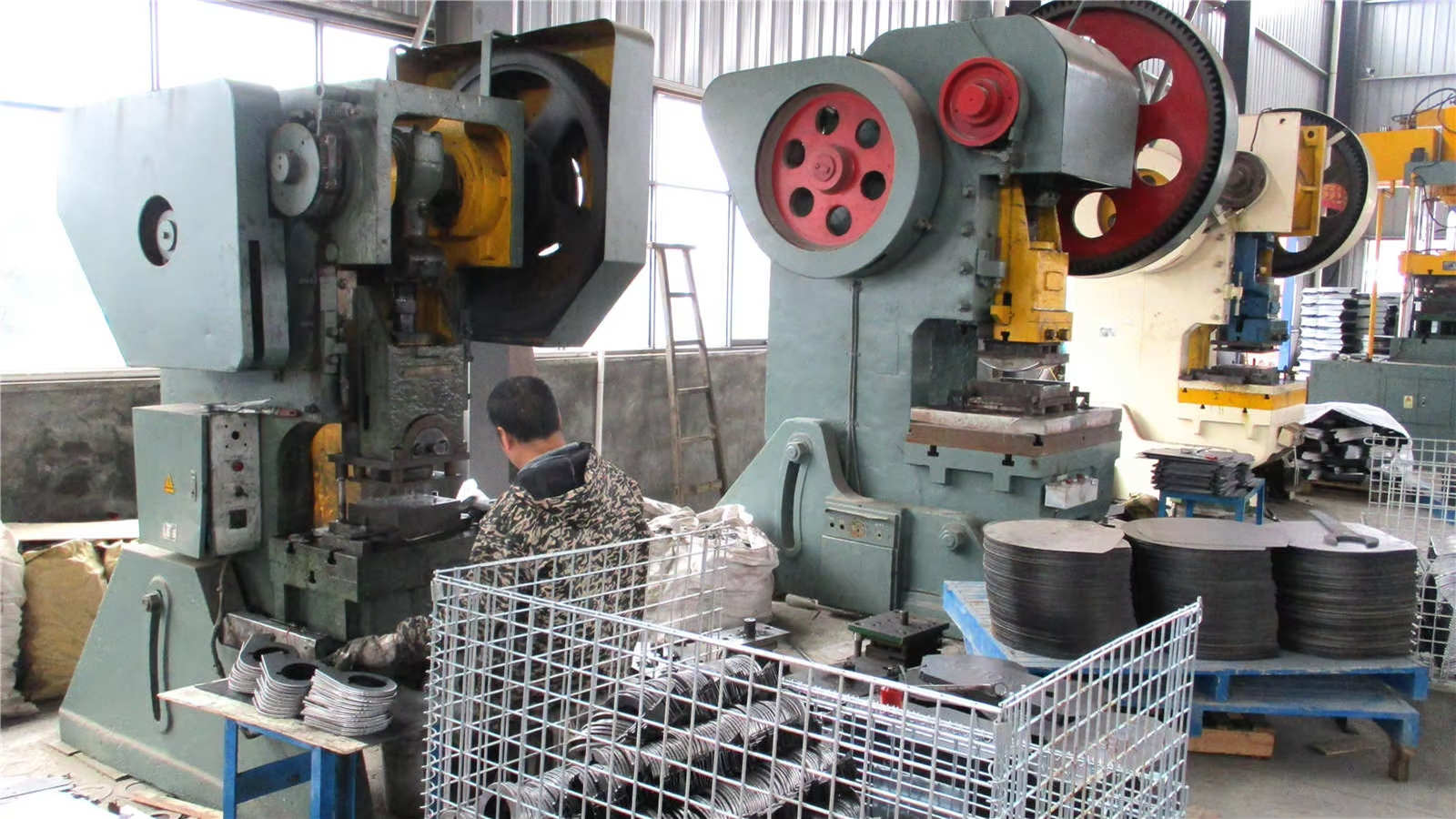
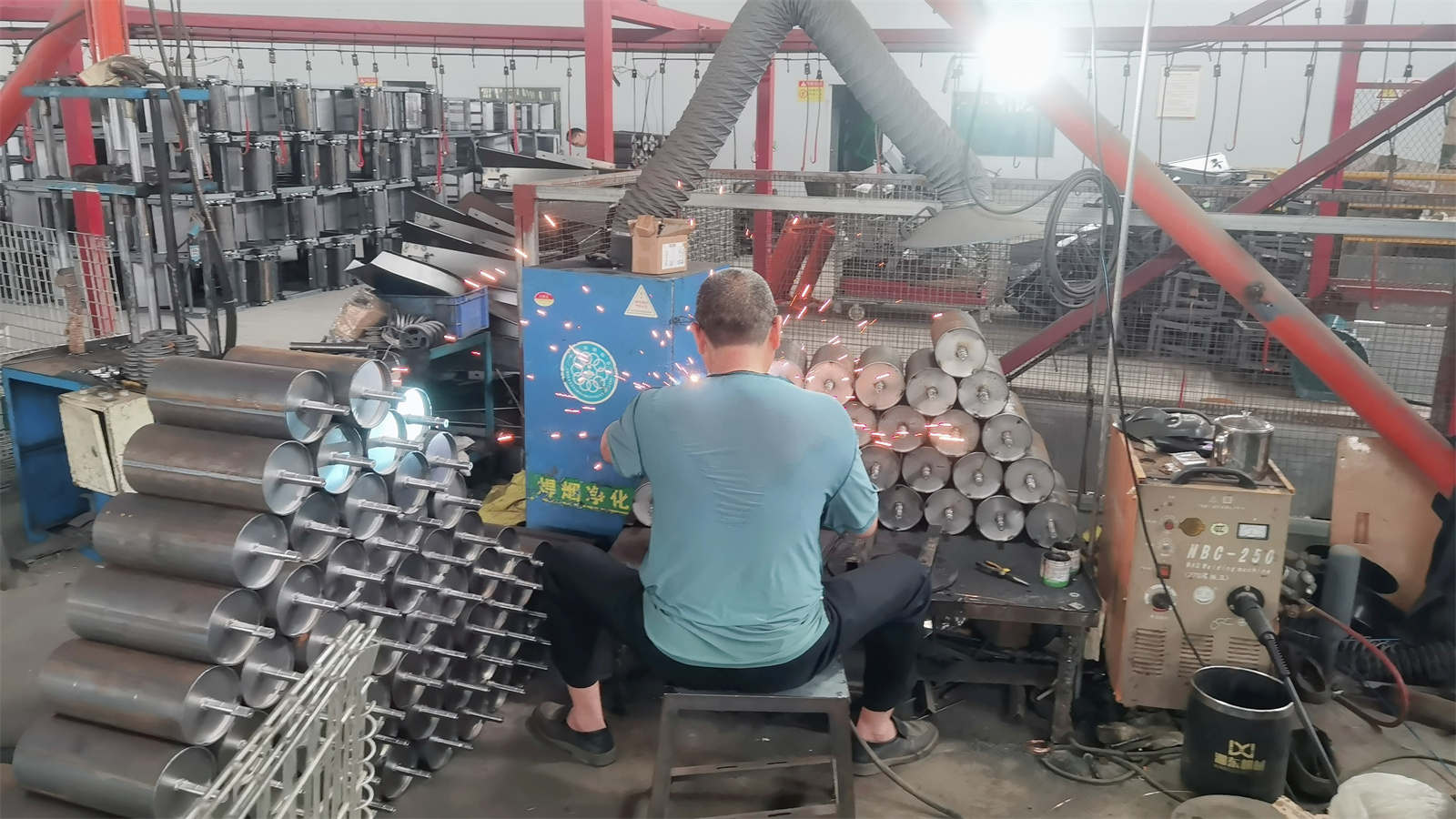
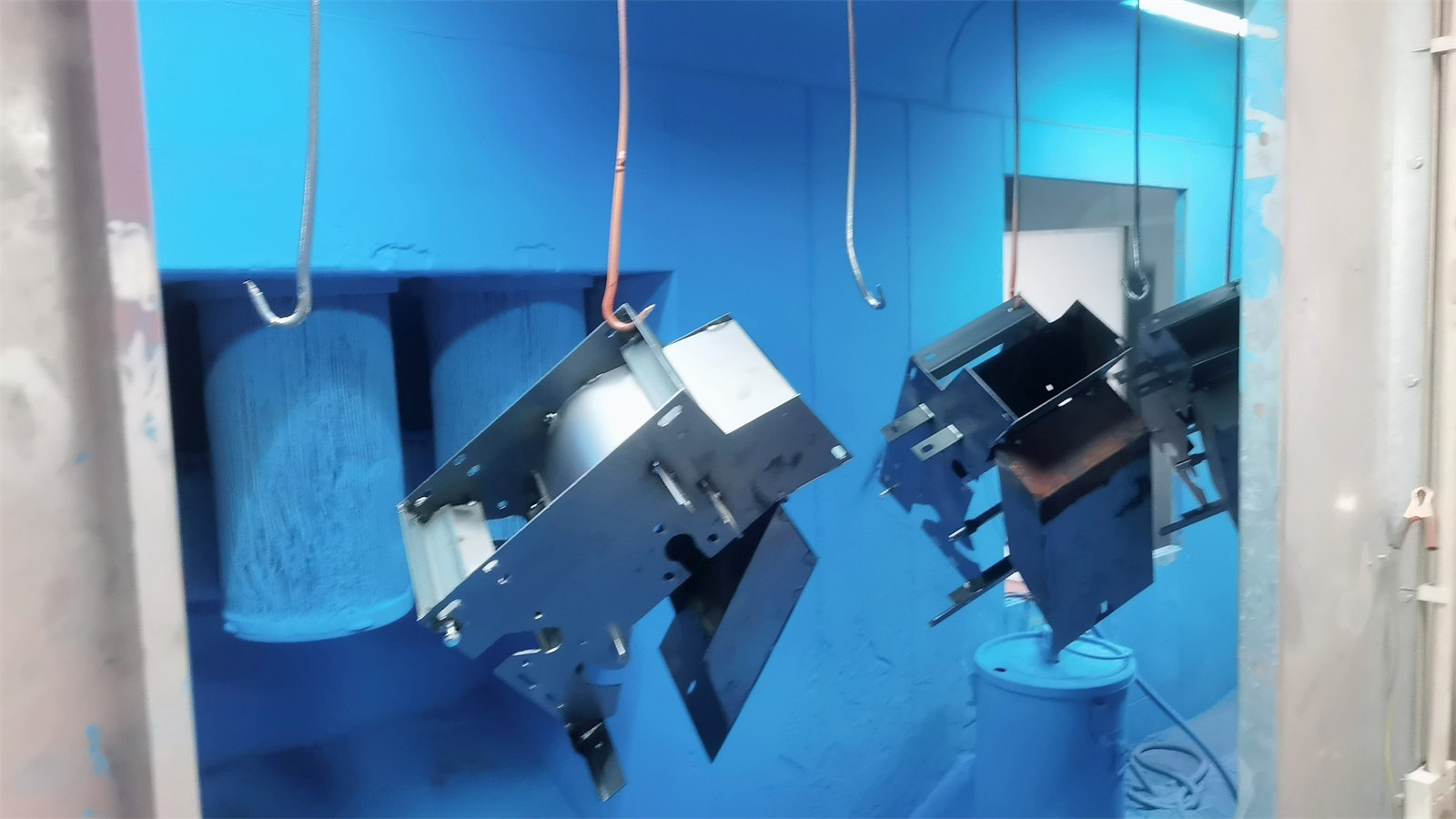
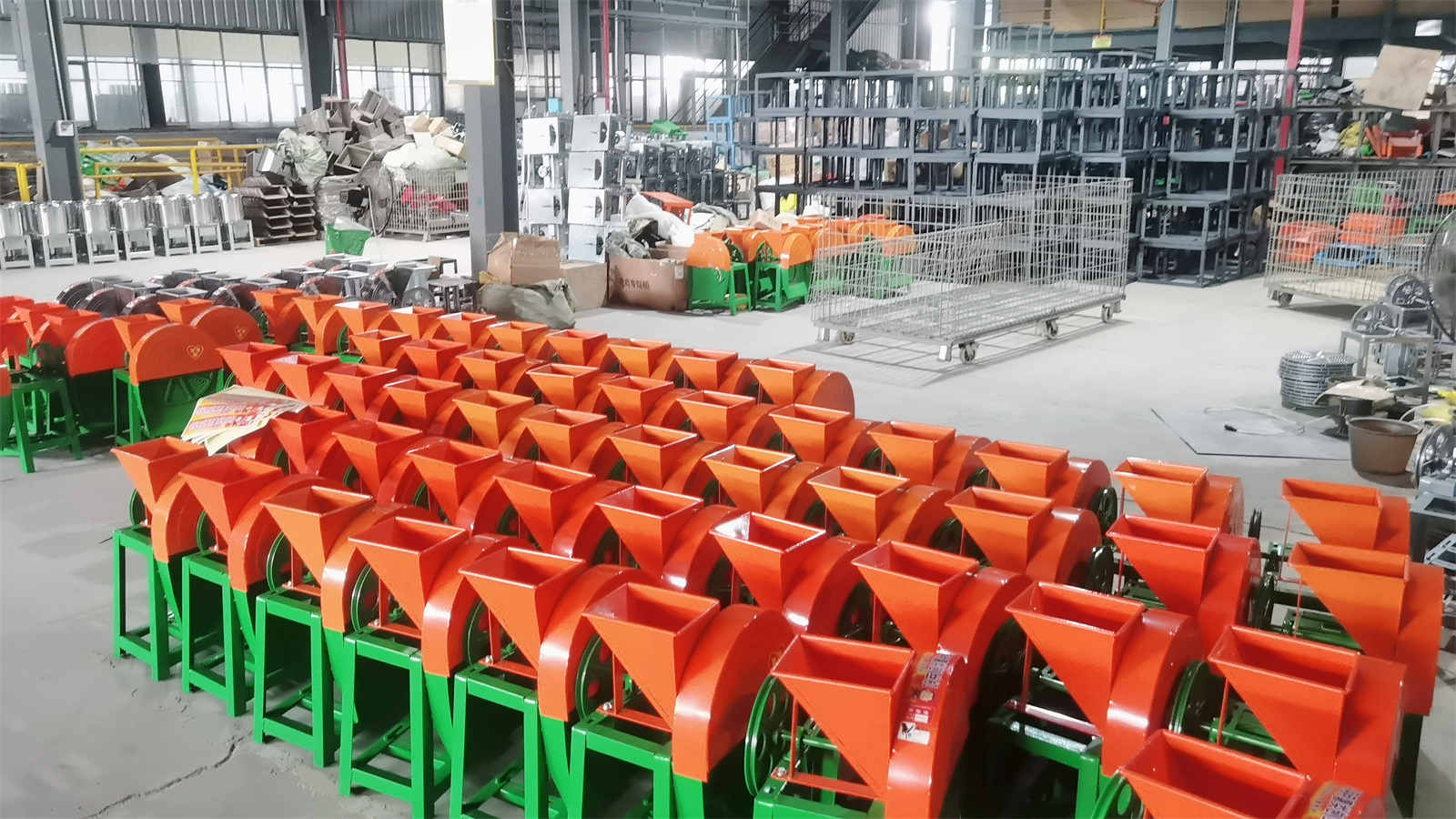
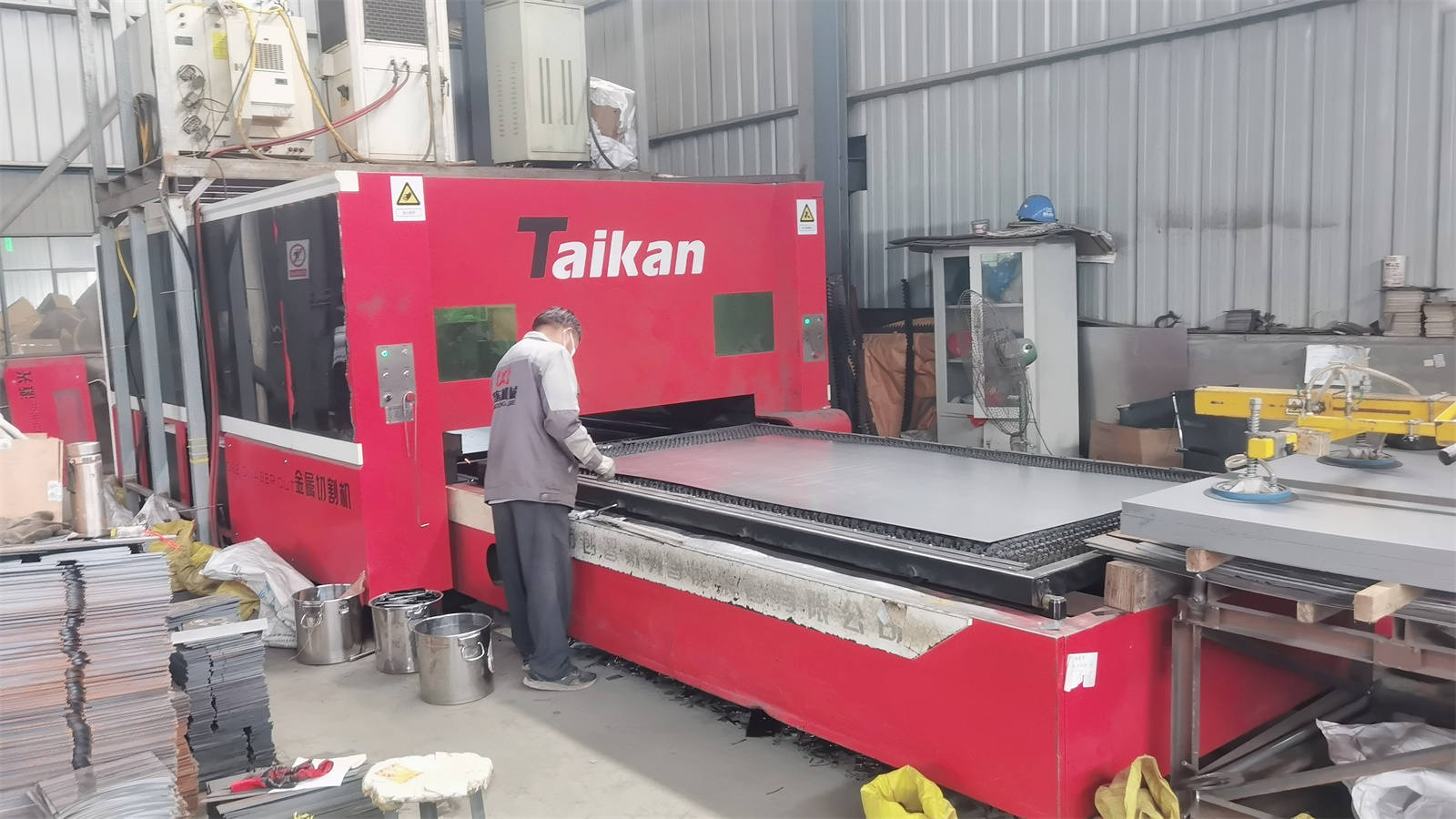
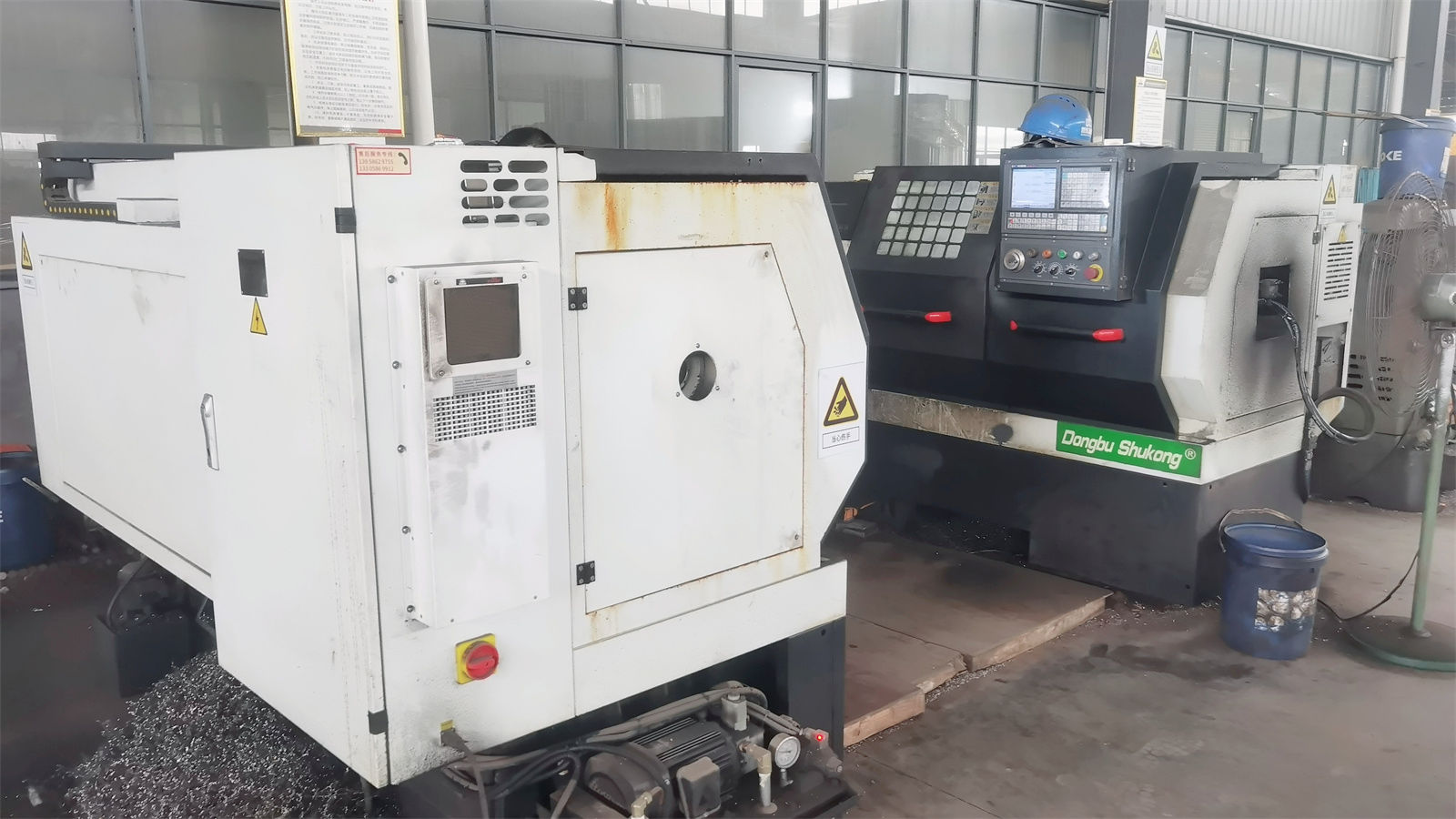
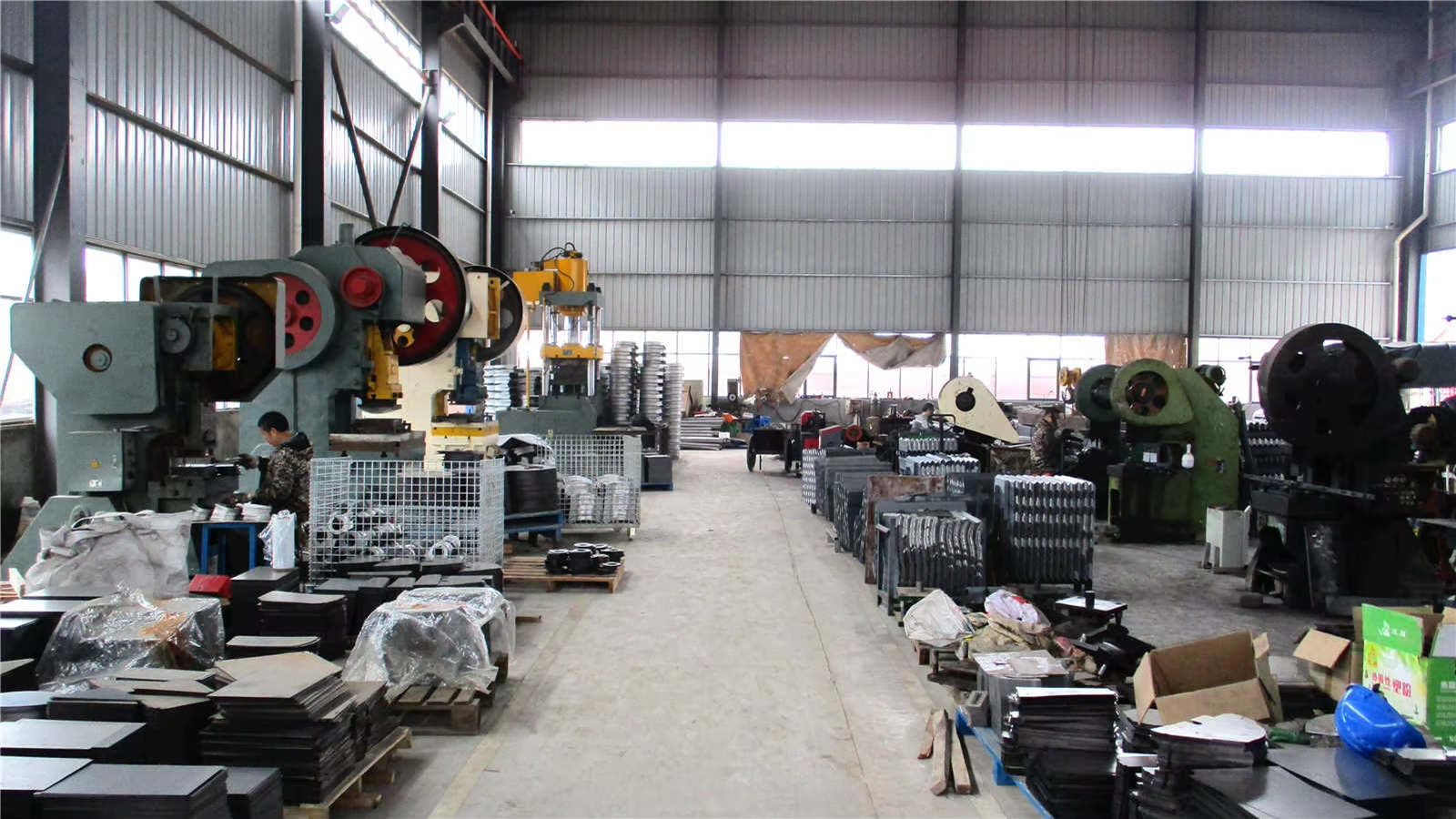
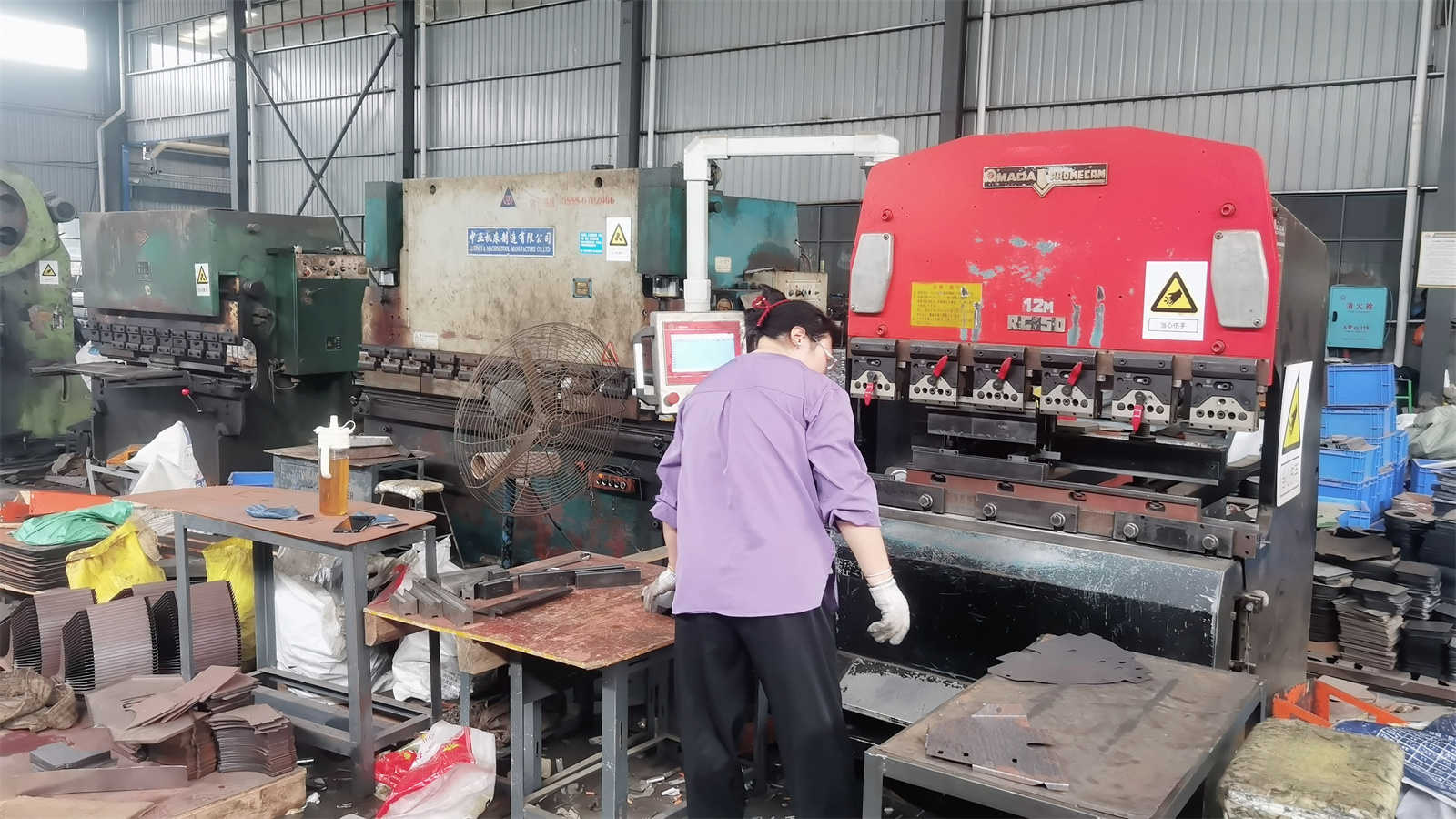
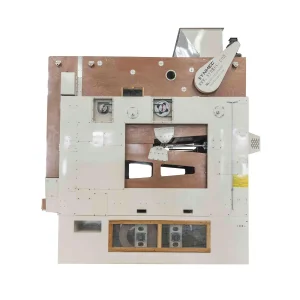
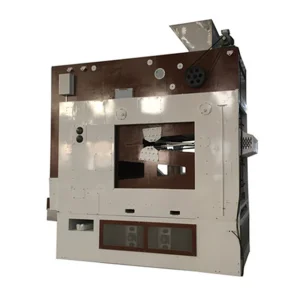
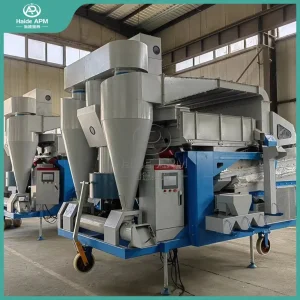
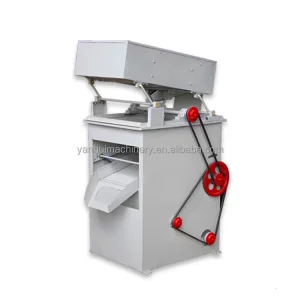
Modern raw material processing systems are rarely deployed as isolated units. Instead, they operate within integrated plant layouts where raw materials must be cleaned, milled, sorted, and transported through automated systems. In grain processing, for example, the cleaning phase is critical to protecting downstream milling rollers from wear. Using advanced gravity separators and destoners helps remove stones, chaff, and light impurities without using water, preserving dry moisture levels for the subsequent milling stages.
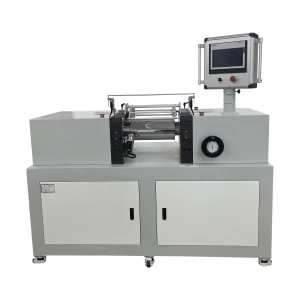
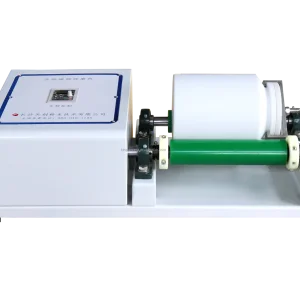
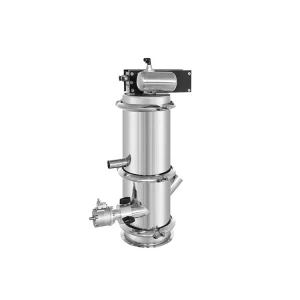
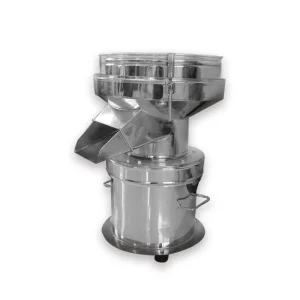
For fine chemical and food applications, circular vibrating screens and pneumatic vacuum conveyors are used to handle dry powders safely. This configuration prevents dust emissions, protecting operators from respiratory hazards and reducing the risk of dust explosions in compliance with ATEX and local safety standards. Similarly, precise grinding units, such as three-roller mills, are essential for processing materials like quartz sand coatings, paints, and polymer pastes, where maintaining a narrow particle size distribution is critical to product performance.
Moving from a process design to a completed factory floor requires detailed engineering design and layout coordination. Using advanced AutoCAD-based modeling and structural analysis tools, Henan Jiujie's engineering teams design custom layouts that optimize factory space, streamline product flow, and minimize energy loss across ducting networks.
This systematic design approach ensures that each equipment interface aligns correctly during installation. By coordinating machinery connections, dust collection lines, and pneumatic piping in the design phase, we reduce installation times and help global buyers commission their lines on schedule.
Detailed engineering answers to key technical questions encountered during the design, procurement, and operation of airflow drying systems.
Drying efficiency depends primarily on the heat transfer rate between the drying gas and the material particles. This is governed by the relative velocity difference between the gas and the solid particles, the inlet gas temperature, the particle surface-to-volume ratio, and the humidity of the air stream. Optimizing the design of the feed dispenser ensures uniform dispersion, which prevents wet material clumps and maintains stable drying results.
Dry cleaning systems use gravity separators, air screens, and destoners to remove physical impurities without using water. This design eliminates wastewater discharge, simplifies environmental compliance, and reduces overall energy consumption by keeping the grain dry prior to milling.
Vacuum systems operate under negative pressure, which prevents dust from escaping into the surrounding plant air. Combined with explosion-relief venting, conductive grounding, and ATEX-certified filters, negative-pressure pneumatic systems provide safe conveying for sensitive powders and fine grains.
Yes. Because the moisture evaporation process is extremely fast (often under one second), the latent heat of vaporization keeps the product temperature significantly below the dry-bulb temperature of the air stream. This enables the use of high drying temperatures without causing thermal degradation to sensitive food and chemical products.
We provide complete design documentation, installation layouts, electrical schematics, and remote or on-site commissioning support to ensure smooth integration with existing plant infrastructure.
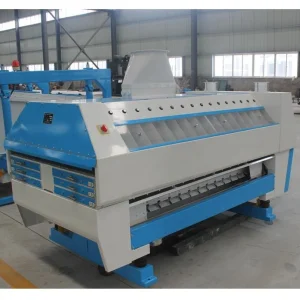
Complete your production lines with our heavy-duty rollers, cleaning screens, and gravity separators designed for high-capacity industrial plants.
Whether you are planning a new processing plant or upgrading your cleaning and milling equipment, our design and engineering teams are ready to help. Contact us to discuss your process requirements and request a technical quotation.
 Jiujie Machine