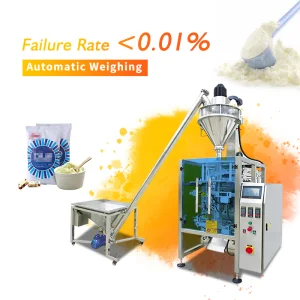
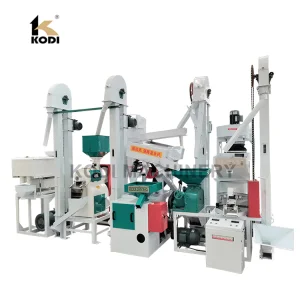
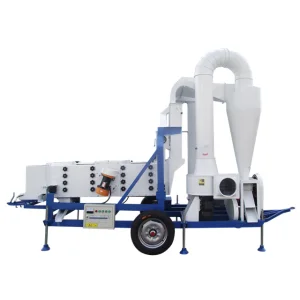
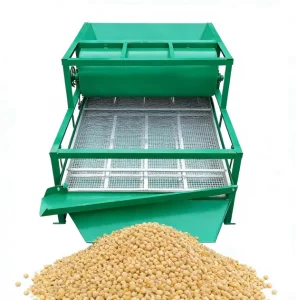
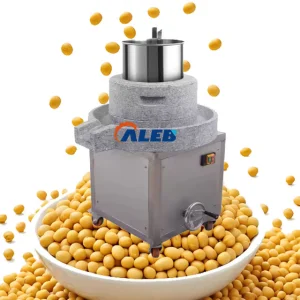
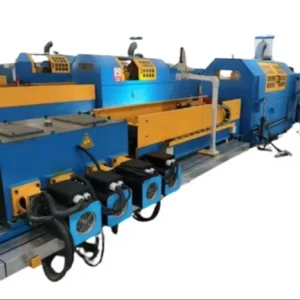
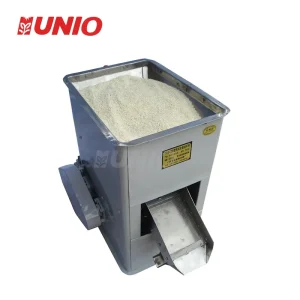
Explore our leading selection of grain processing, sieving, and mill packaging systems. Engineered to fulfill heavy-duty industrial thresholds with strict operational reliability.
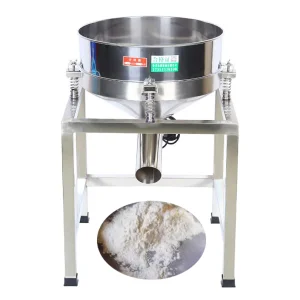
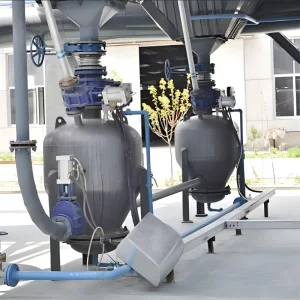
In modern grain milling, precision dehulling and decortication represent critical steps to optimize food processing yields and secure exceptional final product quality. Whether processing corn, wheat, oats, or pulses, the primary objective is to separate the outer fibrous husk (pericarp or bran) from the nutrient-rich starchy endosperm. Traditional manual or wet peeling methods often suffer from high mechanical grain breakage, excessive power consumption, and wastewater generation.
Henan Jiujie Machine Co., Ltd. addresses these challenges by developing high-capacity mechanical dry-peeling and abrasive milling equipment. By utilizing shear forces, friction, and impact-driven deceleration systems, our peeling systems consistently strip away the seed coat without fracturing the internal germ or endosperm. This results in clean, intact grains ready for high-yield grinding or packaging.
Furthermore, integrating advanced technologies like water-free grain cleaning prevents grain swelling and minimizes microbial growth. Modern food safety standards require dry conditioning setups to ensure compliance with European Union (CE) and global sanitization frameworks, directly resulting in stable downstream milling operations and extended product shelf life.
As a premier global supplier of complete food processing plant engineering, Henan Jiujie Machine Co., Ltd. delivers integrated systems that handle raw material collection, storage, conditioning, fine sieving, grading, grinding, pneumatic conveying, and end-line packaging. Our engineering and manufacturing processes are validated under the rigorous ISO9001:2015 Quality Management System and CE Certification protocols.
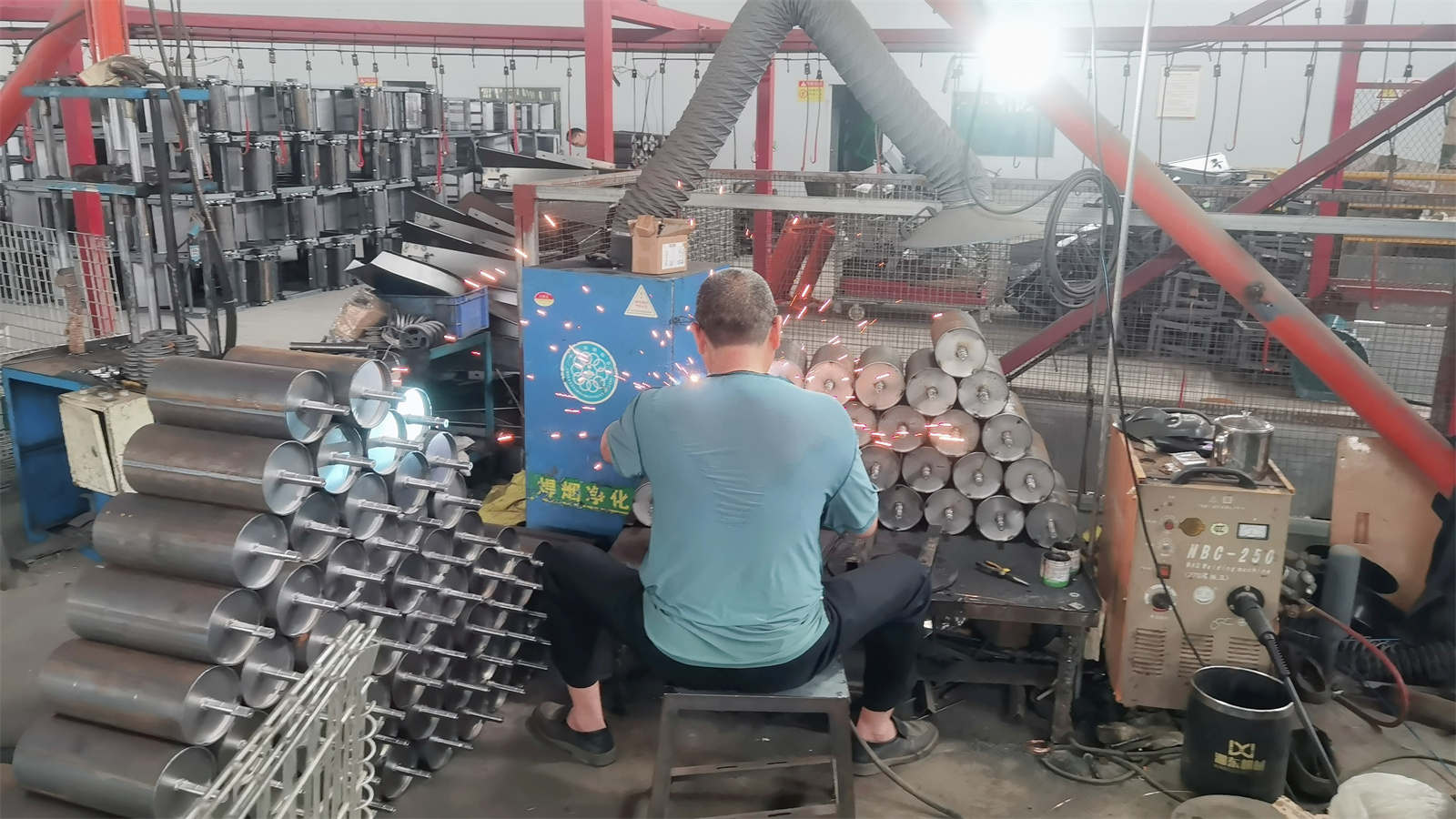
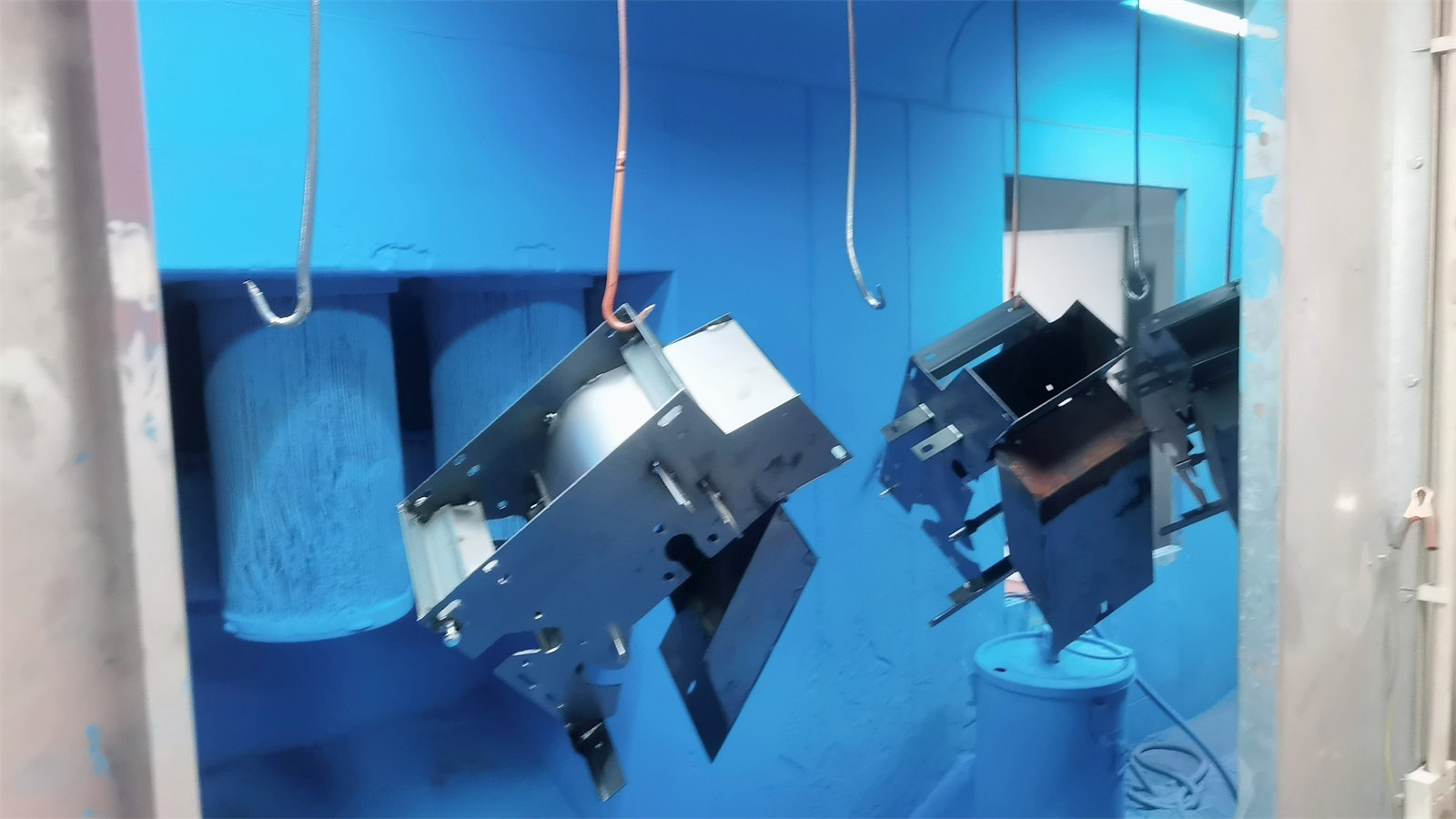
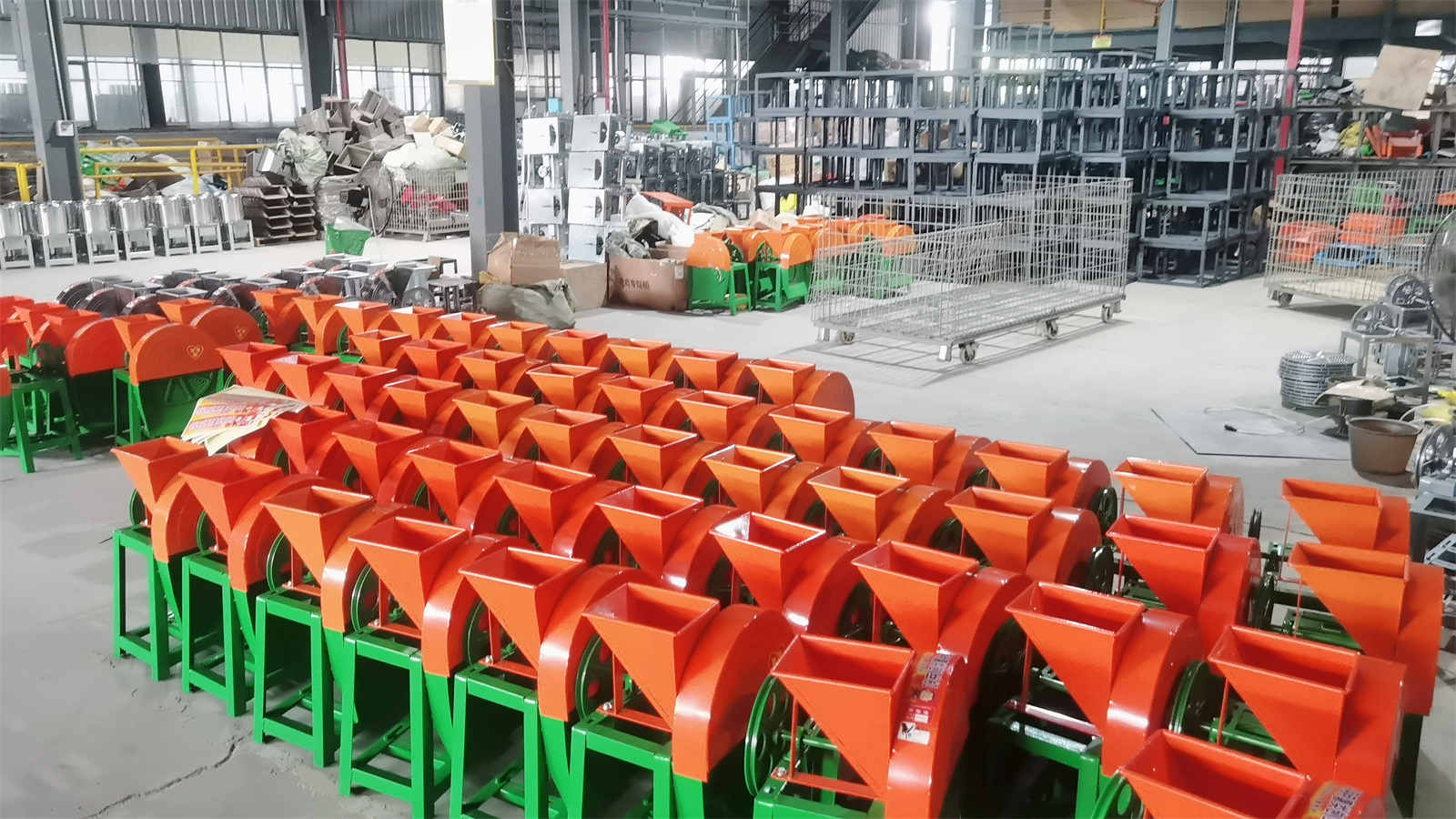
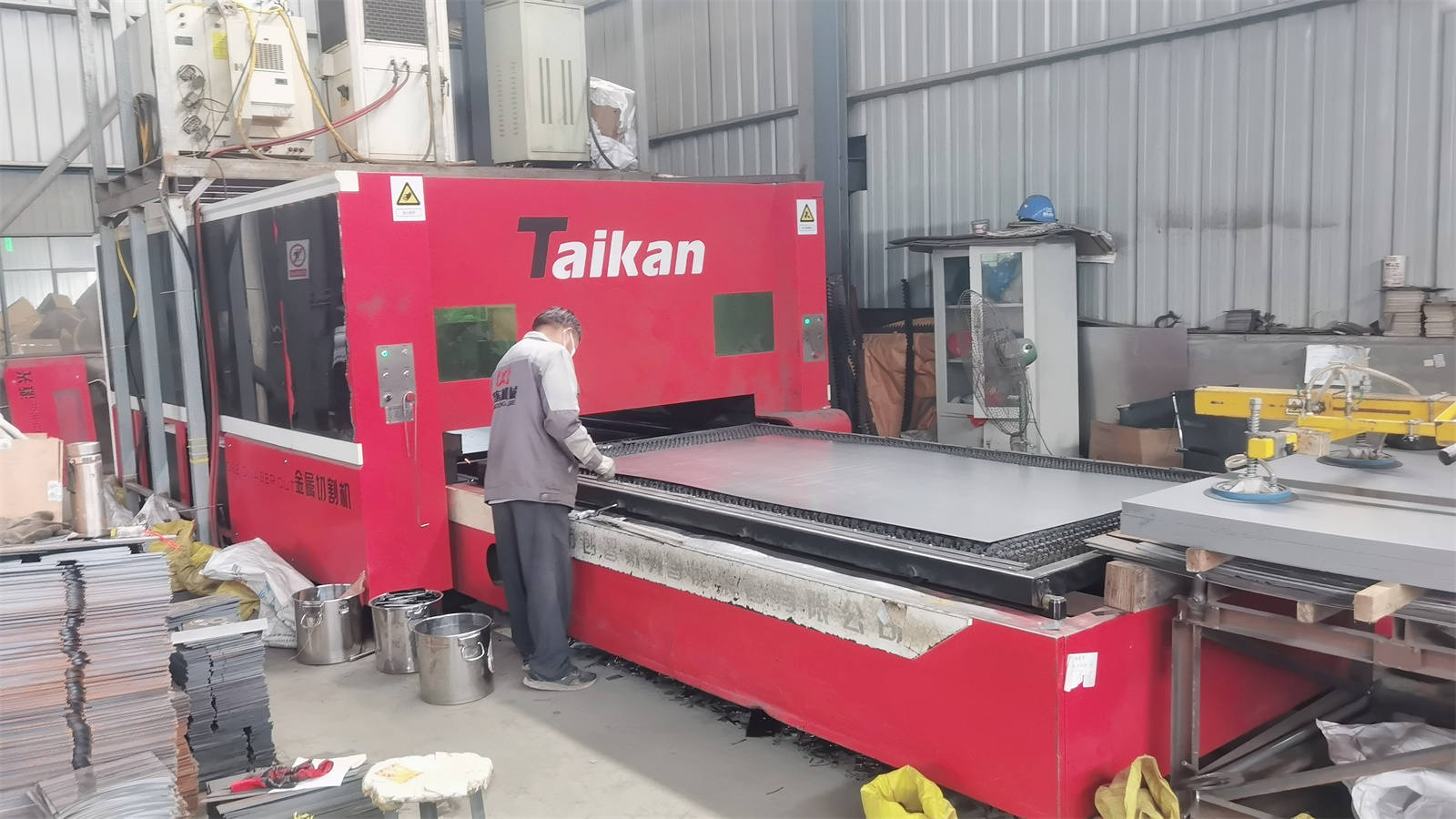
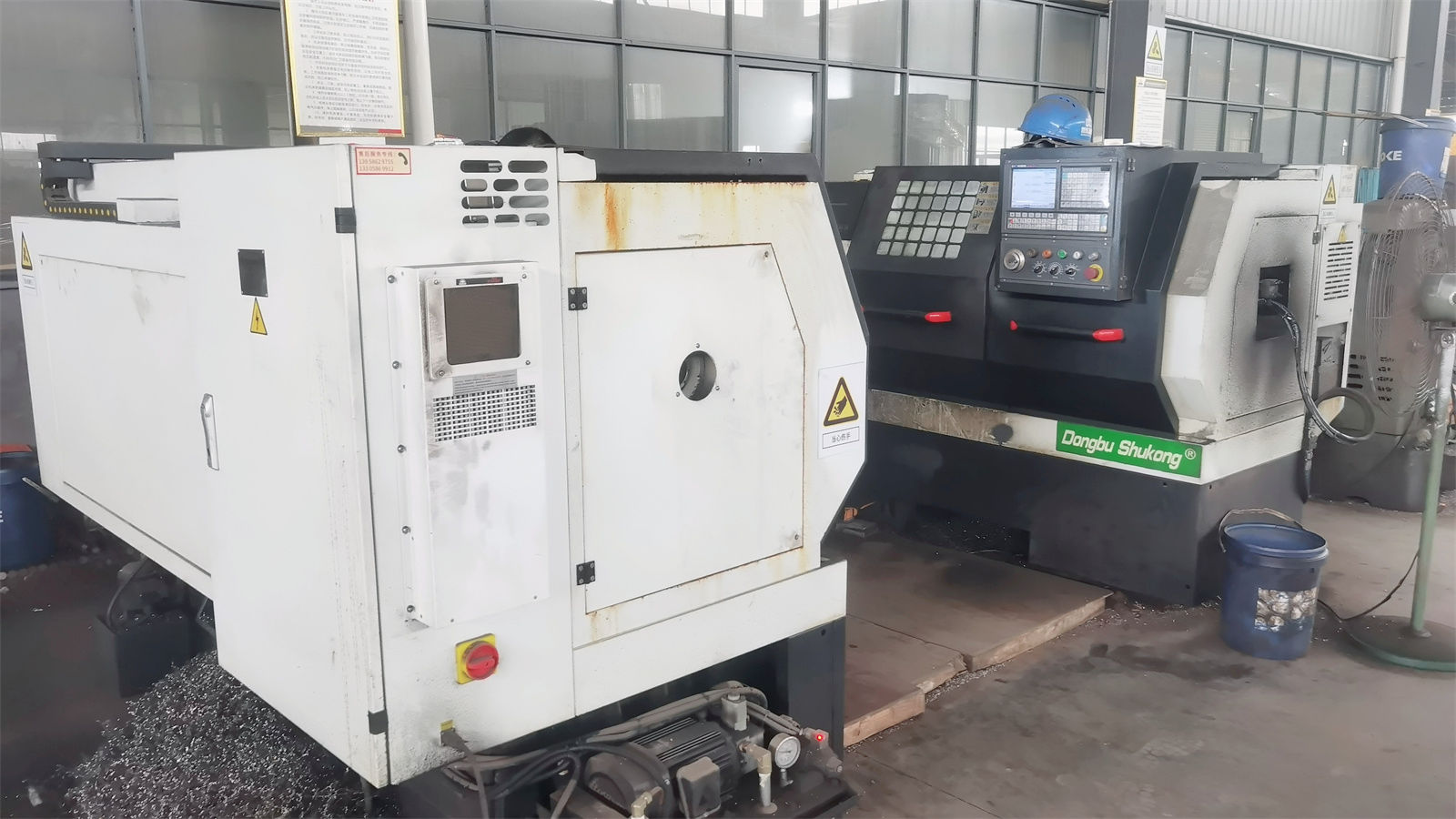
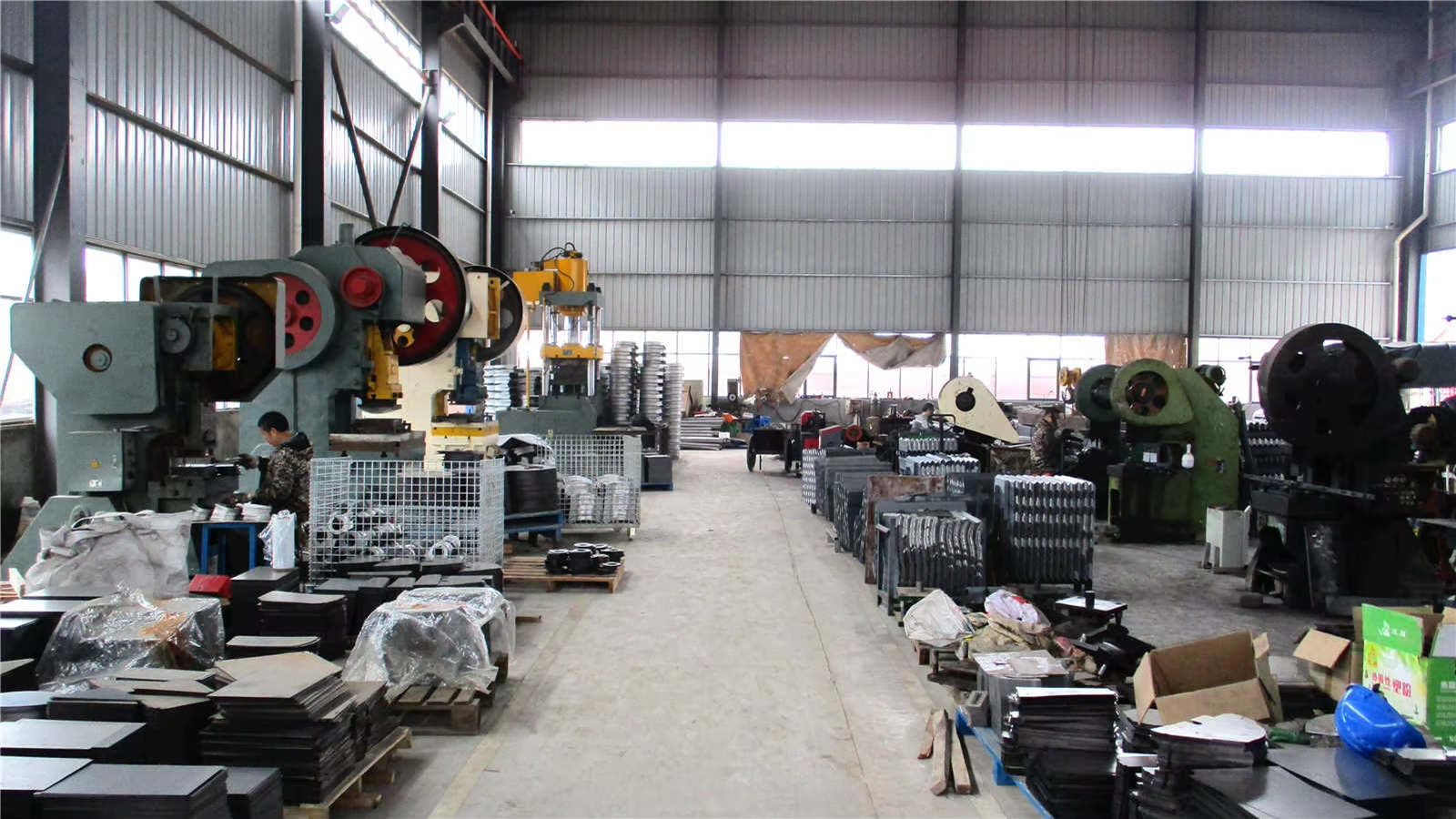
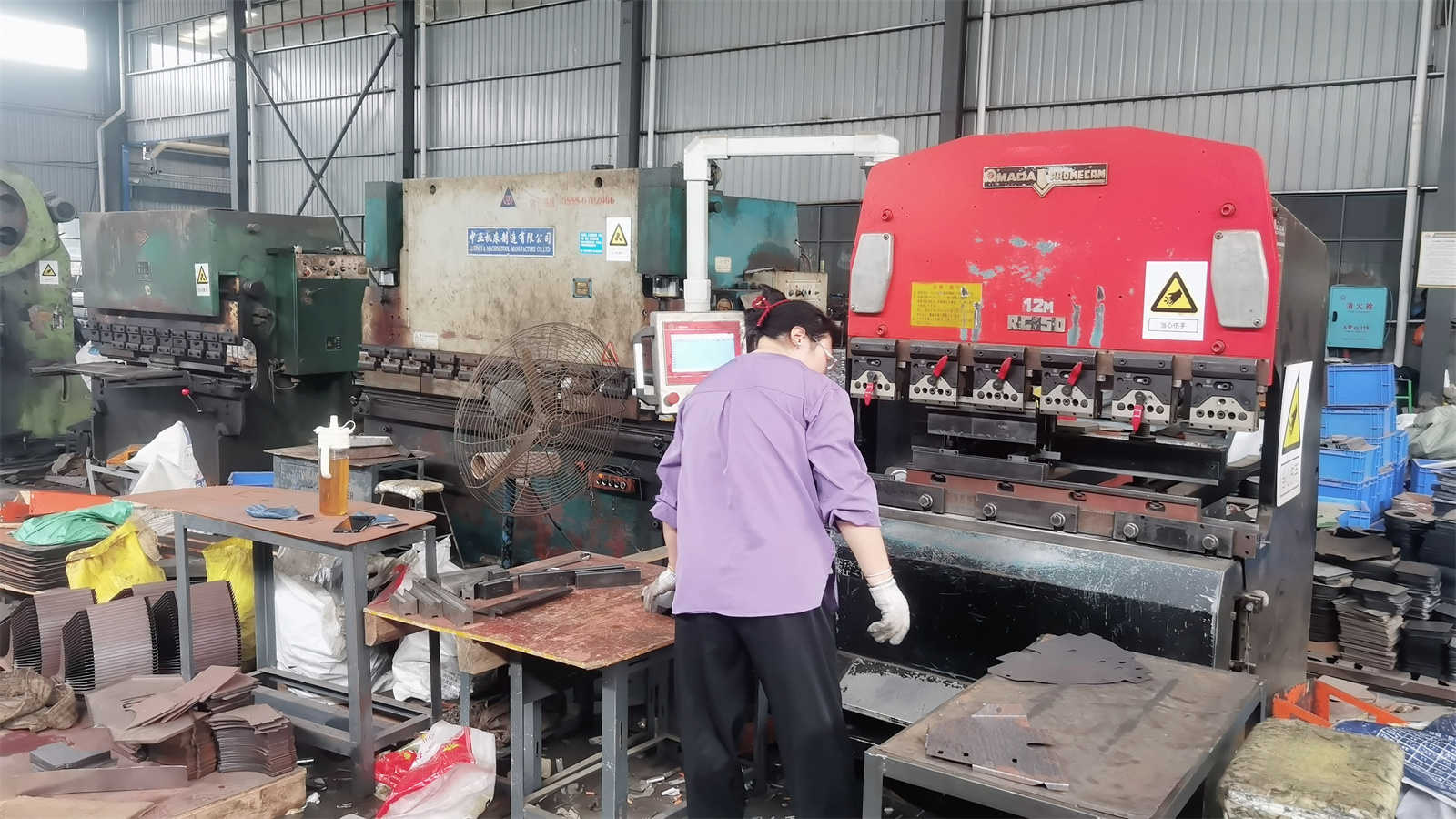
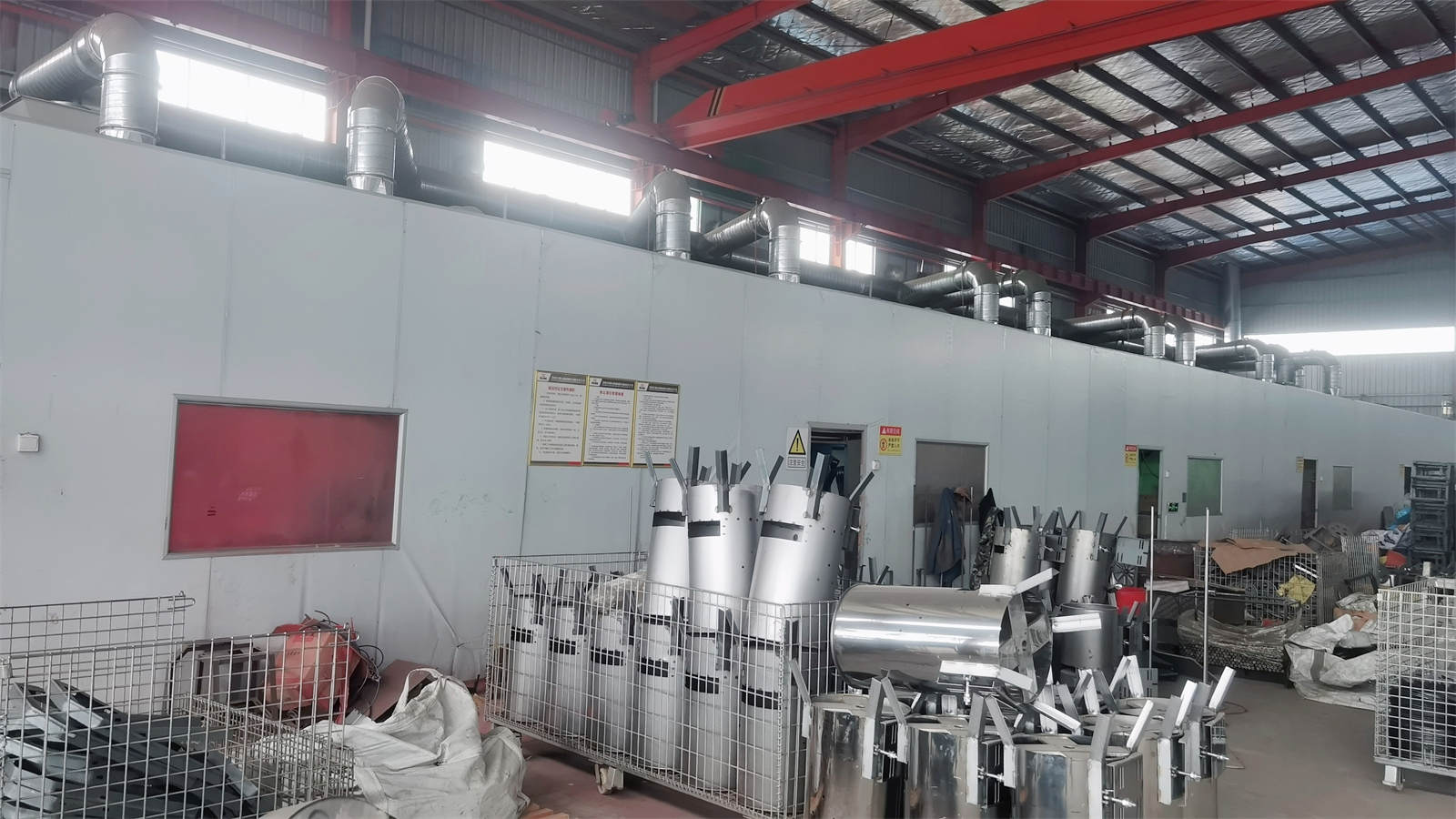
To support high-precision fabrication, our facility incorporates cutting-edge technology, including advanced CNC laser cutters, high-tonnage CNC bending machines, precision lathes, and automated electrostatic spraying lines. This manufacturing framework ensures structural integrity and high durability across all machines, lowering operating costs and minimizing maintenance downtime.
Below is an overview of our state-of-the-art production operations and machinery used in our facility to guarantee mechanical precision and repeatability.
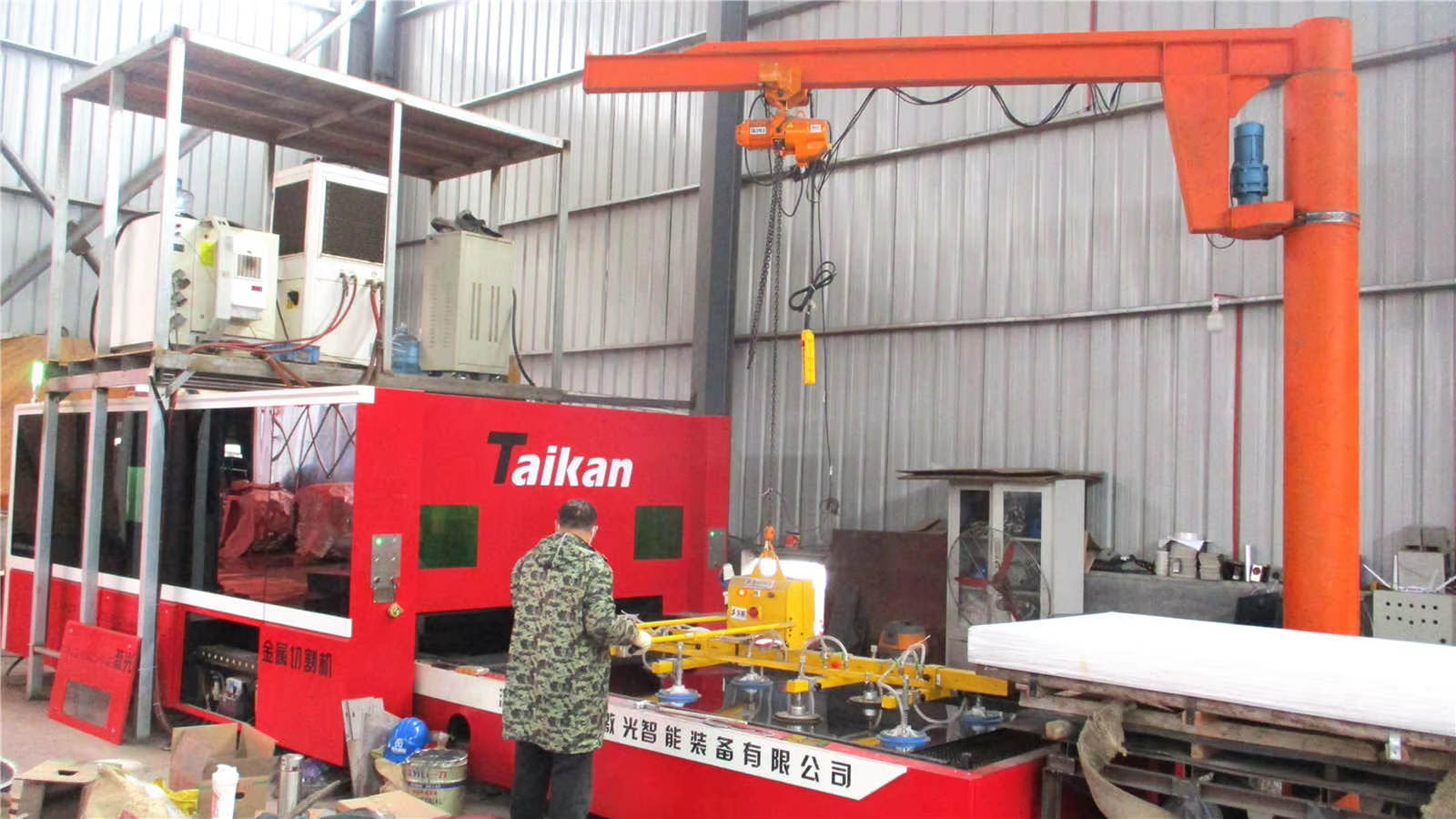
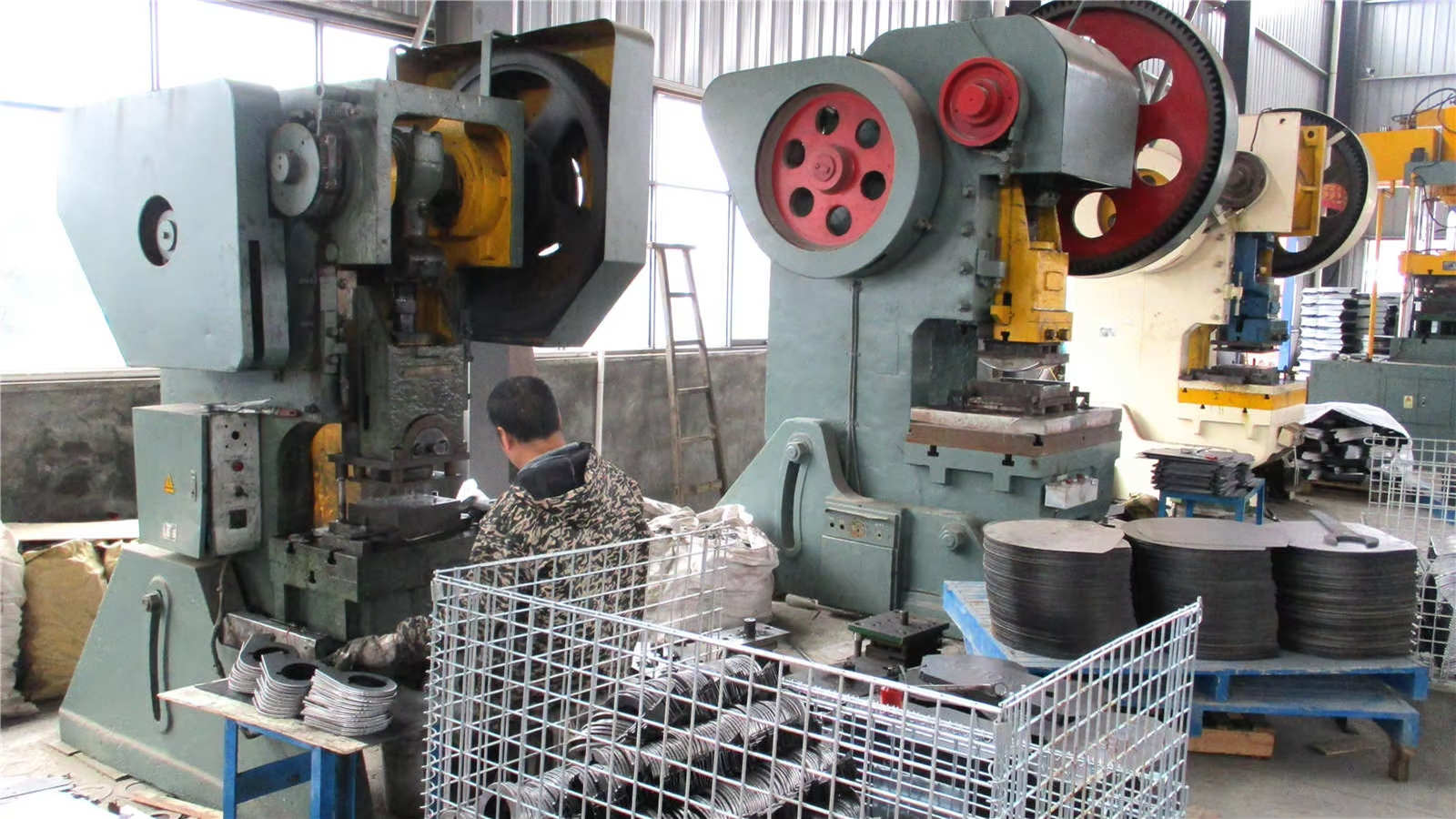
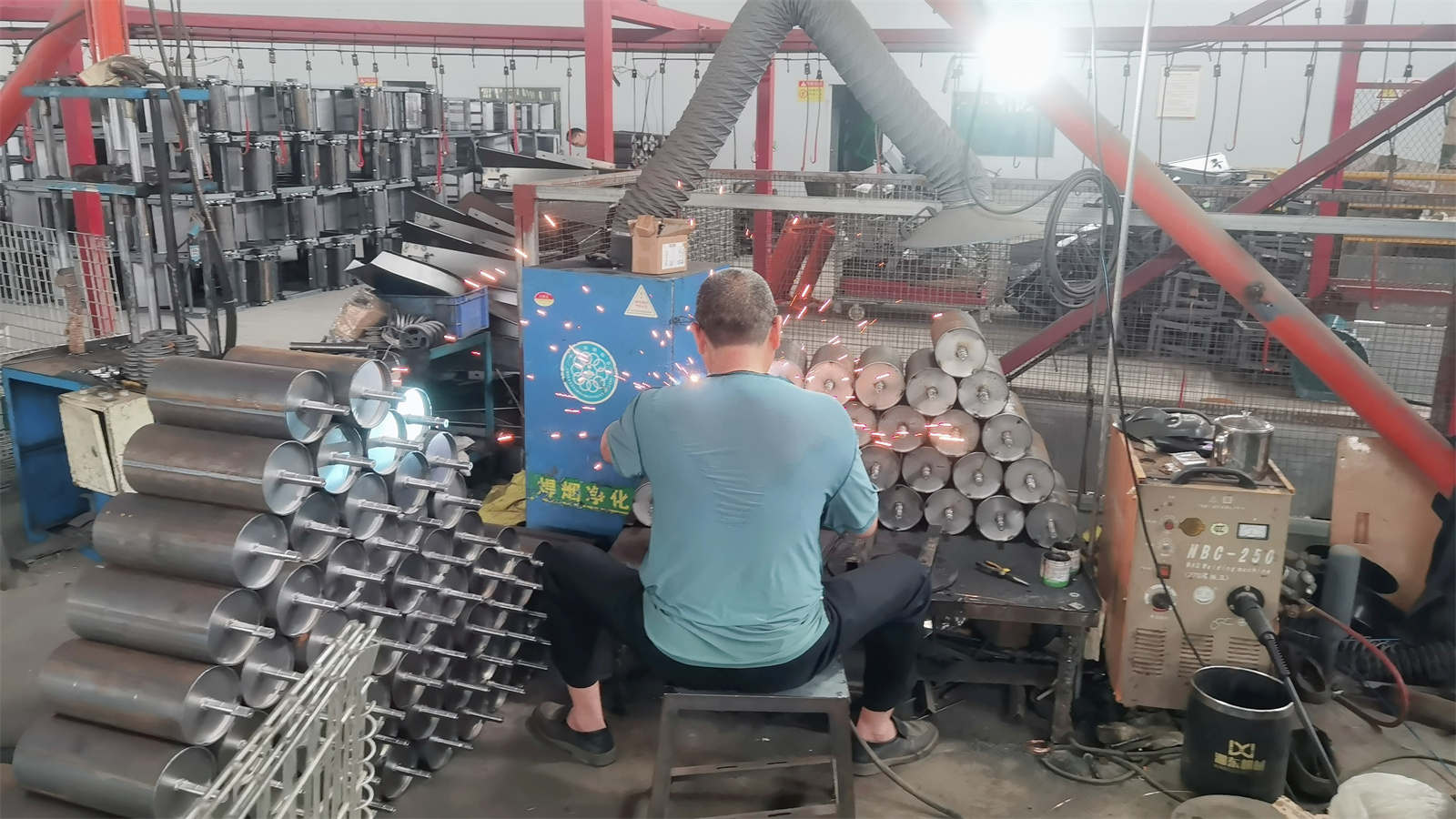
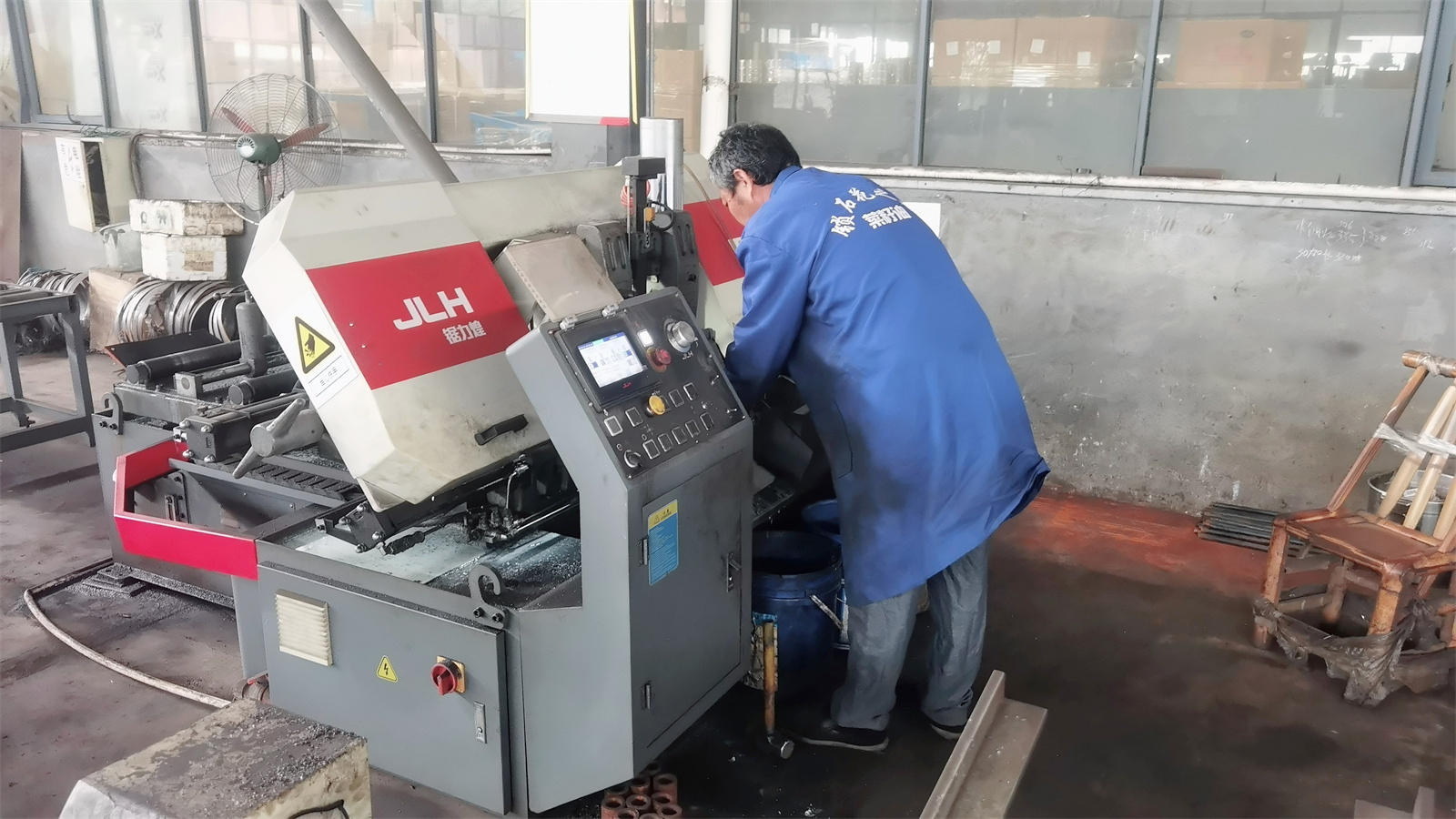
China has evolved into the central hub for grain milling and peeling machinery manufacturing. Global operators source equipment from manufacturers like Henan Jiujie Machine Co., Ltd. to benefit from unparalleled supply chain integration and rapid technological iteration.
From alloy steel smelting to precision sensor production, Henan Jiujie secures all components locally. This regional proximity reduces lead times and structural costs, allowing us to pass savings onto our partners without compromising build quality.
Our engineering team leverages modern design software and prototype machining to refine machinery configurations. This agile development cycle speeds up customized adjustments, tailoring equipment to handle regional grain variations.
By utilizing CNC machining centers, automated robotic welding arms, and electrostatic finishing, we maintain structural consistency across small and high-capacity machinery lineups alike.
The grain processing industry is experiencing a shift driven by automation, stricter environmental policies, and a focus on nutrient retention. Manufacturers must adapt to these trends to remain competitive:
Every food processing and grain processing facility operates under unique climatic, structural, and crop conditions. Henan Jiujie Machine Co., Ltd. provides customized, end-to-end plant solutions:
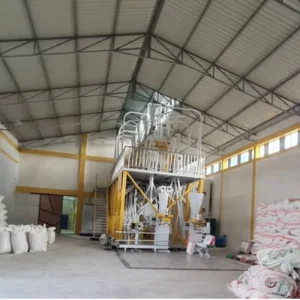
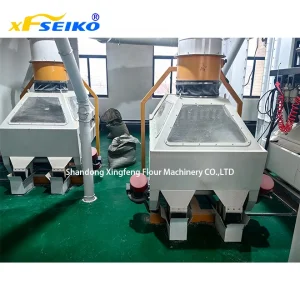
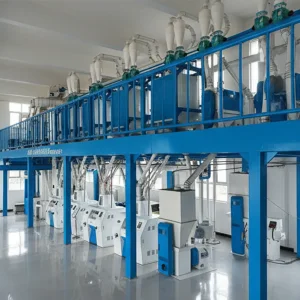
Our large-scale setups integrate advanced gravity destoners and round vibrating sieves to remove stones, chaff, and broken kernels. They feature automatic temperature and moisture conditioning to ensure stable milling, high flour extraction rates, and minimal ash content.
Our rubber-roller rice milling systems protect structural kernel integrity during hulling. Combined with multi-deck screen separators and precise aspiration channels, they maximize head rice yield and deliver uniform polishing.
For dry bulk materials like cement, fly ash, and quartz sand, our dense-phase pneumatic conveying systems provide sealed, dust-free transfer. This configuration prevents environmental contamination and preserves materials over long distances.
When sourcing industrial peeling and milling machinery from international suppliers, procurement teams must verify key engineering markers to ensure reliable performance:
1. Material Specifications: Confirm that product-contact surfaces utilize food-grade SUS304/SUS316 stainless steel, and check that dynamic components use wear-resistant alloys.
2. Certifications & Standards: Ensure machinery has valid CE certificates and matches ISO9001:2015 frameworks to confirm compliance with international manufacturing guidelines.
3. Technical Customization: Evaluate the supplier's engineering capability to deliver custom plant designs using AutoCAD models and integrate them with your current setups.
4. Post-Sales Support: Check if the supplier offers complete commissioning services, replacement parts inventories, and remote diagnostic support to minimize downtime.
Dry peeling removes the grain hull mechanically without water conditioning. This approach eliminates wastewater treatment requirements, prevents mold formation, and reduces overall energy use during downstream grinding.
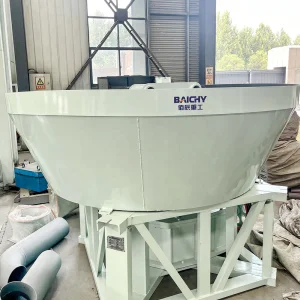
We use adjustable abrasive rotors and controlled friction chambers. Adjusting the clearance lets operators apply the precise amount of shear needed to strip the outer hull while keeping the inner germ intact.
Yes, our equipment lineup is CE certified and built to match standard safety guidelines, including dust control, sound insulation, and food-safe contact surfaces.
Yes, our pneumatic conveying systems are built with reinforced pipelines and high-efficiency dust separators to move abrasive materials without clogging or premature wear.
Our engineering team designs complete floor plans using AutoCAD and 3D modeling systems based on your throughput goals, floor space, and material requirements.
Depending on configuration complexity, delivery ranges from 30 to 60 days. Our CNC laser cutting, bending, and robotic welding workflows help us keep fabrication times consistent.
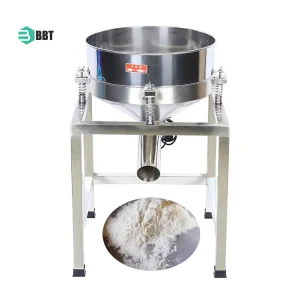
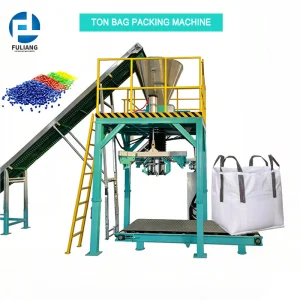
Browse our additional mills, high-efficiency destoners, circular separators, and bulk bagging systems designed to complete your processing line.
 Jiujie Machine