Explore our premium product portfolio designed for high efficiency, quality assurance, and mechanical durability.
In modern global agricultural processing and food production chains, crop purity is not just a standard of product quality—it is the baseline for consumer safety, mechanical longevity, and business profitability. The global demand for specific gravity separation technologies, particularly seed destoners, has grown exponentially over the last decade. As regulatory authorities like the European Food Safety Authority (EFSA) and the U.S. Food and Drug Administration (FDA) tighten constraints on foreign matter, processor tolerance for impurities has dropped to near-zero.
Seed destoning plays a critical role in pre-cleaning grains, seeds, pulses, and beans. A single small stone passing through downstream processing machinery like mill rollers, grinders, or flaking mills can cause catastrophic structural failures. This results in costly downtime and contamination of food supplies with micro-metal or stone shards. Statistically, implementing specific gravity destoning equipment prior to milling saves processing facilities up to 35% in unplanned maintenance and replacement costs.
Currently, global agricultural processing centers across Europe, North America, and South America are shifting toward high-capacity, energy-efficient cleaning solutions. Modern buyers demand equipment capable of handling diverse grain structures—from lightweight sesame seeds to heavy soy and coffee beans—without losing sorting accuracy or wasting valuable product.
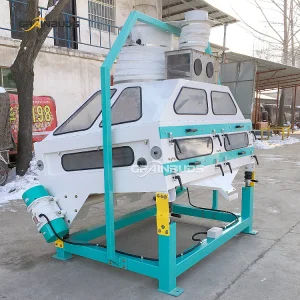
The fundamental operational dynamic of a seed destoner relies on the variance of specific gravity and aerodynamic properties between crop seeds and heavier foreign impurities like stones, glass fragments, and metal particles. While traditional screen cleaners isolate impurities based on dimensional sizing, gravity destoners specialize in removing impurities that are identical in size to the crop but differ in density.
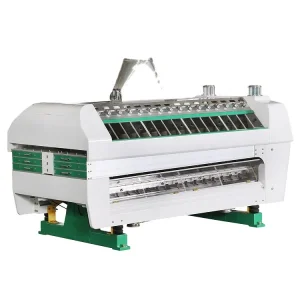
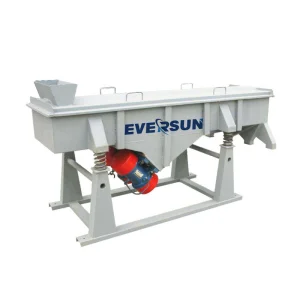
The machine uses a reciprocating deck structure paired with a controlled airflow system. The process operates as follows:
Once stratified, the reciprocating motion of the deck (driven by eccentric motors) drives the heavy materials upward along the screen deck, while the fluidized, lighter crop seeds flow downward to the primary product outlet under the influence of gravity. Adjusting parameters like air volume, deck inclination angle, and vibration frequency allows operators to calibrate the machine for a wide variety of grain varieties and moisture conditions.
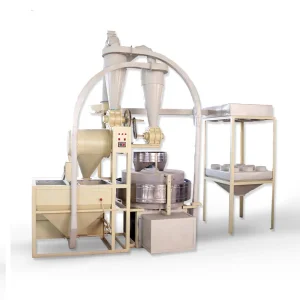
As a leading supplier of complete food production and grain processing equipment, Henan Jiujie Machine Co., Ltd. offers integrated engineering solutions globally. We design machinery for wheat flour mills, animal feed processing plants, and industrial rice milling factories. Our products span conveying equipment, grain pre-cleaning machines, and high-capacity flour milling systems.
What sets Henan Jiujie Machine Co., Ltd. apart is our commitment to manufacturing precision and environmental sustainability. While older processing plants rely on water-based washing channels that generate significant wastewater, our modern grain cleaning processes are designed to operate entirely waterless. This supports environmentally friendly production and eliminates the need for expensive wastewater treatment setups.
Our manufacturing plant features state-of-the-art fabrication equipment. By utilizing CNC laser cutting machines, CNC bending machines, high-precision CNC lathes, and automated robotic welding stations, we produce machinery with high structural integrity and tight tolerances. Every unit is finished on our electrostatic powder coating line to provide long-term corrosion protection in challenging processing environments.
Our production facilities are equipped with CNC machinery and automated lines to guarantee dimensional precision and quality control.
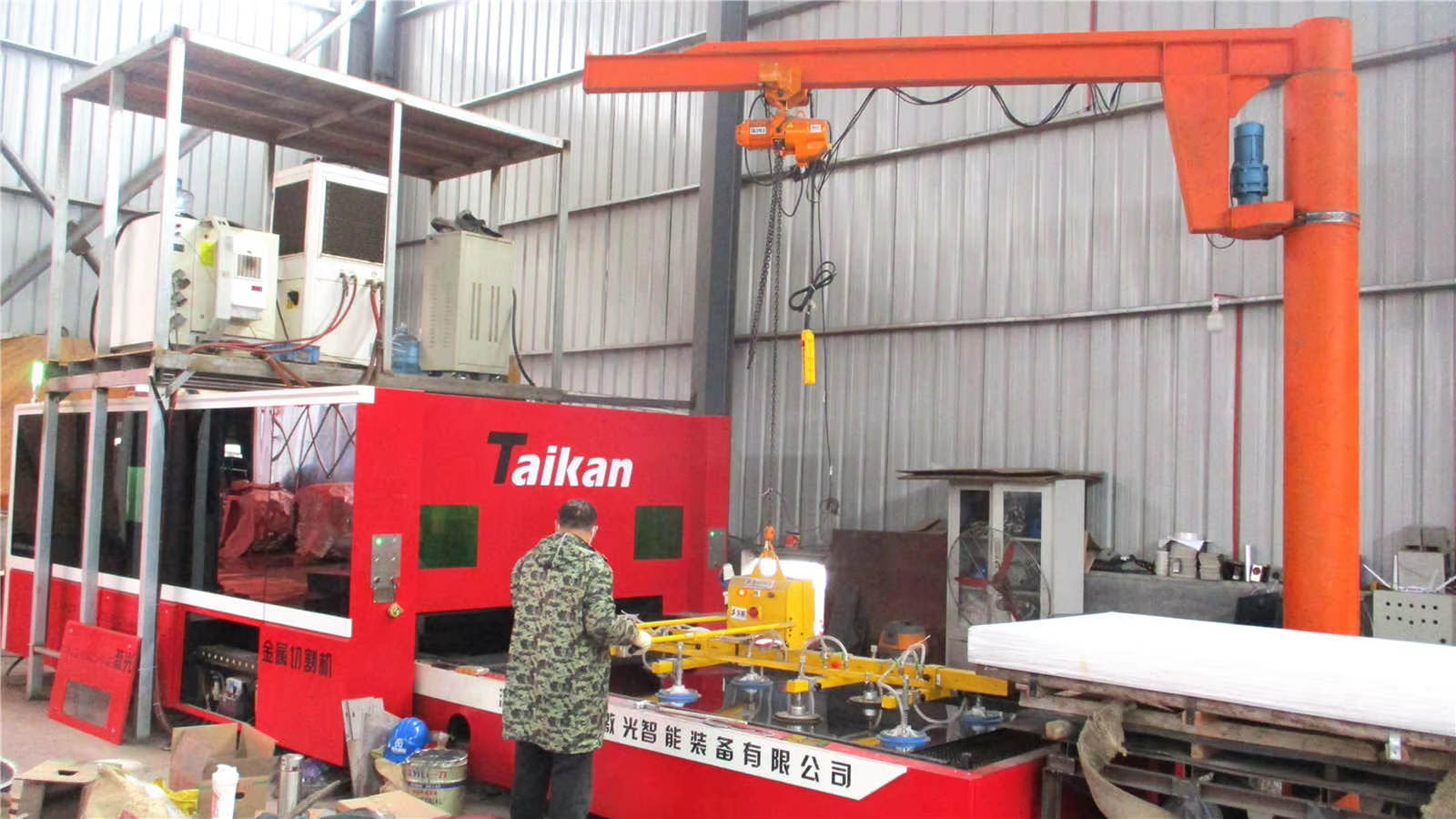
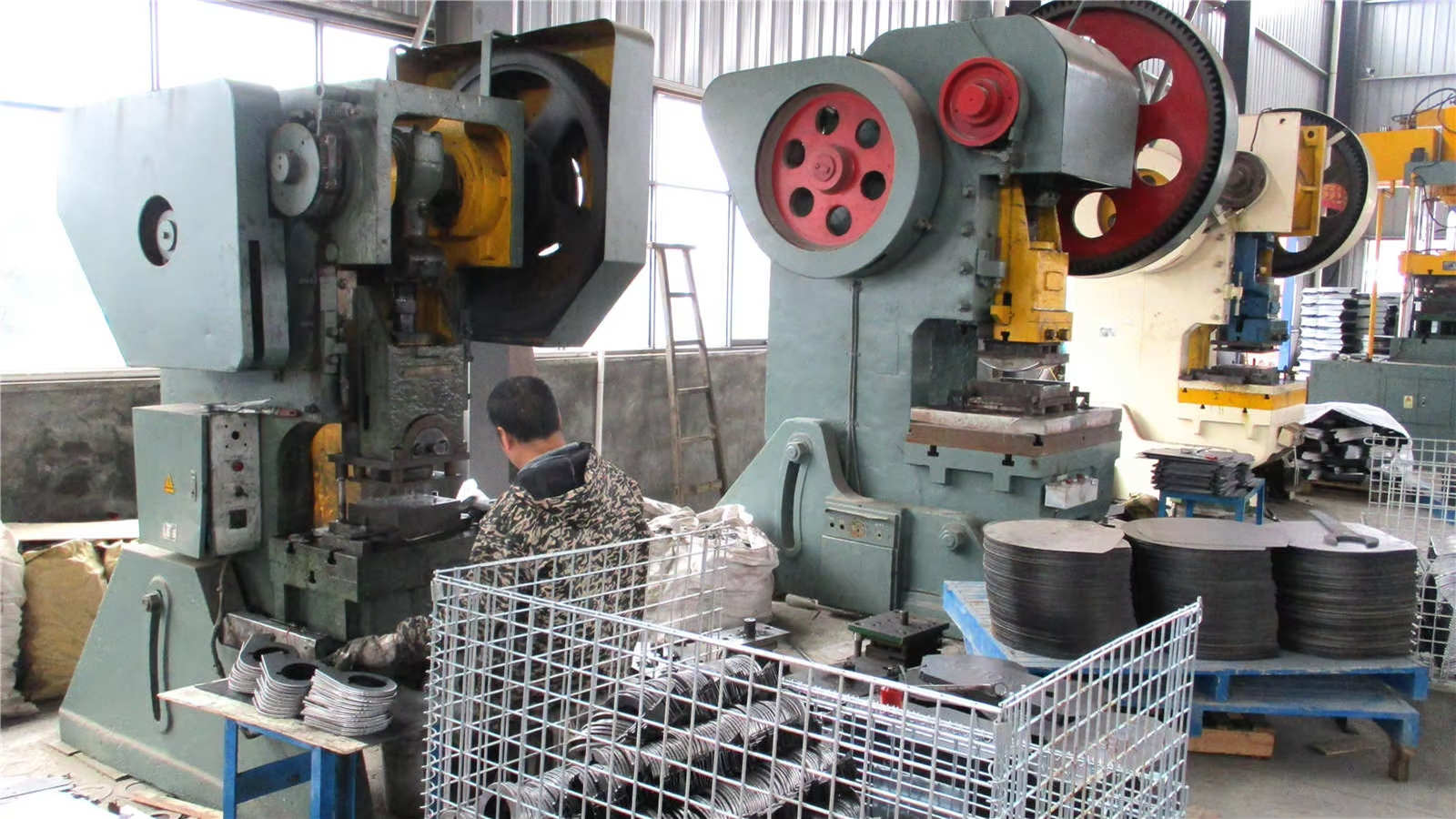
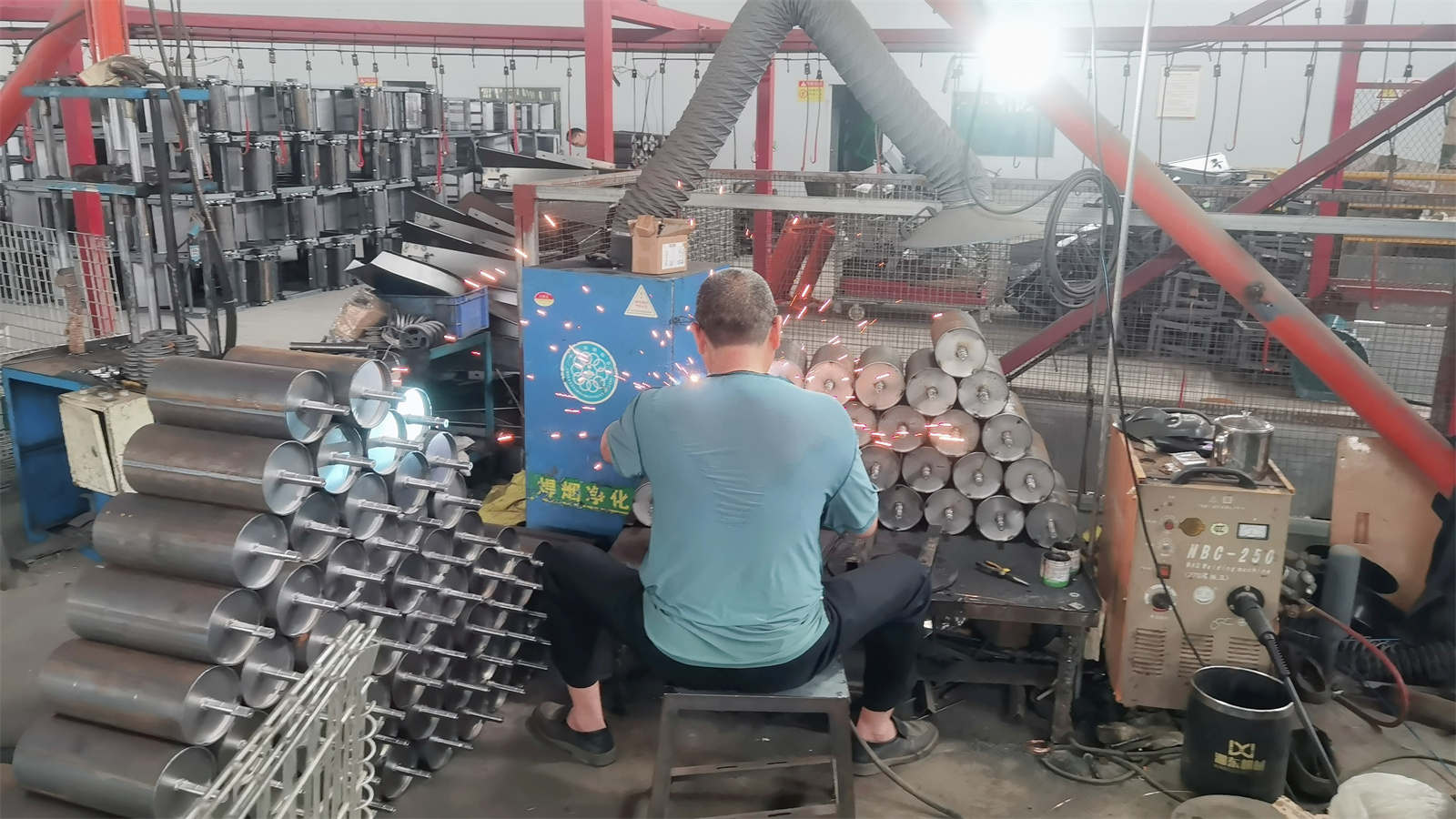
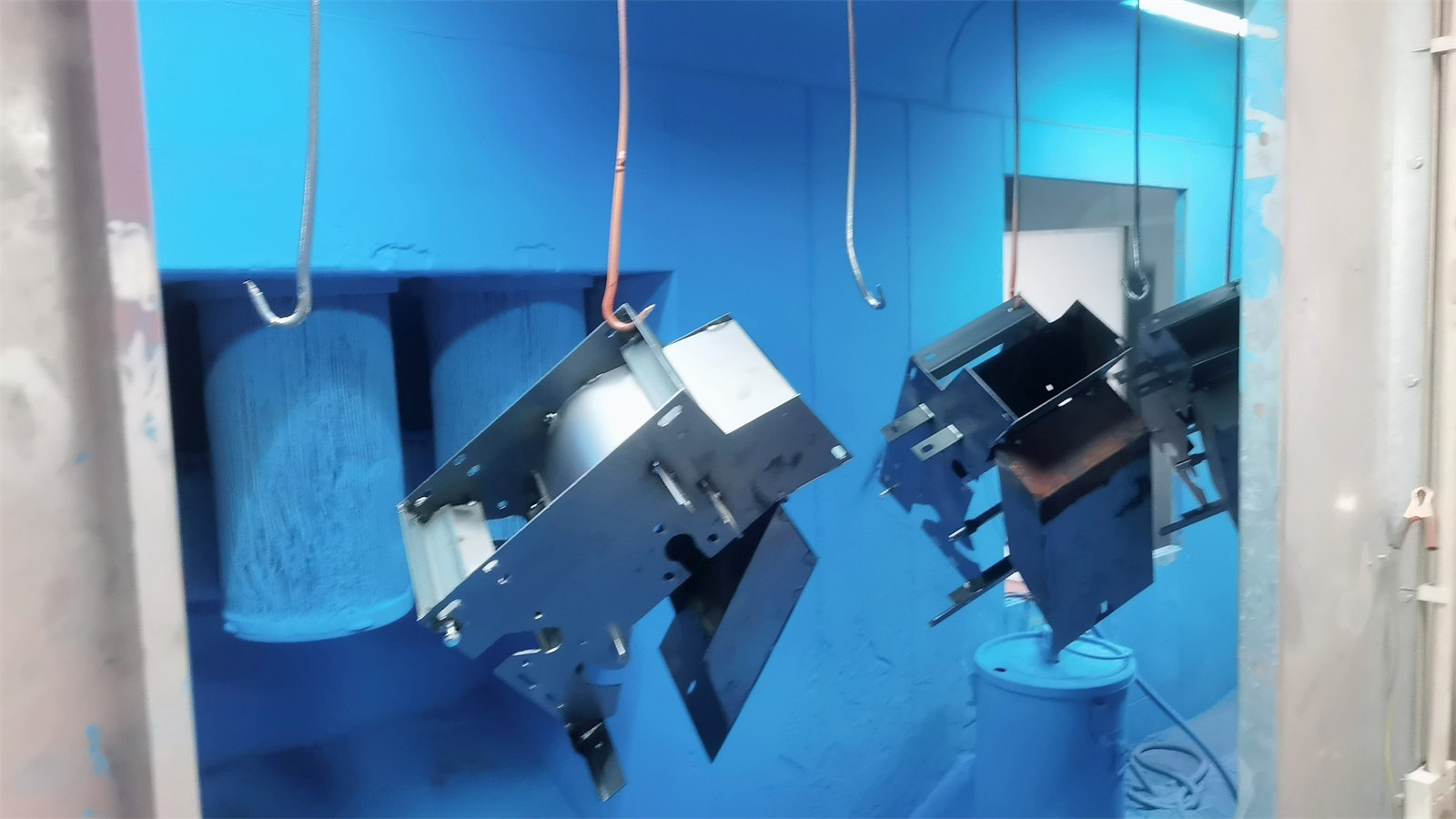
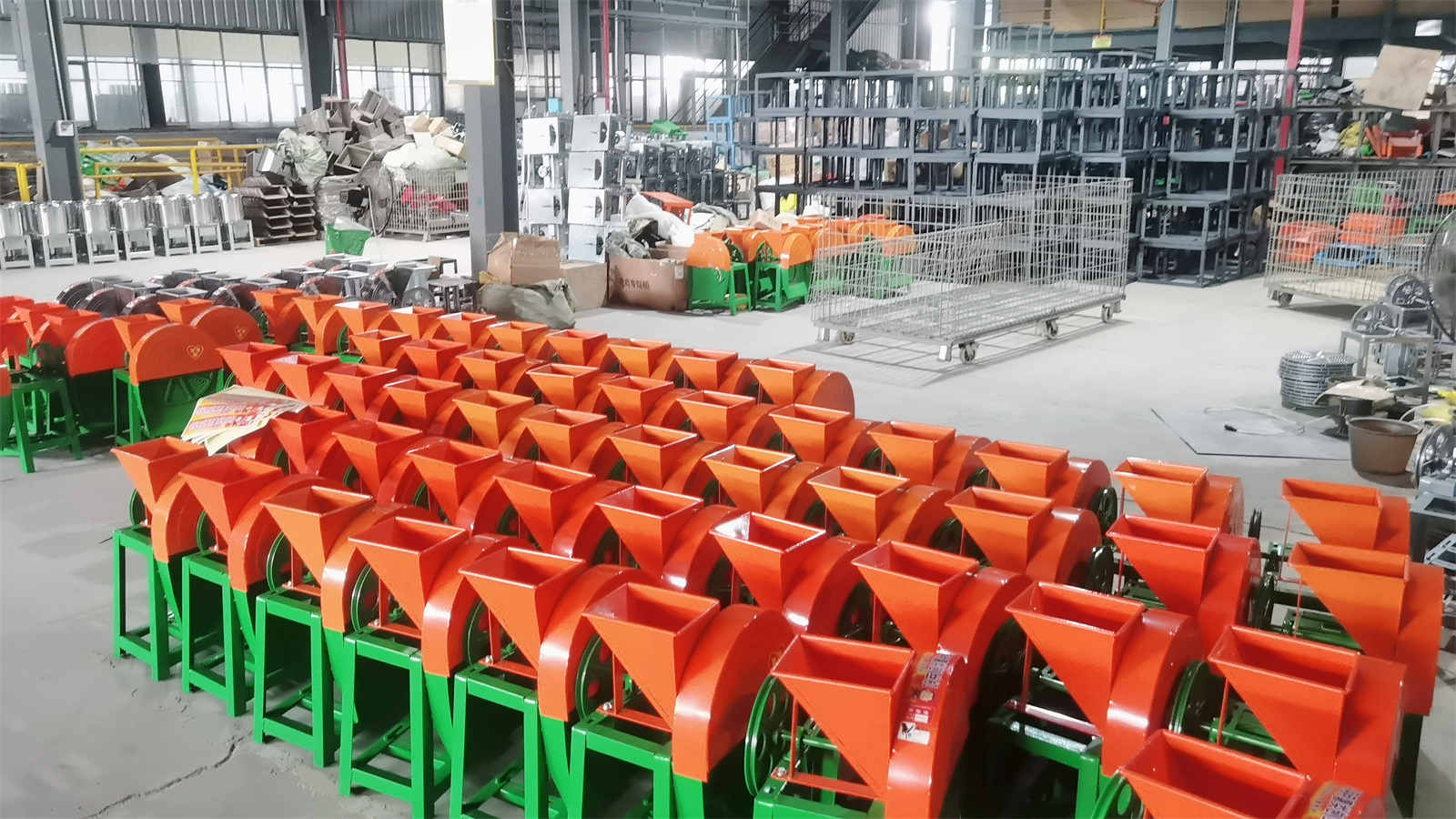
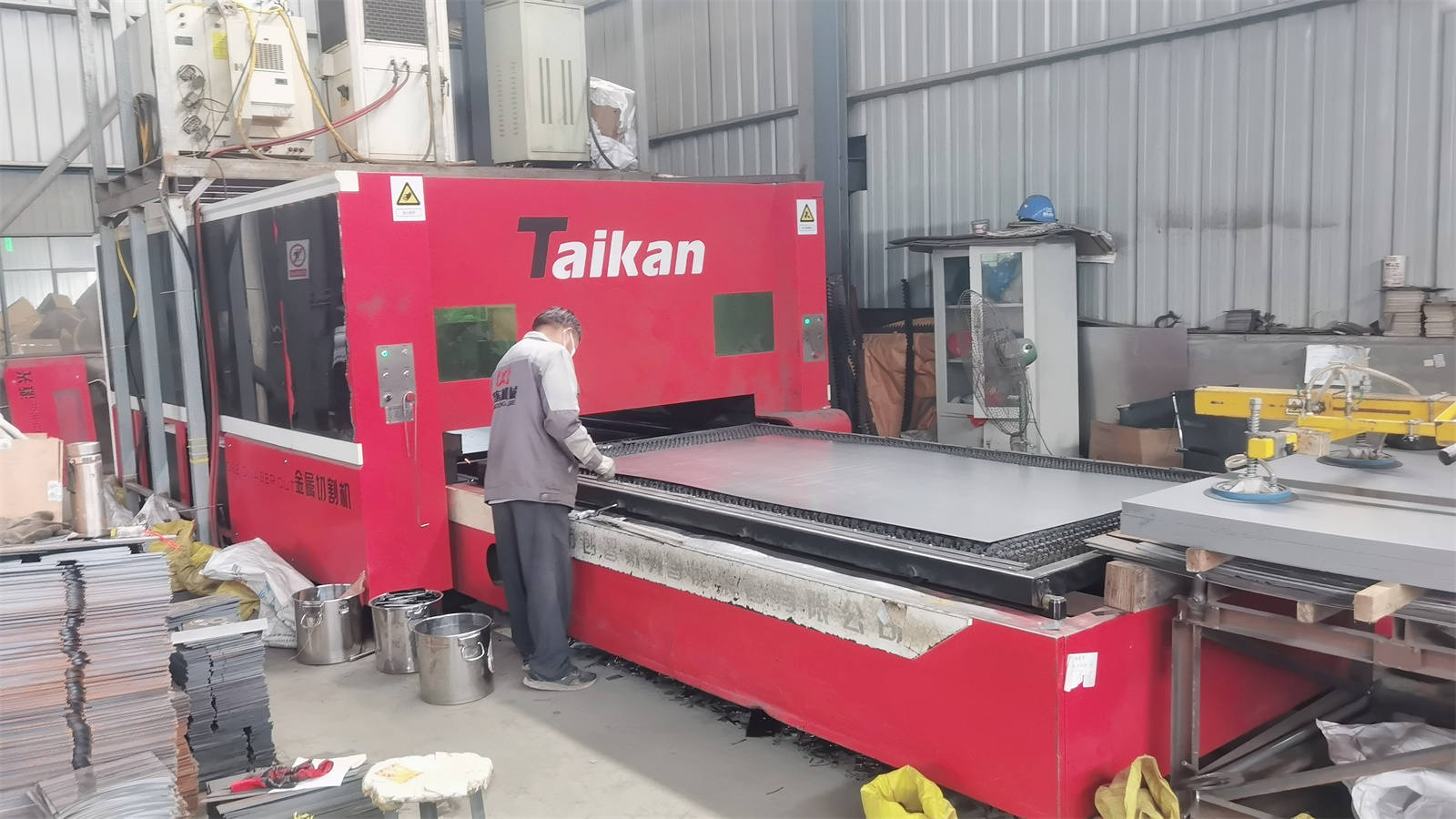
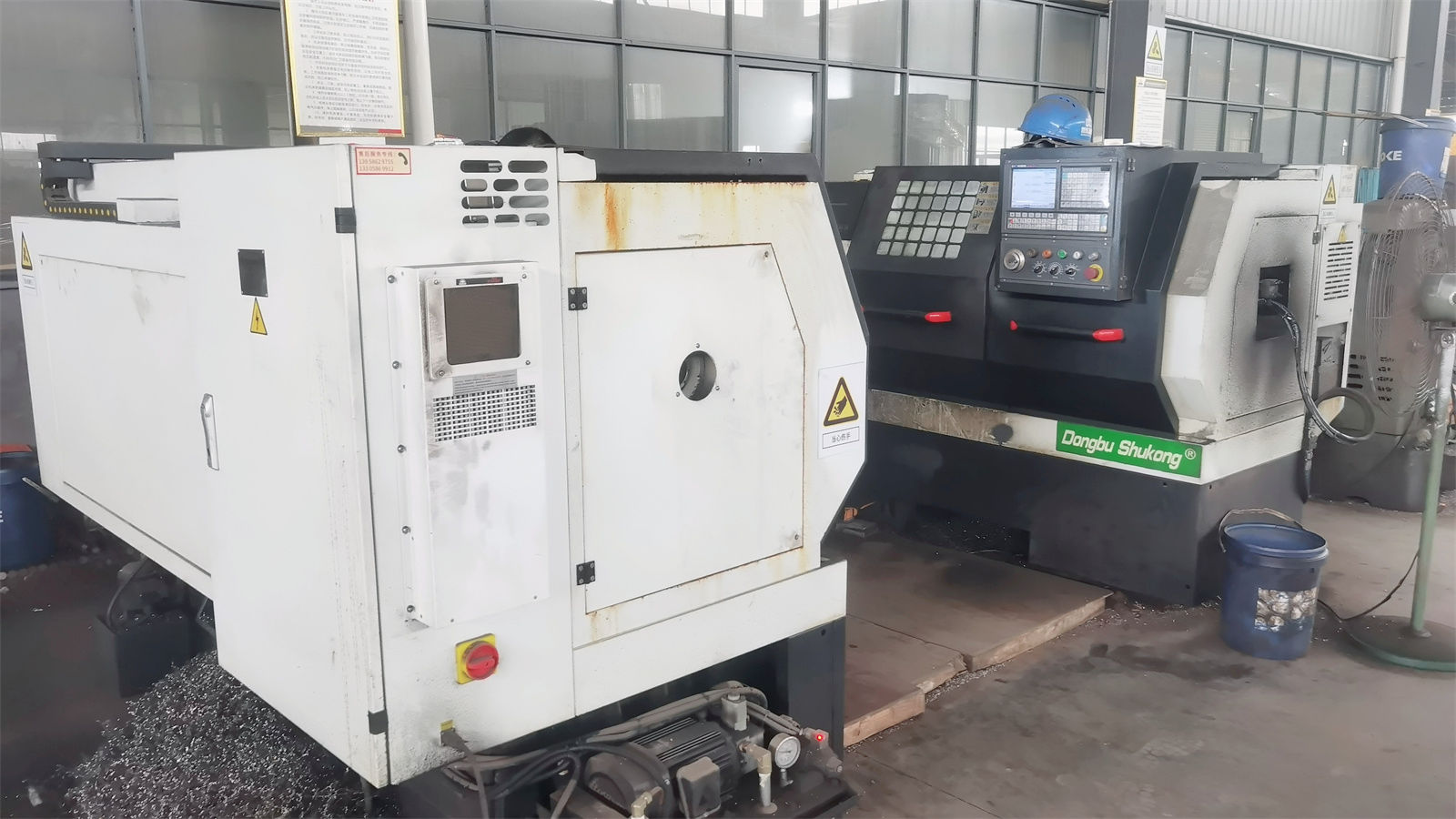
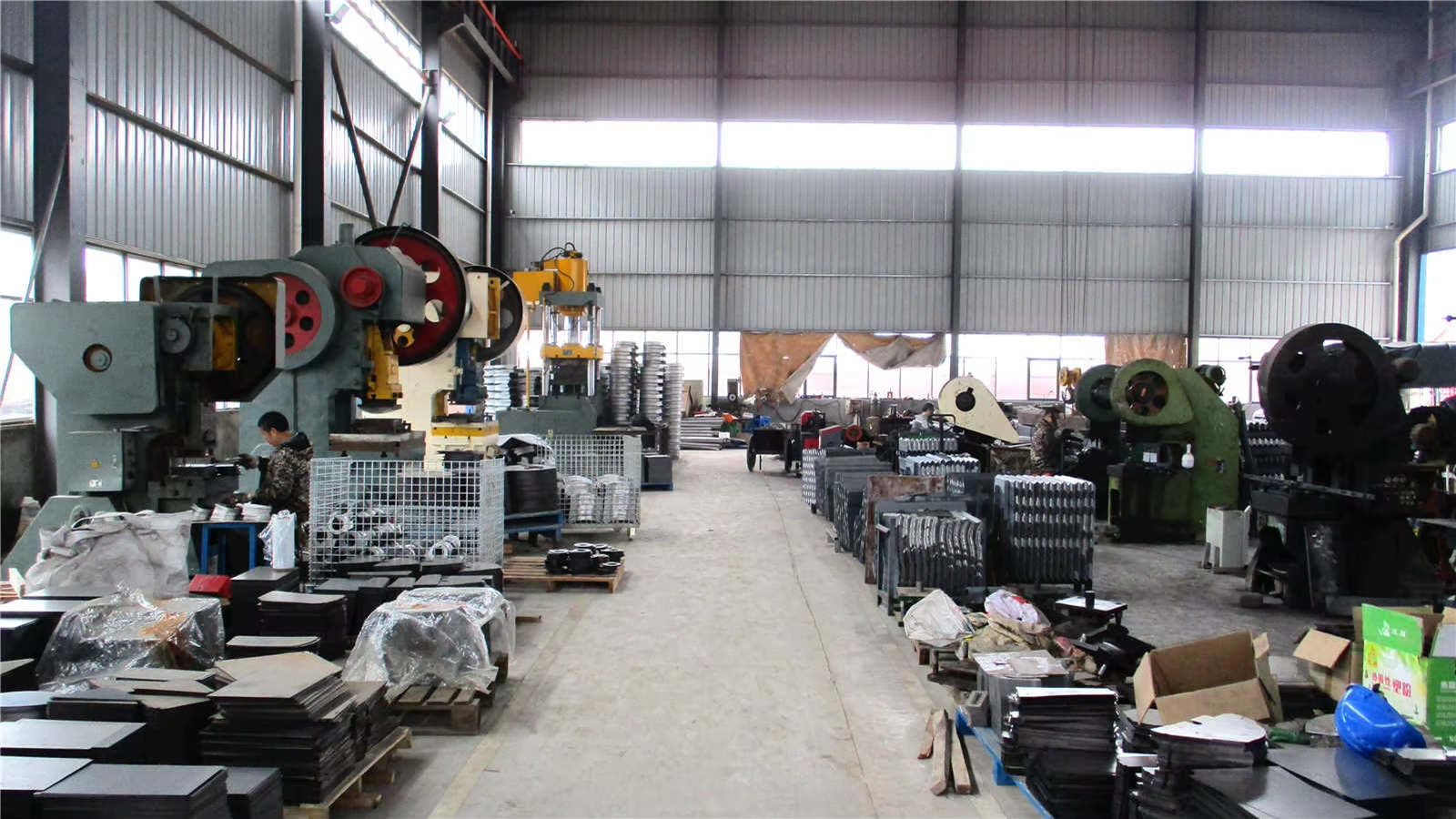
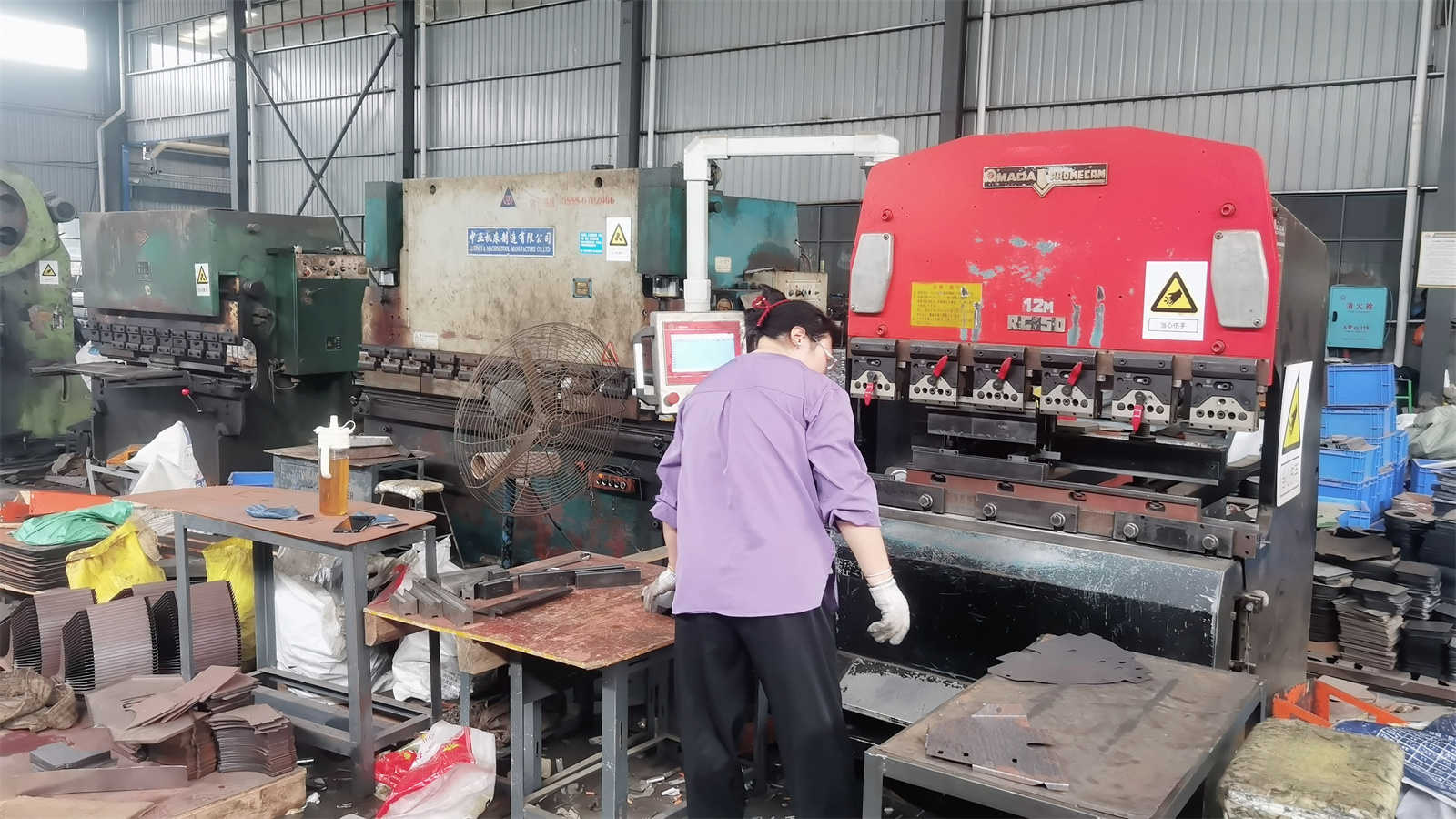
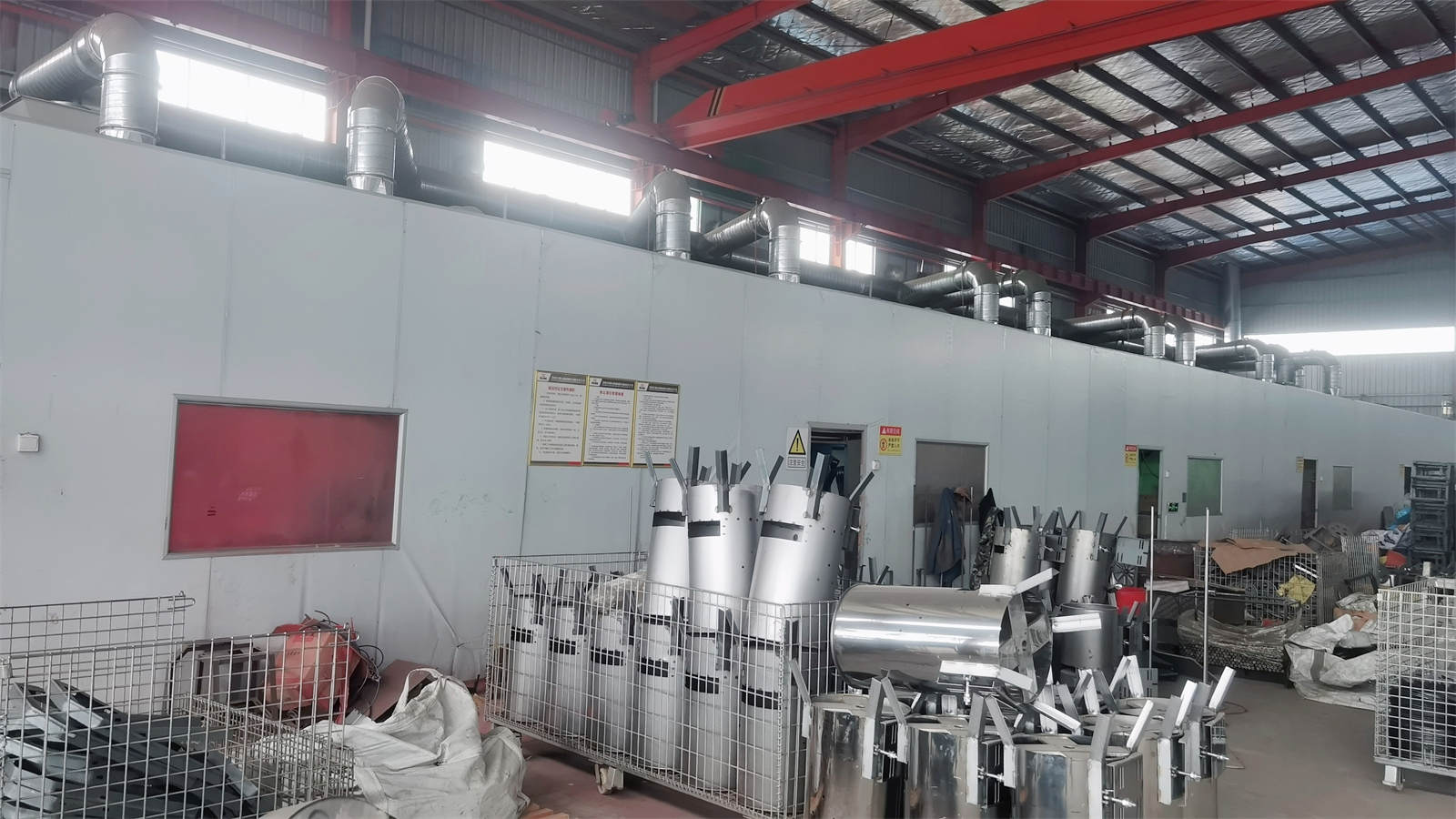
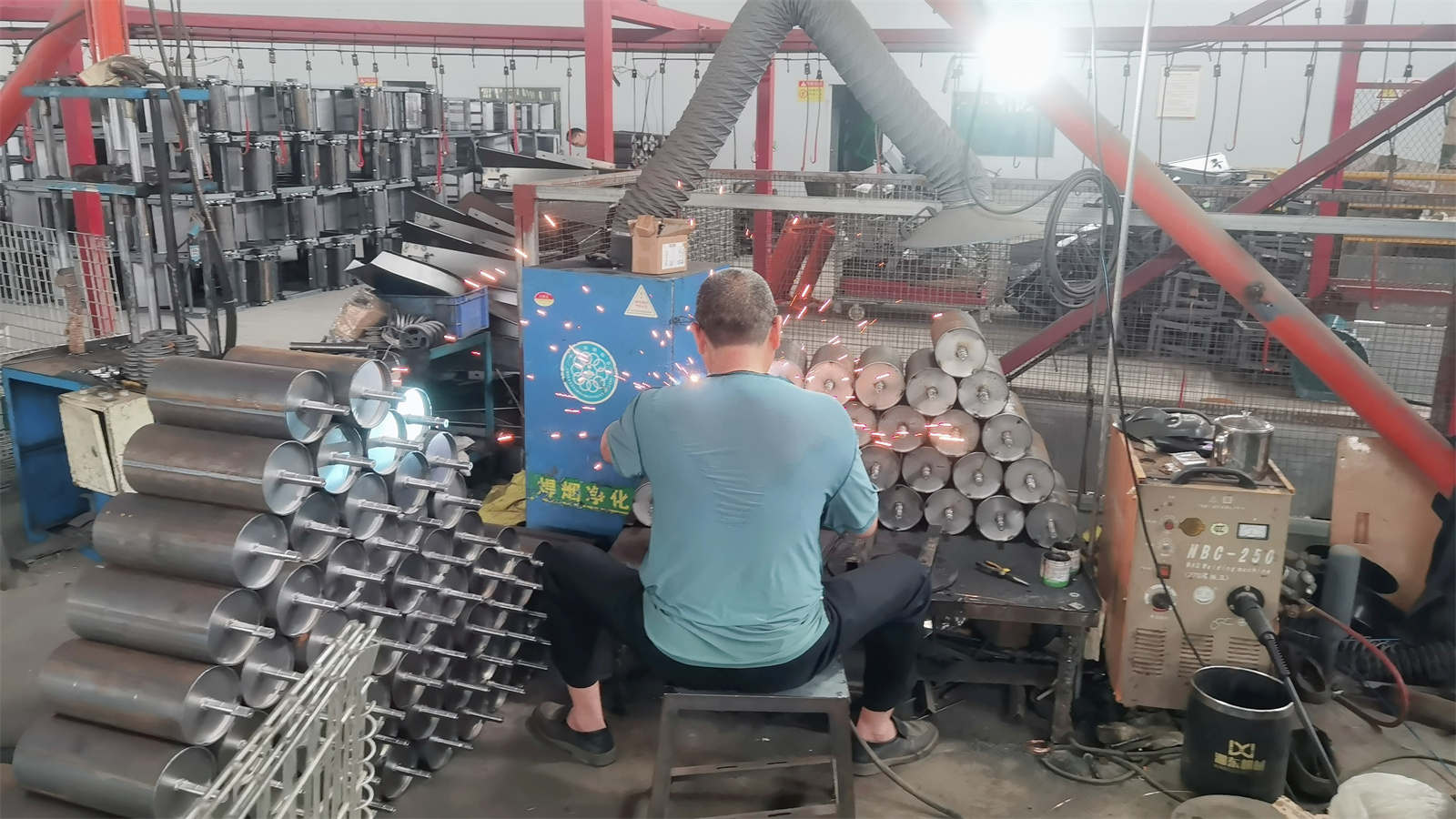
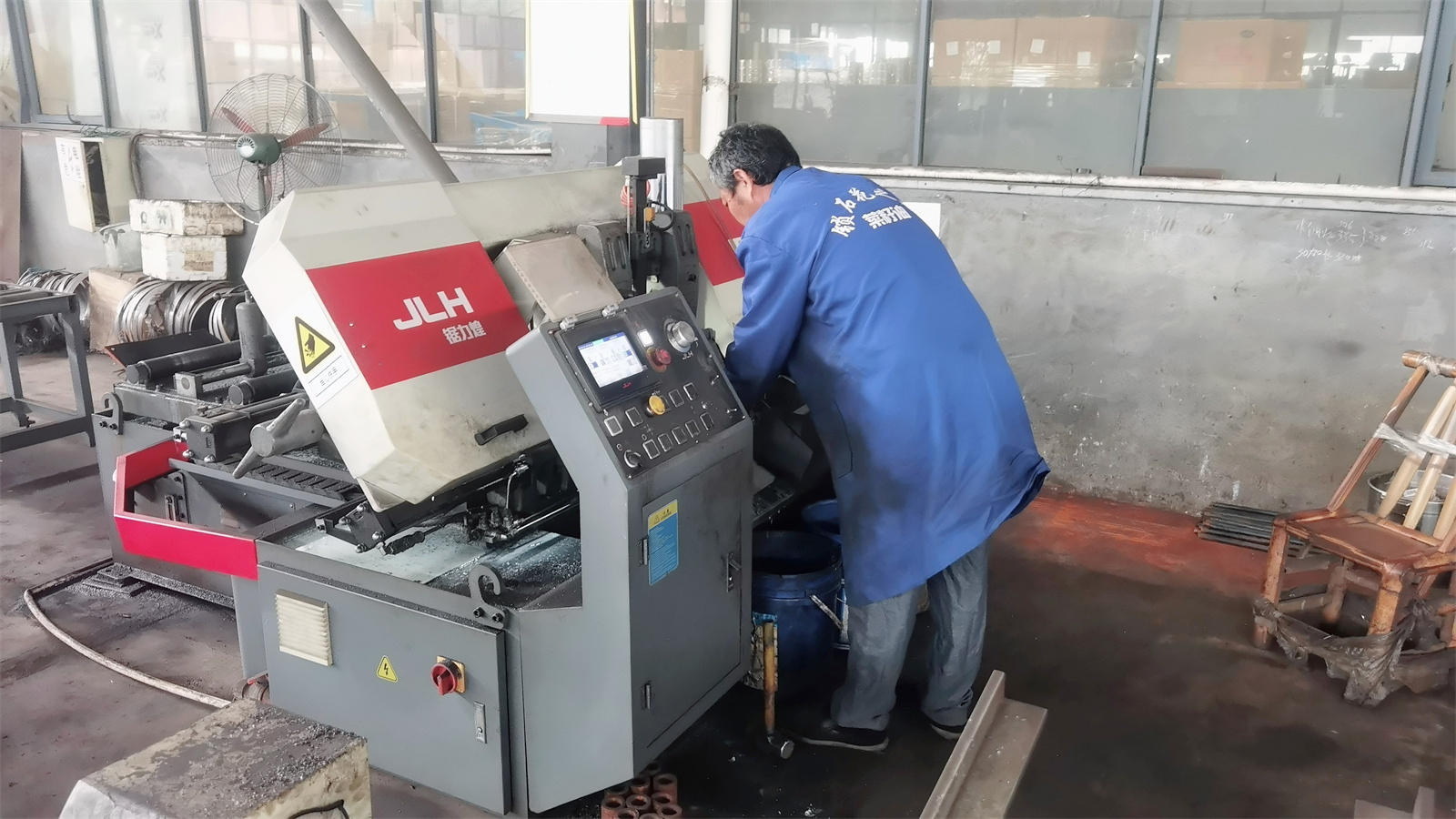
Our separation systems are calibrated for diverse agricultural processing industries worldwide.
Roasted coffee bean facilities use food-grade SUS304 stainless steel destoners to remove small pebbles, glass, and metal shards. This protects high-speed commercial grinding systems and maintains product quality.
Integrated mill systems use large-capacity gravity destoners before wheat grinding rolls. Removing mineral impurities prevents roller damage and maintains clean, low-ash semolina production.
Small sesame seed processing requires precise separation to remove fine dust, silica, and light waste. Adjusting screen deck frequency and positive air pressure helps isolate lightweight oilseeds efficiently.
Industrial grain cleaning machinery is increasingly adopting automation and digital monitoring features. Integration of IoT sensors allows real-time monitoring of moisture levels, vibration frequencies, and airflow rates. This data enables automatic, dynamic adjustments to compensate for variation in incoming crop inputs.
Another major industry shift is the demand for energy-efficient dust extraction. Closed-loop pneumatic recycling systems reduce energy consumption by recycling air, while high-efficiency particulate air filters help maintain clean work environments.
In response to global food safety standards, processing plants are adopting modular destoning platforms. These systems allow quick changeovers between different crop types and facilitate easier cleaning and maintenance, reducing product cross-contamination risks.
Answers to common technical and logistical questions from global buyers and processing plants.
Review our broader range of grain storage, conveying, and processing systems.
 Jiujie Machine