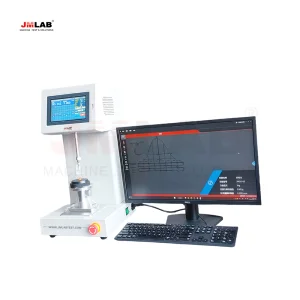
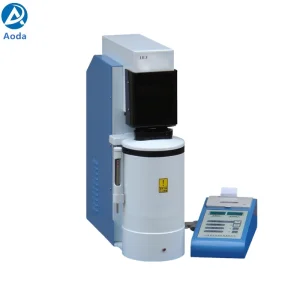
Providing essential testing systems optimized for the growing industrial flour milling corridors of Addis Ababa, Bishoftu, and Adama.
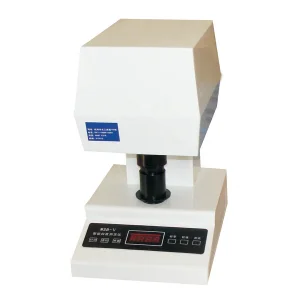
Ethiopia represents one of the fastest-growing wheat and grain production hubs in Sub-Saharan Africa. Guided by the national agricultural modernization strategy, the country has transformed from a major net importer of wheat to establishing self-sufficiency pathways. Central to this transformation is the integration of advanced flour laboratory testing equipment. Commercial mills in Addis Ababa, Dire Dawa, and regional industrial hubs require accurate scientific instruments to evaluate raw materials, optimize extraction, and meet regional food security and commercial standards.
Due to the diverse microclimates across the Ethiopian Highlands (where most grain is harvested) and the Rift Valley, crop properties fluctuate wildly. Variations in humidity, soil chemistry, and harvesting practices mean that incoming wheat shipments exhibit disparate moisture, gluten, and alpha-amylase profiles.
For domestic wheat-to-flour operations and international grain importers, maintaining a consistent final product is difficult without robust laboratory testing. Standard parameters such as falling number, farinographic absorption, and gluten indexes must be strictly audited to prevent production downtime in secondary manufacturing facilities (e.g., commercial bakeries, pasta plants, and biscuit factories).
Sourcing precision equipment for Ethiopia requires a deep understanding of international standard compliance, particularly ISO and CE benchmarks. Importers must manage complex logistics, including container clearance through Djibouti Port, multimodal transport transit, and strict letter-of-credit (LC) terms dictated by the National Bank of Ethiopia. Sourcing from experienced partners like Henan Jiujie Machine Co., Ltd. ensures that equipment comes with appropriate validation certifications, minimizing customs bottlenecks.
Under the banner of "Factory 4.0", Chinese manufacturers have integrated automated production systems with high-precision metallurgy to lower cost structures while elevating quality. Henan Jiujie Machine Co., Ltd. uses high-grade components, CNC machining centers, and automated electrostatic spraying lines to build equipment that resists mechanical wear and voltage instability—two critical issues for operational environments in developing economies.
Henan Jiujie Machine Co., Ltd. integrates state-of-the-art production systems to guarantee the long-term reliability and precision of grain testing devices.
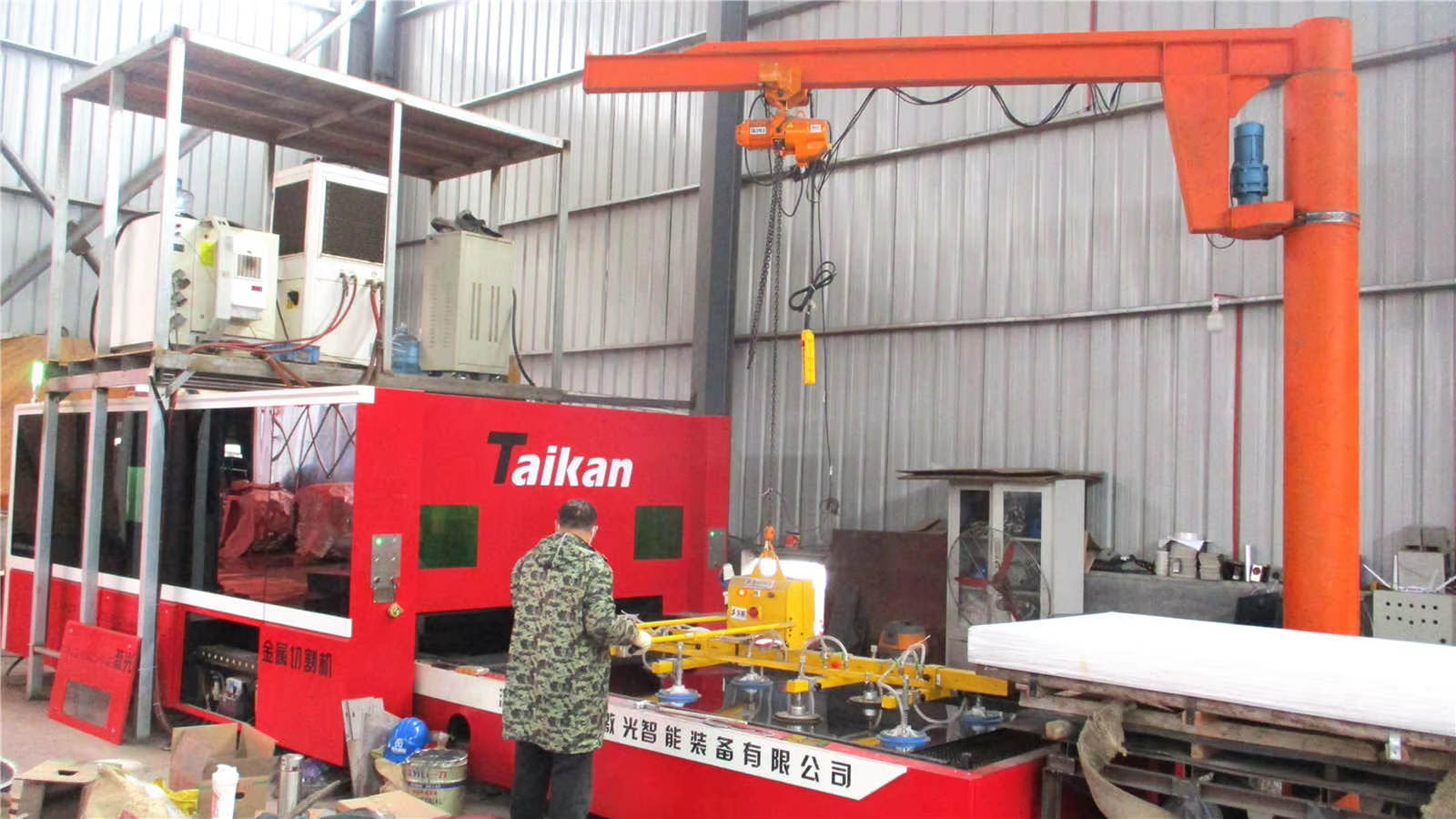 Cutting Stage
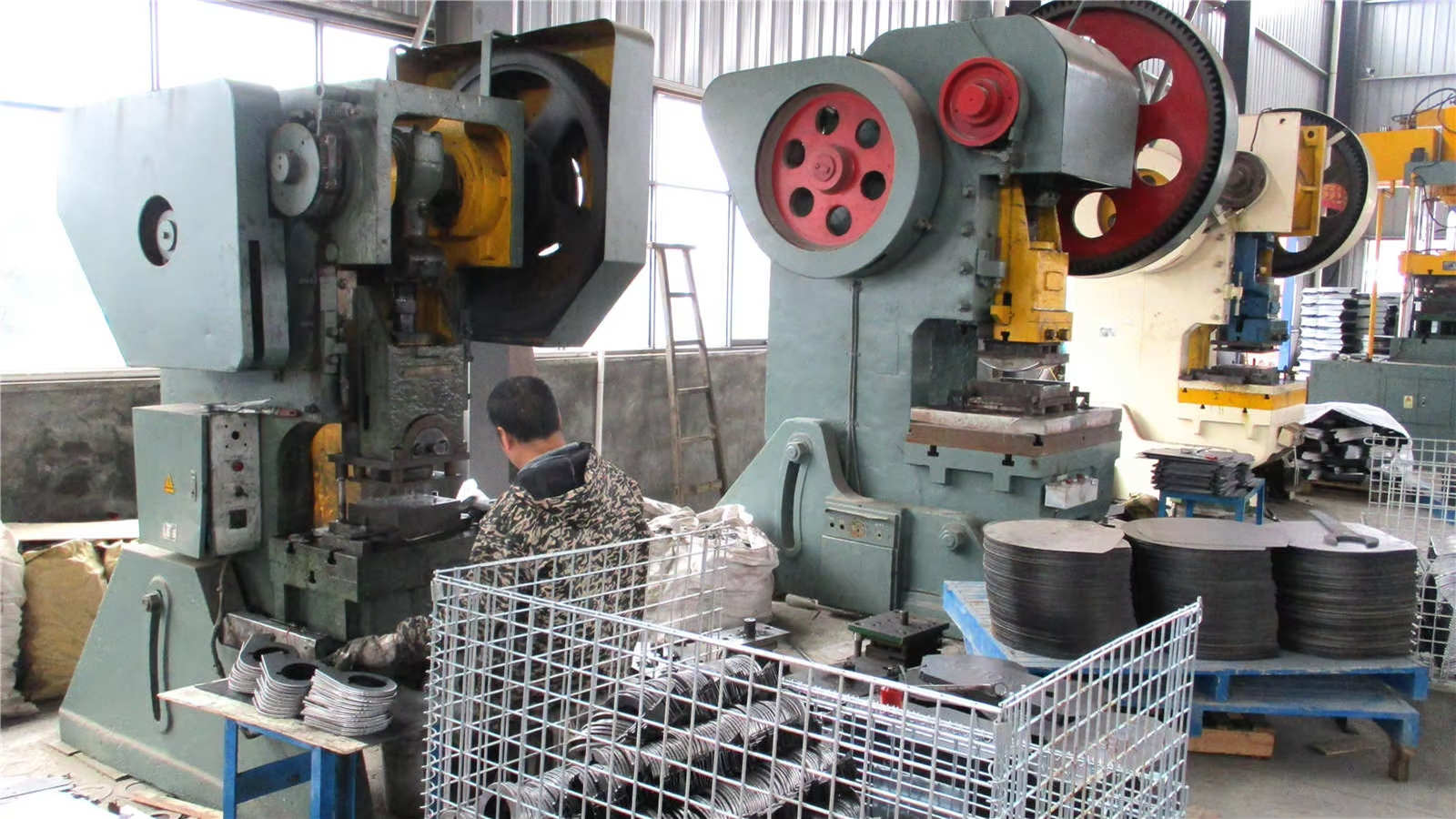 Punching Stage
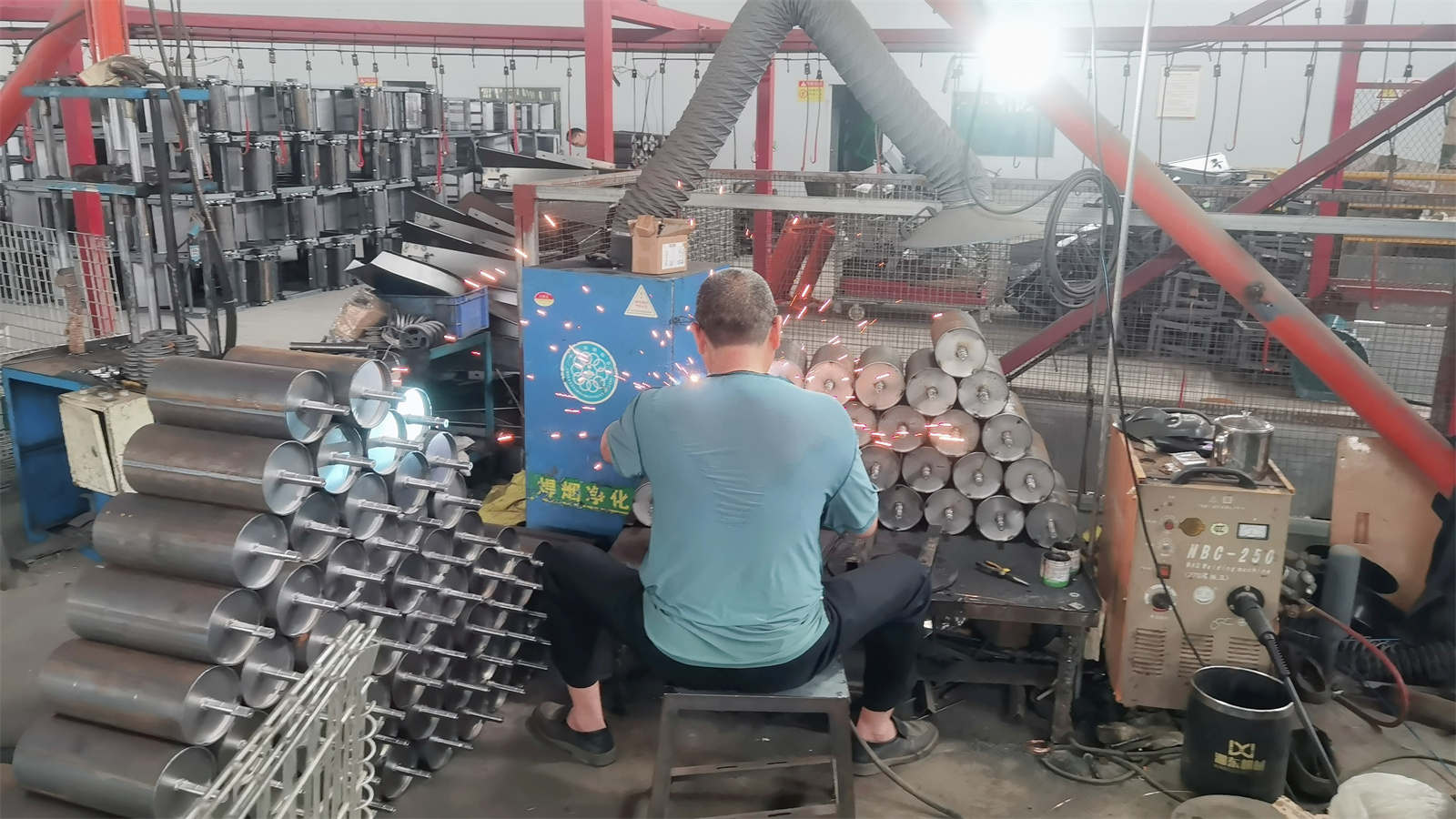 Welding Stage
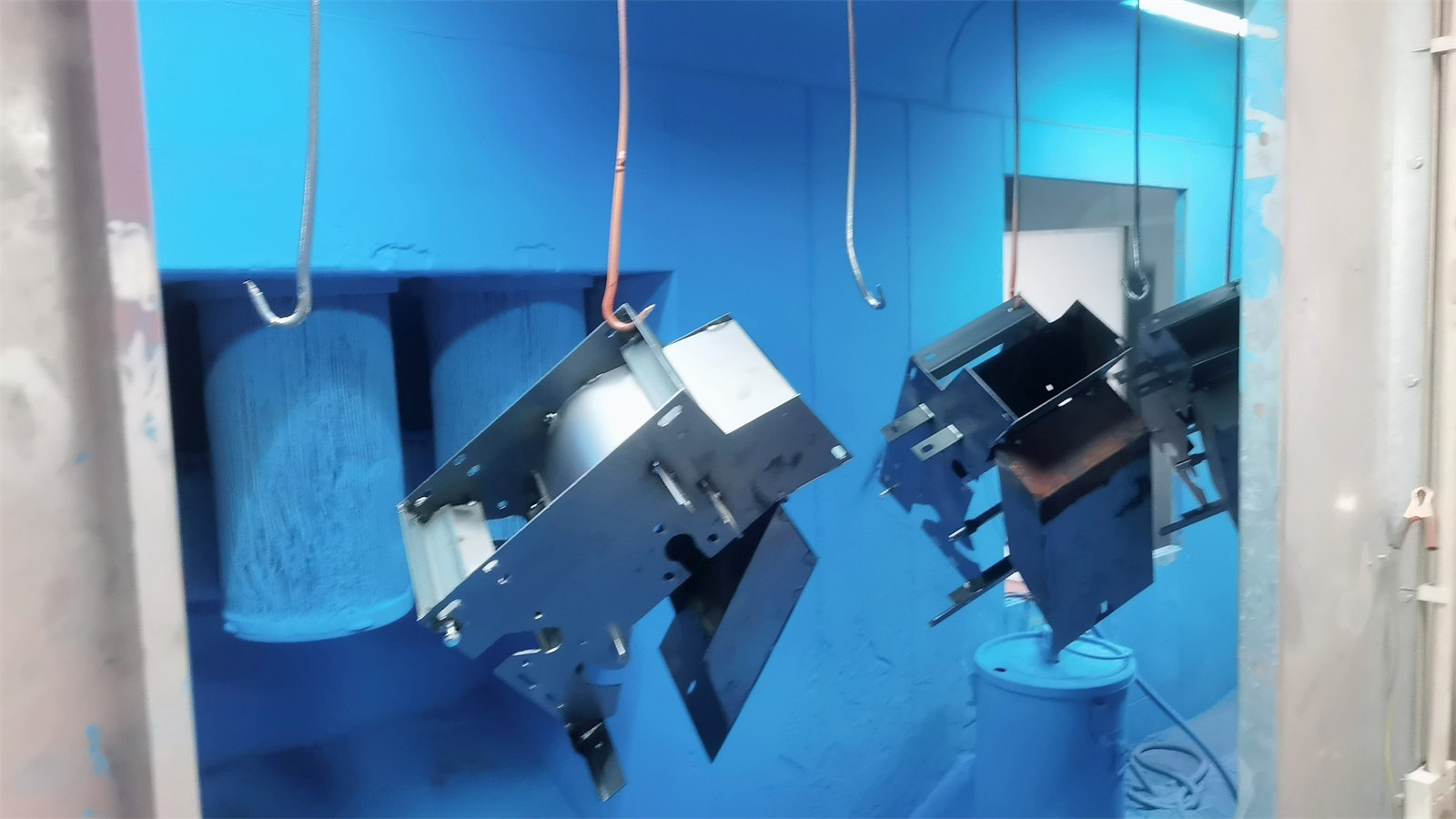 Painting Stage
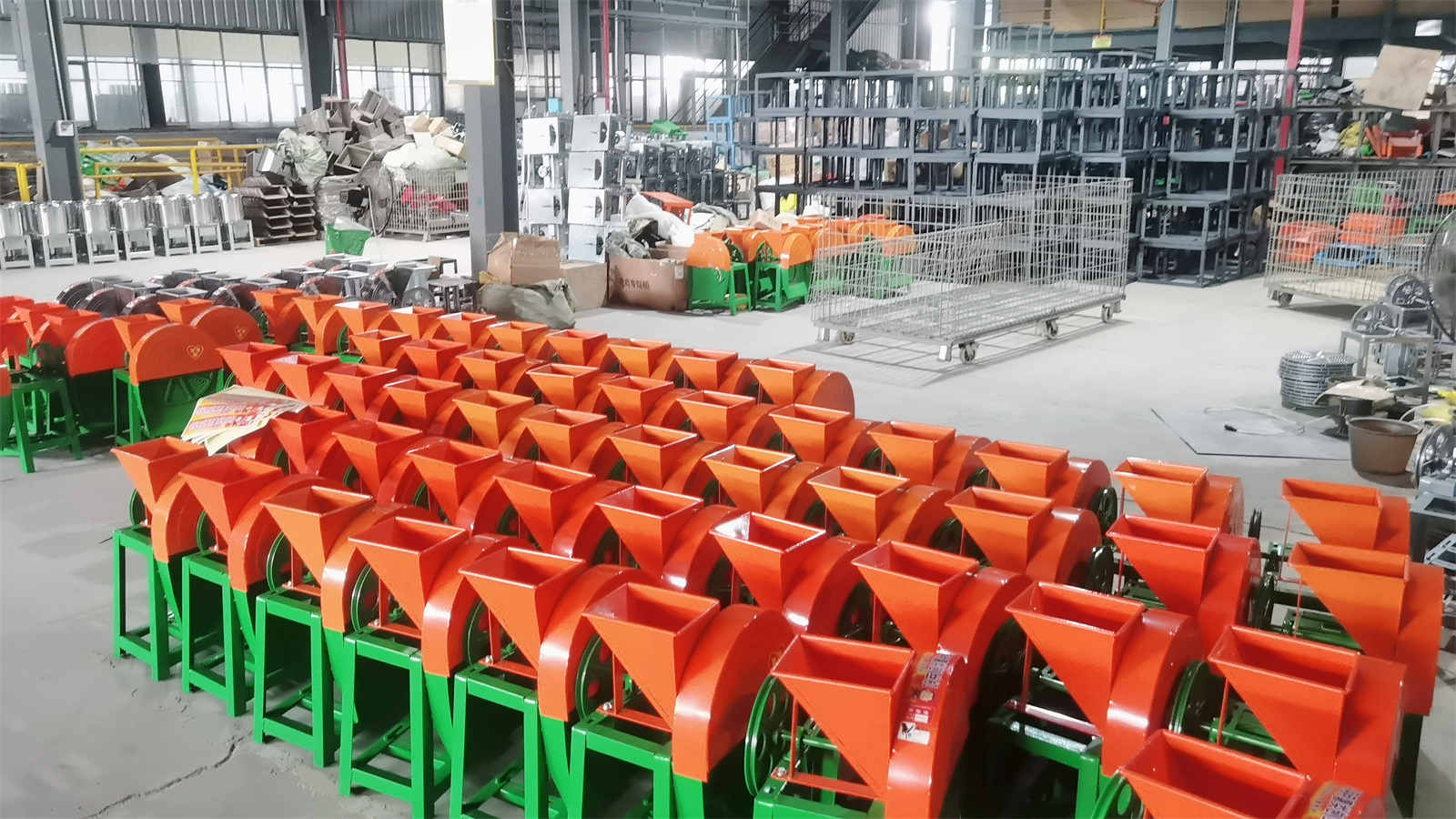 Assembling Stage
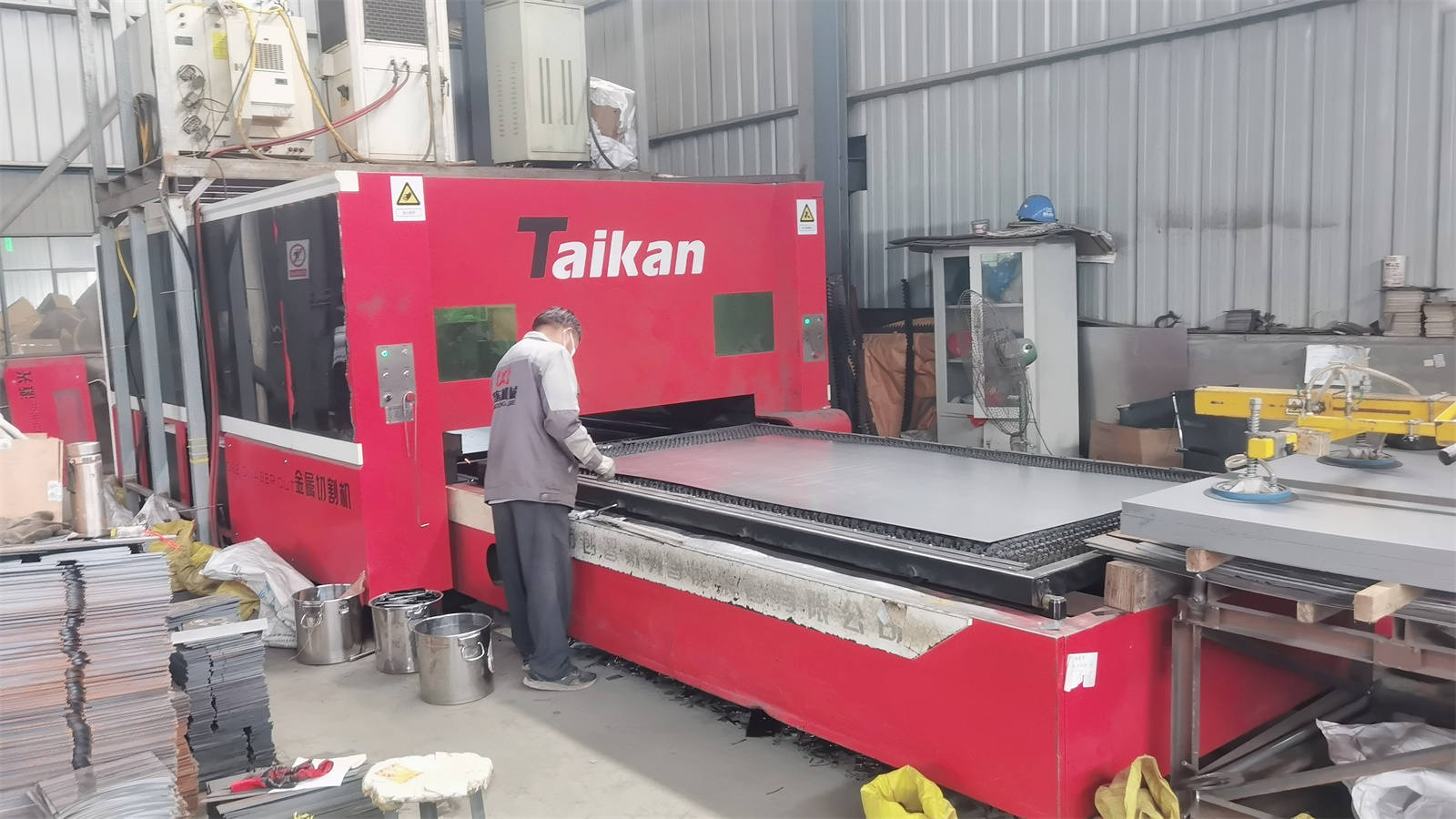 Laser Cutting CNC
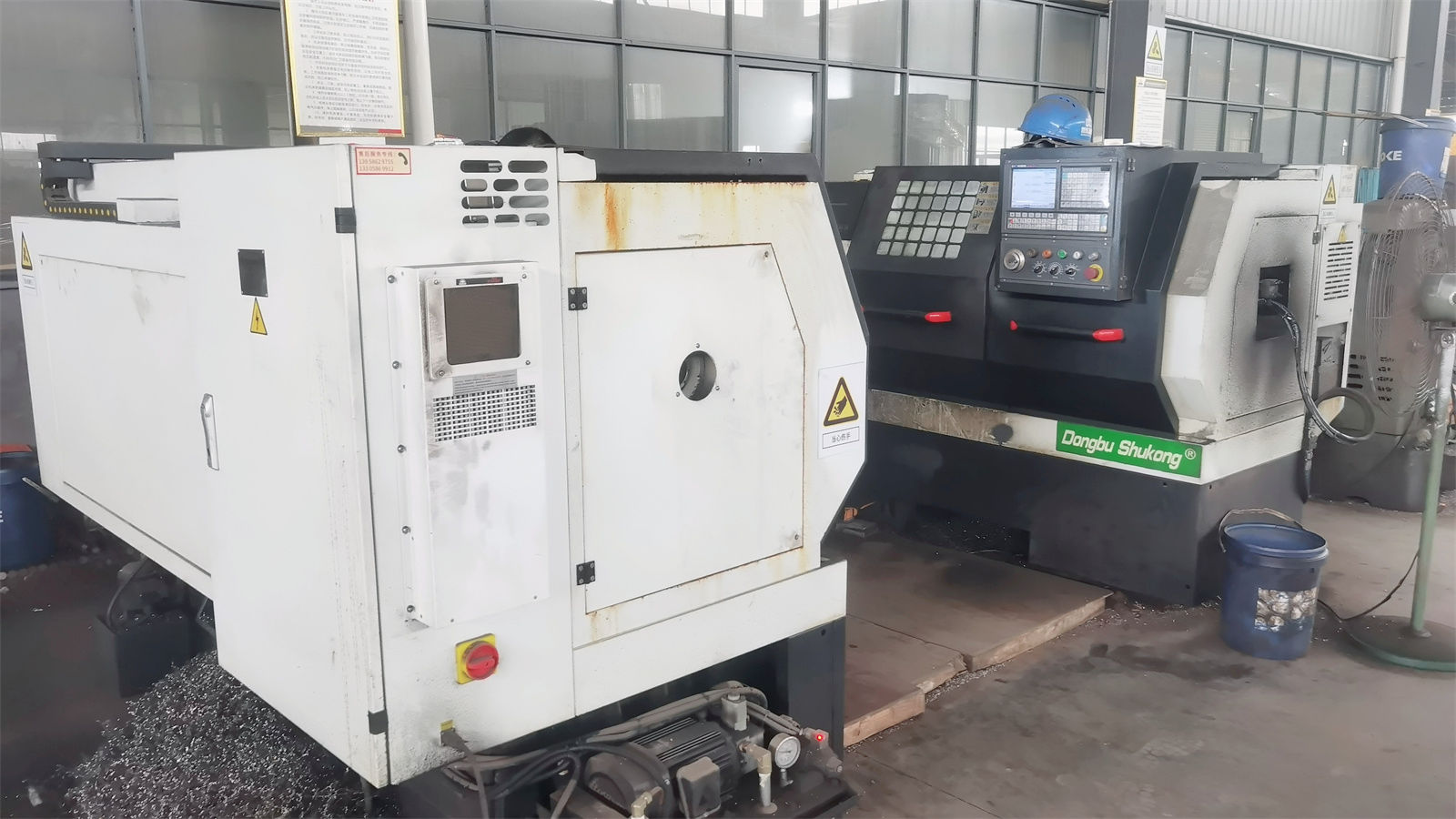 CNC Lathe
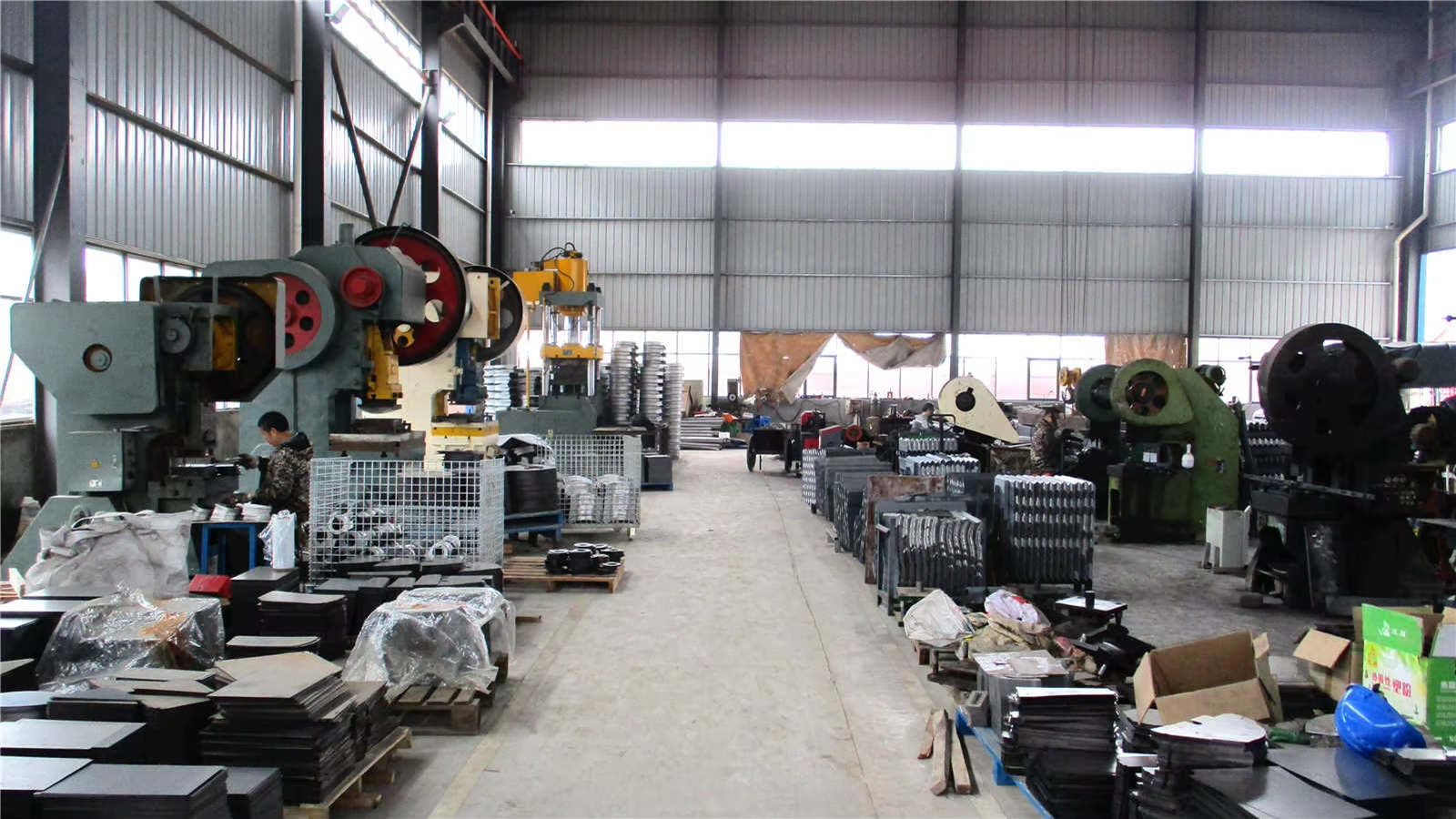 Punching Machine
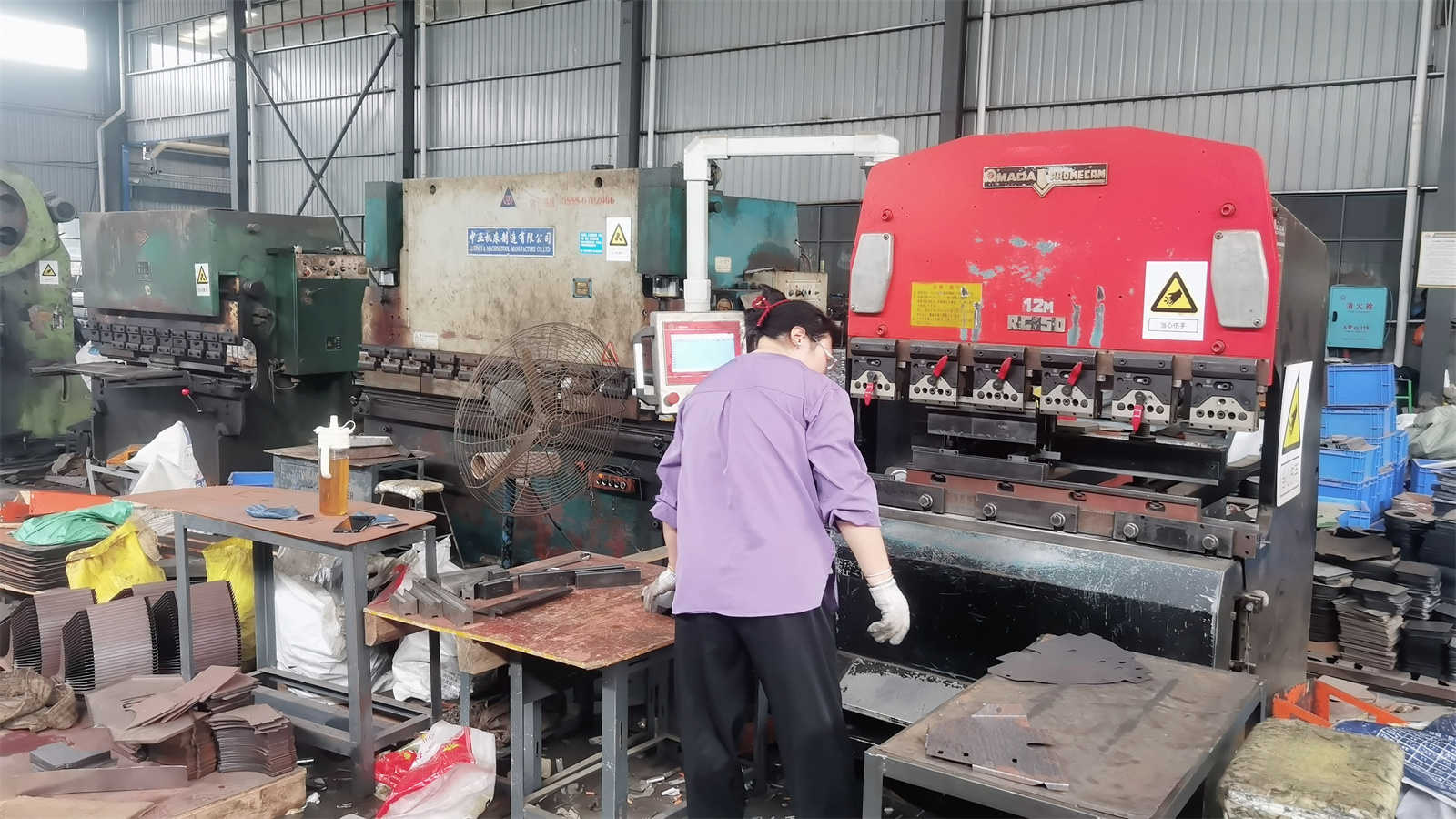 Bending Machine
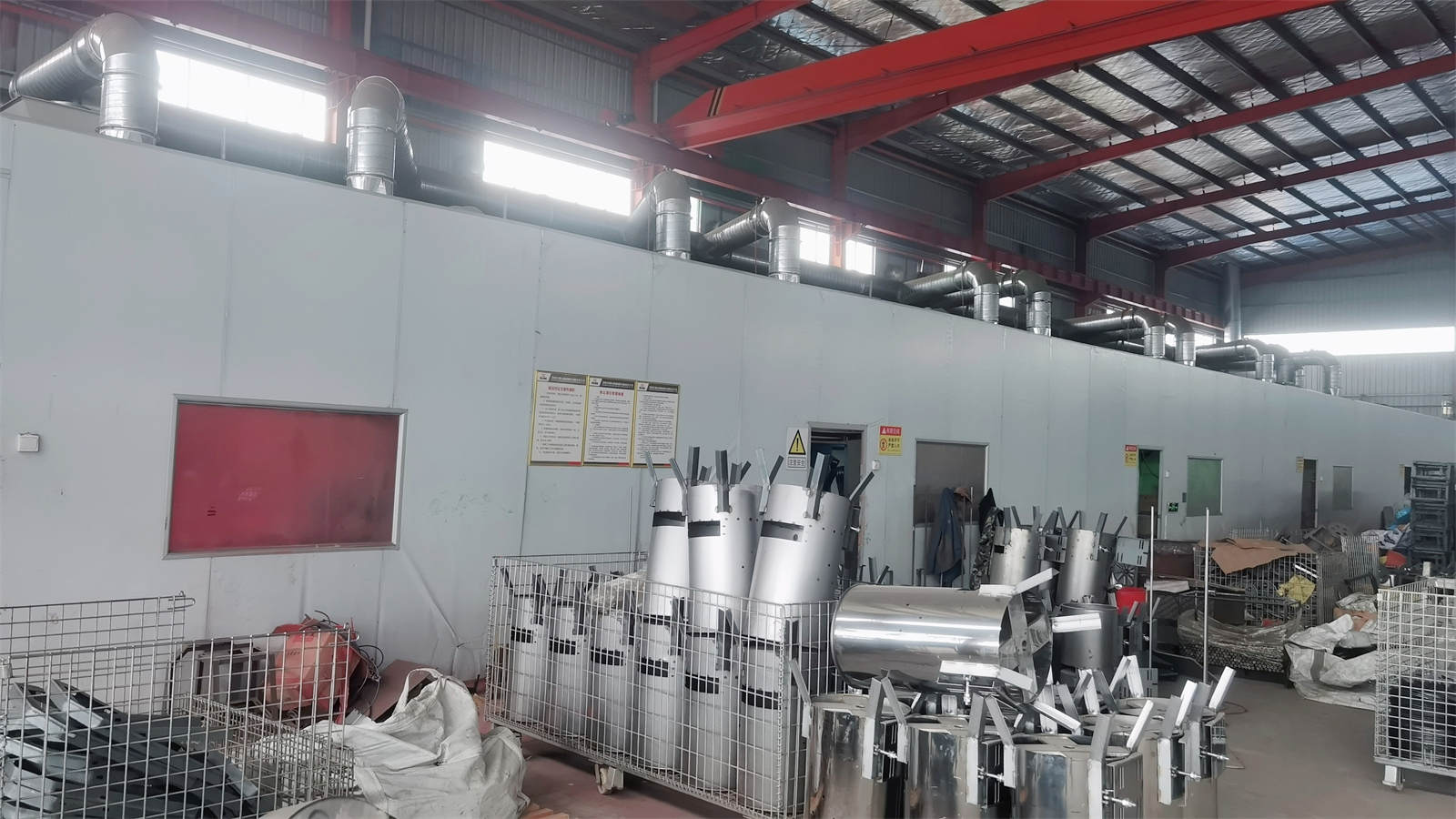 Painting Line
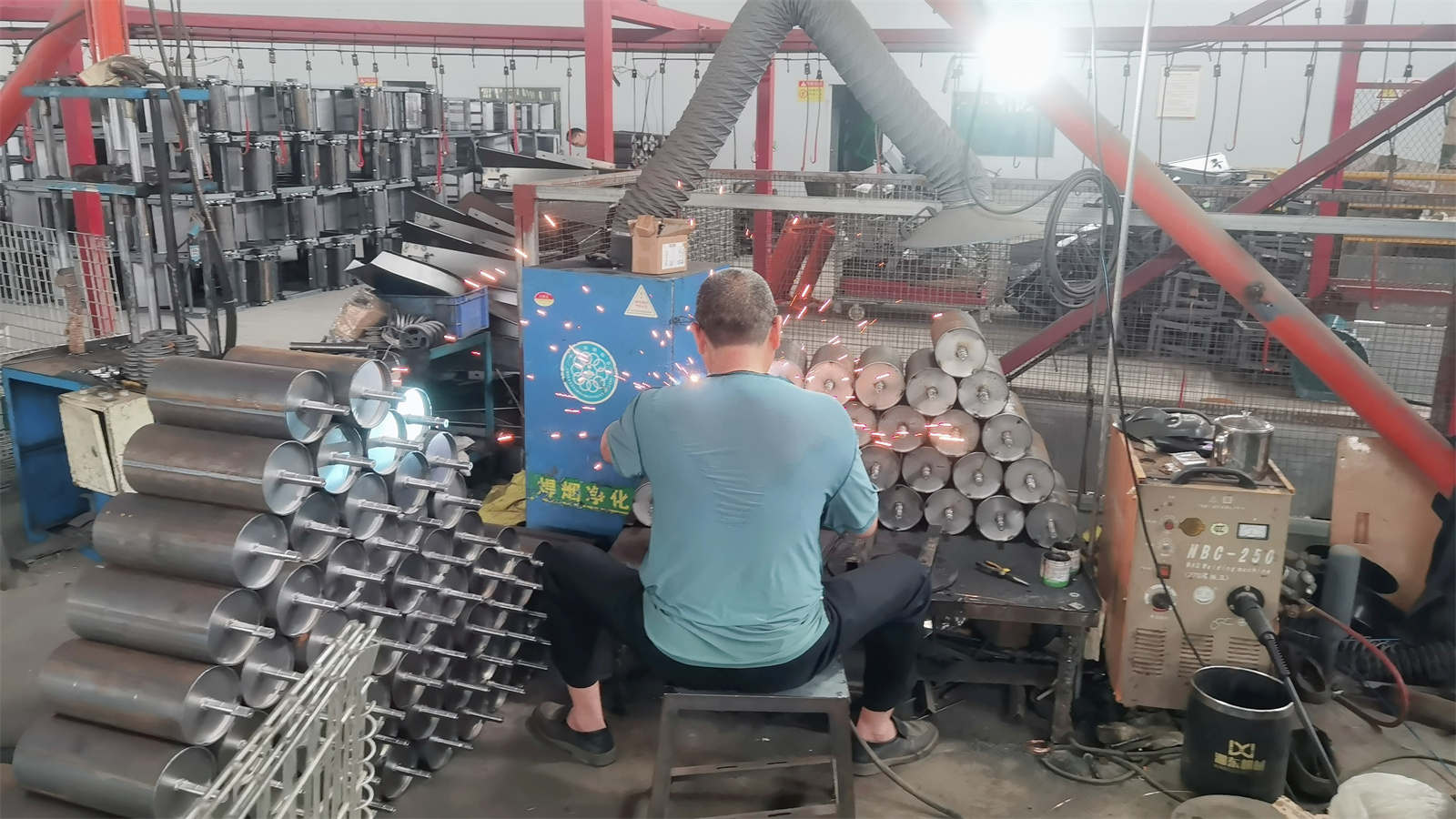 Welding Machine
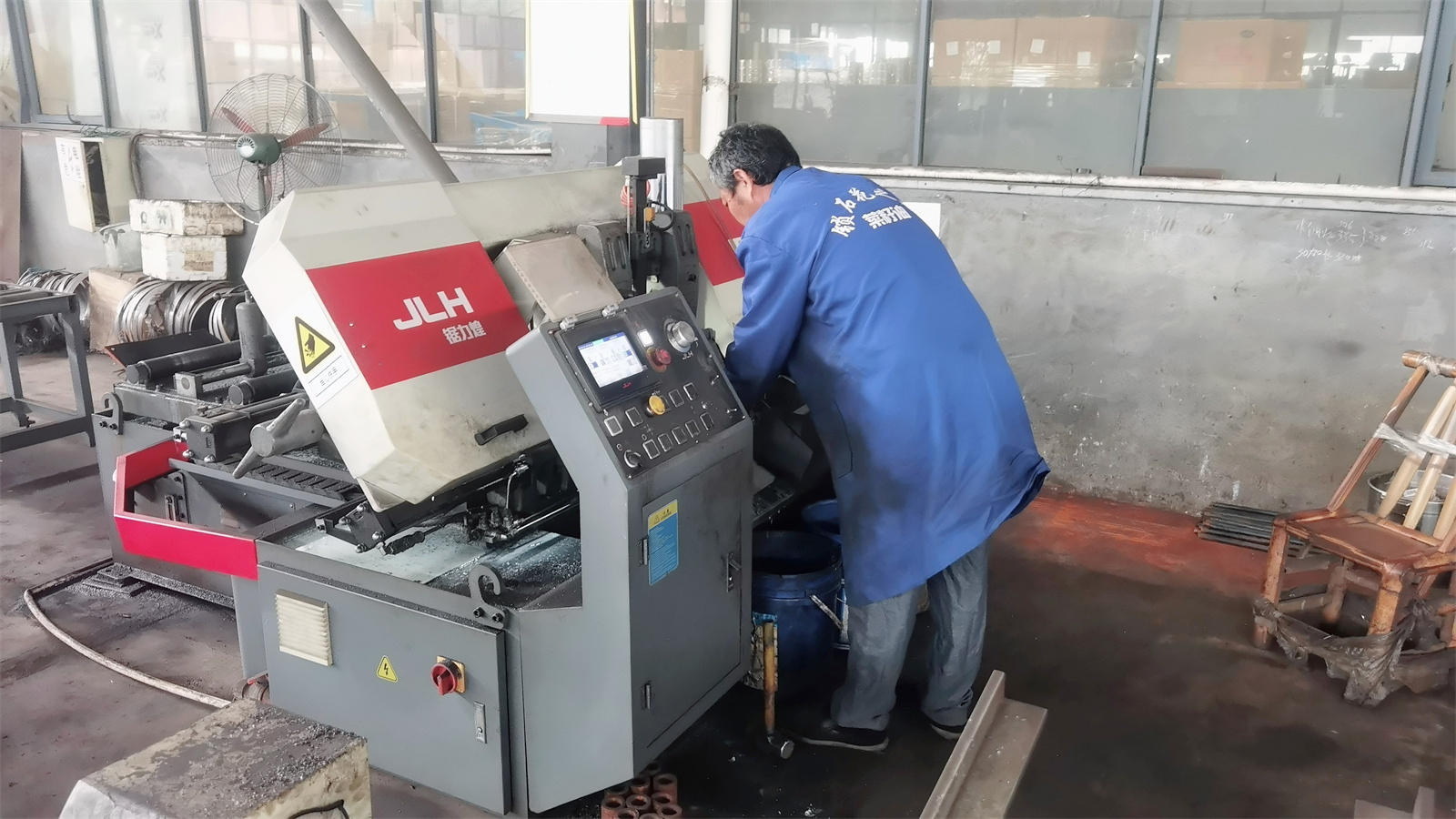 Sawing Machine
Our manufacturing plant leverages advanced processes like steel plate laser cutting, CNC bending, CO₂ arc welding, robotic welding, and electrostatic surface treatment to produce robust laboratory chassis. These methods ensure that every instrument can withstand continuous operating cycles under typical African laboratory conditions, characterized by ambient temperature variations and mechanical stress.
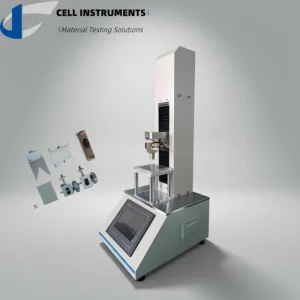
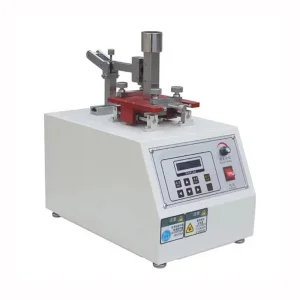
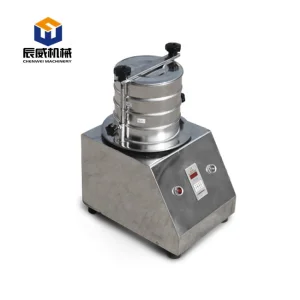
Ancillary testing apparatuses to support packaging integrity and particle size control within the industrial flour mill value chain.
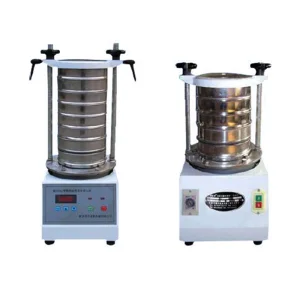
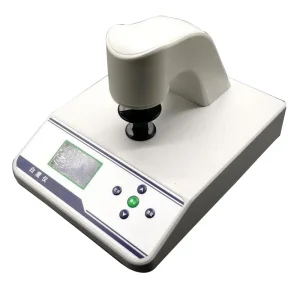
Understanding how precise laboratory instrumentation stabilizes downstream processes and reduces cost overheads.
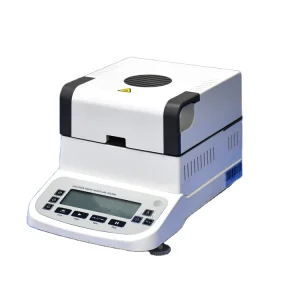
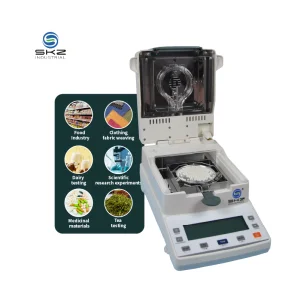
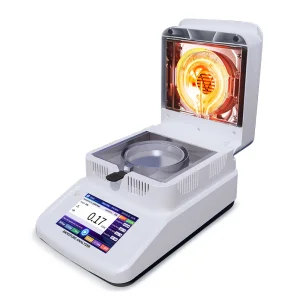
In wheat milling, grain tempering is the most critical step prior to physical grinding. Water is added to the wheat kernel to toughen the outer bran and soften the endosperm. This ensures clean separation during milling. If moisture analysis is inaccurate by even 0.5%, the miller risks either breaking the bran (causing high ash levels in the flour) or clogging the roll stands due to over-hydration. Using high-precision touch screen halogen moisture analyzers ensures that tempering parameters are strictly maintained to within 0.1% accuracy.
Similarly, the falling number test measures the activity of alpha-amylase, an enzyme that breaks down starch into sugars. High levels of alpha-amylase (caused by rain during harvest or sprout damage) result in weak, sticky dough that cannot be handled by industrial bakeries. A standardized falling number tester allows Ethiopian mills to segregate sprout-damaged wheat and blend it with sound grain to protect the quality of the final product.
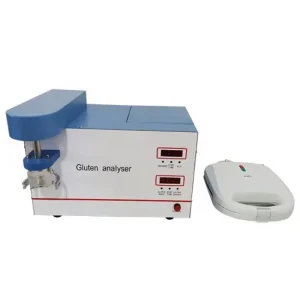
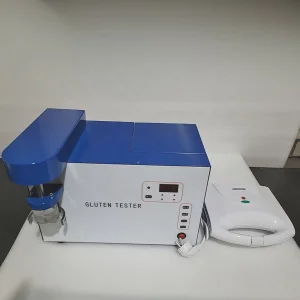
Advanced diagnostic equipment for measuring gluten index, rheological properties, and microbiological profiles.
Addressing the key procurement, logistics, installation, and operational questions from Ethiopian buyers.
Our instruments are configured with wide-input voltage tolerance boards. We strongly recommend installing a high-quality line-interactive Automatic Voltage Regulator (AVR) or Uninterruptible Power Supply (UPS) in your Addis Ababa or regional lab to protect sensitive microprocessors, heating elements, and light sensors from voltage spikes.
Yes. Our moisture analyzers, whiteness meters, and particle size shakers are highly compatible with Teff analysis. Because Teff is a tiny grain with distinct starch profiles, whiteness settings and sieve sizes are calibrated to match the specific properties of fine Teff flour and standard wheat blends.
We work closely with clients opening Letters of Credit (LC) through major commercial banks like the Commercial Bank of Ethiopia (CBE). Standard shipping terms are CFR or CIF Djibouti Port, with transport logistics managed overland to Mojo Dry Port or Addis Ababa Customs. We provide all necessary original document packages (Bill of Lading, Certificate of Origin, CE Certifications, Commercial Invoice, and Packing Lists) required for fast customs clearance.
All equipment is pre-calibrated to international AACC and ISO standards prior to dispatch. We provide online video support for step-by-step installation, calibration, and maintenance. Essential wear parts (like halogen heating tubes, printer paper, or sieves) are shipped with the main consignment, and additional spares can be delivered quickly via international couriers to Addis Ababa.
 Jiujie Machine