Jiujie Machine
1 / 4
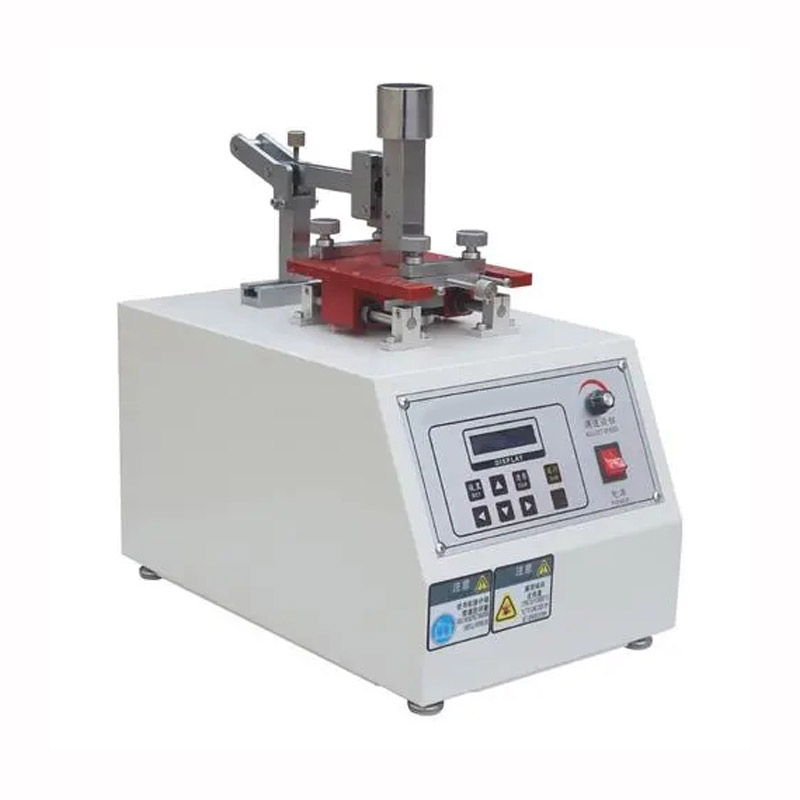
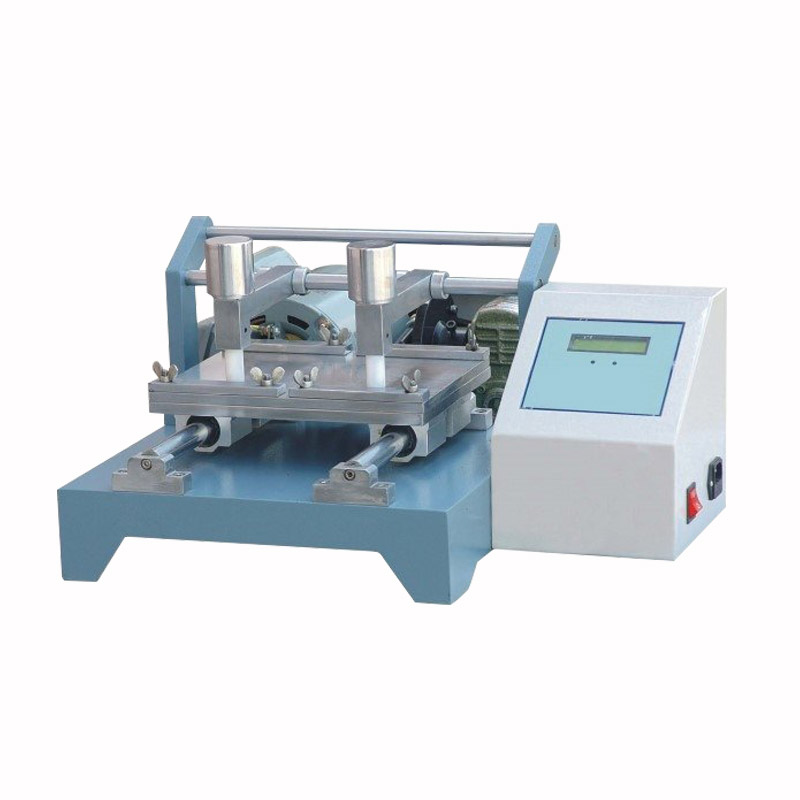
Textile Color Fastness Tester is mainly used to test the degree of decolorization of dyed fabrics and leather after friction. Use dry and wet methods to wrap white cotton cloth under the friction hammer, and then press it on the test piece and rub it back and forth. After a certain number of times, place the test piece in a standard light source box for comparison according to the standard, and use a color card to compare the degree of decolorization.
| Vertical pressure of friction head | 9N |
| Linear reciprocating motion stroke | 100mm |
| Friction speed | 60 times per minute |
| Friction head size | Rectangular 19mm × 25mm (velvet fabrics including textile carpets); Circular diameter 16mm (other textiles) |
| Friction cotton cloth Size (conforming to GB7565 with desizing, bleaching, does not contain any finishing agent cotton fabric) | A 50mm * 50mm square is used for the round friction head, or a 25mm * 100mm rectangle is cut for the rectangular friction head |
| Sample size | 50mm * 200mm, two groups of 4 pieces |
| Optional Accessories | Grey sample card, tertiary water |
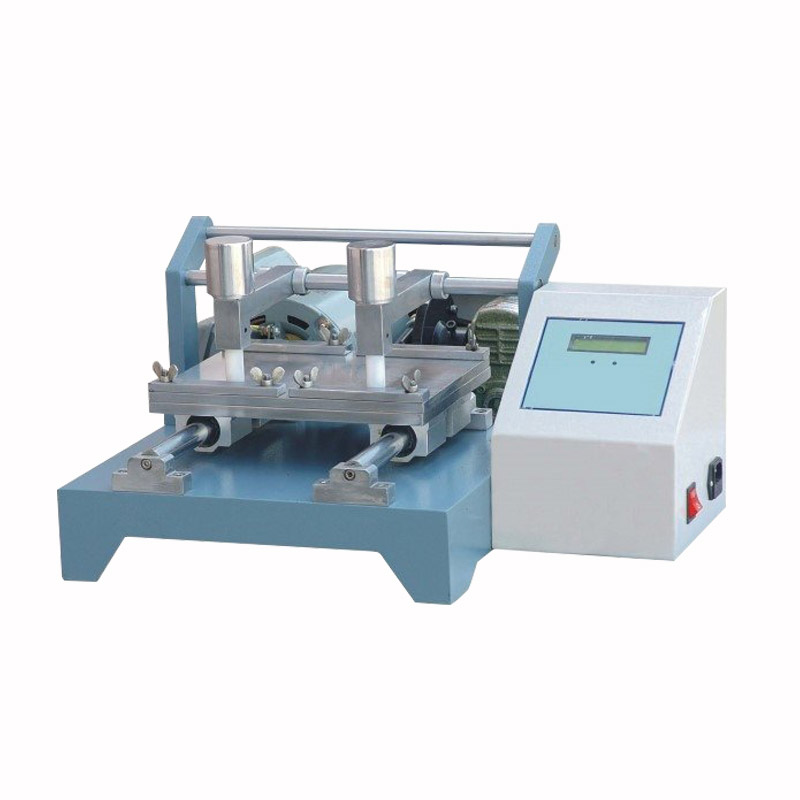
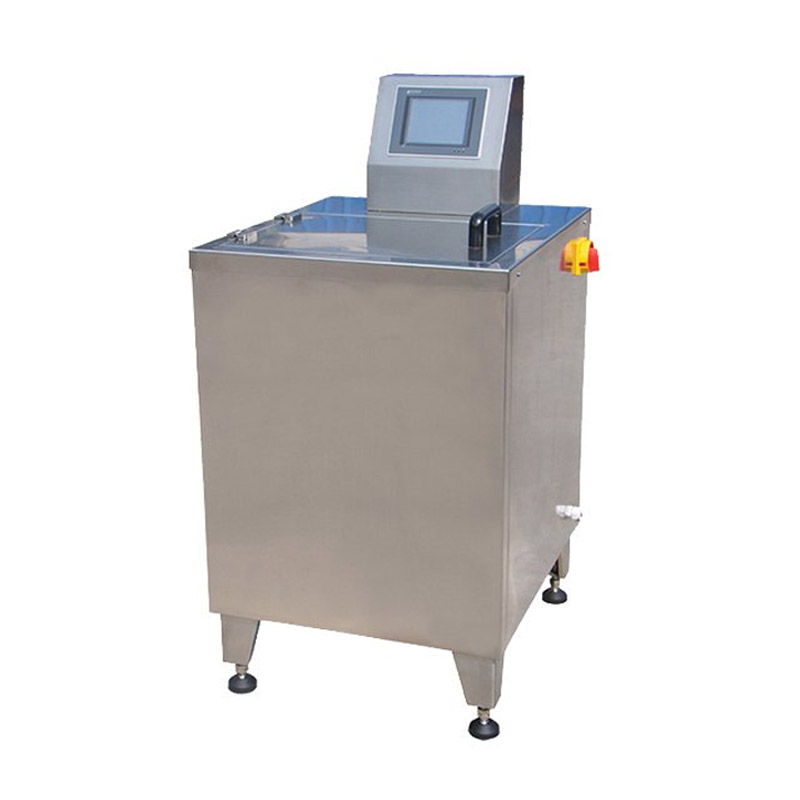
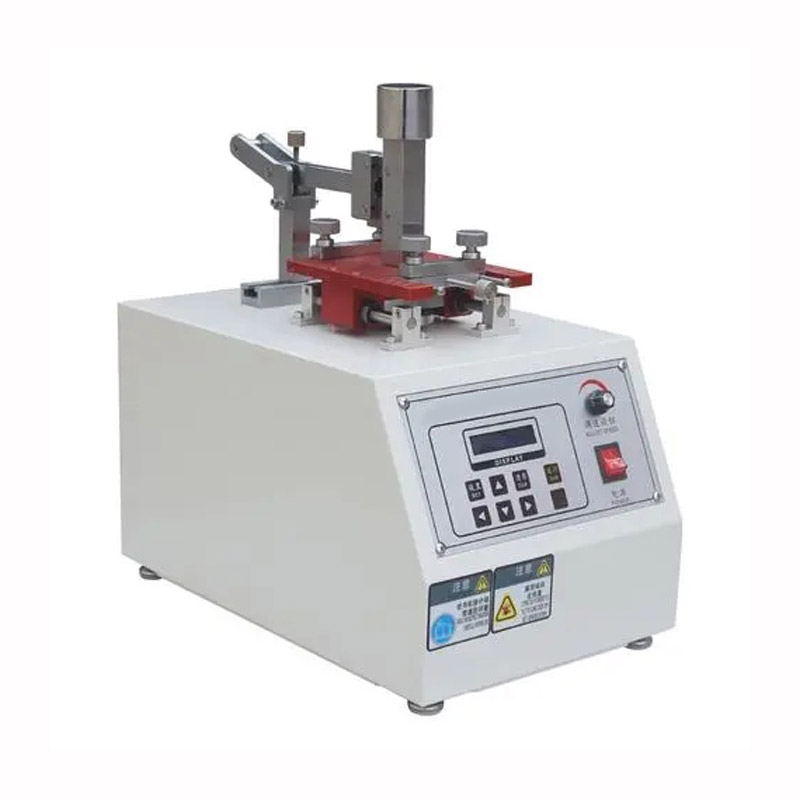
It is mainly used to evaluate the resistance of dyed textiles, fabrics, and leather materials to decolorization when subjected to dry or wet rubbing processes.
The tester maintains a constant vertical downward pressure of 9N on the friction head, with a linear reciprocating motion stroke of 100mm.
Standard white cotton cloth is wrapped around the friction hammer, which then presses against the test specimen. It rubs back and forth at a speed of 60 times per minute for a designated count.
The rectangular head (19mm × 25mm) is designed for velvet fabrics and carpets, while the circular head (16mm diameter) is suitable for other standard textiles.
After the rubbing process, the test piece is inspected under a standard light source box and compared against standard grey sample cards to determine the decolorization rating.