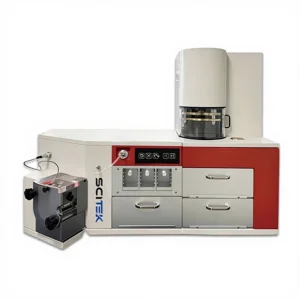
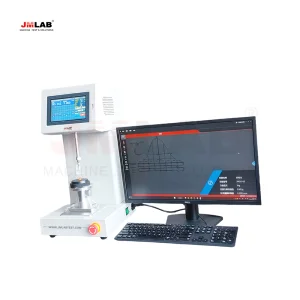
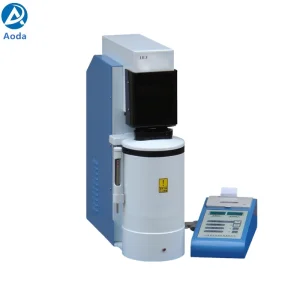
High-precision laboratory devices engineered for the rigorous quality demands of Slovakia's food, agricultural, and processing industries.
Slovakia’s agricultural sector, anchored in the highly fertile Danubian Lowland (Podunajská nížina) and Eastern Slovak Lowland (Východoslovenská nížina), has long been a core producer of premium wheat, rye, and barley. For modern Slovak millers (mlyny) and food processors, meeting the strict requirements of EU Food Safety regulations (such as EC No 1881/2006 for contaminants and toxins) and keeping up with the rising demand for organic products requires a technological shift. Precise Flour Laboratory Testing Equipment is no longer optional; it is a foundational pillar of supply chain validation.
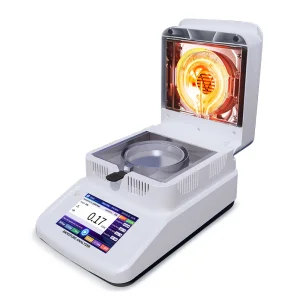
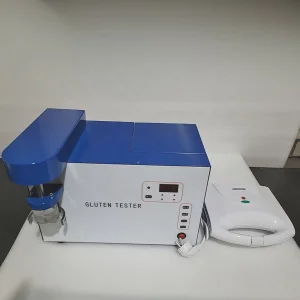
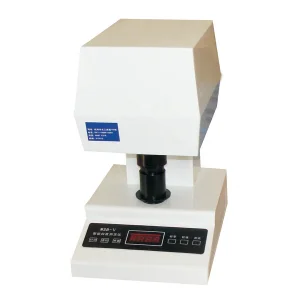
Slovak wheat processing plants face direct competition from regional Central European suppliers in Poland, Hungary, and the Czech Republic. To secure profitability, Slovak producers must deliver flours with precise gluten indicators, stable amylase activity, and predictable dough rheological behaviors. Quality control managers in Dunajská Streda, Trnava, and Košice require state-of-the-art laboratory testing suites that guarantee repeatable, ISO-compliant measurements of moisture, ash content, falling number, and whiteness.
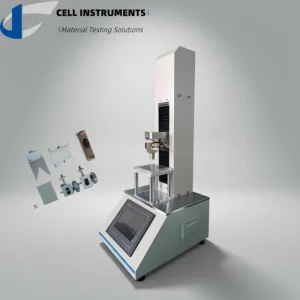
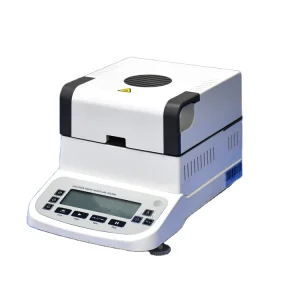
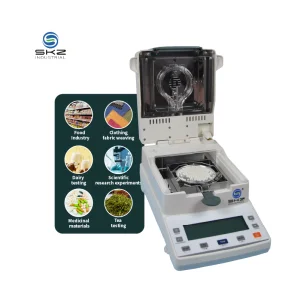
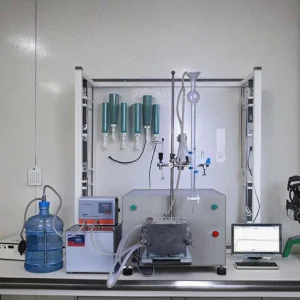
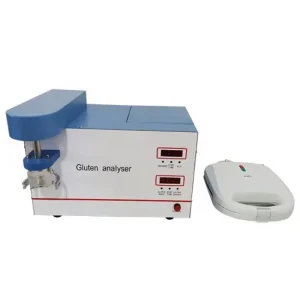
Quality parameters of wheat flour are deeply influenced by seasonal climate variations, soil structures, and storage conditions. The Slovak market requires specialized tools to monitor these properties:
All grain and flour testing instruments supplied by Henan Jiujie Machine Co., Ltd. are calibrated to conform directly with European harmonized standards, including ISO 5530 (for dough rheological evaluation), ISO 3093 (for Falling Number determination), and ISO 21415 (for gluten quantity analysis).
As a prominent manufacturer and global supplier, Henan Jiujie Machine Co., Ltd. bridge the gap between high technical requirements and capital efficiency for Slovak agricultural cooperatives and processing hubs. Our state-of-the-art facility in China employs advanced production technologies, ensuring high accuracy, durability, and cost-effective operations:
Whether you run an industrial milling complex in the Nitra region or a boutique organic bakery in Bratislava, we offer tailored packages:
Integration of real-time halogen moisture sensors and automatic whiteness testing systems into the production line. This helps millers dynamically adjust wheat tempering and sifting processes, maximizing extraction rates while maintaining uniform ash levels.
Deploying digital dough rheology testers and gluten index systems to evaluate flour consignments before processing. This reduces batch failures, lowers ingredient wastage, and ensures consistent quality in automated production lines.
Providing high-precision laboratory sieve shakers and micro-scale millers to help agricultural universities and seed researchers evaluate new crop strains for protein stability and enzymatic performance.
Empowering Grain Processing Globally with Integrated Engineering & High-Precision Manufacturing
Henan Jiujie Machine Co., Ltd. is a professional supplier of complete equipment and engineering services for the food production and grain processing industries. Our business covers a wide range of applications, including wheat flour milling plants, feed processing factories, and rice processing plants. Our product portfolio includes conveying equipment, cleaning equipment, flour milling equipment, and other related machinery. Over the years, our products have been widely recognized by customers both in domestic and international markets.
Since its establishment, Henan Jiujie Machine Co., Ltd. has been dedicated to the research and development of grain processing technology and machinery. With extensive industry experience, we are able to provide integrated solutions across the entire grain and food processing industrial chain. Our solutions cover multiple stages, including raw material collection, storage, cleaning, grading, sieving, grinding, mixing, shaping, production, and packaging.
We place strong emphasis on technological innovation and continuous improvement of manufacturing capability and product quality. We have introduced a series of advanced processing equipment, including CNC laser cutting machines, CNC bending machines, and CNC lathes. In addition, we are equipped with CNC machining centers, CNC boring machines, surface grinding machines, planers, and other high-precision manufacturing equipment. We have also established an electrostatic spraying production line to further enhance product surface quality and durability. Our manufacturing processes include steel plate laser cutting, CNC bending, CO₂ arc welding, argon arc welding, robotic welding, and electrostatic surface treatment.
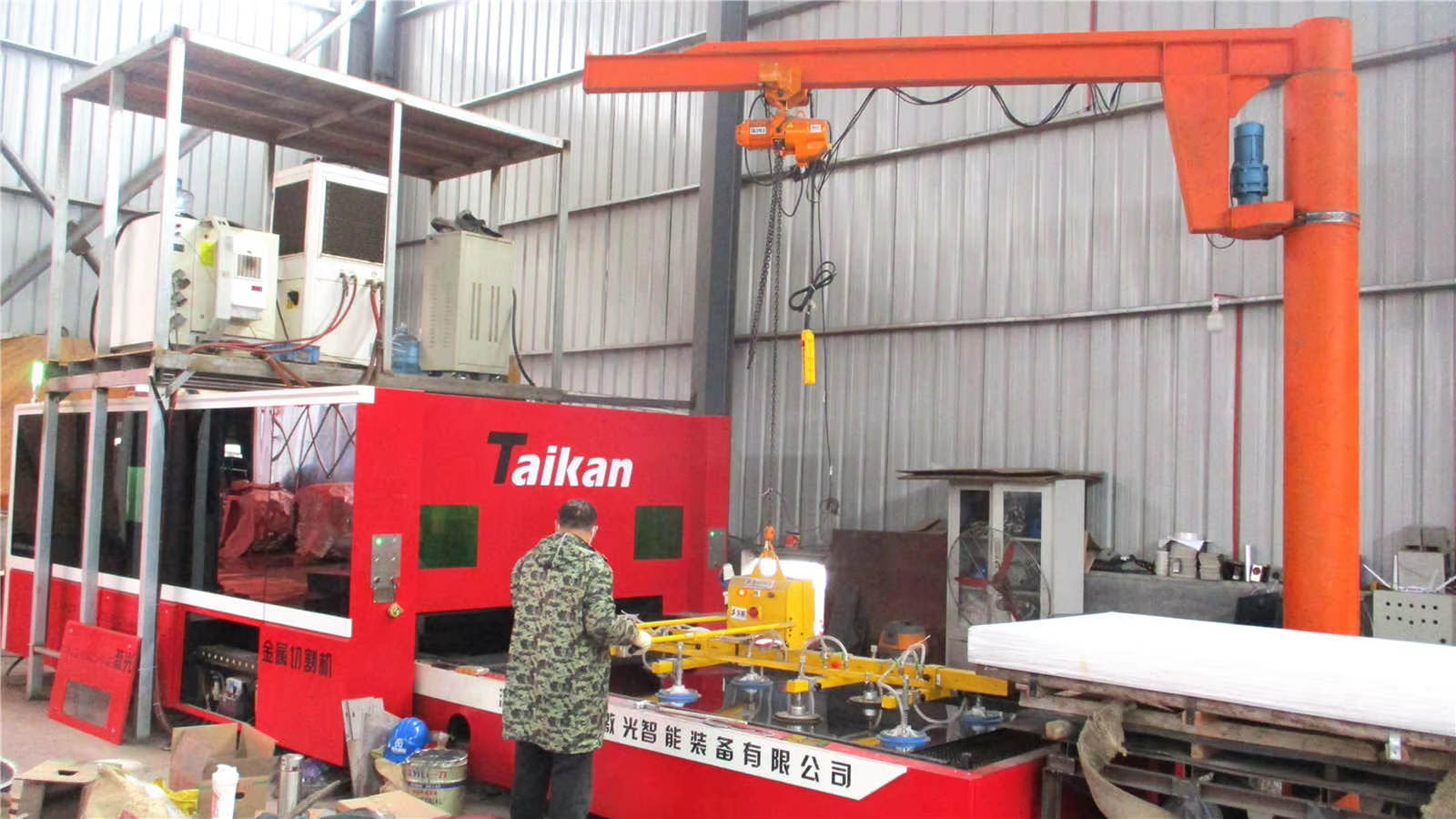 Cutting
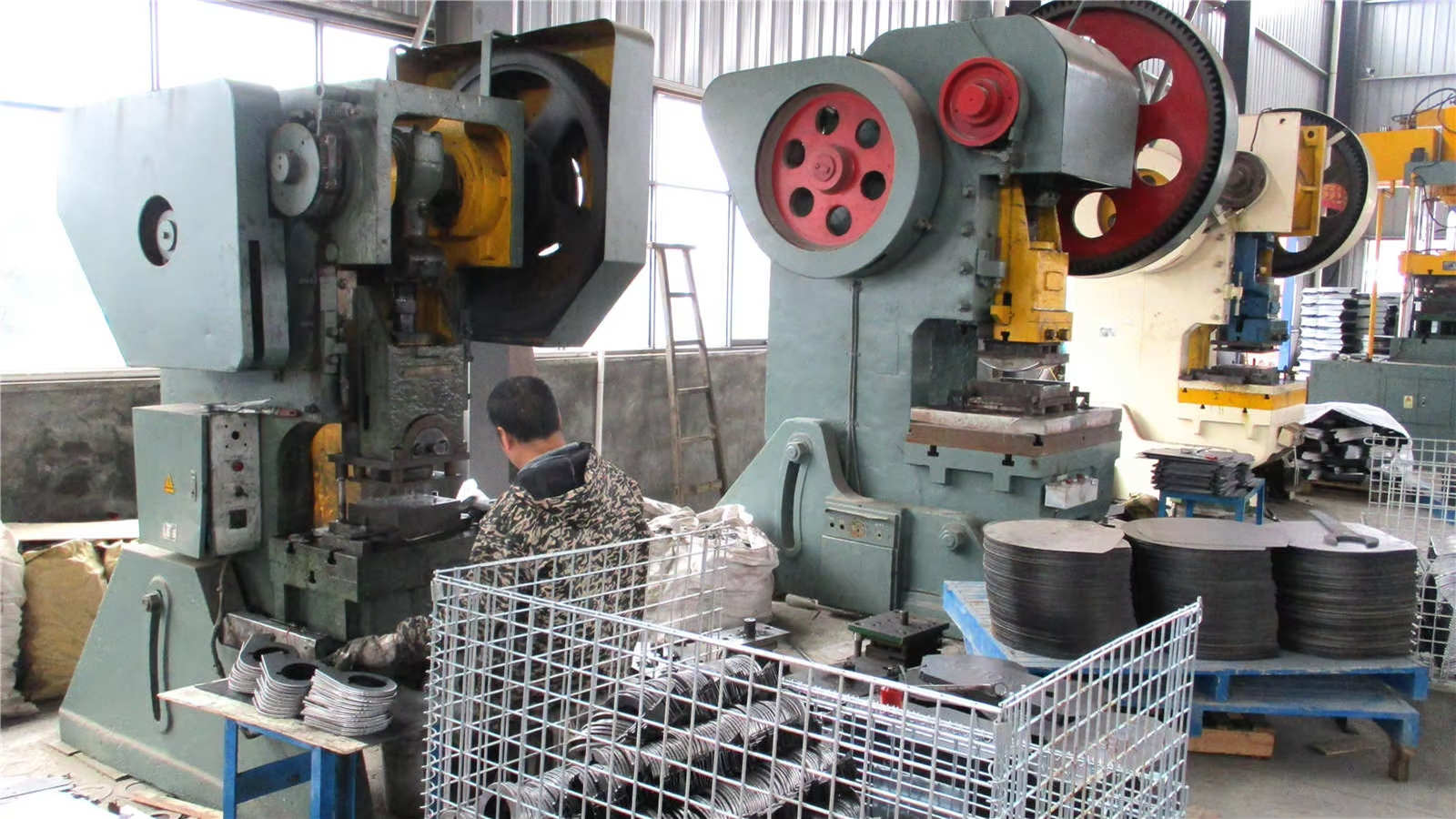 Punching
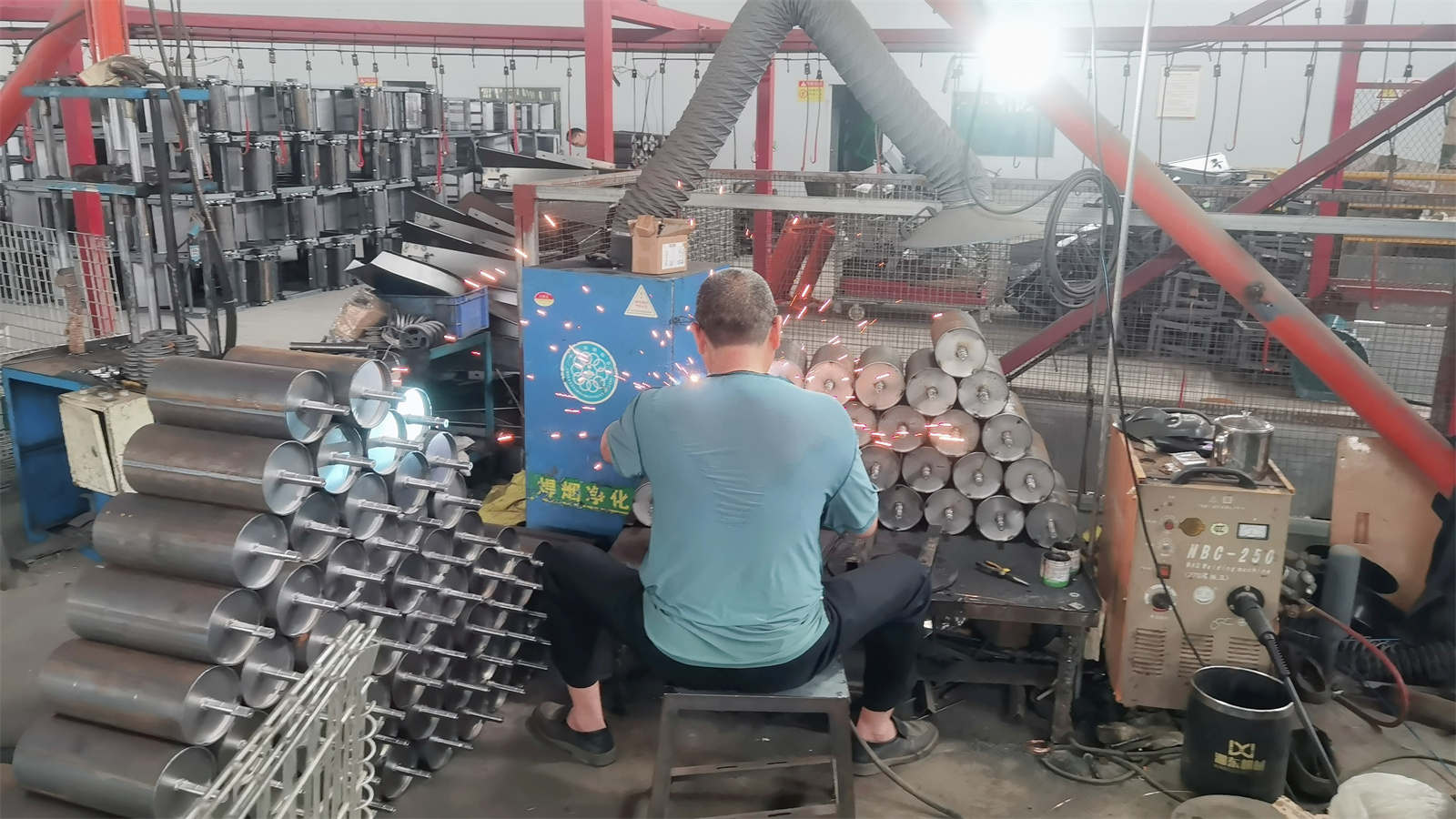 Welding
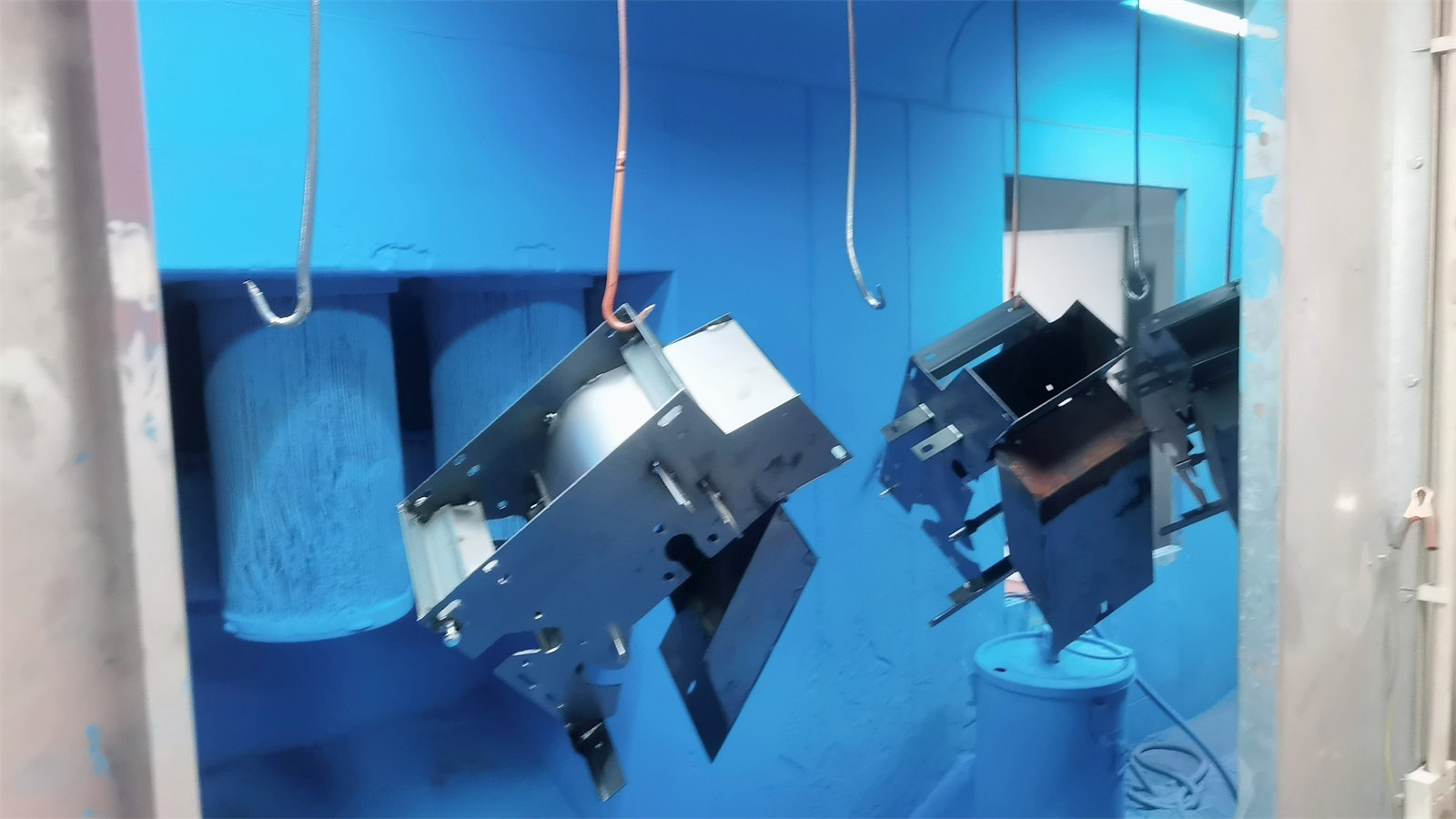 Painting
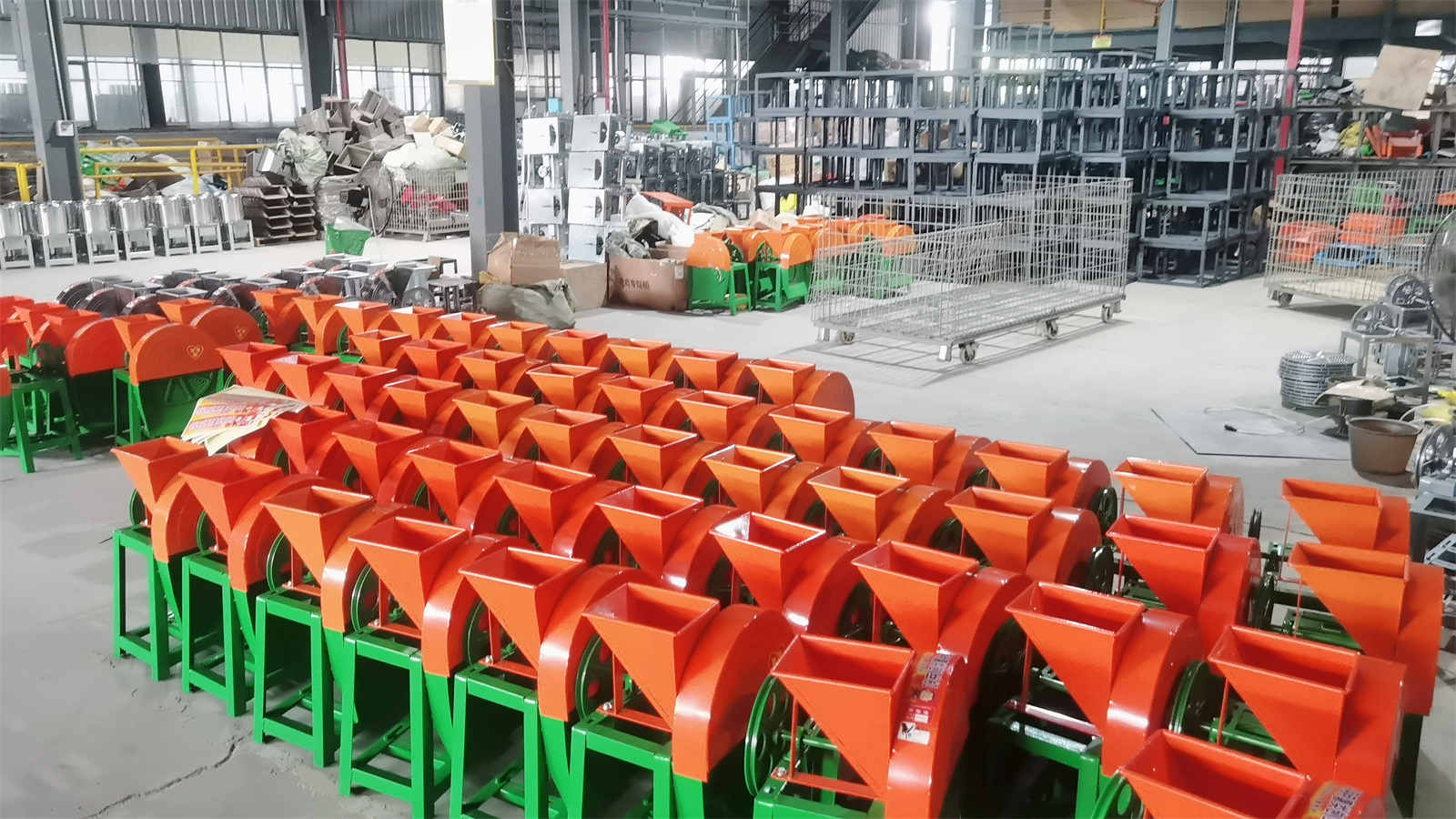 Assembling
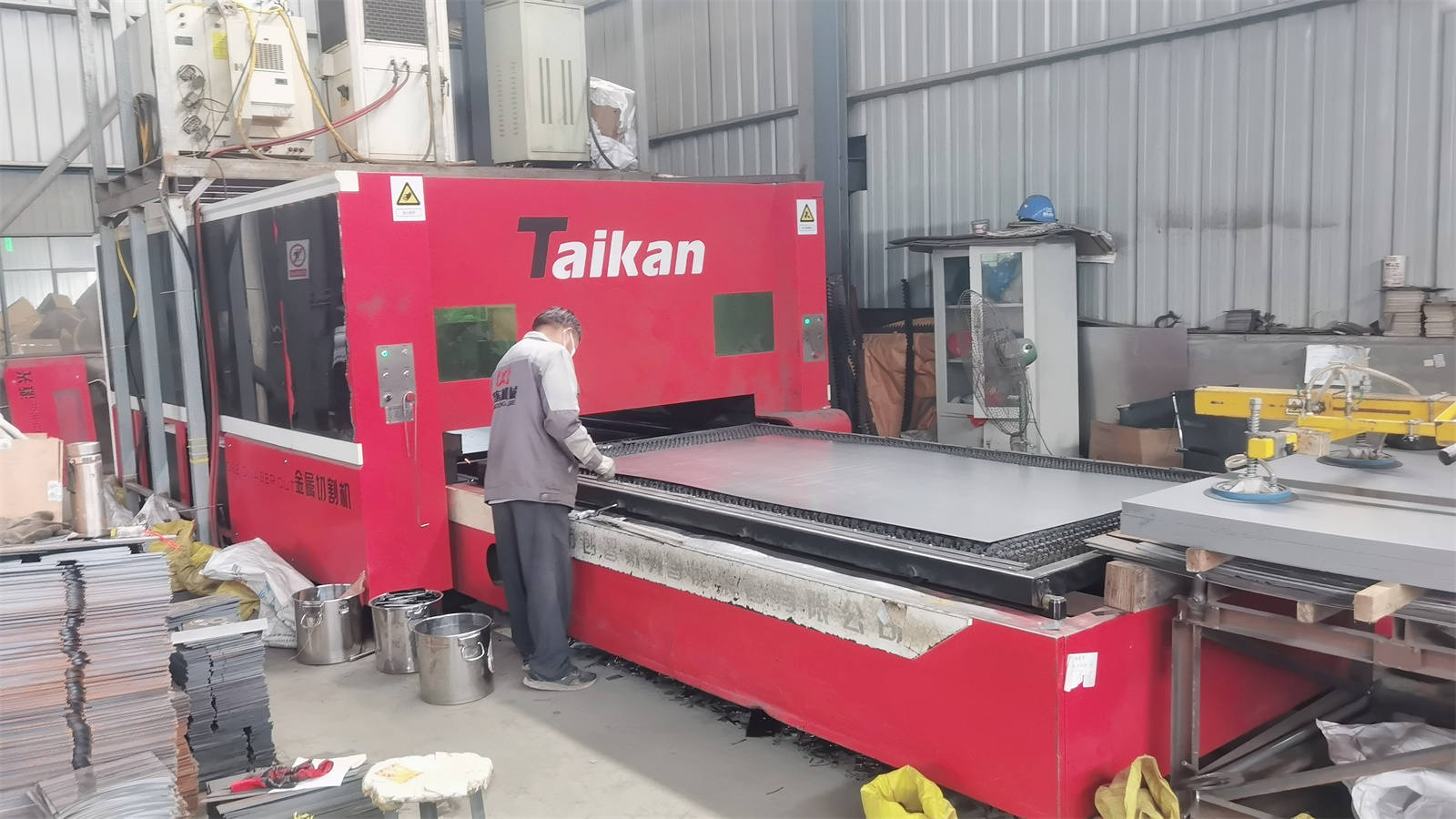 Laser Cutting Machine
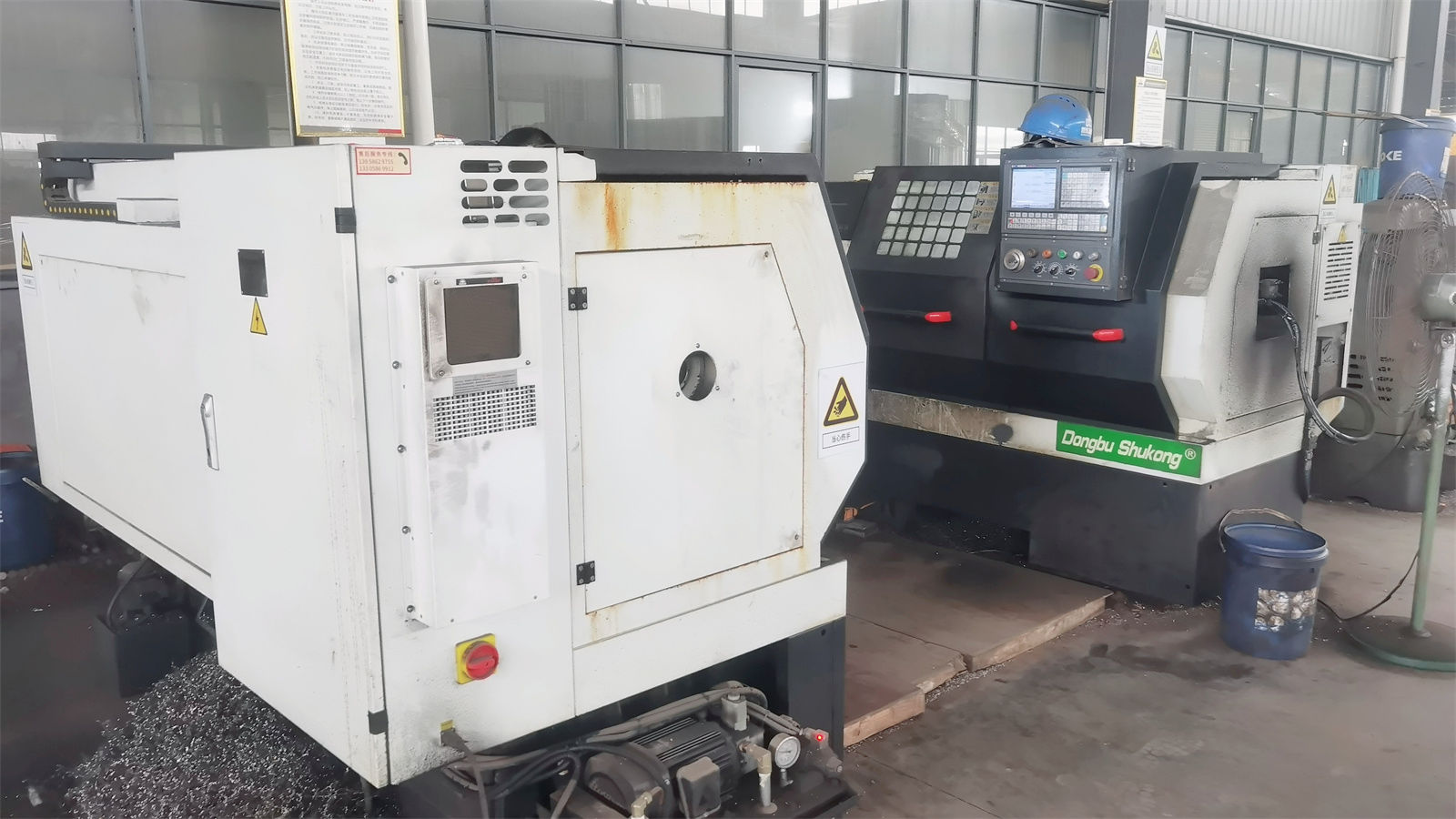 CNC Lathe
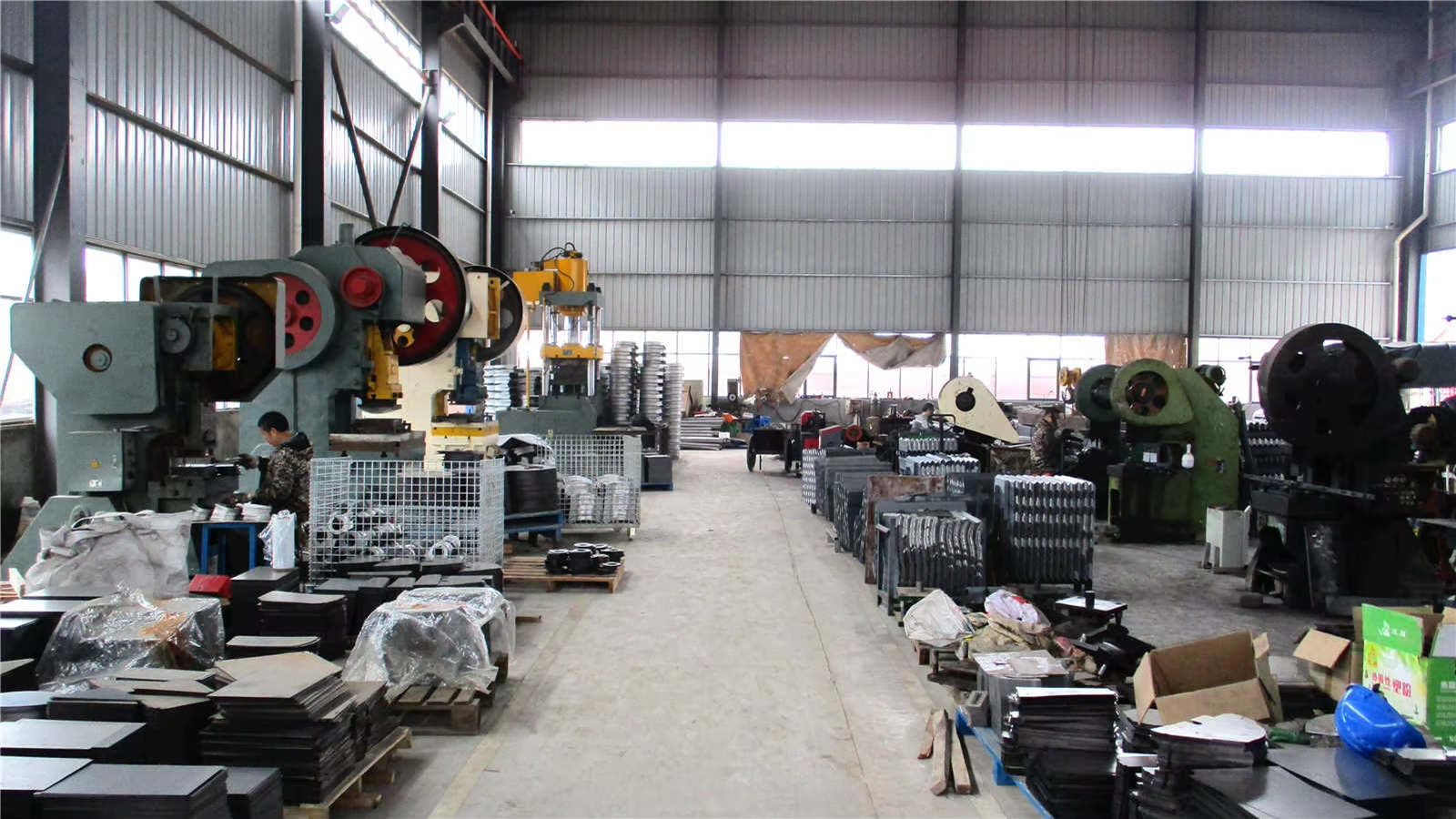 Punching Machine
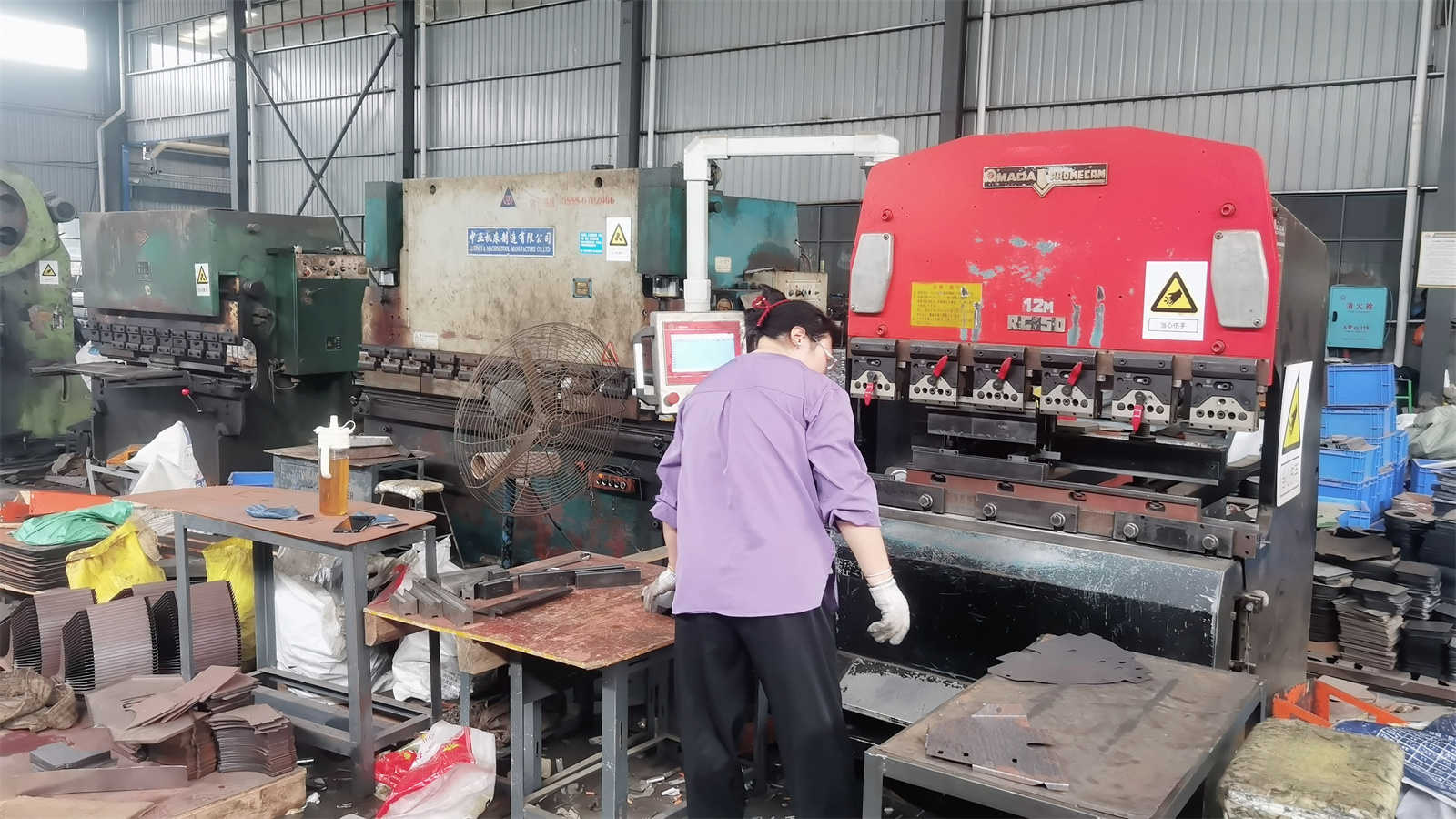 Bending Machine
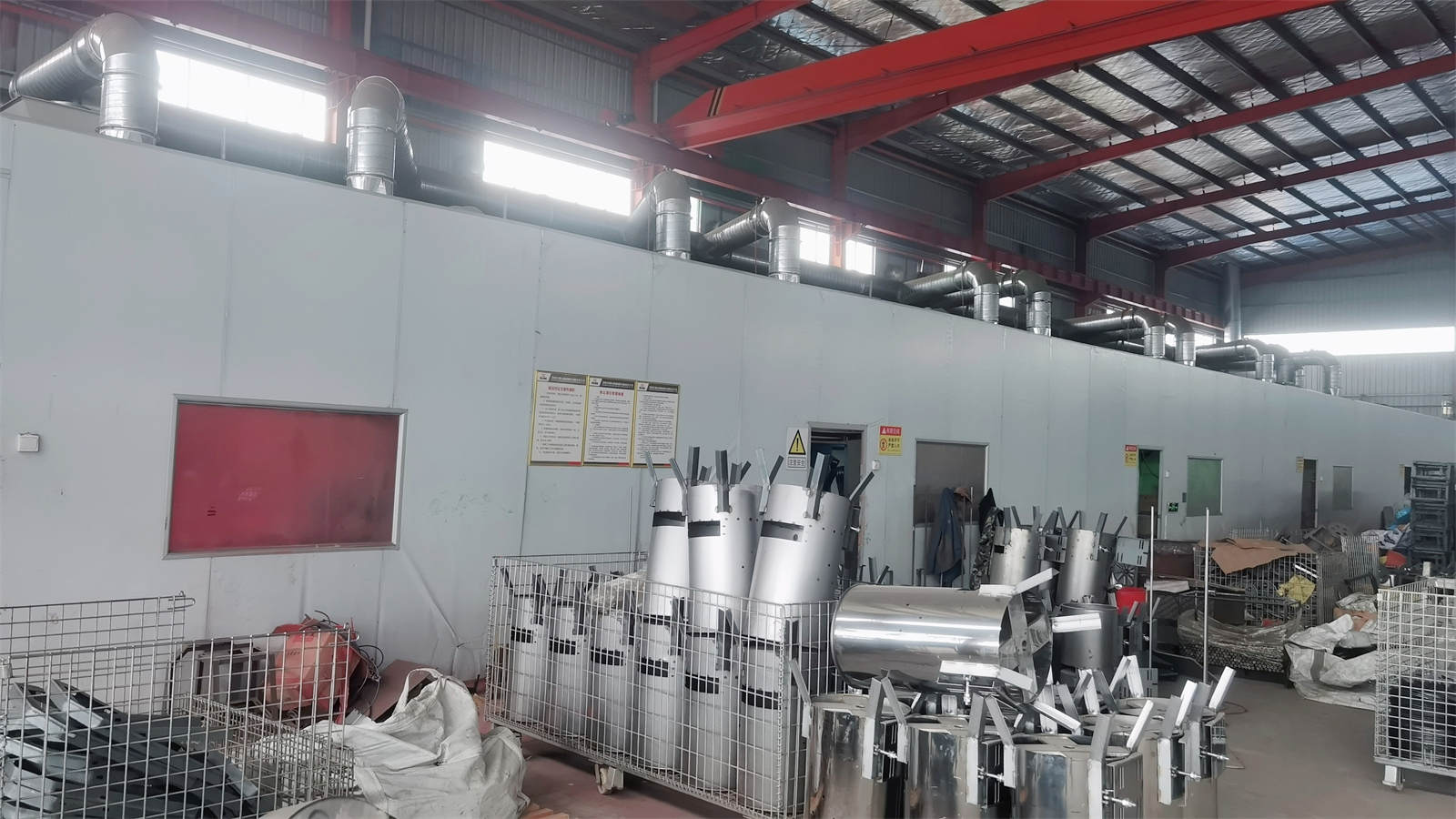 Painting Line
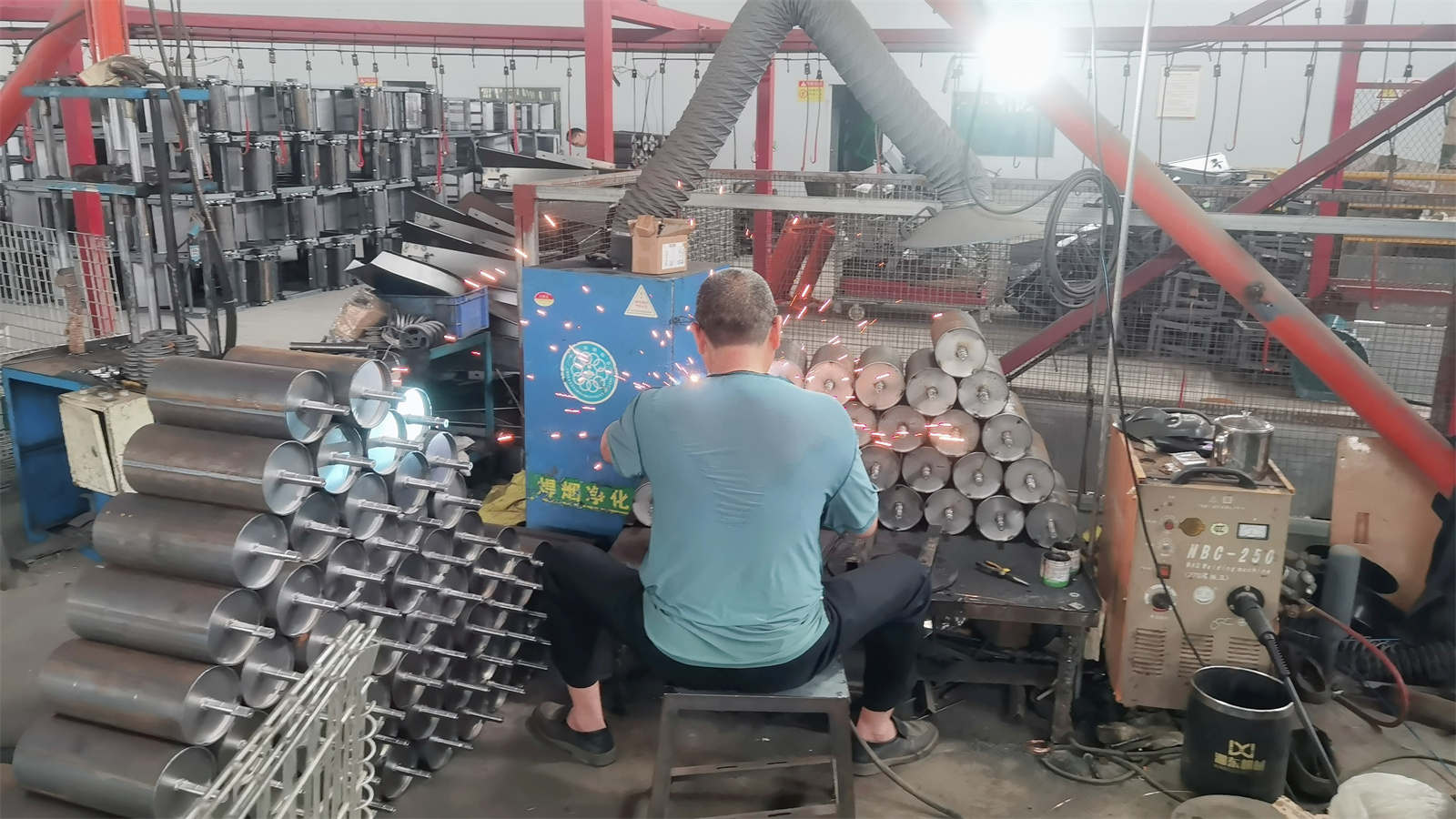 Welding Machine
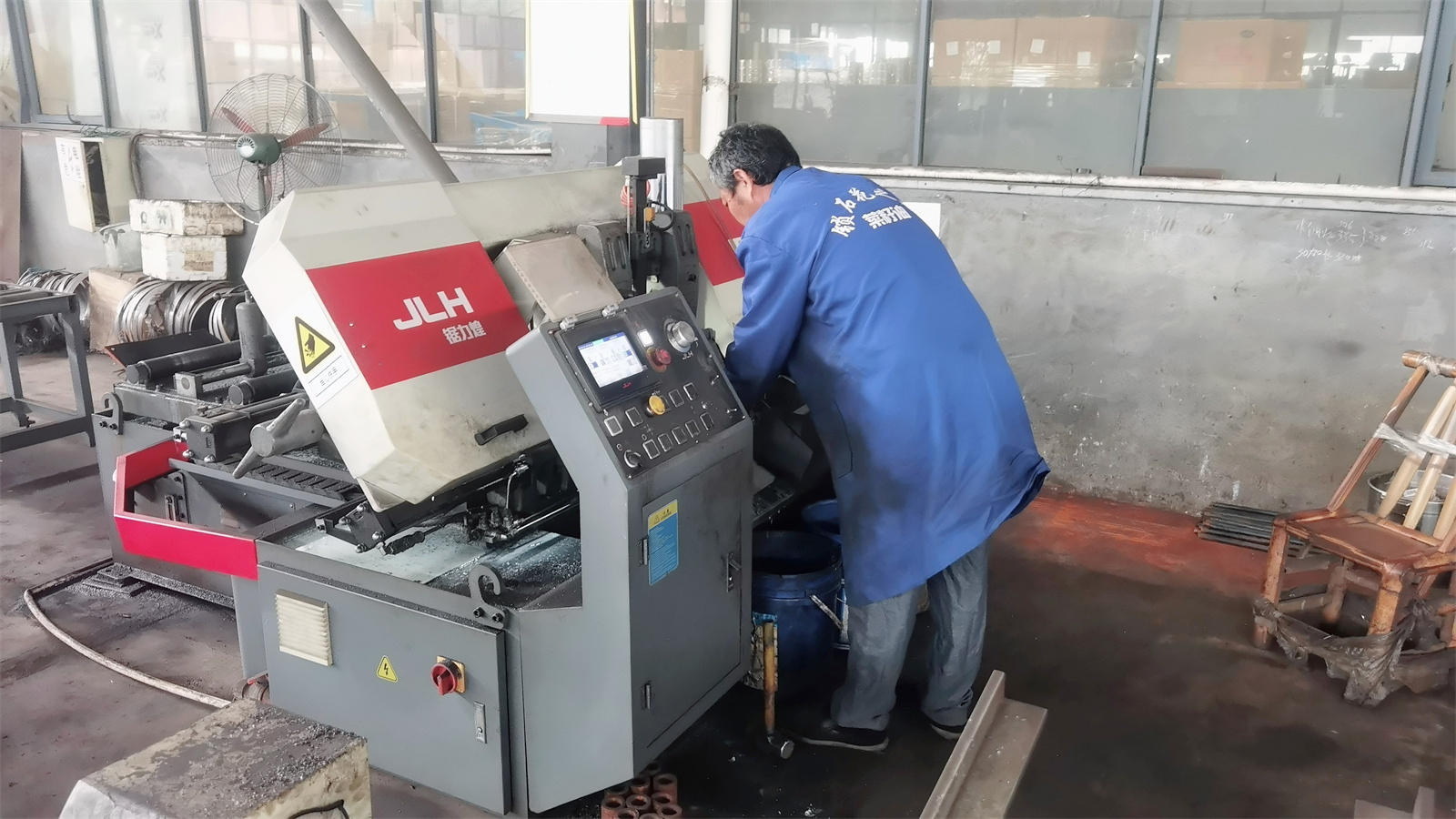 Sawing Machine
As a professional industrial solution provider, Henan Jiujie Machine Co., Ltd. delivers not only equipment but also comprehensive production solutions that enhance the overall value chain for our customers. By utilizing AutoCAD-based engineering design systems and advanced machining centers, we are able to provide high-precision, durable products at competitive prices. We are committed to offering complete pre-sales consultation, technical support, and reliable after-sales service. Customer satisfaction is always our top priority.
Technical Answers Regarding Flour Testing Standards, Shipping, and Local Maintenance in Slovakia
Explore our technical analytical instruments for granular powder, feed, dough rheology, and grain testing.
 Jiujie Machine