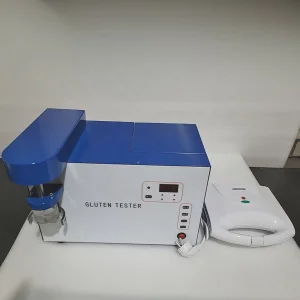
Deploying robust, calibrated lab systems for instant moisture detection, gluten index qualification, and flour whiteness determination.
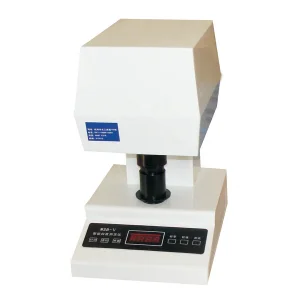
As a global trade and logistics epicentre, Singapore functions as a major distribution node and high-value manufacturing hub for grains, starches, and processed foods. With the Singapore Food Agency's (SFA) strict standards and the government’s "30 by 30" food security directive (producing 30% of nutritional needs locally by 2030), the precision, automation, and reliability of flour testing equipment have moved to the center of laboratory research and development. To secure reliable product yields, manufacturers require testing instrumentation that complies fully with localized standards such as the SS 101 series, alongside international benchmarks like ISO 5530.
Singapore’s equatorial climate, marked by high relative humidity (often exceeding 80%), introduces distinct challenges to grain storage and wheat flour milling. Flour is hygroscopic; it absorbs and desorbs ambient moisture rapidly, which accelerates enzymatic processes, starch retrogradation, and mold growth. Standard testing parameters like moisture percentage, whiteness index, and falling numbers must be analyzed with higher frequencies. This demand requires rapid halogen moisture analyzers and robust gluten washers capable of handling high throughput without thermal drift or calibration offset.
Internationally, grain mills and processing plants are executing a paradigm shift toward smart laboratories. Integrating Internet-of-Things (IoT) architectures and data-sharing interfaces directly with Farinographs, Alveographs, and texture profile analyzers allows real-time batch monitoring. This ensures grain classification happens dynamically at ports of entry, protecting downstream production chains from poor baking performance, low gluten index profiles, or excessive alpha-amylase activity indicated by low falling numbers.
Henan Jiujie Machine Co., Ltd. stands as a premier supplier of complete equipment engineering services and laboratory instruments tailored for the food production and grain processing industries. Our technical solutions cover the entire grain processing lifecycle: from raw wheat classification to precision flour extraction and packaging.
Over the years, we have forged strategic partnerships with food production labs globally, engineering machinery that minimizes operational overhead and maximizes yield quality. By utilizing high-accuracy components and reliable microcontrollers, we bridge the gap between heavy industrial milling and exact laboratory verification.
Our equipment portfolio is certified to ISO9001 and CE standards, matching EU directive standards. With waterless grain cleaning architectures, we ensure that modern industrial facilities achieve Zero-Wastewater targets, cutting environmental impact while reducing industrial operating costs.
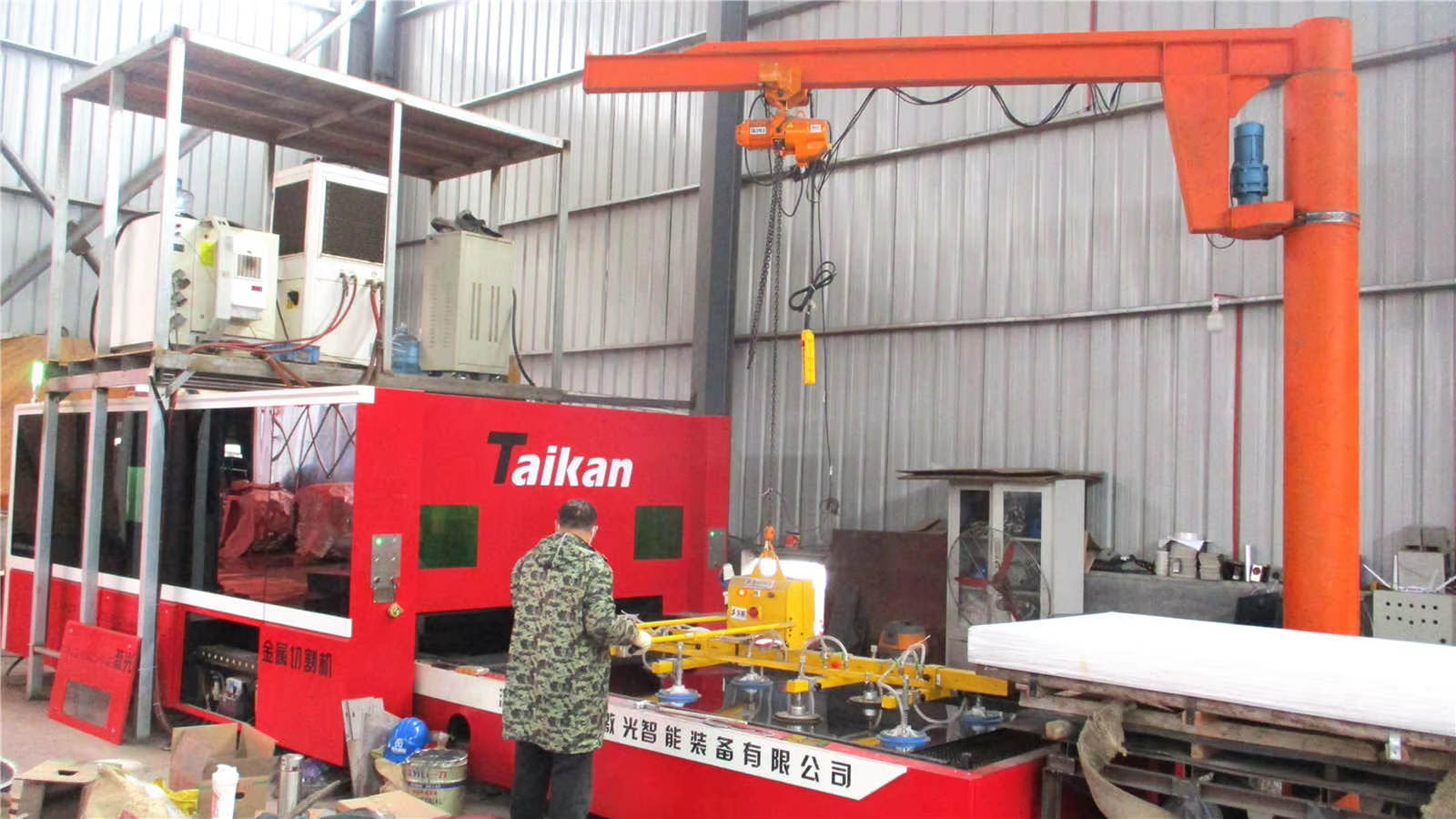
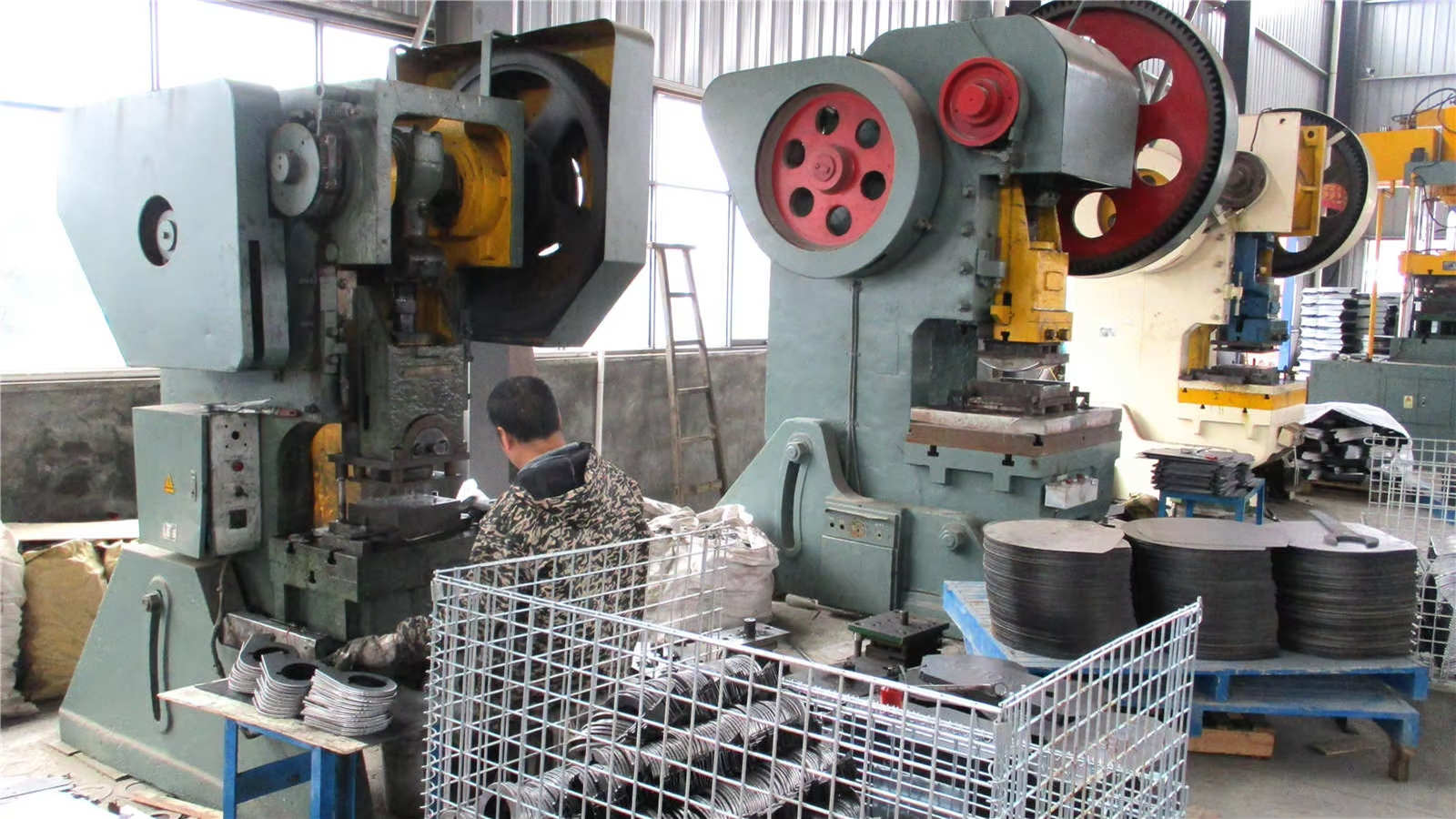
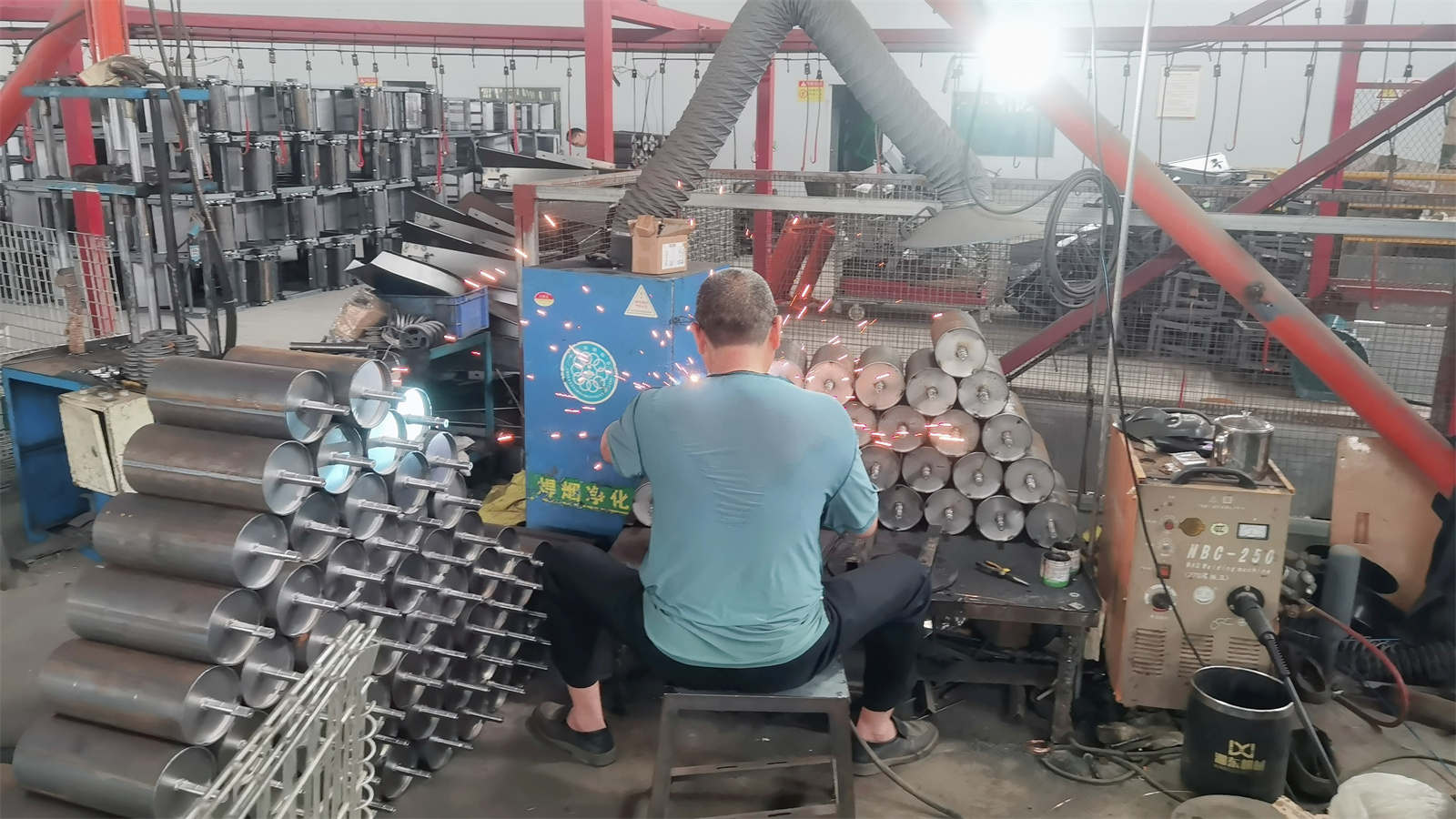
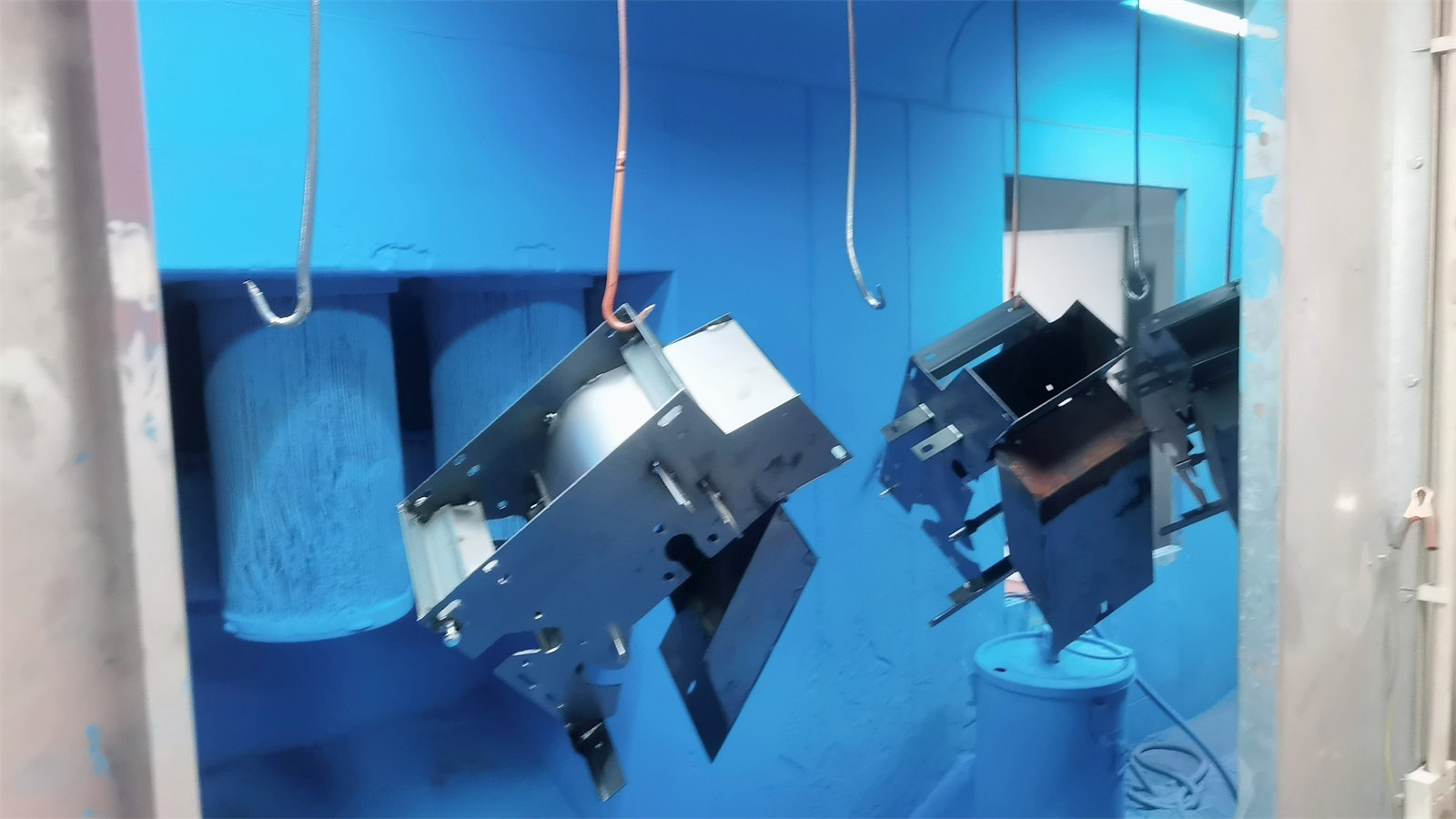
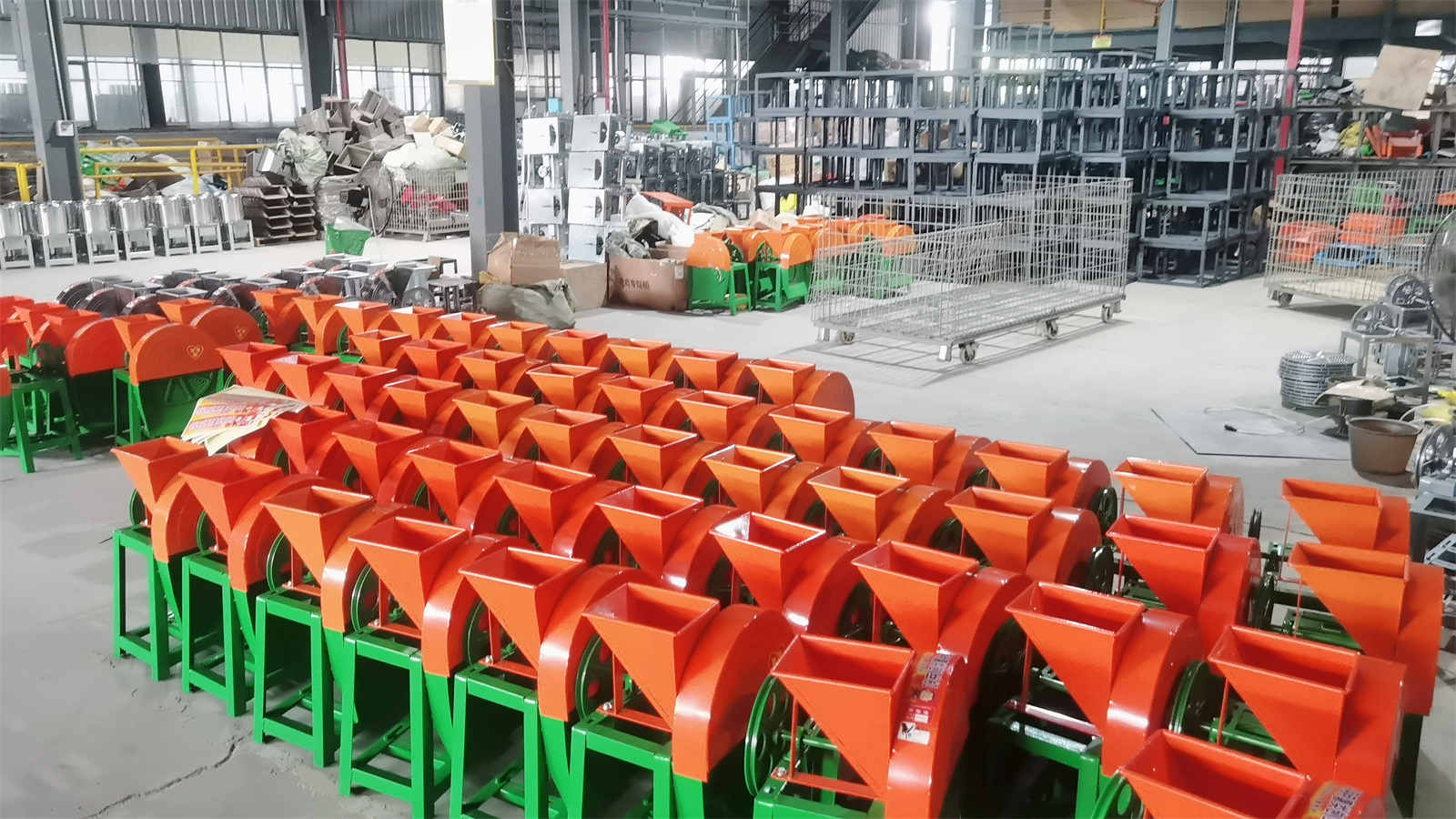
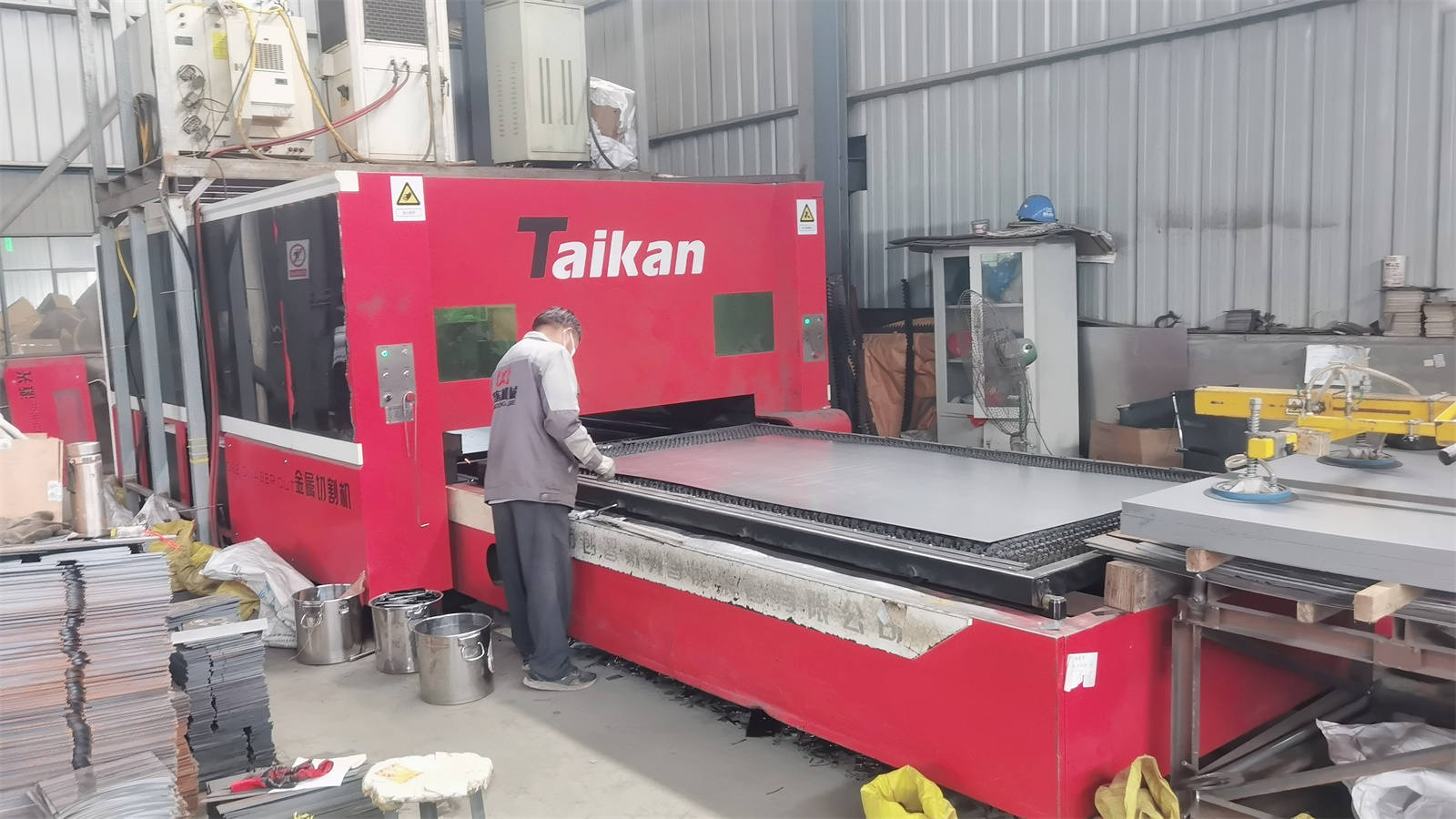
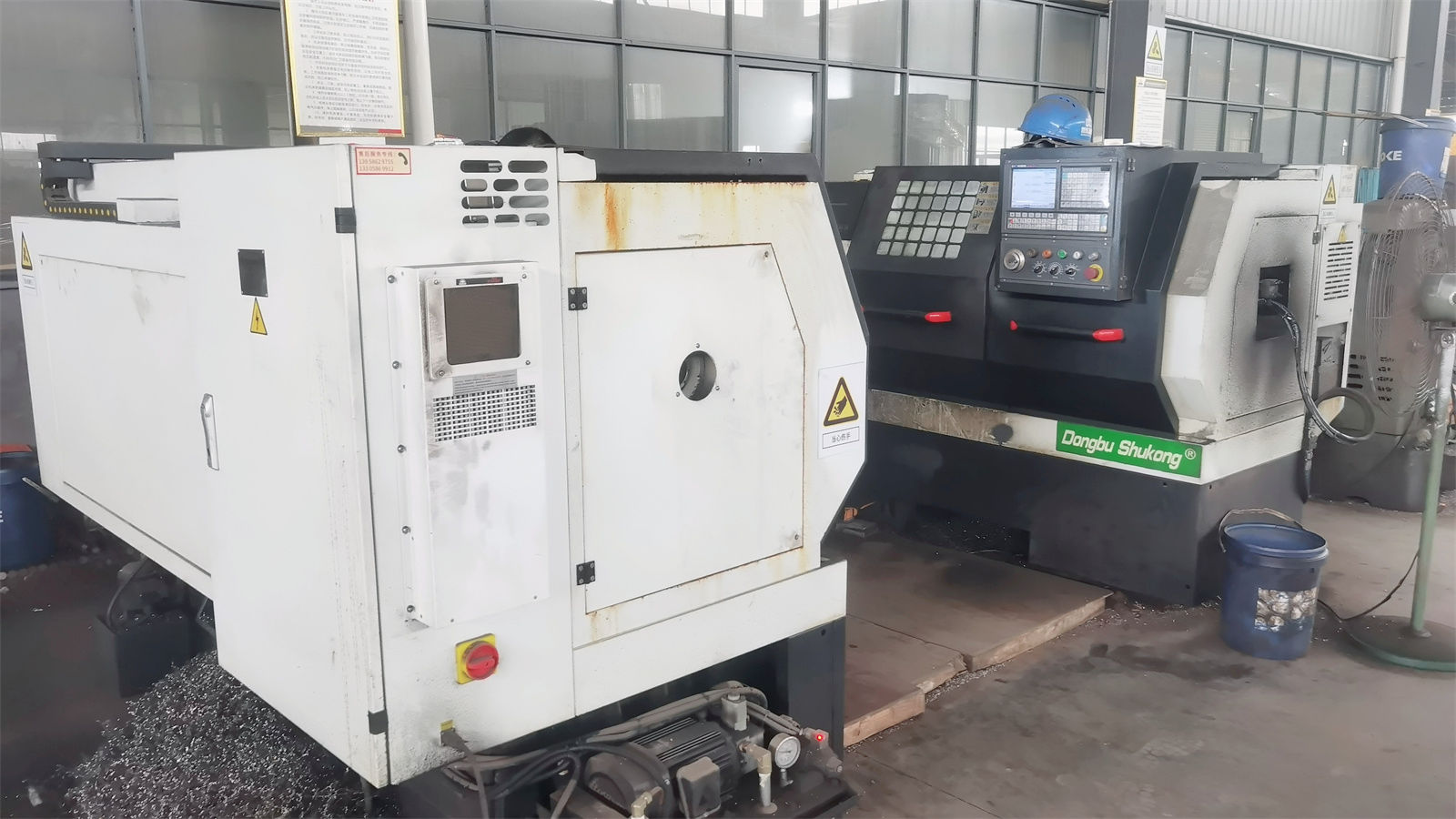
To achieve micro-meter accuracy in both laboratory testing units and automated production mills, we utilize an advanced processing matrix. This includes high-precision CNC laser cutting, bending, robotic welding, and a complete electrostatic powder coating line. Our raw design workflow originates in modern AutoCAD environments, securing optimal tolerances and preventing performance degradation over decades of constant lab operations.
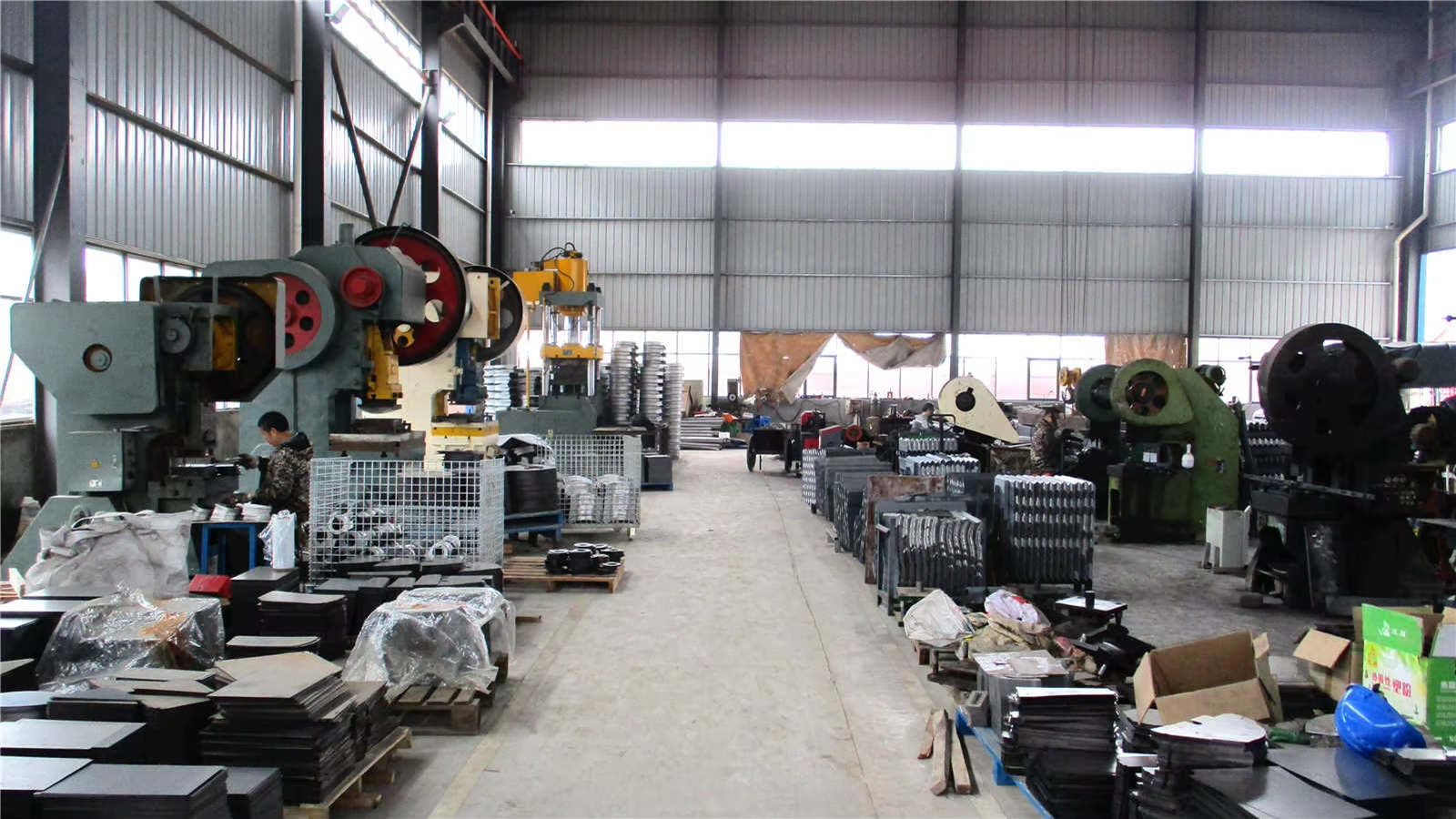
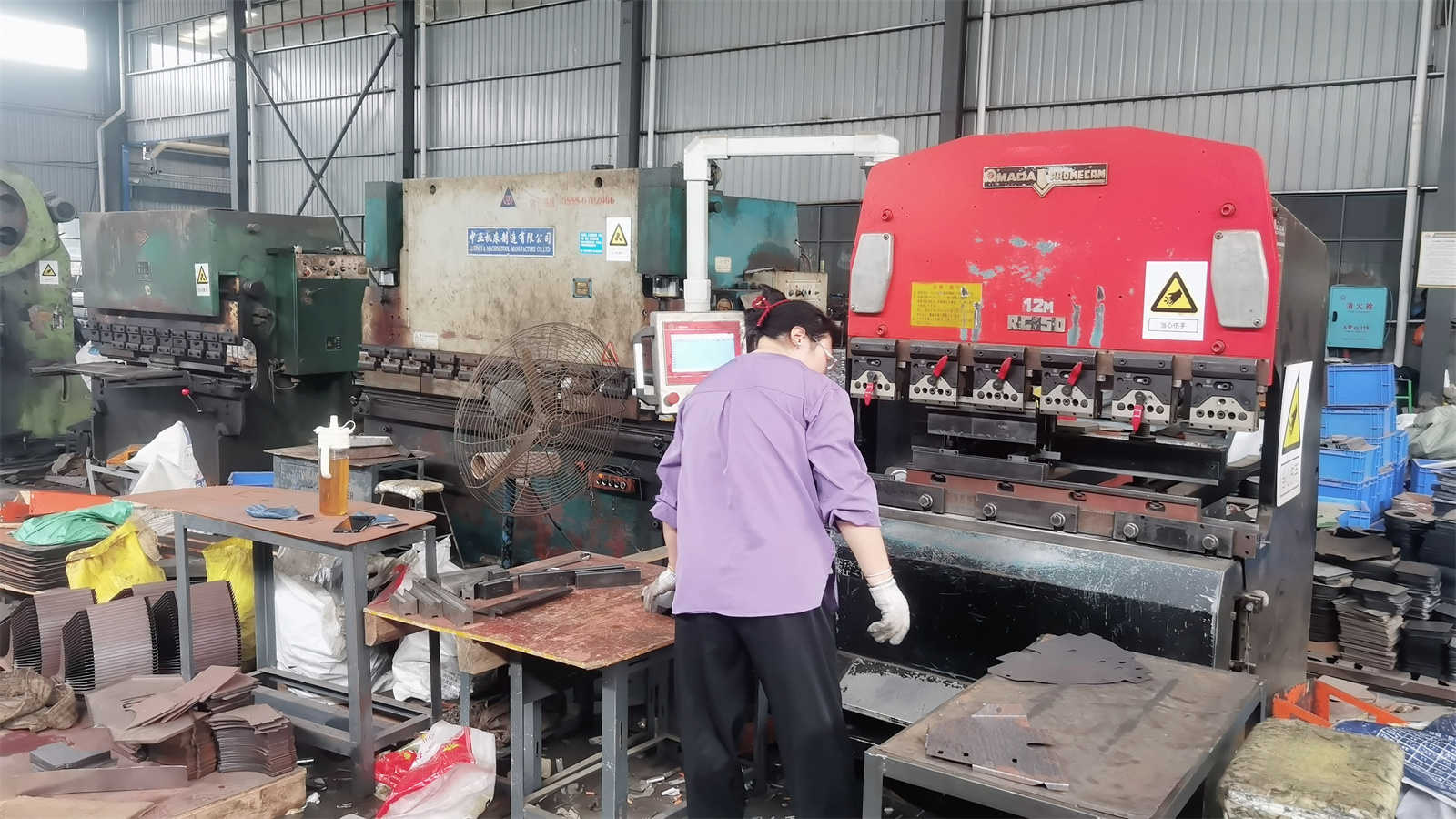
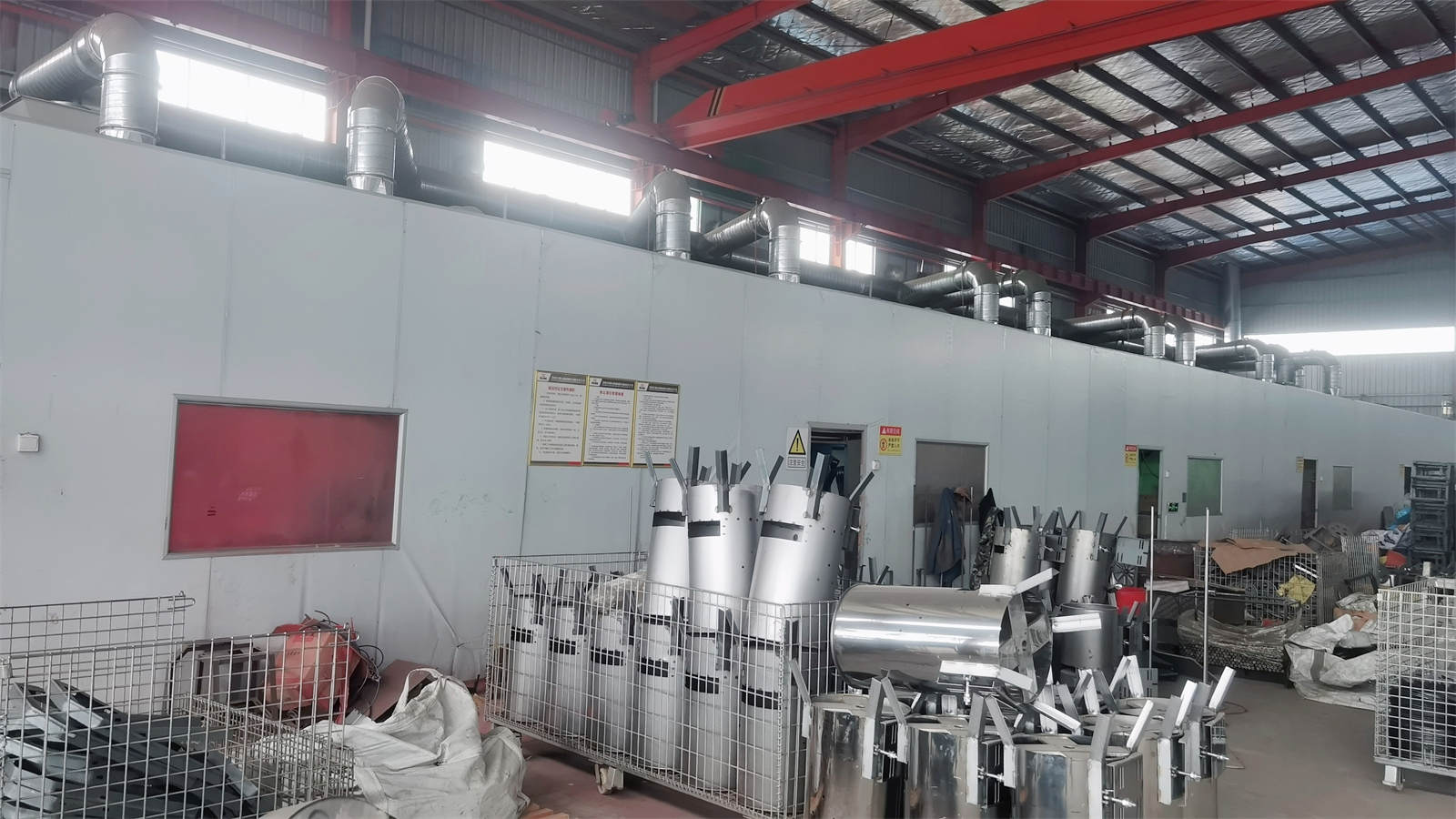
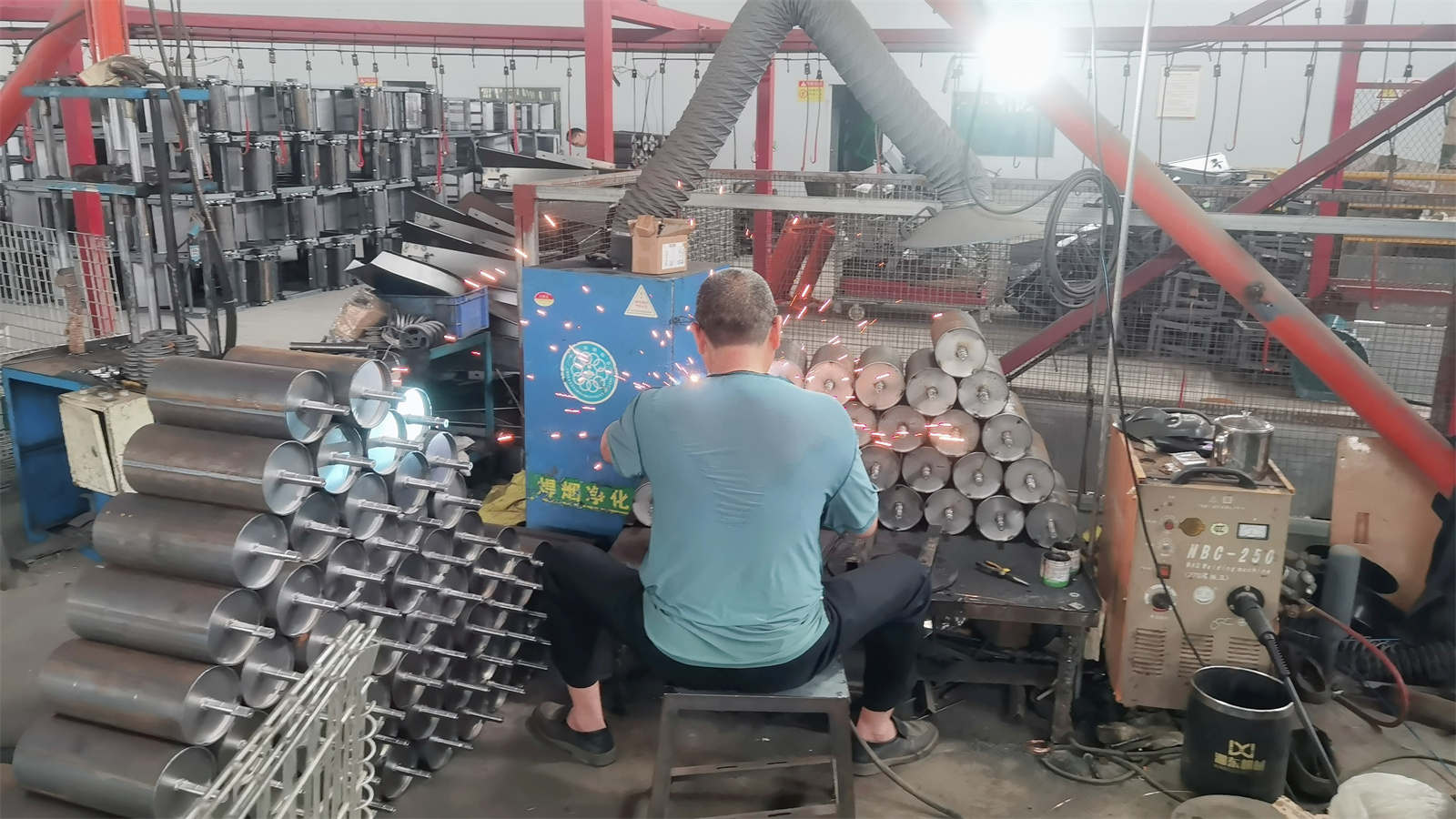
Get professional technical insights on flour analysis, wheat gluten parameters, and instrumentation calibration standards.
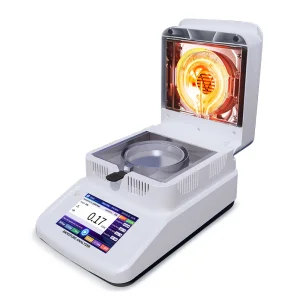
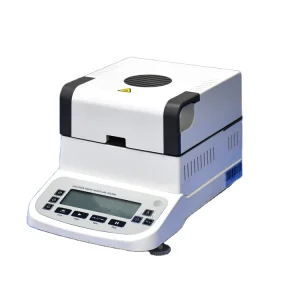
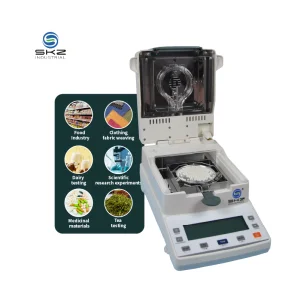
Oven drying methods typically require 2 to 4 hours to verify water loss, delaying bulk shipment approvals at shipping ports. Halogen analyzers utilize intense infrared radiation to reach high temperatures in seconds, computing moisture loss percentage via constant gravimetric weight calculation in under 10 minutes. This speed allows laboratory operators to execute dynamic inline moisture control, adapting processing parameters rapidly before packing.
The falling number (measured in seconds) is inversely proportional to alpha-amylase activity. A low falling number (under 200 seconds) indicates sprouted grain damage, leading to high enzyme concentrations that break down starches into simple sugars. For noodle makers and commercial bakeries in Singapore, using flour with an excessively low falling number results in sticky, unmanageable dough, poor volume, and high breakage during boiling.
A Farinograph measures dough mixing resistance and water absorption over time, detailing dough development, stability, and softening. An Alveograph measures three-dimensional expansion by inflating a thin sheet of dough with air until it bursts. The resulting curves trace dough tenacity (P), extensibility (L), and baking strength (W), representing the wheat’s suitability for target processes (e.g. crackers versus high-volume bread loaves).
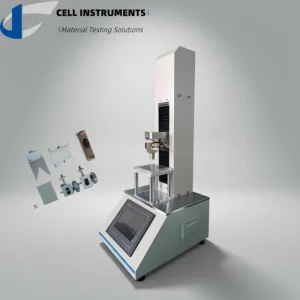
Texture Profile Analysis (TPA) mimics oral chewing motions by compressing a gel, dough, or baked sample twice in succession. Key properties derived include hardness, cohesiveness, springiness, gumminess, and chewiness. In Singapore's alternative starch and plant-based protein development sectors, TPA is crucial for matching the mouthfeel and elasticity of conventional wheat wheat gluten profiles.
Browse our range of agricultural, microbiological, and material property diagnostic instrumentation for laboratory workflows.

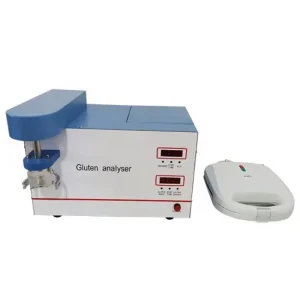
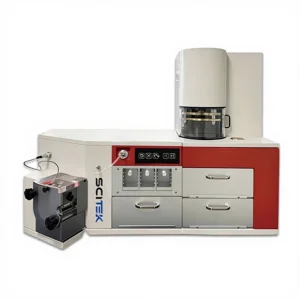
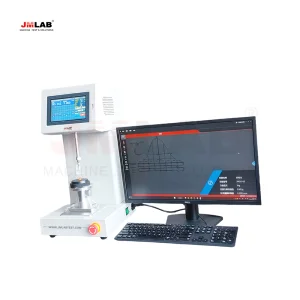
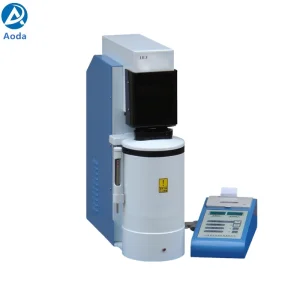
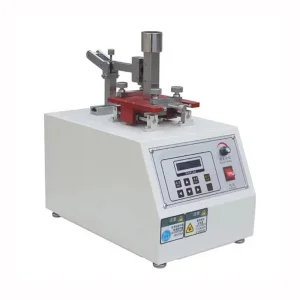
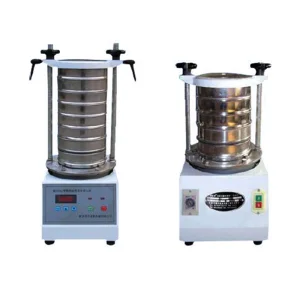
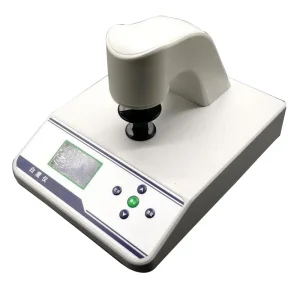
Whether configuring a custom testing laboratory in Singapore, upgrading your Farinograph systems, or engineering complete wheat milling plants, Henan Jiujie delivers unmatched technical integration.
 Jiujie Machine