High-performance testing hardware configured for immediate deployment in local milling and starch processing plants.
The Greater Bangkok Area, encompassing industrial hubs like Samut Prakan, Pathum Thani, and Samut Sakhon, stands as the commercial heart of Thailand's food processing sector. As one of the largest exporters of refined starches, tapioca products, and processed baked goods in Southeast Asia, local industries demand rigorous analytical control. To meet the stringent requirements of the Thai Food and Drug Administration (FDA) and international export benchmarks (GMP, HACCP, ISO 22000), laboratories must implement state-of-the-art testing systems.
Ensuring flour quality is not simply about moisture control; it is about managing the rheological performance of doughs, optimizing gluten index values, and maintaining precise enzymatic activity. From traditional noodle processing to massive commercial bakeries, the demand for repeatable wheat flour quality is at an all-time high. Our laboratory equipment provides critical grain-science data to support local production managers, minimizing batch-to-batch variation and maximizing manufacturing yield.
In high-throughput milling environments near Bangkok, slight variations in raw wheat protein quality or grain moisture levels can disrupt continuous baking lines. For instance, excess moisture content leads to microbial proliferation and spoilage, while incorrect gluten strength impacts the elasticity required for bread and instant noodles.
By implementing professional flour testing platforms, processors can accurately profile:
• Water Absorption Capacity: Predicting dough yield and texture.
• Starch Alpha-Amylase Activity: Via Falling Number tests to prevent sticky crumb structures.
• Alveograph Values (P/L Ratio): Measuring dough extensibility and baking strength.
The modern grain testing laboratory is evolving from manual wet-chemistry methods to automated, high-precision physical analytics.
Integration of cloud-connected dough testing. Digital dough rheometers automatically record extensibility and resistance parameters, sending real-time reports to centralized quality assurance systems.
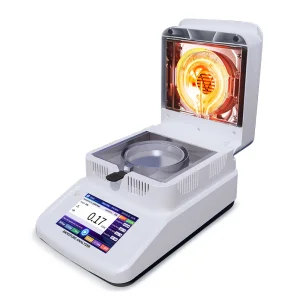
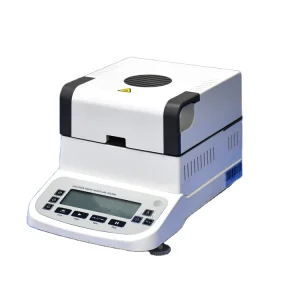
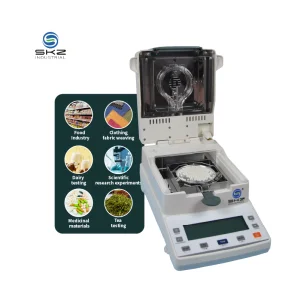
High-speed halogen heating technology replaces conventional, energy-intensive oven-drying methods, shrinking measurement cycles from hours to minutes while retaining analytical precision.
Eco-friendly testing practices are critical. Laboratories are reducing wet chemical waste by adopting mechanical sieving, clean optical whiteness testing, and dry gluten centriduration.
Procuring laboratory instrumentation for multi-national food brands and massive industrial millers requires adherence to stringent global requirements. Procurement executives seek equipment that matches international testing protocols—specifically ISO 5530 for Farinograph evaluation, ICC standards for gluten wash rates, and AACCI methods for falling numbers.
Key priorities for commercial buyers include:
• Instrument Calibration Consistency: Ensuring that testing data generated in Bangkok aligns perfectly with testing centers in Europe, China, and North America.
• Long-Term Durability: Solid metal chassis, robust motor drives, and wear-resistant analytical sieves designed for continuous 24/7 operating cycles.
• Software Compliance: Comprehensive data logging, exportable PDF reports, user-access management levels, and barcode-scanner compatibility.
Industrial mills cannot afford extended downtime. If a gluten washer or moisture analyzer fails, quality decisions are delayed, risking cargo rejection at the port or production halts at the bakery. Consequently, international buyers value suppliers who maintain comprehensive spare parts inventories, offer detailed assembly/maintenance guides, and provide rapid remote technical assistance.
Henan Jiujie Machine Co., Ltd. addresses these demands directly by integrating robust mechanical design with highly standardized electronic components. This guarantees simple maintenance and reliable operation under hot, humid tropical climates like Bangkok's.
How Henan Jiujie Machine Co., Ltd. leverages advanced production and modern logistics to serve the Southeast Asian market.
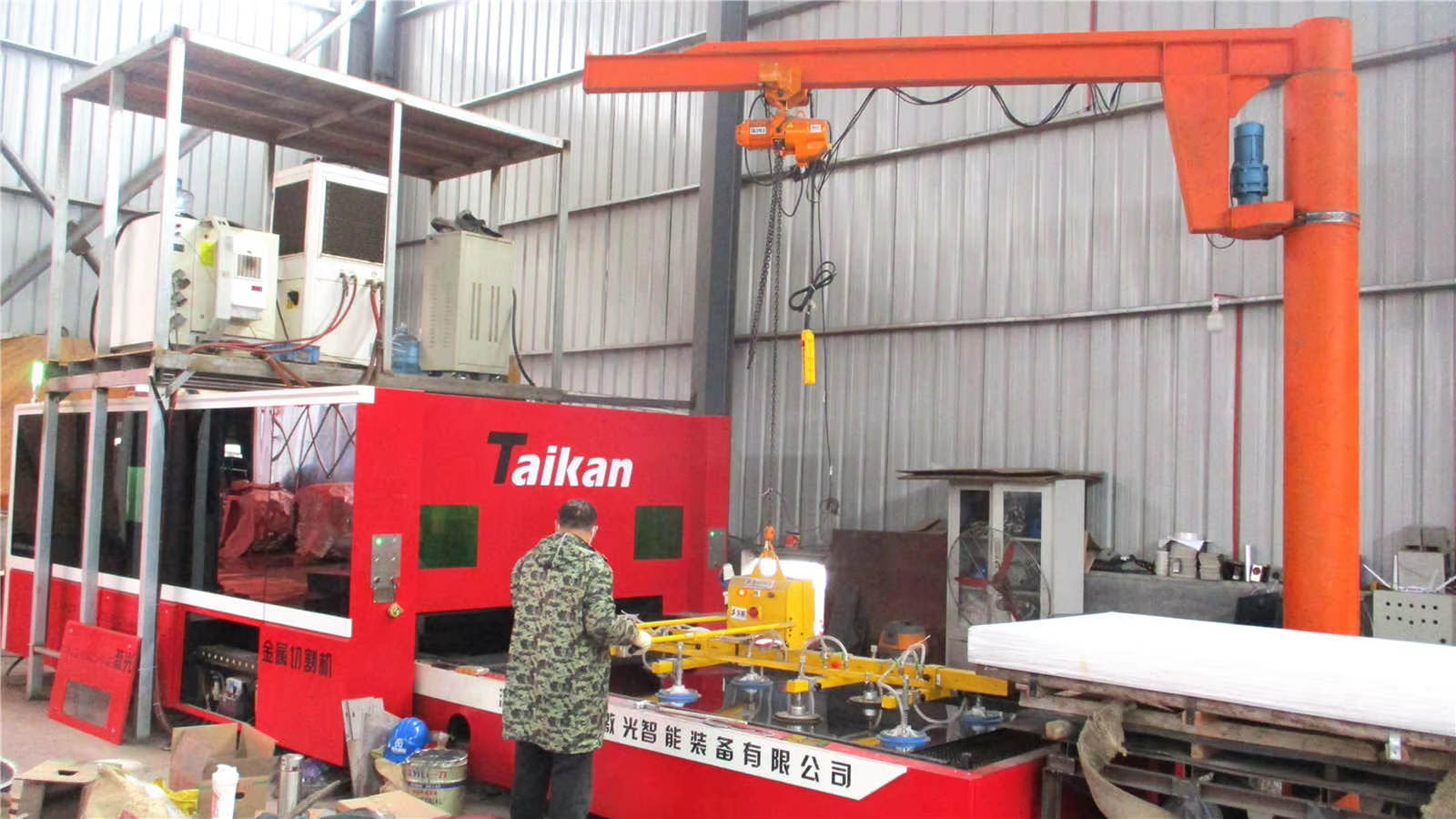
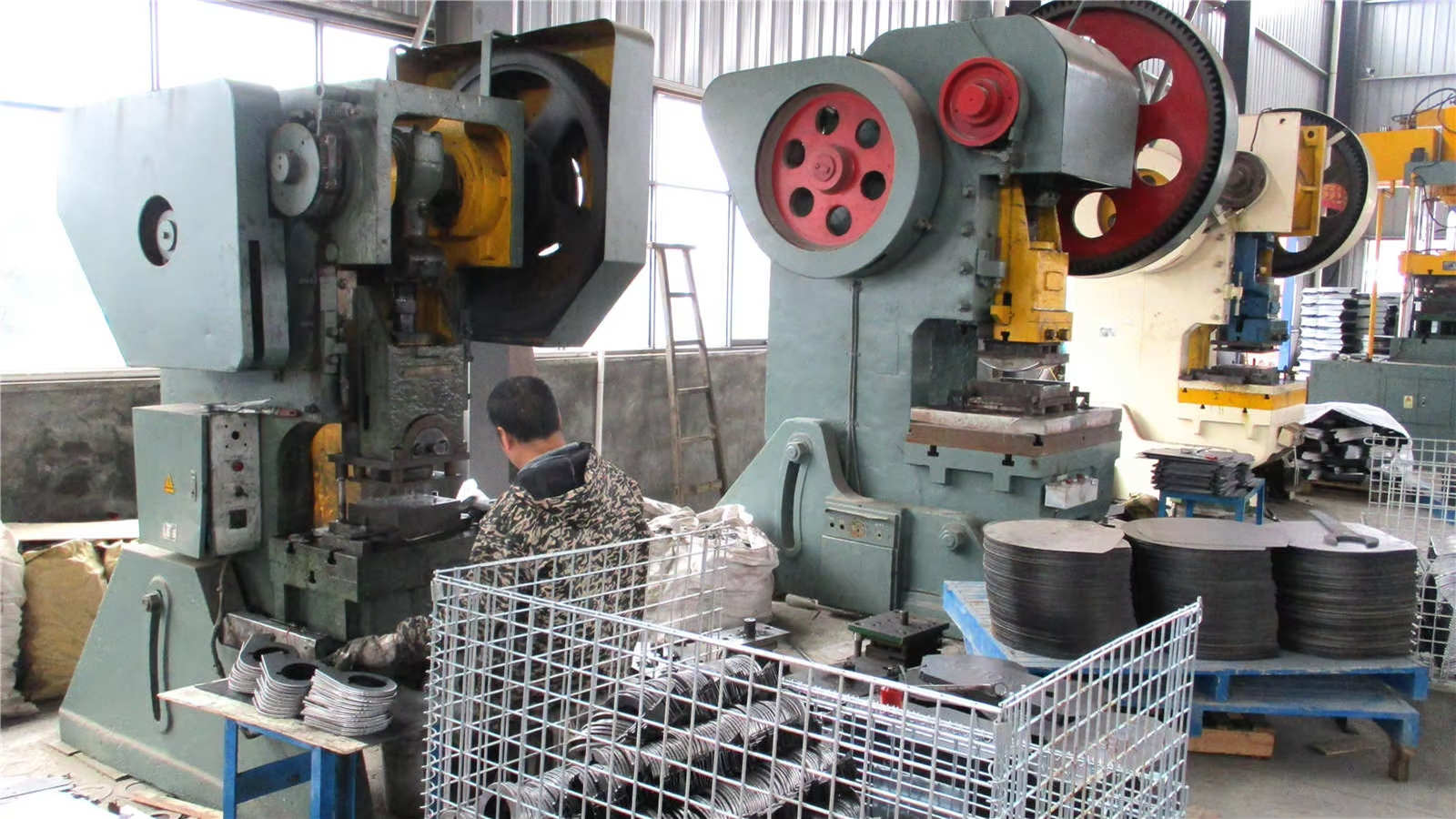
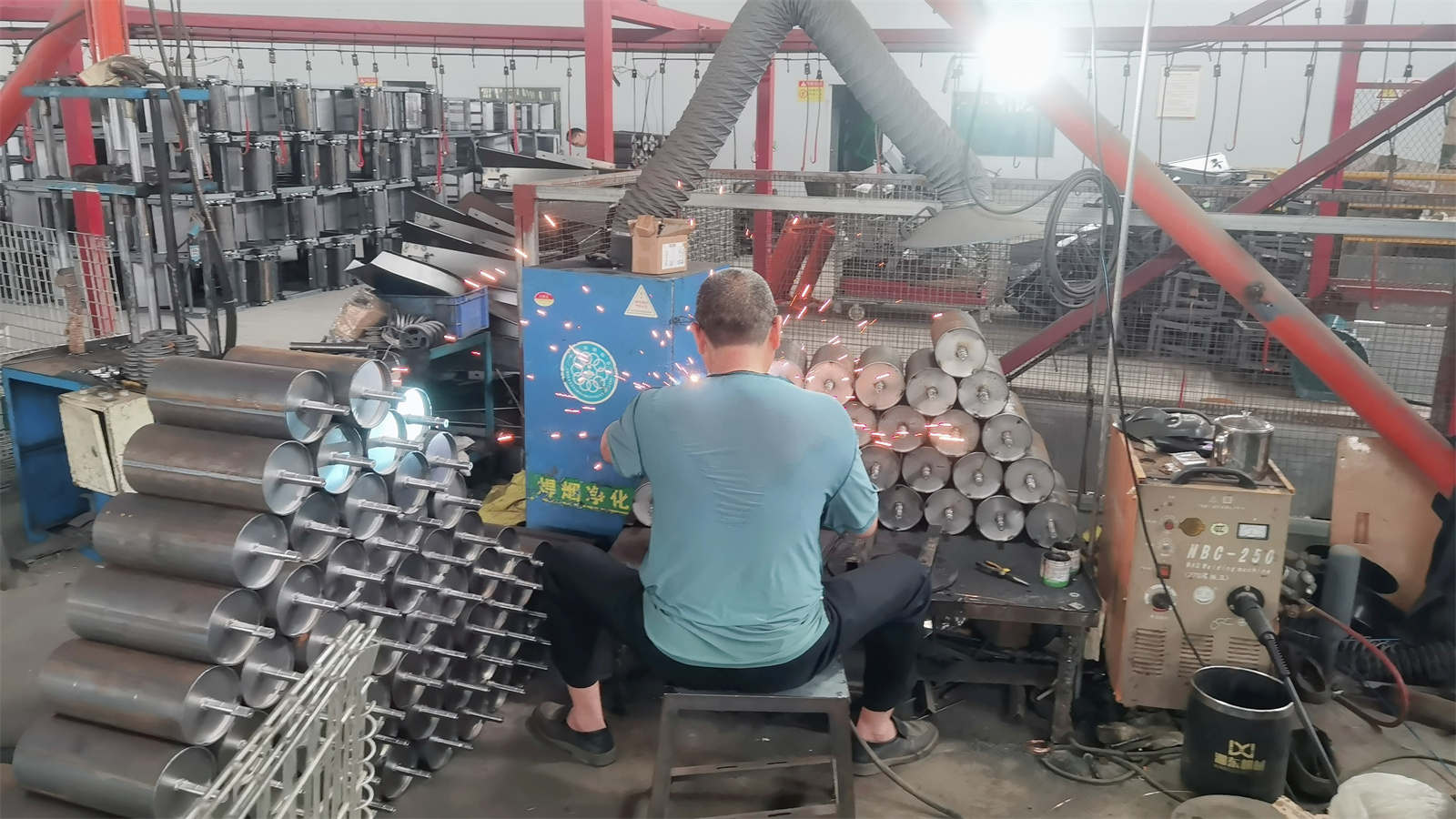
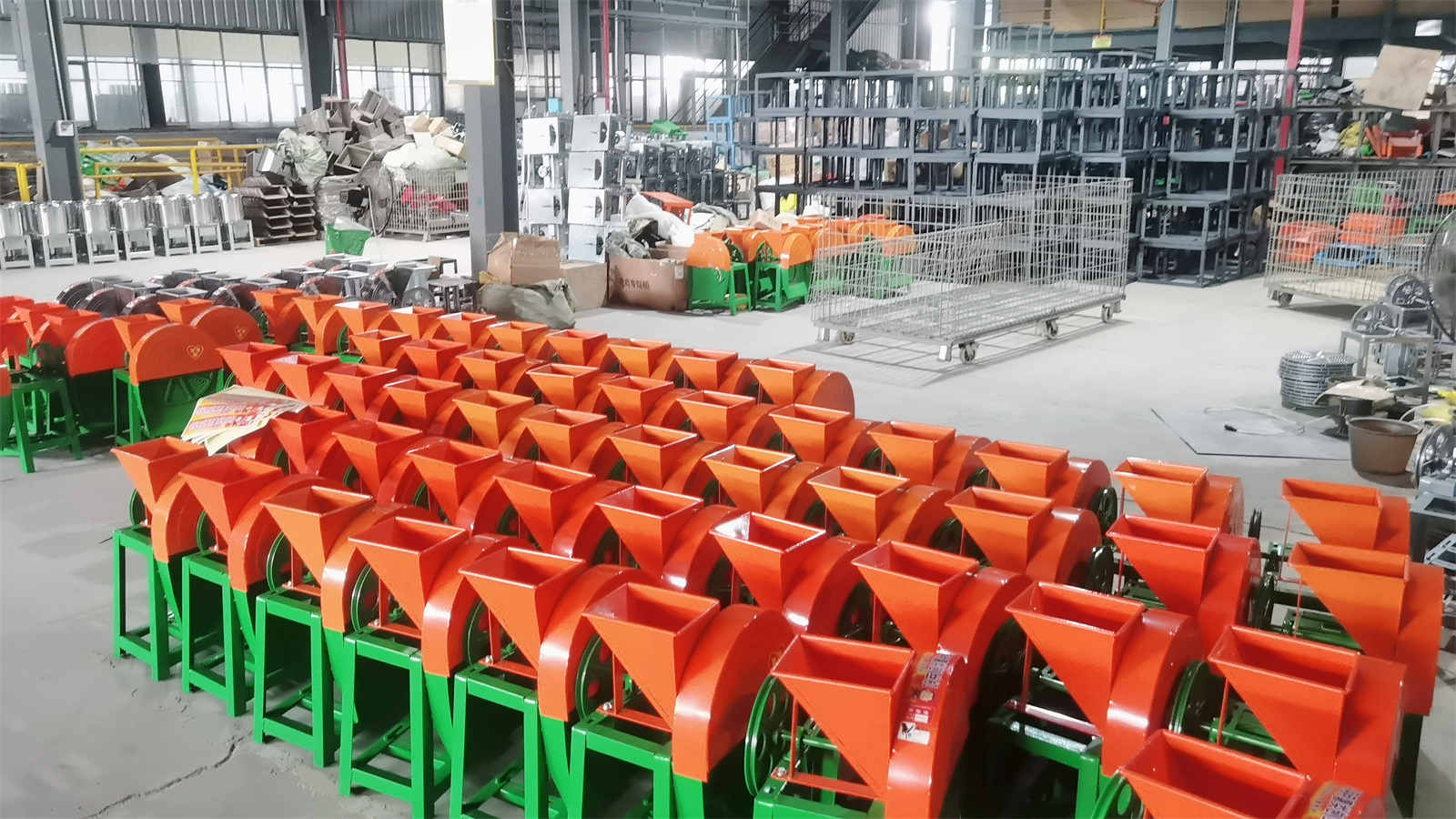
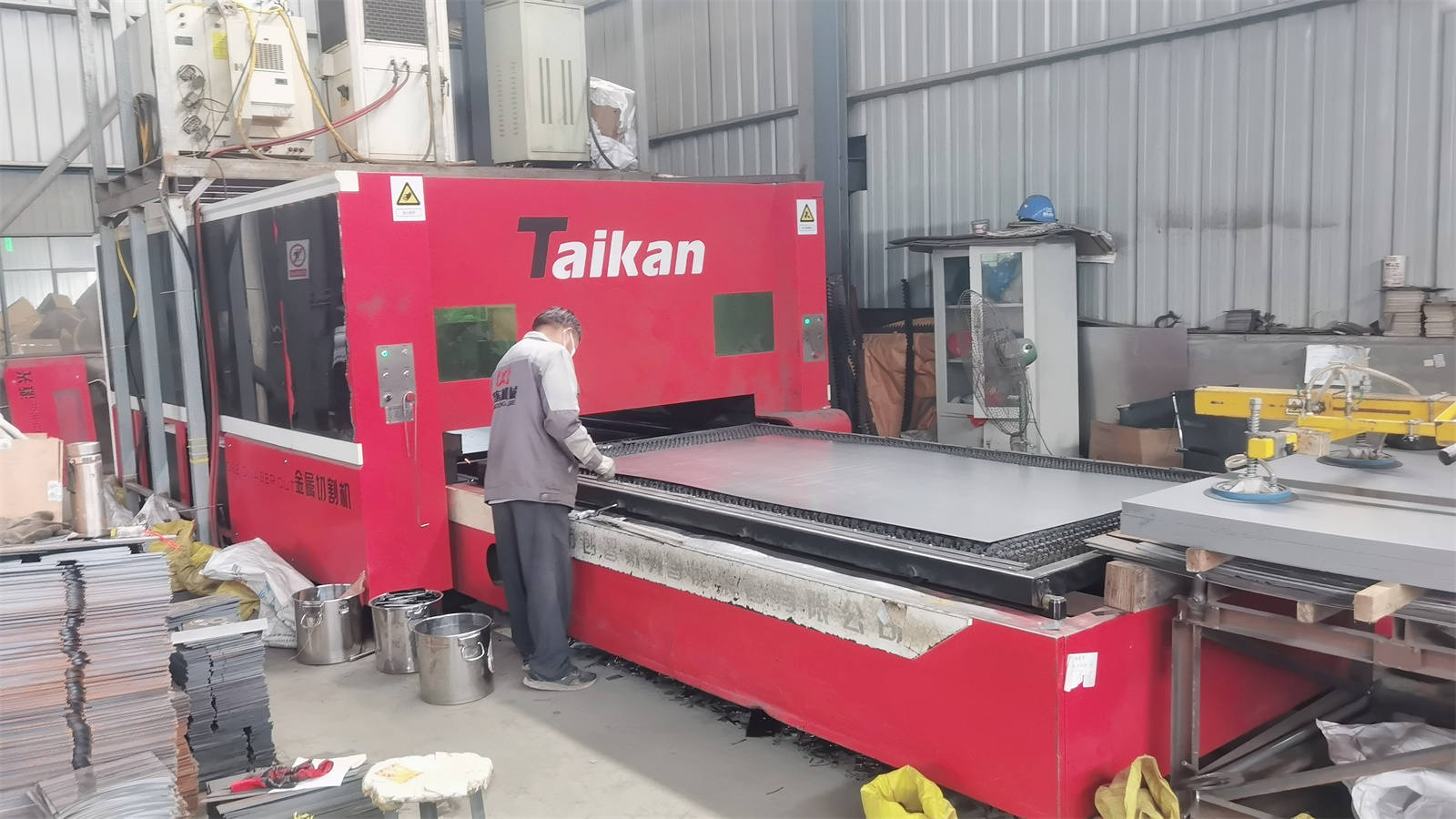
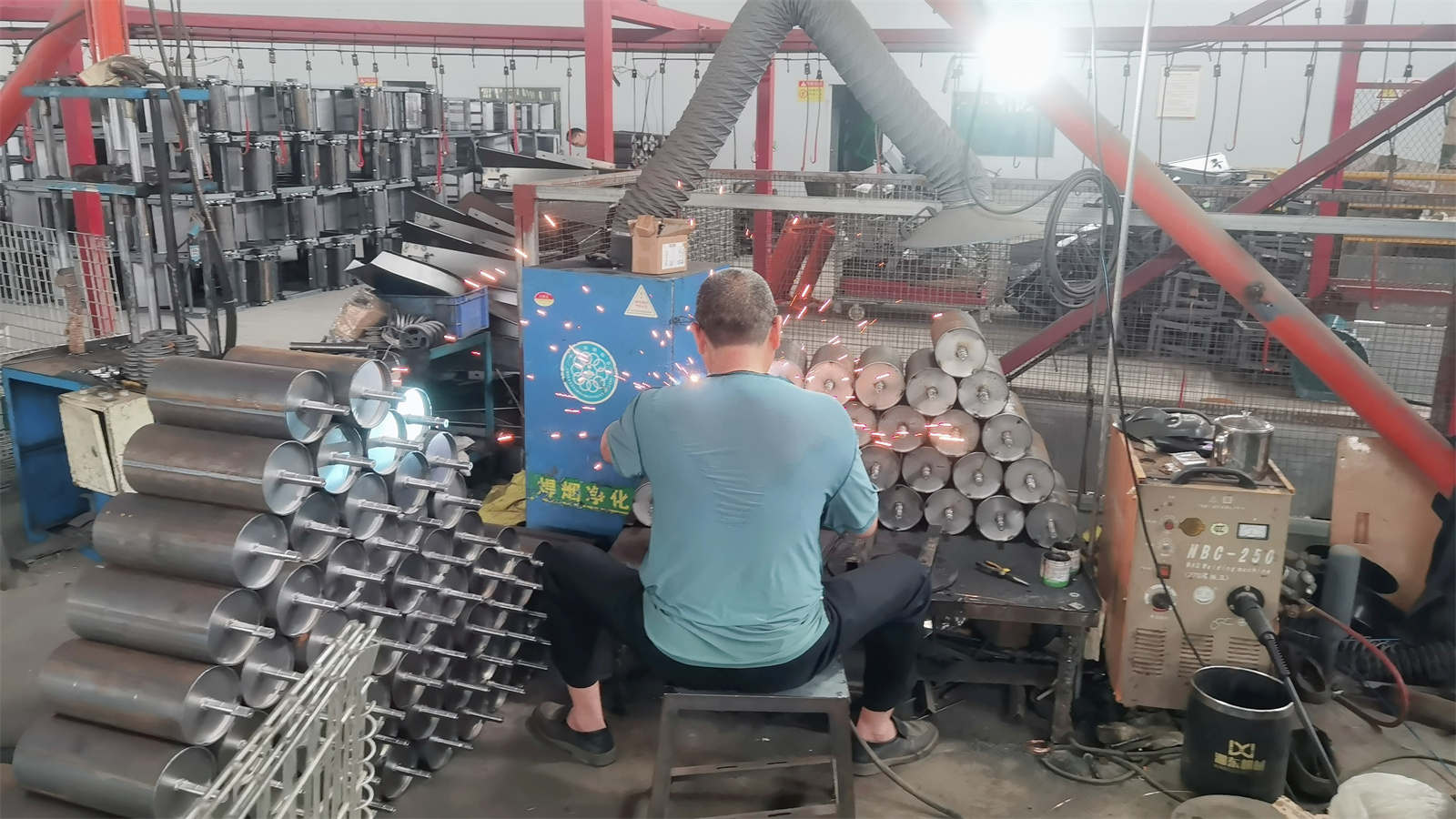
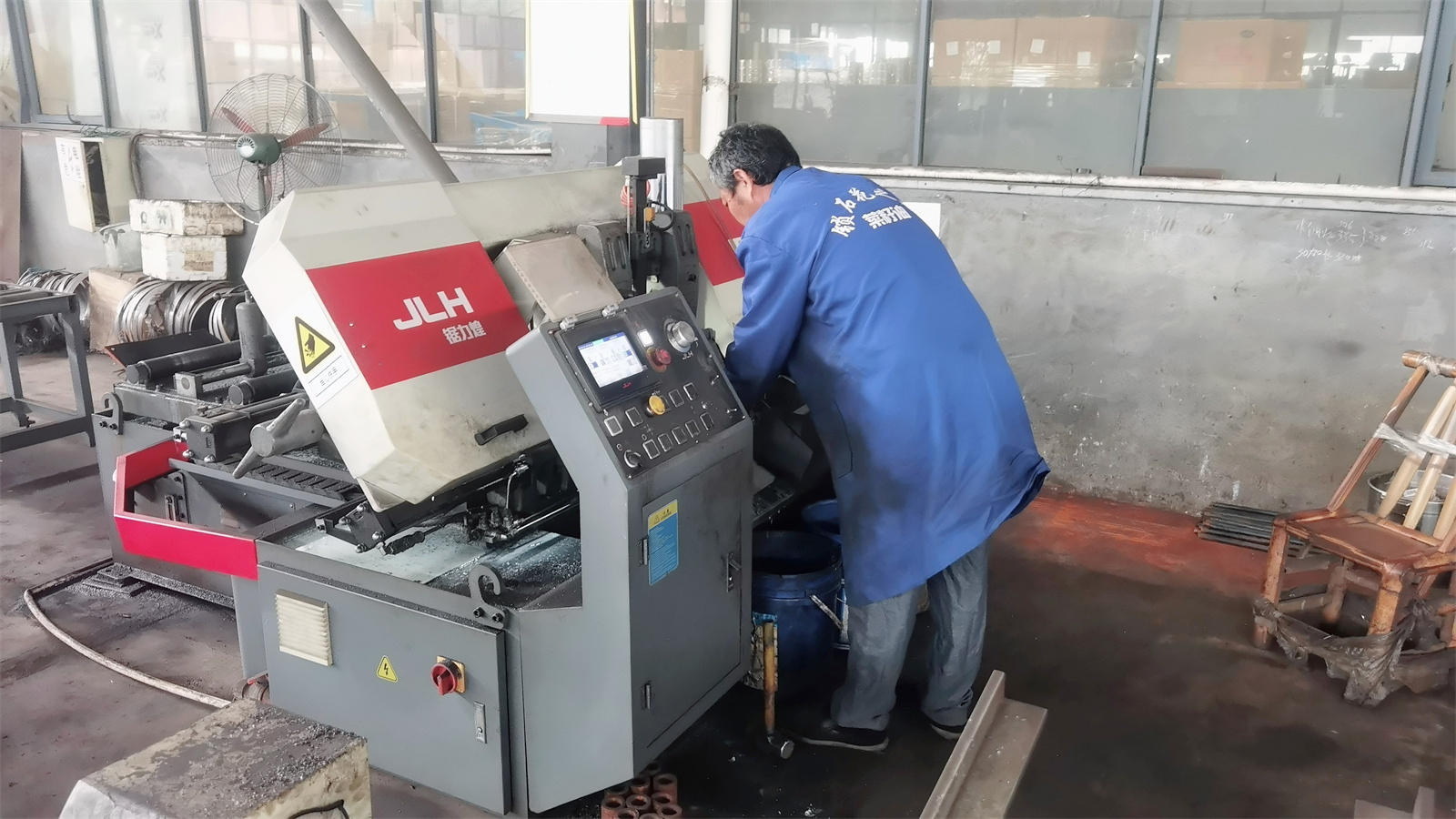
Our manufacturing base is driven by the standards of Industry 4.0. By combining high-precision CNC laser cutters, robotic arc welding, and computerized machining centers, we assure consistency across every steel plate, shaft, and assembly line. This automated approach reduces human assembly errors and guarantees that every batch of laboratory instruments operates within precise engineering tolerances.
Our integration of AutoCAD engineering design systems linked directly to our CNC manufacturing floor allows us to quickly implement design updates. The result is high-precision machinery at competitive manufacturing costs, providing Bangkok buyers with premium performance at an optimal return on investment.
Furthermore, our supply chain is optimized for rapid maritime export from China to Bangkok ports (such as Klong Toey and Laem Chabang). We hold key certifications including ISO9001:2015 Quality Management System and CE compliance certifications. This guarantees streamlined customs clearance and ensures our equipment meets the safety and environmental codes of the European Union and the Royal Thai Government.
A professional supplier of complete equipment and engineering services for the food production and grain processing industries.
Our business covers a wide range of applications, including wheat flour milling plants, feed processing factories, and rice processing plants. Our product portfolio includes conveying equipment, cleaning equipment, flour milling equipment, and other related machinery. Over the years, our products have been widely recognized by customers both in domestic and international markets.
Since its establishment, Henan Jiujie Machine Co., Ltd. has been dedicated to the research and development of grain processing technology and machinery. With extensive industry experience, we are able to provide integrated solutions across the entire grain and food processing industrial chain. Our solutions cover multiple stages, including raw material collection, storage, cleaning, grading, sieving, grinding, mixing, shaping, production, and packaging.
Our flour milling equipment has obtained the ISO9001 quality management system certification and CE certification. The environmental protection standards of our equipment comply with relevant EU requirements. Our grain cleaning process is designed to operate without water usage, ensuring no wastewater discharge and supporting environmentally friendly production.
Our products are characterized not only by stable performance but also by easy installation, convenient maintenance, and low operating costs. With advanced technology, reliable quality, and modern design, our equipment has earned high appreciation from clients worldwide.
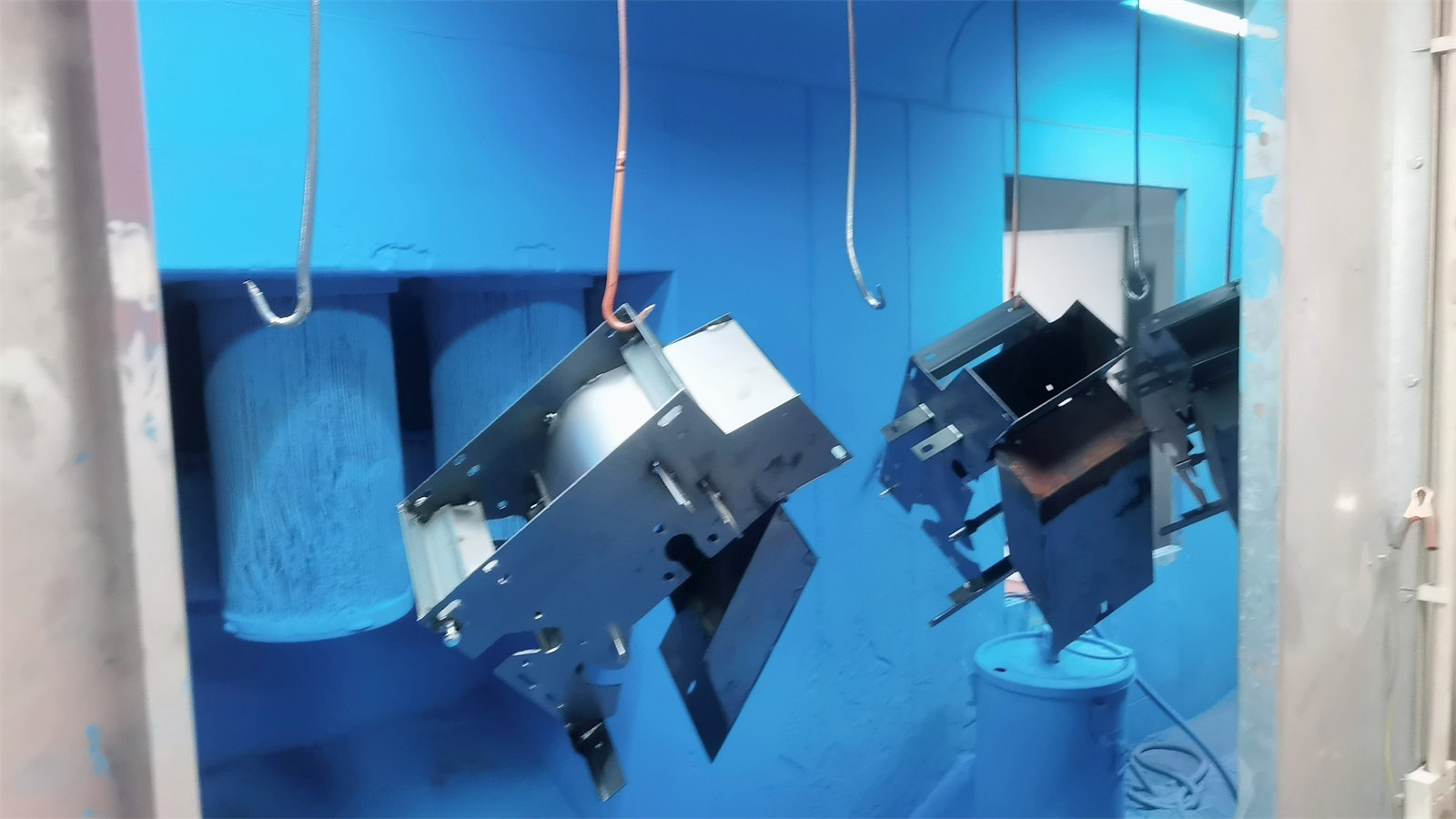
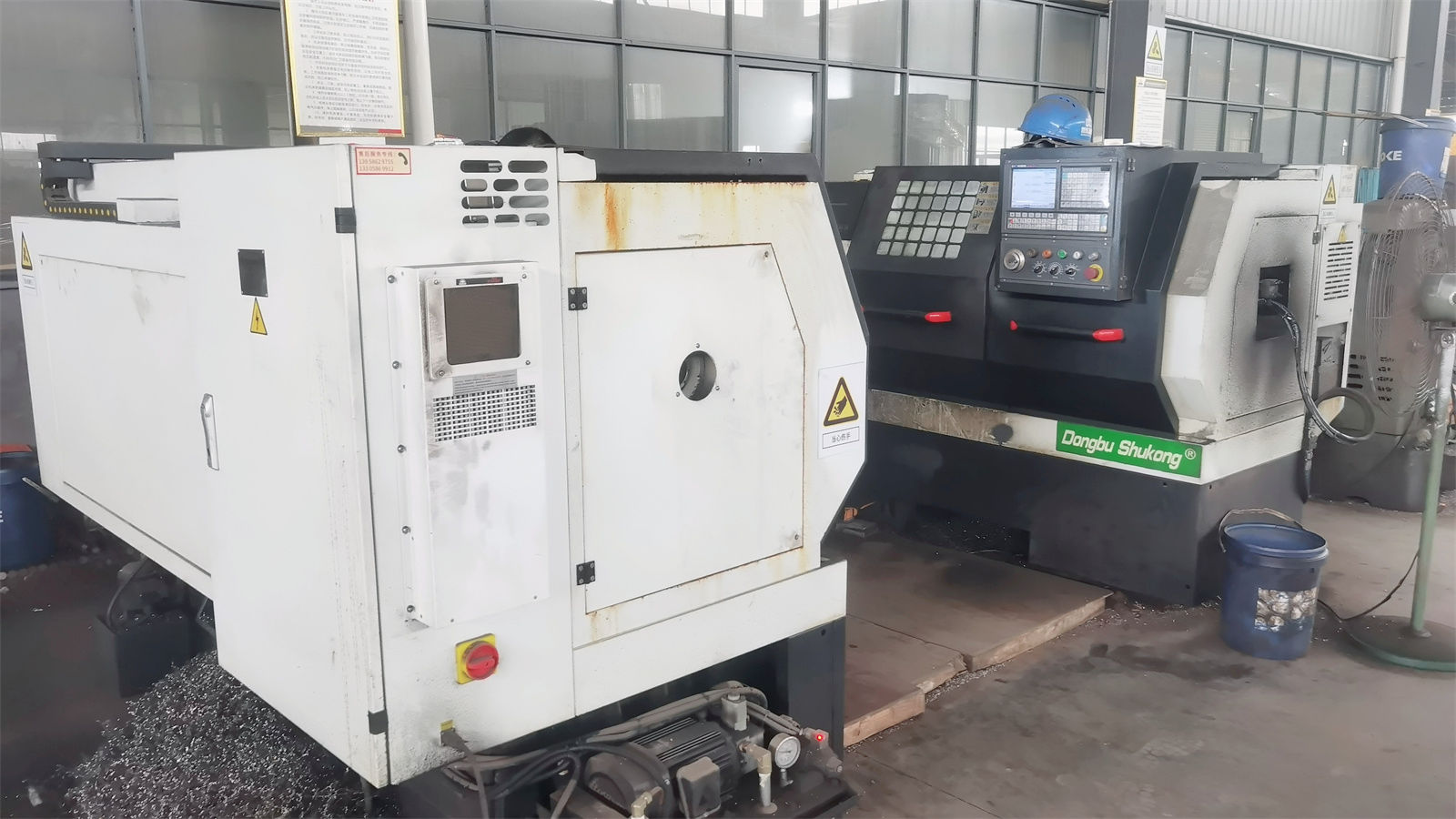
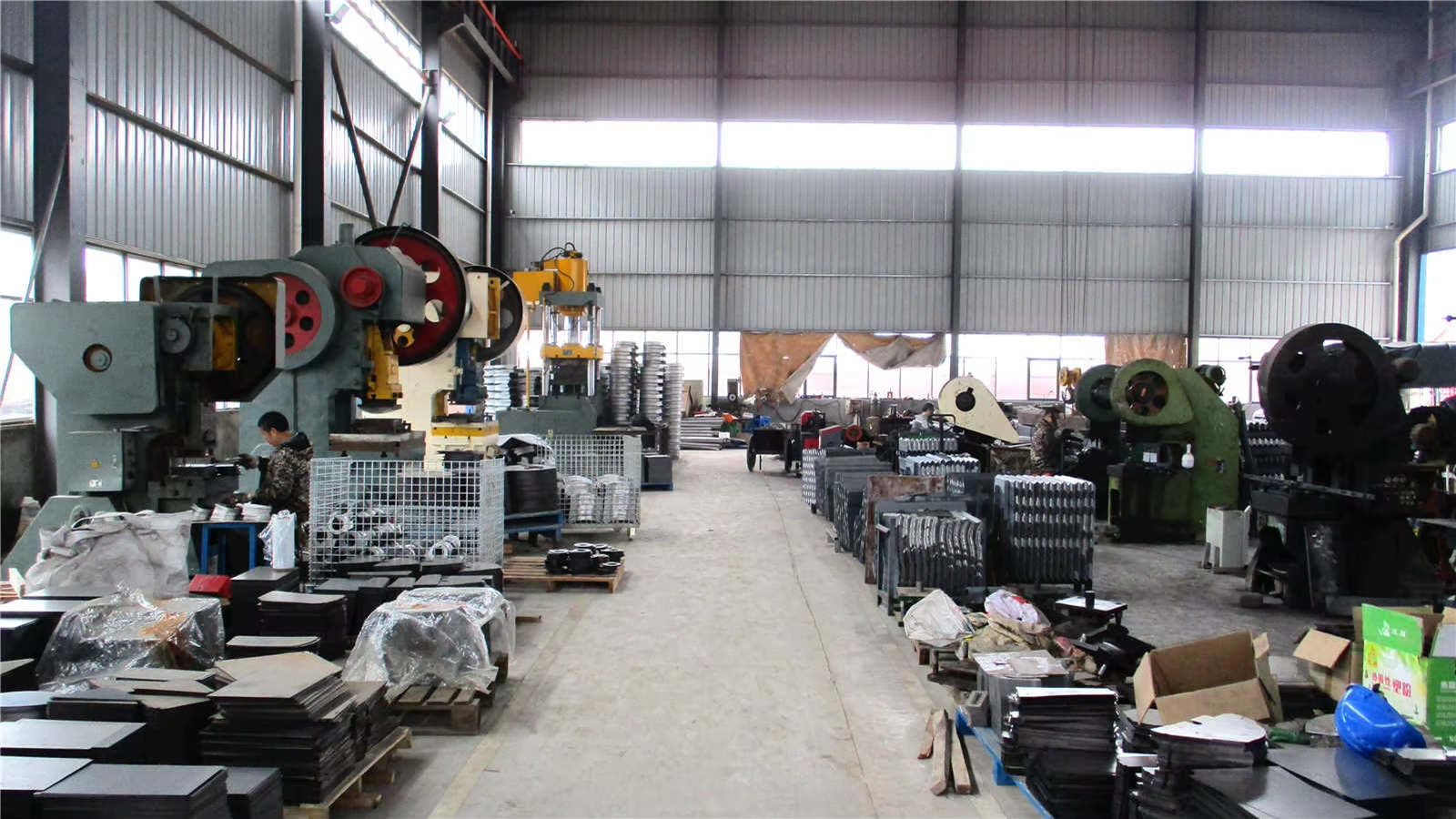
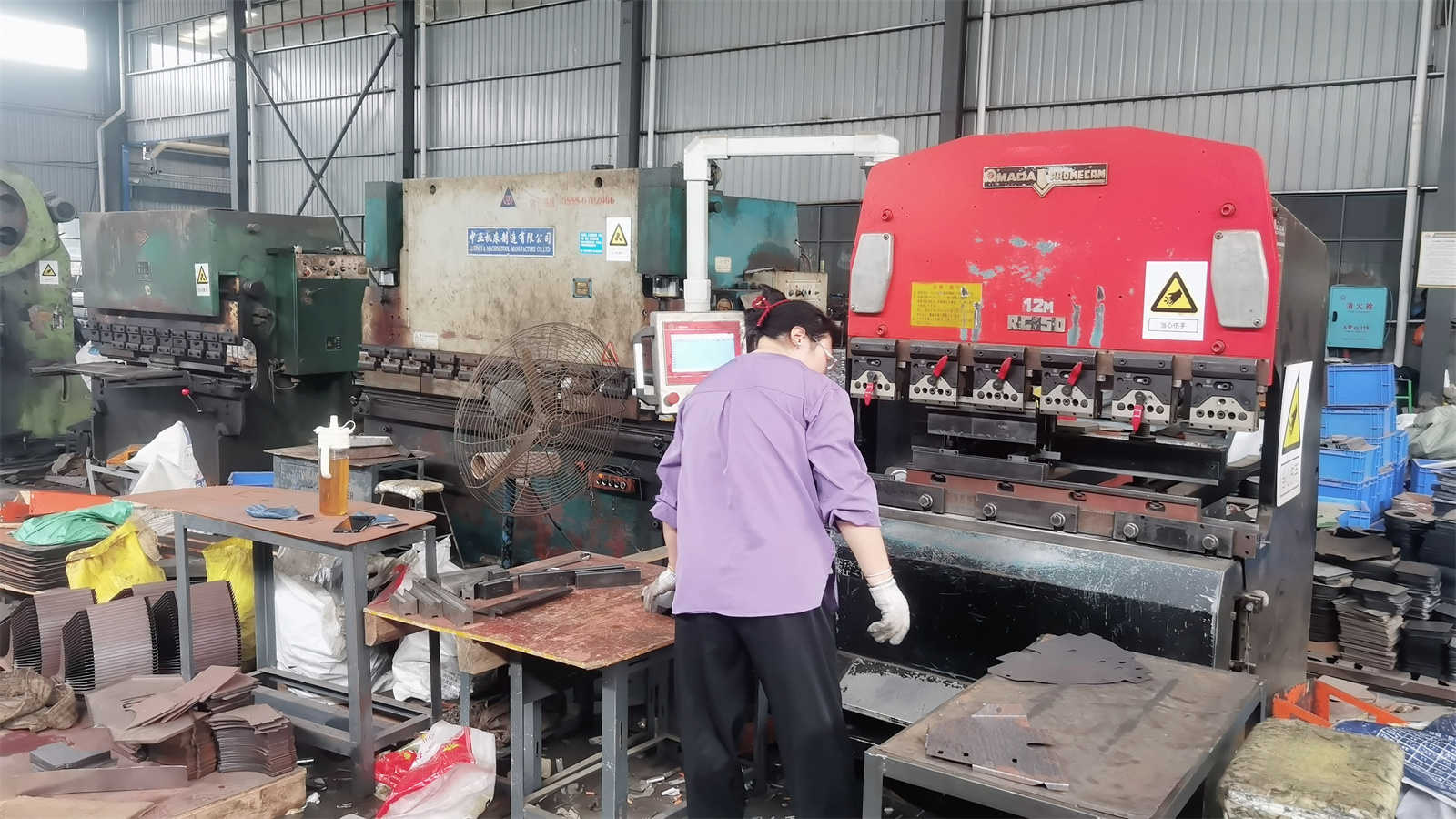
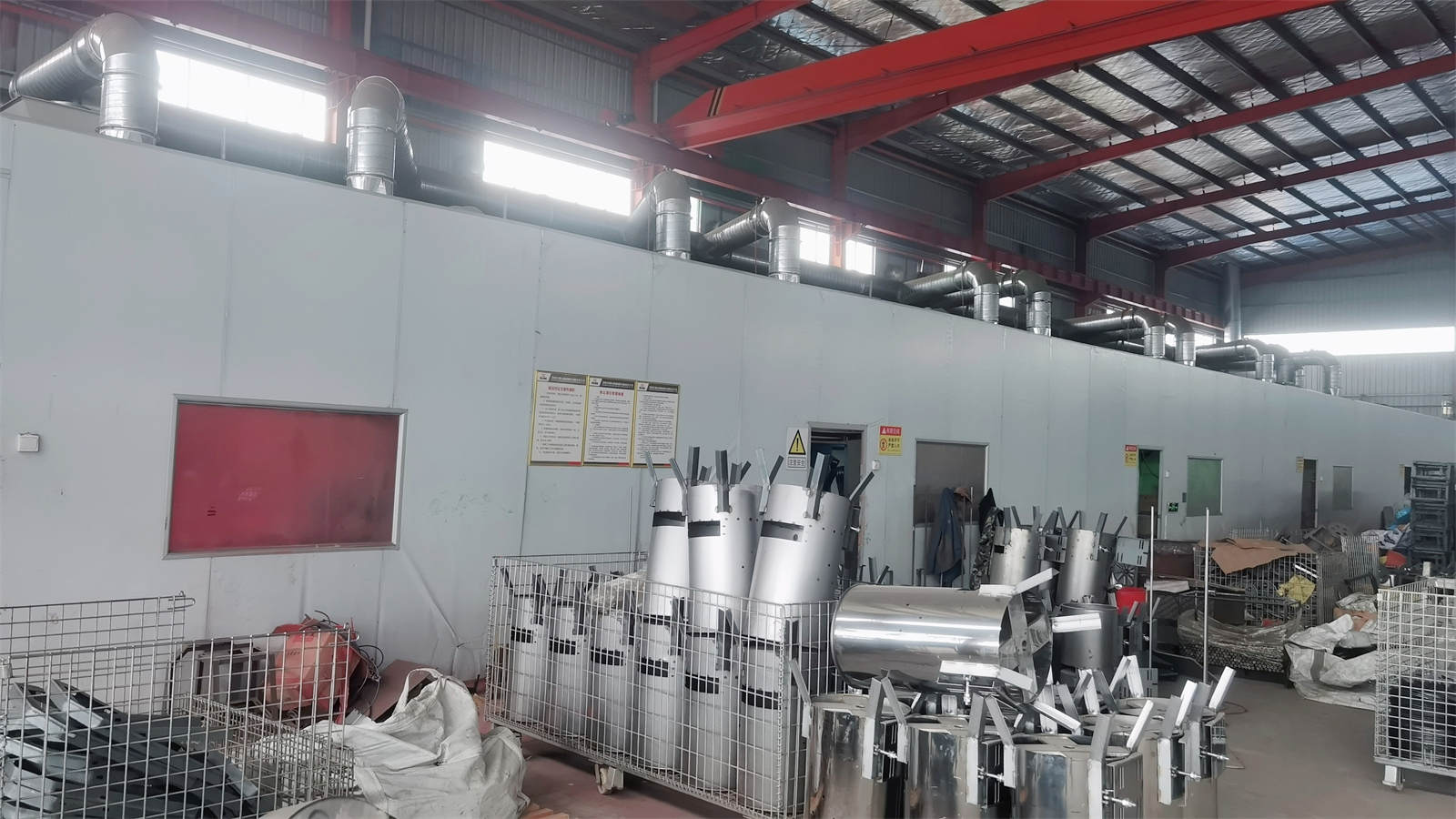
We have introduced a series of advanced processing equipment, including CNC laser cutting machines, CNC bending machines, and CNC lathes, alongside CNC machining centers, CNC boring machines, surface grinding machines, planers, and an electrostatic spraying production line to enhance surface durability.
How food processors and millers in key Thai industrial areas deploy our testing equipment to ensure quality.
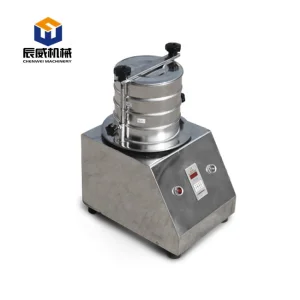
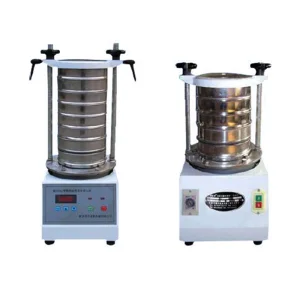
As bulk wheat ships unload at berths along the Chao Phraya River, grain quality controllers face tight schedules. Representative samples are drawn immediately from the vessel. Using our Touch Screen Halogen Moisture Analyzer and Mini Lab Stainless Steel Sieve Shaker, laboratory techs quickly verify moisture percentages and foreign matter levels. This immediate data allows mills to grade incoming shipments, optimize conditioning bins, and adjust tempering times for optimal extraction rates.
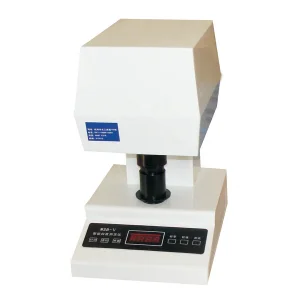
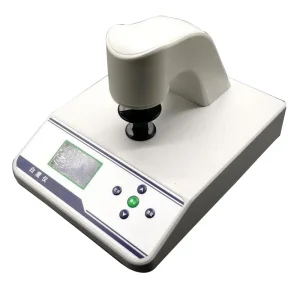
For starch manufacturers processing native tapioca or milling soft wheat flour for local snack manufacturers, whiteness (or brightness) is a key commercial specification. Processors in Pathum Thani's industrial zones deploy our Intelligent Whiteness Analyzer to run rapid color checks. Ensuring consistent optical values prevents variations in finished food products, safeguarding relationships with major food brand clients.
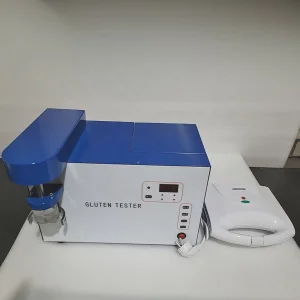
Industrial bakeries and instant noodle production lines in Ladkrabang rely on consistent gluten quality to maintain dough structure under high-speed extrusion. By using our Gluten Washer Dryer Centrifuge Index System, the laboratory measures the ratio of wet gluten to dry gluten and calculates the Gluten Index. This guarantees that every bag of flour delivered has the necessary tensile strength and gas retention capabilities for baking, reducing industrial waste.
High relative humidity and wet harvest seasons in exporting countries can lead to premature germination (sprouting) in grain shipments. Sprouted grain contains elevated alpha-amylase, which ruins baking qualities. Our Falling Number Tester allows laboratory managers in Bangkok to quickly run the liquefaction test, determining sprout damage levels and enabling precise blending of sound grain with sprouted lots to salvage the batch.
Expert engineering responses to common queries regarding laboratory equipment operation, standard compliance, and calibration.
Explore our complete range of laboratory equipment, material testers, and agricultural analyzers, preserving all original configurations.
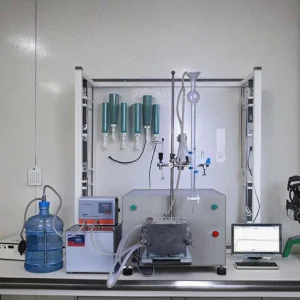
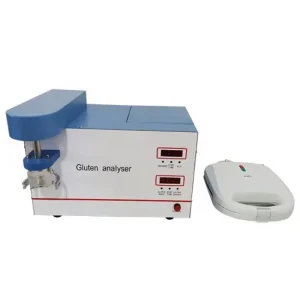
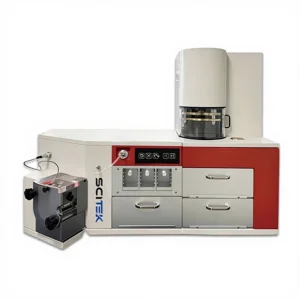
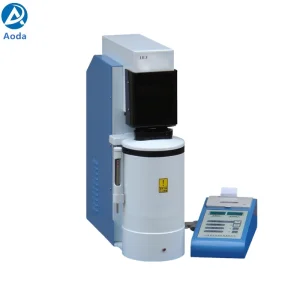
Partner with Henan Jiujie Machine Co., Ltd. for rugged, high-precision laboratory analyzers designed to elevate your industrial output and ensure regulatory compliance in Bangkok and global markets.
Send Inquiry Now Jiujie Machine