Whitepaper: Re-Engineering Post-Harvest Grain Management for Food Security and Energy Efficiency
In the modern global agricultural value chain, post-harvest losses represent one of the most critical challenges to international food security. Rapid, uniform, and energy-efficient drying systems are crucial to preventing microbiological spoilage, mycotoxin contamination, and structural degradation in staple grains. Chinese industrial grain dryer factories have emerged as the backbone of global agricultural infrastructure, leveraging high-tech assembly lines, robust supply chains, and superior heat integration technologies to deliver reliable operations worldwide.
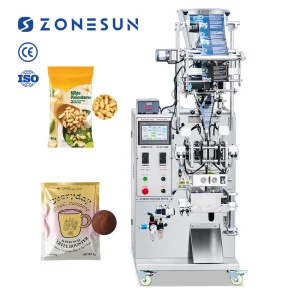
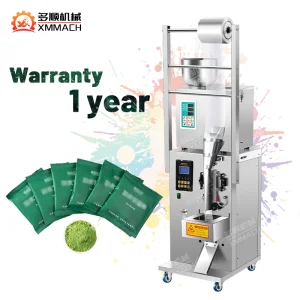
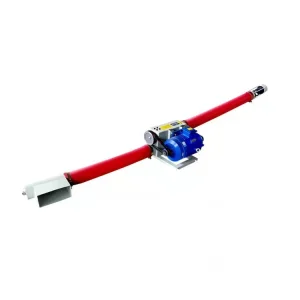
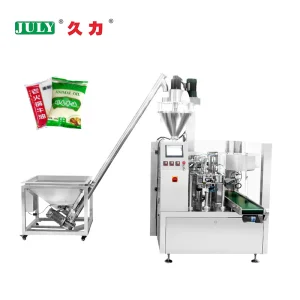
Advanced vertical packing lines, high-capacity pneumatic conveyors, and material handling systems engineered for large-scale grain processing plants.
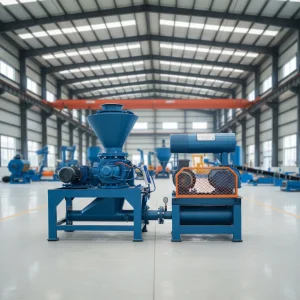
The global agricultural market demands standardized post-harvest solutions to handle extreme volumetric variations and weather dependencies. Grains such as maize, wheat, rice, barley, and soybeans are harvested with varying moisture content—often ranging between 18% and 35%. To prevent biochemical spoilage, dynamic microbial action, and structural decay, these commodities must be rapidly dried to stable moisture levels (typically 12% to 14.5%) before storage in atmospheric grain silos.
Today's modern grain drying installations are massive industrial arrays that rely on forced thermodynamic air systems. Depending on the thermal layout (cross-flow, counter-flow, or mixed-flow designs), industrial dryers draw in ambient air, elevate it using natural gas, biomass, steam, or oil burners, and force it through cascading columns of grains. This requires state-of-the-art process controls to avoid over-drying, which can lead to stress-cracking and loss of germinability, or under-drying, which exposes massive bulk stores to the catastrophic threat of self-heating and localized combustion.
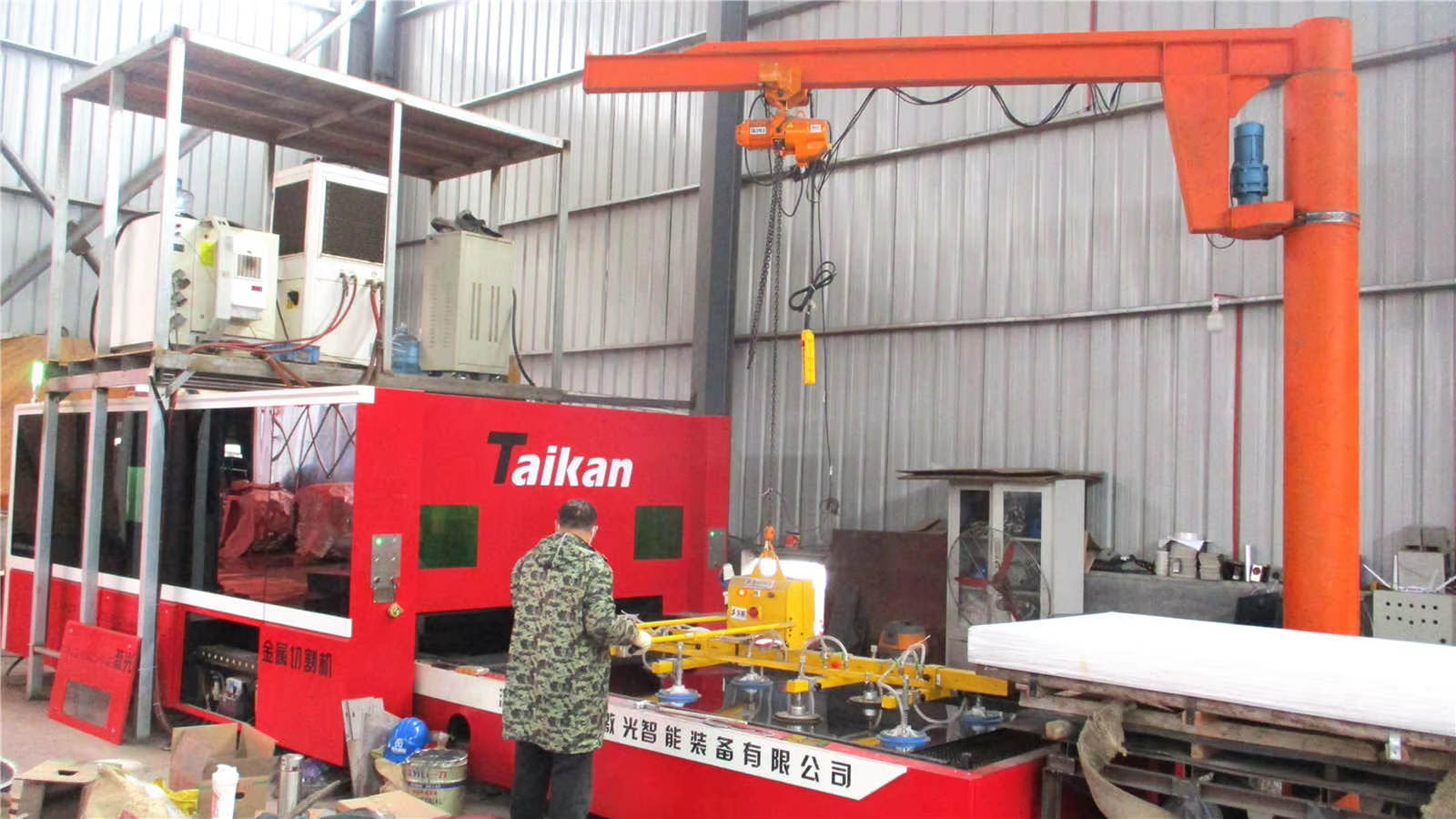
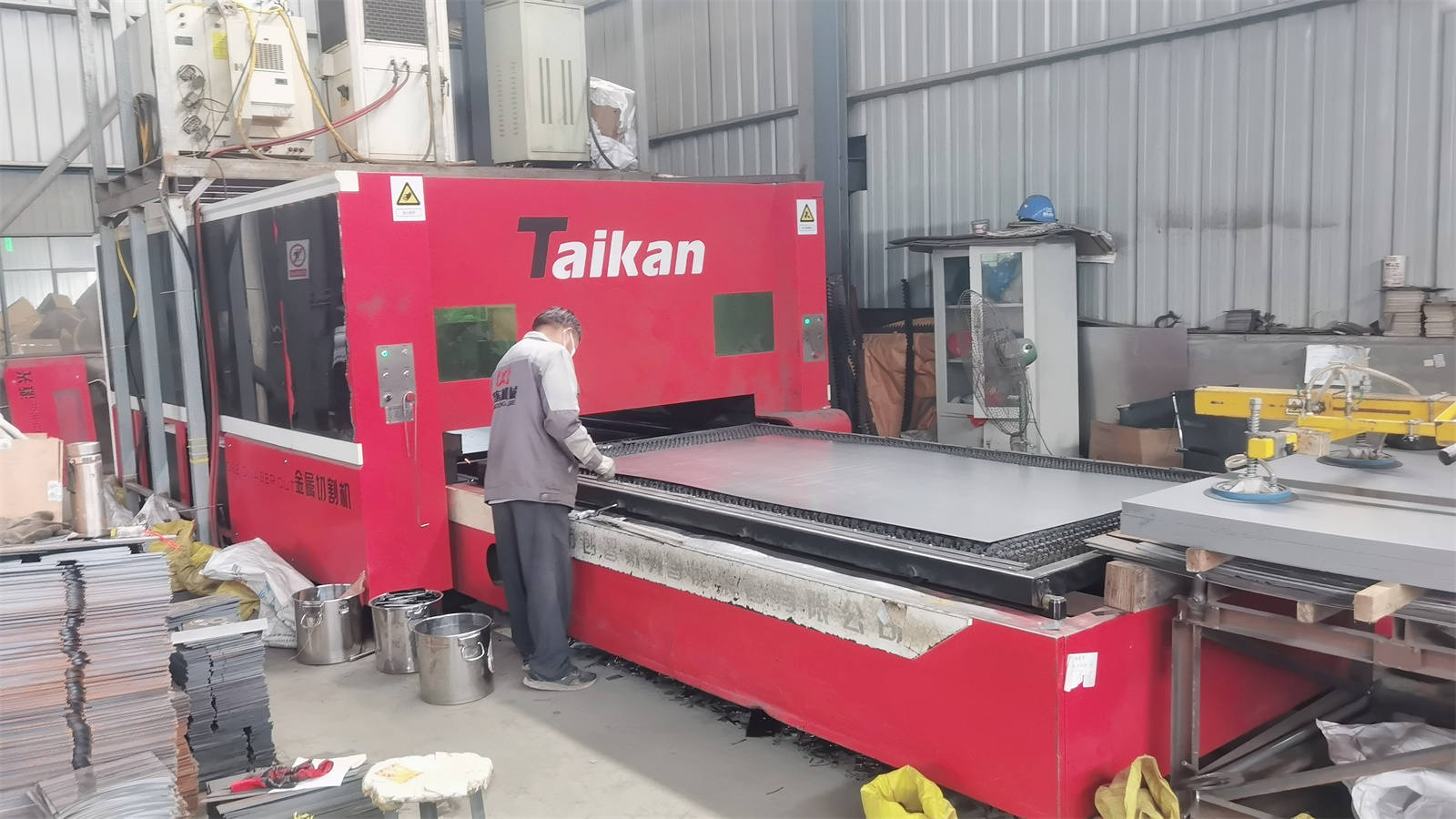
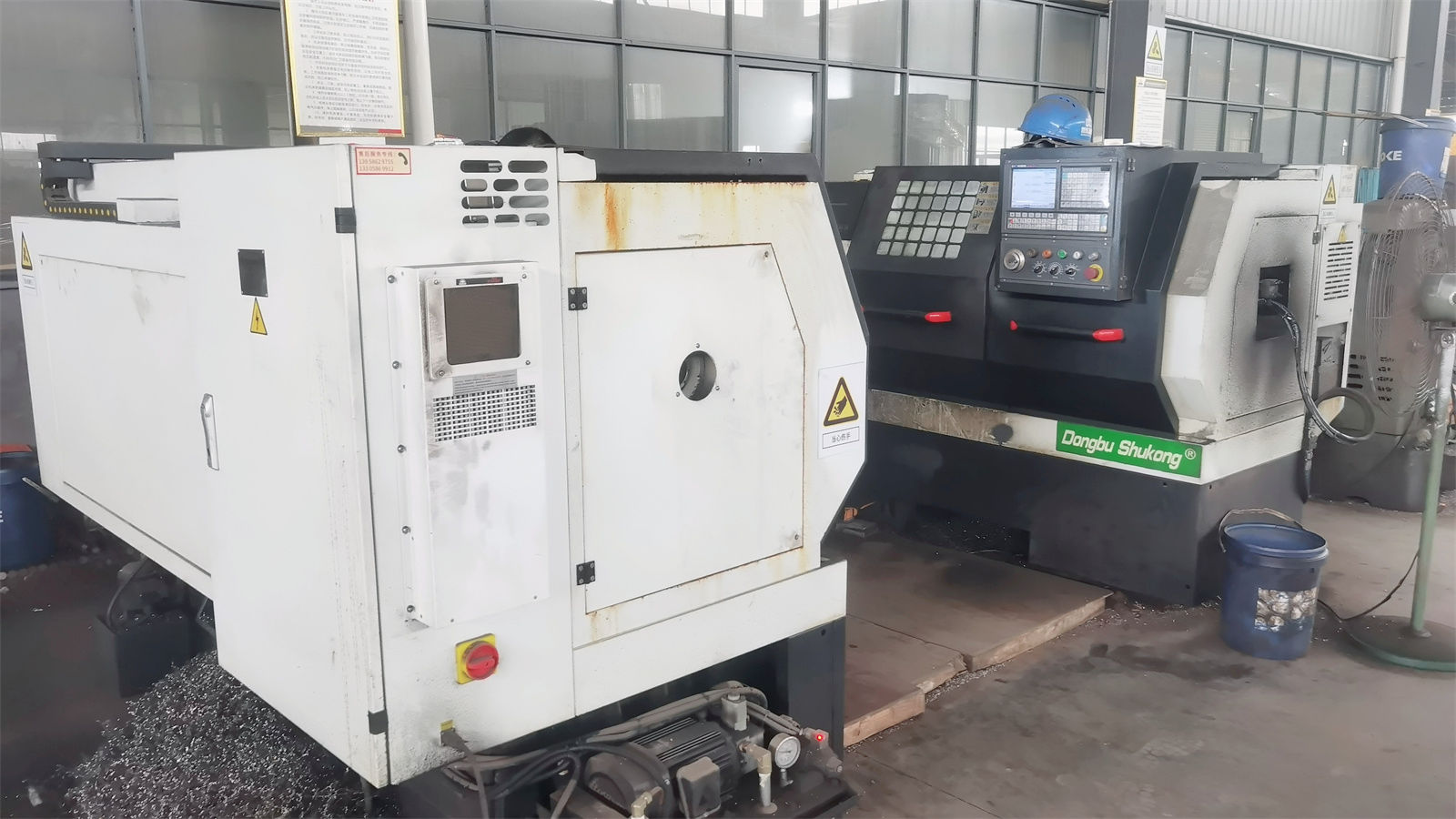
China's manufacturing sector has shifted from basic structural fabrications to heavy-duty engineering characterized by precision, automated metallurgy, and highly integrated thermal configurations. By consolidating CNC-based laser cutting, robotic welding, and specialized surface treatment plants inside industrial clusters, Chinese manufacturers achieve unparalleled supply-chain efficiencies.
For global buyers, procurement from leading Chinese plants translates to major capital expenditure (CapEx) savings without compromising on strict certification benchmarks. Many Chinese companies design machinery specifically compatible with international electrical grids (e.g., 220V/380V/440V, 50Hz/60Hz configurations) and incorporate world-class automation (Siemens, Schneider electrics) for seamless plant-wide integration.
Pioneering integrated industrial solutions across the global food production and grain processing supply chain.
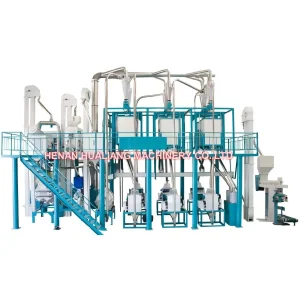
Henan Jiujie Machine Co., Ltd. serves as a highly qualified system integrator and manufacturer for complete grain milling, cleaning, and conveying complexes. Their expansive product portfolio bridges raw grain handling all the way to high-speed commercial packaging. Over decades of industrial operation, Henan Jiujie has evolved its technical footprint, deploying complete flour mills, feed plants, and rice processing complexes in both highly regulated Western markets and fast-expanding developing economies.
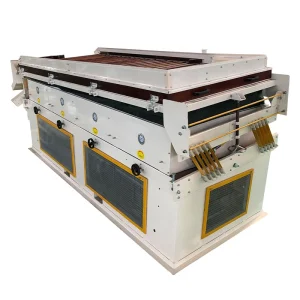
Rather than supplying fragmented machine units, Henan Jiujie focuses on providing integrated agricultural layouts. By executing engineering via advanced AutoCAD systems, they map the lifecycle of the grain from initial unloading, pre-cleaning (via high-precision de-stoners and gravity separators), sorting, milling, and fine sifting, down to final vertical bagging.
Environmental stewardship is built into the core design of Henan Jiujie's equipment. A key indicator of their engineering prowess is their water-free dry grain cleaning process. Standard washing technologies produce large volumes of highly polluted effluent that demand expensive water treatment systems. The dry cleaning arrays engineered by Henan Jiujie completely eliminate wastewater discharge, helping global facilities meet strict environmental impact assessments.
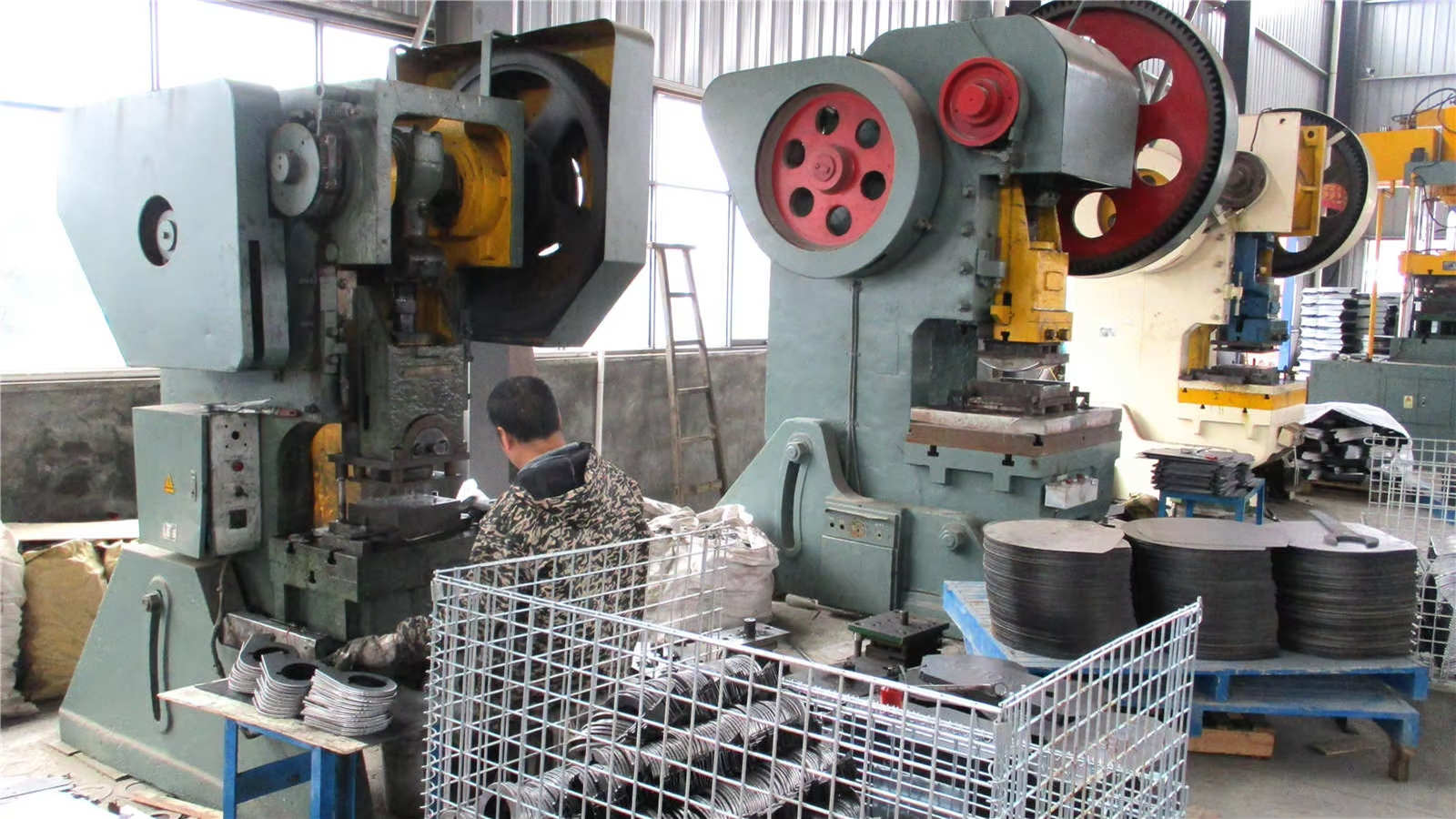
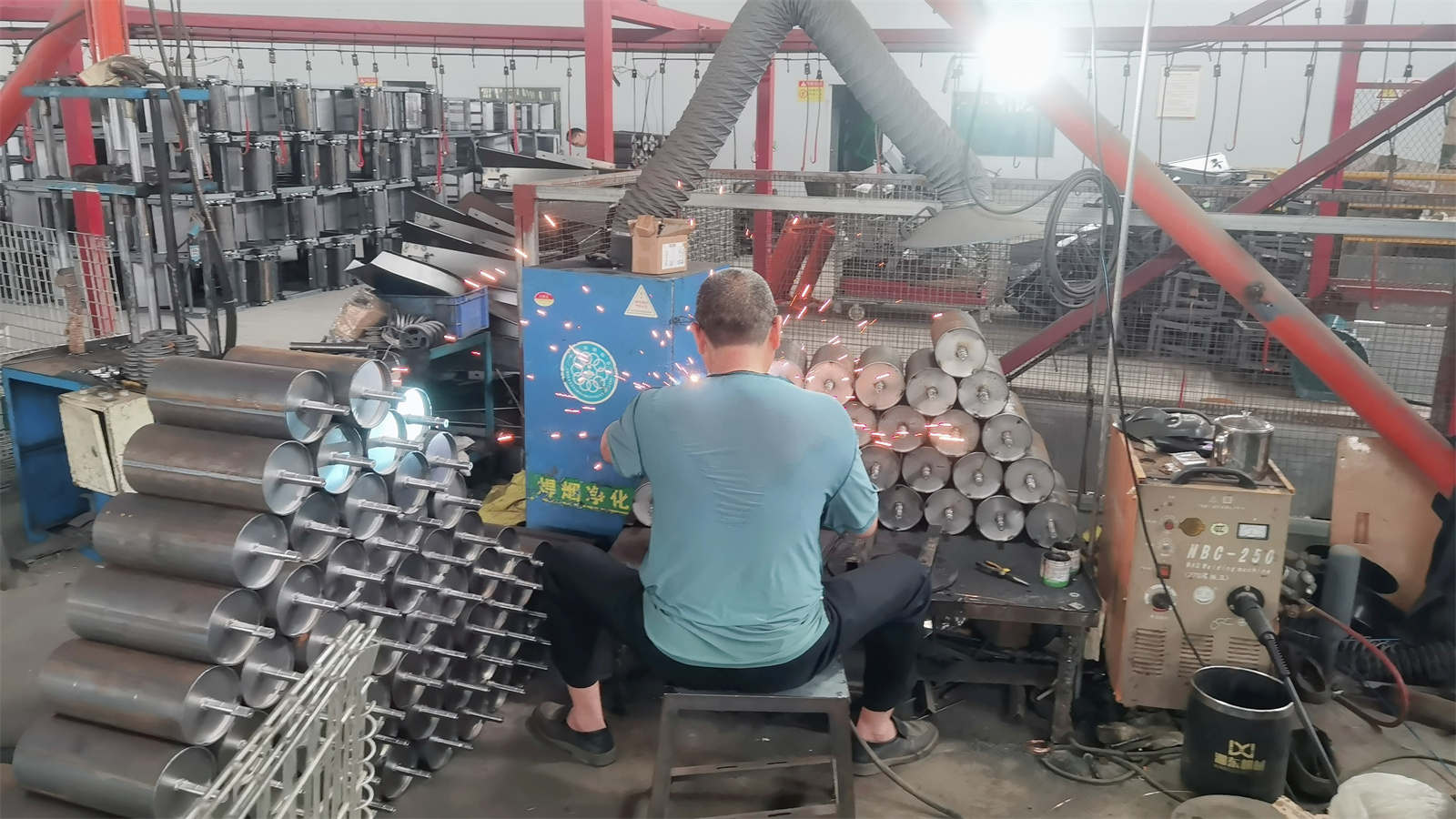
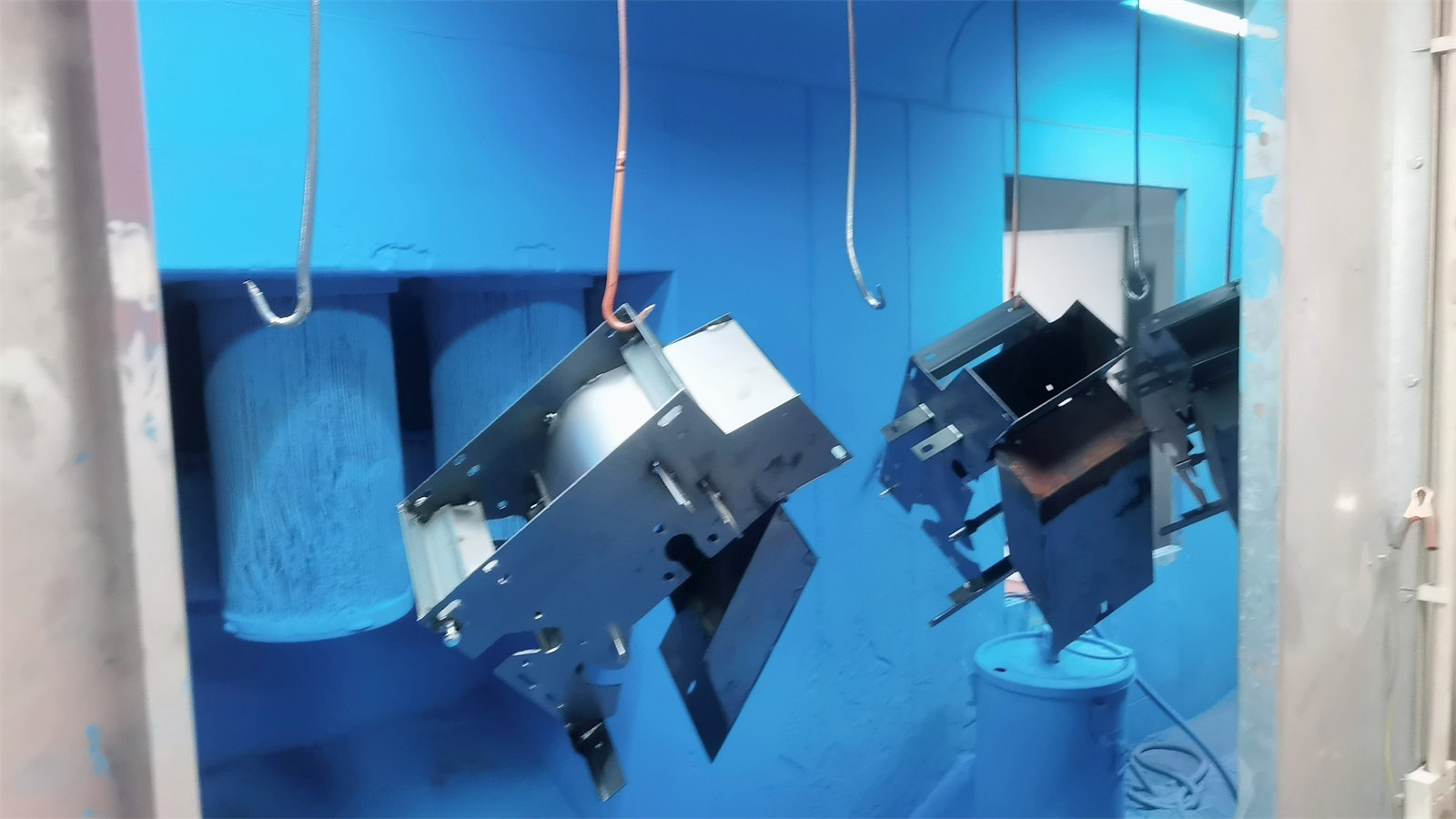
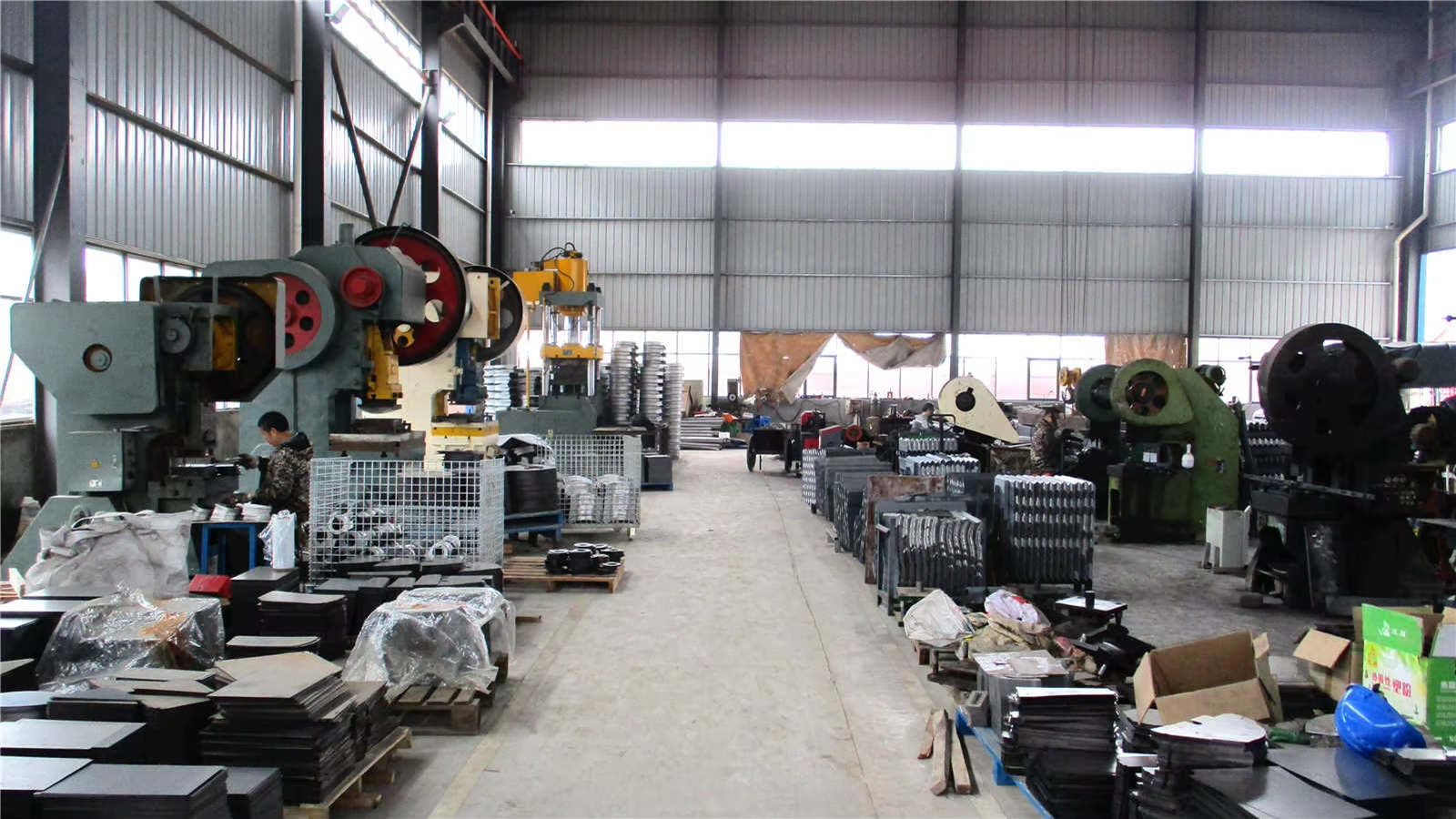
A look inside Henan Jiujie's high-tech manufacturing processes, including CNC laser cutting, bending, robotic welding, and finishing lines.
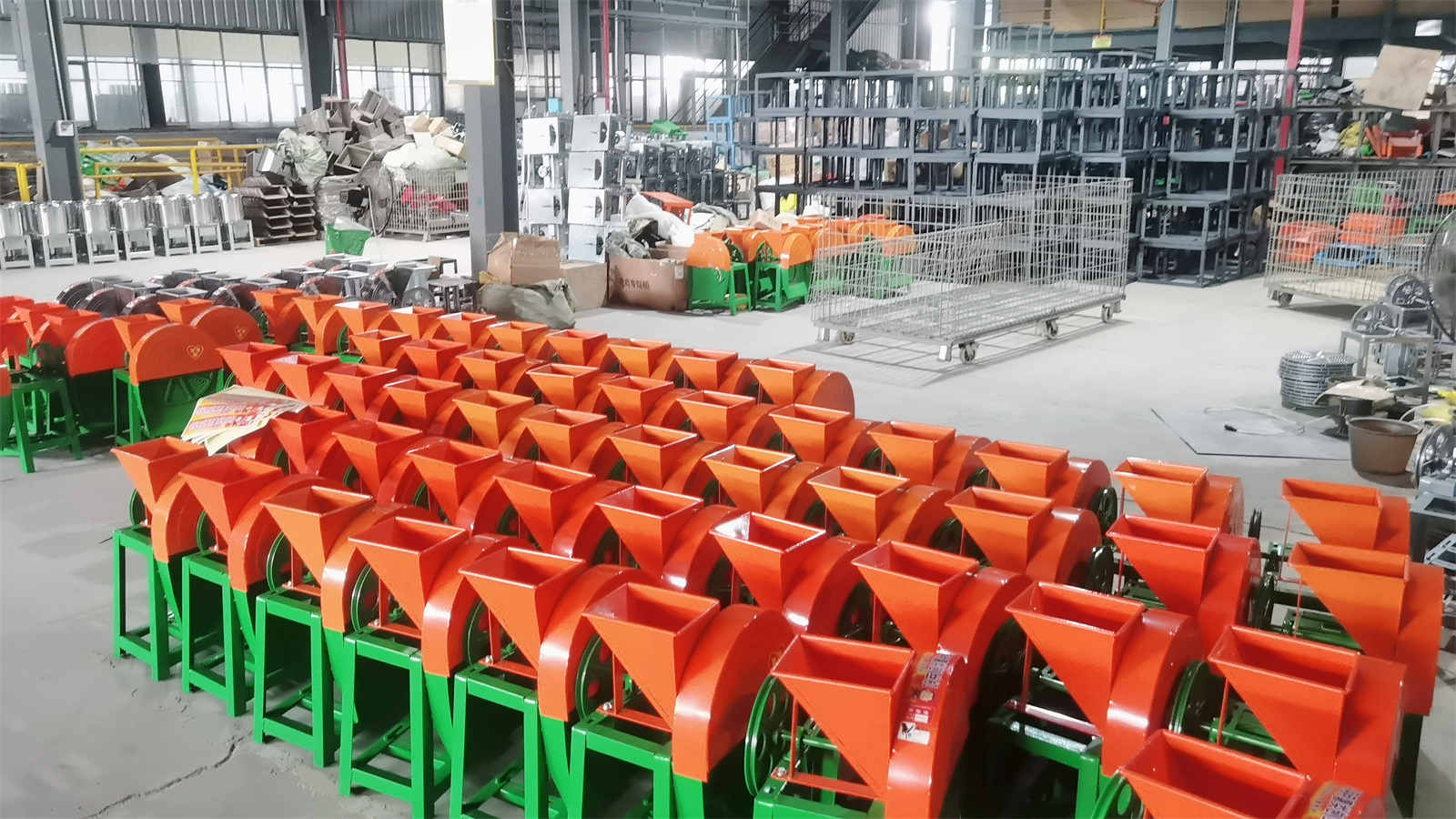
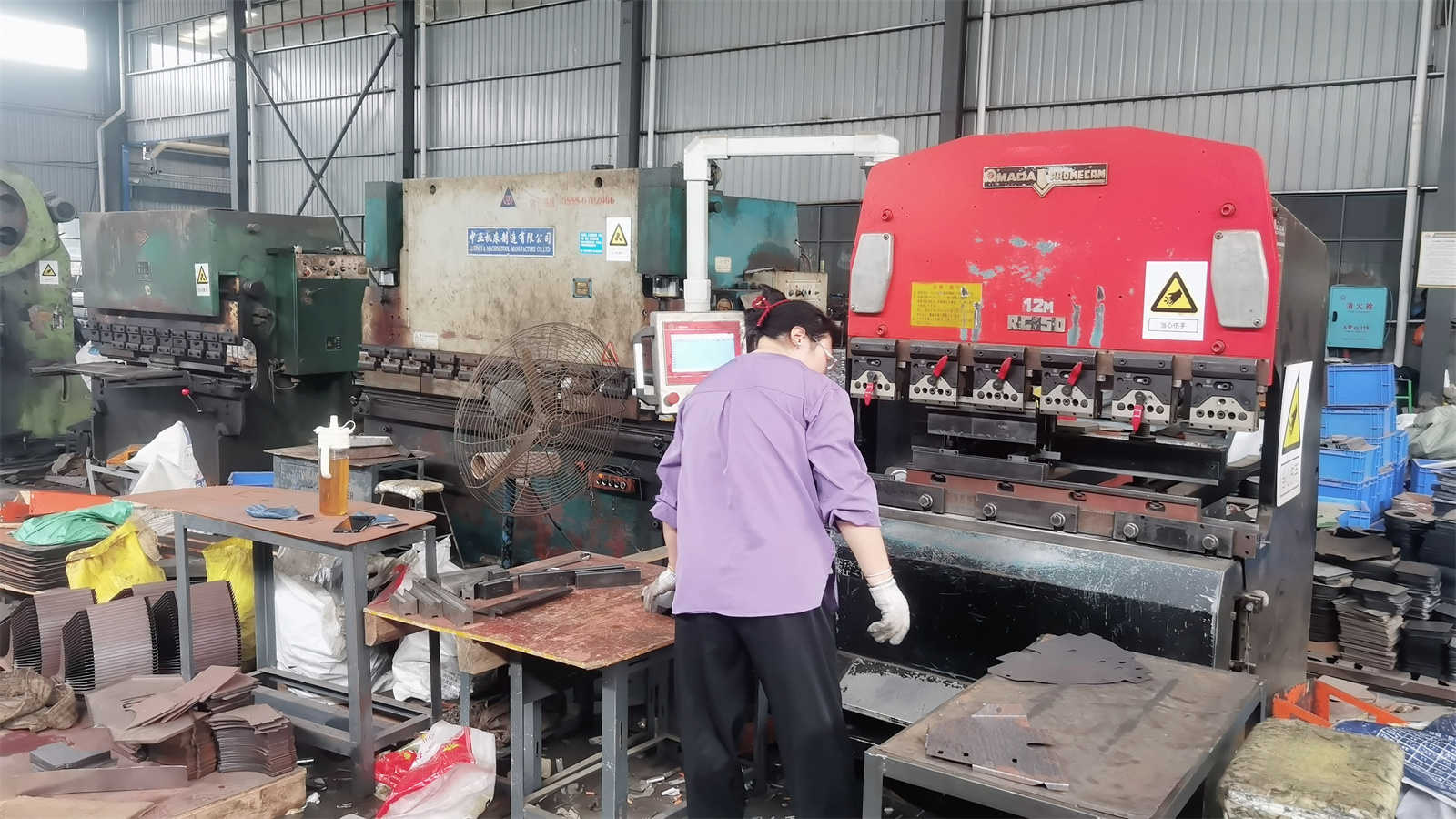
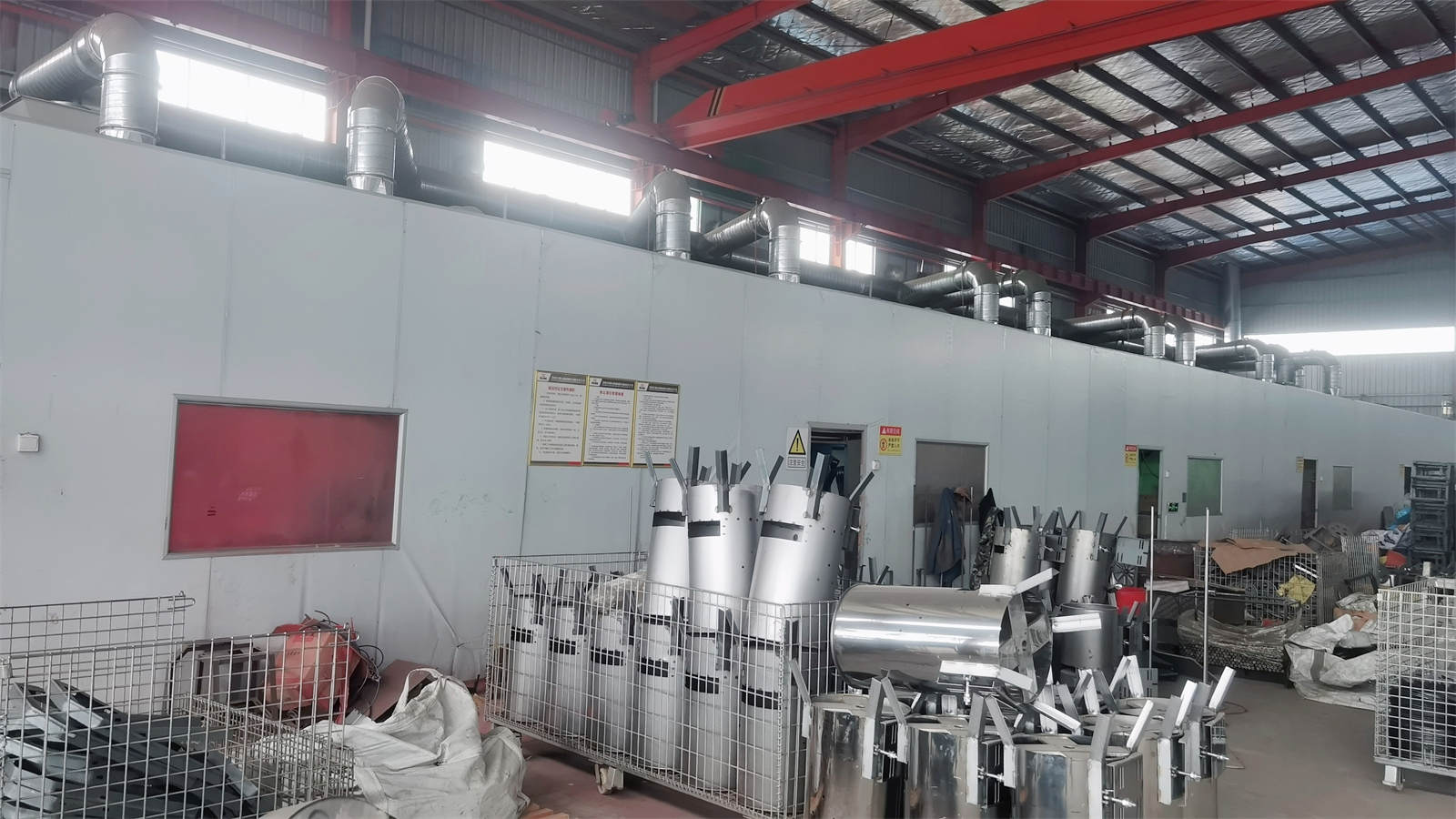
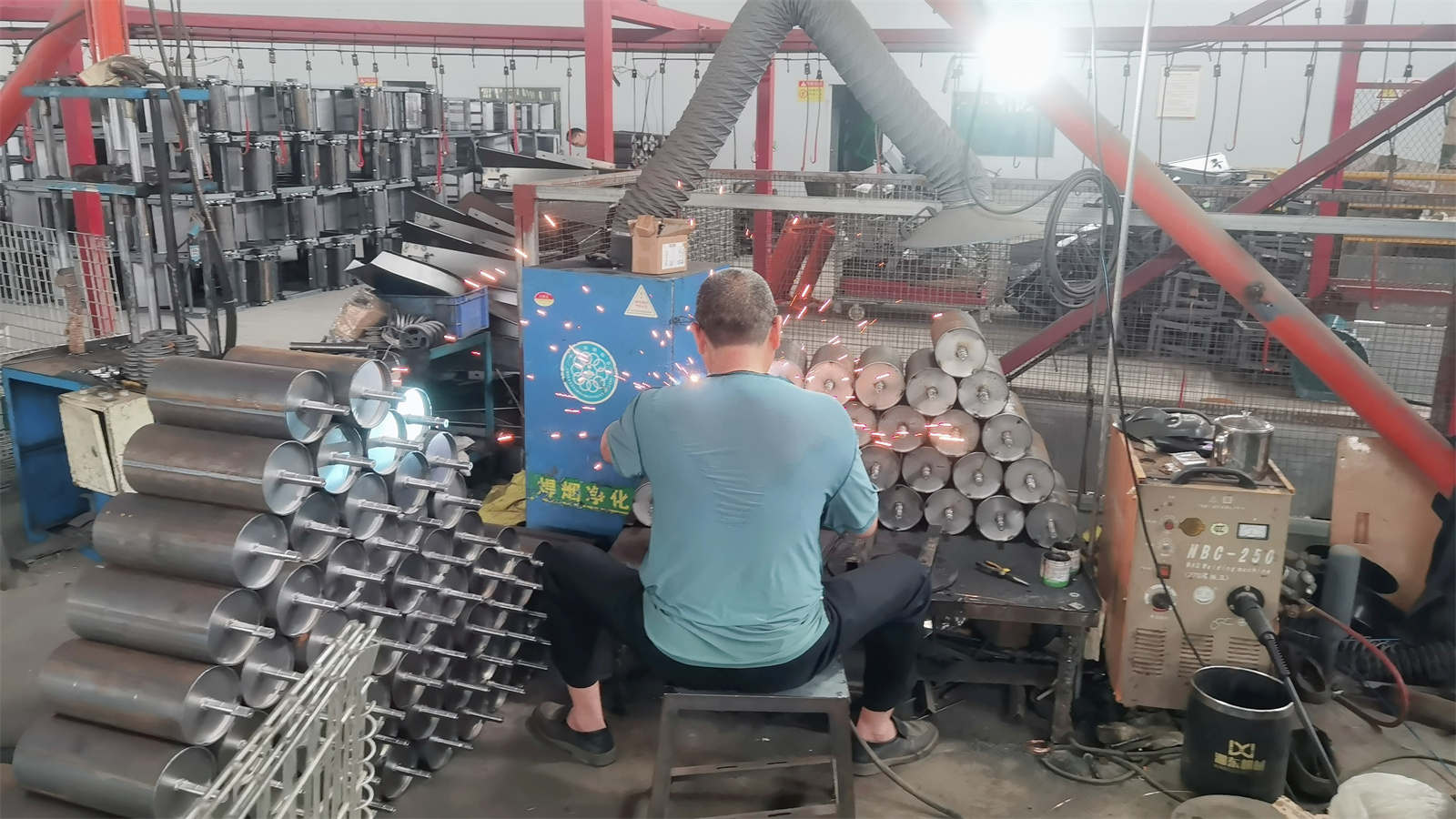
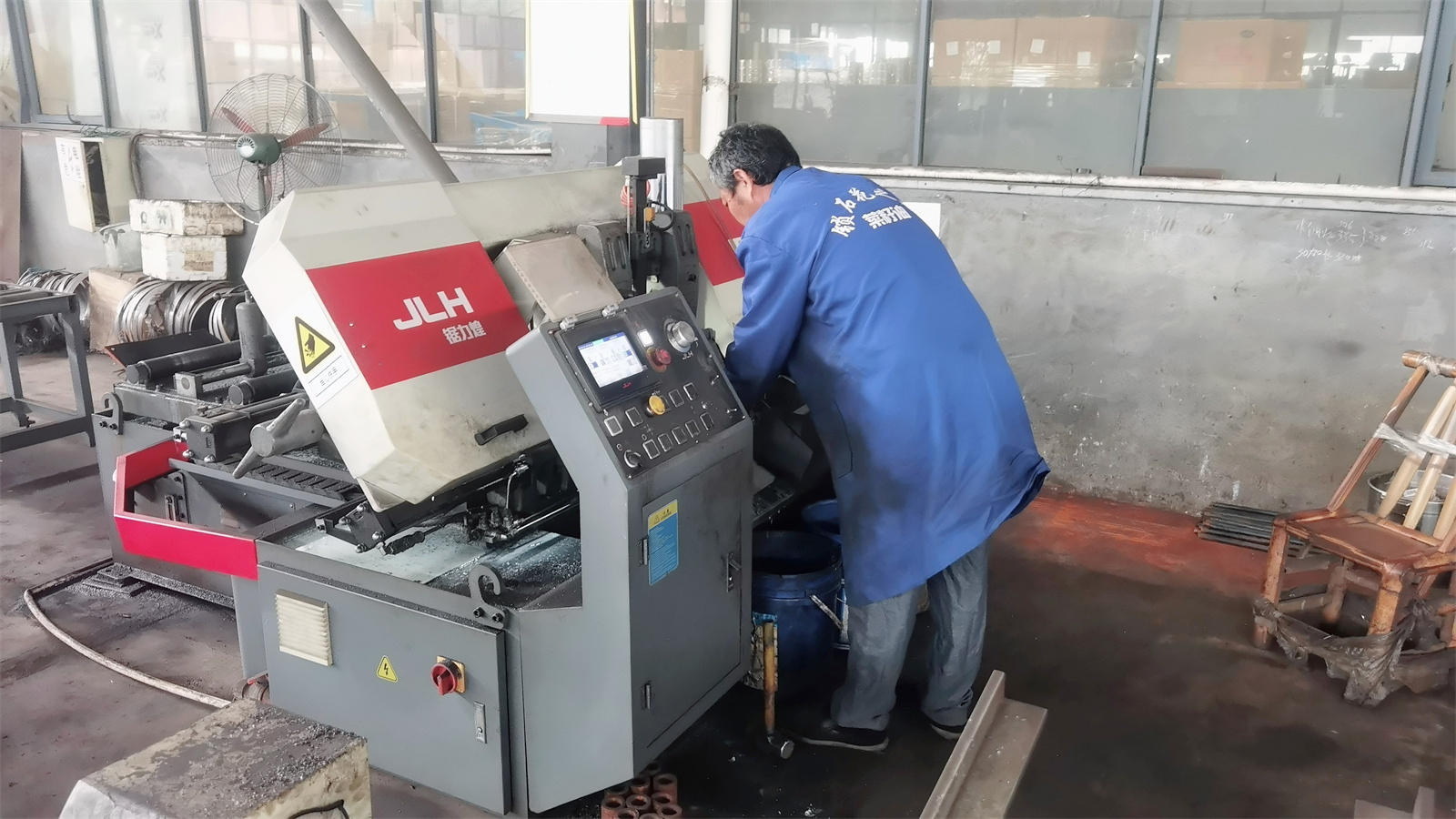
Dryers and milling machinery must be configured differently depending on the grain, climate conditions, and local processing habits. For instance, drying rice paddy in hot, humid Southeast Asian regions (such as Vietnam, Thailand, or Indonesia) requires low-temperature, multi-stage drying systems. This prevents the outer kernel from drying too quickly and cracking, which would lower the milling yield of whole-grain head rice.
Conversely, in cold regions like Eastern Europe, North America, and Northern China (e.g., Harbin or Inner Mongolia), corn is harvested with high moisture levels (often above 30%) just as winter sets in. This requires heavy-duty tower dryers that use hot air temperatures up to 120°C to quickly remove large amounts of moisture. In these environments, utilizing heat exchangers is crucial to prevent the freezing of fuel lines and condensation inside the silos.
For mid-sized and large-scale flour milling plants, drying is not just about preservation but also conditioning. Controlled wheat dampening and subsequent tempering stages are needed to toughen the bran and soften the endosperm. This ensures clean separation during milling on high-speed roller mills.
Buying commercial-grade grain machinery involves navigating complex technical specifications. It is important to look beyond basic capacity ratings (such as tons per day) and ask detailed questions about engineering standards:
Direct technical answers addressing the key design and operational questions of agricultural grain drying and milling systems.
Optimal temperature varies by grain type and its intended use. For instance, milling wheat is typically dried with air temperatures below 60°C to keep gluten quality high. Corn can be dried at higher temperatures (80°C to 120°C) if it is intended for feed or ethanol production. However, seed grains and malting barley must be kept below 45°C to protect the germinability of the seed.
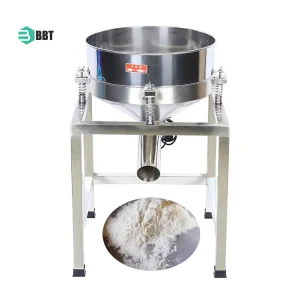
Wet washing was historically used to remove dust and dirt, but it creates large volumes of wastewater that require expensive treatment. Dry cleaning systems use air aspiration, vibrating sieves, gravity separators, and magnetic separators to remove impurities without water. This is an eco-friendly approach that helps facilities meet modern environmental regulations.
CNC laser cutting delivers precise dimensions with tolerances under 0.1 mm. This high precision is crucial for grain handling equipment because it prevents product leakage, keeps seals airtight, and reduces wear and tear on moving parts. It also allows for clean welding joints, which increases the lifespan of the machinery.
Fine organic dust suspended in the air inside a grain processing plant creates a serious explosion hazard. A single spark from static electricity or friction can ignite a dust cloud, causing a primary explosion. To prevent this, facilities must use explosion-proof wet dust collectors, grounded piping, and explosion venting to keep dust levels safe and protect the plant.
Grains like rice and beans are sensitive to thermal shock and can crack if dried too quickly. To prevent this, facilities use multi-stage drying profiles with tempering periods. Tempering allows moisture to move naturally from the core of the kernel to the outer shell, reducing internal stress and preventing the grain from splitting.
Most Chinese manufacturers build machinery to meet the power standards of the destination country. This includes standard 380V/50Hz 3-phase systems for Asia and Europe, 220V/440V/60Hz configurations for South America and Saudi Arabia, and custom voltages to match local electrical grids.
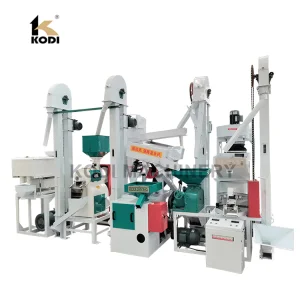
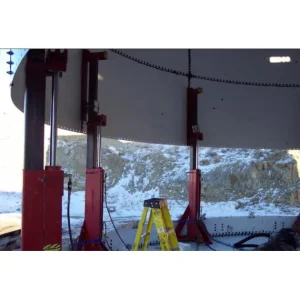
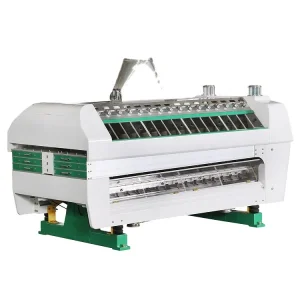
Complete flour mills, high-efficiency de-stoners, dust collectors, and hydraulic lifting units for storage silo installation.

 Jiujie Machine