Jiujie Machine
The Evolution of Modern Conveyor Systems in Global Material Handling
Conveyor systems represent the lifelines of industrial logistics, processing lines, and distribution facilities worldwide. As modern manufacturing shifts toward Industry 4.0 architectures, bulk material handling systems have evolved from simple passive transport lines to data-integrated, high-speed, intelligent networks capable of managing thousands of metric tons per hour. In the agricultural, food-grade processing, and grain storage sectors, precise mechanical transport guarantees uninterrupted workflow and directly influences terminal product quality.
Historically, the conveying of granular, powder, or block materials relied on manual loading or basic gravity-driven chutes. Modern industrial operations, however, utilize a comprehensive matrix of equipment—ranging from high-efficiency screw feeders and bucket elevators to pneumatic pressure configurations—designed to prevent degradation, maintain strict separation, and minimize environmental impact. In these applications, conveying solutions must be tailored specifically to the chemical and physical characteristics of the processed material, such as bulk density, moisture content, angle of repose, and abrasiveness.
Global Procurement Dynamics: What Enterprise Buyers Require
International sourcing departments faces significant hurdles when selecting a conveyor system manufacturer. Procurement metrics have shifted from focusing solely on initial capital expenditure (CAPEX) to calculating the comprehensive lifetime Cost of Ownership (TCO). In modern industrial projects, critical evaluation points include:
- Energy Efficiency and Power Optimization: Conveyors running continuously can generate massive utility costs. Smart mechanical drive assemblies integrated with high-efficiency IE3/IE4 motors and variable frequency drives (VFDs) reduce start-up electrical load and optimize operational power draw.
- Food Safety & Sanitary Standards: Conveyor systems handling grains, flour, sugar, or ingredients must comply with stringent international standards (e.g., FDA regulations and EU food contact requirements). Design considerations require food-grade stainless steel surfaces (304 or 316L), self-cleaning mechanisms, and zero-pocket frame configurations that eliminate material residue and microbiological accumulation.
- Dust Control & Dust Explosion Safety (ATEX): Handling dry, fine organic powders like wheat flour or grain dust introduces extreme dust explosion hazards. Modern buyers demand containment solutions, integrated dust extraction ports, and non-sparking mechanical components to achieve safety compliance.
- Zero-Water Environment Preservation: Globally, industrial facilities face pressure to implement environmentally friendly production lines. Dry-cleaning and water-free processing solutions prevent wastewater runoff and safeguard natural resources.
China Industry 4.0: Resilient Manufacturing & Supply Chain Advantage
The position of China as the leading global manufacturing hub for conveyor systems is rooted in deep infrastructure integration. "China Factory 4.0" is not merely about cheap assembly; it represents the structural synchronization of the entire raw material and mechanical supply chain, supported by automated, high-precision manufacturing.
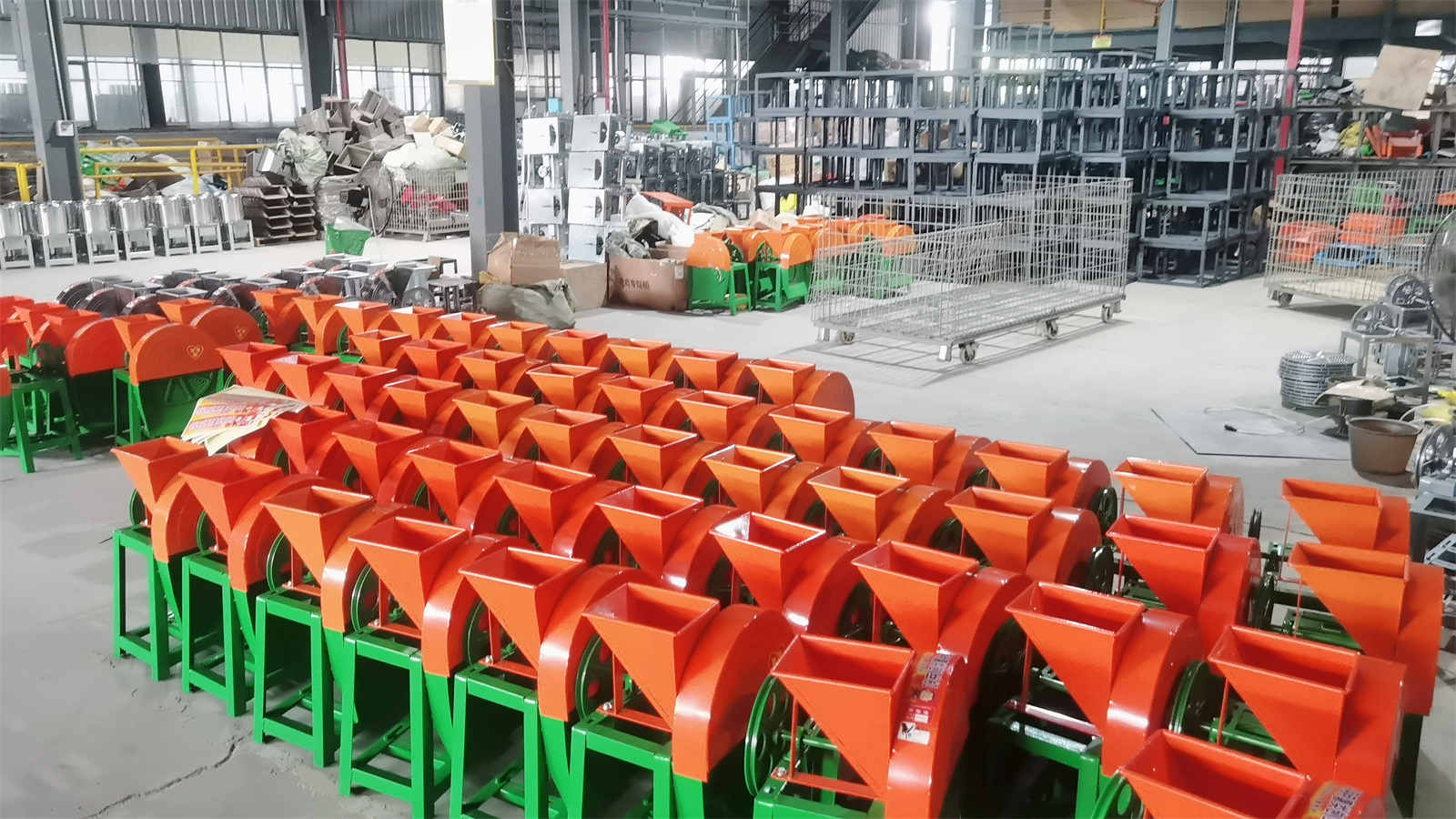
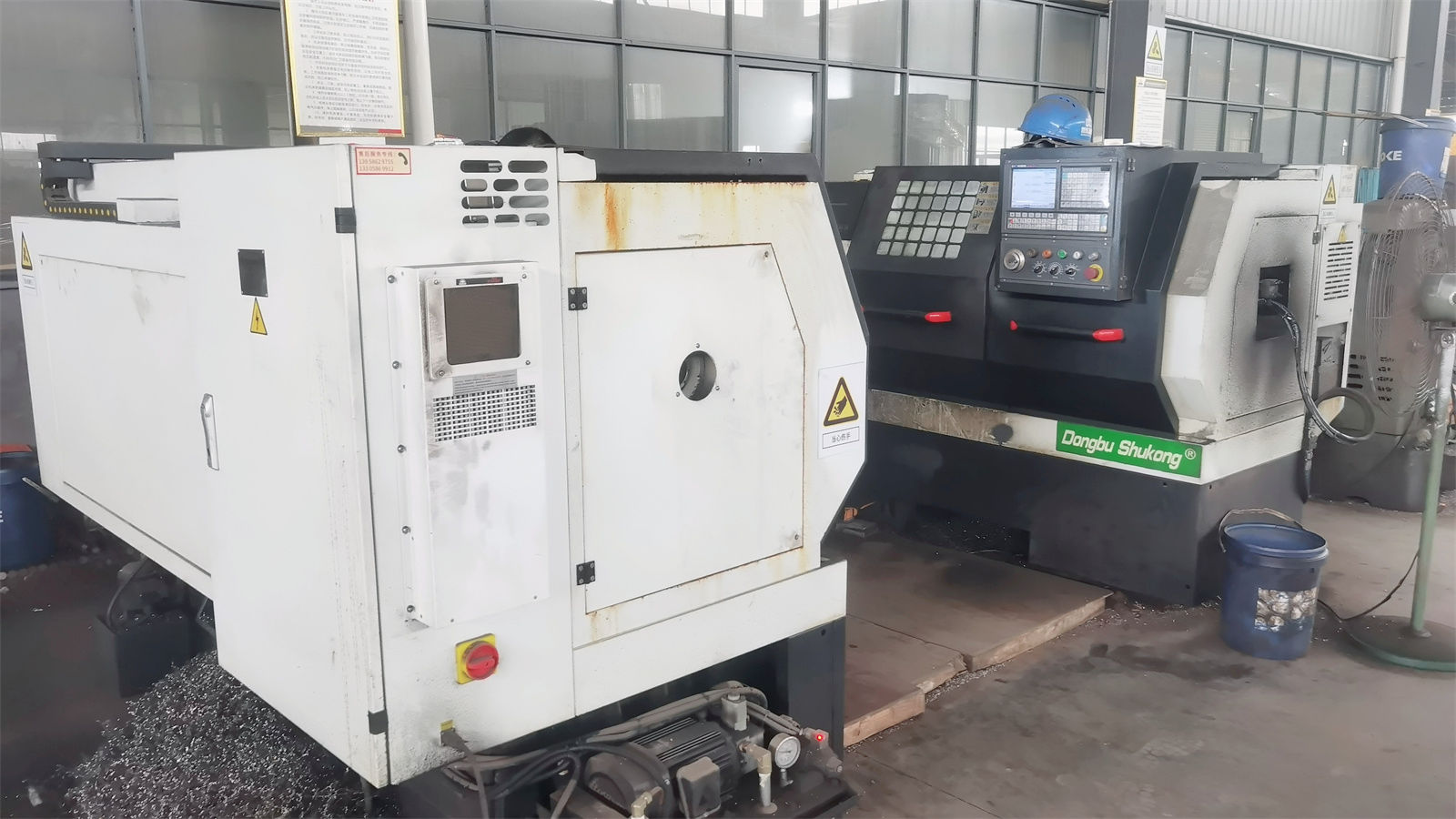
At Henan Jiujie Machine Co., Ltd., we utilize advanced manufacturing methodologies that elevate reliability to the highest international standards. By integrating computer-aided manufacturing (CAM) with CAD environments, we achieve tolerances measured in microns across our conveyor frames, support trusses, roller shafts, and screen boxes.
Advanced Manufacturing Capabilities
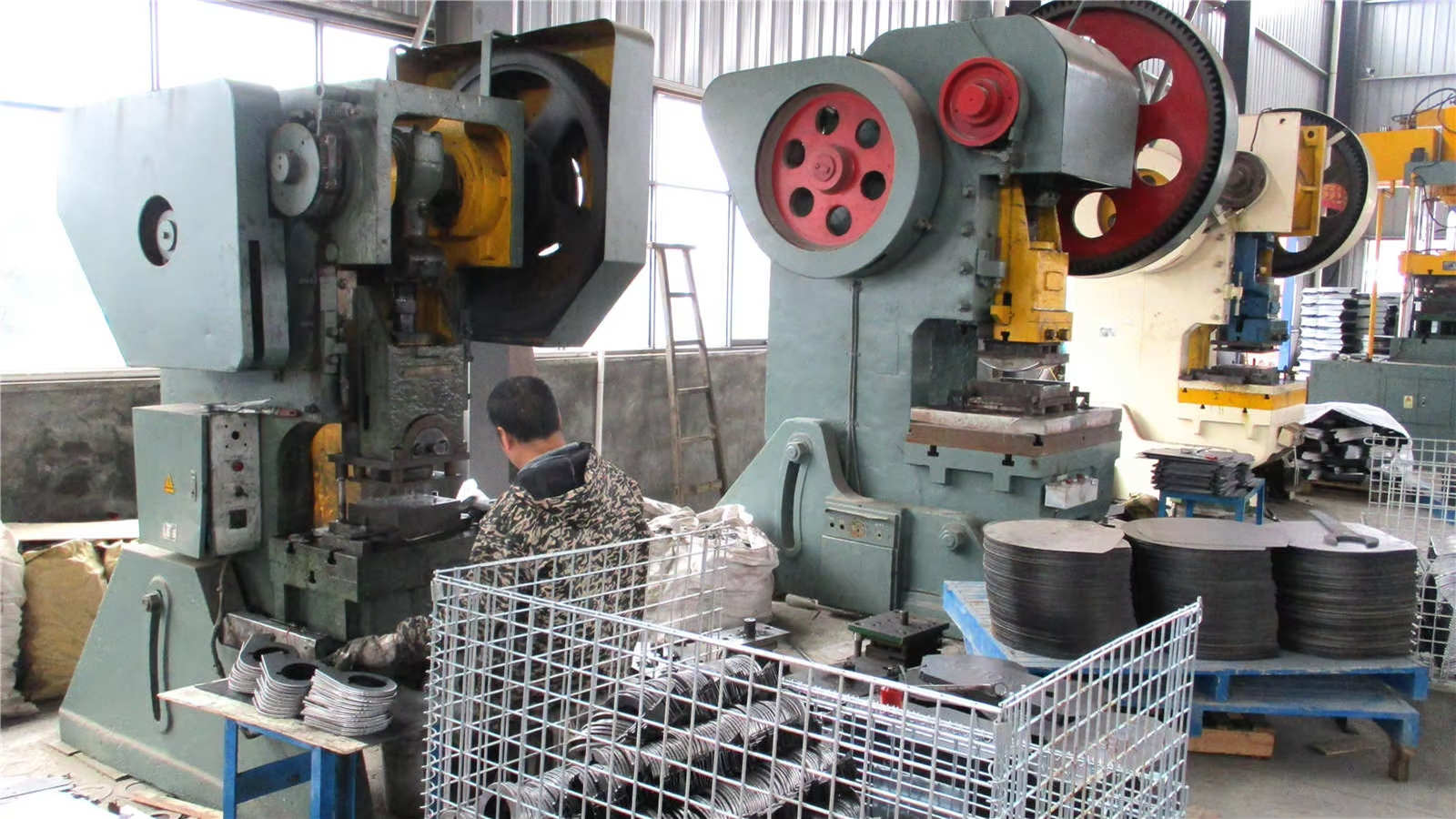
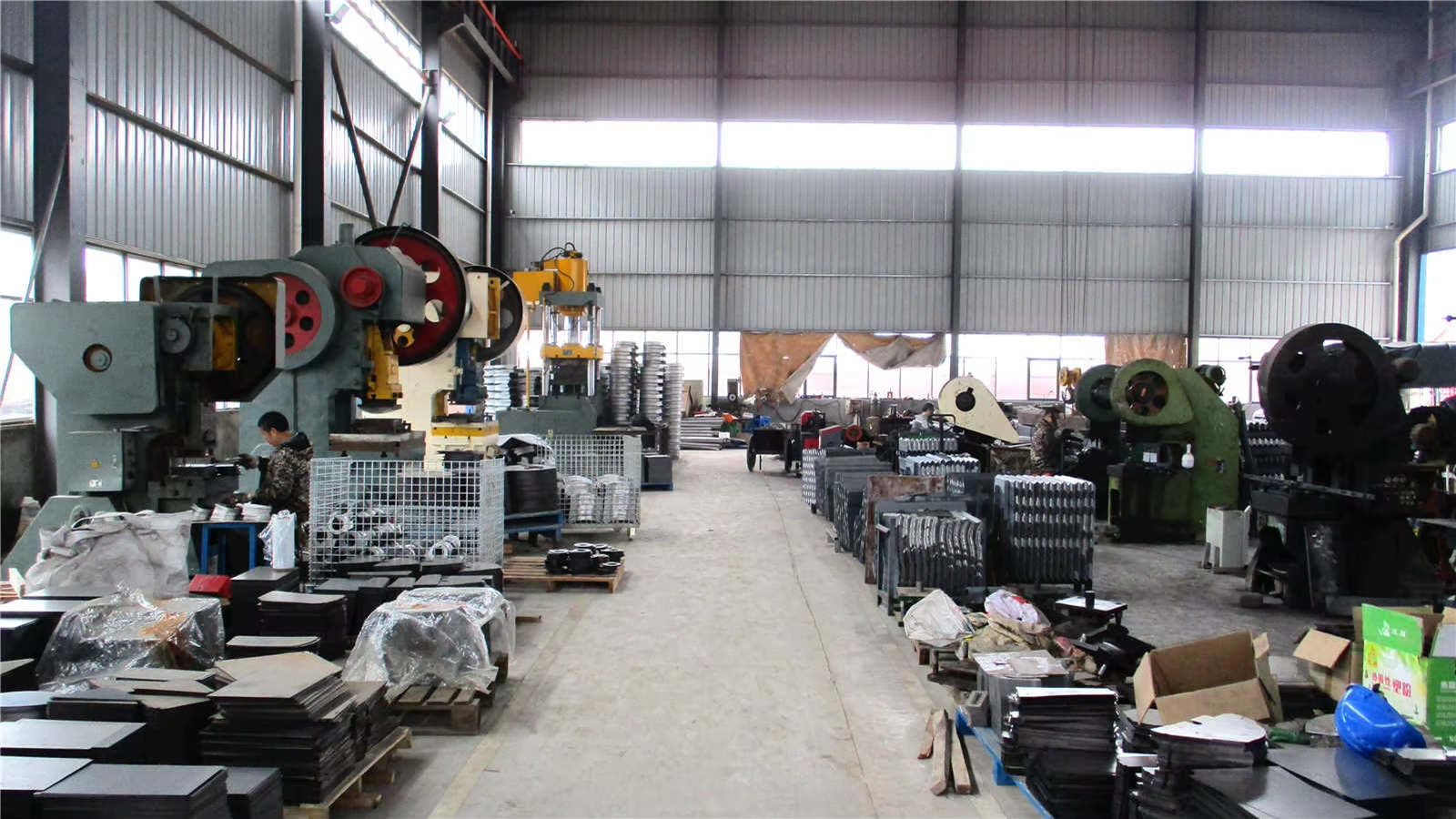
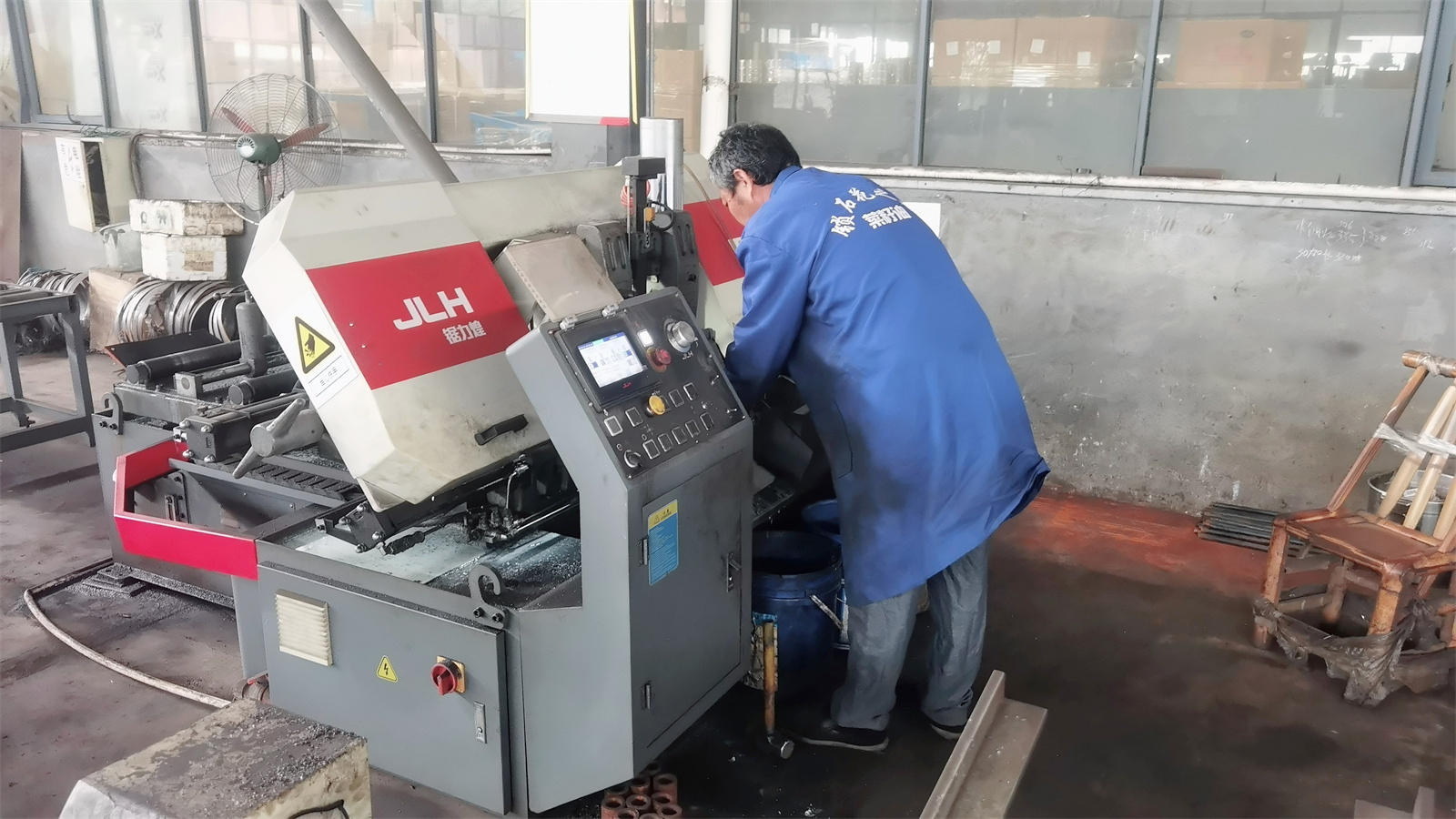
Our workshop integrates advanced heavy machining systems to ensure structural longevity and minimal wear:
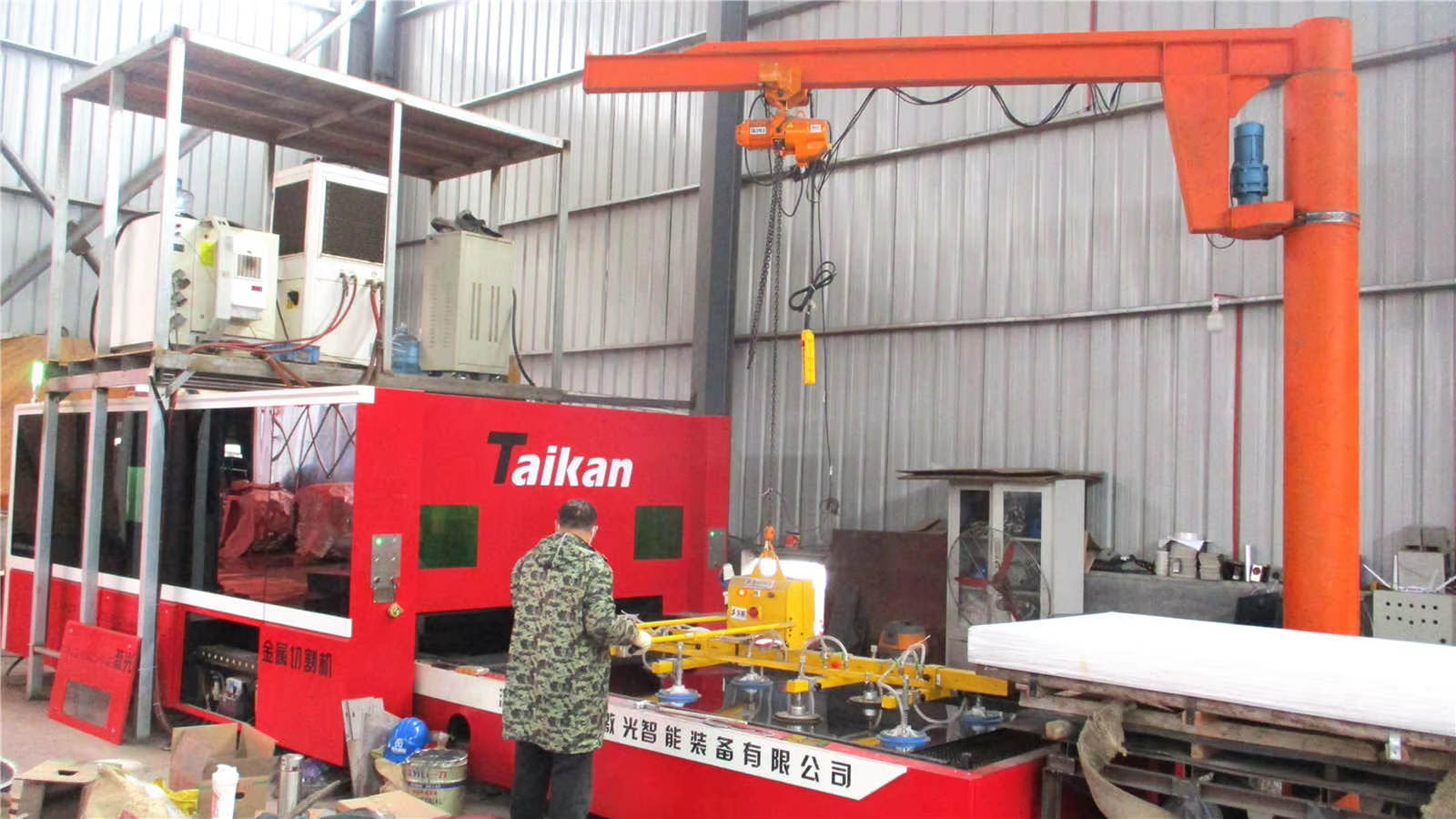
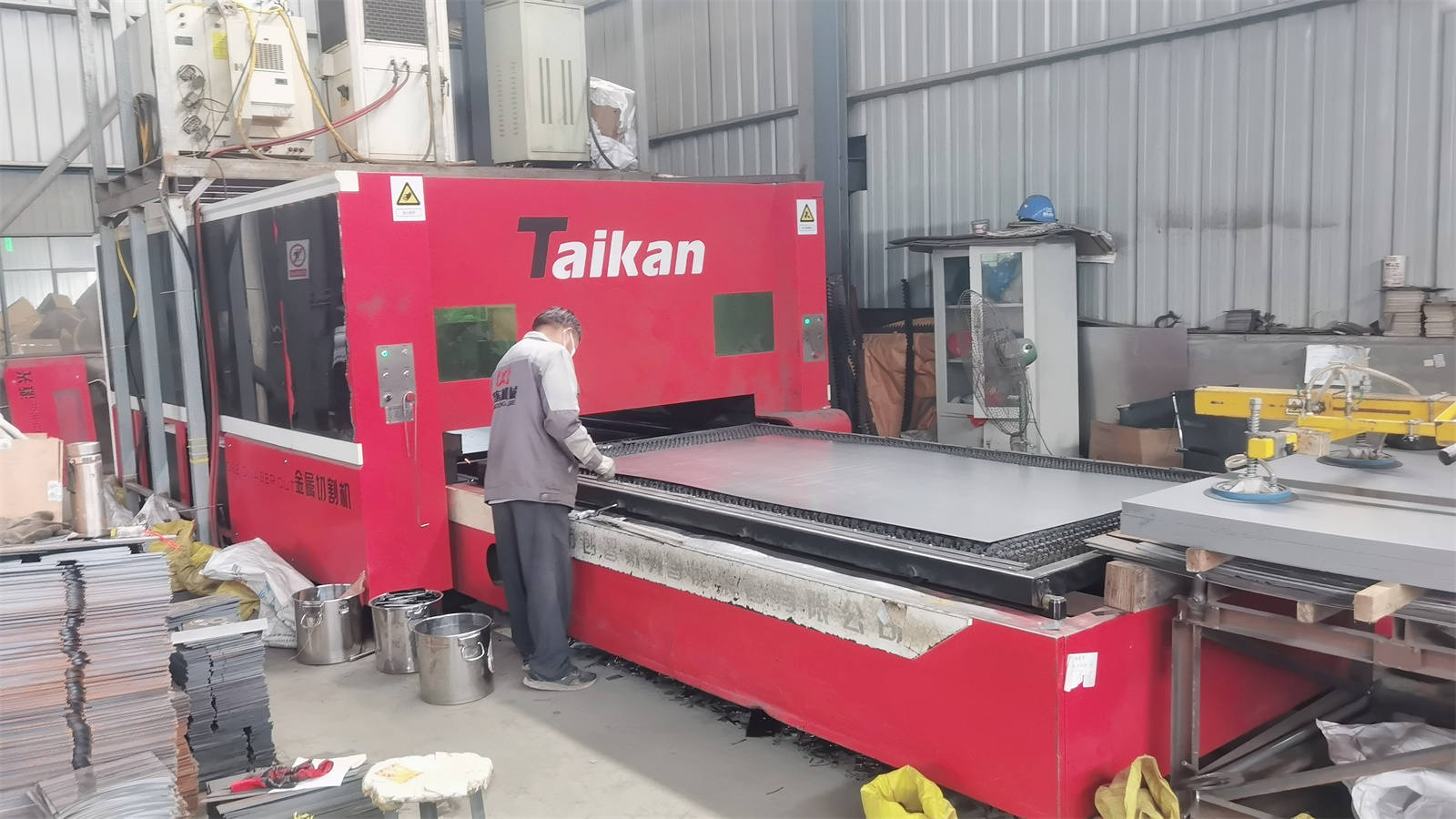
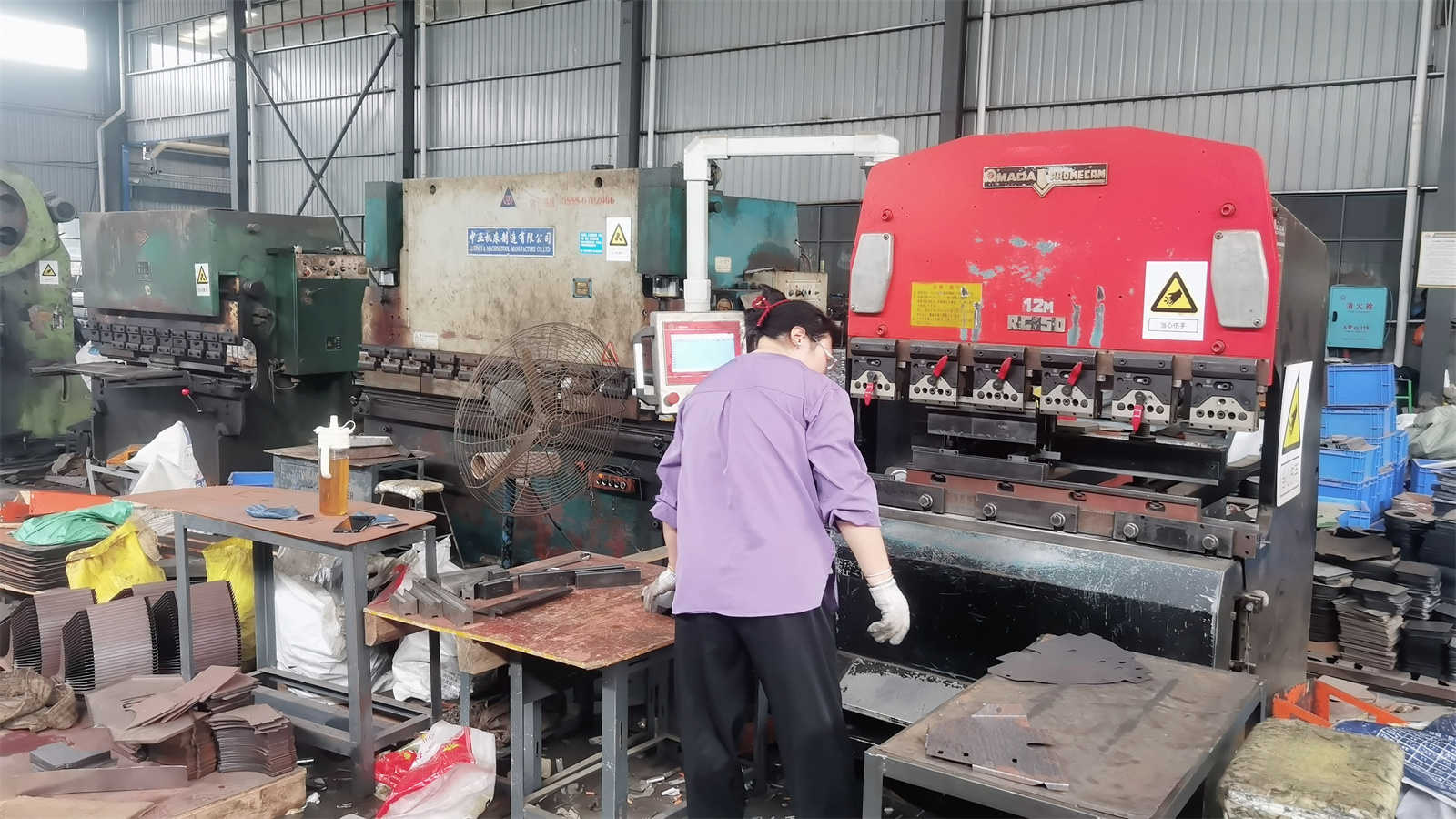
- Laser Cutting & Precision CNC Bending: We utilize CNC laser cutters and high-precision CNC bending machines to process heavy structural plates. This reduces structural welding stress points and guarantees perfect alignment for long-distance conveyors.
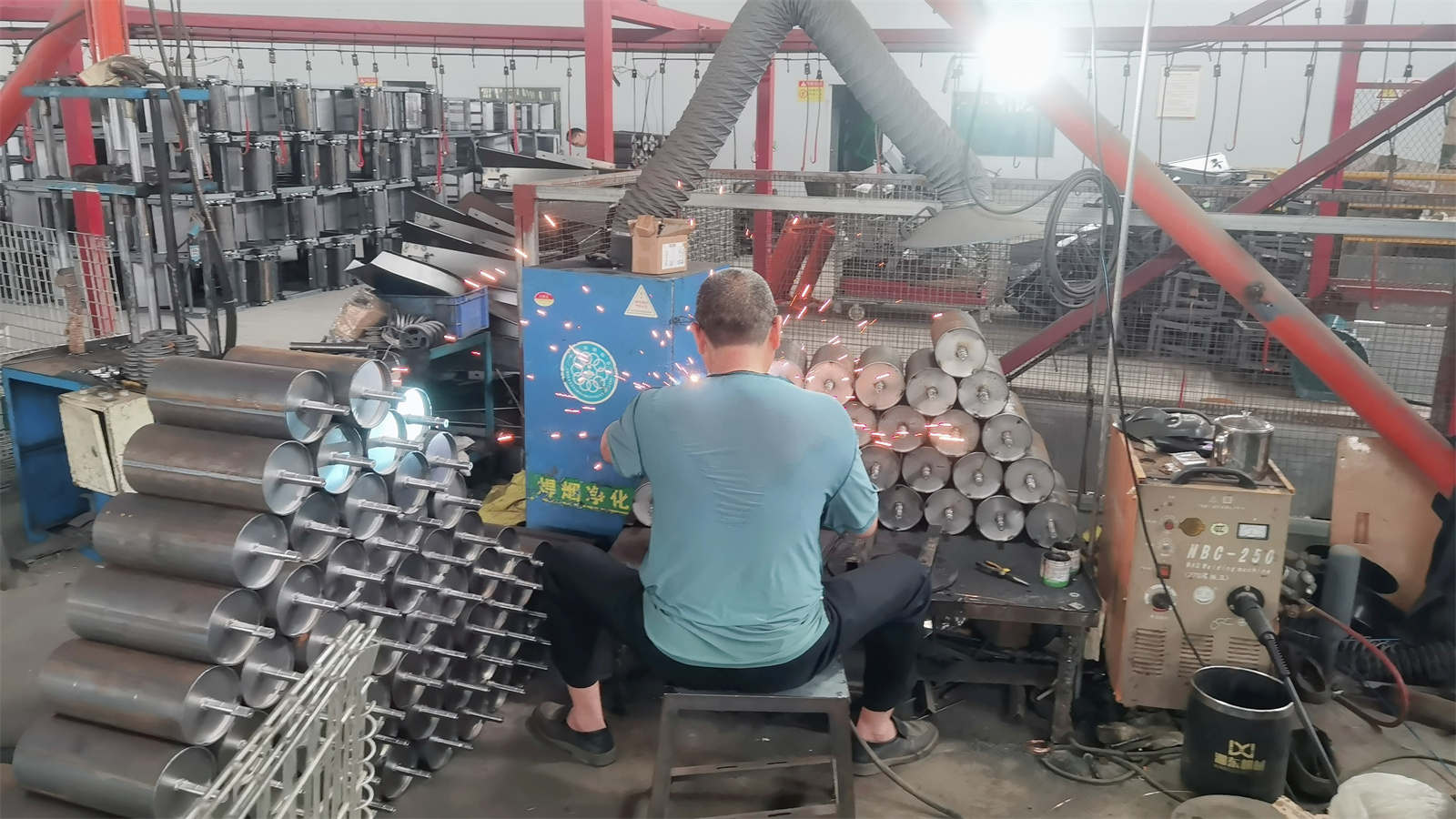
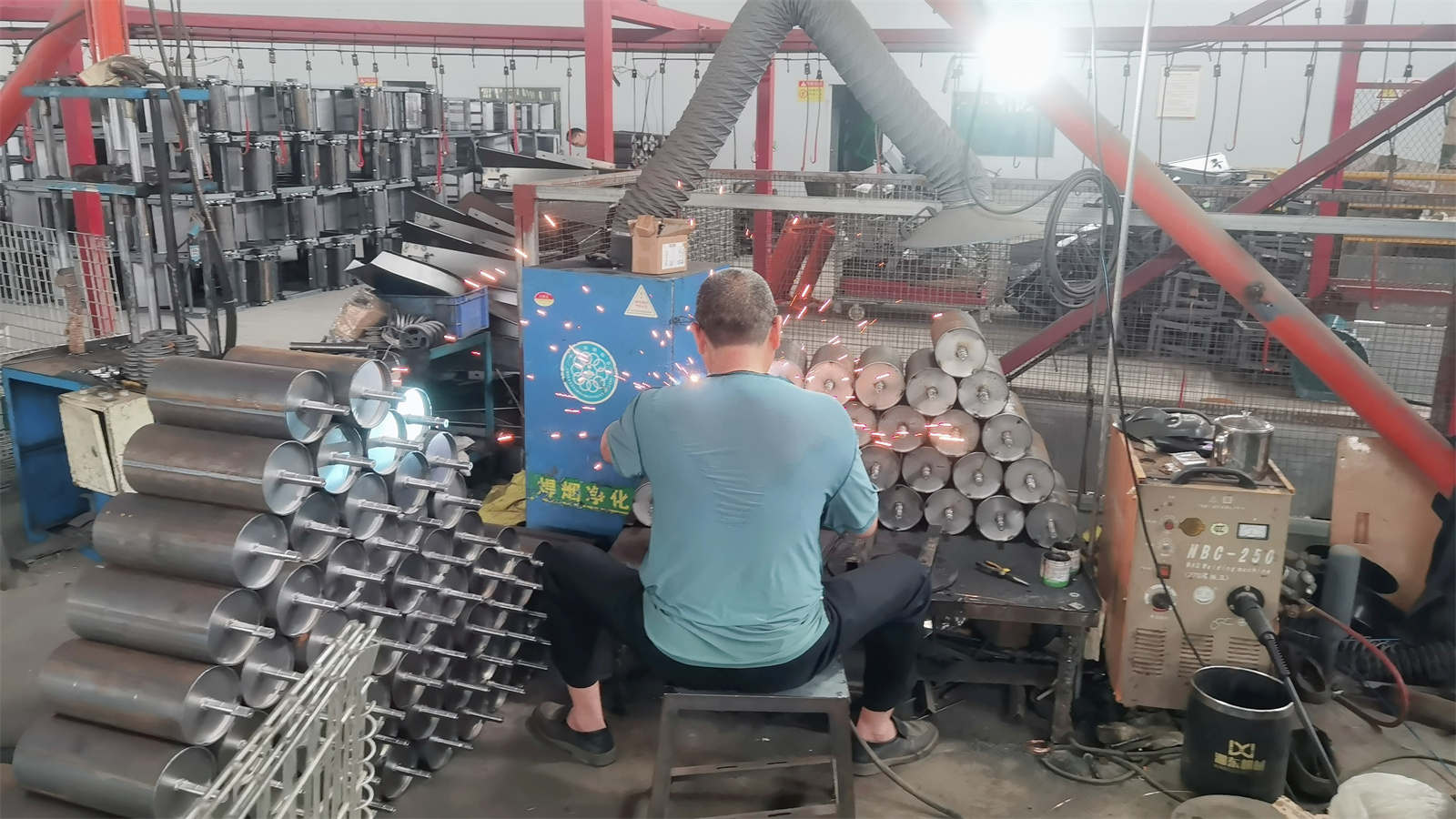
- Automated Welding Technology: By incorporating CO₂ shield welding, argon arc welding, and robotic welding stations, we deliver flawless weld beads that withstand continuous, heavy structural vibrations.
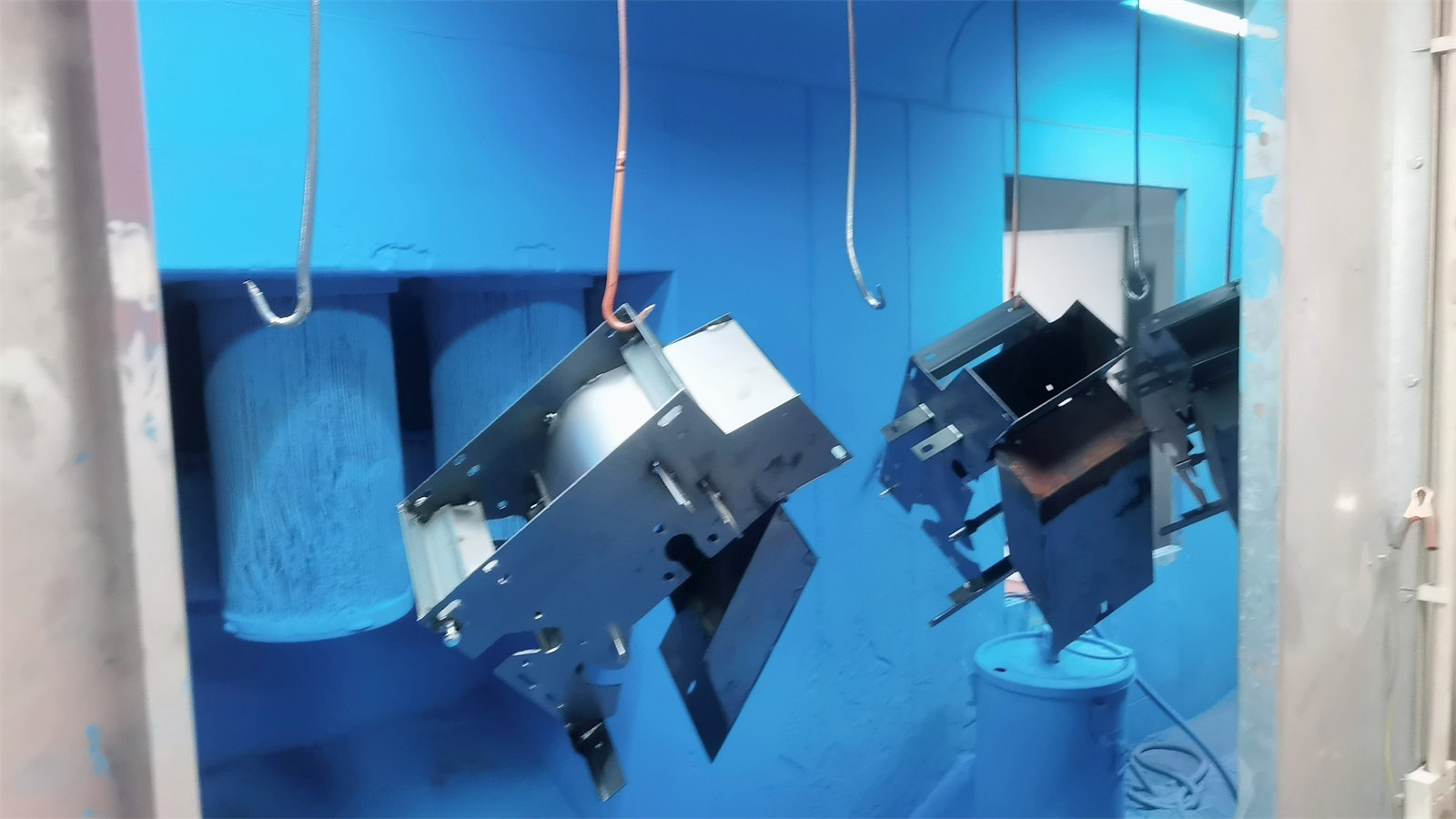
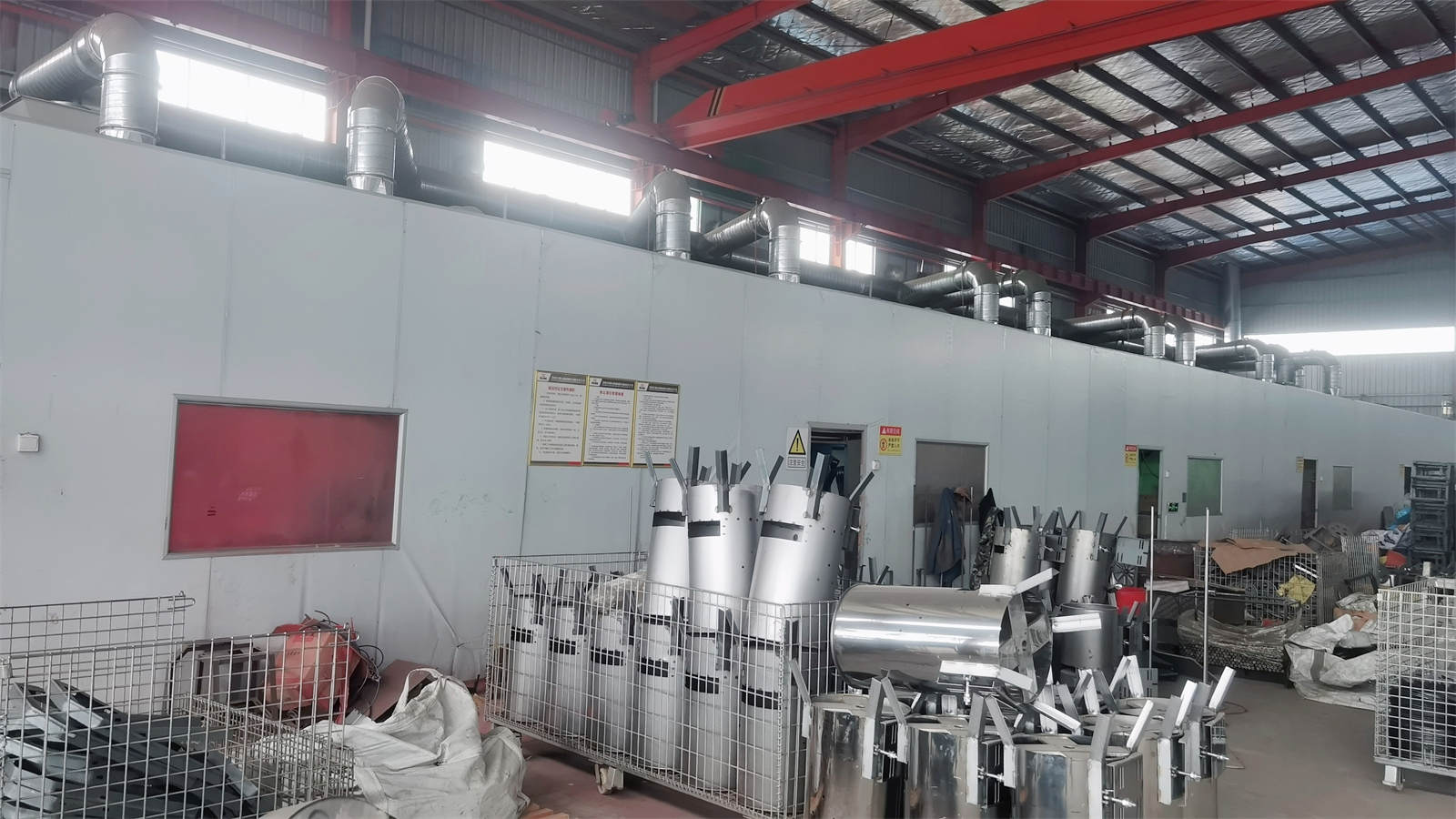
- Electrostatic Surface Treatment: Fully automated electrostatic spraying lines provide thick, chemical-resistant, and corrosion-free coating to steel frames, protecting systems operating in high-humidity agricultural or industrial environments.
Strategic Technical Integration: Grain Cleaning & Sifting Lines
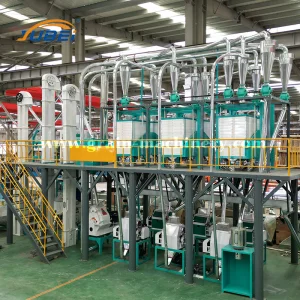
Material handling is fundamentally connected to process-stage preparation. A reliable conveying system must seamlessly merge with screening and sizing stages. In grain processing operations, foreign materials like stones, chaff, and metallic particles must be separated before the grinding mills to prevent machinery damage and final product contamination.
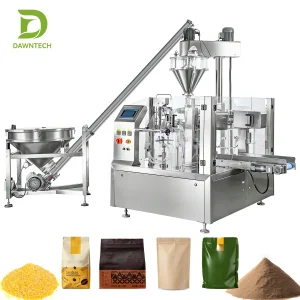
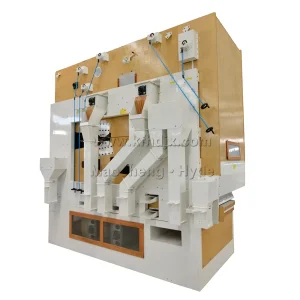
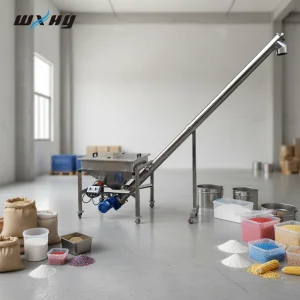
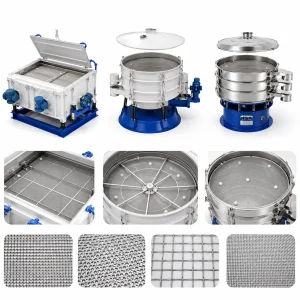
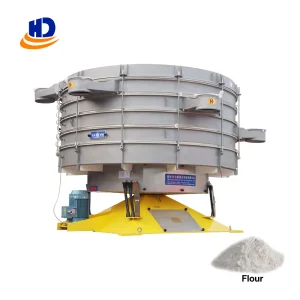
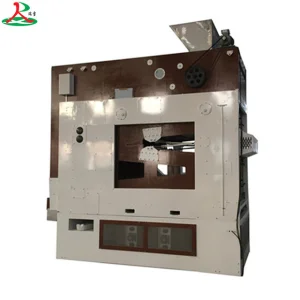
Our grain cleaning and sifting machines (including rotary vibro sieves and stainless-steel vibrating screening systems) use precise mechanical vibrations to classify materials by size. Integrating these systems with feeding screw augers ensures a continuous, metered flow of product, avoiding surge loads on downstream roller mills and packaging machinery. This synchronized configuration stabilizes the entire production chain.