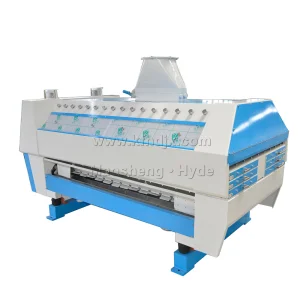
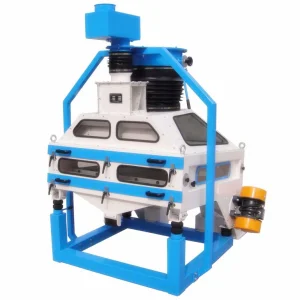
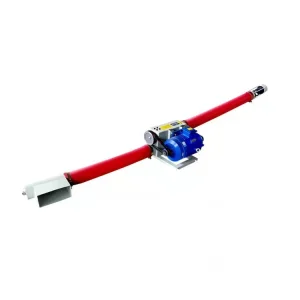
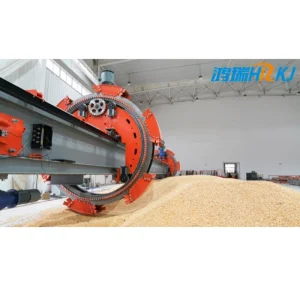
In the landscape of modern chemical, pharmaceutical, and bulk powder processing, the efficiency of material densification is paramount. Roll compactors—also widely designated as dry granulators or roller presses—serve a vital role by using mechanical force to compress fine powders into solid ribbons or sheets. These compacted sheets are subsequently milled into uniform granules with defined flowability, bulk density, and dissolution rates. The core advantage of this process lies in its water-free and binder-free process mechanics, which drastically minimizes energy requirements compared to traditional wet granulation systems.
For industrial buyers, choosing the right machinery manufacturer requires evaluating complex parameters: compaction force control, roll cooling systems, dust containment levels (OEB ratings), and the integration of automated material handling systems. Whether processing sensitive pharmaceutical ingredients, chemical fertilizers, mineral powders, or grain-based flour, top manufacturers focus on reducing fines and optimizing particle size distribution (PSD).
Established as a premier provider of integrated processing equipment, Henan Jiujie Machine Co., Ltd. has evolved into a global force for manufacturing food processing, grain milling, and conveying machinery. Our comprehensive capability spans the full agricultural and industrial chain—from collection and storage to high-precision milling, material sorting, and bulk conveying. By investing deeply in core R&D and utilizing state-of-the-art CNC precision manufacturing lines, we provide our clients with durable machines engineered for high throughput, minimal operational cost, and continuous execution reliability.
Our industrial processing portfolio has successfully achieved ISO9001:2015 Quality Management System Certification and the European Union’s CE Certification. By aligning our design patterns with EU machinery safety and environmental standards, we guarantee low carbon footprints and zero chemical wastewater discharge. Our innovative waterless grain cleaning processes are designed to deliver dry-sorting excellence without the environmental liabilities of washing systems.
Through AutoCAD engineering environments and 3D simulation platforms, we plan and construct customized processing plants. We coordinate all design aspects: dust collection layouts, material silos, and pneumatic conveying configurations. This seamless planning ensures that when high-pressure mills and pneumatic systems are connected on the factory floor, they run in synchronization, minimizing bottlenecking and mechanical stress.
Our customer support covers the equipment lifecycle: pre-sales engineering consulting, process simulation testing, factory acceptance trials (FAT), on-site installation, and preventive maintenance training. We maintain strategic inventories of wear parts, grinding rolls, and pneumatic components to ensure minimized lead times and reliable global plant uptime.
Dry compaction and roller milling systems are undergoing rapid technological development driven by automation and environmental needs. The focus is shifting away from manual hydraulic adjustments and basic variable frequency drives toward dynamic roll-gap synchronization and real-time process monitoring.
Modern roll compactors use electronic sensors and high-speed proportional valves to maintain a steady gap between the rollers under high pressures. This dynamic adjustment prevents fluctuations in sheet thickness, ensuring uniform density in the output granules.
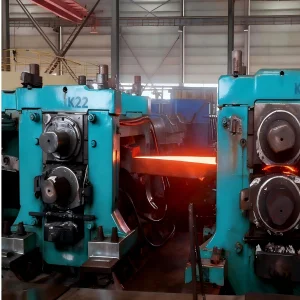
Manufacturers are developing advanced surface coatings, including tungsten carbide thermal spray and high-chromium steel alloys. These materials extend roller lifetime when processing abrasive minerals, chemicals, and fibrous agricultural products.
Next-generation roller mills feature integrated temperature sensors, vibration analyzers, and energy-monitoring modules. These systems connect to centralized SCADA networks, enabling predictive maintenance schedules before roller surface degradation impacts product quality.
| Technology Generation | Roll Gap Mechanics | Control Systems | Dust & Product Safety |
|---|---|---|---|
| Gen I: Traditional | Fixed Gap (Manual shims, high pressure variation) | Manual switches & hydraulic dials | Open ventilation (High dust emission) |
| Gen II: Automated | Floating Gap (Proportional valve pressure regulation) | Standard PLC interfaces | Localized extraction hoods |
| Gen III: Smart Factory | Dynamic Active Gap (Real-time laser/displacement feedforward) | Edge AI & Predictive IoT maintenance | Fully enclosed isolators (OEB 5 compliance) |
Dry compaction and roller milling systems are essential components of modern material handling lines, serving a wide variety of industrial markets:
Ensures uniform distribution of active ingredients (APIs) and improves flowability for high-speed tablet compression without heat or water degradation. The process requires precise, gentle compaction to protect sensitive compounds.
Compacts fine chemical powders, mineral salts, and fertilizers into durable granules. This dust-free handling reduces packaging volumes, prevents product caking, and optimizes field distribution.
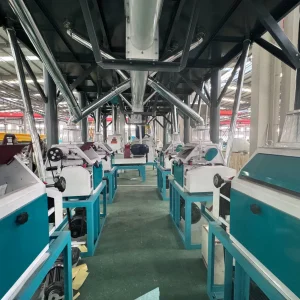
Modern flour mills rely on high-capacity roller mills to grind grain cleanly, maximizing flour extraction while preserving starch structures and nutritional values.
The growth of China's advanced manufacturing sector is driven by investments in Factory 4.0 automation. Industrial machinery production has transitioned from manual fabrication to CNC-controlled, high-precision assembly lines. Henan Jiujie Machine Co., Ltd. demonstrates this shift by maintaining an integrated processing and testing facility:
By using CNC machining centers and boring mills, the structural housings of our roller mills are machined to micrometer tolerances. This alignment prevents roll deflection under heavy working loads.
Our electrostatic spraying production line applies impact-resistant and chemical-resistant finishes, protecting the machinery and structural weldments against harsh industrial environments.
Using CO₂ gas-shielded arc welding, argon arc welding, and robotic welding rigs, our structural seams are built to handle intense, continuous operational forces.
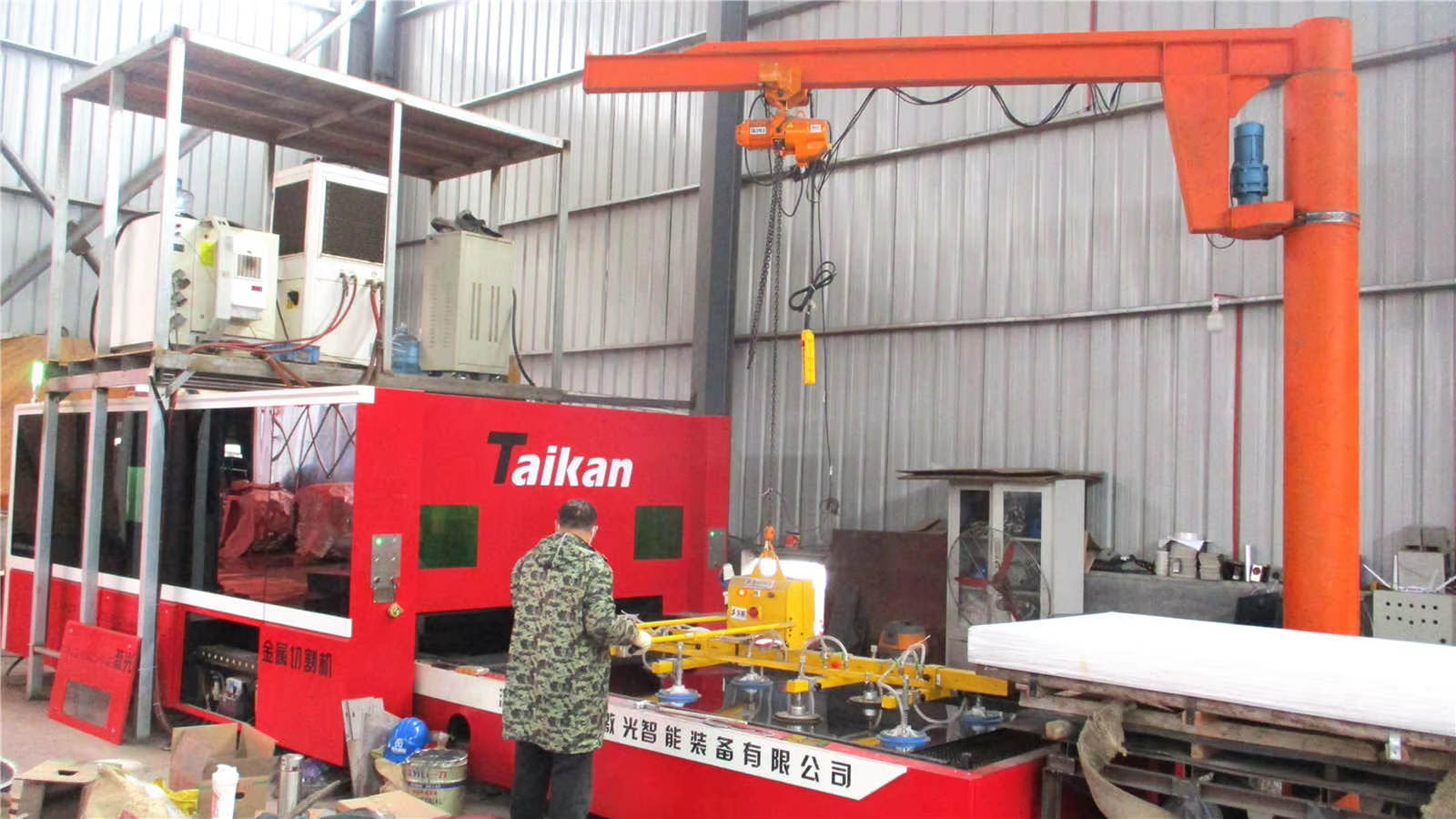 Cutting
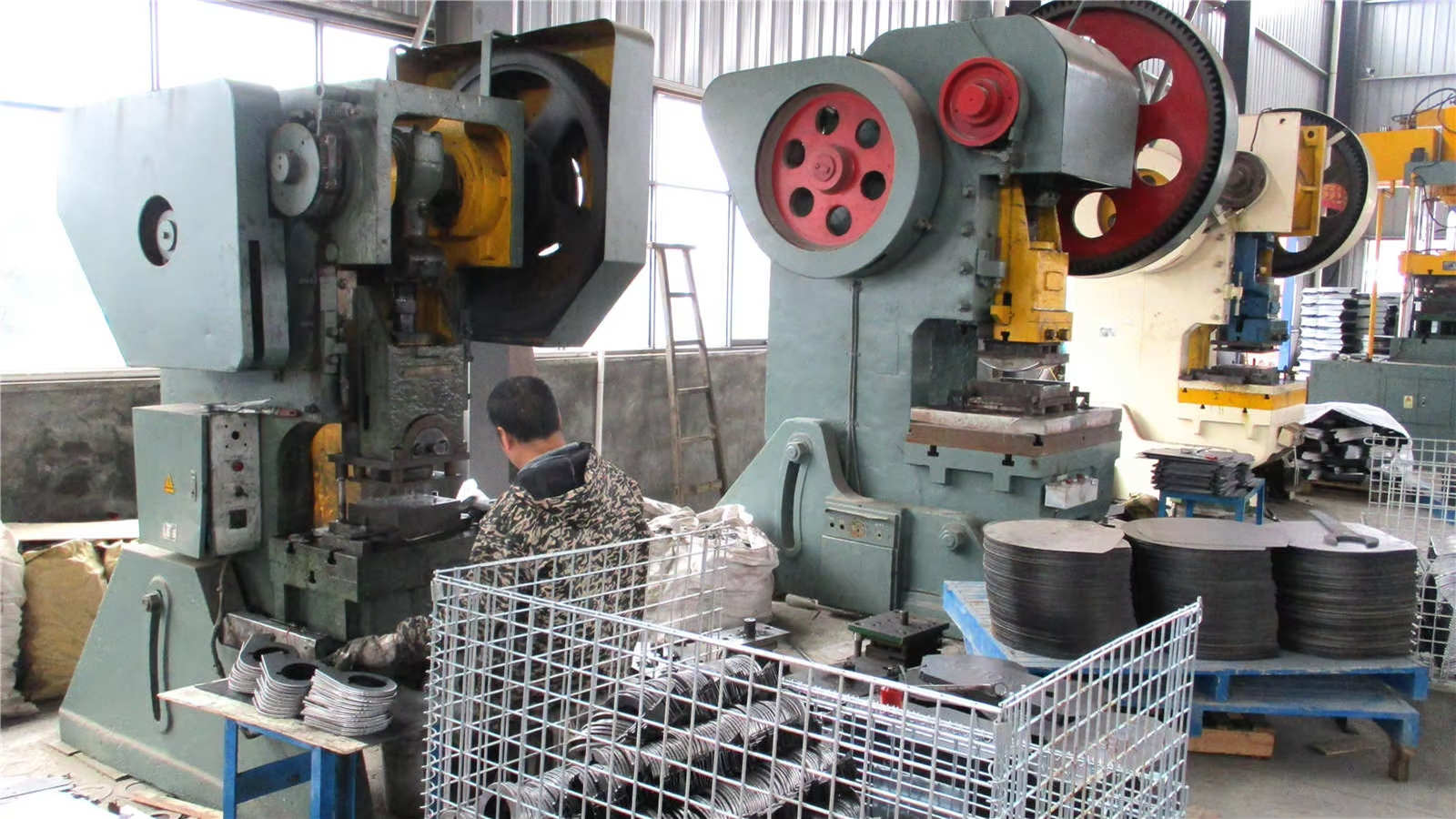 Punching
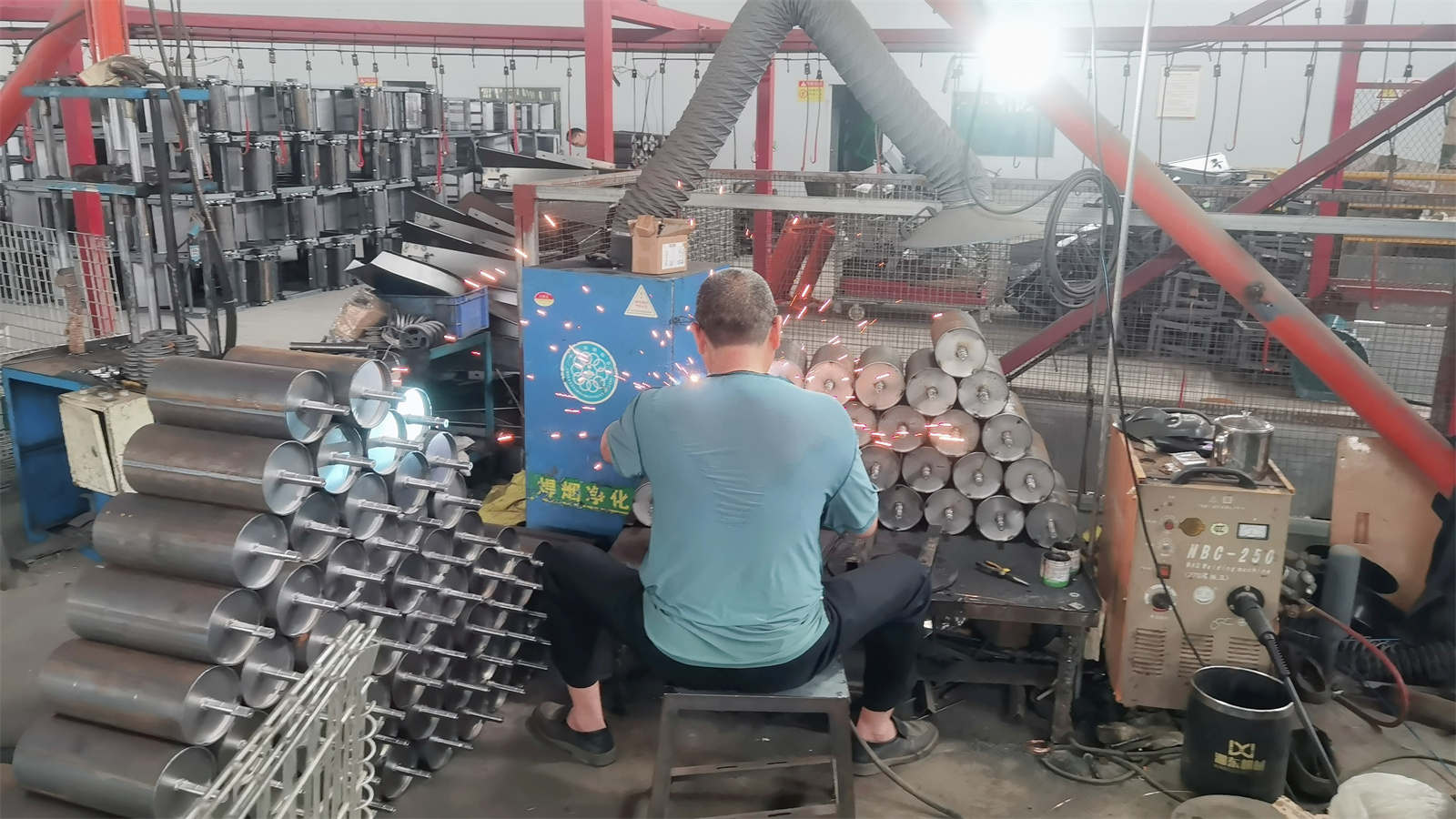 Welding
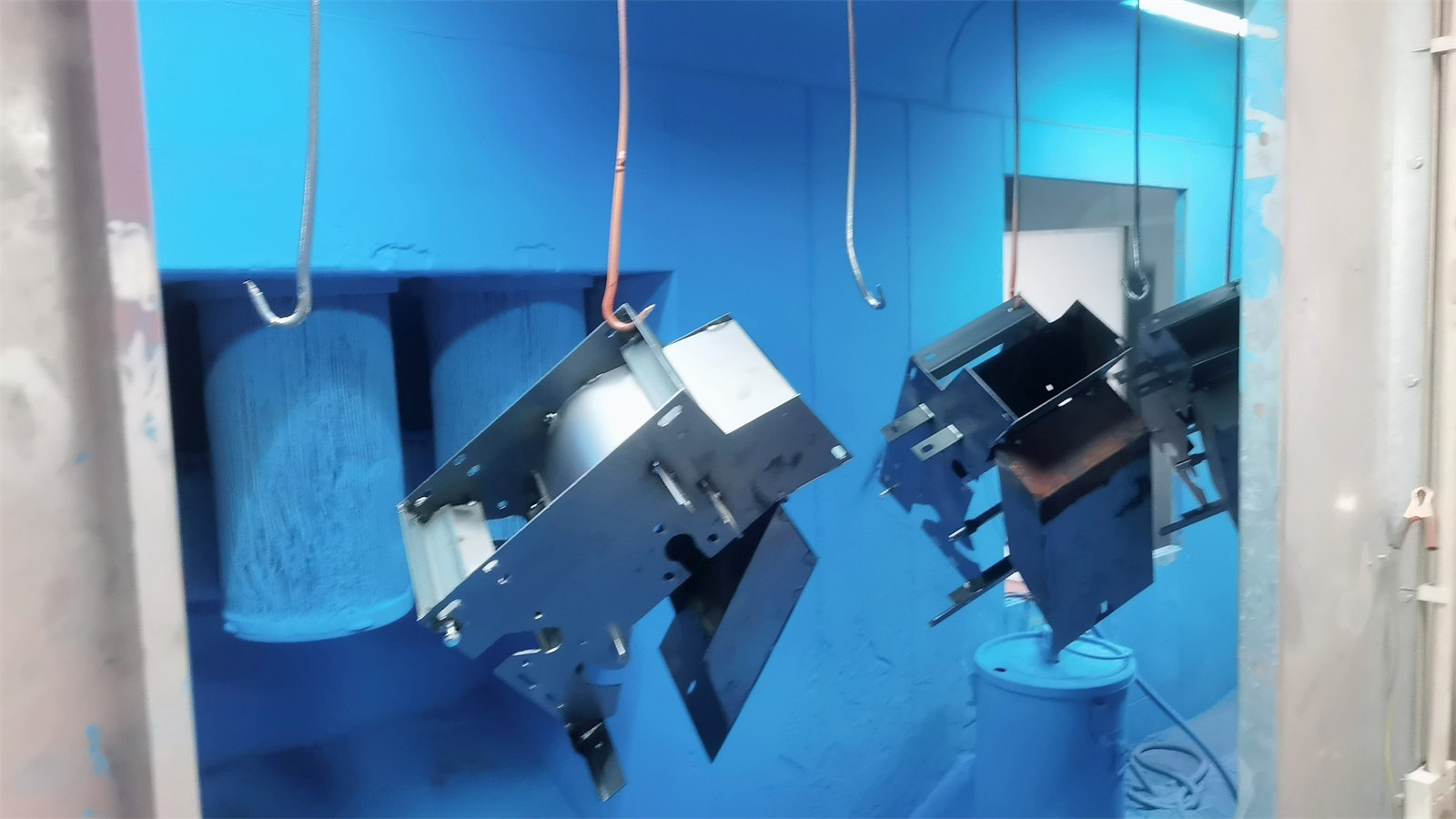 Painting
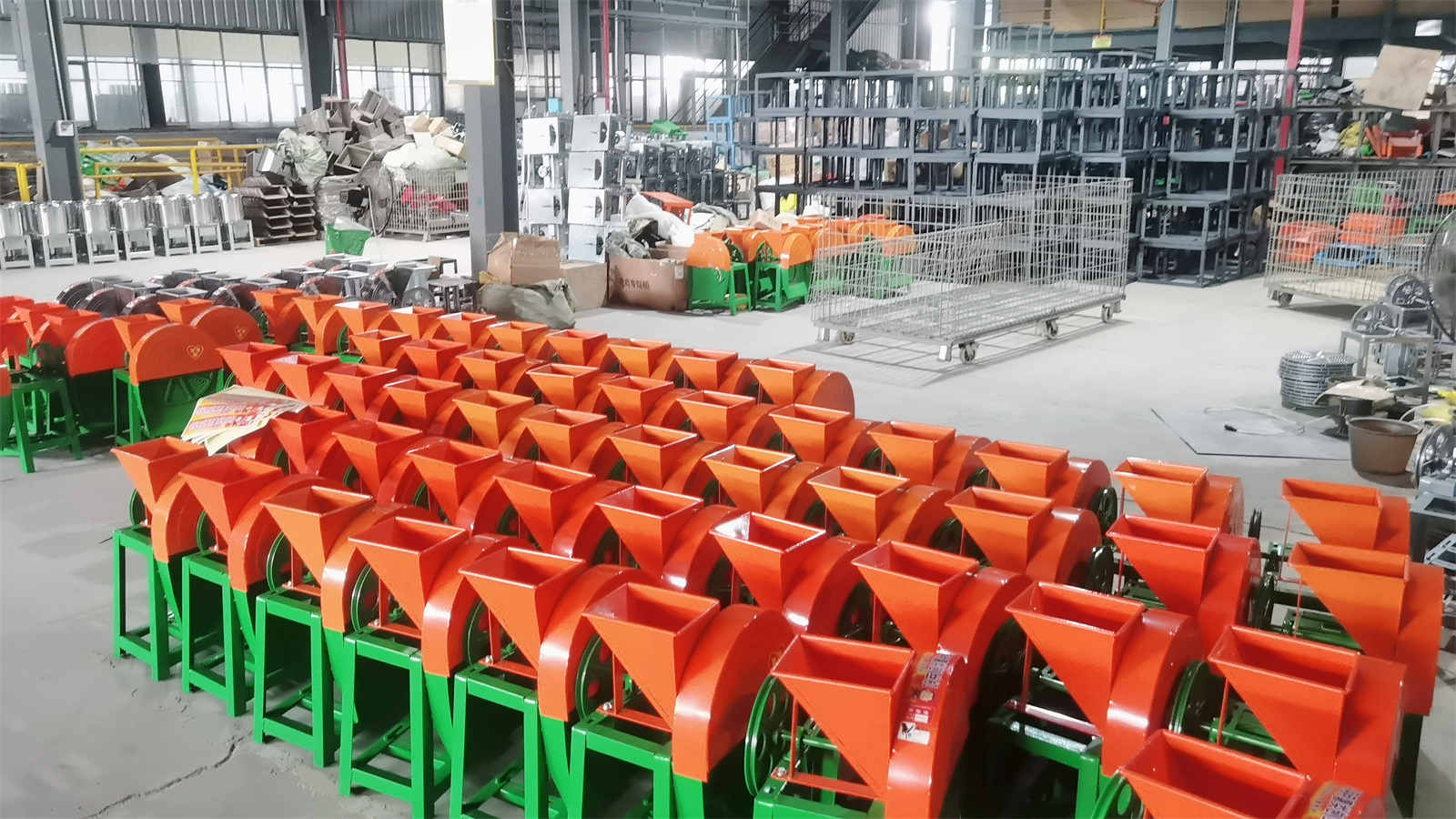 Assembling
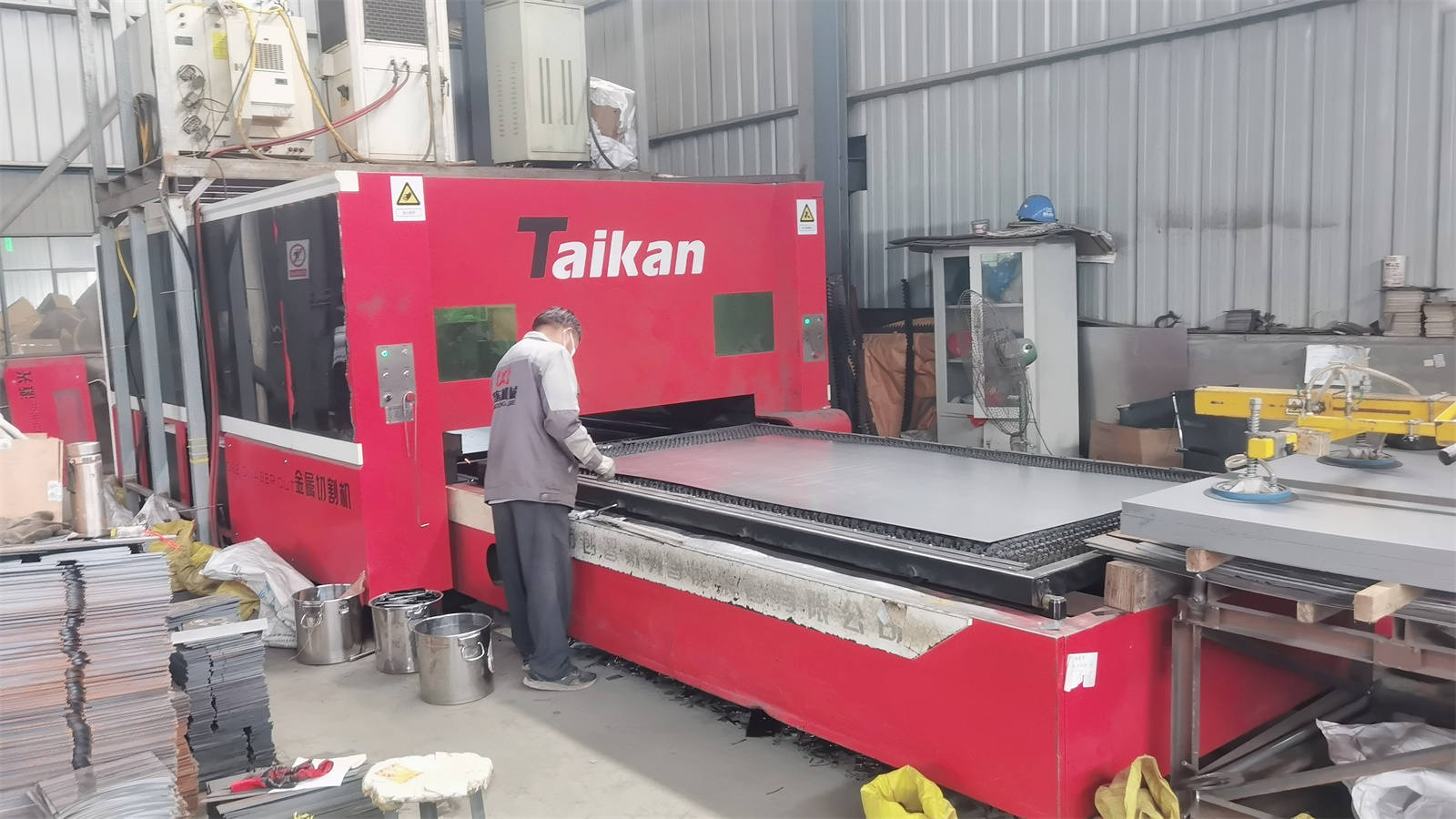 Laser Cutting Machine
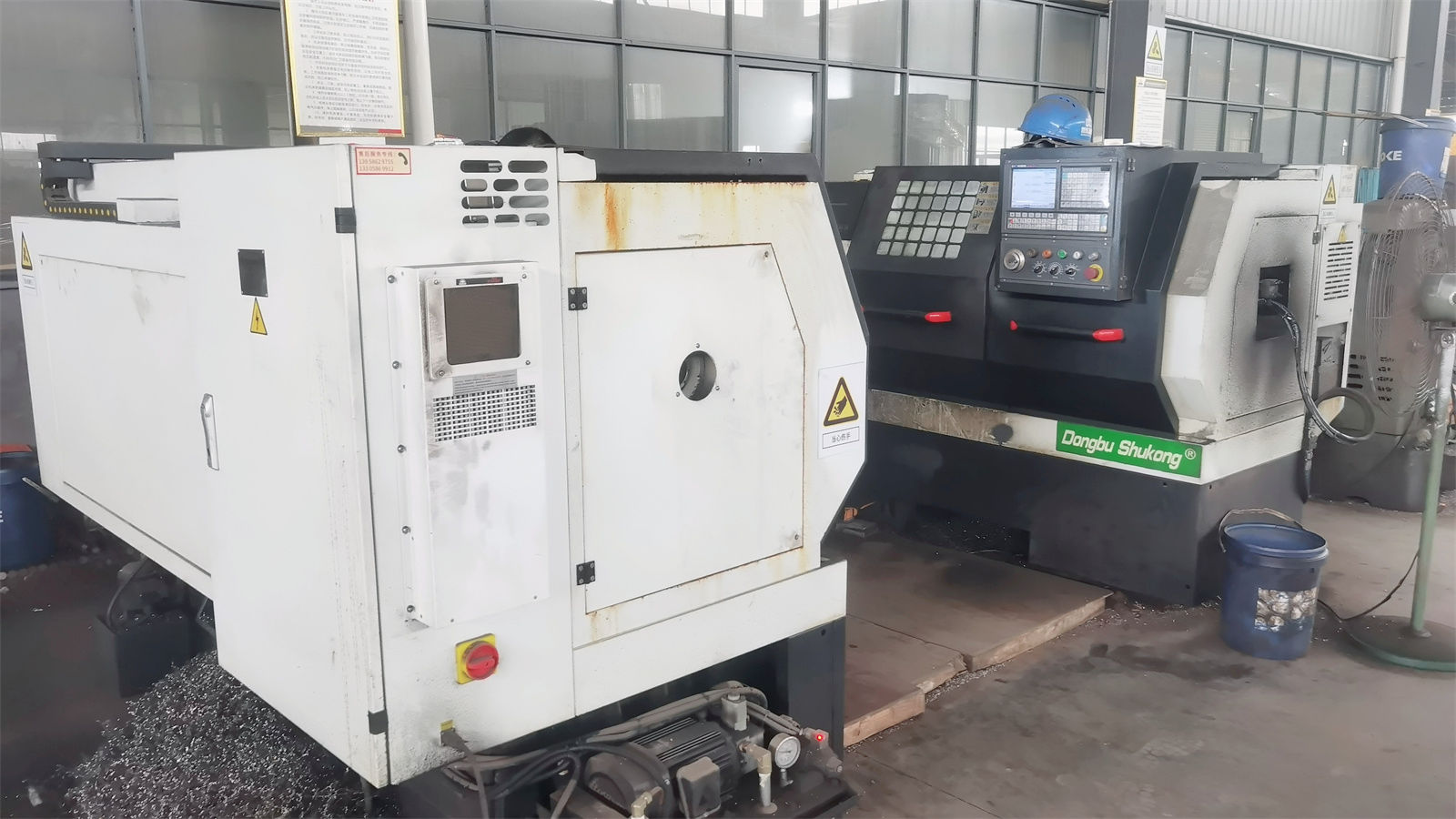 CNC Lathe
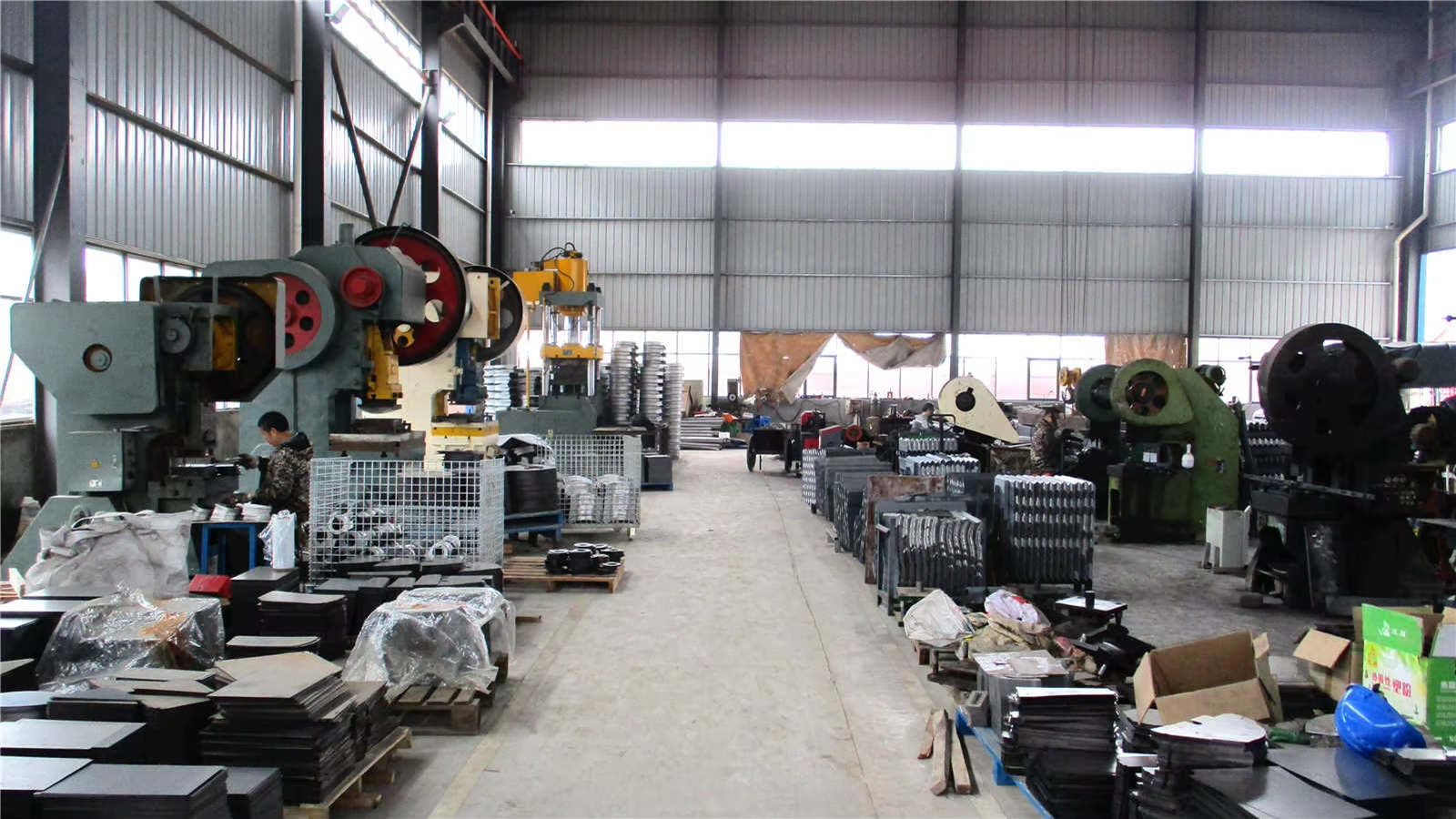 Punching Machine
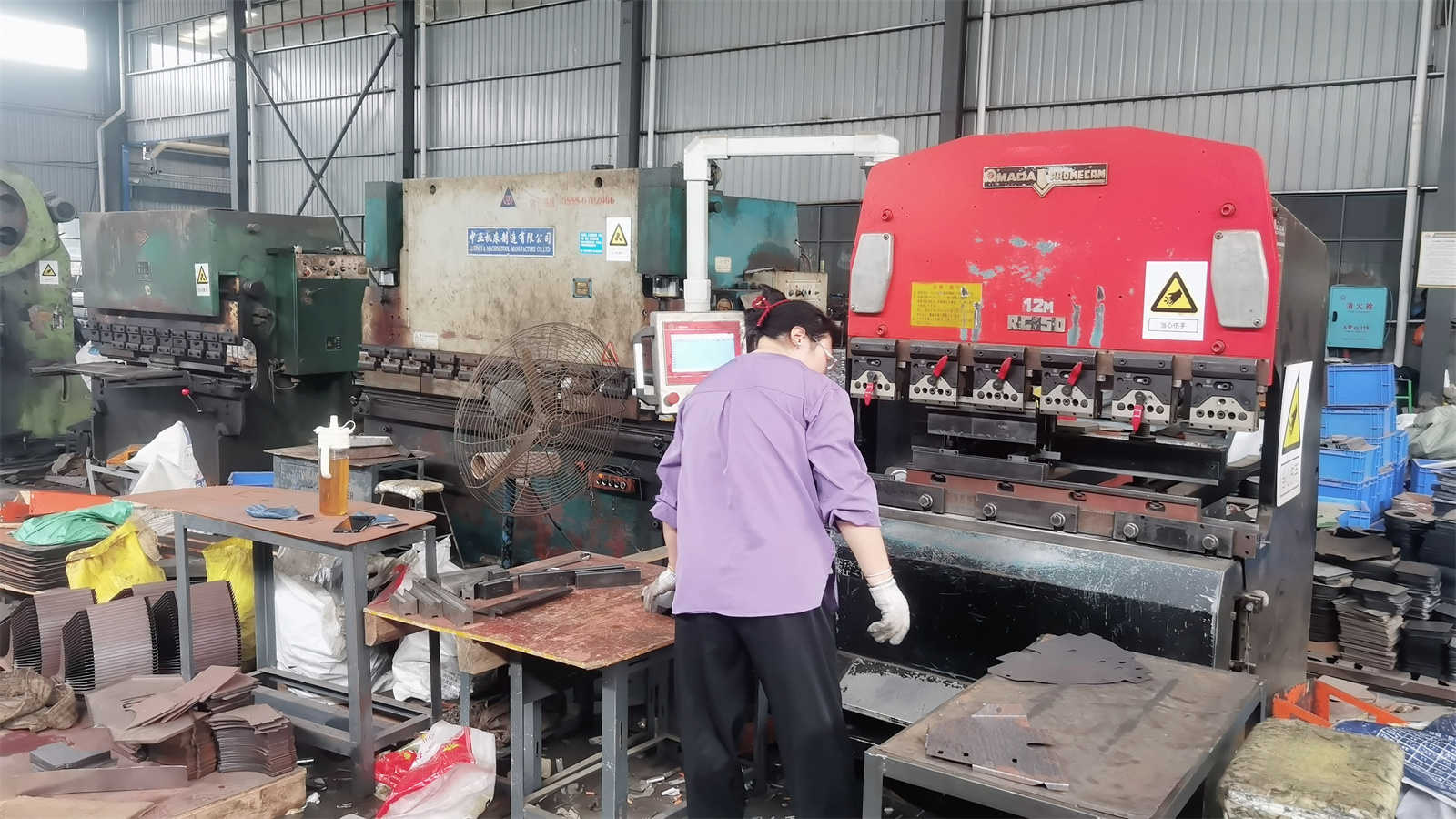 Bending Machine
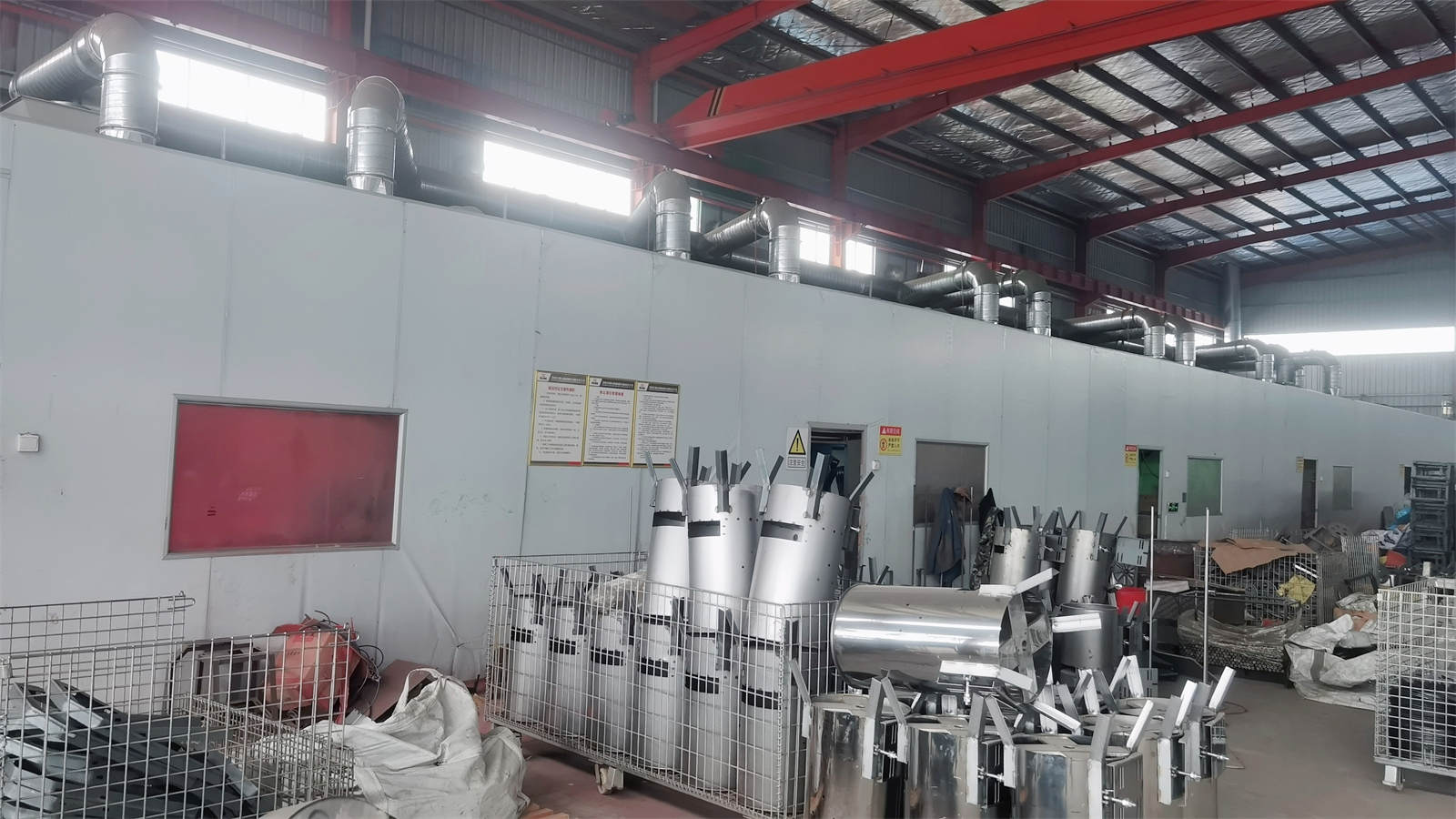 Painting Line
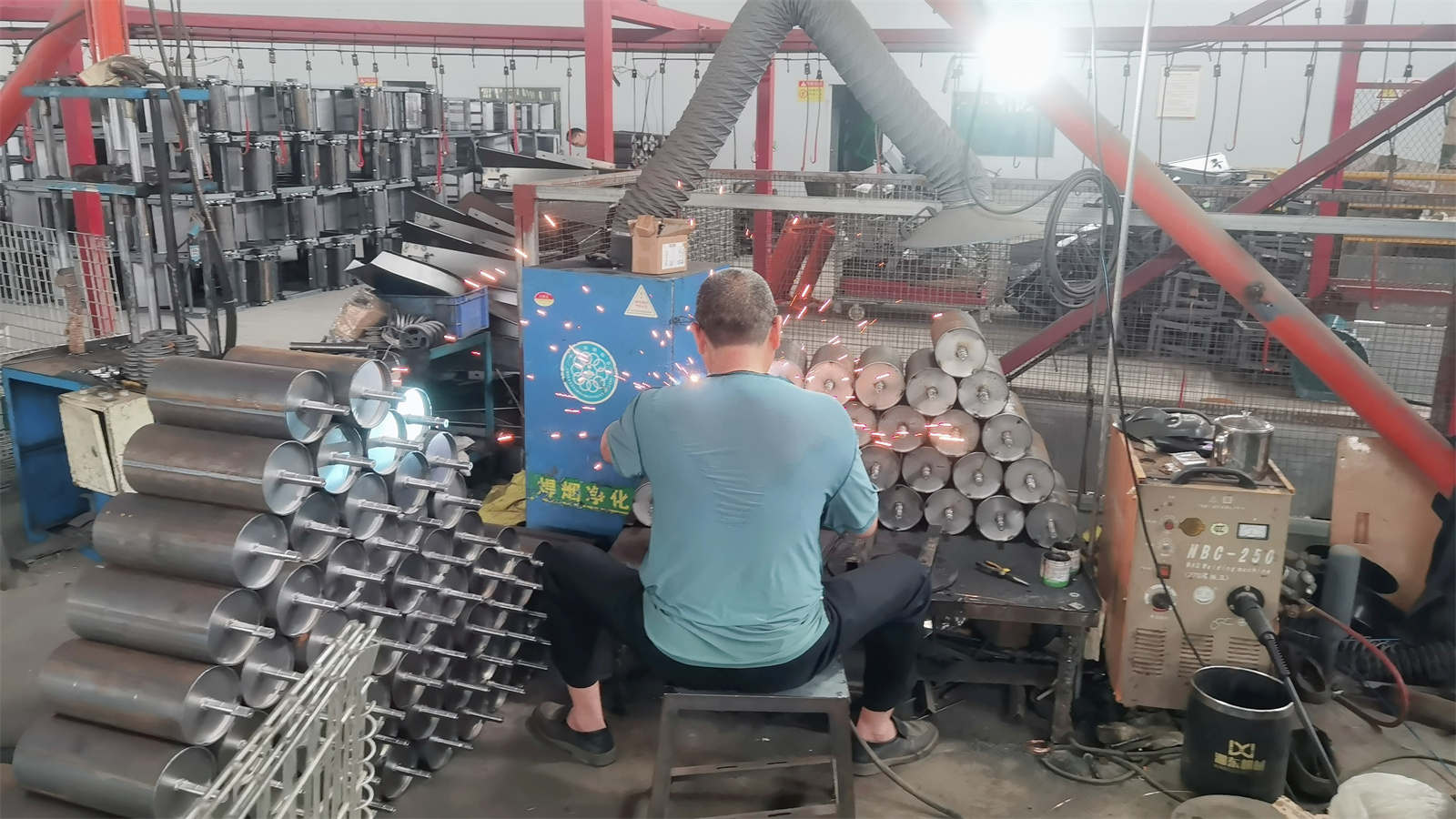 Welding Machine
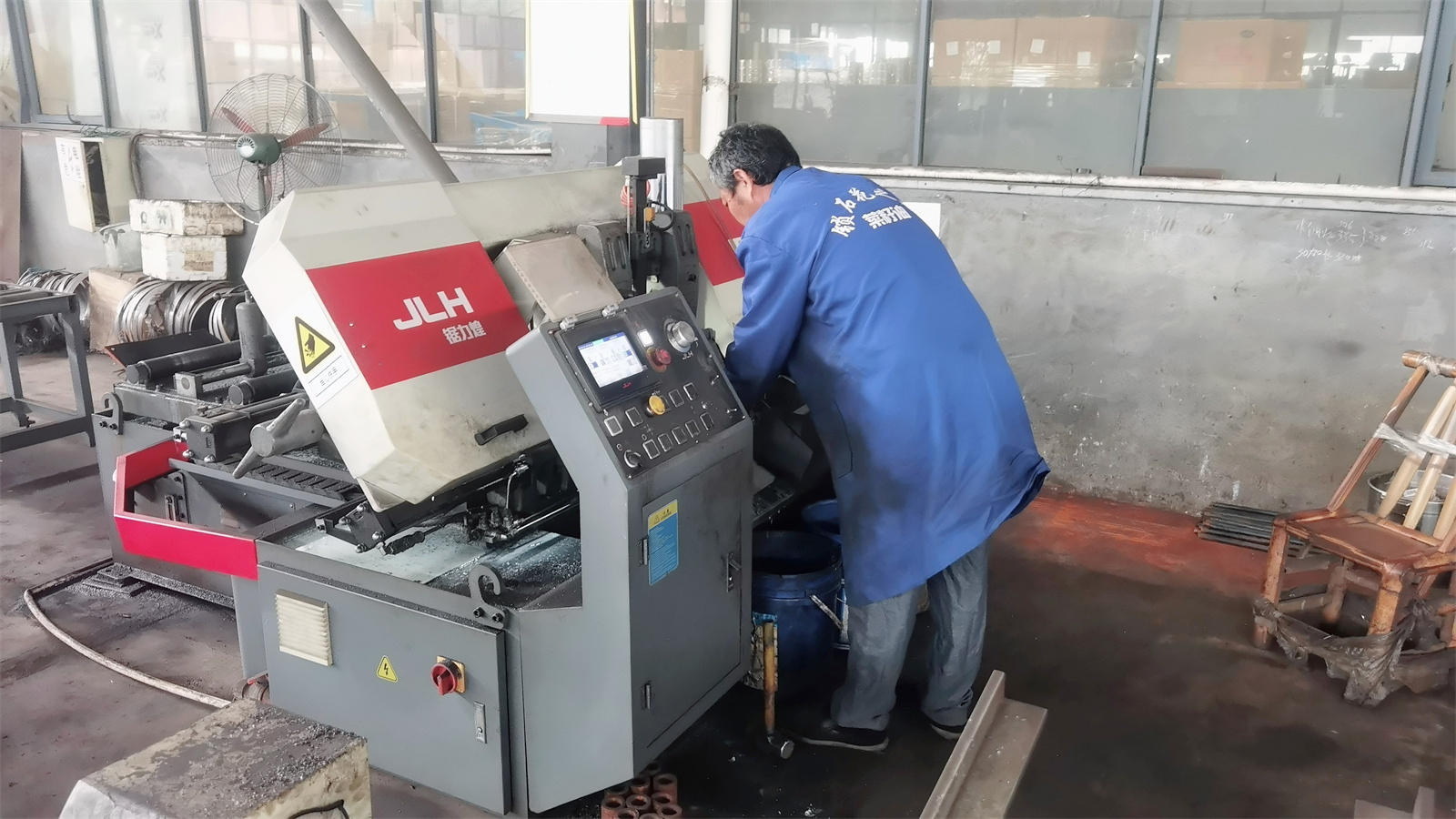 Sawing Machine
Integrating high-pressure compaction machinery into production plants requires compliance with regional safety, regulatory, and electrical codes. Globally active manufacturers must ensure their equipment conforms to several core requirements:
When purchasing a roller press, mill, or conveying system, industrial buyers can use this checklist to verify engineering compatibility and performance requirements:
Dry roll compaction binds particles using mechanical pressure alone, eliminating the need for liquid solvents, binders, and energy-intensive drying phases. This makes it ideal for moisture-sensitive and heat-sensitive raw materials, while reducing plant energy consumption and operating costs.
Modern roll compactors feature edge seals or cheek plates that fit tightly against the roller faces, preventing uncompacted material from leaking around the sides. Many systems also include integrated screening loops that automatically recycle fine material back into the feed hopper.
Light, low-density powders contain high volumes of entrained air. A vacuum-assisted de-aeration unit, often combined with a pre-compression feed screw, removes this air before the powder enters the main compaction rolls, preventing air pockets and ensuring stable ribbon formation.
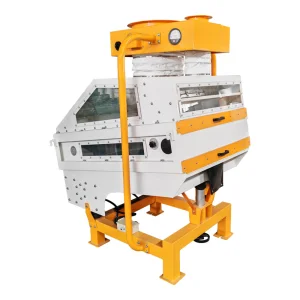
Traditional wet cleaning systems require significant amounts of water to wash grains, followed by thermal dryers to remove moisture before milling. Waterless processes use air aspiration, gravity destoners, and vibrating screens to remove impurities, avoiding water consumption, reducing drying energy, and preventing wastewater discharge.
 Jiujie Machine