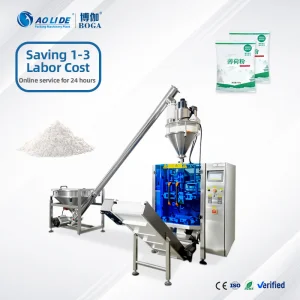
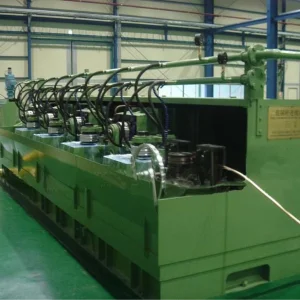
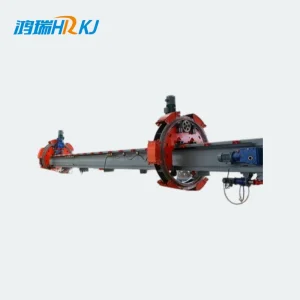
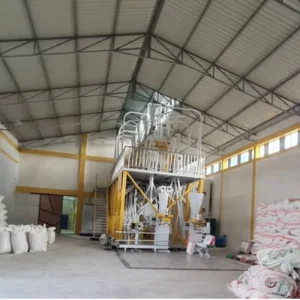
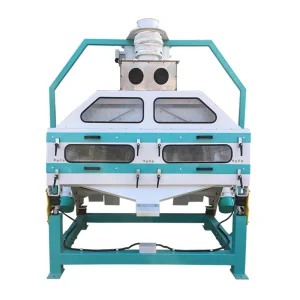
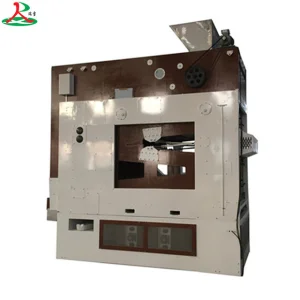
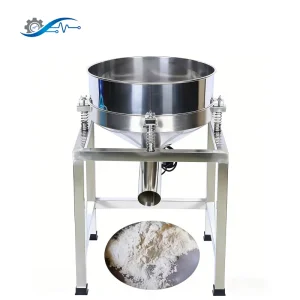
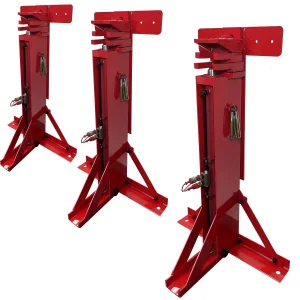
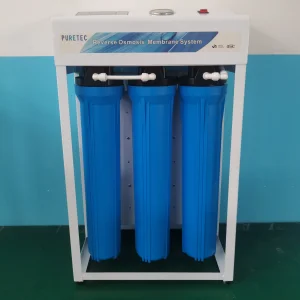
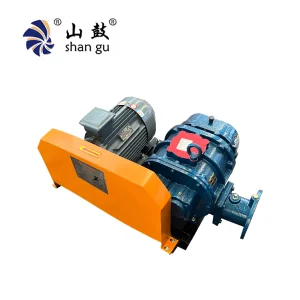
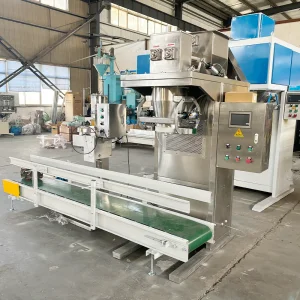
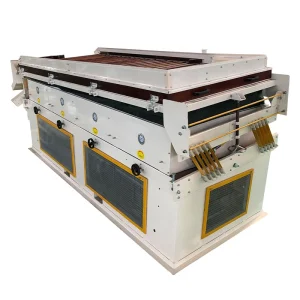
Explore our primary industrial series containing advanced packaging, milling, handling, and laboratory testing solutions.
Strategic analysis of modern biomass compaction, grain logistics, and global sourcing matrices.
The global demand for high-efficiency thermal energy and standardized organic processing has accelerated the integration of industrial pellet mills across multiple sectors. From processing raw agricultural residues into dense animal feed to transforming wood chips into clean-burning biomass fuel, pellet mills are critical utility units. Finding a dependable partner among China's manufacturing landscape requires evaluating not just equipment cost (CAPEX), but long-term operational excellence (OPEX), metallurgical durability, and advanced control systems.
"Optimizing the biomass conversion process is not merely a matter of brute force; it requires the precise balance of thermal conditioning, steam inclusion, and metallurgy to maximize raw material throughput while minimizing specific energy consumption."
As a premier supplier in the industrial space, Henan Jiujie Machine Co., Ltd. offers engineered-to-order pelletization plants and deep grain processing systems. Modern systems leverage ring-die technology characterized by variable-speed feeding mechanisms, heavy-duty alloy construction, and precise hydraulic roll adjustment systems to ensure consistent output quality, regardless of raw material variability.
Procurement managers face several technical and logistical hurdles when sourcing pellet mill equipment internationally. Key factors such as die wear life, moisture control, energy efficiency, and safety compliance are critical considerations:
High-chromium alloy steel (X46Cr13) vacuum-hardened ring dies withstand the intensive abrasive action of processing tough raw fibers and agricultural residues, ensuring a longer operational lifespan.
Operational expenses depend heavily on die wear rates and power draw. Modern, optimized drivelines minimize electrical losses, lowering the overall cost per metric ton of processed material.
Engineered systems featuring dual-motor belt drives or robust direct-gear couplings reduce maintenance intervals, optimizing plant uptime during heavy multi-shift production runs.
Additionally, material moisture levels must be held within a strict 12% to 15% window prior to pelleting. Extreme variations can result in die slippage or complete blockage, highlighting the necessity of integrated pre-conditioning systems that balance moisture and heat before material reaches the die face.
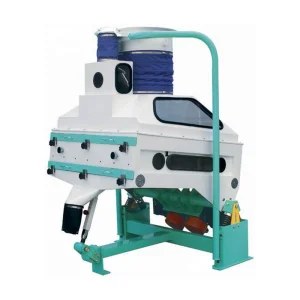
To achieve consistent throughput in a production environment, pellet mills require robust pre-processing and post-processing networks. Raw feedstuffs or biomass components must undergo systematic cleaning, stone removal, and sizing before compaction. Raw intake is processed through specialized gravity destoners, sifted for size normalization, and guided via conveyor networks into conditioning chambers. Post-extrusion, pellets pass through counterflow coolers to stabilize their structural integrity before being packaged by vertical form-fill-seal (VFFS) systems. Henan Jiujie delivers these components as unified systems, ensuring seamless automation across the production chain.
Pioneering industrial solutions across the entire food and grain processing value chain.
Henan Jiujie Machine Co., Ltd. is a dedicated manufacturer of complete equipment lines and engineering services for the food production and grain processing industries. Our business covers diverse applications, including wheat flour milling plants, feed processing factories, and rice processing installations.
Our product portfolio spans conveying equipment, cleaning units, flour milling machinery, and related processing systems. Over the years, our products have gained recognition from clients in both domestic and international markets.
Since our establishment, we have focused on the research and development of grain processing technology and machinery. Leveraging extensive industry experience, we provide integrated engineering solutions across the agricultural industrial chain. Our systems manage every stage, including raw material collection, storage, cleaning, grading, sieving, grinding, mixing, shaping, and packaging.
| Production Capabilities | Standard Operations & Materials Used | Quality Standard / Compliance Status |
|---|---|---|
| Laser Cutting & CNC Bending | High-precision steel plate shaping (laser, CNC) | ISO9001 and CE Certified |
| Welding & Surface Treatment | Robotic welding, CO₂ arc, and electrostatic spraying | Meets EU environmental standards |
| Cleaning & Sifting Systems | Dry grain cleaning methods without water usage | Zero wastewater discharge operations |
| Control Systems | Automated PLC integration with overload protection | CE safety rating |
Overview of the advanced machinery and process steps driving our daily production.
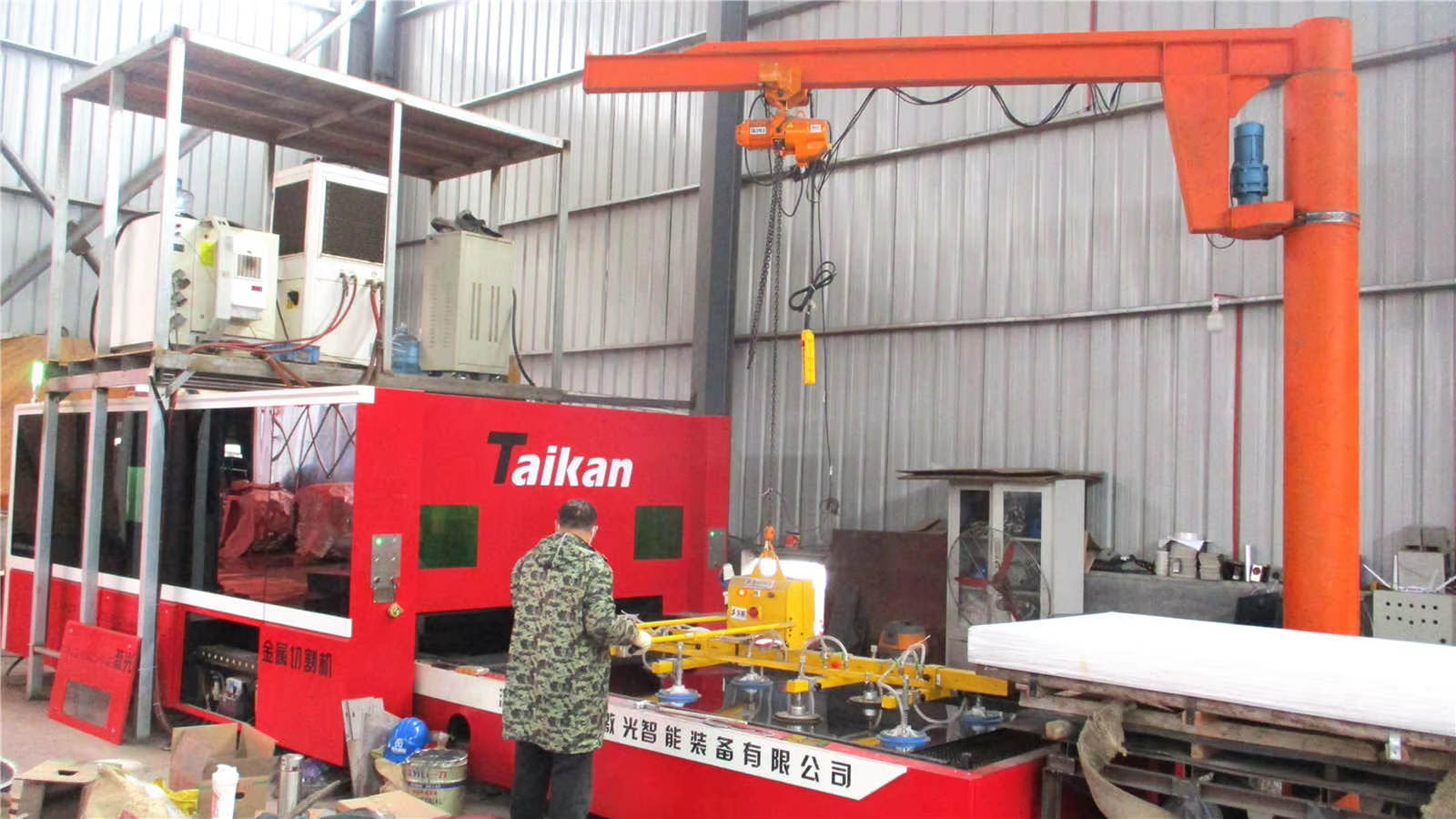
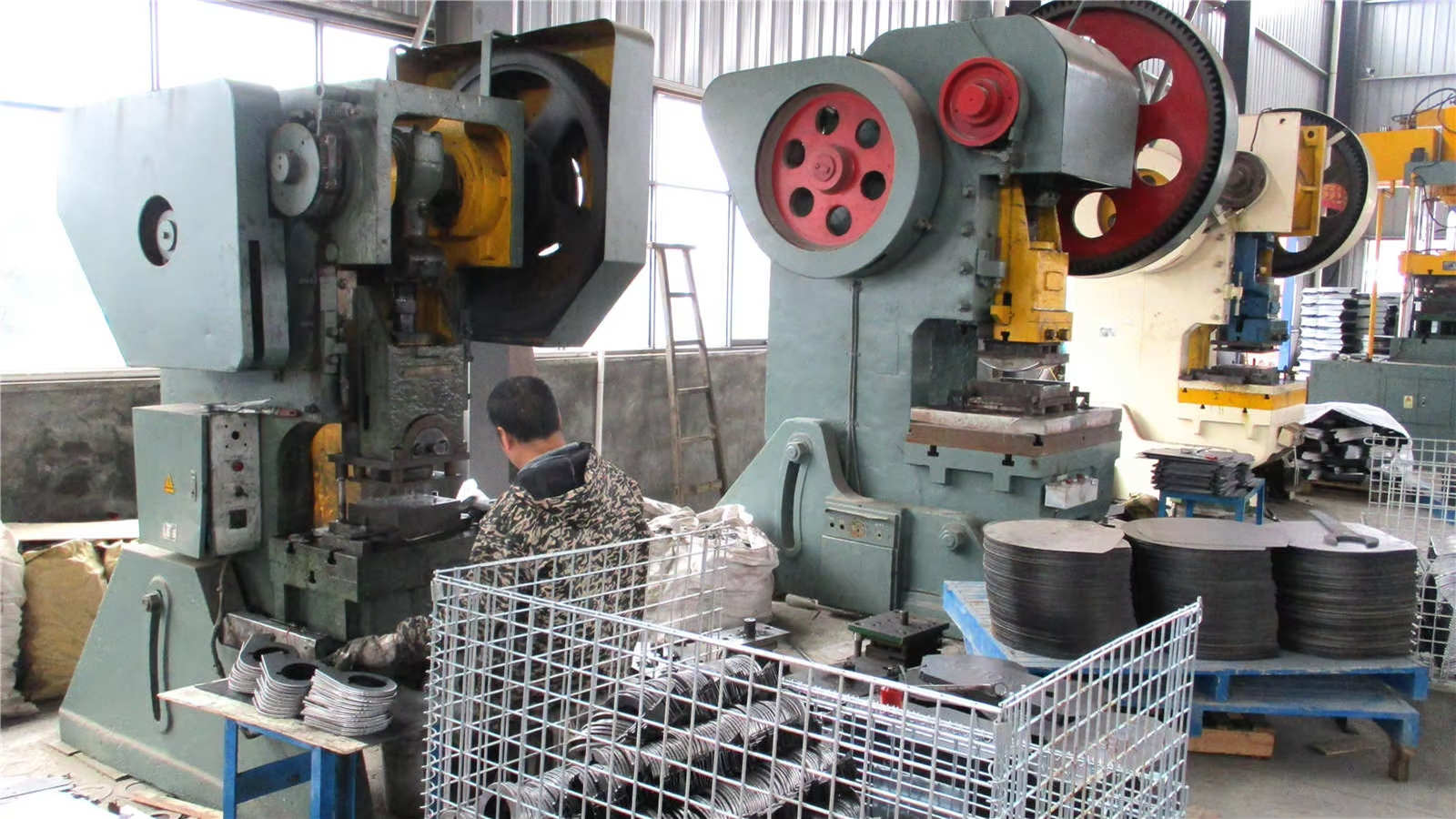
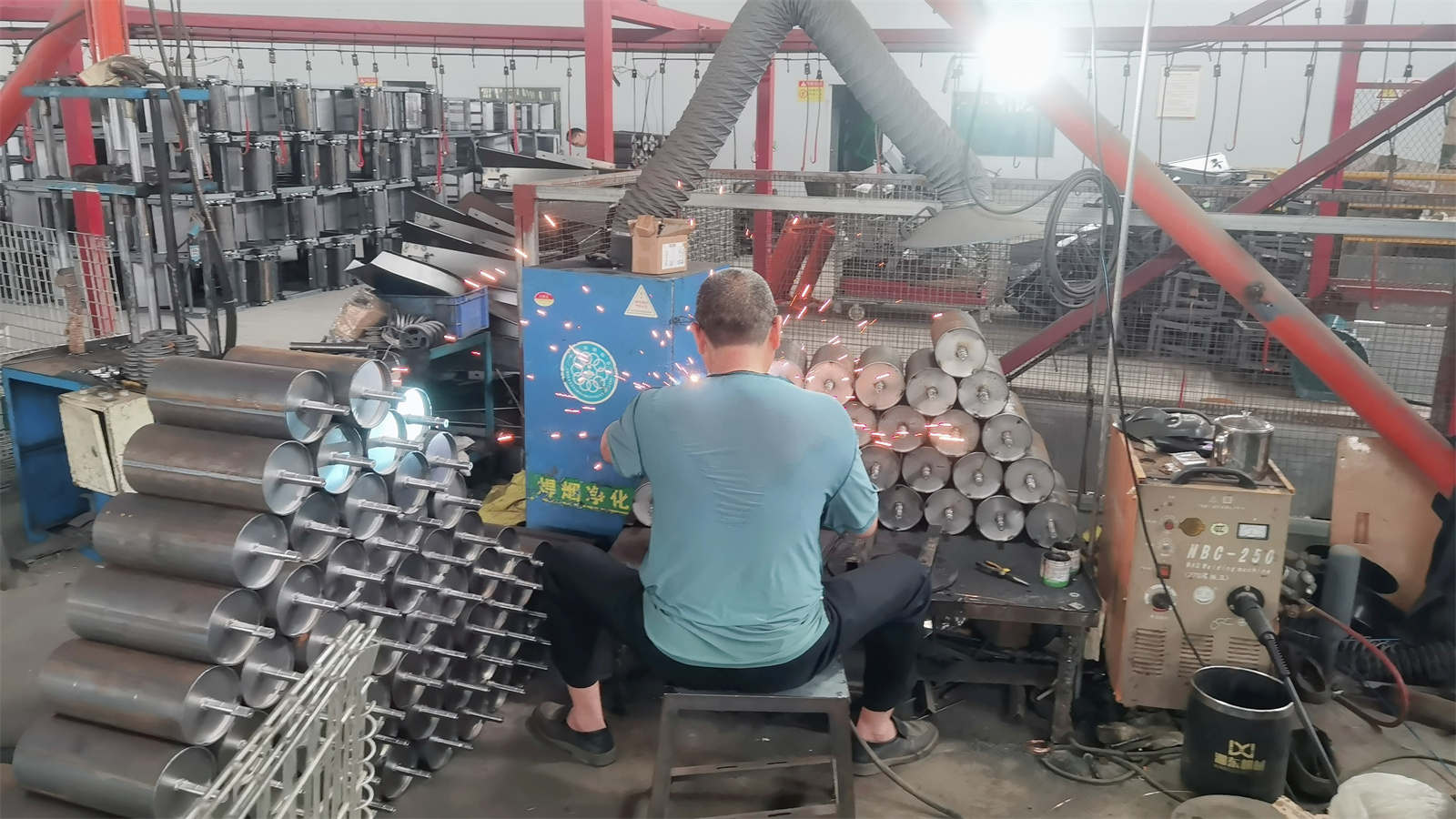
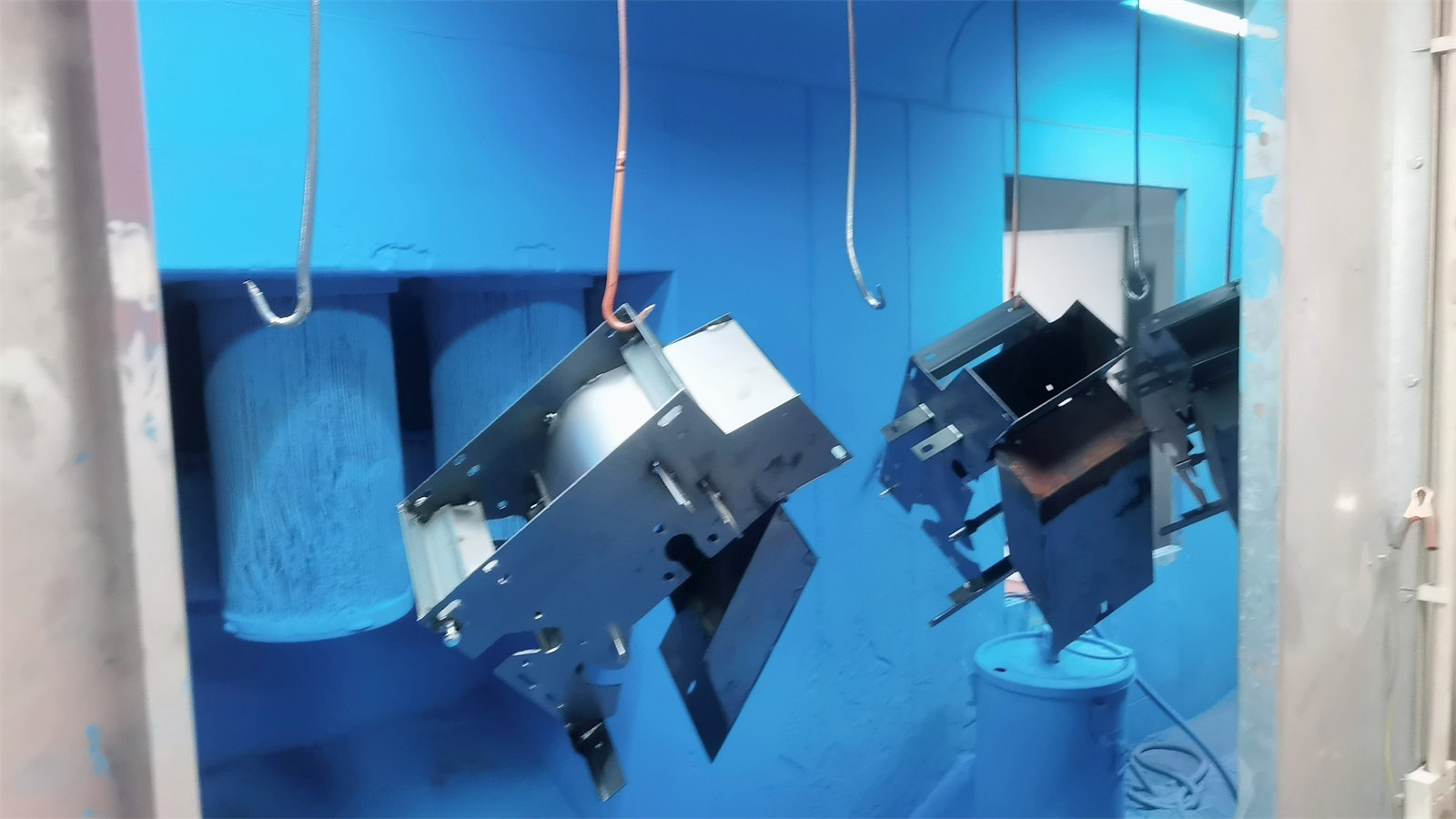
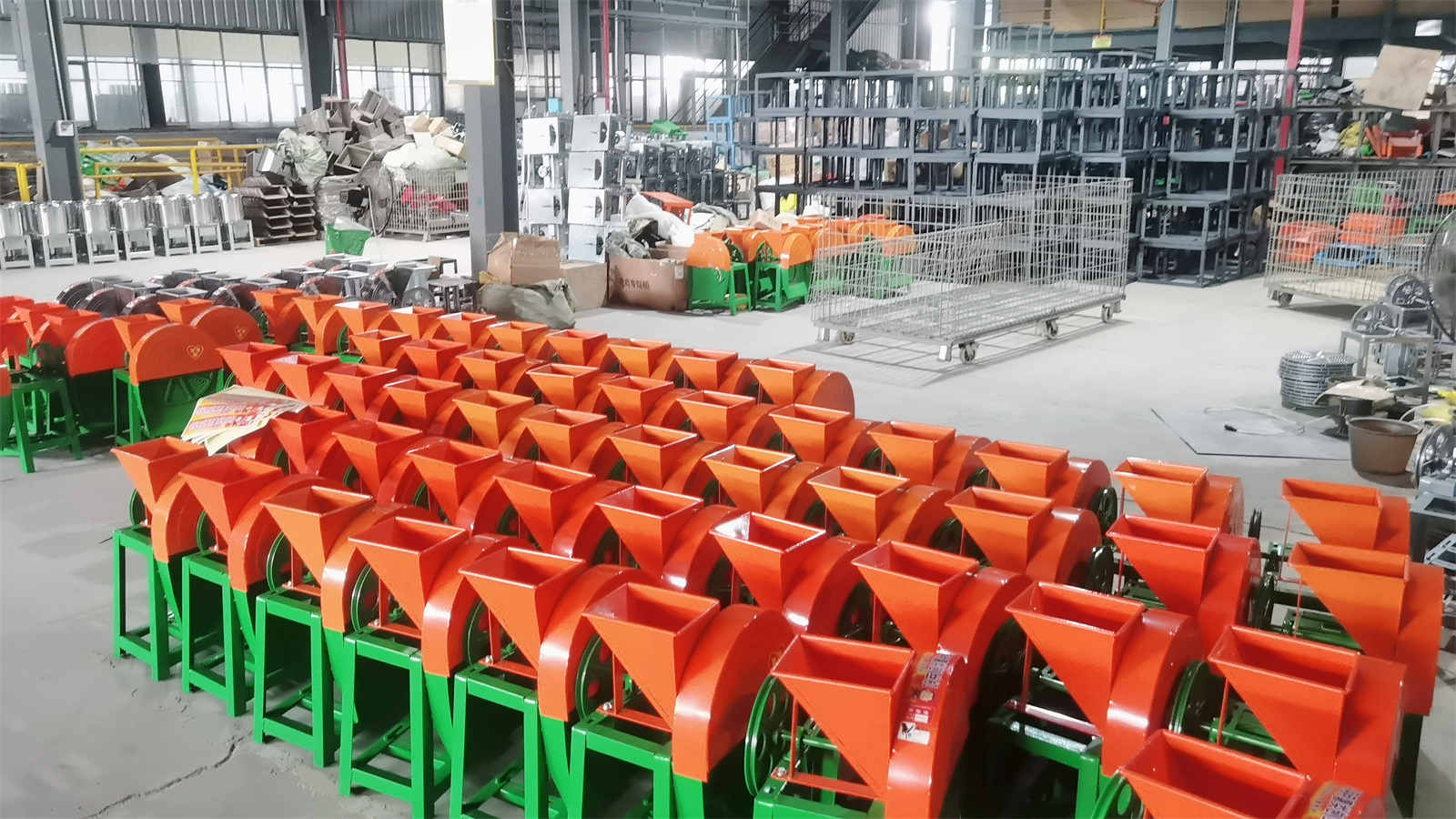
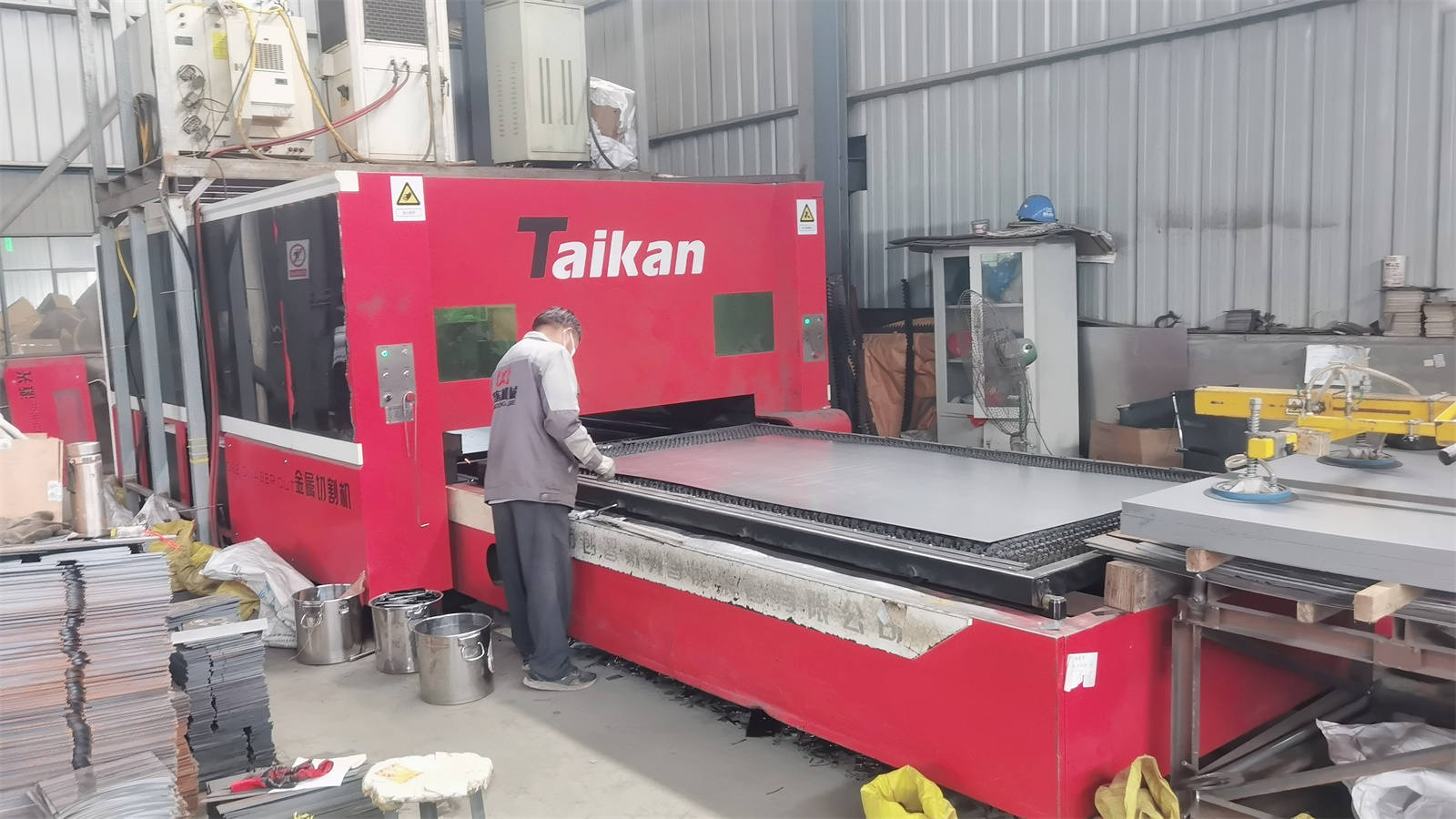
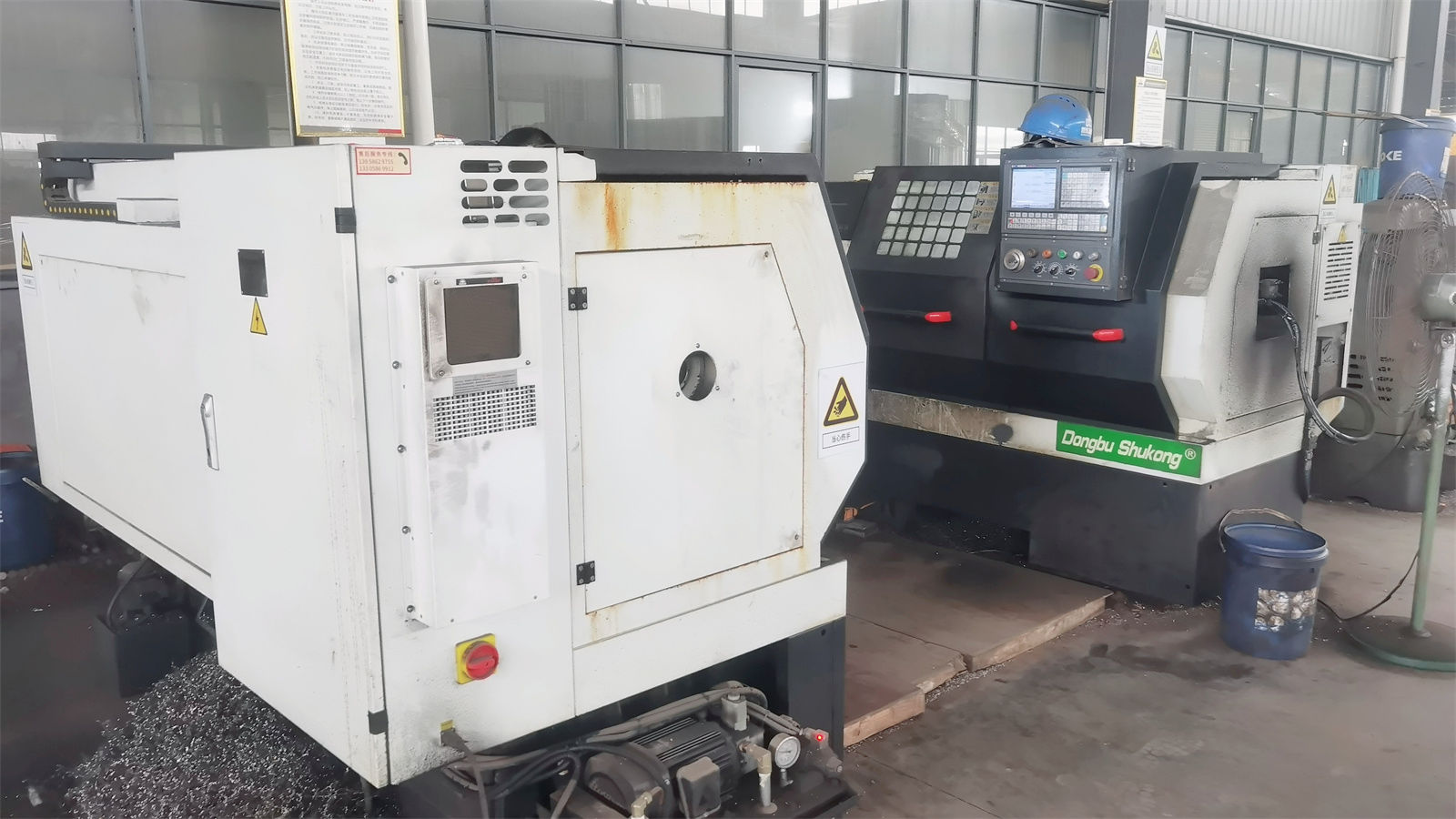
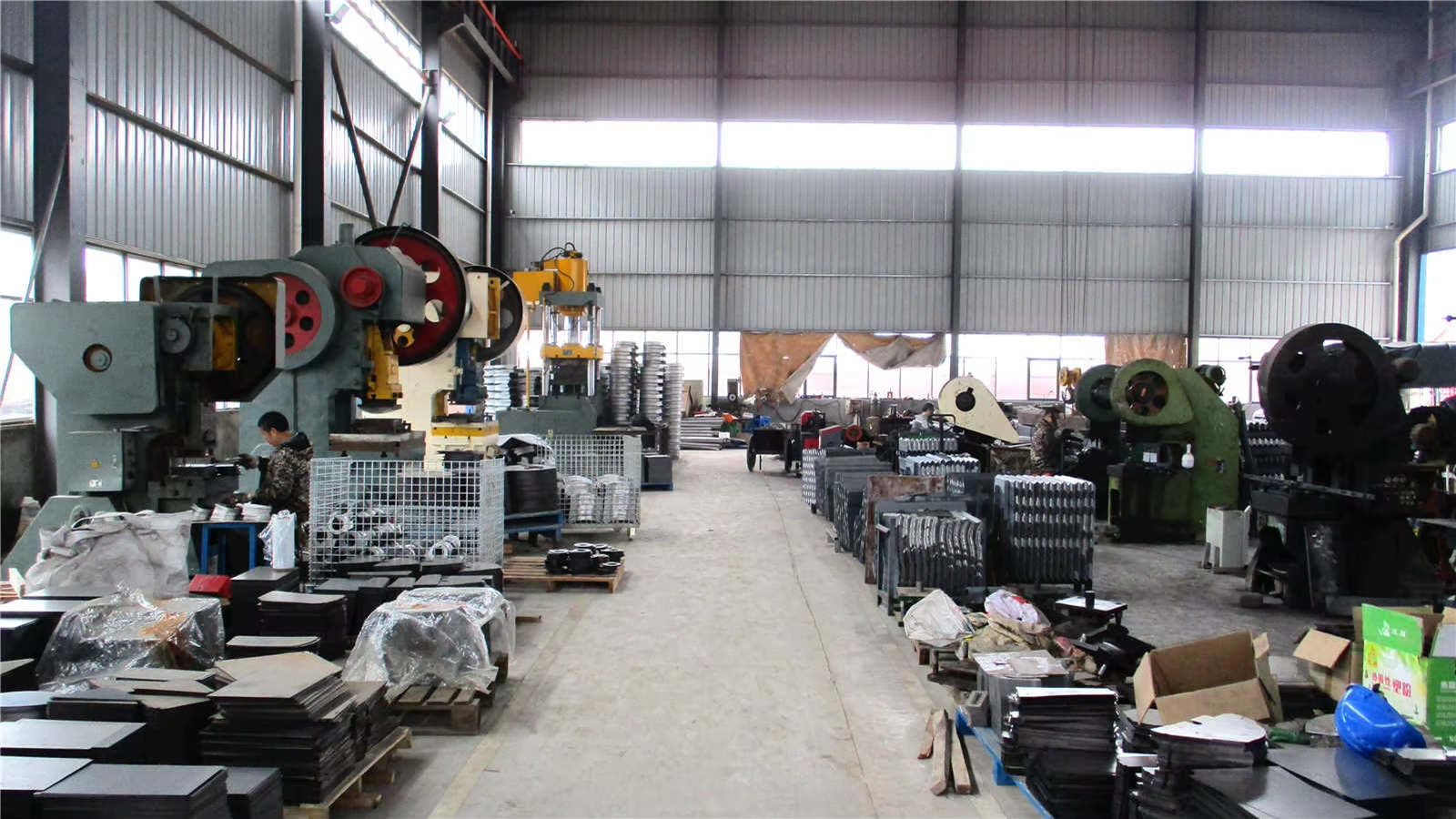
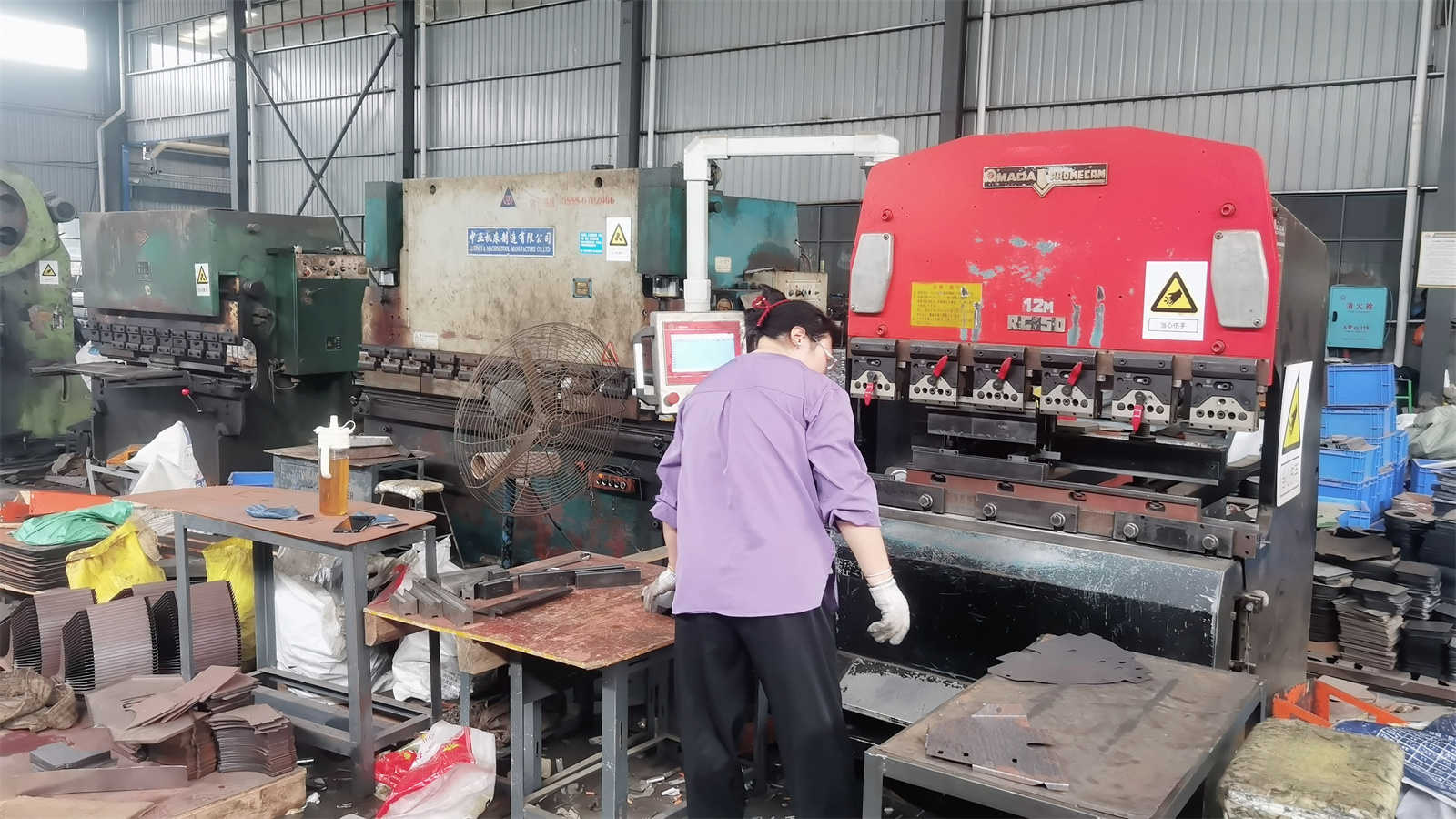
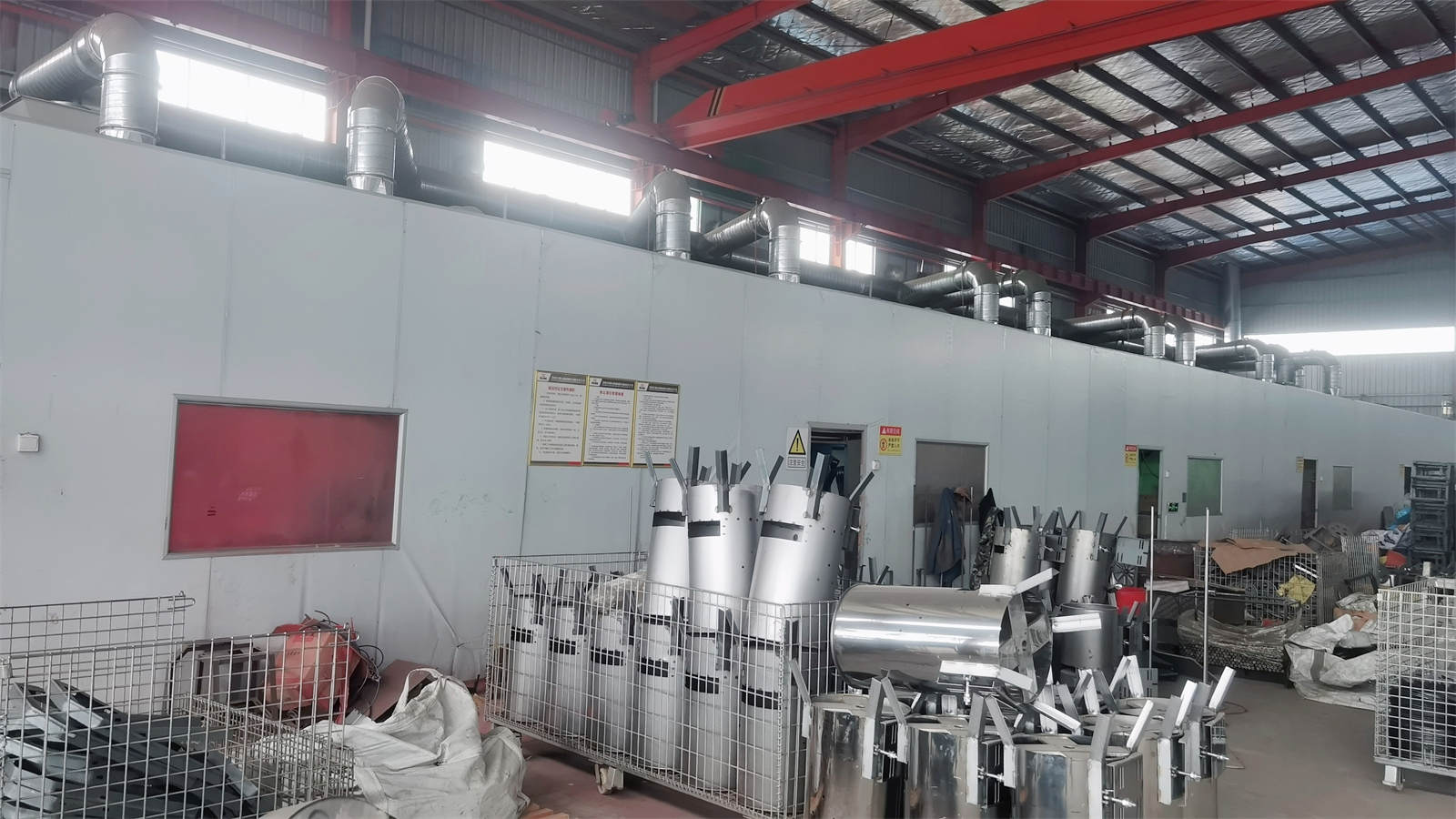
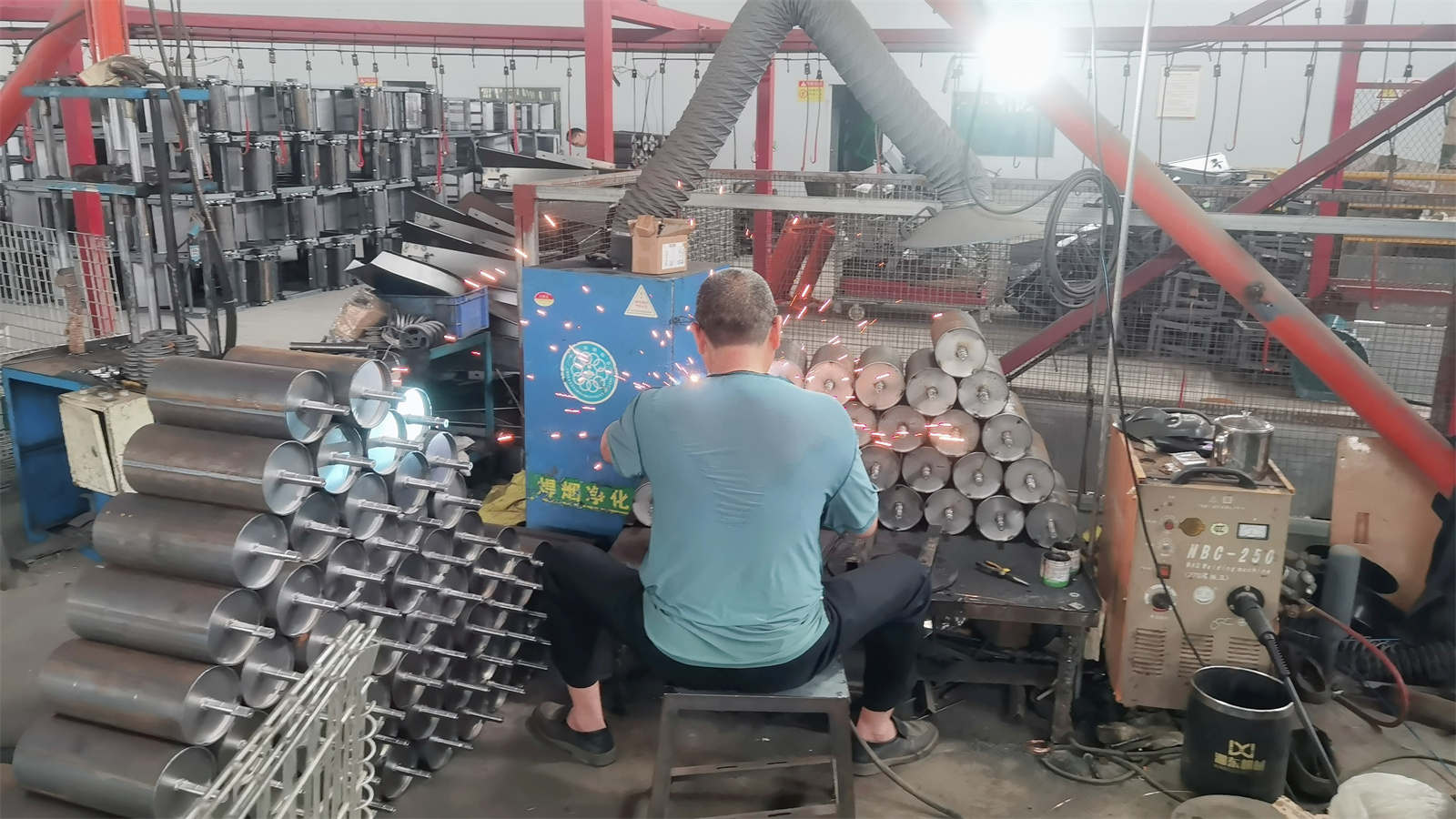
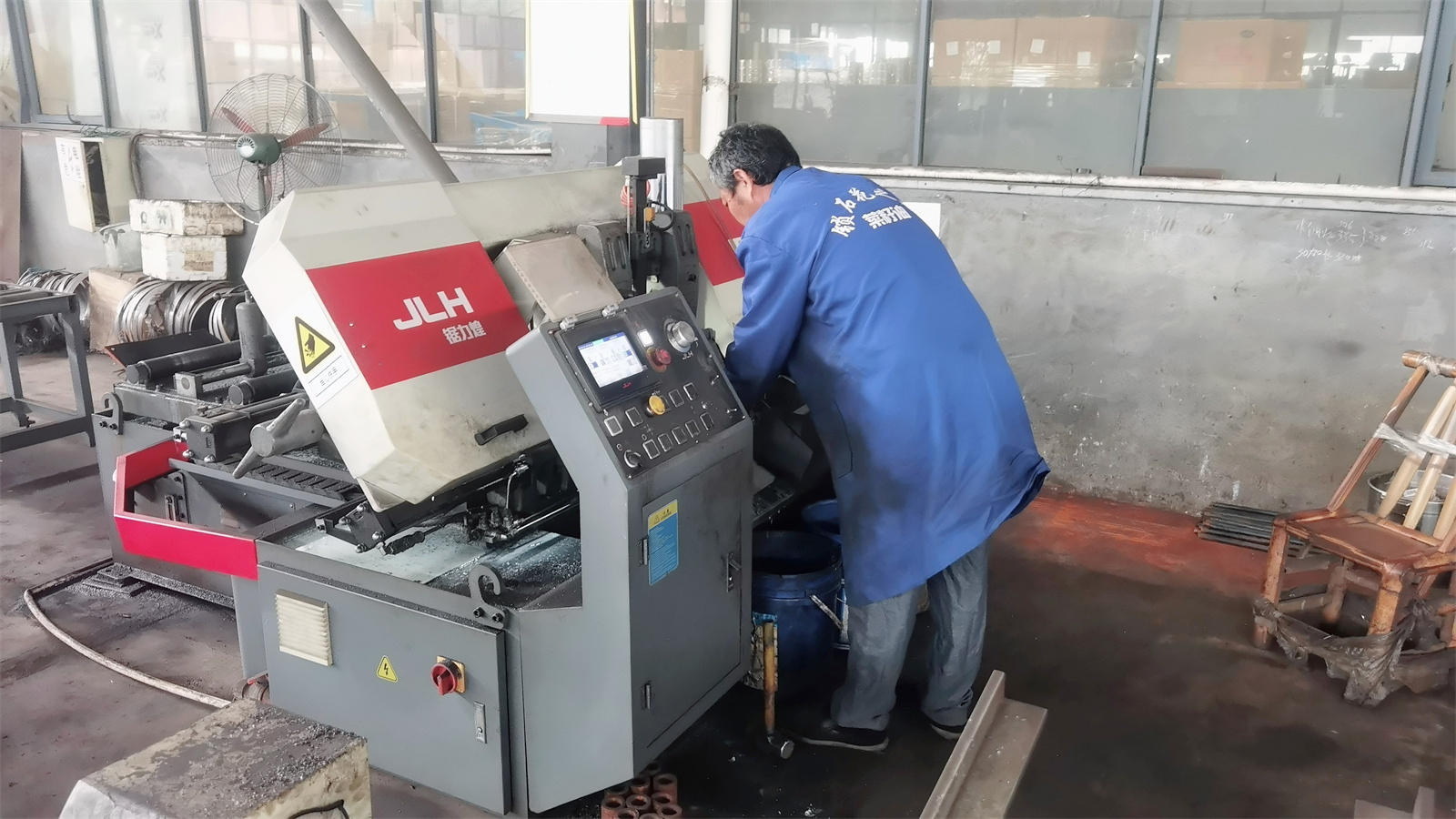
Maintaining consistent manufacturing standards requires utilizing industrial fabrication assets. Our production floor features CNC laser cutters, CNC bending machines, high-precision CNC lathes, heavy-duty machining centers, and boring tools. Our assembly operations are supported by a multi-zone electrostatic powder-coating line that applies impact-resistant finishes to protect our machinery against wear and environmental exposure in harsh agricultural environments.
At Henan Jiujie Machine Co., Ltd., quality control is integrated throughout the manufacturing process, rather than being a final inspection step. Our engineering and manufacturing processes conform to the ISO9001:2015 quality management system and European CE directives. This ensures that every pellet mill and sorting machine meets strict structural and electrical safety standards before leaving our facility.
Recognizing the critical importance of environmental compliance, we design our grain cleaning lines to operate as dry systems. Eliminating water consumption from the cleaning and de-stoning process avoids wastewater discharge, helping processing facilities meet municipal environmental regulations.
"Our focus on sustainable development has driven us to engineer closed-loop dust extraction setups and low-vibration assemblies that improve the workspace safety of mills worldwide."
Analyzing automation, material science, and thermodynamic innovations in pelletization.
Modern pelletizing operations increasingly rely on real-time sensor feedback. Monitoring parameters like roller bearing temperatures, main drive motor load, and conditioning steam pressure allows automated control systems to make micrometric adjustments on the fly, preventing blockages and optimizing system throughput.
Processing demanding materials like straw, rice husks, and hardwood requires highly wear-resistant dies. Transitioning from standard carbon steels to alloy steels with precise chromium-nickel ratios, treated via vacuum quenching, extends die life and improves the quality of the finished pellets.
Future developments in processing machinery focus on refining conditioning systems. Combining thermal conditioning with high-pressure expansion allows for better gelatinization of starches in feed formulations. This improves the structural stability of the pellets and increases digestible energy value, while lowering the power requirements of the primary mill motor.
Technical answers to common engineering and procurement questions.
Ring die pellet mills position the die vertically, with rollers operating internally to extrude material outward through radial holes. This design is preferred for medium-to-large industrial applications because it offers higher output, lower energy consumption per ton, and more uniform wear on components. Flat die mills use a horizontal plate with rollers rolling over it, which is simpler and more compact, making it suitable for small-scale testing or low-capacity farm operations.
Moisture acts as both a binding agent and a lubricant. For optimal compaction, moisture levels should generally be maintained between 12% and 15%. If the moisture content is too low (below 10%), high friction can lead to die blockages or excessive heat. If it is too high (above 17%), the pellets may break apart upon extrusion, or the material may slide on the die surface rather than passing through the compression holes.
Die lifespan depends heavily on the abrasiveness of the raw material. Processing clean wood fiber typically yields a die life of 300 to 500 hours, whereas processing less abrasive animal feed ingredients can extend die life to 800 to 1,500 hours. Regular cleaning, using magnetic separators to remove metal contaminants, and maintaining correct roller adjustments are key factors in maximizing die lifespan.
Dry cleaning processes utilize vibrating sieves, air separators, and magnetic grids instead of water-based washing. This approach eliminates the cost of water supply and wastewater treatment infrastructure, while helping plants comply with strict environmental policies regarding waste discharge.
Our machinery features mechanical shear pins or hydraulic overload relief systems to protect against damage from foreign objects. Additionally, we integrate safety limit switches, heat-sensor bearings, and emergency stop circuits that meet CE safety standards, protecting personnel and surrounding equipment.
Complementary machinery including separator units, sorting equipment, storage accessories, and packaging options.
 Jiujie Machine