In the global agricultural value chain, grain milling has evolved from basic mechanical reduction to highly automated, sensor-driven processing. At the center of this transition is the Flour Inspection System—a critical control framework that guarantees food safety, maintains chemical uniformity, and protects milling operators from catastrophic quality failures.
Historically, millers relied on laboratory baking tests and retrospective physical analyses to evaluate flour quality. Today, dynamic market forces, rigorous food-contact directives, and stringent food safety protocols (such as HACCP and ISO 22000) require real-time, non-destructive, inline inspection. These technologies monitor physical attributes, detect biological contamination, and intercept foreign bodies before products enter global distribution networks.
A comprehensive flour inspection protocol covers physical grading (ash content, moisture levels, granulation profile, and gluten properties) as well as foreign matter exclusion (metallic particles, micro-plastics, organic residues, and insect contamination). Sourcing systems from a verified CE Certified Factory ensures that the machinery complies with international mechanical safety, electromagnetic compatibility, and sanitary engineering protocols, allowing trouble-free deployment in highly regulated environments like the European Union and North America.
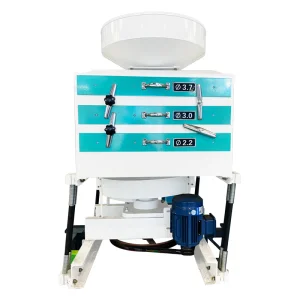
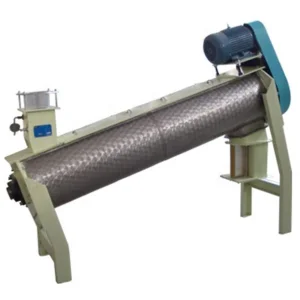
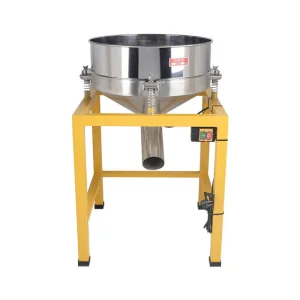
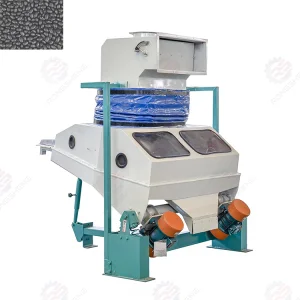
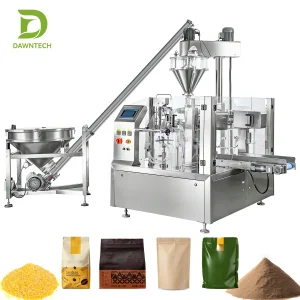
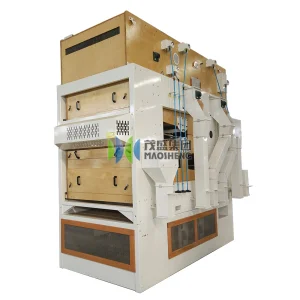
Modern mills manage high volumes of raw wheat, corn, or pulses, requiring high-throughput, automated inspection technologies. These systems integrate directly with cleaning machinery, plansifters, gravity destoners, and final packaging lines, ensuring that every batch complies with strict food safety laws.
As an established engineering force in the grain processing sector, Henan Jiujie Machine Co., Ltd. is a professional supplier of complete equipment and engineering services for the food production and grain processing industries. Our business covers a wide range of applications, including wheat flour milling plants, feed processing factories, and rice processing plants.
With decades of technical expertise, our product portfolio includes conveying equipment, cleaning equipment, flour milling equipment, and other related machinery. Over the years, our products have been widely recognized by customers both in domestic and international markets.
In an industry where machinery reliability directly impacts plant downtime and operating margins, we prioritize robust design and international certification. Our flour milling equipment has obtained the ISO9001:2015 quality management system certification and CE certification. The environmental protection standards of our equipment comply with relevant EU requirements.
Significantly, our grain cleaning process is designed to operate completely without water usage. By employing advanced physical separators, specific gravity destoners, and dust extraction systems, we ensure no wastewater discharge and support environmentally friendly, energy-efficient production. This dry-milling preparation approach reduces biological hazards from moisture and eliminates water treatment costs.
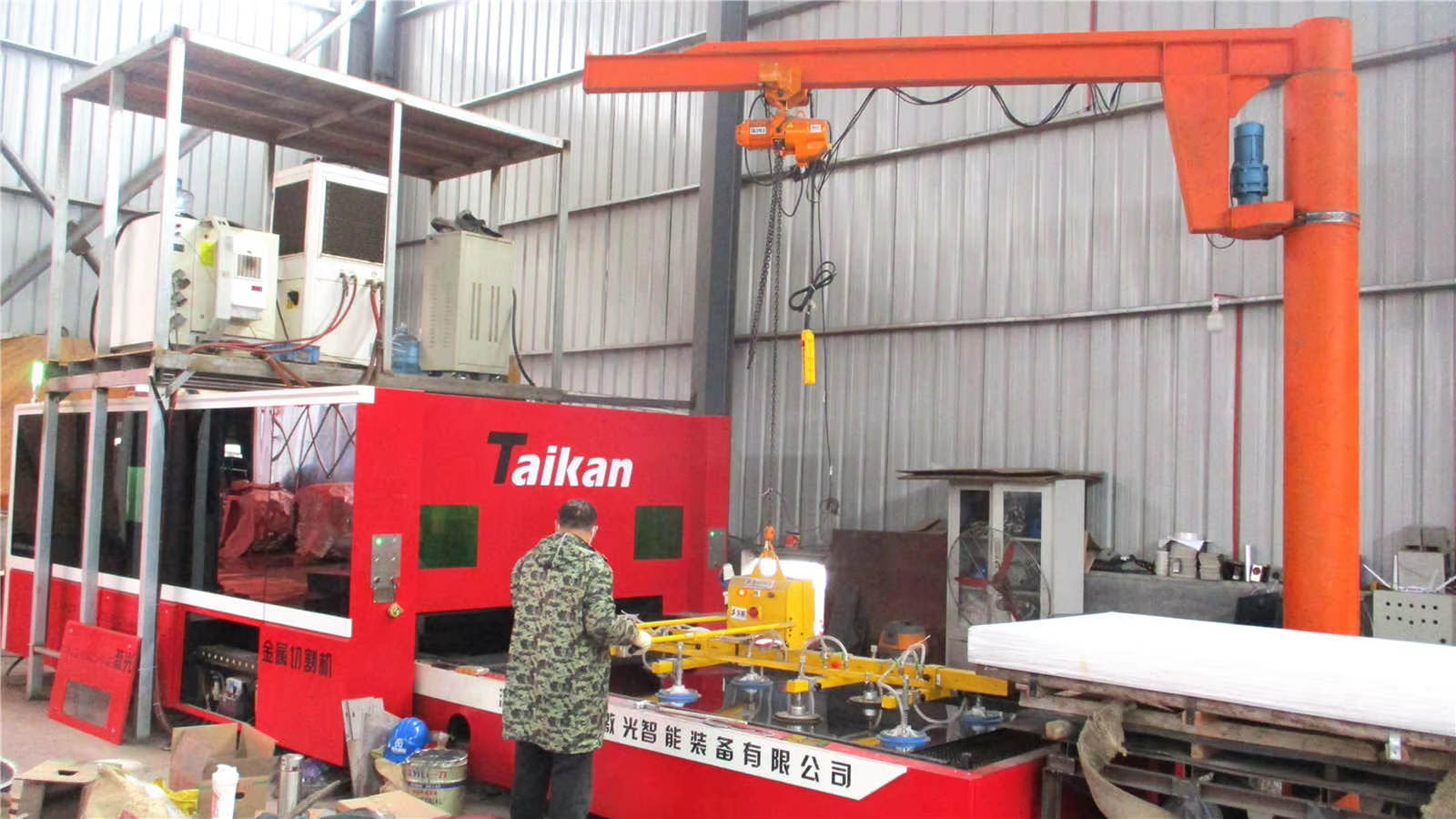
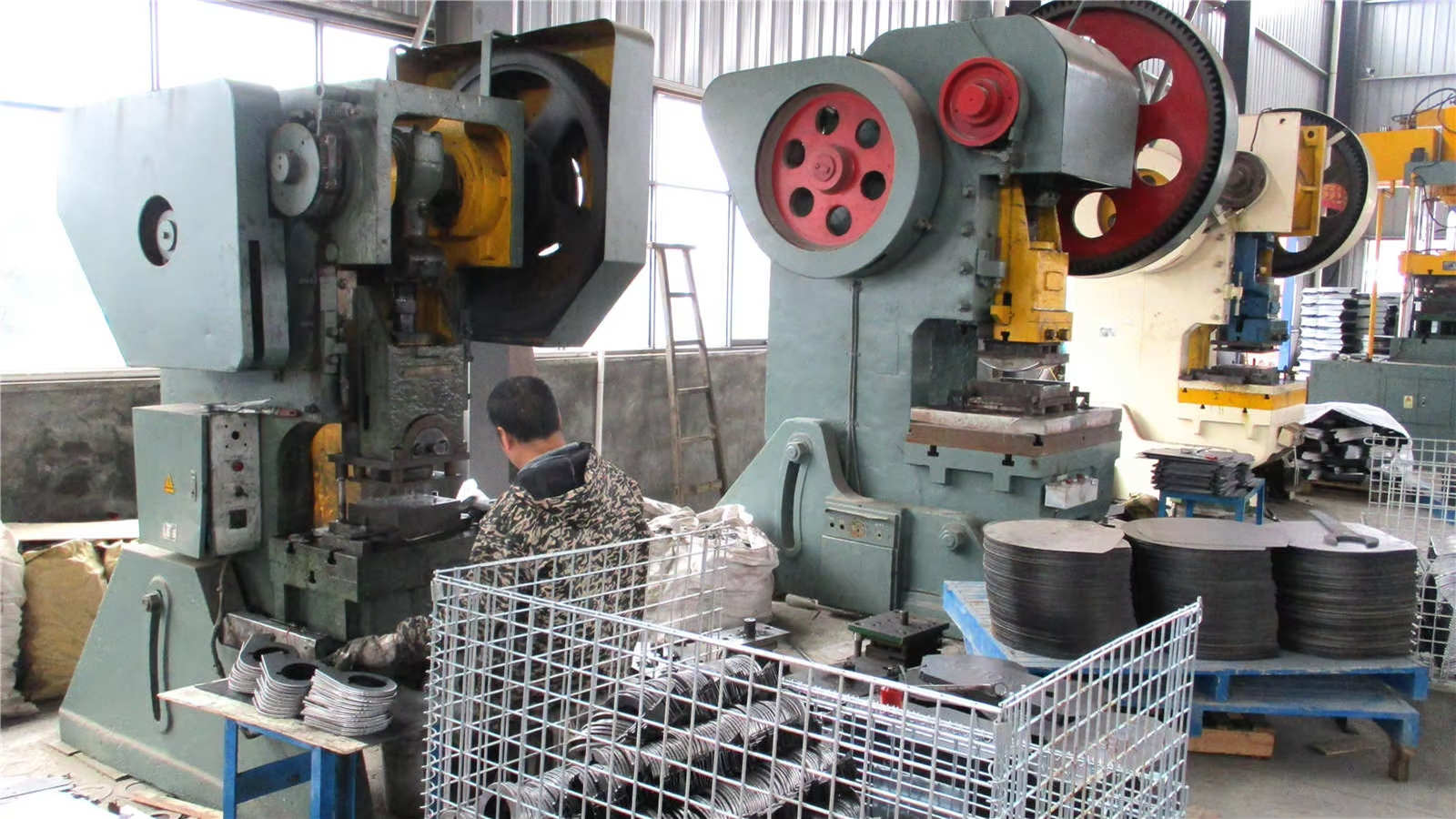
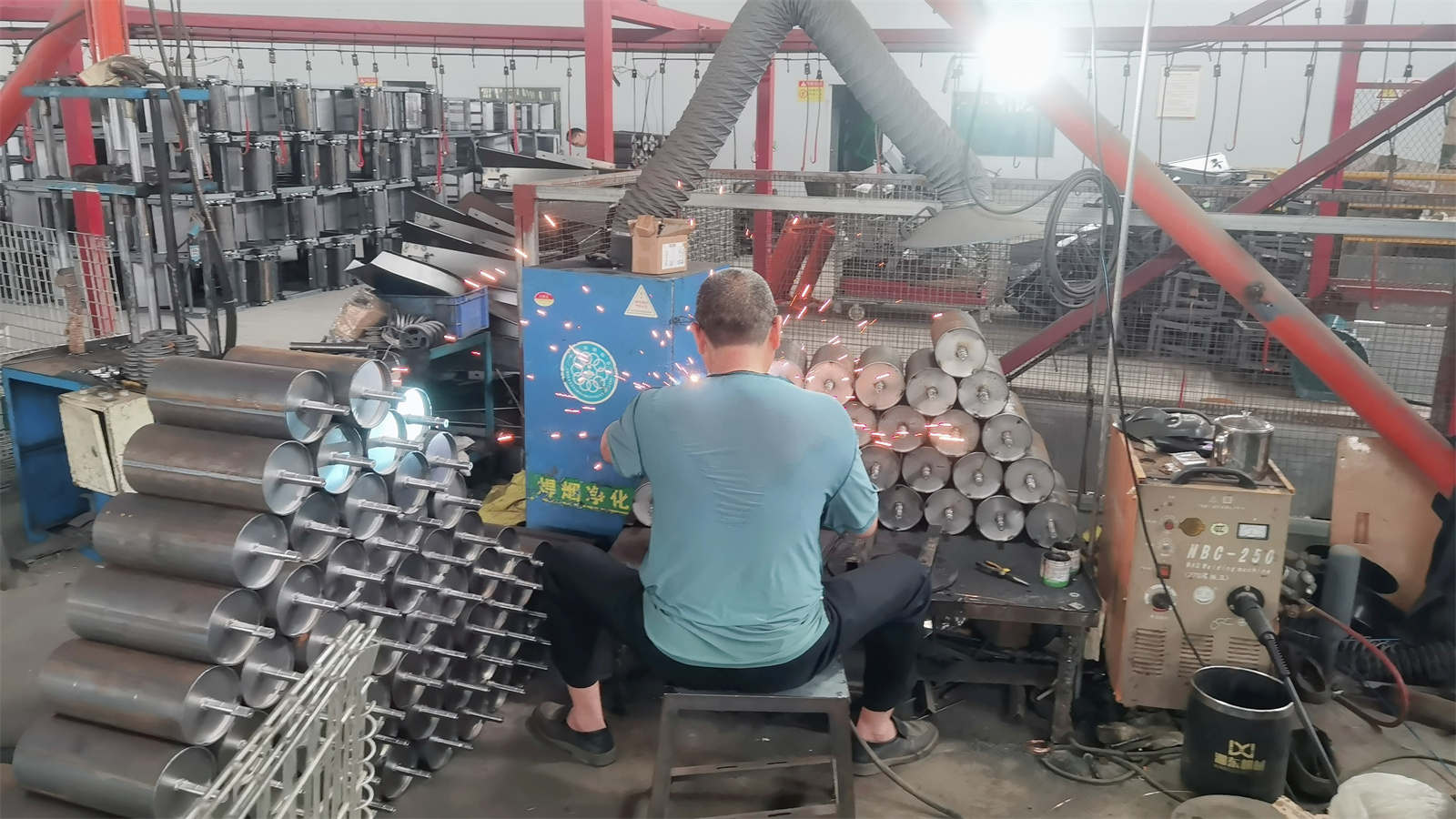
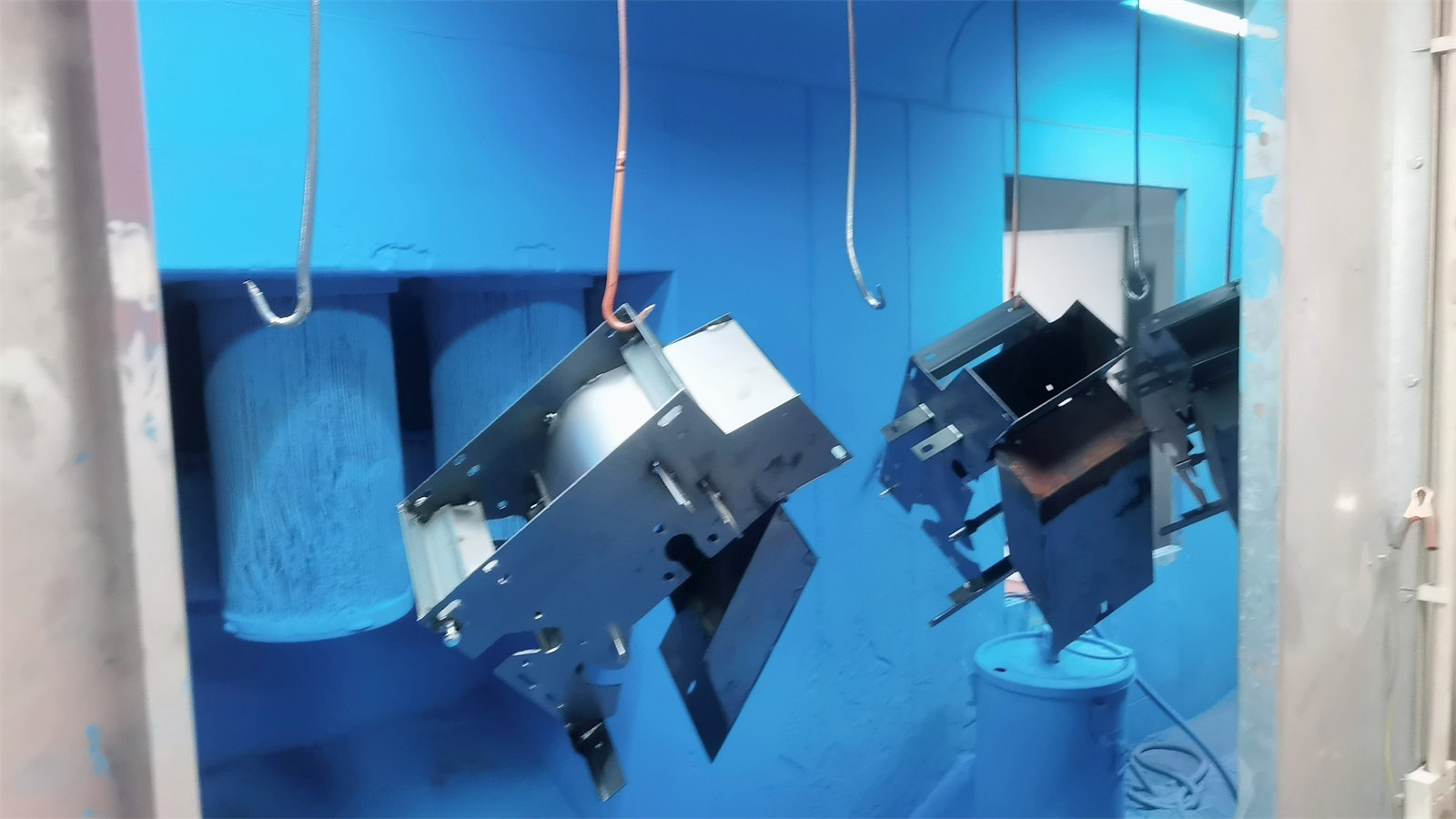
To maintain high quality across our processing lines, Henan Jiujie Machine Co., Ltd. places strong emphasis on technological innovation and continuous improvement of manufacturing capability. We have introduced a series of advanced processing equipment, including:
Every machine manufactured by Henan Jiujie Machine Co., Ltd. undergoes a series of precise processing steps, using advanced CNC technology and professional fabrication machinery to guarantee structural integrity and long-term durability.
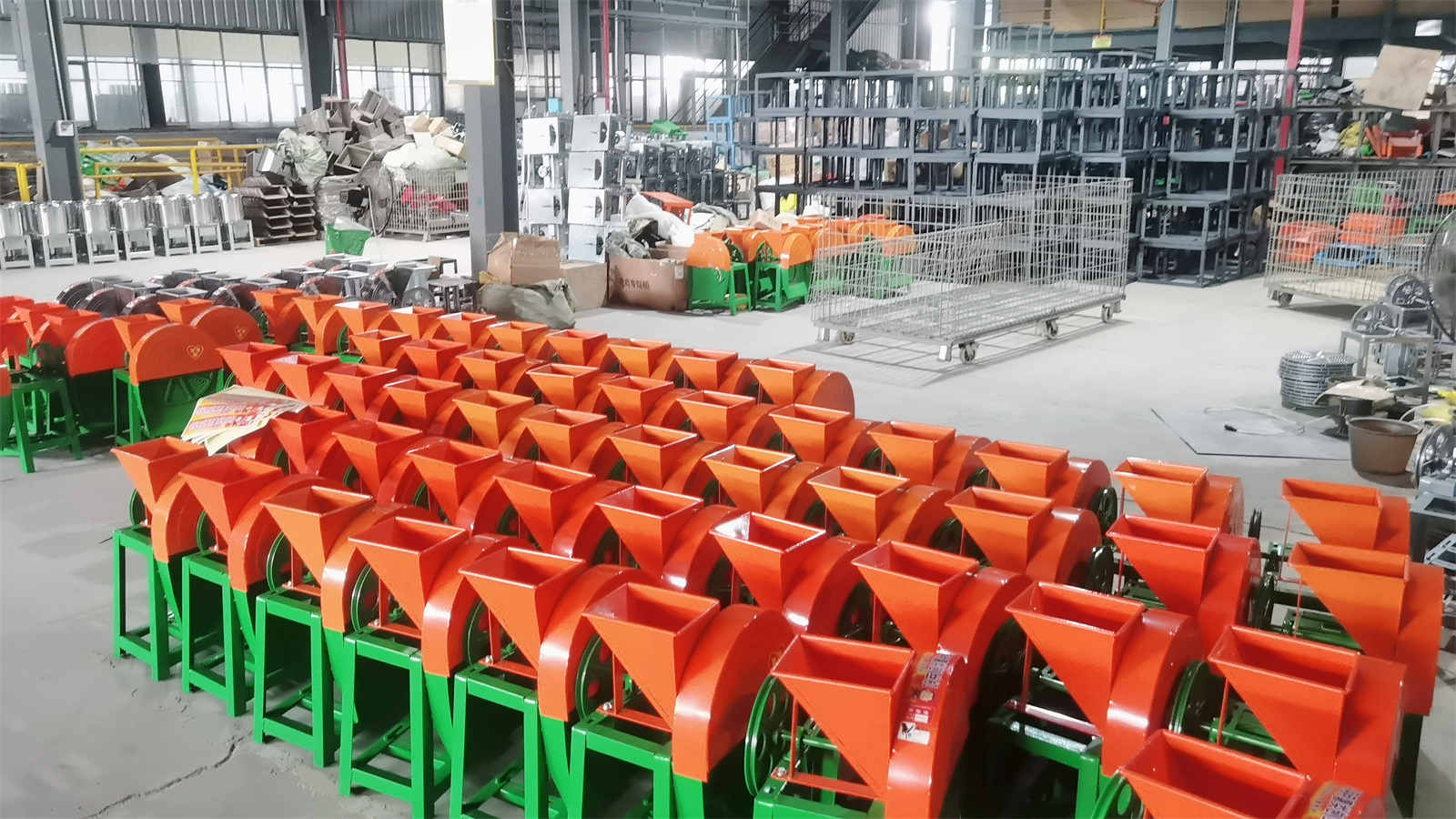
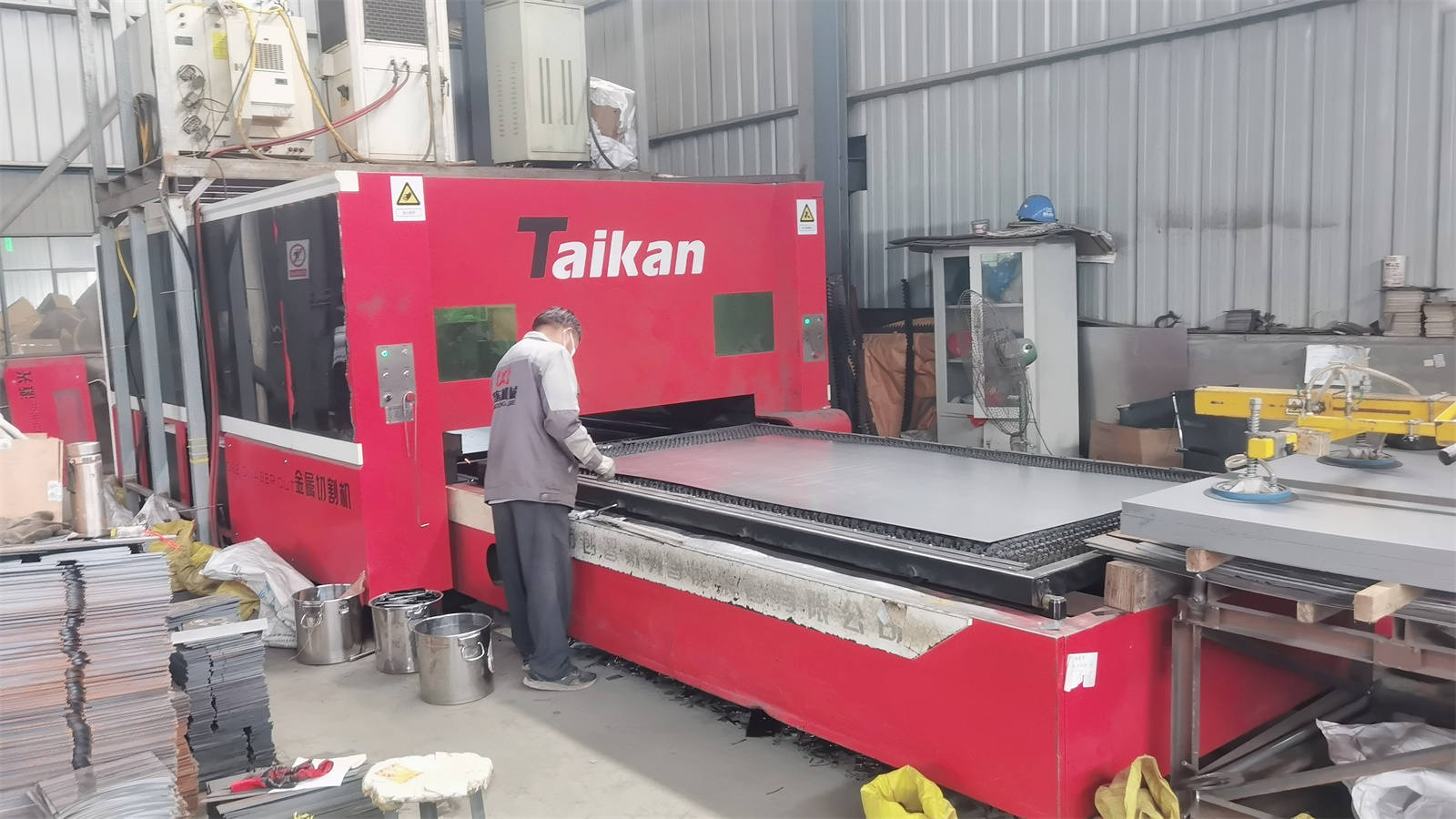
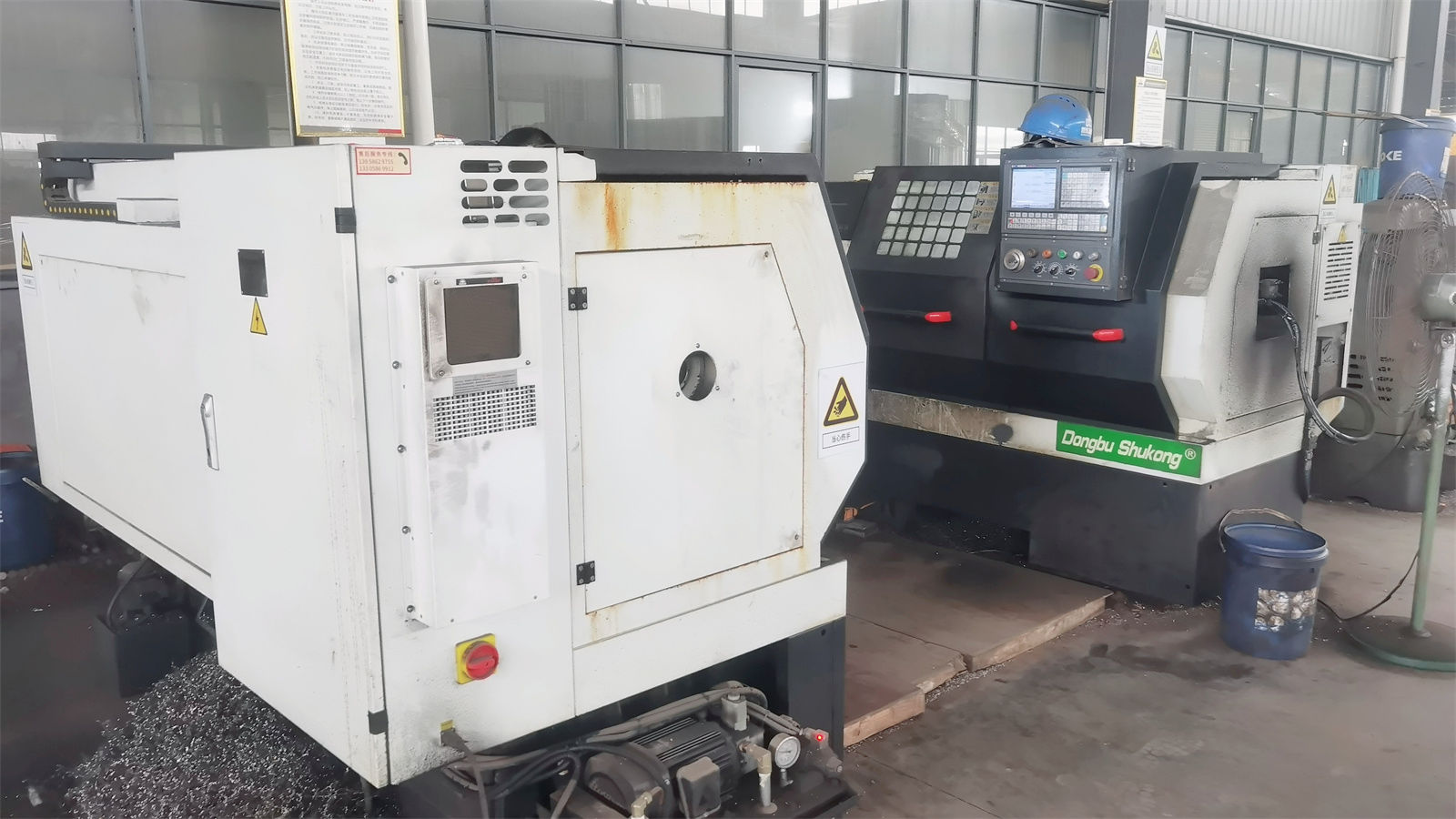
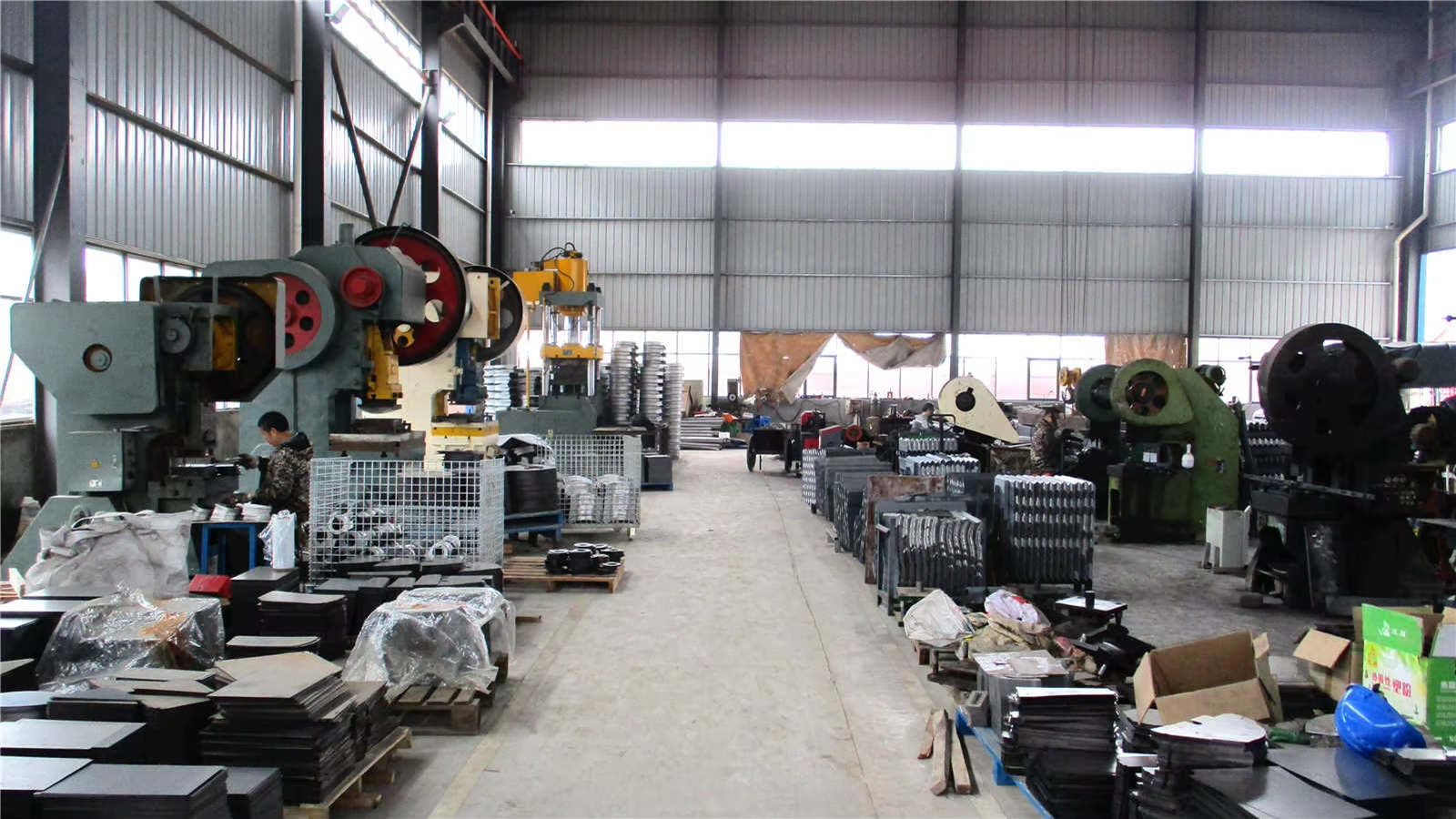
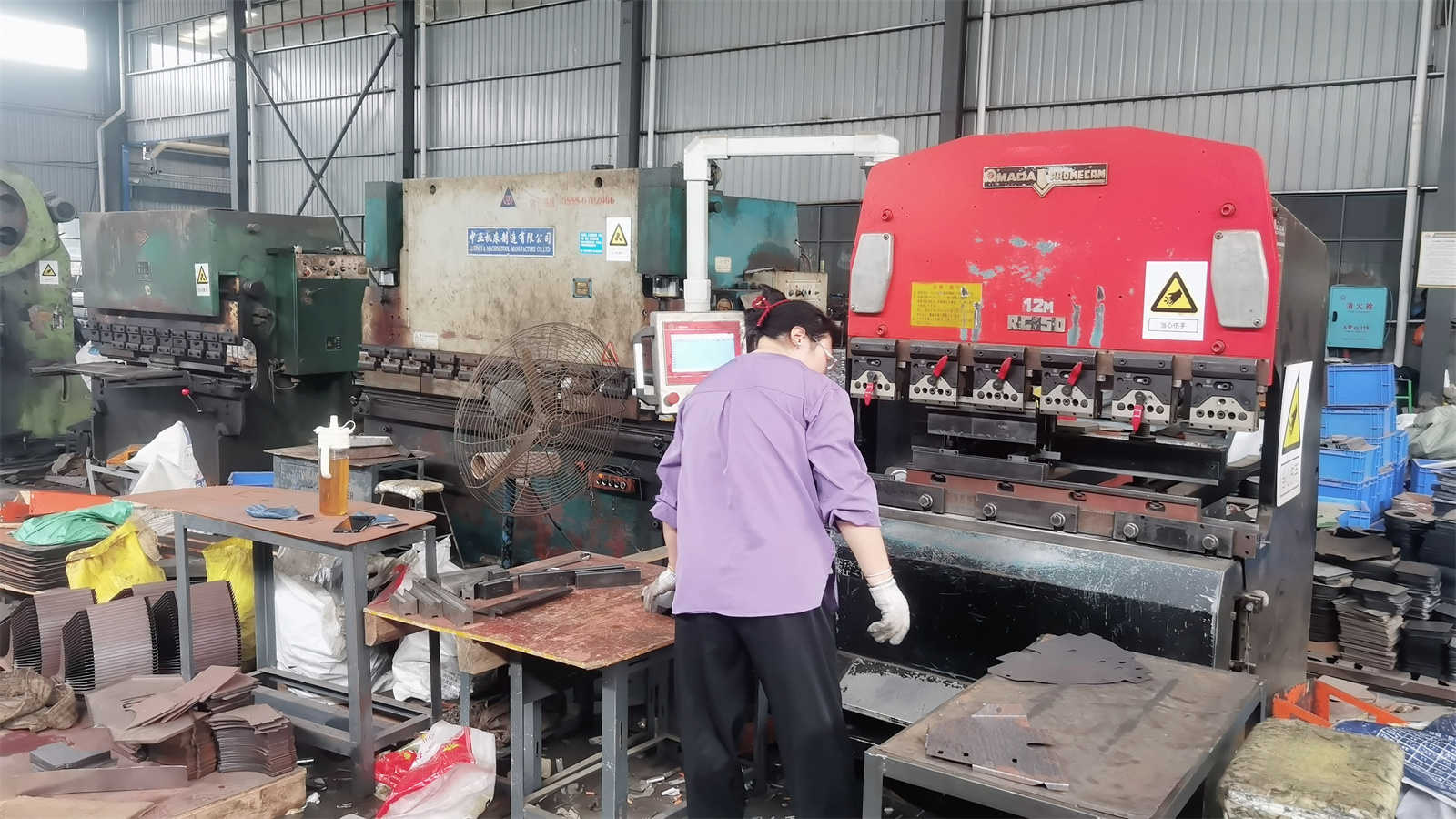
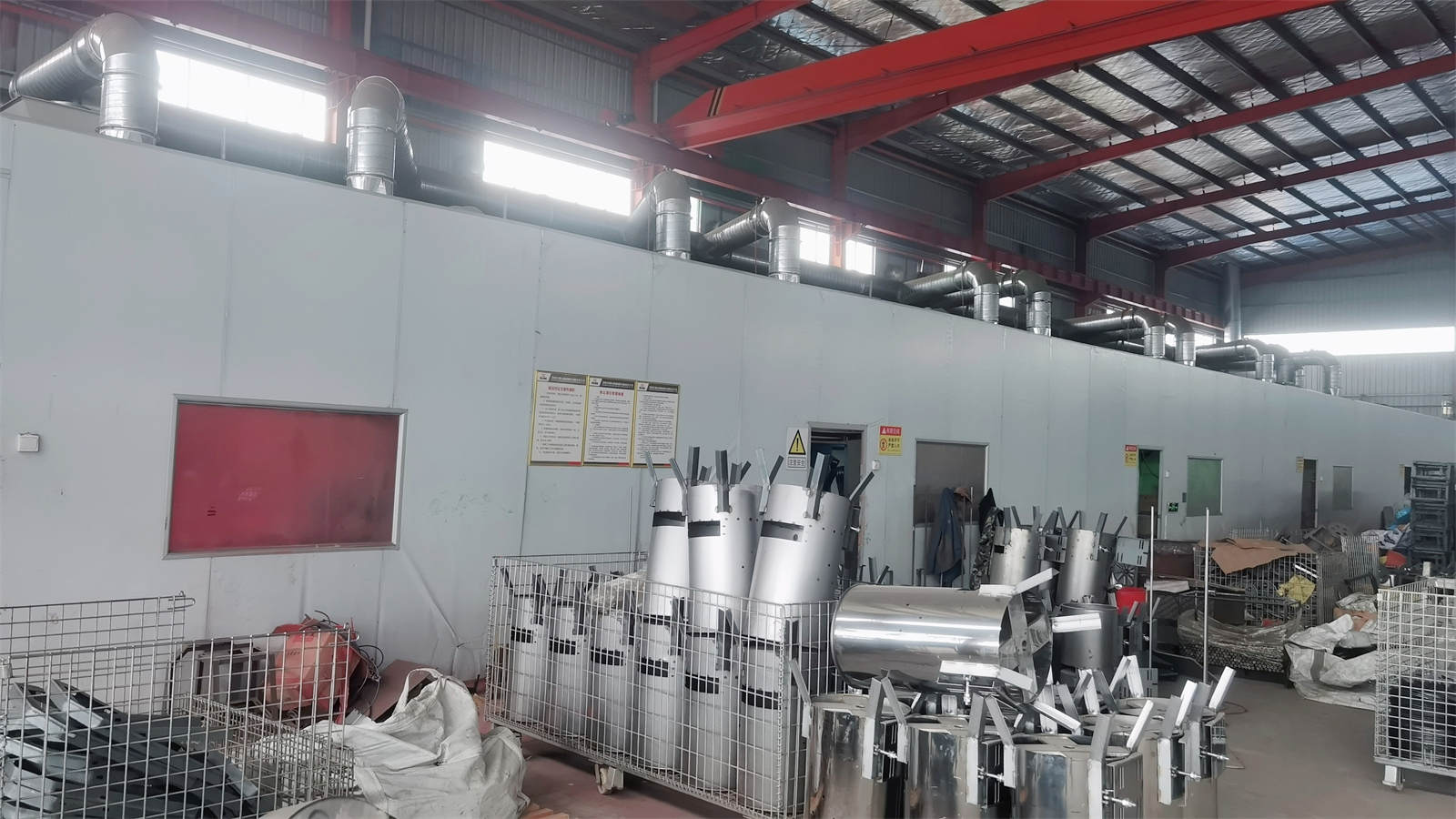
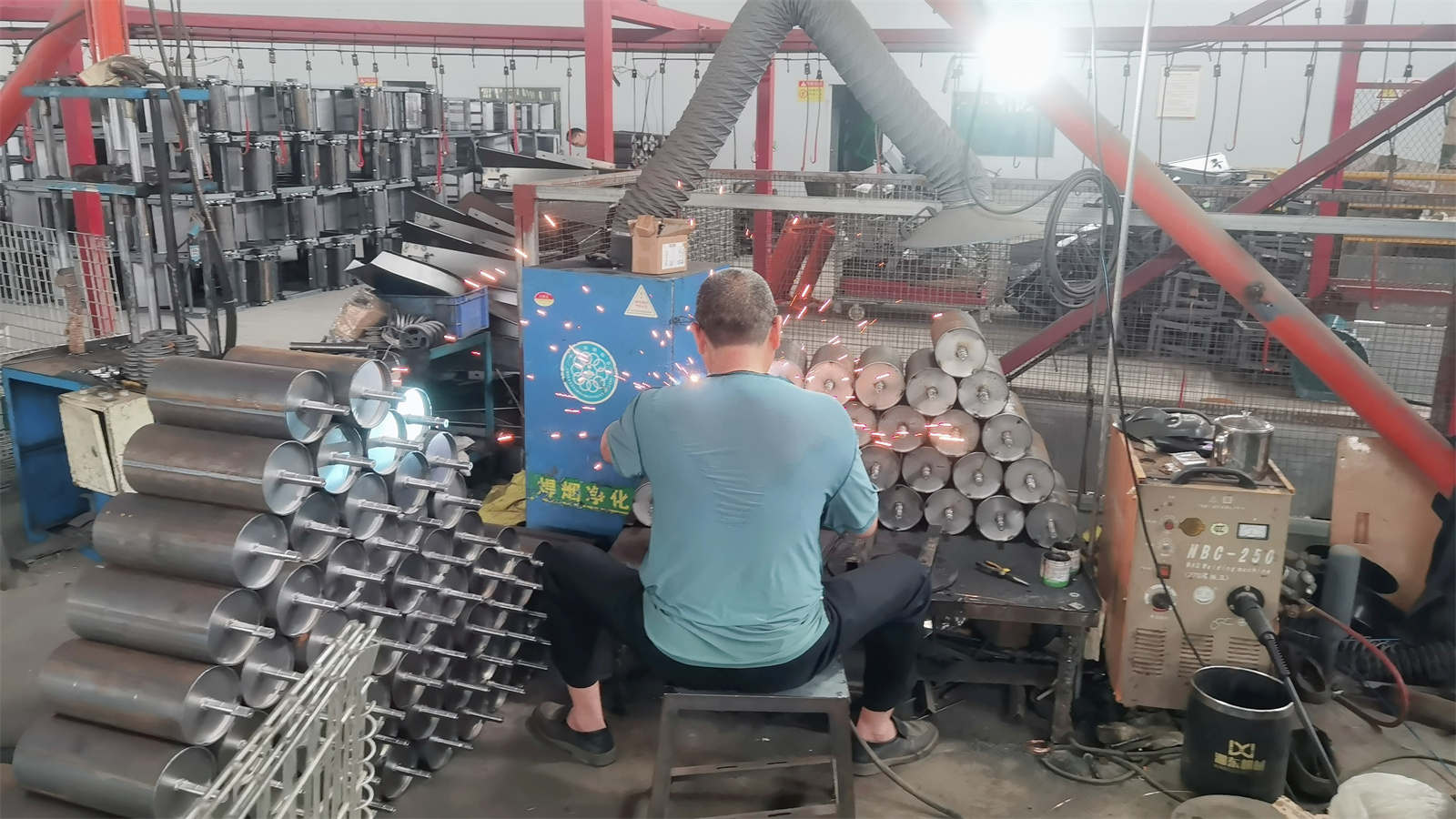
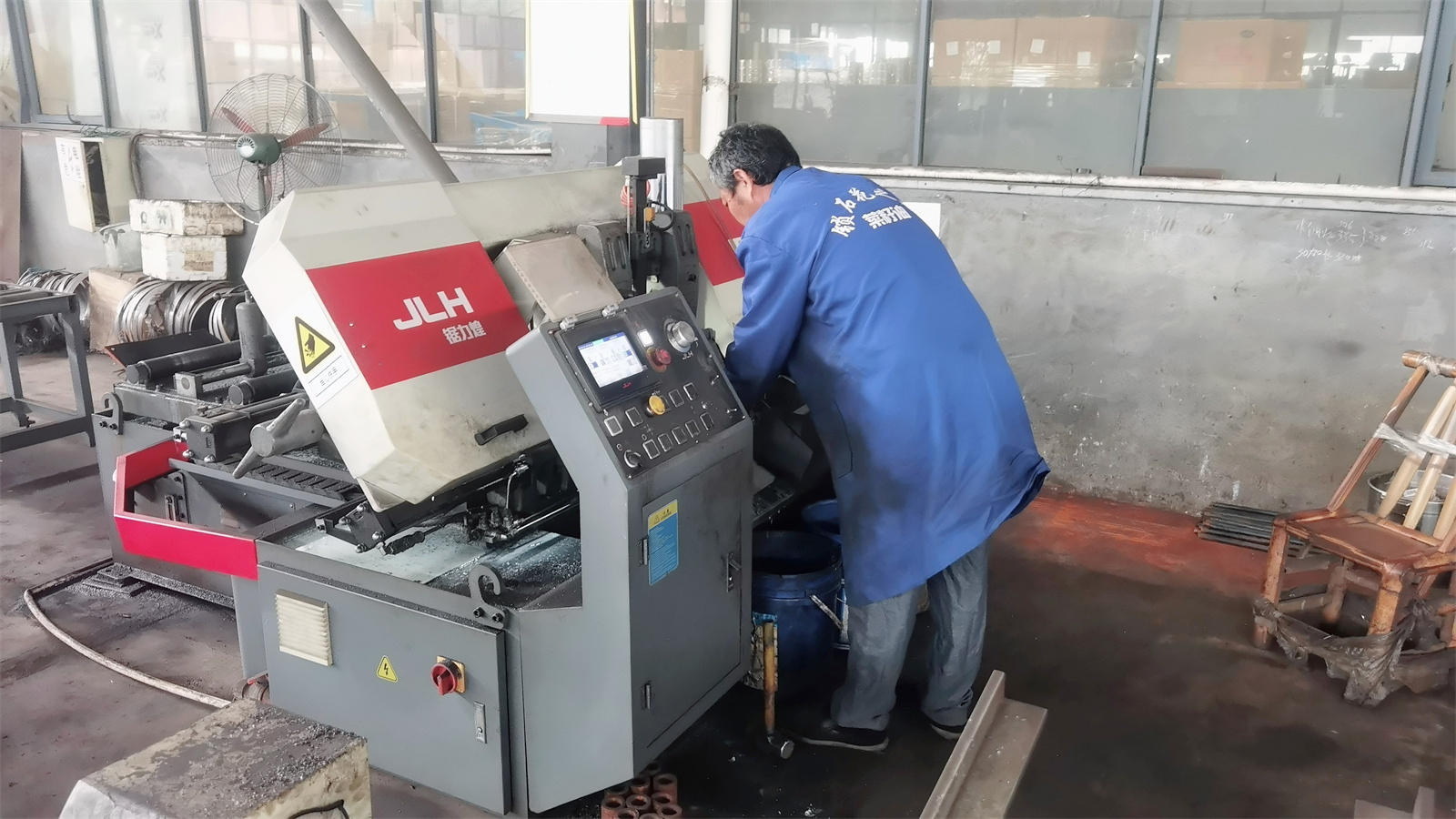
Procuring flour inspection and milling equipment from China offers significant advantages in cost efficiency, engineering customization, and industrial scale. Henan Jiujie Machine Co., Ltd. leverage these benefits to deliver reliable, high-performance machinery worldwide.
China's central plains, particularly Henan province, represent a leading hub for heavy industrial manufacturing and agricultural processing technology. Sourcing from this region offers several key advantages:
Our factory maintains direct, long-term relationships with regional steel suppliers, motor manufacturers, and specialized electronics producers. This localization ensures rapid parts availability, reduces manufacturing lead times, and helps control raw material costs.
Our facility features advanced production technology, including automated laser cutting, precision CNC machining, and electrostatic powder coating. These tools allow us to build systems that meet global standards at a highly competitive total cost of ownership (TCO).
Our design engineering team utilizes AutoCAD-based engineering design systems to develop custom equipment layouts. We adapt machine frames, intake manifolds, motor voltages, and electronic control units to meet the physical and regulatory requirements of your mill.
Operating a global milling business requires equipment that conforms to local electrical standards, safety regulations, and operational preferences.
A flour inspection system must integrate smoothly into the existing mill workflow. We verify that all exported machinery is optimized for local operating conditions:
We build control panels to accommodate diverse international power supply standards. Whether your mill operates on 380V-415V/50Hz (common across Europe, Asia, and Africa) or 460V-480V/60Hz (typical in North America), we select compatible, high-efficiency motors and control systems to prevent electrical failures.
Flour mills are high-dust environments prone to combustible explosions. Our electrical configurations, control cabinets, and sensor enclosures utilize explosion-resistant components to protect staff and maintain compliance with local industrial safety standards.
To minimize downtime, our systems can be configured with remote-access modules. This allows our engineering team in China to assist your local technicians with diagnostics, parameter calibration, and software updates without requiring onsite travel.
The grain processing industry is experiencing rapid changes driven by automation, energy conservation, and safety compliance. We continually upgrade our product line to address these evolving trends:
Modern milling operations increasingly require real-time tracking of moisture, ash, protein, and wet gluten content. Integrating inline NIR sensors directly into flour conveying lines allows millers to monitor product quality continuously and adjust milling settings on the fly.
Traditional grain dampening systems require significant water use and wastewater management. Our dry cleaning systems separate impurities, hulls, and stones without water, reducing environmental impact and helping mills meet strict local water-use regulations.
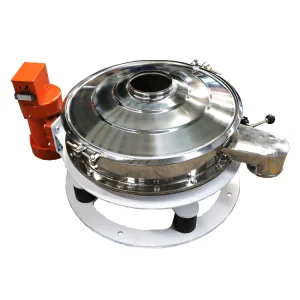
Using vibration sensors and temperature monitors on critical rotating parts—such as sifter drives and destoner motors—allows operators to schedule maintenance before unexpected mechanical failures occur, helping to protect daily throughput.
Review our detailed answers to common technical, regulatory, and sourcing questions about modern grain processing machinery.
 Jiujie Machine