Q1.
What is a Vertical Roller Mill (VRM) and how does it function?
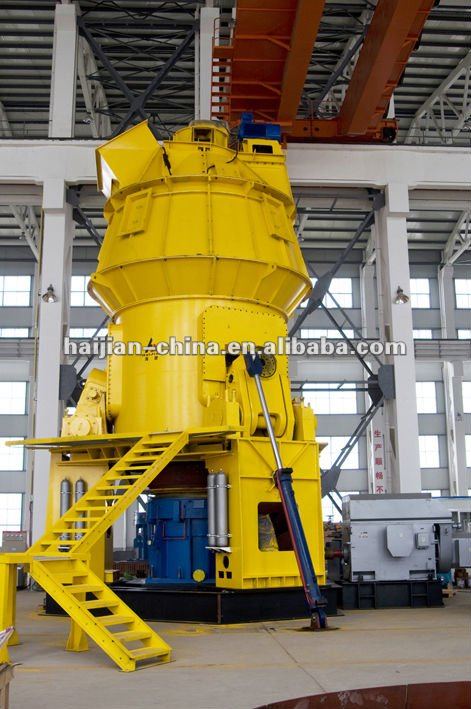
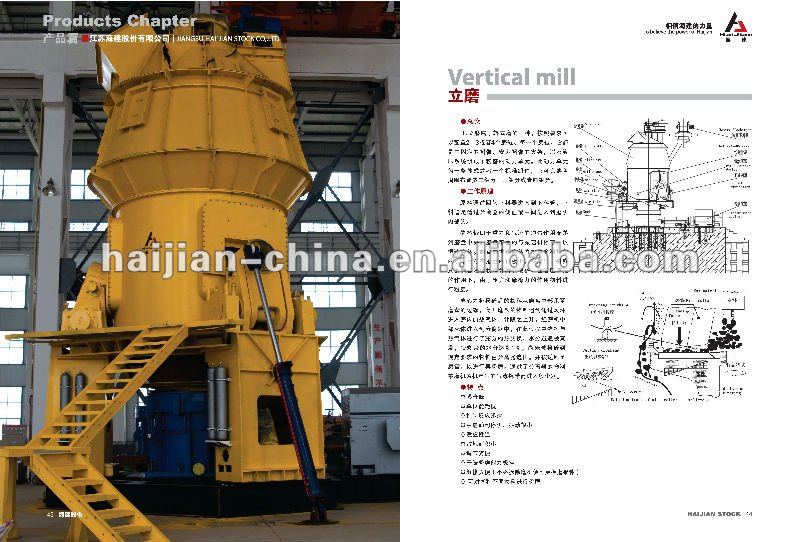
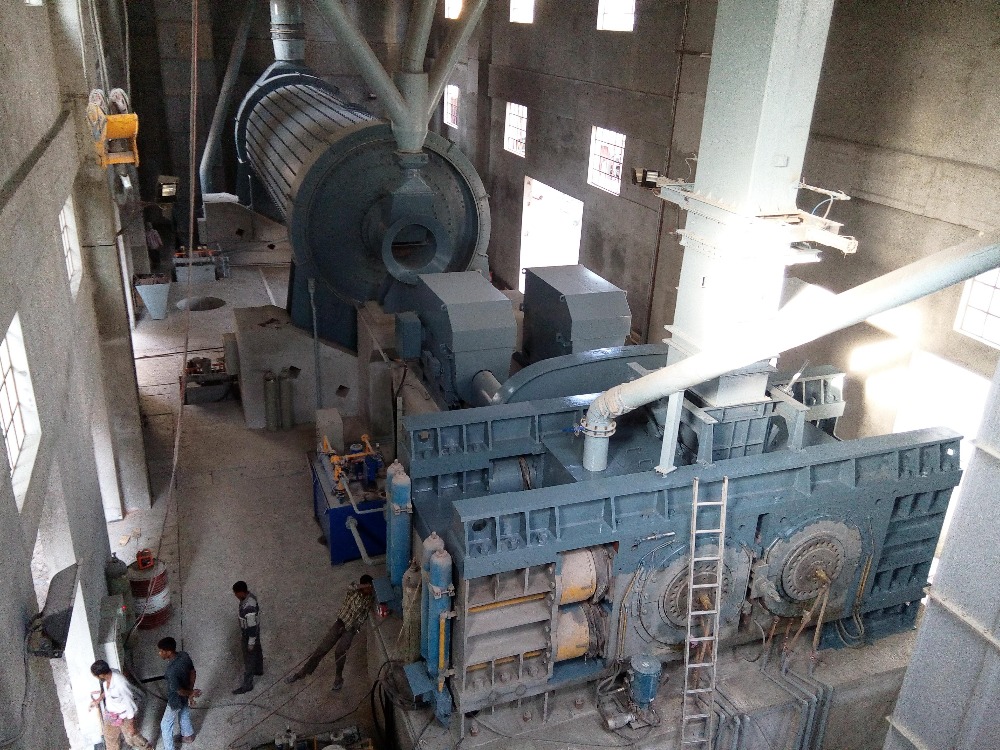
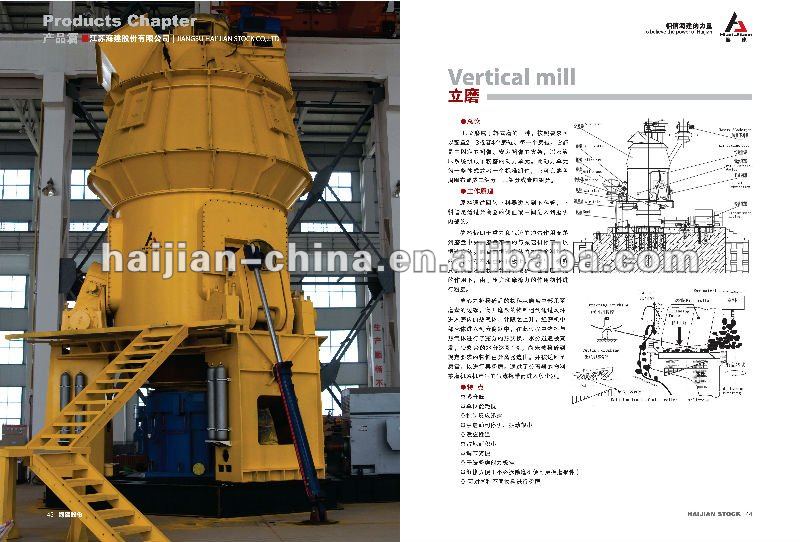
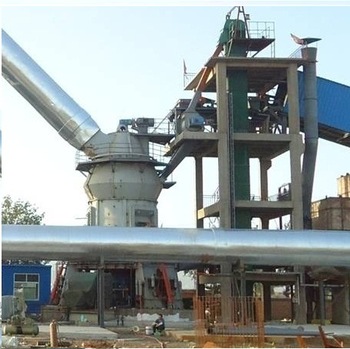
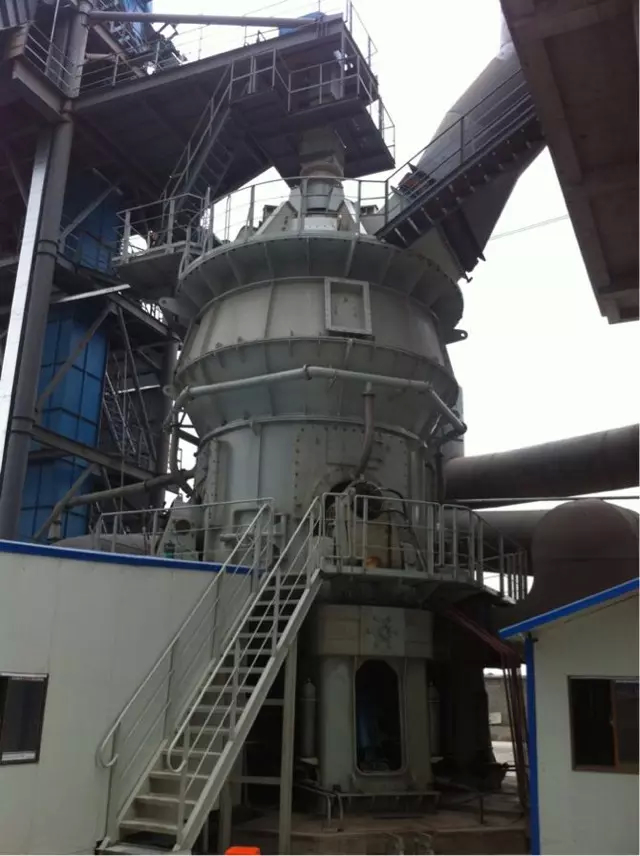
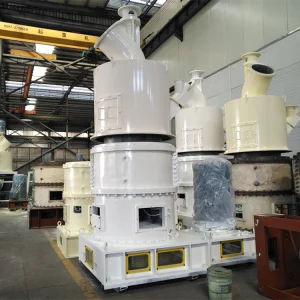
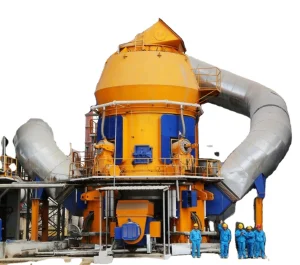
A Vertical Roller Mill is a type of industrial grinder used to grind materials into extremely fine powder. It works on the principle of attrition and crushing, where materials are fed onto a rotating grinding table and crushed under the weight of hydraulic grinding rollers.
Q2.
What are the key advantages of using a Vertical Roller Mill?
Compared to traditional ball mills, Vertical Roller Mills offer significantly higher grinding efficiency, lower energy consumption (up to 30-40% savings), less space requirements, lower operational noise, and the unique ability to dry and grind materials simultaneously.
Q3.
Which materials can be processed by a Vertical Roller Mill?
VRMs are highly versatile and commonly used to process materials such as cement raw meal, cement clinker, active slag, coal, bentonite, gypsum, limestone, and other non-metallic minerals.
Q4.
Can the Vertical Roller Mill handle materials with high moisture levels?
Yes, it can. By introducing hot air or flue gas into the milling chamber, the Vertical Roller Mill can dry materials with high moisture contents during the grinding process, eliminating the need for separate drying equipment.
Q5.
How do you adjust the fineness of the final product in a VRM?
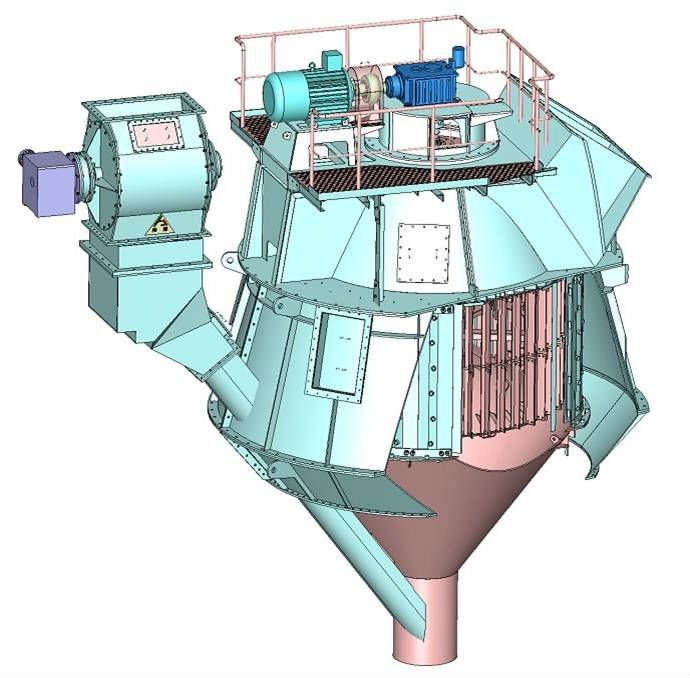
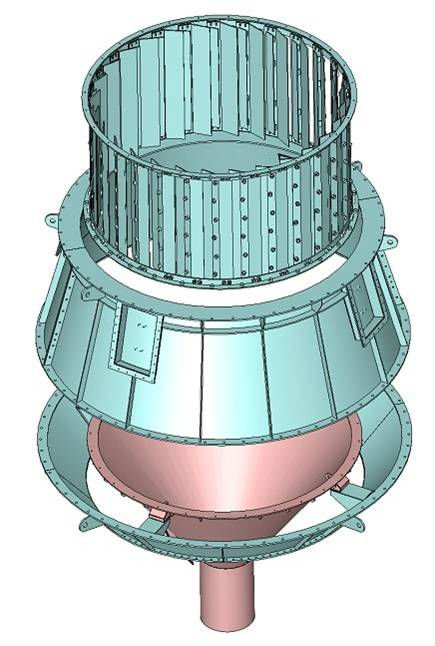
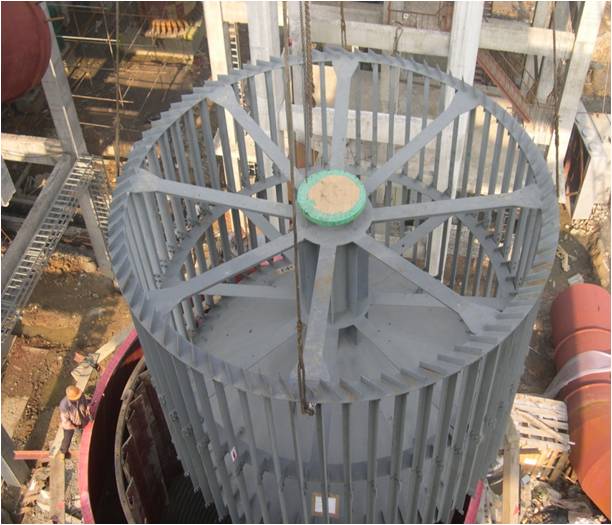
The fineness of the finished powder is controlled by adjusting the speed of the dynamic separator at the top of the mill, regulating the airflow volume, or modifying the hydraulic pressure applied to the grinding rollers.
Q6.
What maintenance is required for a Vertical Roller Mill?
Routine maintenance involves checking the wear of the grinding rollers and table segments, inspecting the hydraulic tensioning systems, ensuring proper lubrication of bearings, and monitoring the separator blades for wear and tear.
 Jiujie Machine