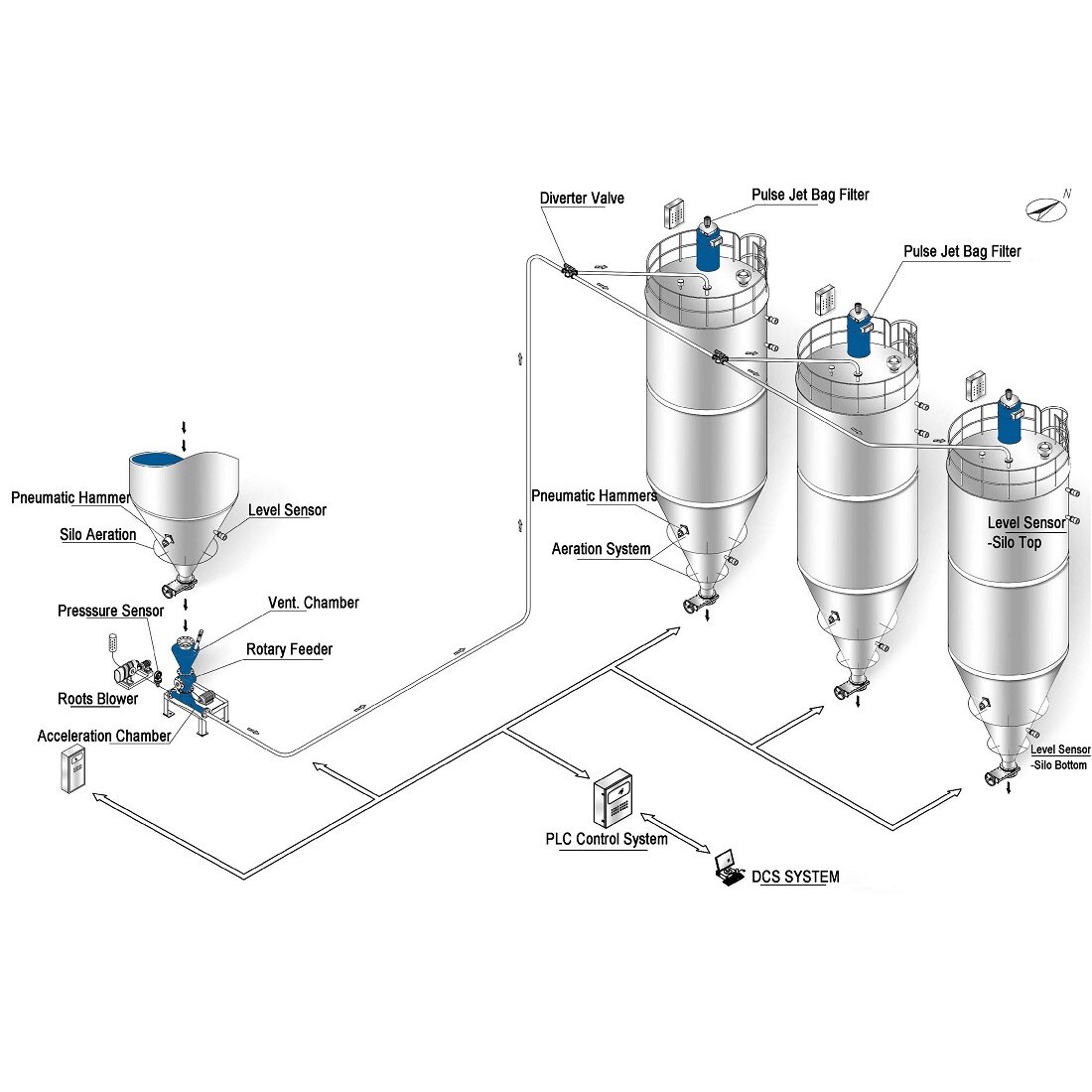
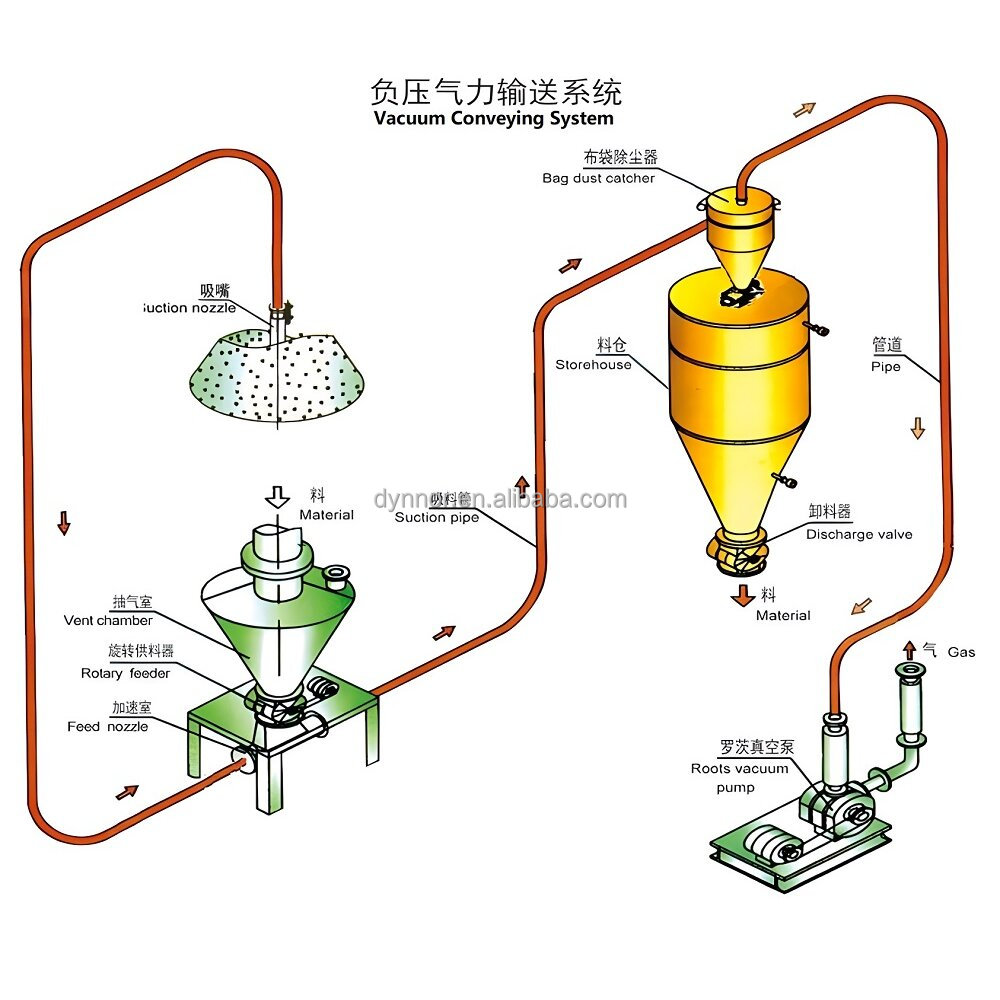
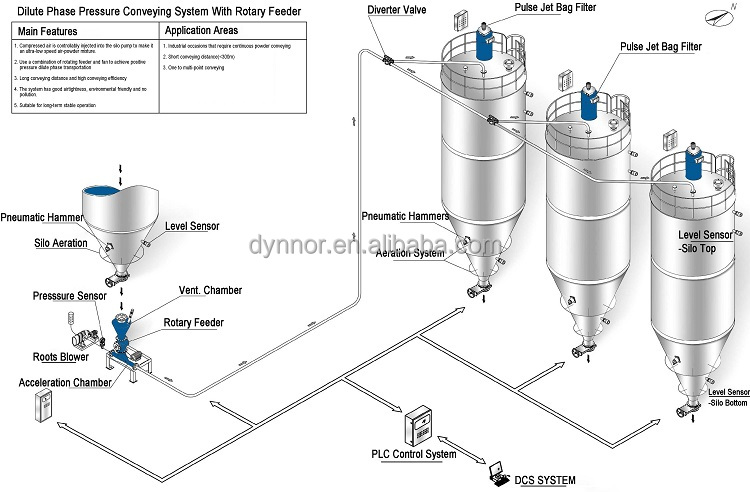
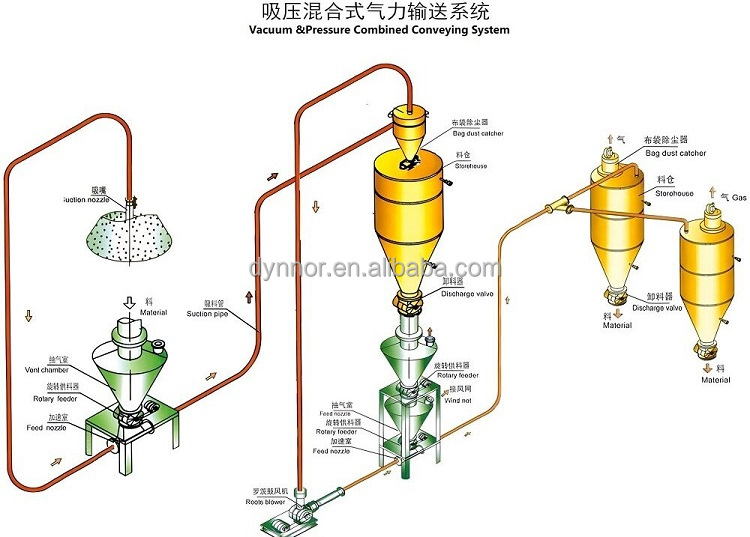
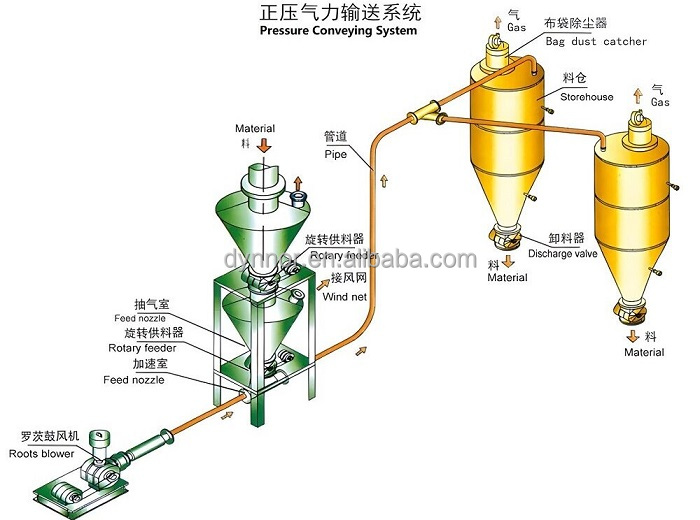
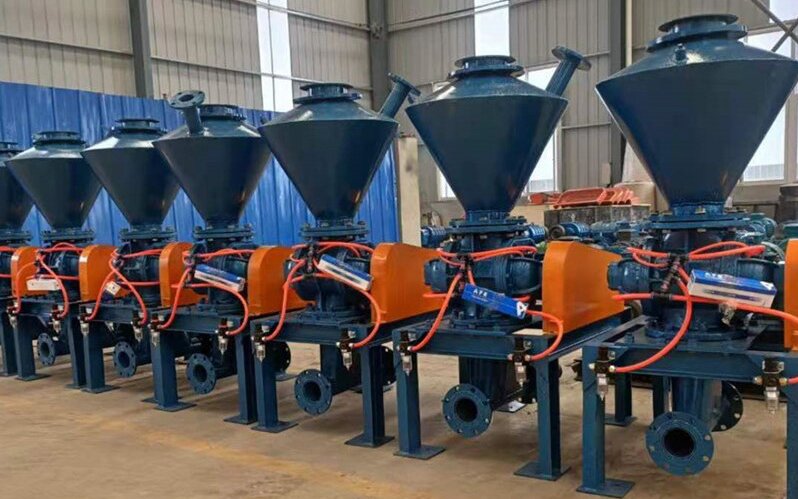
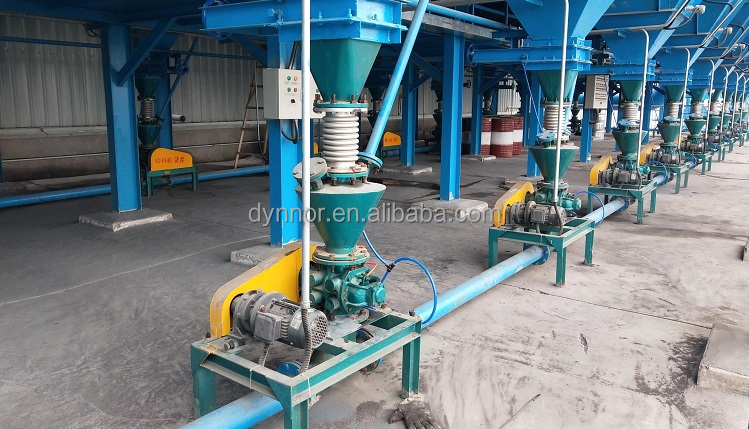
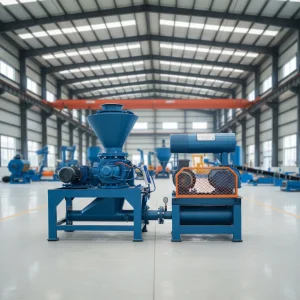
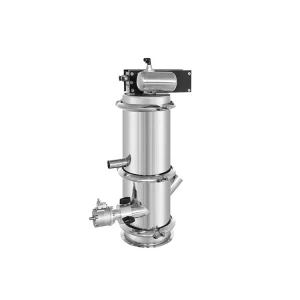
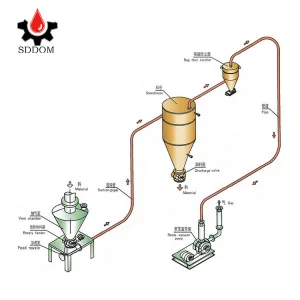
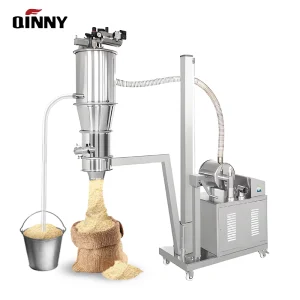
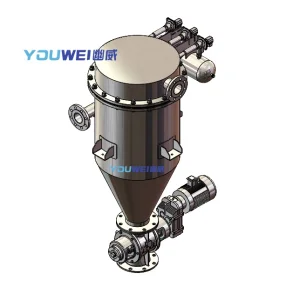
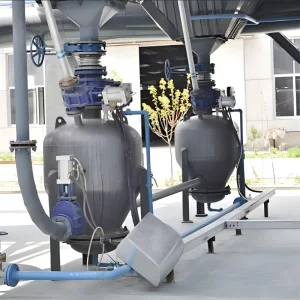
A pneumatic conveying system uses air as transportation power to convey bulk solid material in the pipe.
Benefits of Pneumatic Conveying System
Variable arrangement of the pipe makes the production process more flexible.
The system is sealed and no dust emission, it benefit for environment protection.
Few movement parts, convenient maintenance, automatic control can be realized easily.
High efficiency of transportation reduces the cost of packing, loading and unloading.
Prevent the material from being damped, polluted, damaged and mixed with other material, the quality of conveying is assured.
Multiple operation process can be realized meanwhile for the conveying, such as mixture, crush, grade, dryness cooling, and dust collection.
Send the material from several locations to one location or from one location to several locations, easy for long distance operation.
For the material with erratic chemical character, can adopt inertia gas for conveying.
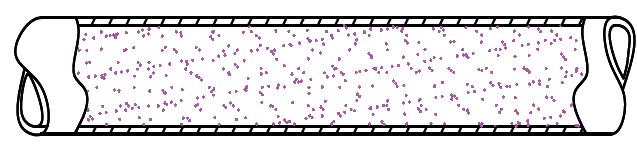
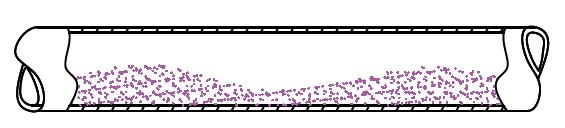
The state of the pneumatic conveying system refers to the movement form of the material in the pipeline that changes with the change of the conveying air volume during the movement of gas-solid two-phase flow. When the wind speed is higher than the material suspension speed, the material is in a suspended state and is evenly distributed and moves with the airflow; when the wind speed begins to decrease, the material begins to settle and agglomerate; when the air volume further decreases, the material begins to gather in the pipeline in the form of a group, showing a pulsating state. When the wind speed continues to decrease, the lumpy material begins to block the pipe section and forms an unstable plug, which is transported by the pressure of the air. If the wind speed is further reduced, the material will become a stable plug, which is driven and transported by the pressure of the air. If it continues to decrease When the wind speed and pressure exceed the rated pressure of the air source, the pipes will be blocked.
The status classification of the pneumatic conveying system is based on the movement status of the material in the pipeline, which is divided into three categories: suspended flow transportation, dense phase flow, and plug-flow transportation.
Dilute phase (Suspended flow)
Dense phase flow (group flow)
Plug-flow
The choice of conveying type is related to the characteristics of the material, conveying distance and other parameters. The conveying method can be selected according to the actual site conditions.
General Technical Data
Model
Capacity (t/h)
Pressure (Kpa)
Pipe Dia. (mm)
Conveying Height (m)
Conveying distance (m)
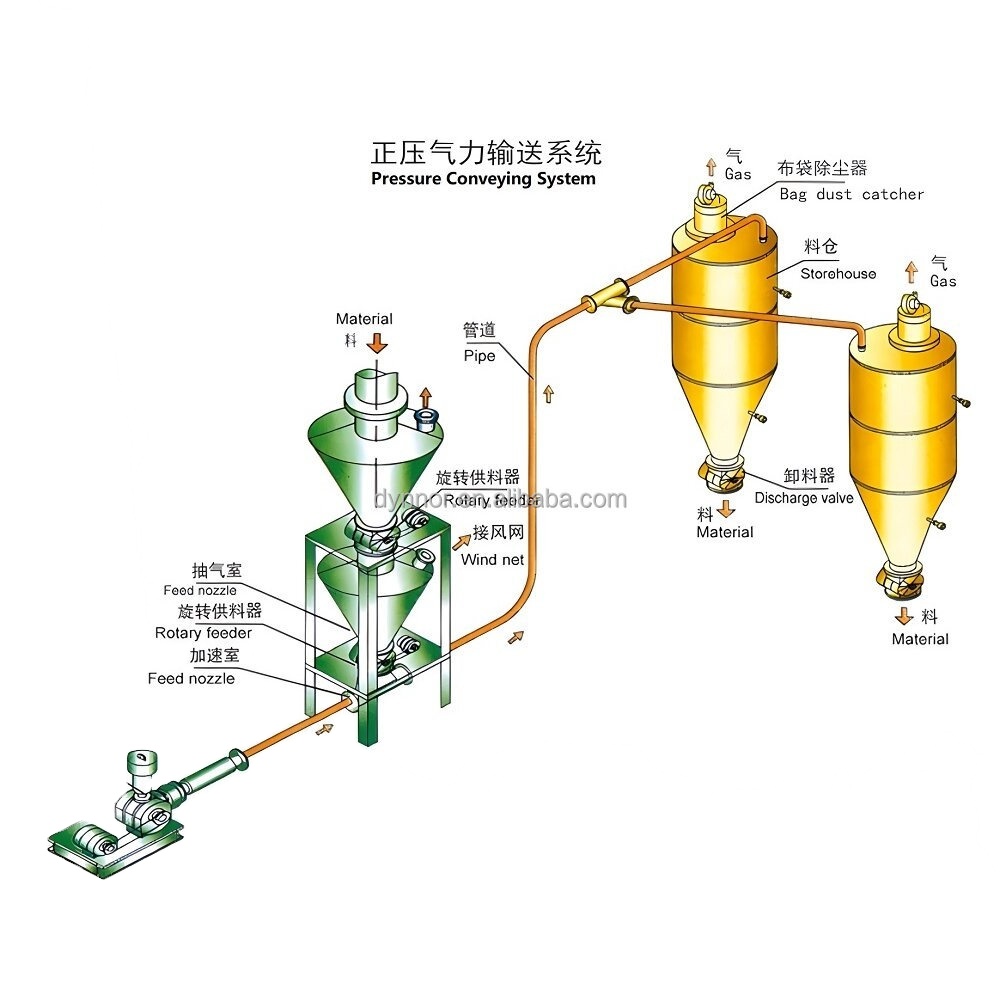
Mid-Low pressure conveying
0.1-100
29.4-196
20-250
5-35
10-300
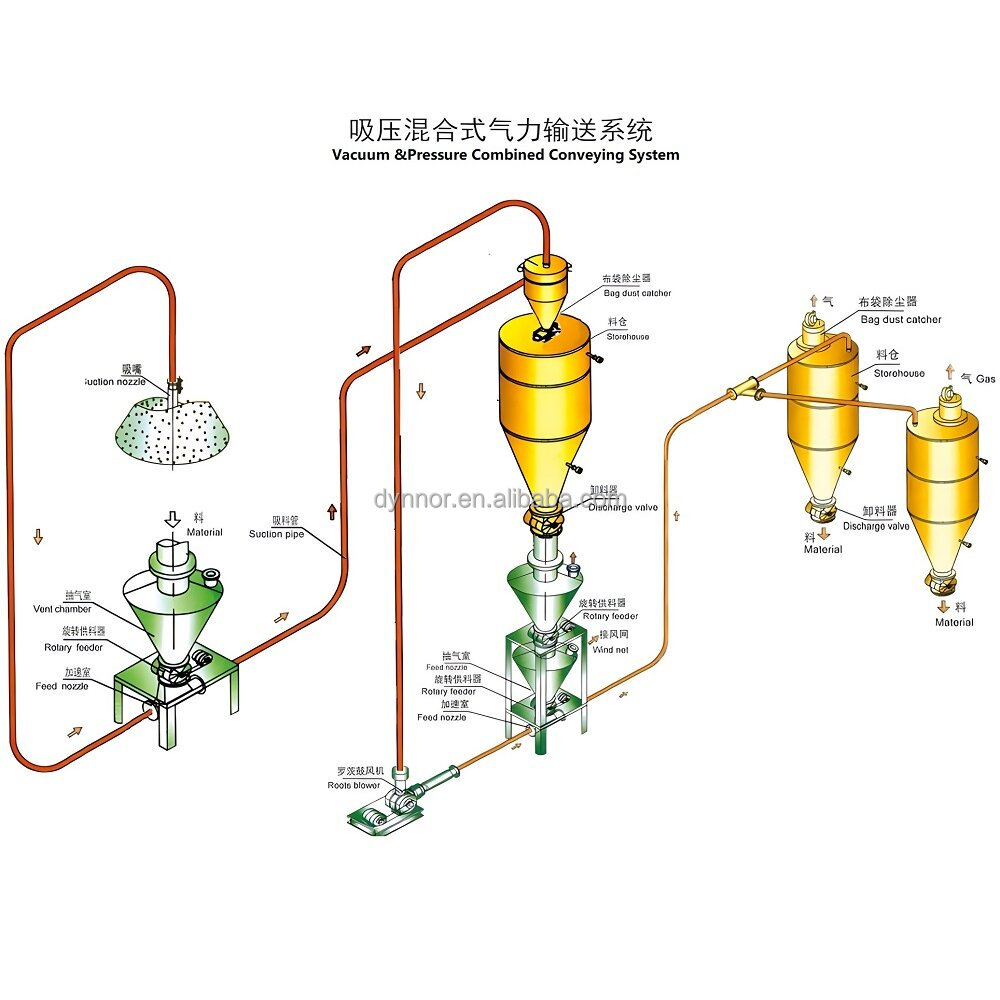
Mid-low vacuum conveying
0.1-150
-29.4-80
50-300
5-35
10-150
High pressure conveying
0.1-100
100-600
40-200
40
<2000
Types of Pneumatic Conveying System
Main Components of Pneumatic Conveying System
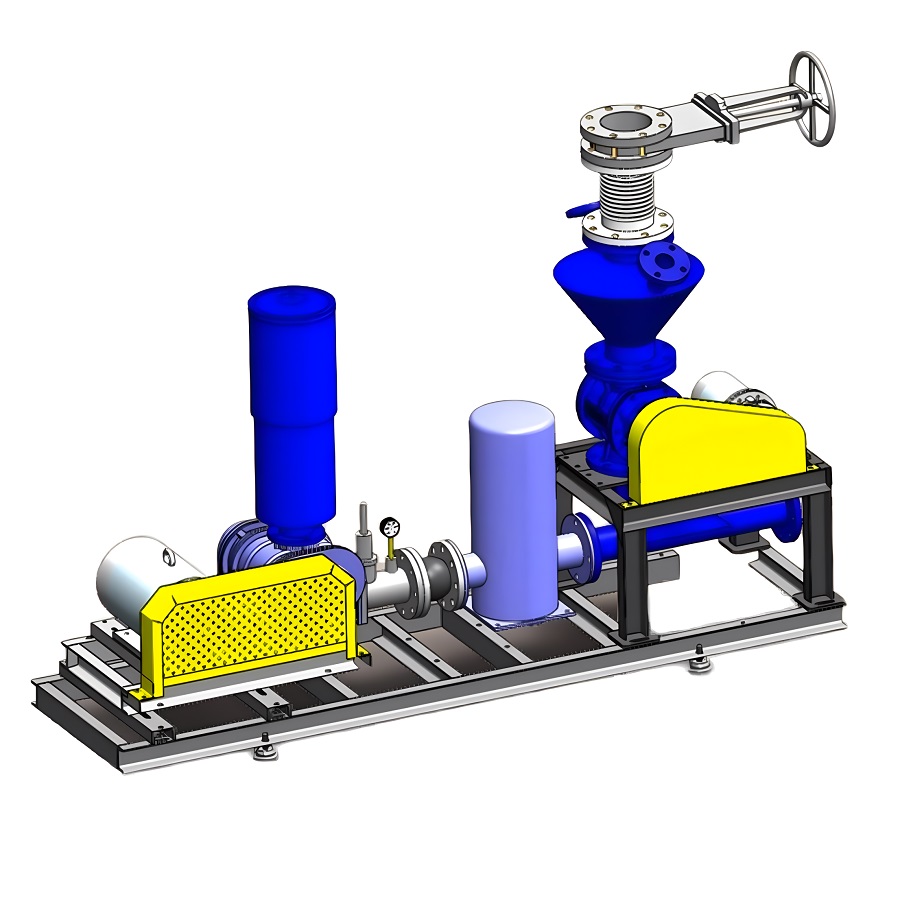
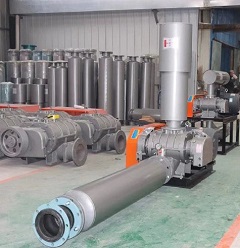
Roots Blower
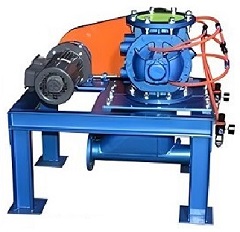
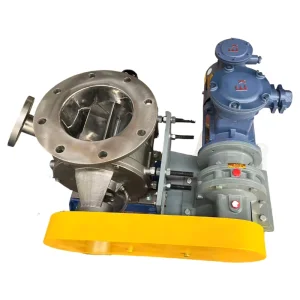
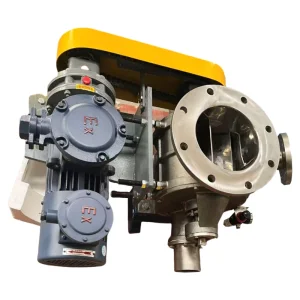
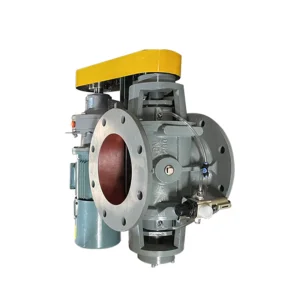
Rotary Feeder
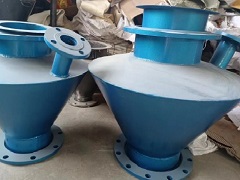
Vent. Chamber
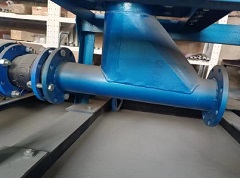
Acceleration Chamber
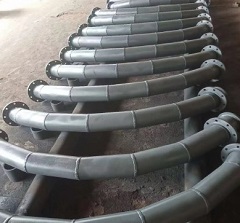
Ceramic lined elbows
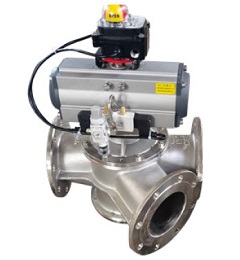
Diverter Valve
Frequently Asked Questions (FAQ)
What is a pneumatic conveying system?
A pneumatic conveying system uses air or gas flow as the primary transportation power to move bulk solid materials through a pipeline.
What are the main benefits of using a pneumatic conveying system?
Key benefits include flexible pipe arrangements, completely sealed and dust-free operations, minimal moving parts for easy maintenance, prevention of material contamination or dampness, and the ability to combine conveying with other processes like mixing, cooling, or drying.
What are the three main status classifications of pneumatic conveying?
The states are classified based on the material movement form inside the pipe: suspended flow transportation (dilute phase), dense phase flow (group flow), and plug-flow transportation.
How does air velocity affect the conveying state in the pipeline?
High wind speeds keep material suspended and moving evenly. As the speed decreases, material begins to settle, cluster, and form pulsating groups or plugs. If the speed drops below critical levels, it can result in line blockage.
What are the key components of a pneumatic conveying system?
A typical system includes a Roots Blower, a Rotary Feeder, a Vent. Chamber, an Acceleration Chamber, Ceramic Lined Elbows, and a Diverter Valve.
How do you choose between dilute phase and dense phase conveying?
The selection depends heavily on the specific material characteristics (such as particle size, density, and abrasiveness), the required conveying distance, and onsite conditions.
 Jiujie Machine