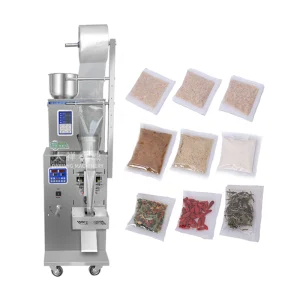
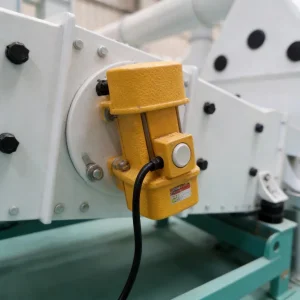
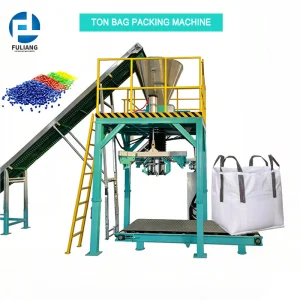
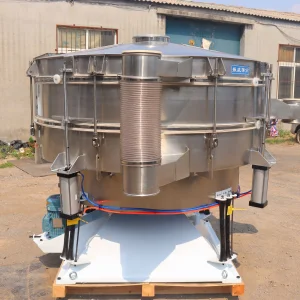
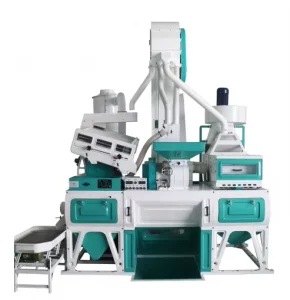
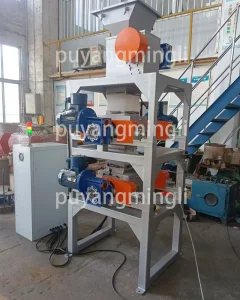
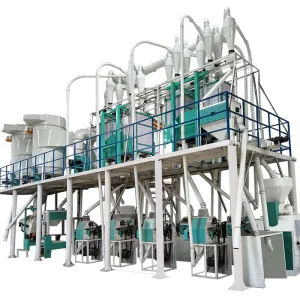
Explore our high-performance systems engineered for micro-milling, cleaning, packaging, and raw material handling.
Global Brands Evaluated
Certified Standards
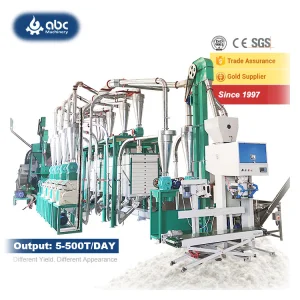
Processing Capacity Range
Dry Cleaning Eco-Friendly Systems
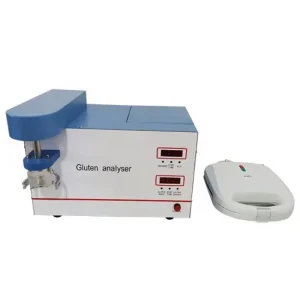
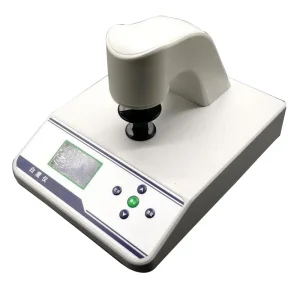
In modern industrial manufacturing and food engineering, the requirement for fine, ultra-fine, and micron-level particle size reduction has grown exponentially. The term micro milling machine refers to a spectrum of precision engineering devices—ranging from laboratory whiteness testers and quality analysis apparatus to heavy industrial vertical roller mills capable of reducing tough minerals and grains to microscopic particle matrices. Achieving stable output particle sizes under 100 microns requires a deep understanding of fluid dynamics, mechanical shear forces, and surface material wear resistance.
Global buyers looking for micro milling systems face a complex procurement process. This whitepaper analyzes the top 10 criteria for evaluating global suppliers, benchmarks technologies like Mg-Al alloy rollers and superfine vertical roller mills, and highlights the end-to-end integration capabilities offered by industry leaders such as Henan Jiujie Machine Co., Ltd.
Search queries for "micro milling machines" span three distinct user intents: laboratory-scale testing equipment, specialized high-speed micro-machining spindles, and industrial fine-powder pulverizers/roller mills. When processing agricultural grains (like wheat, cassava, and cocoa) or industrial minerals (such as copper ore and new building materials), the term refers to specialized roller mills and superfine grinders. Suppliers must offer machines that combine mechanical precision with thermal stability, as high rotational speeds and friction can damage temperature-sensitive inputs like starch or active chemical ingredients.
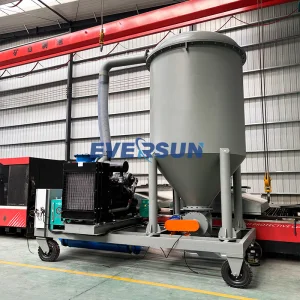
Information Gain Insight: Modern micro-milling efficiency relies heavily on the integration of automated feeding mechanisms and pneumatic material transport. Without consistent feeding velocities and continuous dust evacuation, micro-milling systems suffer from thermal spikes, leading to material degradation and increased energy consumption.
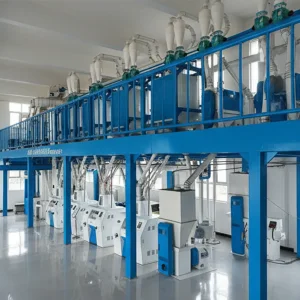
Henan Jiujie Machine Co., Ltd. is a professional supplier of complete equipment and engineering services for the food production and grain processing industries. Our business covers a wide range of applications, including wheat flour milling plants, feed processing factories, and rice processing plants. Our product portfolio includes conveying equipment, cleaning equipment, flour milling equipment, and other related machinery. Over the years, our products have been widely recognized by customers both in domestic and international markets.
Since its establishment, Henan Jiujie Machine Co., Ltd. has been dedicated to the research and development of grain processing technology and machinery. With extensive industry experience, we are able to provide integrated solutions across the entire grain and food processing industrial chain. Our solutions cover multiple stages, including raw material collection, storage, cleaning, grading, sieving, grinding, mixing, shaping, production, and packaging.
In high-capacity micro milling operations (such as processing copper ore, building compounds, or specialized food dusts), selecting the right mechanical pathway is critical. A comparison of vertical roller mills, Mg-Al alloy roller mills, and conventional hammer mills highlights their relative performance characteristics:
| Technology Type | Target Output Size | Throughput Range | Thermal Preservation | Common Material Usage |
|---|---|---|---|---|
| Superfine Vertical Roller Mill | 10 - 45 microns | 2 - 100 Tons/Hour | Excellent (Integrated Air Cooling) | Copper Ore, Raymond-type grinding, heavy limestone |
| Mg-Al Alloy Roller Mill | 50 - 150 microns | 10 - 300 Tons/Day | High (Low thermal conductivity) | Soft grains, wheat flour, chemical powders |
| High-Speed Pin / Hammer Mill | 75 - 250 microns | 1 - 10 Tons/Hour | Poor (High frictional heat) | Spices, dry cocoa, standard feedstocks |
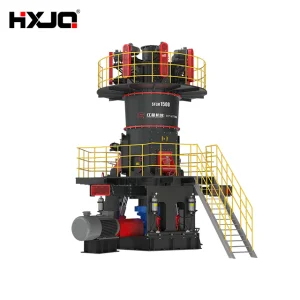
Superfine vertical roller mills achieve fine control over particle distribution by utilizing a hydraulic roll force control system combined with a dynamic cage classifier. The feedstock is crushed under high pressure on a rotating table. Air current from a pneumatic conveying system sweeps the pulverized particles upward into the classifier. Coarse particles are returned to the table for regrinding, while fine particles pass through to the packaging system. This loop maintains a stable particle size distribution with high energy efficiency.
The global demand for micro-milling machinery is driven by two main trends: food security optimization and the extraction of high-grade mineral powders. In regions like East Asia, Sub-Saharan Africa, and Latin America, upgrading from legacy milling systems to automated, water-free cleaning and high-yield roller mills helps minimize post-harvest losses. For instance, integrated systems that handle cleaning, destoning, and multi-stage reduction allow processors to refine starches and proteins efficiently while reducing moisture contamination risks.
In Europe and North America, strict environmental regulations and safety rules (such as ATEX directives for organic dust handling) have shifted focus toward dust control. Micro-milling systems now feature sealed pneumatic conveying, continuous vacuum negative pressure, and explosion-venting silos to prevent dust accumulation.
Our flour milling equipment has obtained the ISO9001 quality management system certification and CE certification. The environmental protection standards of our equipment comply with relevant EU requirements. Our grain cleaning process is designed to operate without water usage, ensuring no wastewater discharge and supporting environmentally friendly production.
Our products are characterized not only by stable performance but also by easy installation, convenient maintenance, and low operating costs. With advanced technology, reliable quality, and modern design, our equipment has earned high appreciation from clients worldwide. By avoiding water-intensive washing stages, the dry cleaning system uses a combination of aspiration channels, high-efficiency de-stoners, and magnetic separators. This design prevents mold formation and helps processors meet environmental standards without needing wastewater treatment facilities.
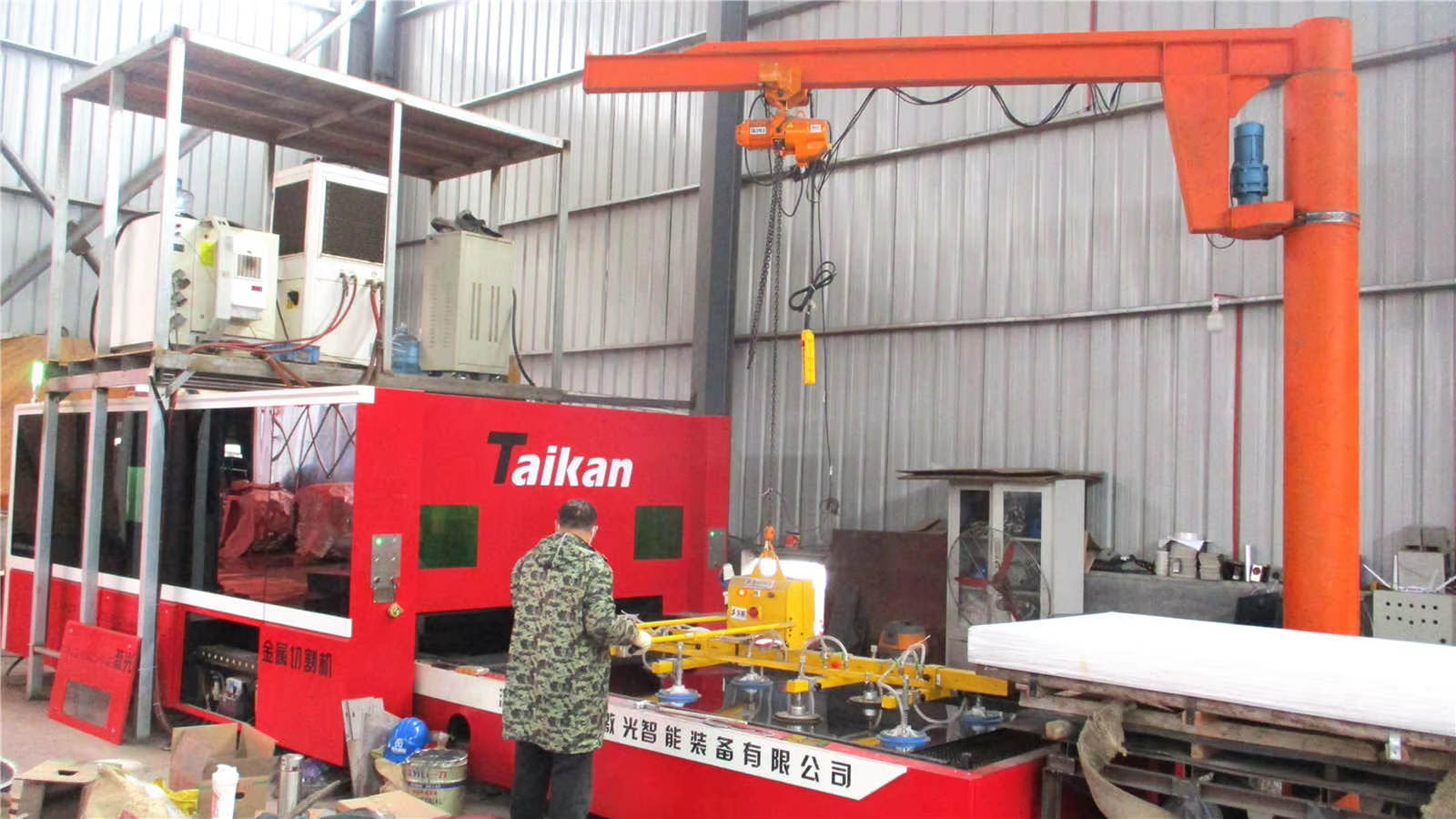
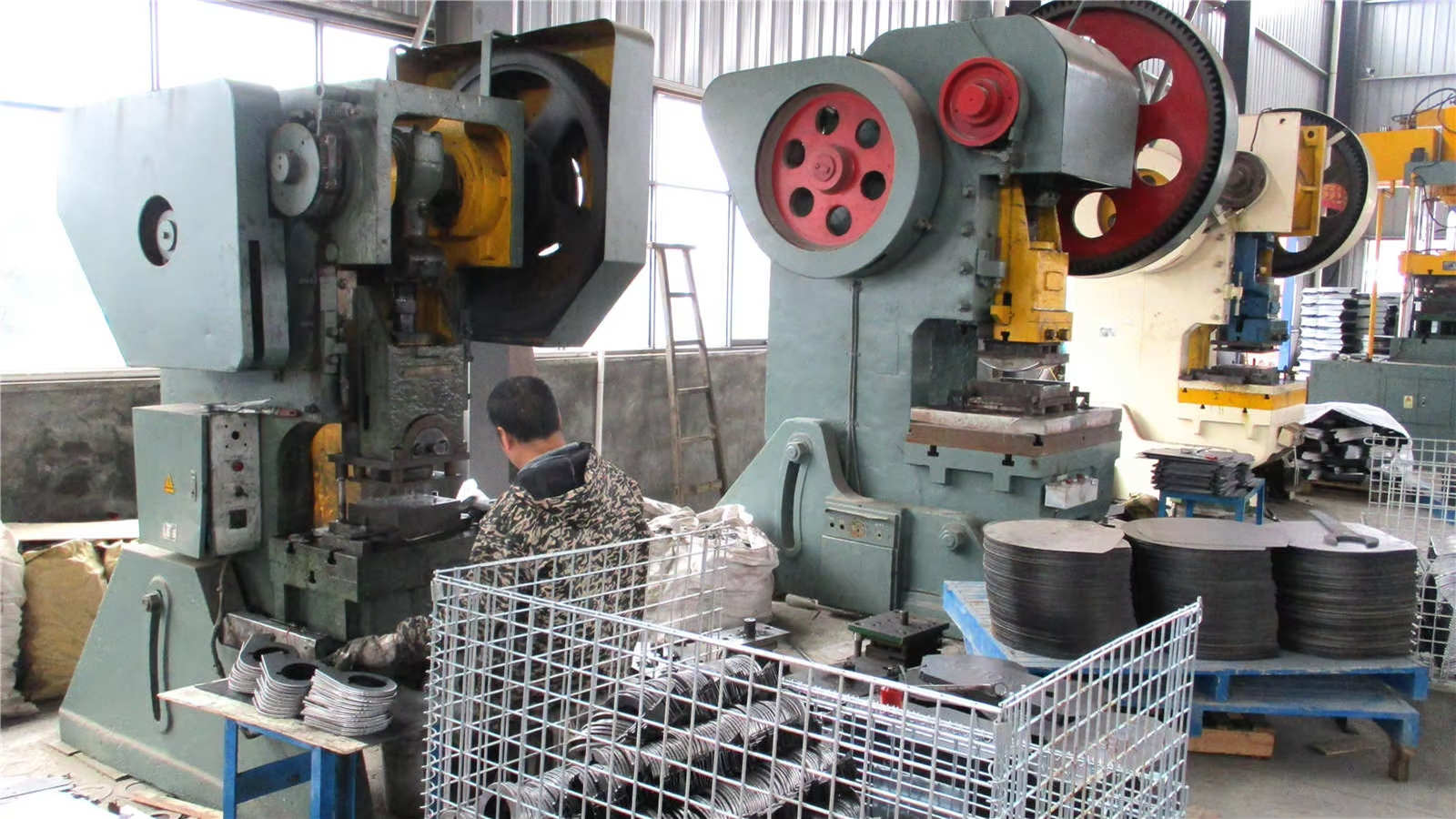
Henan Jiujie Machine Co., Ltd. places strong emphasis on technological innovation and continuous improvement of manufacturing capability and product quality. We have introduced a series of advanced processing equipment, including CNC laser cutting machines, CNC bending machines, and CNC lathes.
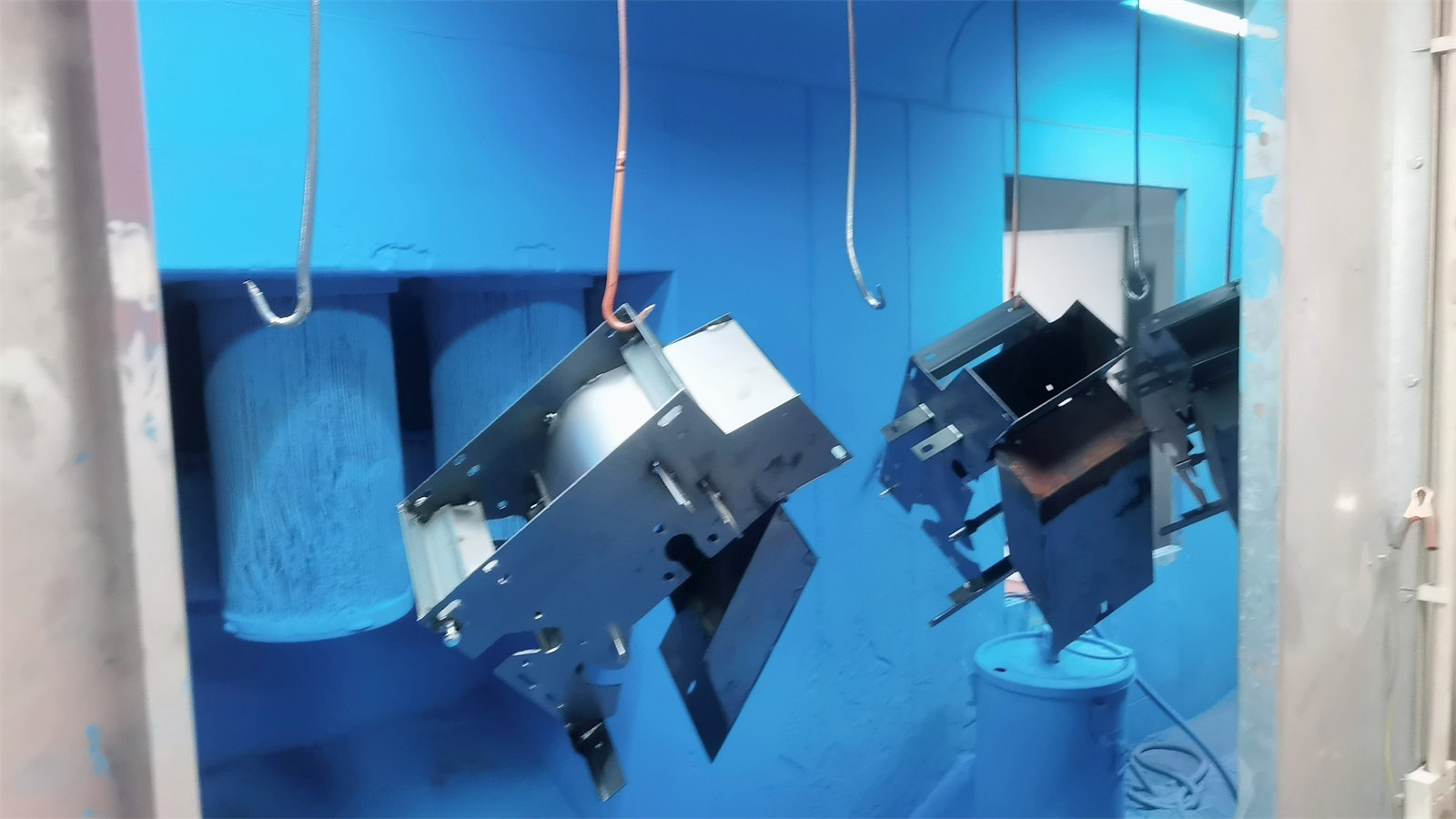
In addition, we are equipped with CNC machining centers, CNC boring machines, surface grinding machines, planers, and other high-precision manufacturing equipment. We have also established an electrostatic spraying production line to further enhance product surface quality and durability.
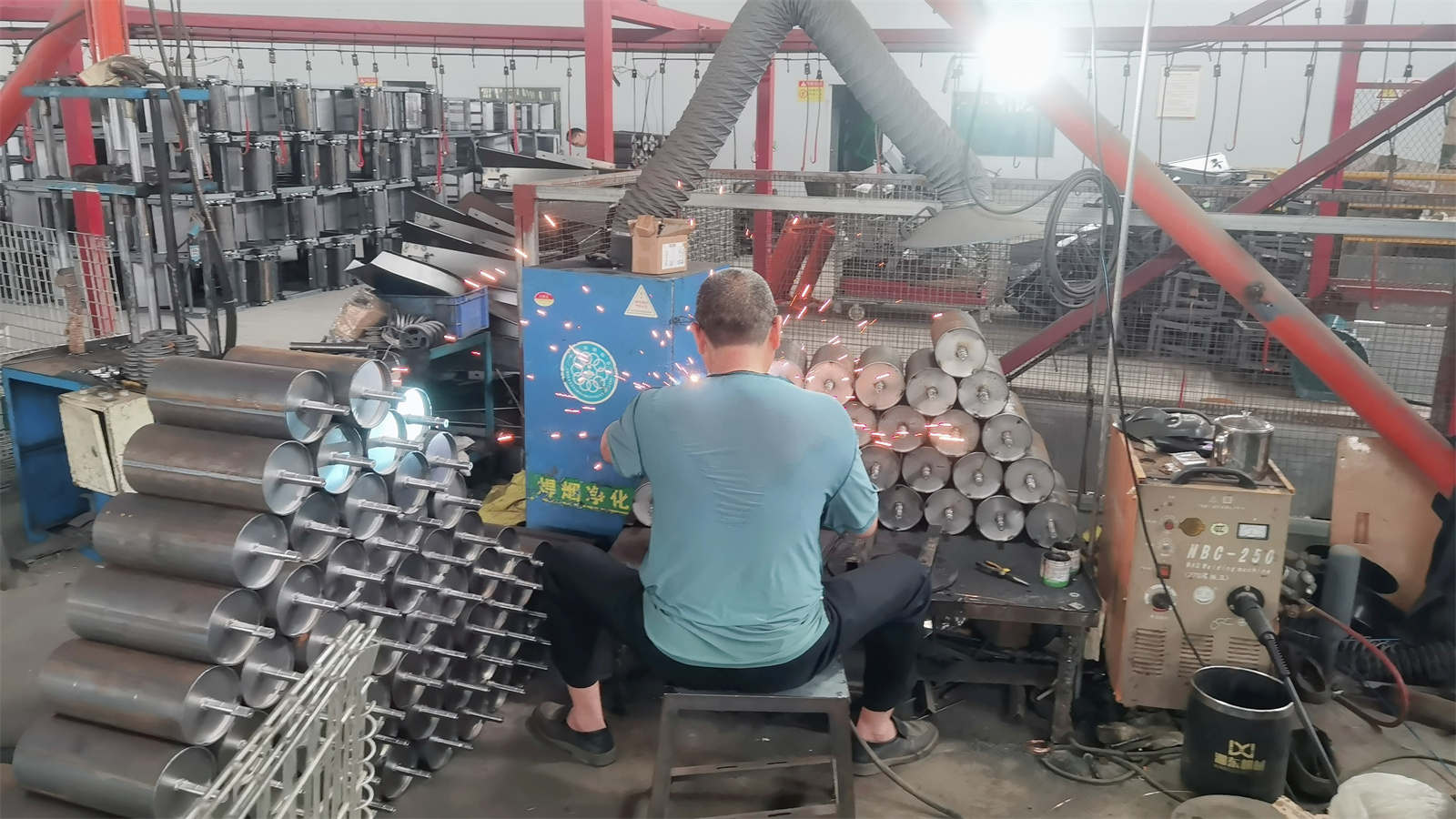
Our manufacturing processes include steel plate laser cutting, CNC bending, CO₂ arc welding, argon arc welding, robotic welding, and electrostatic surface treatment. These advanced production technologies ensure consistent product quality and continuous innovation.
 Cutting
 Punching
 Welding
 Painting
 Assembling
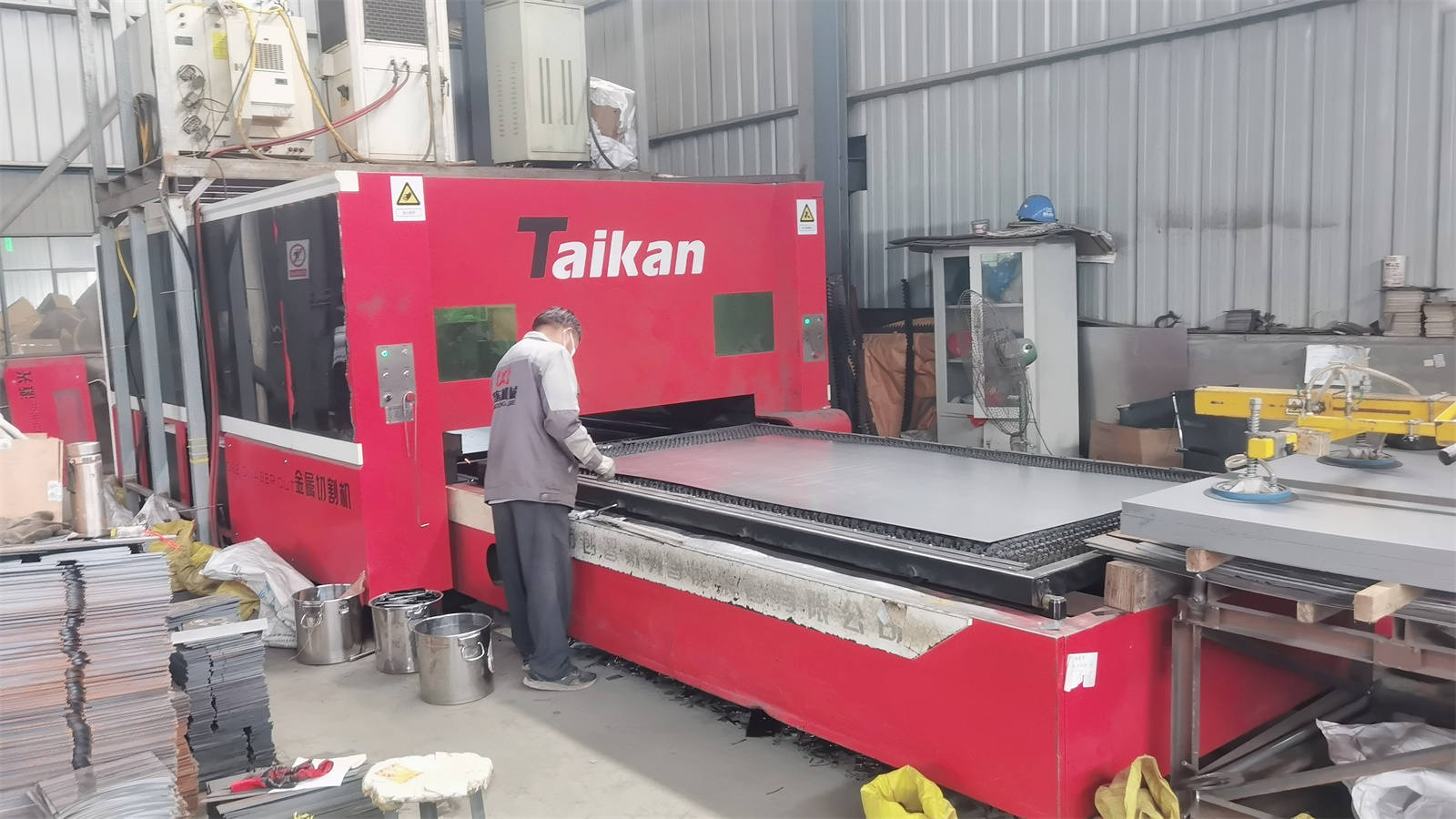 Laser Cutting Machine
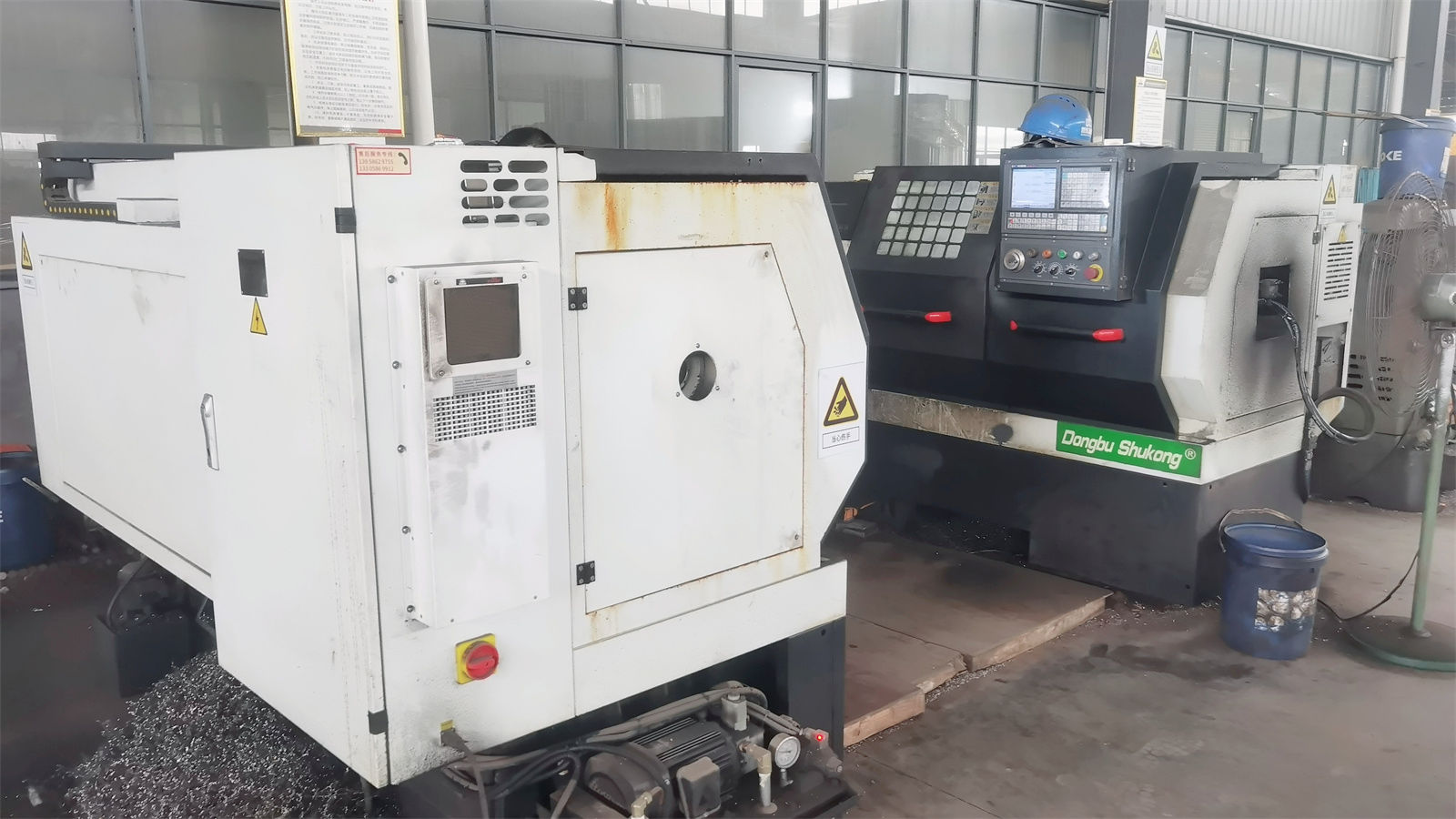 CNC Lathe
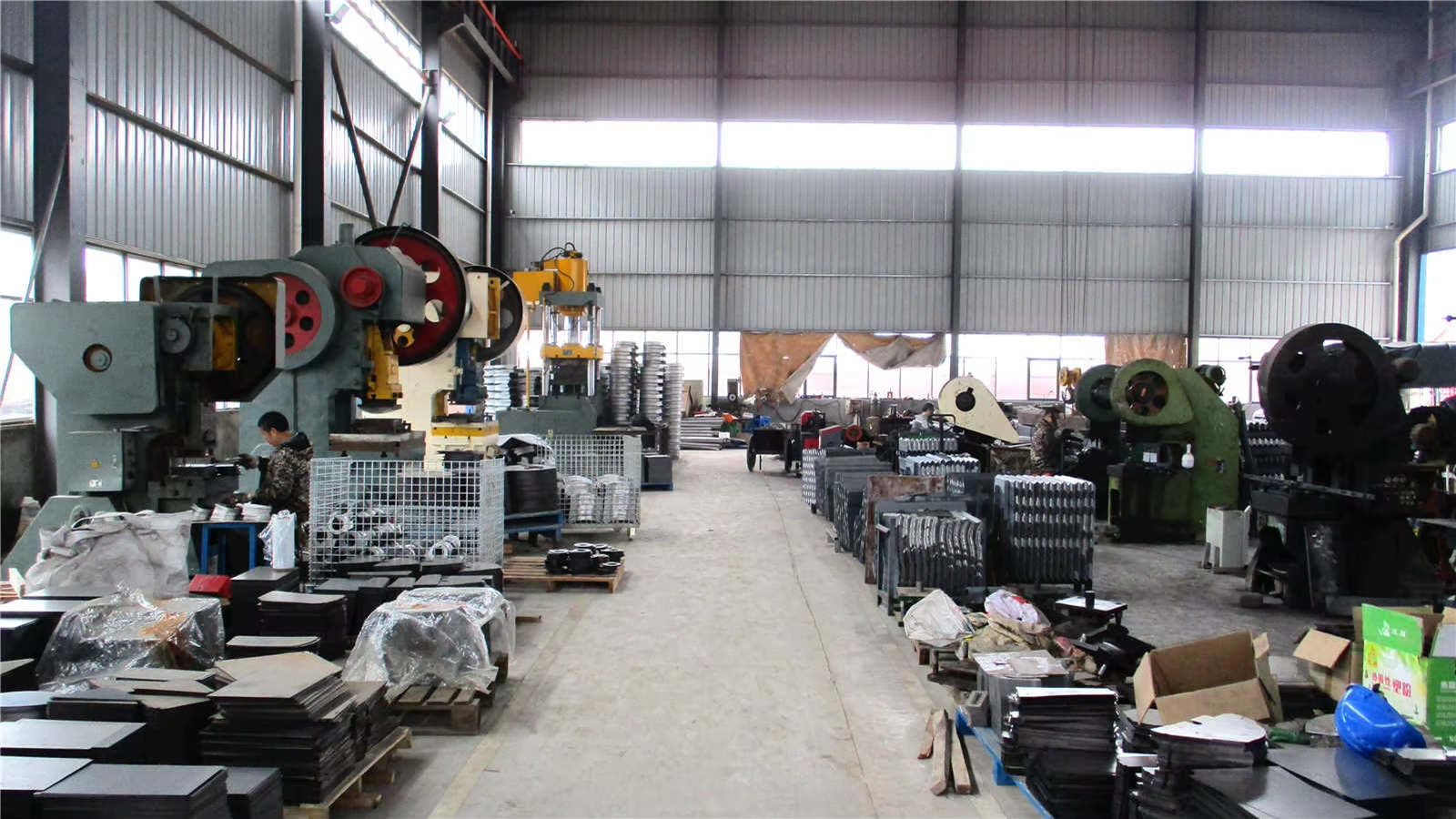 Punching Machine
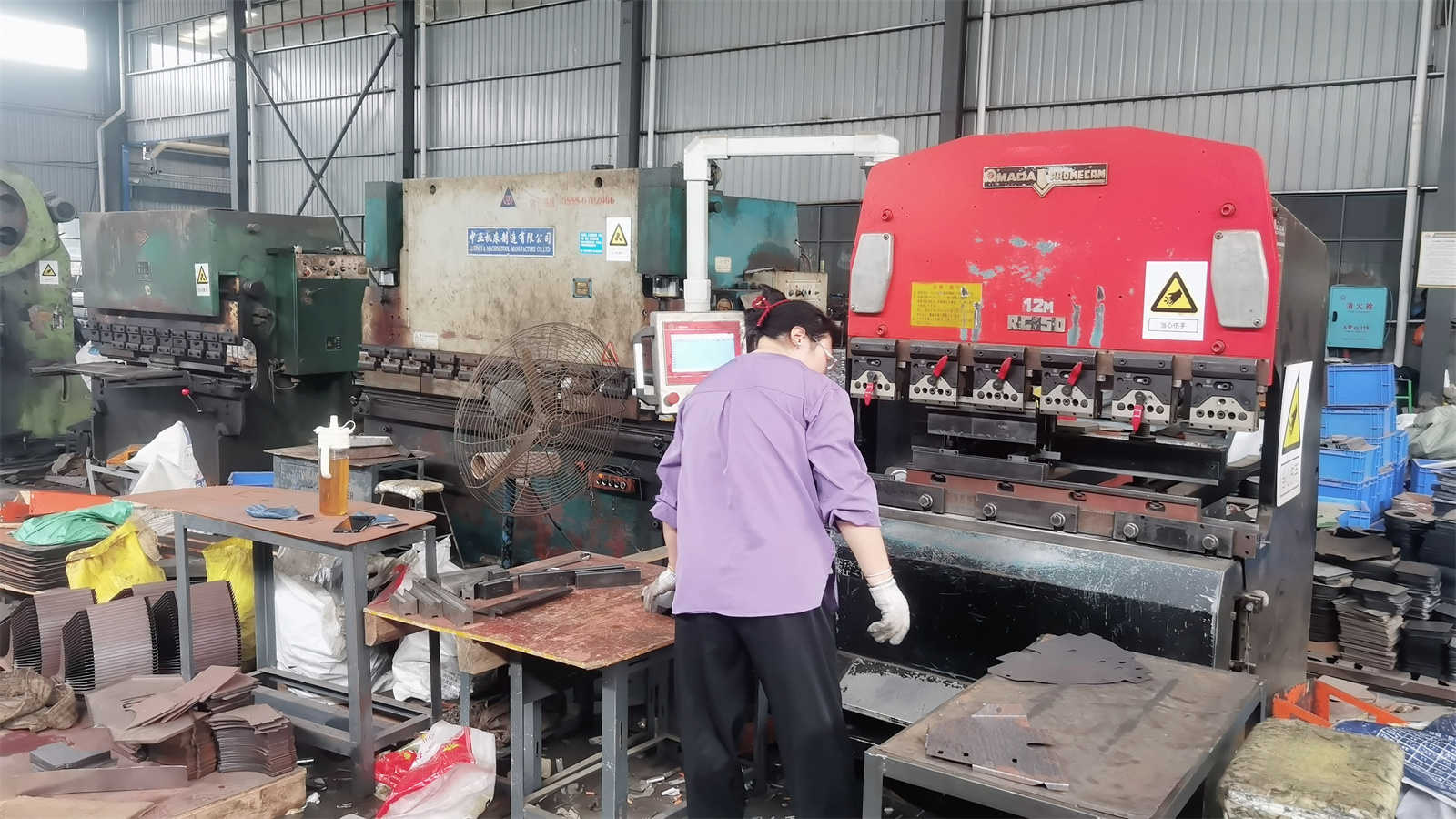 Bending Machine
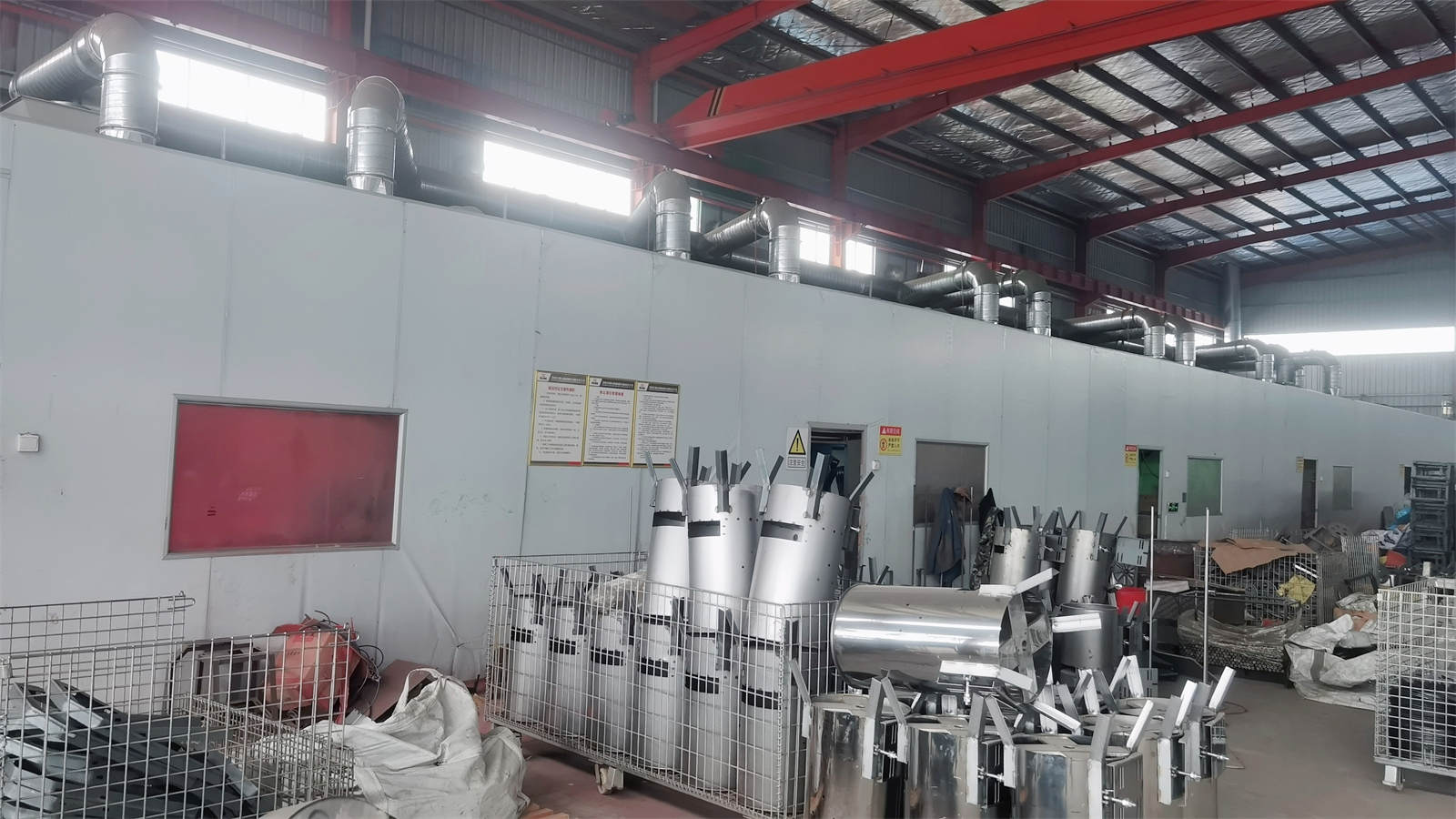 Painting Line
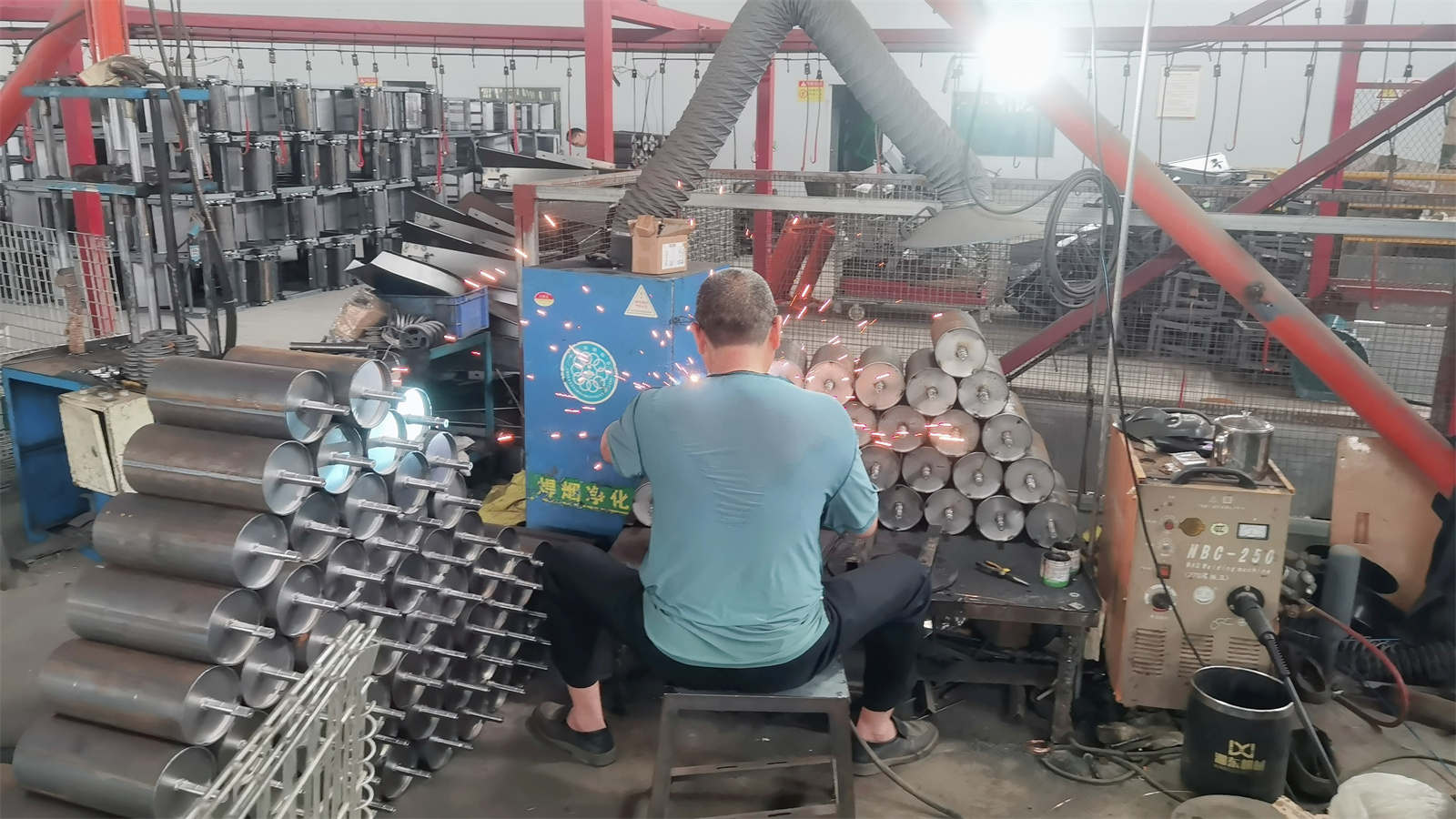 Welding Machine
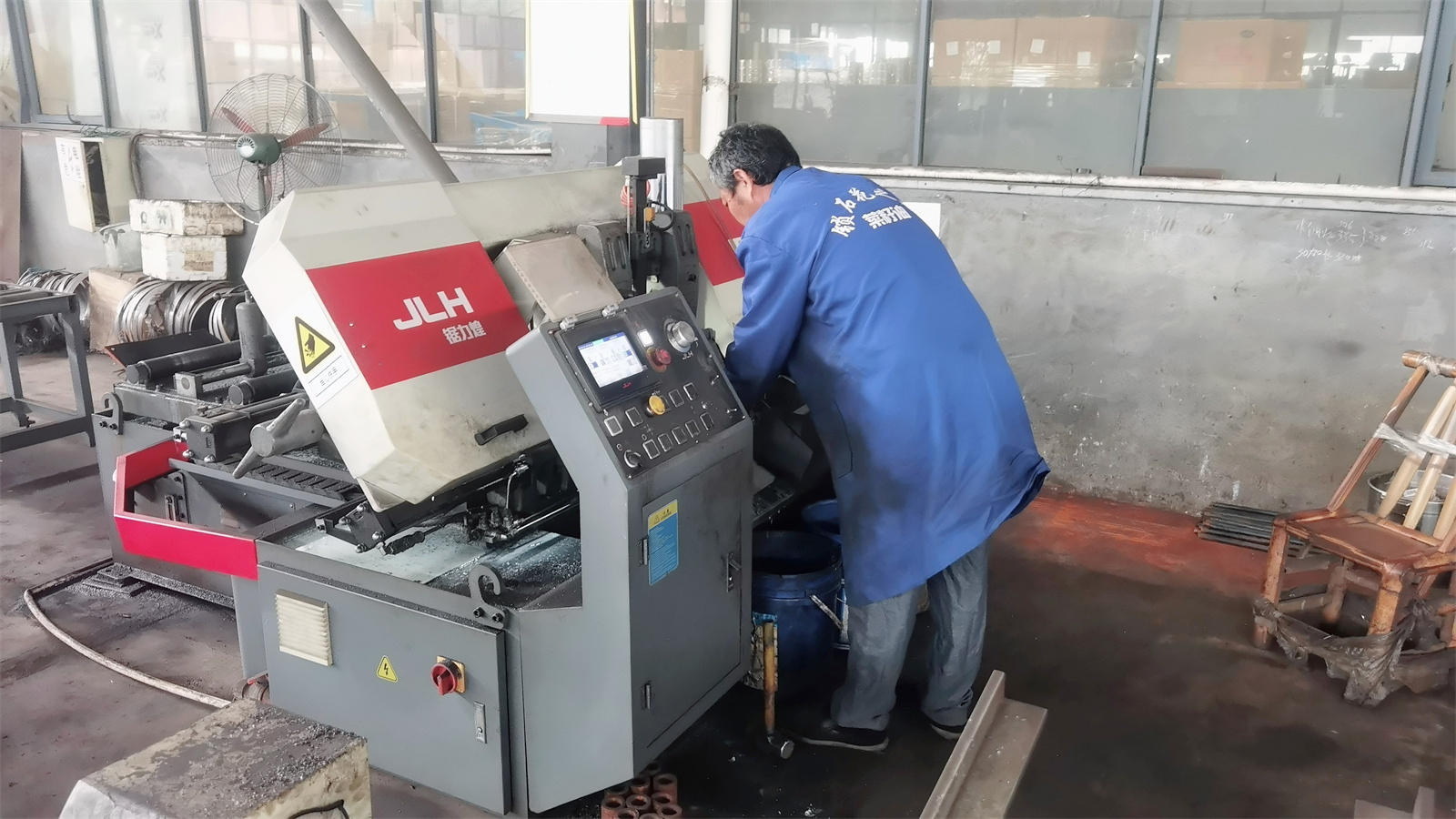 Sawing Machine
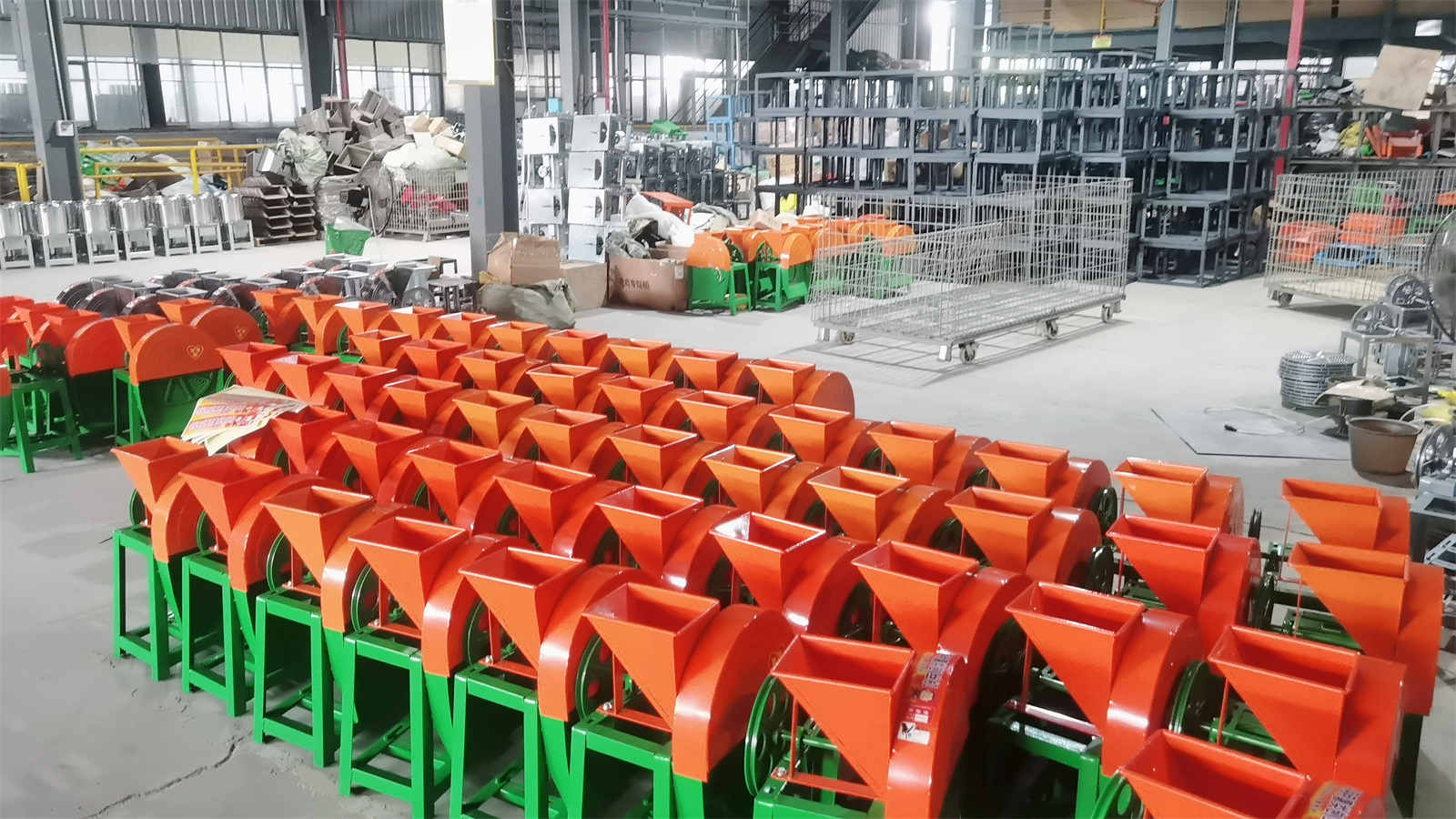
As a professional industrial solution provider, Henan Jiujie Machine Co., Ltd. delivers not only equipment but also comprehensive production solutions that enhance the overall value chain for our customers.
By utilizing AutoCAD-based engineering design systems and advanced machining centers, we are able to provide high-precision, durable products at competitive prices. We are committed to offering complete pre-sales consultation, technical support, and reliable after-sales service. Customer satisfaction is always our top priority. We sincerely welcome partners and friends from all over the world to contact us and cooperate for mutual success.
Our micro milling and material processing systems are designed for a variety of demanding industrial environments:
The micro milling industry is moving toward automated self-regulation. Future developments are focused on integrating dynamic feed-rate adjustment sensors that monitor motor loads and moisture content, adjusting roller gaps in real-time. Additionally, improvements in roller wear diagnostics using acoustic emission sensors will help operators schedule preventive maintenance before wear affects particle size quality.
In materials science, the use of custom alloy rollers—like treated Mg-Al compounds and ceramic coatings—will continue to extend roller lifespan, even when processing abrasive materials like mineral ores. Finally, pneumatic conveying lines are transitioning to closed-loop nitrogen systems, reducing explosion risks and preventing oxidation during the processing of highly reactive substances.
A: Mg-Al alloy rollers offer high thermal dissipation rates, which helps keep the rollers cool. This is important for preventing heat damage to temperature-sensitive materials like flour starch, gluten, and cocoa fat. Their lighter weight also reduces starting torque and energy consumption.
A: It uses aspiration channels to separate light dust, high-speed vibratory screens for sizing, and mechanical de-stoners that separate heavy stones based on density differences. This dry process eliminates wastewater discharge and prevents mold growth by avoiding extra moisture.
A: Scale-up requires matching the capacity of the mill with matching downstream systems, including pneumatic conveyors, vibrating screens, storage silos, and automated packaging equipment. Adequate dust control and filtration must also be maintained.
A: These certifications verify that the design, material selection, and manufacturing quality of the equipment meet European safety directives and international quality management standards. This simplifies importing, installation, and workplace safety compliance.
Complete your processing line with our reliable material storage, transport, quality testing, and superfine grinding machinery.
 Jiujie Machine