Explore our leading selection of engineering solutions optimized for precision grain conditioning, cleaning, and material sorting. Built to international sanitary and mechanical regulations, these designs form the core of modern commercial milling plants.
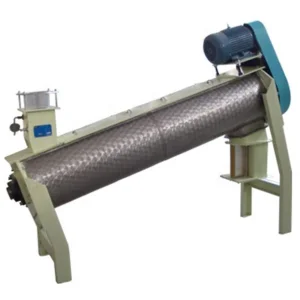
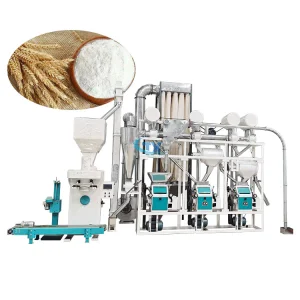
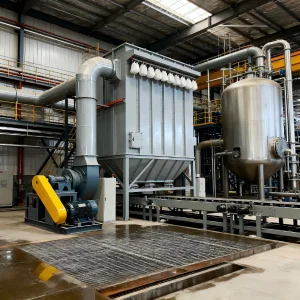
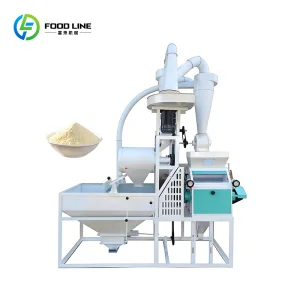
In global agro-industrial processing, Post-Harvest Management (PHM) dictates the preservation of nutritional integrity, structural storage stability, and commercial valuation of grains. Industrial batch dryers stand as the primary bulwark against mycotoxin contamination, enzymatic spoilage, and moisture-induced germination. Unlike continuous drying configurations that subject uniform grain streams to continuous heat loading, batch drying systems allow for precise, localized drying parameters, making them highly versatile for variable moisture loads and multi-commodity processing hubs.
From a global perspective, agricultural operations are experiencing intense consolidations. Regulatory compliance protocols regarding food safety (e.g., European Food Safety Authority regulations, US FDA FSMA guidance) mandate strict monitoring of grain temperature and processing times. The integration of modern drying plants allows operators to meet rigorous standards while mitigating post-harvest losses, which historically exceeded 15% to 20% in developing corridors due to poor moisture management.
Optimized batch drying reduces energy expenditure up to 30% compared to legacy continuous operations when dealing with segregated crop yields, maintaining seed viability and grain quality indices.
Enterprise buyers require robust validation metrics before capital asset deployment. The purchasing framework for commercial milling plants and large grain collection hubs highlights three main requirements:
Modern processing operations must adapt to varying fuel sources. Multi-fuel heat exchangers engineered for diesel, natural gas, steam, and biomass ensure uninterrupted drying services regardless of local energy volatility.
Manual calibration increases human error risks. Real-time grain damping and moisture monitoring systems automatically adjust drying durations, safeguarding grains against heat-stress fractures.
Using premium SUS304 stainless steel and wear-resistant structural components prevents abrasive damage from grain friction, maintaining hygienic operations for decades.
Henan Jiujie Machine Co., Ltd. is a professional supplier of complete equipment and engineering services for the food production and grain processing industries. Our business covers a wide range of applications, including wheat flour milling plants, feed processing factories, and rice processing plants. Our product portfolio includes conveying equipment, cleaning equipment, flour milling equipment, and other related machinery. Over the years, our products have been widely recognized by customers both in domestic and international markets.
Since its establishment, Henan Jiujie Machine Co., Ltd. has been dedicated to the research and development of grain processing technology and machinery. With extensive industry experience, we are able to provide integrated solutions across the entire grain and food processing industrial chain. Our solutions cover multiple stages, including raw material collection, storage, cleaning, grading, sieving, grinding, mixing, shaping, production, and packaging.
By utilizing AutoCAD-based engineering design systems and advanced machining centers, we are able to provide high-precision, durable products at competitive prices. We are committed to offering complete pre-sales consultation, technical support, and reliable after-sales service. Customer satisfaction is always our top priority. We sincerely welcome partners and friends from all over the world to contact us and cooperate for mutual success.
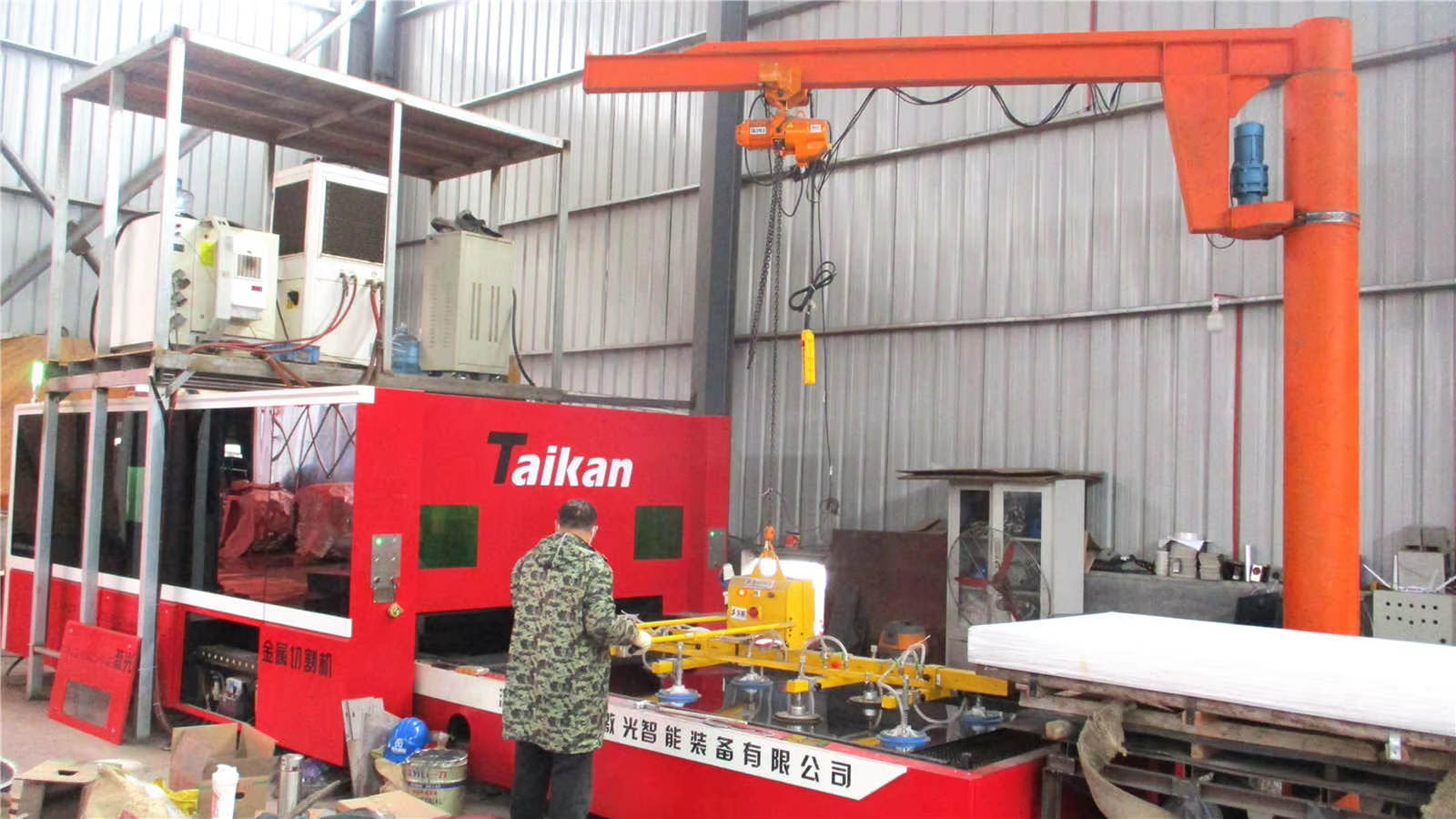
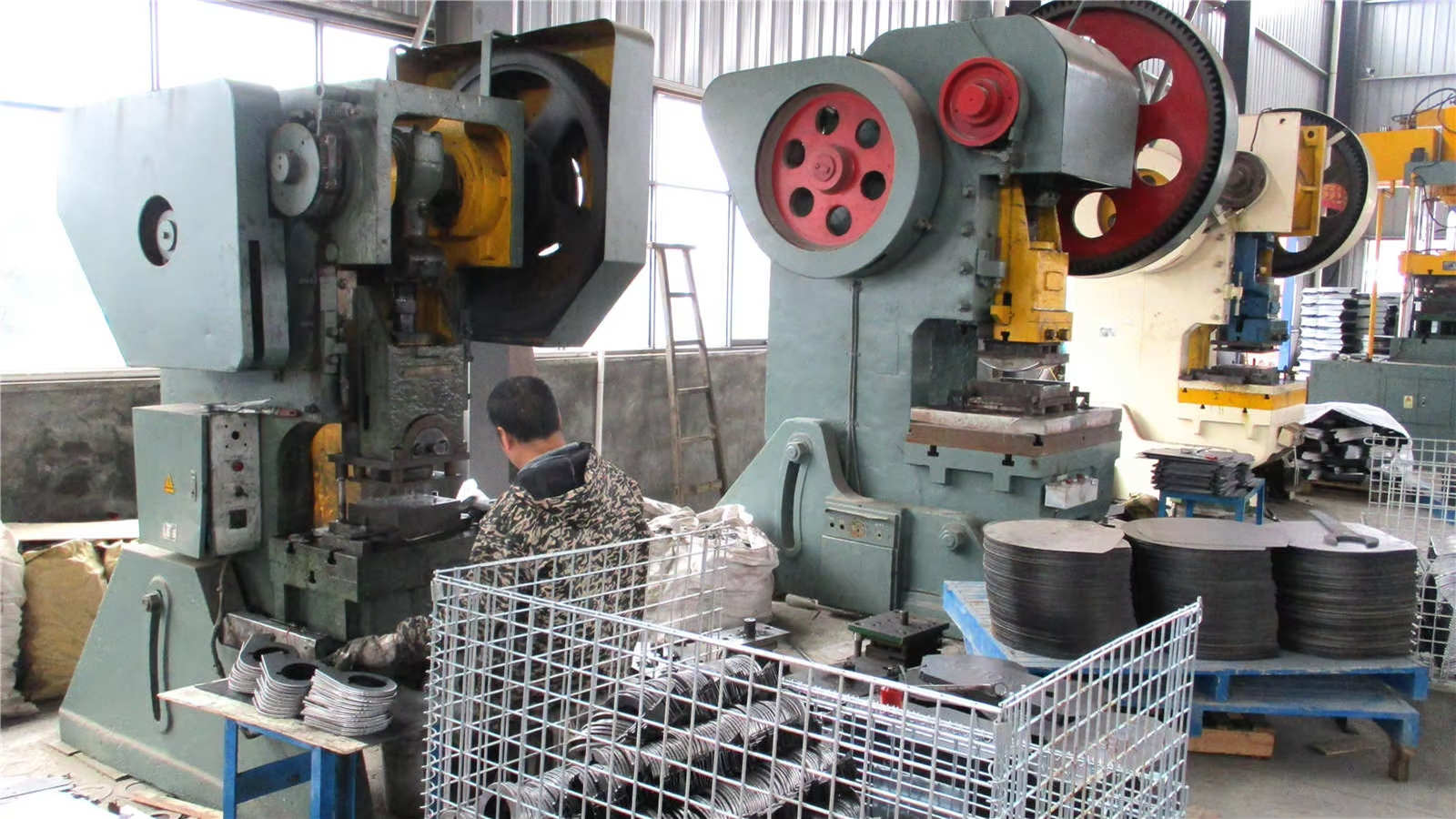
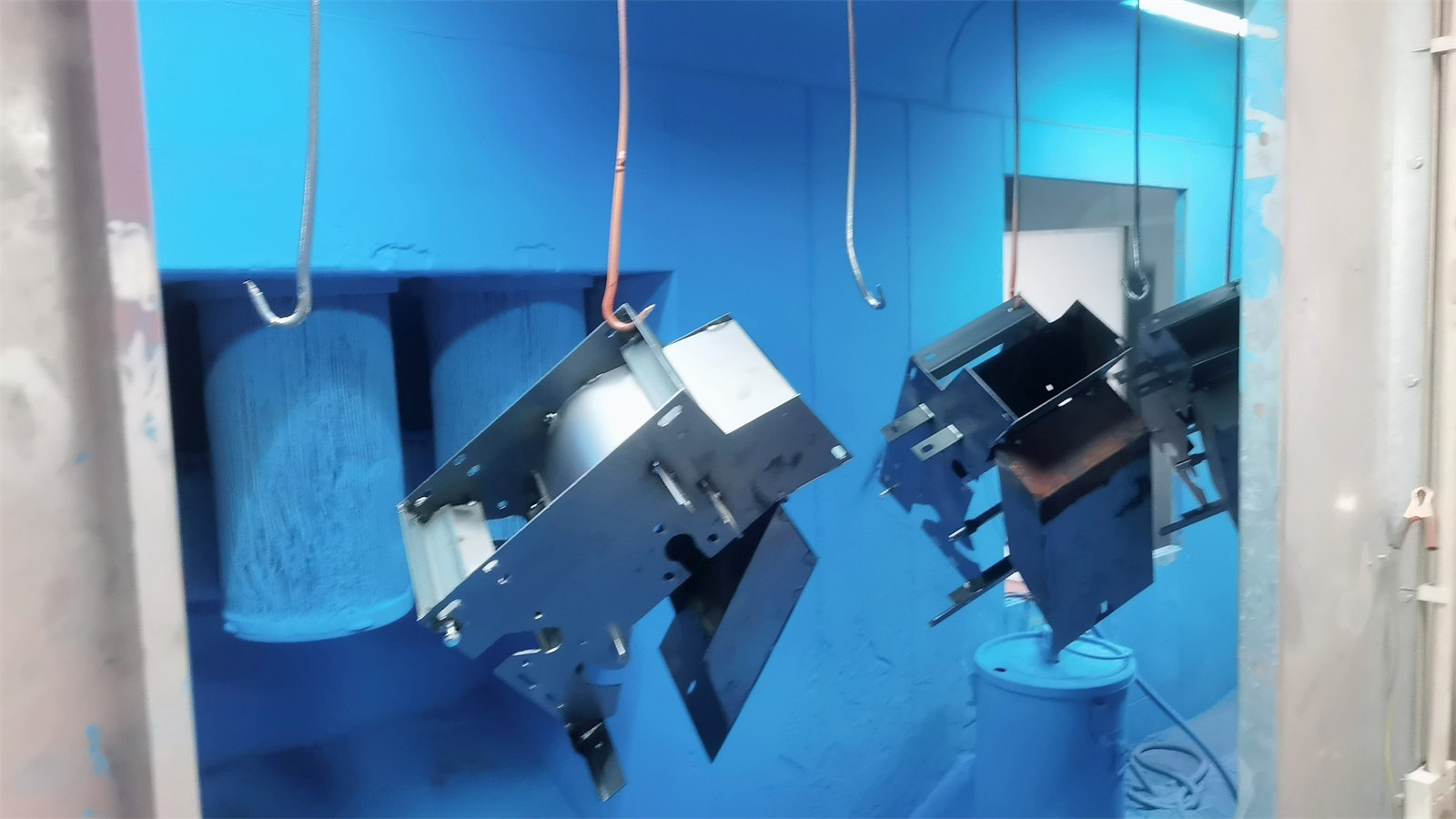
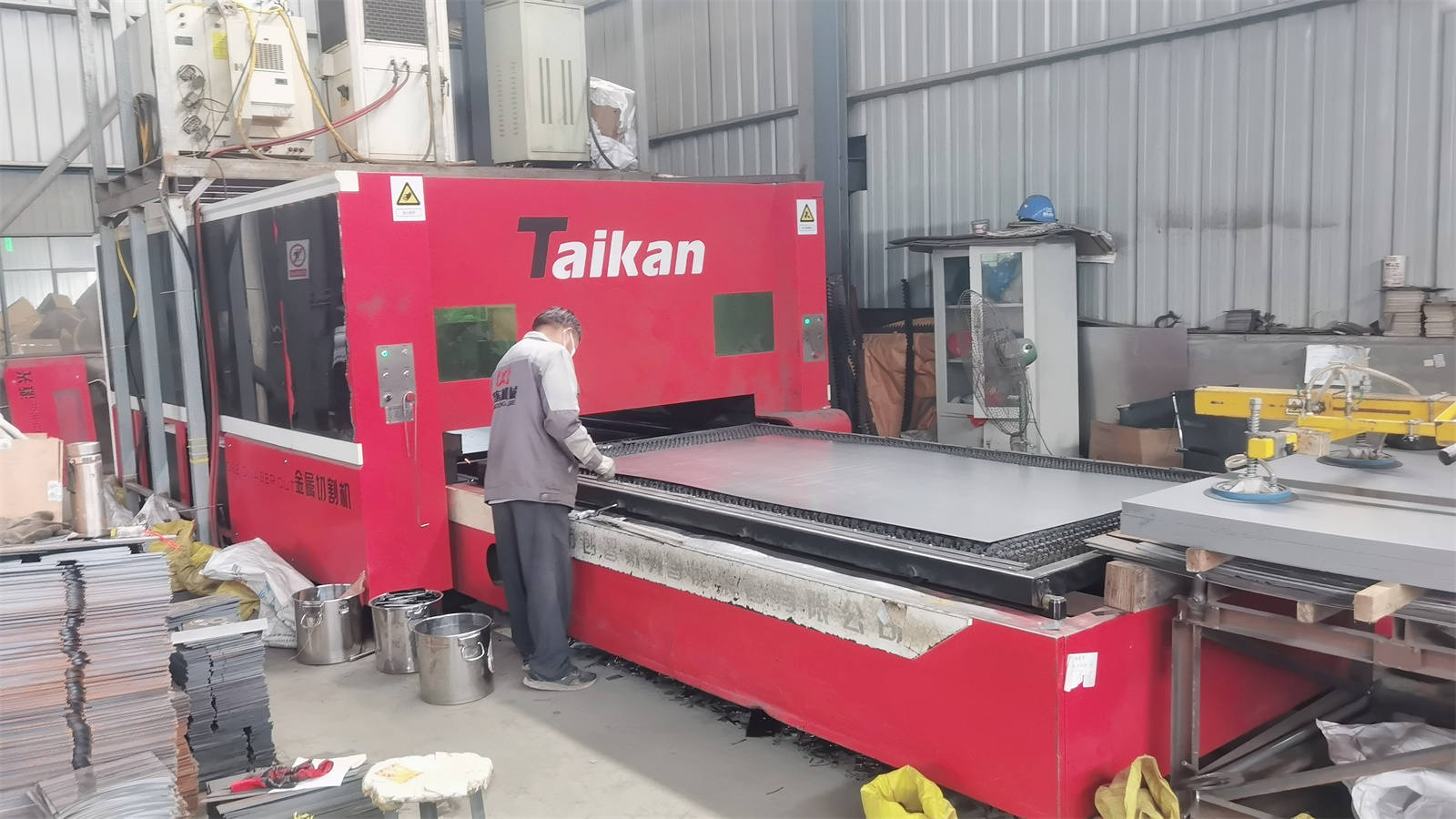
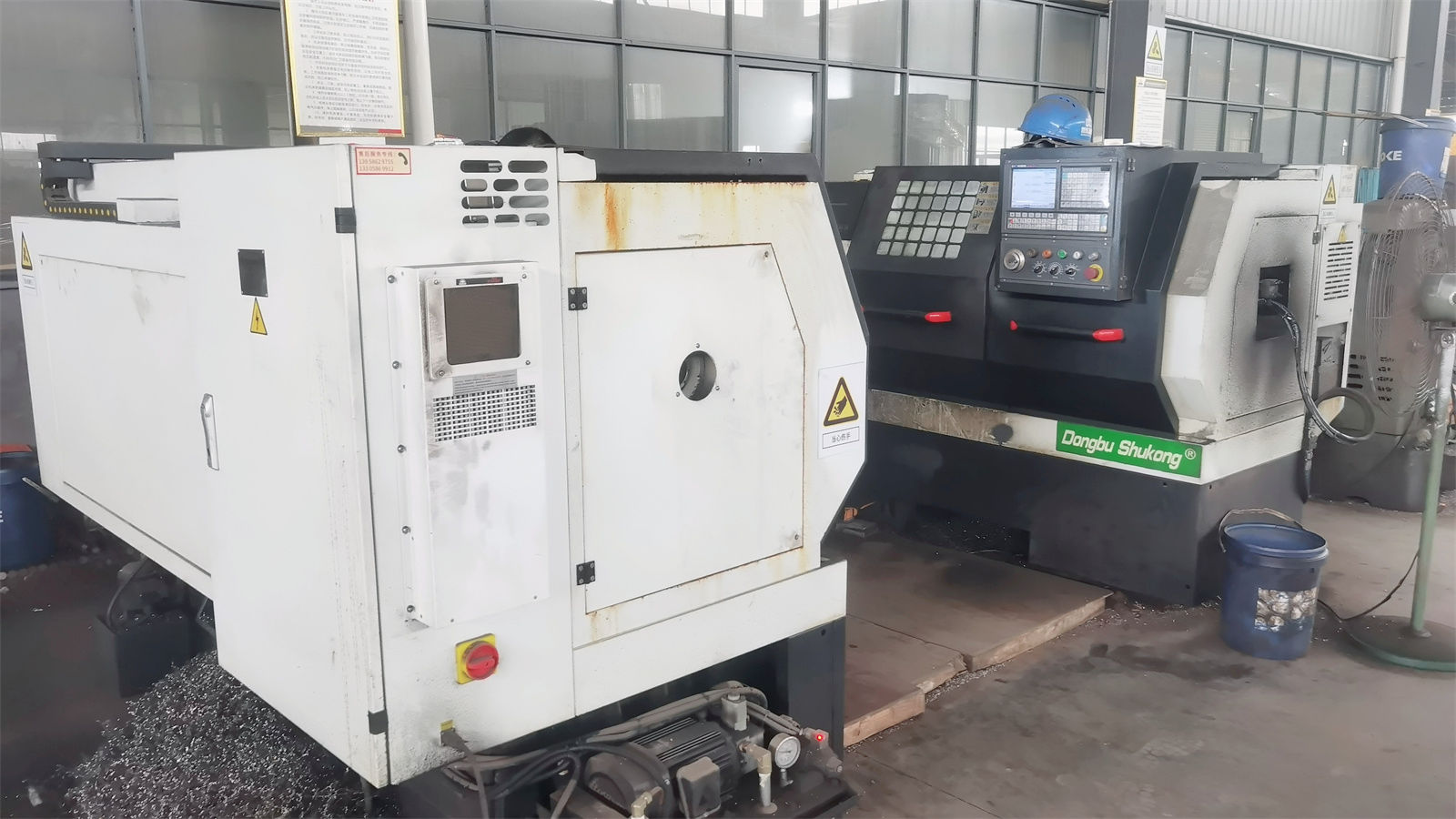
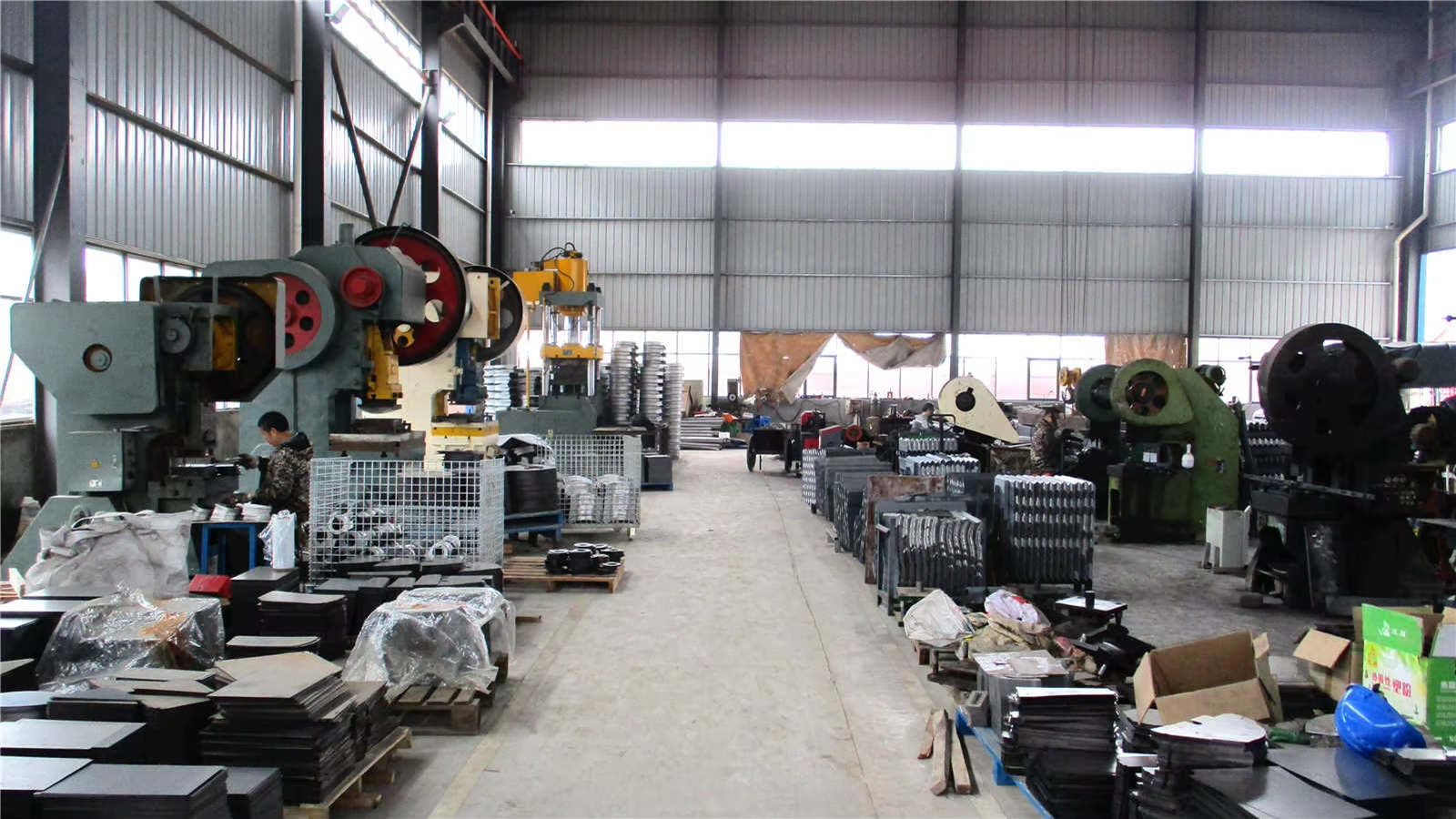
Henan Jiujie Machine Co., Ltd. places strong emphasis on technological innovation and continuous improvement of manufacturing capability and product quality. We have introduced a series of advanced processing equipment, including CNC laser cutting machines, CNC bending machines, and CNC lathes. In addition, we are equipped with CNC machining centers, CNC boring machines, surface grinding machines, planers, and other high-precision manufacturing equipment. We have also established an electrostatic spraying production line to further enhance product surface quality and durability.
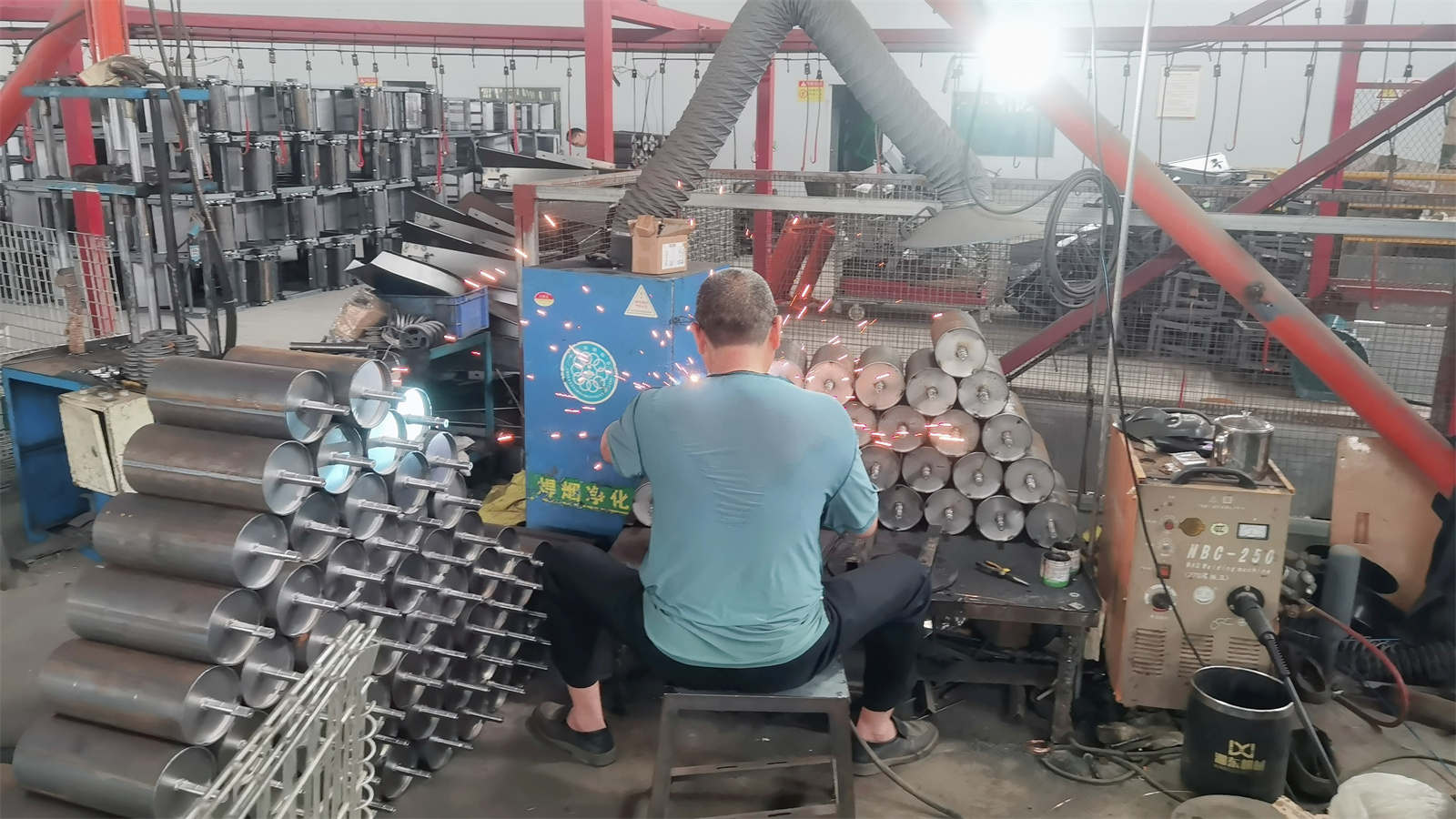
Our manufacturing processes include steel plate laser cutting, CNC bending, CO₂ arc welding, argon arc welding, robotic welding, and electrostatic surface treatment. These advanced production technologies ensure consistent product quality and continuous innovation.
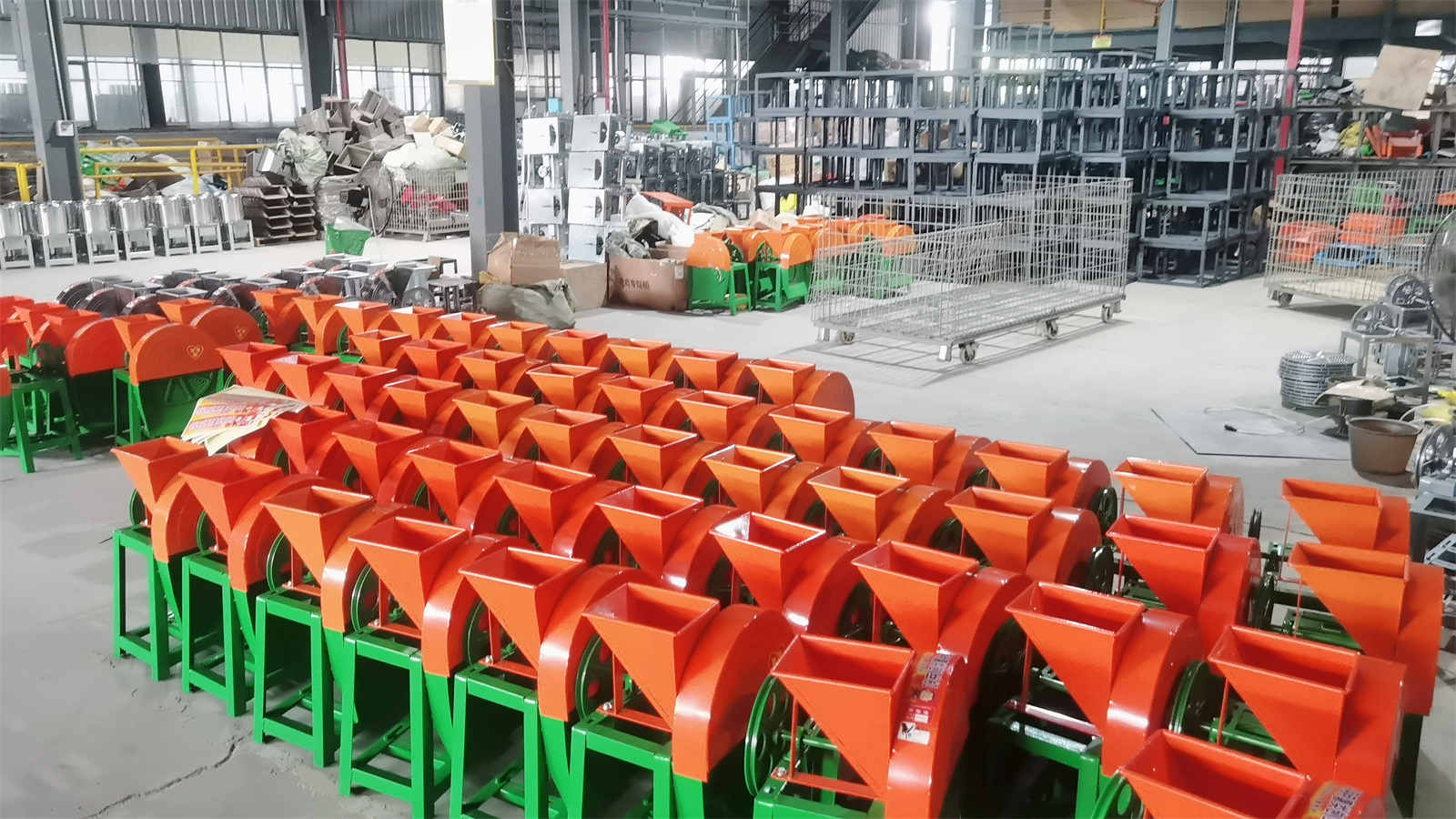
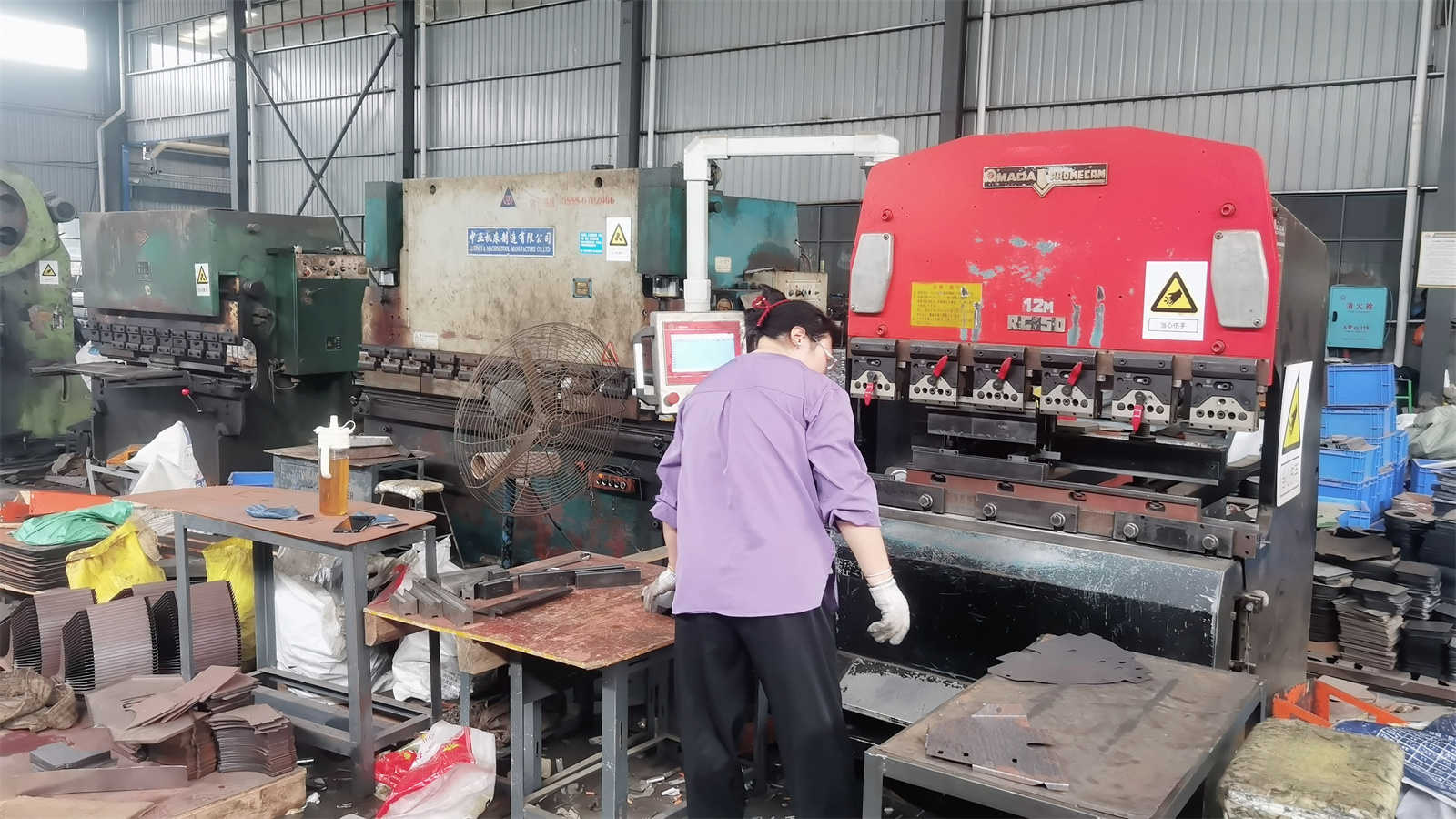
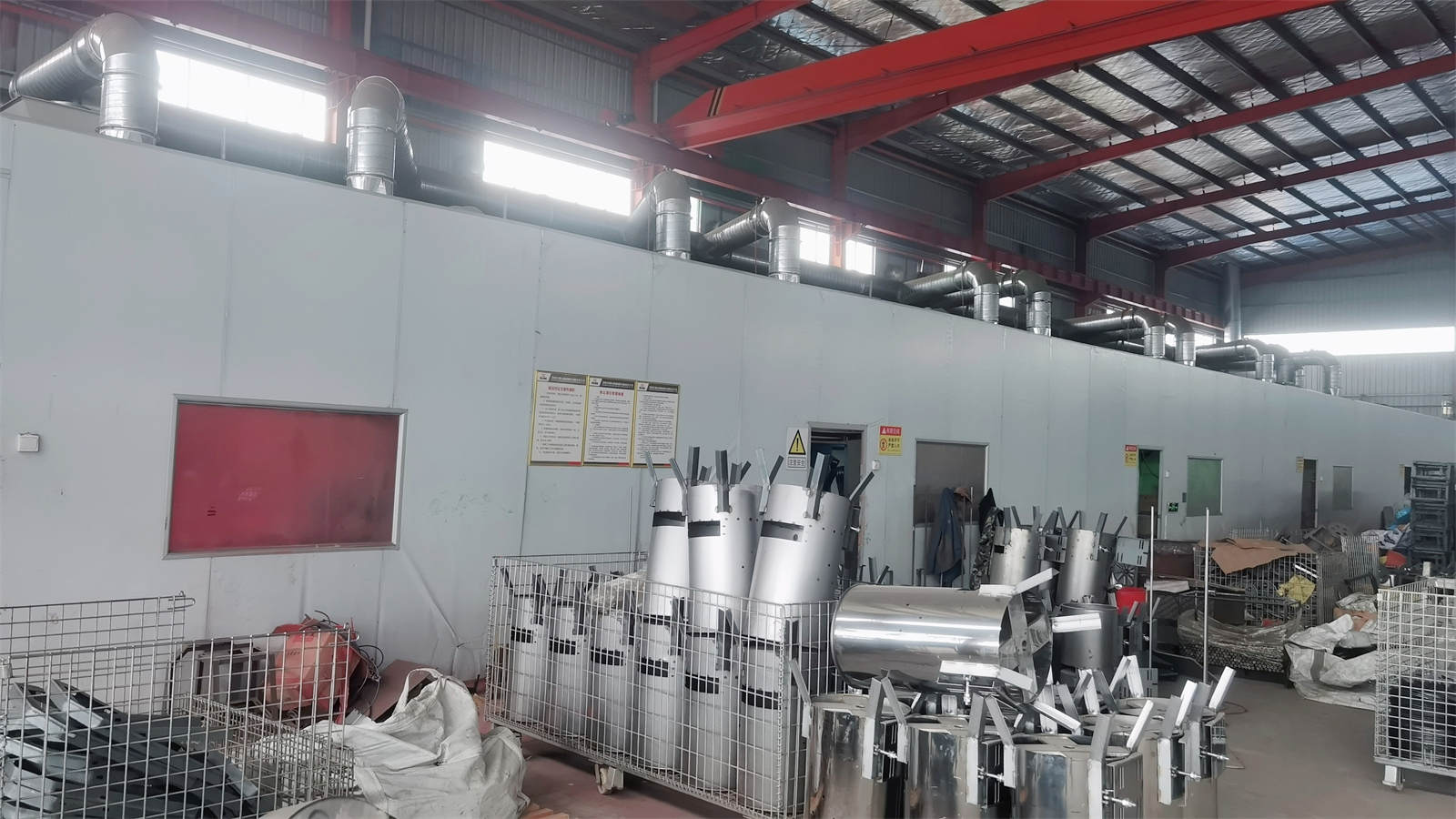
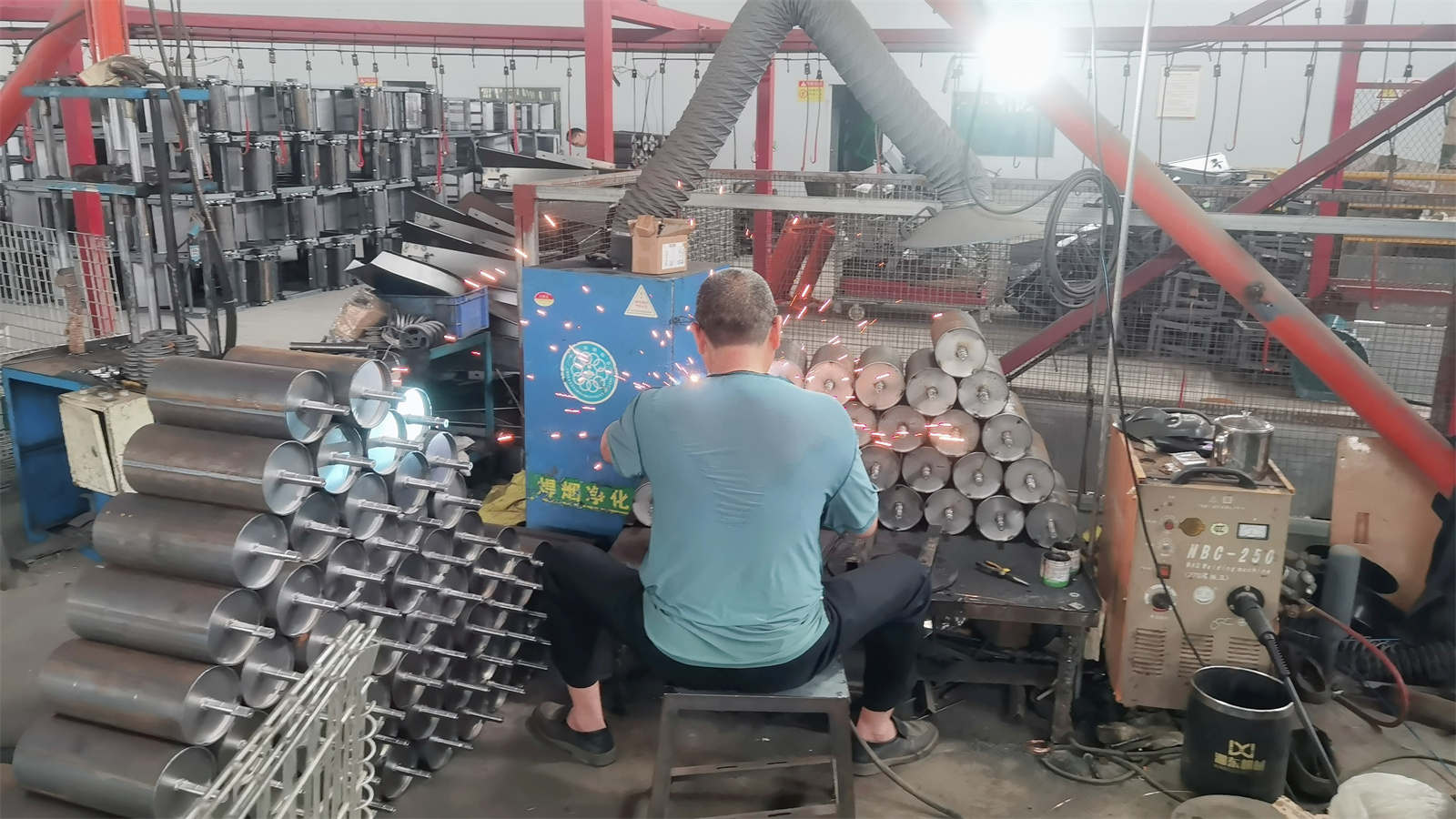
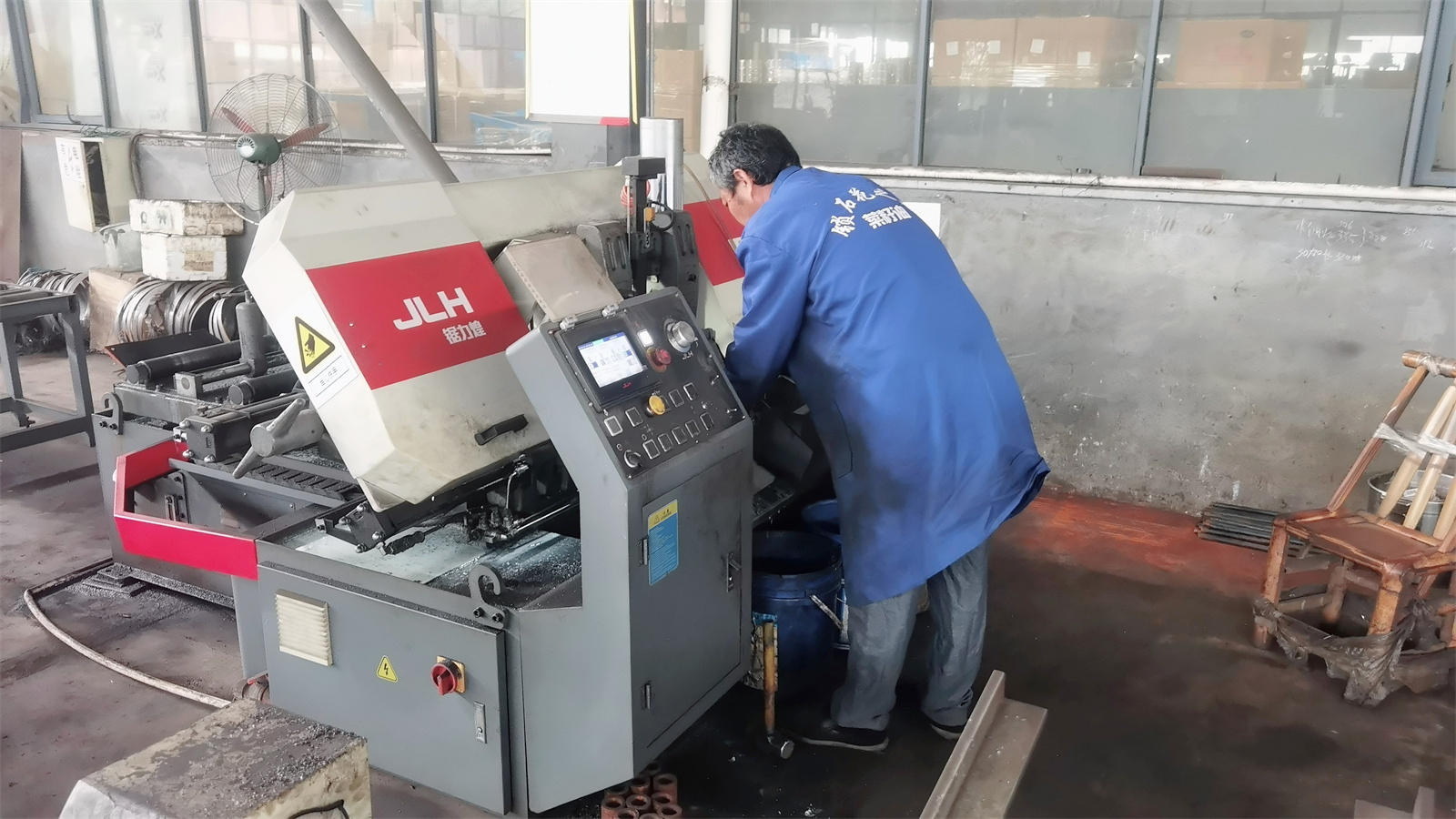
Our flour milling equipment has obtained the ISO9001 quality management system certification and CE certification. The environmental protection standards of our equipment comply with relevant EU requirements. Our grain cleaning process is designed to operate without water usage, ensuring no wastewater discharge and supporting environmentally friendly production.
Our products are characterized not only by stable performance but also by easy installation, convenient maintenance, and low operating costs. With advanced technology, reliable quality, and modern design, our equipment has earned high appreciation from clients worldwide. This dedication ensures that our processes reduce overhead costs and meet global environmental mandates.
Waterless processing systems avoid heavy investments in wastewater treatment infrastructure, dramatically reducing the regulatory burden on processing mills.
The development of grain conditioning and batch drying technologies is shaped by digitalization and thermal optimization. As processing facilities strive for carbon neutrality, manufacturing technology continues to advance:
Future batch dryers will utilize non-contact microwave moisture sensors to measure core moisture in grain layers. AI controllers then modulate airflow rates and temperature settings dynamically.
Advanced air-to-air plate heat exchangers pre-heat incoming ambient air using heat from exhaust streams. This approach reduces baseline fuel requirements by up to 25% during winter operations.
Operators can monitor moisture profiles, discharge dynamics, and equipment health across multiple sites via localized SCADA networks or cloud interfaces.
Operating across international agricultural corridors requires compliance with regional safety, electrical, and structural codes. Industrial facilities must verify these core parameters:
Compliance with NEMA or IEC motor configurations, along with UL/CSA listed industrial control panels, ensures safe operations across various regional power grids.
Custom engineering solutions adapt tower designs to local environmental conditions, resisting heavy winds, snow loads, and seismic challenges.
Organic grain dust is highly combustible. Class II Division 1 motors, spark-resistant fans, and pressure relief panels minimize risk in milling operations.
Integrating food-grade polymers and premium stainless steels along critical contact paths avoids material migration and processing contamination.
Get answers to the key operational and technical questions regarding the configuration and deployment of industrial grain conditioning equipment.
These processing systems are engineered to handle sorting, bulk storage management, and downstream milling operations. By maintaining high sanitary standards, they help safeguard product quality throughout the processing line.
 Jiujie Machine