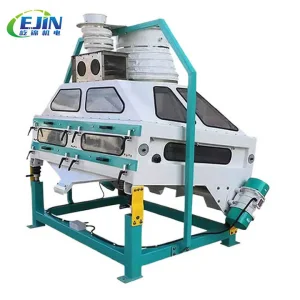
Premium industrial systems integrated into advanced food processing, materials management, and micro-screening lines worldwide.
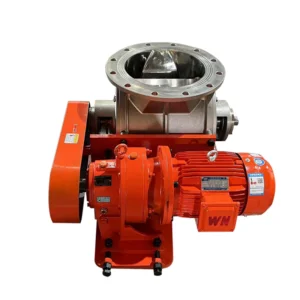
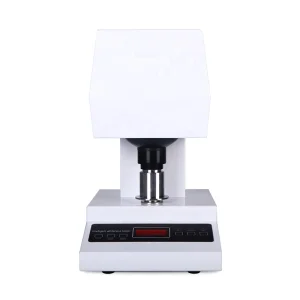
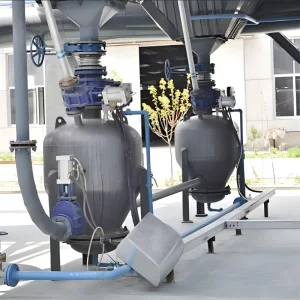
Understanding the physics of high-frequency ultrasonic separation in bulk materials handling.
In the field of dry powder processing, mesh blinding acts as one of the primary constraints on production yield, quality consistency, and mechanical uptime. Standard mechanical vibratory separators often fail when processing ultra-fine particles (under 150 microns) because electrostatic charges, moisture-induced liquid bridges, and mechanical interlocking combine to create massive agglomerates.
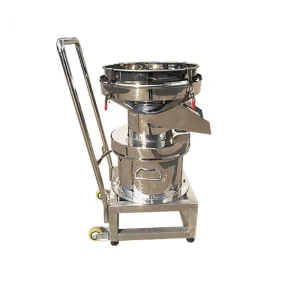
Ultrasonic sifting is the premium industrial solution to these boundary challenges. By overlaying a high-frequency, low-amplitude wave (typically in the 28 kHz to 40 kHz range) directly onto the screening mesh, the system converts electrical energy into precise mechanical micro-vibrations. This high-frequency acoustic field dramatically reduces the friction coefficient between the particles and the metal mesh wires, rendering the mesh virtually "frictionless" to ultra-fine materials. As a result, static attraction is neutralized, agglomerates are fractured, and particles smaller than the mesh aperture pass through with high efficiency, maximizing throughput and eliminating mesh blinding completely.
Conventional screening relies strictly on gravity and low-frequency orbital or linear mechanical vibrations (typically 15 to 50 Hz). When handling delicate, sticky, or electrostatically active powders—such as pharmaceutical APIs, battery-grade metal powders (lithium iron phosphate), or fine food starches—low-frequency mechanical energy is insufficient to break surface energy barriers. Particles collect on the screen, creating a dense cake that blocks passage. Ultrasonic sifters act at the molecular level of contact. The rapid sonic impulses maintain continuous material movement, accelerating passage rates by up to 10x depending on the material, while drastically extending the service life of delicate woven stainless steel screens.
Data-driven performance benchmarks demonstrating the system efficiency gains achieved using our specialized ultrasonic processing technology.
How local high-precision engineering and supply chain integration from Henan Jiujie Machine Co., Ltd. deliver superior value.
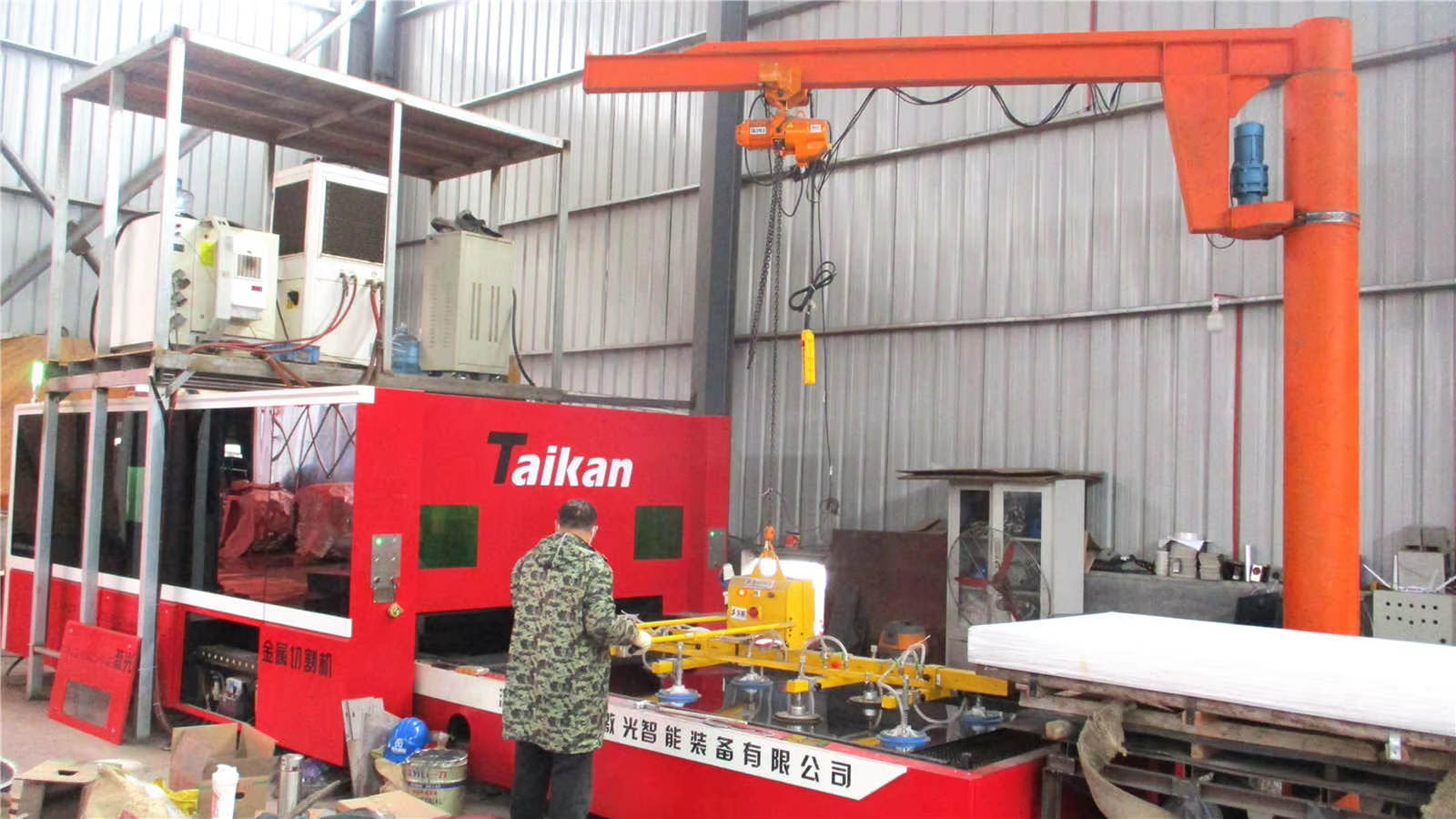
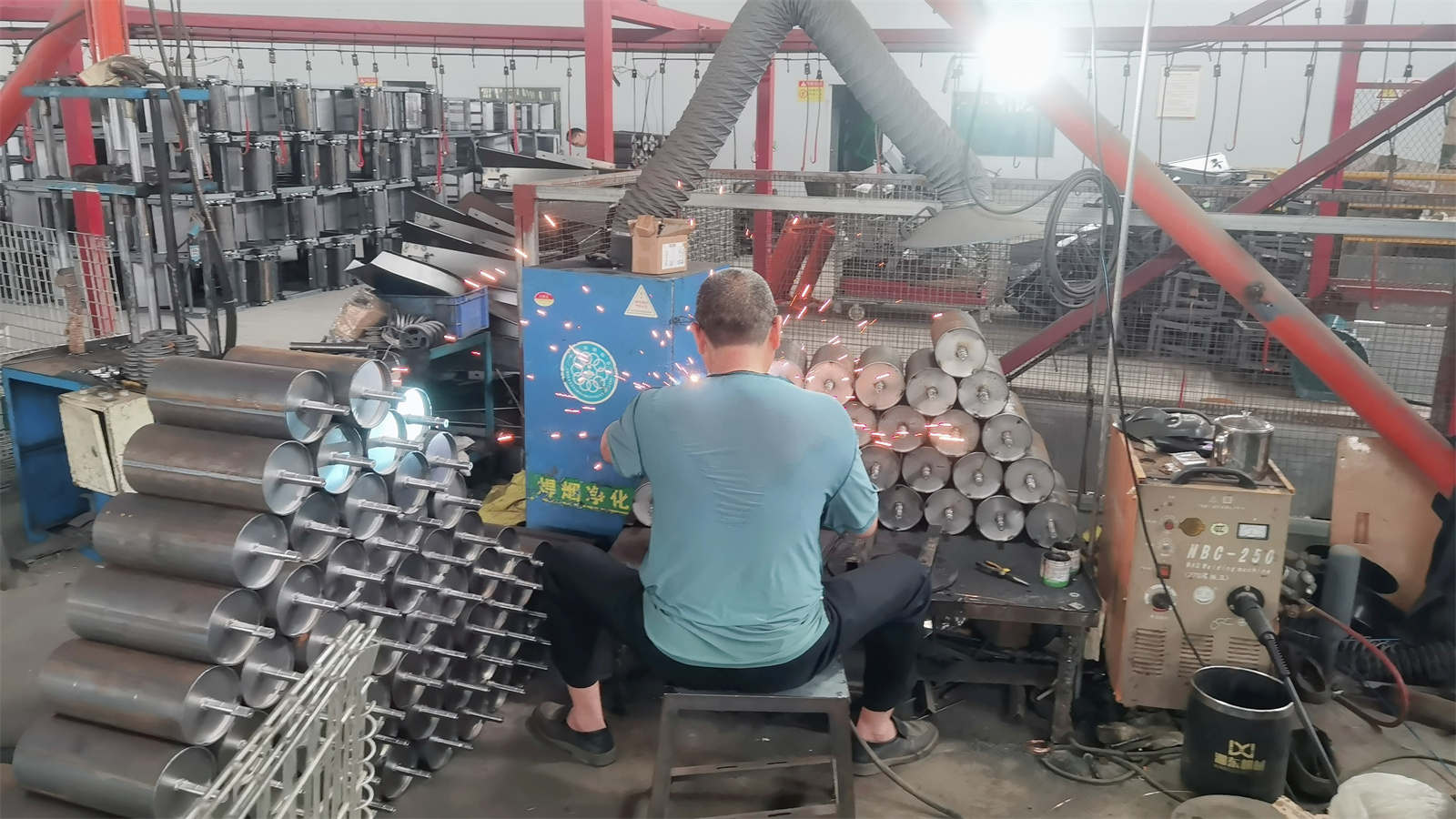
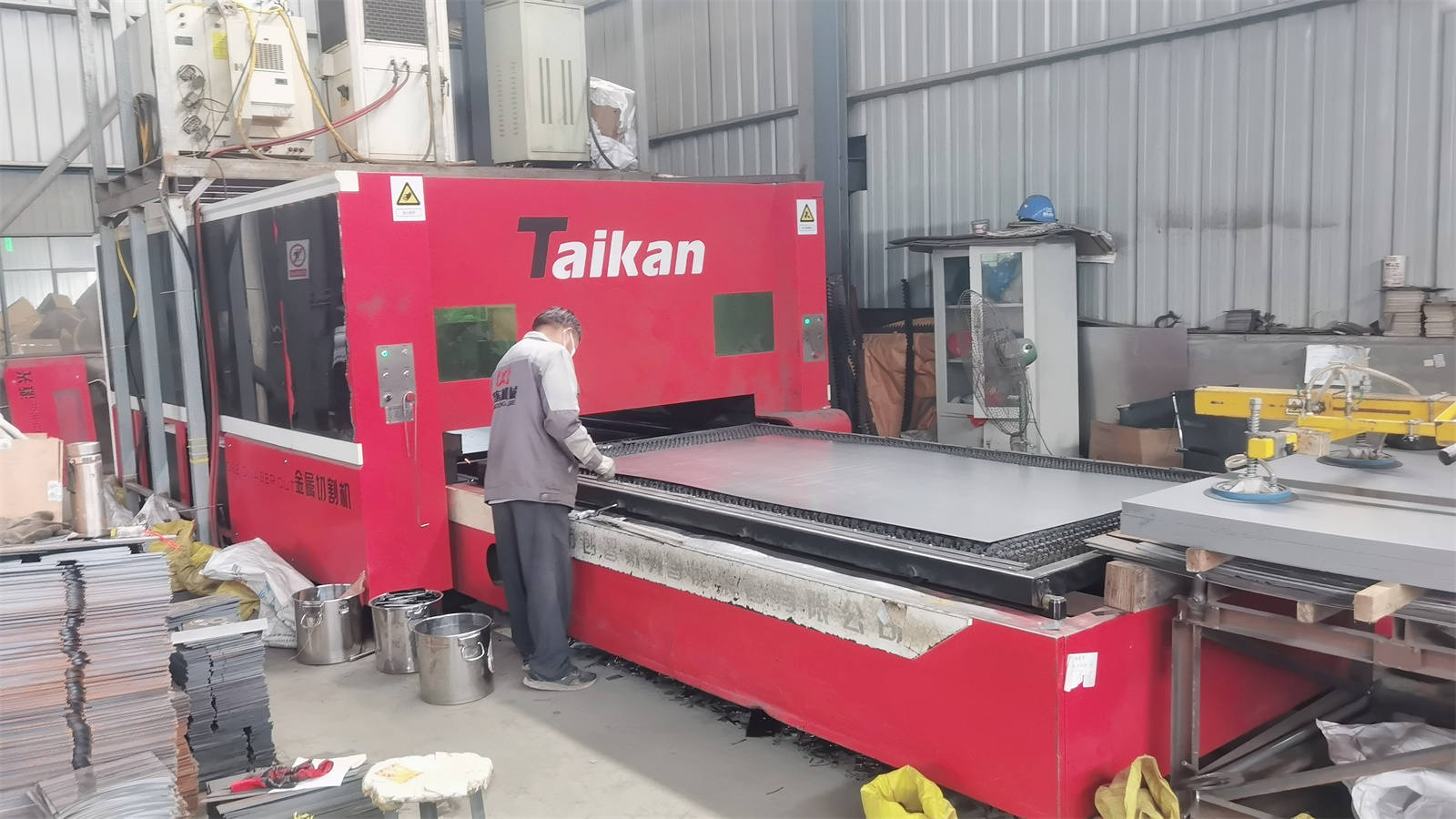
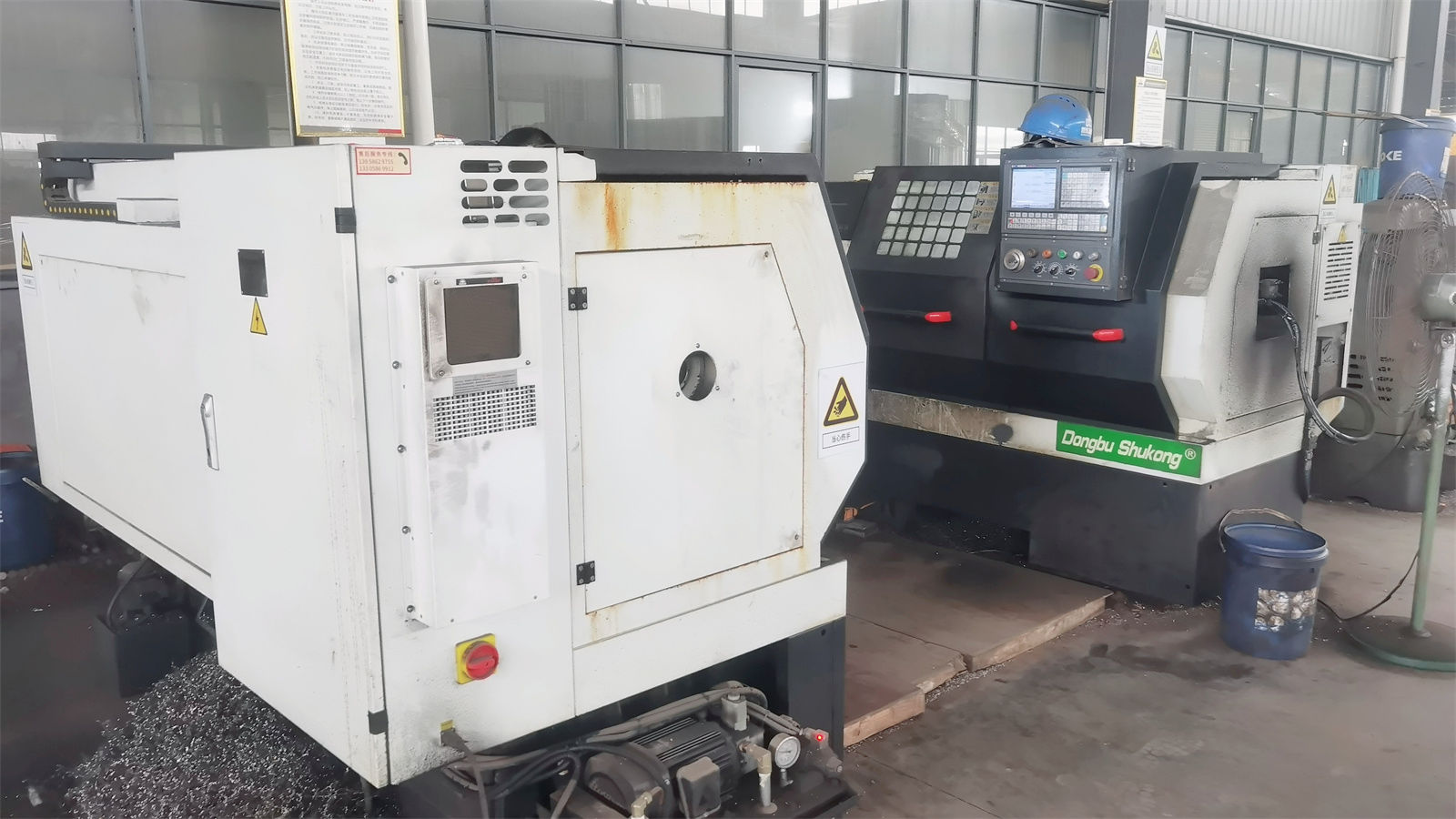
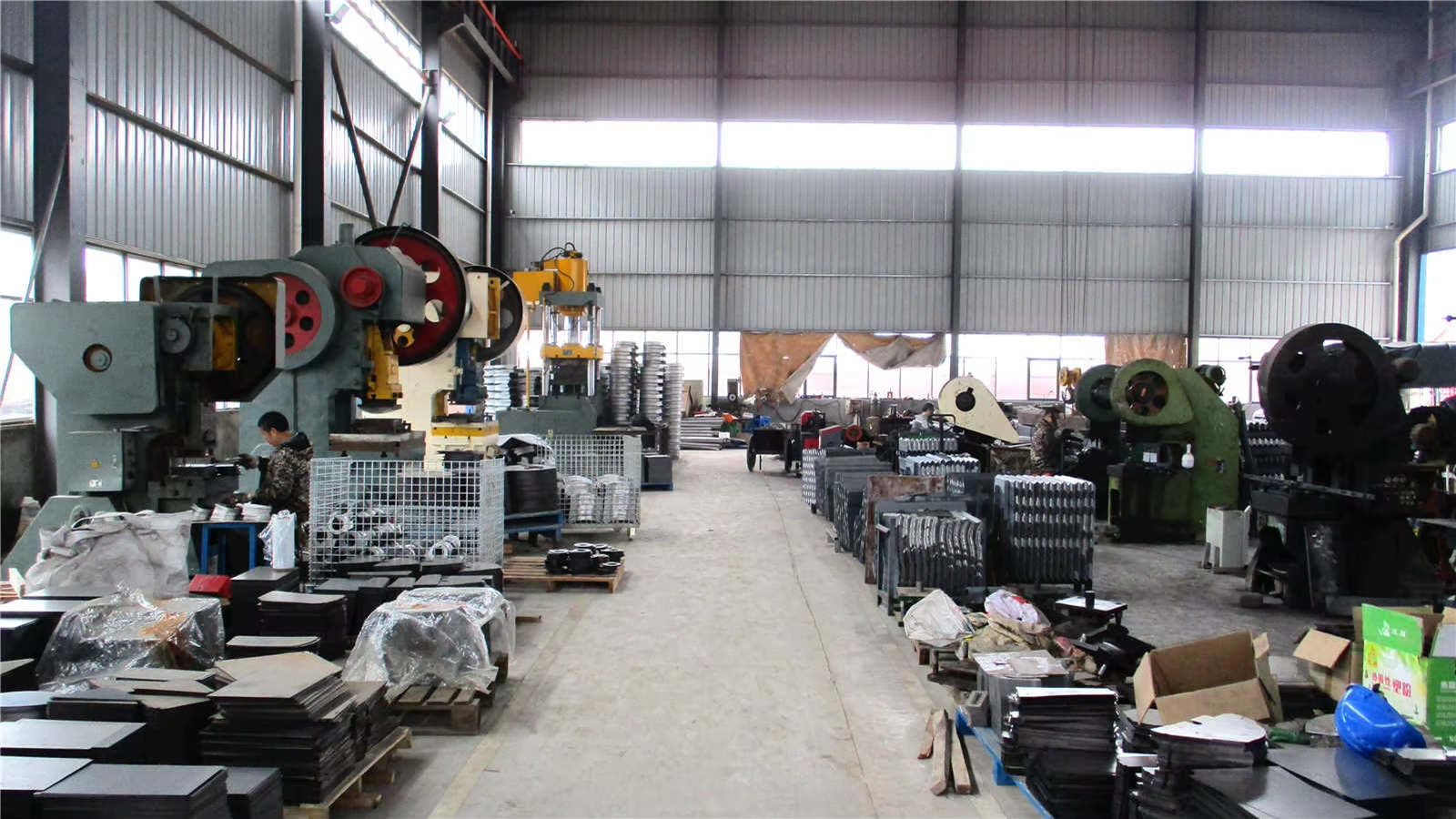
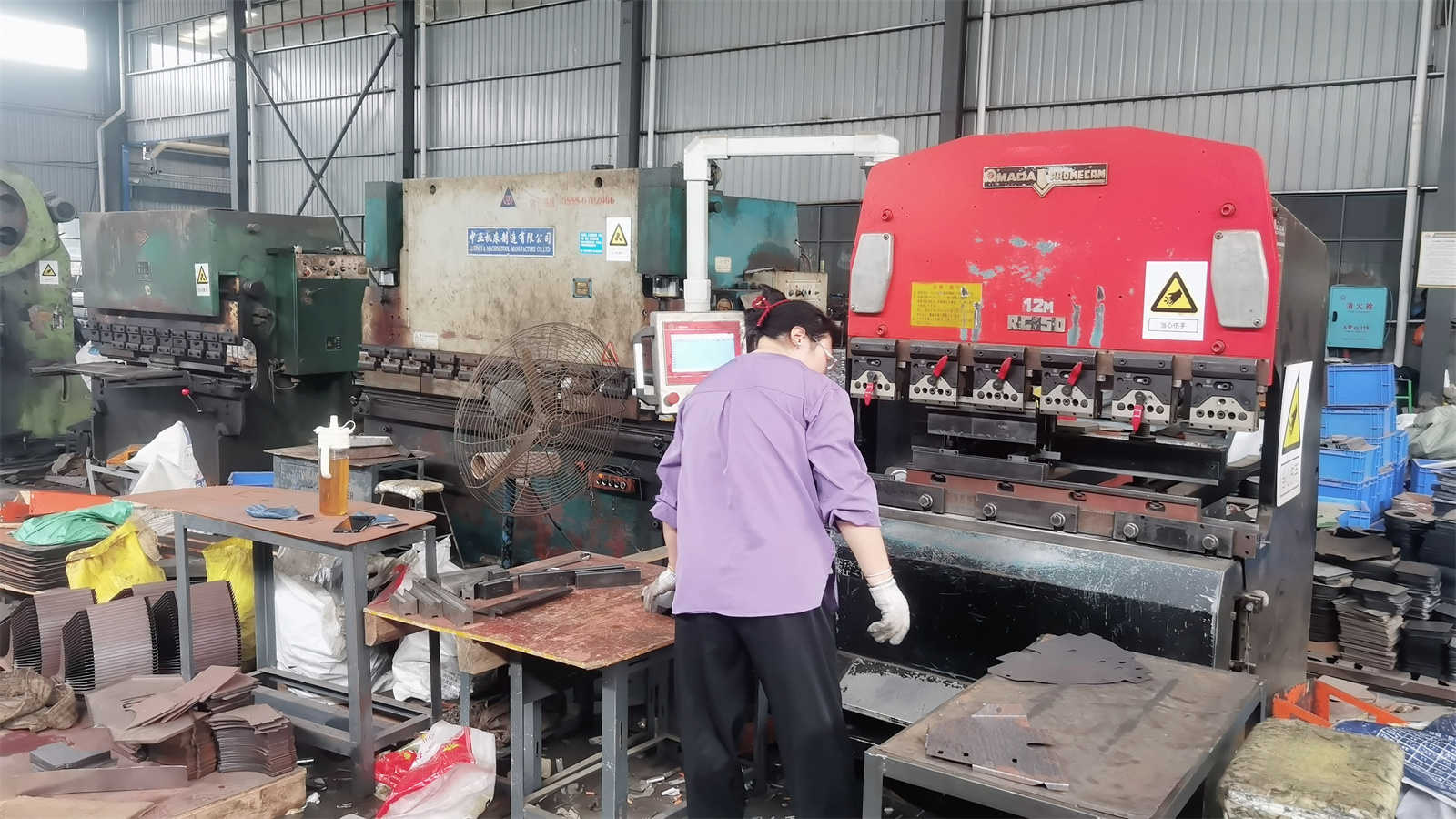
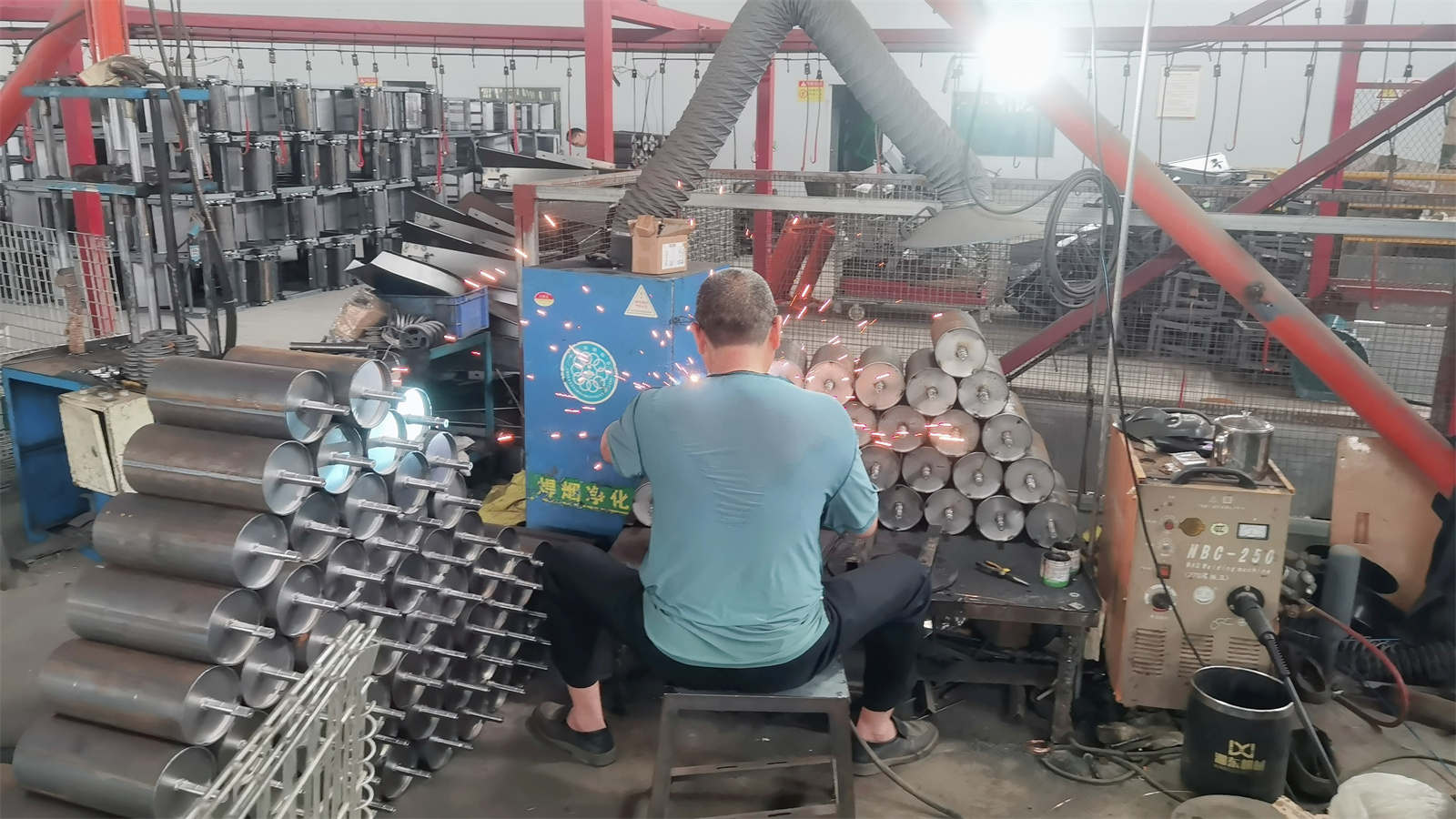
Our factory floors utilize state-of-the-art CNC laser cutting, CNC bending, and robotic welding setups. This guarantees that all structural components, ultrasonic ring frames, and screen chambers are perfectly aligned, eliminating the micro-deformations that cause transducer failures.
By conforming strictly to ISO9001 and CE regulations, we align our Chinese production operations with international expectations. We leverage advanced non-water grain cleaning systems and clean energy operations to deliver environmentally compliant machinery.
China's highly integrated heavy-industry cluster allows us to source premium materials, such as wear-resistant stainless steels and specialized piezoelectric ceramic elements, at a fraction of Western costs, transferring this savings directly to the client.
Providing cross-industry process stability through specialized mechanical and acoustic separation systems.
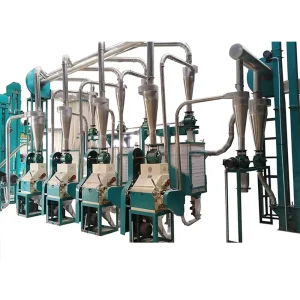
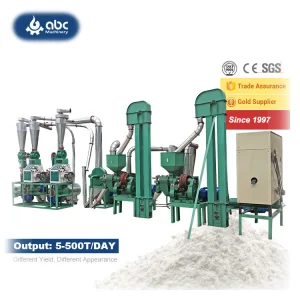
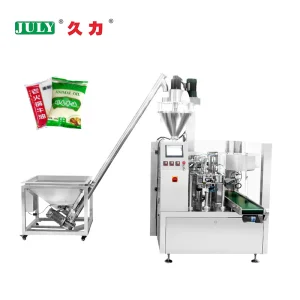
In high-capacity flour milling operations, such as 300 Tons Per Day processing plants, maintaining flour purity is vital. Modern flour milling plants require robust cleaning, de-stoning, de-branning, and sifting modules. Integrating an ultrasonic sifter at the final packaging or grading stage ensures that ultra-fine flour, wheat starches, and other agricultural derivatives are free from insects, casing residues, or agglomerated lumps. The technology allows high-volume throughput without screen downtime, integrating smoothly with downstream machinery like the DZD-220 Packaging systems or pneumatic conveying star feeders.
For fine chemical production and pharmaceutical APIs, batch repeatability and purity levels are strictly audited. Contamination from mechanical wear must be avoided at all costs. Ultrasonic sifters utilize solid, high-frequency energy transmission ring systems, eliminating the need for rubber bouncing balls or plastic sliding rings that degrade over time and contaminate the product stream. In mineral industries (such as quartz sand processing or fly ash handling), the sifter handles abrasive elements efficiently by using specialized, tensioned alloy wire meshes and robust transducers.
Metal 3D printing (selective laser sintering) relies on high-quality spherical metal powders, such as titanium, aluminum, and stainless steel alloys. These powders must be screened to precise micron bands to prevent layer defects during printing. Our ultrasonic sifter technology provides inert-gas purging and explosive-atmosphere compliance (ATEX/IECEx equivalents), allowing safe, high-purity sieving of reactive metal powders without the risk of dust explosions or particle oxidation.
The shift toward digital integration, automated resonant tuning, and hybrid sanitary designs.
The industrial separation sector is undergoing a massive shift towards intelligence and continuous monitoring. Modern plants no longer accept unexpected downtime caused by torn screens or failing transducers. Here are the three leading trends driving the next generation of screening equipment:
Traditional ultrasonic generators required manual adjustments to match the screen's changing resonance as material loaded onto it. Modern generators feature AI-driven digital chipsets that track load variations in real-time, adjusting the output frequency automatically to maintain optimal screening conditions continuously.
Food and pharmaceutical sectors demand quick cleaning cycles. Manufacturers are shifting to crevice-free designs and Clean-In-Place (CIP) spray ball configurations, allowing rapid sanitization without manually dismantling the screen assembly.
Smart sensors mounted on the sieve frame monitor parameters like temperature, mechanical acceleration, and acoustic wave attenuation. This data is transmitted to central control systems to warn operators of screen tears or component fatigue before failures occur.
Professional supplier of complete equipment and engineering services for the food production and grain processing industries.
Our business covers a wide range of applications, including wheat flour milling plants, feed processing factories, and rice processing plants. Our product portfolio includes conveying equipment, cleaning equipment, flour milling equipment, and other related machinery. Over the years, our products have been widely recognized by customers both in domestic and international markets.
Since its establishment, Henan Jiujie Machine Co., Ltd. has been dedicated to the research and development of grain processing technology and machinery. With extensive industry experience, we are able to provide integrated solutions across the entire grain and food processing industrial chain. Our solutions cover multiple stages, including raw material collection, storage, cleaning, grading, sieving, grinding, mixing, shaping, production, and packaging.
Our flour milling equipment has obtained the ISO9001 quality management system certification and CE certification. The environmental protection standards of our equipment comply with relevant EU requirements. Our grain cleaning process is designed to operate without water usage, ensuring no wastewater discharge and supporting environmentally friendly production.
Our products are characterized not only by stable performance but also by easy installation, convenient maintenance, and low operating costs. With advanced technology, reliable quality, and modern design, our equipment has earned high appreciation from clients worldwide.
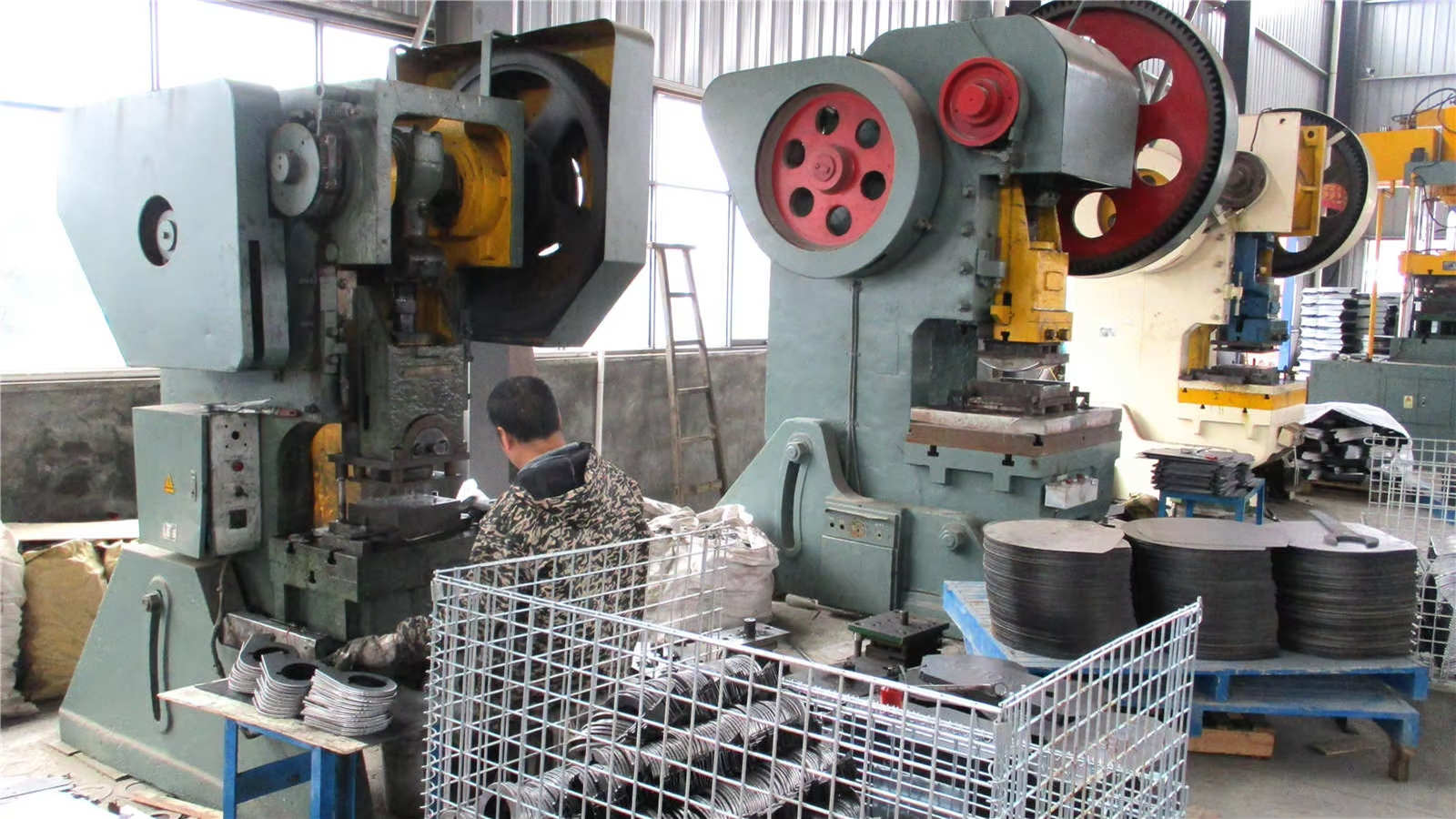
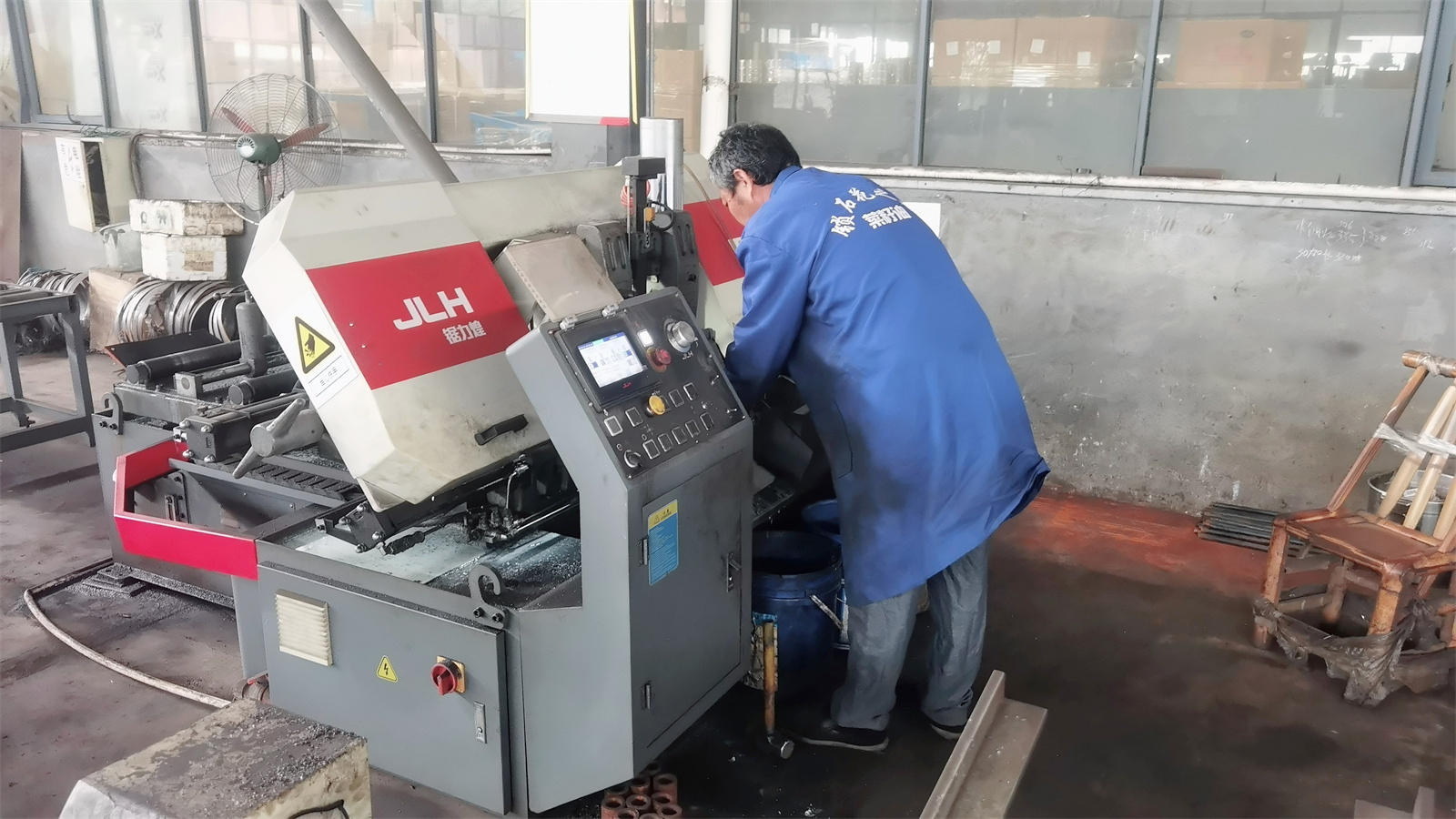
Henan Jiujie Machine Co., Ltd. places strong emphasis on technological innovation and continuous improvement of manufacturing capability and product quality. We have introduced a series of advanced processing equipment, including CNC laser cutting machines, CNC bending machines, and CNC lathes.
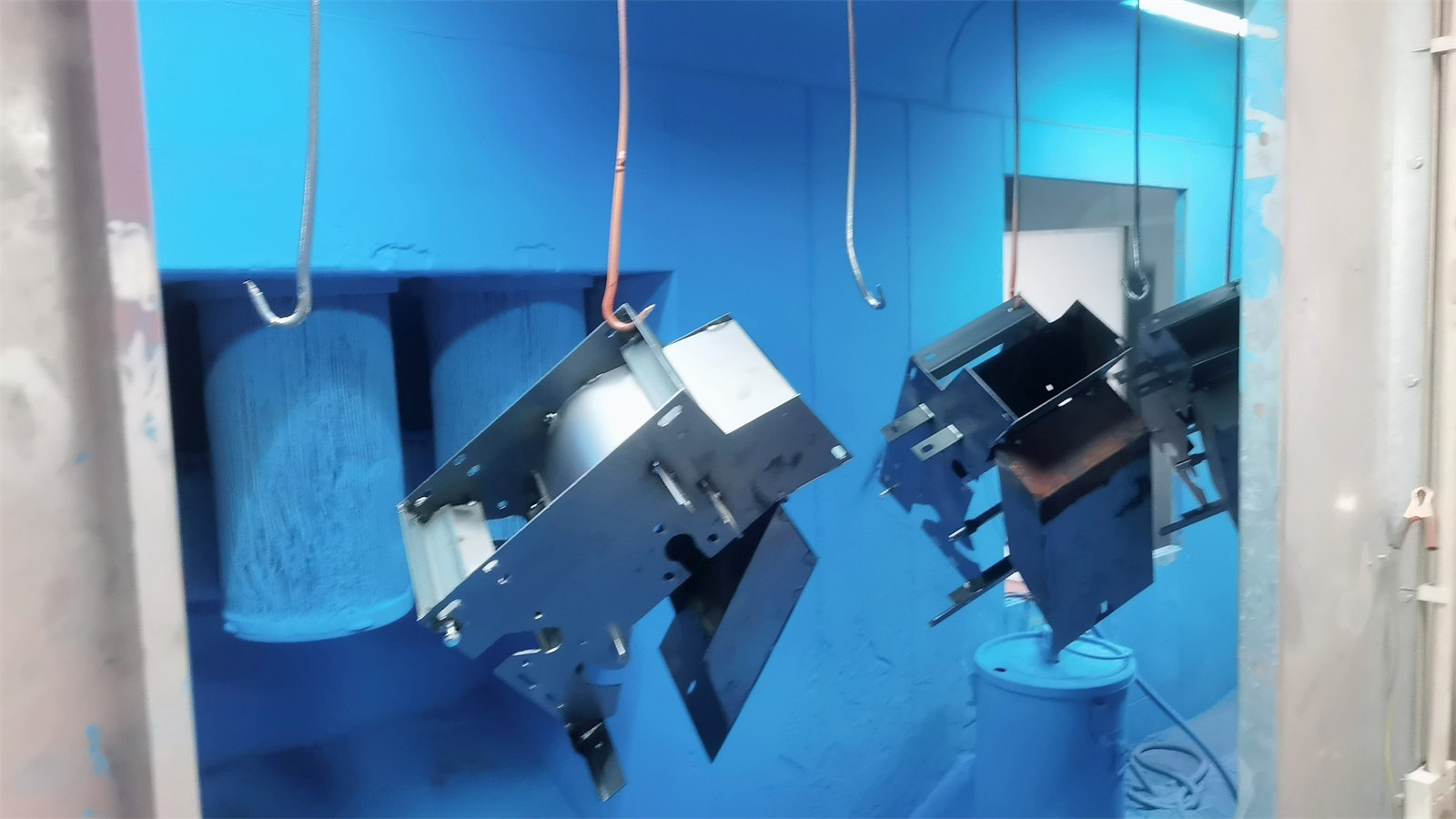
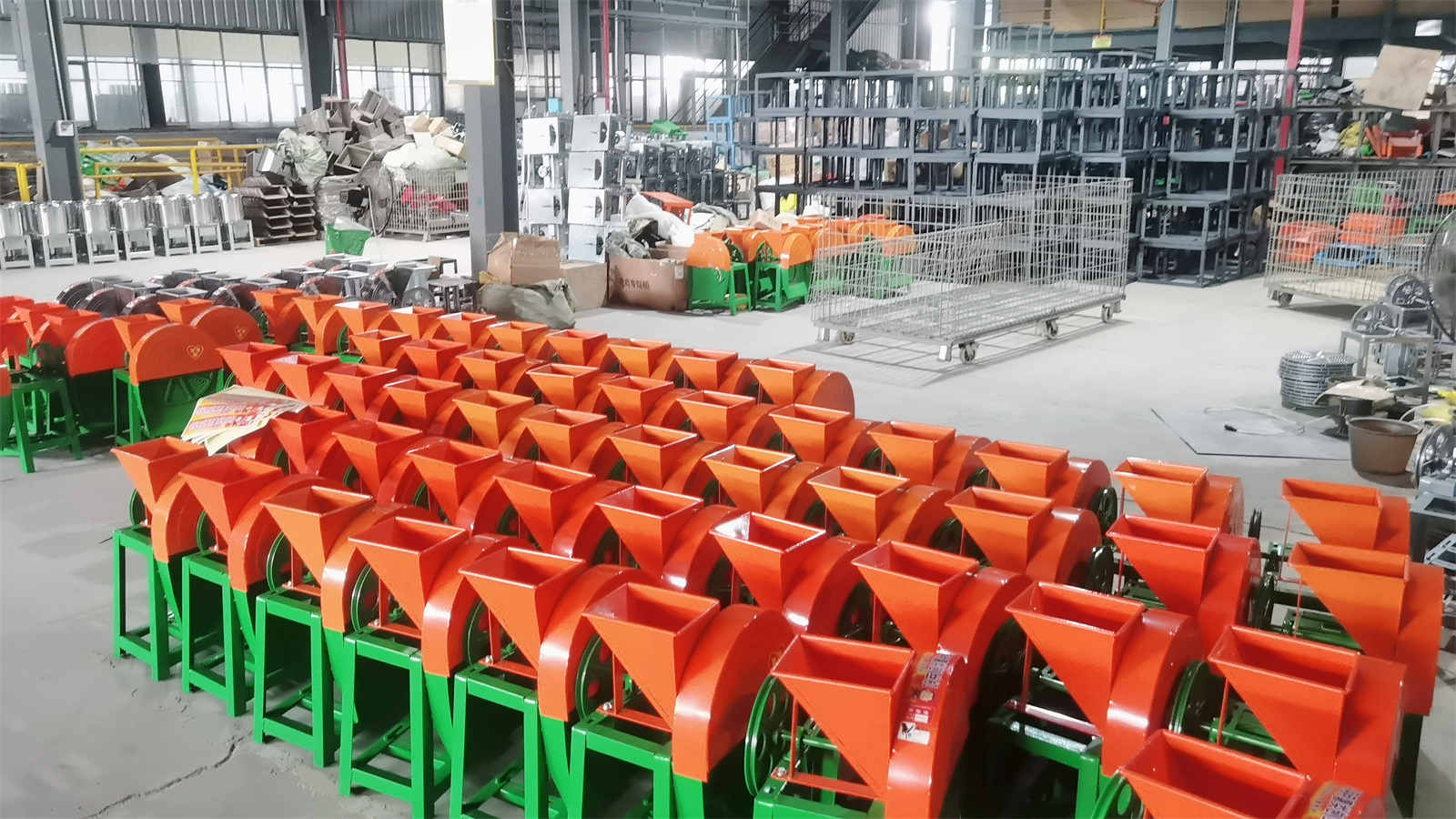
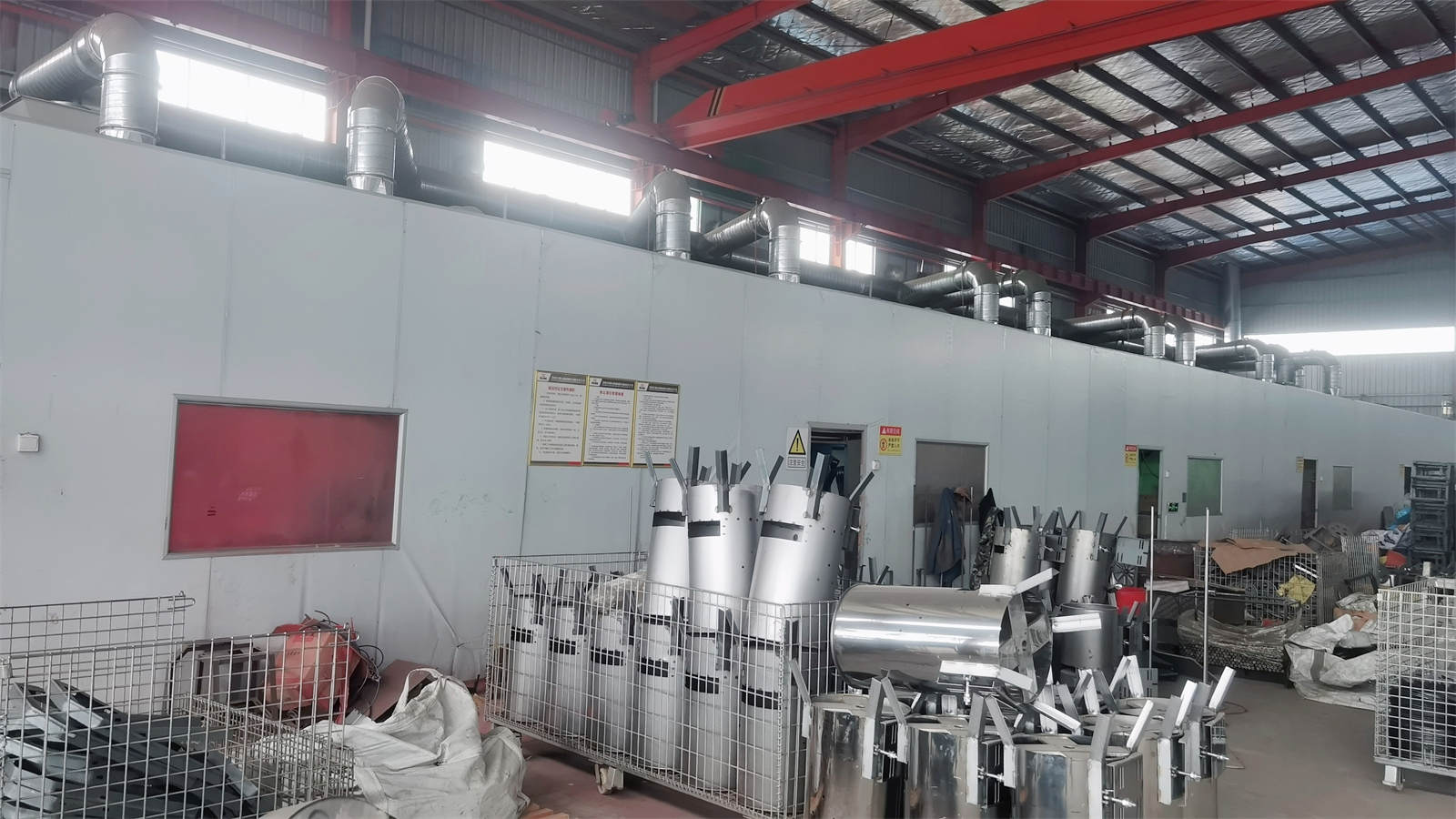
In addition, we are equipped with CNC machining centers, CNC boring machines, surface grinding machines, planers, and other high-precision manufacturing equipment. We have also established an electrostatic spraying production line to further enhance product surface quality and durability. Our manufacturing processes include steel plate laser cutting, CNC bending, CO₂ arc welding, argon arc welding, robotic welding, and electrostatic surface treatment. These advanced production technologies ensure consistent product quality and continuous innovation.
As a professional industrial solution provider, Henan Jiujie Machine Co., Ltd. delivers not only equipment but also comprehensive production solutions that enhance the overall value chain for our customers. By utilizing AutoCAD-based engineering design systems and advanced machining centers, we are able to provide high-precision, durable products at competitive prices. We are committed to offering complete pre-sales consultation, technical support, and reliable after-sales service.
Key criteria for international procurement managers when evaluating dry separation equipment suppliers.
For procurement officers in major international engineering firms, agricultural conglomerates, and pharmaceutical organizations, selecting a supplier for bulk handling machinery extends beyond basic pricing. It involves evaluating long-term operational integrity and comprehensive system compatibility:
Verify that the factory provides certified material mill test reports (EN 10204 3.1) for all product contact surfaces, particularly in pharmaceutical and food applications requiring SS316L. Ensure full CE and ISO compliance documentation is provided for electrical circuits and pressurized vessels.
Equipment must integrate seamlessly with existing lines. Our engineering department uses AutoCAD to design custom layouts, matching flange types, height clearances, and inlet/outlet diameters to align perfectly with upstream processing loops.
Evaluate availability of consumable components like screens, gaskets, and transducers. Standardizing mesh frames simplifies supply chain management, ensuring replacement parts can be sourced easily to prevent costly operational downtime.
Expert technical insights regarding operation, setup, and performance of ultrasonic screening technology.
A standard vibratory sifter relies on low-frequency mechanical energy (15-50 Hz) which can cause fine powders to blind the screen. An ultrasonic sifter applies a high-frequency micro-vibration (28-40 kHz) directly to the mesh. This reduces surface friction, breaks down agglomerates, and prevents screen clogging without requiring mechanical clearing aids like rubber bouncing balls.
Highly cohesive, electrostatic, light-density, or sticky powders benefit the most. This includes pharmaceutical APIs, battery powders (lithium iron phosphate), metal powders for additive manufacturing, electrostatic toner, cosmetic pigments, and fine food ingredients like starches, cocoa, and powdered sugars.
Yes. In bulk handling lines processing abrasive materials like quartz sand, cement, or fly ash, ultrasonic systems prevent fine dust screen blinding. We use thicker mesh configurations and hard-chrome coatings on contact areas to protect the equipment and prolong the service life of the screening assembly.
We use premium food-grade SS304 or SS316L stainless steel for all contact components. Internal welds are ground smooth and polished to a mirror finish (Ra < 0.4 microns) to eliminate product traps, and we use pharmaceutical-grade silicone or PTFE gaskets that comply with FDA requirements.
We offer comprehensive technical support, including AutoCAD layout integration, test trials, installation guidance, and a reliable supply of replacement meshes and transducers. All processing machinery carries full warranties alongside direct access to our engineering team.
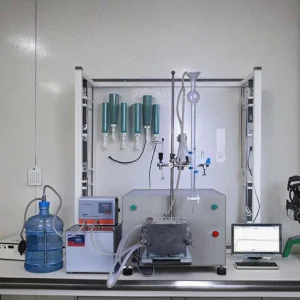
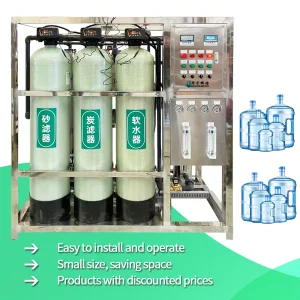
Explore our complete range of processing equipment, testing instrumentation, and automated packaging systems.
 Jiujie Machine