Product Description
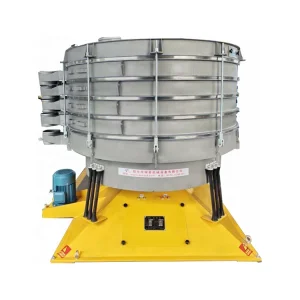
Brief Introduction of 450 Vibration filter machine
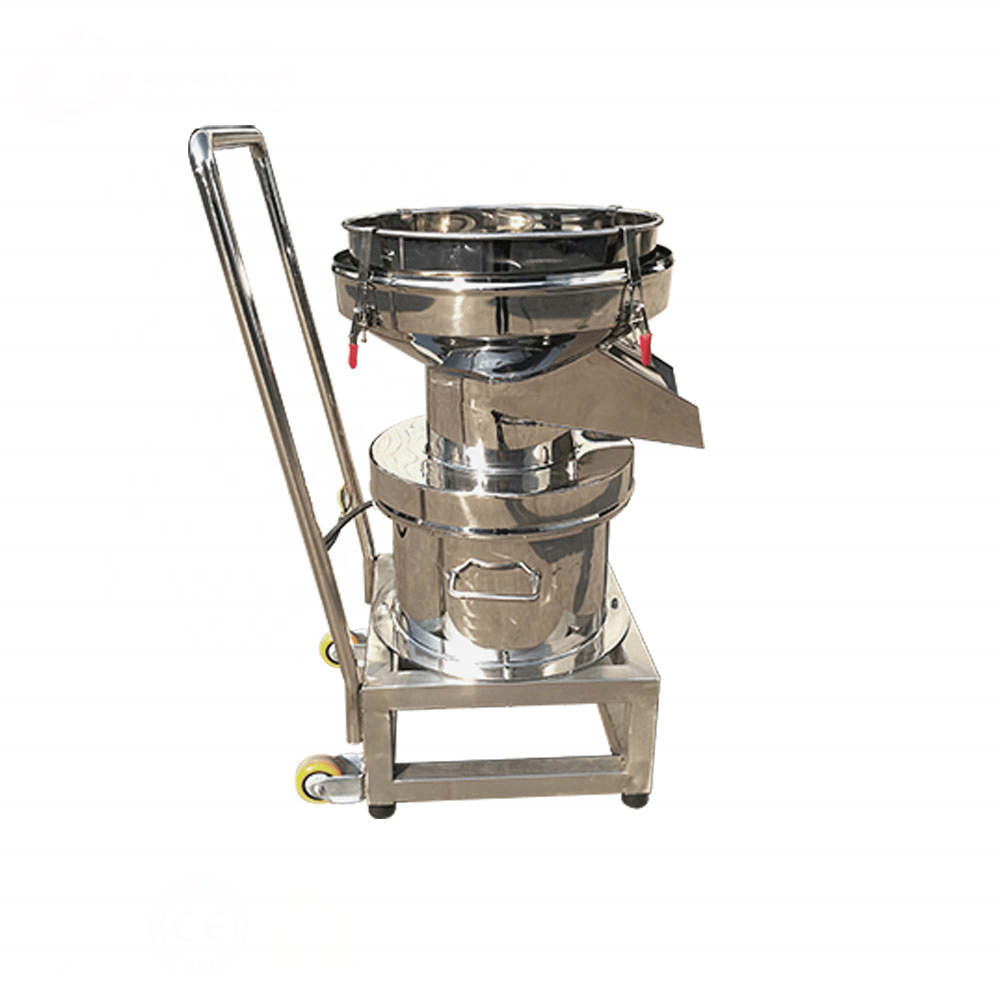
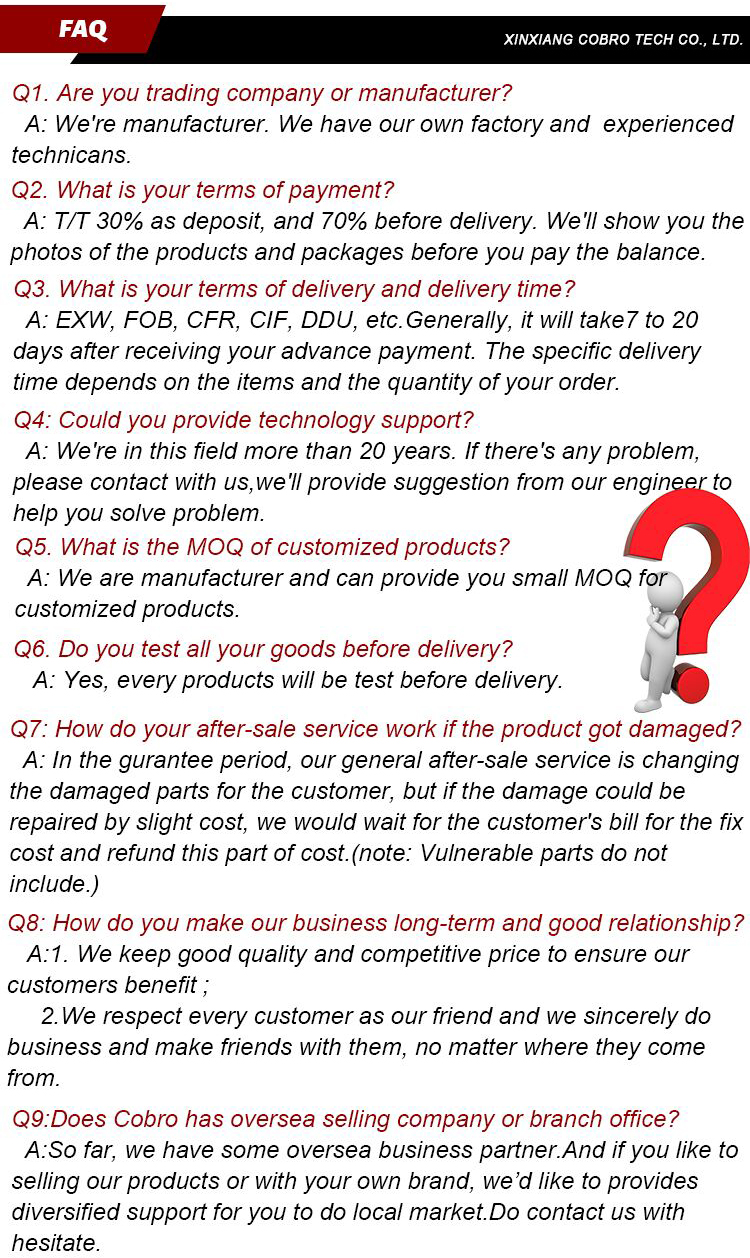
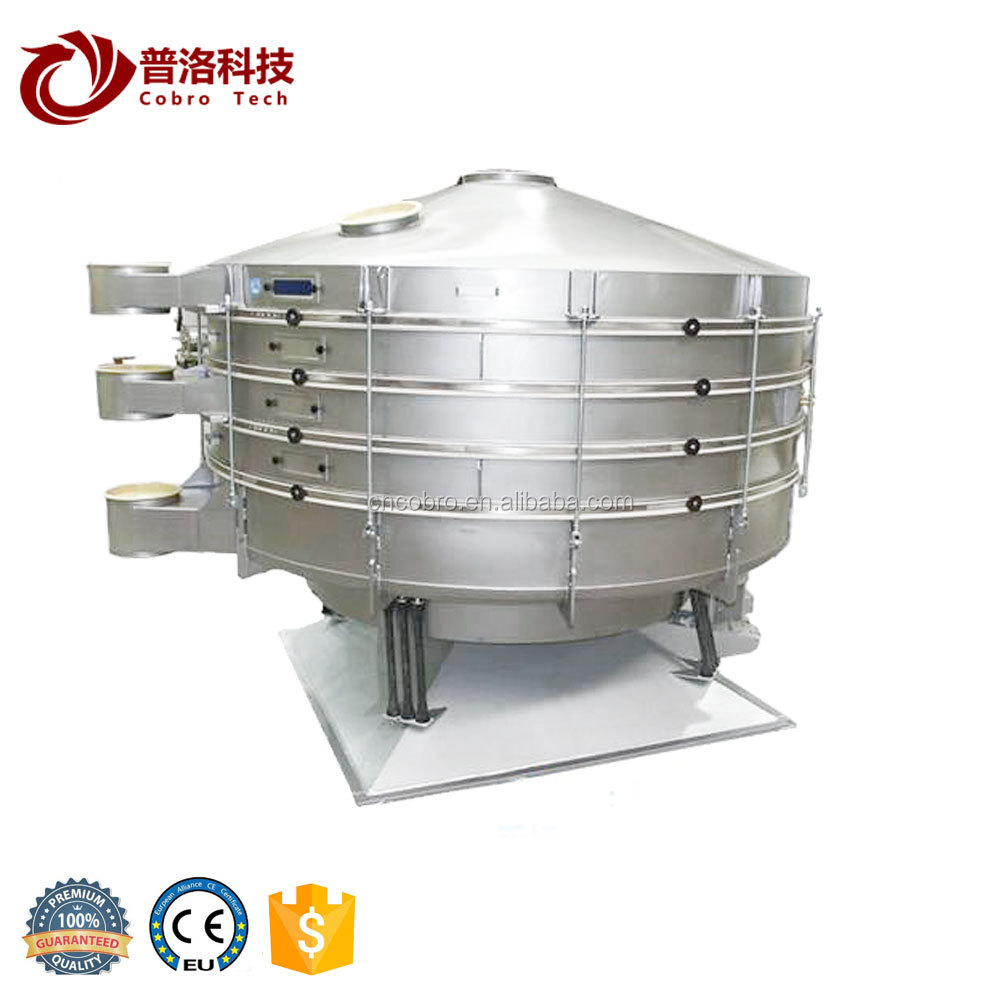
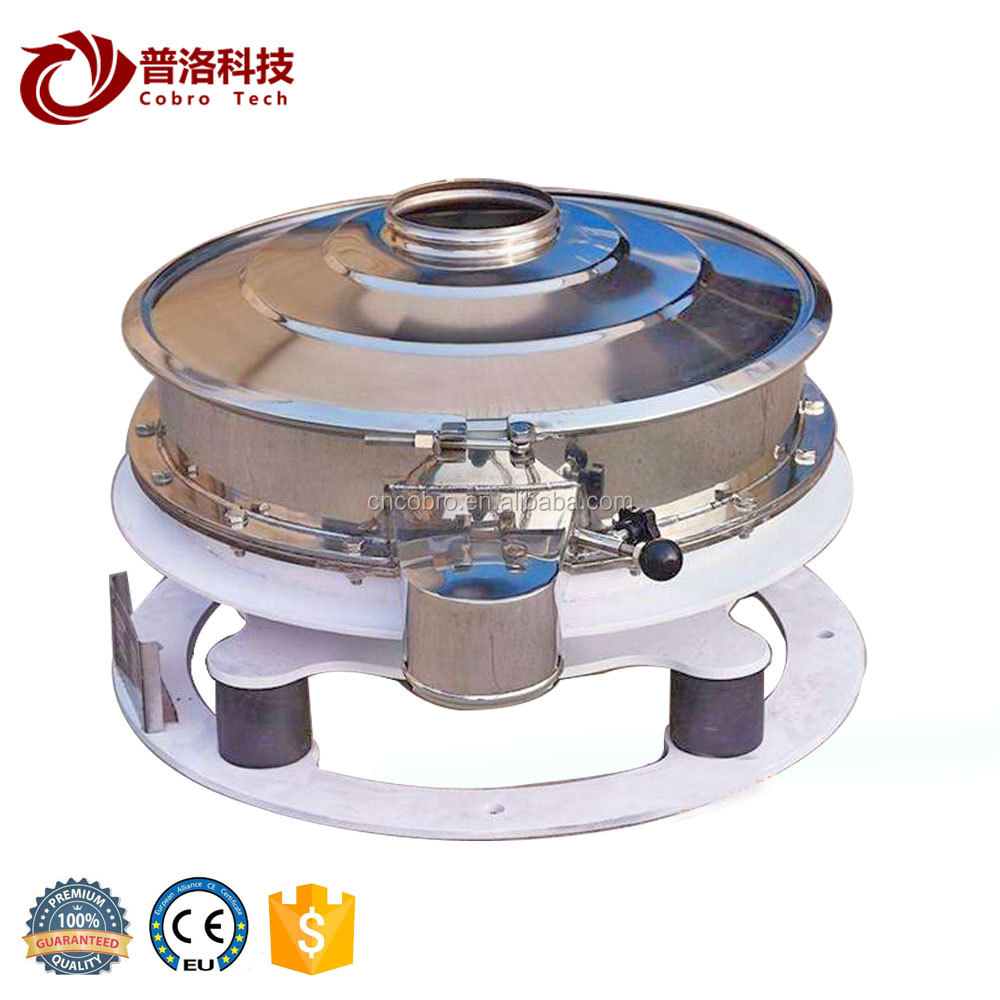
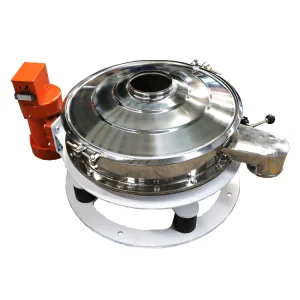
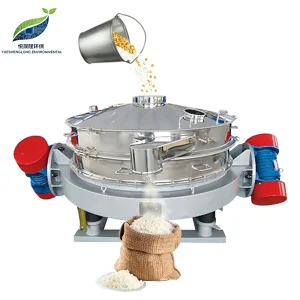
PL-450 type vibration filter is a new and highly-efficiency filtrate equipment. It can be widely used in the filtering and screening work of pasty and powder. The minimum size of the material to process can be 5 micron, and the maximum number of the mesh is 400. It mainly applies for the small process capacity industry, like ceramic, painting, dope, printing ink, pharmacy, food and etc.
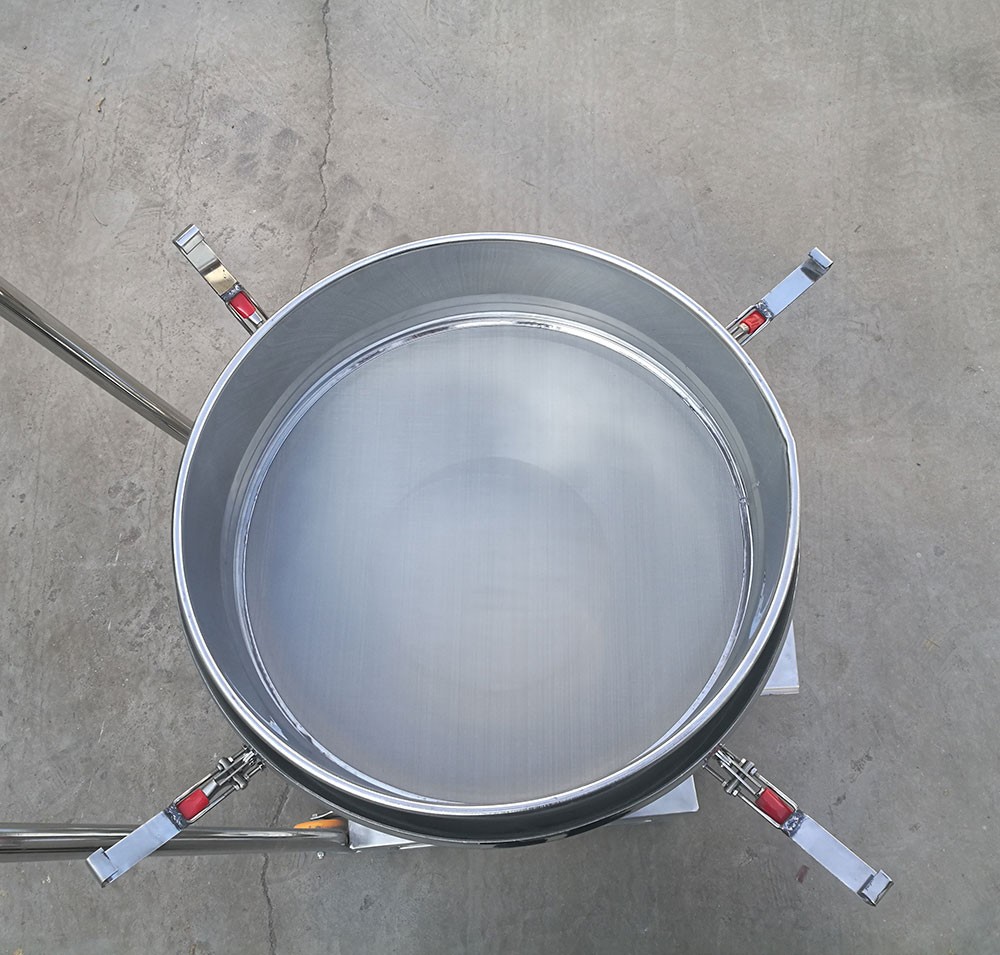
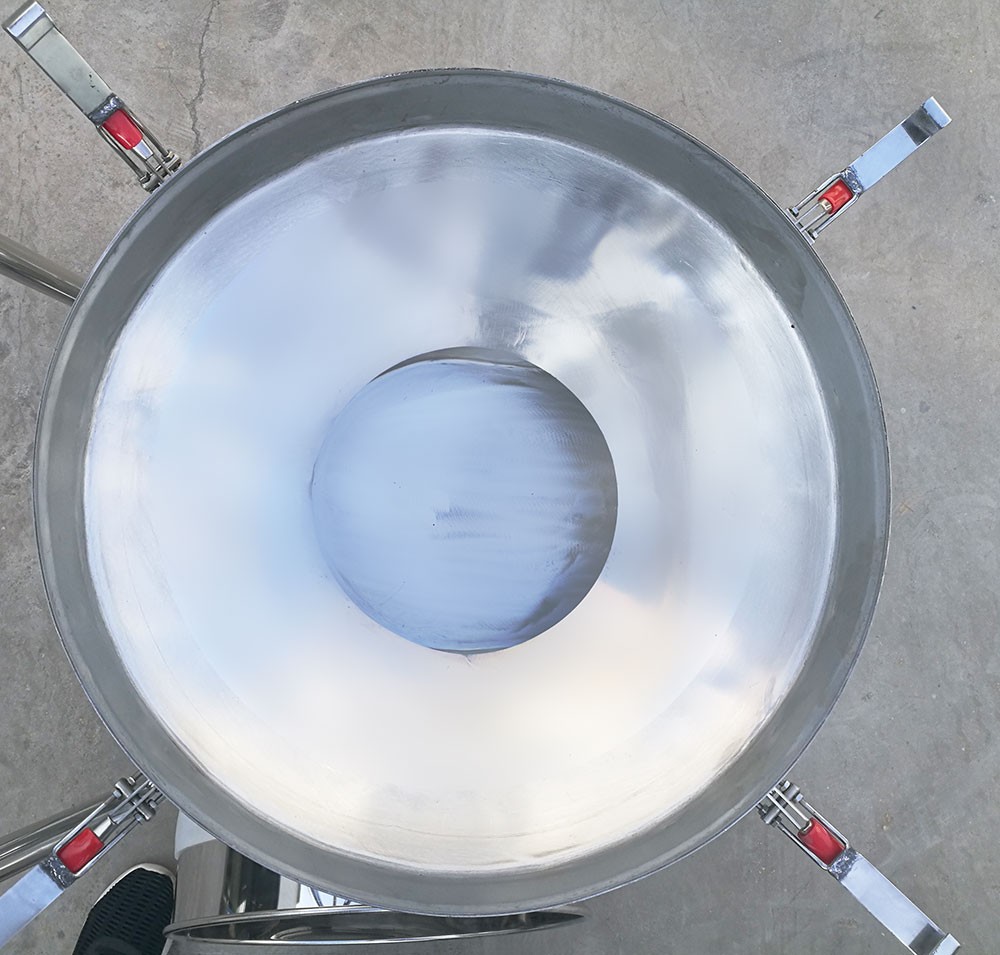
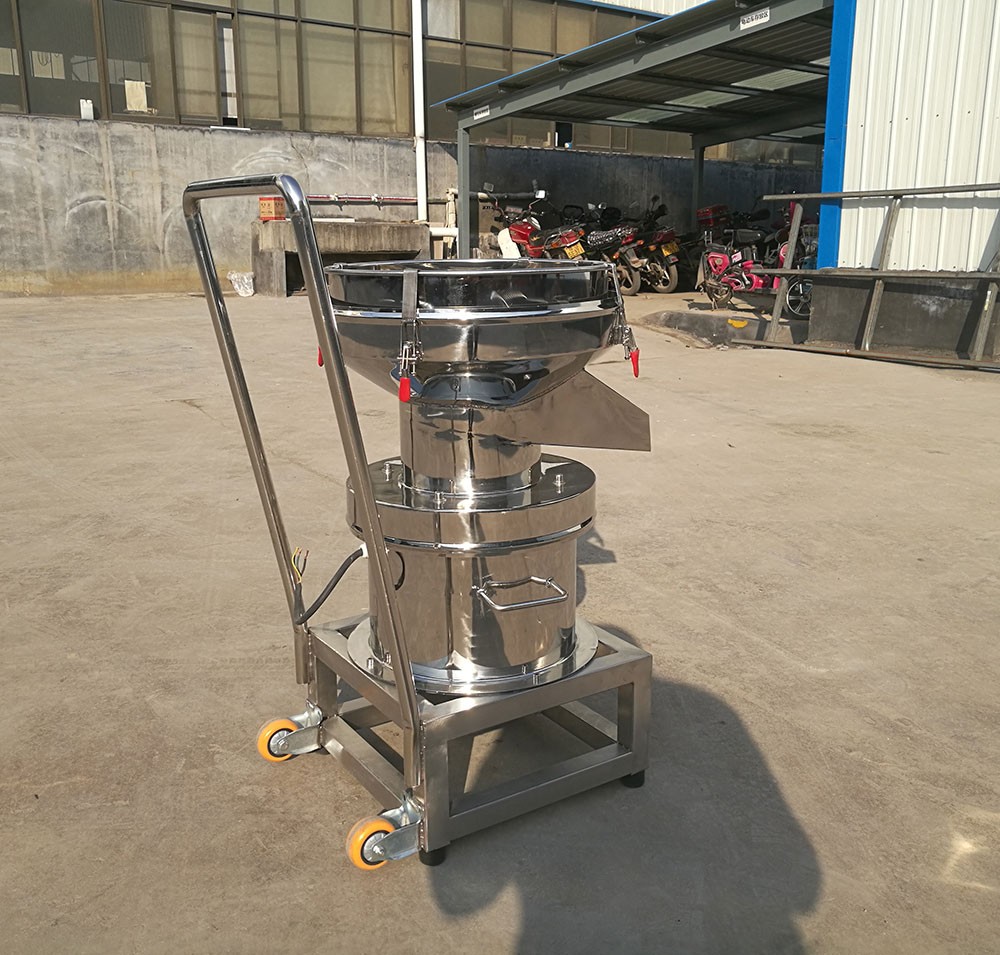
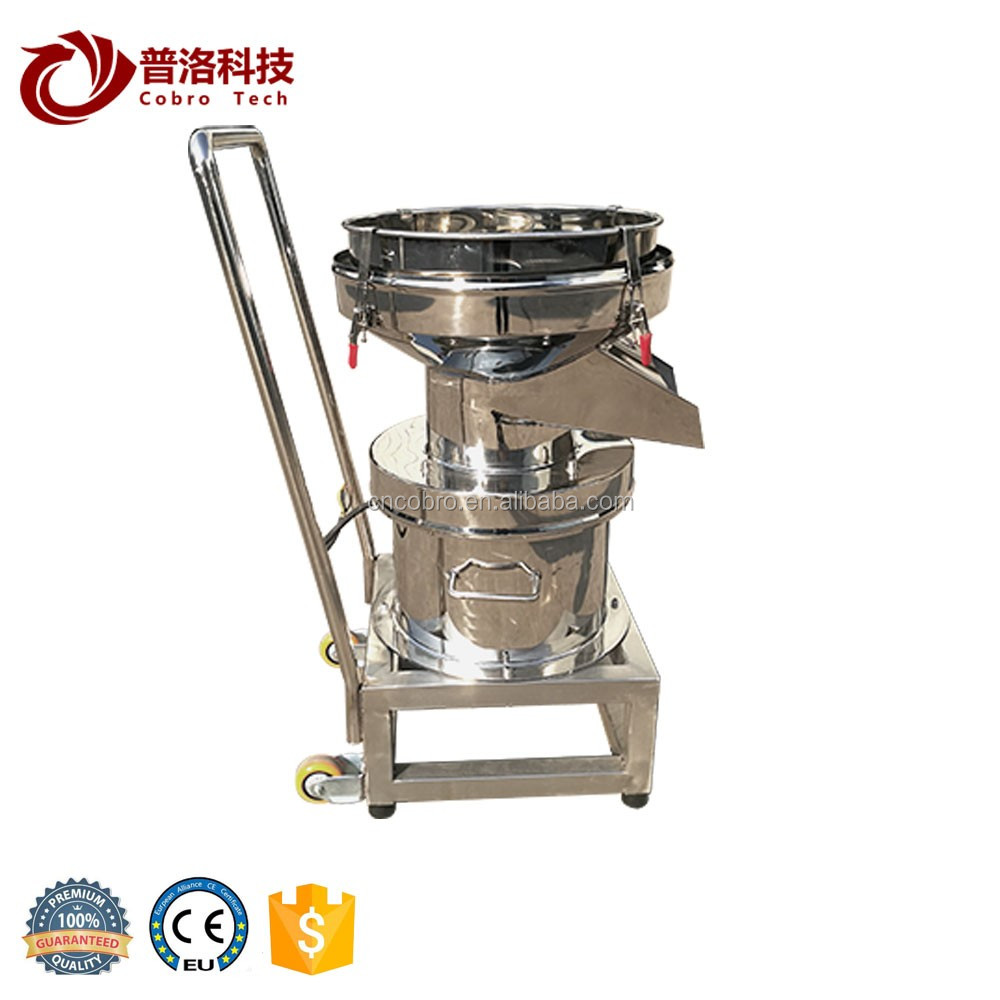
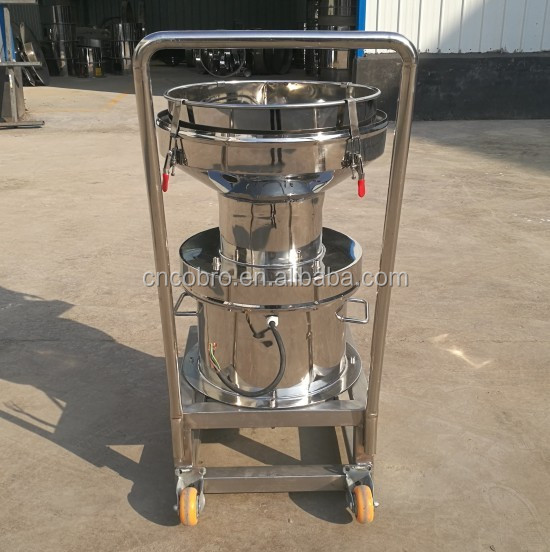
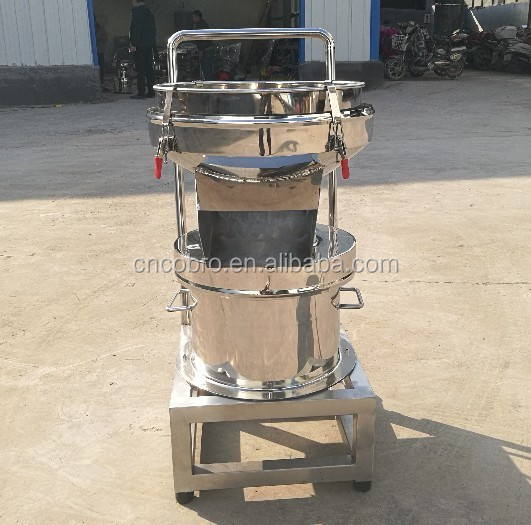
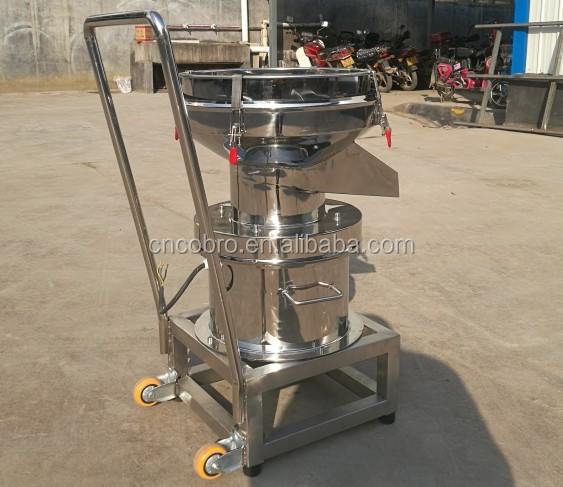
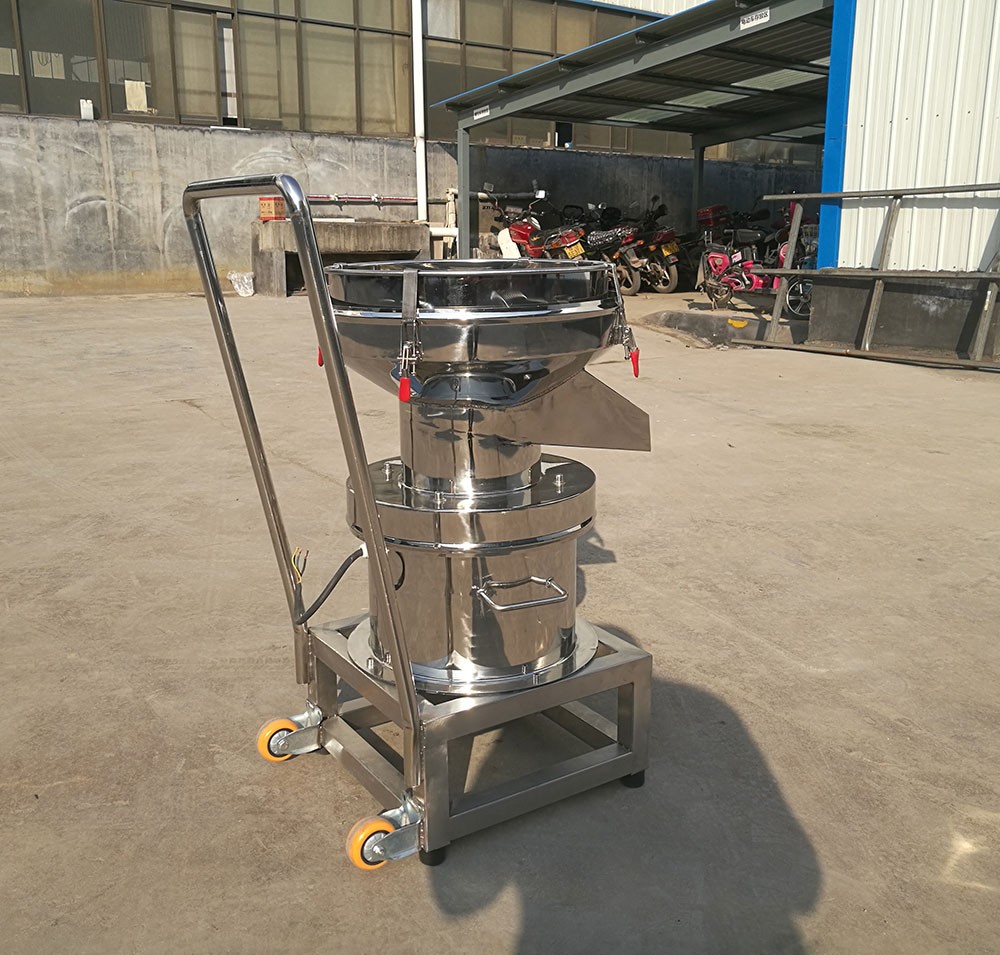
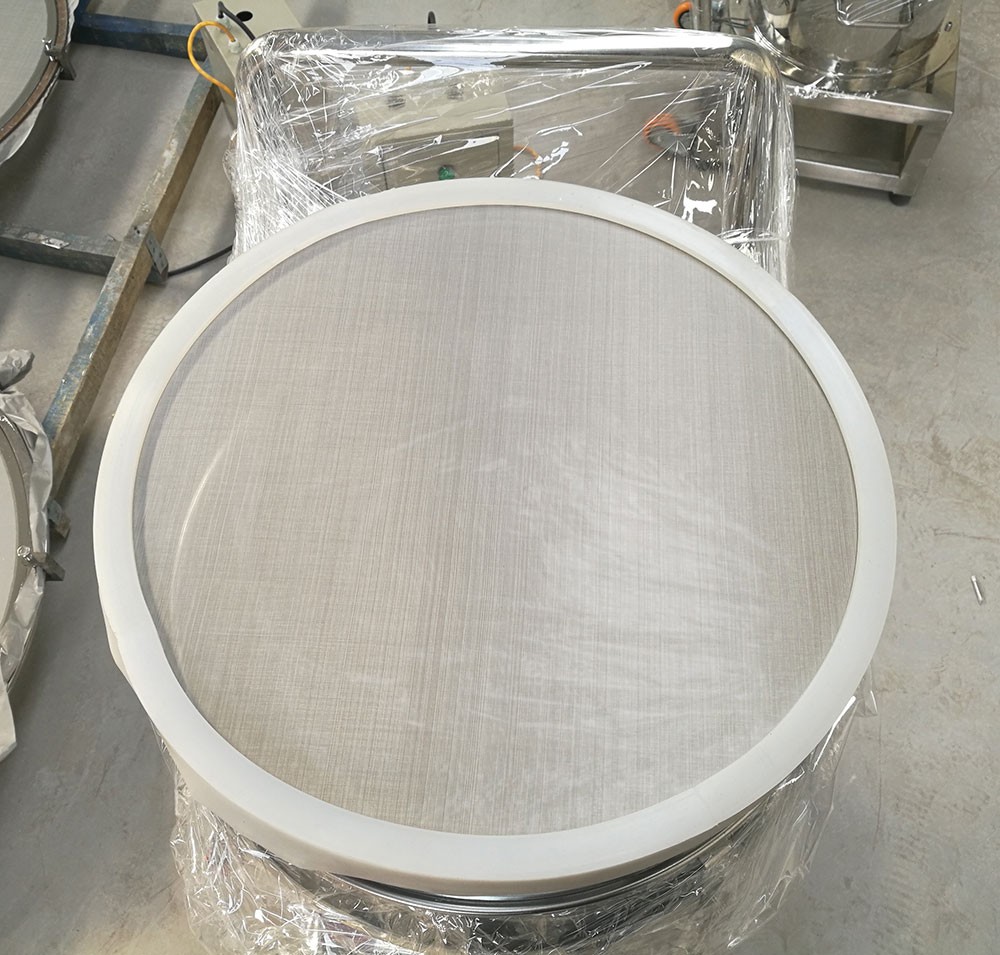
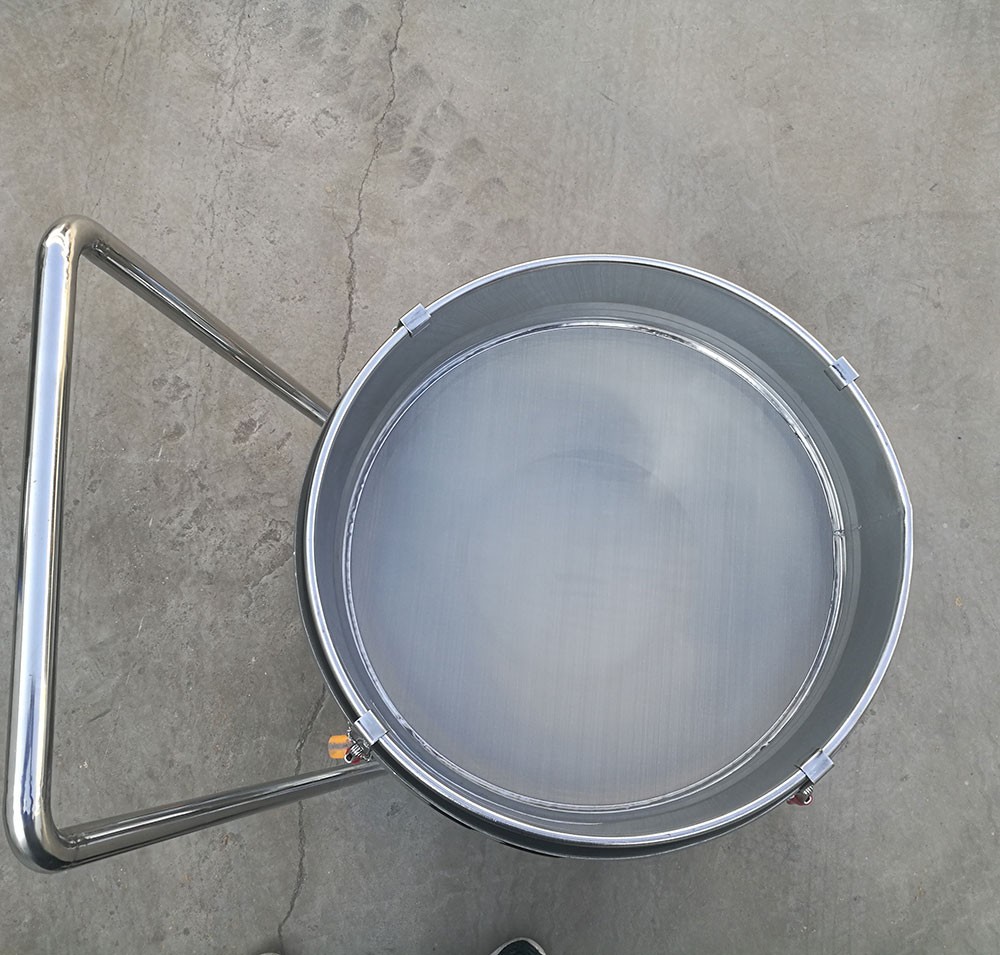
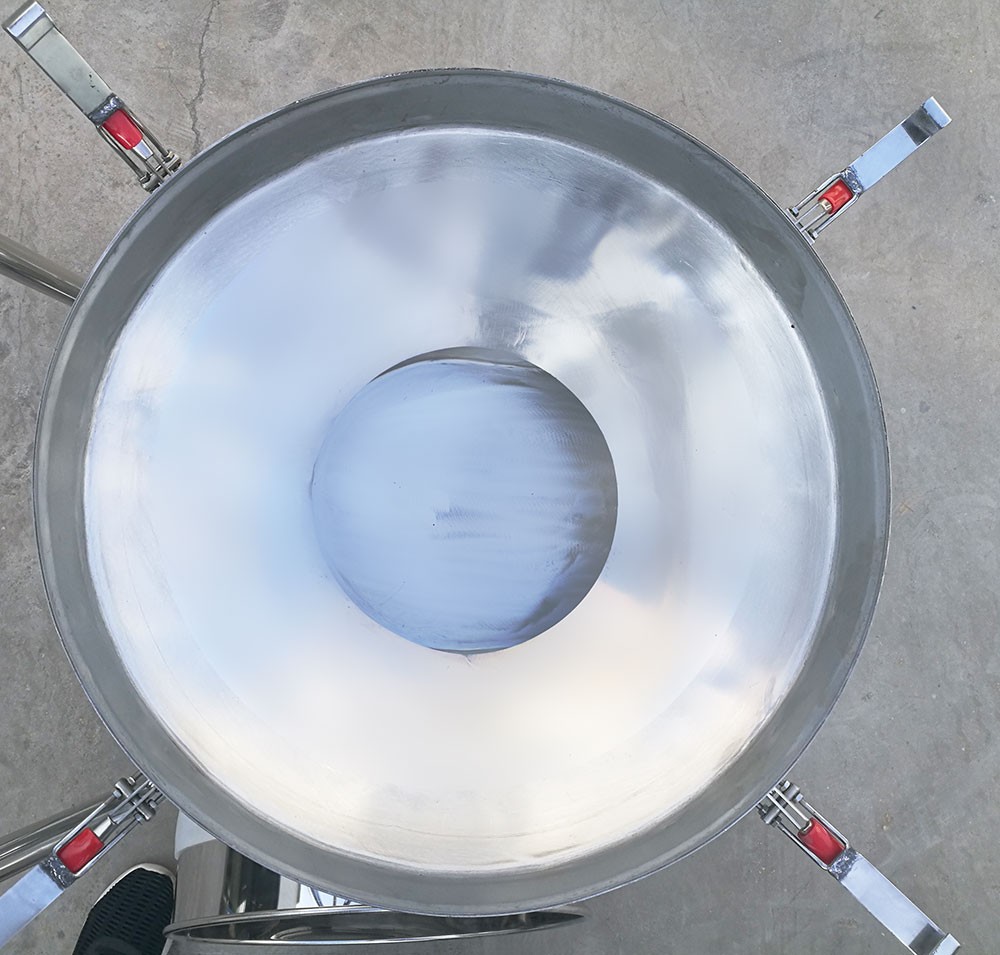
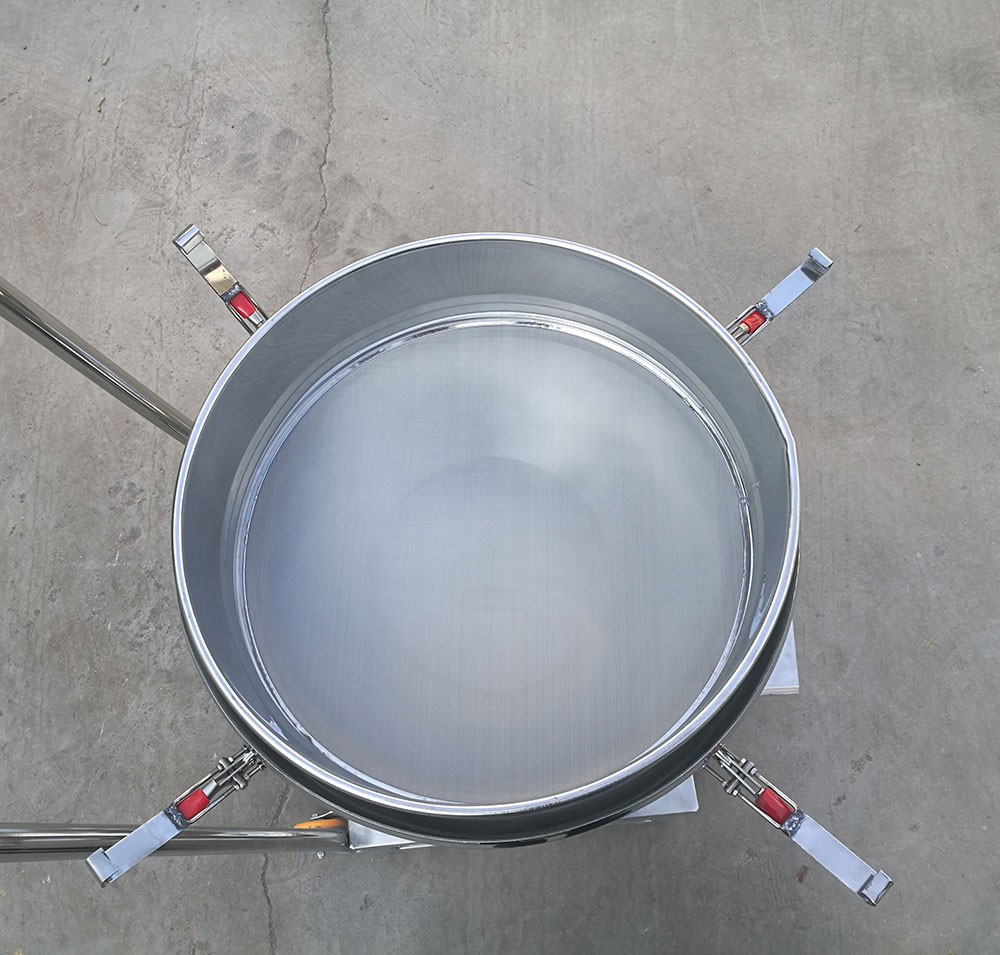
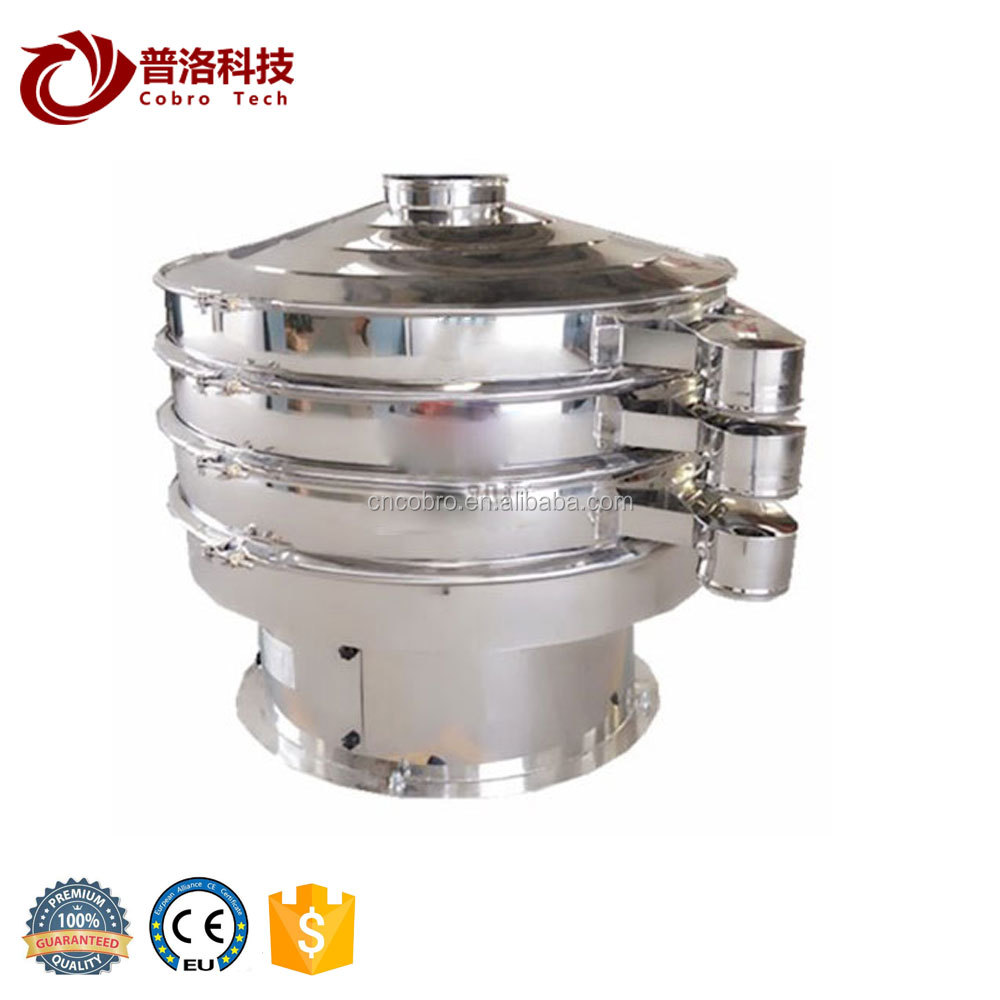
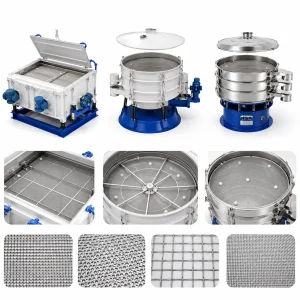
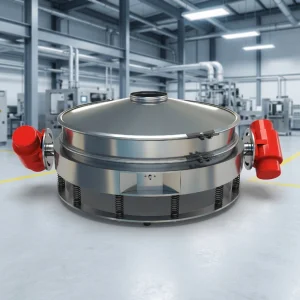
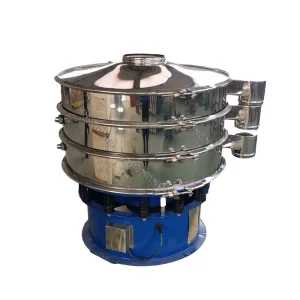
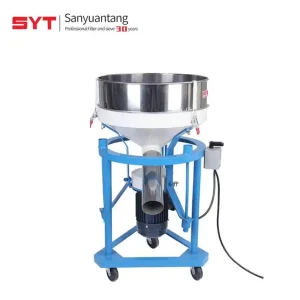
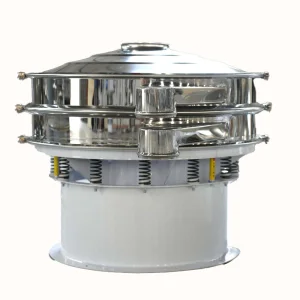
The 450 type machine consists of the machine body, vibrating motor, outlet hopper, sieve griddle, and e-control device. The machine adopts a new vibration structure which is more stable, highly efficient, and easily handled. The machine features a good-looking design, reasonable structure, stable performance, and is easy to clean, handle, and change griddles. Especially, it can satisfy the need for changeable locations.
Features
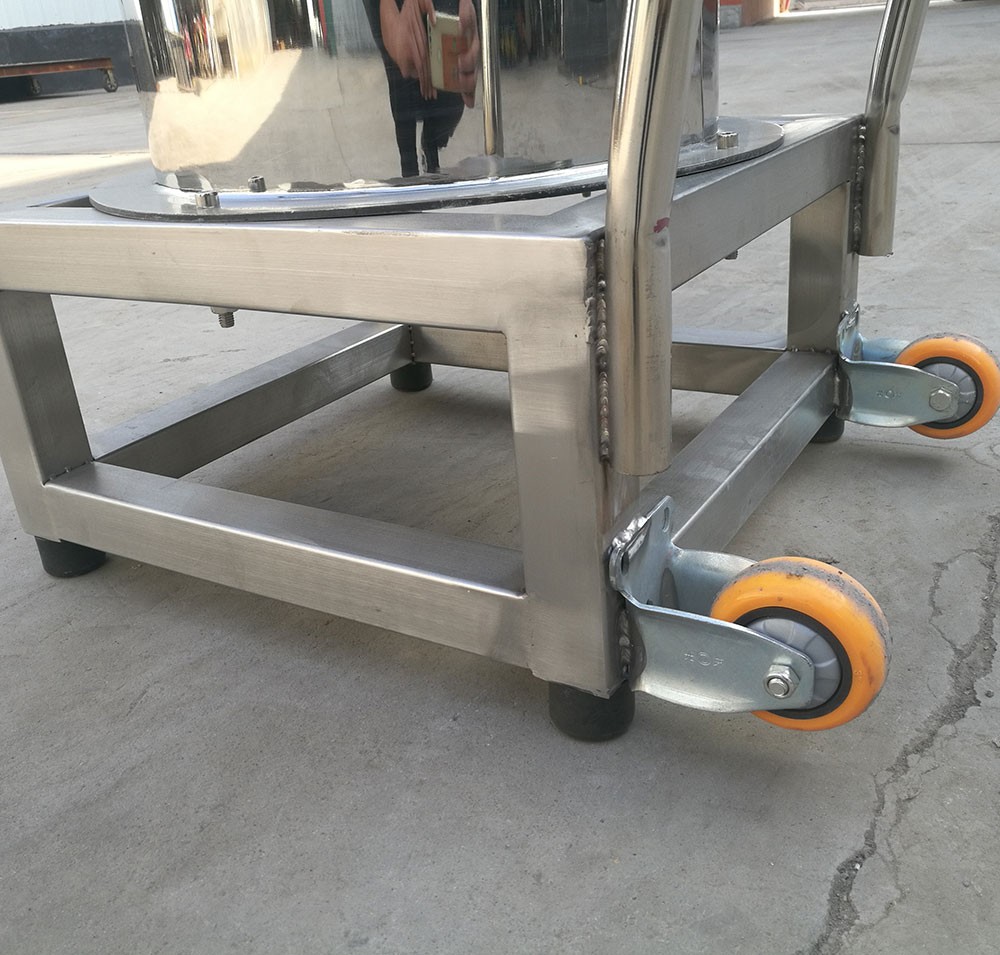
PL-450 series screen-filter is a highly efficient, low noise, and small volume screen and filtration machine which can be displaced easily.
- The process capacity of the spray-painting material whose bulk density is 1.1t can reach 1200KL/H, when the screen is of 325 mesh.
- The process capacity of flour is 700Kg/H, when the screen is of 30 mesh.
- For indoor paint, the process capacity is 1.5 cubic meters per hour with a screen of 250 mesh.
| Model |
Diameter |
Frequency |
Power |
Power supply |
Mesh size |
| PL-450 |
450mm |
1450rpm |
0.25kw |
220V/380V |
0.038-3mm |
Application
- Chemical industry: resin, pigment, industrial medicine, cosmetic, coatings, medicine powder, granules.
- Food industry: sugar powder, starch, salt, rice, milk powder, egg powder, sauce, syrup.
- Metallurgy, Mining industry: aluminum powder, copper powder, ore alloy powder, welding rod powder.
- Medical industry: all kinds of medicine.
- Waste treatment: disposed oil, disposed water, disposed dye waste water, active carbon.
Please read this before you choose the suitable model:
- 1. Material properties: Review your bulk density, water content, and granule size range.
- 2. Required data: Determine the desired output result, output per hour, mesh size, and screen deck number.
- 3. Power supply: Consult your electrical staff if unclear. An incorrect power supply will burn down the motor.
- 4. Construction material: Stainless steel 304 for material contact parts and carbon steel for other parts. Special custom options are available upon request.
Frequently Asked Questions
What materials can the PL-450 vibration filter handle?
The PL-450 type vibration filter is suitable for filtering and screening both pasty and powder materials. It handles material sizes down to 5 microns and screen sizes up to 400 mesh. It is widely used in industries such as ceramics, paint, chemicals, food, and pharmaceuticals.
What is the capacity of the PL-450 vibration filter?
The processing capacity varies by material type. For instance, it can process up to 1200 KL/H of spray-painting material (at 325 mesh), 700 Kg/H of flour (at 30 mesh), and 1.5 cubic meters per hour of indoor paint (at 250 mesh).
What materials are used in the construction of this machine?
The machine features standard construction with Stainless Steel 304 for the parts that come in contact with processed materials, while the other structural parts are made of durable carbon steel. Multi-material configurations are also optional depending on your needs.
Is the PL-450 vibration filter easy to move and clean?
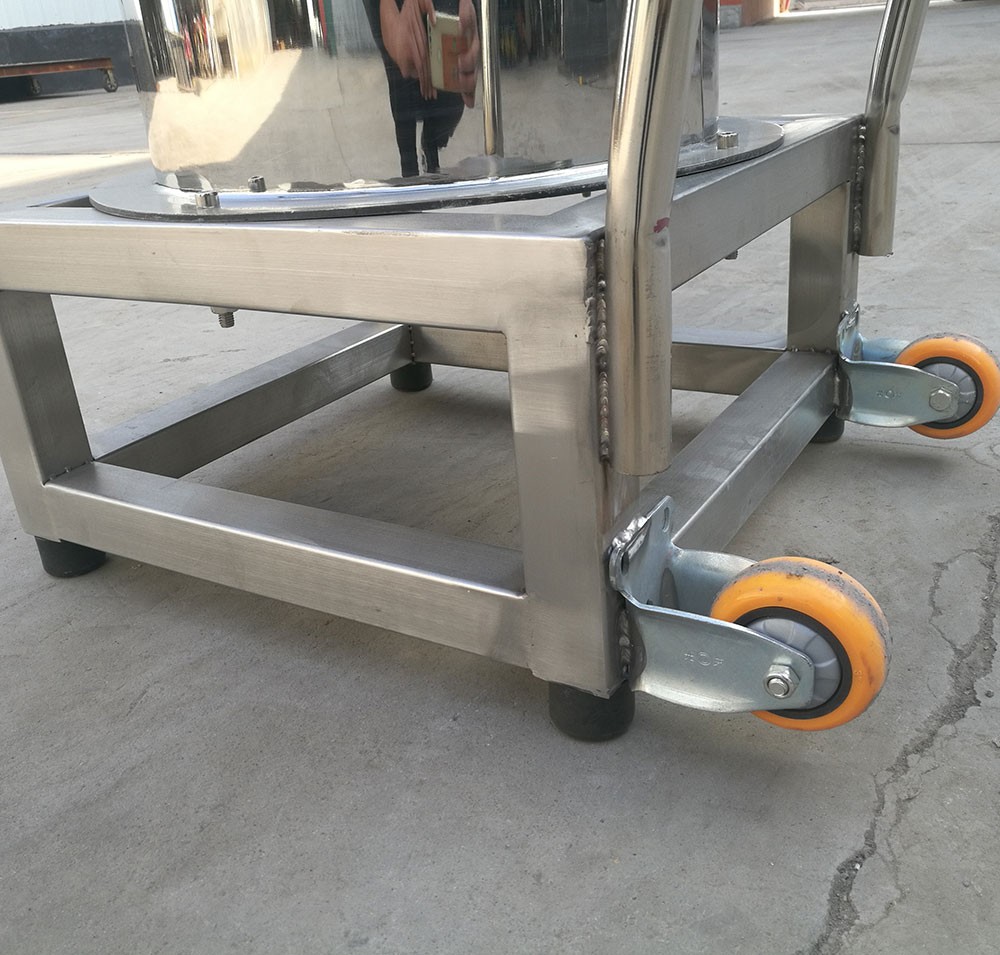
Yes, the PL-450 series features a highly portable hand cart design with castors, making it easy to displace and relocate. The quick-release clamp design and simple structure also allow the sieve griddle to be changed, cleaned, and handled easily.
What information is needed to choose the right vibration filter model?
To select the appropriate model, you should provide the bulk density, water content, and granule size range of your material, along with your required processing capacity per hour, mesh size, and the number of screen decks. You must also verify your local power supply parameters (voltage and frequency) to avoid motor burnout.
 Jiujie Machine