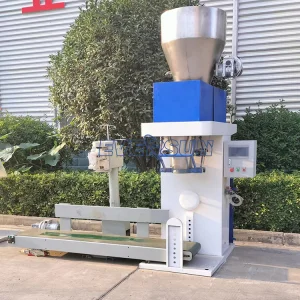
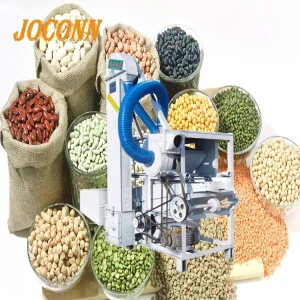
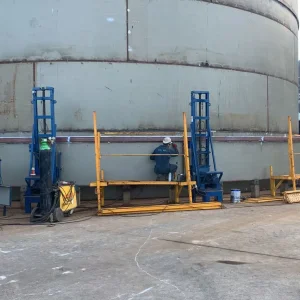
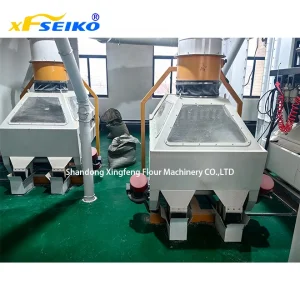
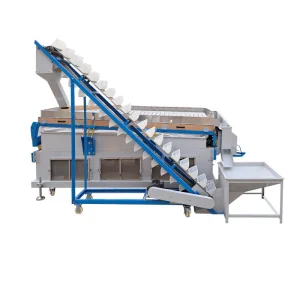
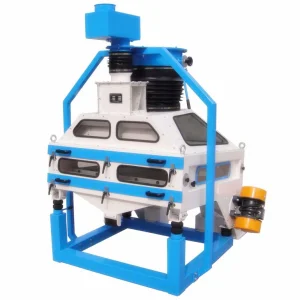
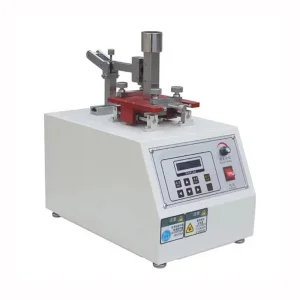
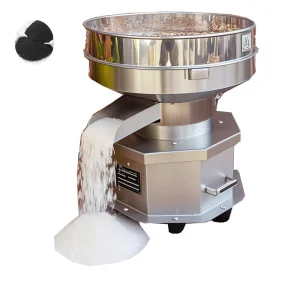
Explore our premium range of milling, sieving, destoning, and processing solutions designed to meet strict international standards.
Understanding the vital role of spray drying in modern manufacturing, food engineering, and high-efficiency material dehydration.
In the contemporary industrial processing sector, the demands for high-efficiency dehydration techniques have escalated rapidly. As a leading method for transforming liquid feeds into dry powders, spray drying technology has emerged as an indispensable cornerstone. From milk powders, instant coffees, and wheat starch derivatives to complex pharmaceuticals, catalysts, and advanced ceramics, the application of precise thermal atomization dictates the final quality, solubility, and shelf-life of products. China has consolidated its position as a primary exporter of this equipment by merging heavy-duty engineering expertise with competitive cost-efficiency and robust quality control systems.
A global shift towards automation, energy recovery, and sustainable manufacturing has forced exporters to evolve. Modern installations must now provide more than basic drying. They must integrate smart control protocols, minimize emissions, and achieve strict sanitary standards, such as those set by European and North American agencies. For exporters like Henan Jiujie Machine Co., Ltd., this commercial evolution requires constant technological improvement. By offering customized process engineering that spans the entire value chain—from initial raw material washing and sorting to advanced powder milling, classifying, and final packaging—we ensure that international buyers receive an integrated, highly reliable production setup.
Industrial operations rely on spray drying to handle heat-sensitive materials. By atomizing liquids into a fine mist, the surface area increases exponentially. This allows instantaneous moisture evaporation within milliseconds, preserving the essential proteins, nutrients, or chemical properties of the target substance.
With rising fuel and electricity costs globally, modern spray drying setups utilize advanced heat recovery systems. Recirculating exhaust gases through gas-to-gas heat exchangers reduces fuel consumption by up to 25%, presenting a sustainable option for high-capacity manufacturers.
Our commitment to engineering progress outlines a clear path for future-proofing powder processing systems.
“Excellence in powder engineering is achieved at the intersection of thermal precision and mechanical durability. Our global export strategy focuses on providing reliable, high-yield processing systems that operate continuously in demanding industrial environments.”
Integrating agricultural raw material processing with advanced drying technologies to meet localized market demands.
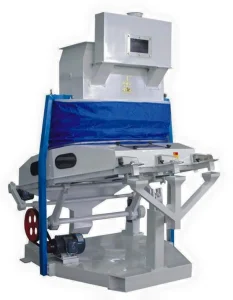
As an experienced industrial machine exporter, Henan Jiujie Machine Co., Ltd. understands that a one-size-fits-all approach does not work in international markets. Operating environments, raw material characteristics, and regional grid stabilities vary significantly. For instance, in agricultural hubs across East Africa (such as Kenya and Zimbabwe), processing maize, wheat, and local grains requires robust, mechanical machinery that can handle inconsistent power supply. In these scenarios, heavy-duty gravity destoners, high-capacity milling machines, and mechanical screw-jacking storage systems form the backbone of local food security. Our systems are designed to operate efficiently under these conditions, prioritizing minimal downtime and easy maintenance.
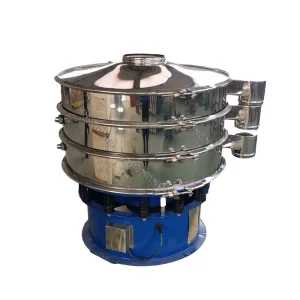
Conversely, in high-regulation zones such as Western Europe or North America, the emphasis shifts toward absolute automation, zero-waste processing, and strict sanitation certifications (CE, ISO, EHEDG). Our waterless grain cleaning equipment addresses these regional ecological requirements by removing impurities, dust, and stones without using water, eliminating the need for industrial wastewater treatment facilities. Additionally, when processing specialty starches, gluten, or protein isolates, integrating inline vibrating sifters and advanced drying systems ensures that the final powder product meets rigorous commercial particle-size distributions and moisture content targets.
| Target Region | Primary Industrial Goal | Recommended Machine Systems | Key Engineering Focus |
|---|---|---|---|
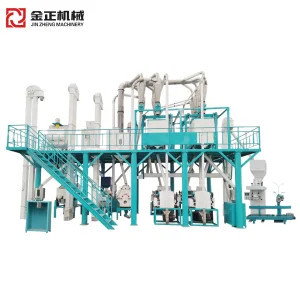
| Africa & South America | High-capacity flour milling, starch production, local grain storage. | Gravity destoners, 50-300 TPD milling plants, screw-jacking grain silos. | High structural durability, mechanical reliability, cost-effective power usage. |
| Europe & North America | Specialty chemical powders, gluten analysis, strict environmental compliance. | Waterless cleaning lines, automatic inline sifters, CE-certified PLC packaging. | Dust-free operation, energy recovery systems, automated CIP integration. |
| Asia Pacific | Rapid scale food processing, instant powder beverages, seasoning powders. | Vibrating screen separators, fast-cycle packaging systems, customized dryers. | High throughput speed, flexible product changeovers, small footprint layouts. |
A trusted global supplier of complete equipment and engineering services for food production and grain processing industries.
Henan Jiujie Machine Co., Ltd. is a professional supplier of complete equipment and engineering services for the food production and grain processing industries. Our business covers a wide range of applications, including wheat flour milling plants, feed processing factories, and rice processing plants. Our product portfolio includes conveying equipment, cleaning equipment, flour milling equipment, and other related machinery. Over the years, our products have been widely recognized by customers both in domestic and international markets.
Since its establishment, Henan Jiujie Machine Co., Ltd. has been dedicated to the research and development of grain processing technology and machinery. With extensive industry experience, we are able to provide integrated solutions across the entire grain and food processing industrial chain. Our solutions cover multiple stages, including raw material collection, storage, cleaning, grading, sieving, grinding, mixing, shaping, production, and packaging.
Our flour milling equipment has obtained the ISO9001 quality management system certification and CE certification. The environmental protection standards of our equipment comply with relevant EU requirements. Our grain cleaning process is designed to operate without water usage, ensuring no wastewater discharge and supporting environmentally friendly production.
Our products are characterized not only by stable performance but also by easy installation, convenient maintenance, and low operating costs. With advanced technology, reliable quality, and modern design, our equipment has earned high appreciation from clients worldwide.
As a professional industrial solution provider, Henan Jiujie Machine Co., Ltd. delivers not only equipment but also comprehensive production solutions that enhance the overall value chain for our customers.
By utilizing AutoCAD-based engineering design systems and advanced machining centers, we are able to provide high-precision, durable products at competitive prices. We are committed to offering complete pre-sales consultation, technical support, and reliable after-sales service. Customer satisfaction is always our top priority. We sincerely welcome partners and friends from all over the world to contact us and cooperate for mutual success.
Advanced CNC technology, precision machining, and systematic quality control ensure reliable equipment manufacturing.
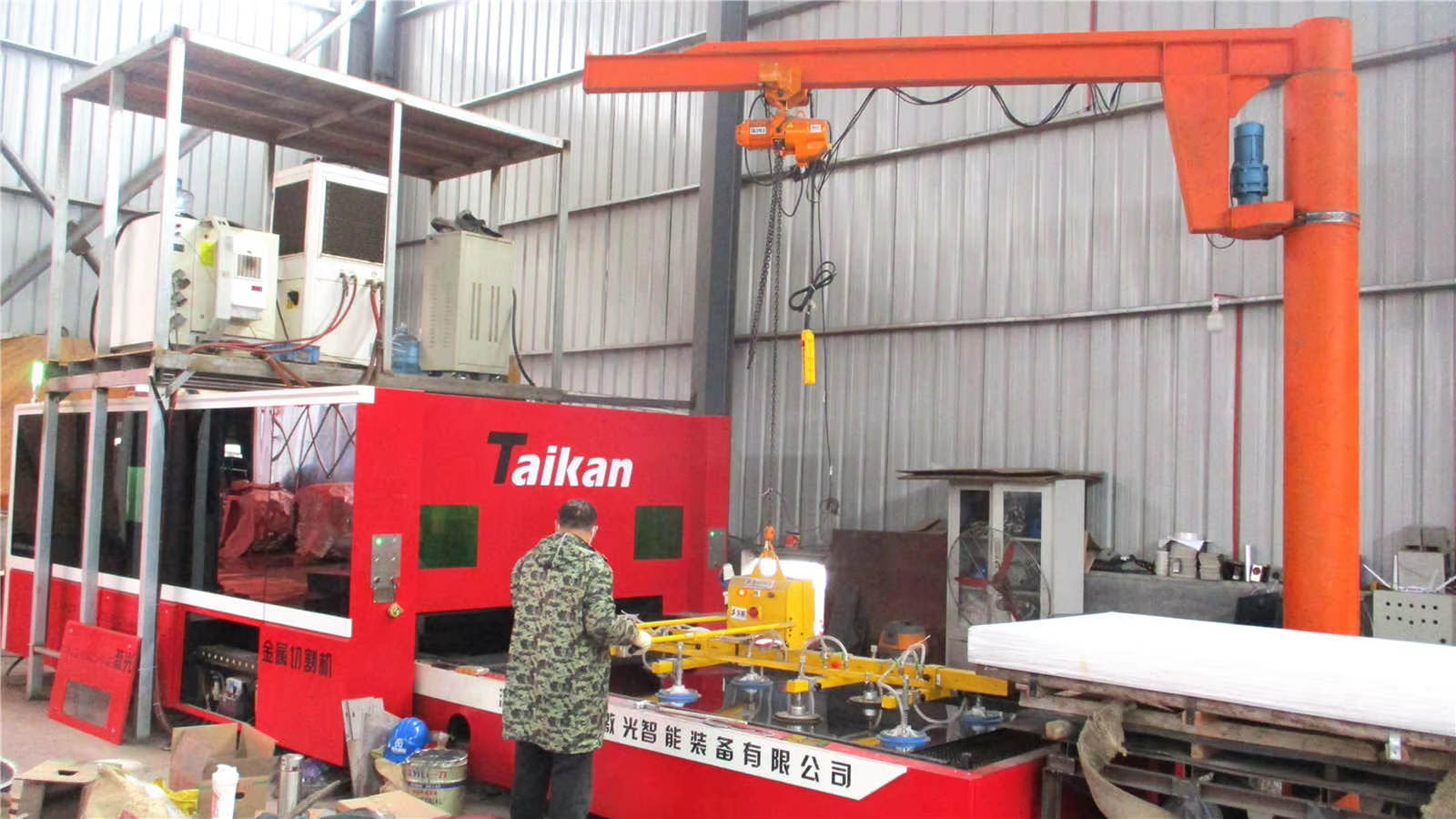
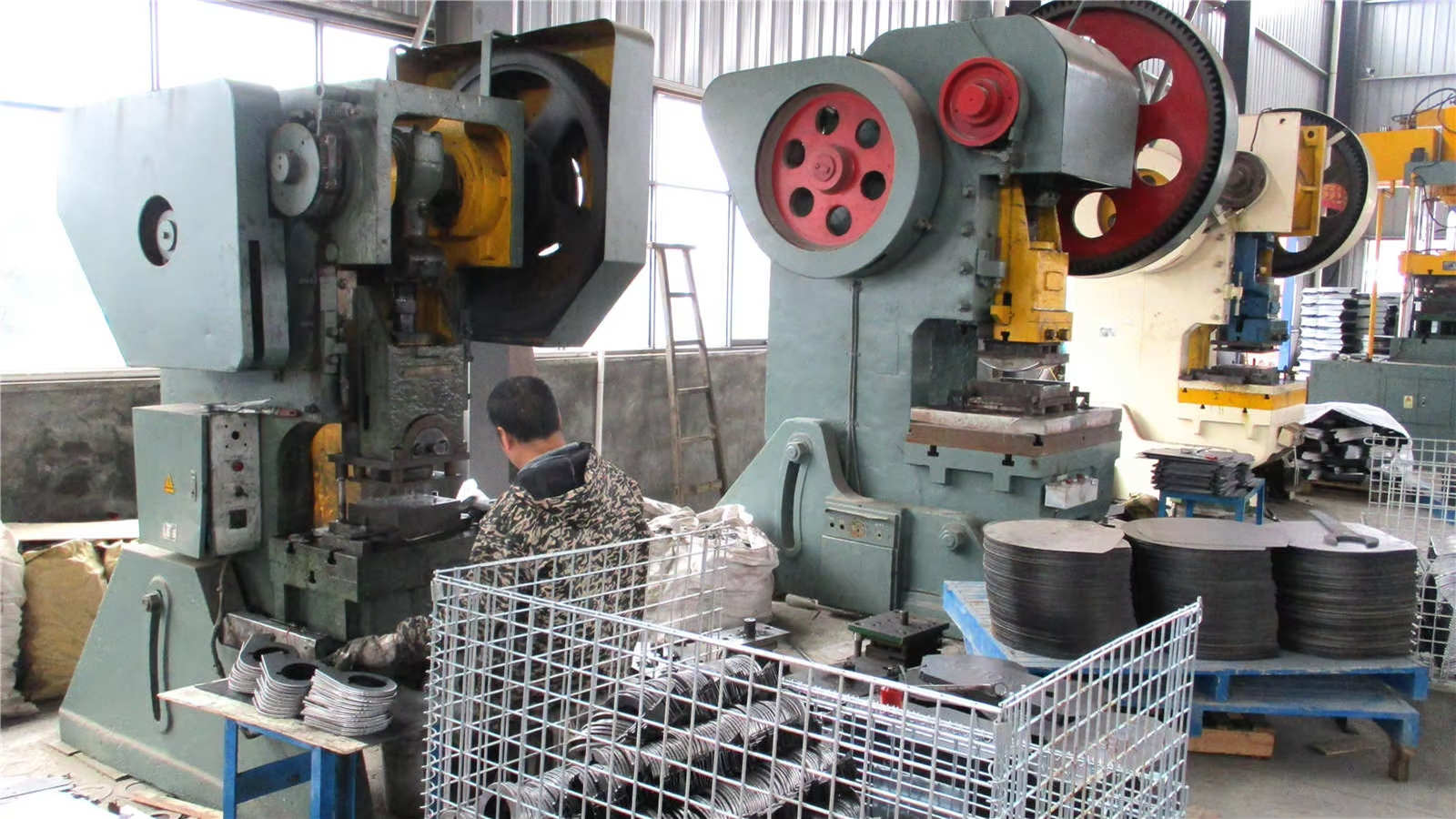
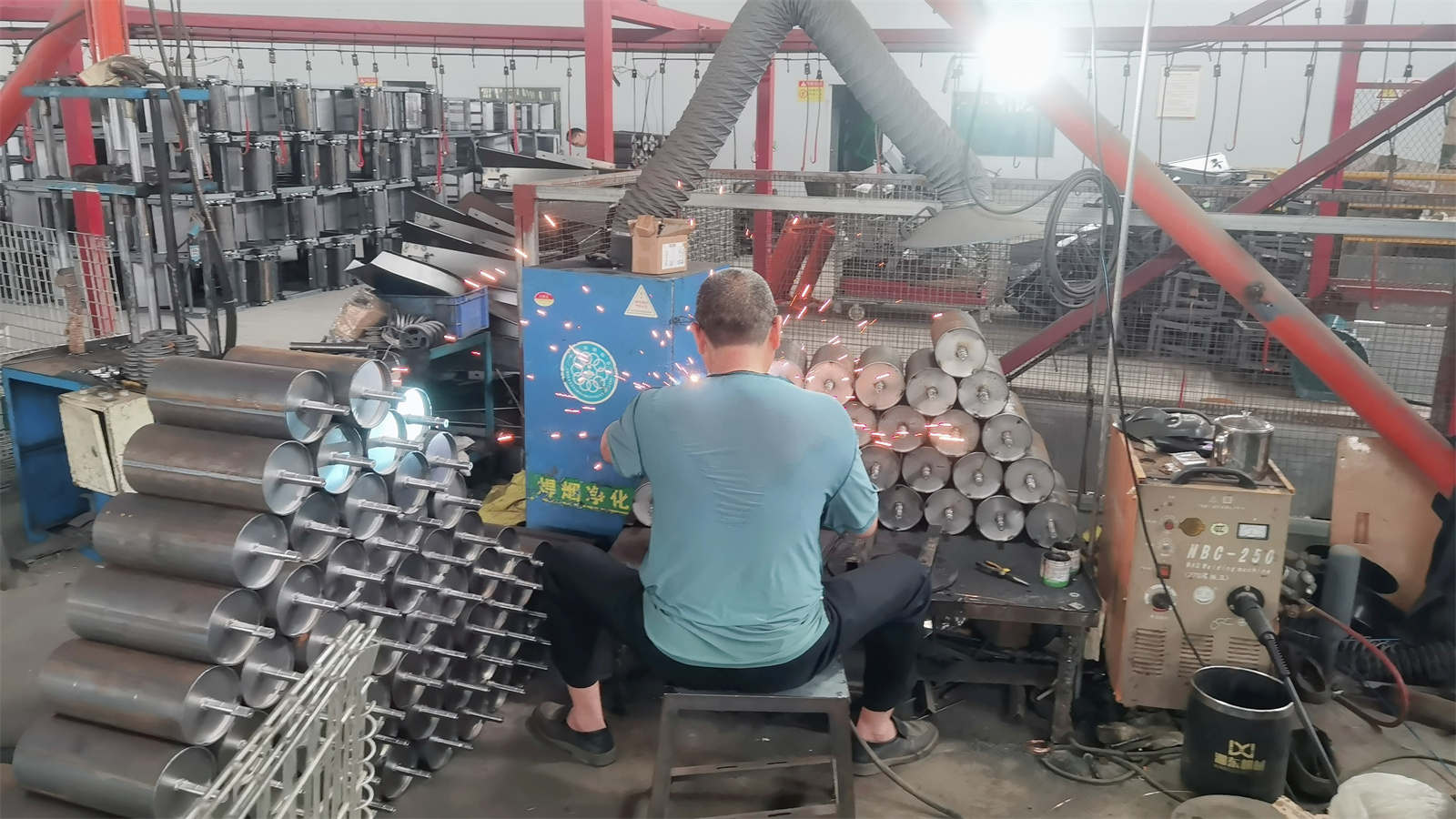
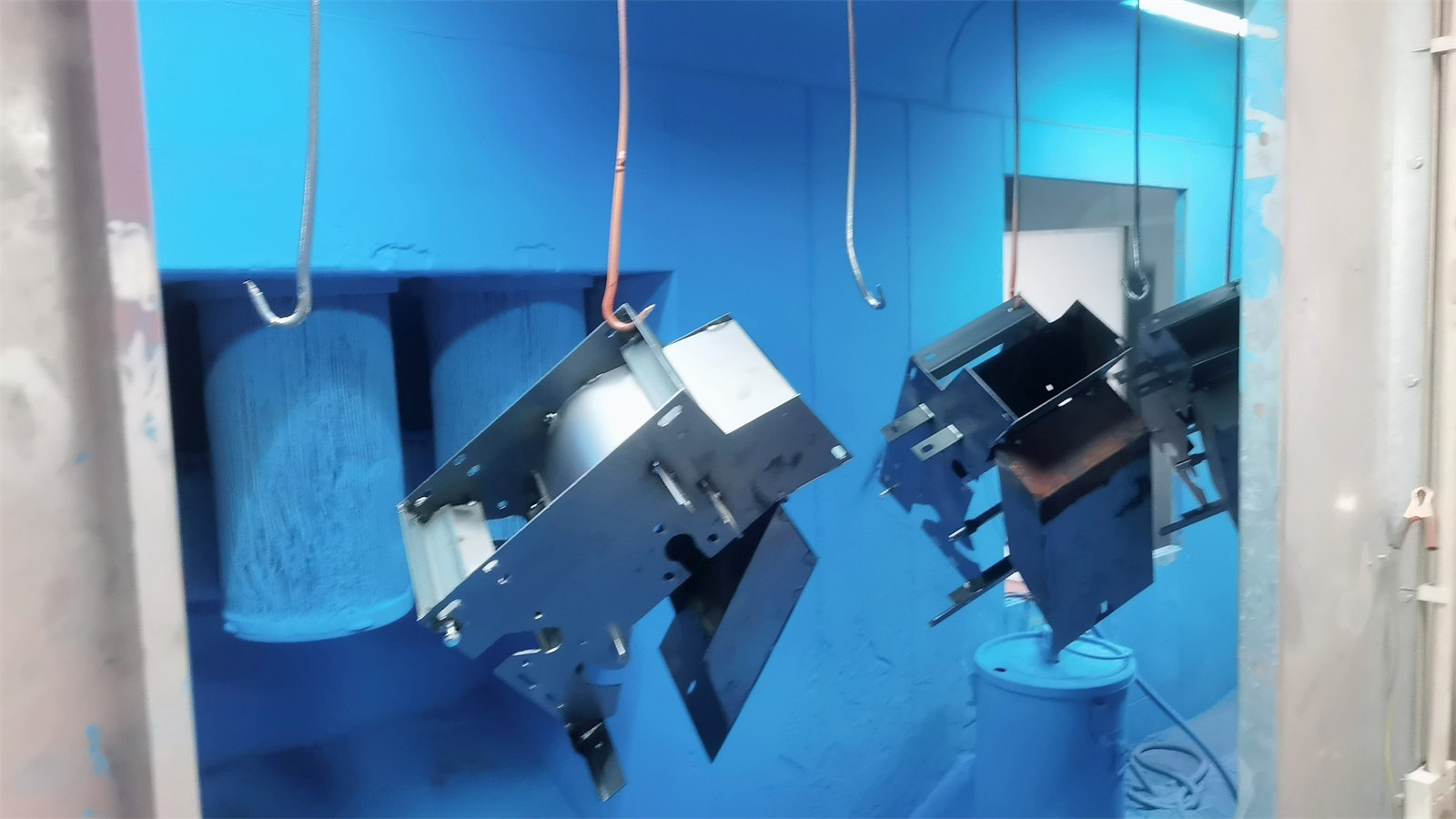
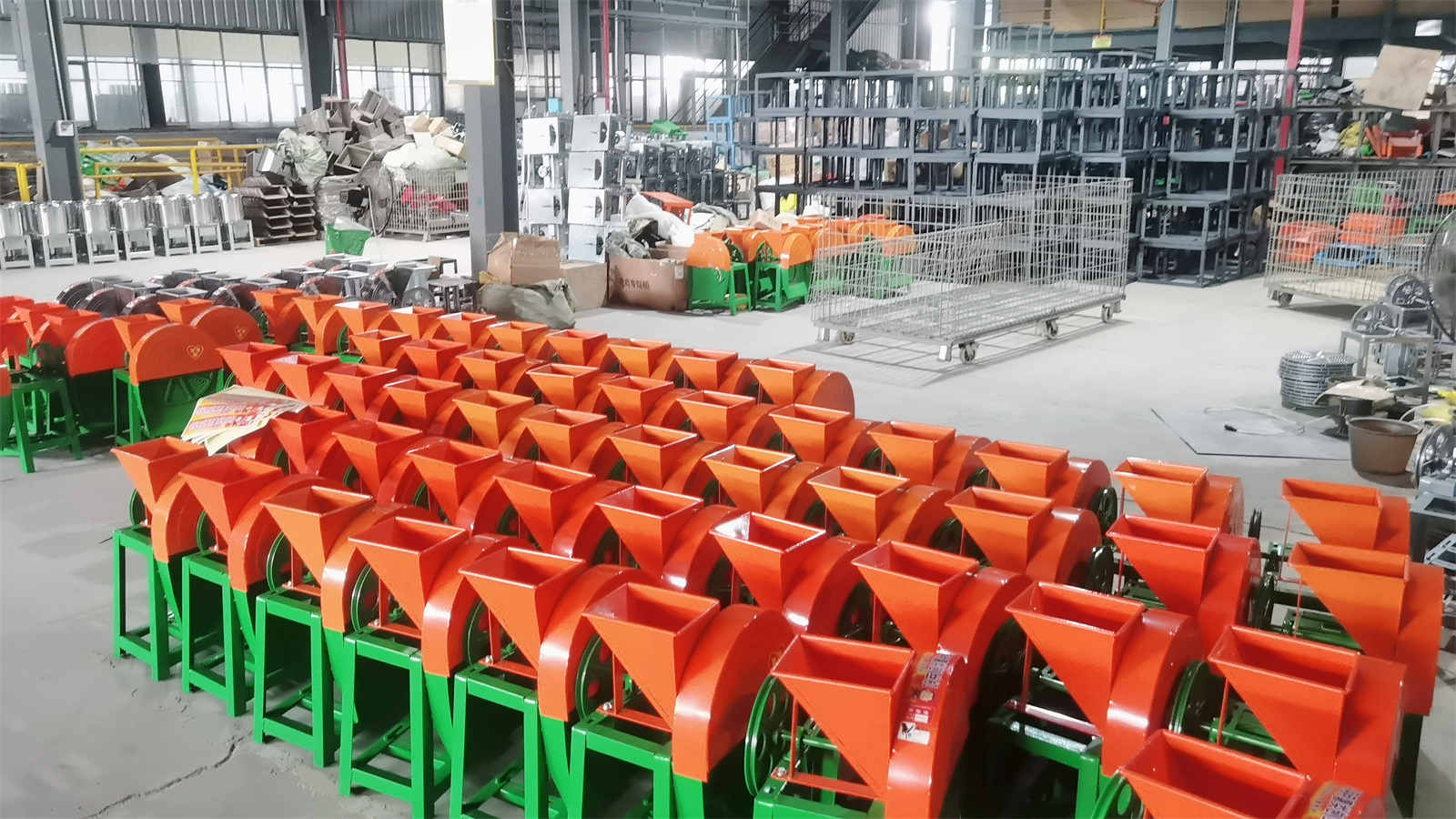
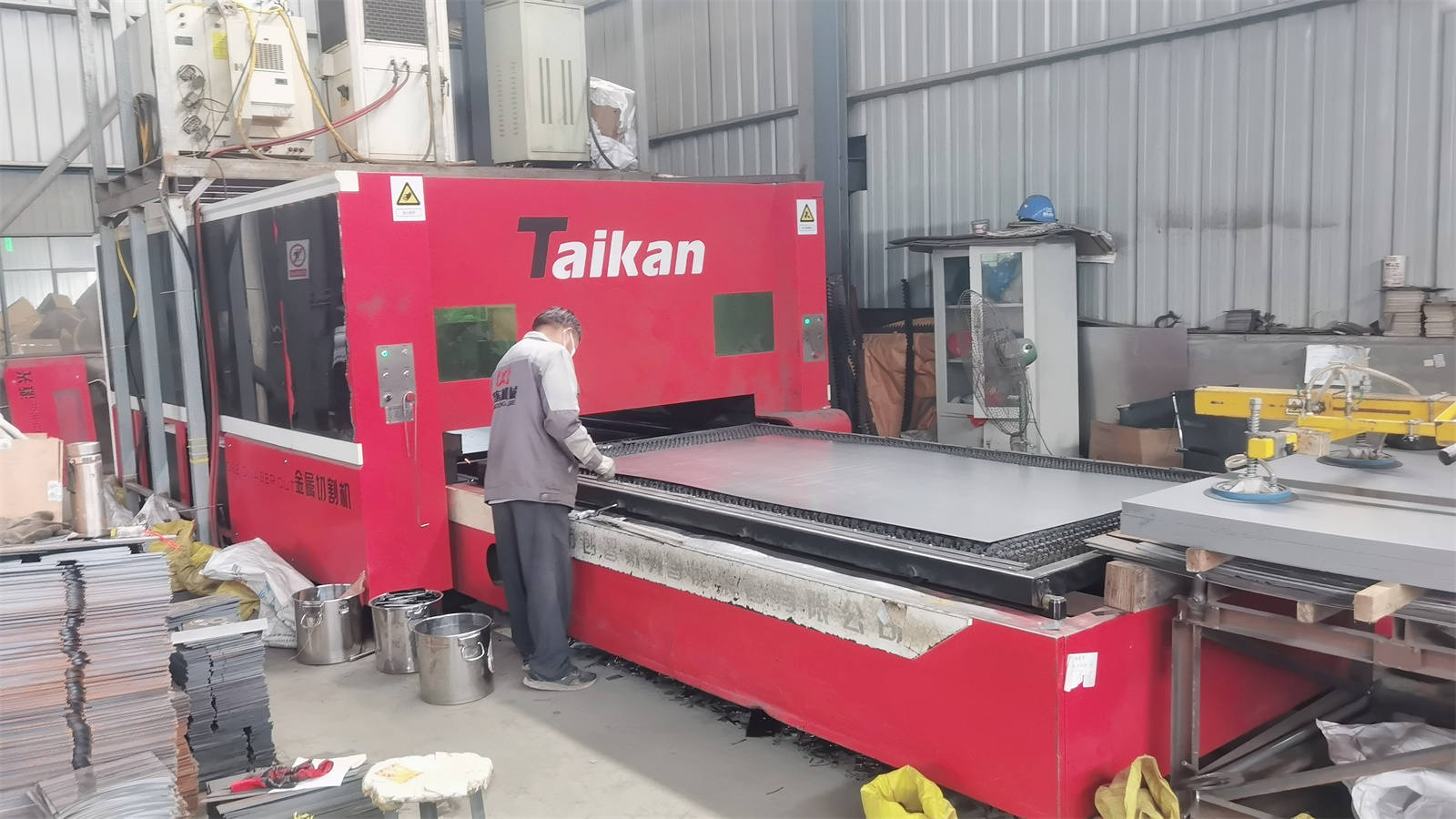
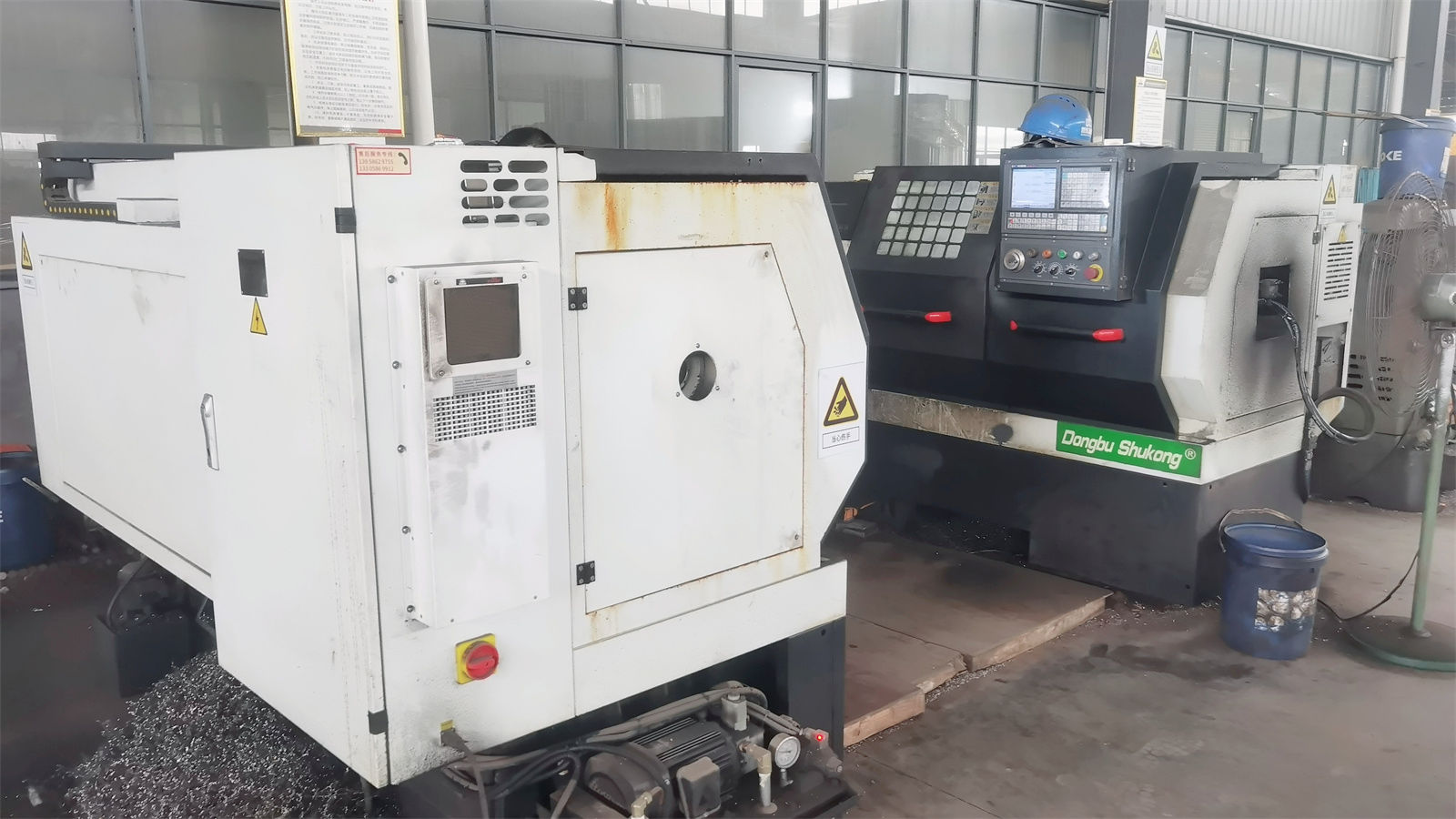
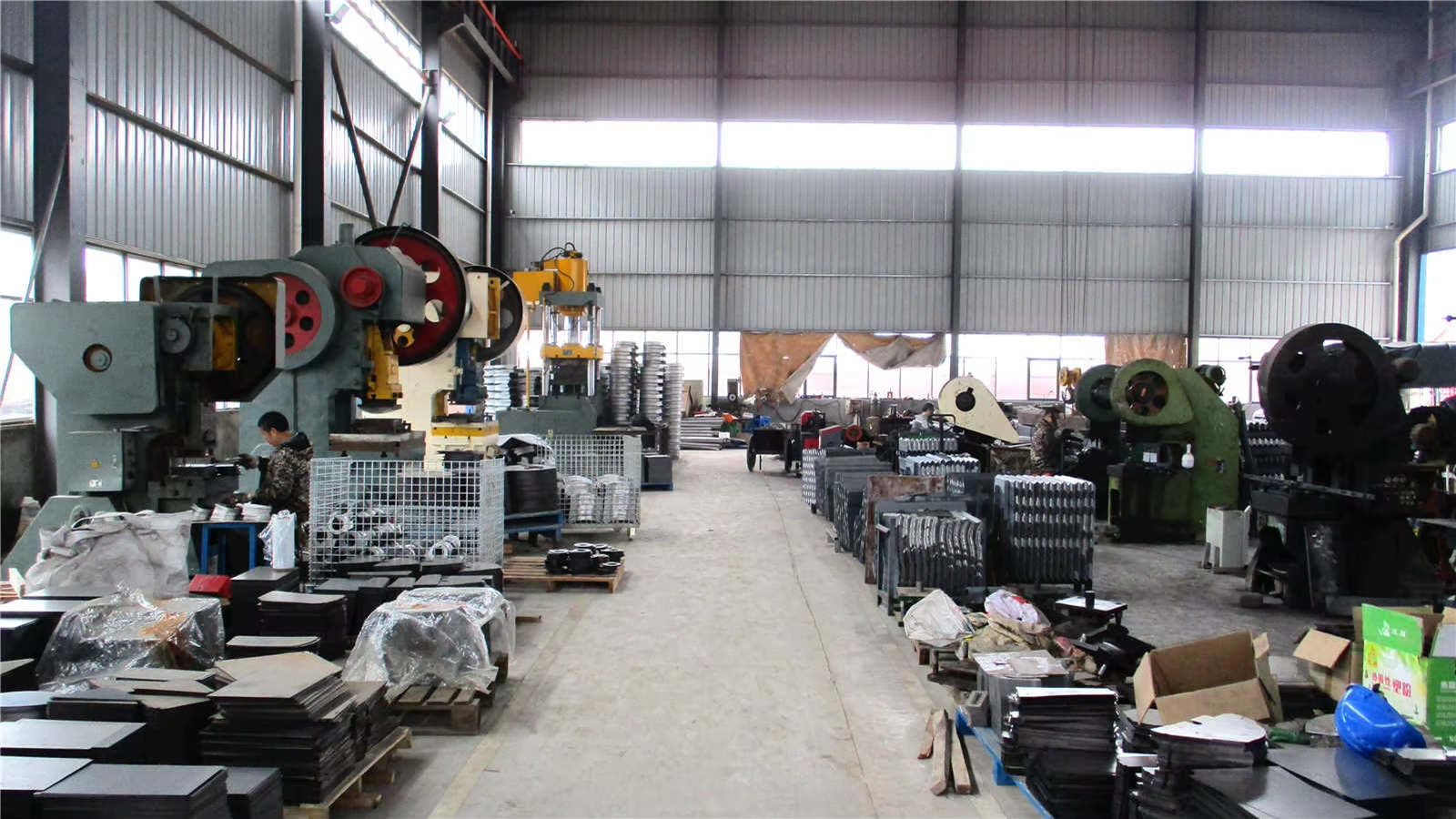
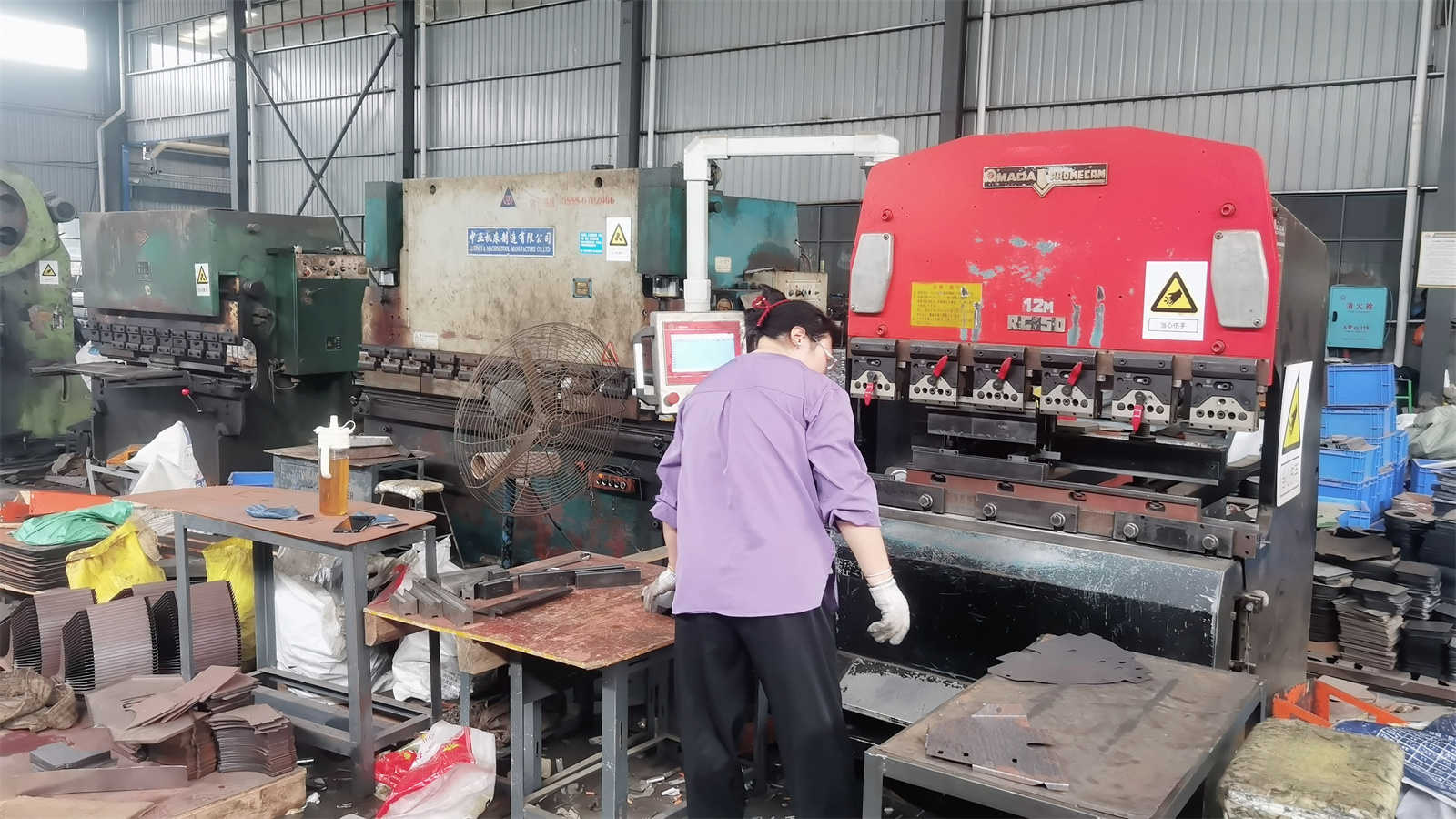
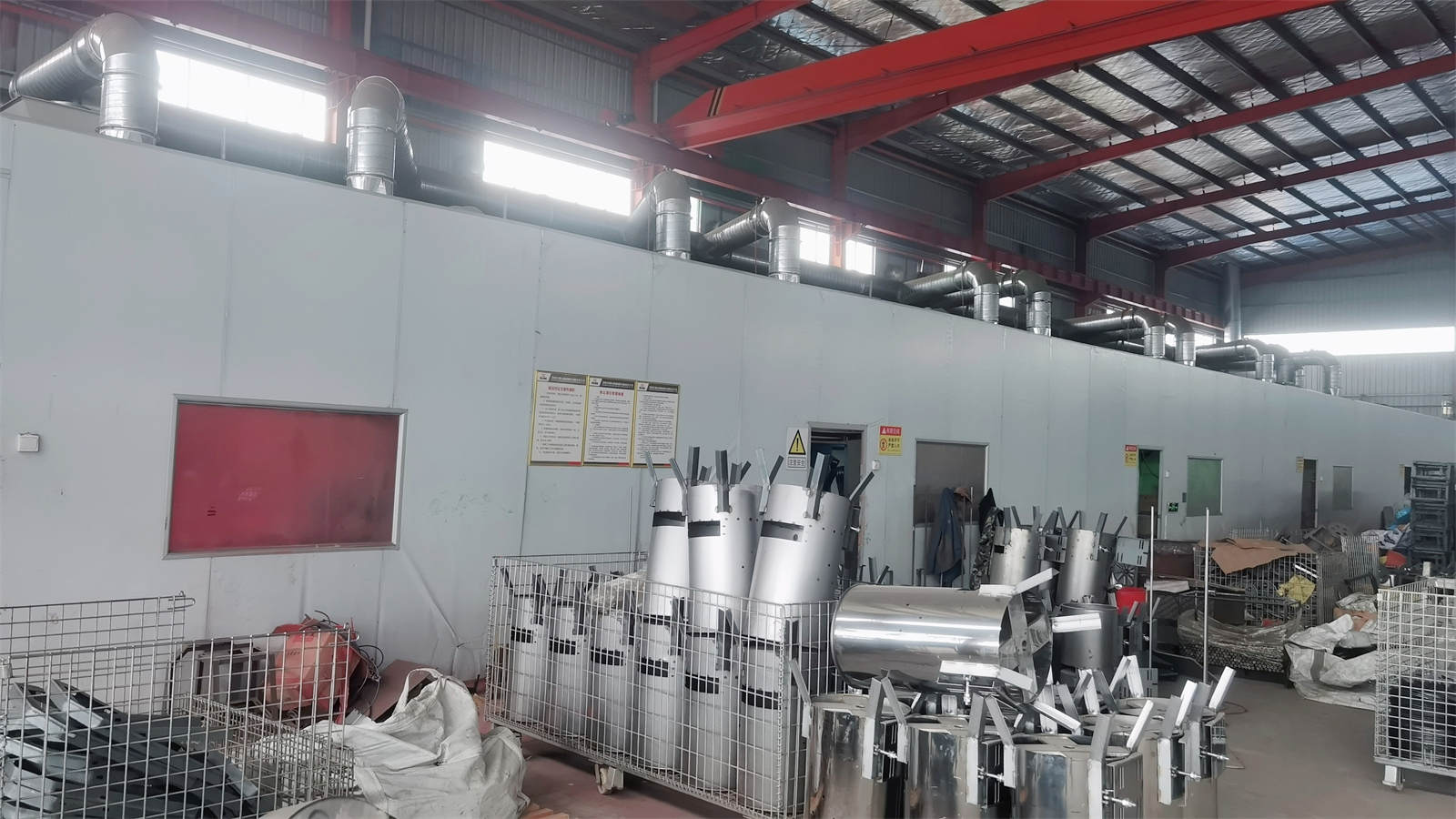
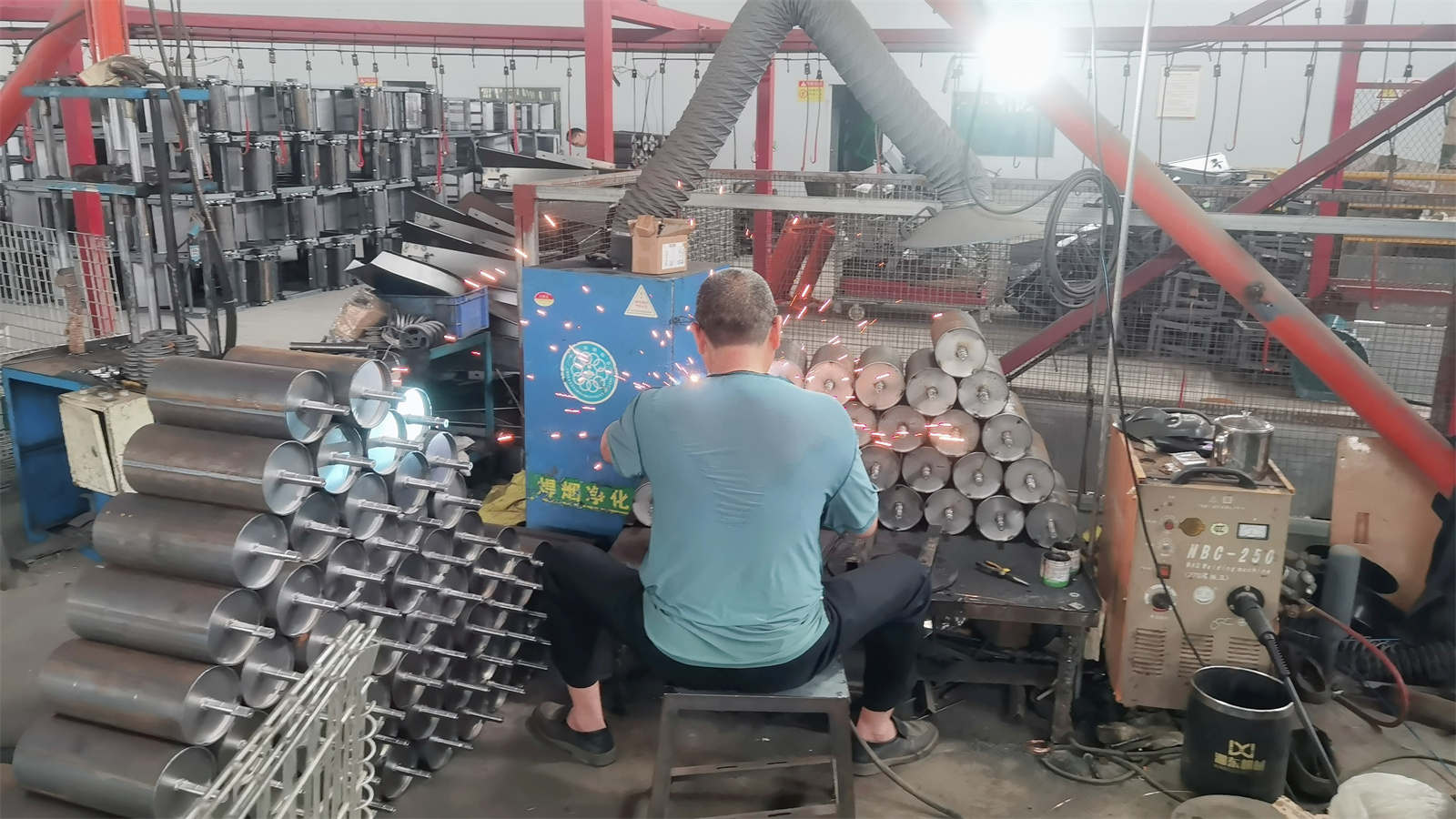
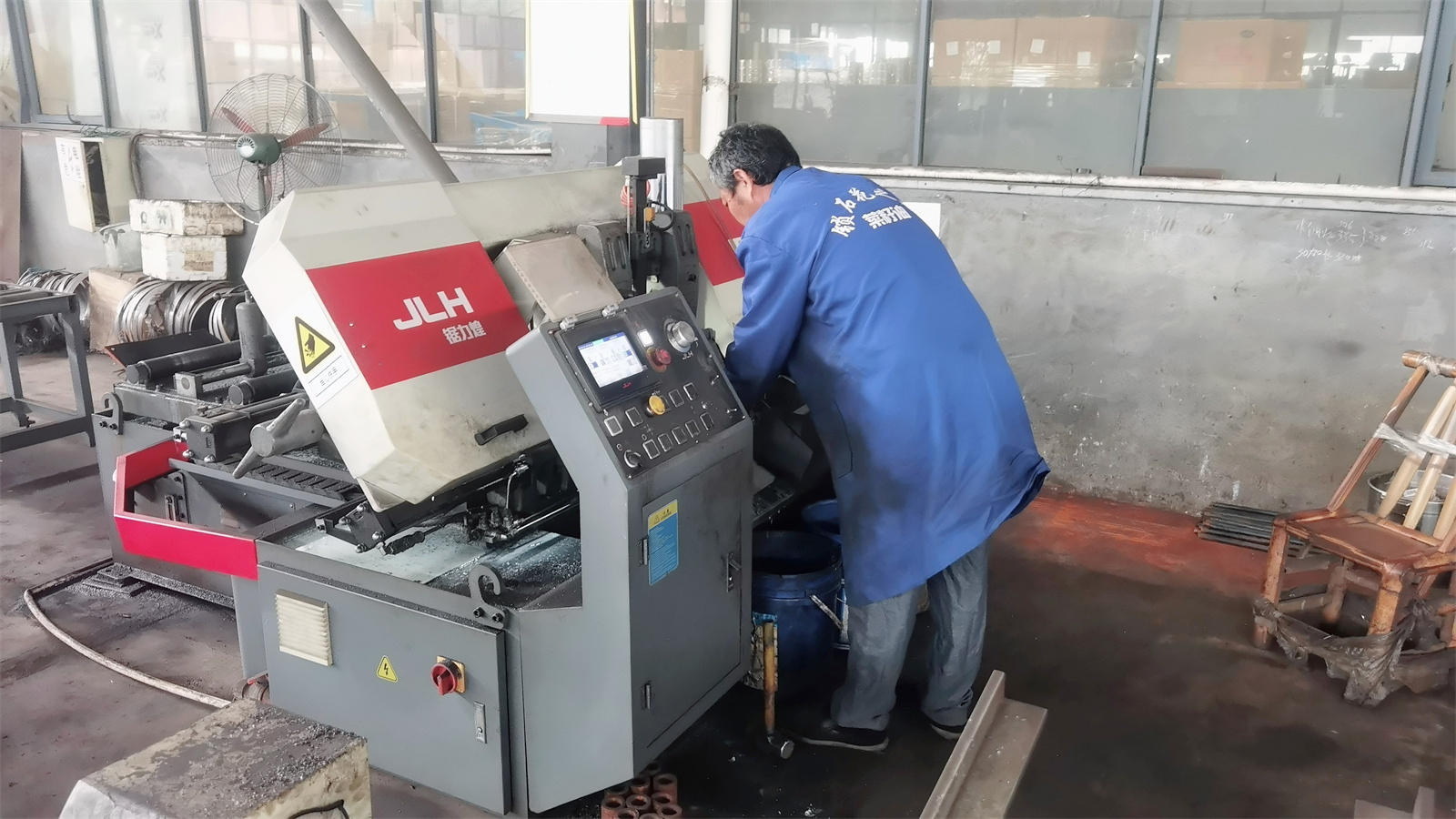
Henan Jiujie Machine Co., Ltd. places strong emphasis on technological innovation and continuous improvement of manufacturing capability and product quality. We have introduced a series of advanced processing equipment, including CNC laser cutting machines, CNC bending machines, and CNC lathes. In addition, we are equipped with CNC machining centers, CNC boring machines, surface grinding machines, planers, and other high-precision manufacturing equipment. We have also established an electrostatic spraying production line to further enhance product surface quality and durability.
Our manufacturing processes include steel plate laser cutting, CNC bending, CO₂ arc welding, argon arc welding, robotic welding, and electrostatic surface treatment. These advanced production technologies ensure consistent product quality and continuous innovation.
Expert insights addressing key user queries, system selections, and technological specifications.
Explore our packaging, destoning, and specialized testing machinery to complete your plant setup.
 Jiujie Machine