Engineered for high durability, efficiency, and full operational safety

An in-depth analysis of environmental compliance, worker safety, and filtration engineering
In modern manufacturing, process engineering is no longer simply about throughput and yield. The global industrial landscape is undergoing a massive transformation driven by stringent Environmental, Health, and Safety (EHS) regulations. Industrial dust extraction systems have transitioned from auxiliary plant components to critical infrastructure. Across industries such as bulk handling, chemical processing, wood pelleting, metalworking, and grain milling, the control of airborne particulate matter is vital. Clean air is a prerequisite for maintaining operational safety, protecting expensive downstream equipment, and fulfilling corporate ESG (Environmental, Social, and Governance) mandates.
Regulatory bodies worldwide—including the Occupational Safety and Health Administration (OSHA) in the United States, the European Union's ATEX directives, and national environmental protection authorities across the Asia-Pacific region—have established strict limits on Permissible Exposure Limits (PEL) and combustible dust hazards. Accumulations of organic grain dust, wood fibers, or metallic powders represent significant risk factors for catastrophic primary and secondary explosions. Consequently, deploying state-of-the-art dust collectors, cyclone separators, and baghouse filters is essential to prevent micro-dust containment breaches and manage explosion risks.
Compliance with NFPA 652 and ATEX directives requires robust venting, isolation valves, and spark detection systems inside dust extraction units to eliminate explosion risks.
Smart filtration systems employ electronic pressure transmitters to continuously track filter resistance, scheduling self-cleaning pulse jets to lower energy consumption.
By optimizing fan aerodynamics, using variable frequency drives (VFD), and integrating long-lasting pleated filters, plants can reduce annual power consumption by up to 30%.
From a commercial perspective, effective dust extraction also protects machinery. High dust levels can speed up bearing wear on conveyors, compromise product purity, and lead to unplanned downtime. By integrating high-efficiency cyclones and bag filter systems right at the dust emission points, plants can achieve a continuous, clean workflow. This reduces maintenance costs and helps maintain high product quality.
Why international procurement managers prioritize Chinese industrial exporters
China has established itself as the global center for industrial manufacturing. This position is supported by deep supply chain integration, advanced digital production technologies, and highly skilled engineering talent. When sourcing large-scale dust extraction components or turnkey grain processing equipment, Chinese exporters offer a strong combination of cost efficiency, engineering flexibility, and technological capability.
A primary advantage is the presence of complete local supply chain clusters. Within close proximity, raw steel mills, CNC precision component suppliers, electronics manufacturers, and surface-treatment facilities collaborate to minimize production lead times. This allows Chinese factories to go from raw engineering drafts to finished, container-loaded equipment faster than competitors in Western Europe or North America. Additionally, Chinese manufacturers have heavily invested in industrial automation, utilizing advanced equipment like high-power fiber laser cutters, multi-axis robotic welders, and automated electrostatic powder coating lines to ensure high structural consistency and build quality.
Customization is another area where Chinese exporters excel. Unlike rigid Western OEMs that offer limited standard catalog products, Chinese manufacturers frequently provide custom modifications. They adapt structures, filter materials, and ductwork configurations to fit the buyer's local space constraints, specific dust characteristics, and voltage requirements.
A leading force in industrial machinery, grain processing, and dust filtration engineering
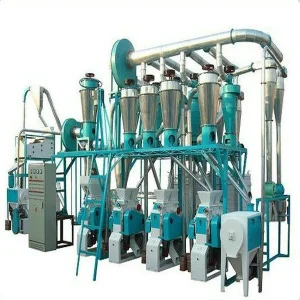
Henan Jiujie Machine Co., Ltd. is a professional supplier of complete equipment and engineering services for the food production and grain processing industries. Our business covers a wide range of applications, including wheat flour milling plants, feed processing factories, and rice processing plants.
Our product portfolio includes conveying equipment, cleaning equipment, flour milling equipment, and other related machinery. Over the years, our products have been widely recognized by customers both in domestic and international markets. Our advanced engineering capabilities allow us to seamlessly integrate dust extraction protocols into comprehensive grain handling and milling systems. This ensures that every stage of raw material processing remains virtually dust-free.
Since its establishment, Henan Jiujie Machine Co., Ltd. has been dedicated to the research and development of grain processing technology and machinery. With extensive industry experience, we are able to provide integrated solutions across the entire grain and food processing industrial chain. Our solutions cover multiple stages, including raw material collection, storage, cleaning, grading, sieving, grinding, mixing, shaping, production, and packaging.
Inside our state-of-the-art facility: engineering precision from raw steel to finished systems
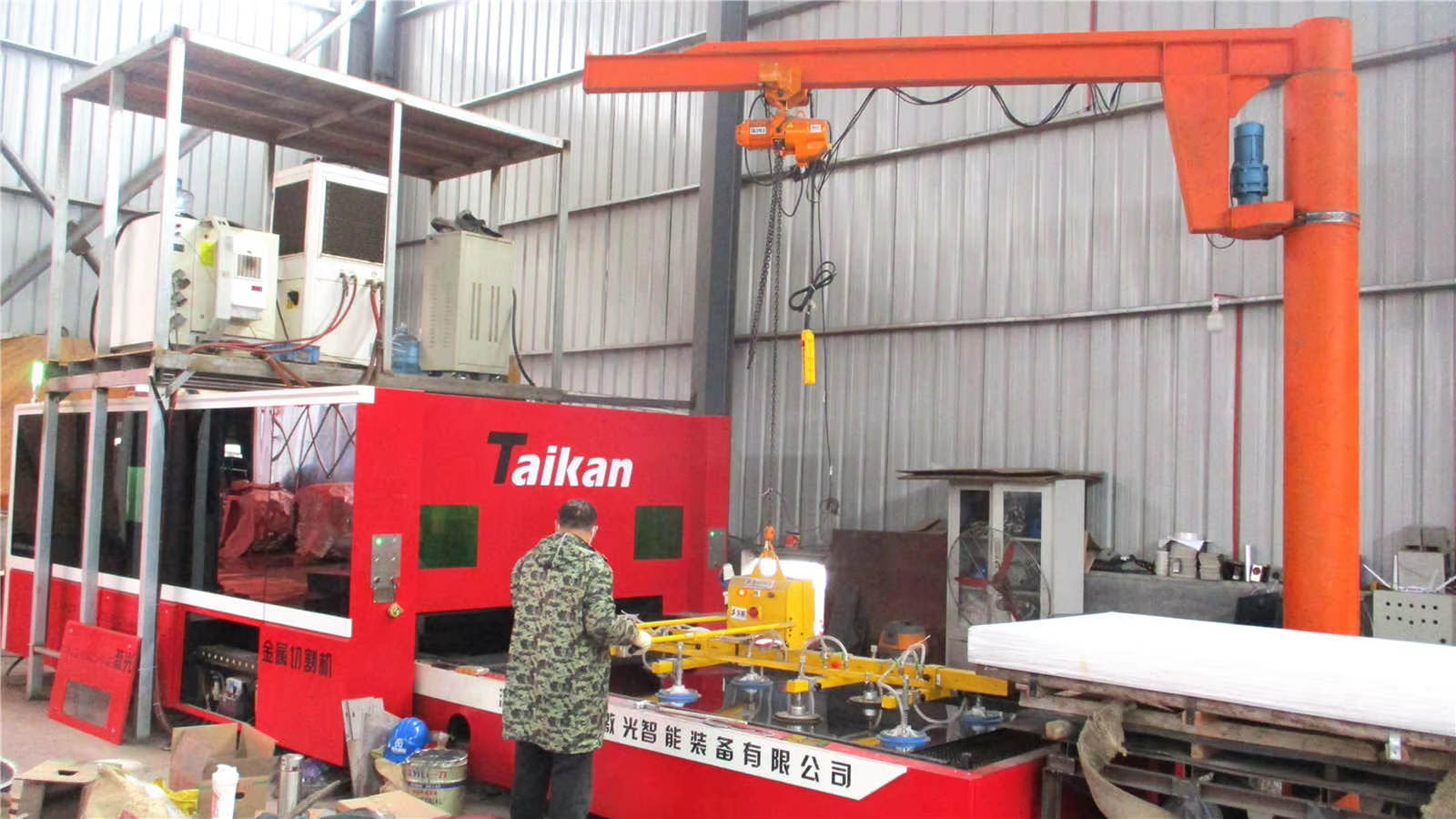
Henan Jiujie Machine Co., Ltd. places strong emphasis on technological innovation and continuous improvement of manufacturing capability and product quality. We have introduced a series of advanced processing equipment, including CNC laser cutting machines, CNC bending machines, and CNC lathes.
In addition, we are equipped with CNC machining centers, CNC boring machines, surface grinding machines, planers, and other high-precision manufacturing equipment. We have also established an electrostatic spraying production line to further enhance product surface quality and durability.
Our manufacturing processes include steel plate laser cutting, CNC bending, CO₂ arc welding, argon arc welding, robotic welding, and electrostatic surface treatment. These advanced production technologies ensure consistent product quality and continuous innovation.
 Cutting
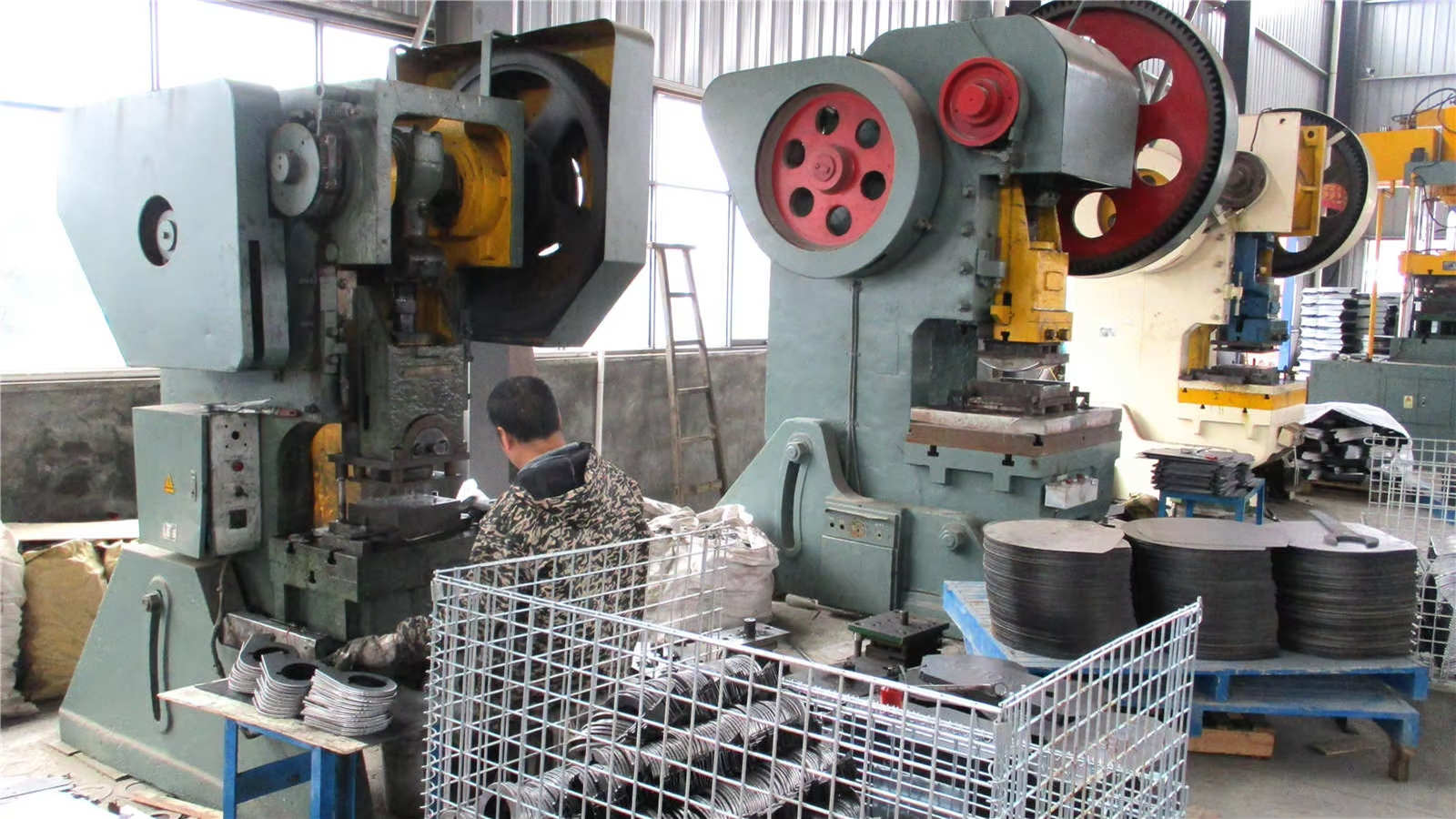 Punching
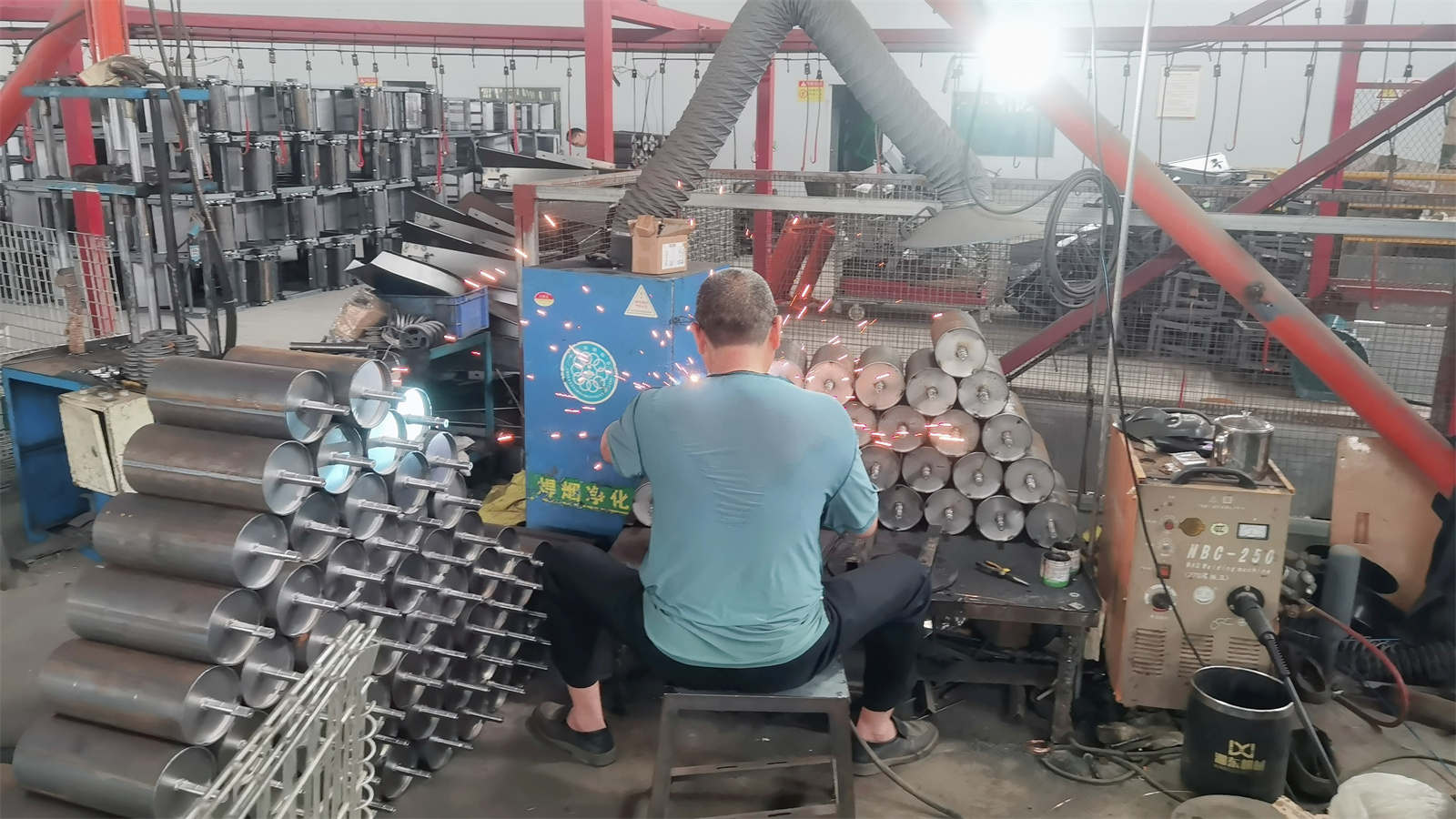 Welding
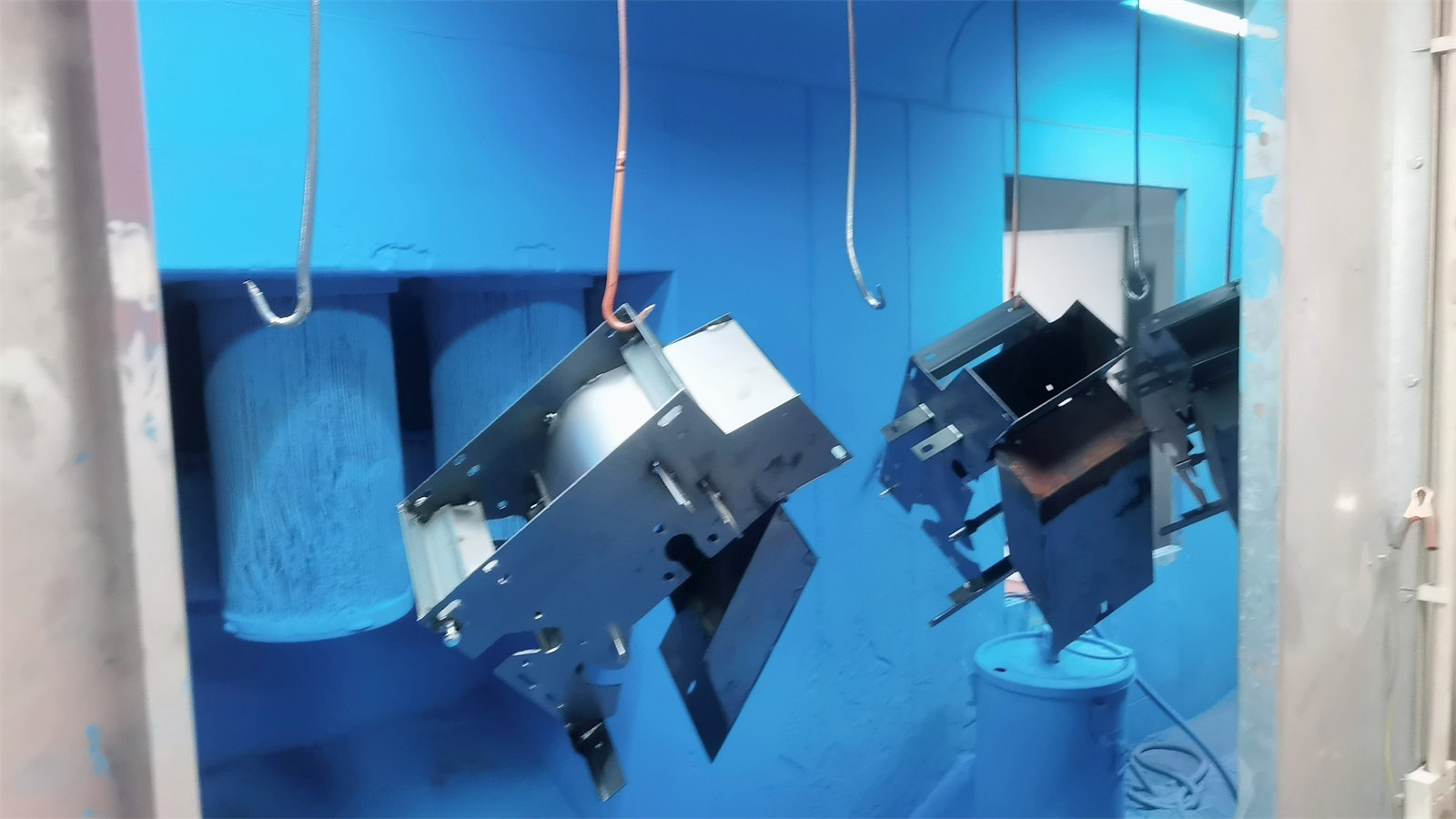 Painting
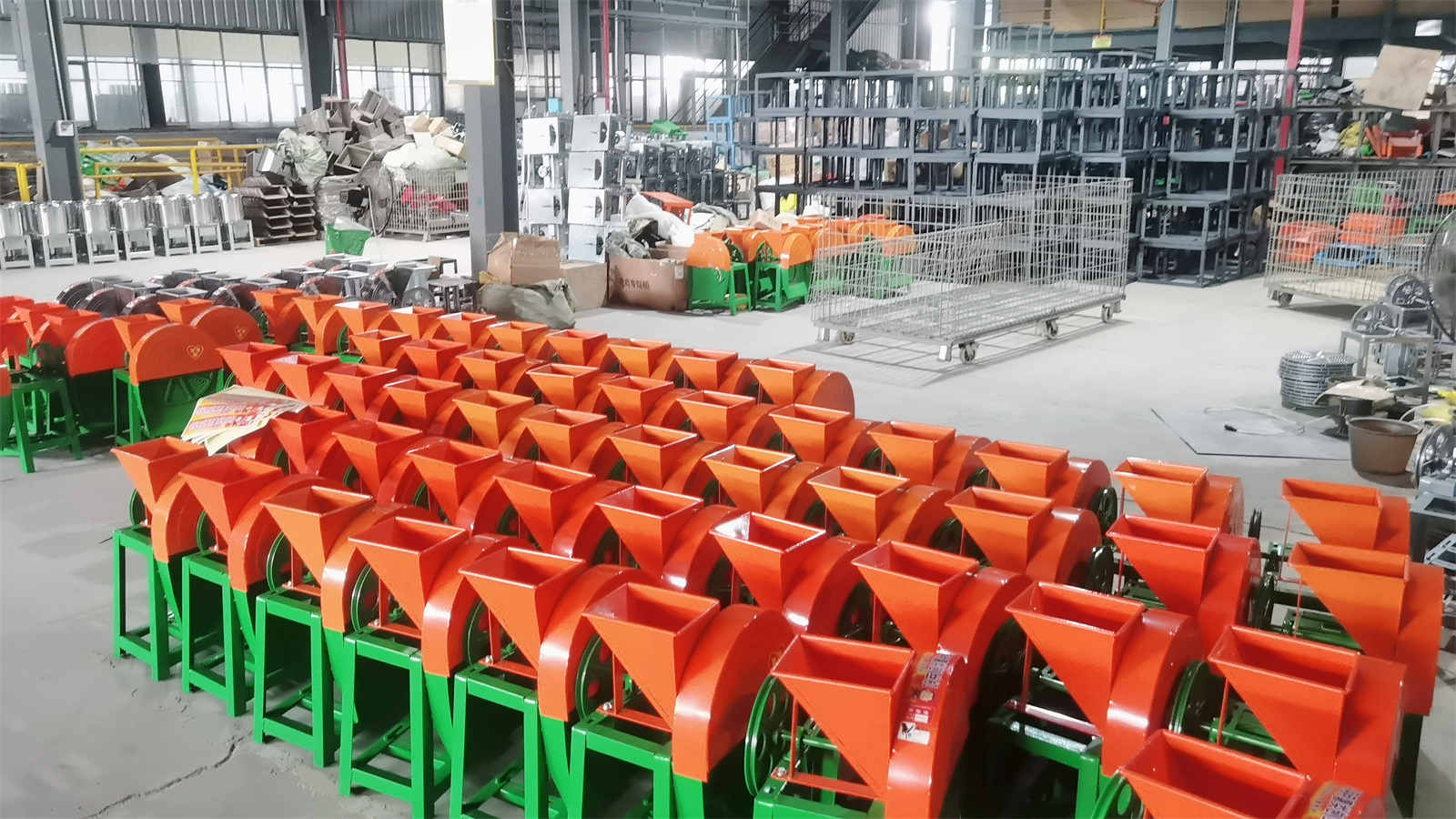 Assembling
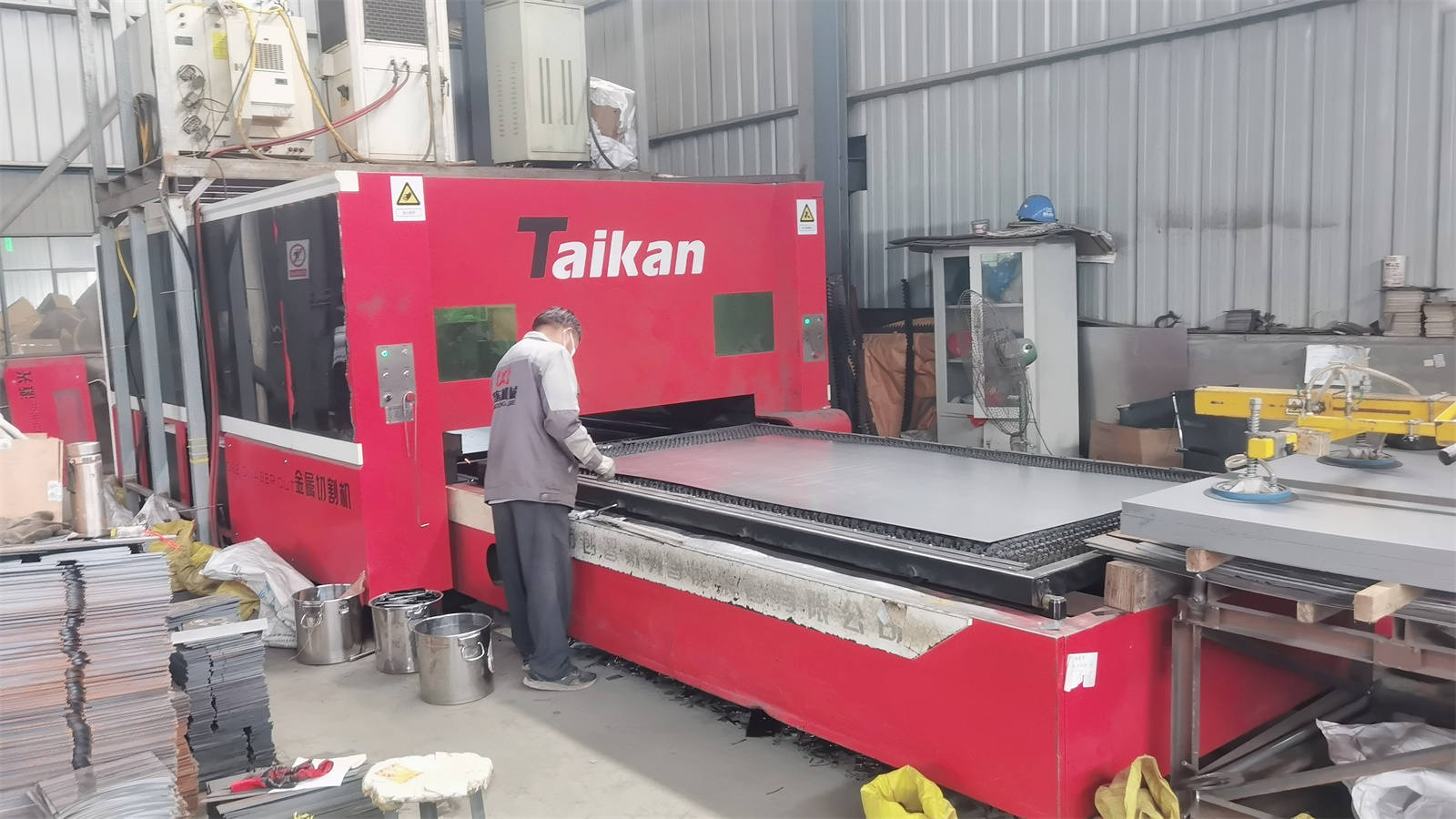 Laser Cutting Machine
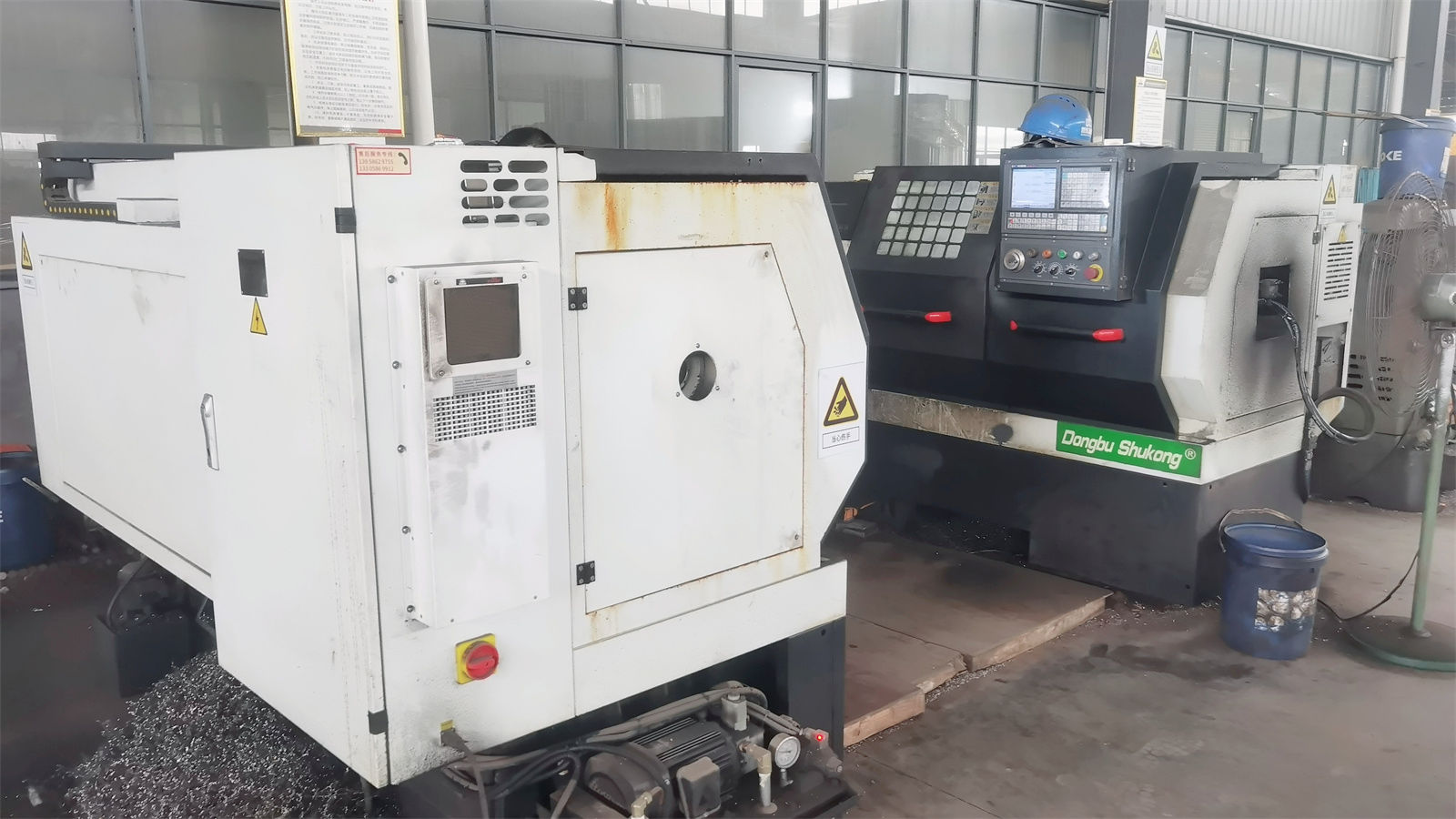 CNC Lathe
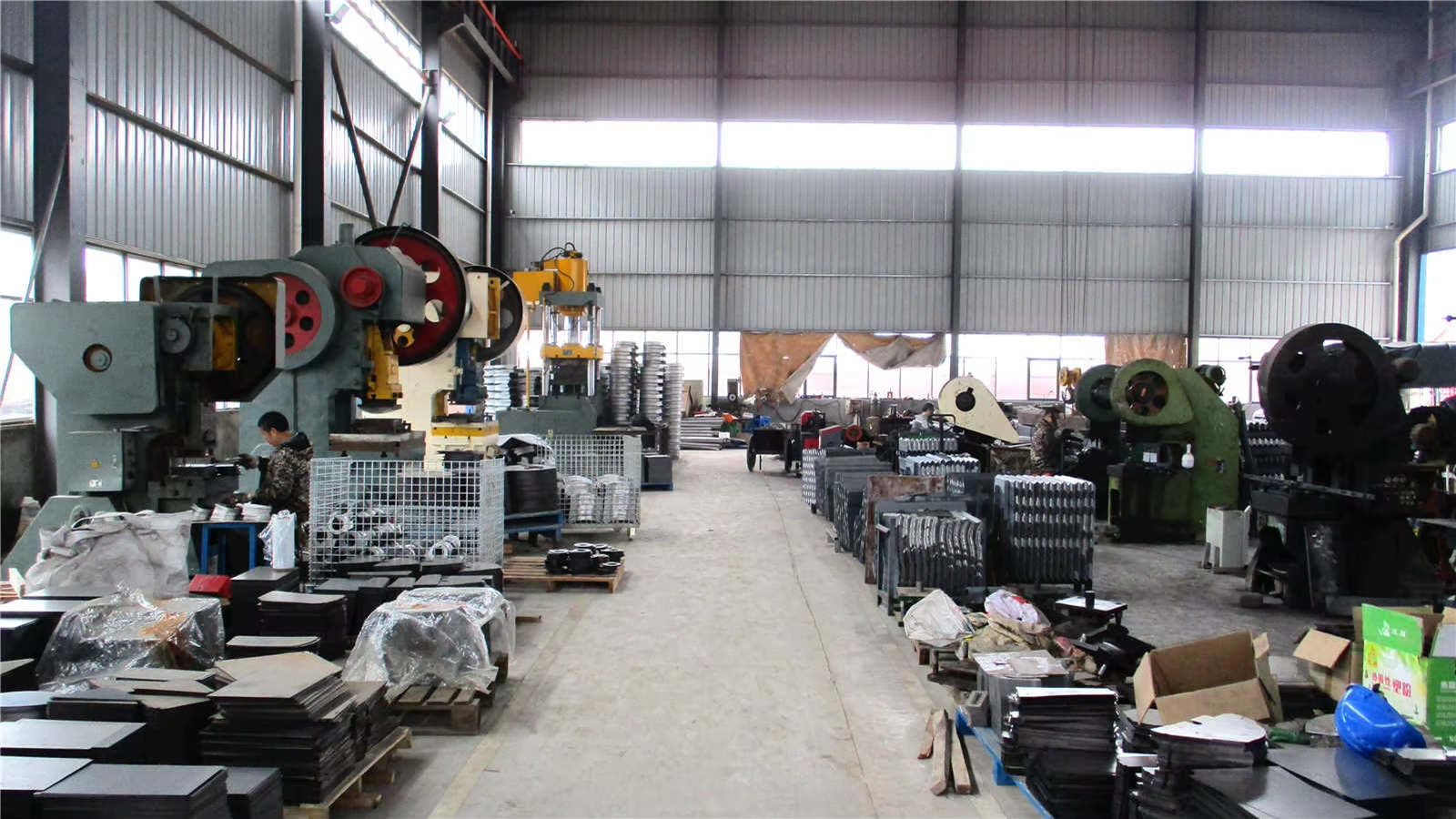 Punching Machine
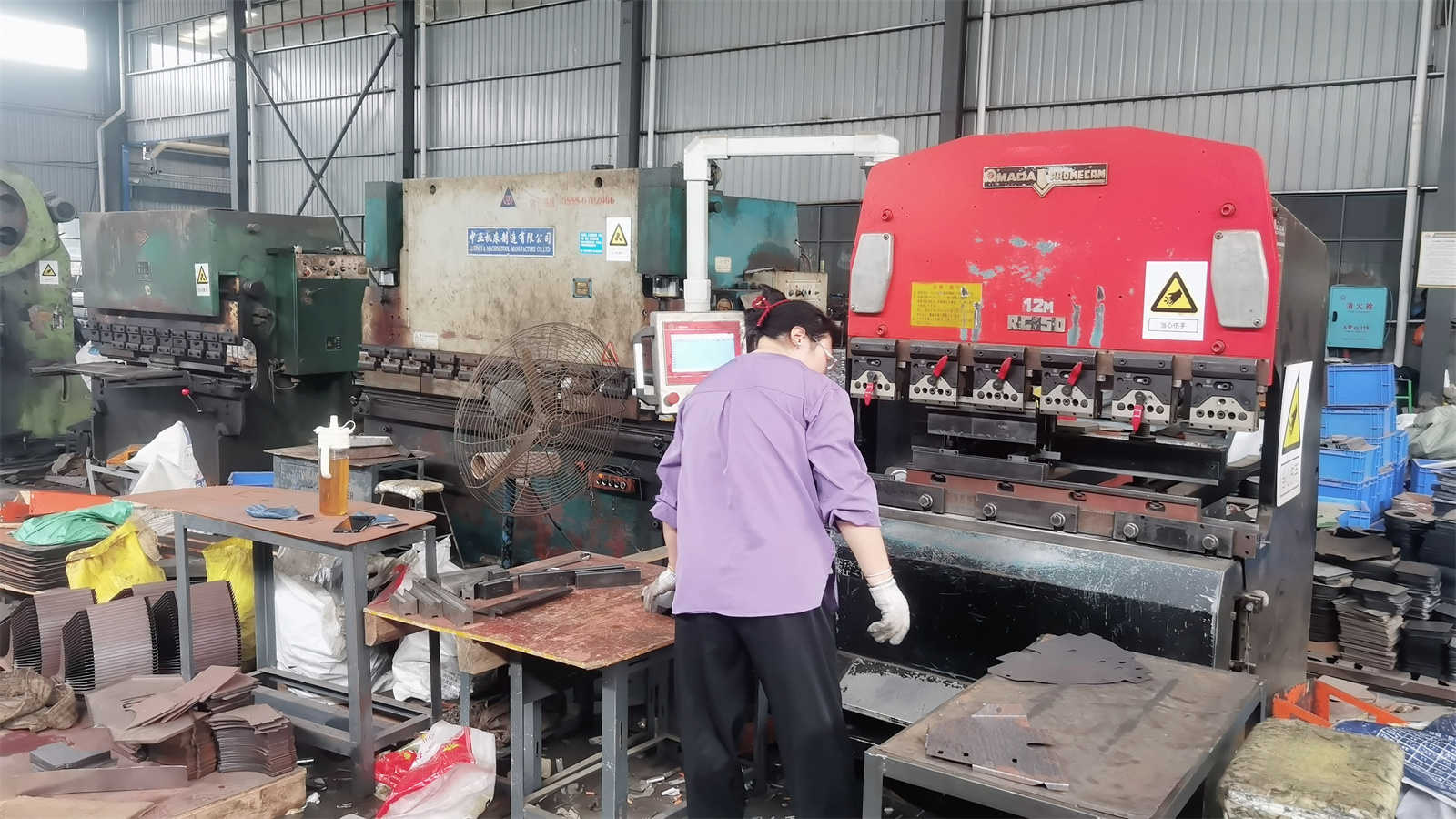 Bending Machine
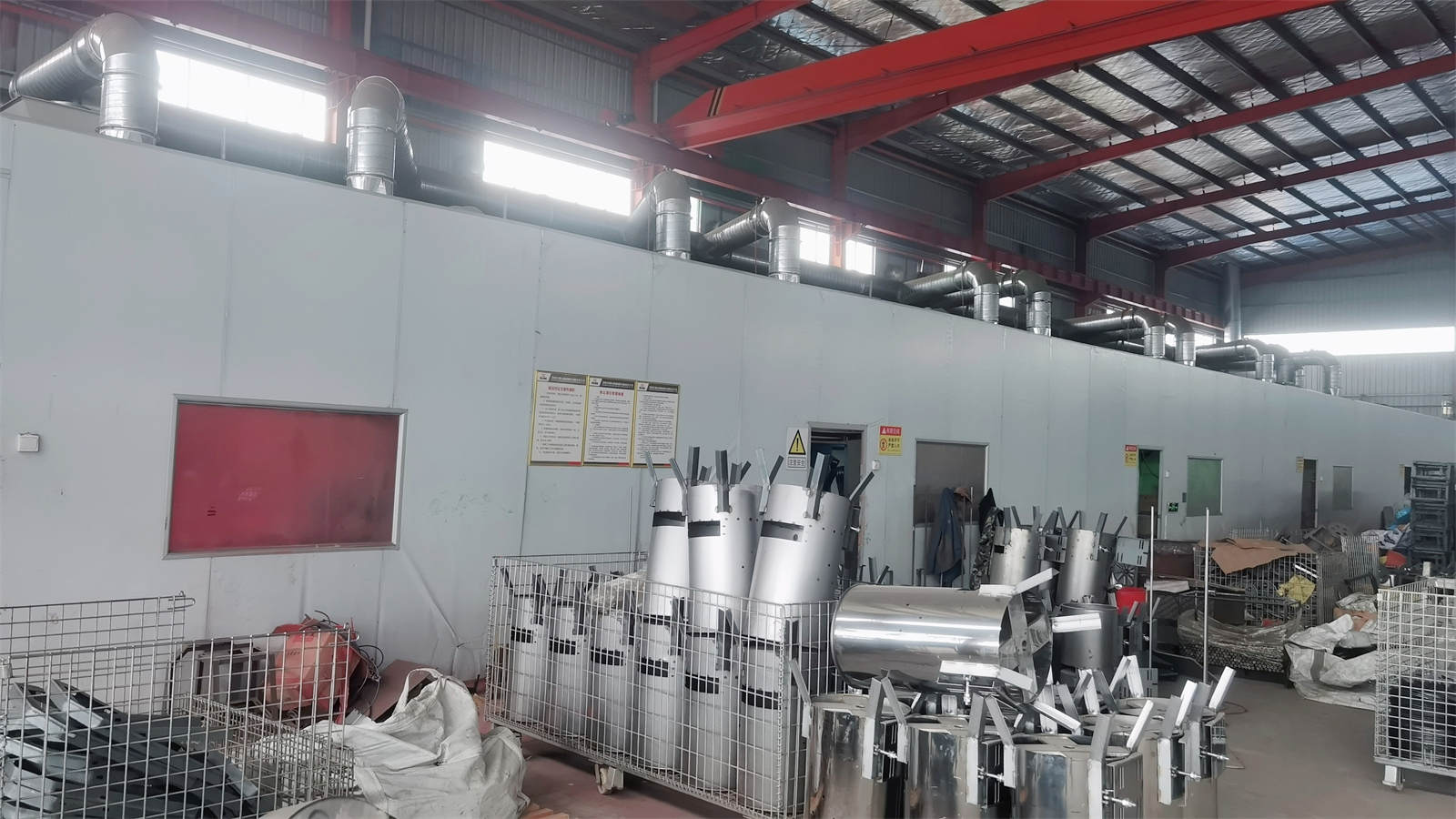 Painting Line
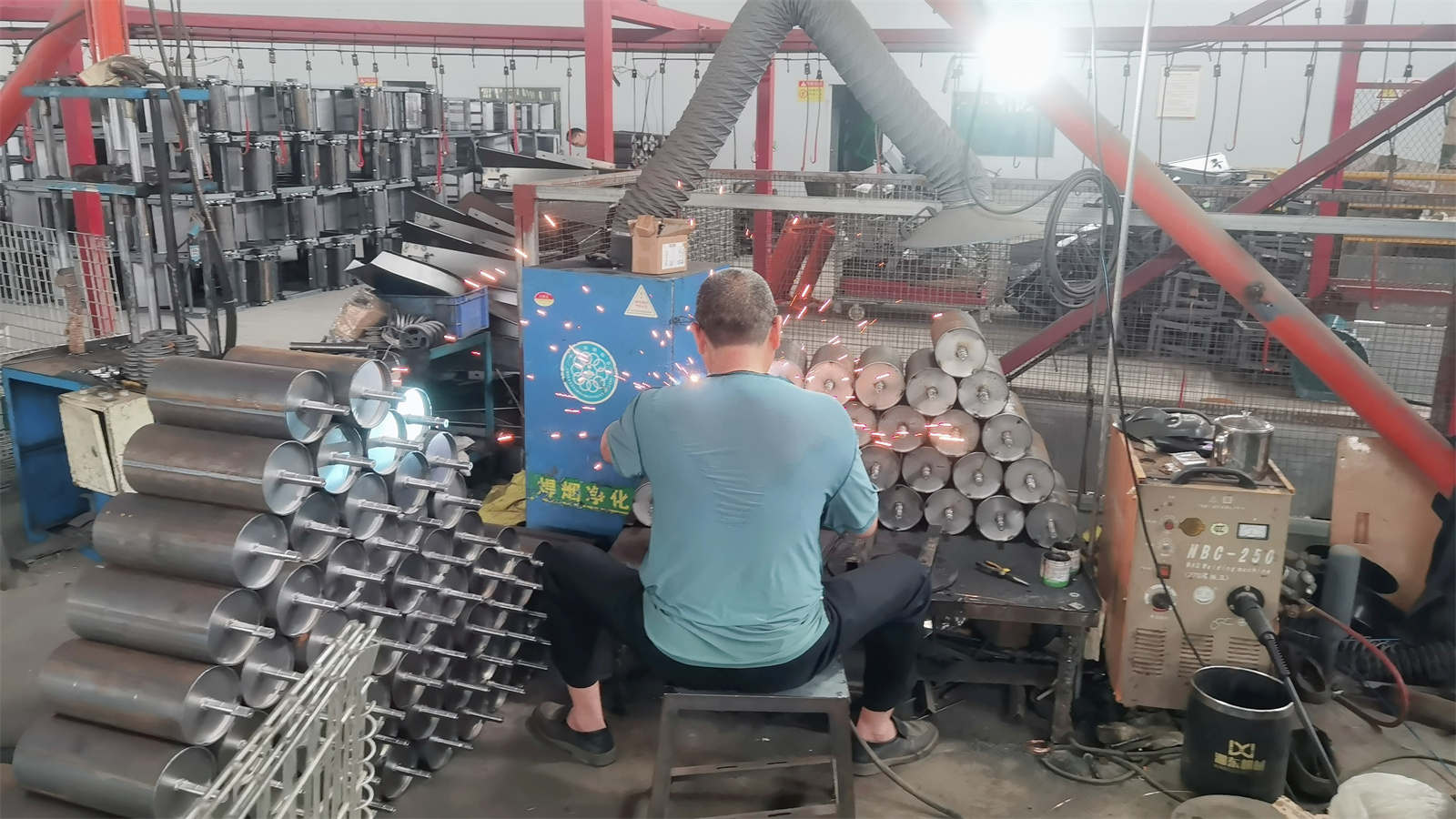 Welding Machine
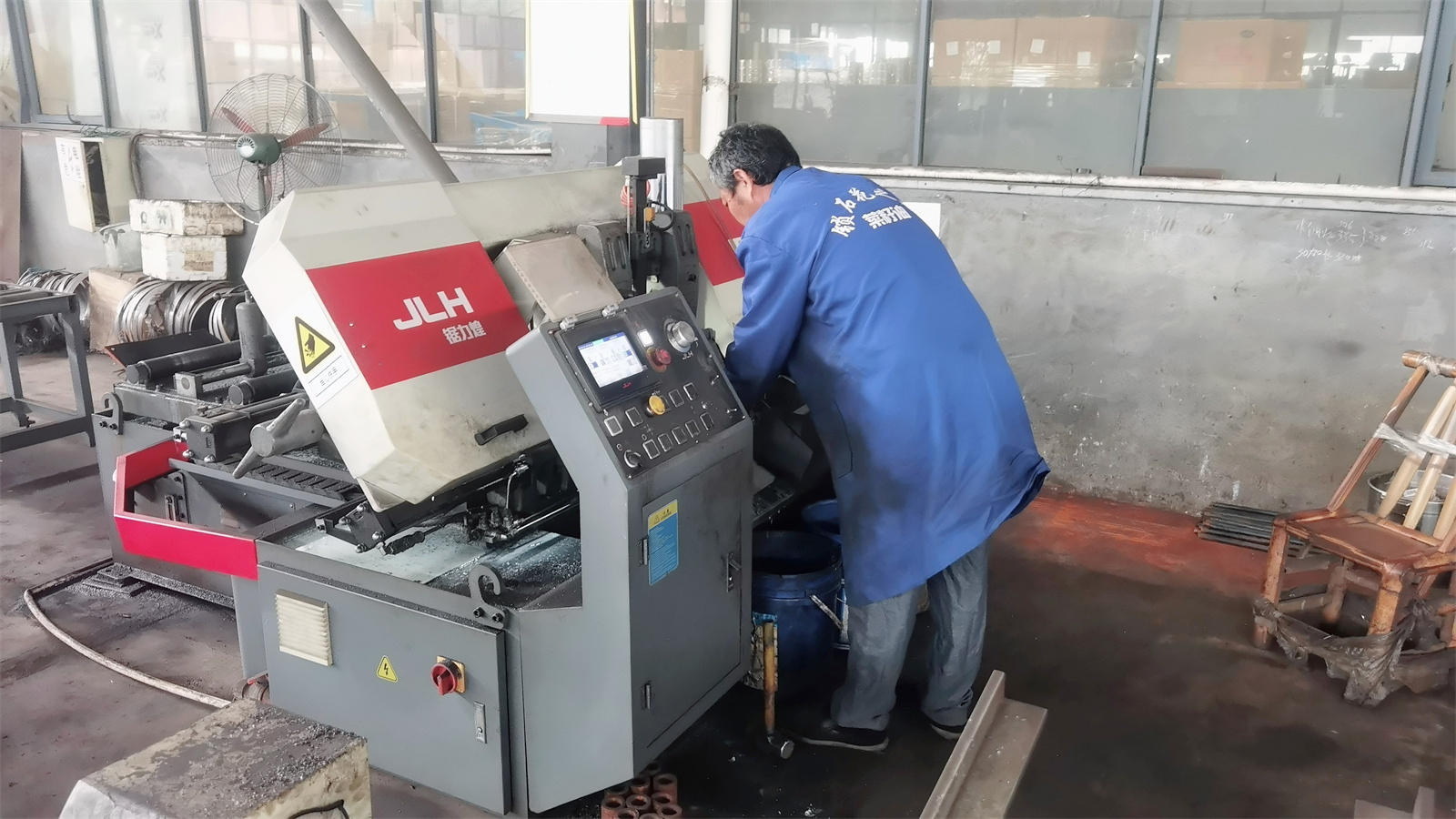 Sawing Machine
Dedicated to delivering verified quality and reliable lifetime support
Our flour milling and dust filtration equipment has obtained the ISO9001 quality management system certification and CE certification. The environmental protection standards of our equipment comply with relevant EU requirements. A standout feature of our technology is our grain cleaning process, which is designed to operate without water usage. This ensures no wastewater discharge, helping clients meet environmental regulations and supporting green production initiatives.
Our products are characterized not only by stable performance but also by easy installation, convenient maintenance, and low operating costs. With advanced technology, reliable quality, and modern design, our equipment has earned high appreciation from clients worldwide.
As a professional industrial solution provider, Henan Jiujie Machine Co., Ltd. delivers not only equipment but also comprehensive production solutions that enhance the overall value chain for our customers. By utilizing AutoCAD-based engineering design systems and advanced machining centers, we are able to provide high-precision, durable products at competitive prices. We are committed to offering complete pre-sales consultation, technical support, and reliable after-sales service. Customer satisfaction is always our top priority.
Analyzing key operational setups and the future of industrial filtration tech
Dust extraction requirements vary significantly depending on the operational environment. In agricultural cooperatives and grain terminal silos, the primary challenges are high volume processing and grain dust management during truck unloading, conveyor transfer, and silo filling. High-capacity baghouse dust collectors, paired with spark detection systems, are essential in these environments.
In contrast, wheat and maize milling plants require precise dust containment at the grinding rolls, sifting equipment, and packaging stations. Dust extraction systems in food-grade facilities must feature food-safe materials (such as SUS304 stainless steel) and specialized filter media to handle fine starches and prevent bacterial growth.
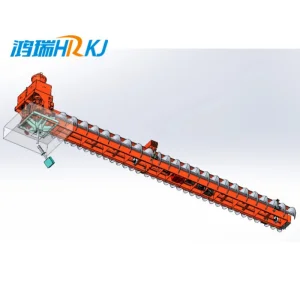
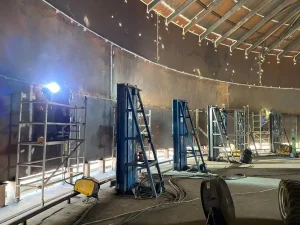
Manages high air volumes during silo venting, preventing negative pressure damage while capturing organic grain dust to reduce explosion risks.
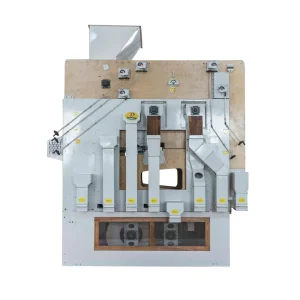
Stainless steel dust collectors with sanitary designs prevent flour accumulation and bacterial growth in high-humidity areas.
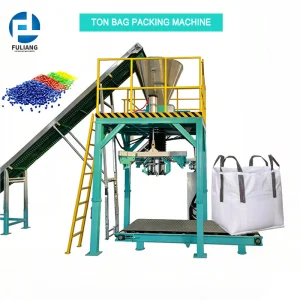
Captures fugitive dust during 500kg–2000kg bulk bagging operations, protecting operators and keeping the sealing area clean.
Looking forward, the dust extraction industry is shifting toward smart, automated systems. Modern plants are increasingly adopting digital control panels linked to plant PLC networks. These systems monitor dust collector pressure levels, air temperature, and air velocity in real time. They automatically adjust fan speeds via VFDs to match actual demand, reducing energy use.
Additionally, the development of nanostructured membrane filters has improved filtration efficiency. These filters can capture particles down to PM2.5 while resisting moisture and oil, extending filter life and lowering maintenance costs.
Addressing the core questions of international procurement teams and plant engineers
For heavy, granular grain dust, an Air-to-Cloth ratio (filtration velocity) of 3.0 to 4.5 ft/min (0.9 to 1.4 m/min) is typically recommended for pulse-jet baghouses. For fine flour dust, which is lighter and stickier, the ratio should be lowered to 1.8 to 2.5 ft/min (0.55 to 0.75 m/min) to prevent premature blinding of the filter bags and ensure effective pulse-jet cleaning cycles.
Traditional wet grain cleaning systems produce substantial wastewater contaminated with pesticide residues, dirt, and organic matter, requiring costly treatment plants. Henan Jiujie's waterless grain cleaning system uses mechanical sieving, aspiration, magnetic separation, and dust extraction. This approach meets CE and EU environmental standards while eliminating industrial wastewater discharge.
We offer custom safety options, including ATEX-compliant explosion relief panels, explosion isolation valves, and spark detection systems. Our electrical components (motors, sensors, and solenoids) can be configured with IP55 or higher protection ratings and explosion-proof enclosures. This prevents electrostatic discharge or spark generation from igniting dust suspensions.
Our workshop is equipped with high-precision CNC laser cutting machines, CNC bending machines, and CNC machining centers. This digital equipment ensures part dimensions match engineering designs. Components are assembled using automated robotic CO₂/argon arc welding and finished on an electrostatic spraying production line to ensure durability and resistance to wear.
Standard lead times range from 30 to 45 days, depending on configuration complexity and order volume. Using AutoCAD engineering systems, we expedite custom designs and coordinate with local supply chains to secure steel plates, motors, and bearings. This helps keep projects on schedule.
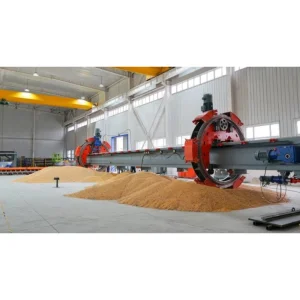
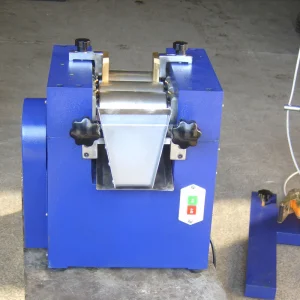
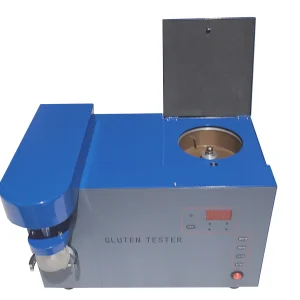
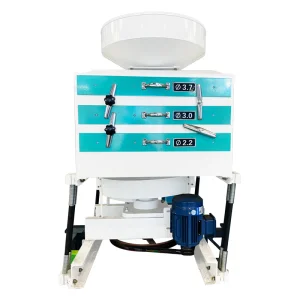
High-precision testing, milling, and pneumatic conveying machinery
 Jiujie Machine