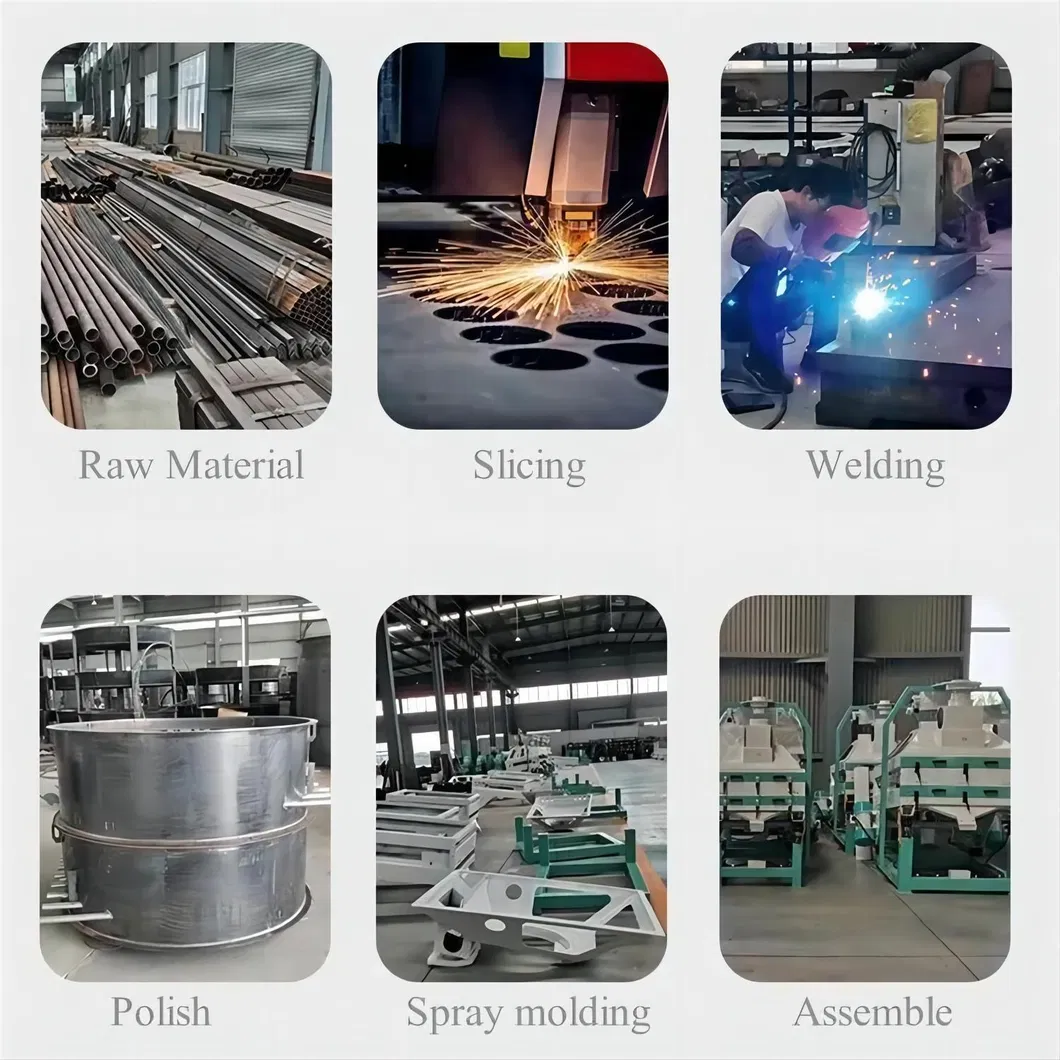
Jiujie Machine
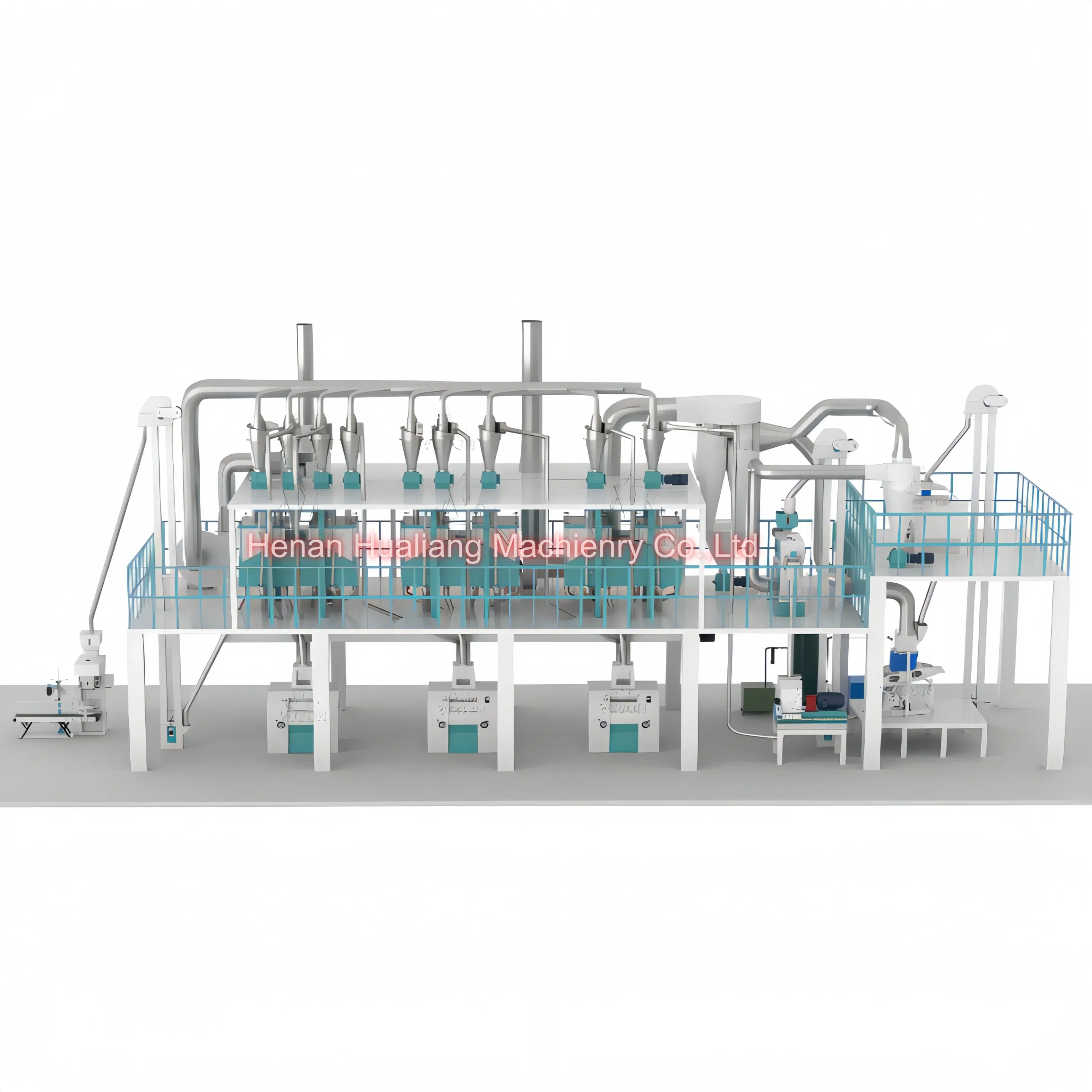
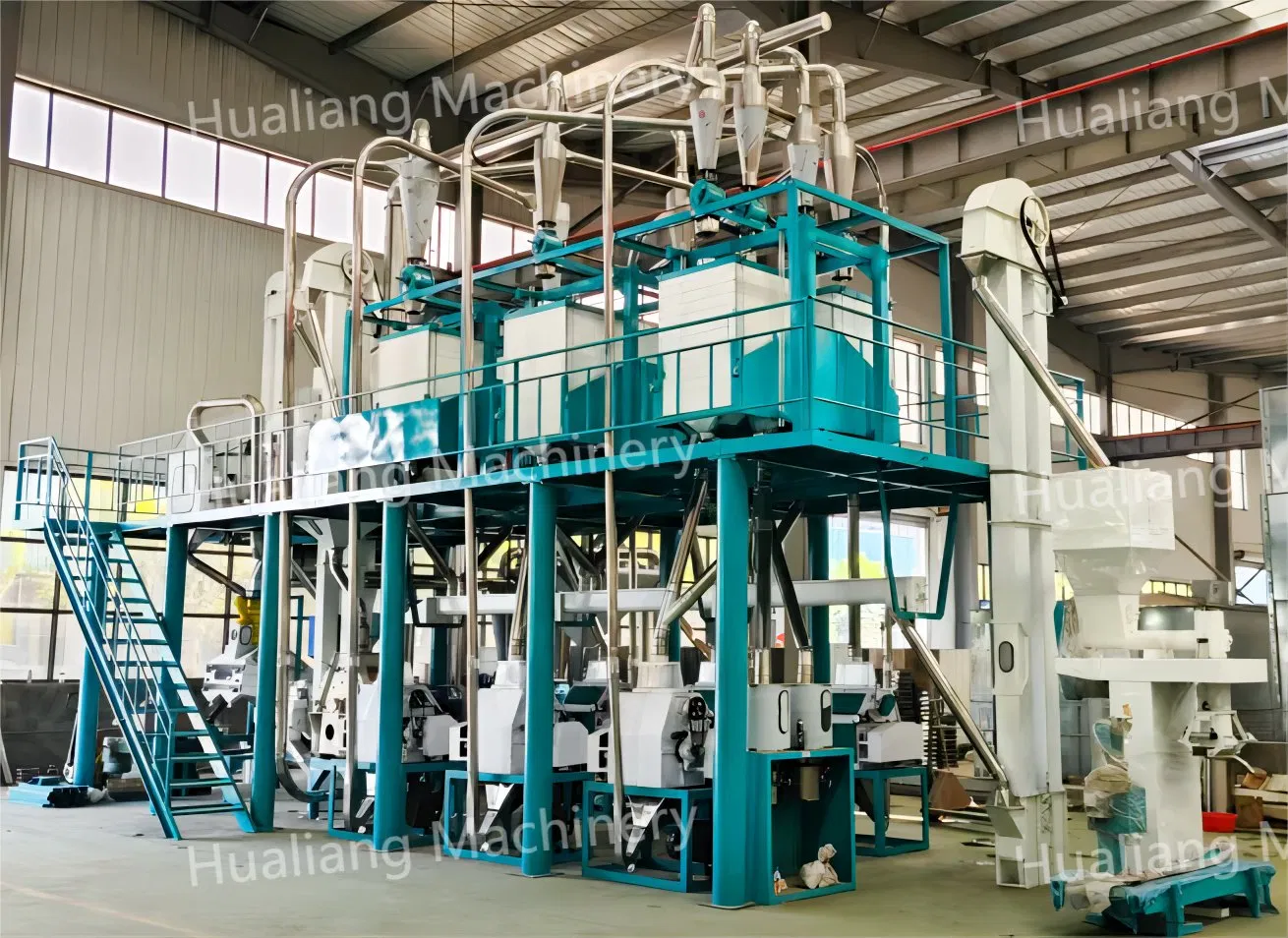
1 / 5
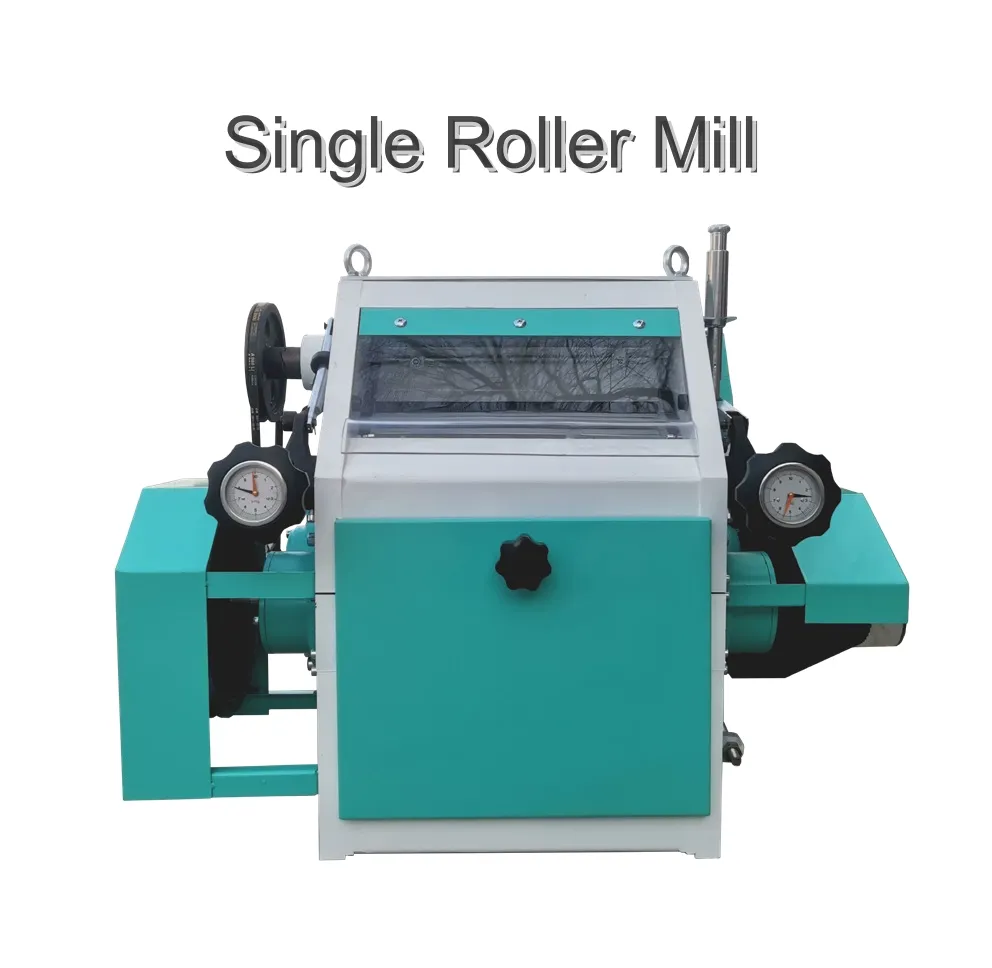
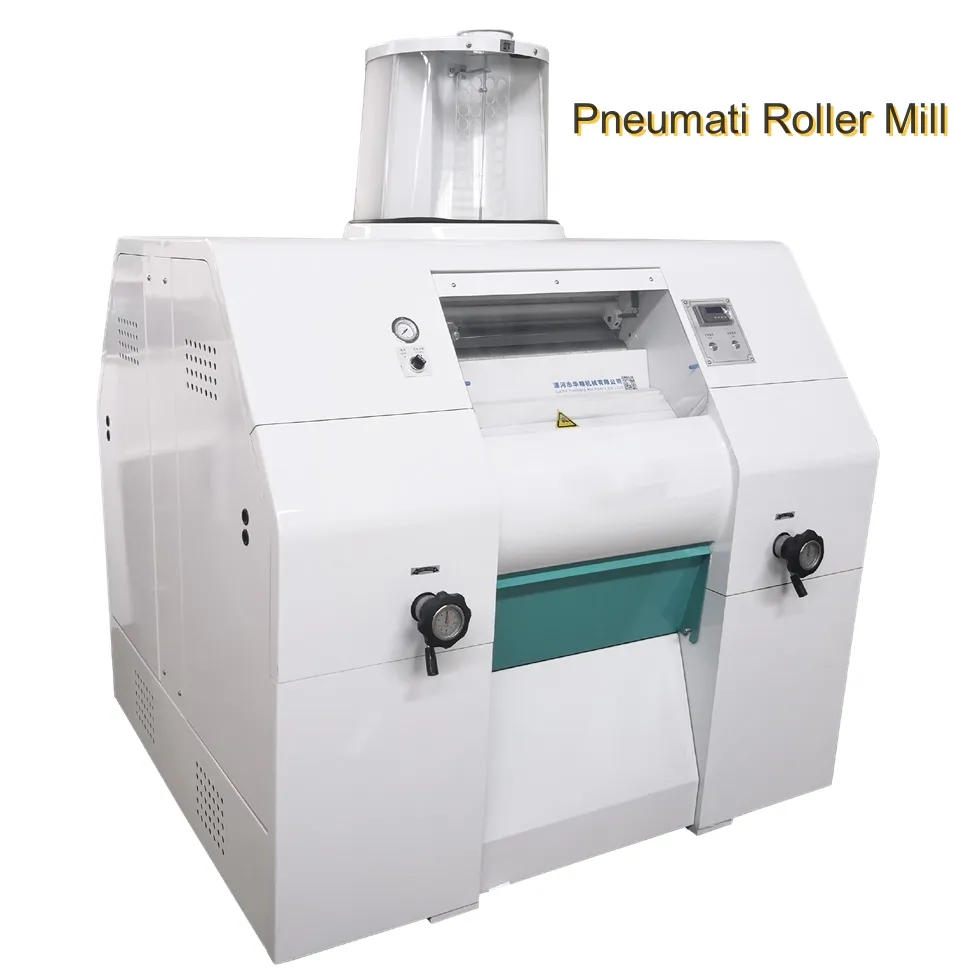
| Name | Single Roller Mill | Pneumatic Roller Mill |
|---|---|---|
| Introduce | The function is single, and only one kind of material (bran or coarse powder) can be obtained each time. It needs repeated operation and external screening, which is inefficient and the flour quality is mixed. | It is a complete automatic system, which can separate a variety of different quality materials (bran, core flour, residue flour, etc.) at the same time in one grinding, with high efficiency, and can produce high purity and different grades of flour. |
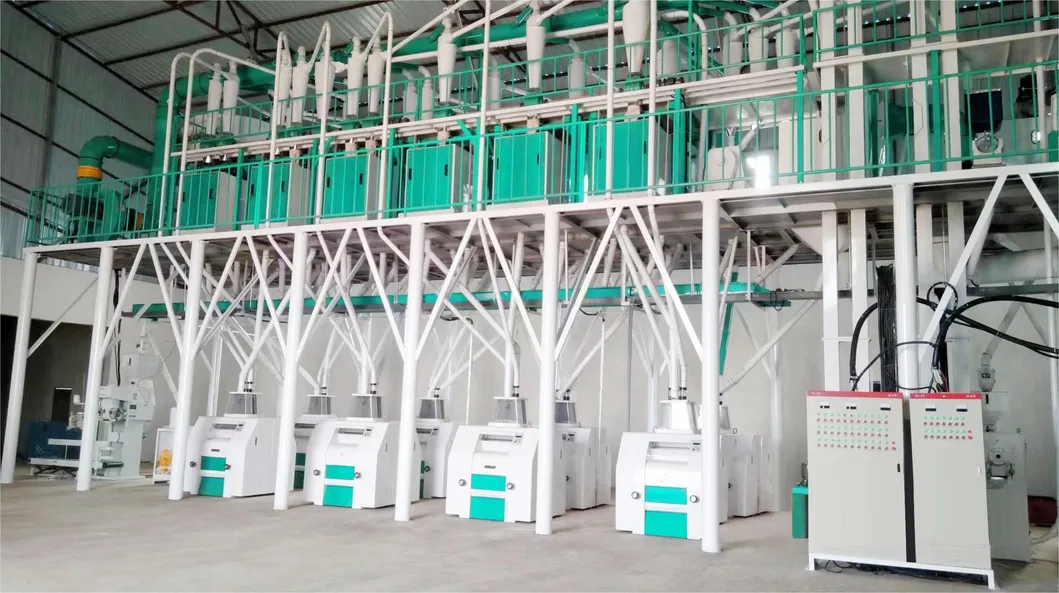
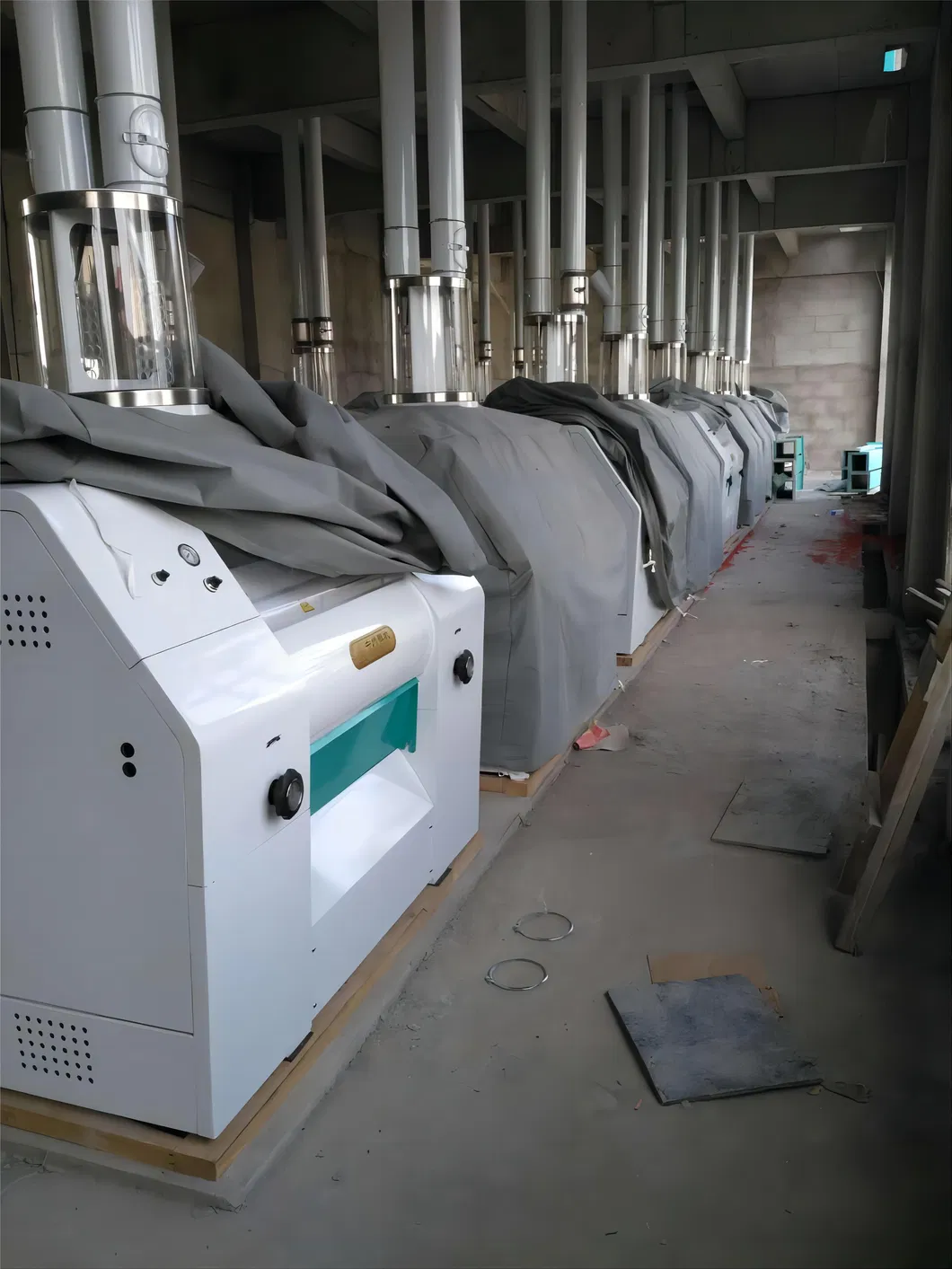
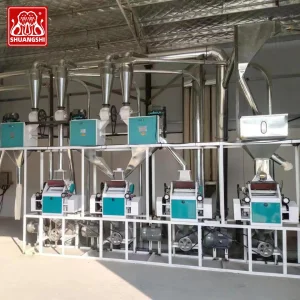
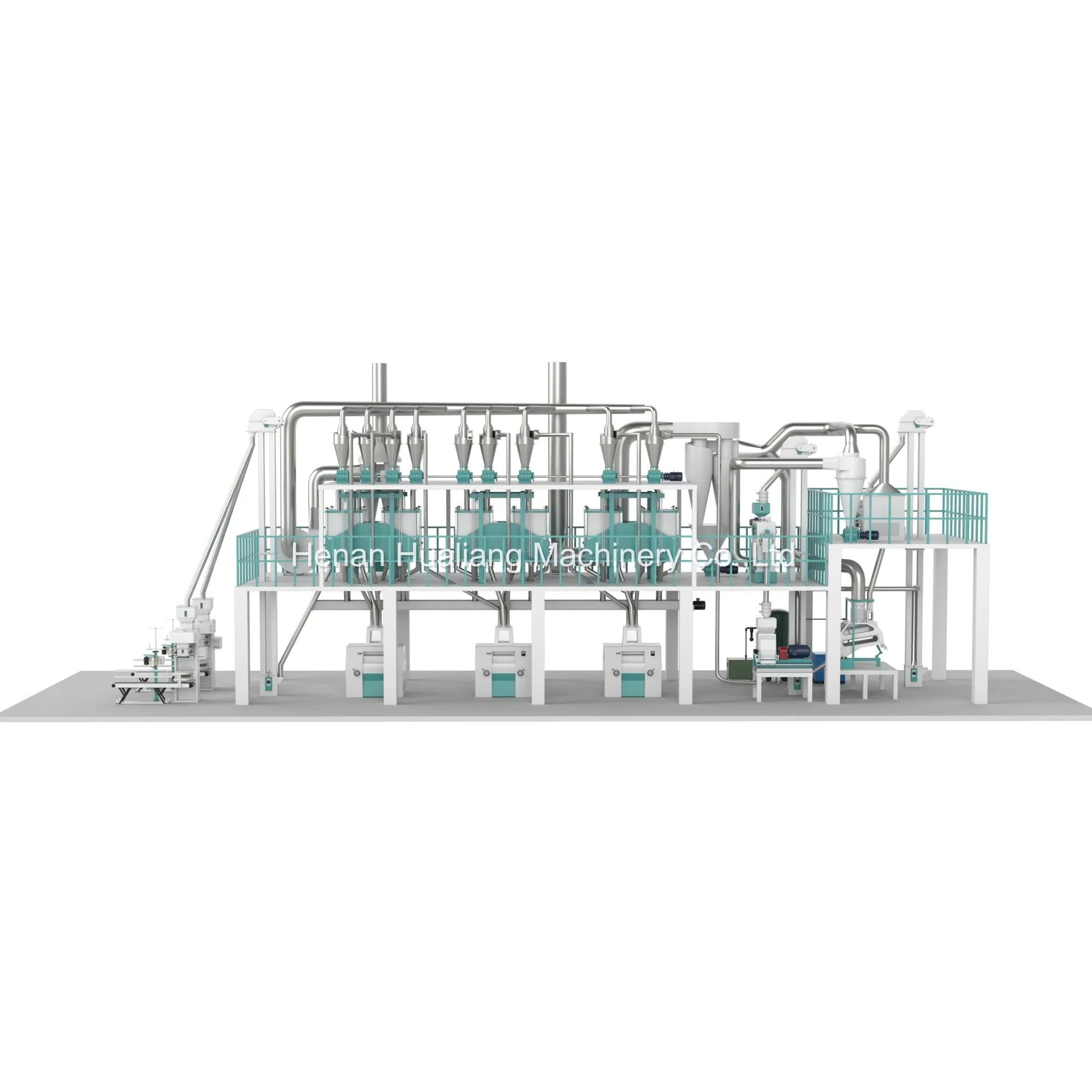
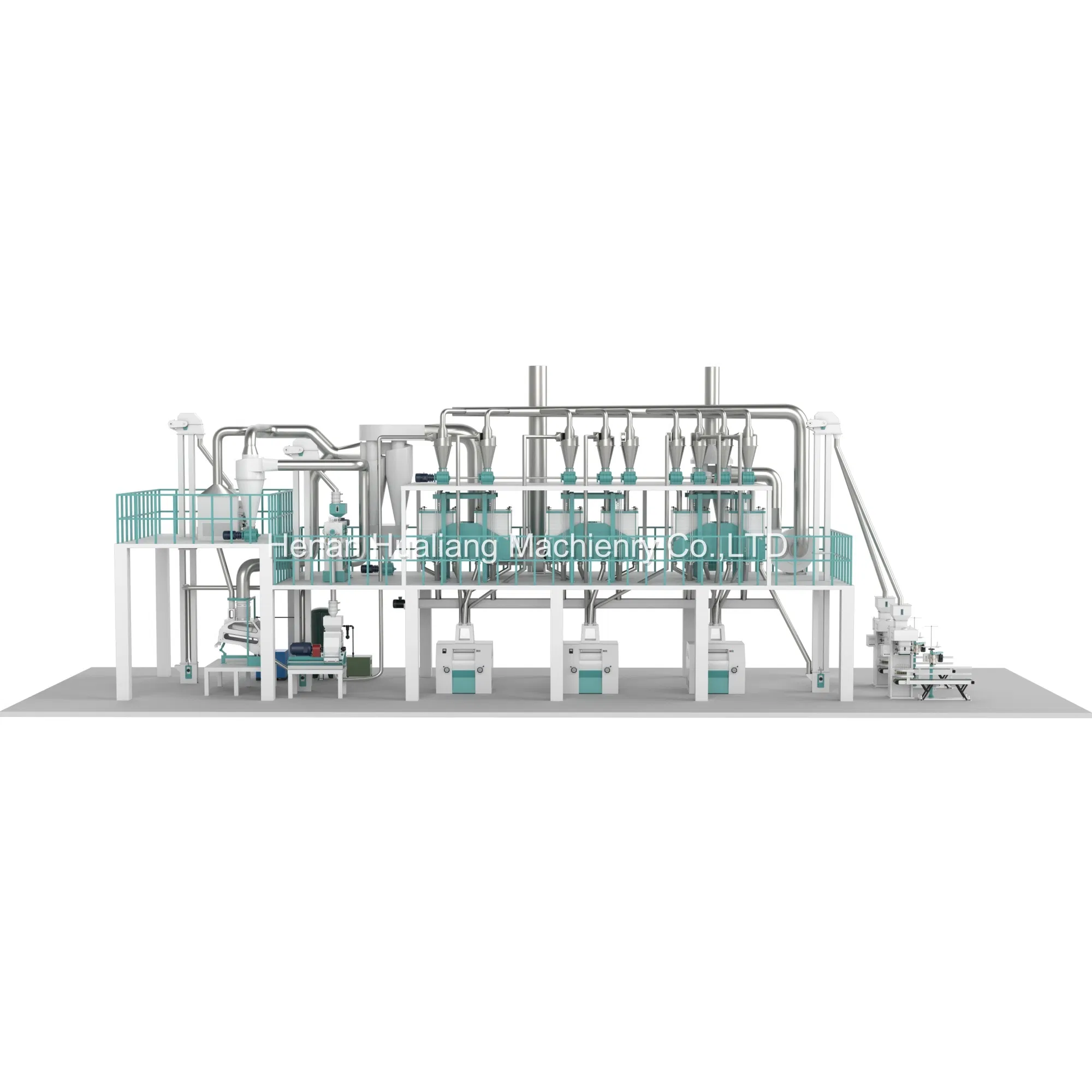
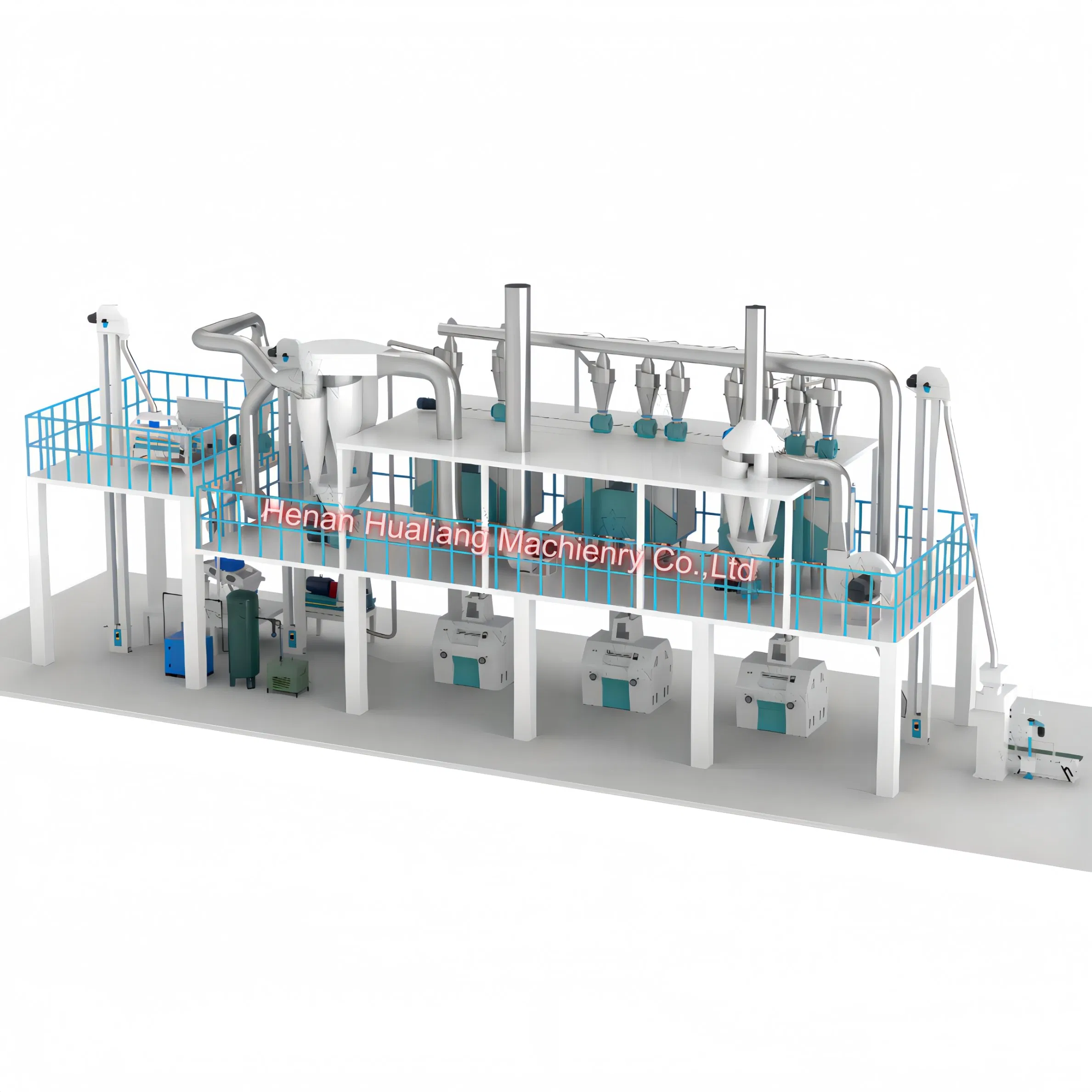
| Core structure and principle | Single grinding machine usually has only one pair of grinding rollers, the mechanical structure is relatively simple, the maintenance cost is low. The operation process is relatively simple, suitable for beginners or small processing plants to quickly get started. | It has a pair of grinding rollers (usually 4-5 pairs, including skin grinding, core grinding, slag grinding and other systems), the speed, tooth type and gap of each pair of grinding rollers can be independently adjusted. |
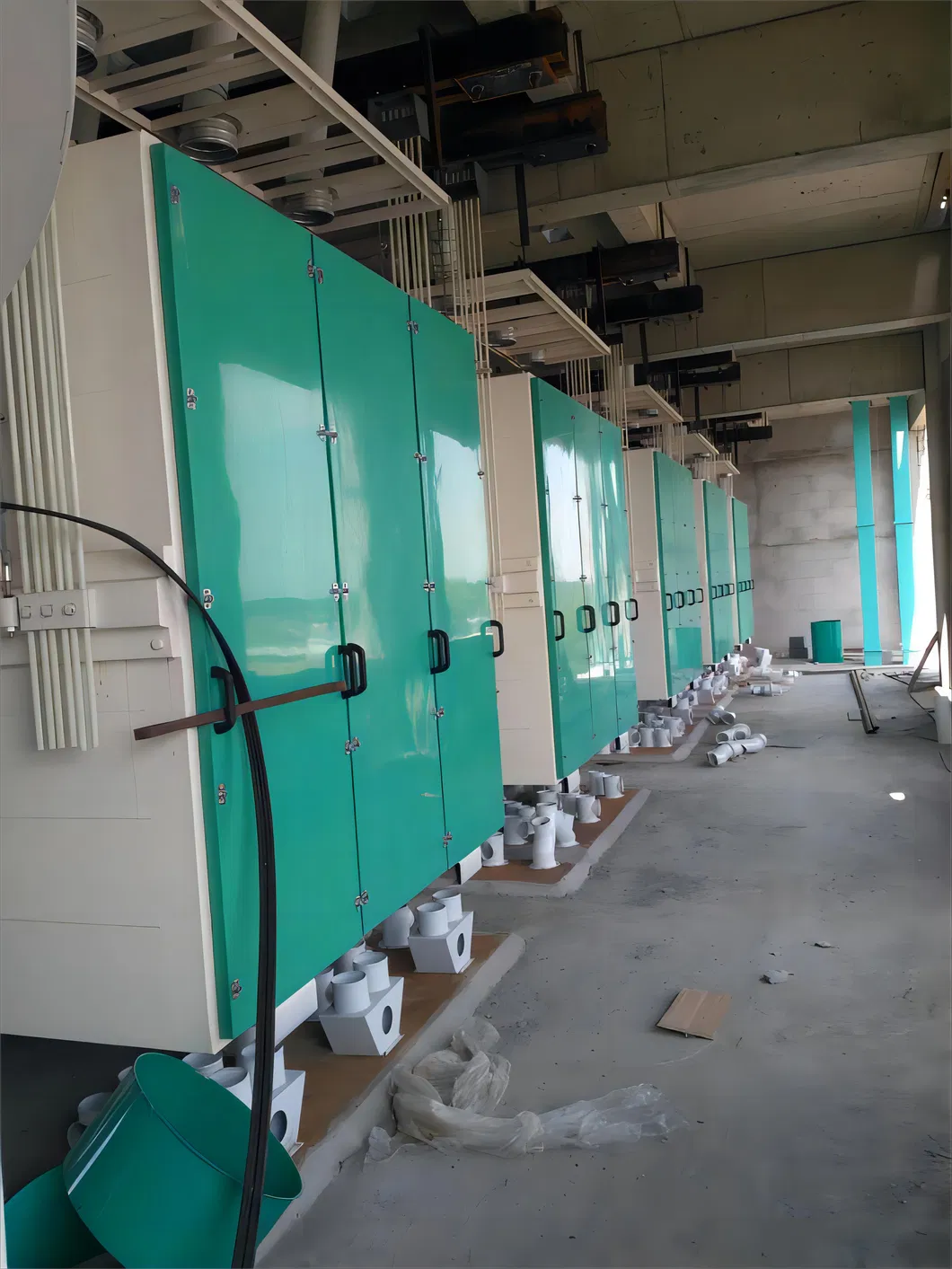
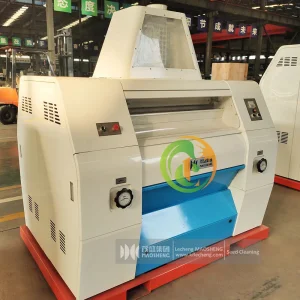
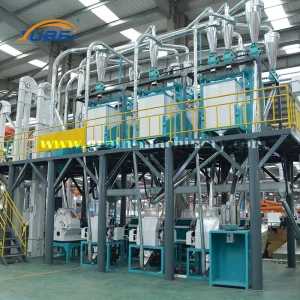
| Grinding and screening process | Grinding and screening are separated. The grinding machine is only responsible for grinding, and the material after grinding needs to be screened by an external flat screen, and then the material on the screen is returned to the grinding machine for re-grinding. The process is complicated. | Integrated grinding and screening. The pulverizer is equipped with a pneumatic feeding system at the top and a flat screen at the bottom. A single pass completes the full cycle of "feeding-grinding-screening-classification", with different screened materials being directed to subsequent processing stages. |
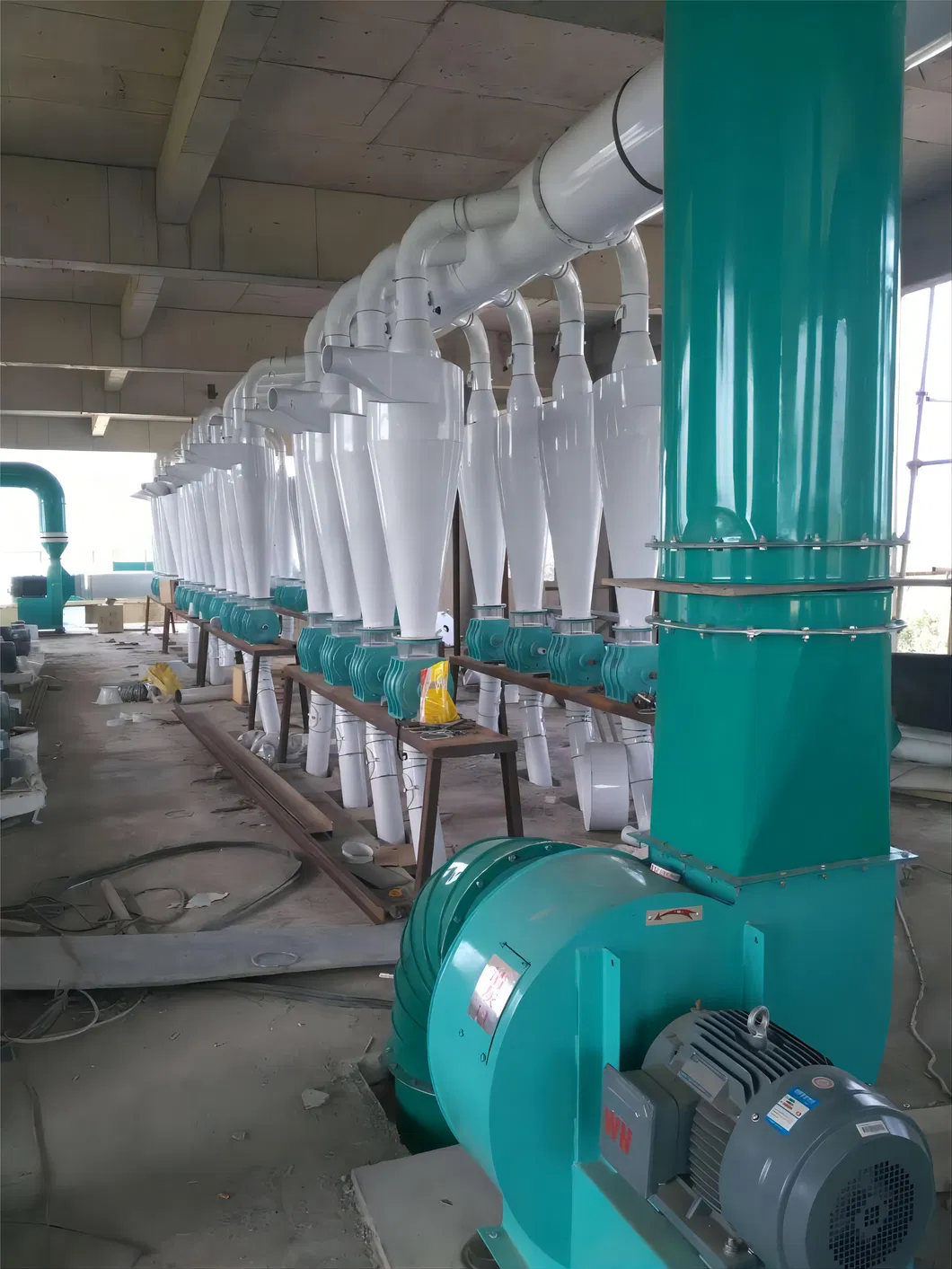
| Degree of automation | Low. The feeding amount, rolling distance (mill roller gap) and so on are adjusted by manual experience, and the stability is poor. | The system employs a pneumatic pressure control system that automatically adjusts the feeder speed and roller compression based on material pressure sensing in the grinding chamber. This intelligent regulation enables real-time adjustment of roller clutches and feeding mechanisms, significantly reducing manual intervention while maintaining consistent feed rates, optimal grinding intensity, and exceptionally stable operation. |
| Flour yield and flour quality | Low. Different grades of powder material (from different parts of endosperm) are mixed in repeated grinding, resulting in poor powder quality, low purity and relatively low yield. | The high degree of separation is achieved by using the advanced technology of "peeling, grinding and separating". It can effectively separate the bran, endosperm and embryo, and extract the pure core powder with fine texture, white color and high yield. |
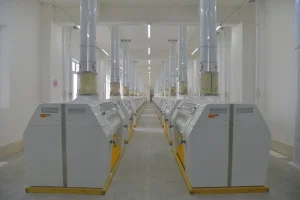
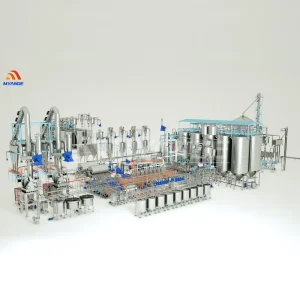
| Production efficiency | Low. It requires multiple cycles of grinding and screening, low unit yield, and large footprint (additional flat screen is required). | Very high. Assembly line automation, continuous production, high unit output, is the standard configuration of modern large flour mills. Application scenarios include mainstream equipment of large and medium-sized modern flour mills for large-scale, high efficiency, high quality commercial flour production. |
| Capitalized cost | The unit price of equipment is low and the investment is small. | The equipment is complex, expensive and costly, but the long-term operation benefits are high. |
| Operational principle | Wheat is poured in through the feed opening and crushed by a pair of rotating rollers, and the mixture of bran, coarse flour and fine flour is discharged from the outlet. Disadvantages: This process is very time-consuming and laborious, and each repeated grinding will lead to excessive pulverization of bran, a large amount of bran fragments mixed into the flour, resulting in black color (high ash content) and rough taste. It is difficult to get high quality refined flour. | The material is first evenly and stably fed into the roller between the grinding roller by the pneumatic feeder, which is the first step to ensure the stability of grinding effect. The whole process is a pressure system. It can monitor the load in real time and adjust automatically to ensure that each pair of rollers is working in optimal condition. |