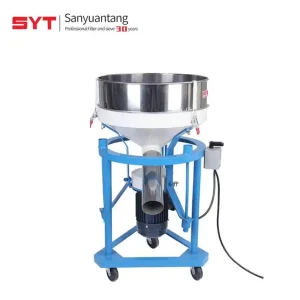
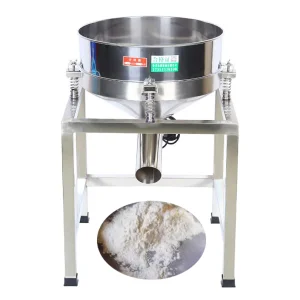
Premium circular filter sifting systems and motorized separators customized for the strict quality requirements of Dobrudzha and Sofia milling sectors.
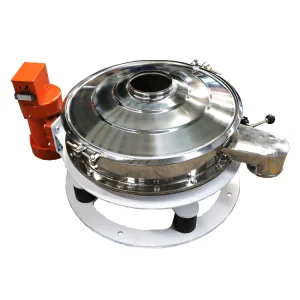
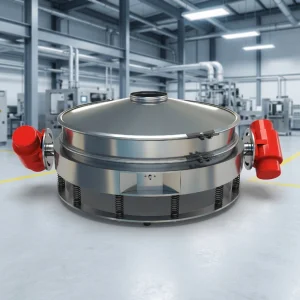
A comprehensive analysis of the regulatory, technological, and market dynamics driving processing automation in southeastern Europe.
Bulgaria stands as a vital agricultural hub in the Balkan region. Historically referred to as the "breadbasket of Eastern Europe," the country exports massive quantities of wheat, maize, and sunflower seeds. However, the domestic processing sector is undergoing a rapid modernization shift. To access lucrative Western European markets and comply with European Food Safety Authority (EFSA) regulations, Bulgarian millers and commercial bakers must eliminate all physical hazards from their processing streams. This makes high-grade vibrating sifting equipment an absolute necessity.
Key processing regions, including Sofia, Plovdiv, Varna, and Dobrich, demand specialized flour filtering solutions. These machines are engineered to sift out bran particles, insect eggs, and physical contaminants while ensuring maximum throughput. Manufacturers are also adapting to national requirements, such as integrating ATEX-compliant motors because airborne flour dust poses high explosion risks within closed milling environments.
On a global scale, the industrial food separation market is transitioning from simple mechanical sifting to high-tech, hygienic, and intelligent separation systems. Modern processing plants operate continuously, requiring equipment that features minimal maintenance and fast screen-change mechanisms. Traditional manual tensioning of screens is being replaced by automatic pneumatic self-tensioning devices and ultrasonic deblinding systems that completely eliminate mesh blockage.
Furthermore, eco-efficiency is driving global development. With rising energy costs in Europe, Bulgarian operators are prioritizing eco-designed machinery. The implementation of energy-efficient three-phase vibration motors and water-free grain cleaning techniques has become the standard. This approach prevents the generation of industrial wastewater, dramatically simplifying municipal compliance for factories located in municipal zones like Sofia and Plovdiv.
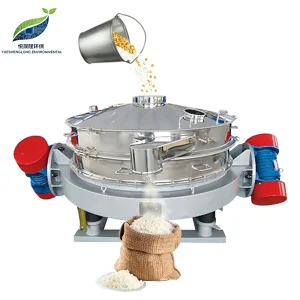
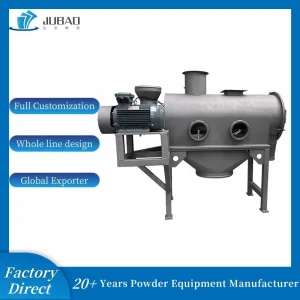
Engineered for high-throughput dust-free feeding, precise dry barley separation, and automatic inline bag-dump operations.
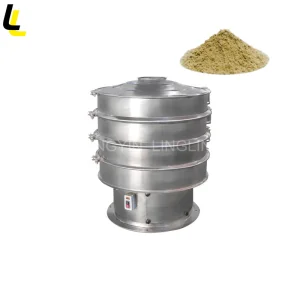
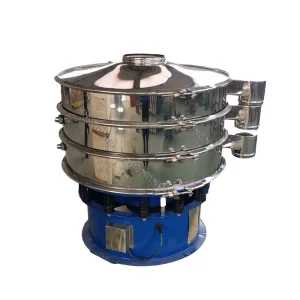
Henan Jiujie Machine Co., Ltd. is an established, professional supplier of comprehensive grain processing systems, screening equipment, and turnkey engineering services. Our extensive reach covers wheat flour milling plants, animal feed processing factories, and rice processing mills globally.
Our product portfolio ranges from high-durability conveying systems, magnetic and density cleaners, and advanced flour separators, to other primary processing machinery. Recognized internationally, our solutions prioritize seamless mechanical integrations and reliable operation.
Over decades of dedicated research and development, we have designed custom lines matching the strict food safety and wastewater disposal regulations of Eastern Europe. By providing complete processing chains (raw material collecting, storage, cleaning, grading, sieving, grinding, mixing, and packaging), we help modern food producers in Bulgaria elevate their automation levels and capture market share.
All grain milling and sieving solutions provided by Henan Jiujie Machine Co., Ltd. carry complete ISO9001:2015 quality management and CE declarations of conformity. The safety systems and environmental profiles meet EU regulatory directives.
Of particular significance to the European market is our dry cleaning technology. It performs dry grain screening and destoning without using water, completely preventing the production of secondary industrial wastewater. For local mills and bakeries in Bulgaria, this guarantees seamless compliance with EU environmental mandates and reduces operational charges.
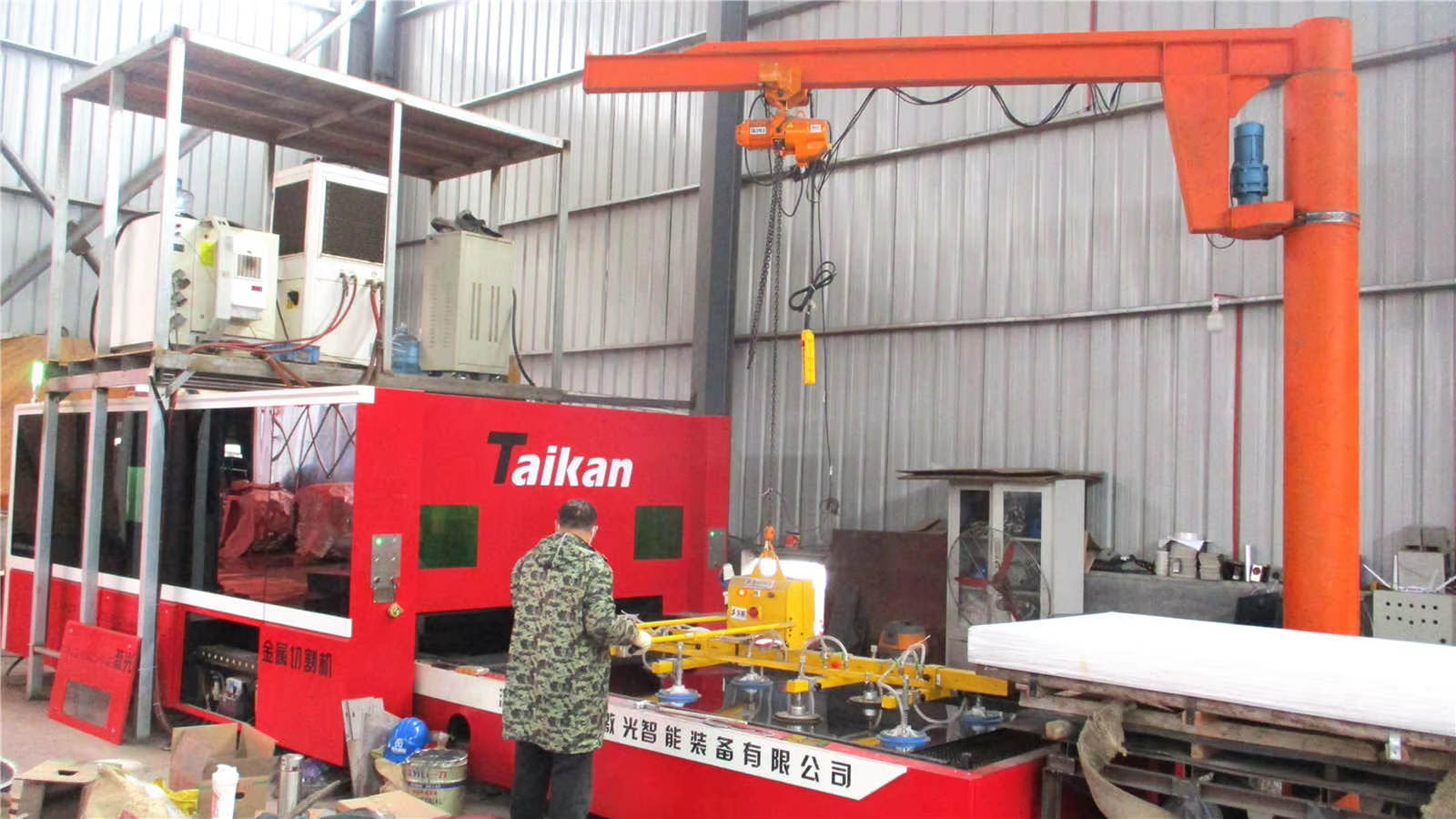
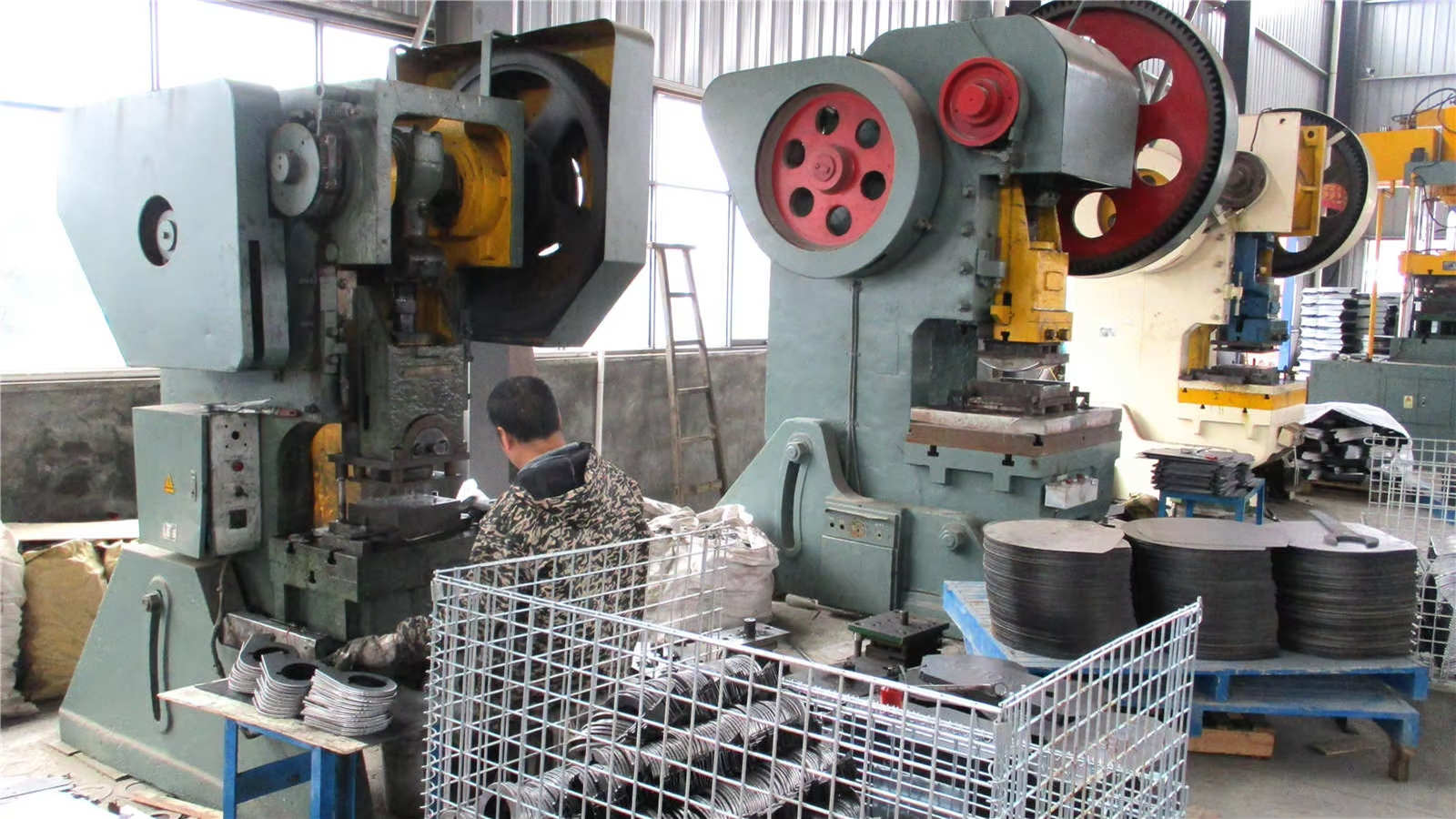
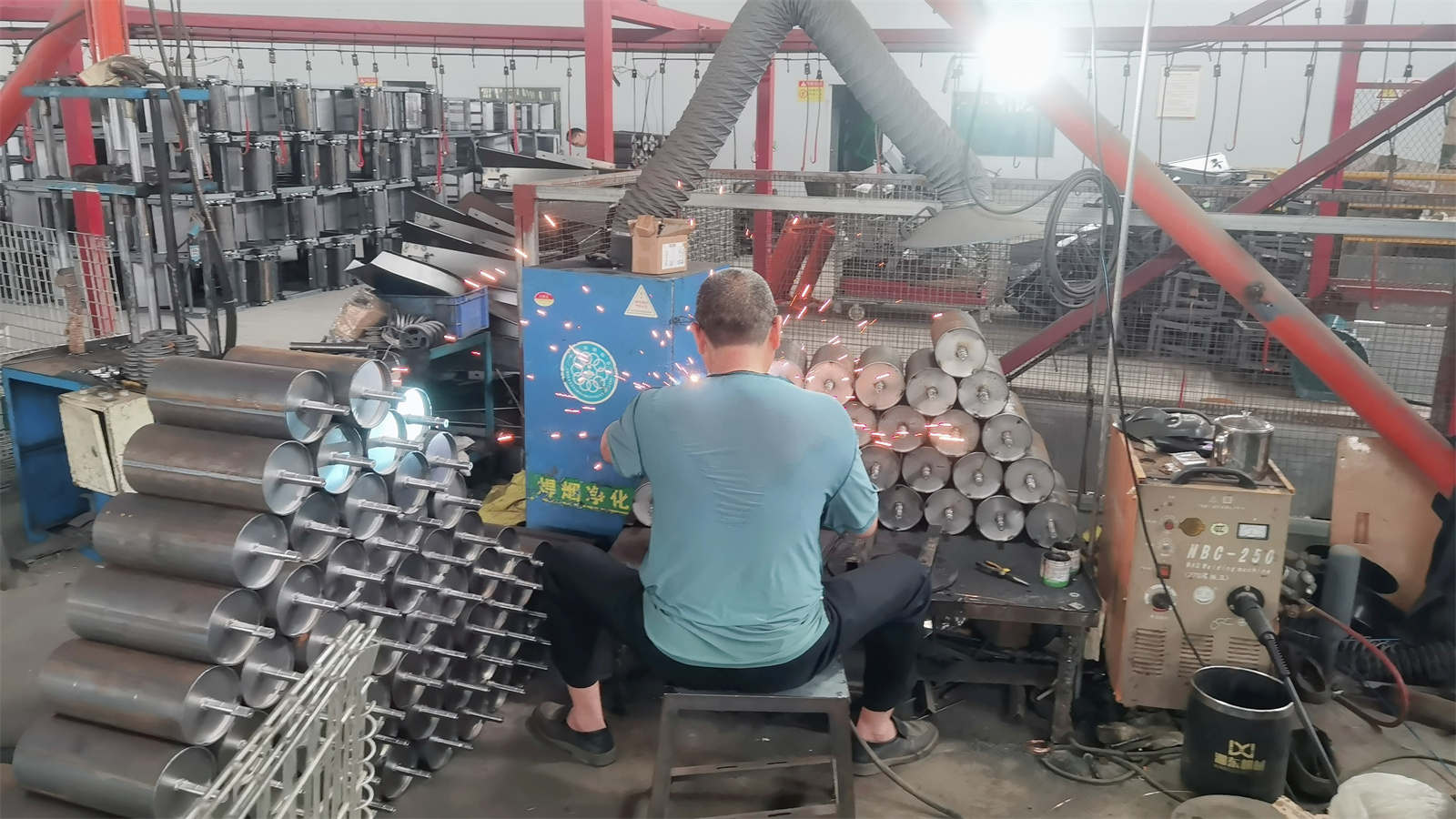
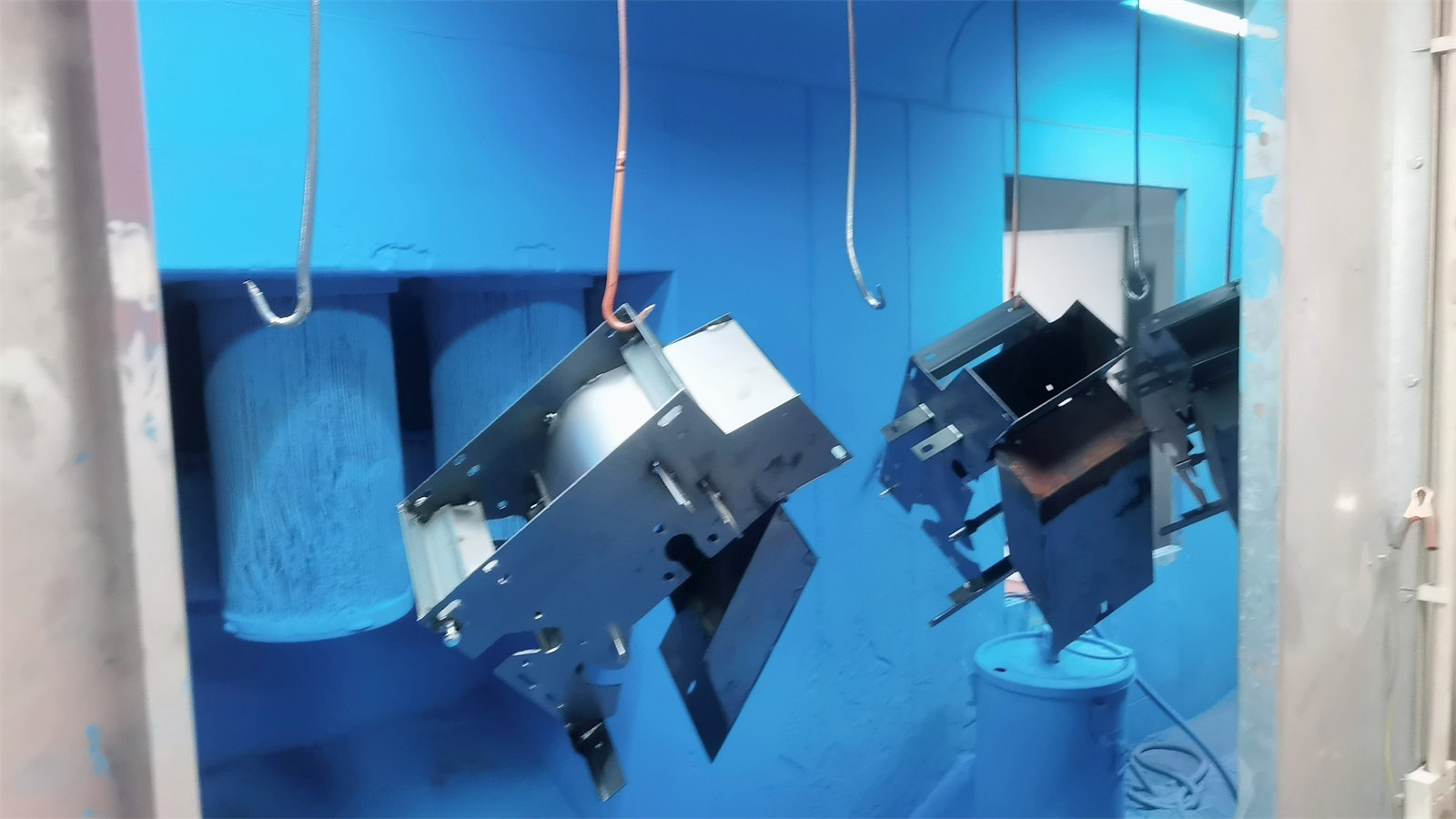
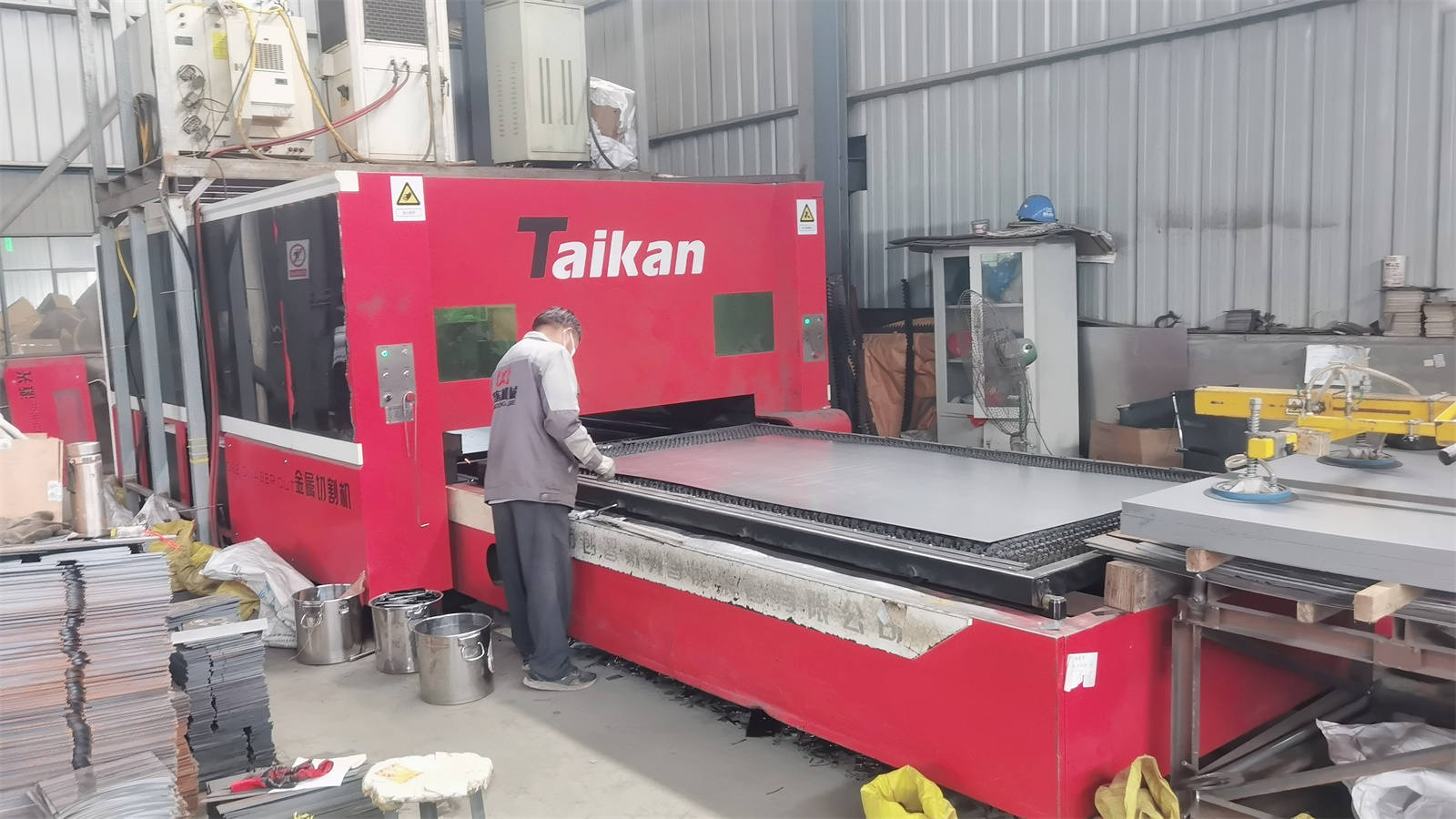
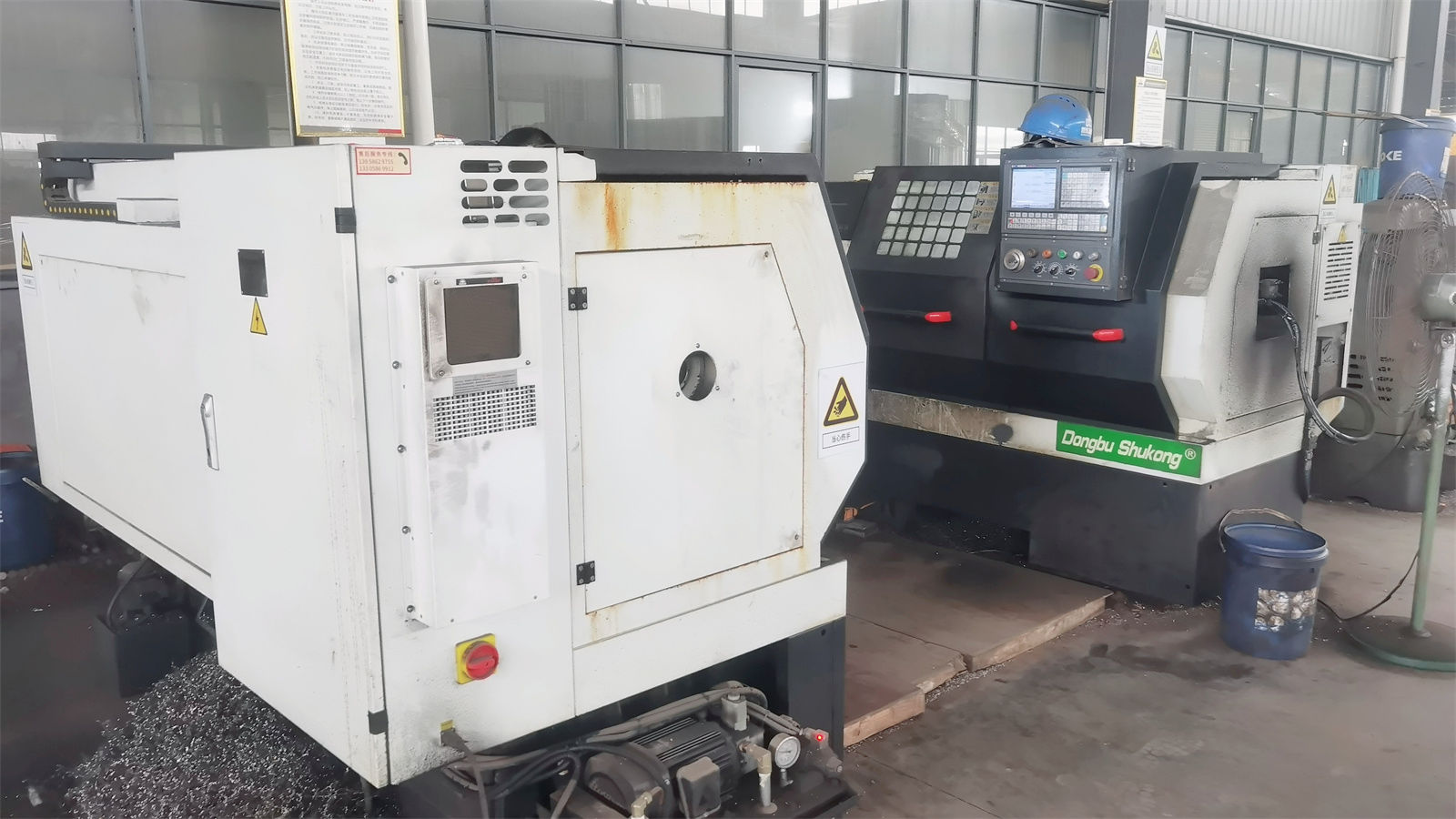
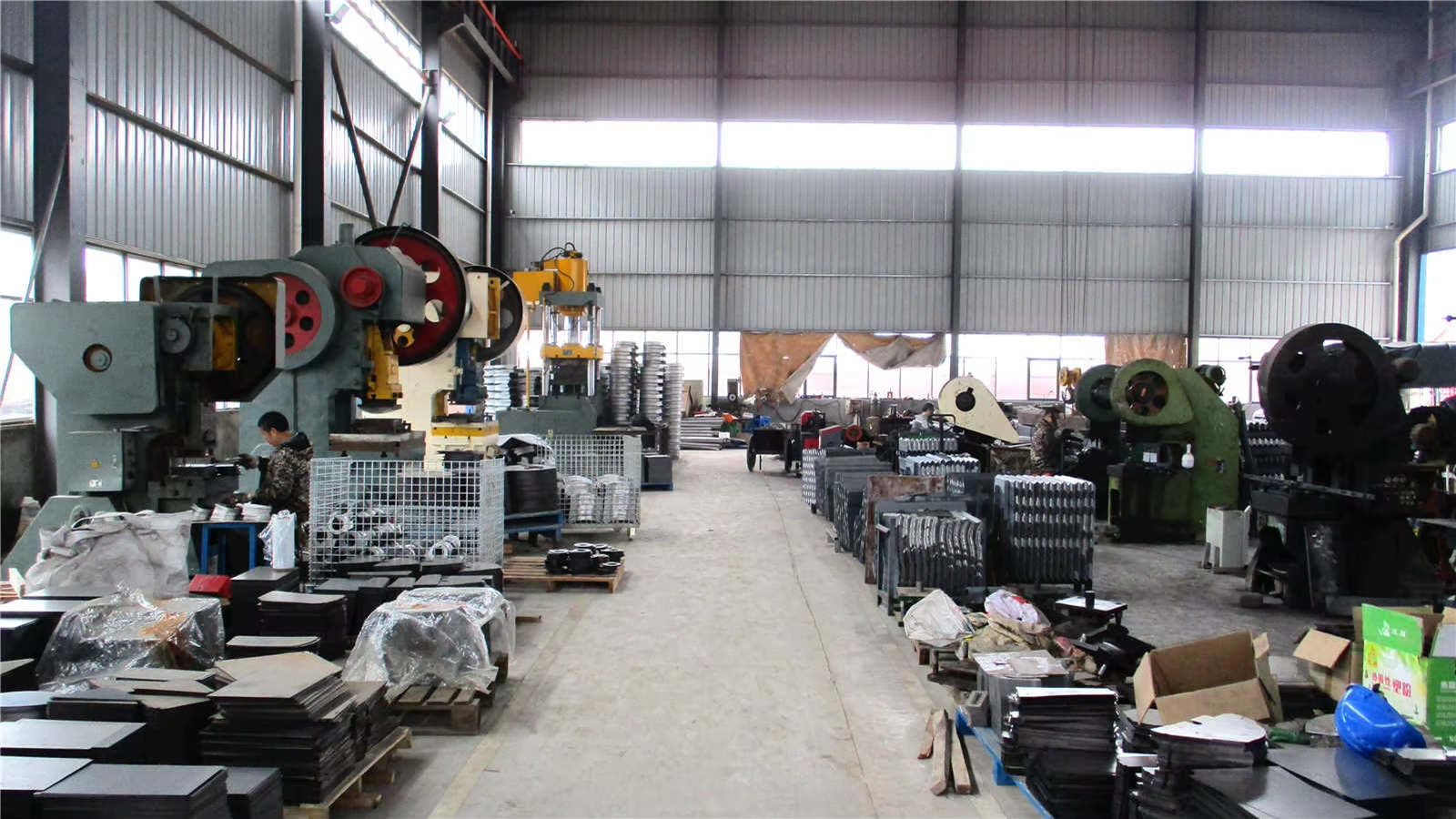
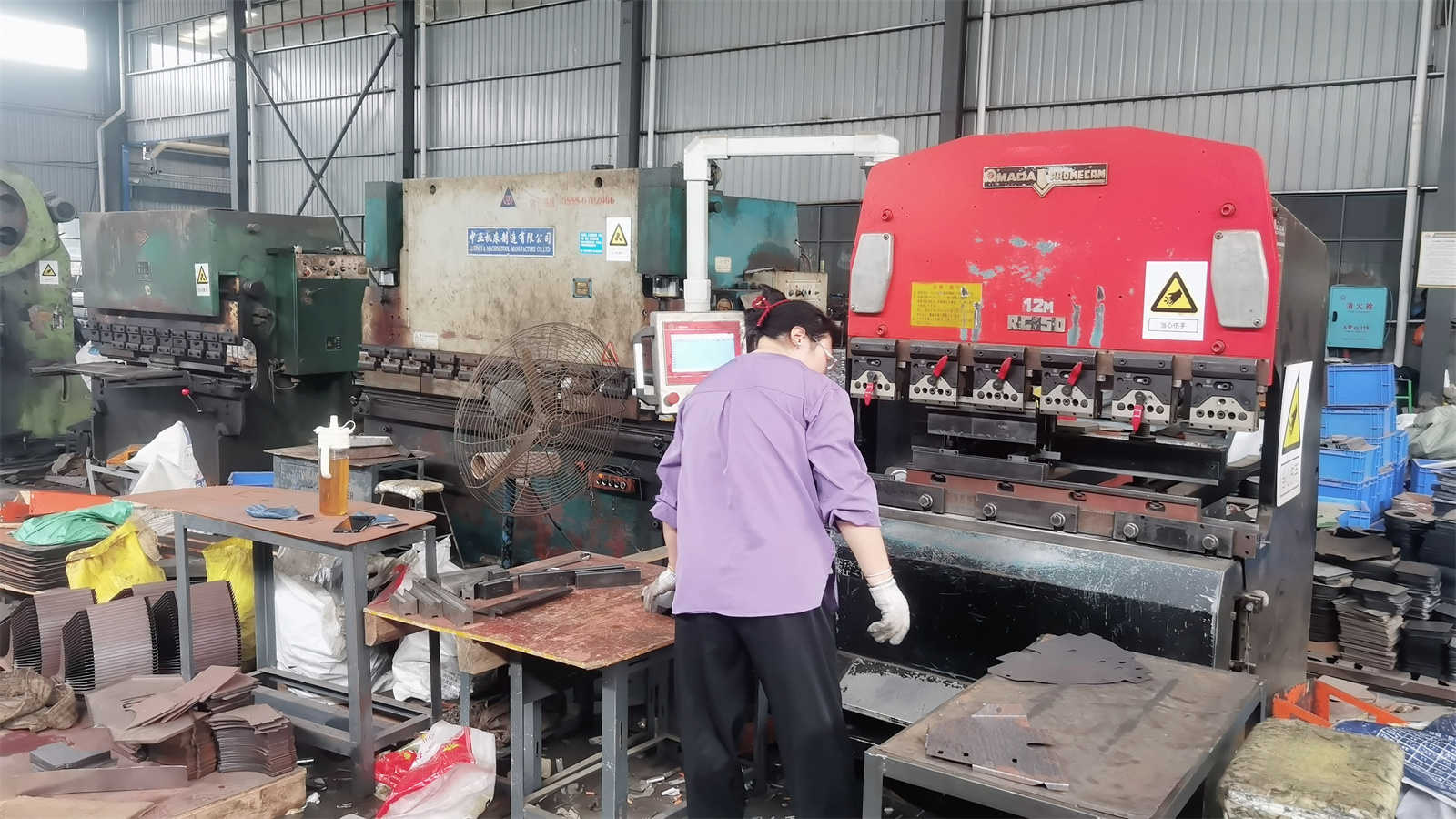
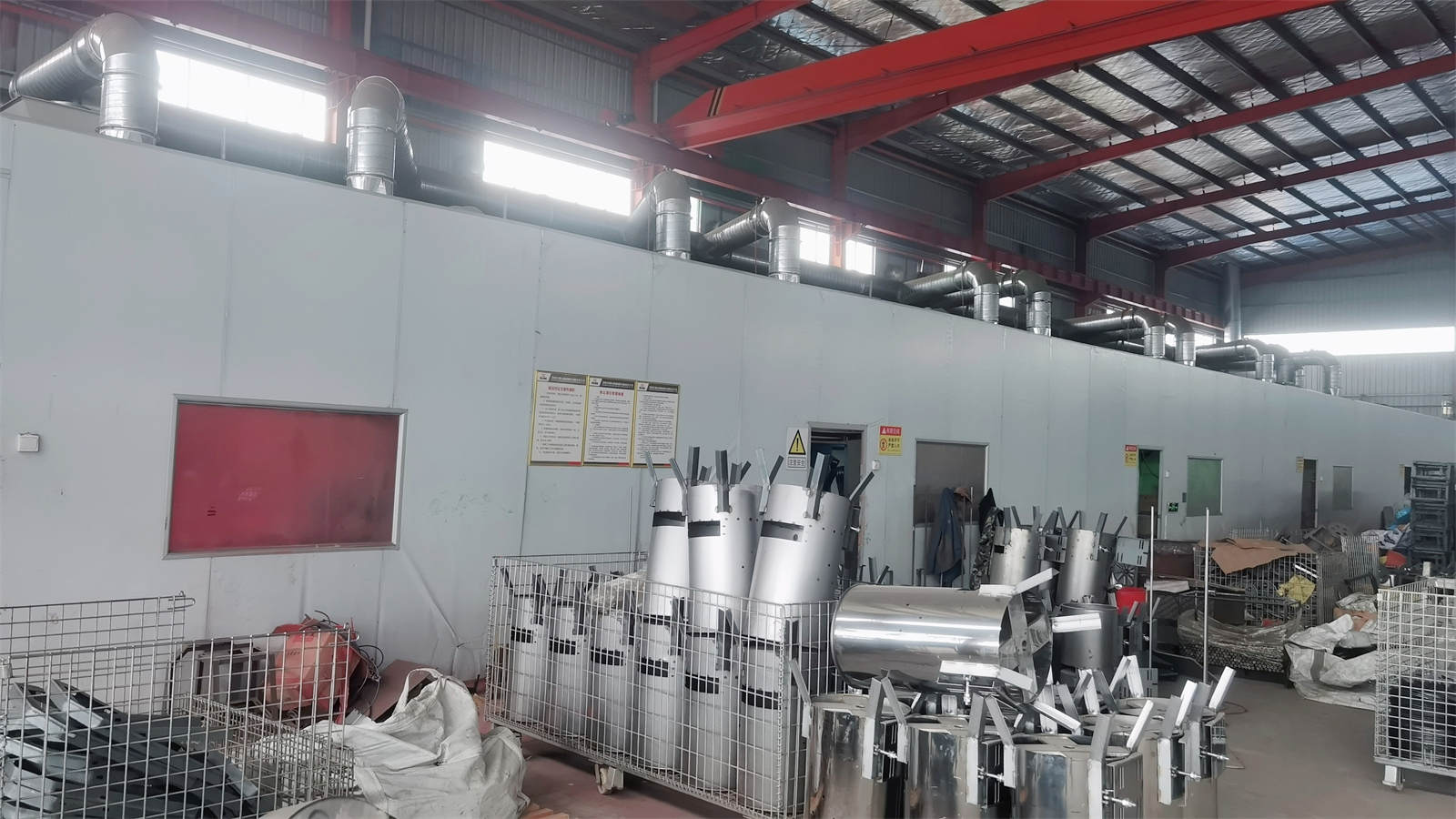
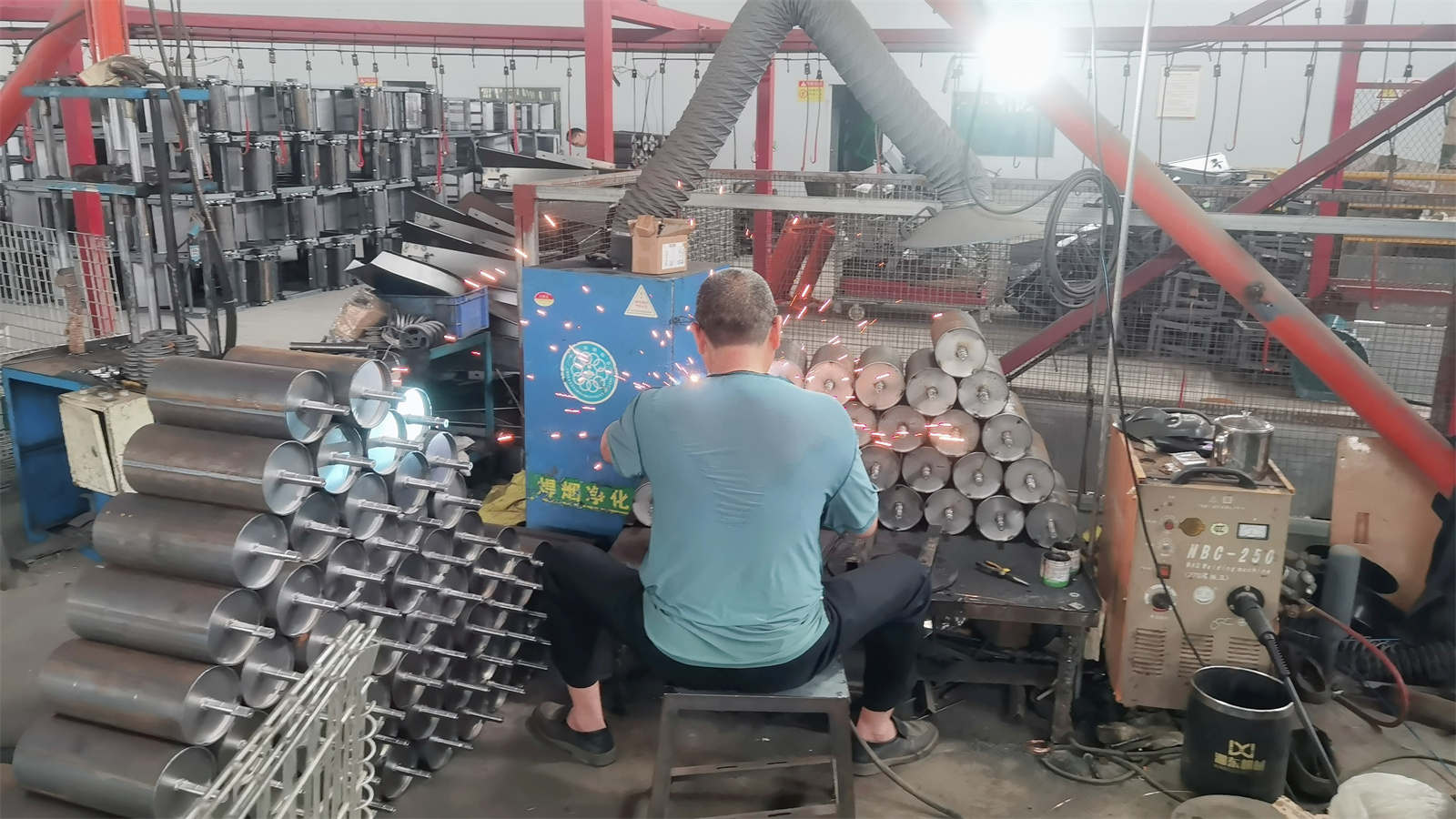
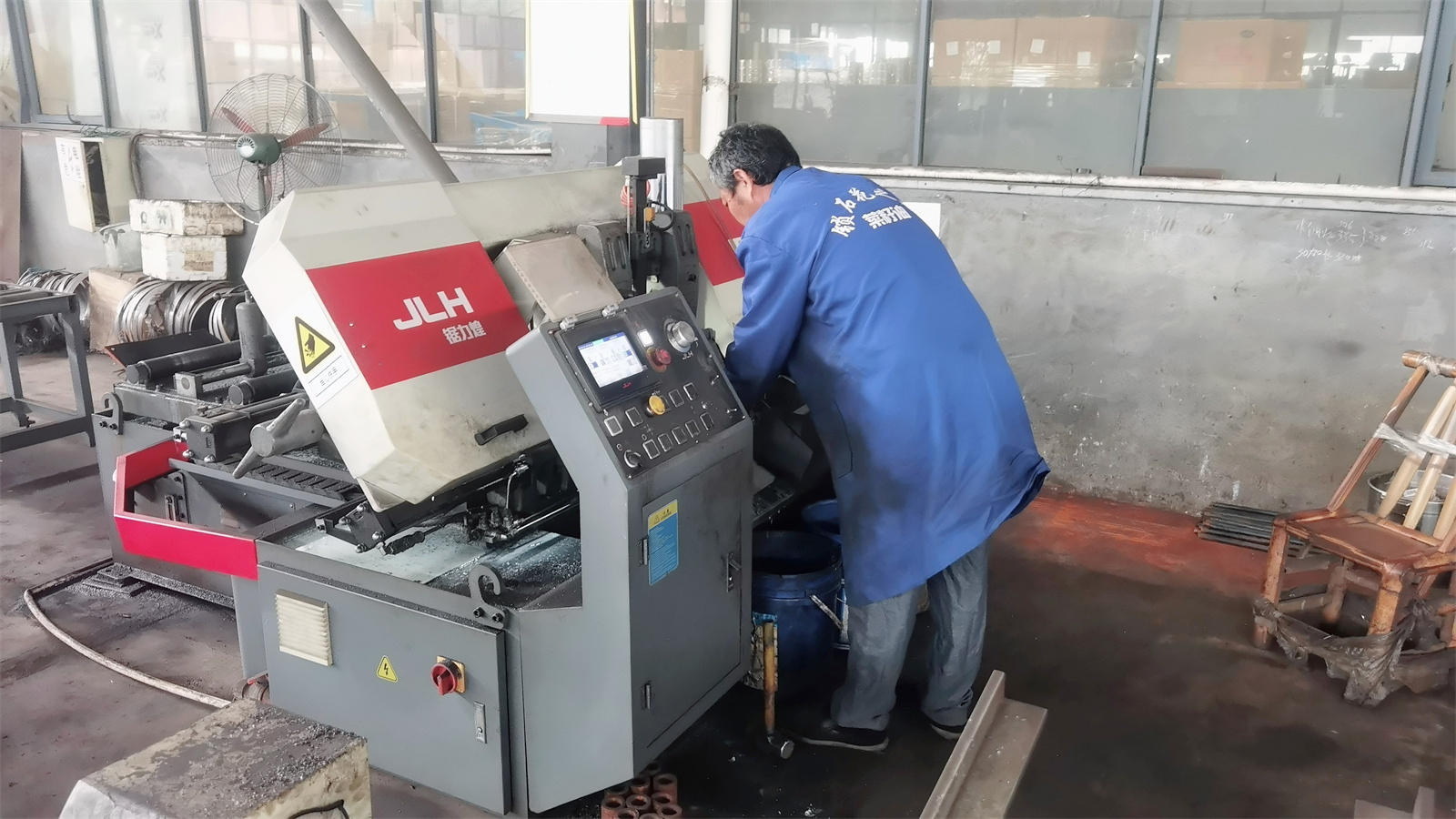
Discover the precise engineering methods and state-of-the-art CNC processing equipment that define the durability of our sifting machines.
Using fiber laser cutting stations to machine stainless and carbon steel plates with tolerances below 0.05 mm, ensuring perfect structural alignment.
CNC press brakes format the structural rings and support bases, keeping stresses balanced to withstand decades of high-frequency vibration.
Automated CO2 arc and argon welding robots ensure leak-proof seams and high-integrity joint bonds, preventing fine flour dust leakage.
Automated electrostatic powder coating lines apply highly durable, food-safe protective barriers on all non-contact carbon steel surfaces.
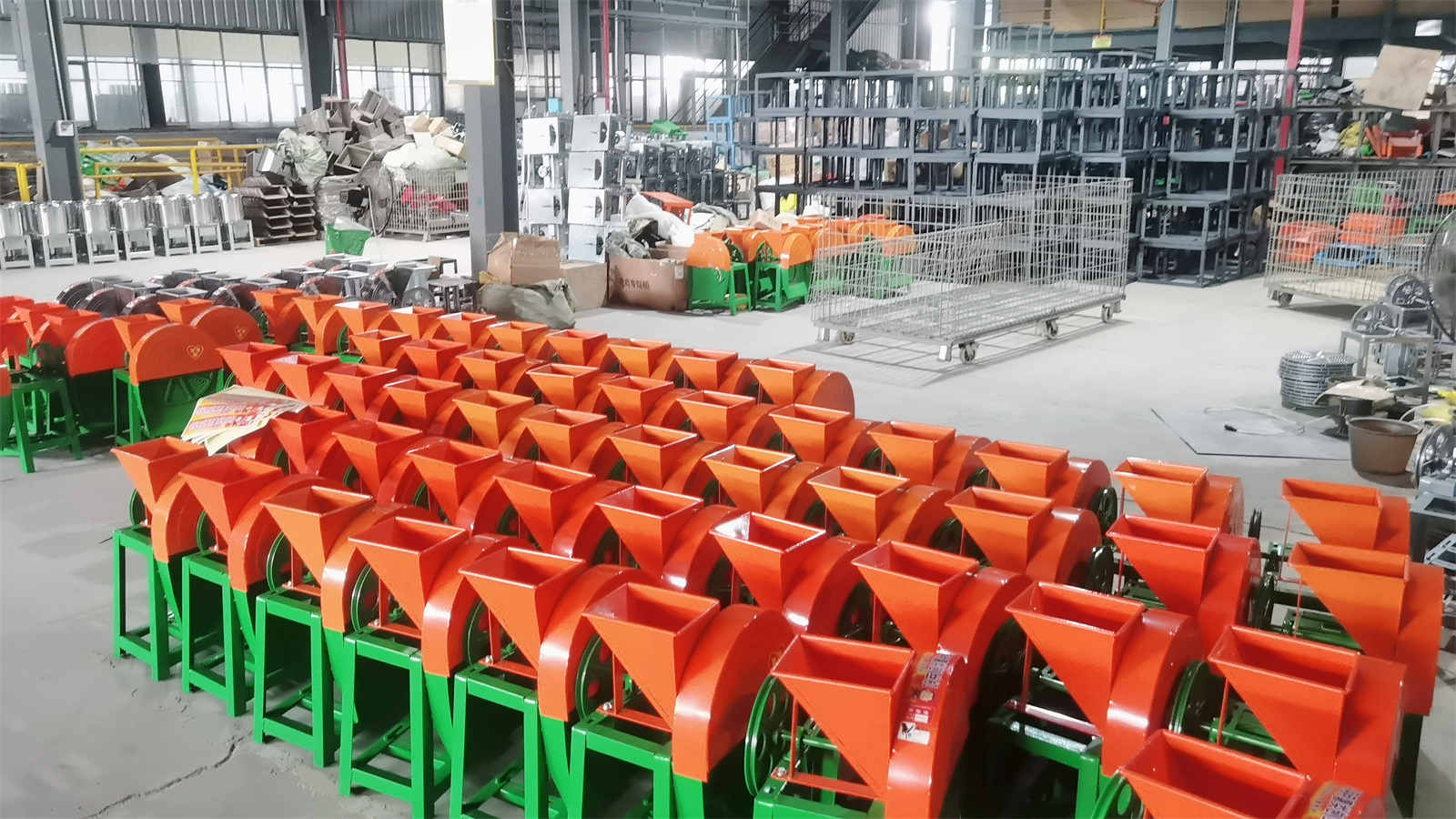
How modern grain facilities integrate vibrating screening machines to maximize product safety, E-E-A-T credentials, and financial yield.
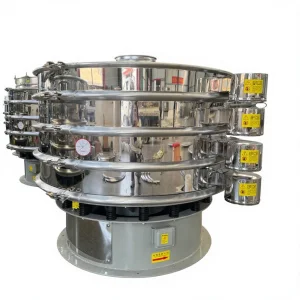
Within a flour mill, the sifting machine is the last line of defense. The raw wheat harvested from Dobrudzha and other fertile areas contains stones, straw, and fine sand. Our macro solutions start with automated pre-cleaners, passing through horizontal scourers, and directing flow into our rotary vibro sieves. The circular motion stratifies the material stream, allowing fine flour particles to pass through while directing coarser husk elements and oversize impurities to separate discharge chutes.
By using customized screen tensions and food-grade PU cleaning balls, our systems work continuously without blinding. The result is pure, clean grain ready for the breaking rolls. This process preserves the lifespan of the expensive grinding rolls and guarantees that the downstream flour contains no mineral ash residues, a key metric for premium bread production.
For bakery operations in Plovdiv and Sofia, bulk flour is delivered via pneumatic tanker trucks. During transportation, moisture changes can cause the flour to form lumps. Condensation inside storage silos also contributes to this problem. Placing a direct-discharge inline sifter immediately below the silo outlet or right before the mixing station resolves this. It ensures that the flour is loose, aerated, and completely lump-free.
Aerated flour absorbs water more evenly during the dough-mixing stage. This produces a uniform dough texture and improves baking yields. Most importantly, inline screening intercepts any packaging threads or foreign particles. It acts as an essential checkpoint before the final product reaches consumers, protecting your brand from costly product recalls and liability concerns.
Expert answers addressing the sizing, safety, maintenance, and process integration challenges faced by plant managers.
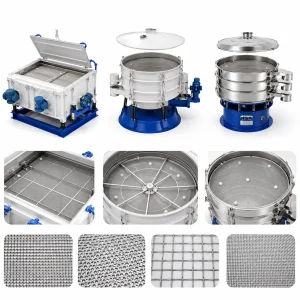
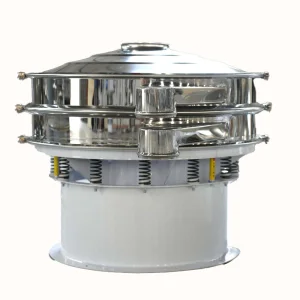
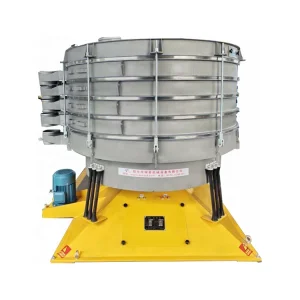
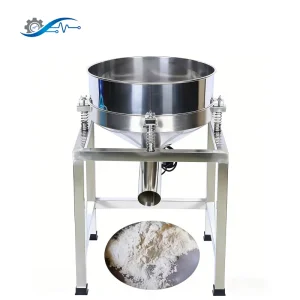
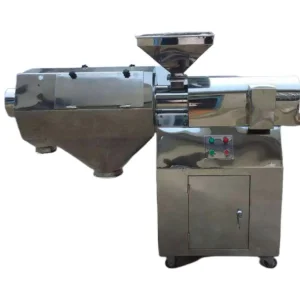
A full range of specialized separation machinery, designed to optimize screening processes across the Bulgarian agricultural and chemical sectors.
 Jiujie Machine