Highly integrated mechanical architectures engineered for the unique moisture and geographical profiles of Costa Rican milling hubs.
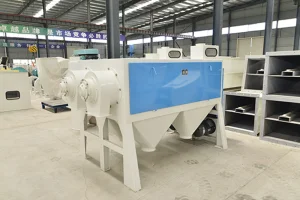
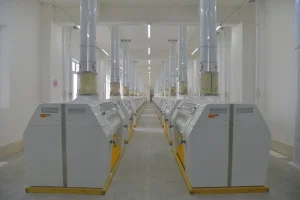
Understanding the transition from traditional processing to automated smart milling systems in Central America.
Costa Rica, known for its strong agricultural legacy and strategic geographic positioning within Central America, has witnessed a steady structural shift in its food processing and milling industries. Although the country is not a primary grower of commercial wheat due to its unique tropical topography and climate, it relies heavily on raw wheat imports to supply its domestic flour, bakery, and feed processing industries. Primary maritime entries like Puerto Caldera on the Pacific coast and Puerto Limón on the Caribbean coast act as key logistical conduits for bulk grain. Once imported, the grain must be transported to industrial zones in provinces such as San José, Alajuela, Cartago, and Heredia, where local milling operations convert these grains into consumer-grade flour, animal feed, and specialized starch products.
This import-heavy paradigm requires local milling facilities to maintain exceptionally high efficiency, high extraction rates, and minimal grain waste. Flour milling machine suppliers and exporters catering to Costa Rica must understand that local processors face fluctuating global wheat prices, strict environmental oversight from agencies like the Ministry of Environment and Energy (MINAE), and demanding safety standard requirements set by the Ministry of Health (Ministerio de Salud). High-yield machinery, combined with eco-friendly cleaning technology that avoids wastewater generation, has transitioned from a competitive advantage to an operational necessity.
Furthermore, the demand for maize (corn) milling equipment in Costa Rica remains substantial. White and yellow corn form the baseline for staple traditional foods, including tortillas and local snack foods, alongside heavy utilization in the livestock feed sector. Milling companies require highly versatile processing plants capable of switching configuration or optimizing lines for both wheat and corn. Henan Jiujie Machine Co., Ltd. fills this industrial gap by supplying machinery designed to maintain peak reliability, even under the high ambient humidity levels typical of Central America's tropical wet seasons.
From raw grain intake to automated packing, our machinery guarantees continuous operation and consistent product grading.
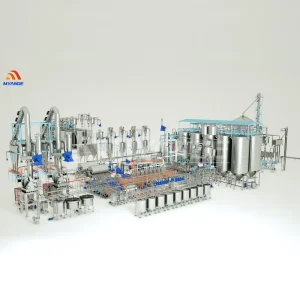
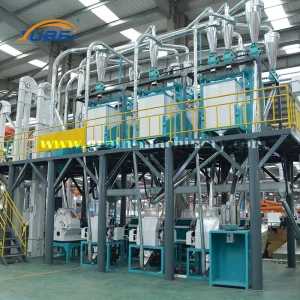
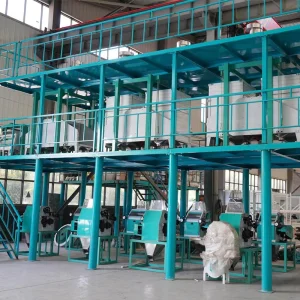
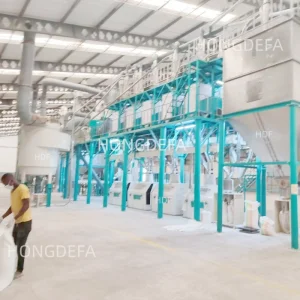
Modern flour production is a sophisticated biochemical and physical process. Achieving the desired starch damage, gluten preservation, and ash content requires precision at every stage of the mill flow sheet. Henan Jiujie Machine Co., Ltd. provides comprehensive turnkey engineering designs for projects scaling from 10 tons per day (TPD) up to 600 TPD configurations. Below is the operational framework of our macro industrial setups:
Utilizing physical aspiration, magnetic separator units, and horizontal scourers to eliminate foreign materials and wheat beard without using water. Tempering bins precisely control moisture addition, vital for separation of the bran from the endosperm during roller milling.
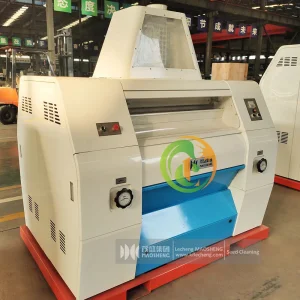
Our roller mills are outfitted with premium cast-iron rollers, designed to withstand intense shear and compression forces. The automatic pneumatic control adjustments ensure gap widths are held to sub-millimeter tolerances, ensuring consistent extraction metrics.
Advanced plansifters sort the milled particles by size through high-frequency reciprocating sieves. The Purifier uses combined air current and sieve movements to refine semolina and middlings, guaranteeing the lowest possible ash percentage in the final grade flour.
Our macro-industry solutions are not just single pieces of machinery; they represent fully unified automated factories. With AutoCAD-engineered layout systems, our engineering team maps out the structural configuration, pneumatic piping, exhaust systems, and power cabling tailored to the client's building dimensions. This level of system integration minimizes installation friction, decreases energy consumption per ton of flour processed, and drastically reduces the initial capital investment payback period.
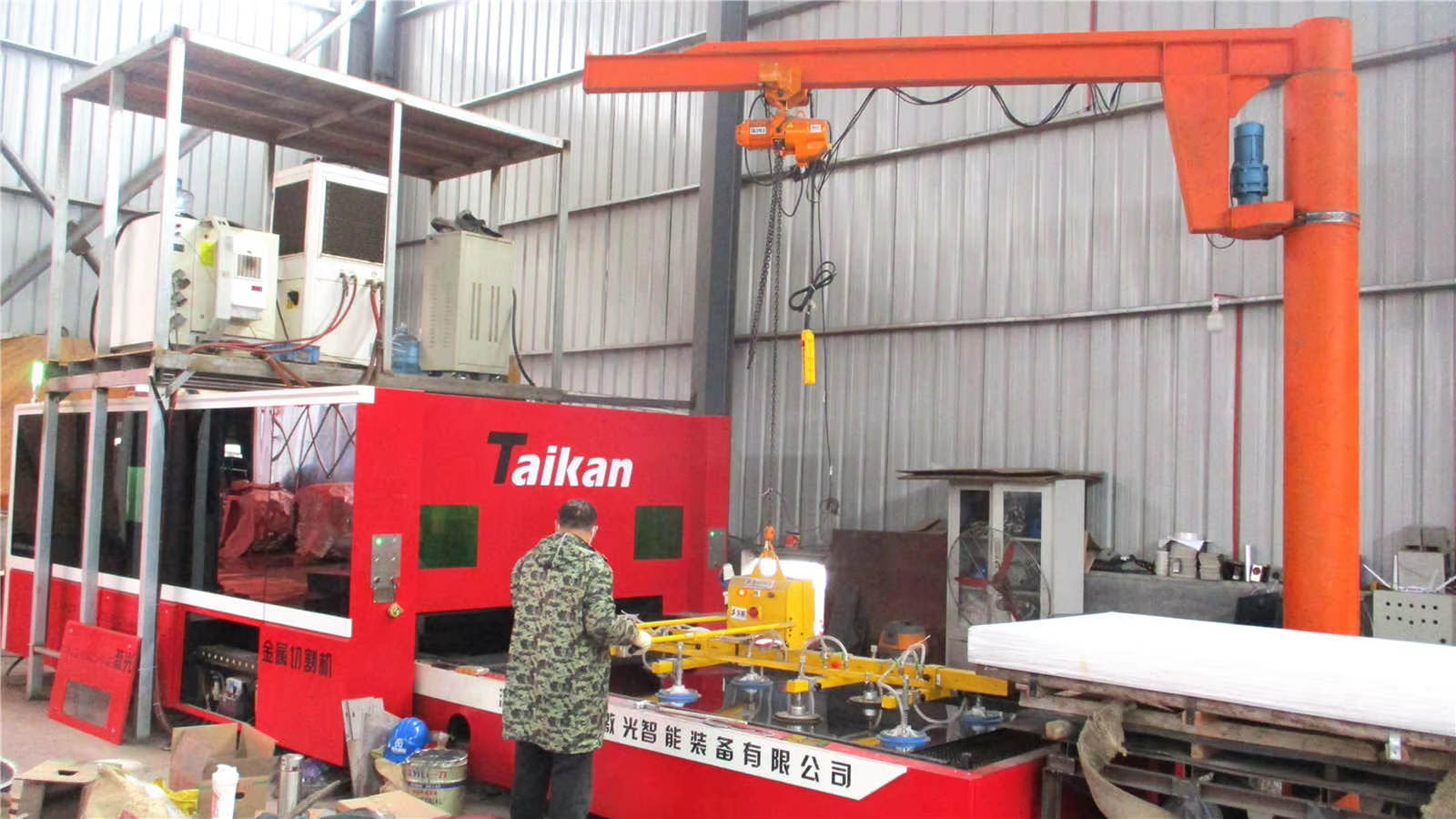
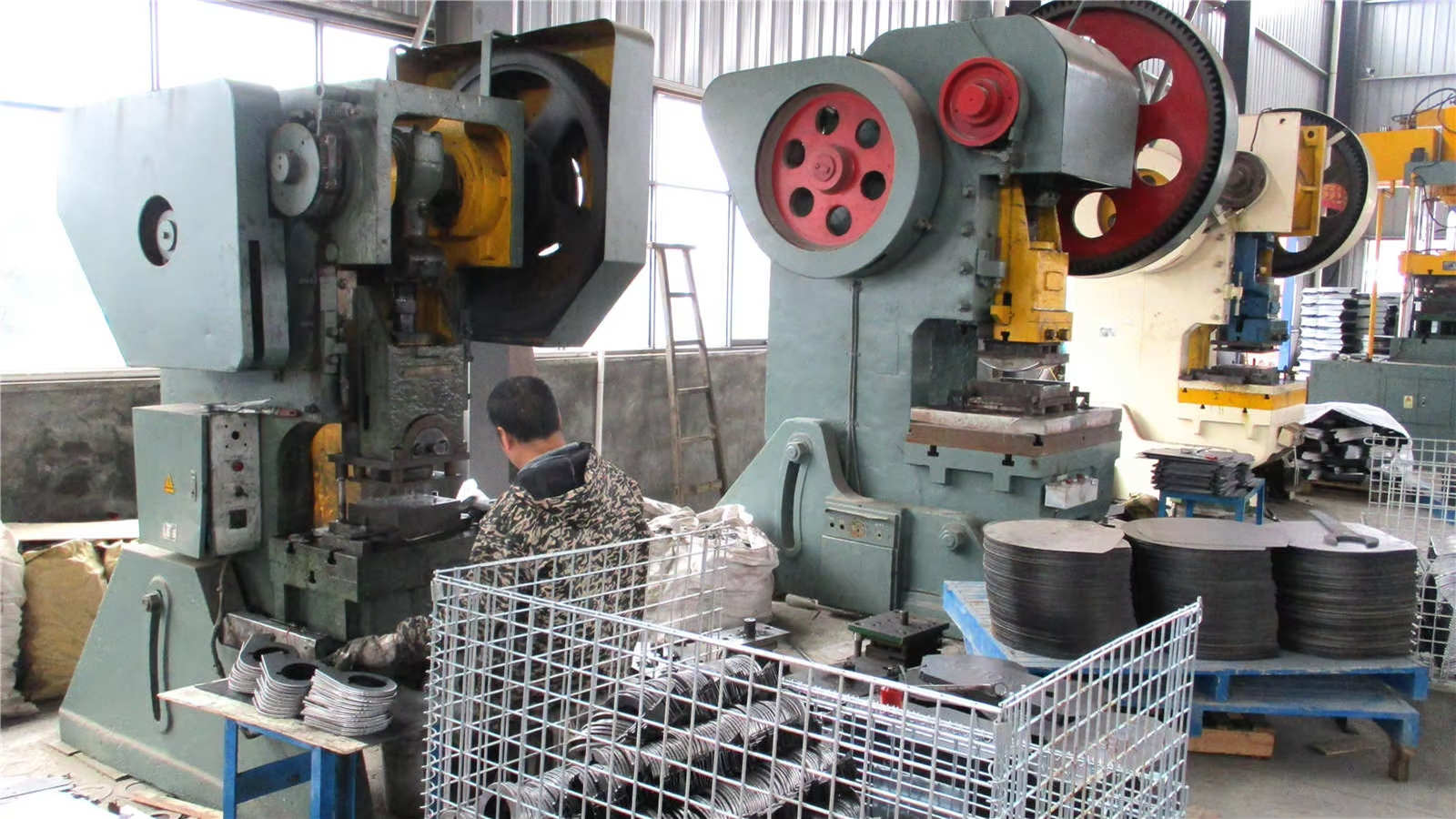
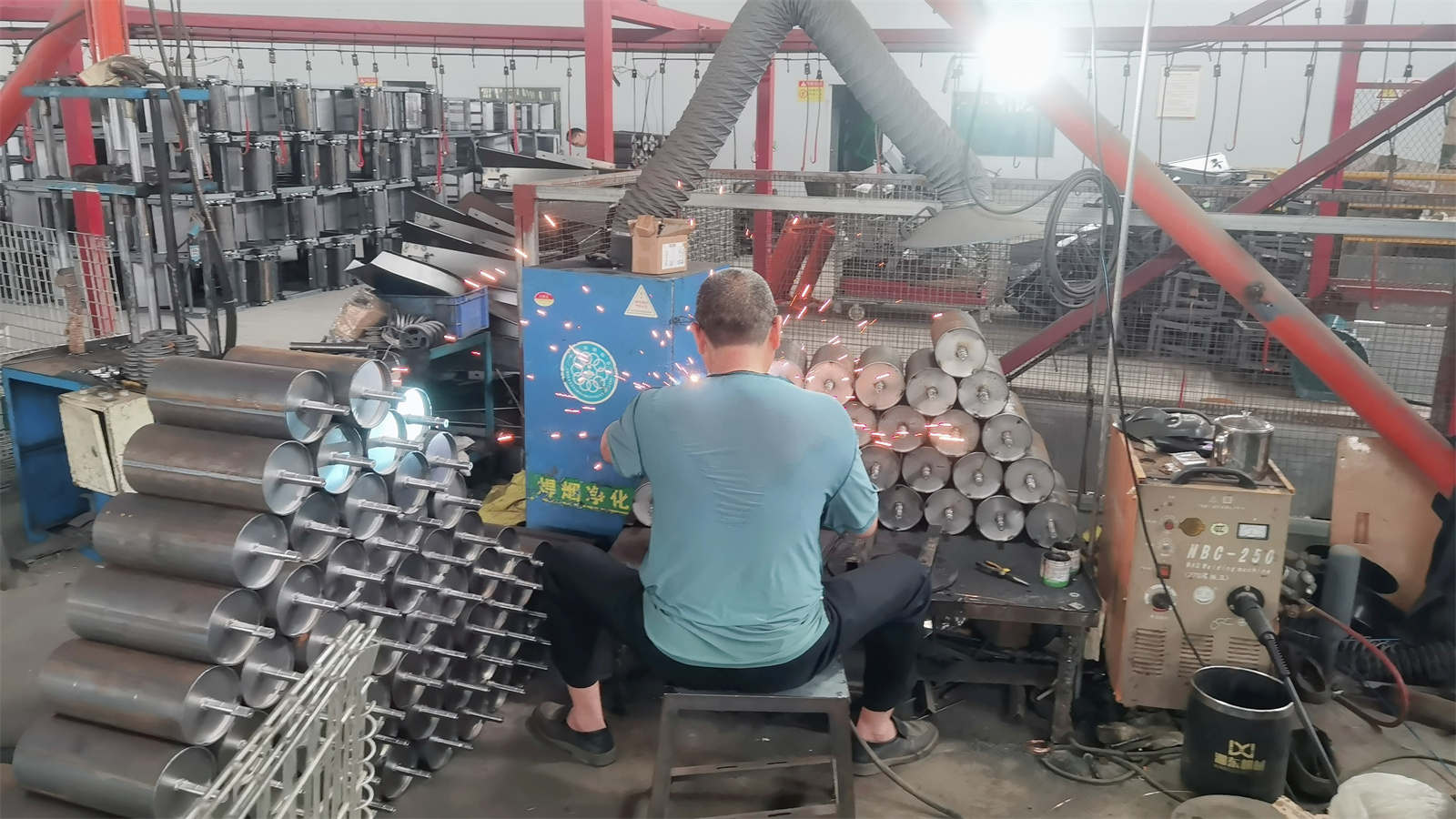
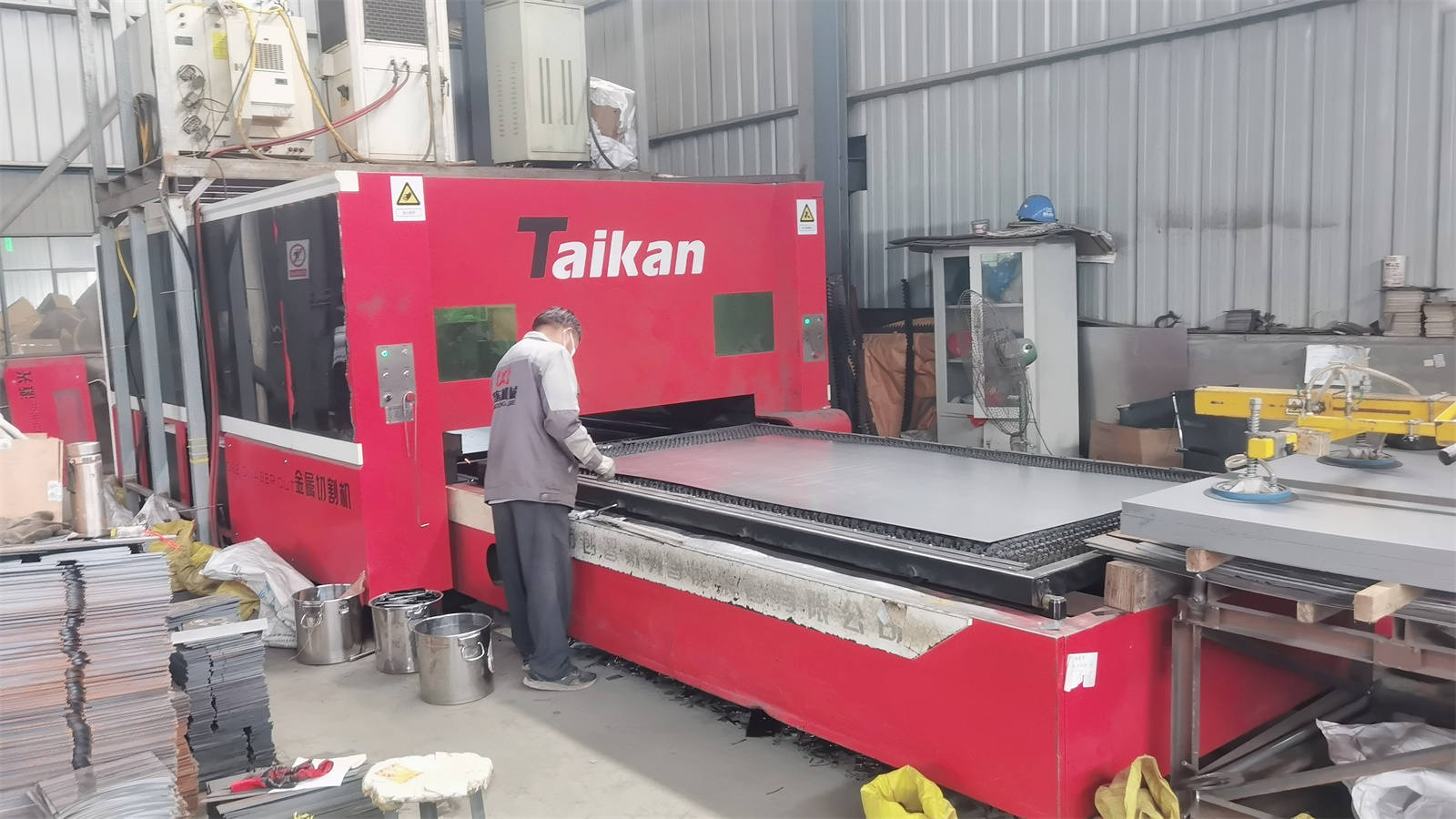
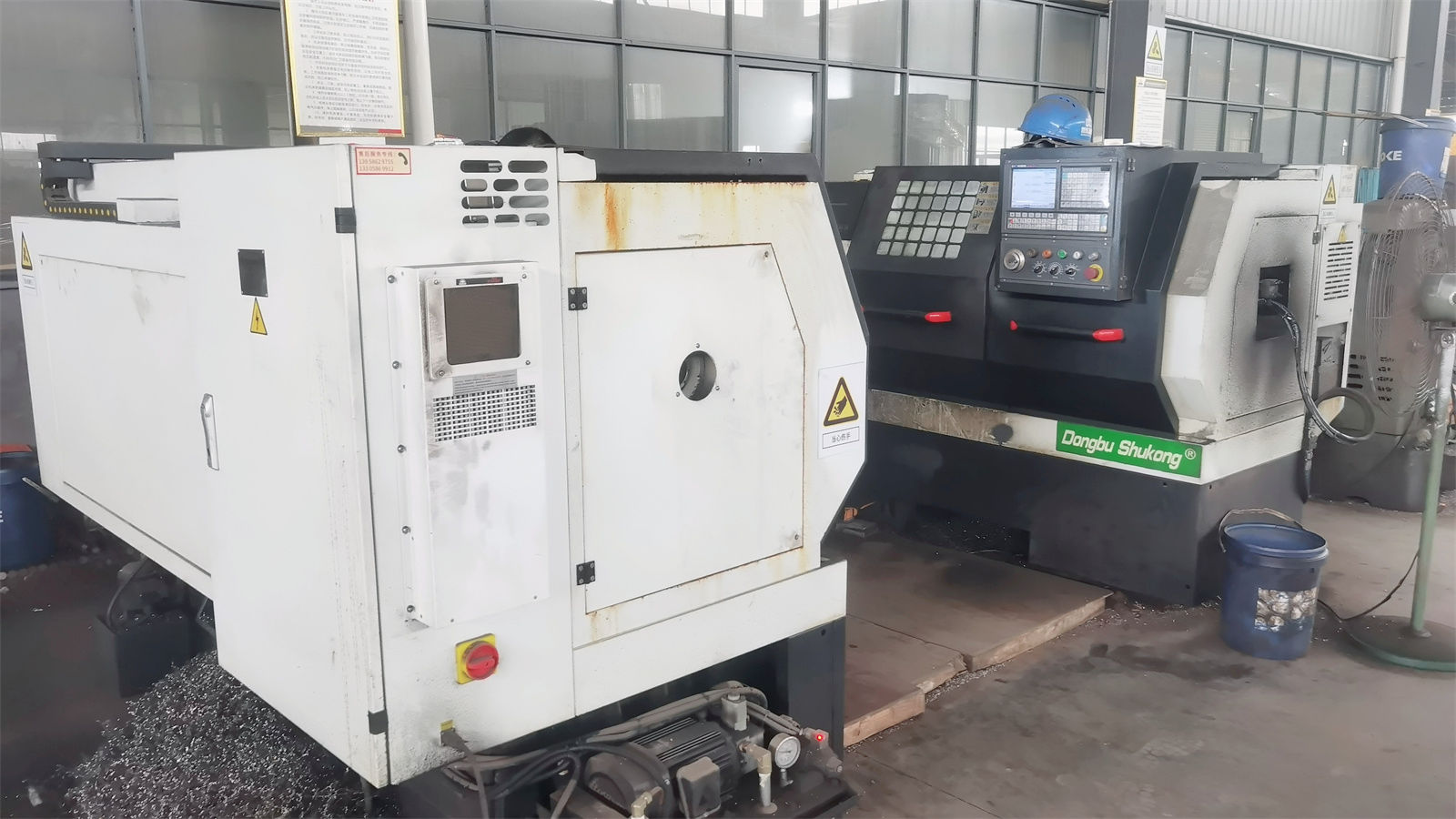
Employing advanced CNC systems, robotic welding, and rigid quality assurance systems to deliver long-lasting industrial machinery.
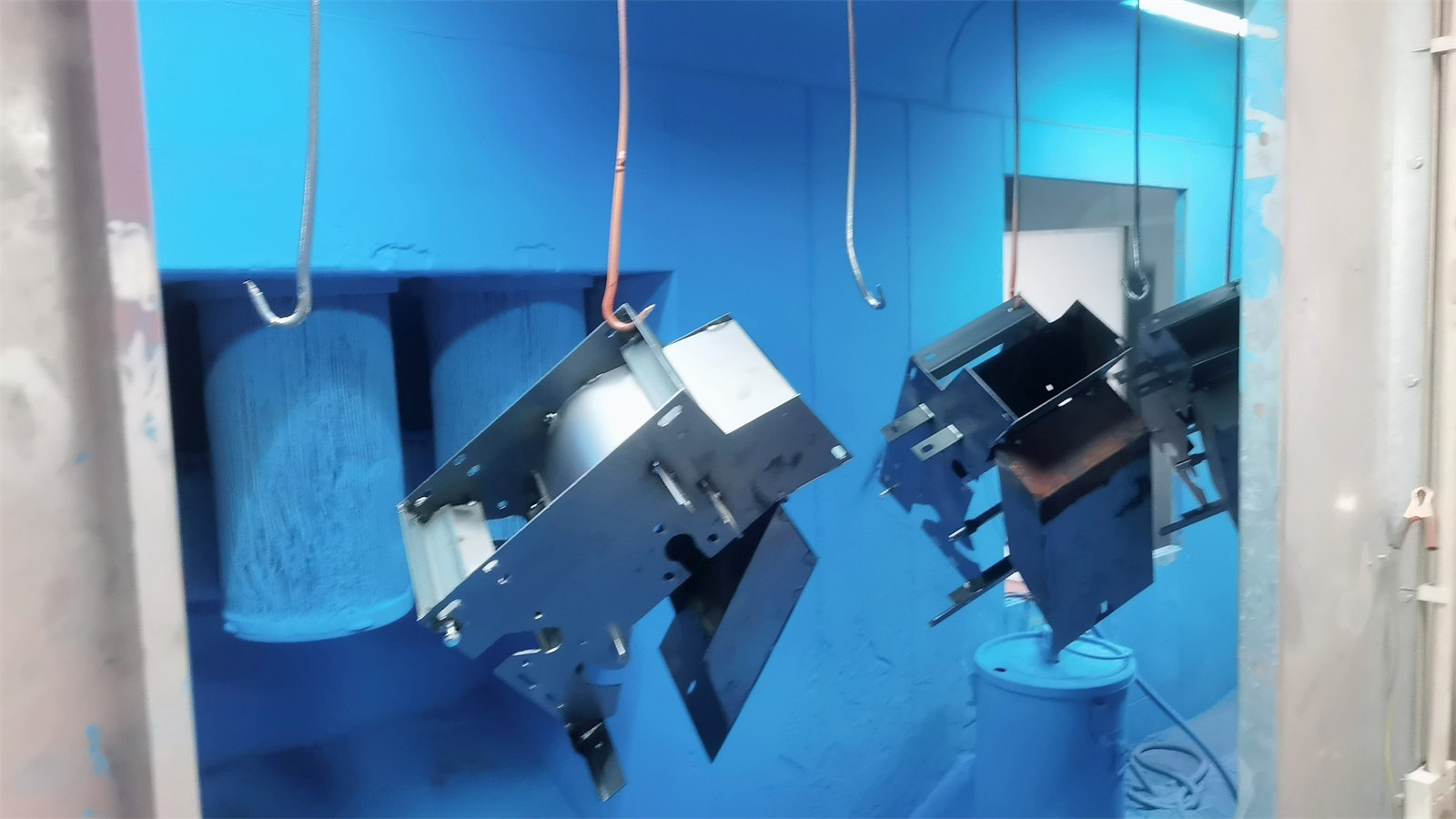
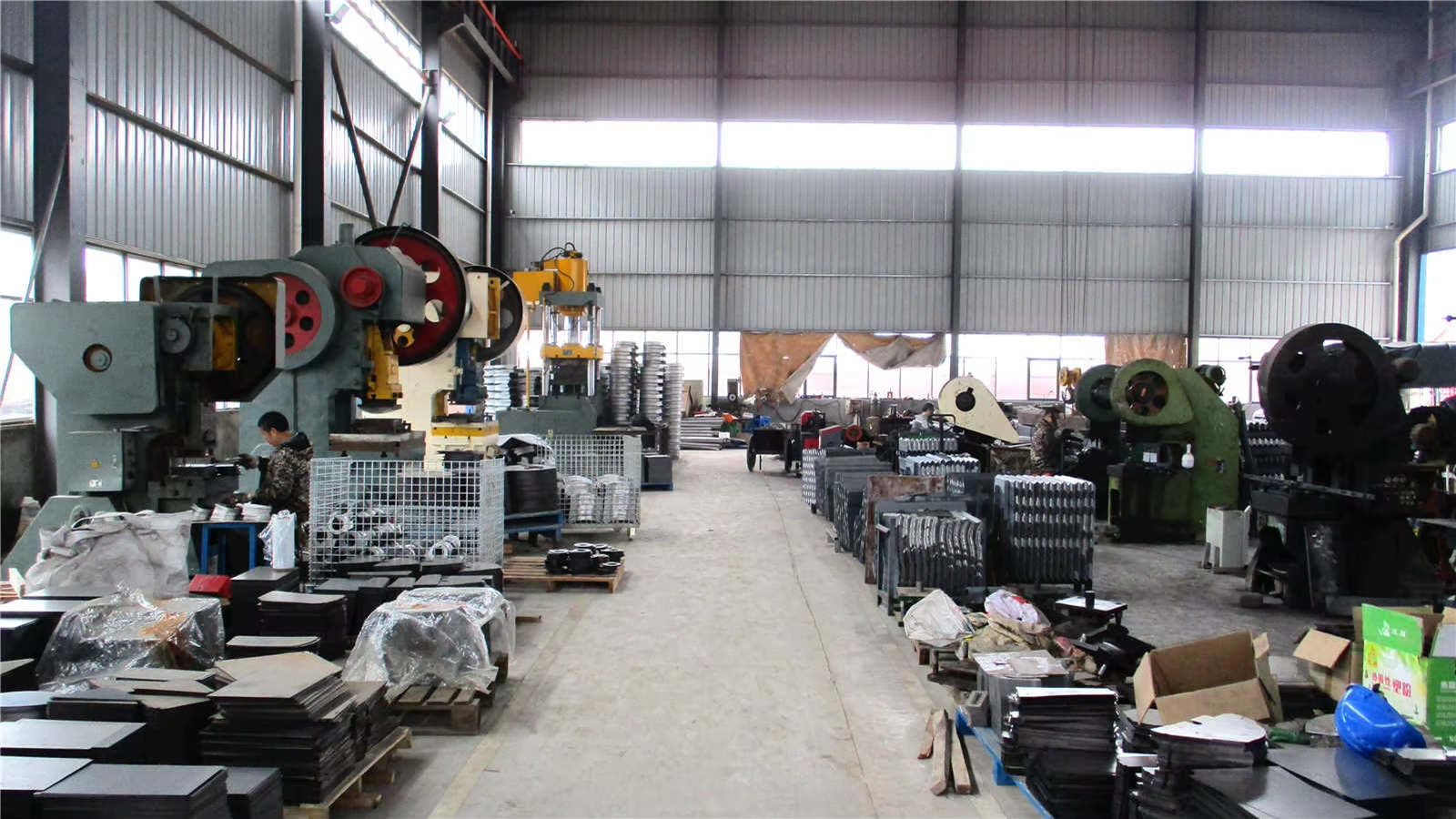
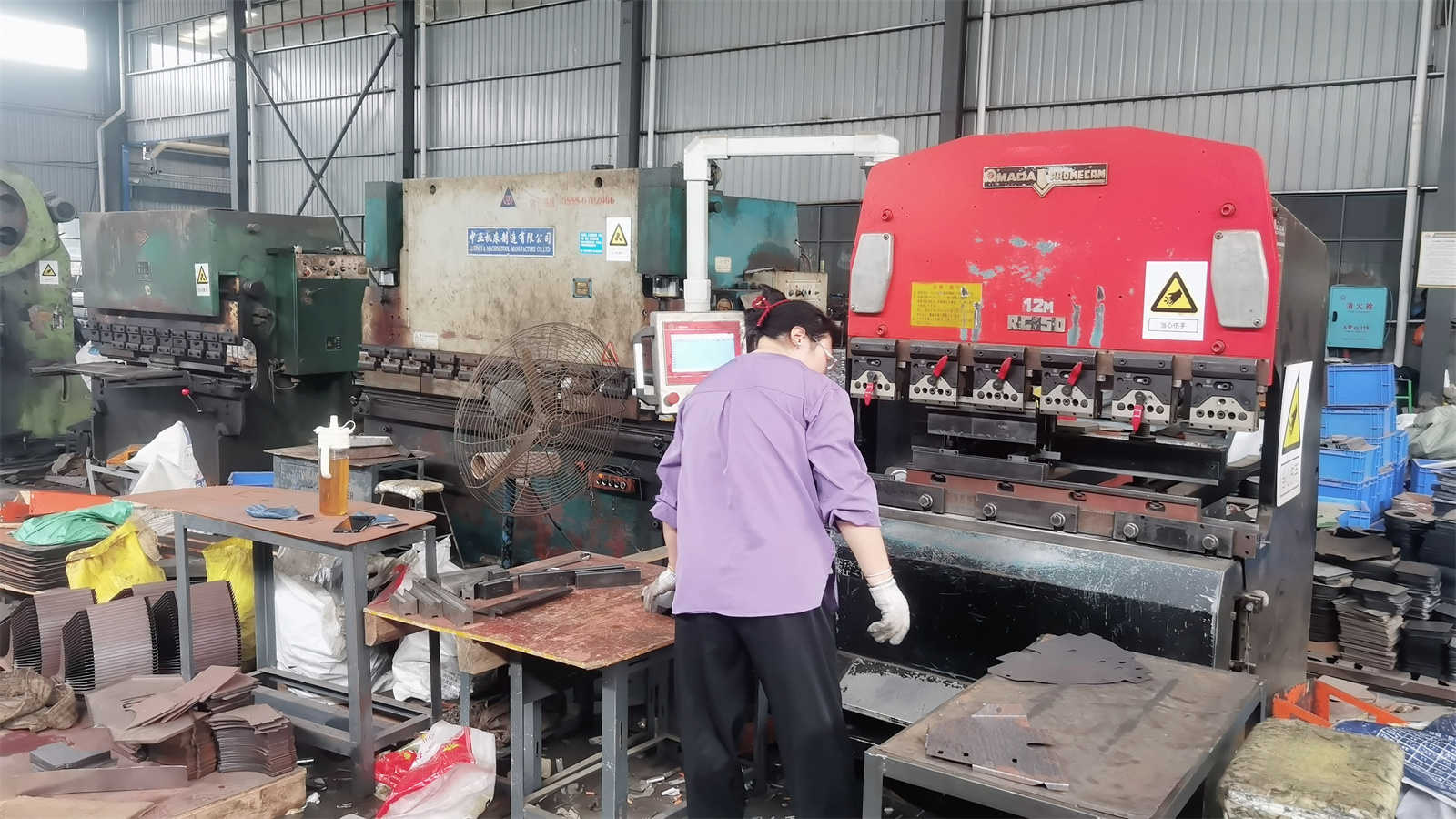
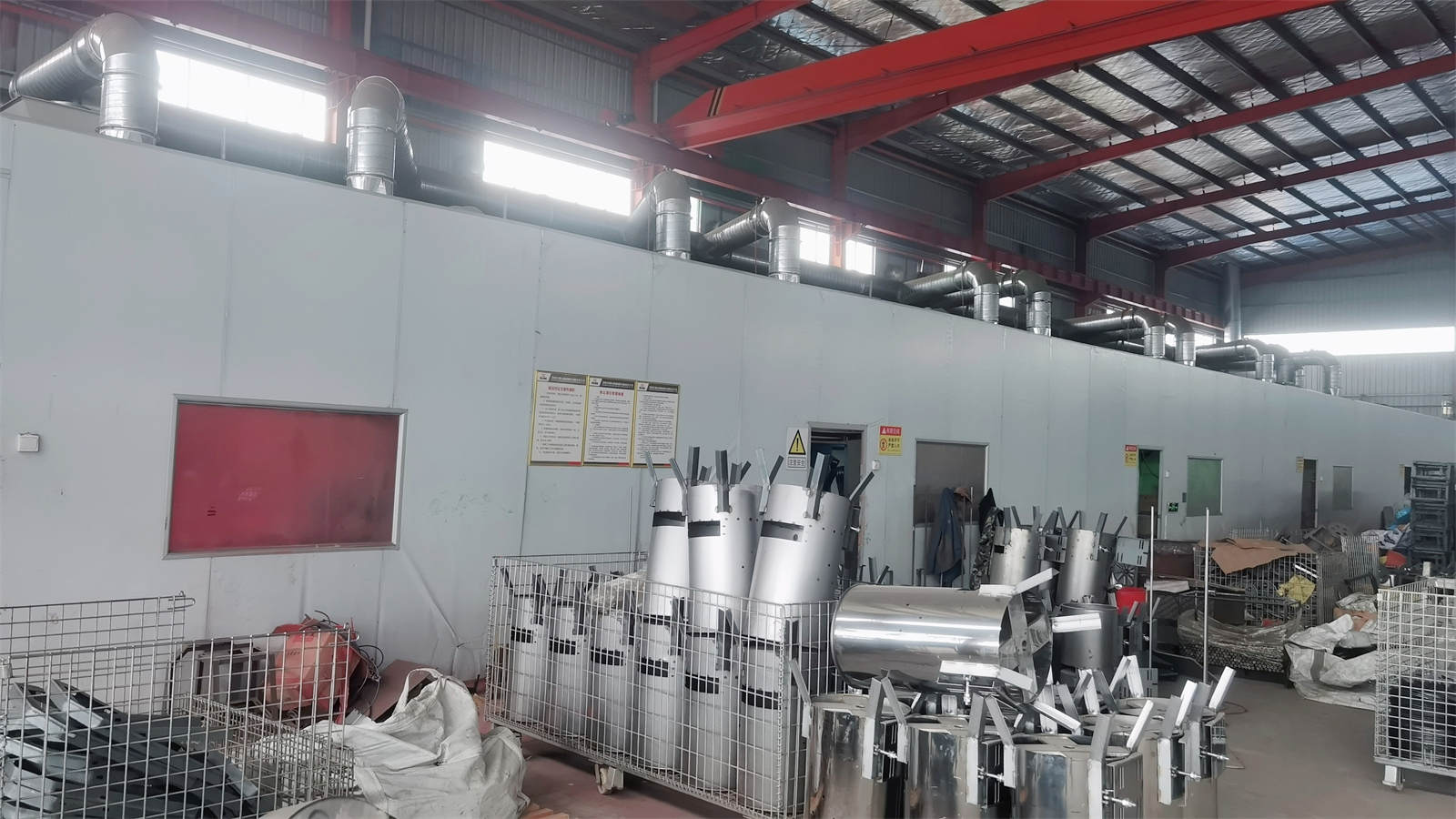
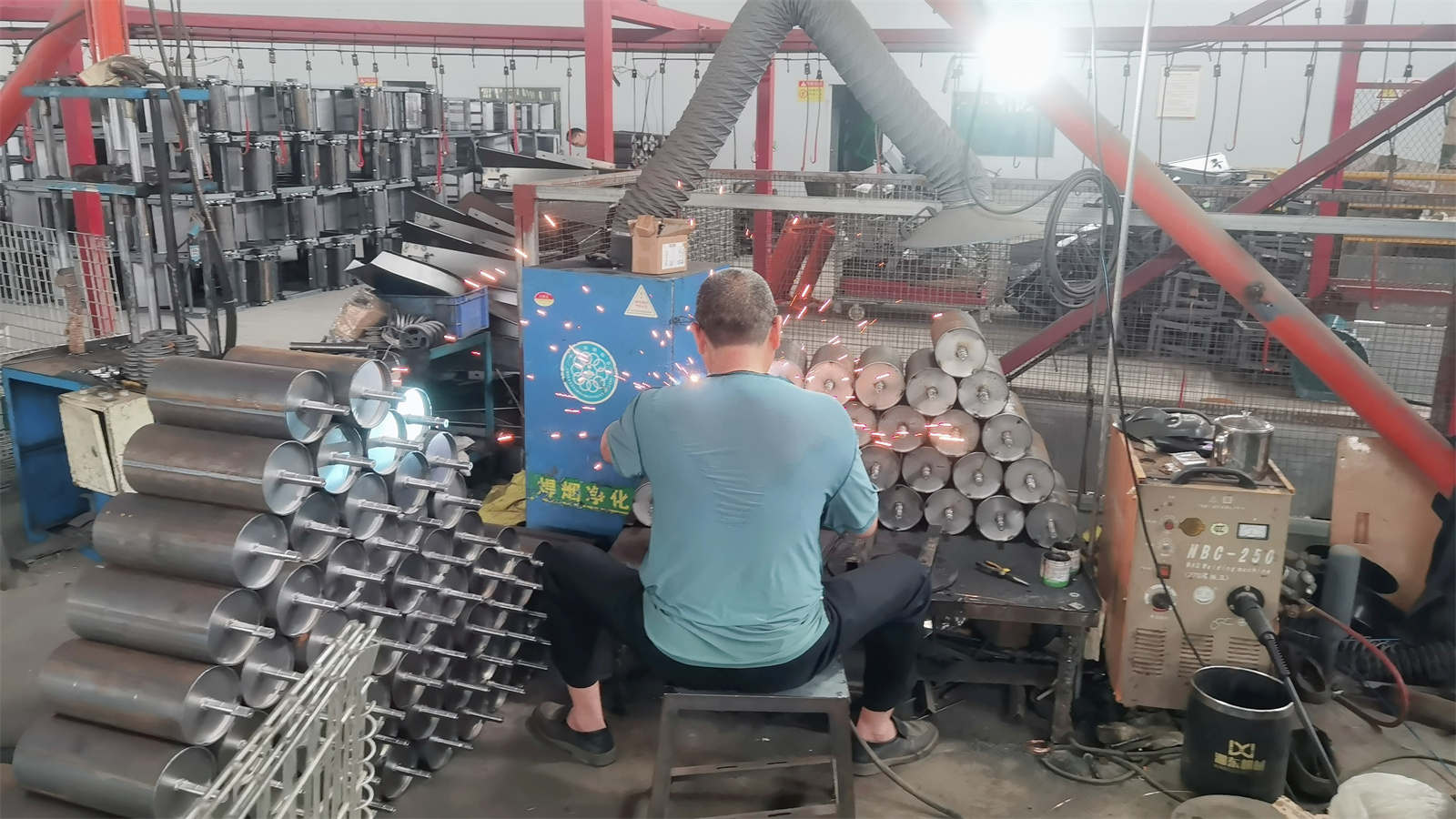
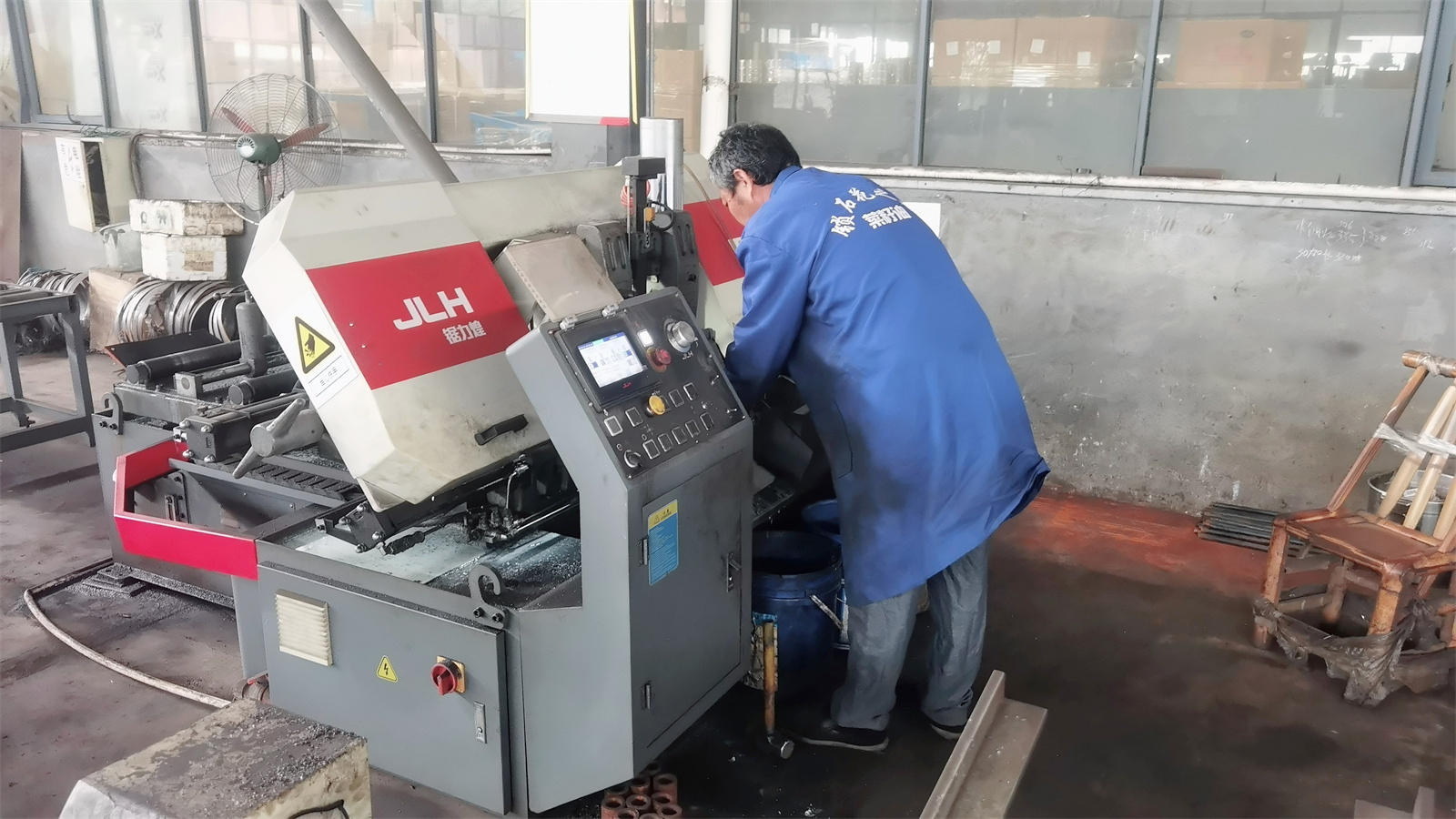
At Henan Jiujie Machine Co., Ltd., we combine Chinese heavy-industry supply chain resilience with state-of-the-art intelligent manufacturing. Over decades of dedicated research and development, we have constructed a vertically integrated production ecosystem. By executing key procedures under one roof—from raw steel cutting to final electrostatic spraying—we retain complete authority over the physical tolerances and durability of our milling machines.
This Factory 4.0 capability enables us to produce robust milling machinery at highly competitive price points. While maintaining strict adherence to European CE Certifications and international ISO9001:2015 Quality Management Systems, our products achieve operational lifespans matching or exceeding western European alternatives at a fraction of the initial capital outlay.
Integrating smart sensors, IoT automation, and high-efficiency drives for green, sustainable grain processing.
As the digital transformation impacts the global agricultural supply chain, modern flour milling is shifting from reactive mechanical operations to predictive automated control. The R&D division of Henan Jiujie Machine Co., Ltd. has outlined a clear development path aimed at addressing the key challenges modern milling operators face: energy efficiency, labor scarcity, and raw grain variability.
1. IoT-Enabled Real-Time Performance Diagnostics: Future milling layouts are integrated with thermal sensors on roller bearings, vibration monitors on plansifters, and moisture indicators in tempering bins. These sensors transmit real-time telemetry back to an integrated PLC panel, allowing operators to preemptively adjust settings before structural damage or yield drops occur.
2. Variable Frequency Drives (VFD) & Energy Minimization: Grain milling is historically an energy-intensive process. By integrating VFDs across our pneumatic transport fans and roller motor units, our systems optimize power consumption based on real-time load, lowering overall carbon footprint and utility expenses.
3. Dry Cleaning Sustainability: Responding to environmental regulations in Central America, Henan Jiujie has eliminated water washing from the grain-cleaning flow sheet. By engineering highly efficient dry-scouring machines and multi-stage aspirators, we clean grains to export-grade sanitization standards without generating polluted wastewater effluents.
Engineered to match Costa Rican grid configurations and local sanitary regulations.
One of the main barriers to importing industrial heavy equipment is alignment with local electrical standards and regulatory compliance. At Henan Jiujie Machine Co., Ltd., we eliminate these barriers through customized design modifications before shipment. Costa Rica operates primarily on a 60 Hz electrical system, with industrial voltages typically running at 220V, 440V, or 480V. We configure all electric motors, control boxes, and PLC units to align with the client's local grid configuration, preventing equipment overheating and power factor penalties.
Furthermore, our equipment design complies with international food safety standards. We use high-grade stainless steel in all contact zones to prevent grain contamination, aligning with the regulatory mandates of the Costa Rican Ministry of Health. We supply comprehensive technical documentation, wiring schematics, and structural drawings to expedite local engineering approvals and customs clearances.
Expert technical insights regarding grain processing setups, installation, and procurement logistics.
Yes. While wheat and corn require different processing parameters (such as roll corrugation patterns, sieving meshes, and degermination stages for corn), we design multi-grain plants. These plants utilize customized flow configurations that allow operators to switch lines or run concurrent lines for both grains within the same structural facility.
Henan Jiujie offers comprehensive field engineering support. We can dispatch qualified technicians and mechanical engineers to Costa Rica to manage site preparation, machinery positioning, electrical integration, and system commissioning. Furthermore, we conduct on-site operator training covering roller gap adjustments, screen replacements, and preventative diagnostic routines.
Our dry-cleaning processing relies on multi-stage physical aspiration, magnetic separator units, and mechanical scourers to peel off outer layers and contaminants. Since no water is used during these pre-milling operations, the plant generates zero wastewater, simplifying compliance with Costa Rica's MINAE environmental regulations.
Manufacturing lead times vary from 30 to 90 days depending on the plant capacity. Ocean freight shipping from main Chinese ports (such as Qingdao or Shanghai) to Puerto Caldera or Puerto Limón takes approximately 25 to 35 days, including customs processing and transfer times.
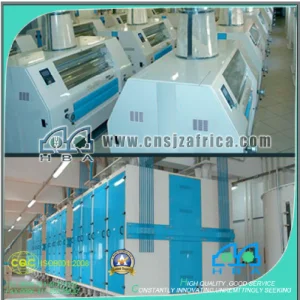
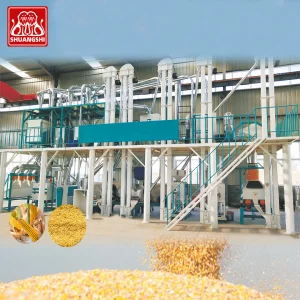
Engineered for deep-level grain processing, starch separation, and high-yield flour output.
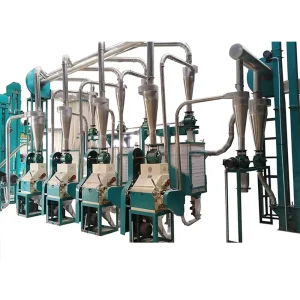
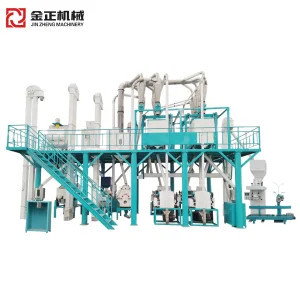
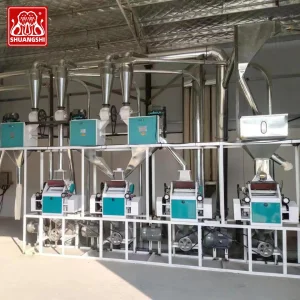
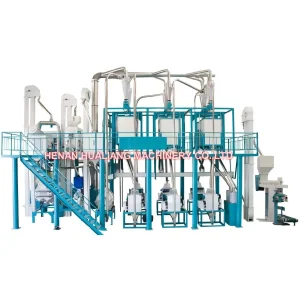
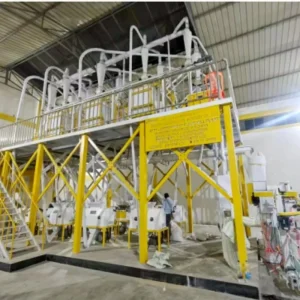
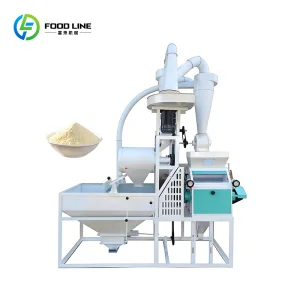
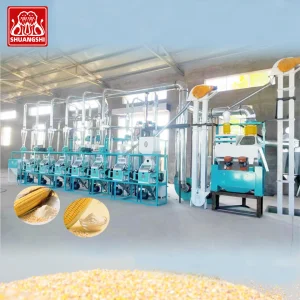
Compact and customized equipment variants matching diverse throughput footprints.
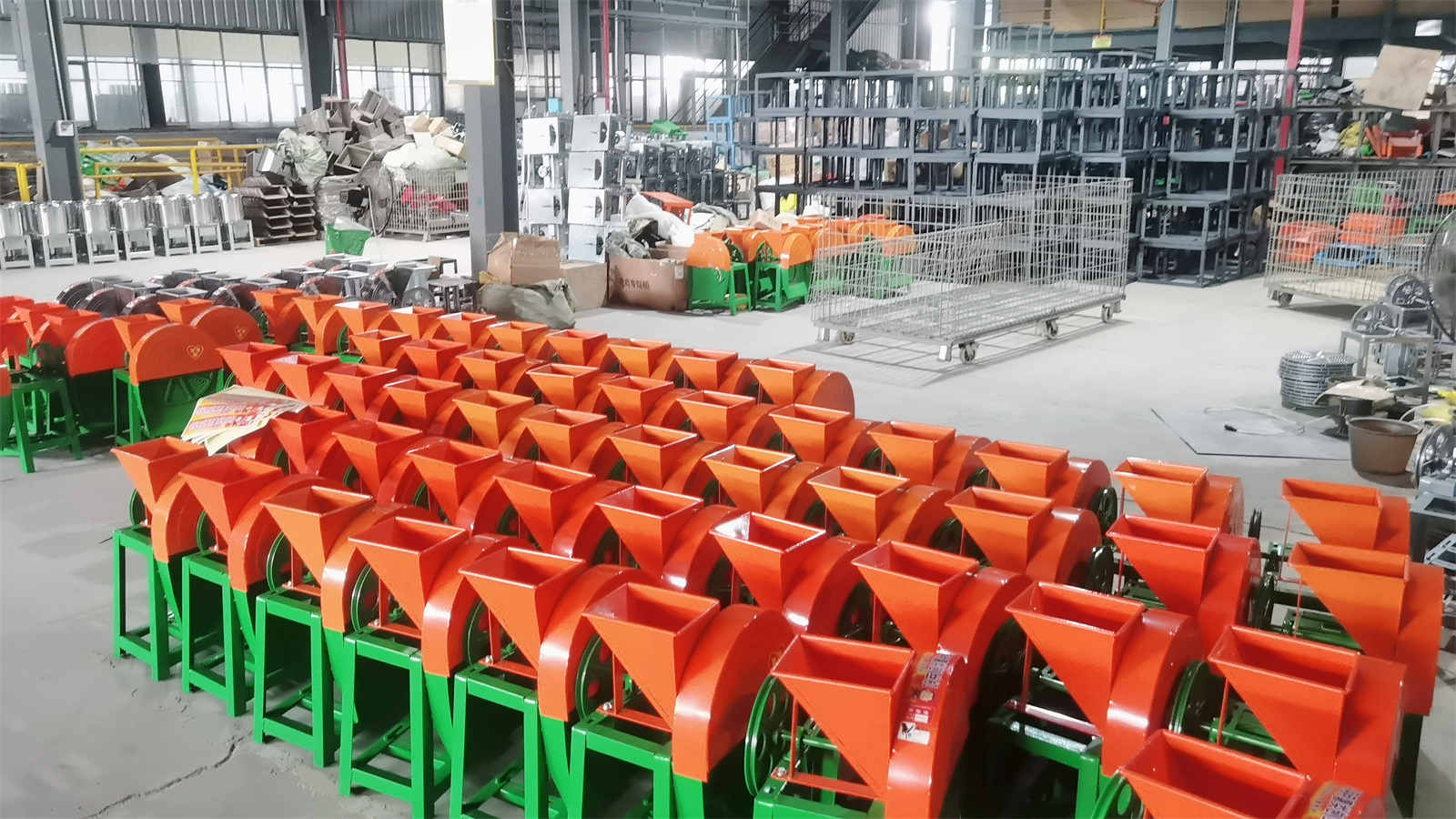
Transparent display of our physical factories, laser machineries, and quality check stages.
Connect with our design engineers. We will analyze your regional grain input, power configuration, and space parameters to generate an optimal cost-efficient proposal.
Get an Instant Engineering Quote Jiujie Machine