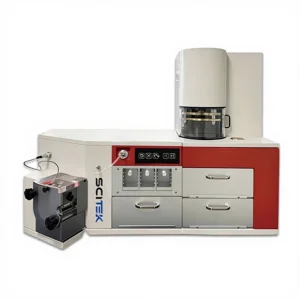
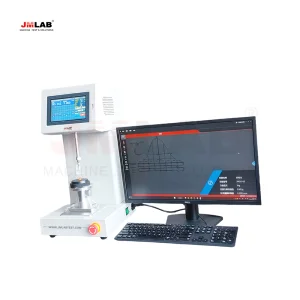
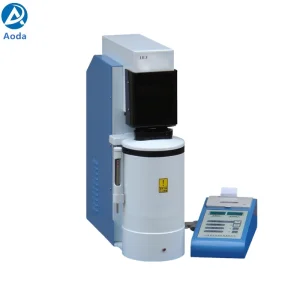
Essential laboratory instrumentation configured to meet standard SI 5111 requirements for high-speed wheat tempering, ash assessment, and gluten quality indexing.
Israel’s grain and flour milling sector operates within a highly sophisticated socio-economic structure. Given the country's limited arable land and arid climate, Israel relies heavily on importing milling wheat to satisfy its domestic consumption. Nearly 90% of the wheat used for processing and consumption is imported through major deepwater ports such as Ashdod and Haifa. This unique logistical arrangement requires local milling conglomerates (such as Shtibel, Grand Silos, and Mifgash) to process cargo origins of highly diverse botanical and geographical properties. Grains originating from the Black Sea region, Eastern Europe, Germany, and North America enter the supply chain, each presenting highly variable protein levels, moisture distribution, and enzymatic activities.
To ensure consistency in consumer staples—such as flatbread (Pita), traditional Challah, European-style sourdoughs, and specialized Matzah flour—Israeli processors require precision laboratory instrumentation. Compliance with the Standards Institution of Israel (specifically standards addressing grain purity, contamination levels, and ash contents) is non-negotiable. Quality control managers face the daily challenge of blending grain streams with varying qualities. High-performance analysis tools like falling number testers, alveographs, and gluten indices are crucial for classifying wheat at port silos, optimizing tempering parameters, and setting up milling flowcharts.
Globally, the cereal science and milling industries are undergoing a major shift toward digital automation, higher speed analysis, and green lab practices. The conventional method of standard oven drying (which takes hours) is increasingly replaced by fast halogen moisture analyzers. These tools optimize conditioning phases in real-time, helping mills improve flour extraction rates and reduce energy consumption.
Additionally, baking behavior is now evaluated using advanced rheological profiles rather than subjective test bakes. Physical measures like dough water absorption capacity, development time, extensibility (L value), and deformation energy (W value) are systematically recorded and uploaded to ERP databases. This standardized approach allows international buyers and exporters to speak a universal technical language. It ensures that a shipment departing North America or Eastern Europe meets the exact requirements of high-capacity bakeries in the Middle East.
Advanced diagnostic features that modernize production labs, lower operating costs, and secure data integrity.
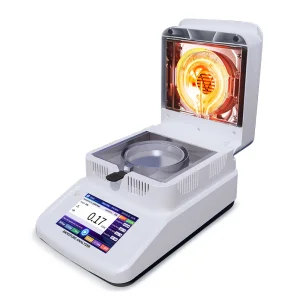
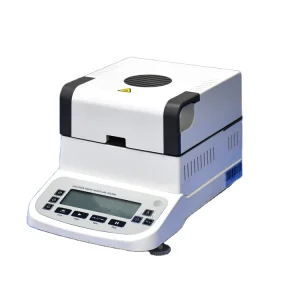
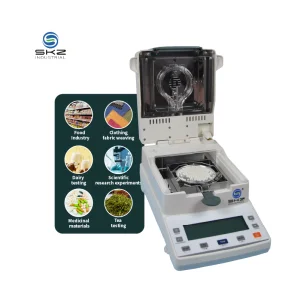
High-efficiency halogen lamps reduce moisture assessment time from 4 hours to under 15 minutes. This ensures immediate adjustment of the conditioning system prior to first break milling.
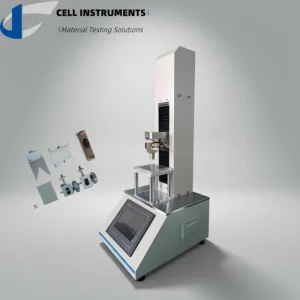
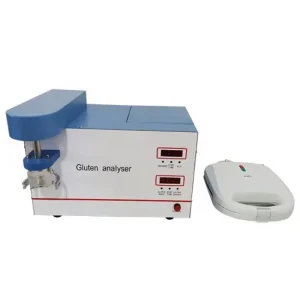
Integrated sensors measure dough resistance, extensibility, and elasticity index, generating digital curves that export directly to flour blending systems.
Henan Jiujie's grain processing solutions feature advanced waterless cleaning. This eliminates effluent treatment costs, reducing environmental impact in arid regions.
Rapid Moisture Profile Time
Certified Quality Systems
Testing Reproducibility
Wastewater Dry Cleaning Technology
Every year, Israeli ports receive thousands of tons of grain from around the world. These grains must be quickly sorted, binned, and blended based on their technical characteristics:
The next step for industrial laboratory testing in Israel is integrating laboratory measurements with digital production control. In this model, moisture levels, ash values, and gluten indices from laboratory sensors are sent directly to the PLC system controlling the milling equipment. If the moisture analyzer detects a dip in grain moisture, the tempering system automatically adjusts water flow, ensuring consistent output.
By building a connected ecosystem from intake testing to final packing, millers can reduce reliance on manual adjustments and stabilize flour performance across changing grain shipments.
An extensive range of analyzers, rheometers, and sieves designed to ensure quality control from grain arrival to final baked goods.
Industrial Excellence and Integrated Engineering Solutions for the Global Cereal Industry
Henan Jiujie Machine Co., Ltd. is an established provider of engineering services and processing equipment for the food production and grain processing sectors. Our expertise covers a wide range of applications, including wheat flour milling plants, feed processing facilities, and rice processing mills. By combining material processing machinery with precision laboratory instruments, we deliver complete solutions that ensure consistent flour performance.
Our core catalog features conveying equipment, cleaning systems, and flour milling machinery. Over the years, Henan Jiujie has been recognized internationally for its technical quality and field support. We work across the entire grain handling chain: from raw intake and cleaning to tempering, grinding, and packing.
All Henan Jiujie milling and laboratory equipment complies with international quality standards. We hold ISO9001 and CE certifications, and our designs align with current EU environmental guidelines.
A key design feature is our waterless grain cleaning system. This process prepares and cleans wheat dry, eliminating wastewater treatment costs and supporting eco-friendly operations in regions with strict environmental regulations.
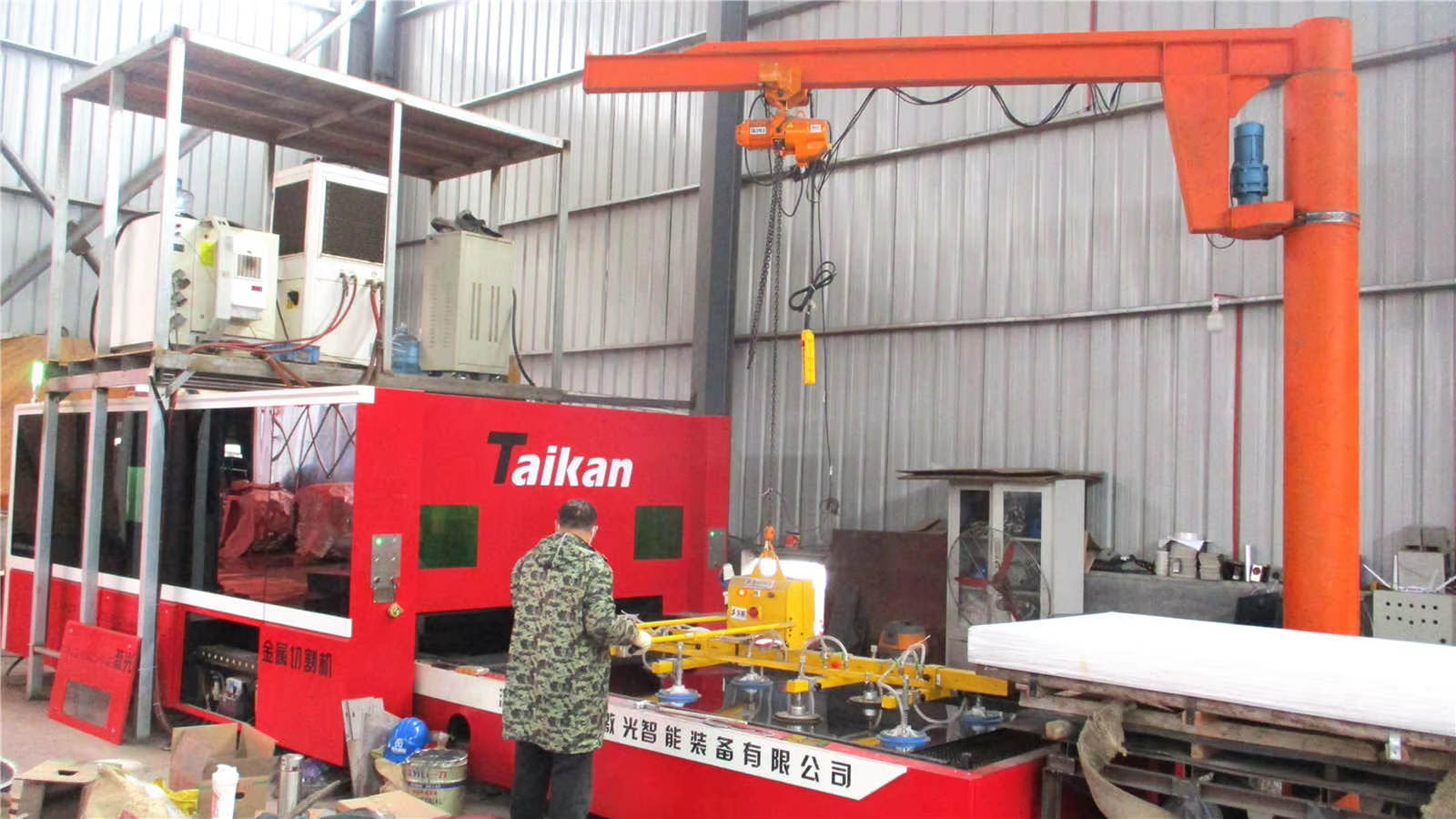
Henan Jiujie relies on advanced manufacturing tools to maintain precision across our product lines. Our facility is equipped with CNC laser cutting machines, CNC bending machines, CNC lathes, machining centers, and surface grinders.
Our production processes include laser cutting, CNC bending, robotic CO₂/argon arc welding, and electrostatic powder coating. These methods ensure durable machine components and stable long-term performance under continuous plant operations.
Henan Jiujie offers complete engineering services, using AutoCAD systems to design custom mill configurations. We support projects through technical consultation, layout design, installation, and after-sales service. We invite partners in the Israeli grain and bakery industries to contact us for technical specifications and project collaboration.
 Cutting
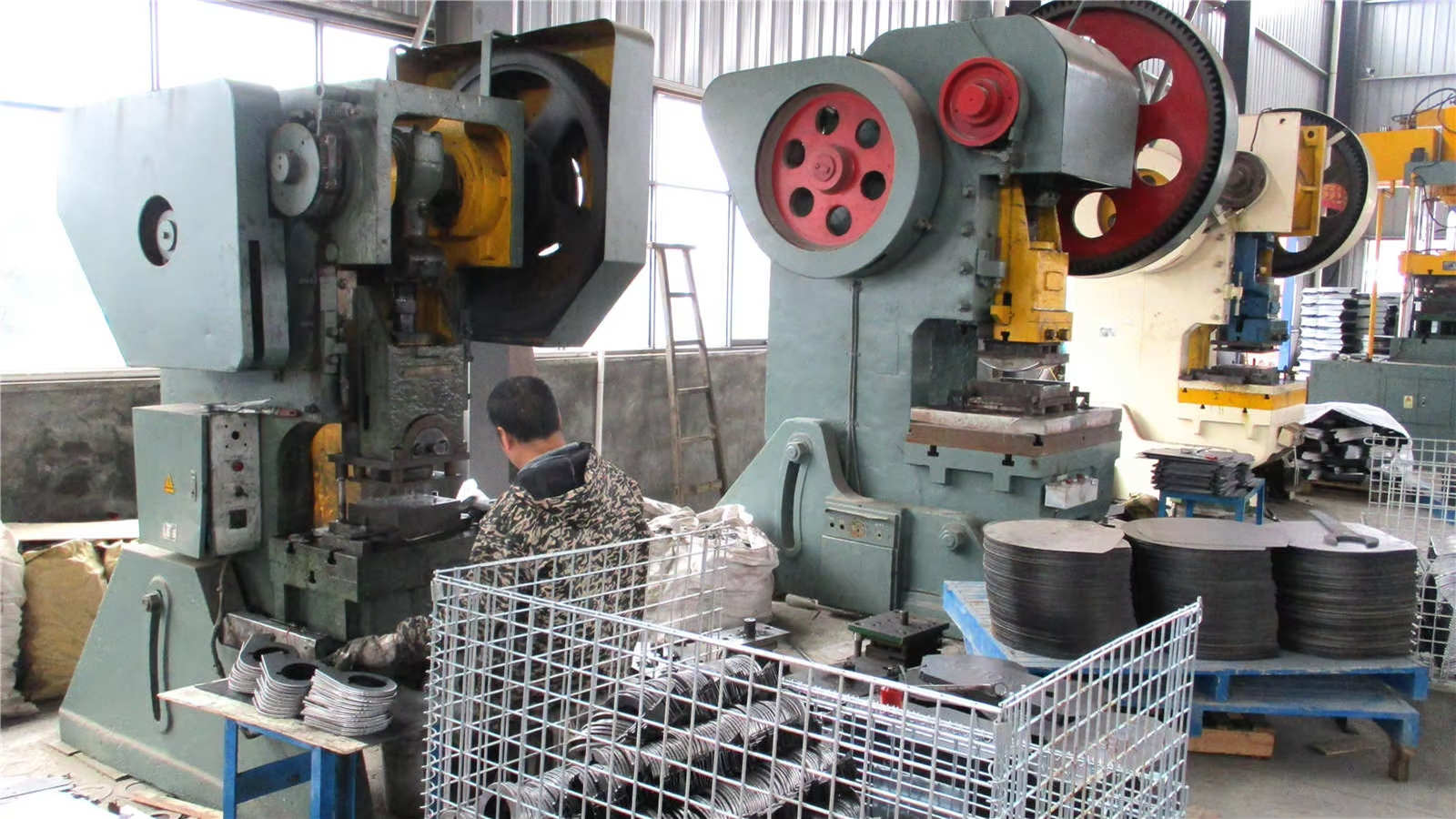 Punching
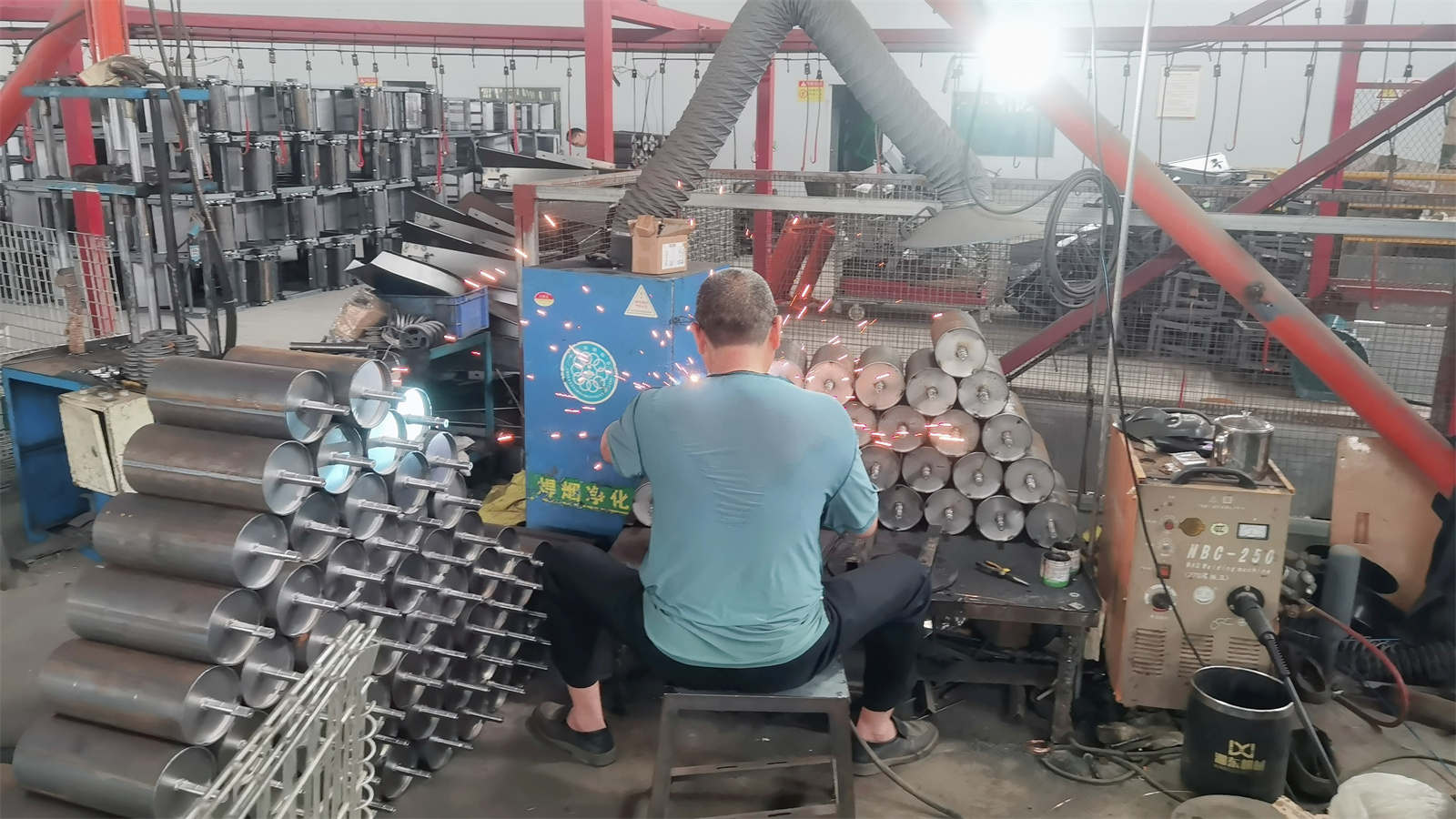 Welding
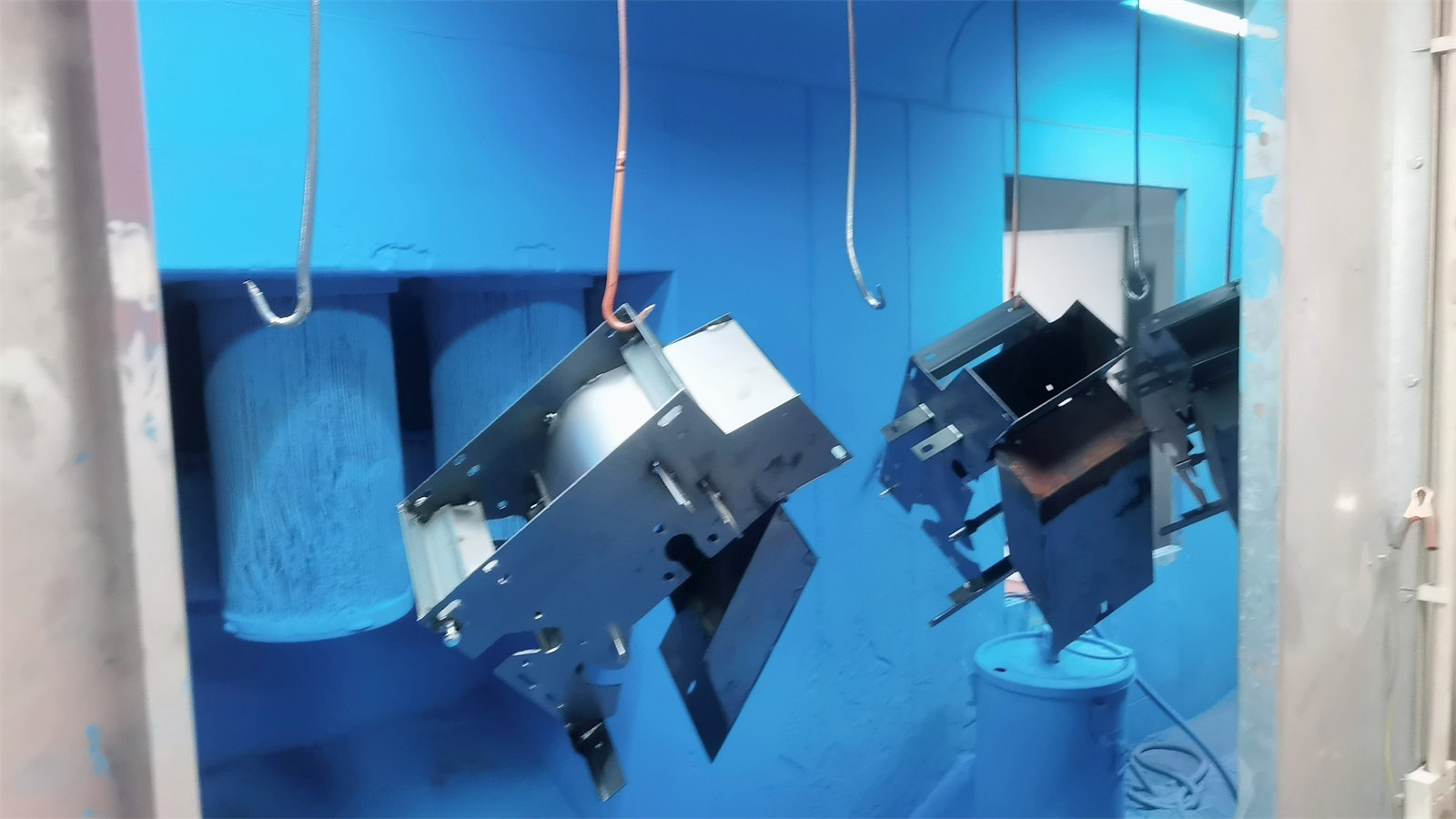 Painting
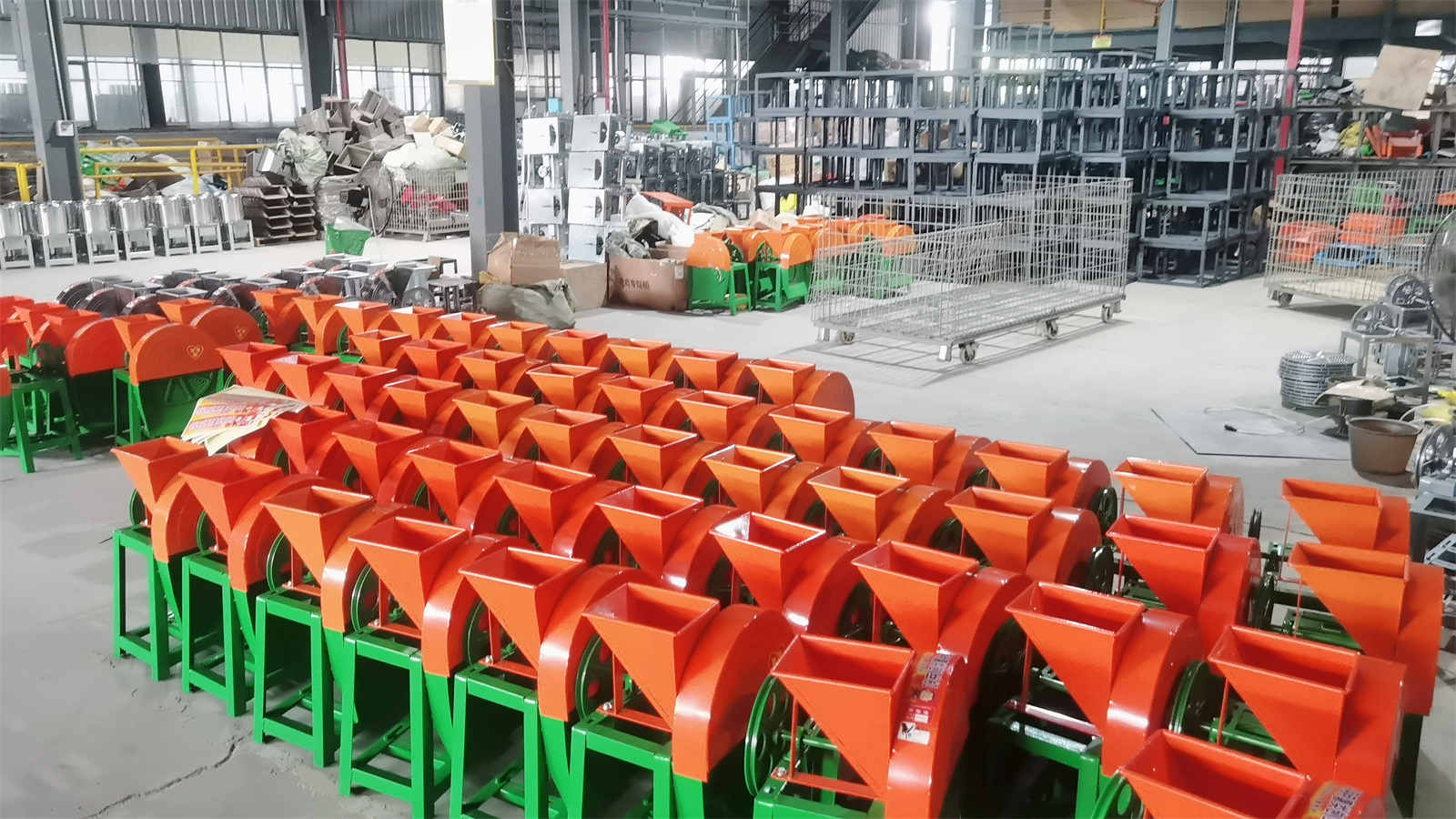 Assembling
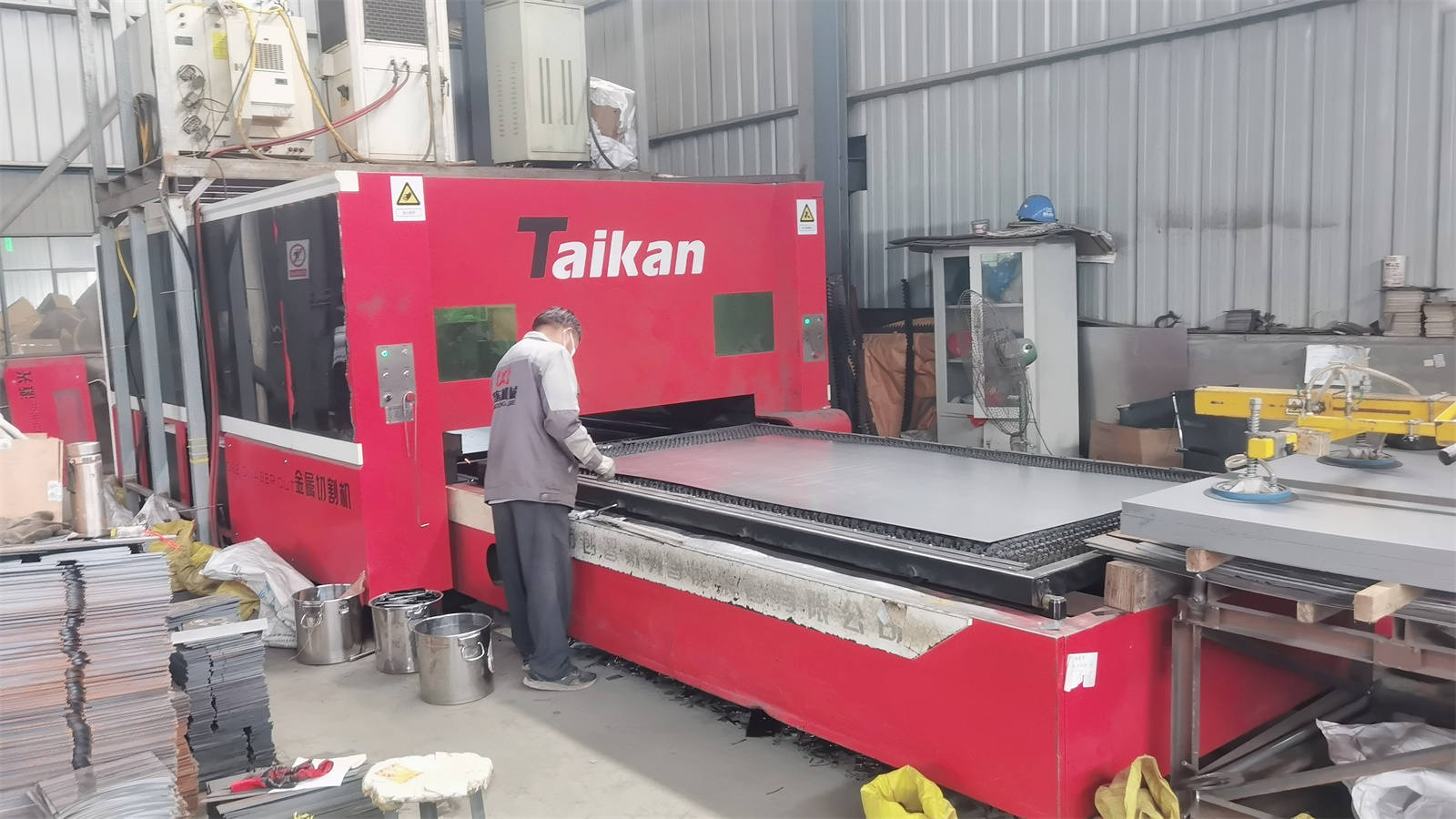 Laser Cutting Machine
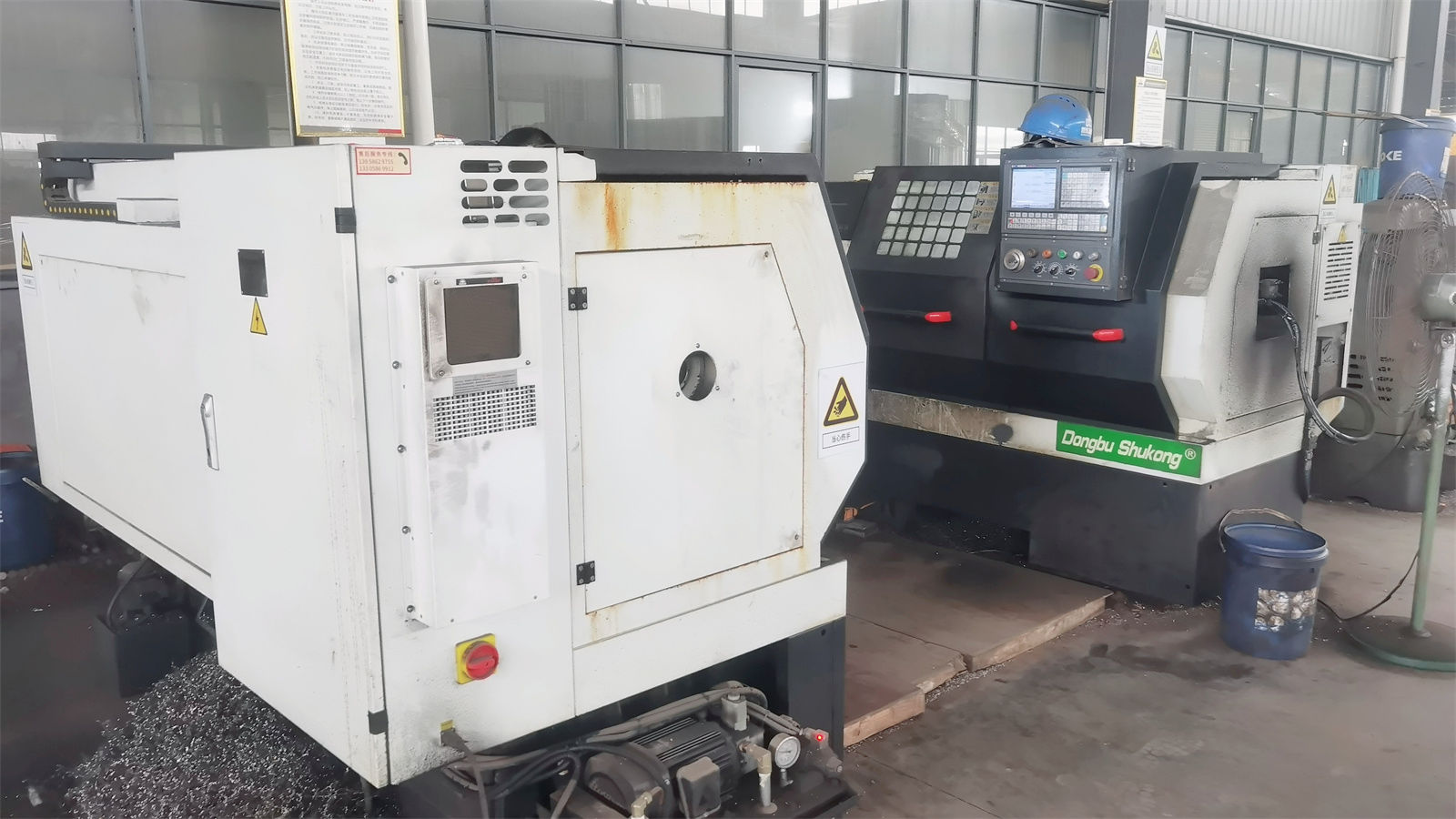 CNC Lathe
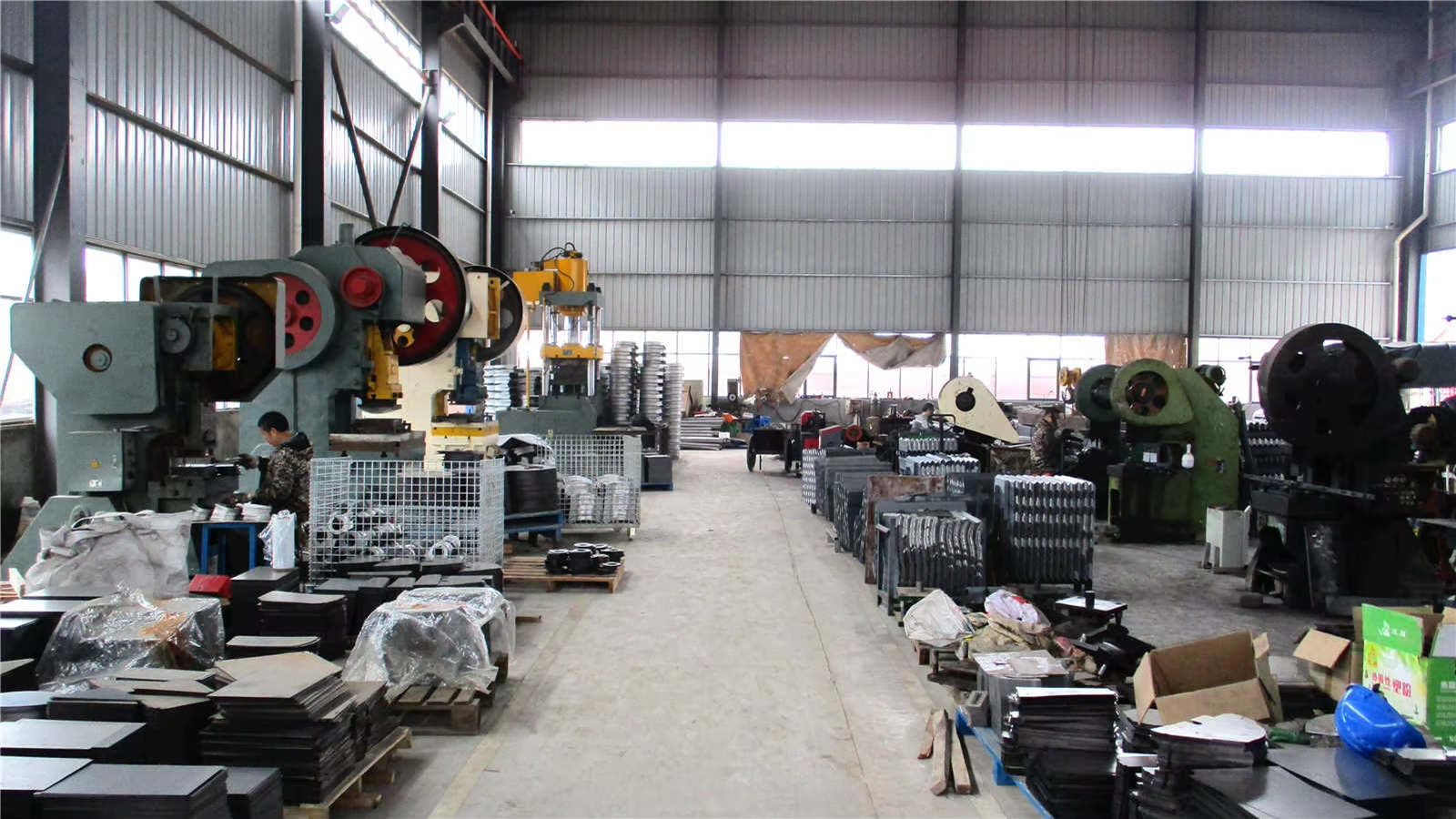 Punching Machine
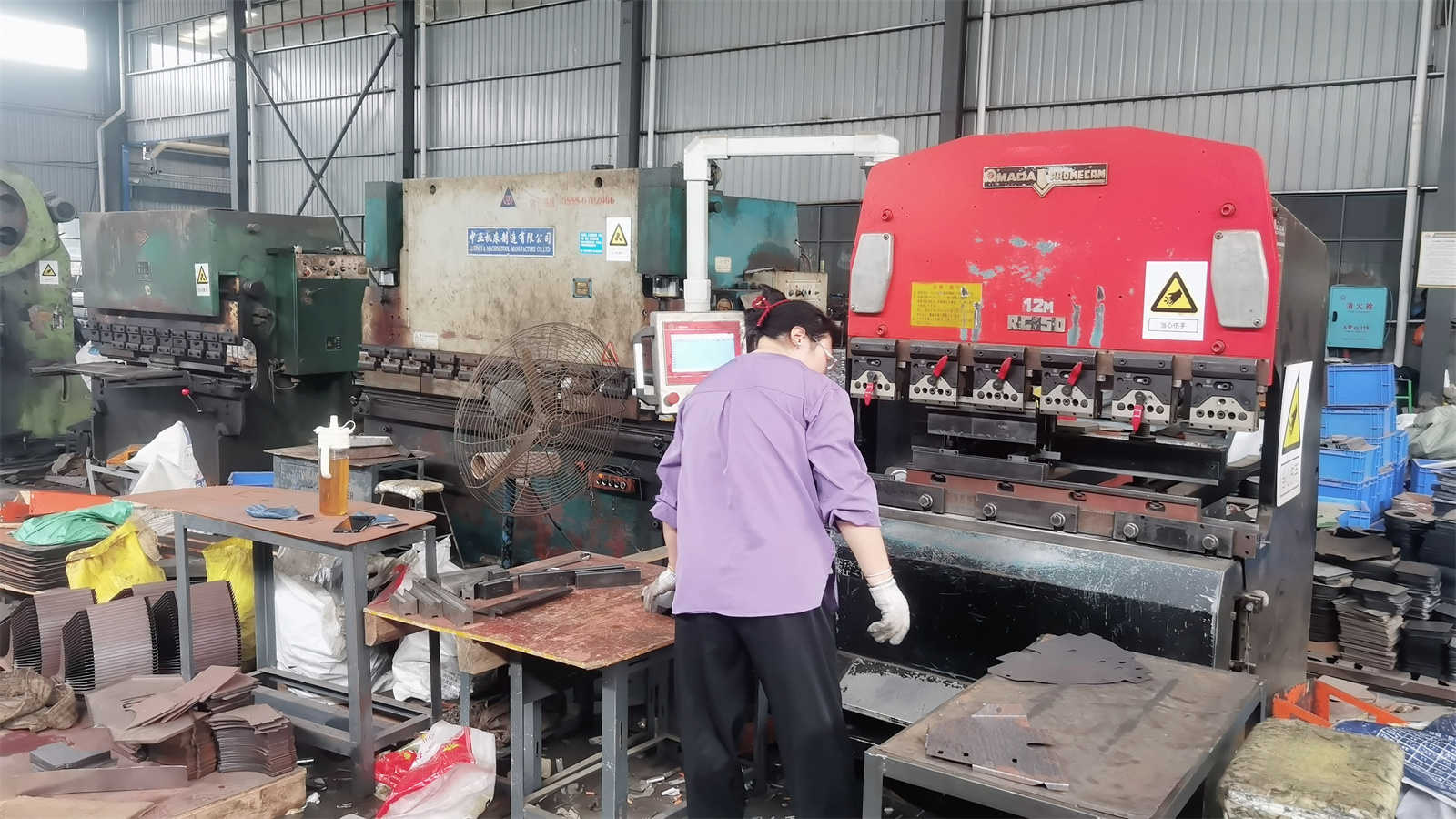 Bending Machine
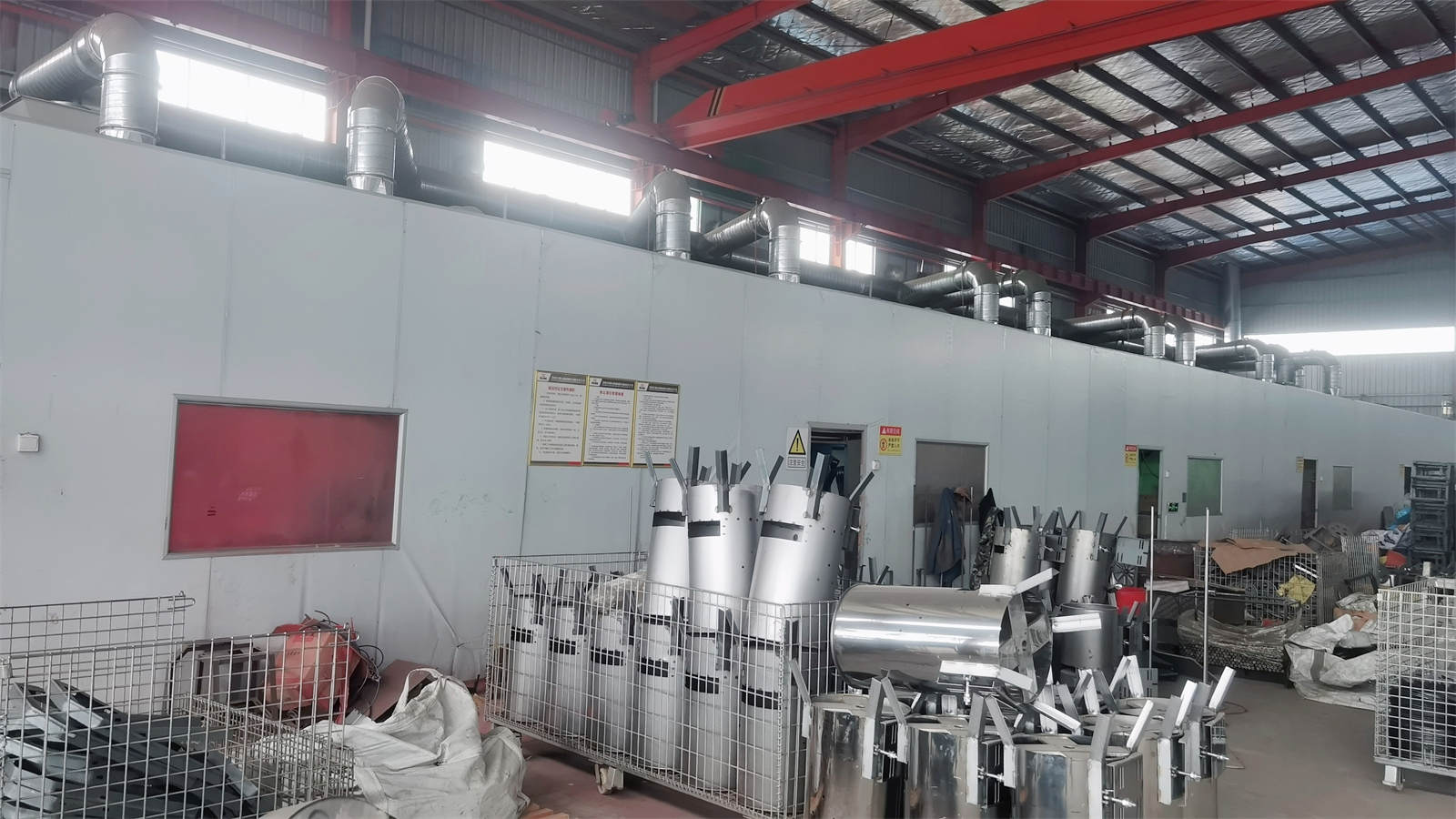 Painting Line
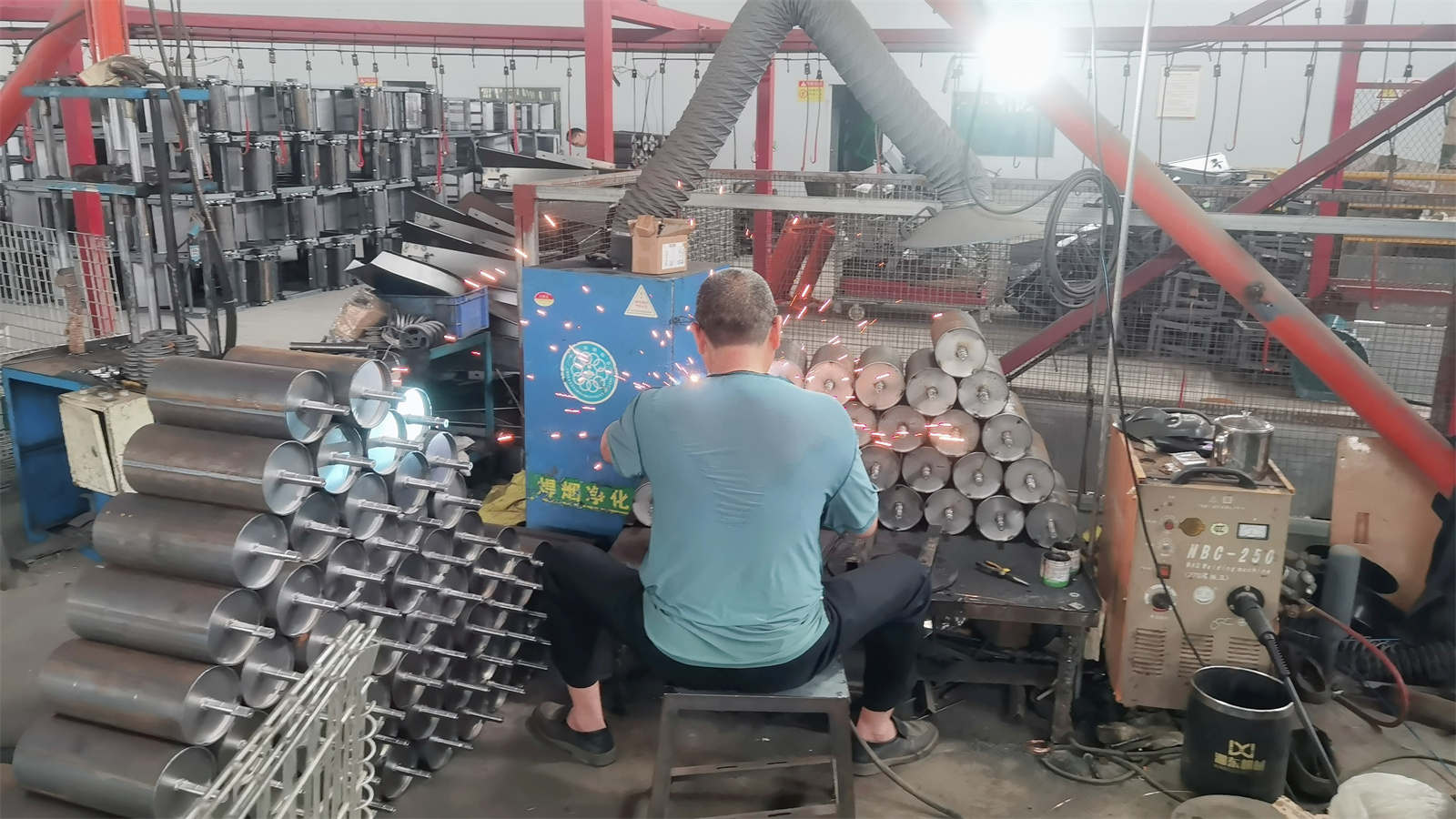 Welding Machine
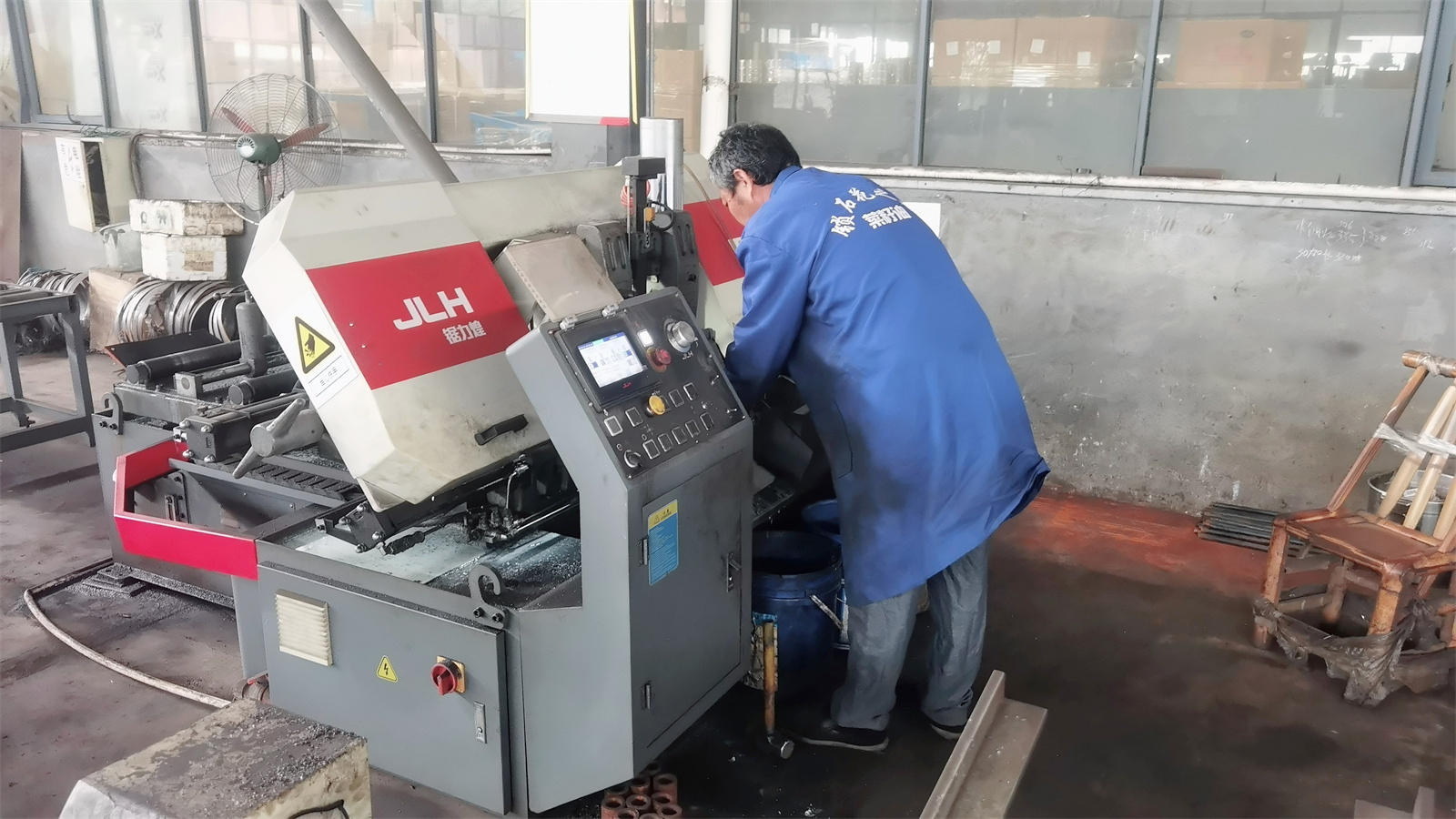 Sawing Machine
Expert answers regarding quality control, local compliance, and equipment options for the Israel flour and grain industry.
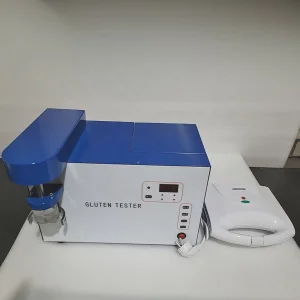
Israeli mills blend grains from different origins (such as Black Sea wheats, European soft wheats, and North American hard wheats). Standard laboratory systems like our Alveograph and Gluten Index testers are essential for measuring these differences. Using these metrics, lab managers can create custom blends that provide consistent protein and gluten performance for end users.
Water resources in the Middle East are highly regulated, and wastewater management can be costly. Henan Jiujie’s waterless grain cleaning systems separate impurities and condition grains without using water, eliminating wastewater discharge and lowering operating costs.
The falling number measures alpha-amylase activity in wheat flour. If the falling number is too low, the dough becomes sticky, which can cause issues on automated pita production lines. Maintaining an optimal falling number range ensures the dough expands correctly and retains structural integrity.
While the traditional air-oven method is the standard reference, it takes several hours to produce results. Our Halogen Moisture Analyzers deliver results in 10-15 minutes, allowing mill operator to quickly adjust tempering settings on active production runs.
Yes. All our testing equipment is built to meet international testing standards (including ISO, AACC, and ICC protocols) and holds CE certification, making it compliant with Israeli safety and testing standards.
Optimize your milling processes, ensure compliance with national standards, and stabilize product quality. Request a quote or schedule a technical call with our engineering team today.
Send Inquiry Now Jiujie Machine