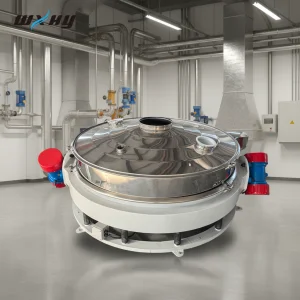
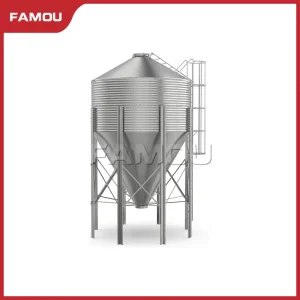
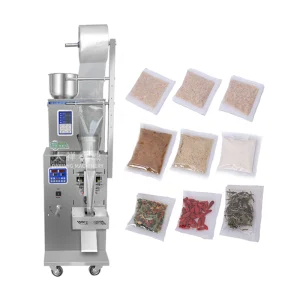
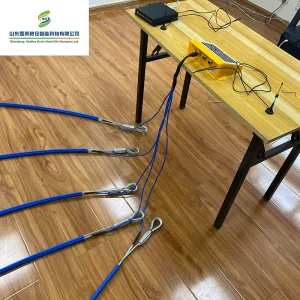
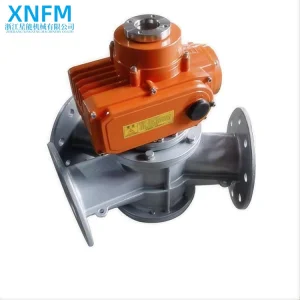
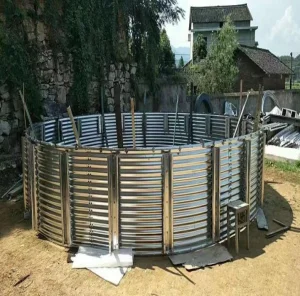
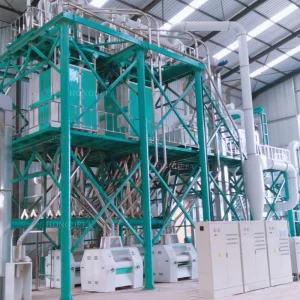
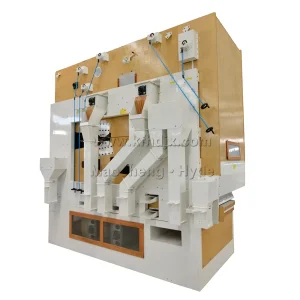
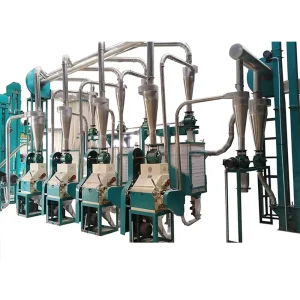
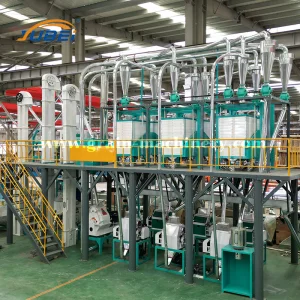
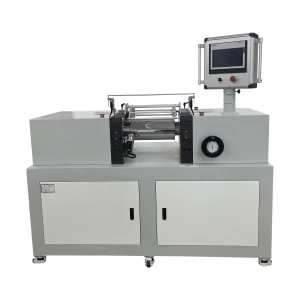
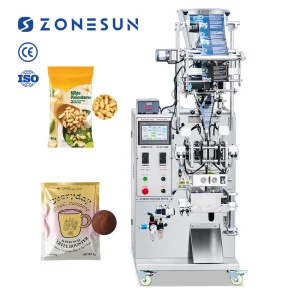
Explore our state-of-the-art selection of industrial mills, vibratory sifters, high-capacity silos, and smart material handling components.
Years of Engineering Experience
Global Quality Certification
Custom OEM/ODM Engineering
Wastewater Dry Cleaning Process
Understanding User Intent, Market Demands, and Advanced Manufacturing Architectures
In the modern food processing industry, spice grinding has transitioned from a basic mechanical pulverization process to a highly specialized, temperature-regulated, and dust-controlled science. Global food safety standards (such as FDA, EHEDG, and EU directives) combined with the soaring consumer demand for volatile oil preservation, organic integrity, and zero-cross-contamination have placed massive expectations on spice grinding factories and exporters worldwide. Buyers searching for OEM/ODM Spice Grinding Machine Factories are no longer merely comparing base prices; they are searching for manufacturing partners capable of delivering technological integration, high-precision customization, and resilient logistics.
SEO Insight & User Intent Alignment: Modern procurement searches focus on "cryogenic spice milling systems", "dust-free spice pulverizers", "continuous batch milling throughput", and "stainless steel SUS304 food-grade OEM exporters". To meet this search intent, Henan Jiujie Machine Co., Ltd. presents this comprehensive industrial breakdown outlining the intersection of manufacturing engineering, technological innovation, and international supply-chain excellence.
Historically, traditional spice grinding relied on simple hammer mills or disk mills that generated intense frictional heat. This heat is the primary enemy of premium spices, causing the evaporation of essential volatile oils (such as piperine in black pepper, curcumin in turmeric, and capsaicin in chili) and compromising the flavor, color, and aroma of the final product. Today's industrial spice milling is defined by three major technical trends:
Global procurement teams from Europe, North America, and the Middle East face complex barriers when sourcing heavy grain-processing and spice-grinding machinery. Key parameters determining the success of a procurement cycle include:
Compliance & Certifications: Equipment must carry reputable quality management hallmarks like ISO9001 and CE certifications. Furthermore, the materials used must satisfy strict food contact requirements—typically requiring SUS304 or SUS316 stainless steel with polished surfaces to prevent bacterial adhesion.
Operational Cost Efficiency: High energy consumption and regular downtime for maintenance erode profitability. Enterprises seek out machines designed for quick-assembly, offering easy access for clean-in-place (CIP) operations, and featuring low operational wear cycles on grinding media.
Engineered using CAD-based design systems and advanced machining centers to guarantee high-precision, heavy-duty parts built for continuous 24/7 industrial runs.
Compliance with ISO9001 and CE certification requirements ensures that your equipment conforms to international food safety and environmental protection laws.
Comprehensive pre-sales consultation, full technical documentation, custom ocean-freight packing, and reliable after-sales support globally.
How Henan Jiujie Machine Co., Ltd. Bridges the Gap Between Cost Efficiency and High-Precision Technology
The concept of "Made in China" has undergone a massive paradigm shift. In the agricultural processing sector, China Factory 4.0 represents a merge of lean manufacturing, automated robotic welding, and CNC precision machining. Factories like Henan Jiujie Machine Co., Ltd. represent this new era of manufacturing excellence.
Our production facilities host a state-of-the-art line of processing equipment, including:
By bypassing traditional, fragmented fabrication methods and keeping these processes in-house, we control quality at every step, providing global clients with predictable lead times, reduced shipping risks, and robust machinery that withstands years of heavy industrial operations.
Environmentally Friendly Operations: Our advanced dry grain-cleaning and spice-cleaning processes operate completely without water usage, ensuring zero wastewater discharge and supporting sustainable manufacturing principles required by global environmental watchdogs.
Different regions present unique challenges that standard machinery cannot resolve. Custom OEM/ODM spice milling lines must adapt to localized environmental and ingredient variables:
Step-by-step visual overview of our industrial fabrication process, precision machinery, and quality control systems.
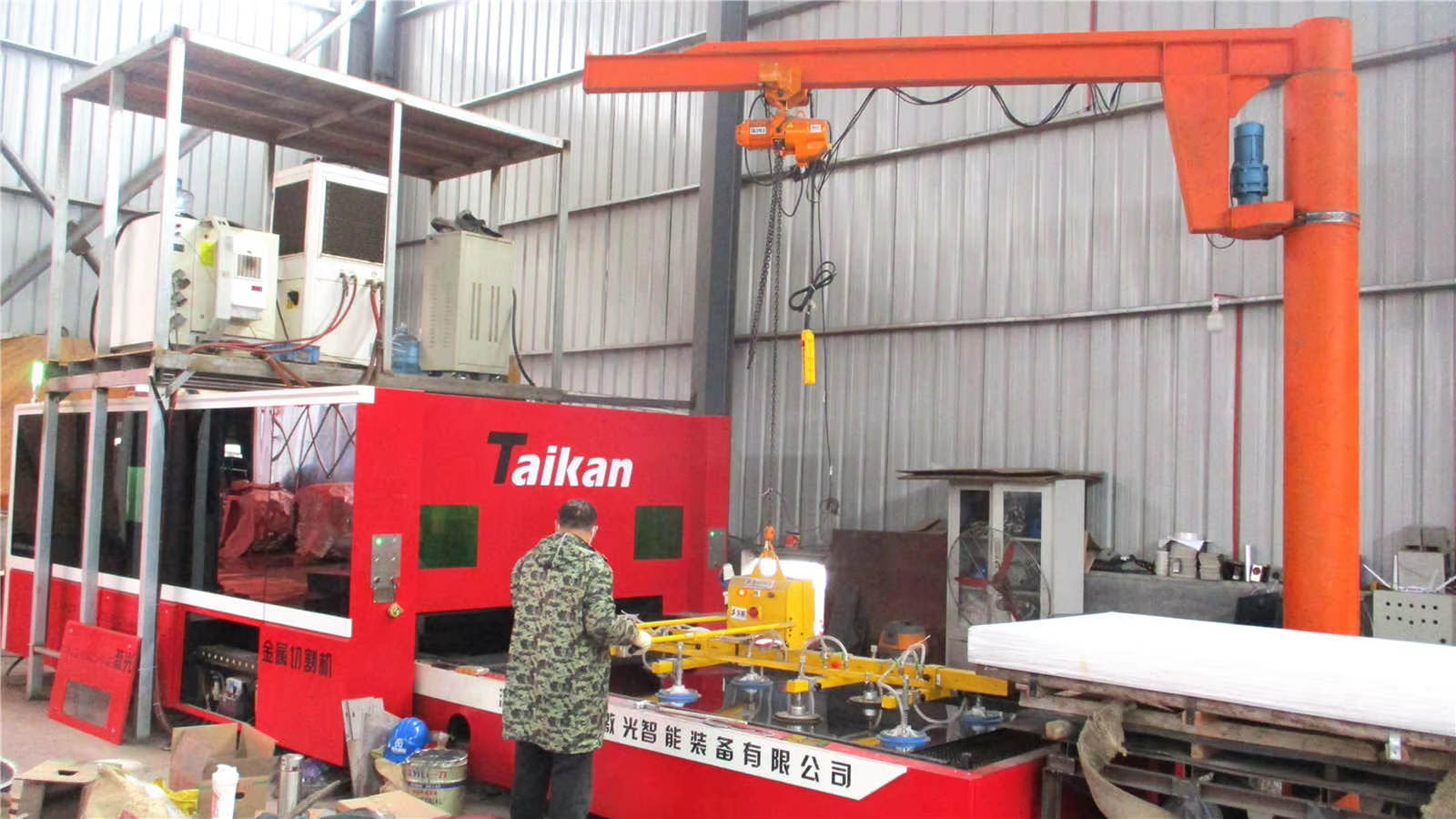 Cutting
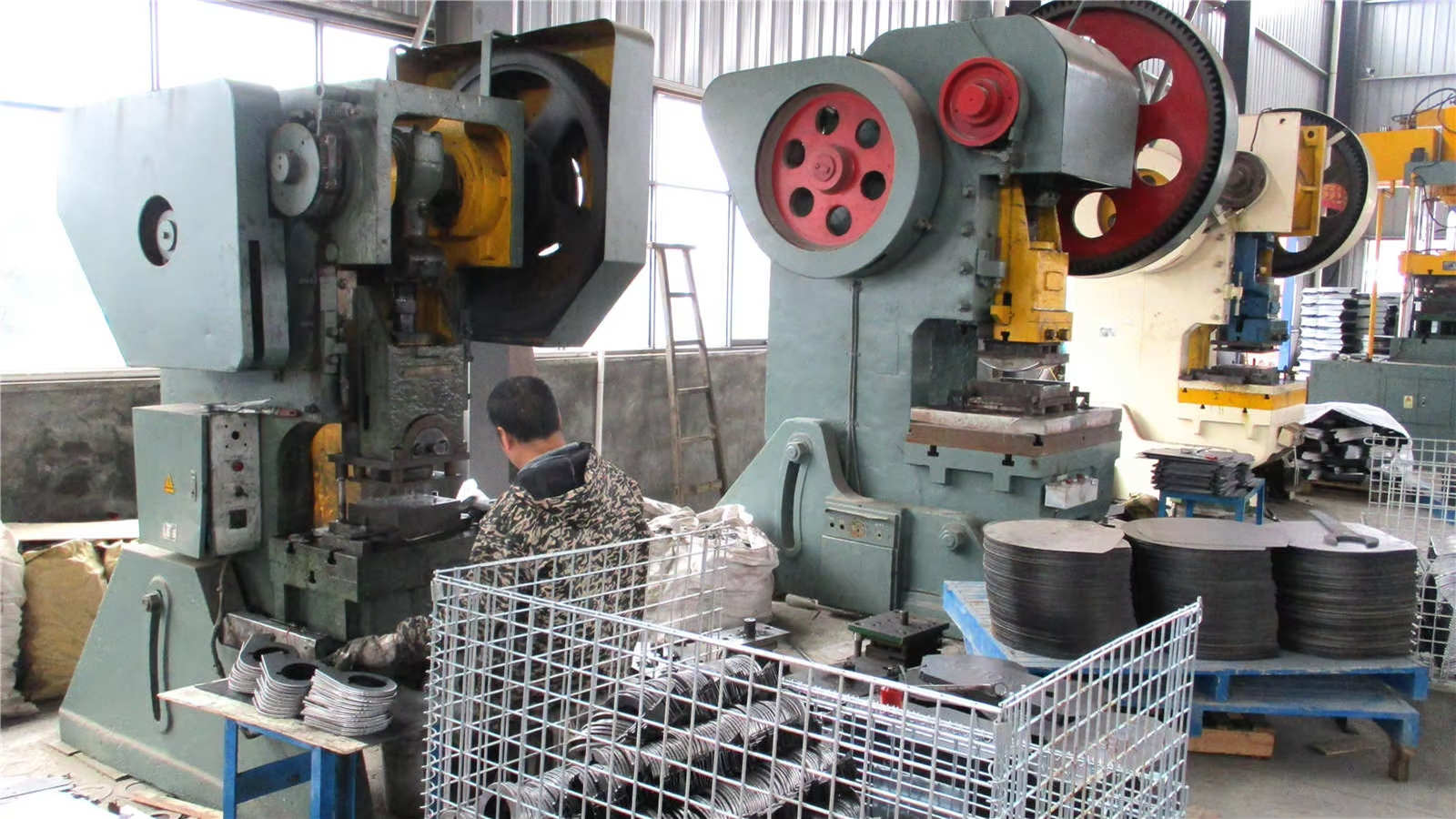 Punching
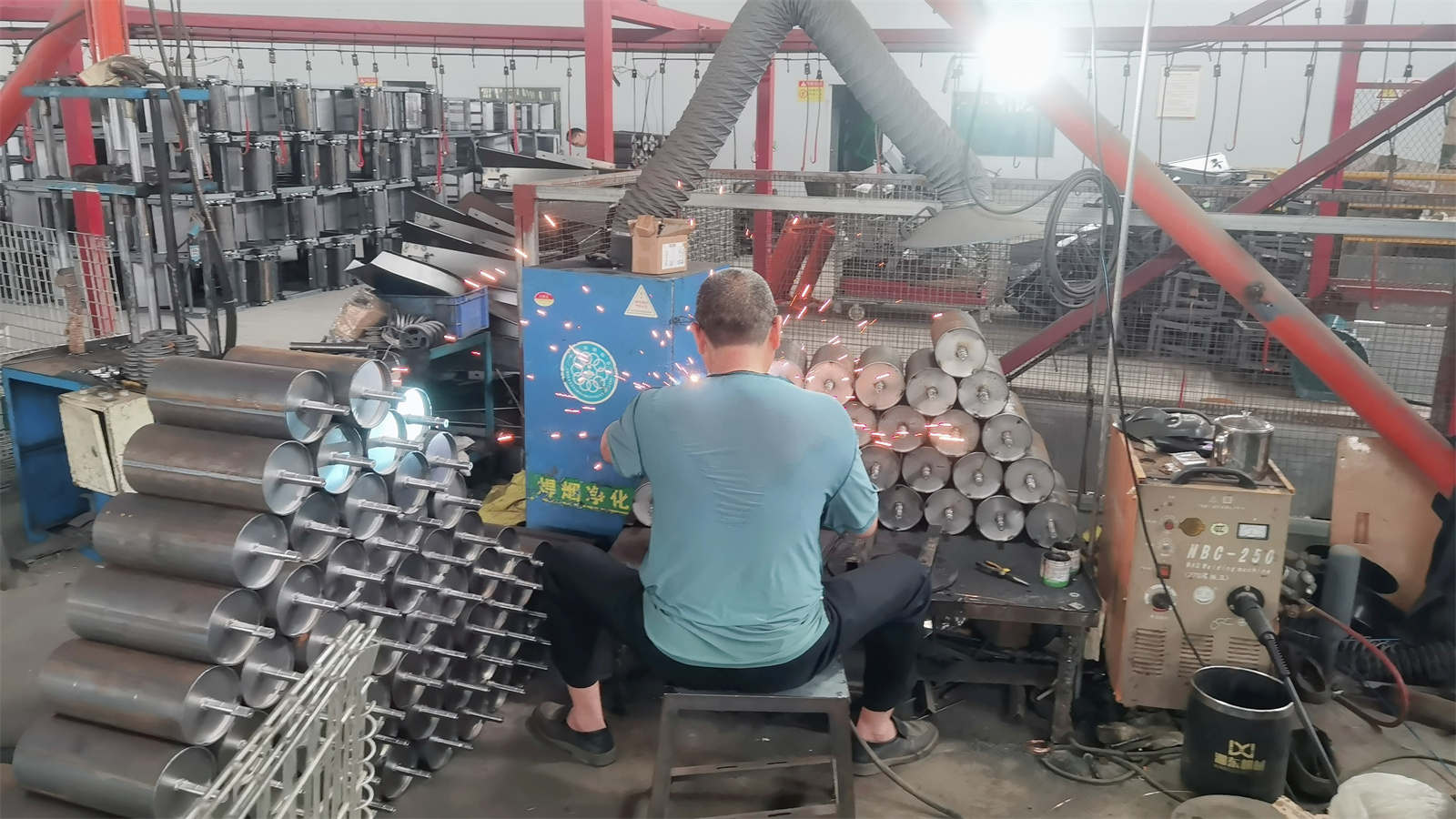 Welding
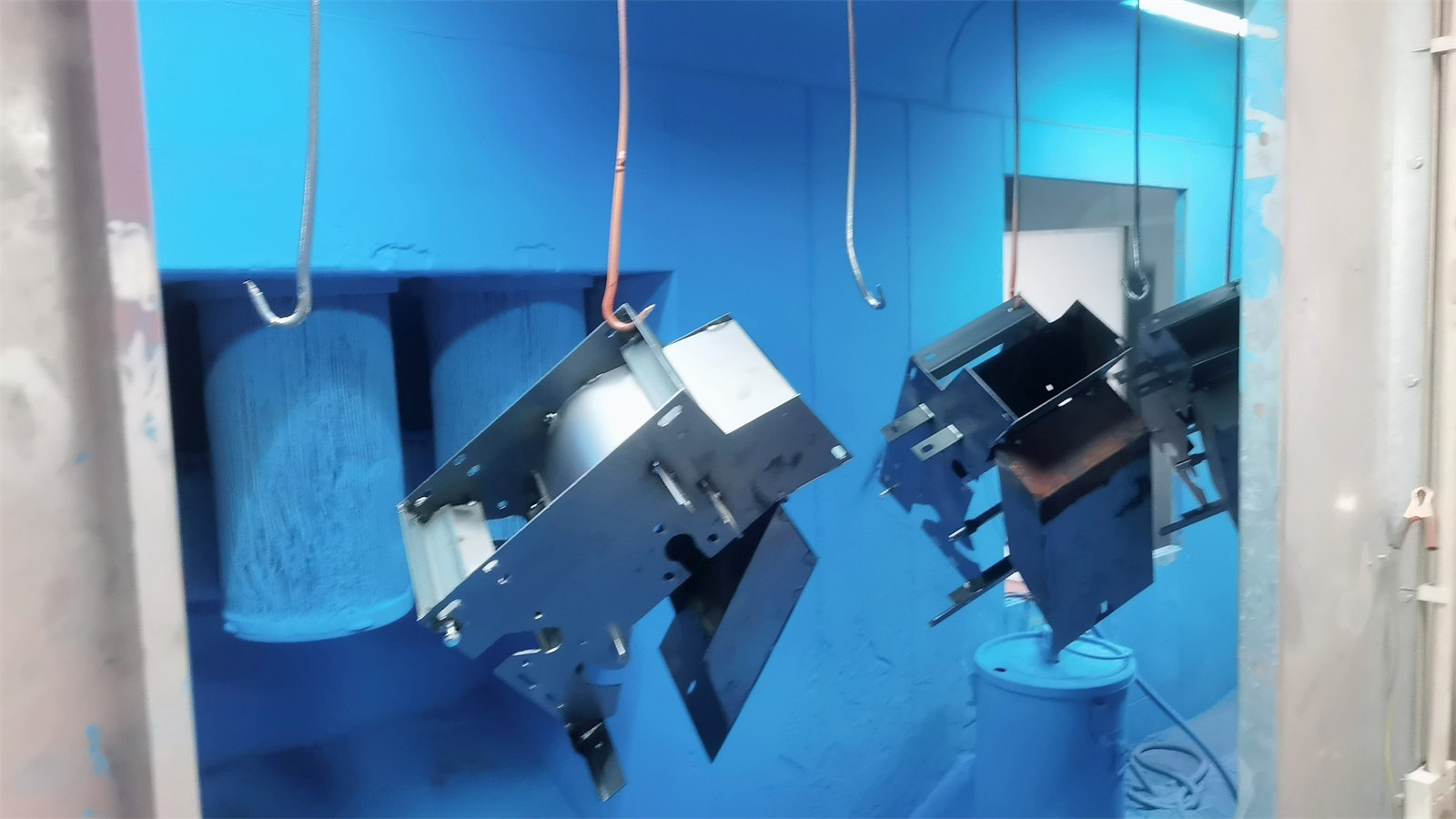 Painting
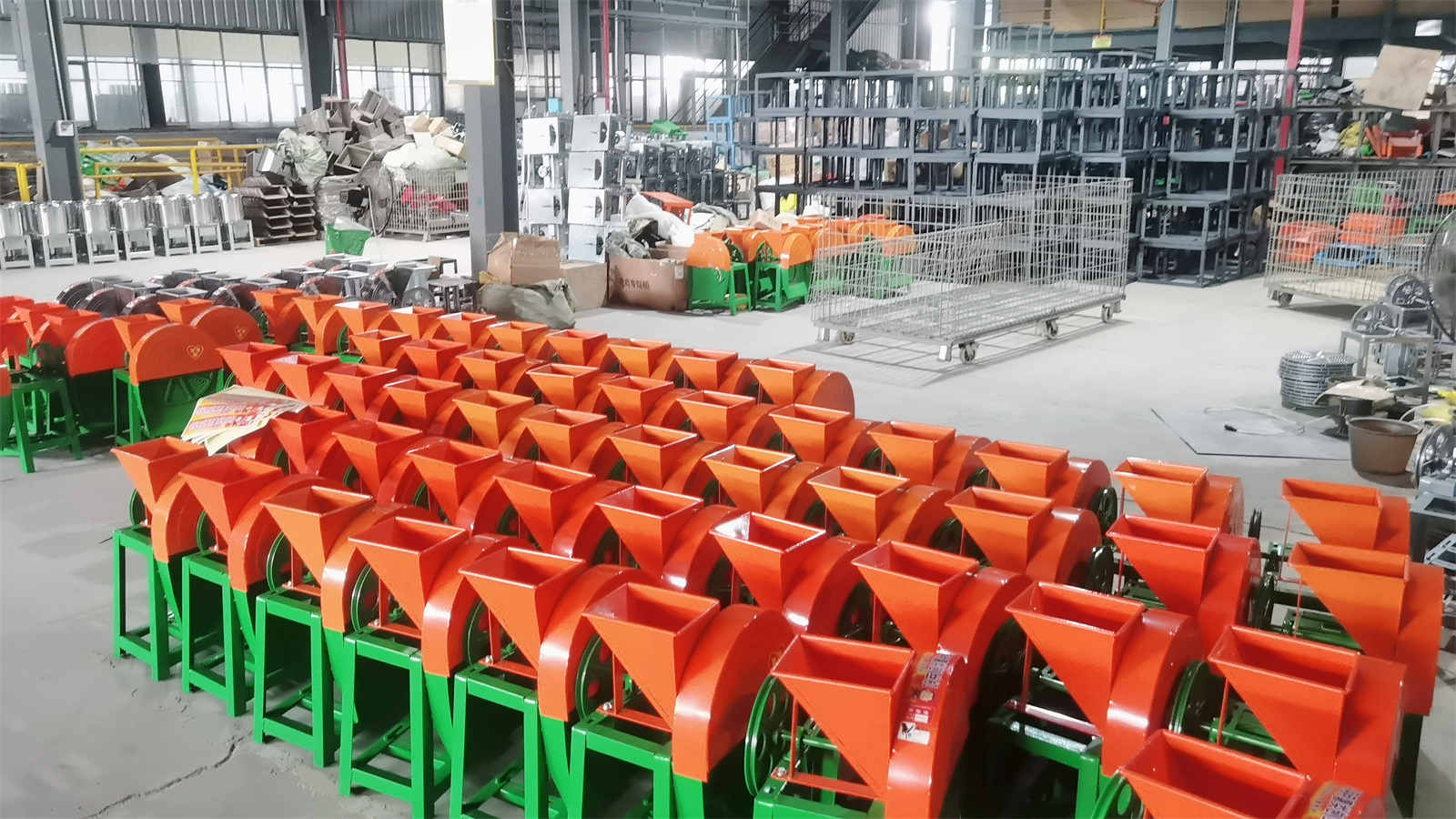 Assembling
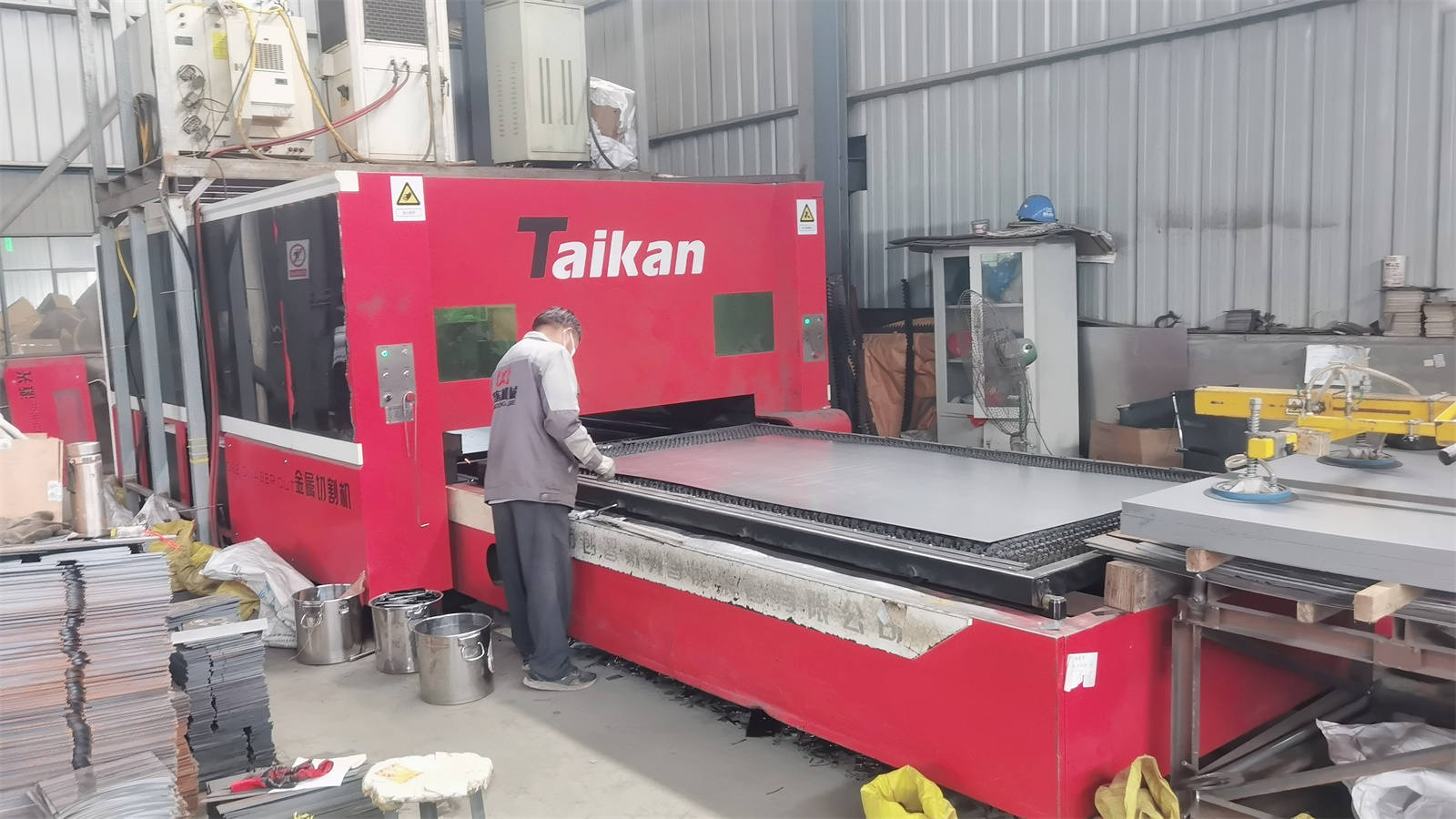 Laser Cutting Machine
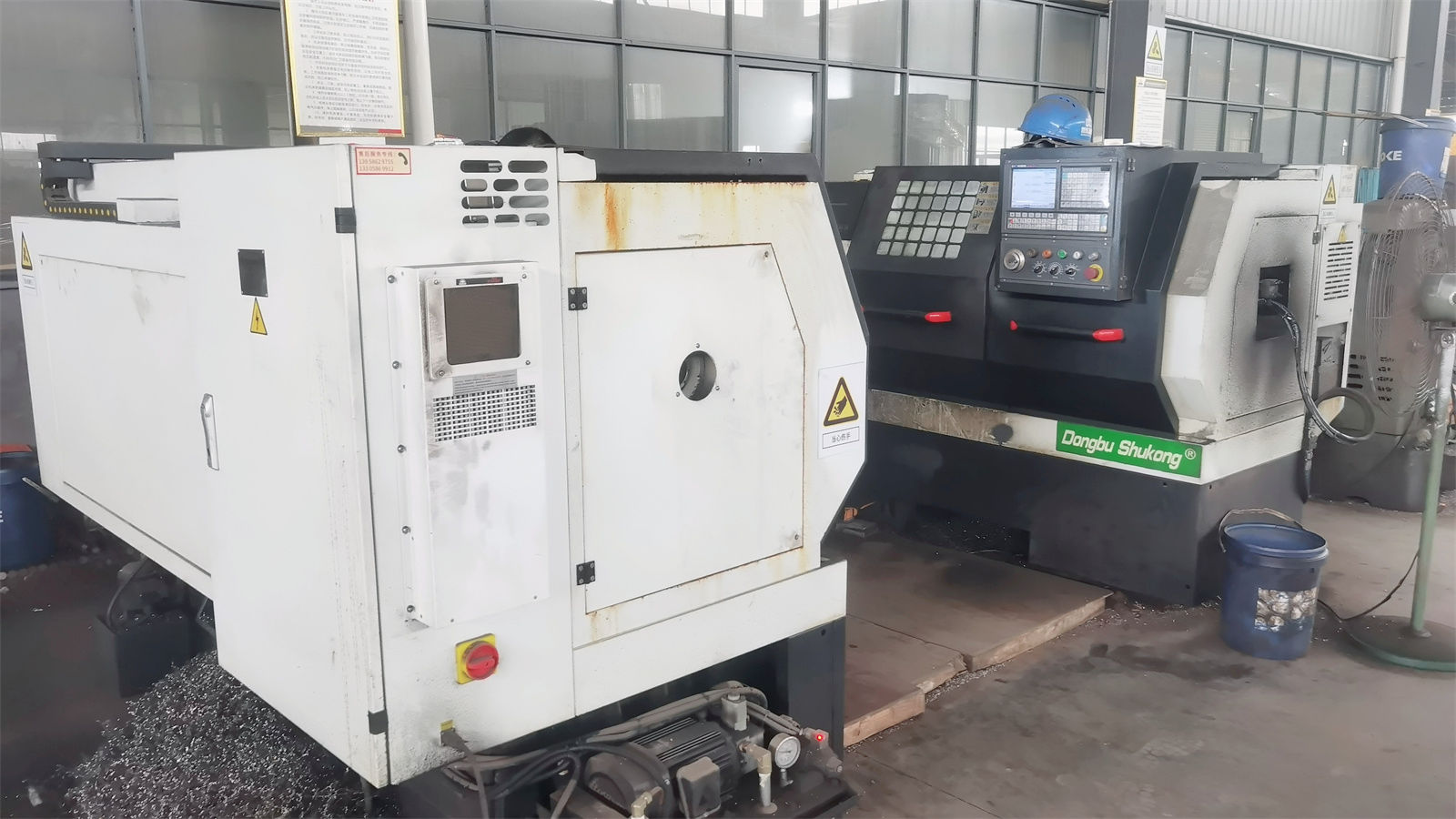 CNC Lathe
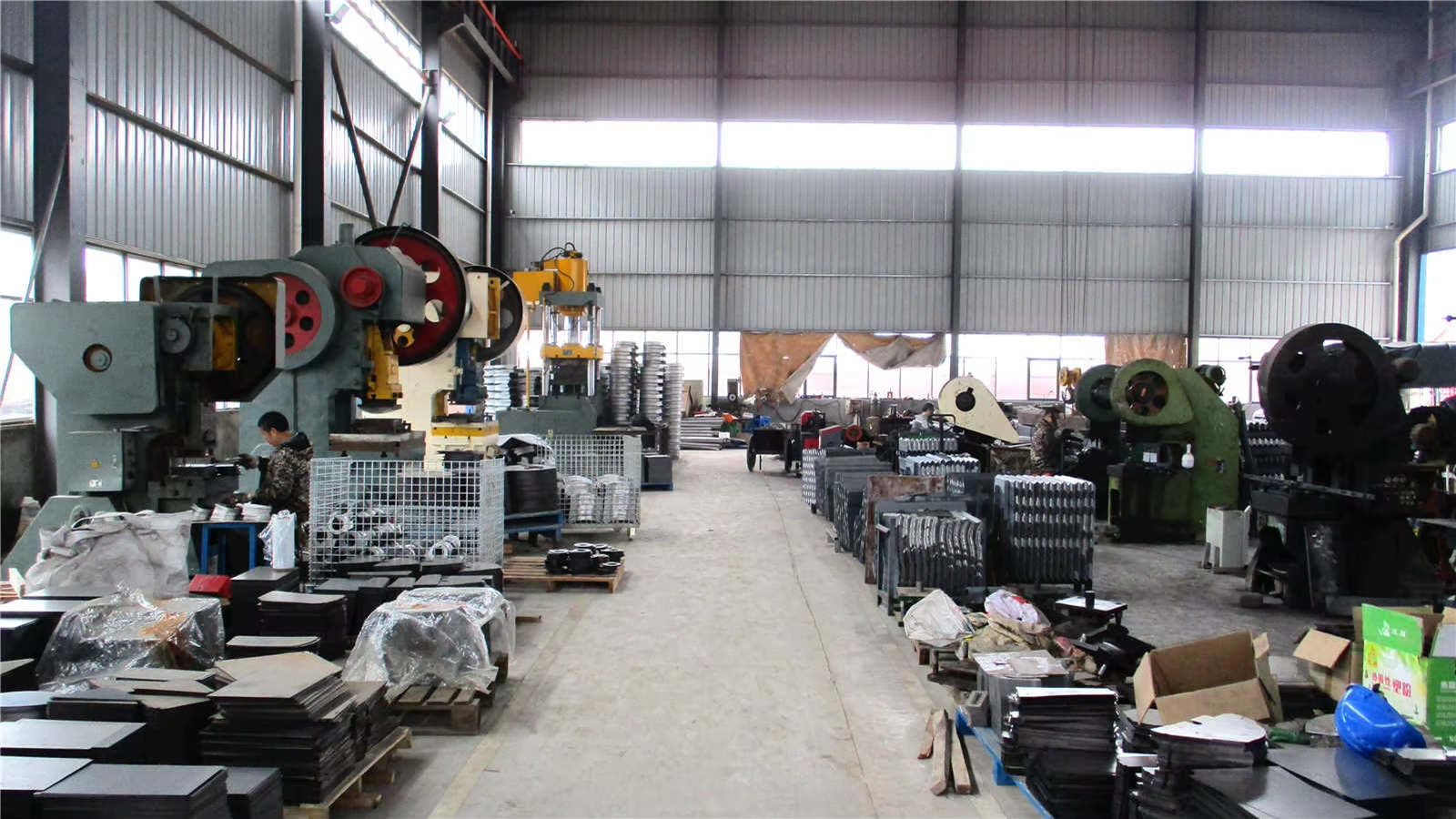 Punching Machine
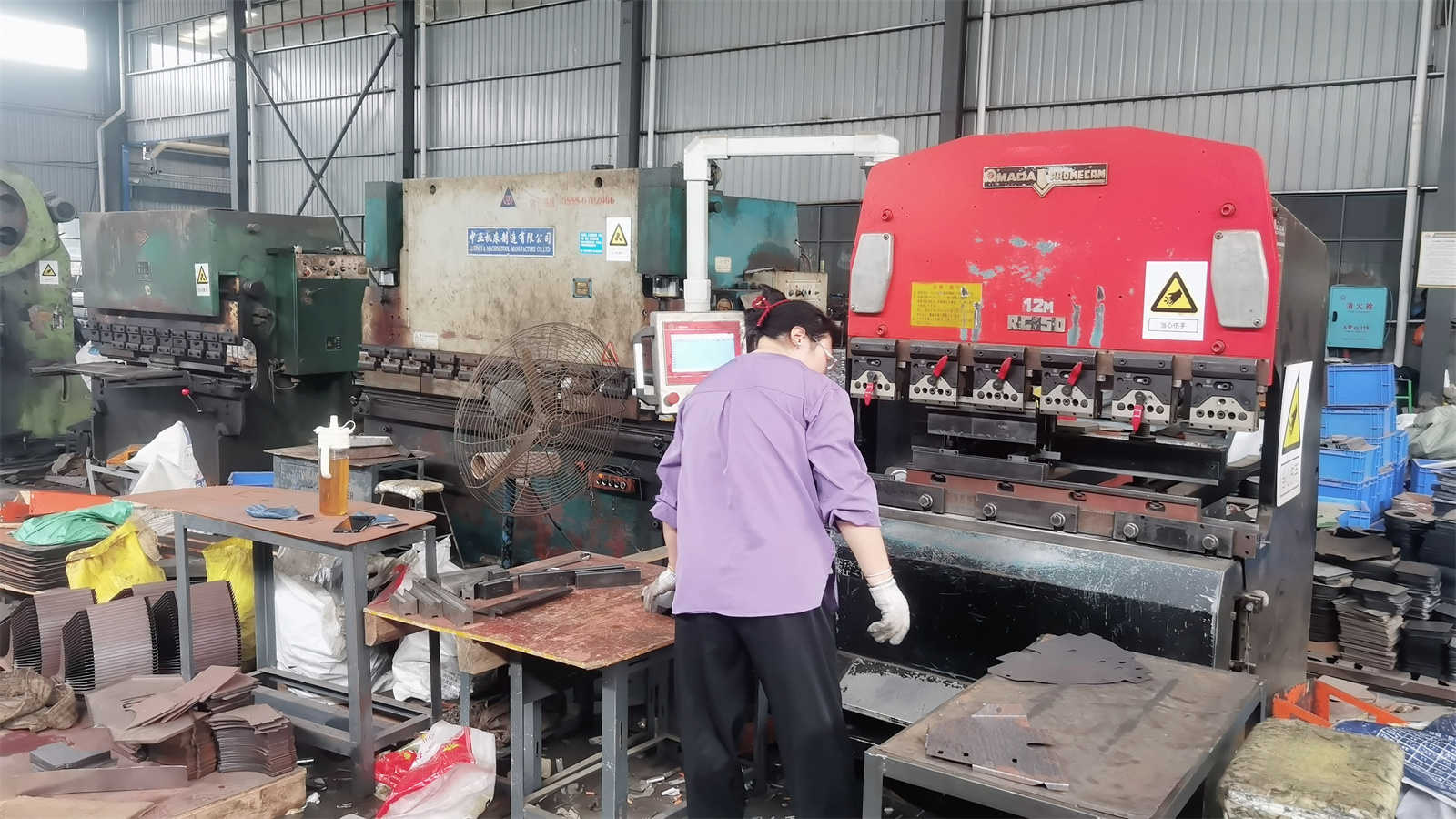 Bending Machine
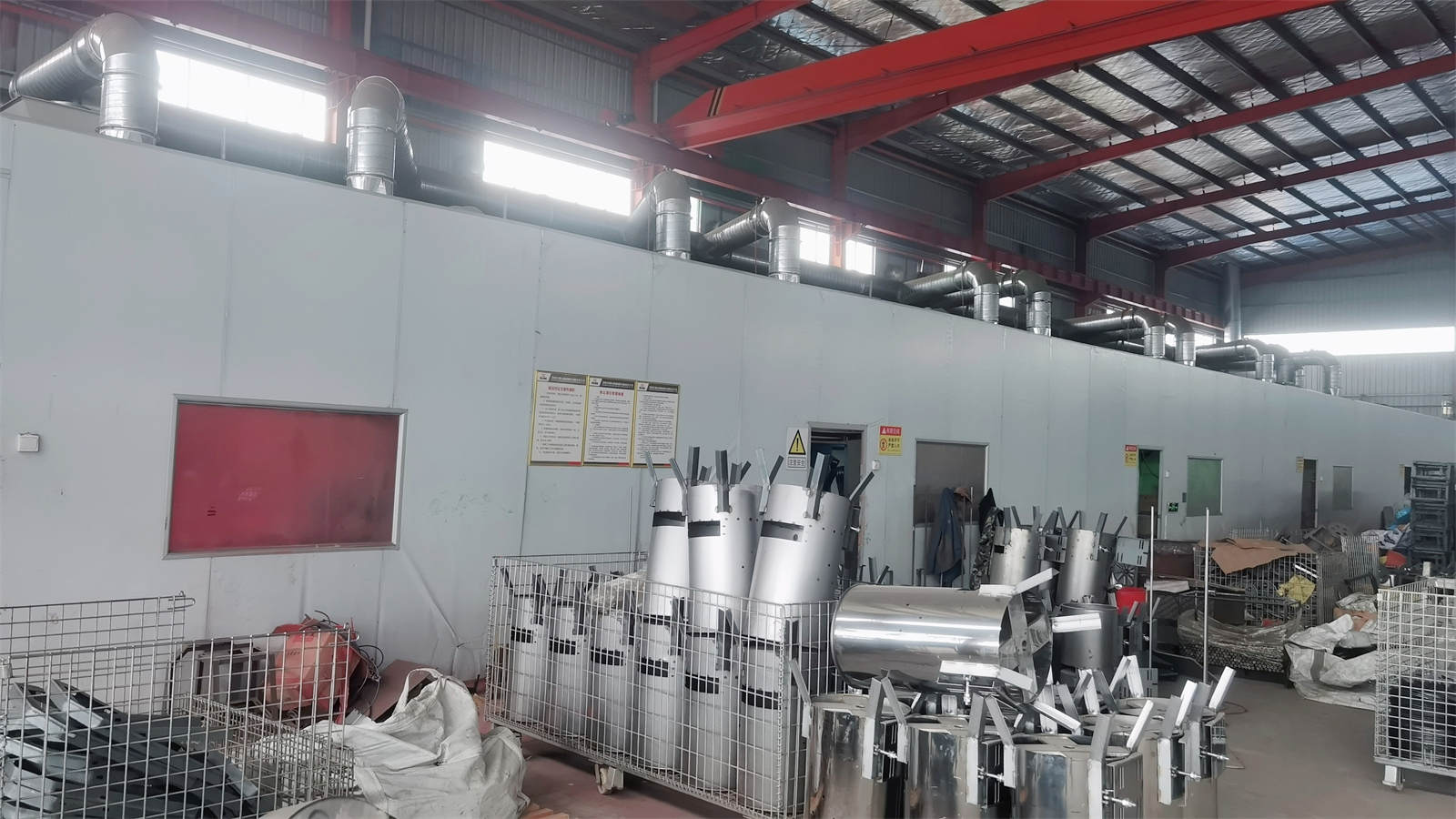 Painting Line
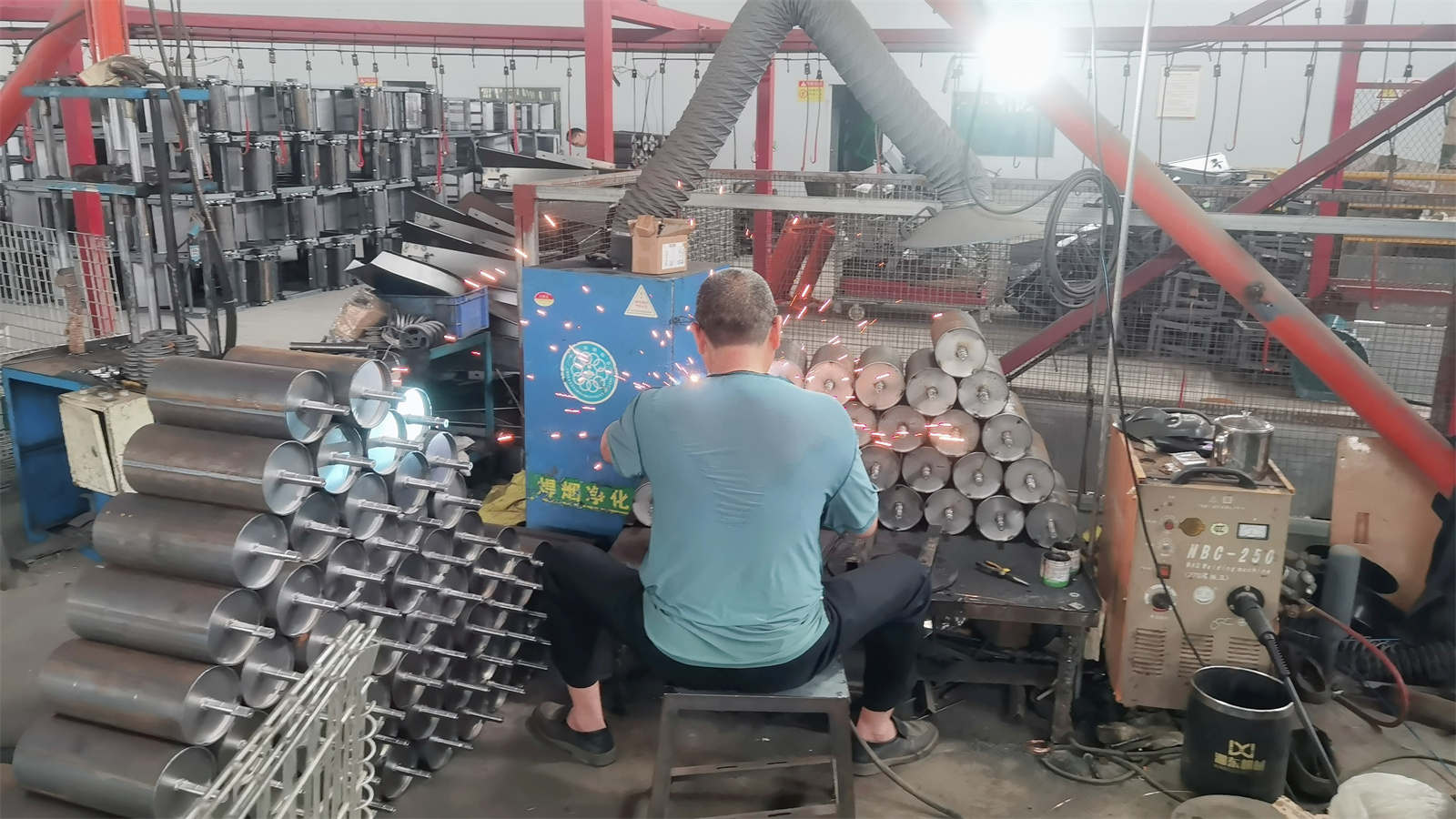 Welding Machine
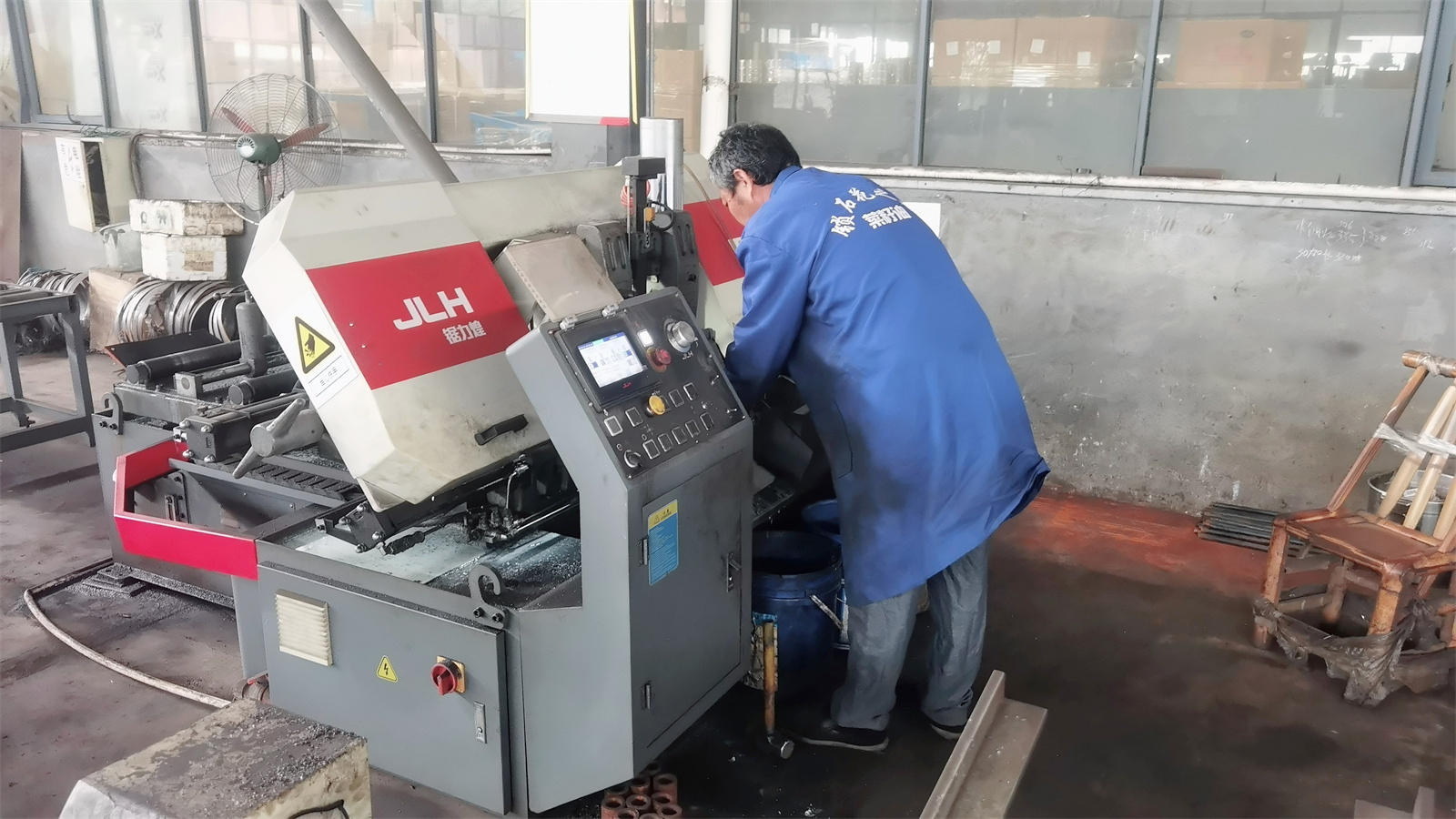 Sawing Machine
Expert insights addressing the critical operational questions of global procurement managers and engineers.
High-durability downstream machinery designed to support continuous spice milling and packaging operations.
 Jiujie Machine