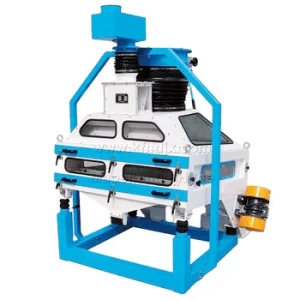
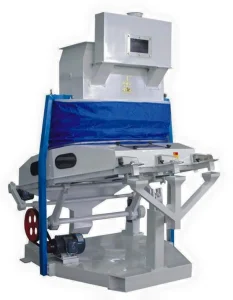
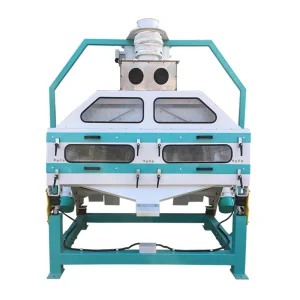
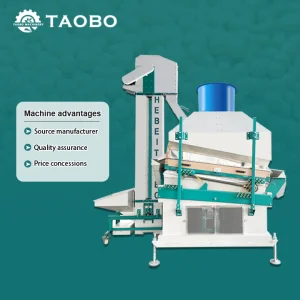
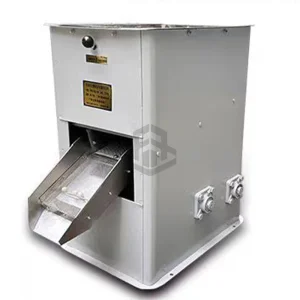
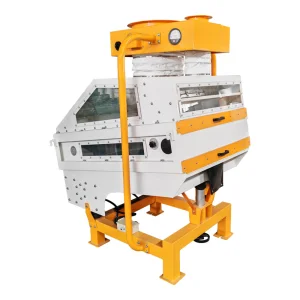
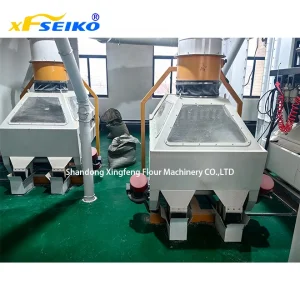
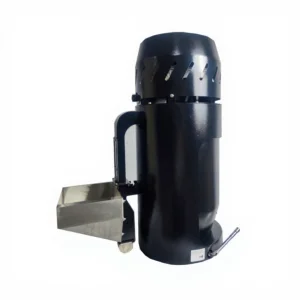
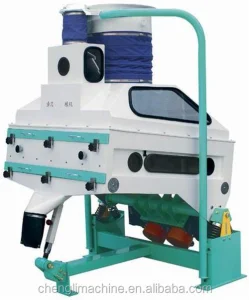
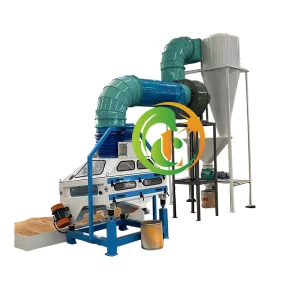
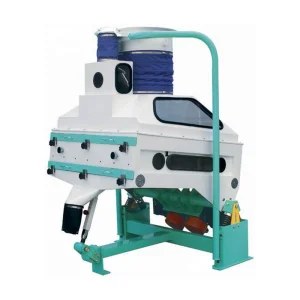
Engineered to separate heavy impurities from delicate agricultural inputs. Explore our premium systems optimized for local processing demands.
Kuala Lumpur, alongside the surrounding Klang Valley metropolitan region, stands as the economic and logistics epicenter of Malaysia's food manufacturing industry. While agricultural cultivation occurs primarily in regions like Kedah (the "rice bowl" of Malaysia) and Sabah, the processing, refinement, packaging, and export of grain-based commodities are concentrated heavily in Selangor's industrial zones (such as Shah Alam, Port Klang, and Kepong) and the Federal Territory of Kuala Lumpur. This centralized structure demands highly efficient, automated processing lines capable of maintaining high-volume throughput to feed the urban populace and service lucrative export contracts to ASEAN countries.
In Malaysia, food safety regulation is exceptionally stringent. The Ministry of Health (MOH) and JAKIM (Department of Islamic Development Malaysia) enforce rigorous hygiene and Halal certification guidelines. For grain millers, coffee roasters, and spice processors in Kuala Lumpur, the mechanical purity of inputs is non-negotiable. Foreign materials—specifically stones, soil clods, glass shards, and metallic fragments harvested alongside agricultural goods—can compromise end-product safety, violate Halal hygiene standards (as contamination is considered a critical cleanroom failure), and damage downstream milling and grinding machinery. Consequently, investing in high-precision, dry-type gravity de-stoning systems is critical for ensuring compliance and safeguarding processing hardware.
Procurement departments for international agri-food conglomerates operating in Malaysia demand more than off-the-shelf cleaning devices. The core focus is on maximizing equipment uptime, securing long-term spare parts supply chains, and verifying engineering credentials. Modern food manufacturing operations require equipment that seamlessly integrates into larger automated processing networks. This necessitates smart PLC controls, Modbus/Profibus communication interfaces, and precise variable-frequency drive (VFD) controls to dynamically manage airflow and vibration frequencies depending on the grain variety being processed.
A primary bottleneck in bulk grain cleaning is handling materials with similar physical sizing but disparate densities. As global trade introduces a wider array of grains (e.g., imported Canadian wheat, Brazilian soybeans, and Ethiopian coffee beans) into the Malaysian market, de-stoners must offer rapid changeover capabilities. System adjustments must be made easily without complete screen teardowns. Henan Jiujie Machine Co., Ltd. addresses this requirement by integrating quick-change sieve decks with adjustable deck inclinations and micro-adjustable aspiration channels, giving processing plants the agility needed to run multiple product varieties on a single processing line.
SEO Information Gain Insight: The efficiency of a gravity de-stoner is not determined by its raw vibration power, but by its fluidization threshold. When the upward air velocity matches the terminal velocity of the grain layer, the grain enters a fluidized state, allowing denser stones to sink and travel upward along the reciprocating deck. Understanding this fluid dynamic relationship is key to optimizing energy usage in modern flour and rice mills.
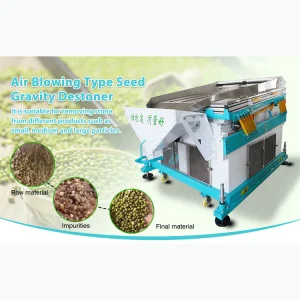
To appreciate the separation efficiency of Henan Jiujie's gravity de-stoning machinery, it is necessary to examine the physics governing dry density classification. Our systems operate on a combination of mechanical vibration and pneumatic fluidization. The grain mixture is fed onto an inclined screen deck that vibrates in a reciprocating linear stroke. Simultaneously, a uniform, continuous air stream is drawn through the screen from below.
This air stream creates a suspension effect known as fluidization. Grains, which have a lower bulk density, float above the screen surface and gently slide down the incline toward the discharge chute under the influence of gravity. Conversely, stones, glass pieces, and heavy metallic contaminants—which have a higher bulk density—sink through the fluidized grain layer and make direct contact with the wire mesh or polyurethane screen deck. The reciprocating, high-frequency linear throw of the deck then drives these heavy materials upward, away from the clean grain, discharging them through a dedicated stone rejection outlet.
| Separation Parameter | Wheat / Corn Milling | Paddy / Rice Processing | Coffee Bean Cleaning |
|---|---|---|---|
| Recommended Air Velocity | 1.2 - 1.5 m/s | 1.0 - 1.3 m/s | 0.9 - 1.2 m/s |
| Vibration Frequency | 950 - 1050 rpm | 900 - 1000 rpm | 850 - 950 rpm |
| Deck Inclination Angle | 6° - 8° | 5° - 7° | 6° - 9° |
| Sieve Aperture Geometry | Round / Slotted | Woven Mesh | Custom Triangular |
Henan Jiujie Machine Co., Ltd. is a professional supplier of complete equipment and engineering services for the food production and grain processing industries. Our business covers a wide range of applications, including wheat flour milling plants, feed processing factories, and rice processing plants. Our product portfolio includes conveying equipment, cleaning equipment, flour milling equipment, and other related machinery. Over the years, our products have been widely recognized by customers both in domestic and international markets.
Since its establishment, Henan Jiujie Machine Co., Ltd. has been dedicated to the research and development of grain processing technology and machinery. With extensive industry experience, we are able to provide integrated solutions across the entire grain and food processing industrial chain. Our solutions cover multiple stages, including raw material collection, storage, cleaning, grading, sieving, grinding, mixing, shaping, production, and packaging.
Our flour milling equipment has obtained the ISO9001 quality management system certification and CE certification. The environmental protection standards of our equipment comply with relevant EU requirements. Our grain cleaning process is designed to operate without water usage, ensuring no wastewater discharge and supporting environmentally friendly production. Our products are characterized not only by stable performance but also by easy installation, convenient maintenance, and low operating costs. With advanced technology, reliable quality, and modern design, our equipment has earned high appreciation from clients worldwide.
Explore our advanced production lines. We utilize CNC laser cutting, robot-assisted welding, and electrostatic powder coating to ensure consistent mechanical tolerance and long operational lifespans.
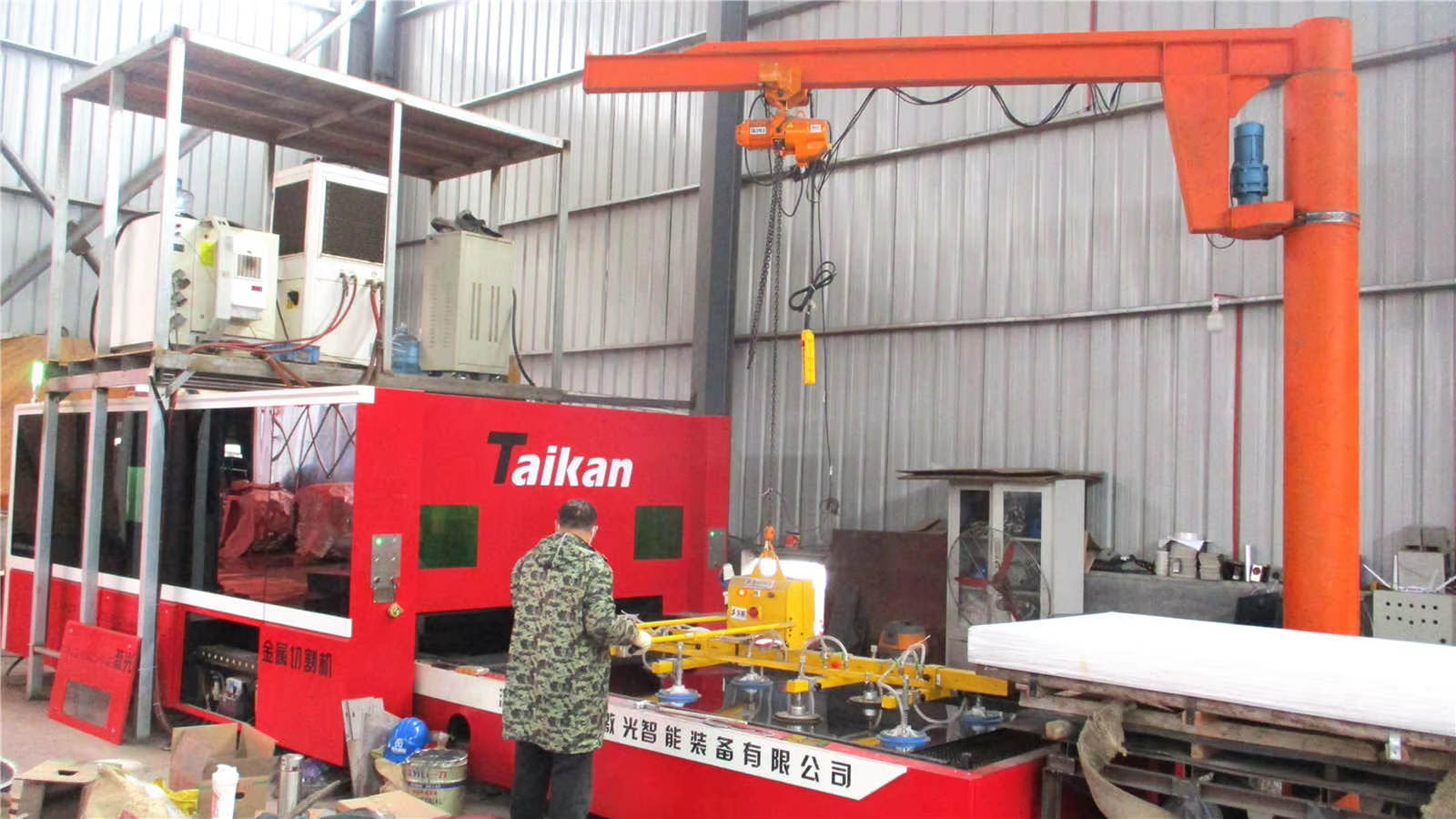 Plate Laser Cutting
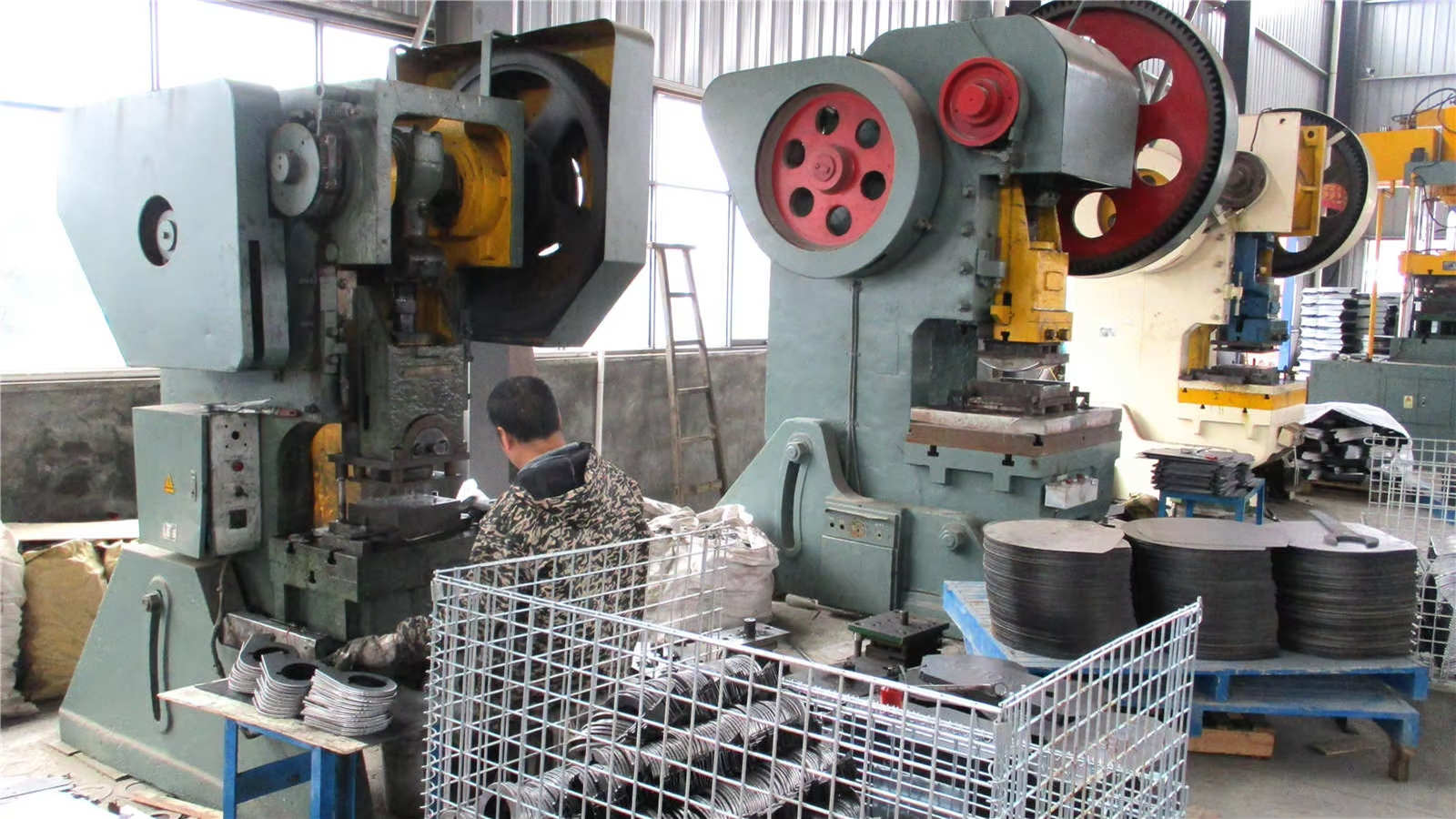 Precision Punching
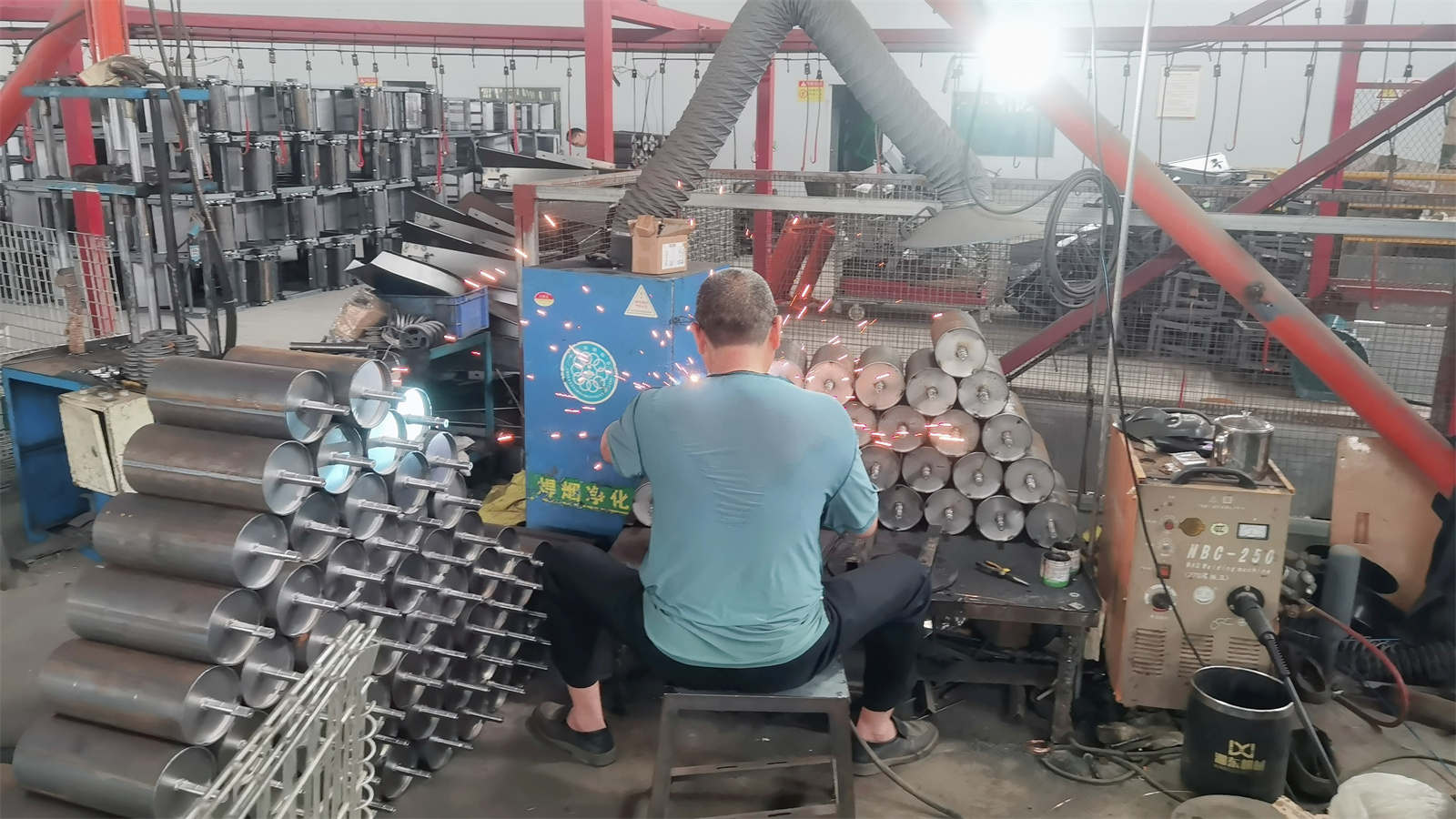 TIG & MIG Welding
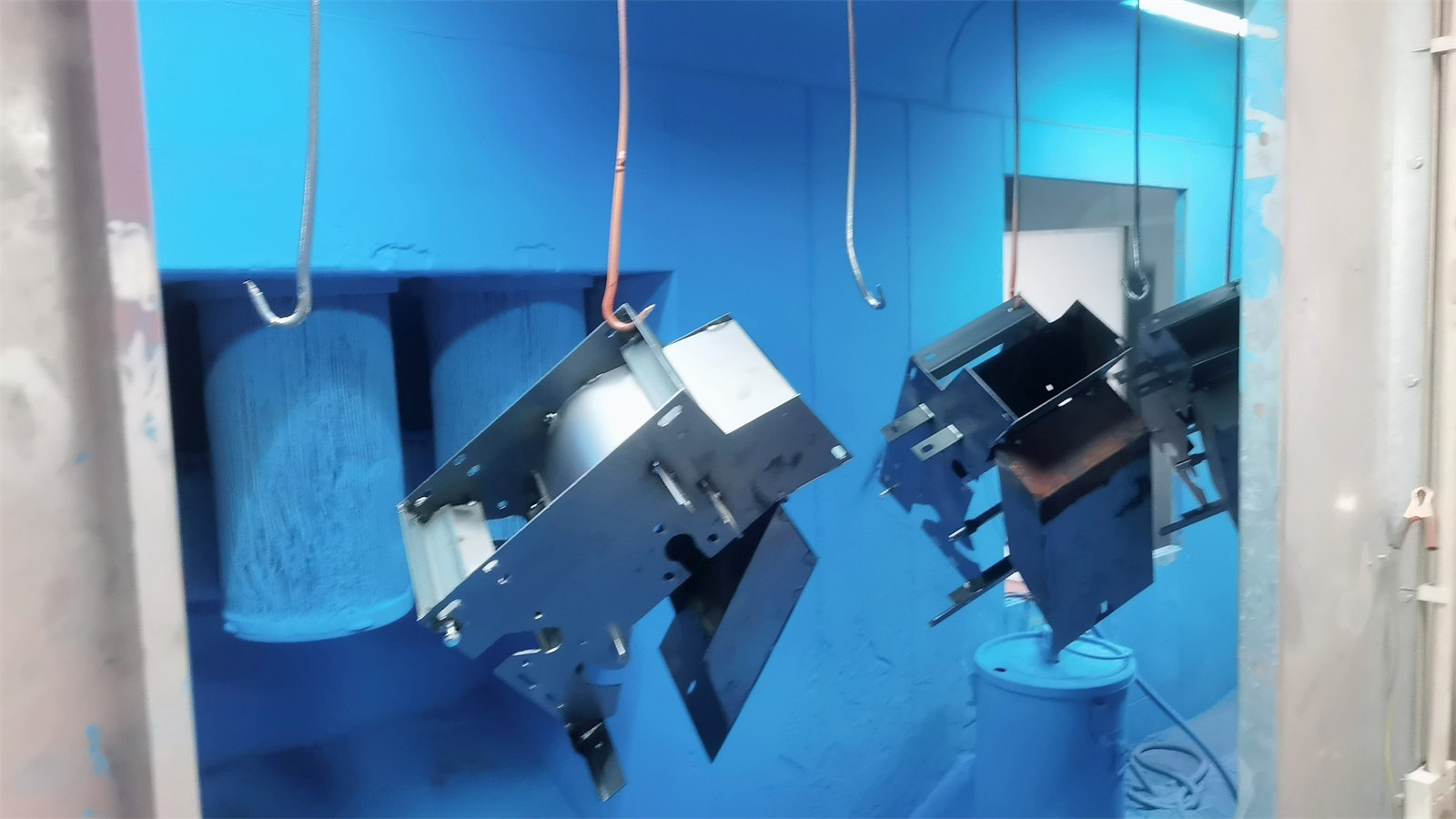 Electrostatic Painting
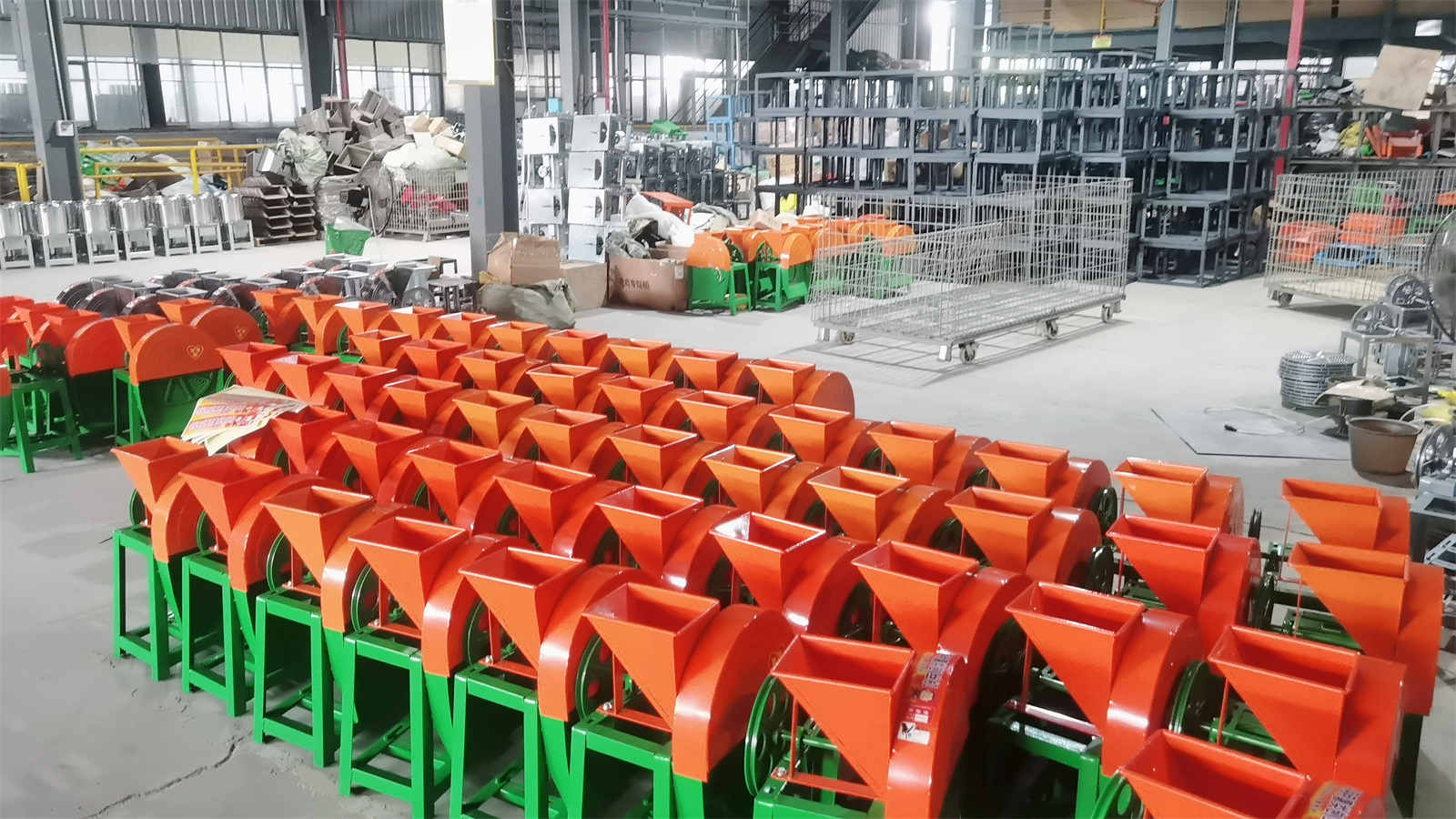 Final Equipment Assembly
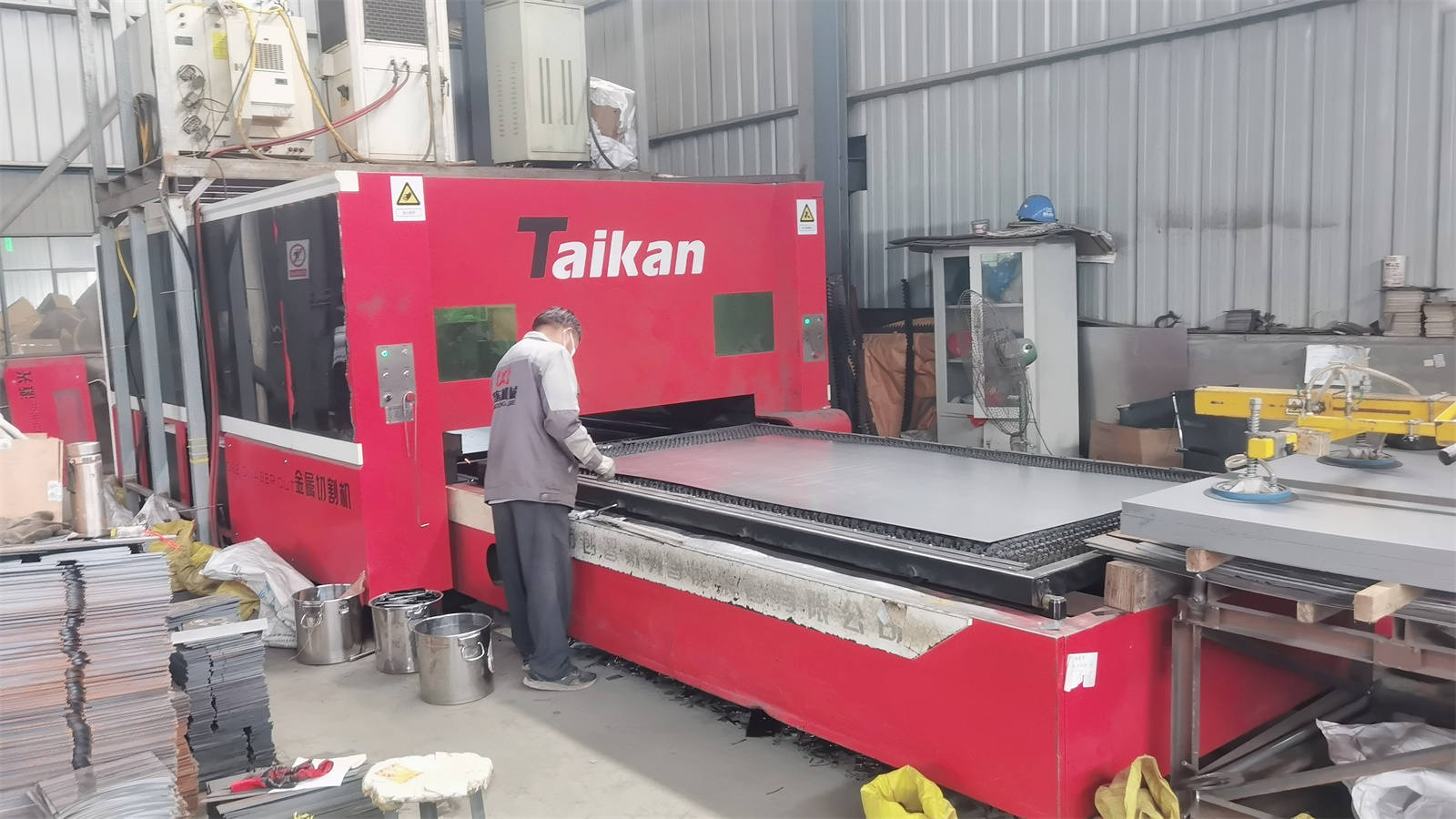 CNC Laser Cutting Machine
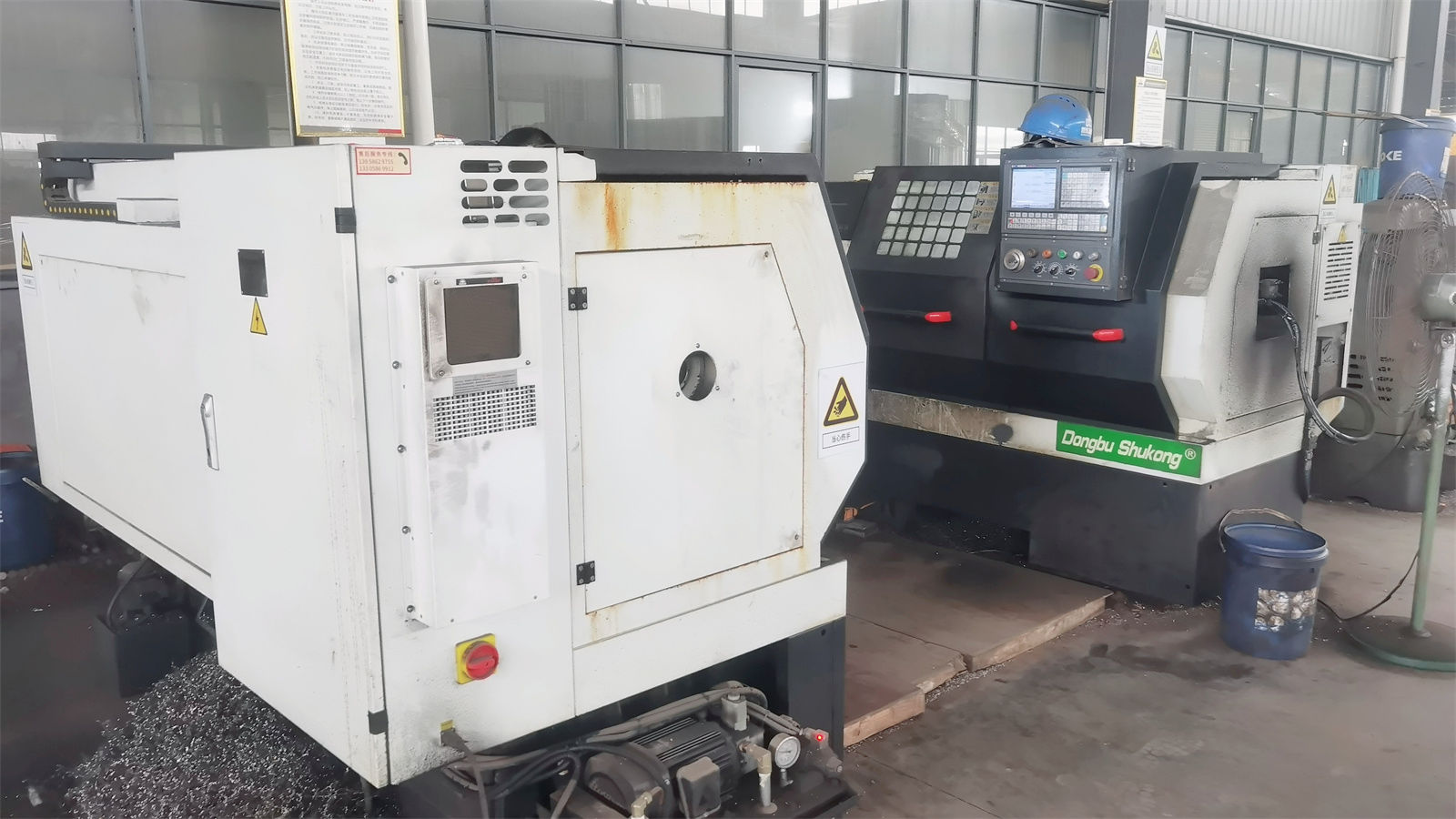 Precision CNC Lathe
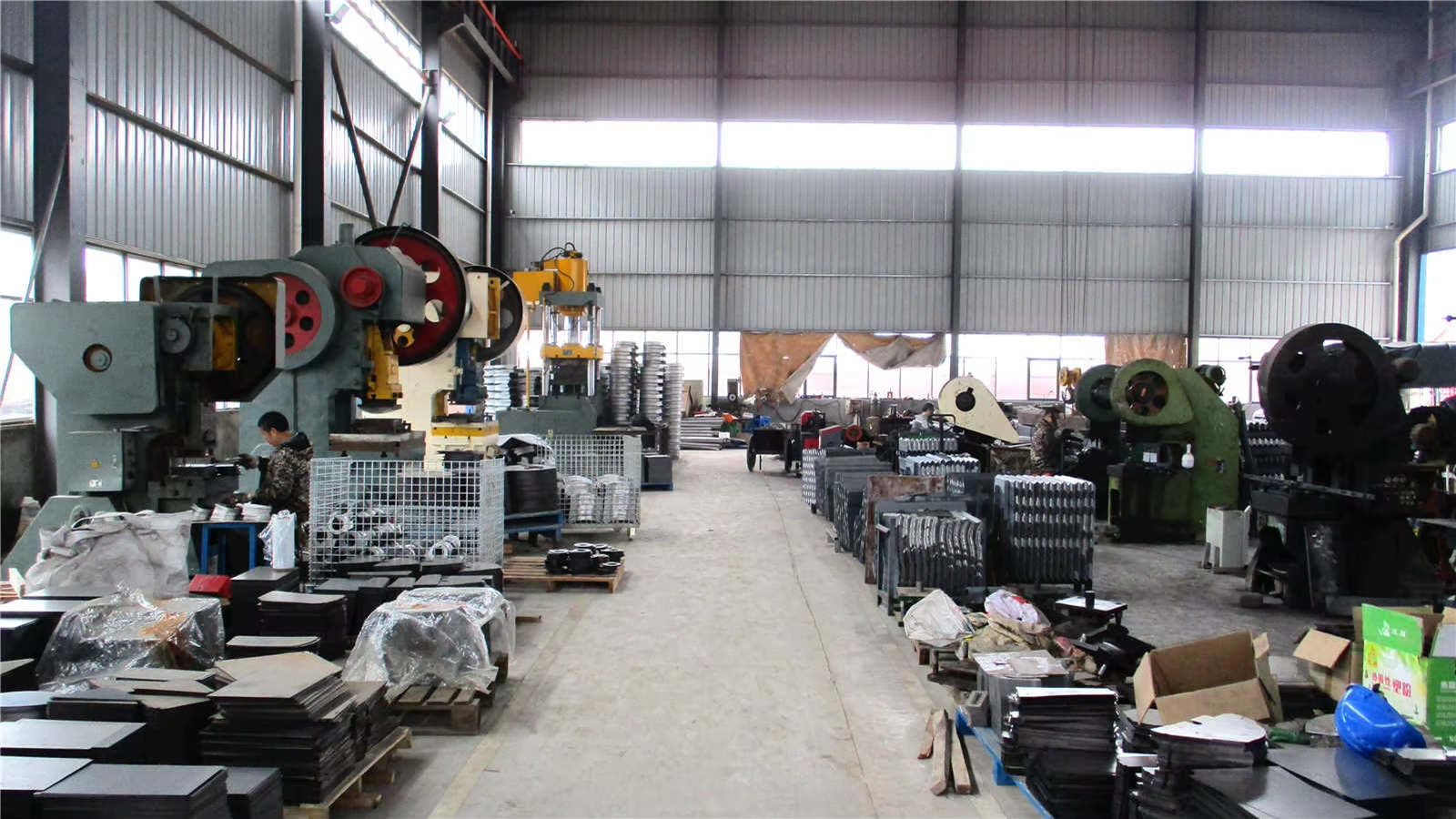 Automated Punching Machine
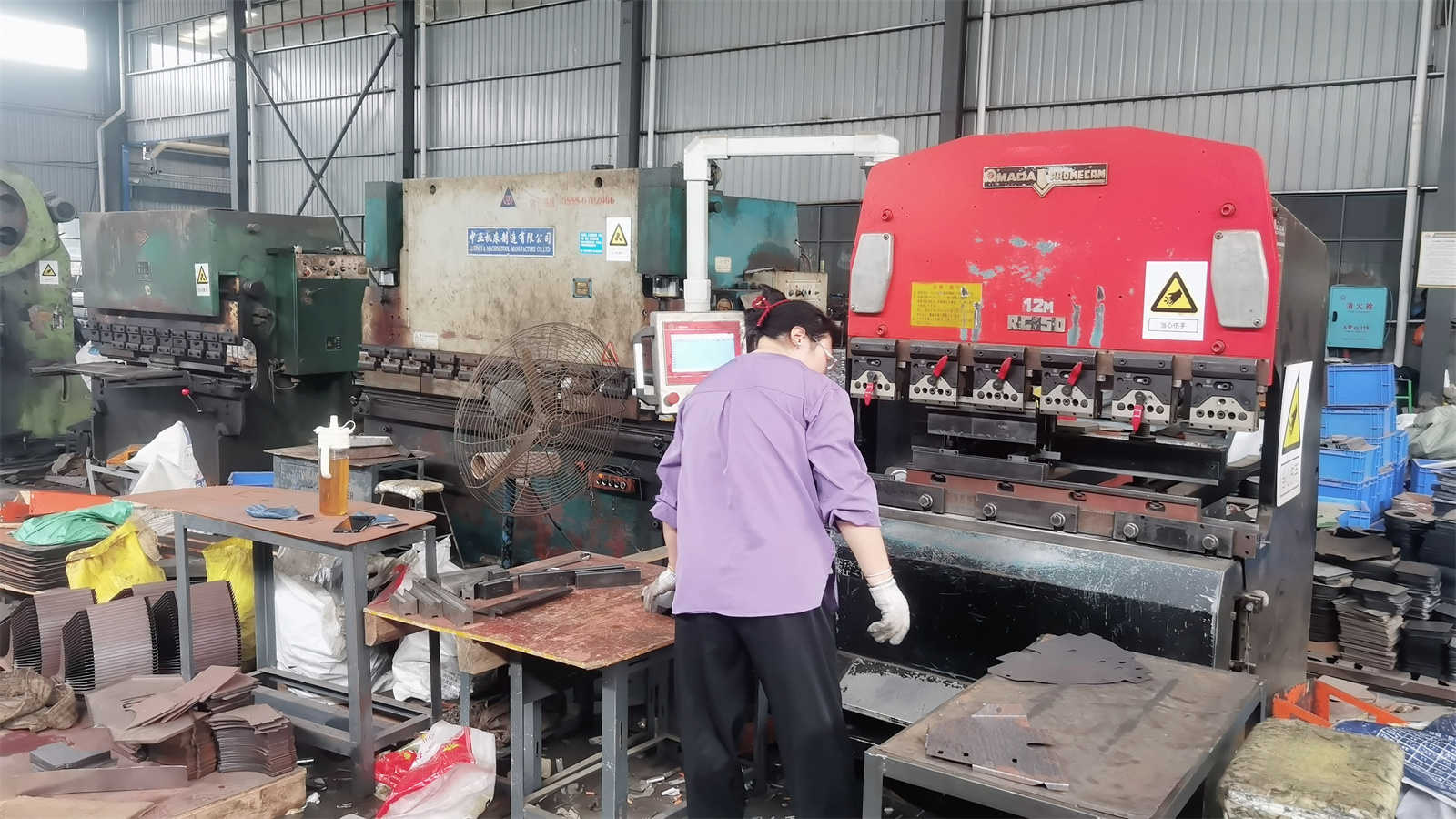 CNC Bending Machine
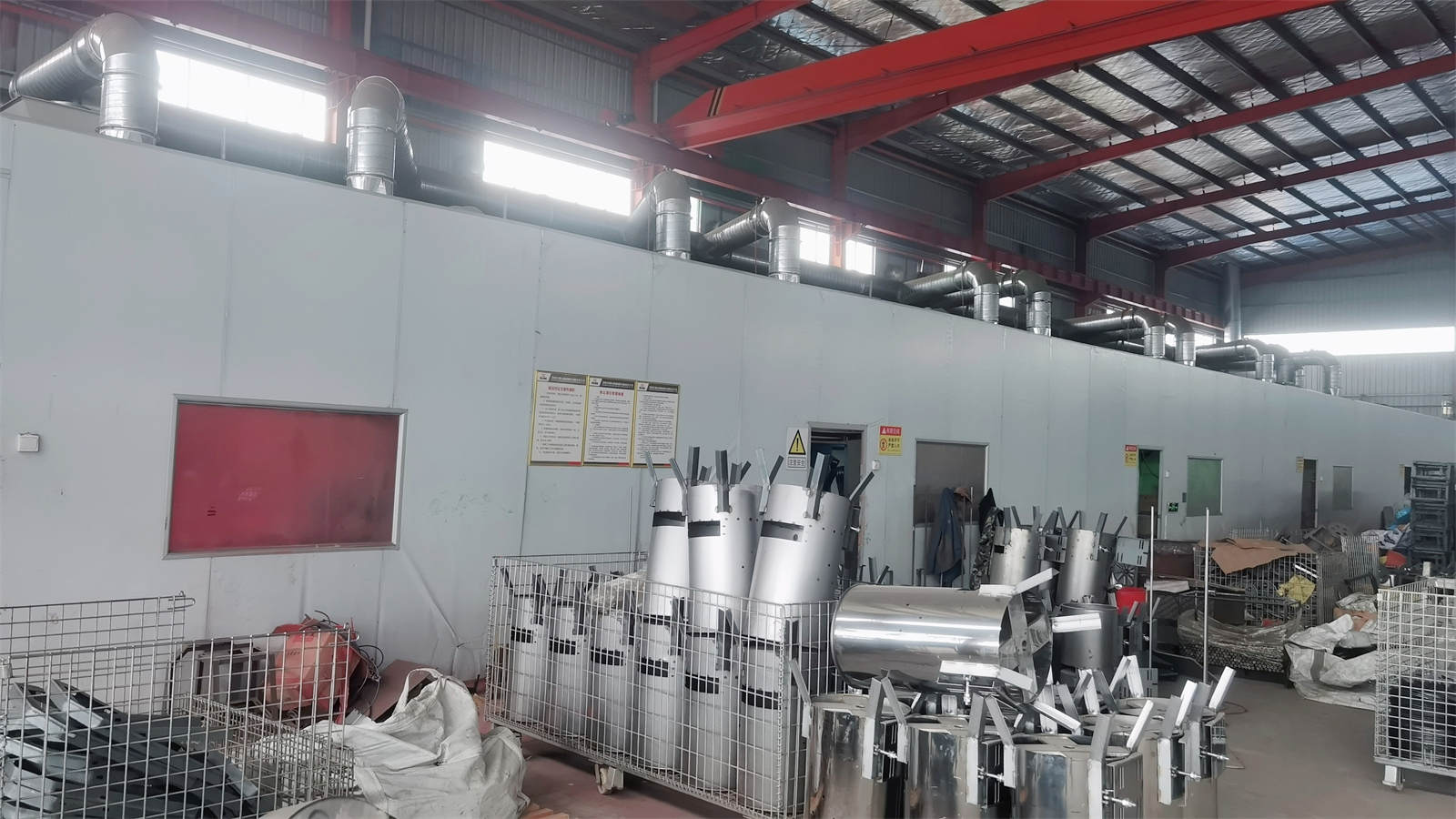 Powder Coating Line
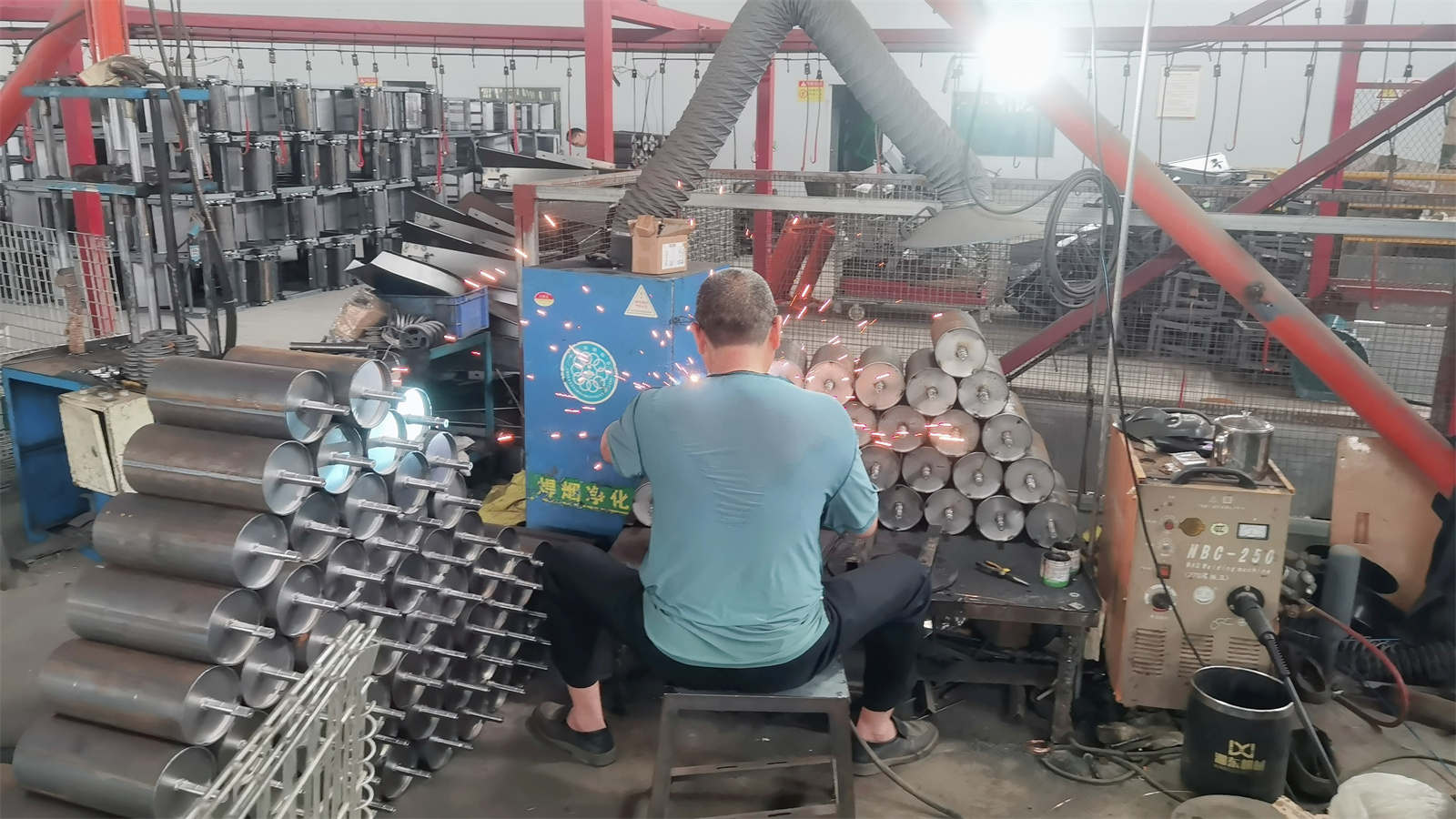 Robotic Welding Unit
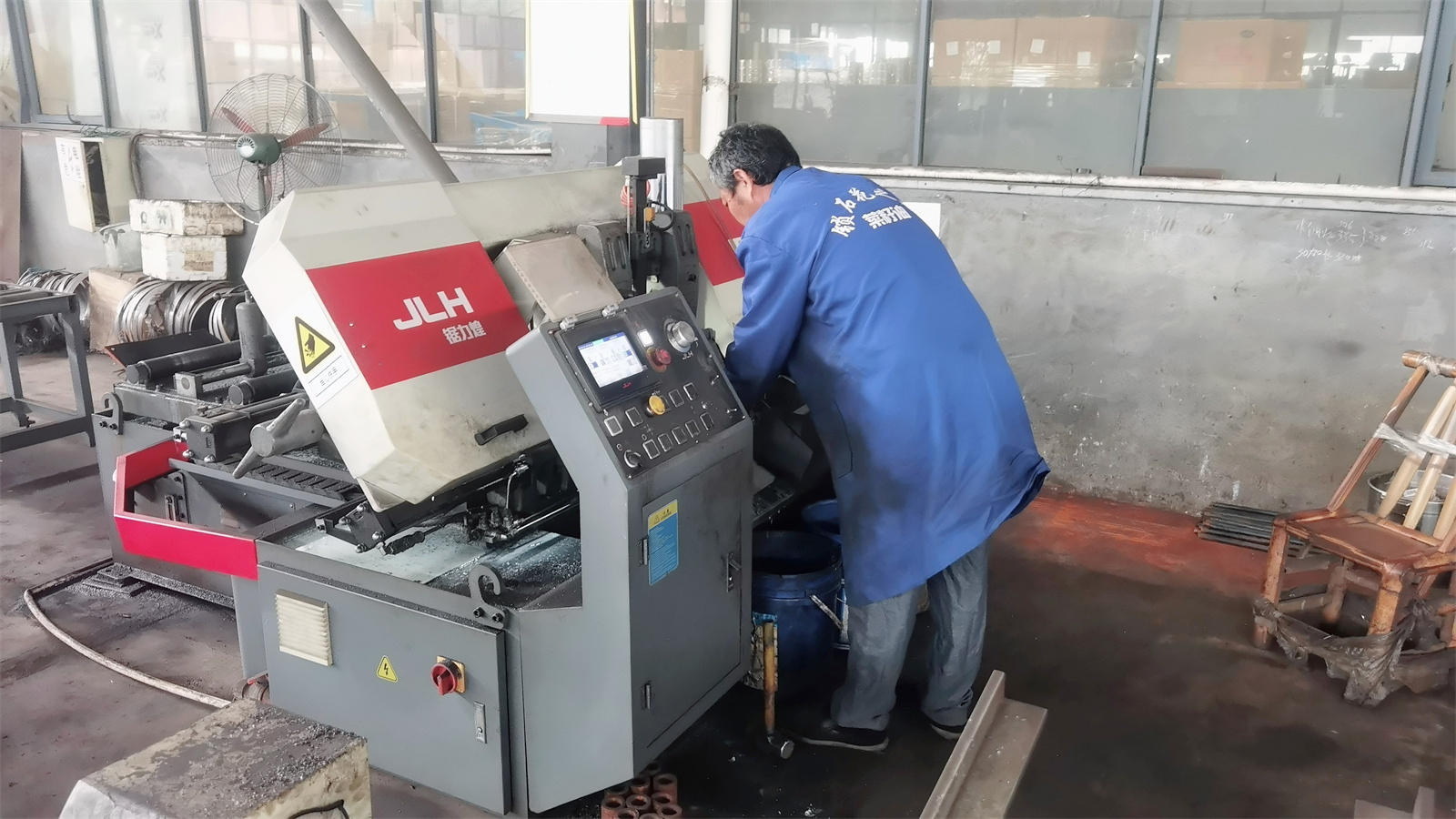 Heavy Duty Sawing Machine
Deploying machinery within Kuala Lumpur and the wider Klang Valley requires adherence to specific technical codes and local regulatory conditions. Henan Jiujie ensures all delivered de-stoning systems and downstream milling equipment comply with Malaysia's Department of Occupational Safety and Health (DOSH) safety guidelines. Motors are designed to operate on standard Malaysian electrical grids (3-Phase, 415V, 50Hz) and can be fitted with explosion-proof enclosures (ATEX/IECEx certified) to prevent dust combustion in highly confined milling spaces.
Our logistical integration extends to streamlined customs clearing at Port Klang, reducing import delays for buyers in the region. To support local operations, we offer complete technical documentation, step-by-step layout planning blueprints, and comprehensive maintenance support. Our engineering team assists with remote diagnostics, on-site commissioning, and regular screen replacements. This reduces potential downtime and ensures your processing plant operates at peak capacity year-round.
The agricultural processing industry is moving toward greater automation, real-time monitoring, and energy efficiency. Traditional machines rely on operators manually checking product outputs to adjust deck inclination and airflow. Tomorrow's processing plants require intelligent, self-optimizing feedback loops.
Henan Jiujie is currently developing smart sensors that continuously monitor dust density, deck vibration amplitudes, and acoustic signatures. By linking these sensors with advanced PLC controls and variable speed motors, the machine can automatically adjust its operating parameters to handle variations in raw material quality. Additionally, our R&D efforts are focused on improving the durability of screen decks through advanced metallurgy, and reducing overall power consumption by optimizing the internal air routing in our suction channels.
Find technical answers regarding installation, air volume calculations, screen choices, and day-to-day operations.
Browse our full range of processing machinery. Every system integrates with our dry-cleaning technology to deliver optimal performance.
Consult with our engineers today. We configure deck sizes, aspiration settings, and layout integrations to match your plant's specific processing requirements.
Send Inquiry Now Jiujie Machine