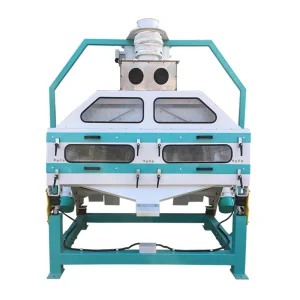
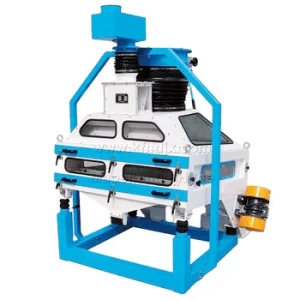
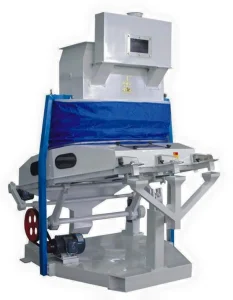
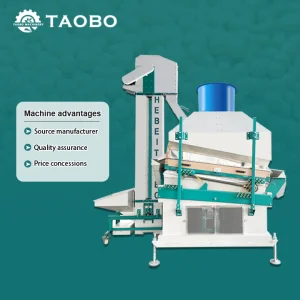
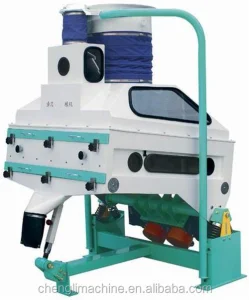
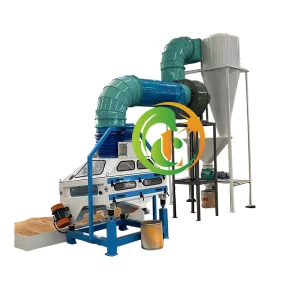
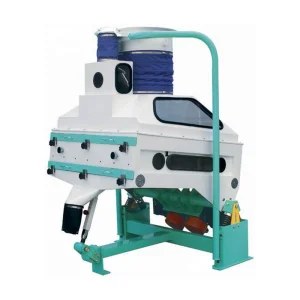
Grain De-stoner Manufacturers & Exporter serving the United States Market

High-Precision Density Separation Technologies, Engineered for U.S. Flour Mills, Seed Processors, and Specialty Coffee Roasters. Built with Industry 4.0 Supply Chain Efficiency.

Send Inquiry Now

The Critical Need for De-Stoning in the United States Grain Processing Sector

In the highly mechanized, high-throughput food processing infrastructure of the United States, impurities like stones, soil clods, glass, and metal shards pose a multi-million-dollar operational hazard. From the major flour millers of the Great Plains to specialty craft coffee roasters in the Pacific Northwest, grain cleanliness dictates both plant profitability and regulatory compliance. Under the U.S. Food Safety Modernization Act (FSMA), preventive controls for physical hazards are strictly monitored. Industrial grain de-stoners act as the first line of defense, mitigating contamination risks before processing begins.

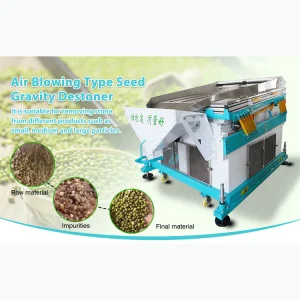
Traditional gravity sorting utilizes differences in terminal velocity. In the United States, agricultural lands exhibit highly variable soil and rock types—from dense glacial till in the Midwest to abrasive volcanic gravel in the western states. As agricultural machinery harvests grains near the ground, heavy particulate contaminants inevitably enter the supply chain. Utilizing state-of-the-art destoning equipment guarantees that incoming wheat, soybeans, corn, and specialty seeds are separated with efficiencies exceeding 99.8%.

U.S. Market Dynamics & Sustainable Production Regulations

A significant shift in the U.S. processing market is the rapid adoption of waterless processing. Older "wet separation" techniques, which used wash water to isolate density differences, are no longer viable in states facing strict water restrictions or high wastewater treatment costs. Furthermore, moisture addition can lead to mold development and premature grain germination. The modern U.S. processor demands high-efficiency Dry Gravity Destoners that consume zero process water and feature integrated dust suction designs to minimize airborne PM10 particulate levels within the plant environment.

Additionally, U.S. processing operations require machinery that matches existing automated control networks. Integration with SCADA (Supervisory Control and Data Acquisition) systems, robust industrial motors compliant with NEMA standards, and long-term mechanical reliability are baseline requirements.

U.S. Operational Benefits

  • Regulatory Alignment: Fully supports HACCP and USDA food safety protocols.
  • Equipment Protection: Extends the service life of expensive downstream roller mills, extruders, and pulverizers.
  • Water Preservation: 100% dry separation conforms to California & Western water conservation mandates.
  • Consistent Purity: Achieves high separation rates even with varying foreign object density profiles.
99.9%
Separation Efficiency
0%
Wastewater Discharge
ISO 9001
Certified Quality
50 TPD+
Scale-up Capacity

Henan Jiujie Machine Co., Ltd.

Global Engineering Services & Advanced Manufacturing Powerhouse

Henan Jiujie Machine Co., Ltd. is a leading supplier of complete equipment and engineering services for the food production and grain processing industries. Our business covers a wide range of applications, including wheat flour milling plants, feed processing factories, and rice processing plants. Our product portfolio includes conveying equipment, cleaning equipment, flour milling equipment, and other related machinery. Over the years, our products have been widely recognized by customers both in domestic and international markets.
⚙️
Innovative Research & Development

Since its establishment, Henan Jiujie Machine Co., Ltd. has been dedicated to the research and development of grain processing technology and machinery. With extensive industry experience, we provide integrated solutions across the entire grain and food processing industrial chain, covering raw material collection, storage, cleaning, grading, sieving, grinding, mixing, shaping, production, and packaging.

🛡️
Certifications & Quality Assurance

Our flour milling equipment has obtained the ISO9001 quality management system certification and CE certification. The environmental protection standards of our equipment comply with relevant EU requirements. Our grain cleaning process is designed to operate without water usage, ensuring no wastewater discharge and supporting environmentally friendly production. With stable performance, easy installation, and low operating costs, our equipment has earned high appreciation from clients worldwide.

Manufacturing Capability

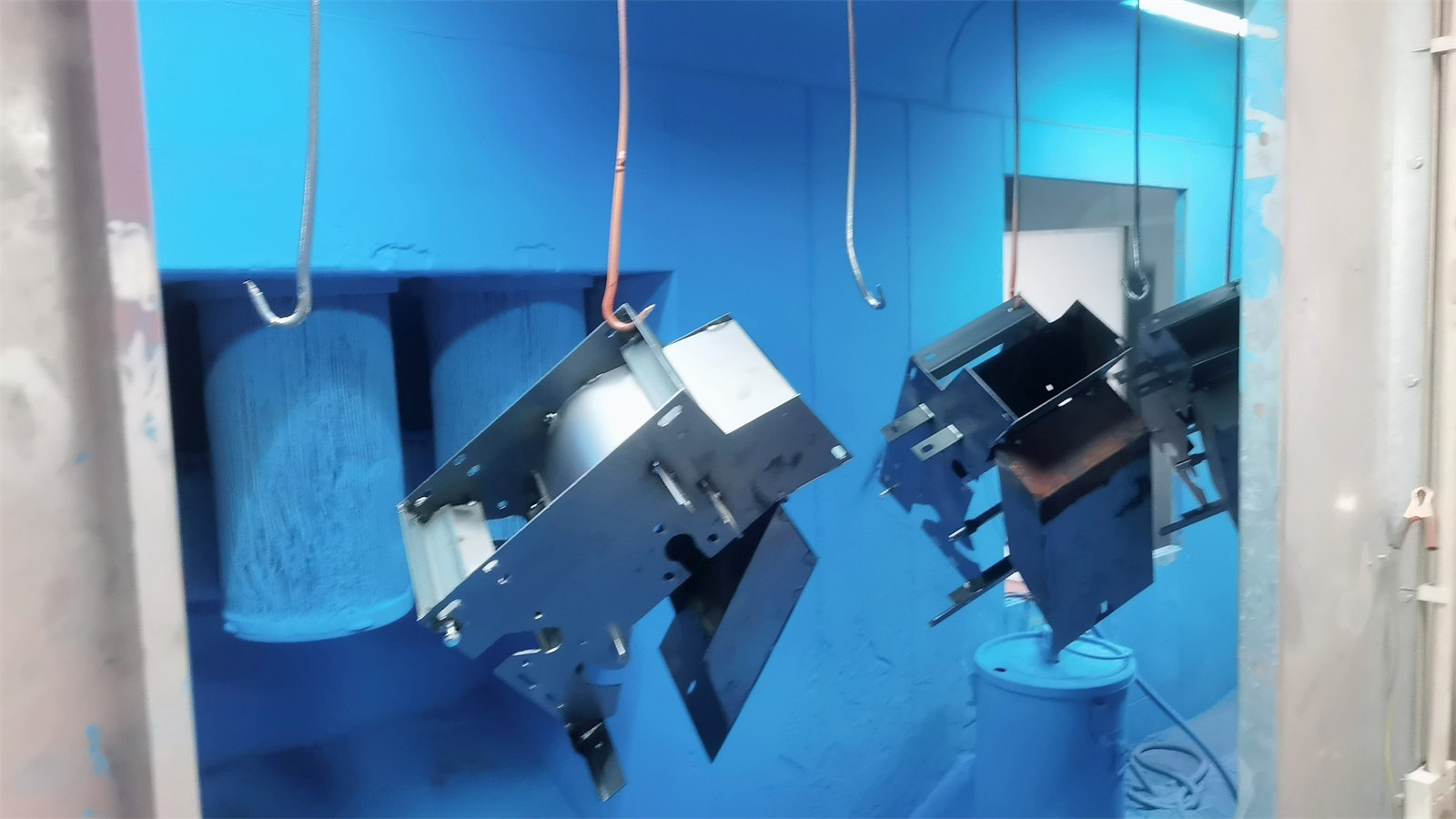
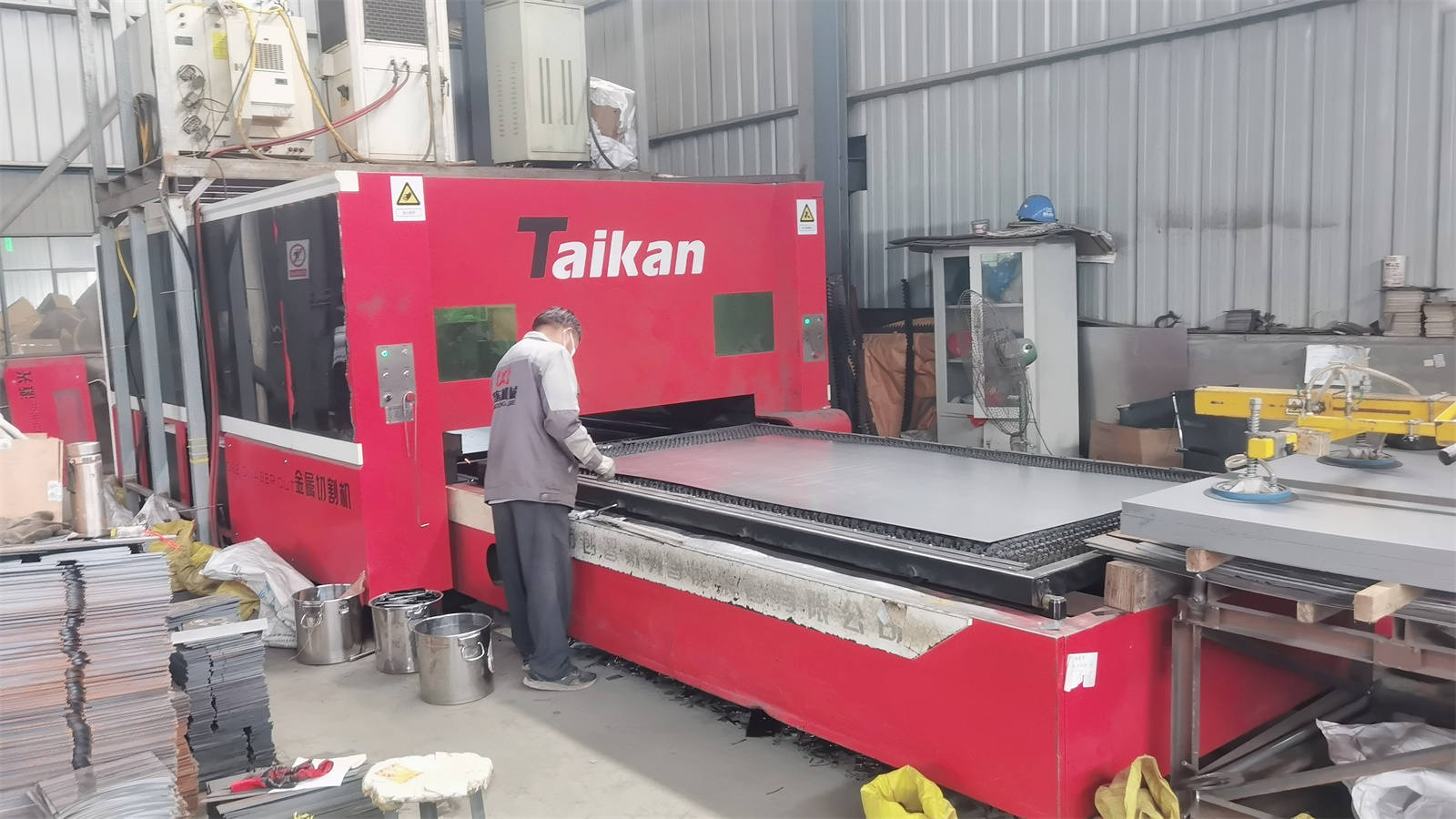
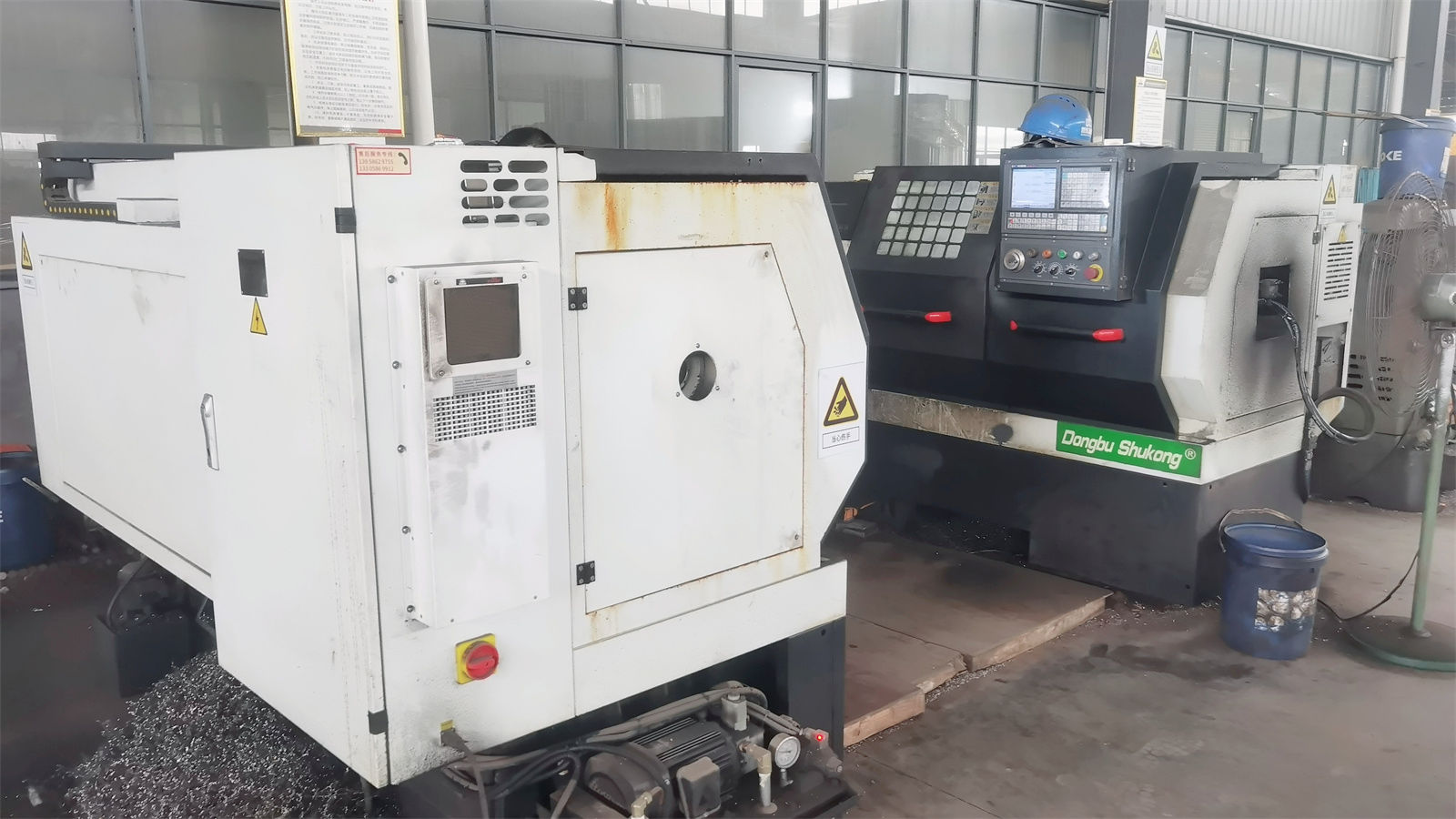
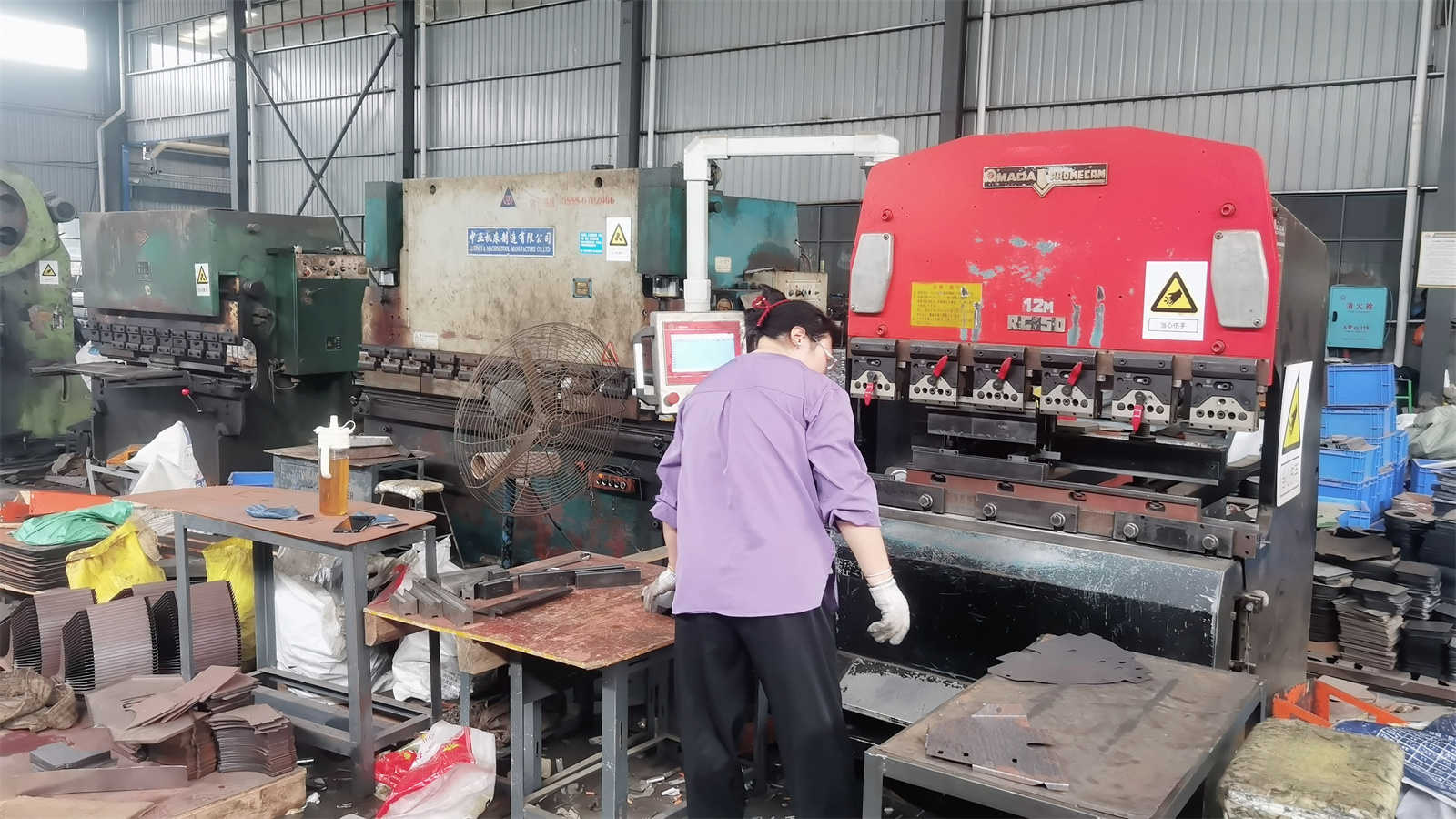
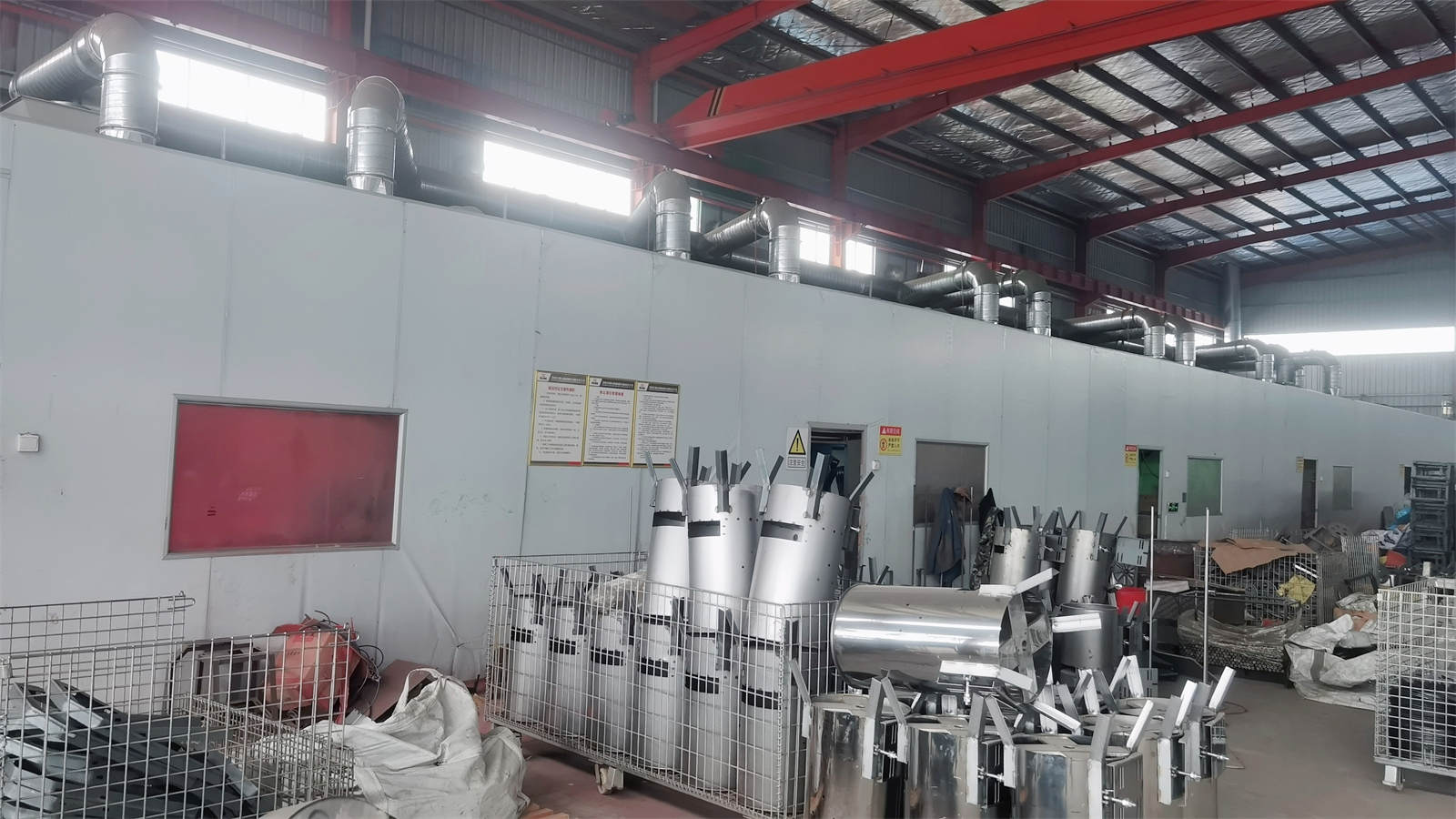
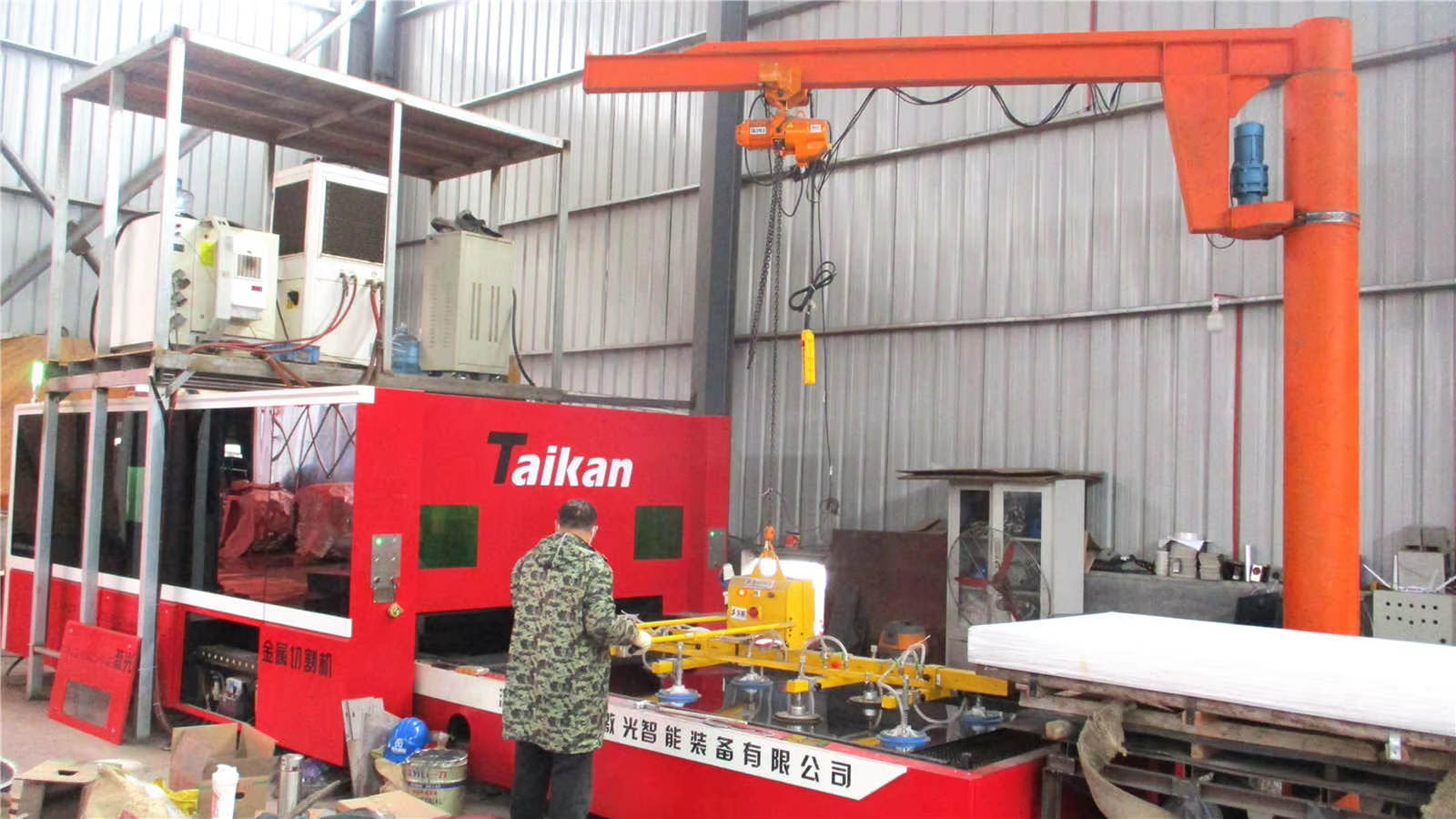
We place a strong emphasis on technological innovation and manufacturing capability. We have introduced advanced processing equipment, including CNC laser cutting machines, CNC bending machines, and CNC lathes. In addition, we are equipped with CNC machining centers, CNC boring machines, surface grinding machines, planers, and other high-precision manufacturing equipment. We have also established an electrostatic spraying production line to enhance surface quality and durability.

Advanced Manufacturing Facilities & Equipment

Jiujie Factory Cutting Process
Cutting
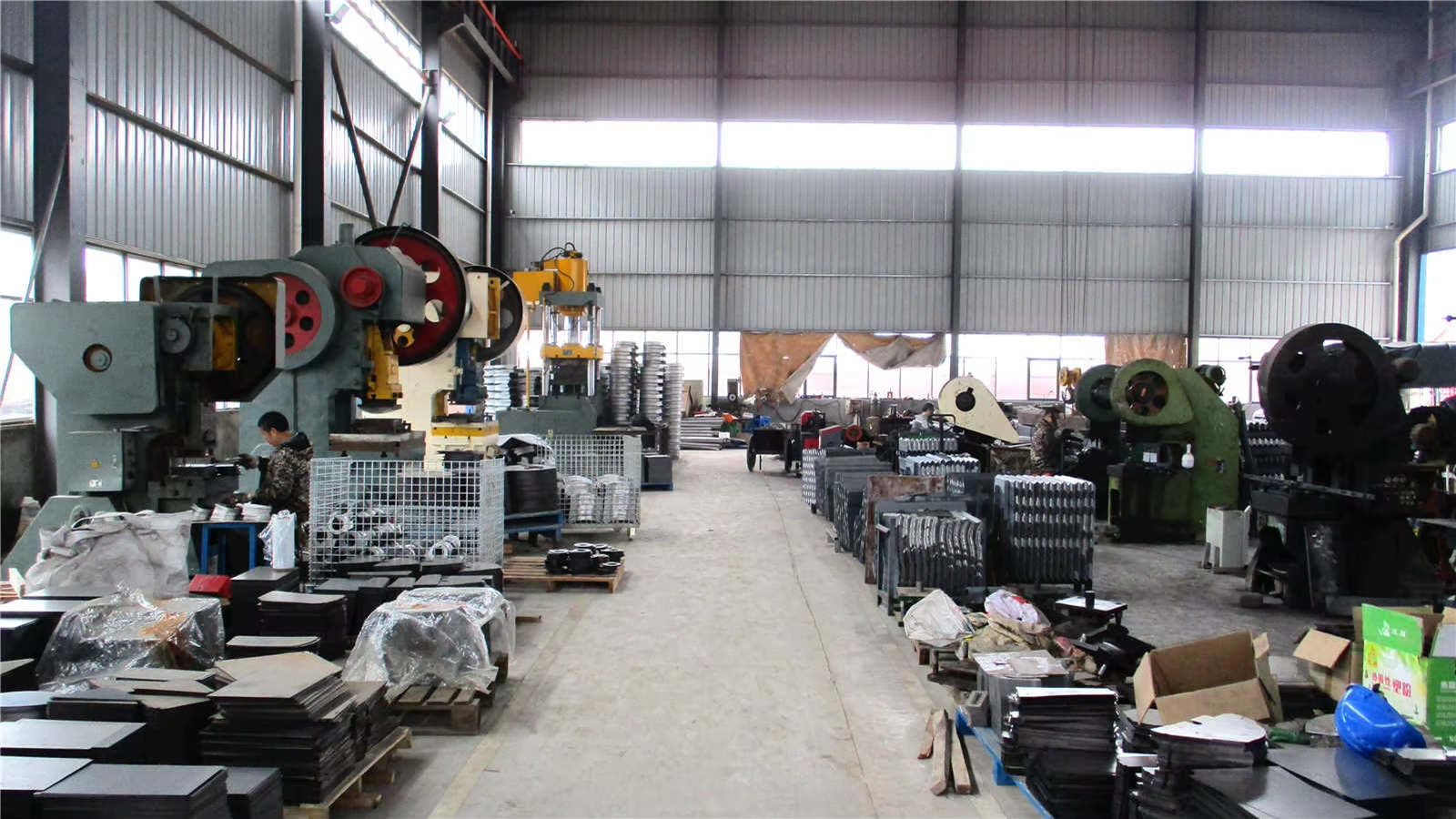
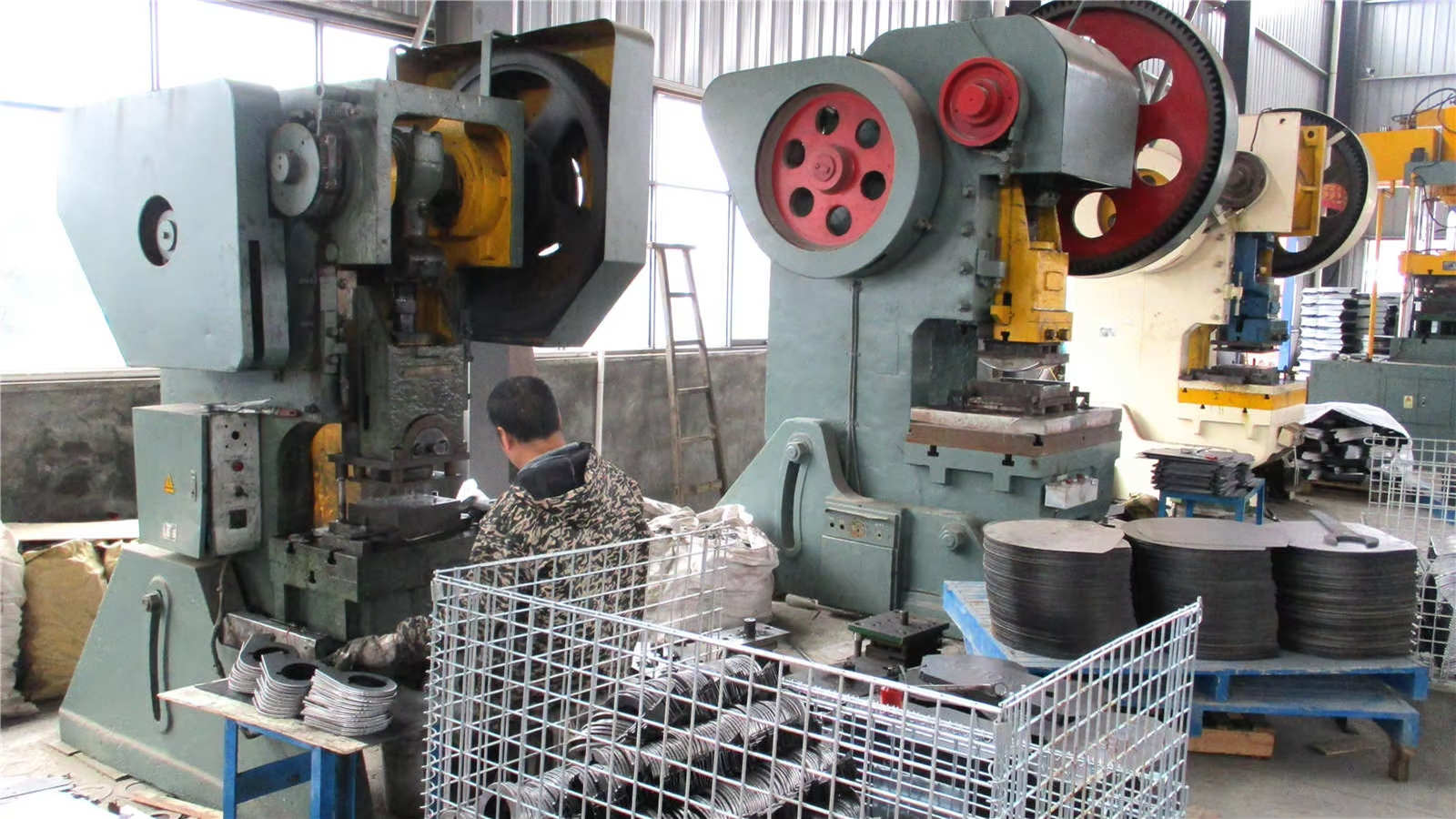
Jiujie Factory Punching Process
Punching
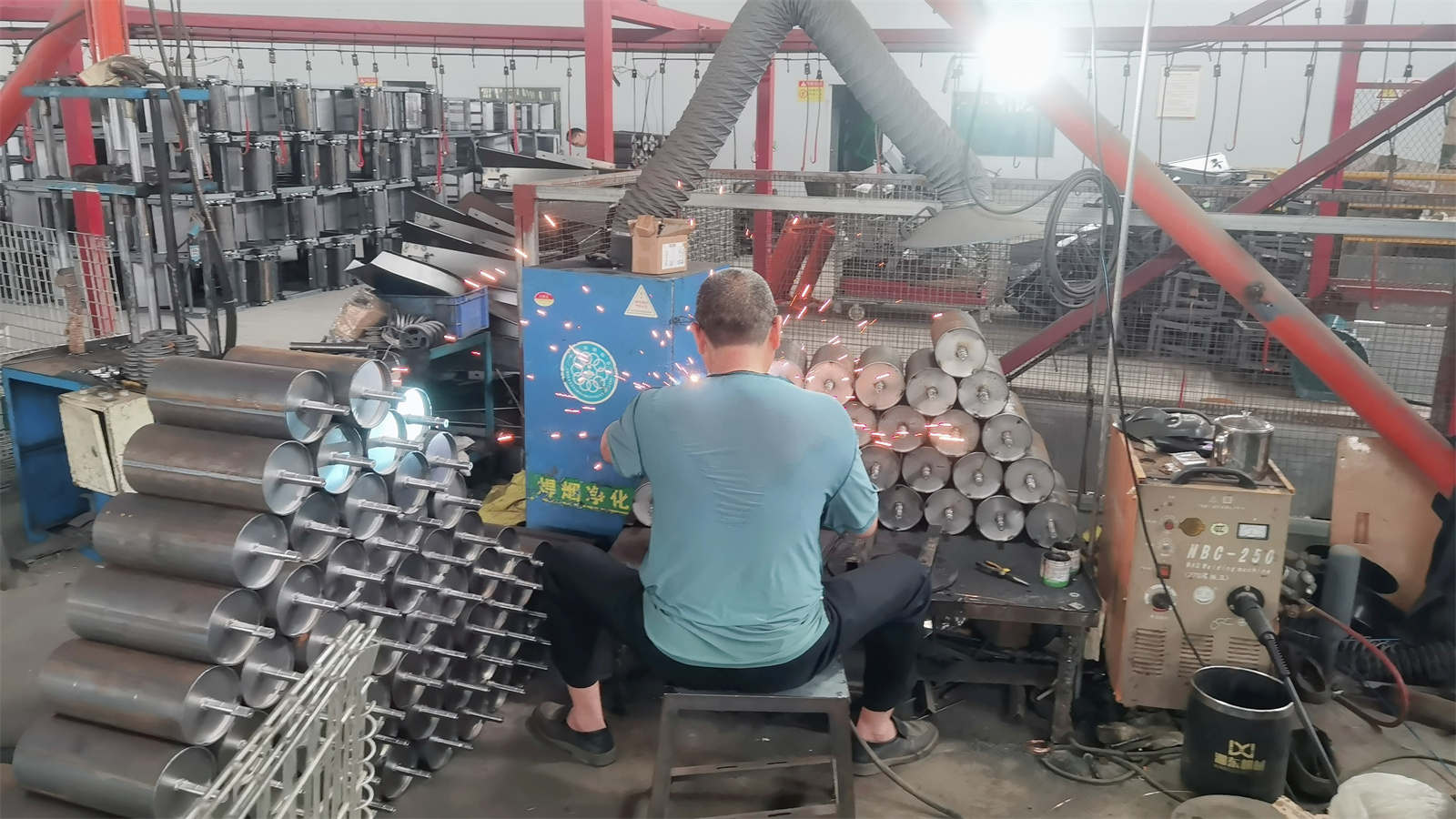
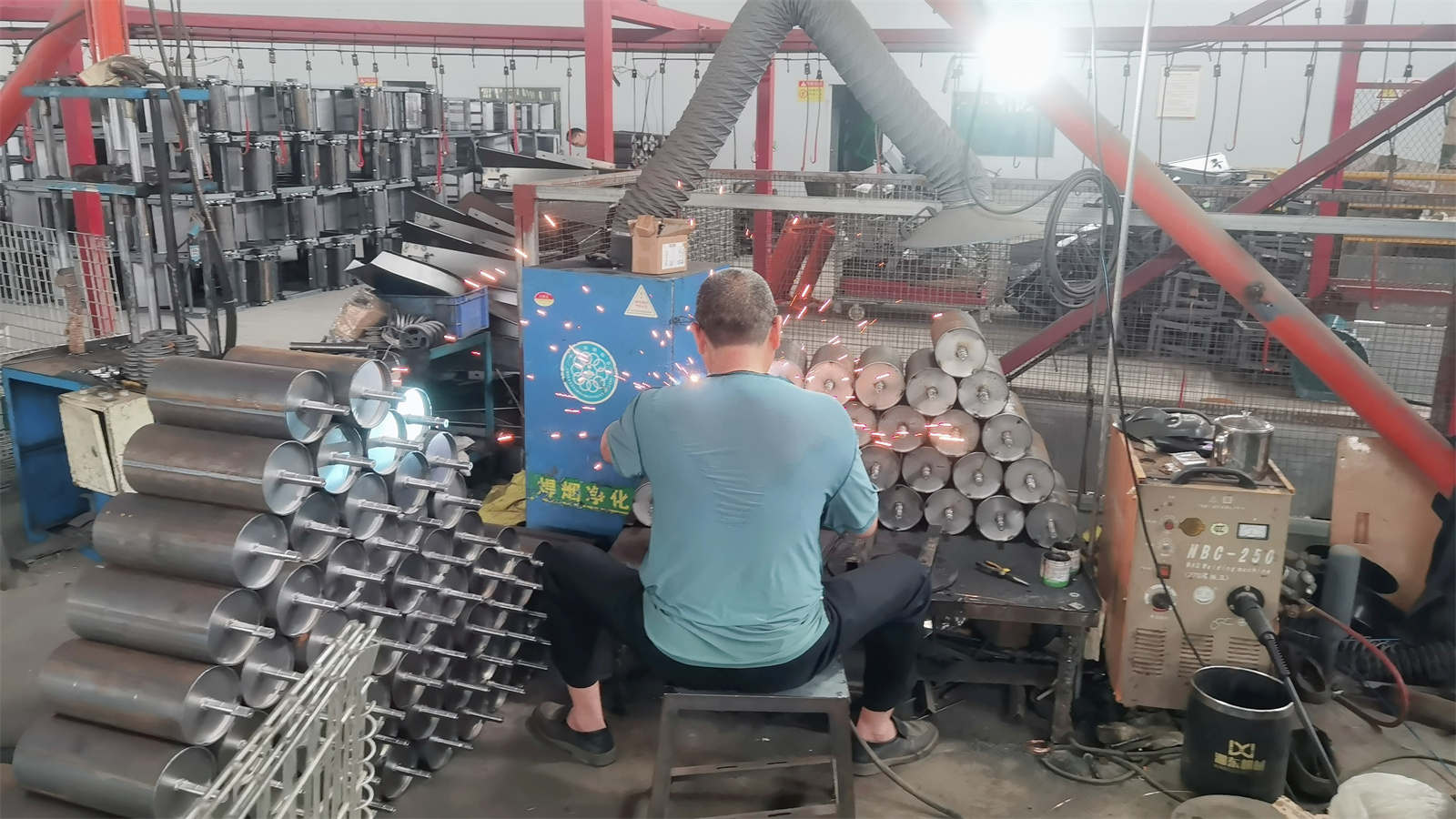
Jiujie Factory Welding Process
Welding
Jiujie Factory Painting Process
Painting
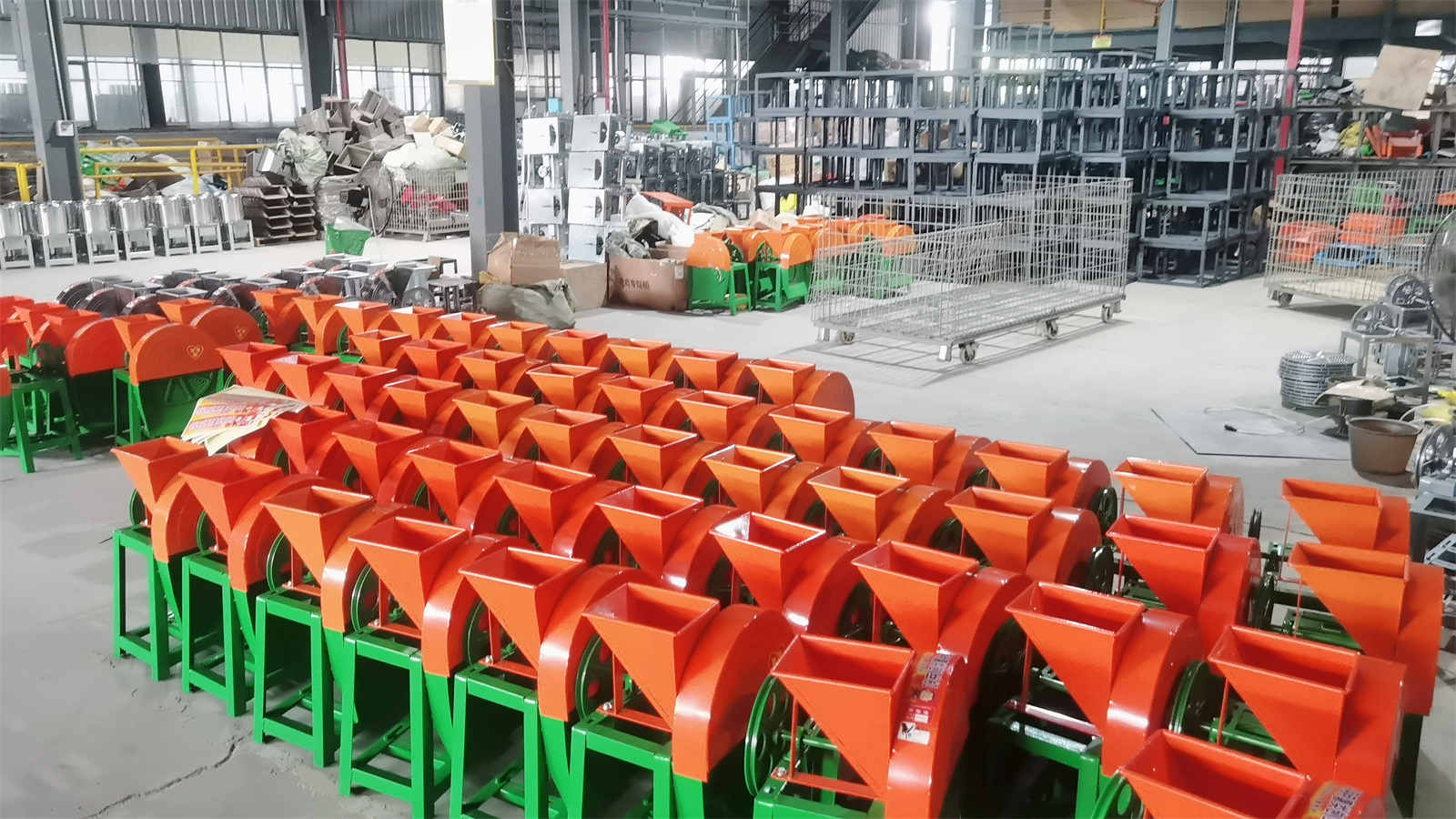
Jiujie Factory Assembling Process
Assembling
CNC Laser Cutting Machine
Laser Cutting Machine
CNC Lathe Machine
CNC Lathe
High Precision Punching Machine
Punching Machine
Precision Bending Machine
Bending Machine
Electrostatic Painting Line
Painting Line
Advanced Welding Machine
Welding Machine
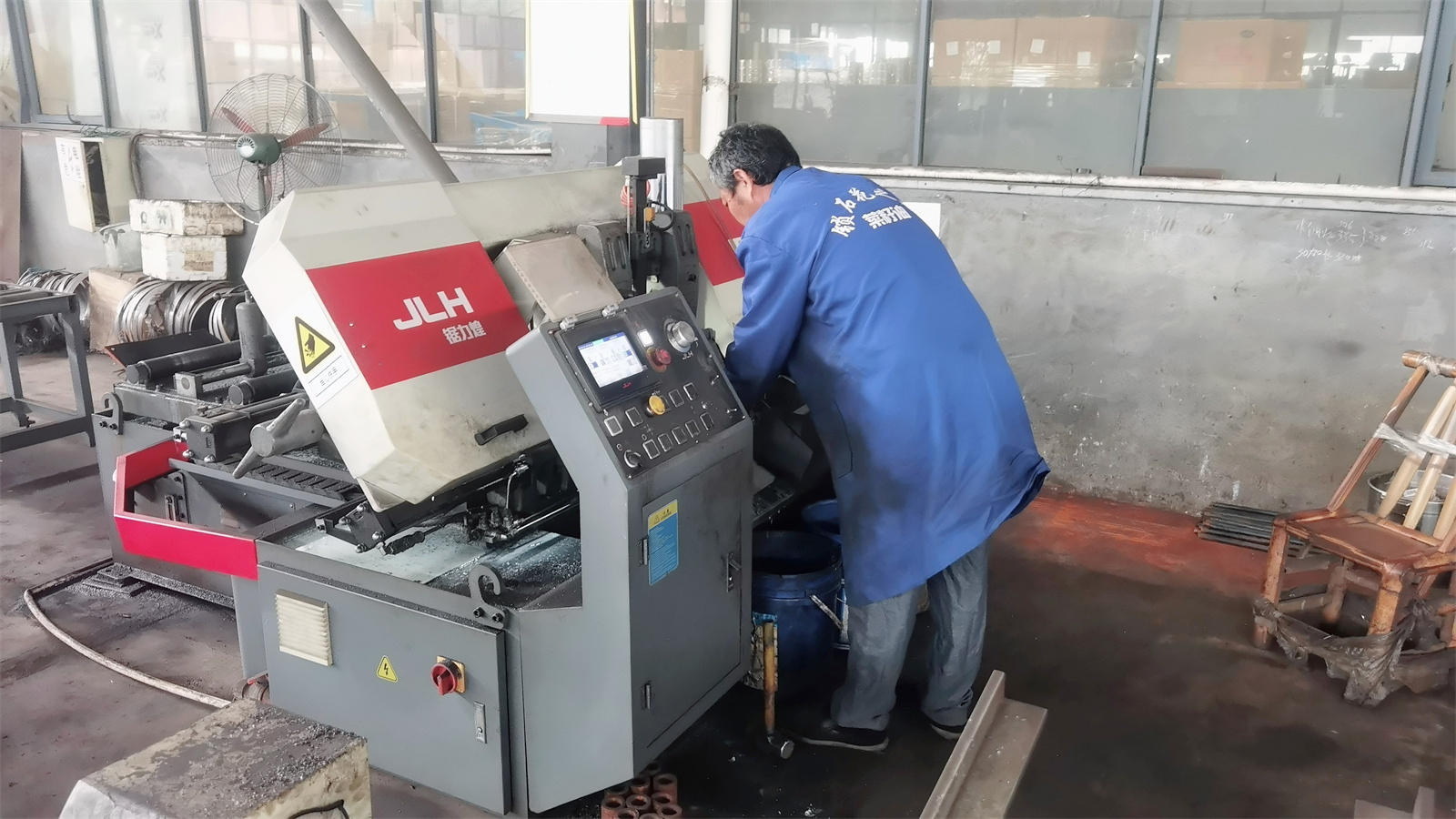
Heavy Duty Sawing Machine
Sawing Machine

Our Integrated Engineering Services

As a professional industrial solution provider, Henan Jiujie Machine Co., Ltd. delivers not only equipment but also comprehensive production solutions that enhance the overall value chain for our customers.

By utilizing AutoCAD-based engineering design systems and advanced machining centers, we are able to provide high-precision, durable products at competitive prices. We are committed to offering complete pre-sales consultation, technical support, and reliable after-sales service. Customer satisfaction is always our top priority.

U.S. Localized Application Scenarios

Our de-stoning machinery is specifically designed to meet the requirements of three distinct commercial sectors in the United States:

1. Large-Scale Flour & Feed Milling Operations

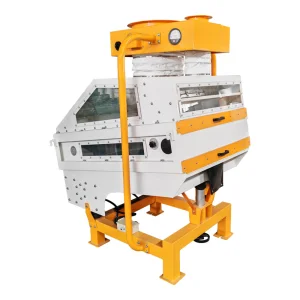
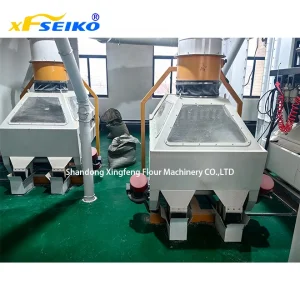
In high-output facilities (such as 50 to 500 tons per day) located in the US Grain Belt, our TQSX Series Gravity Destoner is used at the initial intake point. High grain volumes are fluidised on dynamic decks to remove heavy rocks, protecting downstream high-cost roller mills from roller damage and spark-ignition hazards.

2. Craft & Specialty Coffee Roasteries

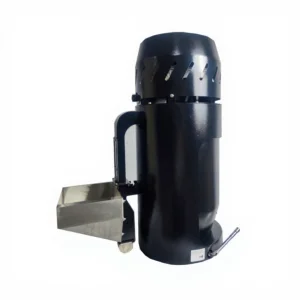
Specialty coffee beans imported into ports like Seattle, Oakland, or New York often contain small stones from dry bed drying. Roasting facilities utilize our Automatic 304 Stainless Steel Coffee Destoners directly after roasting to eliminate foreign materials before packaging, preventing damage to commercial grinders.

3. Organic Seed & Ancient Grain Processing

For crops like quinoa, amaranth, millet, and organic soybeans, processing plants must operate without chemical washes or excessive processing. Our food-grade SUS304 destoners provide dry, mechanical cleaning that maintains organic certification integrity while ensuring high product purity.

Technological Deep Dive: Gravity vs. Suction Type Separation

The fundamental physics of a grain de-stoner rely on the difference in specific gravity and aerodynamic behavior between the organic grain and inorganic impurities. When a mixture is fed onto an inclined vibrating sieve screen, it is subjected to two opposing forces: a mechanical throwing force generated by eccentric motors and a fluidizing pneumatic force directed upwards through the mesh screen.

Dry Gravity Separation Process:

  1. Fluidization: Air forced through the screen lifts the lighter grain particles, placing them in a suspended, fluid-like state.
  2. Stratification: The heavier impurities (stones, iron, glass) sink through the fluidized grain layer and make direct contact with the mesh screen surface.
  3. Counter-Flow Transport: The vibration of the deck drives the heavy impurities upward along the inclined screen toward the stone discharge port. Concurrently, the fluidized grain layer slides downward under the force of gravity toward the clean product discharge outlet.

Depending on system requirements, processors select between two main configurations:

  • Suction (Negative Pressure) Type De-stoners: These units utilize a downstream centrifugal fan to draw air through the deck. This negative pressure configuration prevents dust from escaping into the facility, making it the preferred choice for U.S. plants striving to comply with OSHA air quality standards.
  • Blow (Positive Pressure) Type De-stoners: These systems force air upward from beneath the deck. They are generally simpler in design and highly suited for outdoor processing facilities or pre-cleaning stations where dust emission is not a primary concern.

By selecting the appropriate screen inclination angle (typically between 5 to 12 degrees) and adjusting the air velocity to match the specific terminal velocity of the grain (e.g., 9-12 m/s for wheat, 4-6 m/s for canola), operators can achieve optimal separation performance across a variety of crop profiles.

Frequently Asked Questions (FAQ)

Technical Answers for Grain Mill Operators & Procurement Professionals

How does a gravity de-stoner separate stones of the exact same size as the grain? +
The separation is not based on size, but on density (specific gravity) and aerodynamic behavior. While a stone and a wheat grain may share identical dimensions, the stone is significantly denser. When air is forced through the vibrating bed, the lighter wheat grain is fluidized and floats, while the heavier stone sinks to the deck and is moved upward by the directional vibration of the screen.
What electrical specifications and motor configurations are available for U.S. installations? +
We supply industrial motors configured for U.S. electrical grids, supporting standard 3-phase power configurations (such as 220V/460V/480V at 60Hz). Motor configurations can also be customized to meet local Class II, Division 1 or 2 explosion-proof standards for dust-hazardous environments.
Does this equipment require water for cleaning? +
No, our destoning systems use dry mechanical cleaning, utilizing only air currents and mechanical vibration. This water-free operation prevents wastewater generation, eliminates the risk of grain mold, and helps facilities comply with local U.S. environmental regulations.
How easily can the sieves be adjusted for different crops? +
Our commercial units are designed with adjustable sieve decks. The inclination angle of the screen, the vibration amplitude, and the air velocity can all be adjusted to handle different materials, allowing operators to switch between wheat, corn, coffee beans, or small seeds with minimal downtime.
What are the lead times and shipping options for deliveries to the United States? +
Typical manufacturing lead times range from 20 to 45 days, depending on custom requirements and scale. Equipment is securely packed in export-grade seaworthy crates and shipped to major U.S. ports such as Los Angeles, Houston, or New York, with full documentation provided to assist with customs clearance.
Are replacement screens and spare parts easily sourceable? +
Yes, we maintain a complete inventory of wear parts, including replacement screens, rubber balls, damper springs, and eccentric drives. We use standard metric and imperial hardware sizes where applicable to simplify local sourcing of minor components.

Explore Our Complete Line of Grain Processing Solutions

From small farm-use cleaners to large-scale automated milling lines, engineered for global standards.