Engineered with SUS304 structure options, low emission profiles, and optimized vibratory motors tailored for the high-end agricultural sectors in Rotterdam, Utrecht, and Gelderland.
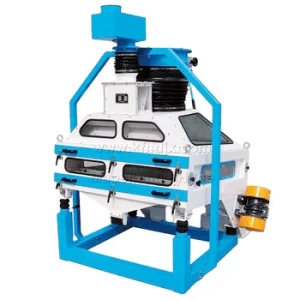
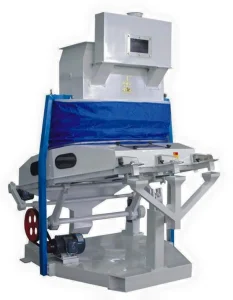
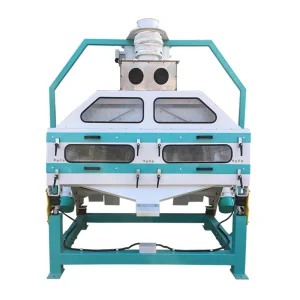
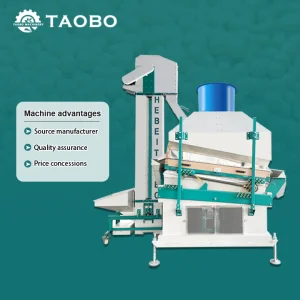
Delivering precision mechanical engineering that bridges the gap between raw grain harvesting and clean, food-grade end products.
The Netherlands stands as a global titan in the agri-food import, export, and processing sectors. The Port of Rotterdam functions as the primary European gateway for bulk commodities, including wheat, barley, maize, cacao beans, and high-value seeds. With this leading status comes a strict and uncompromising regulatory framework governed by the Dutch Food and Consumer Product Safety Authority (NVWA) and European Food Safety Authority (EFSA) directives.
Within this industrial framework, physical contamination is a critical risk factor. Micro-stones, soil clods, glass shards, and metallic debris introduced during harvesting and transport pose significant hazards. These contaminants can cause catastrophic failure in high-speed downstream milling rollers and processing machinery, and risk expensive product recalls. To mitigate these risks, processing facilities require high-efficiency gravity de-stoners that can handle large throughput while maintaining near-perfect separation purity.
Standard cleaning equipment often struggles with the physical similarities between specific agricultural seeds and micro-stones of equivalent size. The modern Dutch agri-food sector demands advanced separation machinery that utilizes density differentials under continuous positive or negative pressure air currents. In organic grain milling, where chemical and wet washing methods are prohibited, dry gravity separation is the industry standard for contamination control.
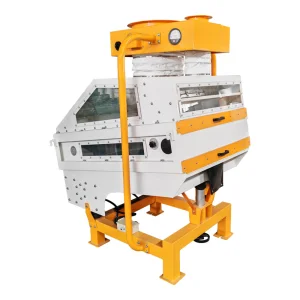
Advanced separation chambers utilize synchronized double-vibrator motor drives to achieve consistent fluidization across the screen surface, separating stones of identical sizes from the product stream.
Ecologically friendly dry-process engineering removes the need for industrial water usage, avoiding wastewater discharge compliance costs in the EU.
Fully sealed machinery houses dust emissions within localized suction chambers, mitigating explosion risks in grain elevators and milling plants.
Procurement officers managing food processing operations face complex choices when acquiring cleaning and grading systems. Key purchasing decisions depend on balancing total cost of ownership (TCO) with reliable performance over long-term operations.
Henan Jiujie Machine Co., Ltd. is an established manufacturer of complete processing plants and specialized machinery for the global grain and food production sectors. Our engineering solutions serve commercial operations worldwide, including wheat flour milling complexes, feed mills, and rice processing facilities.
Our manufacturing range includes bulk material conveying machinery, heavy-duty cleaning and grading equipment, precision flour mills, and associated processing accessories. Jiujie machinery is recognized globally for its build quality, operational reliability, and efficient performance.
From our inception, we have focused on research and development to improve grain separation technologies. We design and deliver integrated, end-to-end processing lines—handling everything from raw intake, bulk storage, pre-cleaning, grading, and milling, through to final packaging.
Our flour milling and cleaning systems are manufactured under an ISO9001 certified quality management system and carry the CE mark, complying with European safety directives. We prioritize waterless, dry-cleaning separation processes to help our global customers meet environmental regulations by avoiding wastewater discharge.
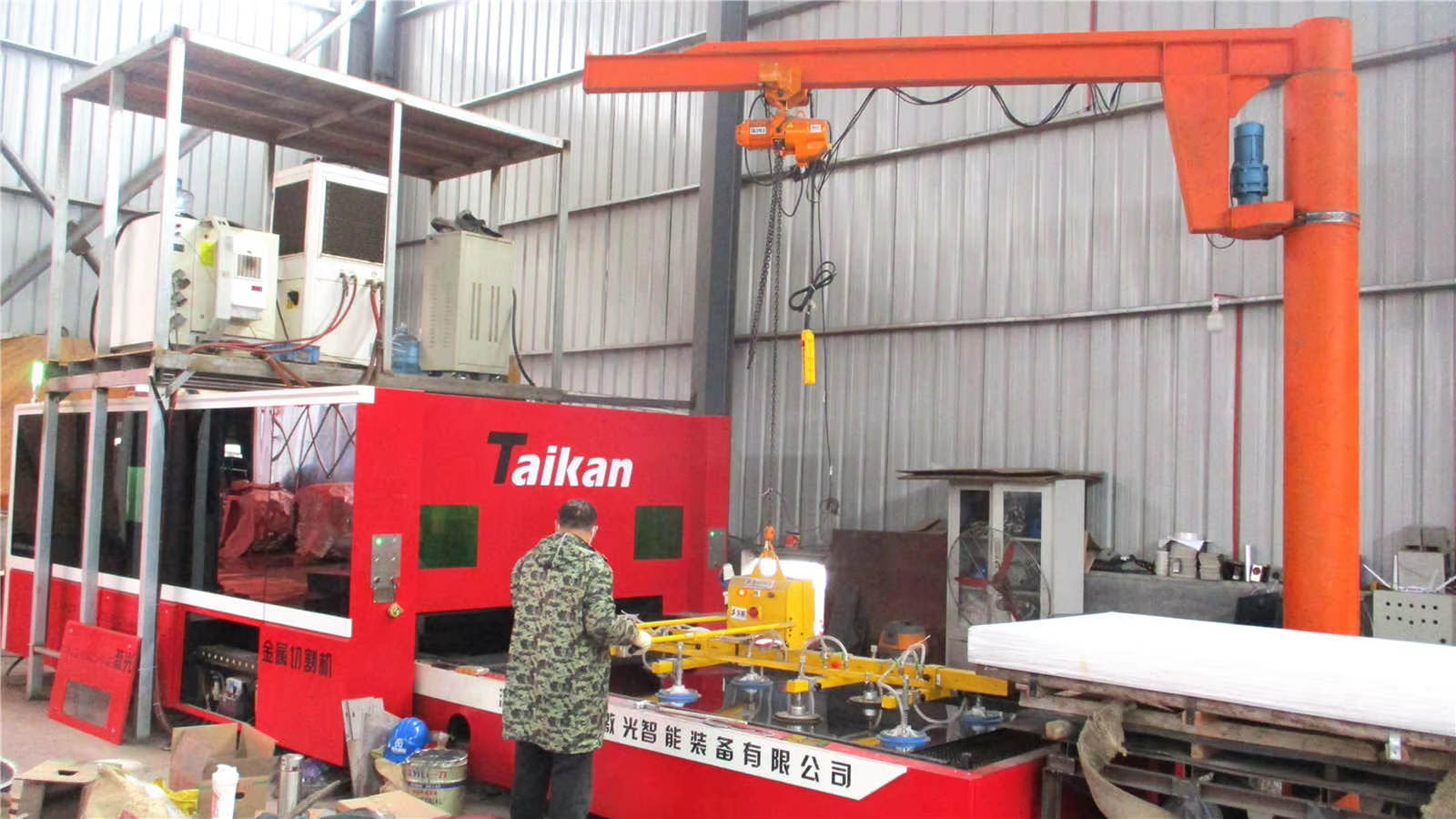
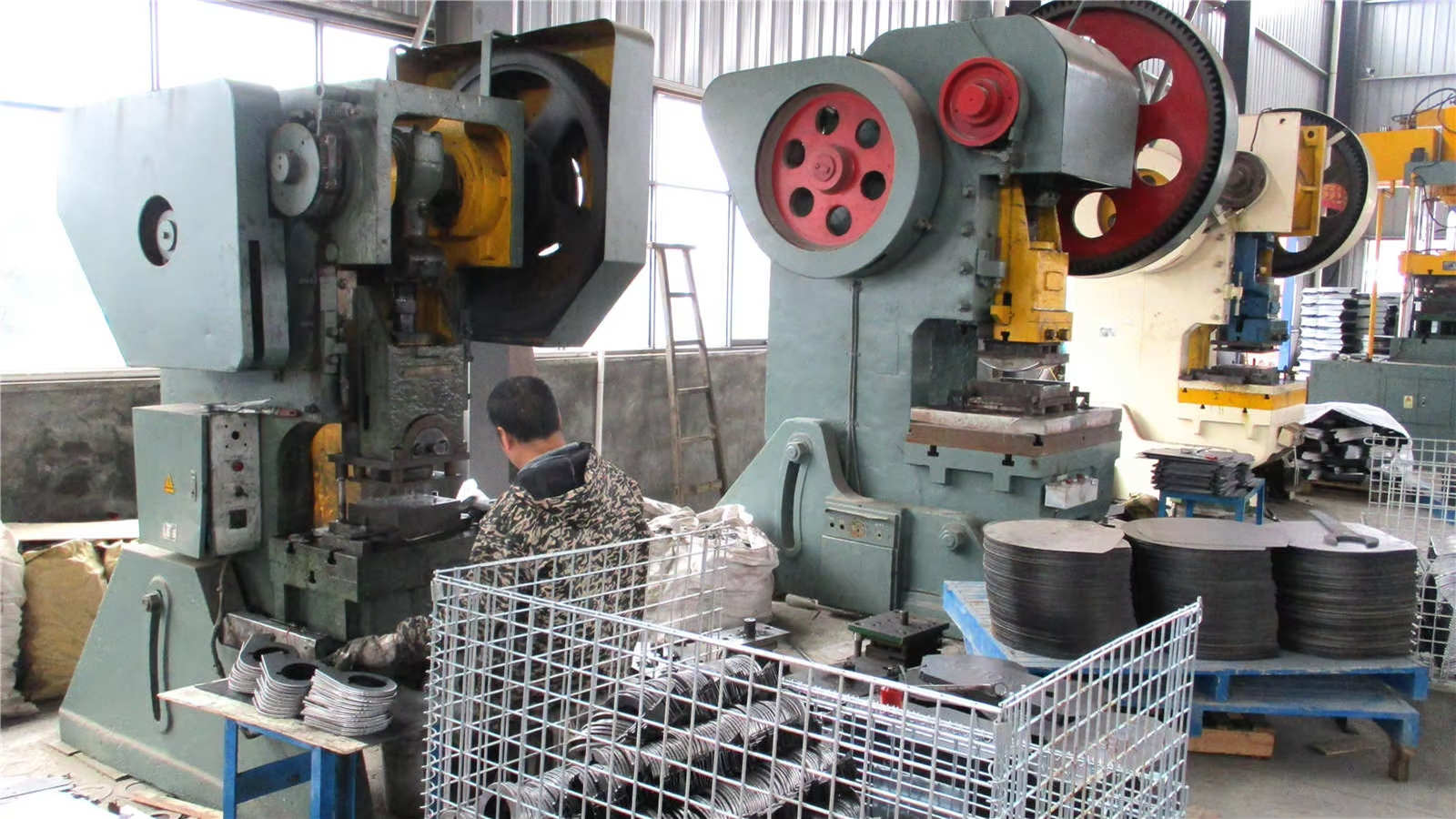
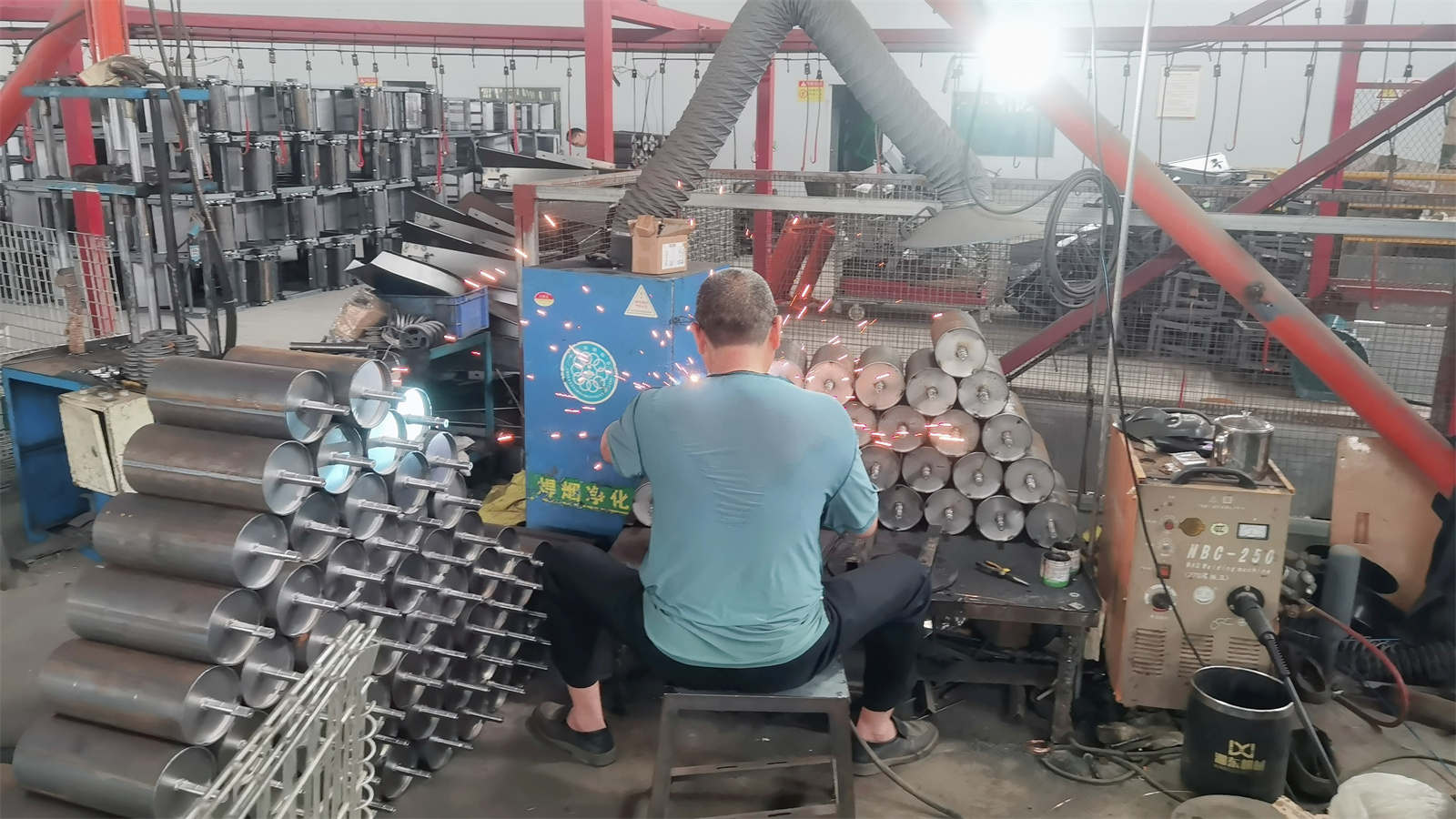
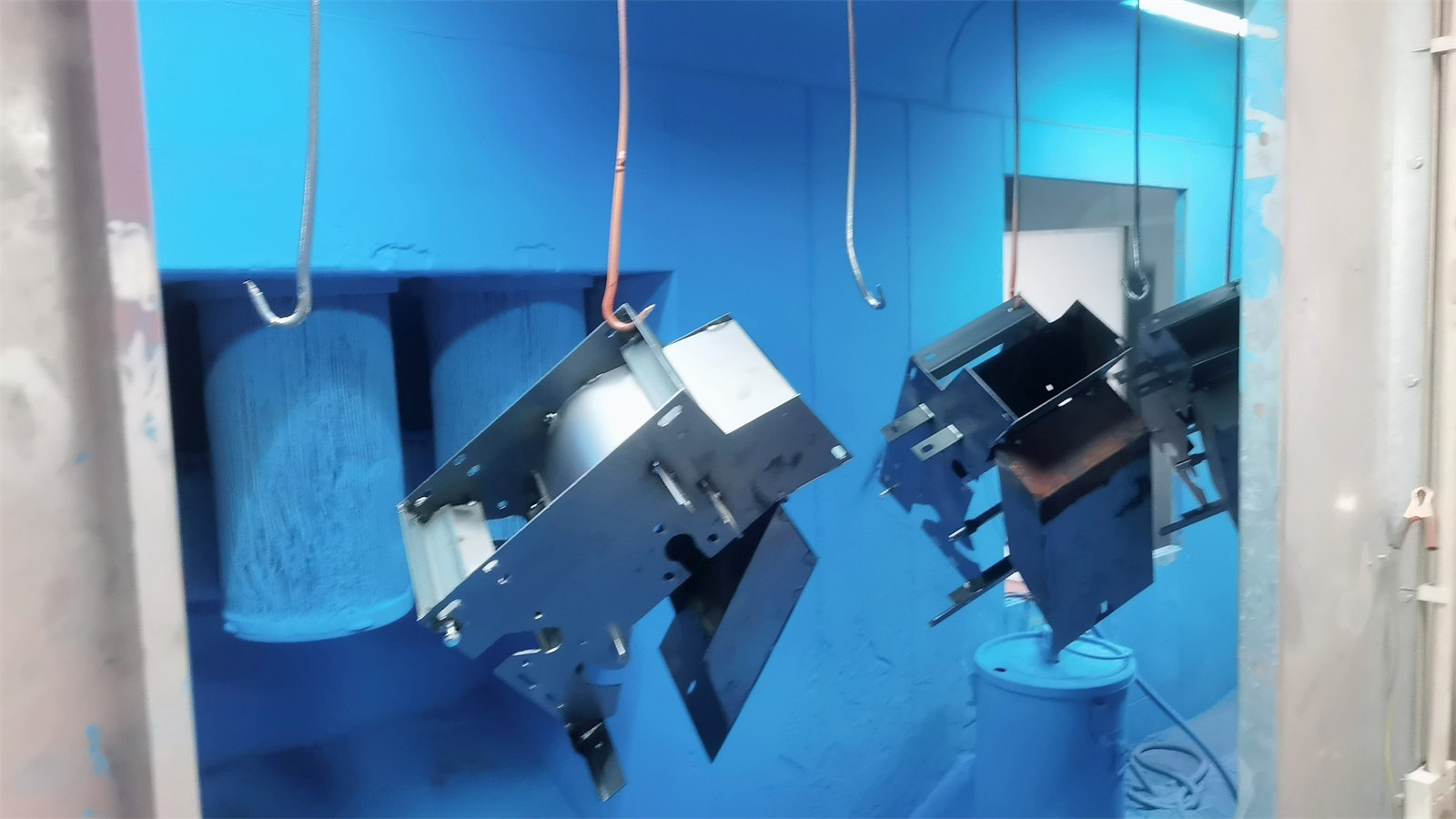
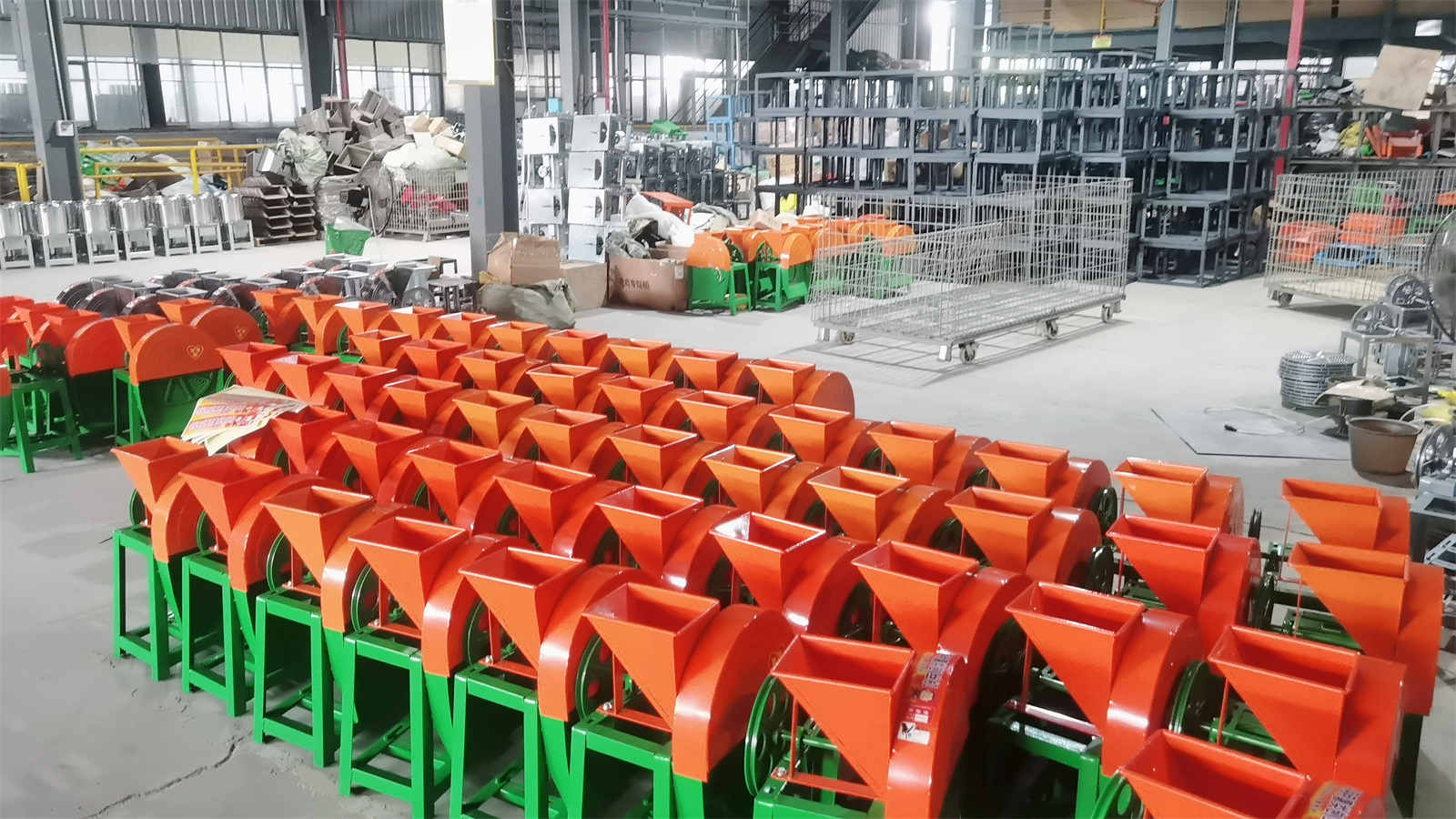
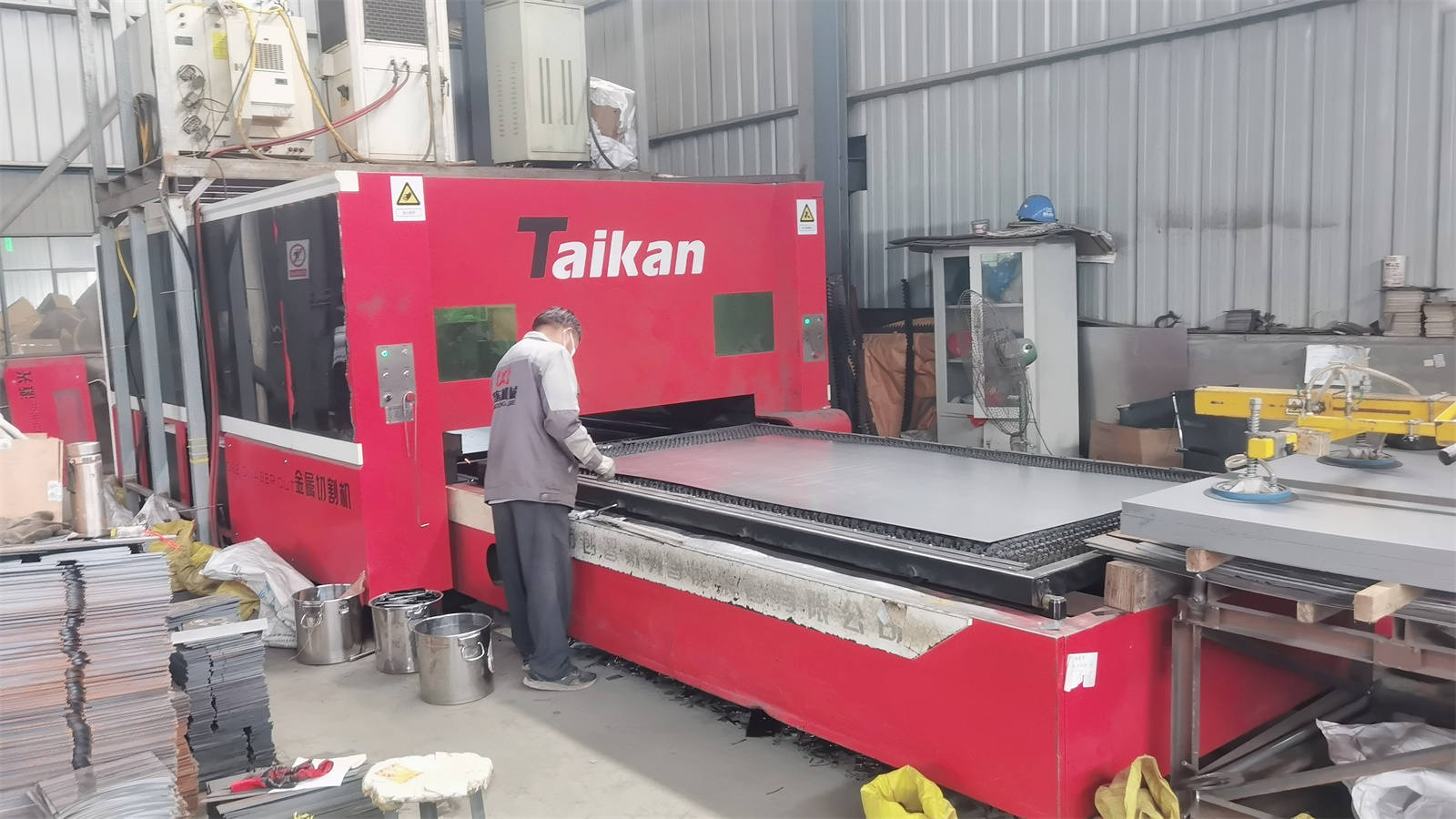
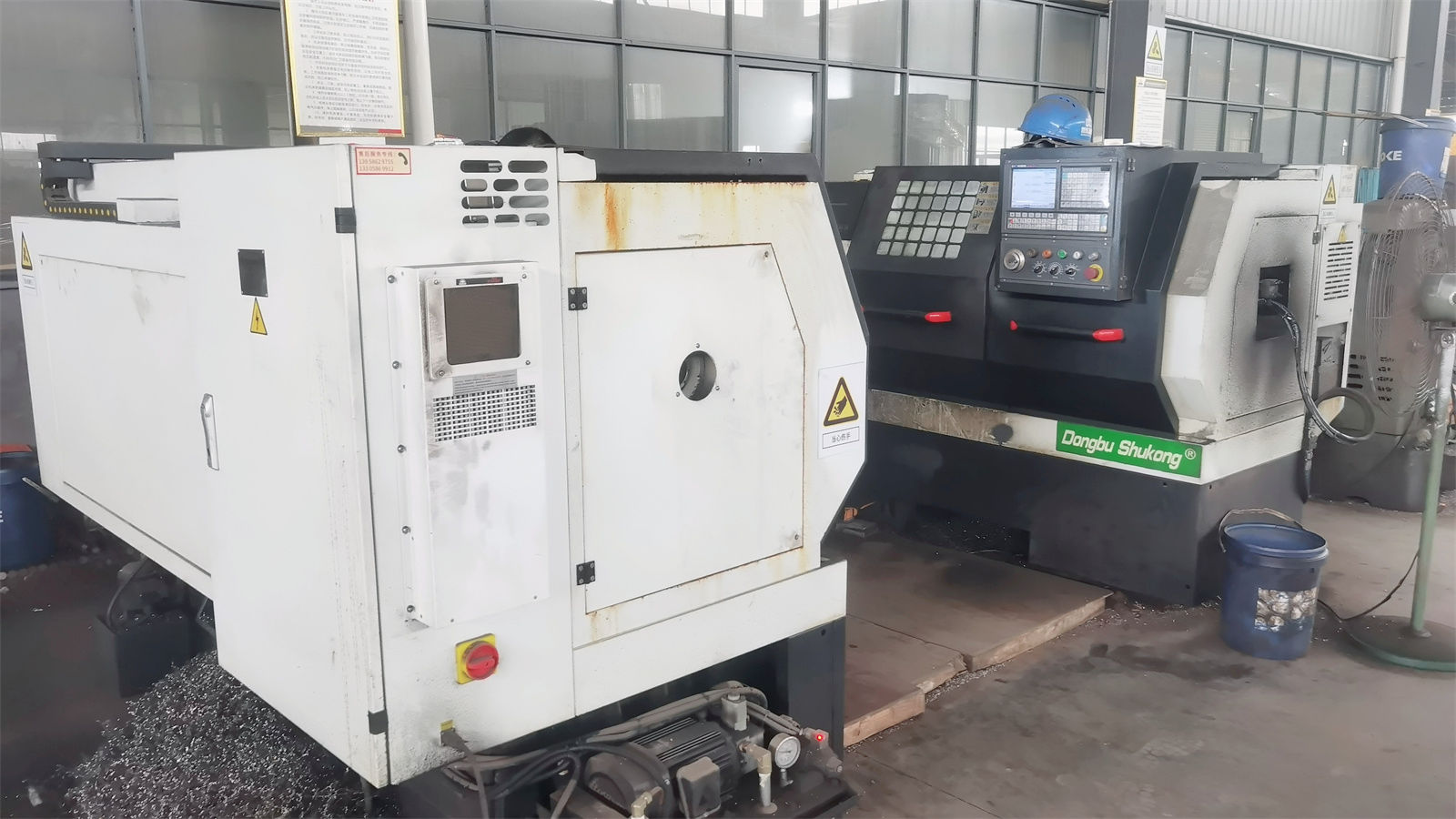
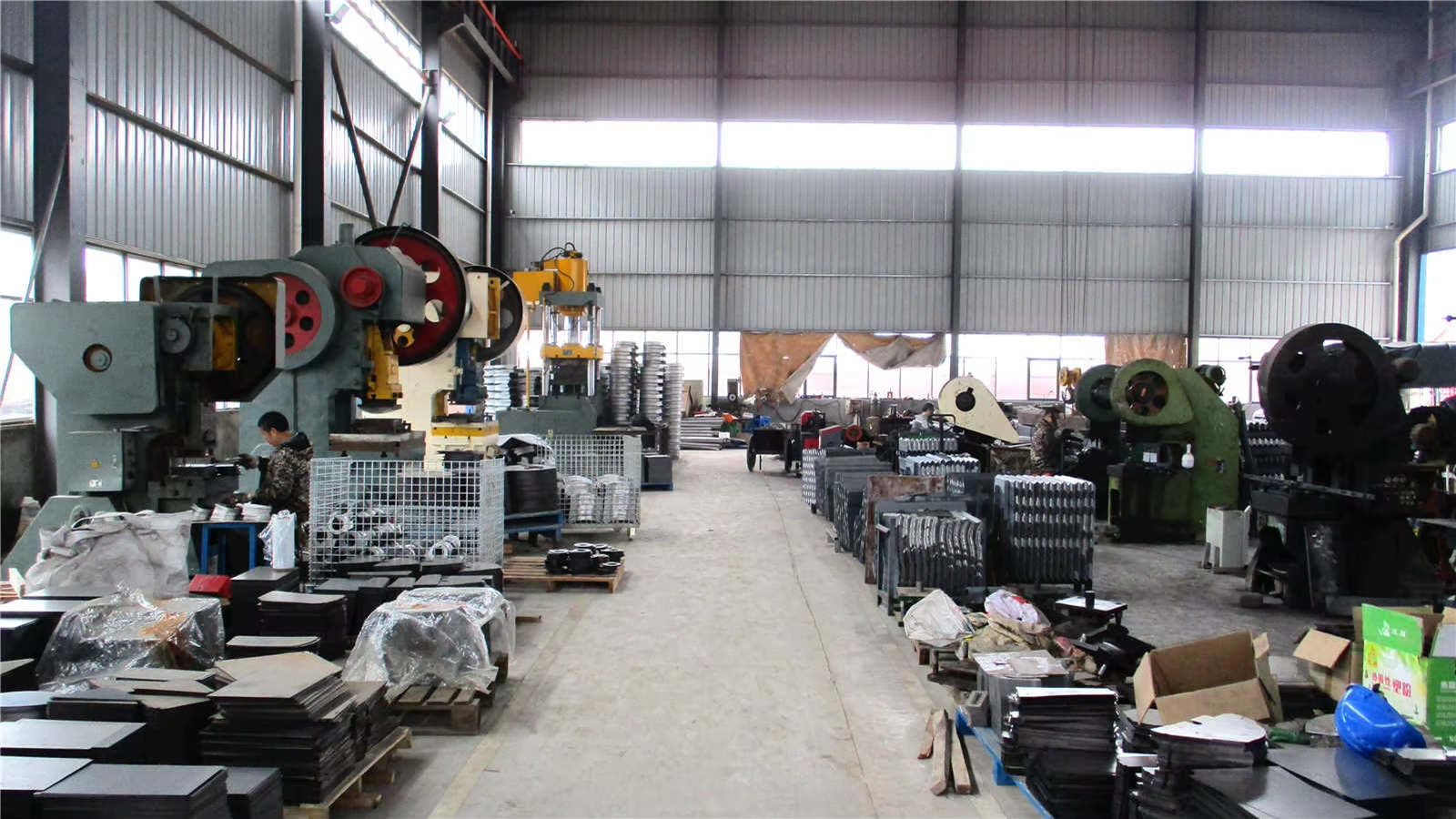
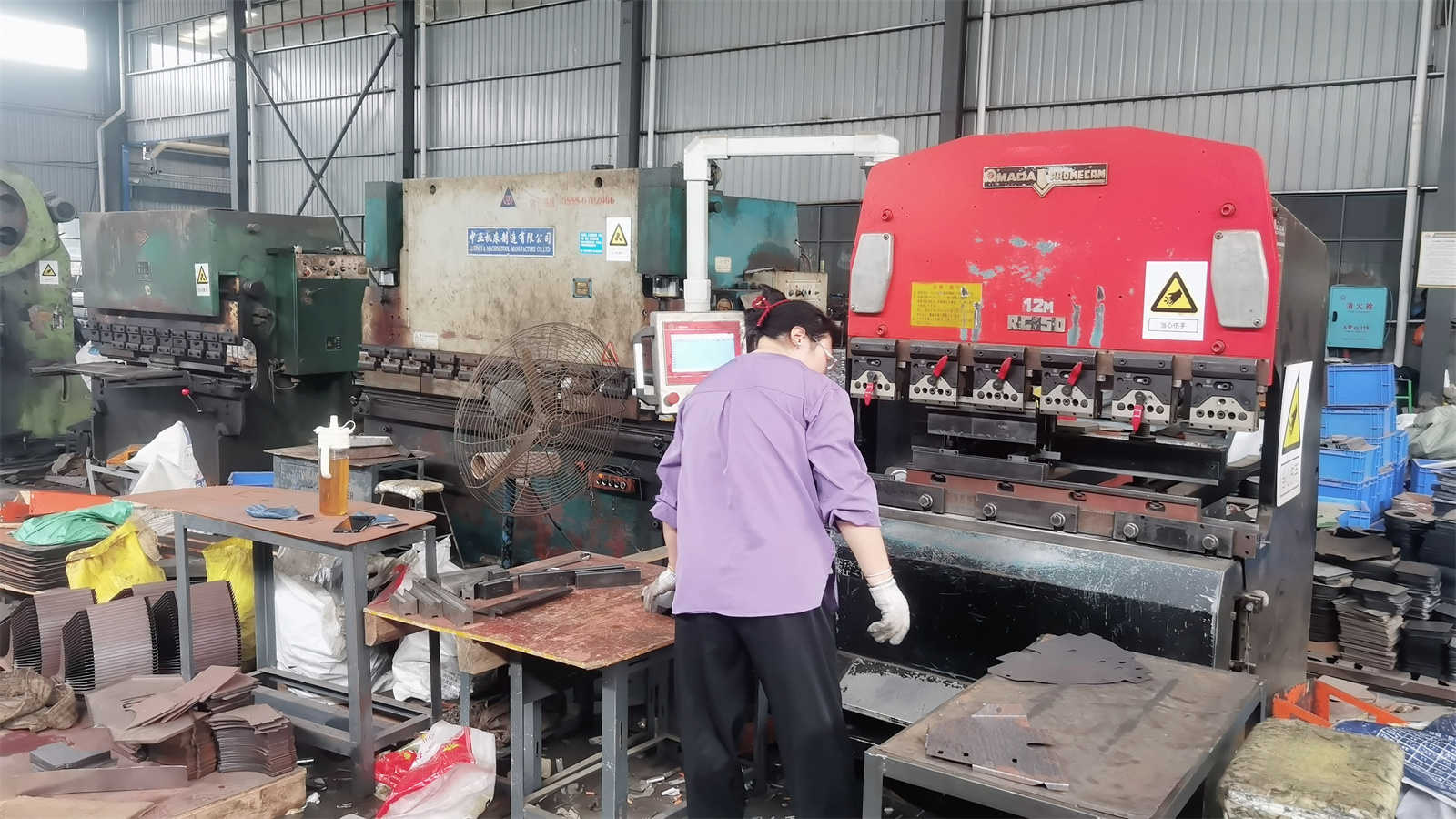
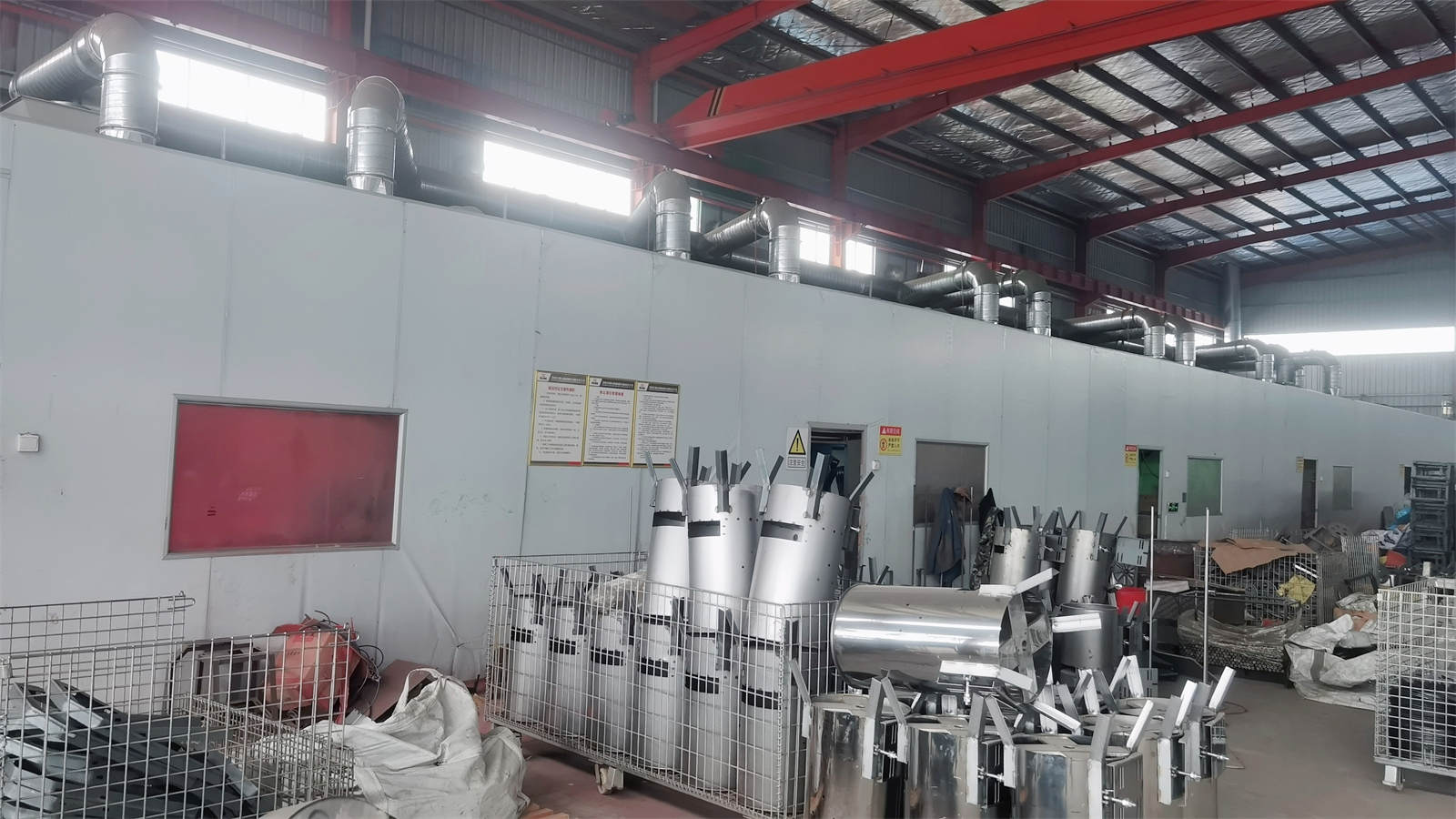
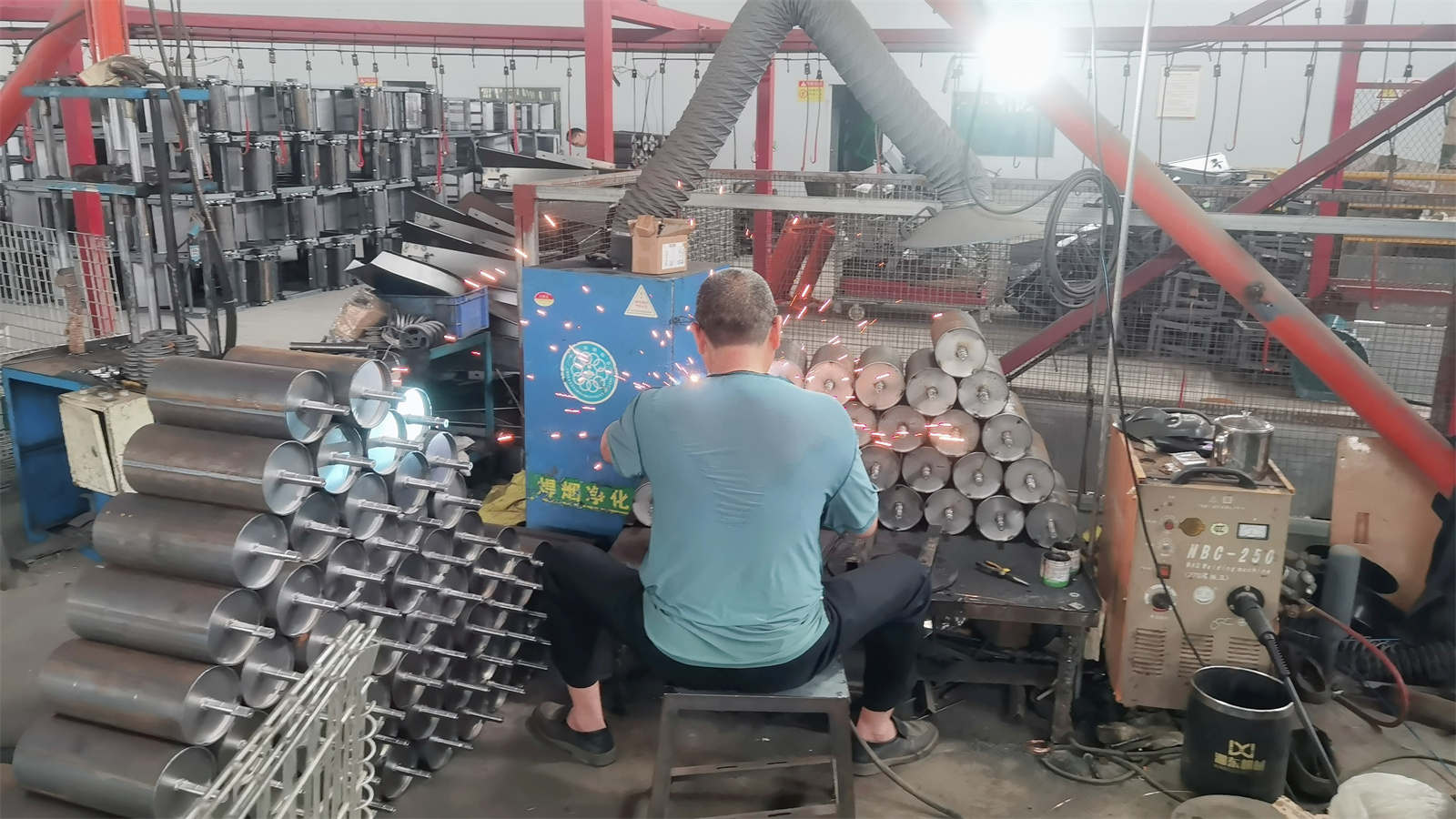
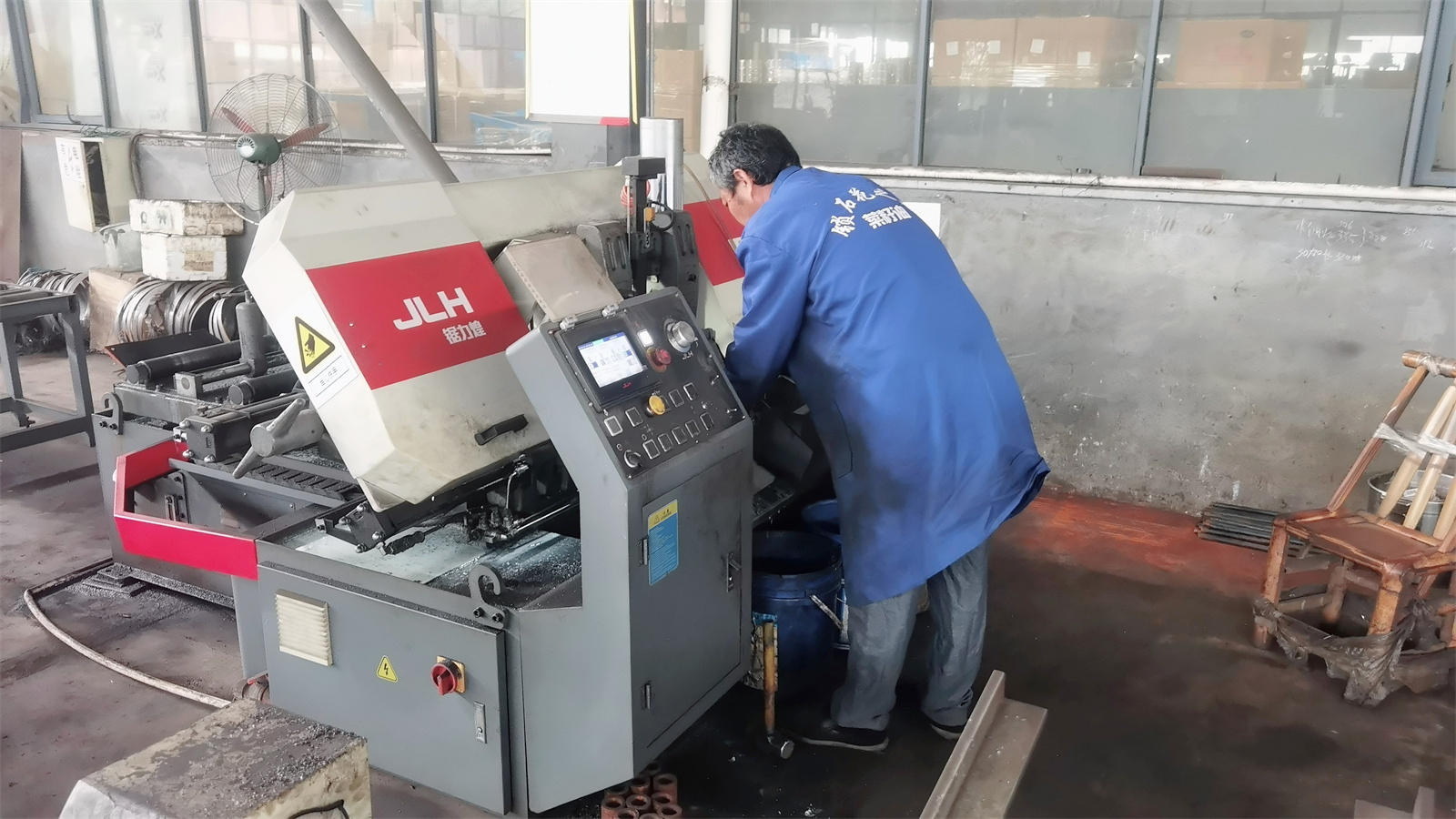
Our factory utilizes advanced CNC machinery, laser cutting systems, automatic welding equipment, and electrostatic coating lines to ensure high-precision construction and long-term mechanical durability.
To meet increasing global food safety regulations and rising energy costs, grain cleaning machinery is evolving toward smarter, more connected, and highly energy-efficient designs.
Future de-stoner layouts will combine traditional density separation screens with optical sensors and multi-frequency vibrators. This hybrid approach will allow processing plants to isolate contaminants with densities and profiles very close to the processed crops, such as dark glass fragments or specific agricultural seeds.
Modern gravity destoners are moving toward closed-loop sensor networks. These systems monitor static pressure and exhaust air volume in real time, automatically adjusting internal fan speeds to maintain fluidization even when raw product moisture levels change.
In line with the Netherlands' goals for carbon reduction, new models utilize IE4-efficiency rated vibratory motors and aerodynamic aspiration chambers. These design improvements lower energy consumption per metric ton of processed material while minimizing vibration feedback to the supporting steel structure.
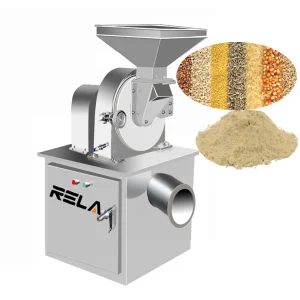
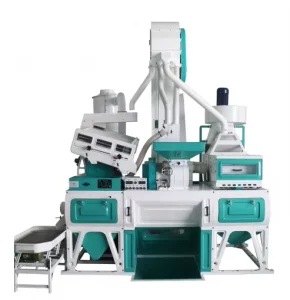
Explore our complete range of processing equipment, including high-capacity flour mills, stainless steel grain grinders, combined separator units, and specialized small-batch coffee bean destoners.
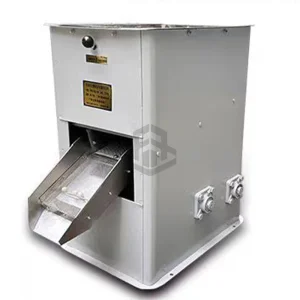
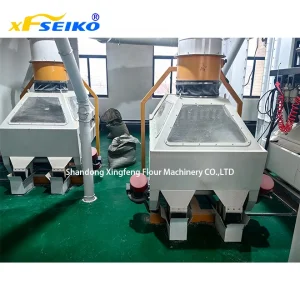
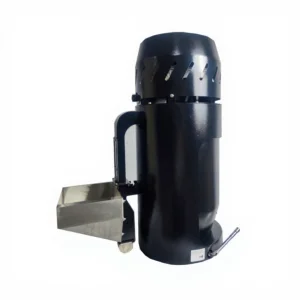
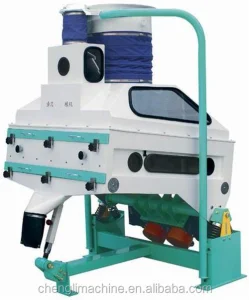
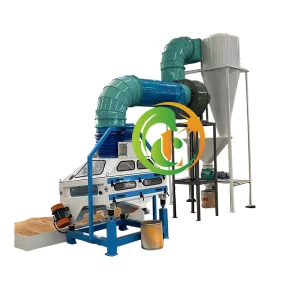
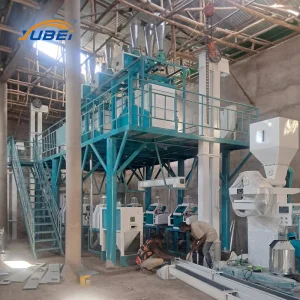
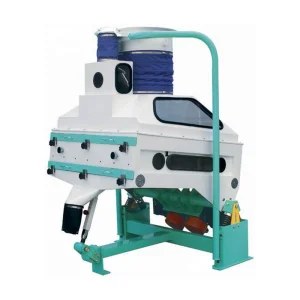
Get answers to technical and operational questions about integrating gravity destoning systems into commercial processing plants.
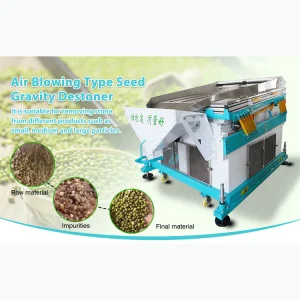
Gravity de-stoners operate based on density differences rather than particle size. The machine passes a continuous upward airflow through the grain bed, fluidizing the material. The lighter grains remain suspended and slide down the inclined screen deck, while the heavier stones sink to the screen surface. The deck's reciprocating motion then drives the stones uphill to the discharge outlet.
Suction-type (negative pressure) systems draw air through the processing deck into a sealed duct network, keeping dust contained within the machine. Positive pressure systems blow air upward from underneath, which can release dust into the processing area. Suction-type setups support clean workspace environments and help meet strict workplace safety standards.
Yes, our industrial machinery range carries full CE compliance certification. We construct our systems to meet EU Machinery Directives and electrical safety standards, facilitating integration into Dutch and wider European food processing plants.
Yes, the screens are modular and easily interchangeable. We offer a selection of screen options, from small-diameter perforated sheets for sesame and rapeseed to larger woven wire meshes for soy, faba beans, and coffee beans.
 Jiujie Machine