High-performance density separation systems tailored for German industrial quality standards and environmental directives.
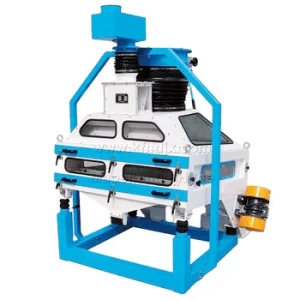
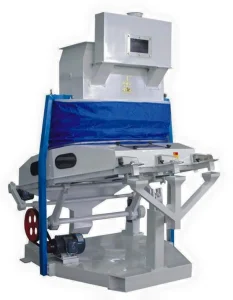
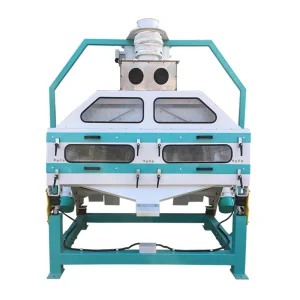
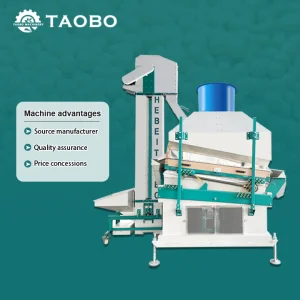
Meeting the stringent parameters of the European food safety network with next-generation dry density sorting.
The Federal Republic of Germany represents one of Europe's most regulated and technologically advanced food and agricultural markets. Under the strict guidelines of the German Food and Feed Code (LFGB) and EU Regulation (EC) No 852/2004, the food processing chain demands absolute purity, with zero-tolerance policies regarding foreign physical contaminants (such as stones, soil clods, glass, and metal shards). Within this regulatory environment, the industrial grain de-stoner serves as a critical critical control point (CCP) in dry processing lines.
German milling hubs, located throughout key agrarian regions such as Bavaria, Lower Saxony, and North Rhine-Westphalia, process millions of tons of wheat, rye, barley, and spelt annually. Traditionally, wet cleaning was used to remove mineral impurities; however, due to rising local wastewater disposal charges and strict environmental protection laws (Abwasserabgabengesetz), modern German operators have pivoted entirely to dry, zero-water gravity separation systems. This structural shift requires highly efficient, continuous-operation suction de-stoners that maintain high separation accuracy without using water.
German and European mills operating dry destoning equipment report significant operational and financial benefits:
How international procurement groups are adapting to automated processing, micro-fluidization, and clean-labeling trends.
Modern grain destoners exported to the German market must feature ATEX dust explosion protection certification. The grain dust generated during mechanical handling poses explosive hazards, requiring explosion-proof motors, anti-static sieve decks, and dust-tight structural seals.
Clean processing requires precision control over air velocity. Advanced destoners feature variable frequency drives (VFD) and adjustable screen inclinations, allowing operators to match the precise fluidization velocity of differing grains, such as oat kernels and heavy rye.
To meet the strict food-contact safety standards of Germany's LFGB, components that come into contact with the product, such as the sieve mesh, inlet hoppers, and discharging outlets, are constructed from high-grade SUS304 or SUS316 food-grade stainless steel.
A globally recognized manufacturer and supplier providing reliable engineering services and machinery for food and grain processing.
Henan Jiujie Machine Co., Ltd. is a professional supplier of complete equipment and engineering services for the food production and grain processing industries. Our business covers a wide range of applications, including wheat flour milling plants, feed processing factories, and rice processing plants. Our product portfolio includes conveying equipment, cleaning equipment, flour milling equipment, and other related machinery. Over the years, our products have been widely recognized by customers both in domestic and international markets.
Since its establishment, Henan Jiujie Machine Co., Ltd. has been dedicated to the research and development of grain processing technology and machinery. With extensive industry experience, we are able to provide integrated solutions across the entire grain and food processing industrial chain. Our solutions cover multiple stages, including raw material collection, storage, cleaning, grading, sieving, grinding, mixing, shaping, production, and packaging.
Our flour milling equipment has obtained the ISO9001 quality management system certification and CE certification. The environmental protection standards of our equipment comply with relevant EU requirements. Our grain cleaning process is designed to operate without water usage, ensuring no wastewater discharge and supporting environmentally friendly production.
Our products are characterized not only by stable performance but also by easy installation, convenient maintenance, and low operating costs. With advanced technology, reliable quality, and modern design, our equipment has earned high appreciation from clients worldwide.
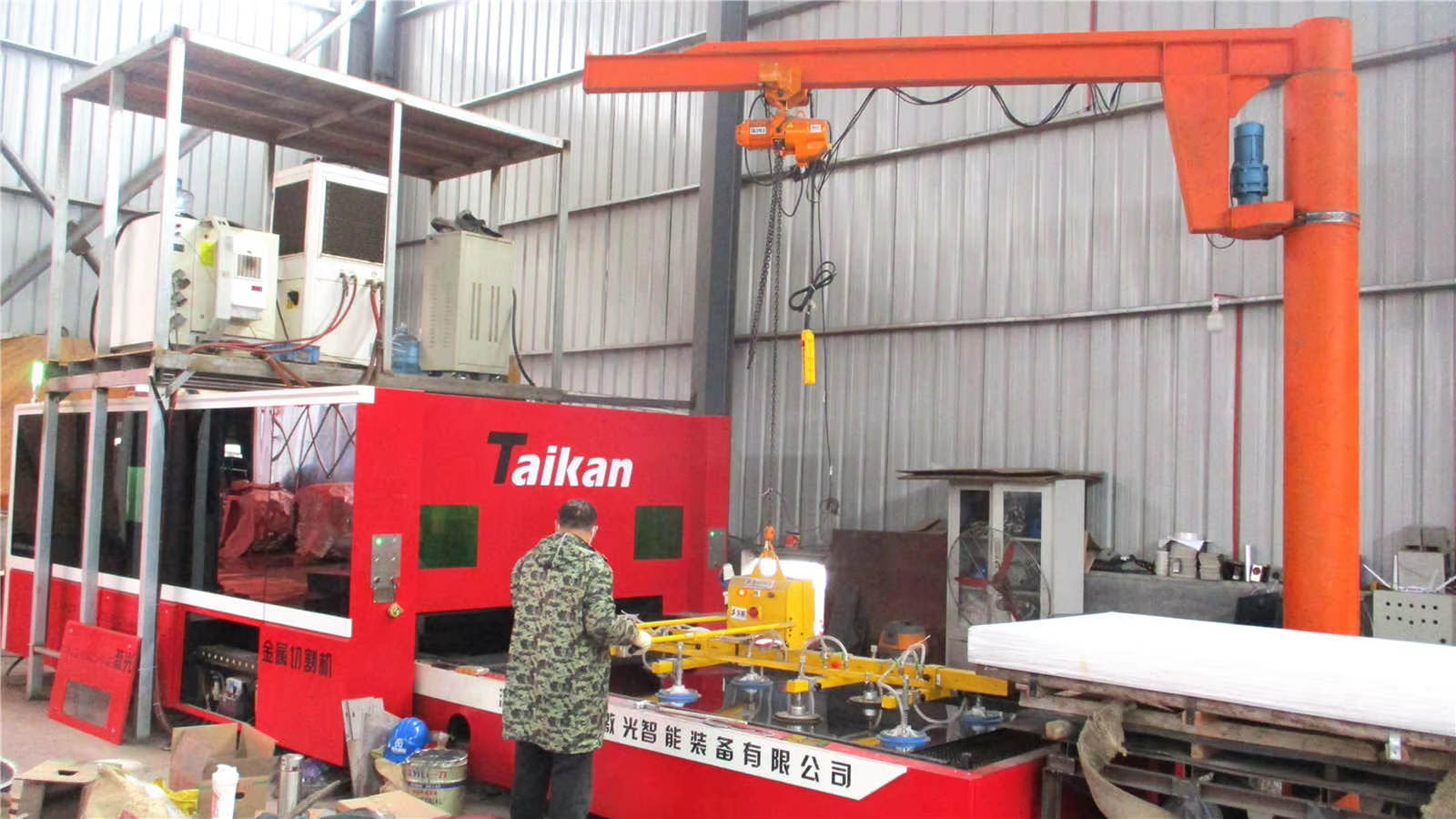
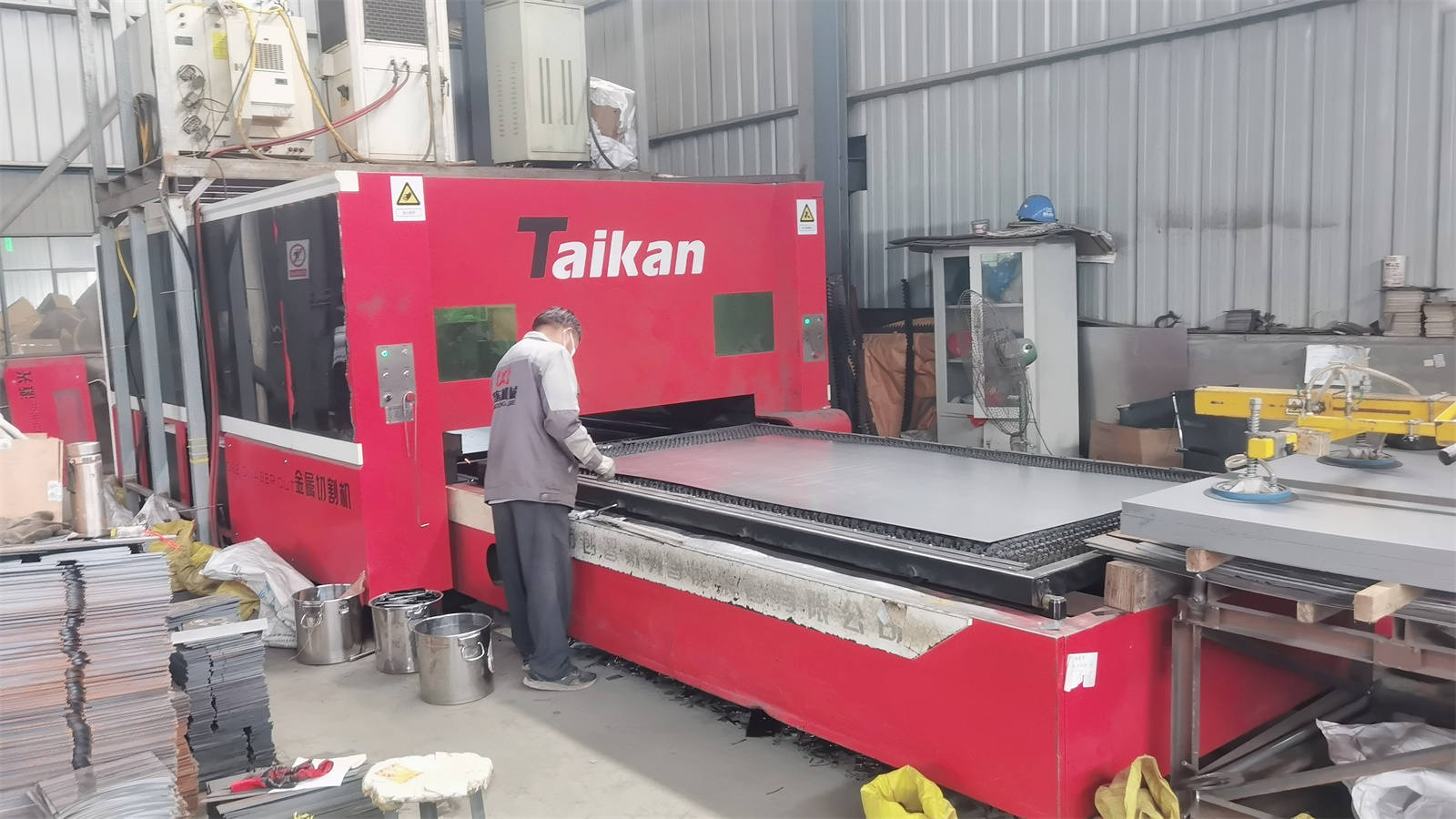
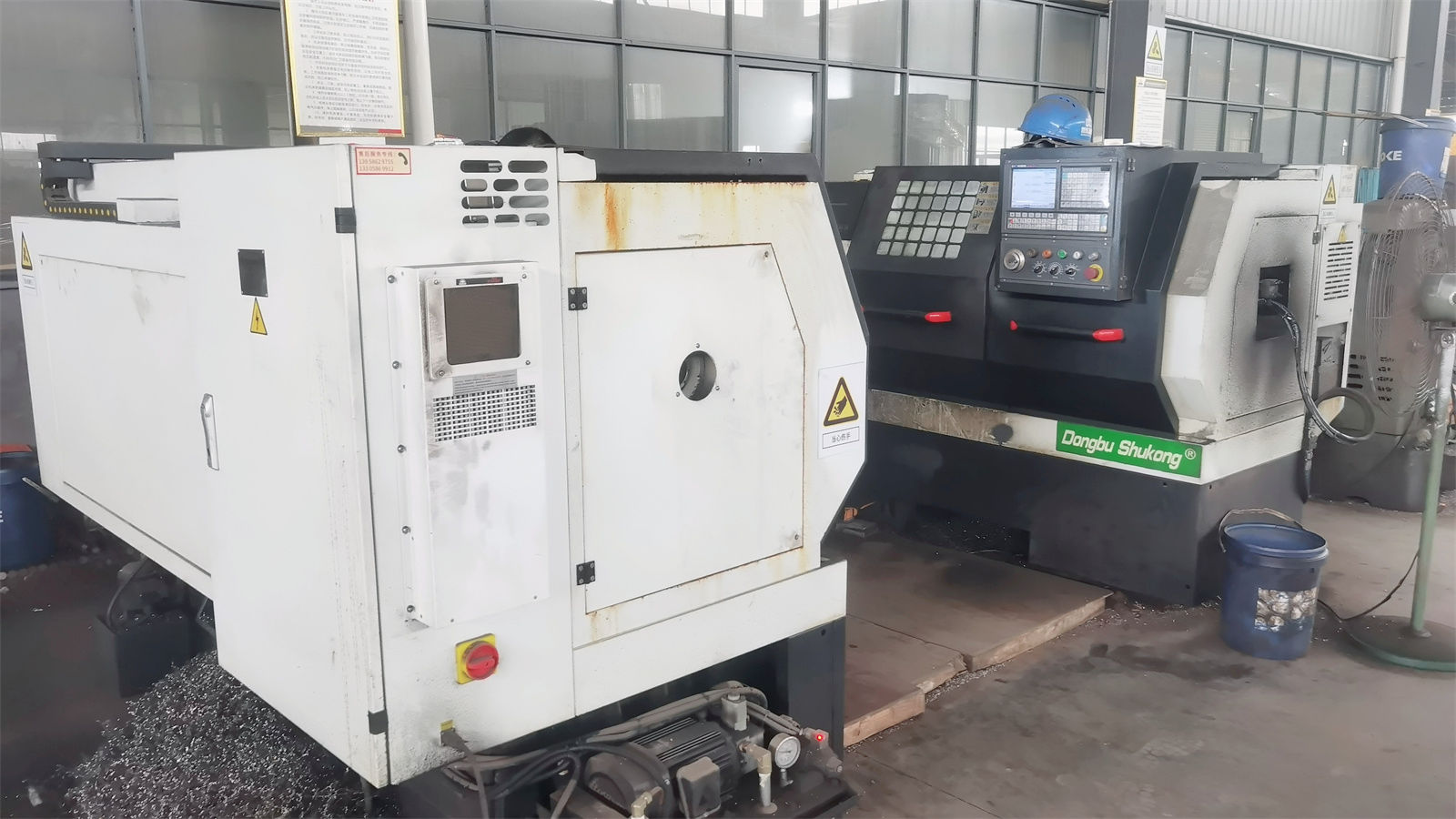
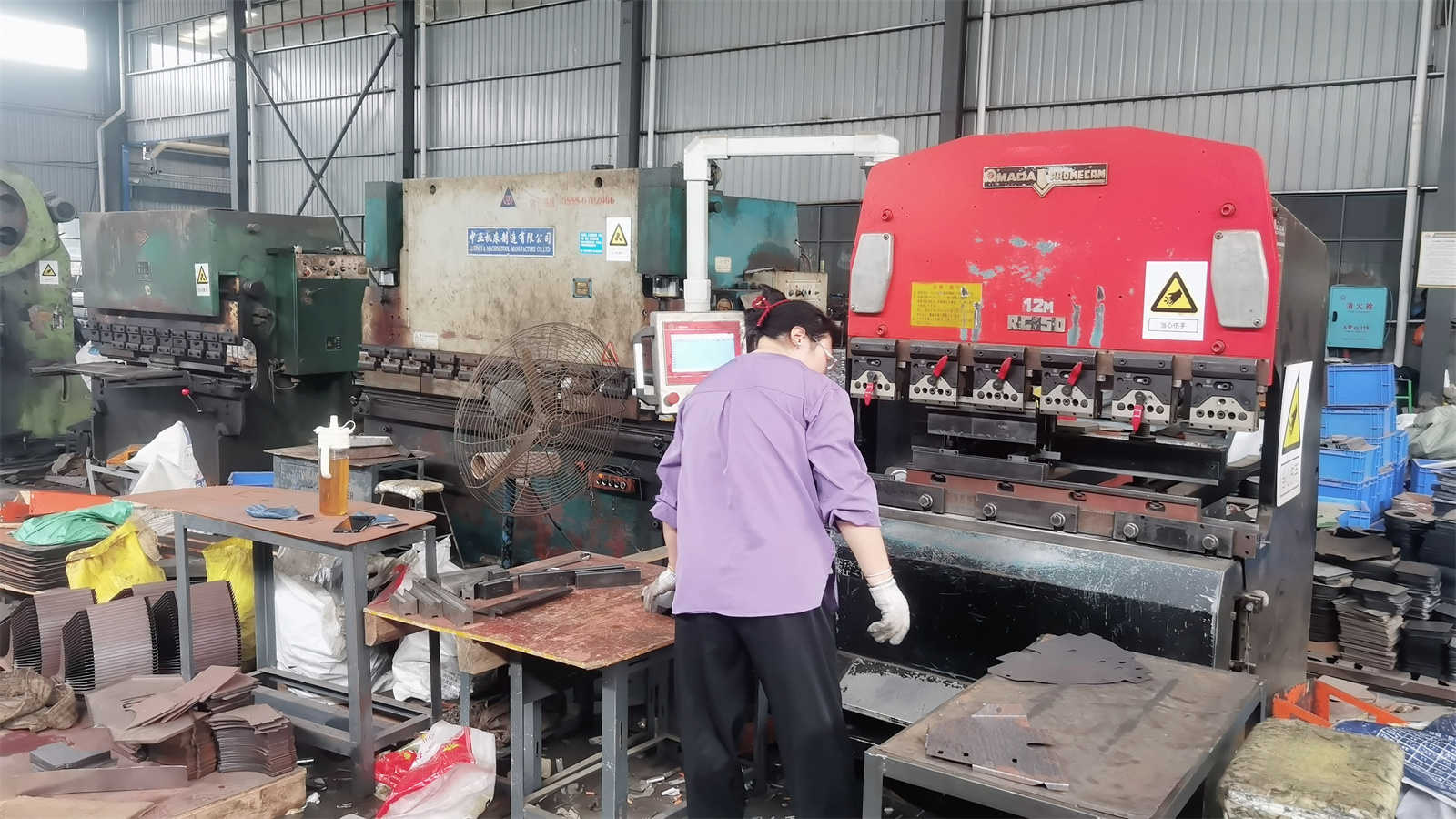
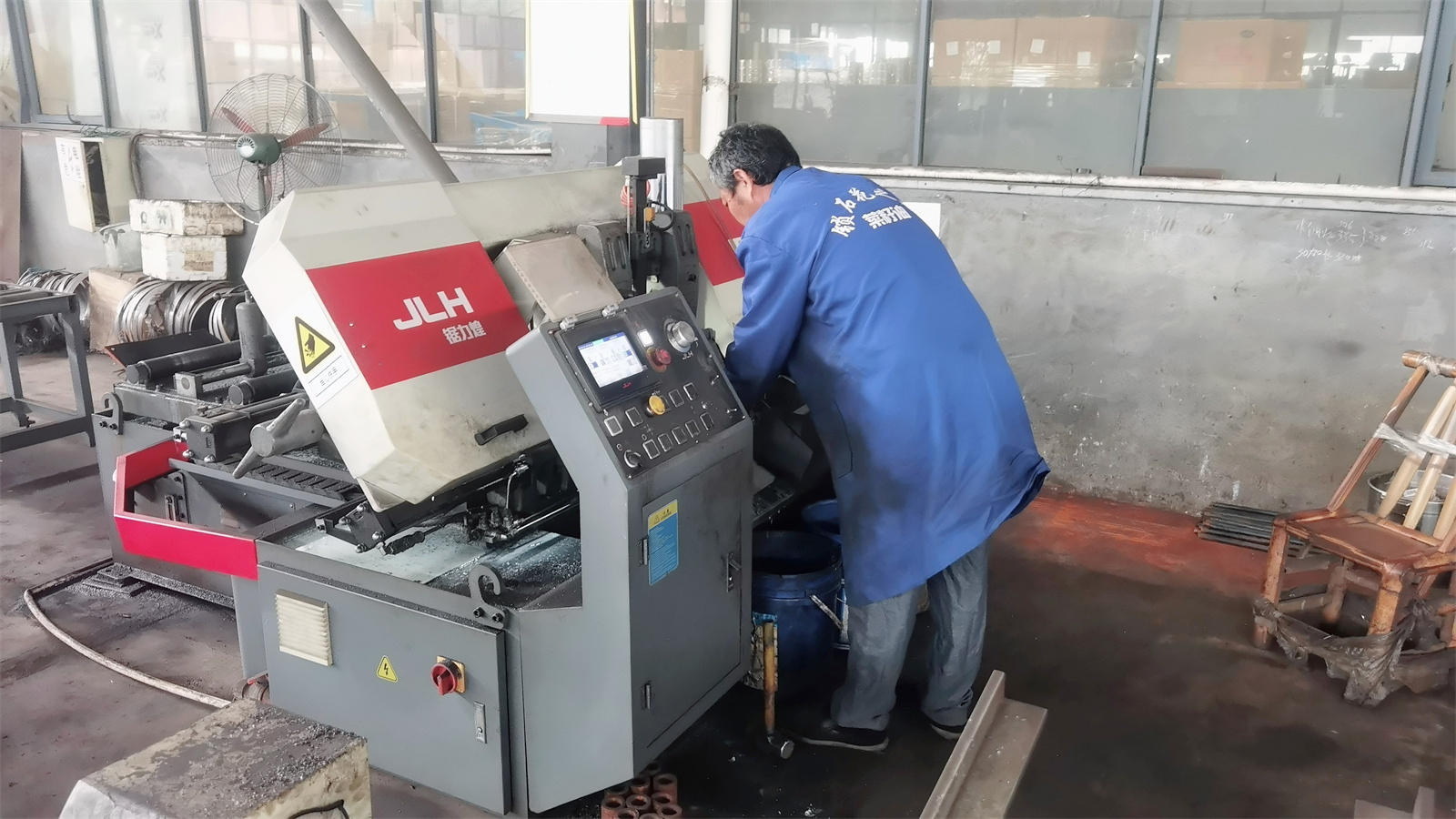
Henan Jiujie Machine Co., Ltd. places strong emphasis on technological innovation and continuous improvement of manufacturing capability and product quality. We have introduced a series of advanced processing equipment, including CNC laser cutting machines, CNC bending machines, and CNC lathes.
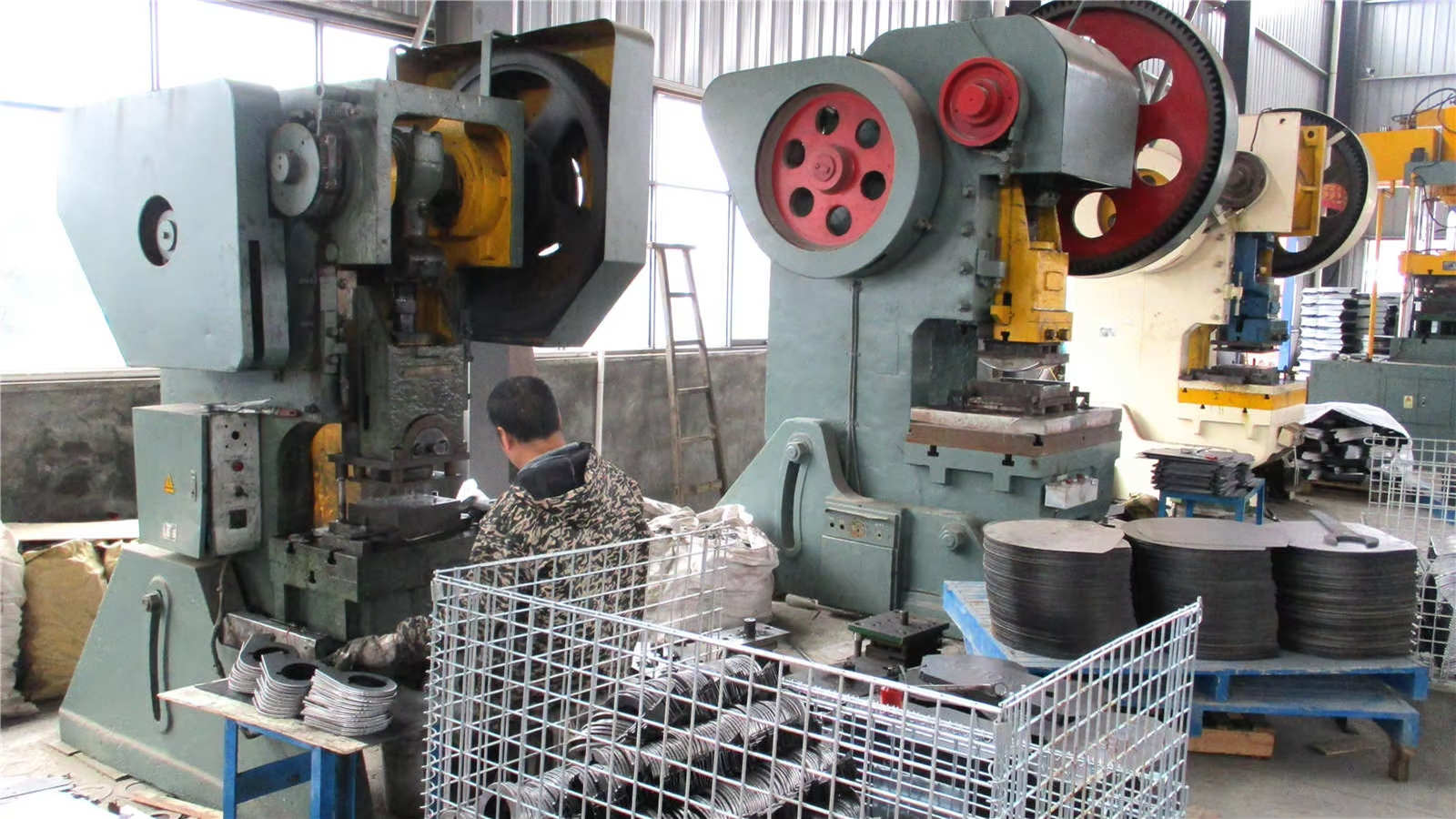
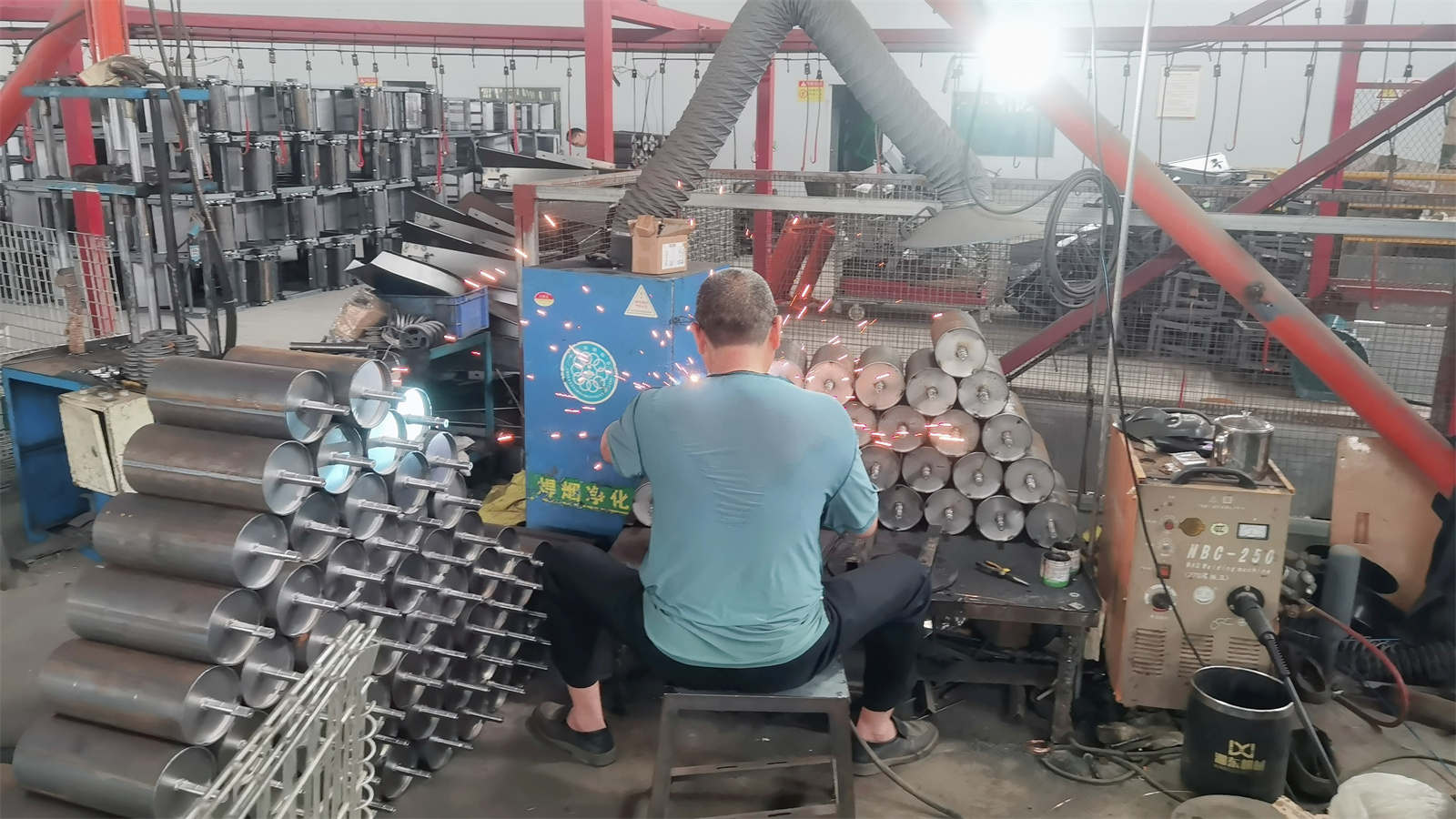
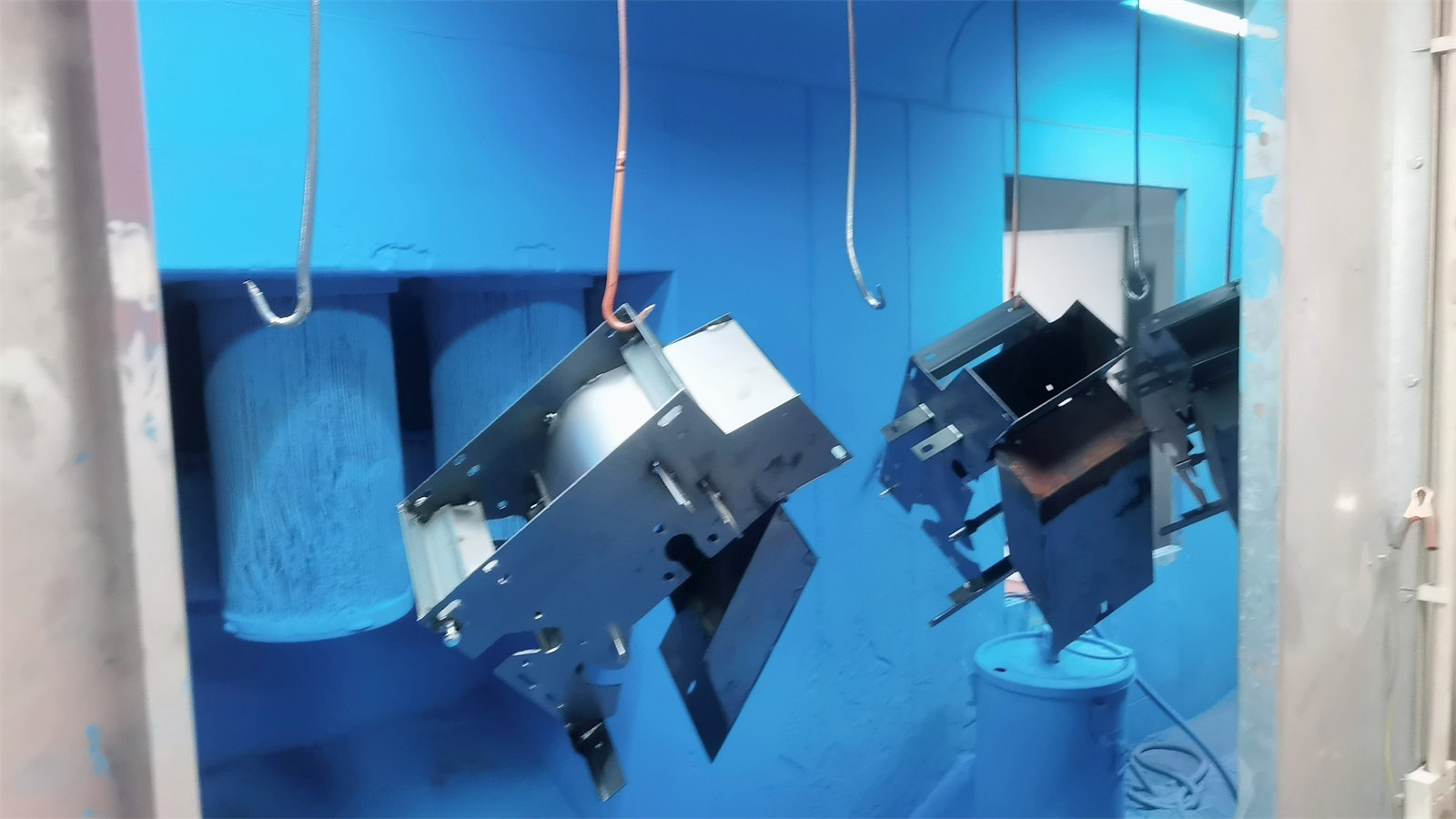
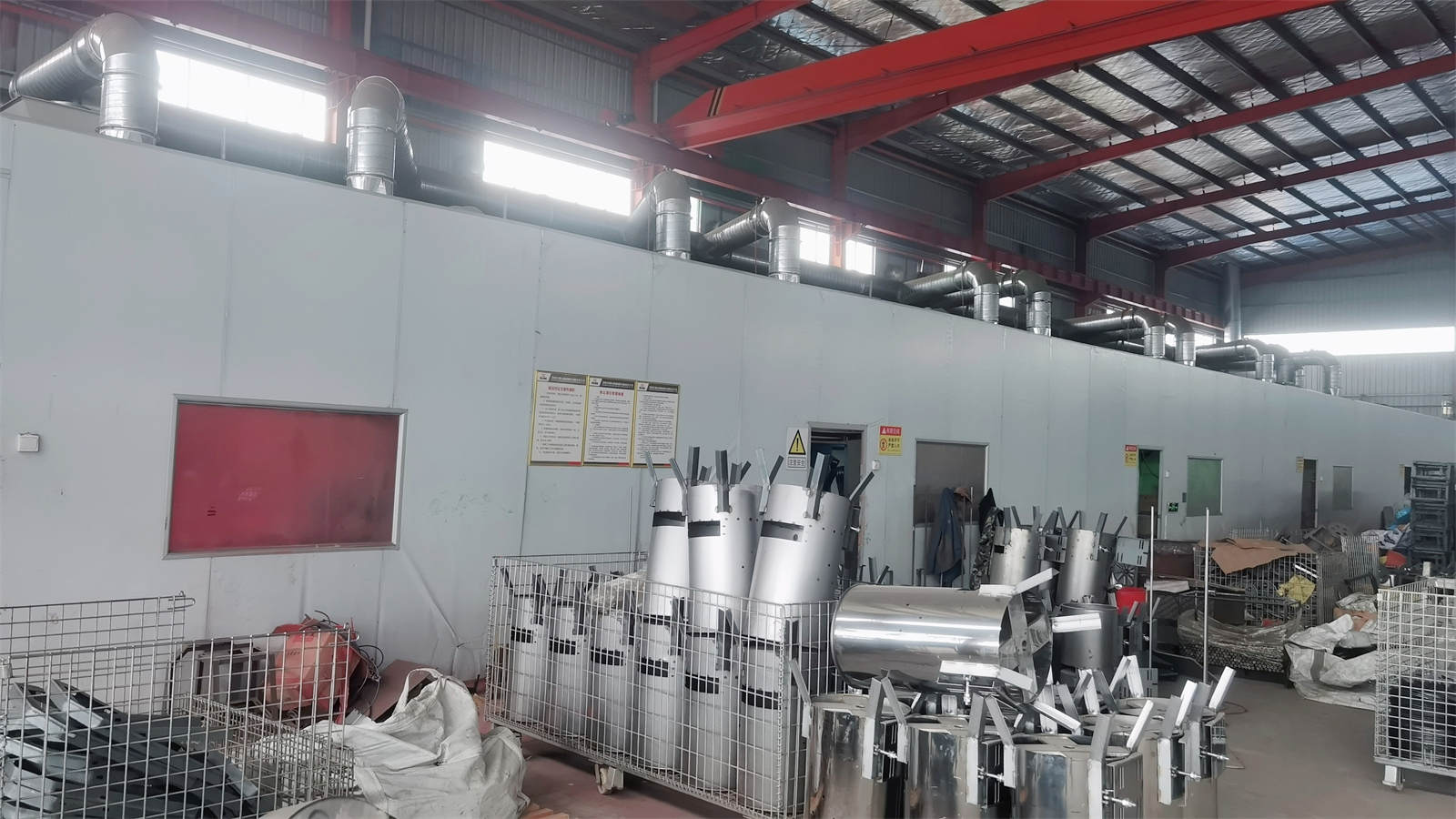
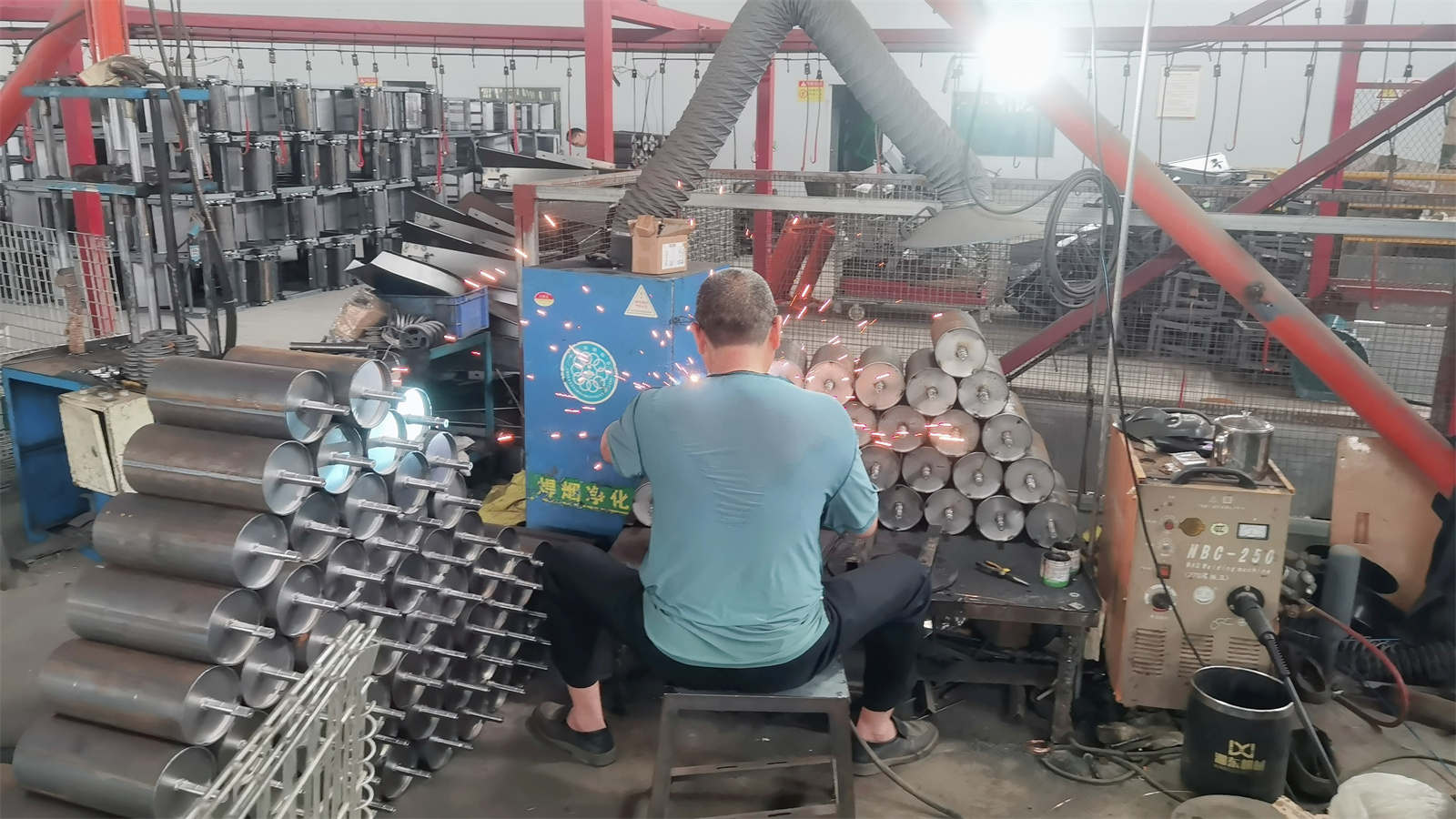
In addition, we are equipped with CNC machining centers, CNC boring machines, surface grinding machines, planers, and other high-precision manufacturing equipment. We have also established an electrostatic spraying production line to further enhance product surface quality and durability. Our manufacturing processes include steel plate laser cutting, CNC bending, CO₂ arc welding, argon arc welding, robotic welding, and electrostatic surface treatment. These advanced production technologies ensure consistent product quality and continuous innovation.
As a professional industrial solution provider, Henan Jiujie Machine Co., Ltd. delivers not only equipment but also comprehensive production solutions that enhance the overall value chain for our customers. By utilizing AutoCAD-based engineering design systems and advanced machining centers, we are able to provide high-precision, durable products at competitive prices. We are committed to offering complete pre-sales consultation, technical support, and reliable after-sales service. Customer satisfaction is always our top priority. We sincerely welcome partners and friends from all over the world to contact us and cooperate for mutual success.
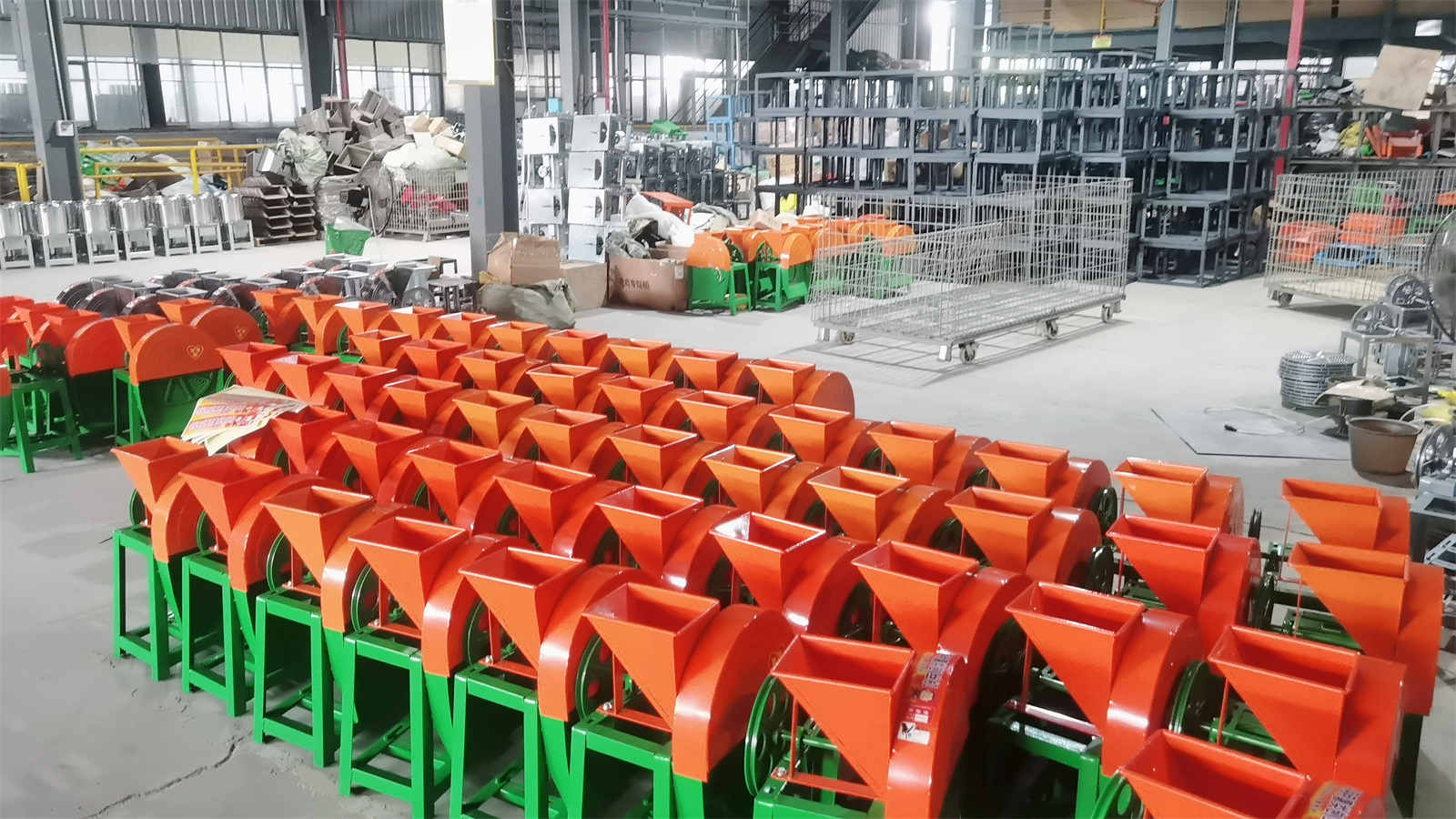
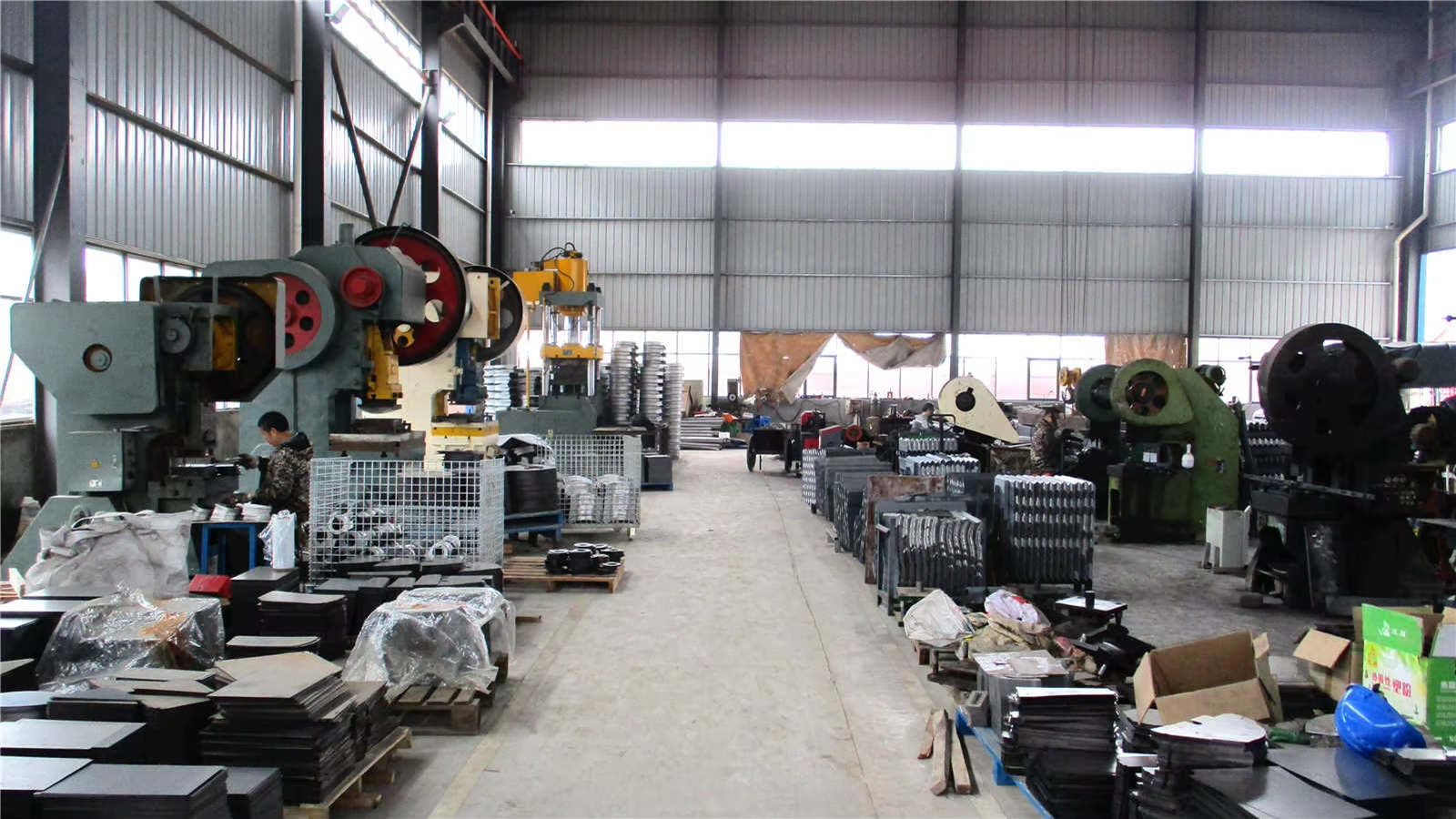
From raw plate laser cutting to robotic structural welding and electrostatic surface treatment, our facilities are optimized for reliability.
Tailoring sorting mechanics to specific crops and regional processing specialties across Germany.
In Southern Germany, malting plants supplying Bavarian breweries require high-capacity grain cleaning lines. De-stoners are configured with specialized screen perforations to separate flat stones and shale fragments from barley grains. Our equipment features variable-angle vibrating decks that can be adjusted to optimize throughput while maintaining strict purity levels.
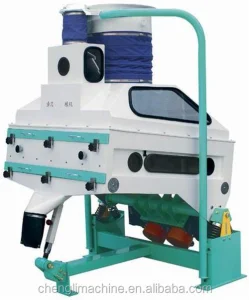
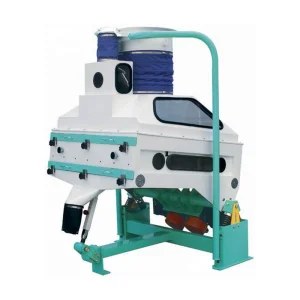
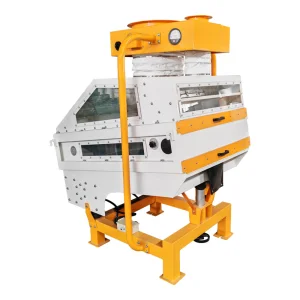
German bread culture relies heavily on rye, which is notoriously difficult to screen because of its long grain structure. Our TQSX series uses a combination of reciprocating sieves and continuous upward air suction to fluidize the grain bed, ensuring high-density stones settle and discharge while the lighter rye grains move smoothly to the milling lines.
Hamburg serves as one of the largest entry ports for green coffee beans in Europe. Roasters require reliable destoners to remove small pebbles, concrete pieces, and soil clumps prior to roasting. Doing so protects the grinding equipment from mechanical damage and maintains the pure flavor profile of the roasted coffee.
The demand for organic oat products and ancient grains (such as einkorn and emmer) is growing rapidly in Germany. Our waterless dry gravity separators remove soil clods and field stones without using water, keeping moisture levels low to prevent mold growth and maintain the organic certification of the grains.
How Henan Jiujie leverages digital manufacturing to deliver precision-engineered equipment with shorter lead times.
Operating from Henan, China’s industrial manufacturing hub, Henan Jiujie has integrated Factory 4.0 principles to improve production efficiency. Our manufacturing facility uses CNC laser cutting machines and automated welding stations to maintain tight dimensional tolerances across our machinery lines. By automating key fabrication steps, we reduce manual assembly errors, ensuring that replacement screens and parts fit precisely and operate reliably over years of service.
By managing our supply chain directly—from raw steel sourcing to CNC lathe work and in-house electrostatic powder coating—we maintain control over production costs and lead times. This vertical integration allows us to deliver high-performance gravity separators to German and international buyers with shorter lead times than regional European manufacturers. Additionally, our waterless cleaning systems align with sustainability goals, helping operators reduce water consumption and comply with strict environmental regulations.
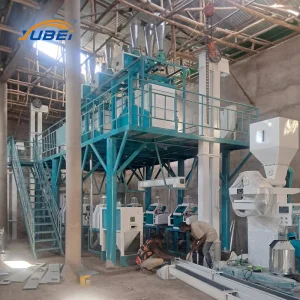
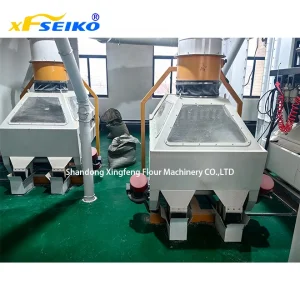
Integrated cleaning systems and heavy-duty separators for continuous industrial grain milling plants.
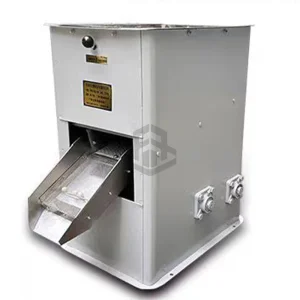
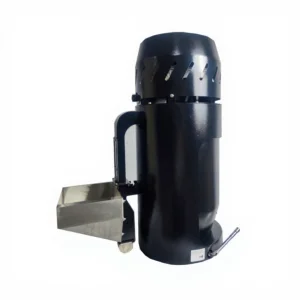
Explore our complete catalog of certified mills, grinders, and adjustable-sieve cleaning machinery.
Common technical questions regarding dry gravity destoning, maintenance, and process parameters.
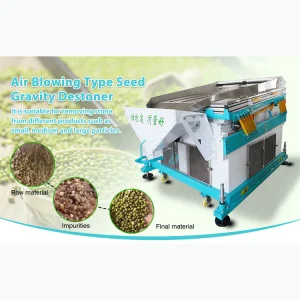
A gravity de-stoner operates on the principle of difference in specific gravity between the grain kernels and heavy foreign impurities (such as stones, glass, and metal). By passing an adjustable upward air flow through a reciprocating sieve deck, the grain bed becomes fluidized. The lighter grain kernels float above the screen and flow downward toward the discharge, while the heavier stones sink to the screen deck and are driven upward by the directional vibration of the sieve frame.
Our destoners and milling machines are CE certified and constructed to meet clean processing standards. Product contact points use SUS304 food-grade stainless steel to resist corrosion and allow for thorough sanitation. The sealed construction prevents dust emissions, helping operators maintain clean processing environments that align with EU industrial dust control directives.
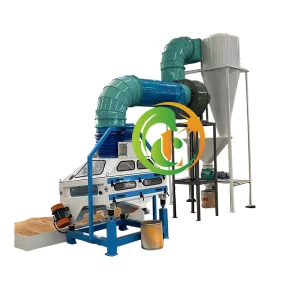
Yes. Our gravity separators and wheat milling machinery are designed to integrate with automated grain cleaning configurations. They feature standardized duct interfaces for centralized dust aspiration networks, adjustable sieve inclinations, and are compatible with PLC-controlled feeding systems for continuous processing.
To ensure optimal separation efficiency, operators should inspect the sieve surface daily to prevent perforation clogging. The air exhaust ducting must be kept clear of dust accumulation to maintain consistent air velocity across the fluidization deck. Additionally, the eccentric drive bearings and rubber vibration dampers should be inspected and lubricated on a monthly basis.
Waterless gravity separation avoids introducing moisture into the grain cleaning stage. This limits microbial growth and mold formation, helping preserve grain quality for long-term storage. It also eliminates the need to manage wastewater streams, simplifying compliance with environmental standards and reducing operating costs.
 Jiujie Machine