Optimized for processing plants in Canterbury, Southland, and major commercial hubs across New Island.
Analyzing grain processing technologies, structural regulations, and clean label production initiatives.
The flour milling industry has transitioned from purely mechanical crushing to advanced mechanical-pneumatic purification system integration. Across both local and international markets, the primary metric of processing success has shifted toward minimizing energy footprints while maximizing the separation efficiency of the endosperm from the bran. In this paradigm, the flour purification system acts as the critical bridge, ensuring structural purity, low ash levels, and high water absorption capabilities required for downstream applications in commercial baking.
In New Zealand, the agricultural sector, particularly within the Canterbury and Otago plains, is characterized by highly diverse crop rotations and specific grain quality parameters. The New Zealand market demands exceptional flexibility from millers. Flour mills in Christchurch, Ashburton, and Auckland serve both large industrial bread bakeries and specialized artisanal manufacturers. Due to the high import costs of raw grain from Australia, local processors must extract maximum yield from domestic wheat varieties (such as premium biscuit, pastry, and high-protein bread wheats).
This necessitates flour purification systems capable of adjusting to highly variable grain sizes, gluten levels, and moisture contents. Furthermore, compliance with the Ministry for Primary Industries (MPI) food safety regulations requires that milling plants employ zero-water cleaning setups to prevent waste discharge, mold proliferation, and micro-toxin development. Reliable, dust-free operations are essential for maintaining dust-explosion-safe spaces conforming to Australia/New Zealand Standard (AS/NZS 60079) zones.
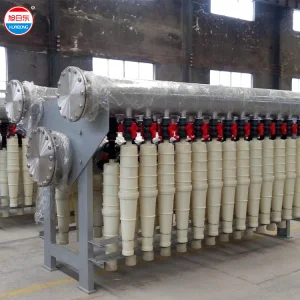
Globally, the grain processing market has faced tightening margins, increasing energy costs, and a demand for chemical-free, natural grain processing. Advanced flour purification systems utilize a delicate combination of vibration, screen sifting, and multi-stage air classification (aspirator separation). This layout allows mills to reduce the ash content of patent flours without losing key nutrients. Additionally, the development of dual-flow purifiers has allowed mills to process wheat, maize, semolina, and pulses on the same equipment lines, saving massive physical floor space and CAPEX costs.
Our contribution to grain processing safety, environmental compliance, and high throughput efficiency.
Unlocking information gain: how structural air-flow optimization changes endosperm yield.
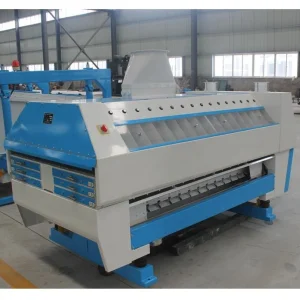
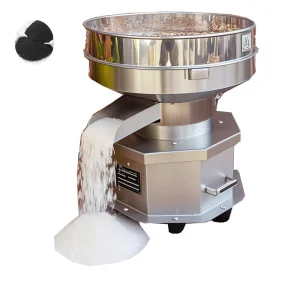
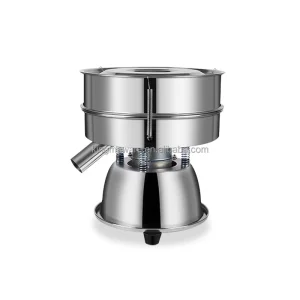
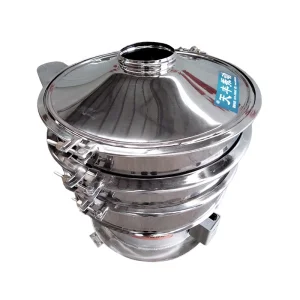
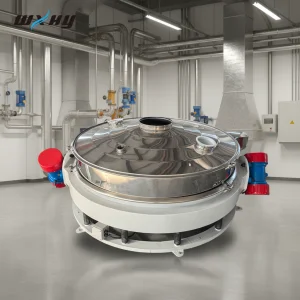
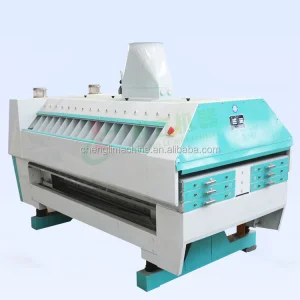
For a long time, traditional mills relied strictly on roller mills and simple plansifters. However, to produce premium flour of low ash and speck-free color, a Flour Purifier (e.g. FQFD Series) is required. Our systems operate on a triple-layer sieve framework suspended on hollow rubber springs and driven by twin vibrating motors. The combination of uniform vibration and custom-controlled aspiration ensures that the incoming stream is divided into distinct fractions based on density and aerodynamic resistance.
The purification process can be divided into three core stages:
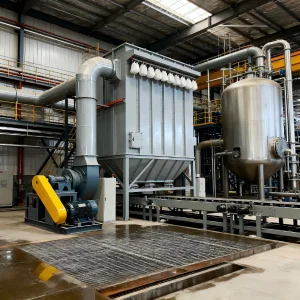
Traditional mills historically washed grain to remove stones, mud, and external contaminants. This is no longer viable in the New Zealand context due to stringent environmental laws on industrial effluent discharge. Our current plant designs employ advanced dry-cleaning configurations. Utilizing high-efficiency destoners, magnetic separators, scouring machines, and intensive aspirators, we achieve a high level of sanitization without generating a single drop of wastewater. This dry process protects the kernel's organic envelope, optimizes dampening controls, and keeps biological hazards to a minimum.
The evolution of automated grain purification toward Industry 4.0 standard configurations.
Developing multi-sieve structures with independent aspiration zones. Implementing quick-change screen systems to handle different grain densities seamlessly.
Integration of real-time air pressure transducers. Automatic adjustment of pneumatic suction to counter changes in humidity and ambient barometric pressure.
Incorporating hyperspectral imaging sensors at the purifier outlet to detect bran specks in real-time, automatically adjusting motor frequencies to maintain zero-fault quality outputs.
A trusted global supplier of complete food production and grain processing equipment engineering services.
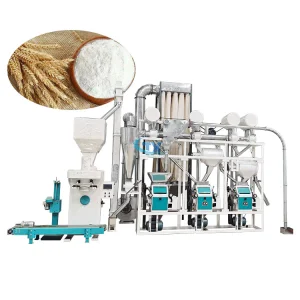
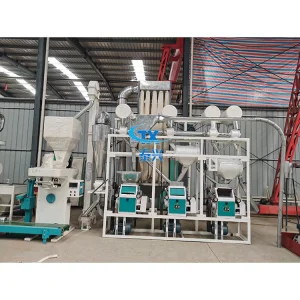
Henan Jiujie Machine Co., Ltd. is a professional supplier of complete equipment and engineering services for the food production and grain processing industries. Our business covers a wide range of applications, including wheat flour milling plants, feed processing factories, and rice processing plants. Our product portfolio includes conveying equipment, cleaning equipment, flour milling equipment, and other related machinery. Over the years, our products have been widely recognized by customers both in domestic and international markets.
Since its establishment, Henan Jiujie Machine Co., Ltd. has been dedicated to the research and development of grain processing technology and machinery. With extensive industry experience, we are able to provide integrated solutions across the entire grain and food processing industrial chain. Our solutions cover multiple stages, including raw material collection, storage, cleaning, grading, sieving, grinding, mixing, shaping, production, and packaging.
Our flour milling equipment has obtained the ISO9001 quality management system certification and CE certification. The environmental protection standards of our equipment comply with relevant EU requirements. Our grain cleaning process is designed to operate without water usage, ensuring no wastewater discharge and supporting environmentally friendly production.
Our products are characterized not only by stable performance but also by easy installation, convenient maintenance, and low operating costs. With advanced technology, reliable quality, and modern design, our equipment has earned high appreciation from clients worldwide.
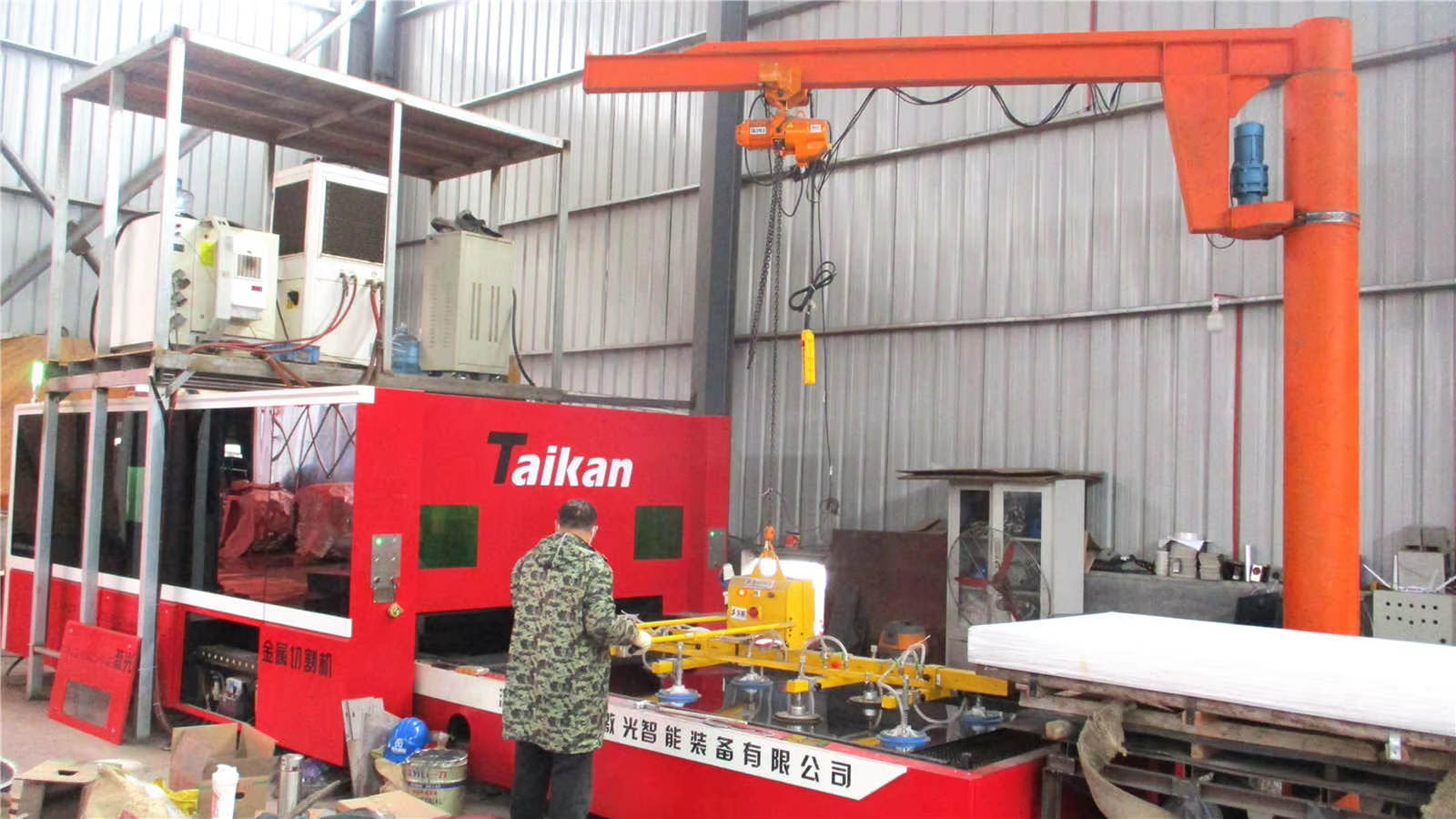
Henan Jiujie Machine Co., Ltd. places strong emphasis on technological innovation and continuous improvement of manufacturing capability and product quality. We have introduced a series of advanced processing equipment, including CNC laser cutting machines, CNC bending machines, and CNC lathes.
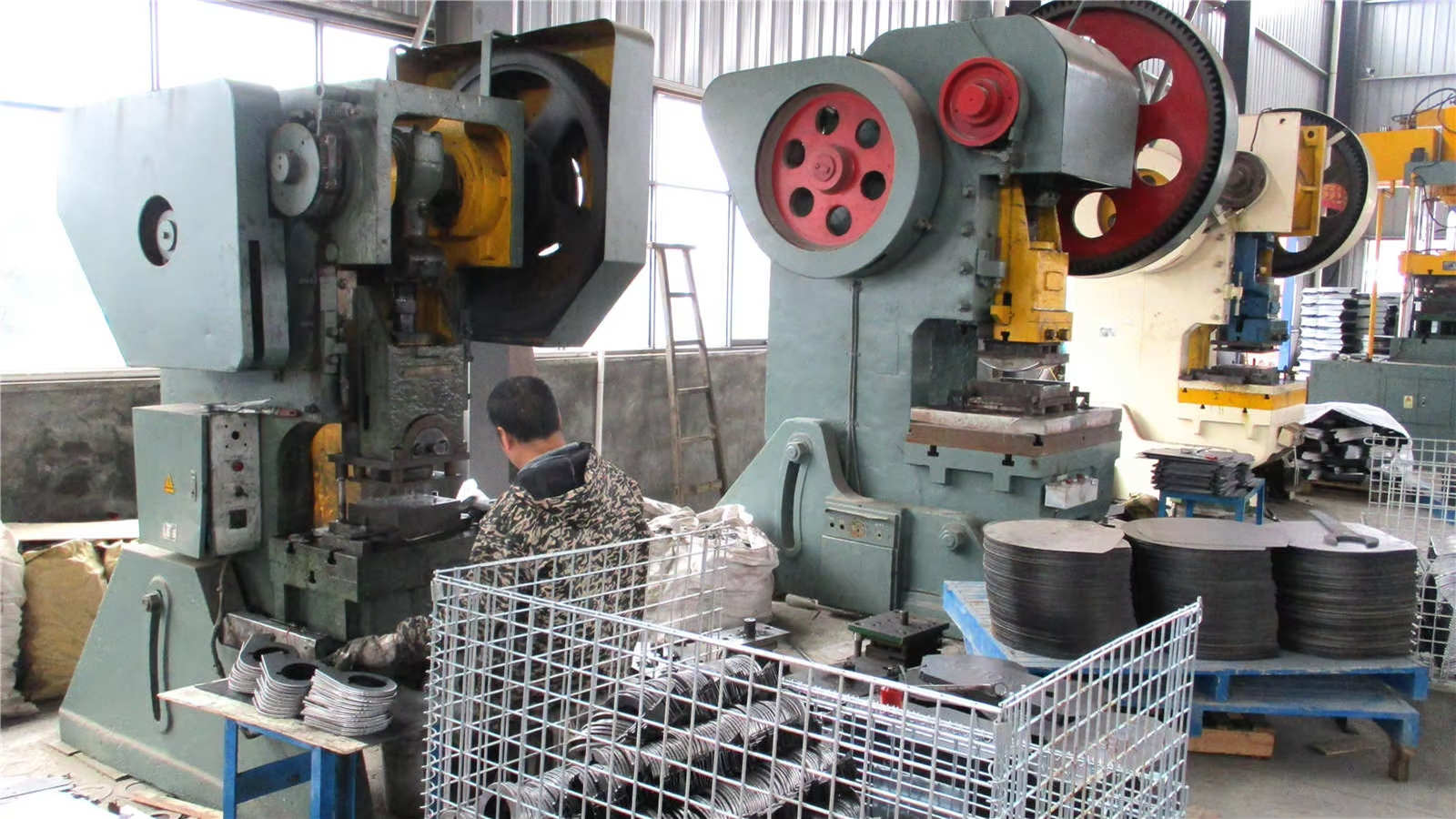
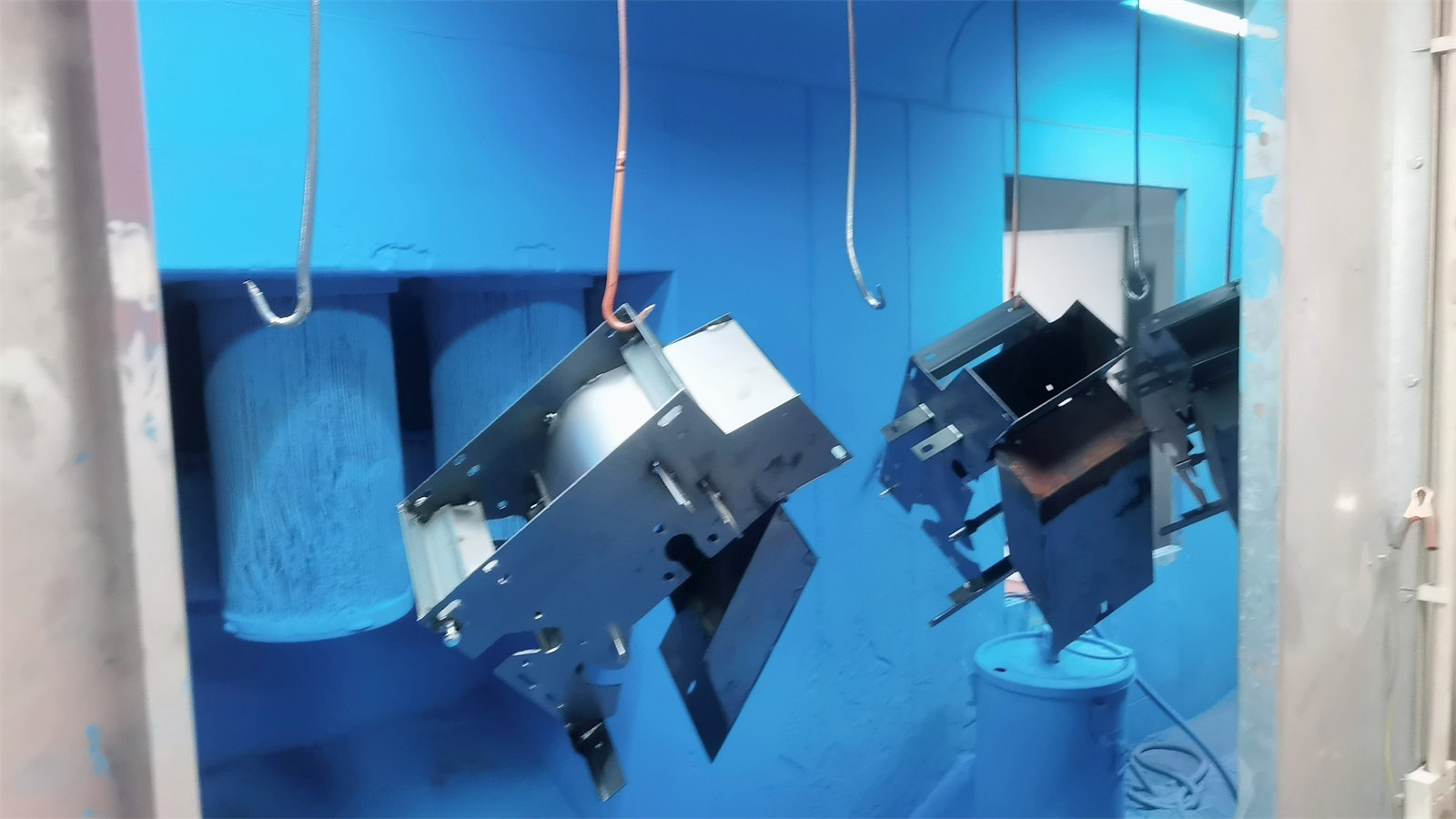
In addition, we are equipped with CNC machining centers, CNC boring machines, surface grinding machines, planers, and other high-precision manufacturing equipment. We have also established an electrostatic spraying production line to further enhance product surface quality and durability.
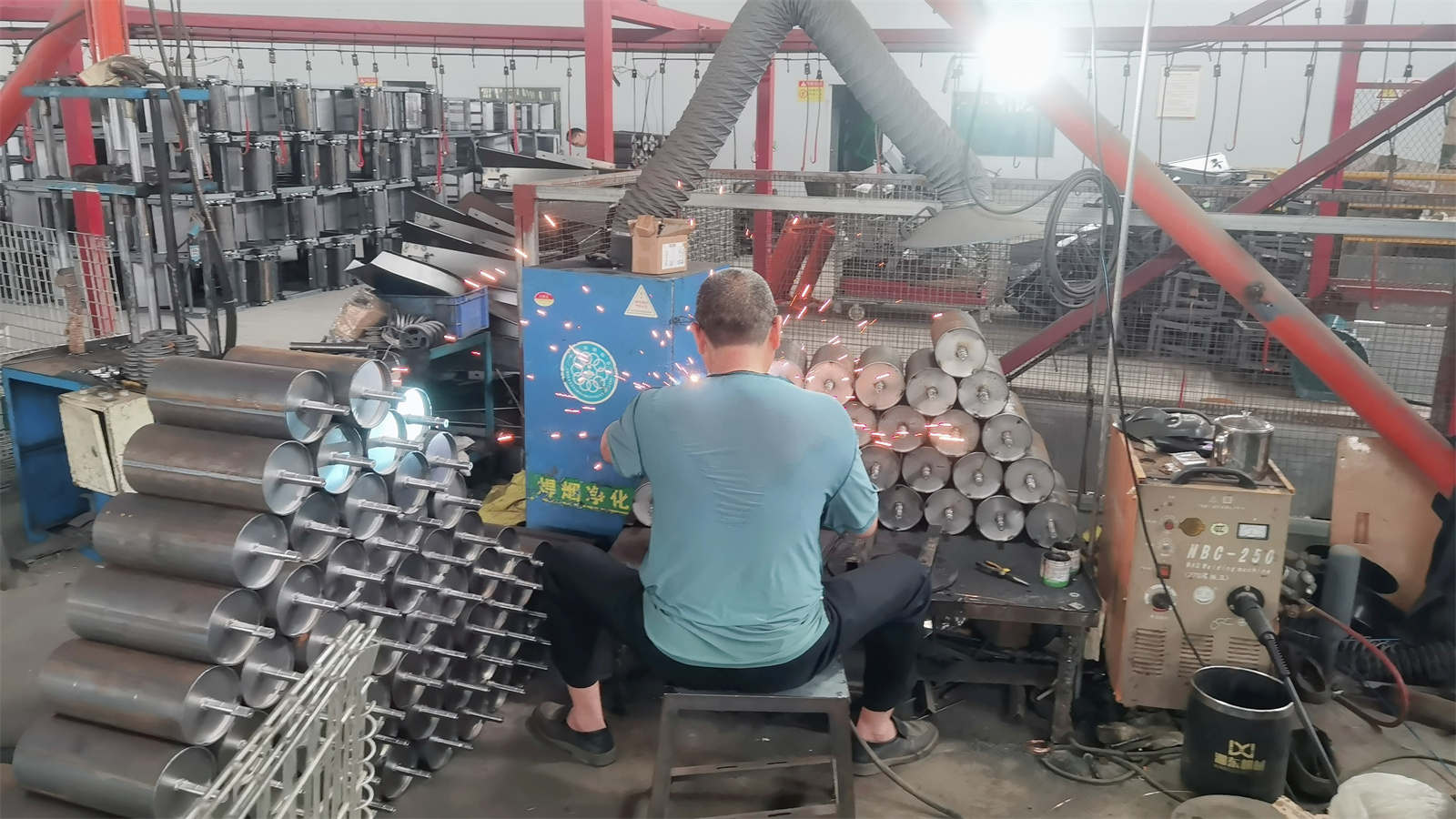
Our manufacturing processes include steel plate laser cutting, CNC bending, CO₂ arc welding, argon arc welding, robotic welding, and electrostatic surface treatment. These advanced production technologies ensure consistent product quality and continuous innovation.
As a professional industrial solution provider, Henan Jiujie Machine Co., Ltd. delivers not only equipment but also comprehensive production solutions that enhance the overall value chain for our customers.
By utilizing AutoCAD-based engineering design systems and advanced machining centers, we are able to provide high-precision, durable products at competitive prices. We are committed to offering complete pre-sales consultation, technical support, and reliable after-sales service. Customer satisfaction is always our top priority. We sincerely welcome partners and friends from all over the world to contact us and cooperate for mutual success.
Our facility houses high-precision CNC toolsets, robotic welding stations, and professional finishing lines.
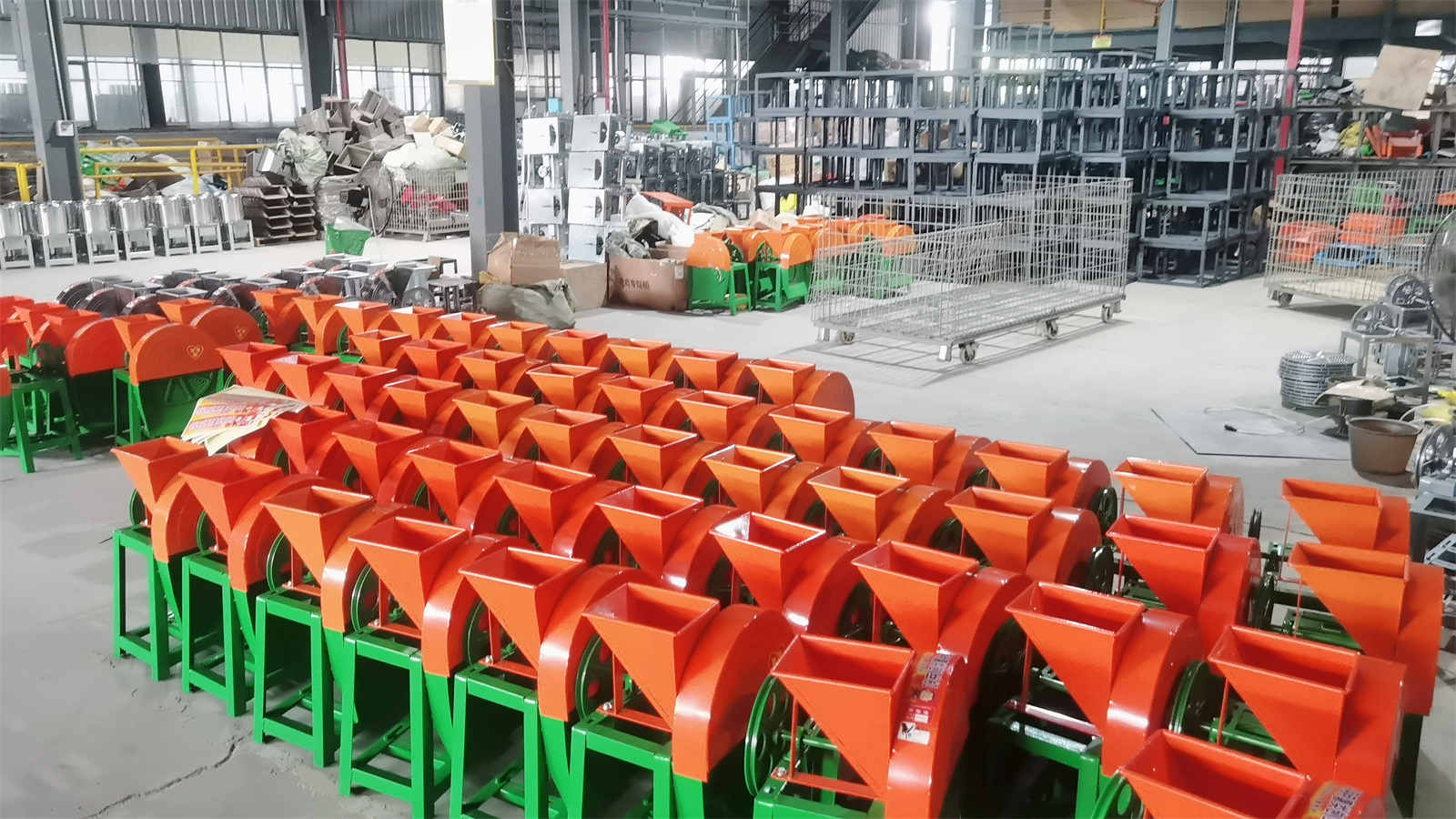
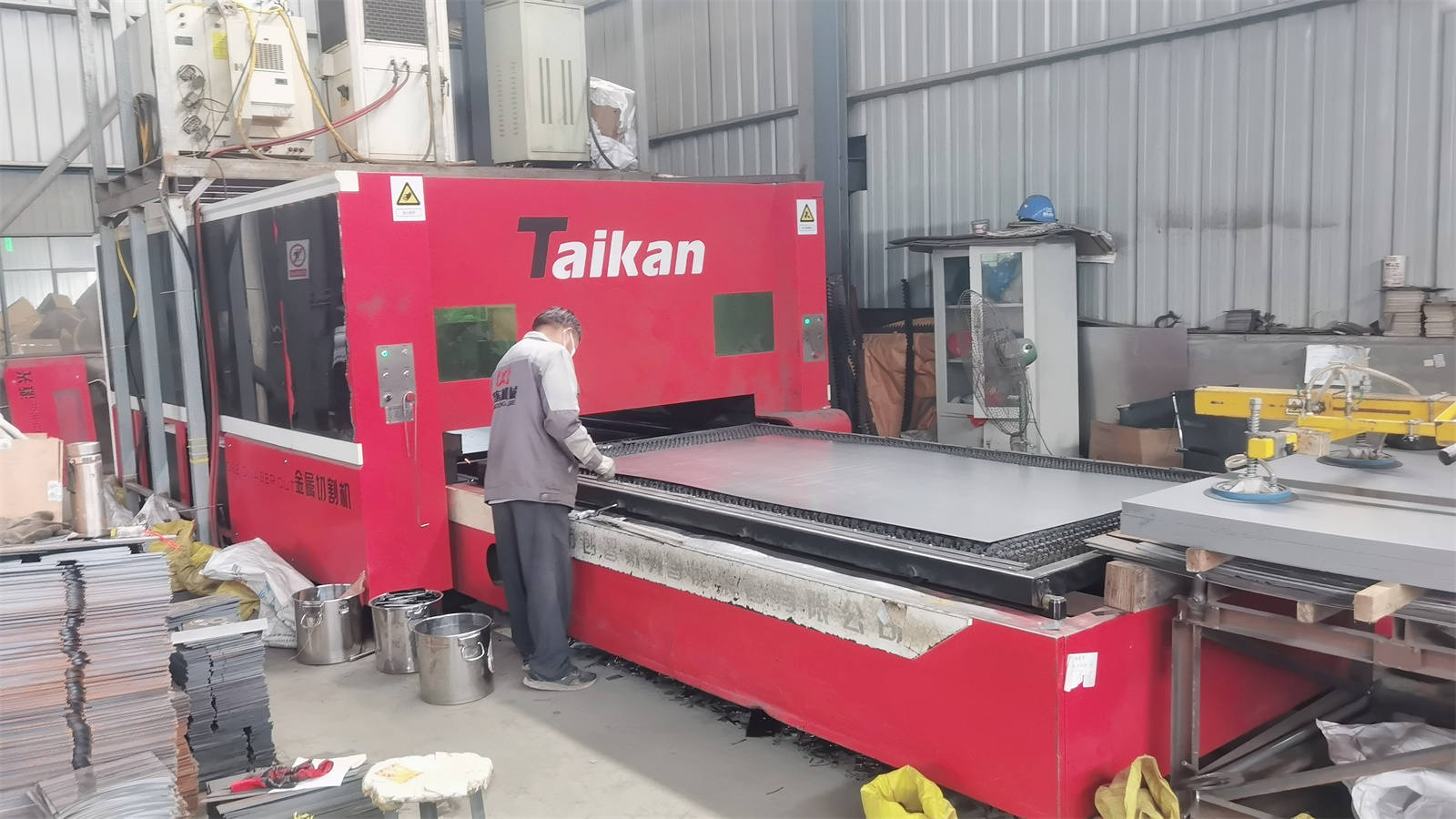
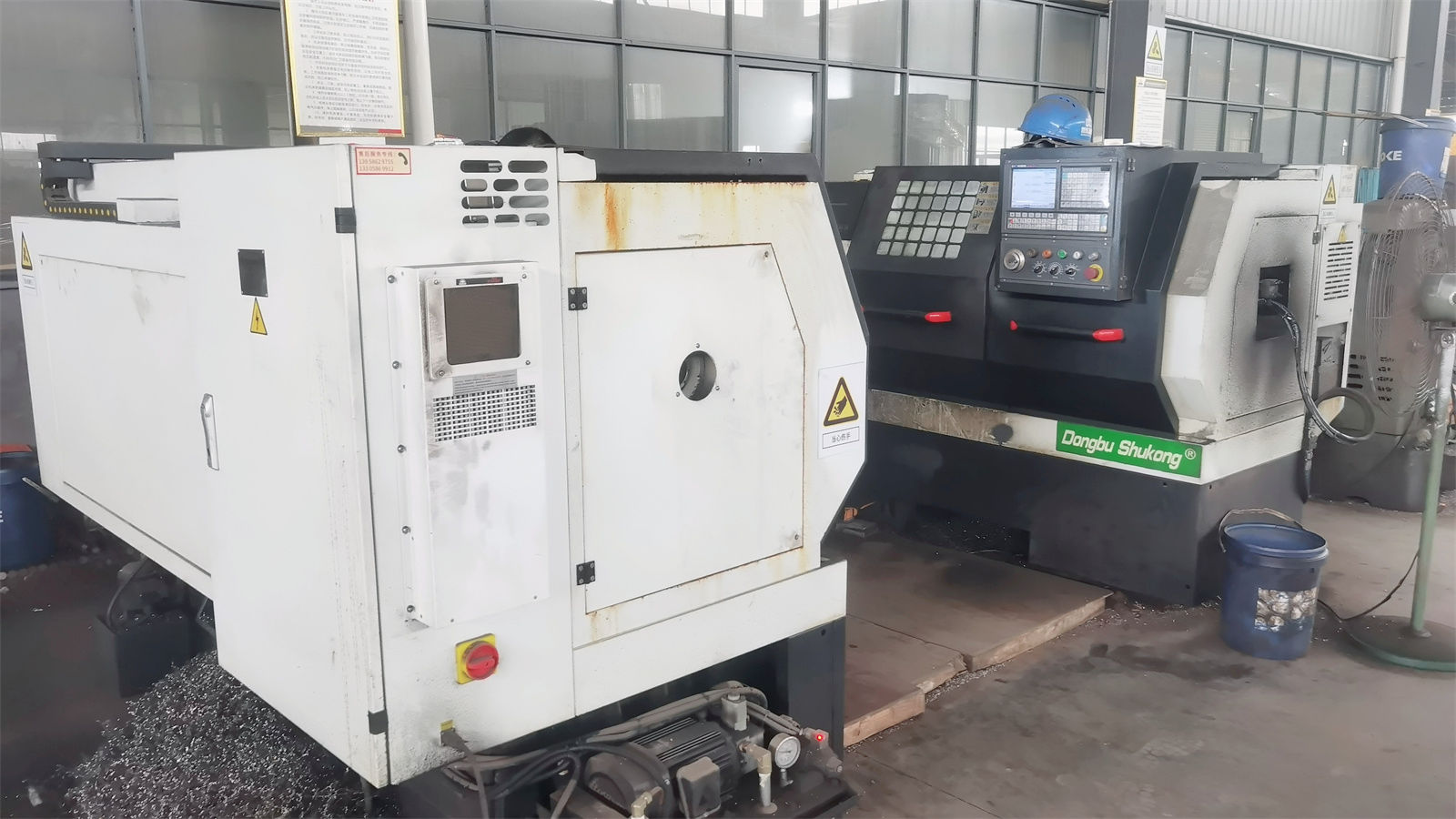
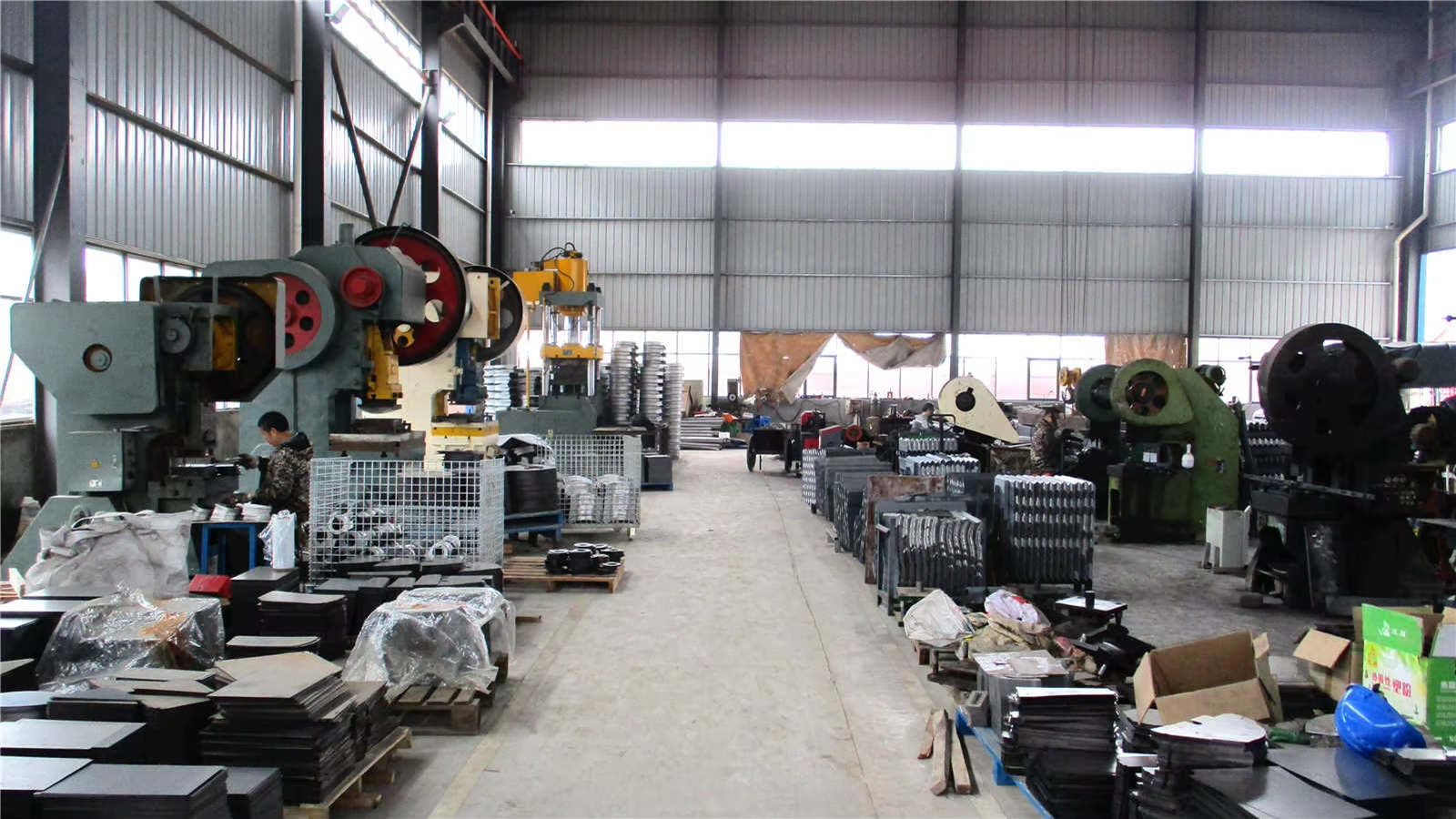
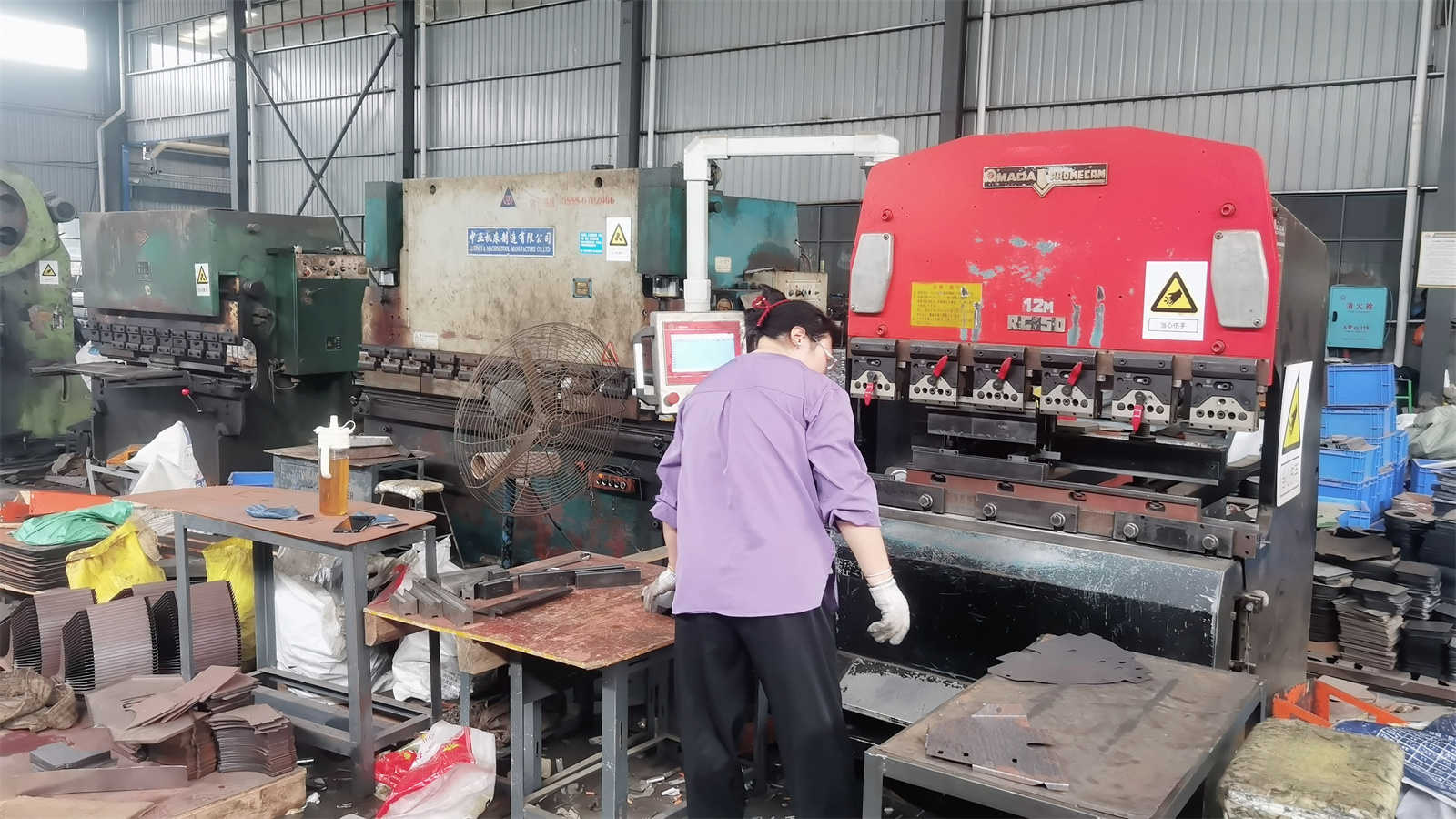
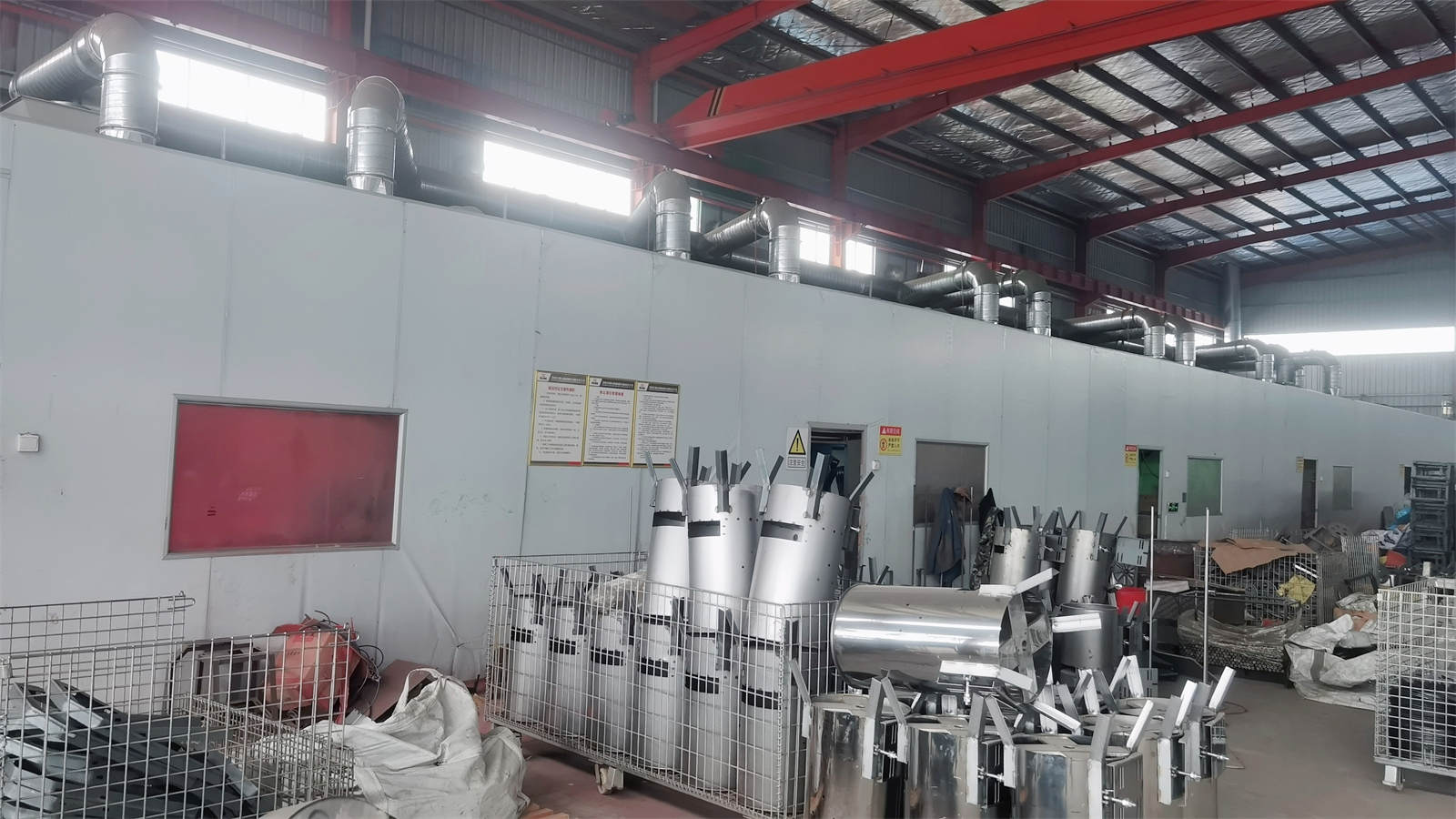
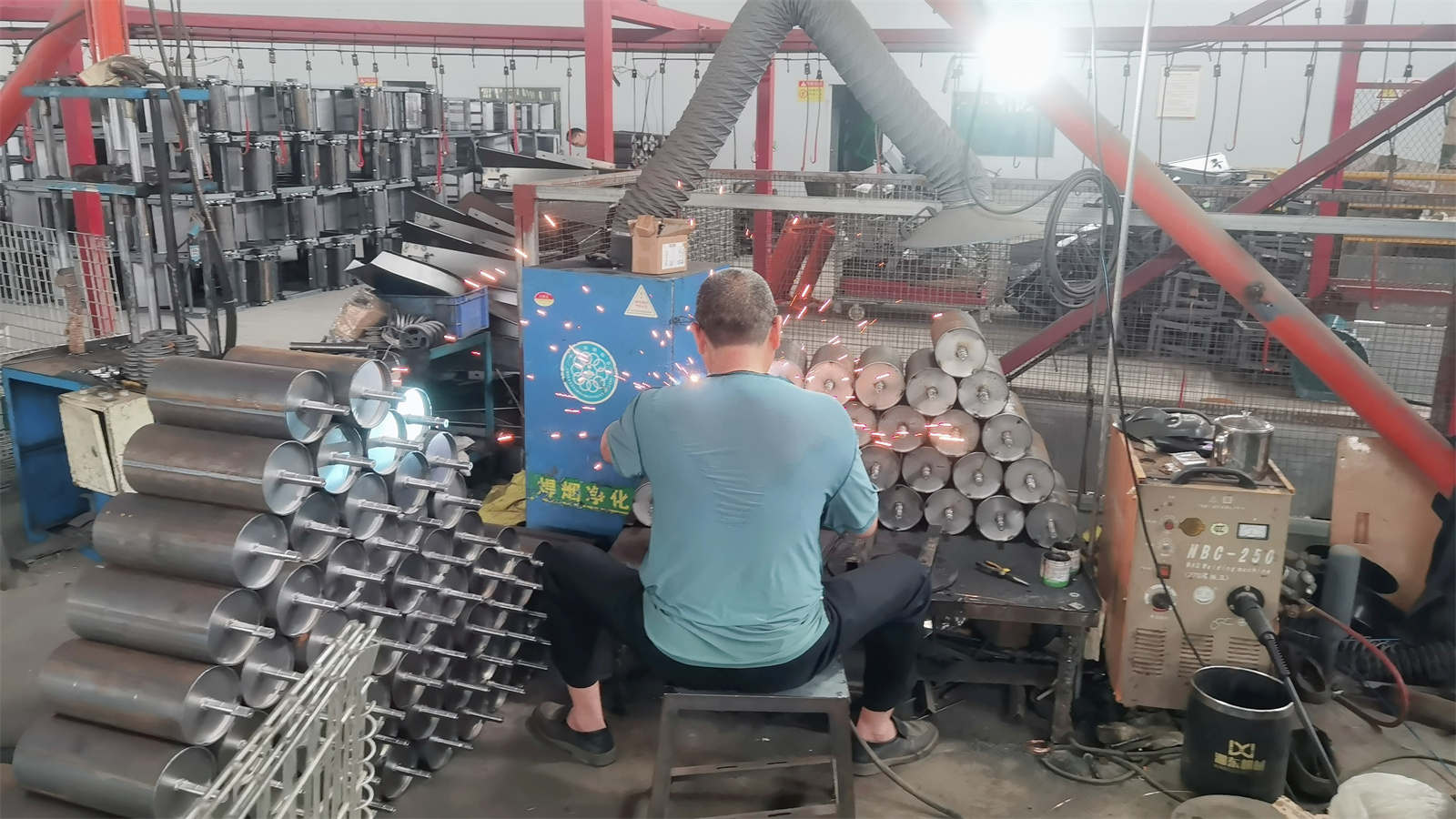
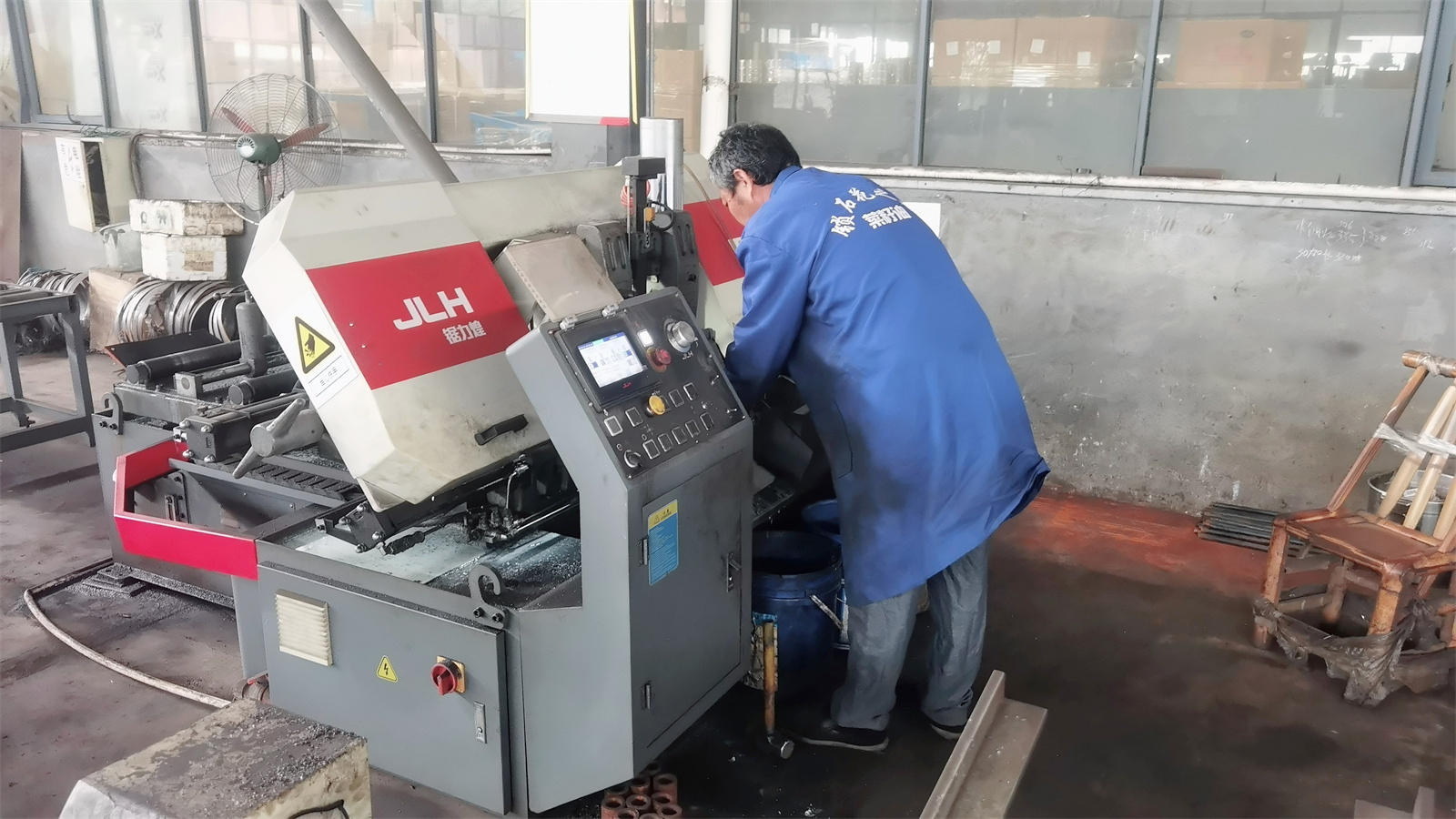
Engineered for high performance, compliance with EU & Oceania standards, and low operational overheads.
Answering high-intent technical questions about air separation, maintenance, and regional New Zealand standards.
 Jiujie Machine