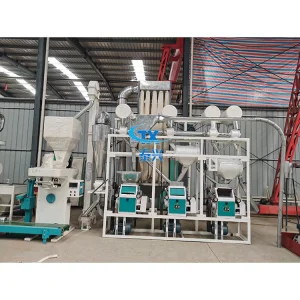
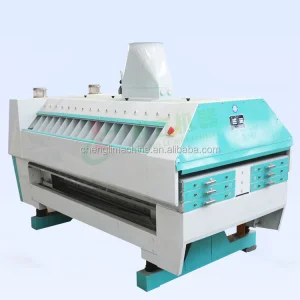
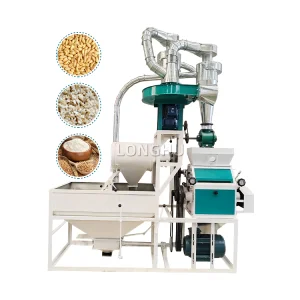
Explore our leading grain purification, cleaning, and automated milling machinery deployed across New York's agricultural and baking facilities.
The flour milling industry within New York State operates at the intersection of upstate agricultural productivity and dense downstate metropolitan demand. From the historic mills of the Genesee Valley to high-volume commercial production centers catering to the NYC metropolitan area, the demand for precise flour purification systems has never been higher.
Processing grains under the jurisdiction of the New York State Department of Agriculture and Markets (NYSAGM) and federal Food and Drug Administration (FDA) requirements commands strict adherence to sanitary design principles. In this environment, flour purification is not merely about size grading; it is about mitigating contamination, eliminating physical debris, managing allergen crossovers, and ensuring that the volatile organic dust levels comply with strict OSHA and NFPA 61 explosion prevention guidelines.
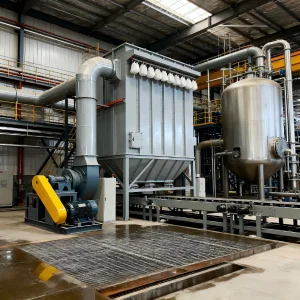
Local industrial processors require flour purification systems that can integrate seamlessly with older historic buildings as retrofits, or sit at the center of new, greenfield automated processing hubs. High-efficiency purifiers with built-in dust collection systems prevent airborne flour particulate contamination, improving overall mill air hygiene and reducing cleaning overheads.
Modern milling engineering has moved beyond basic screens to multi-stage sifting platforms governed by pneumatics. Modern operations demand systems that deliver a clear Information Gain in raw material monitoring, yielding precise separation of bran, semolina, and endosperm fractions. The focus is now on maximizing starch extraction while minimizing ash content.
Key technological shifts in New York's milling landscape include:
Procuring industrial food processing equipment on an international scale requires rigorous risk management. Sourcing agents must cross-examine equipment longevity, electrical compatibility (e.g., 480V 60Hz configurations for USA industrial grids vs 380V 50Hz for Eastern European/Asian lines), and sanitary compliance certificates. Robust systems reduce the Total Cost of Ownership (TCO) by minimizing wear on sieves, utilizing high-precision electric vibratory separators, and optimizing the power-to-throughput ratio.
For buyers managing installations in New York and globally, sourcing direct from specialized engineering factories provides custom design flexibility. Systems can be structured to support specialized crop types—such as soft white winter wheat common in Western New York, hard red spring wheat, corn, maize, or even semolina for pasta production mills.
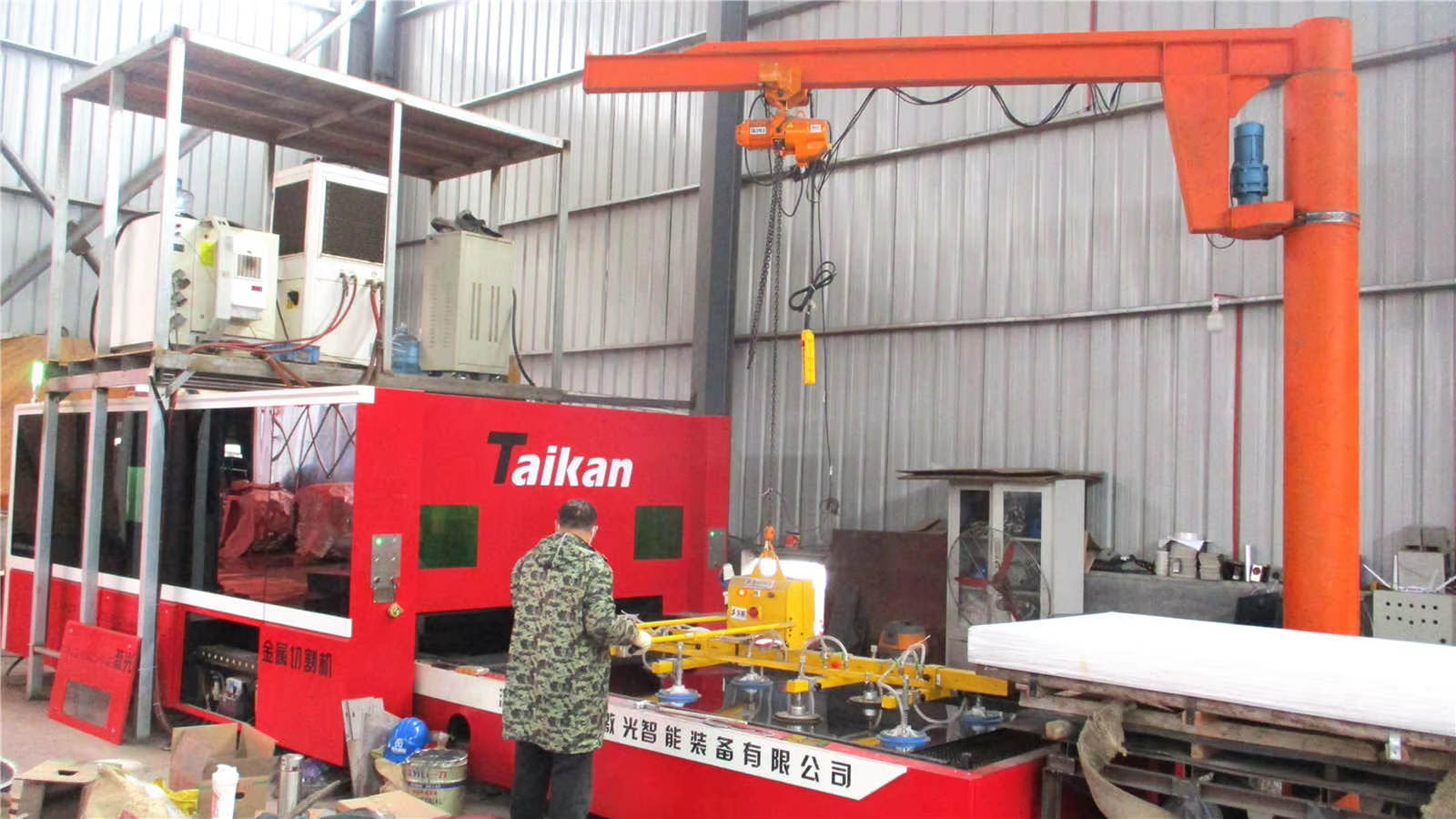
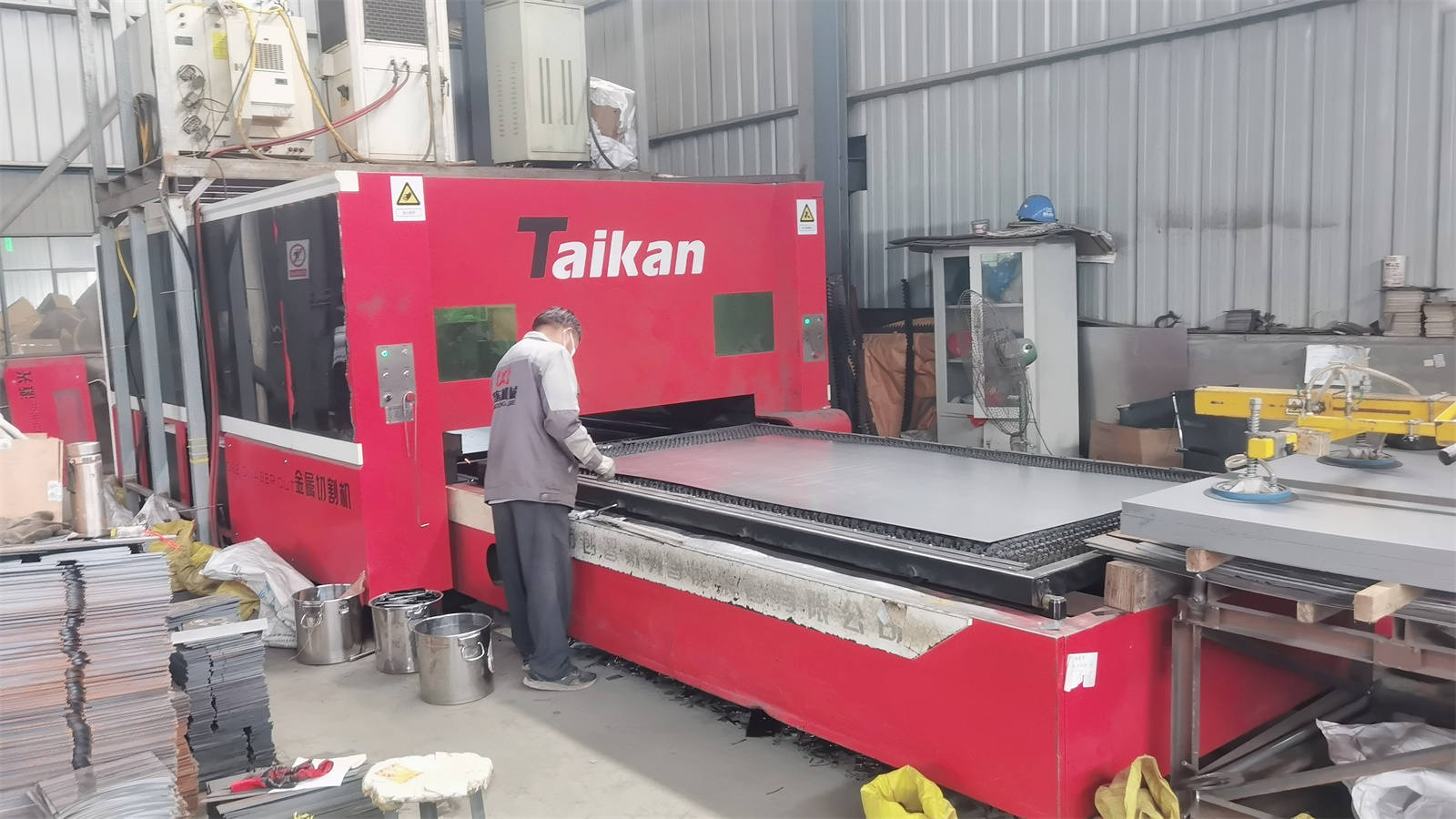
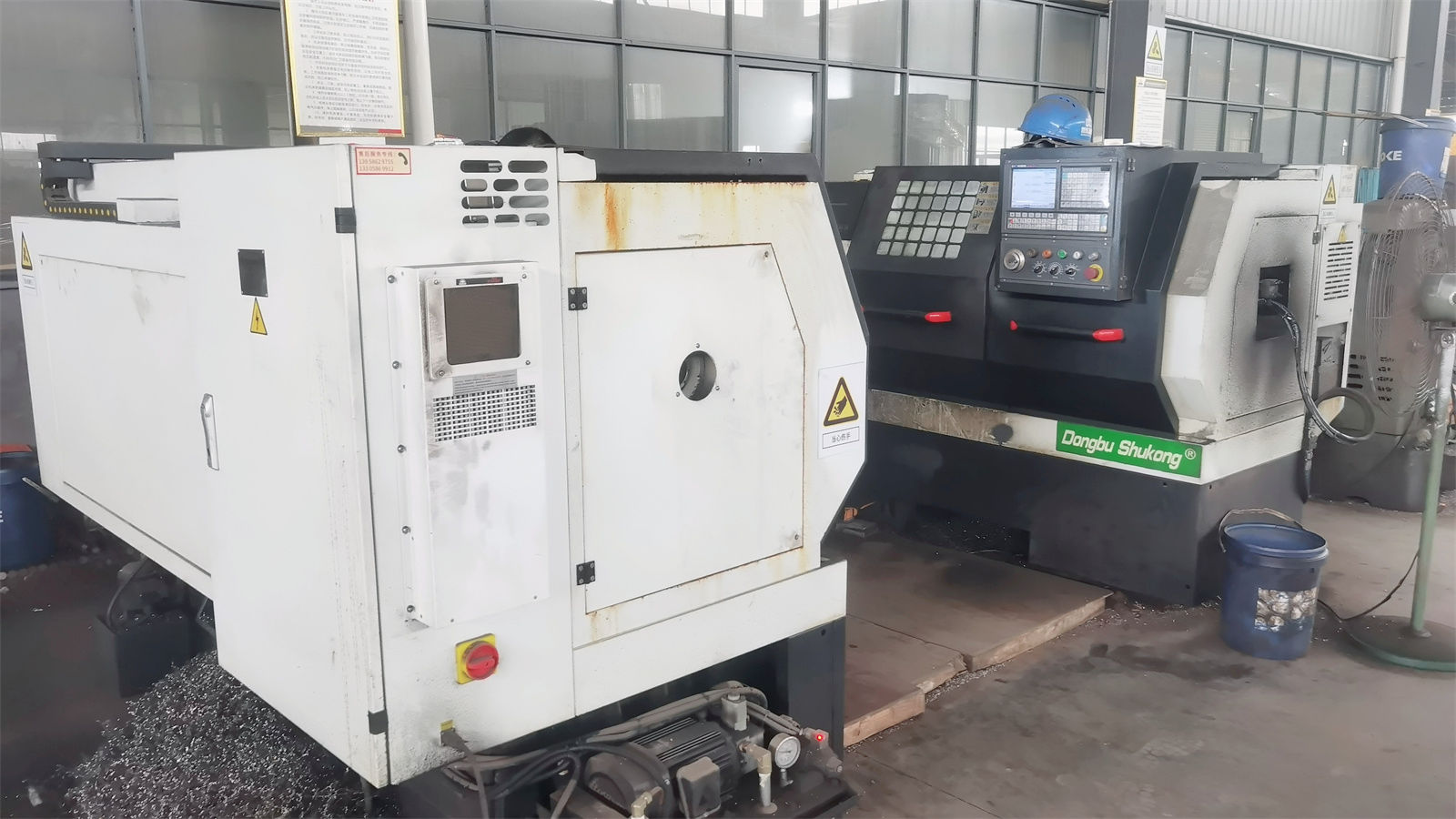
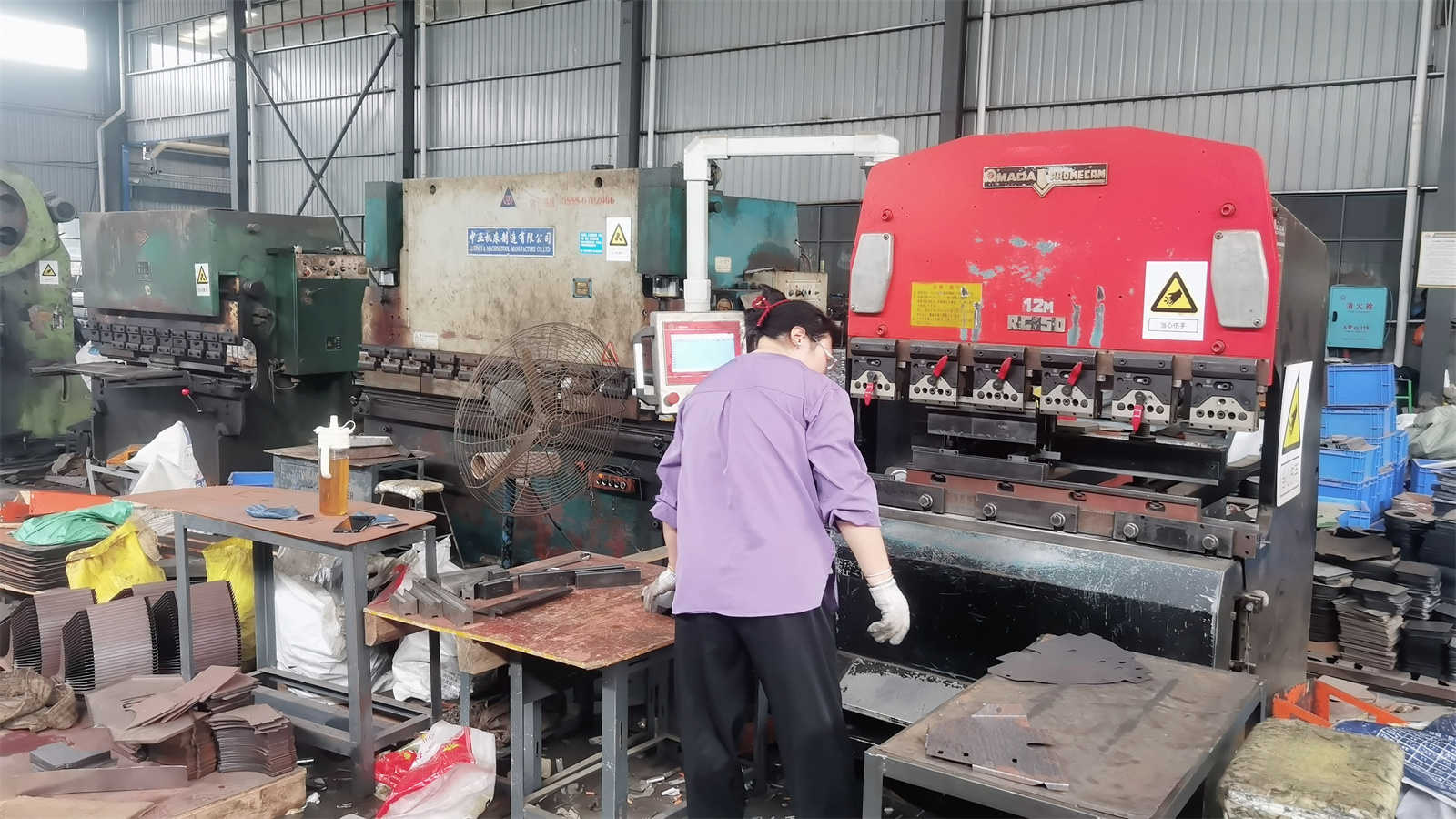
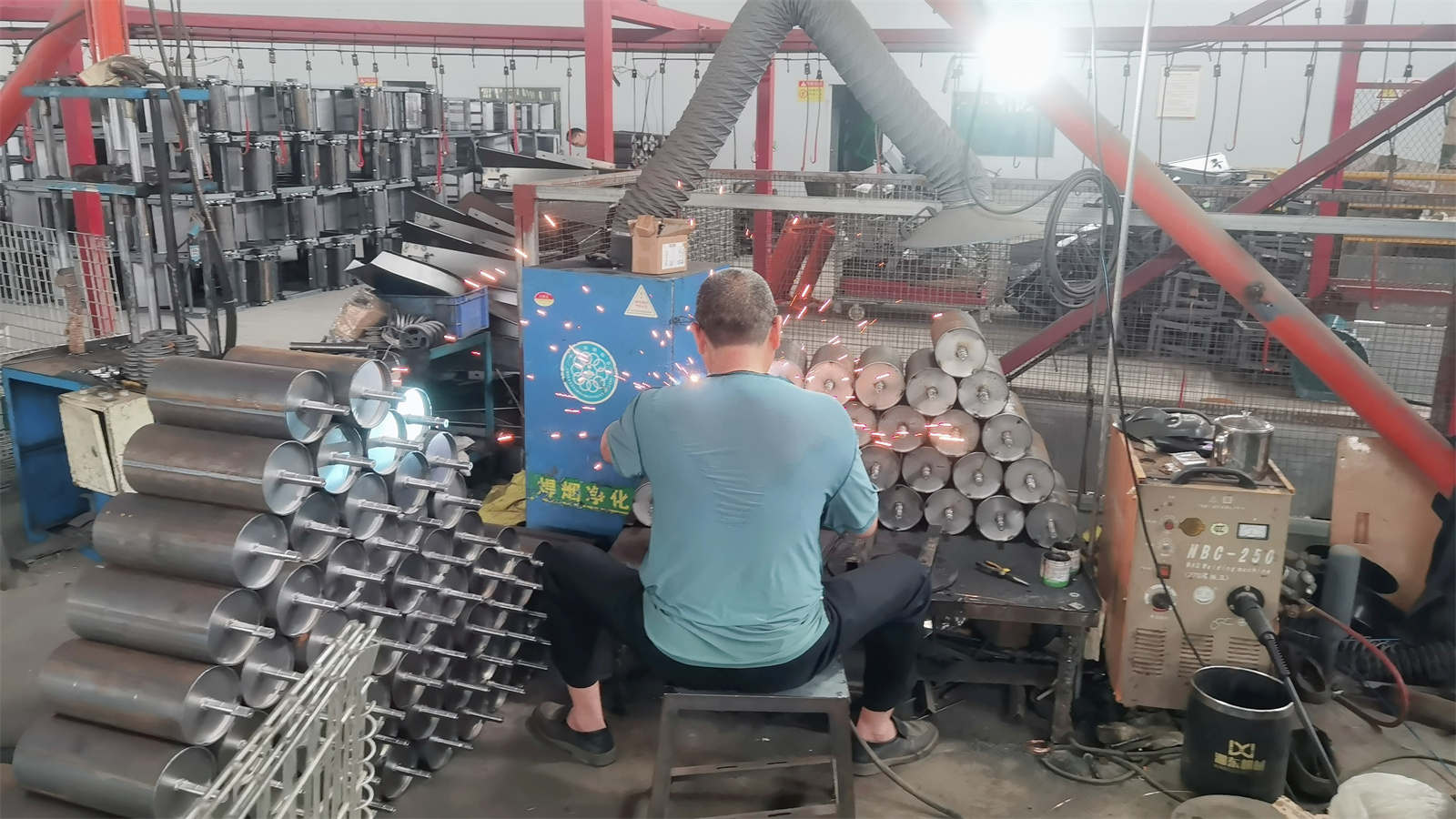
Henan Jiujie Machine Co., Ltd. stands as a primary exemplar of China's advanced manufacturing capabilities, combining Industry 4.0 manufacturing processes with international supply chain reliability. By integrating CAD/CAM systems with high-end machinery such as high-power CNC laser cutters, high-precision bending stations, and automated welding cells, the company ensures that structural alignment, weld integrity, and material quality match or exceed domestic US fabrications at a highly competitive initial capital investment.
Moreover, the modern approach to grain cleaning pioneered by Jiujie operates on a waterless cleaning concept. This approach eliminates the heavy environmental compliance overheads, municipal waste discharge concerns, and microbial risk profiles associated with traditional wash-based grain preparation steps. This waterless process is a massive operational asset under stringent New York State environmental protections.
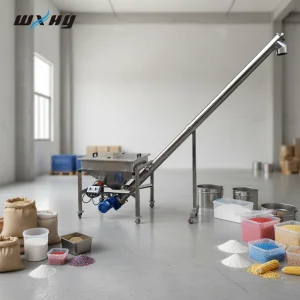
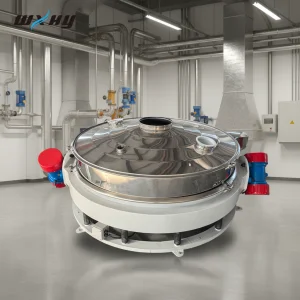
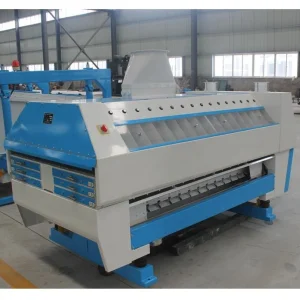
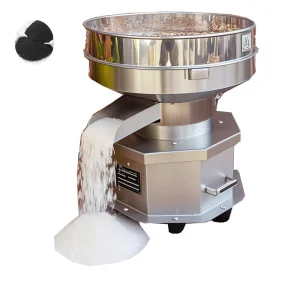
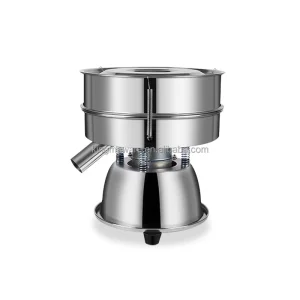
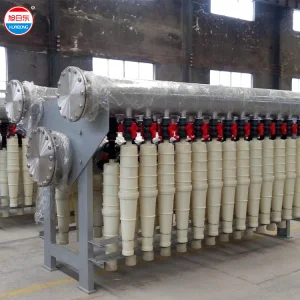
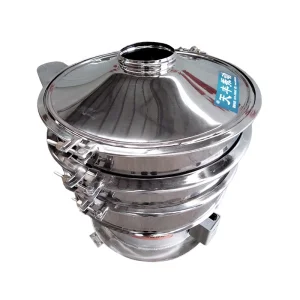
In-line separators, high-capacity vibratory screens, and processing lines engineered for continuous operation.
A leading provider of integrated solutions across the entire food production and grain processing industrial chain.
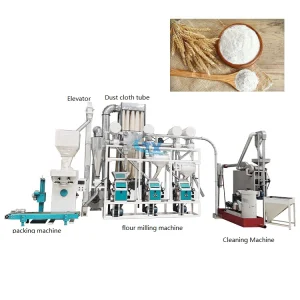
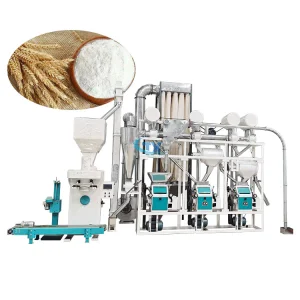
Henan Jiujie Machine Co., Ltd. is a professional supplier of complete equipment and engineering services for the food production and grain processing industries. Our business covers a wide range of applications, including wheat flour milling plants, feed processing factories, and rice processing plants. Our product portfolio includes conveying equipment, cleaning equipment, flour milling equipment, and other related machinery. Over the years, our products have been widely recognized by customers both in domestic and international markets.
Since its establishment, Henan Jiujie Machine Co., Ltd. has been dedicated to the research and development of grain processing technology and machinery. With extensive industry experience, we are able to provide integrated solutions across the entire grain and food processing industrial chain. Our solutions cover multiple stages, including raw material collection, storage, cleaning, grading, sieving, grinding, mixing, shaping, production, and packaging.
Our flour milling equipment has obtained the ISO9001 quality management system certification and CE certification. The environmental protection standards of our equipment comply with relevant EU requirements. Our grain cleaning process is designed to operate without water usage, ensuring no wastewater discharge and supporting environmentally friendly production.
Our products are characterized not only by stable performance but also by easy installation, convenient maintenance, and low operating costs. With advanced technology, reliable quality, and modern design, our equipment has earned high appreciation from clients worldwide.
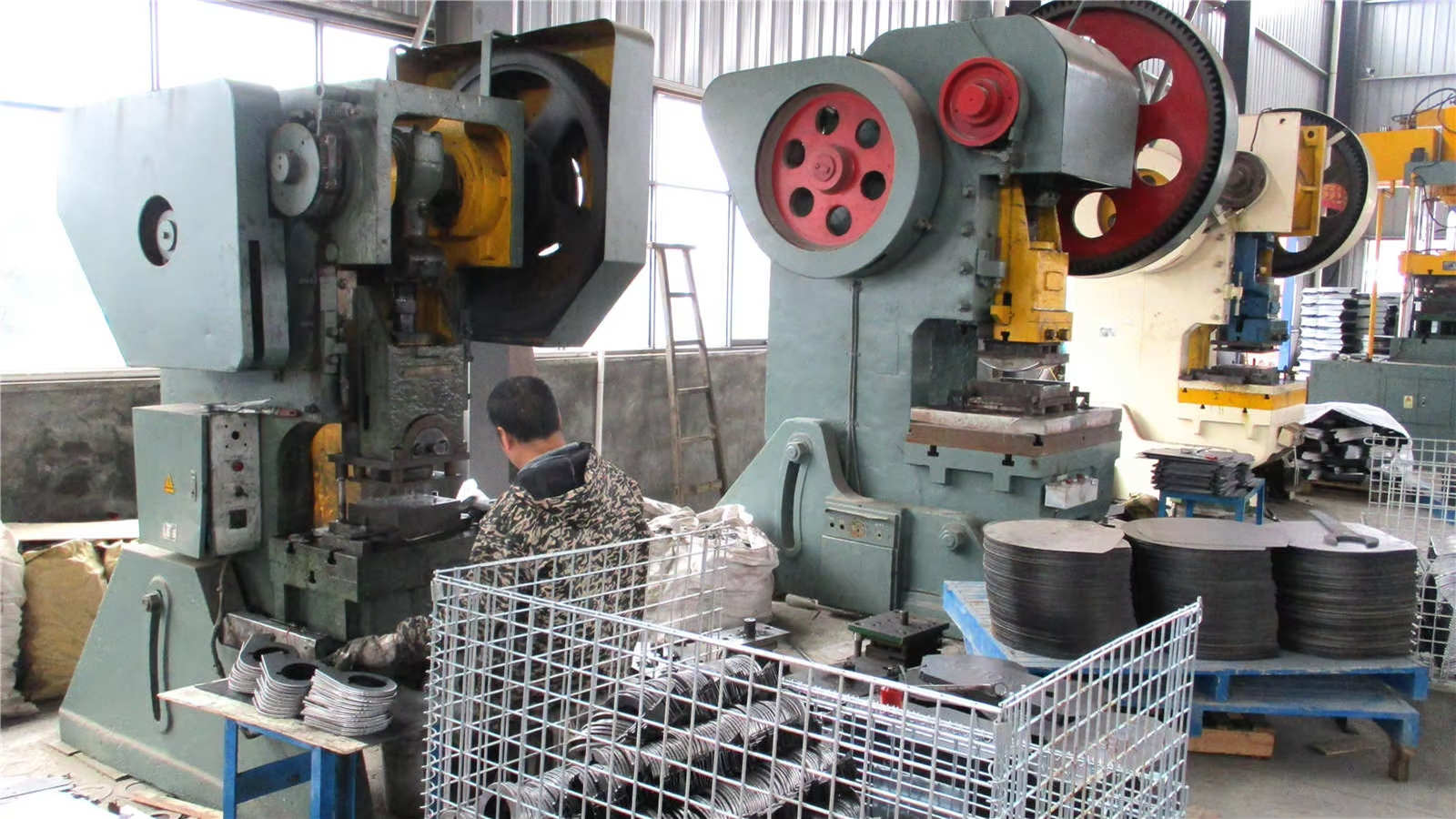
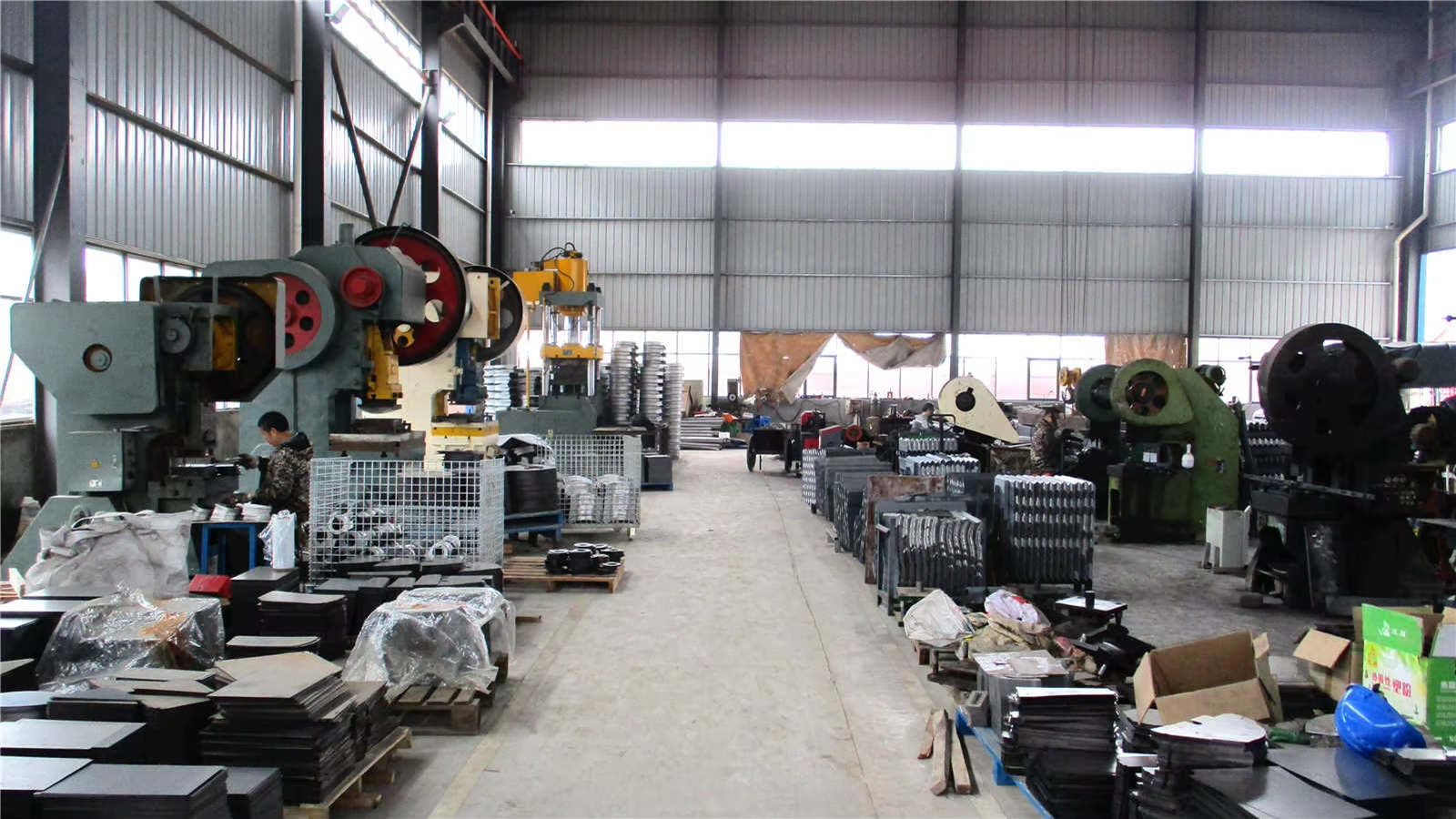
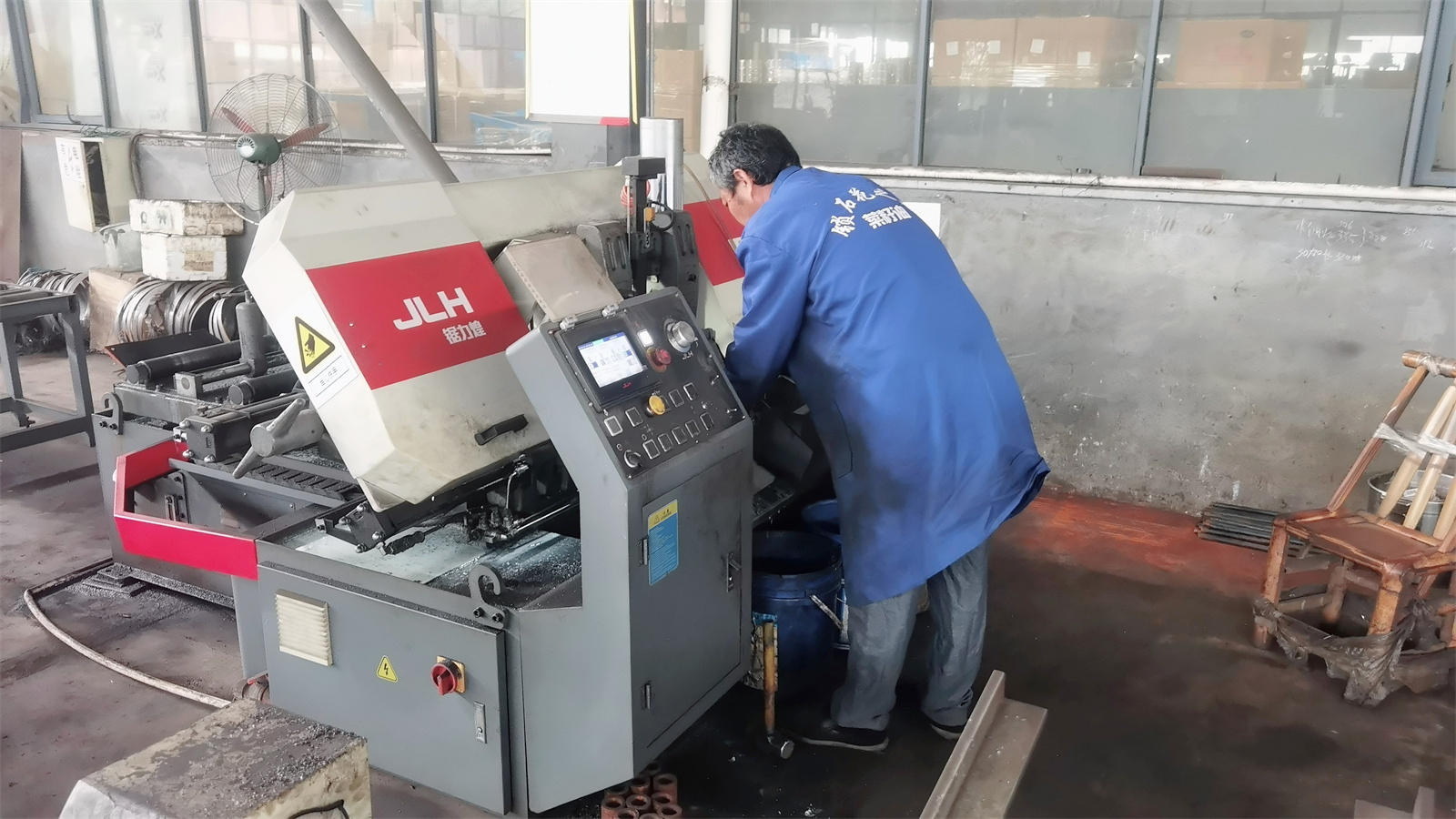
Henan Jiujie Machine Co., Ltd. places strong emphasis on technological innovation and continuous improvement of manufacturing capability and product quality. We have introduced a series of advanced processing equipment, including CNC laser cutting machines, CNC bending machines, and CNC lathes.
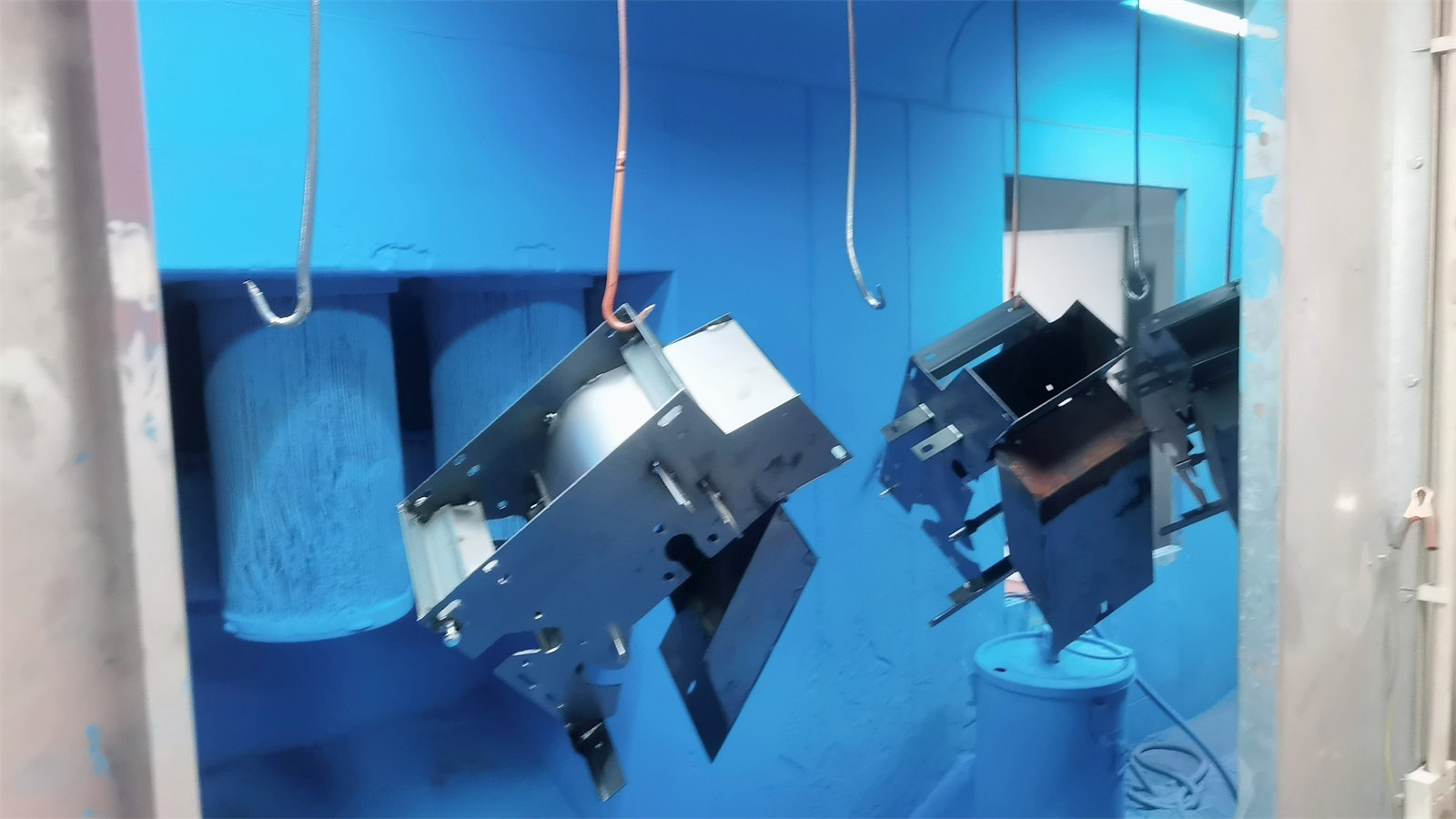
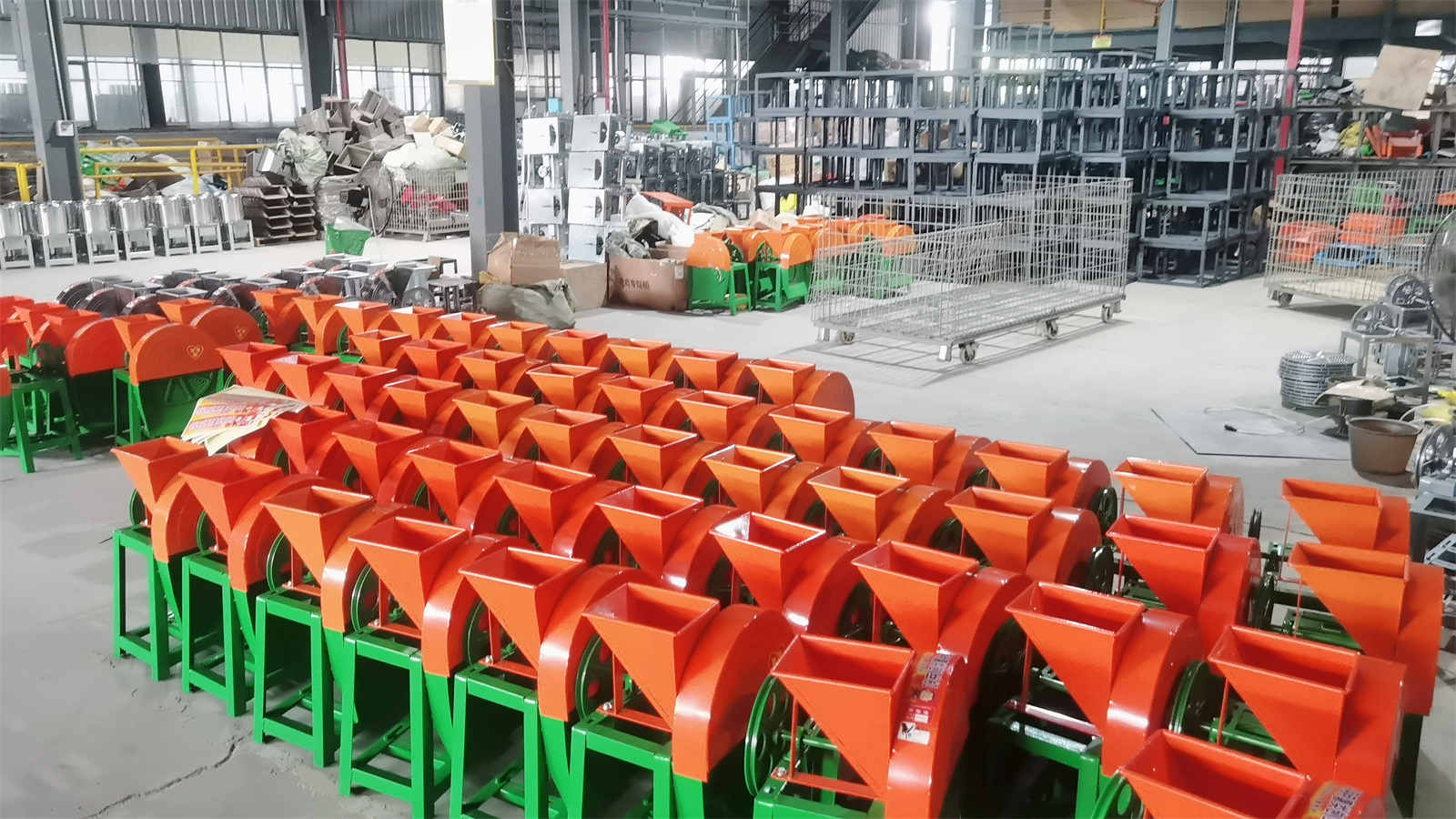
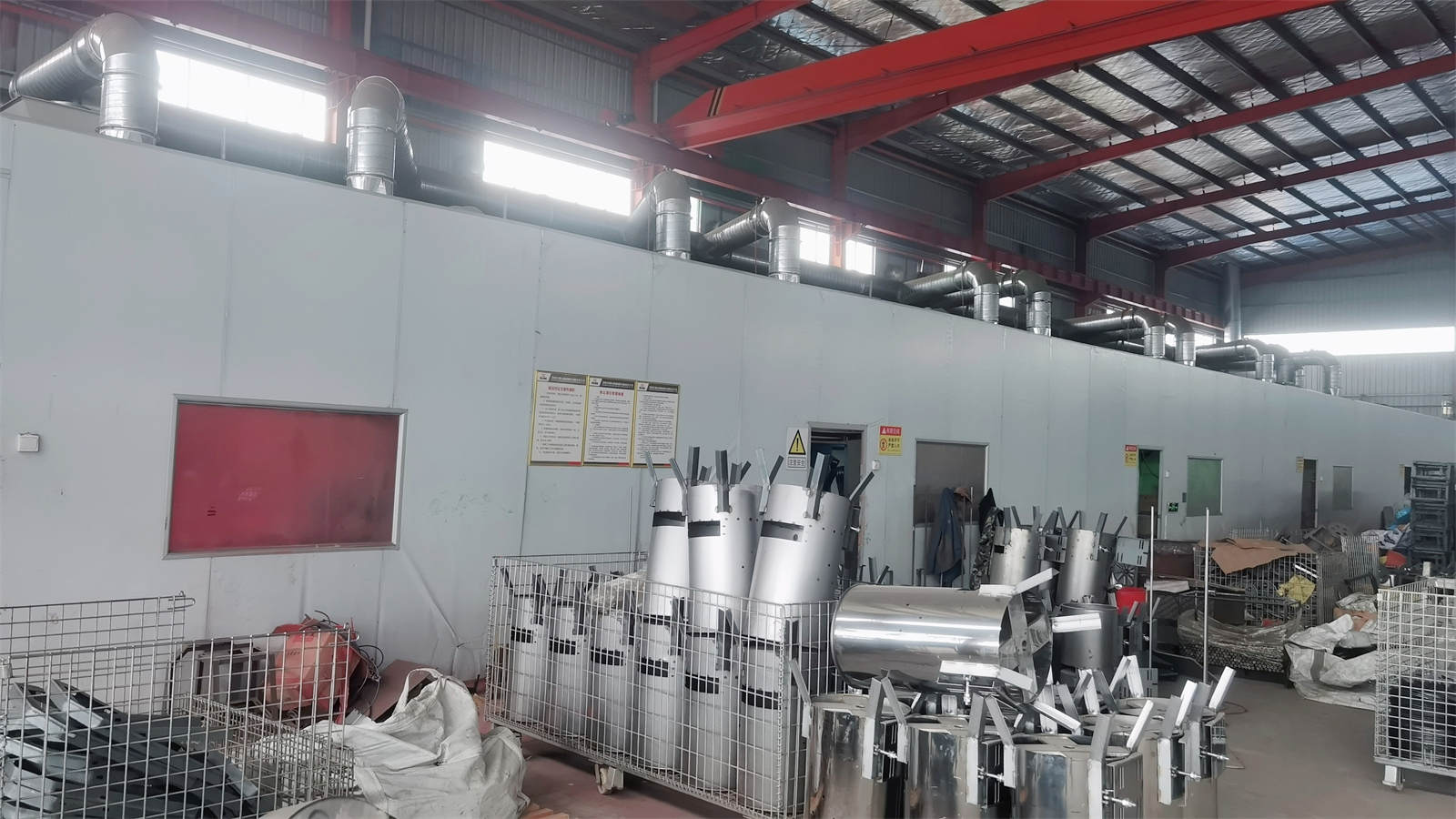
In addition, we are equipped with CNC machining centers, CNC boring machines, surface grinding machines, planers, and other high-precision manufacturing equipment. We have also established an electrostatic spraying production line to further enhance product surface quality and durability.
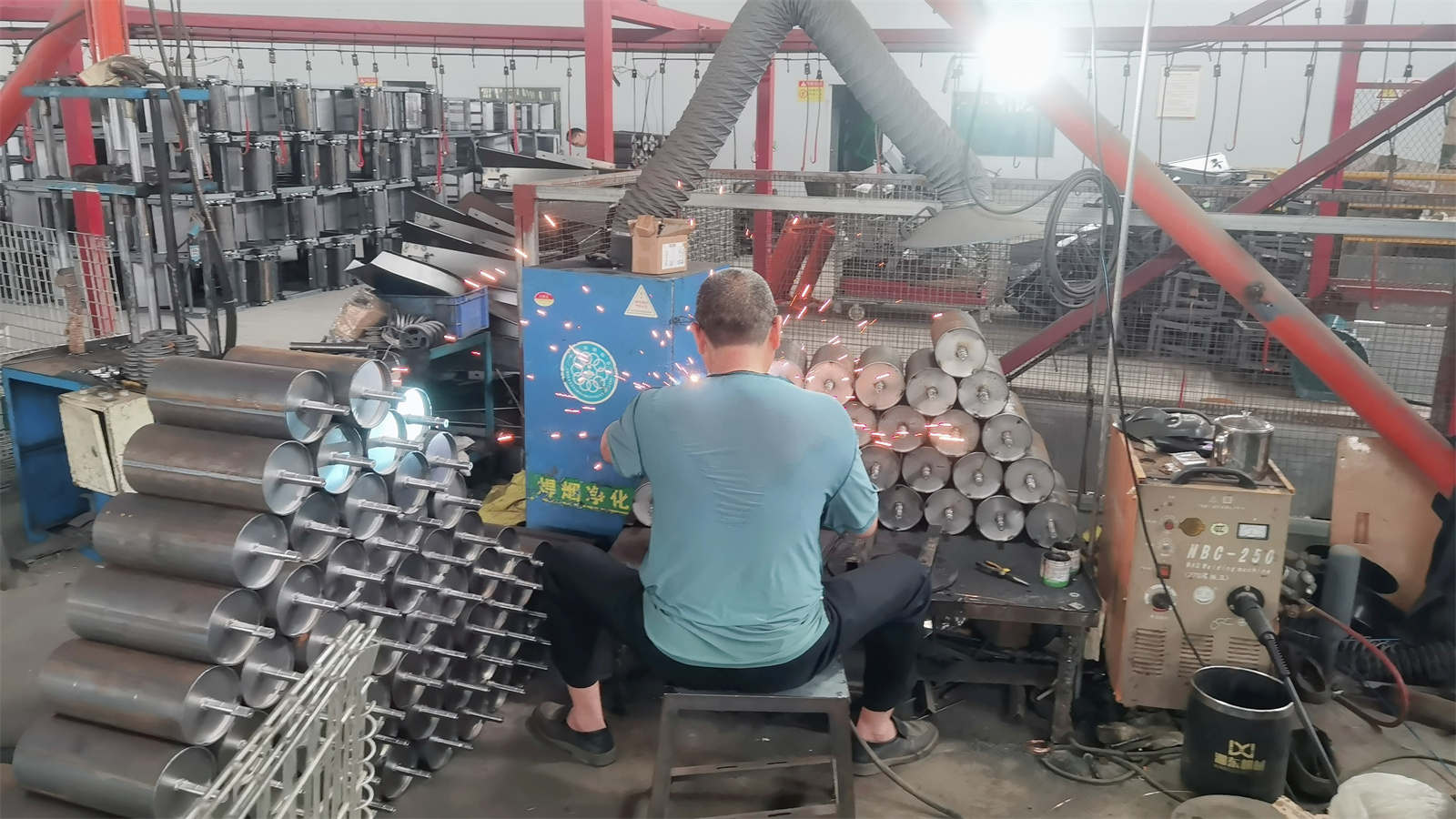
Our manufacturing processes include steel plate laser cutting, CNC bending, CO₂ arc welding, argon arc welding, robotic welding, and electrostatic surface treatment.
As a professional industrial solution provider, Henan Jiujie Machine Co., Ltd. delivers not only equipment but also comprehensive production solutions that enhance the overall value chain for our customers. By utilizing AutoCAD-based engineering design systems and advanced machining centers, we are able to provide high-precision, durable products at competitive prices. We are committed to offering complete pre-sales consultation, technical support, and reliable after-sales service.
In-depth responses to critical design, installation, and procurement questions for processing machinery.
Reliable components and machinery lines built with CNC-precision engineering for industrial milling installations.
 Jiujie Machine