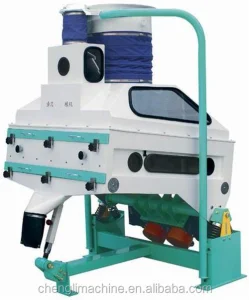
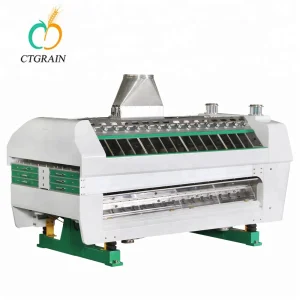
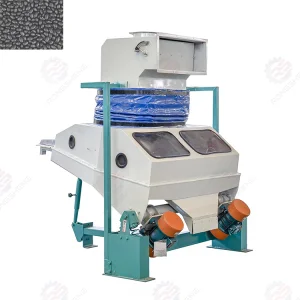
Explore high-efficiency destoners, separator systems, and industrial purifiers. Essential primary machinery configurations designed to ensure minimal contamination prior to down-stream milling.
Market growth, technical imperatives, and international demands driving the starch industry
A strategic breakdown of Henan Jiujie Machine Co., Ltd. and industrial machinery dominance
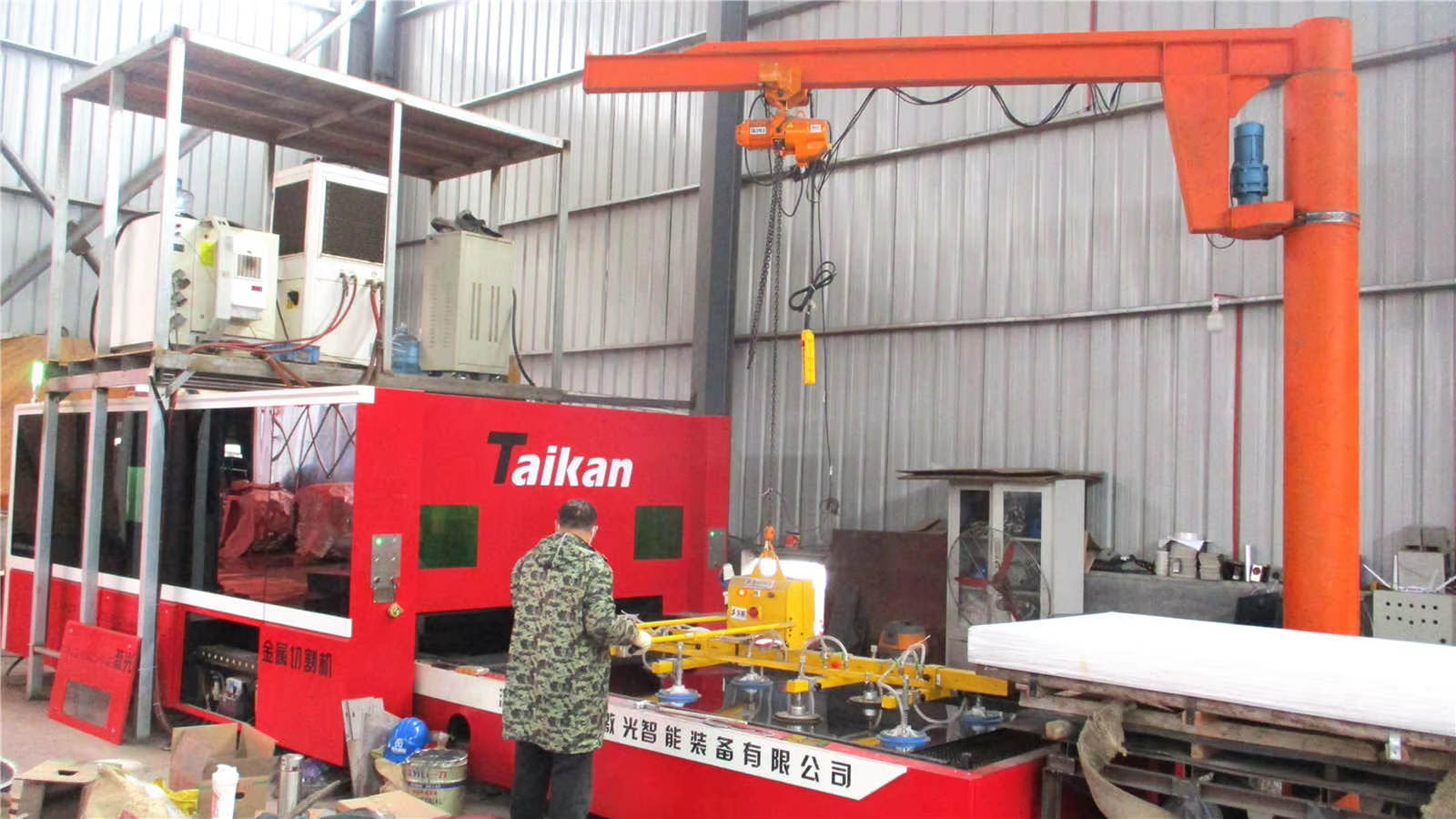
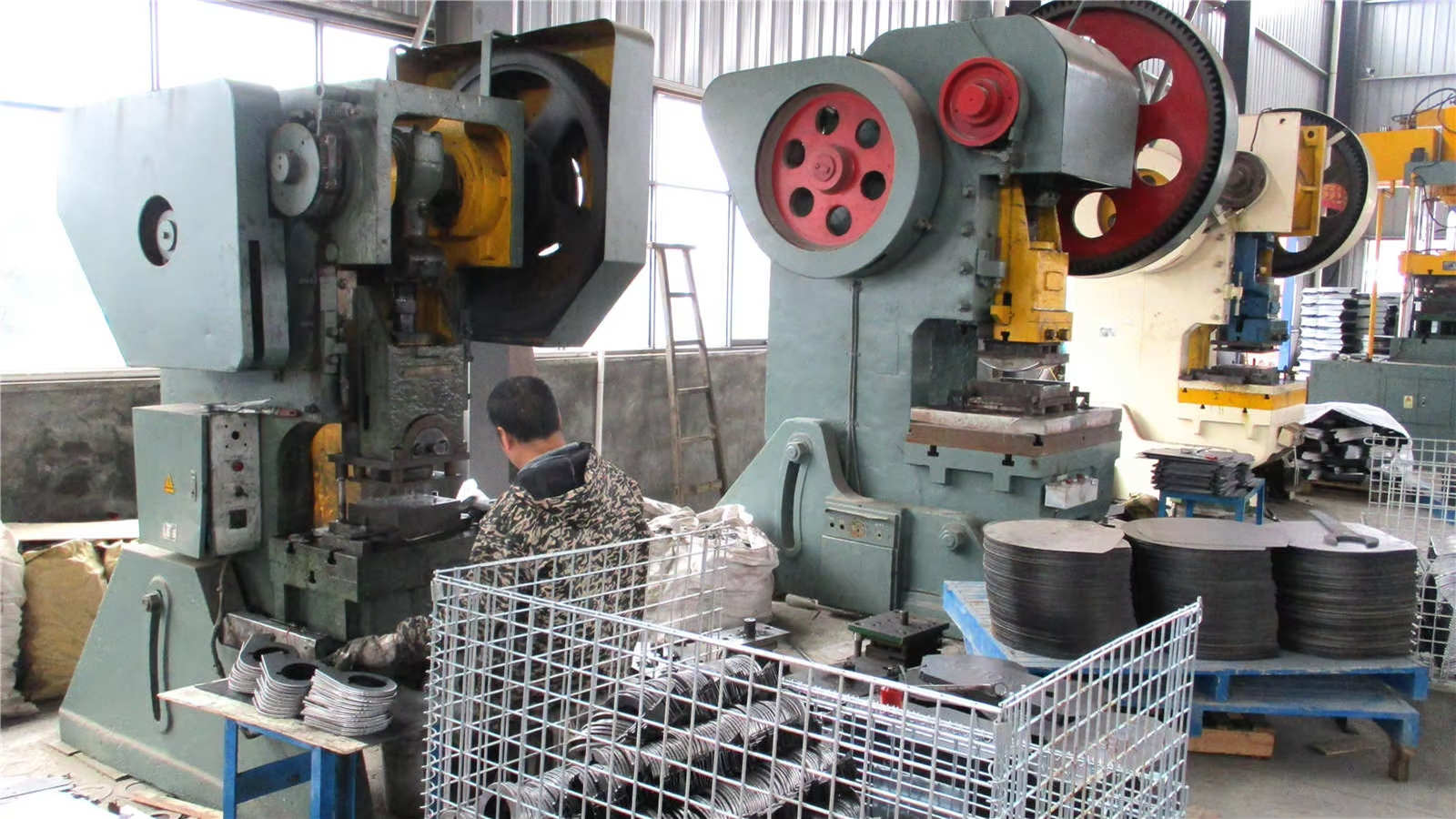
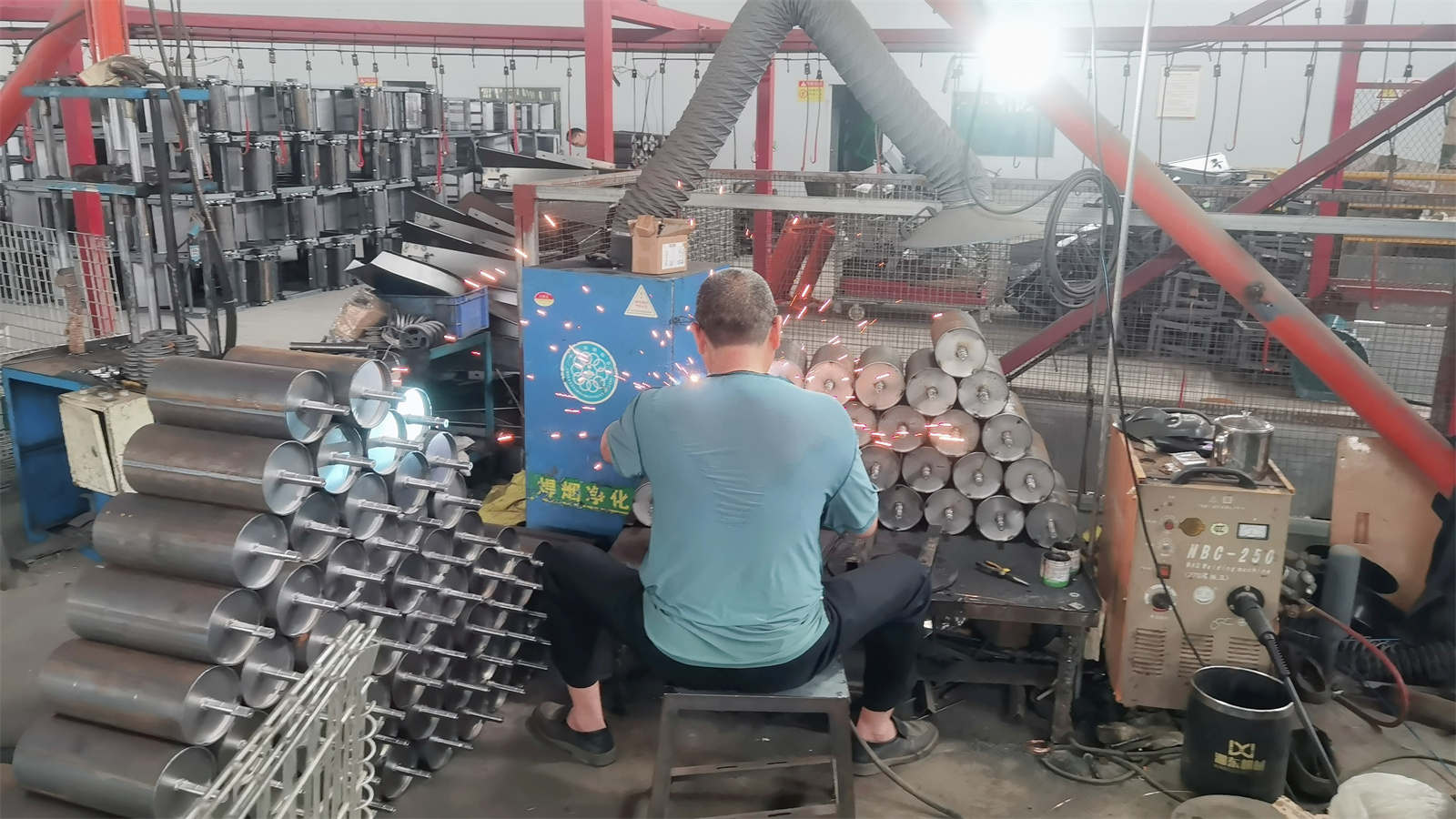
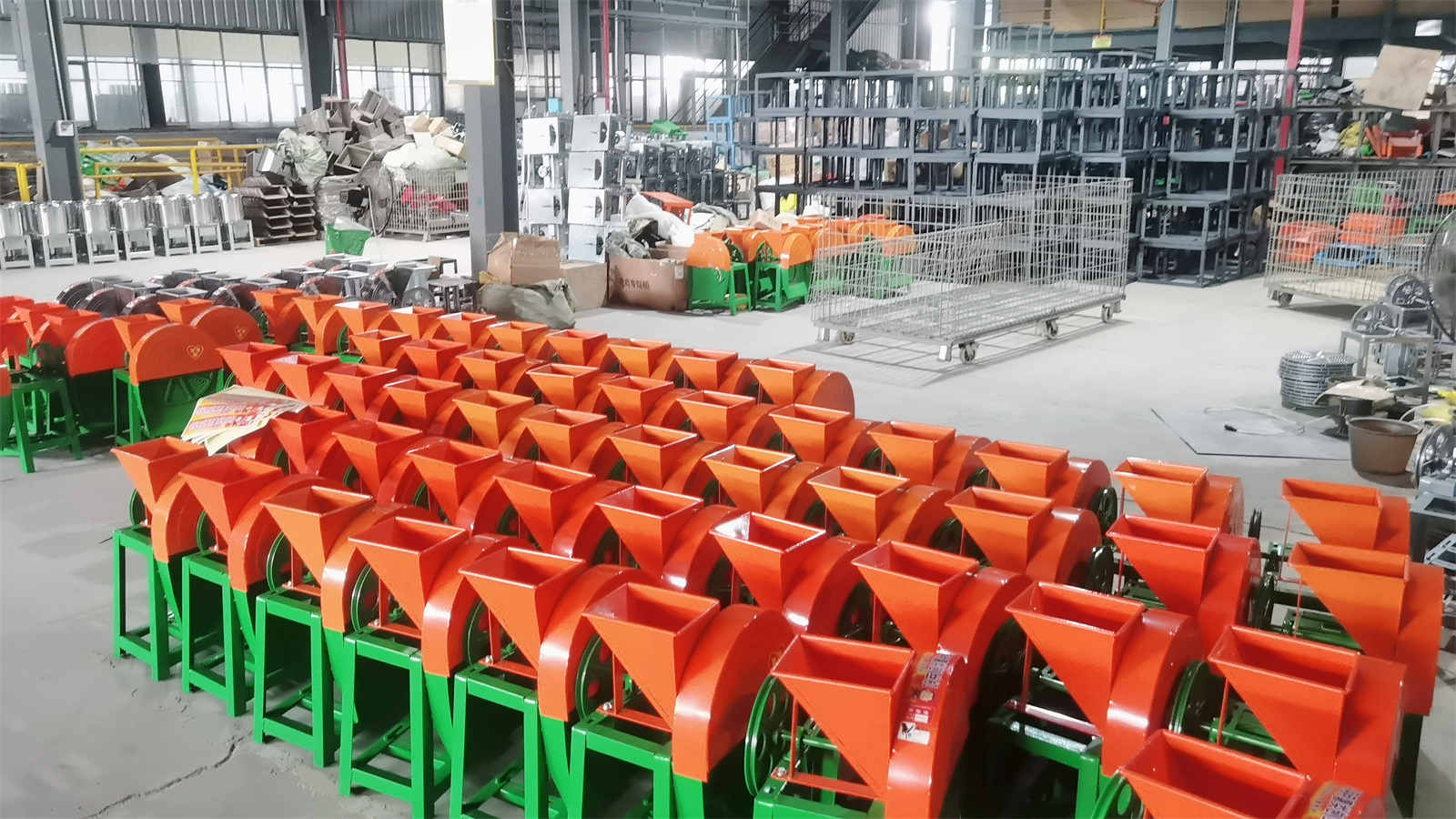
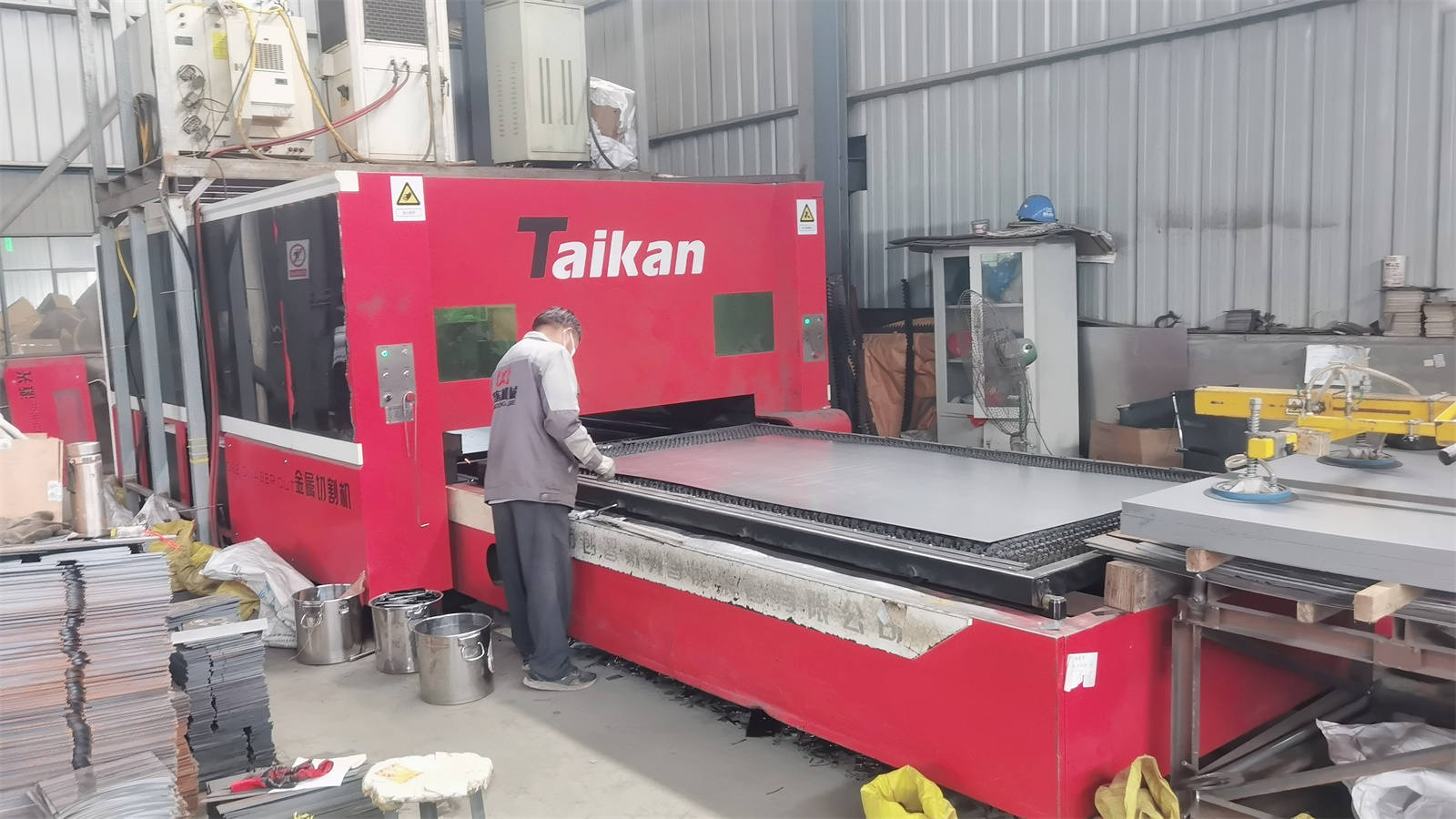
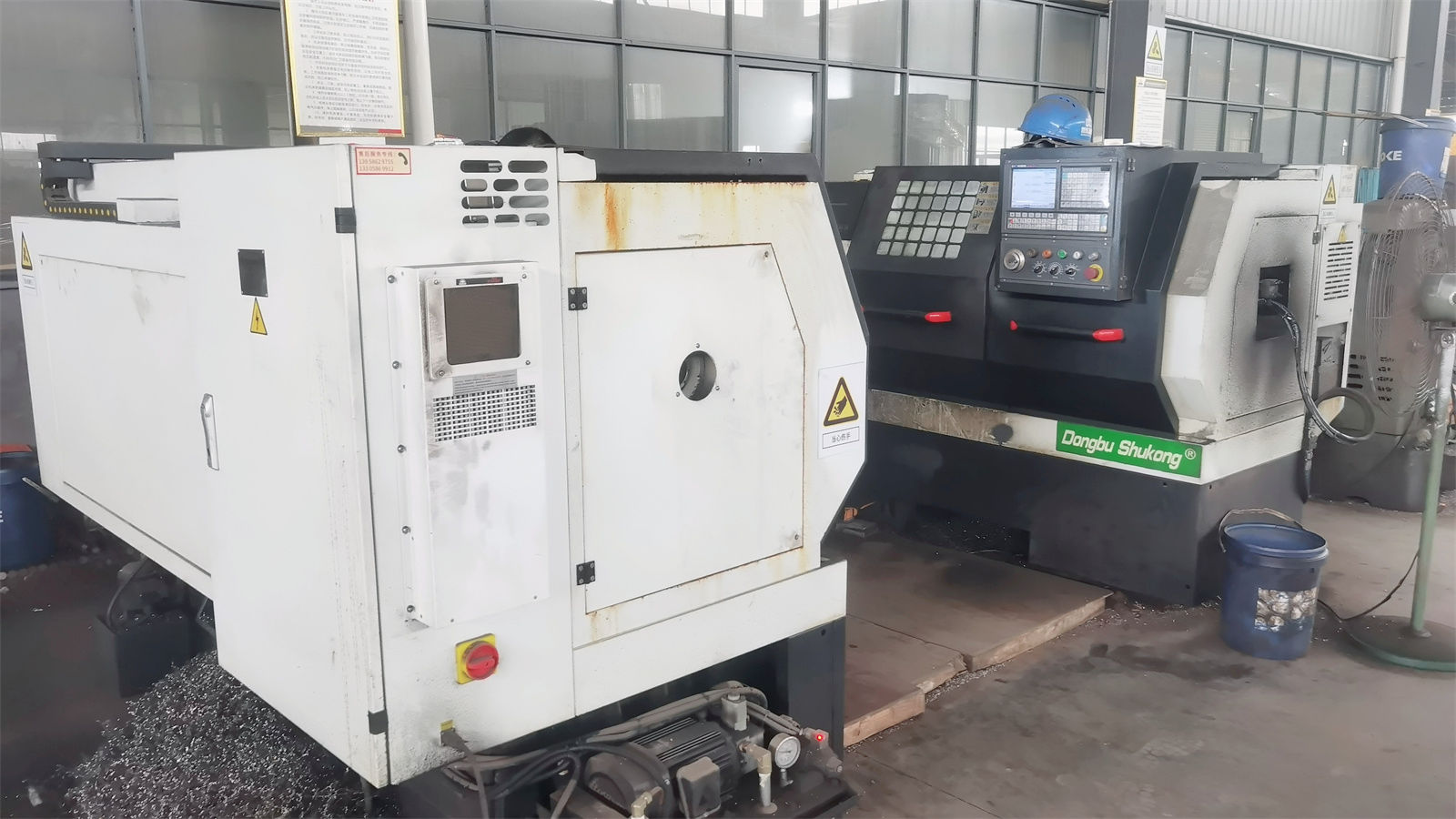
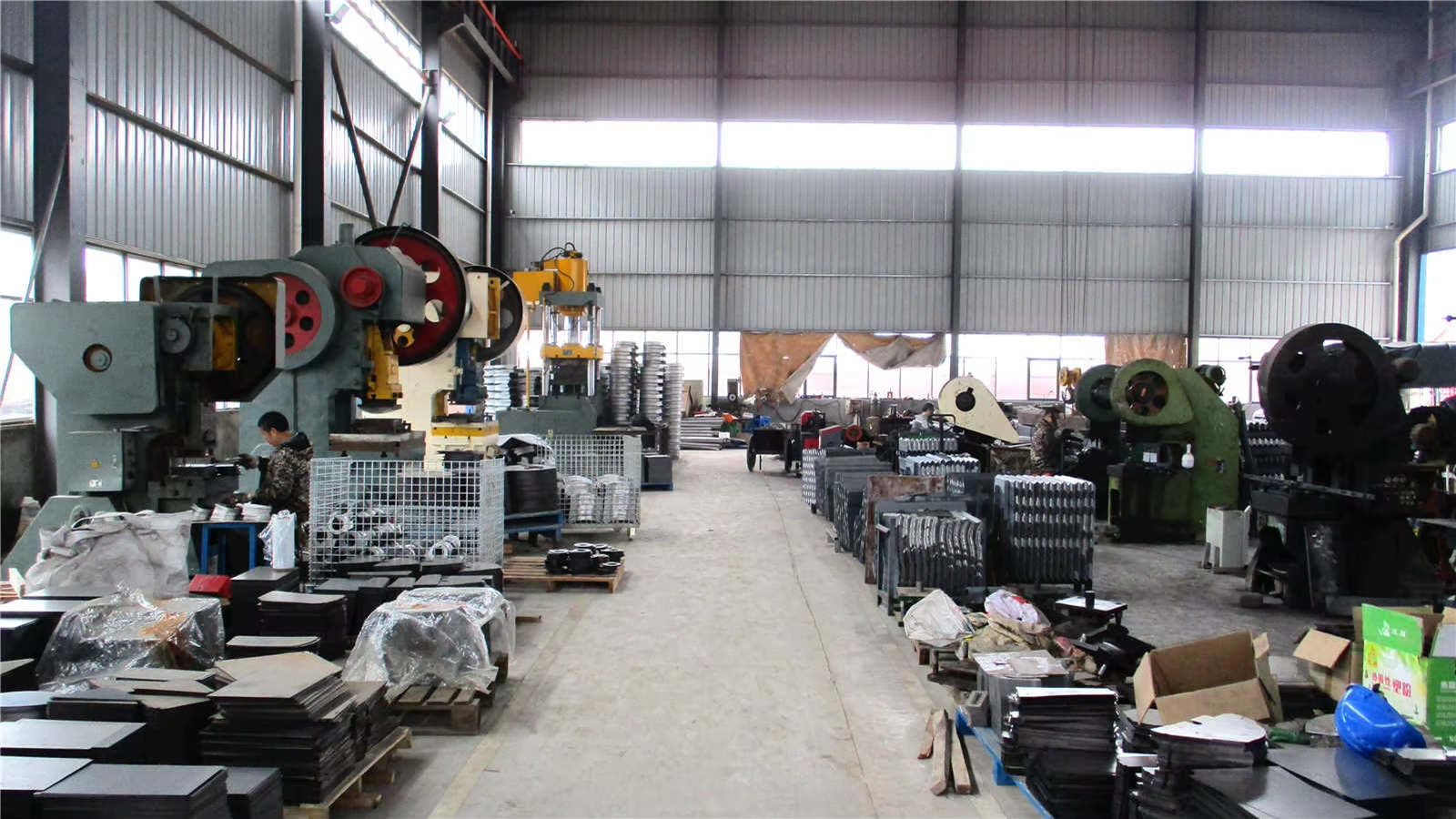
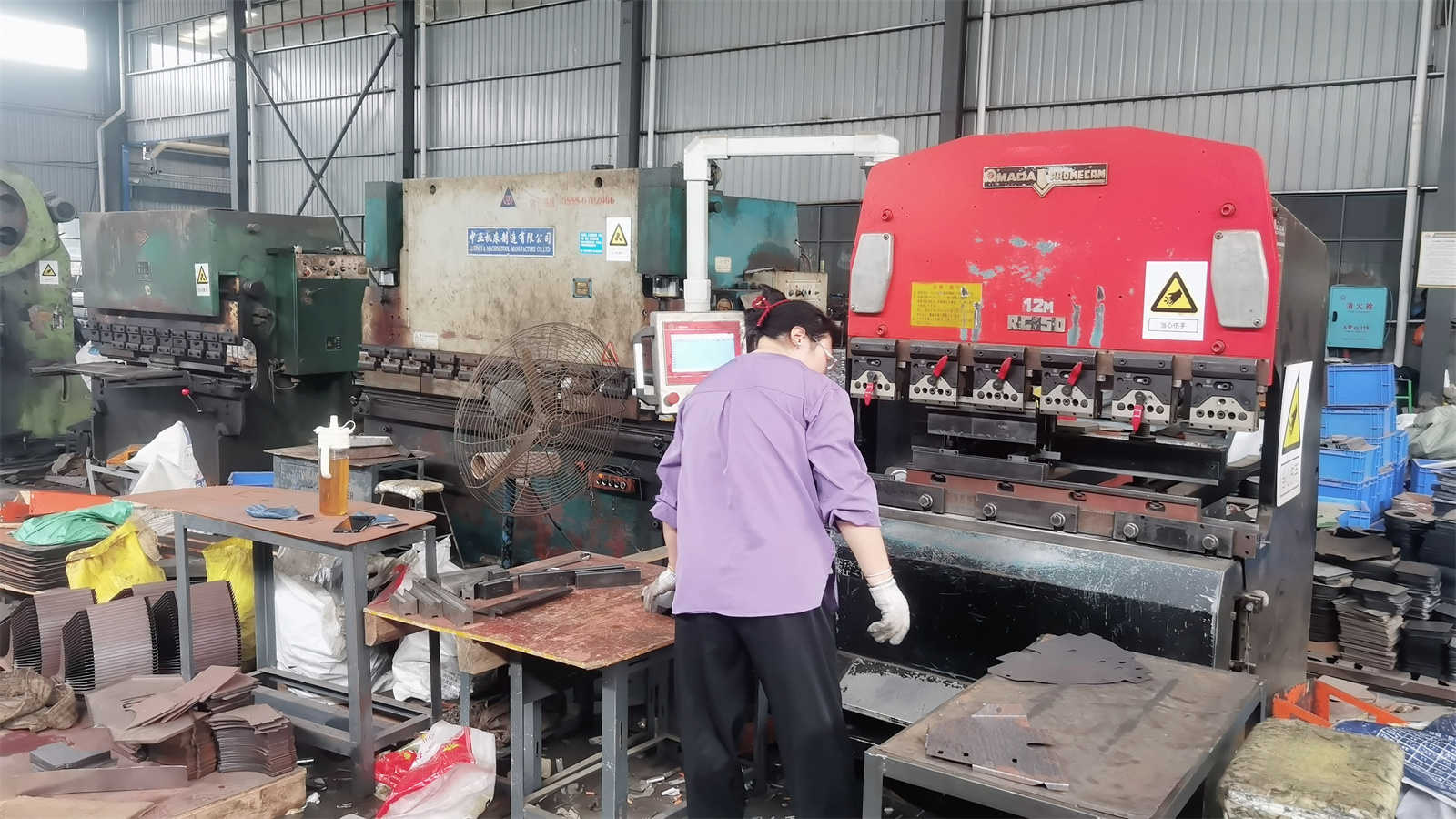
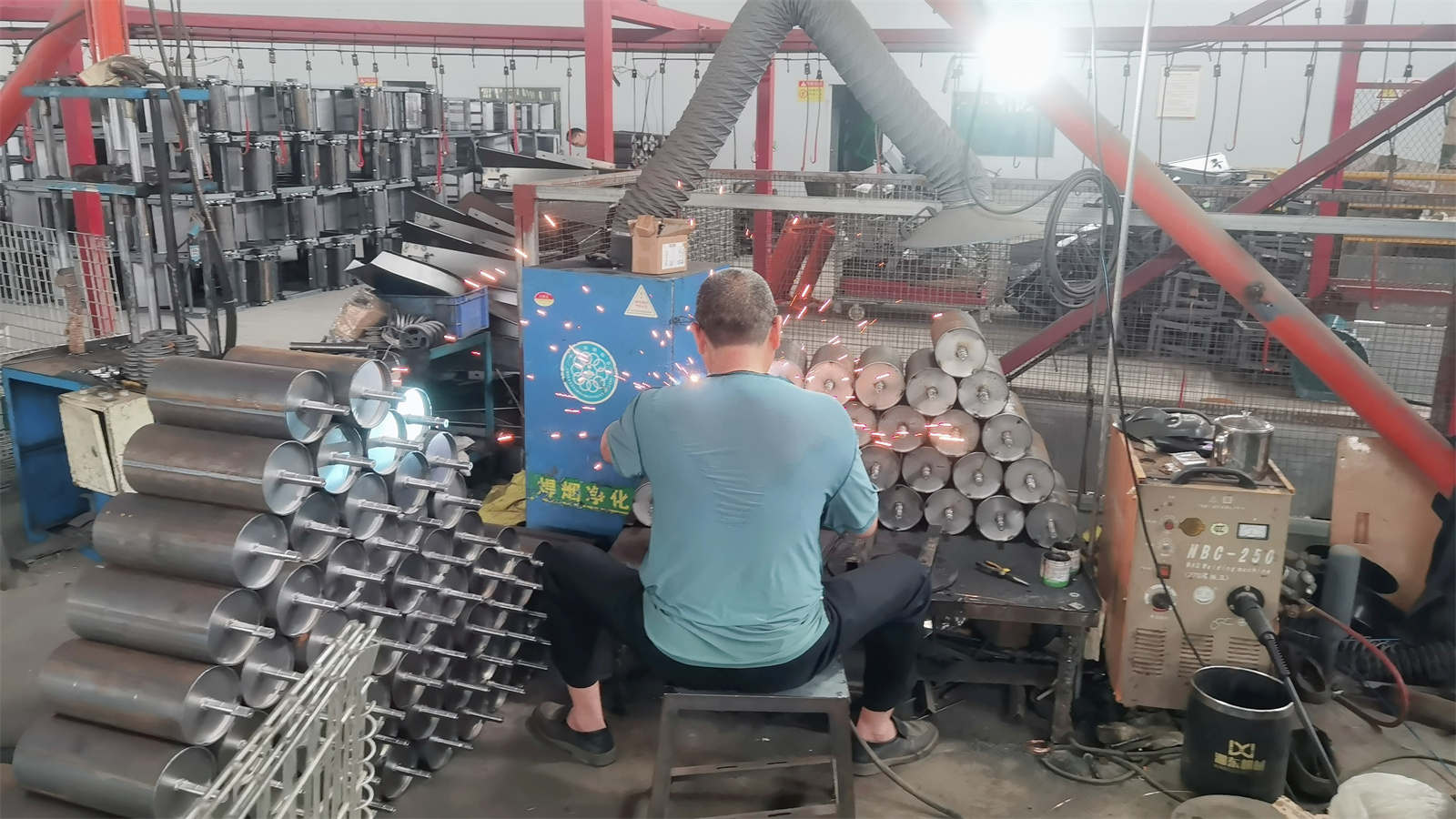
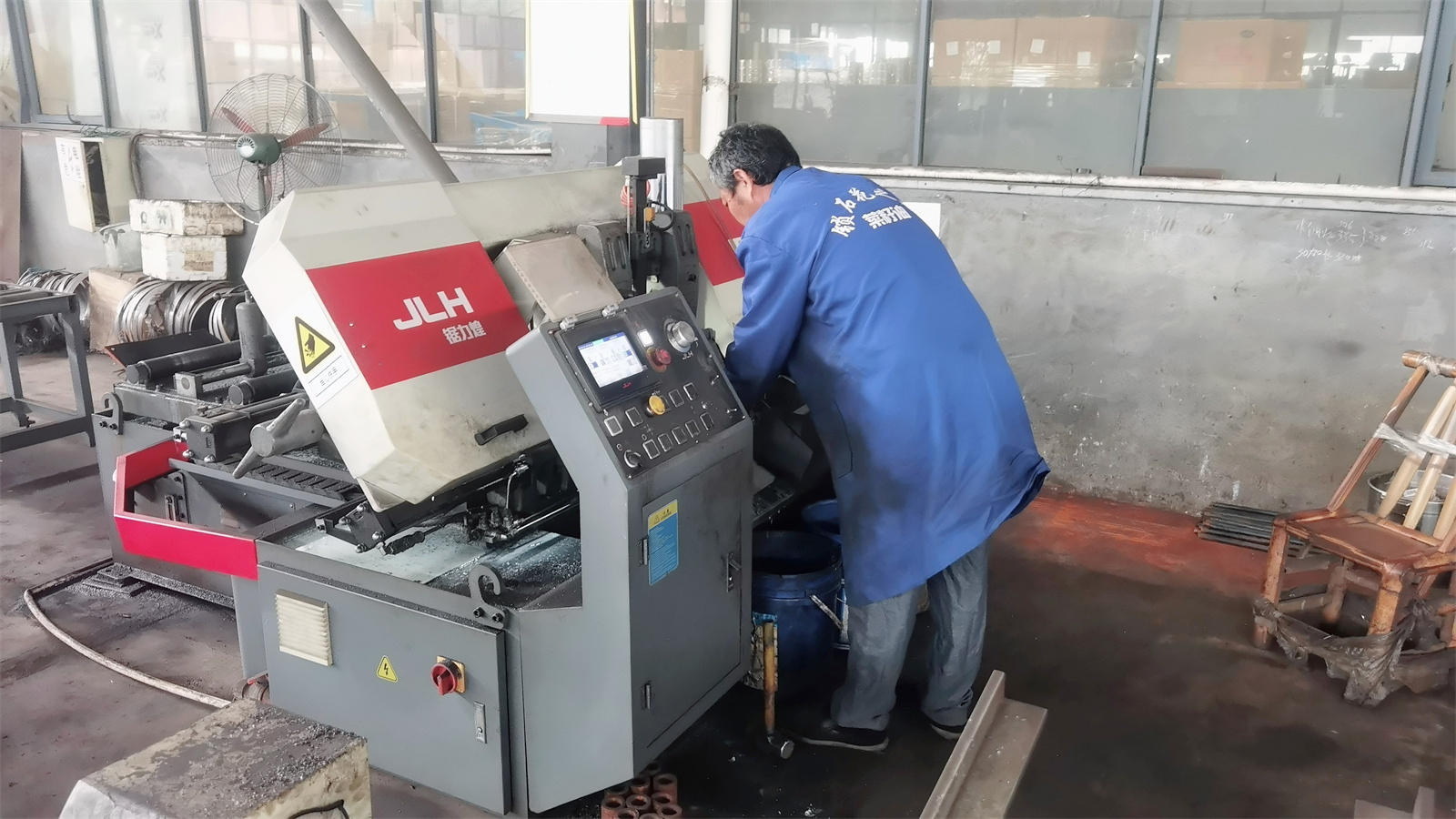
By investing in CNC laser cutters, high-precision bending machinery, and robotic welders, Chinese factories maintain tight dimensional tolerances. This ensures rotating parts, like centrifugal extractors and raspers, operate reliably at high speeds.
Henan Jiujie is located within China's grain machinery production hub, giving it direct access to specialized raw materials, high-grade steel, and specialized electrical controls. This localized supply chain reduces transport costs and lead times.
Starch equipment makers align their designs with international standards, such as ISO9001 and CE certifications. Features like food-grade contact surfaces, dust-free pneumatic conveyors, and low-energy motors ensure global compliance.
An objective, tech-focused comparison of the world's leading industrial starch processing machinery companies
Key Specialization: Potato and cassava starch refining hydrocyclones and raspers.
Larsson is known for high-efficiency starch separation technology. Their patented raspers and multi-cyclone systems maximize starch release from tuber cells and provide reliable protein isolation.
Key Specialization: Decanter centrifuges and separation machinery.
GEA supplies decanters and separators for wheat, corn, and potato starch refining. Their equipment handles heavy industrial loads, ensuring clean gluten separation and starch concentration.
Key Specialization: Heat exchange technology and starch decanting.
Alfa Laval offers reliable separation systems. Their thermal regulation and centrifugal systems are widely used in corn wet milling for precise temperature control during starch separation.
Key Specialization: Turnkey grain cleaning, wheat milling, and pneumatic conveying lines.
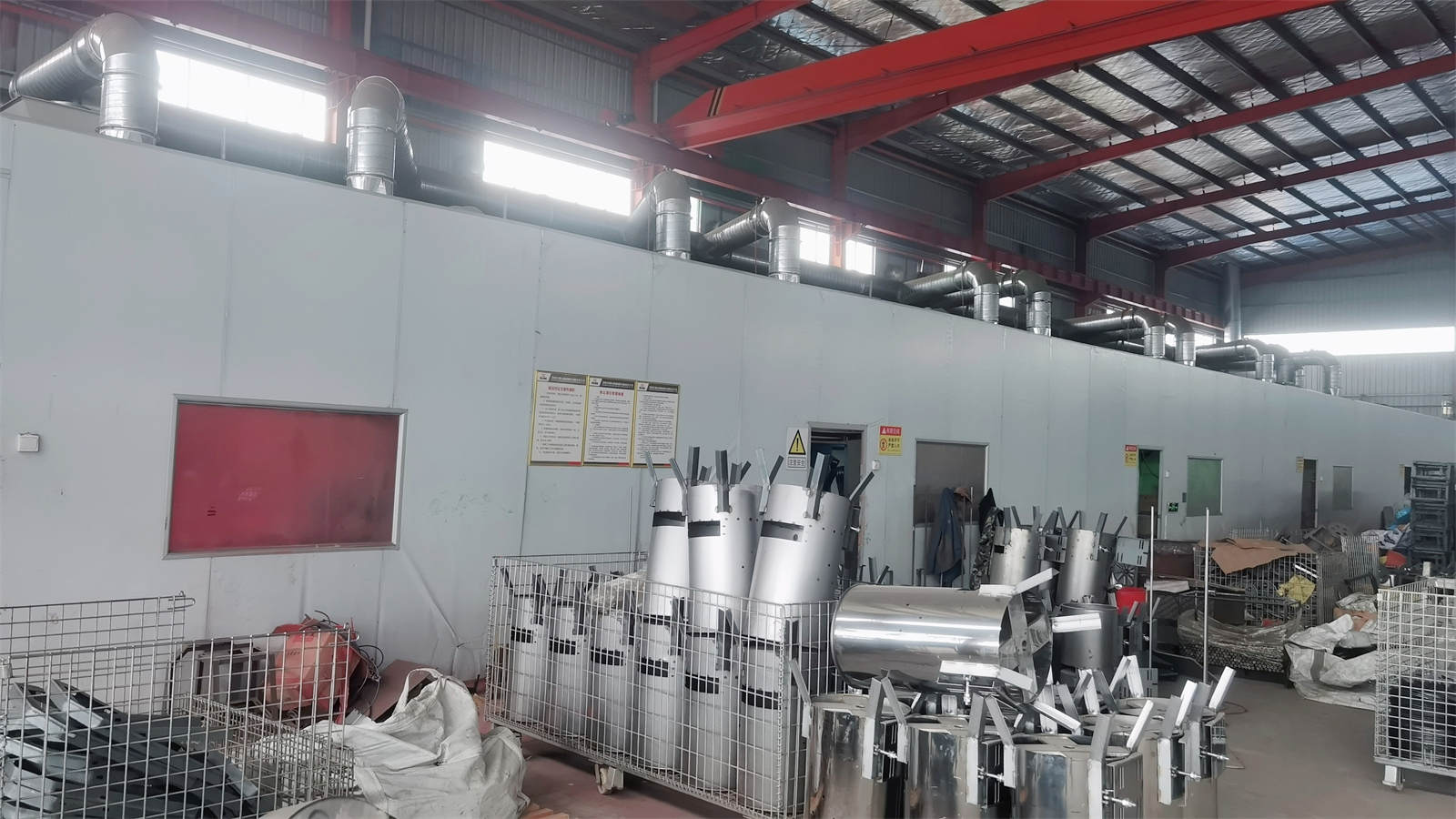
Henan Jiujie offers complete design, fabrication, and commissioning services. Their advanced CNC laser cutting and robotic welding ensure high-precision construction. They specialize in water-free cleaning systems that lower environmental compliance costs.
Key Specialization: Dry cleaning, wheat milling, and optical sorters.
Bühler is a global leader in grain processing. Their destoners, purifiers, and milling systems are essential for dry starch processing stages, ensuring reliable input quality before final extraction.
Key Specialization: Dewatering equipment and filter presses.
Andritz specializes in solid-liquid separation. Their vacuum belt filters and screw presses are used in final dewatering stages to reduce energy costs in flash drying.
Key Specialization: Large-scale corn starch extraction and evaporation lines.
Myande design and build large corn starch refinery plants. They supply heavy-duty rasping systems, starch washing cyclones, and evaporators for international projects.
Key Specialization: Tricanter centrifuges for three-phase separation.
Flottweg centrifuges are designed for wheat starch processing, separating starch, gluten, and wastewater in a single step to simplify overall process layouts.
Key Specialization: Air classification and dry starch milling.
Hosokawa Alpine specializes in dry starch modifications. Their pin mills and air classifiers are used to produce specific starch particle distributions for pharmaceutical applications.
Key Specialization: Vibro-sifters and fluid-bed dryer systems.
Kason manufactures circular vibratory screen separators and fluid bed processors. These systems are used in dry packaging stages to ensure consistent starch particle sizing.
Adapting starch processing technology to local crops, climates, and plant sizes
Cassava must be processed within 24 hours of harvest to prevent root rot. This requires high-capacity root washers and rasping machines that can handle soil and sand without excessive wear. Modern mills use multi-stage hydrocyclone wash systems to clean raw starch milk before final drying.
Corn starch production requires steeping and separation steps to recover valuable co-products like corn oil and gluten. Plant operators use multi-stage disk separators and starch washing cyclones to maintain starch purity above 99.5% for conversion into sweeteners or starches.
Potato cell walls are easily ruptured, but processing requires rapid extraction to prevent discoloration. Modern potato starch systems focus on high-speed rasping and desanding hydrocyclones, which remove grit to protect downstream decanters from wear.
Key technical shifts and selection metrics for engineering and procurement managers
Modern mills demand PLC automation platforms. Operators use digital control networks to monitor sensor data, starch density, and drying temperatures in real time, reducing manual labor costs and ensuring consistent product quality.
Because starch slurry can support bacterial growth, equipment must support CIP processes. Suppliers must use high-grade 304 or 316L stainless steel, smooth interior welds, and automated spray nozzles to meet food-safety requirements.
Environmental laws restrict water discharge. Procurement managers look for starch extraction equipment that operates with closed-loop water circuits, recycling wash water from downstream separators back to the primary raspers.
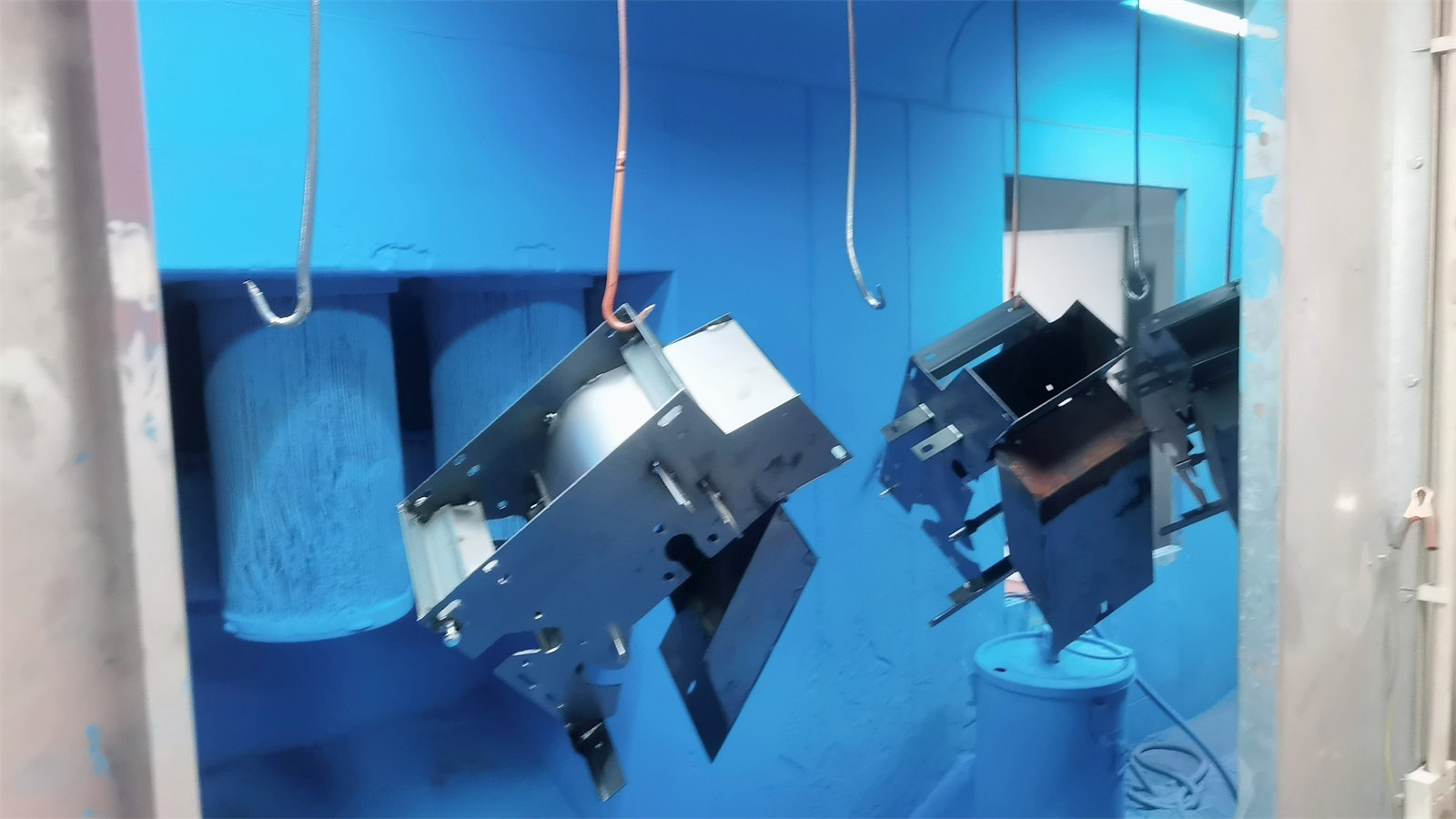
Quality control and precision fabrication at Henan Jiujie Machine Co., Ltd.
Technical answers to common questions about starch extraction efficiency and hardware configuration
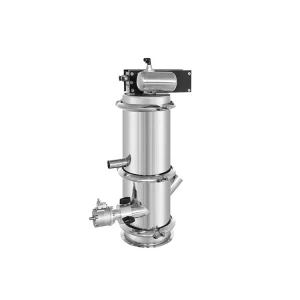
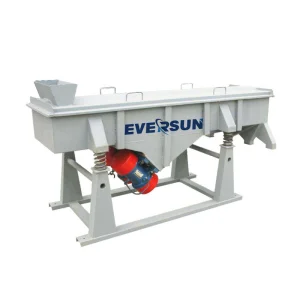
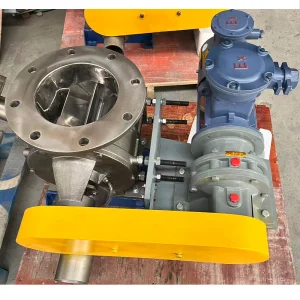
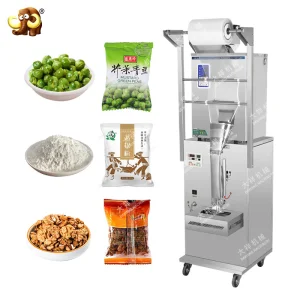
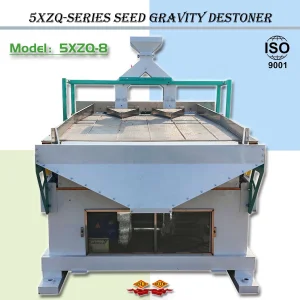
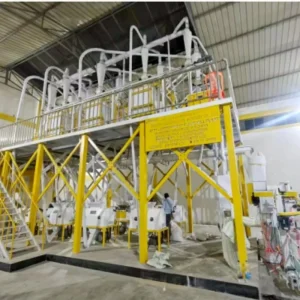
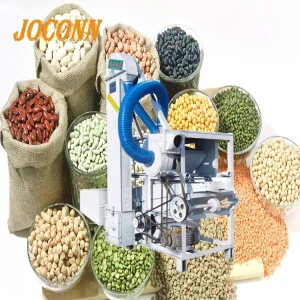
Complete your production setup with automated packaging systems, grading machinery, flour purifiers, and material handling systems.
 Jiujie Machine