Explore our high-performance industrial grain handling machinery, auxiliary systems, and quality inspection tools designed to increase head rice yield and optimize processing margins.
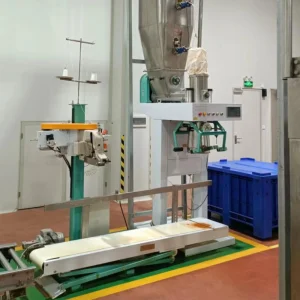
An in-depth whitepaper analysis of macroeconomic factors, technological thresholds, and market requirements driving global grain processing margins.
Rice milling has evolved from simple grain de-husking into a highly sophisticated, multi-stage engineering discipline. Today, international food supply chains demand minimized grain breakage, reduced electricity expenditure per ton of processed crop, and zero-water footprint environmental standards. The global market is expanding rapidly, led by modernization demands in the Asia-Pacific region, rising processing capacity investments across Sub-Saharan Africa, and automated mega-milling plant installations in South America.
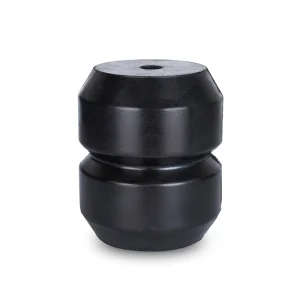
Modern milling centers prioritize Head Rice Yield (HRY), which directly impacts market value. Minimizing kernel thermal stress and mechanical shocks during the de-stoning, separation, and friction-whitening phases determines the profitability margins of large exporters. To support these processing parameters, state-of-the-art machinery must utilize reliable components, such as custom high-pressure rotary feeders, precision-tuned rubber dampers for vibration reduction, and specialized flour quality inspection analyzers.
Understanding the transition toward automated, intelligent, and dry cleaning technologies in the modern mill environment.
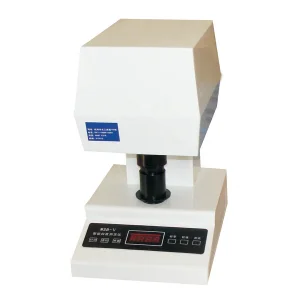
Modern grain processing lines implement real-time optical sorting and digital testing. Utilizing tools like the WSB-V Intelligent Whiteness Analyzer allows milling operators to continuous monitor the polish and consistency of flour and milled rice, ensuring compliance with grade standards dynamically.
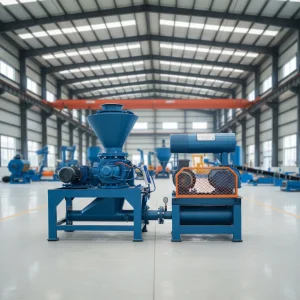
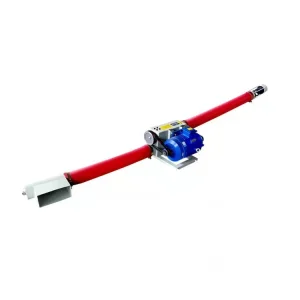
Traditional bucket elevators are increasingly replaced by pneumatic conveying networks. Utilizing custom high-pressure rotary feeders and airlock valves minimizes physical kernel contact friction, reduces plant footprints, prevents cross-contamination, and prevents dust accumulation hazards.
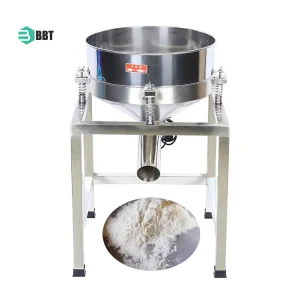
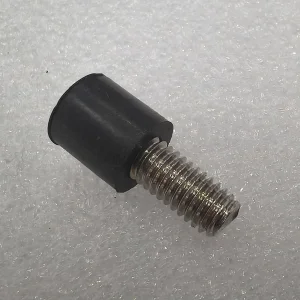
High-capacity machinery generates substantial dynamic stresses. Premium factories utilize heavy-duty dampers (natural rubber/NBR/EPDM combined with 304 stainless steel and rubber column vibrating screens) to reduce machine fatigue, isolate high frequencies, and lengthen the operating lifetime of components.
A structural comparison of key capabilities and competitive differentiation across elite international manufacturers and exporters.
| Industry Capability Pillar | Conventional Processing Standards | Advanced Factory & Export Standards (Henan Jiujie Class) |
|---|---|---|
| Grain Prep Cleaning Process | Water-based washing systems, creating high volumes of chemical waste and disposal overheads. | 100% Water-free cleaning via heavy-duty dry de-stoners, multi-deck separators, and air cyclone dust gatherers. |
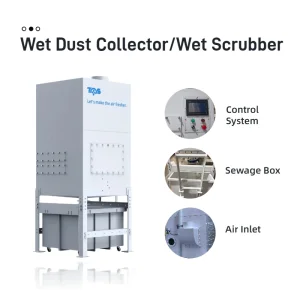
| Dust & Air Quality Management | Open-air bag collectors causing high indoor particulate levels and heightened explosion risks. | Explosion-proof wet dust collectors, automated exhaust purifiers, and localized pneumatic vacuum lines. |
| Precision Manufacturing Level | Manual welding, standard metal cutting, and conventional plate bending tolerances. | CNC laser cutting, automated robotic welding lines, CNC bending, and electrostatic powder coating. |
| System Control & Monitoring | Analog control interfaces, manually regulated gates, and periodic offline product sampling. | PLC control centers, real-time whiteness color sensor testing, automated grain flow control. |
An Industry-Leading Supplier of Complete Equipment and Professional Engineering Services for Wheat Flour Milling, Feed Processing, and Rice Processing Plants.
Henan Jiujie Machine Co., Ltd. serves as a professional partner in the design, development, fabrication, and installation of advanced agricultural food production lines. Our technical expertise encompasses the full layout of modern wheat milling setups, massive compound feed factories, and high-efficiency rice processing facilities.
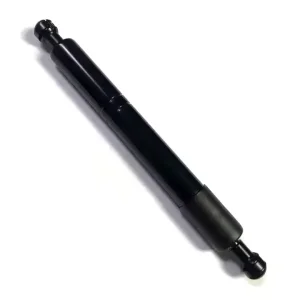
Our product portfolio ranges from high-velocity pneumatic conveying equipment, high-accuracy sorting lines, flour purifiers, and heavy-duty vertical roller mills to micro-component auxiliary assemblies like gas dampers and rubber damping mounts. This holistic approach ensures every component integrates seamlessly, minimizing bottlenecks and maximizing operating profit.
Since our founding, Henan Jiujie Machine Co., Ltd. has prioritized advanced technological R&D. Our complete system designs support raw material storage, cleaning, grading, sifting, milling, mixing, product collection, and modern automated packaging. We supply scalable, turnkey installations suited to any production capacity requirement.
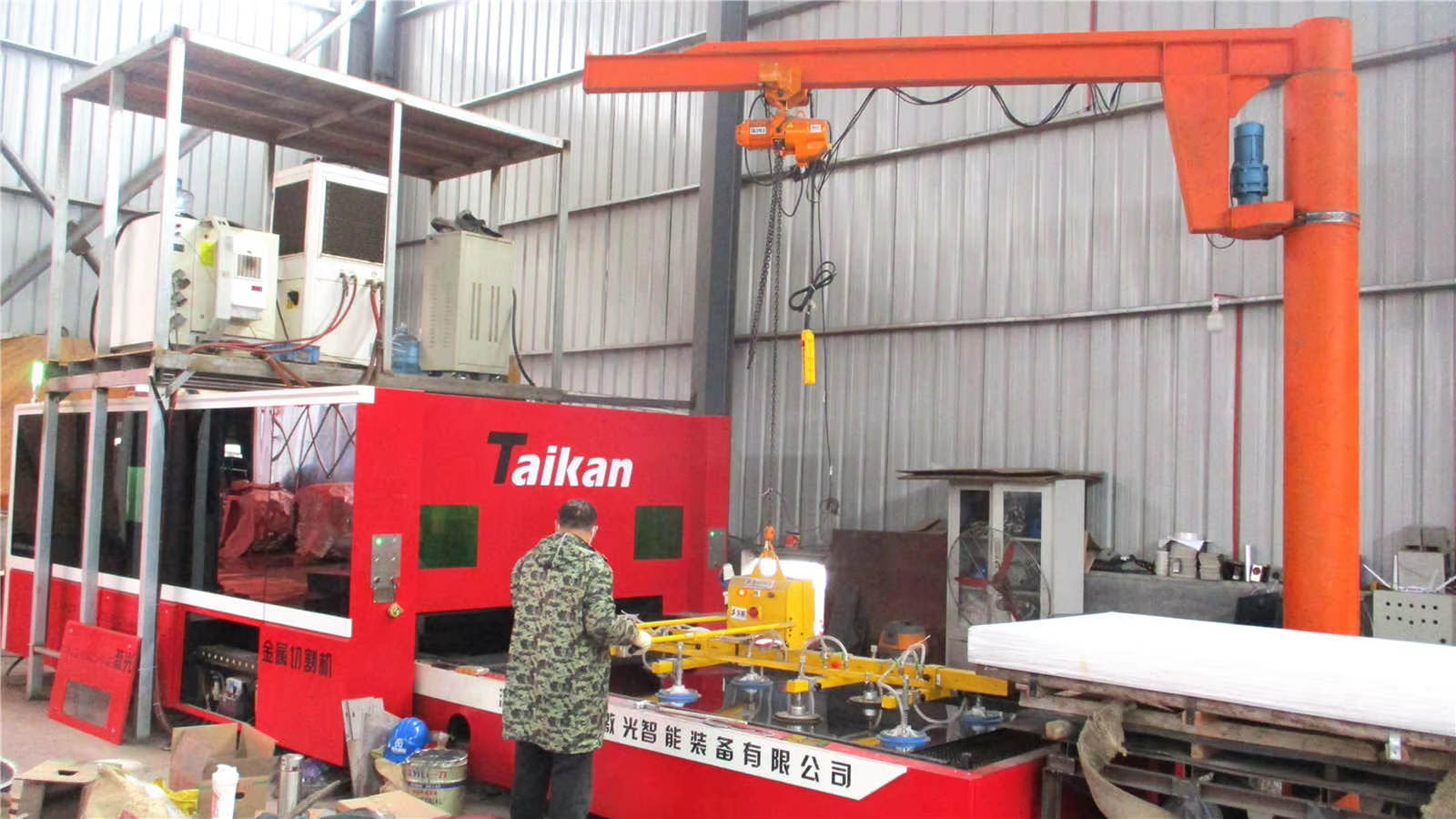
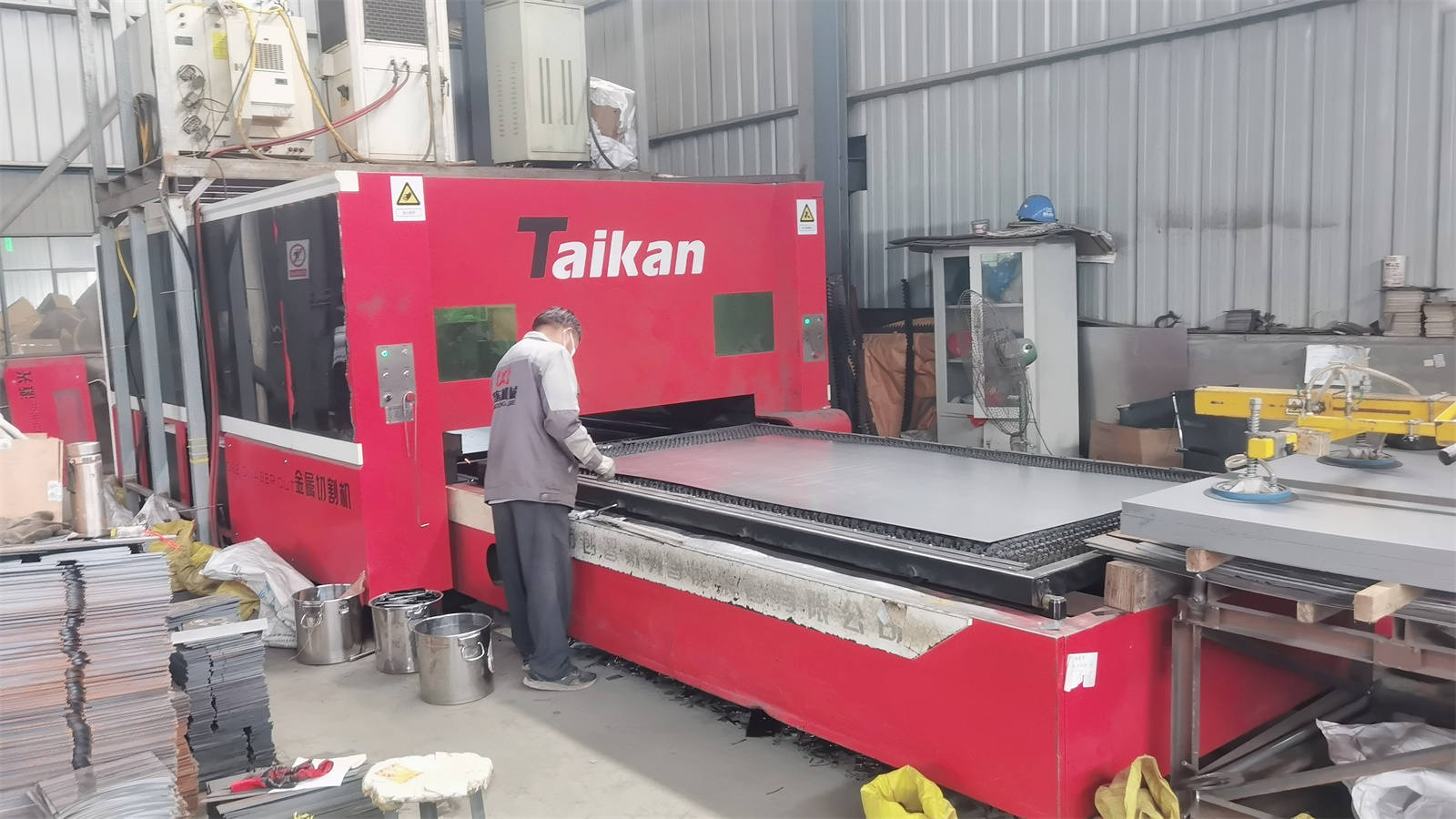
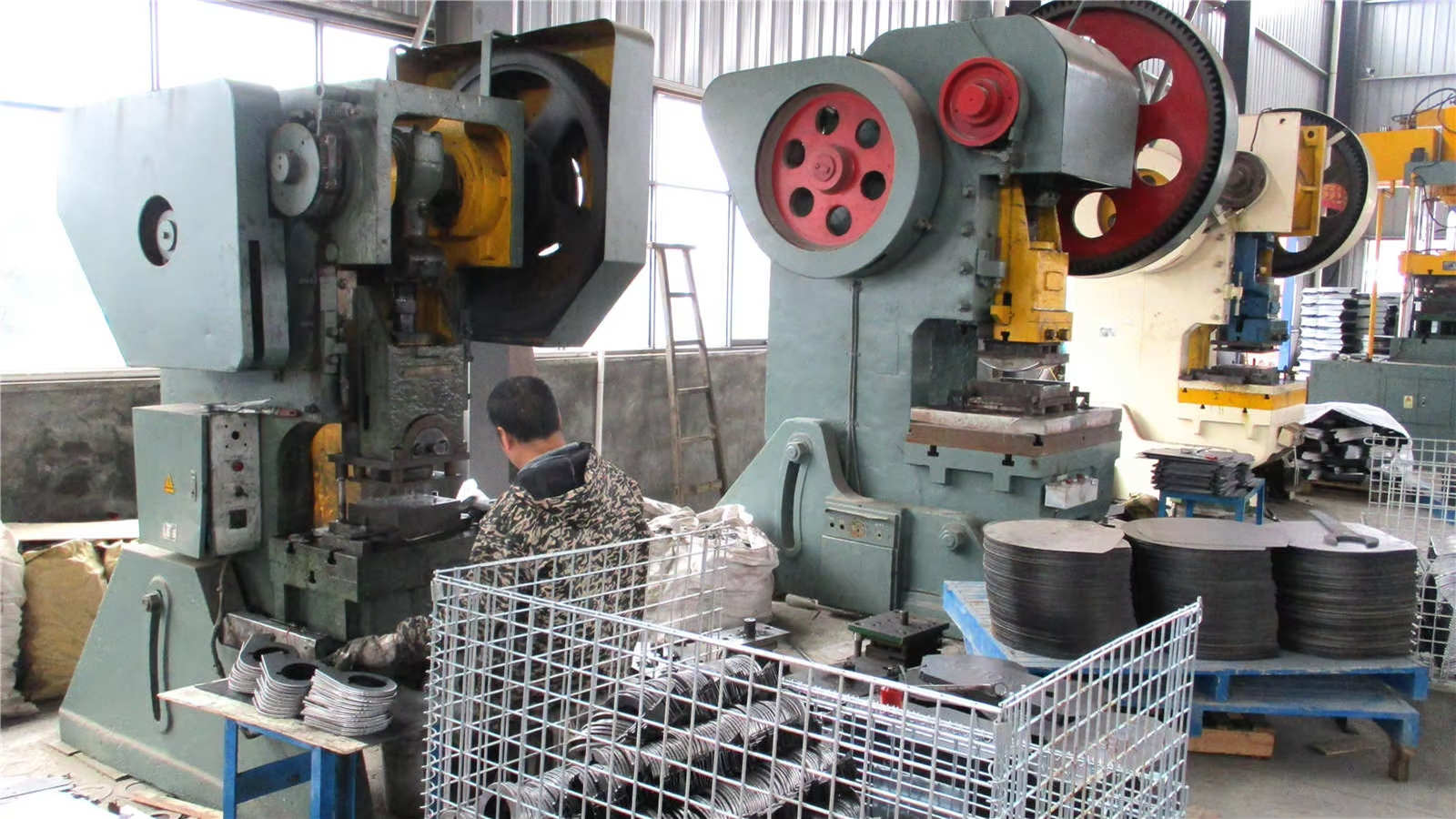
A step-by-step look at our integrated production processes, combining high-precision CNC toolsets, robotic welding structures, and advanced surface coating lines.
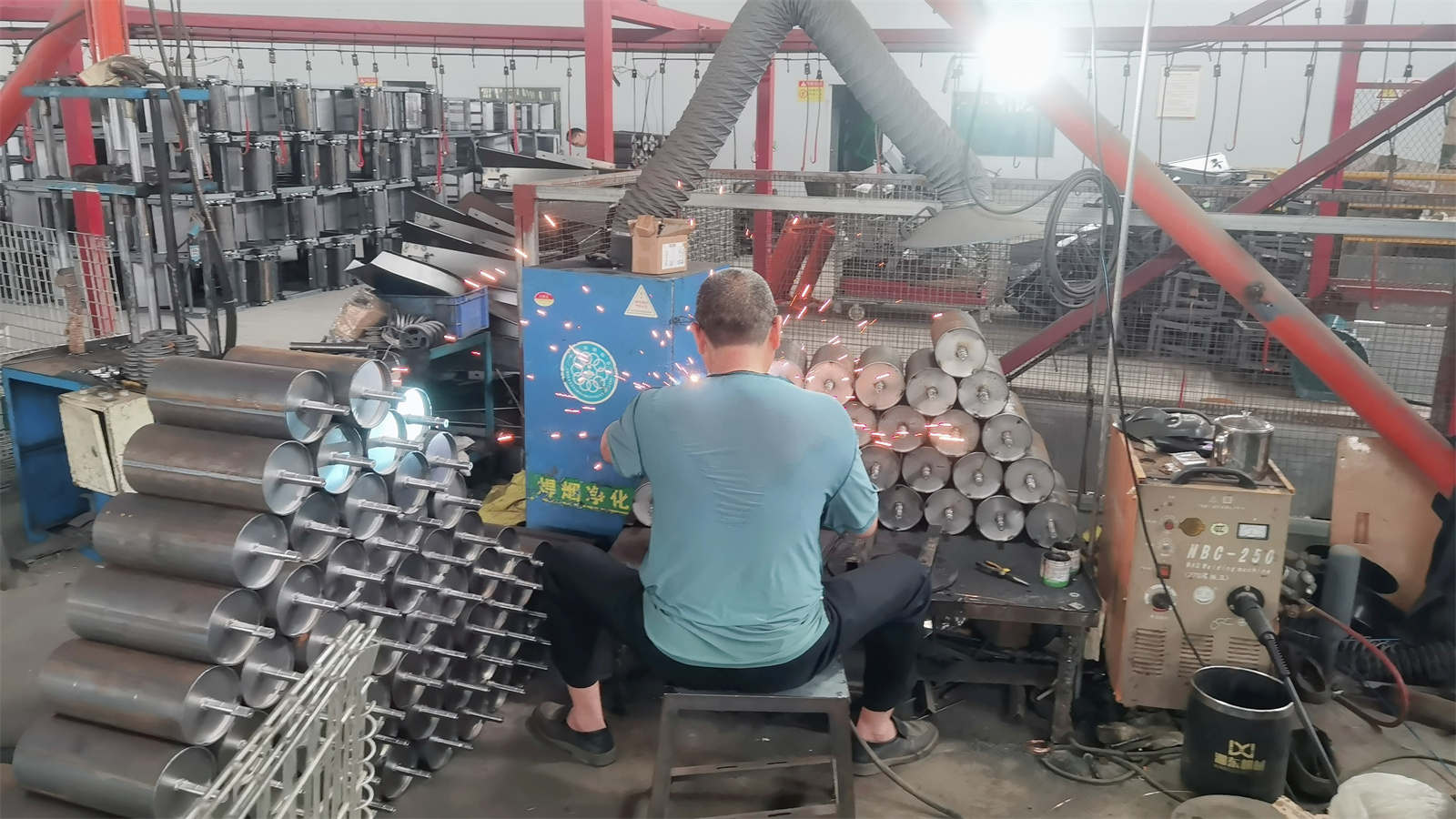
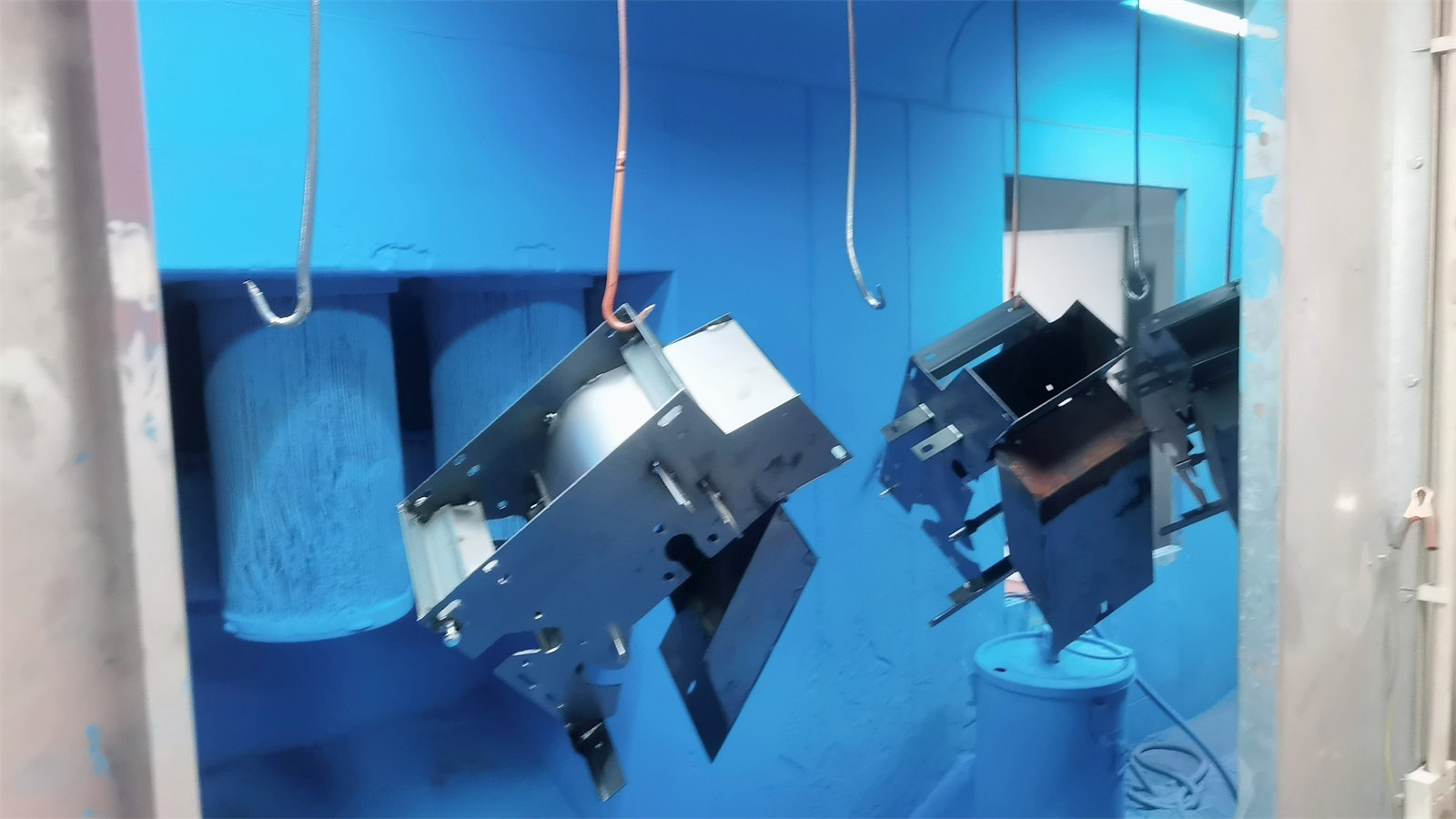
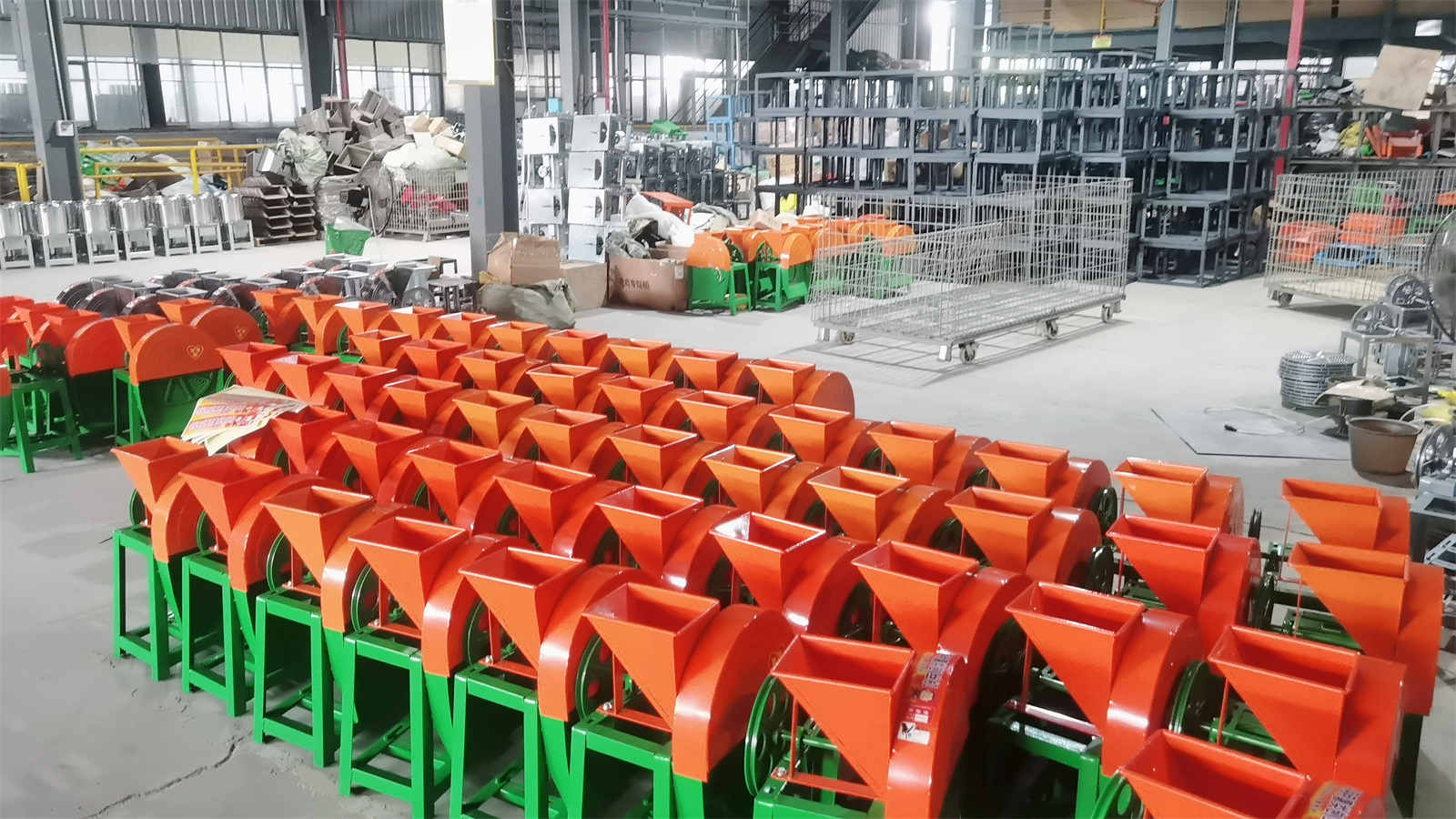
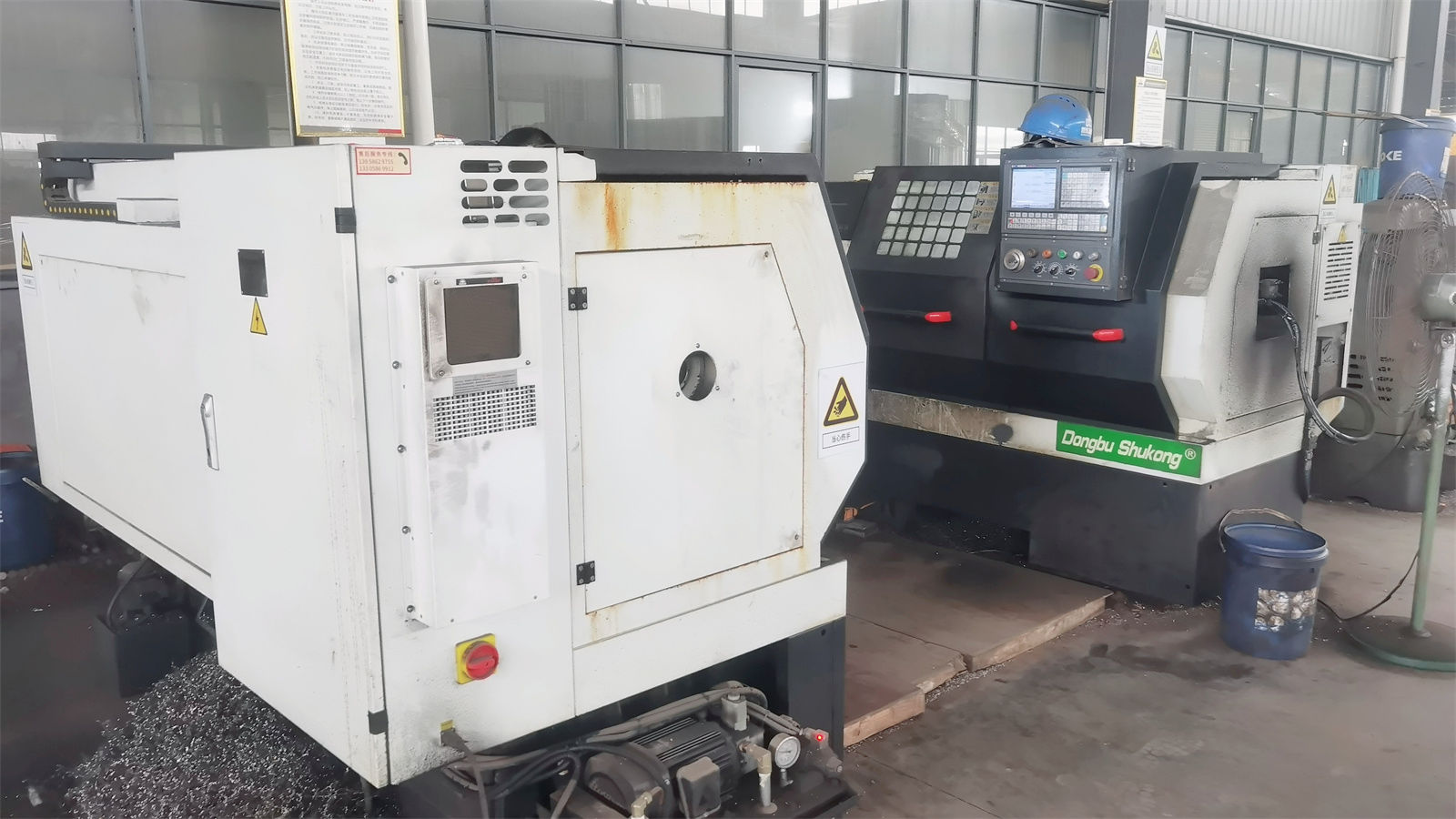
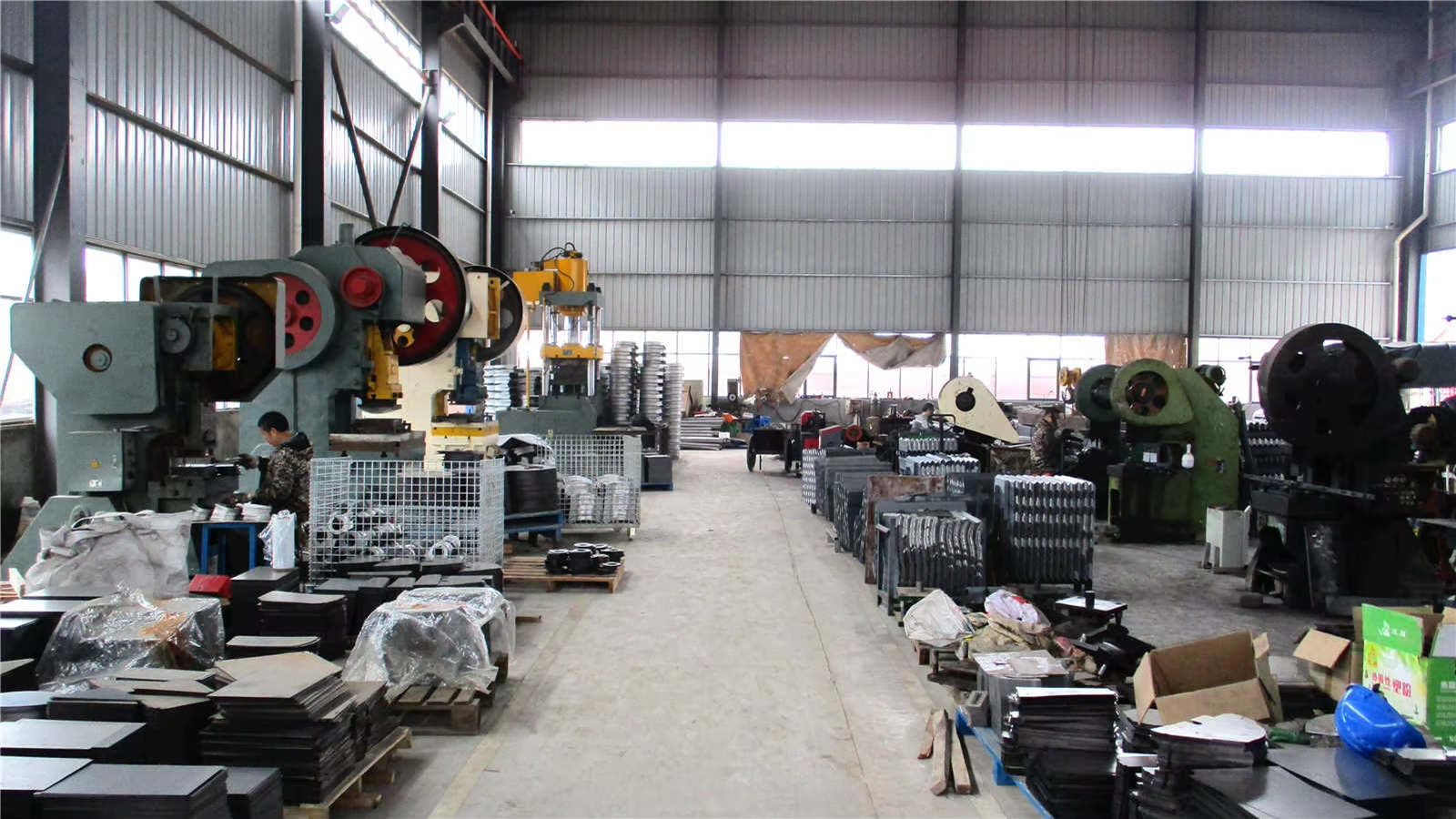
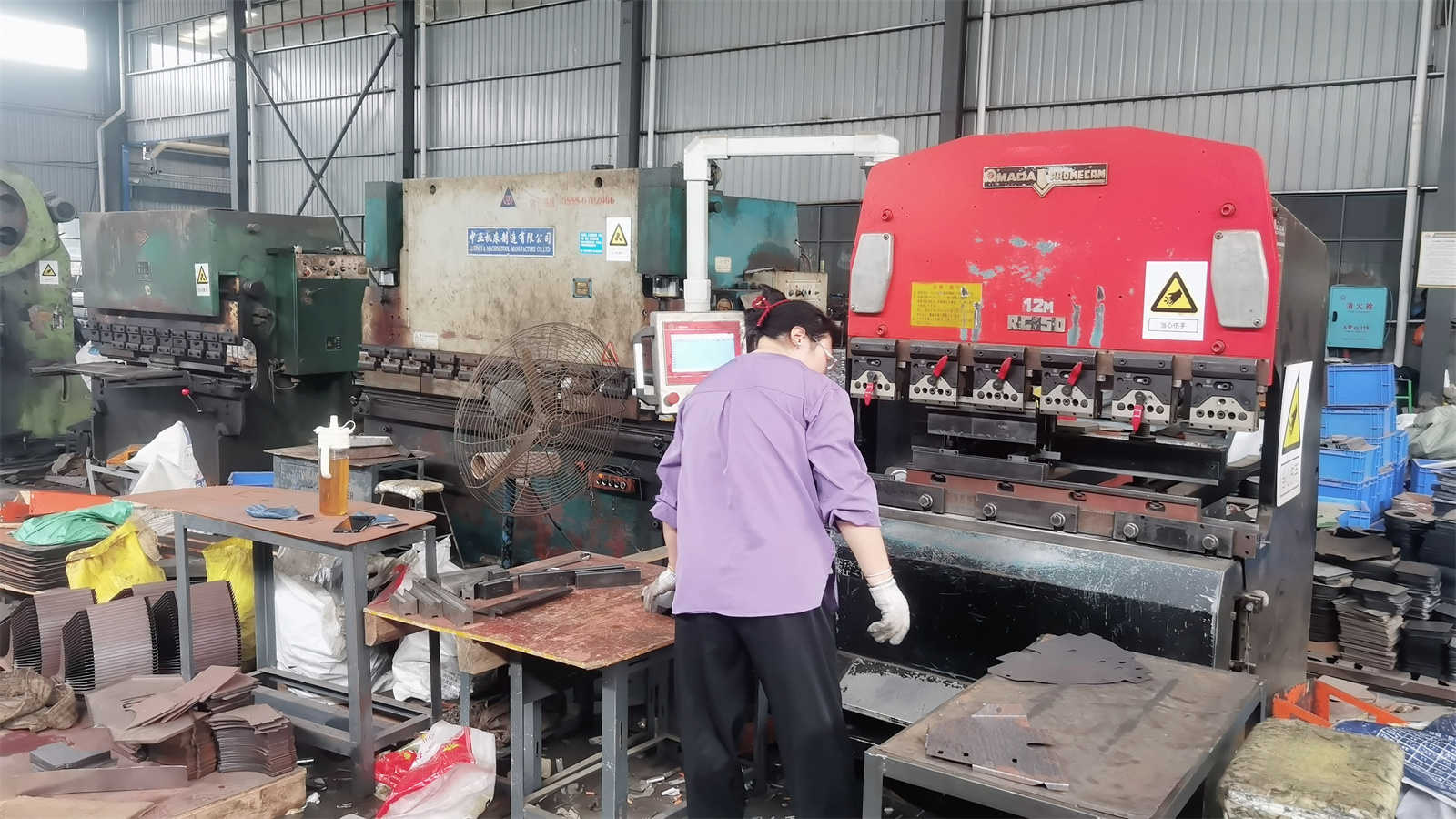
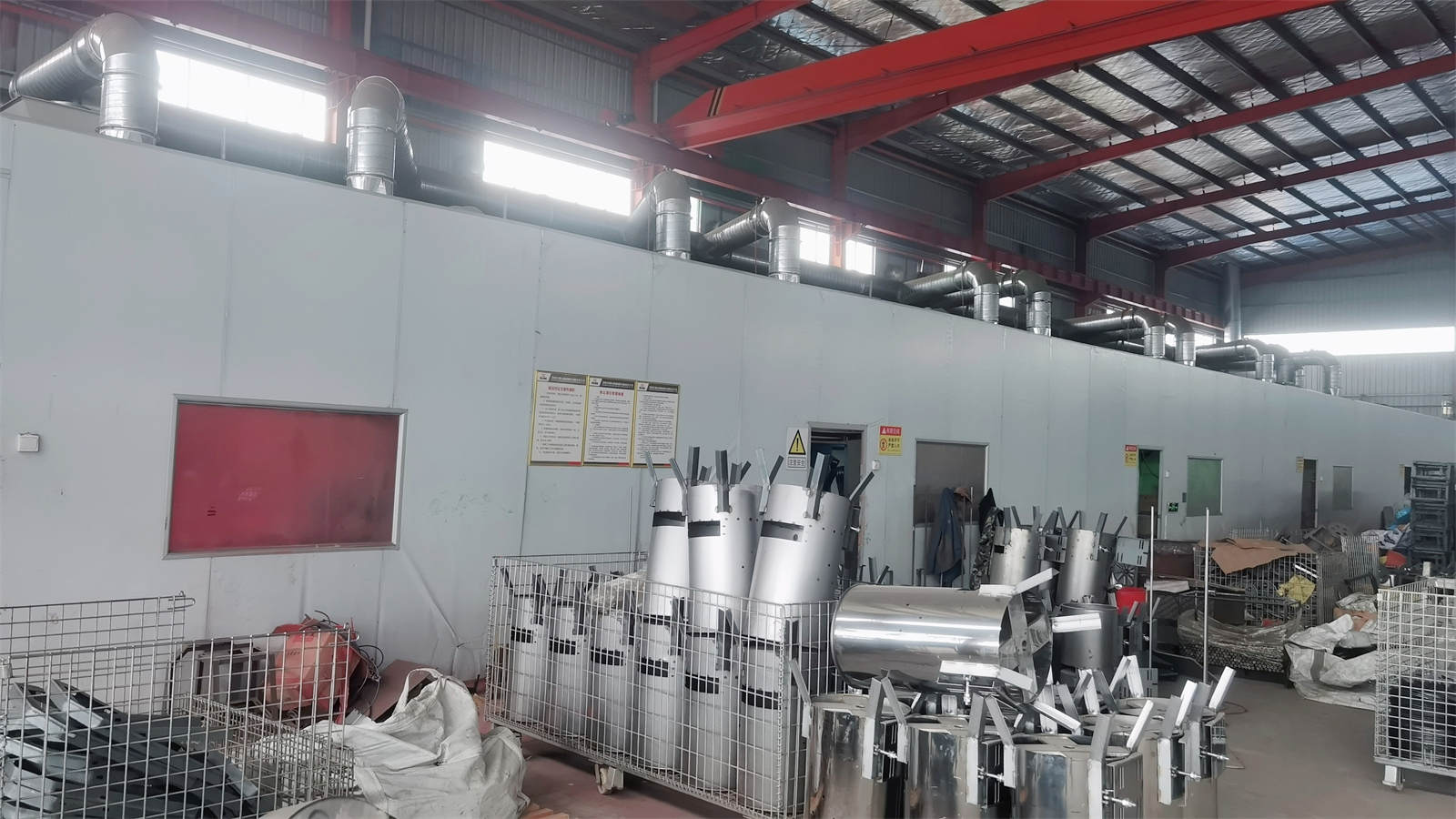
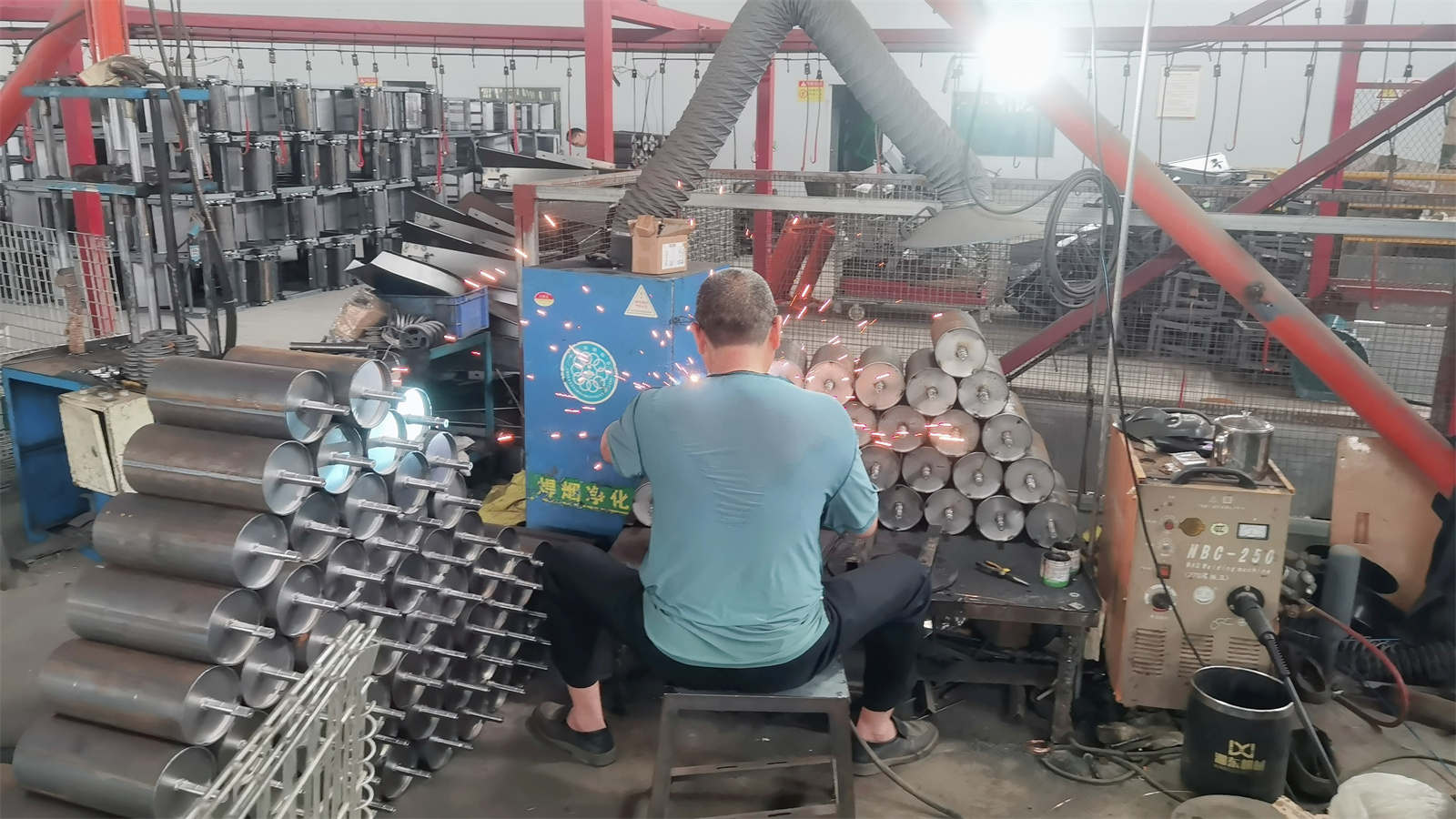
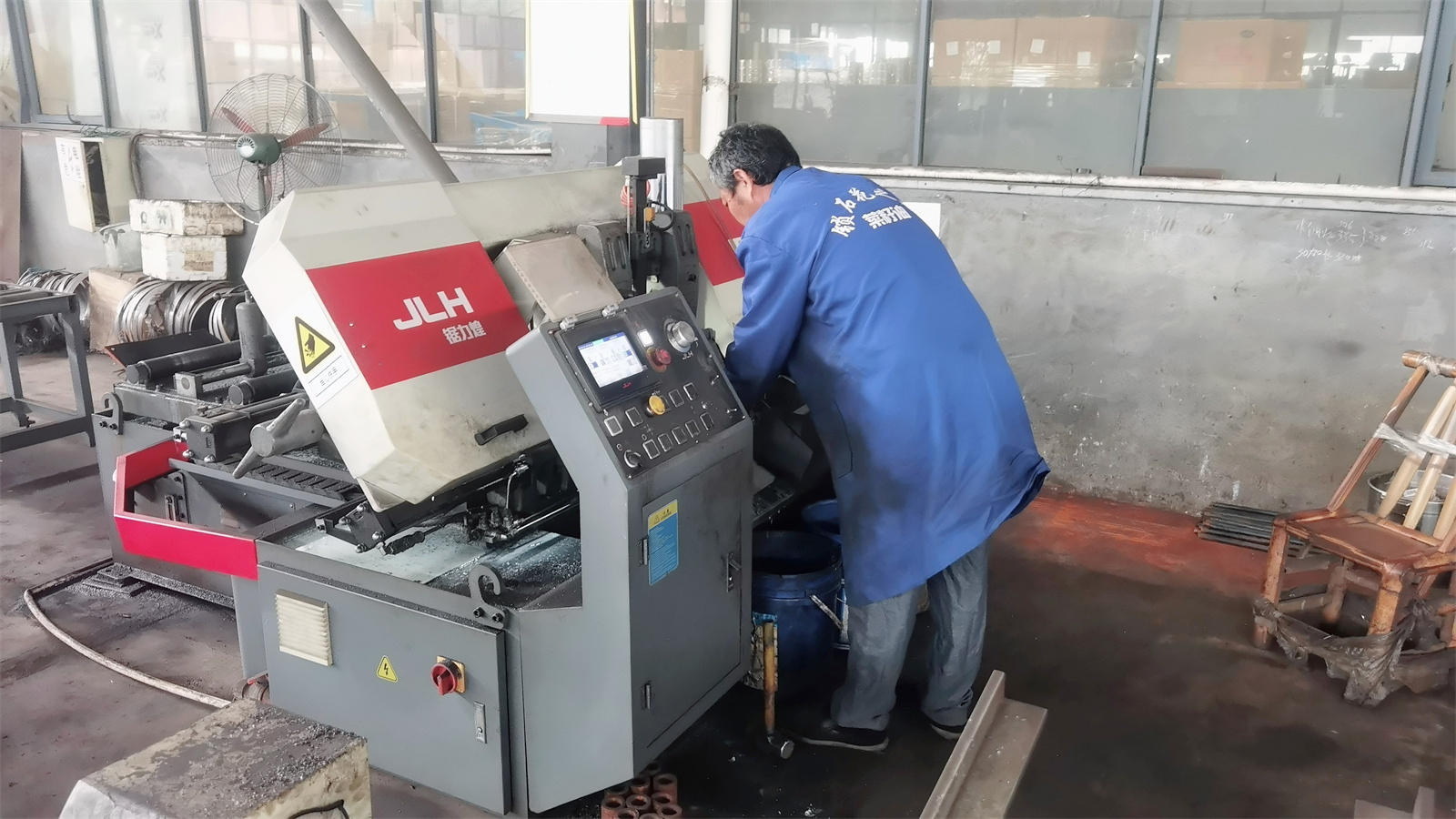
Our commitment to internationally recognized manufacturing standards, CE/ISO directives, and eco-friendly machinery layout design.
Quality and precision are the core design principles of Henan Jiujie. All processing products conform to strict ISO9001 Quality Management System Guidelines and hold complete CE Certification, allowing for seamless integration into European, North and South American, and global production plants.
We actively prioritize sustainability by design. Traditional wet-wash grain cleaning methods require high-volume wastewater treatments, increasing utility overheads. Henan Jiujie developed waterless grain cleaning systems that employ closed-loop cyclonic dust collectors, vibration-assisted de-stoners, and advanced dry scrubbers. These installations ensure no water is contaminated during processing, helping operators meet modern environmental regulations easily.
By using AutoCAD and SolidWorks engineering systems, we develop equipment that provides steady operation, simple field installation, and minimal overall maintenance requirements. Combined with premium steel compositions and anti-wear designs, our units offer a long service life and high operational reliability.
How modern grain milling equipment is optimized for diverse crop types, regional operating scales, and distinct environmental climates.
For rural community setups, energy-efficient, robust machinery is critical. Our low-maintenance grain cleaning lines, paired with protective spring-damping mechanisms, ensure reliable operation when grid power is unstable and field debris concentrations are high.
High relative humidity levels demand precise grain temperature control during milling to prevent breakage. We integrate multi-pass vertical mills with specialized cooling air vents, helping operators produce high-grade white rice that meets strict export standards.
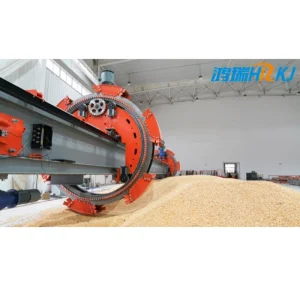
Large-scale processing ports require high-capacity transport links. Using high-pressure rotary feeders and custom ship loaders, industrial mills can transfer raw bulk grain directly from ships or deep silos over long distances without causing kernel damage.
Addressing the core technical challenges, processing parameters, and structural design choices faced by procurement managers and milling engineers.
Milling breakage is primarily caused by excessive pressure and heat build-up within the whitening chamber, as well as rapid changes in moisture content. Running a multi-pass whitening line at lower pressure is more gentle than using a single high-pressure run. Additionally, implementing efficient air-jet cooling, maintaining the correct moisture level (around 14%), and using high-precision rubber dampers to isolate frame vibrations are key to minimizing kernel stress and maximizing yields.
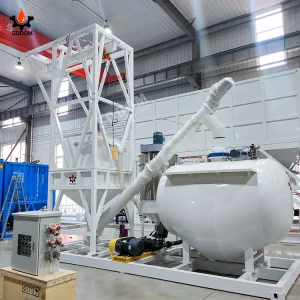
Pneumatic conveying systems, which utilize high-pressure rotary feeders and airlock blowers, offer a completely enclosed transport route. This design prevents environmental dust accumulation, eliminates structural residue build-up, and protects the grain from insects. Additionally, pneumatic pipes allow for flexible routing options and require fewer moving parts than mechanical bucket elevators, making them easier to clean and maintain.
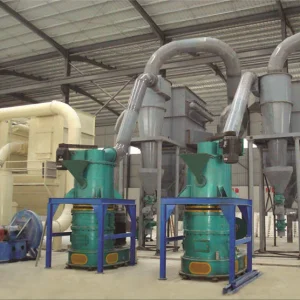
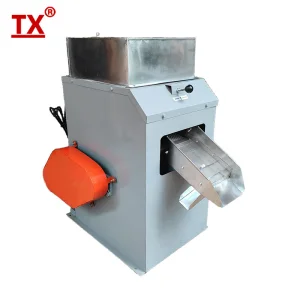
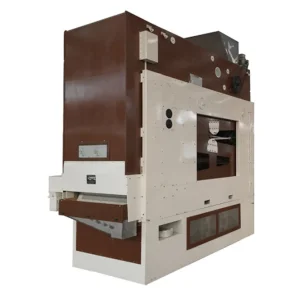
Waterless pre-cleaning systems use vibratory screen de-stoners, air cyclones, and magnetic separators to remove impurities without needing water. This layout completely eliminates the cost of wastewater treatment, simplifies compliance with environmental regulations, and ensures the grain remains dry, preventing mold growth and bacterial contamination during storage.
Explore our additional line of industrial storage silos, grain cleaning machines, robust dampers, and high-performance mills.
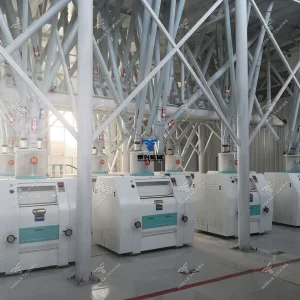
 Jiujie Machine