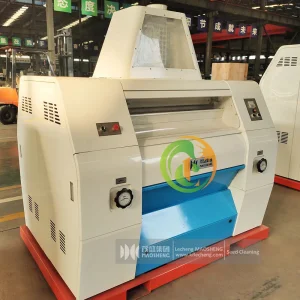
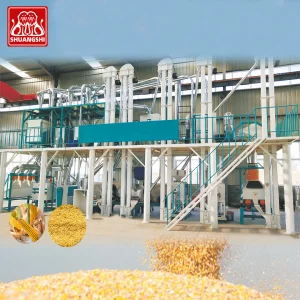
Optimized for processing regional grain varieties. Featuring dust suppression, high germ extraction, and robust local grid compatibility.
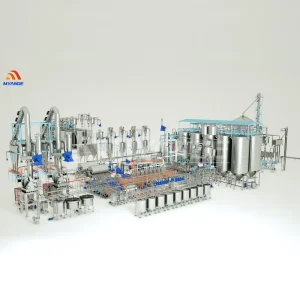
In East Africa, and specifically in Kenya, flour milling is a critical pillar of food security and agricultural value addition. Maize meal, locally processed into Sifted Maize Meal or Ugali, represents the primary source of daily caloric intake for over 60% of the population. Simultaneously, the consumption of wheat flour (for chapati and bread) is rising rapidly due to urban population growth in metropolitan zones like Nairobi, Mombasa, Kisumu, and Nakuru.
The market is divided into two primary processing segments: Posho Mills (informal, small-scale, local custom mills handling 1 to 5 tons per day) and Commercial Roller Mills (handling 20 to over 500 tons per day). Modern commercial operations face high challenges, including fluctuating grain supplies, steep local electricity costs (reaching over $0.15 per kWh), and strict regulatory demands for fortified flour. To remain profitable, millers require energy-efficient machines that deliver high flour extraction rates and run continuously with minimal downtime.
Deploying flour milling machinery in Kenya requires compliance with national and regional standards. Henan Jiujie Machine Co., Ltd. designs systems customized for the East African industrial landscape:
Collaborating directly with a leading Chinese manufacturer like Henan Jiujie provides substantial advantages in terms of technology, delivery speed, and cost efficiency:
How Henan Jiujie integrates high-precision engineering to ensure reliability for global importers.
Equipped with high-precision CNC laser cutters, CNC bending machines, and planers to guarantee parts sit with tight tolerances, decreasing vibrations during high-speed operations.
Our complete line of grain processing equipment is certified under ISO9001 and CE quality management standards, ensuring adherence to EU and international safety protocols.
Using AutoCAD-based design systems, we build turnkey solutions encompassing raw material intake, pre-cleaning, tempering, degermination, milling, sifting, and final bagging.
Contact our technical engineers today to receive a layout design and tailored pricing for your milling plant project in Kenya.
Send Inquiry NowA professional supplier of complete equipment and engineering services for the food production and grain processing industries. Our business covers a wide range of applications, including wheat flour milling plants, feed processing factories, and rice processing plants.
Our product portfolio includes conveying equipment, cleaning equipment, flour milling equipment, and other related machinery. Over the years, our products have been widely recognized by customers both in domestic and international markets. With extensive industry experience, we are able to provide integrated solutions across the entire grain and food processing industrial chain.
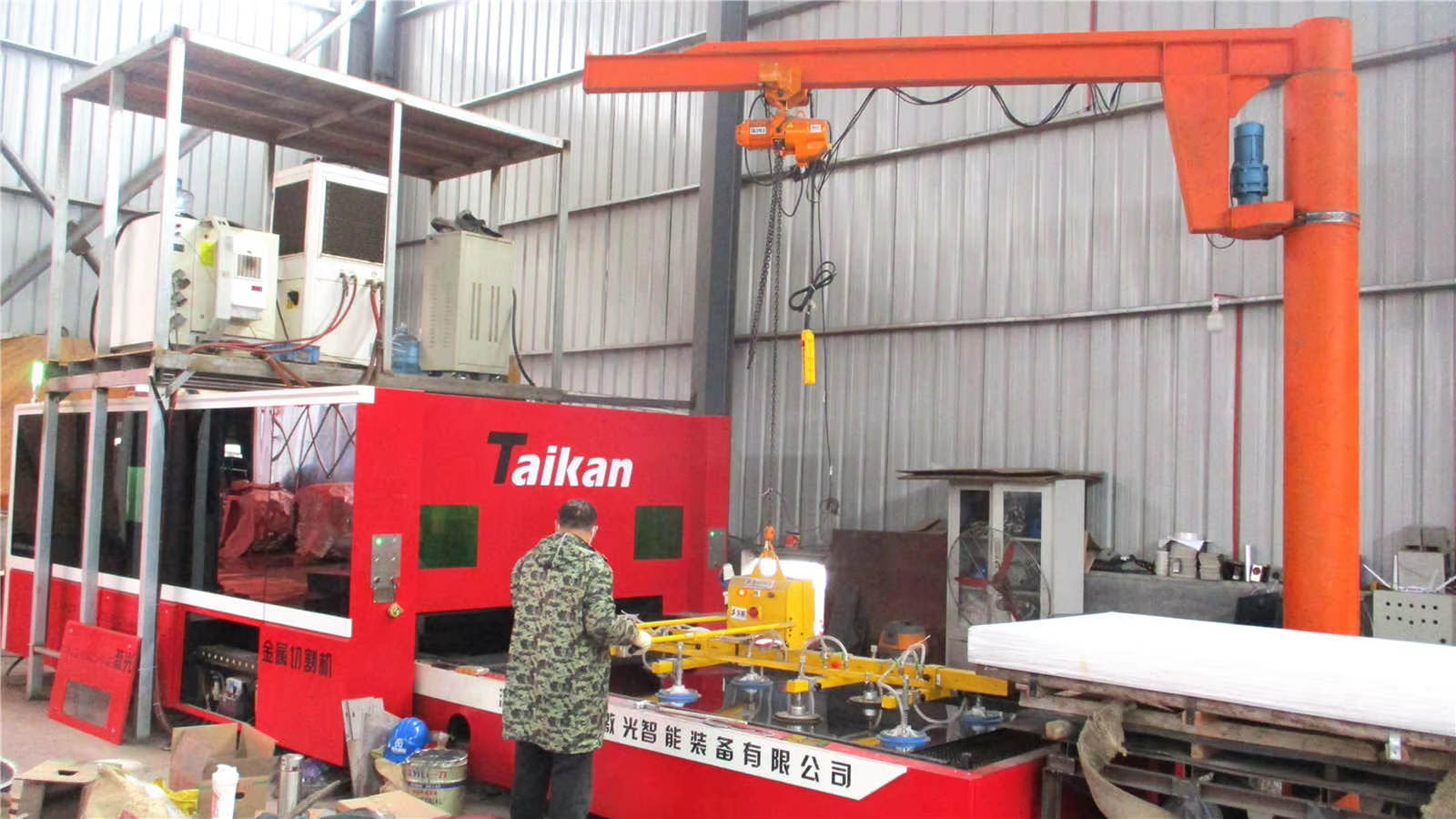 Cutting
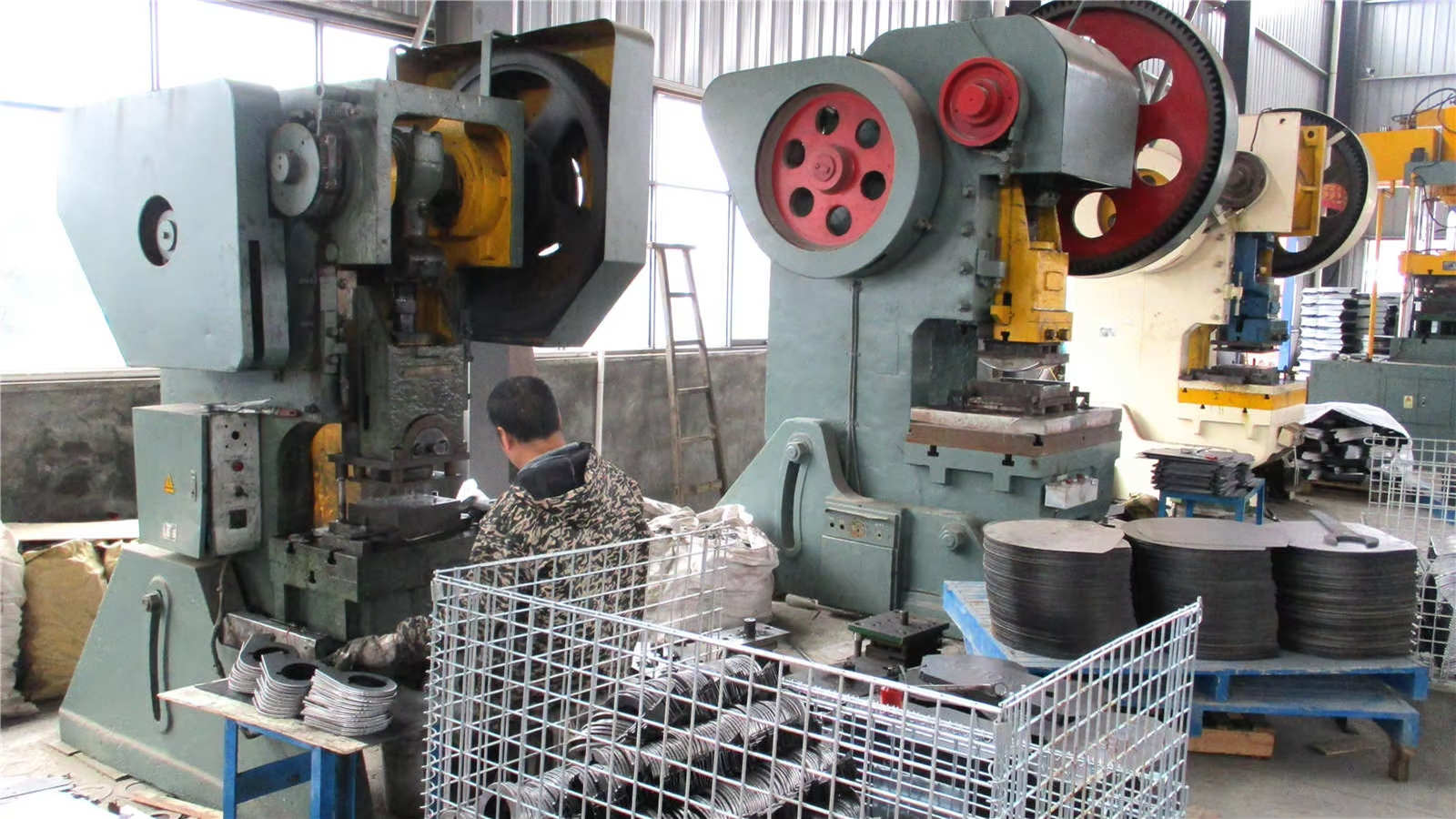 Punching
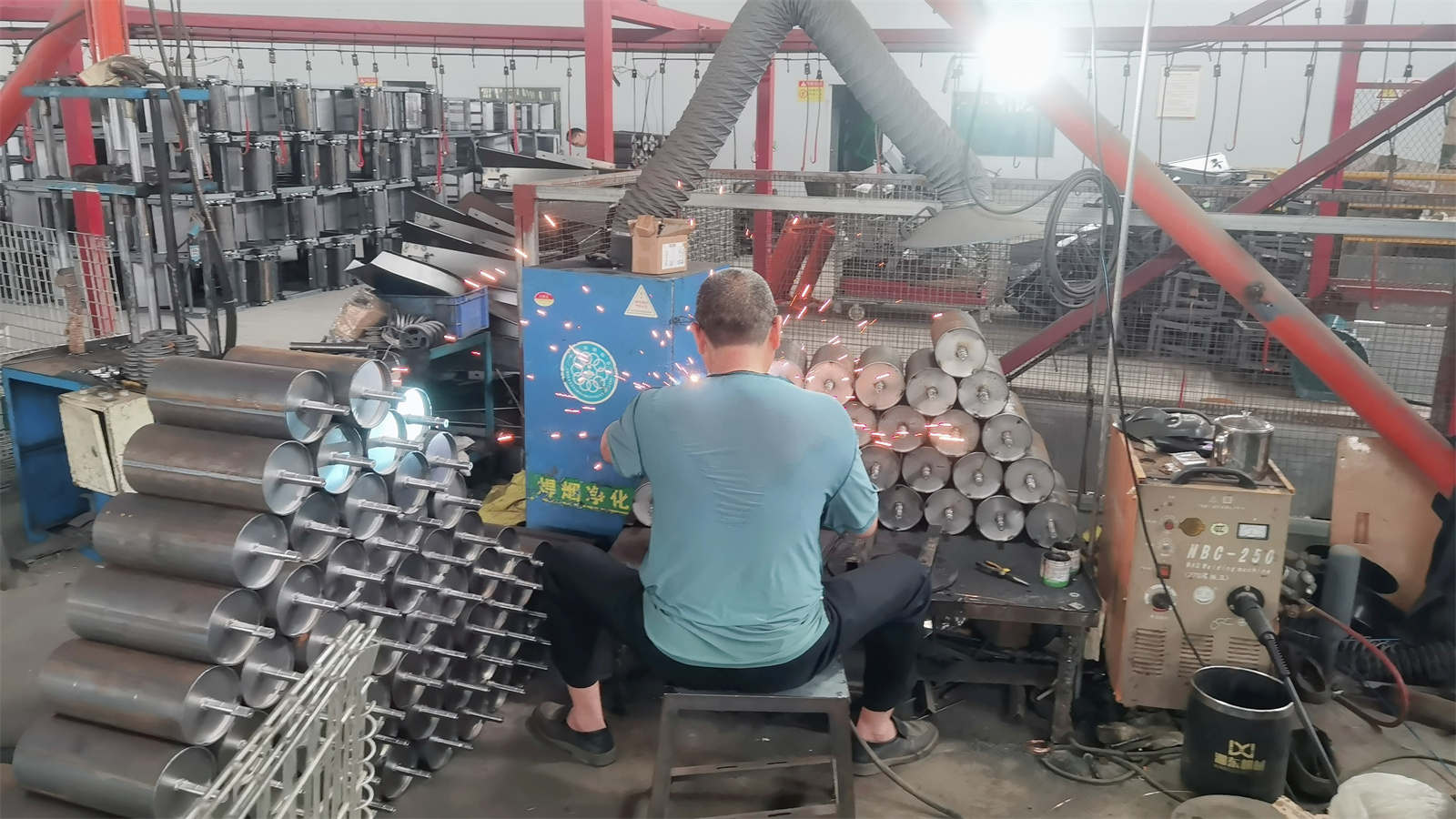 Welding
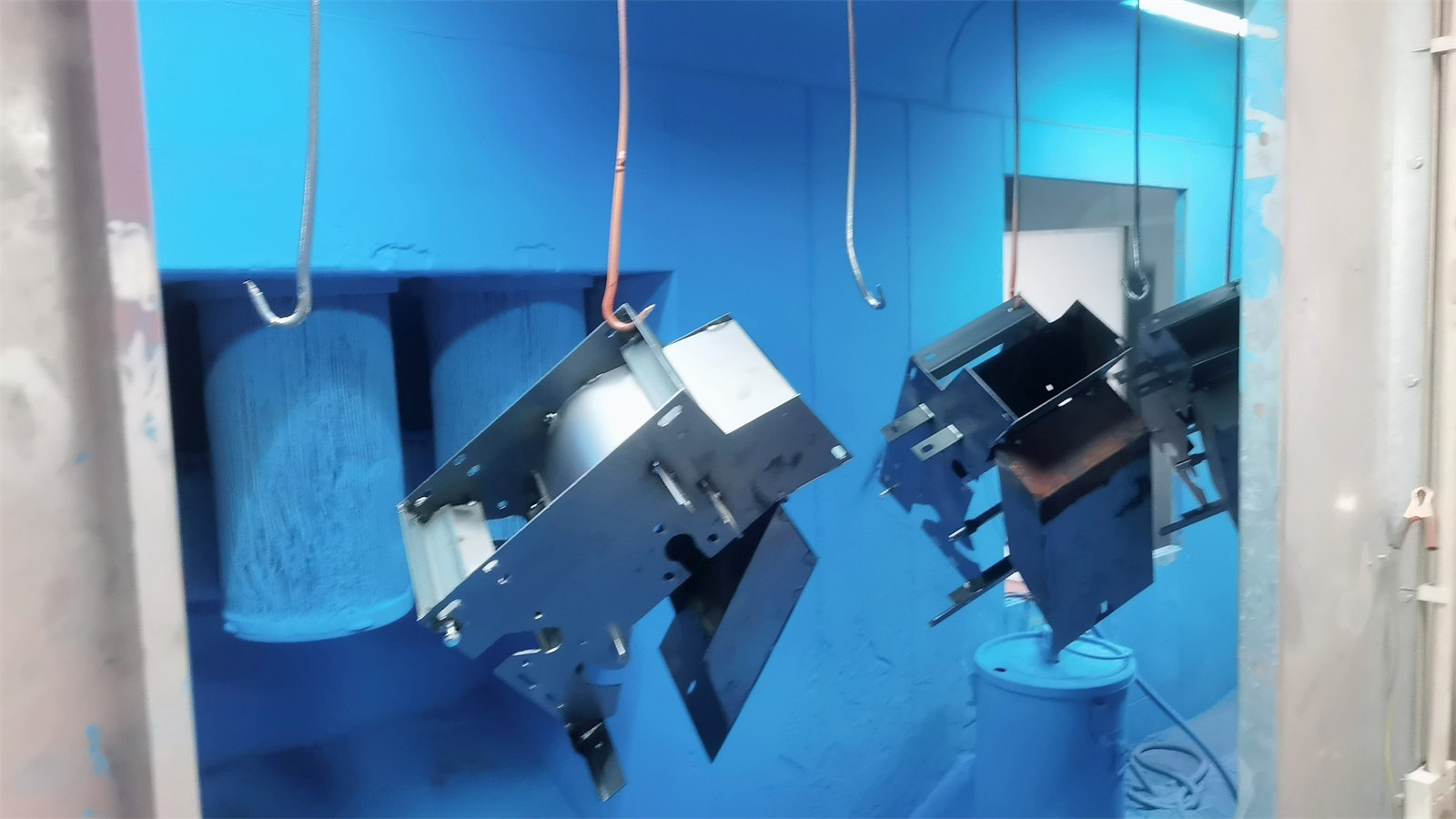 Painting
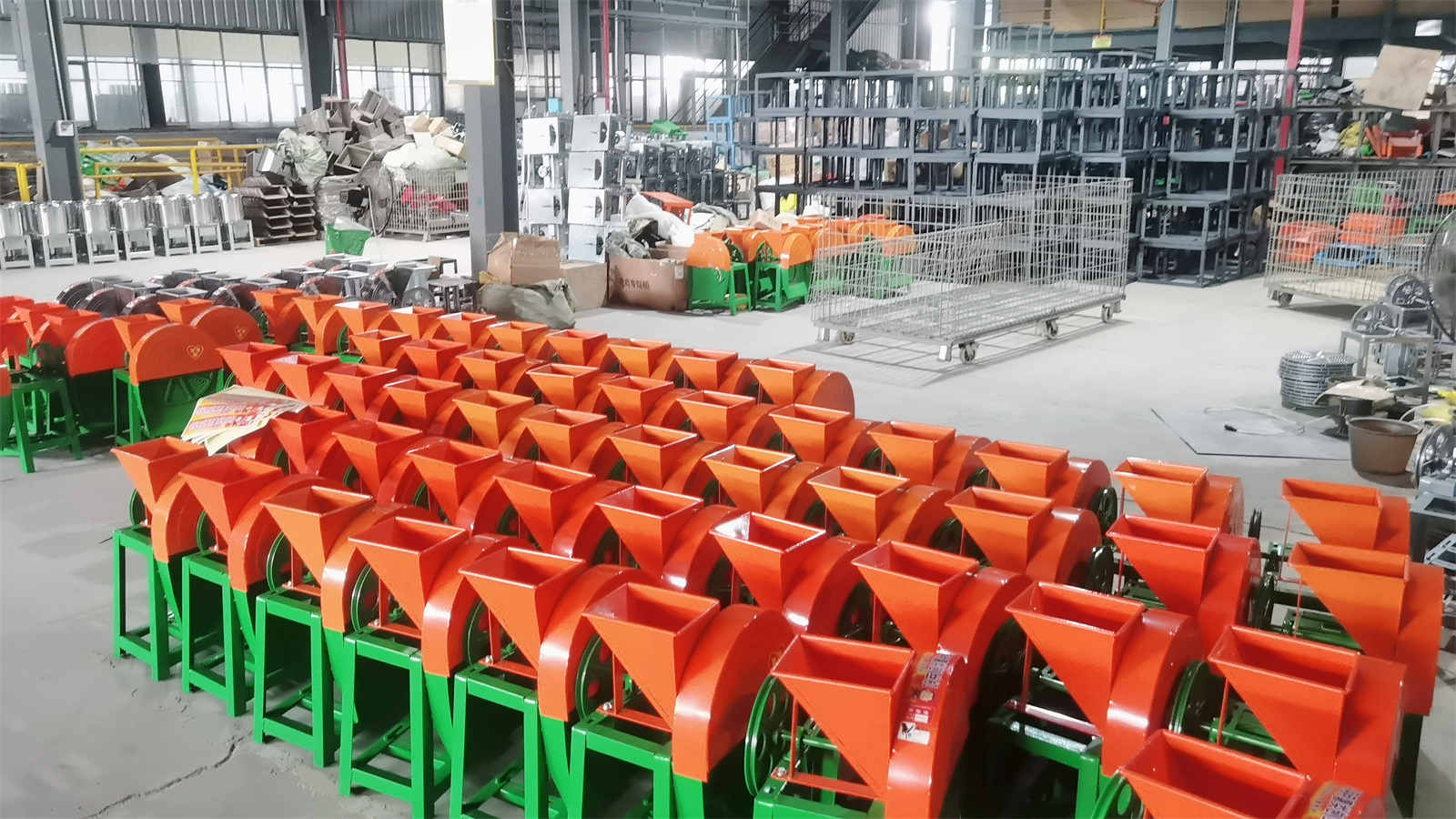 Assembling
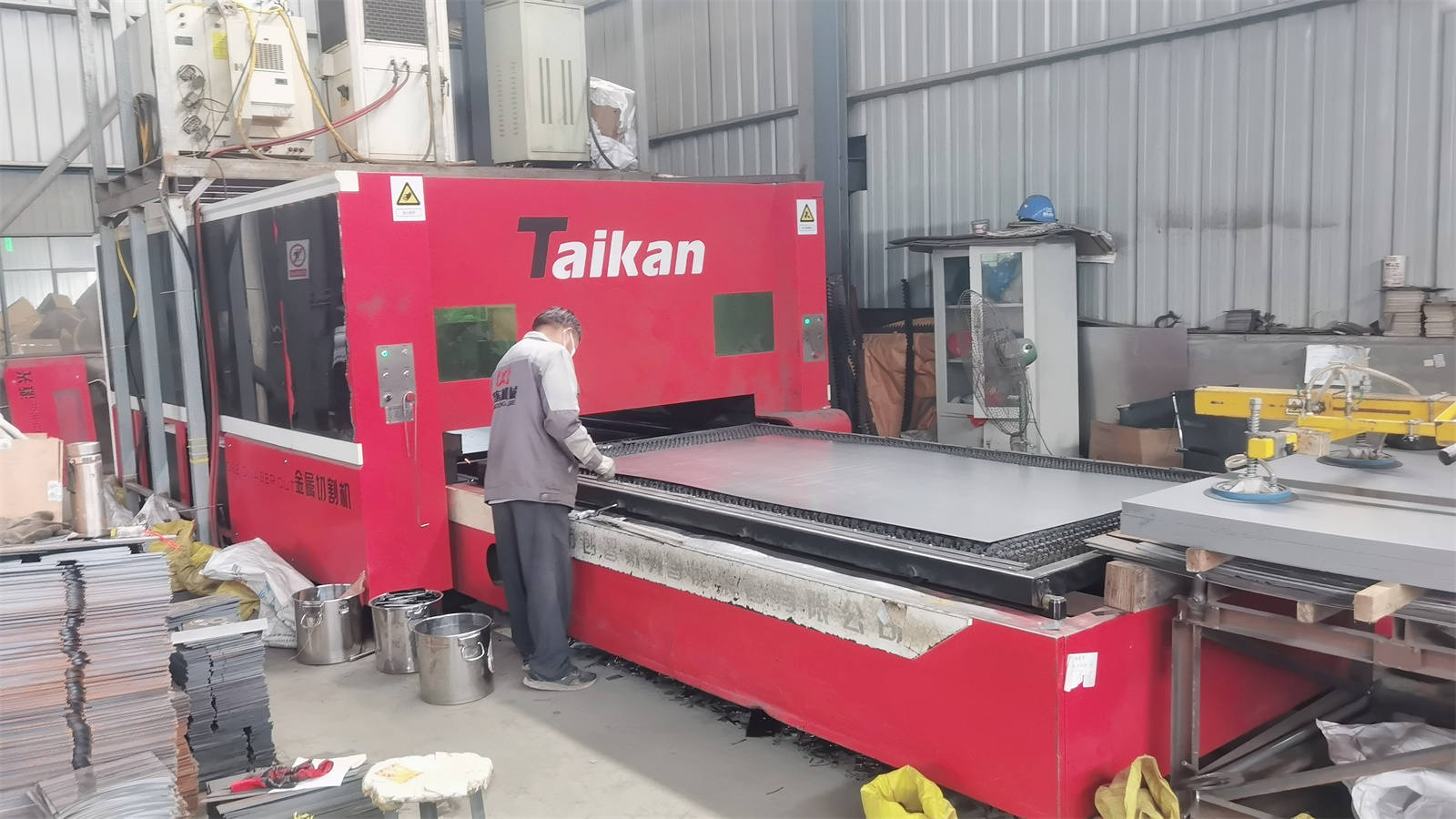 Laser Cutting Machine
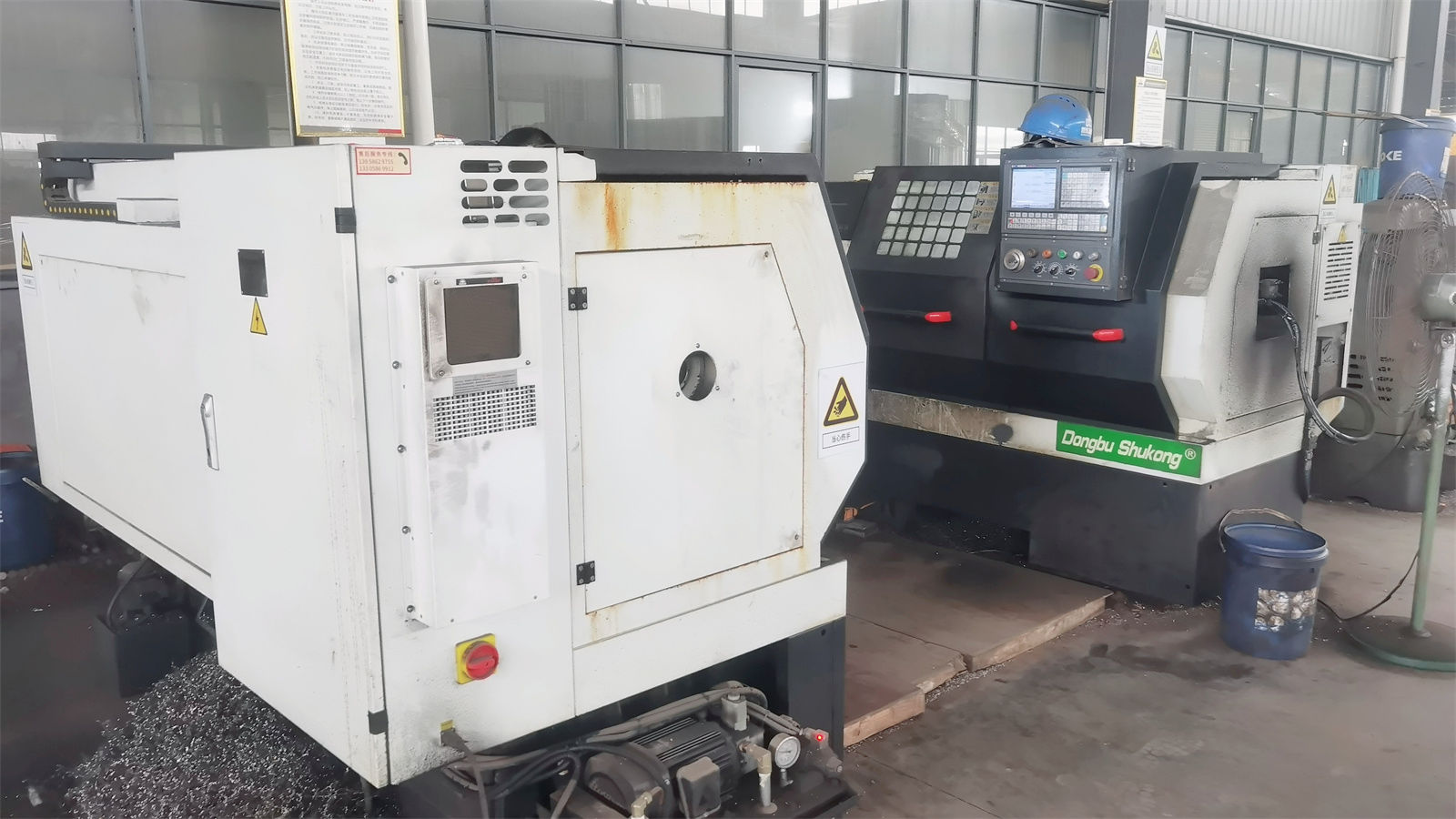 CNC Lathe
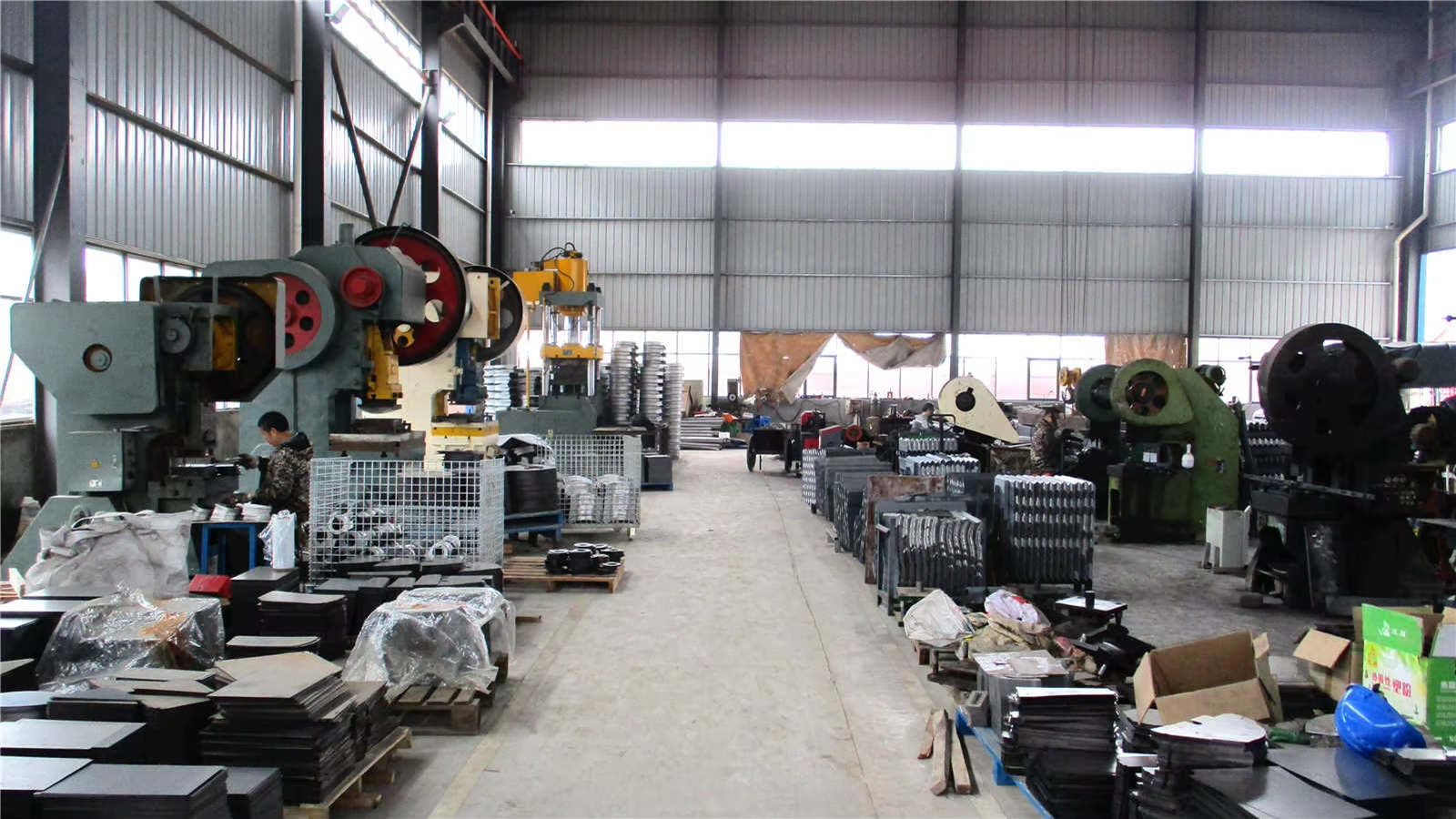 Punching Machine
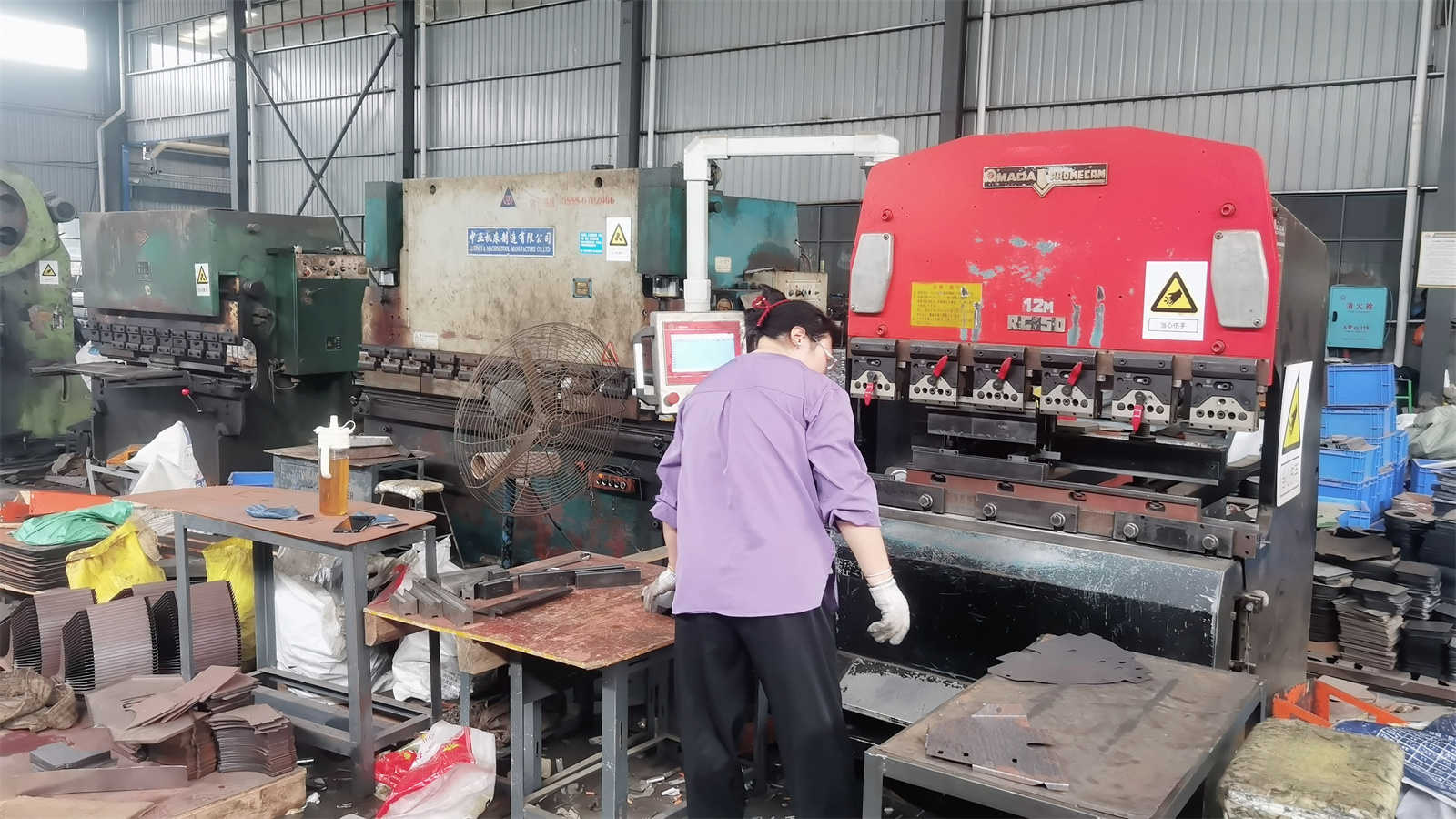 Bending Machine
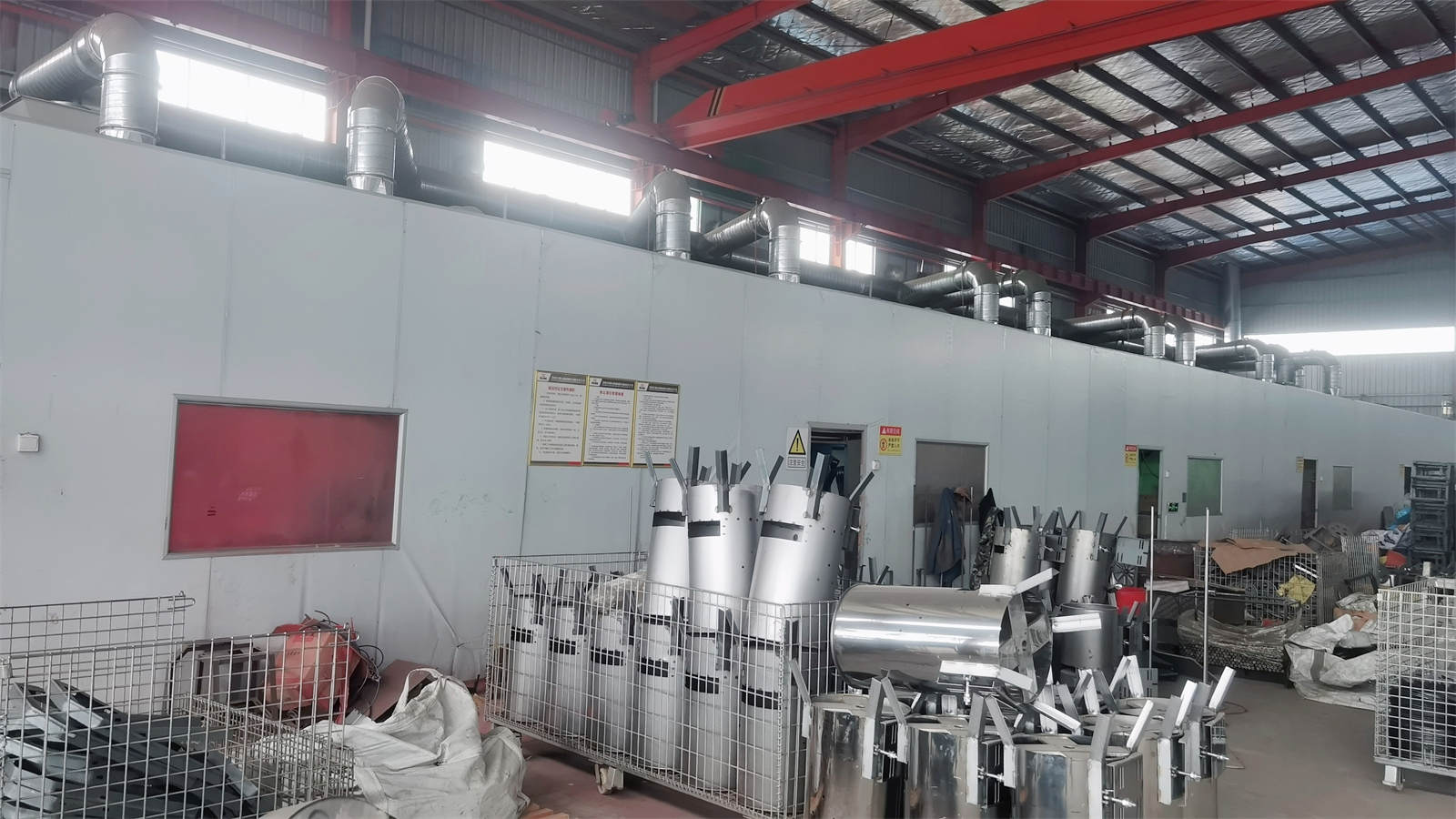 Painting Line
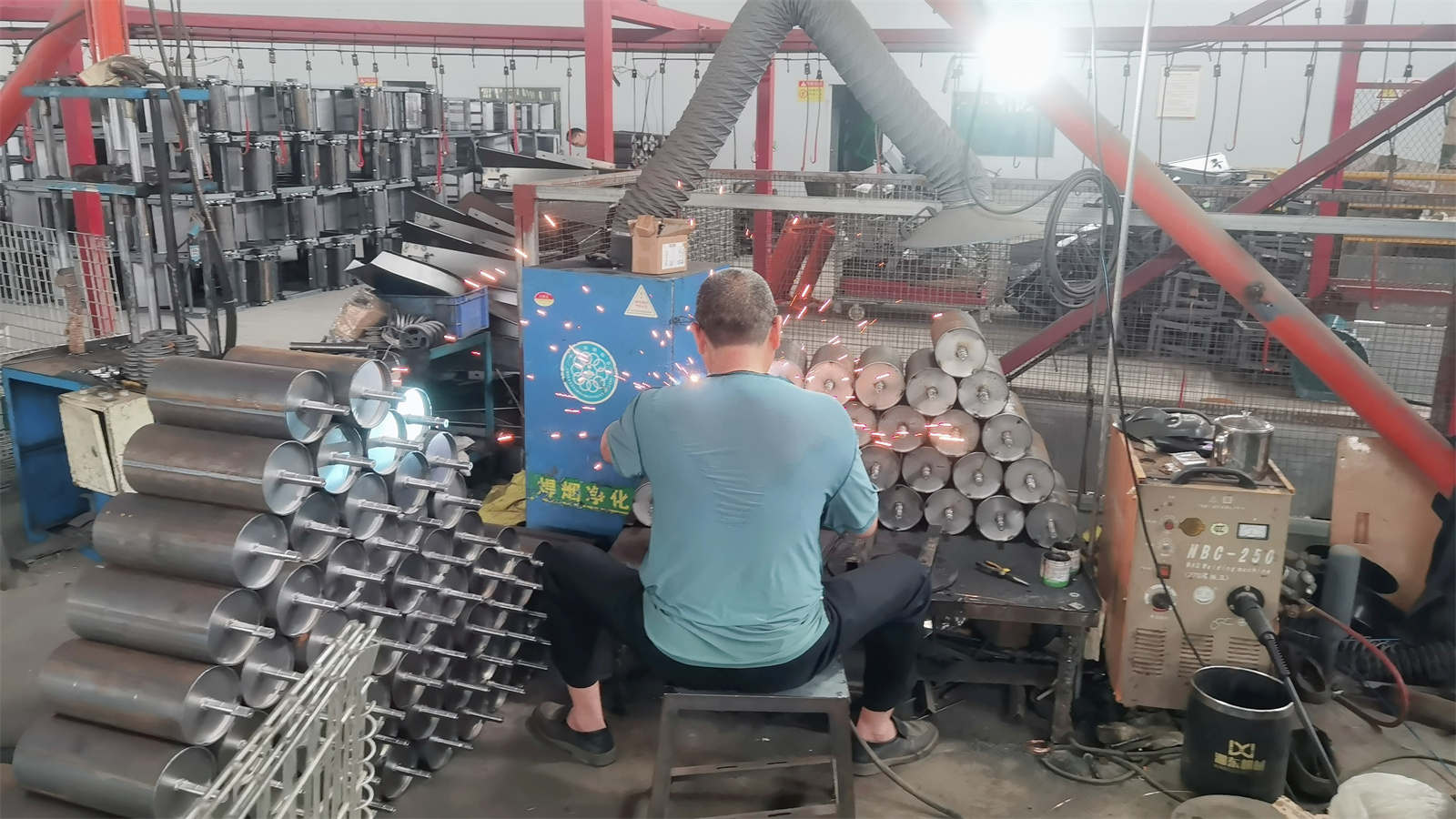 Welding Machine
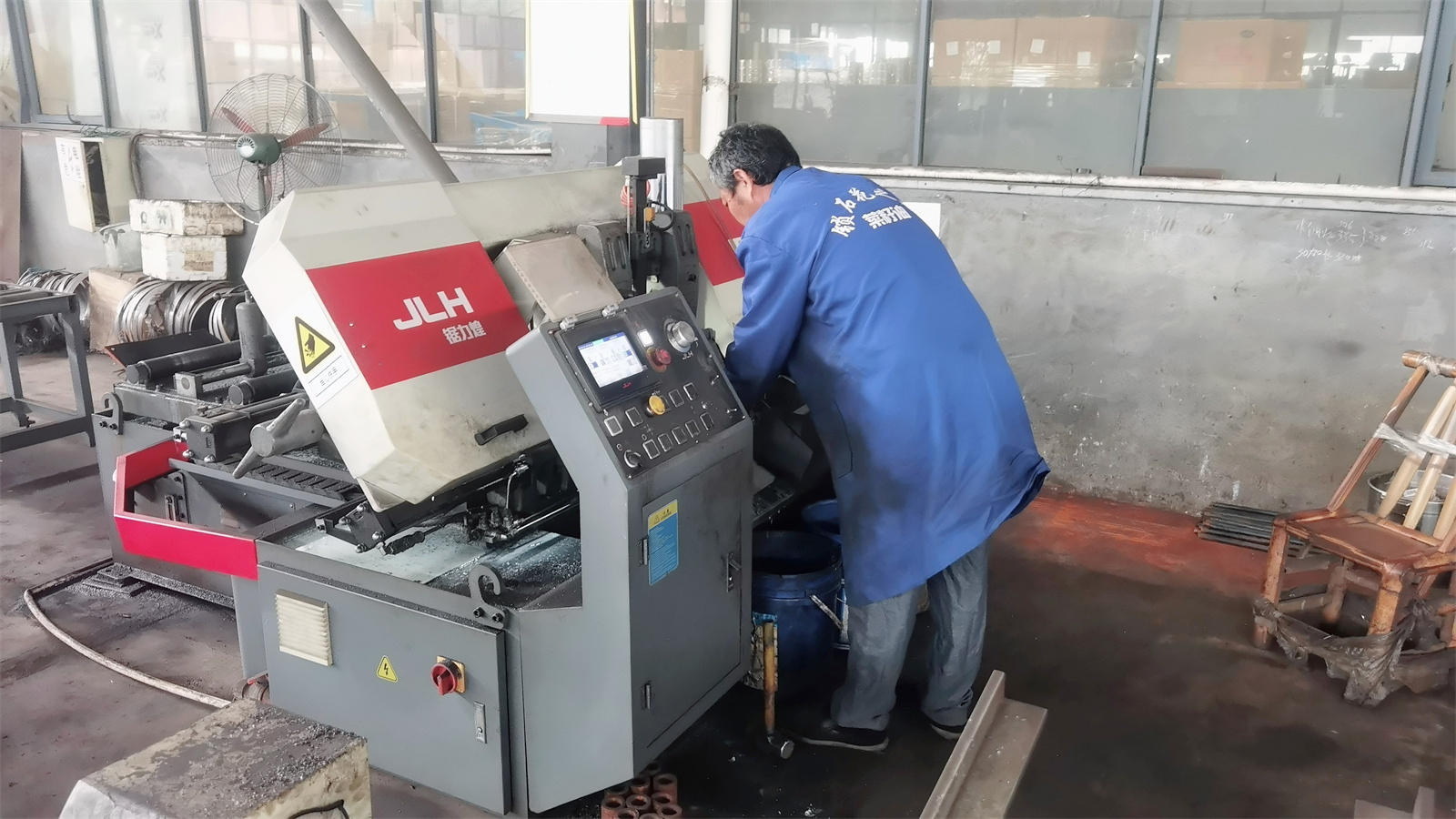 Sawing Machine
Purchasing an industrial milling system requires matching equipment specifications with financial goals. Here is the step-by-step framework recommended by our technical experts:
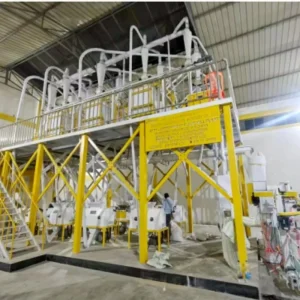
Begin by calculating your daily processing goals. If your target is the retail sifted maize meal market, a capacity of 30 to 50 TPD (Tons Per Day) is often ideal, allowing for balanced shifts. Ensure your site has adequate vertical space—commercial roller mills typically need at least 3 levels (cleaning, tempering, milling/sifting) to use gravity flow efficiently, which helps lower energy consumption.
For Kenyan consumers, the color and texture of Ugali are key quality markers. The maize germ must be thoroughly separated from the endosperm. Using our high-efficiency maize peeling and degerminating machines ensures the germ and bran are removed cleanly, resulting in clean, white flour with low fat content and an extended shelf life.
While the initial purchase cost (CAPEX) is important, the operating cost (OPEX)—driven mainly by energy use and wear on parts like rollers and sieves—determines long-term profitability. Henan Jiujie machines feature energy-saving motors and hard alloy rollers, helping to minimize power consumption per ton milled and lower your overall operating cost.
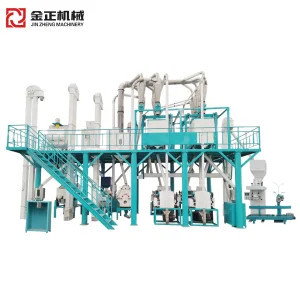
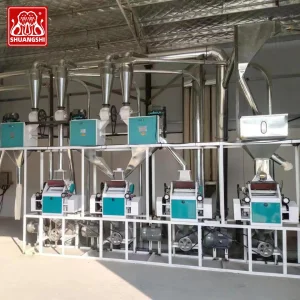
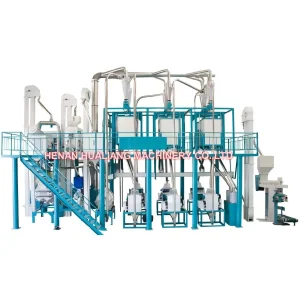
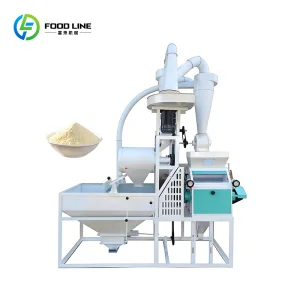
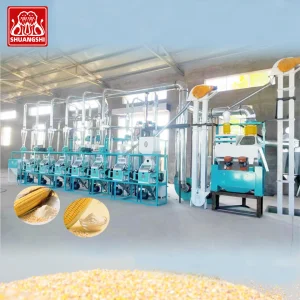
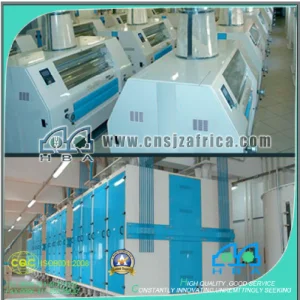
Explore our wide selection of maize grinders, wheat roller mills, and industrial processing plants configured for the African continent.
Expert answers to common questions about setting up and running flour mills in Kenya.
Costs vary significantly depending on production capacity. A small-scale commercial line (10 to 20 Tons Per Day) typically starts around USD $15,000 to $30,000, covering pre-cleaning, degerminating, milling, and bagging. Large industrial turnkey systems (100 to 300+ TPD) with automated control systems require customized quotes based on silo requirements and factory layouts.
Our systems include integrated, precise micro-dosing systems that continuously inject vitamins and minerals (such as iron, zinc, and vitamins A & B) into the flour flow before packaging. This ensures the output complies with the Kenya Bureau of Standards (KEBS) food fortification guidelines.
Our machinery is configured to match the standard Kenyan grid power supply: 415V, 50Hz, 3-Phase. We use high-efficiency motors to reduce electrical consumption, helping to lower operational costs in regions with high electricity tariffs.
Yes, we provide engineering support, including layout planning, foundation drawings, and remote/on-site installation assistance. Our technical team works closely with your local setup crew to ensure smooth assembly, commissioning, and operator training.
 Jiujie Machine