In the milling industry, equipment efficiency is crucial for optimal production. Understanding "why is my flour mill machine vibrating too much" is essential for maintaining performance and safety. According to a recent industry report, excessive vibration can lead to equipment failure and increased downtime. In fact, studies show that 30% of milling machinery issues stem from vibration-related problems.
Professional mill operators must identify the root causes of excessive vibration to avoid costly repairs. Problems often arise from misalignment, worn bearings, and unbalanced loads. These factors compromise the mill's operational integrity. A reliable flour mill should operate smoothly, minimizing vibration levels. Operators should conduct regular maintenance checks and use vibration analysis tools.
Addressing these symptoms promptly not only enhances performance but also extends the lifespan of the equipment. Ignoring them can result in operational inefficiencies. For mill owners, understanding vibration causes is not just beneficial—it is essential. They must cultivate a proactive maintenance culture, which can drastically improve production outcomes. Effective monitoring combined with professional insights can help mitigate these challenges.
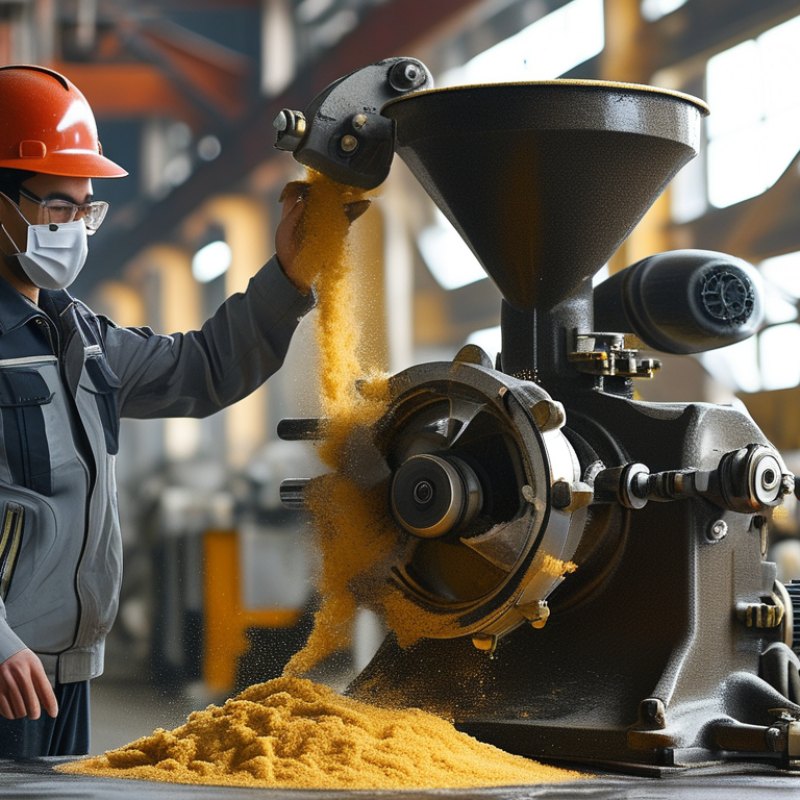
Excessive vibration in flour mill machines is often a sign of underlying issues. Common causes include misalignment, which can lead to uneven wear on components. Research indicates that misalignment accounts for about 30% of machine failures in industrial settings. Addressing this can reduce operational risk significantly.
Another frequent culprit is inadequate foundation support. A poorly constructed foundation can amplify vibrations, impacting performance. In fact, studies show that 25% of vibration-related problems stem from foundation issues. Regular inspections and adjustments to the foundation can mitigate these effects.
Worn bearings also contribute significantly to vibration levels. As they degrade, they can produce noise and lead to increased vibration. According to industry data, about 15% of machinery downtime is caused by bearing failures. Timely replacement of worn parts is crucial to maintaining stability in flour milling operations. Operators must remain vigilant and proactive to minimize disruption.
Misalignment can lead to increased vibrations in flour mill machines. When the components of the machine are not properly aligned, they create uneven movement. This unevenness causes excessive wear and tear, which can compromise performance. Operators may notice a difference in product quality as vibrations disrupt the grinding process.
Improper alignment can stem from various factors. For instance, installation issues or maintenance neglect can lead to misalignment. When machine parts do not fit together seamlessly, vibrations intensify. These vibrations not only affect the machine but also can lead to safety concerns.
To ensure longevity and efficiency, regular checks are essential. Operators must examine alignment frequently. Adjustments are necessary at the first sign of excessive vibrations. Investing time in these assessments increases reliability. It prevents further issues that can arise from neglecting proper alignment.
Vibrational stability in flour mill machines is crucial for maintaining efficiency. Worn bearings and shafts significantly contribute to increased vibrations. These components bear the load of moving parts. If they degrade, misalignment occurs. This misalignment can lead to severe operational issues.
Over time, bearings may develop wear patterns. This compromises their ability to support rotating shafts. As a result, vibrations escalate. Unhealthy vibrations can damage other machine parts. This creates a cycle of increased repair needs and downtime. Operators may overlook these minor signs. Such negligence can cause bigger problems in the long run.
Regular maintenance checks are vital. Inspecting bearings and shafts can prevent excessive wear. Early detection of issues is crucial. Not every vibration is easily noticeable at first. Sometimes, fine-tuning these components can lead to significant improvements. Addressing these factors fosters a more reliable working environment. It ultimately leads to better production outcomes.
Regular maintenance is crucial for any flour mill machine. Neglecting it can lead to excessive vibrations. This can cost money and reduce production efficiency. Checking all moving parts is essential. Bearings are often the first to show wear, causing imbalance. Loose components can also exacerbate vibration issues. Ignoring these signs can lead to more significant problems.
Scheduled inspections should be part of your routine. This reduces the risk of unexpected breakdowns. Cleaning dust and debris from the machine helps maintain its performance. Tightening bolts and checking alignment are simple yet effective measures. If you notice vibrations, it might indicate a need for a deeper inspection. Listening to the machine can provide clues about its health.
Regular training for operators is also important. They should know what to look for in terms of unusual noises or vibrations. Encouraging open communication about machine health can foster a proactive environment. Vibration issues may not be immediately obvious, yet they can signal underlying problems. Taking small steps now can lead to long-term savings and better productivity.
Regular maintenance is crucial for minimizing vibrations in flour mill machines. This chart highlights the top ten reasons for excessive vibrations, ranked on a scale from 1 to 10, with "Imbalance" being the most significant contributor. By addressing these issues through routine checks and preventive measures, you can enhance machine performance and longevity.
Flour mill machines often face vibration issues. Material properties play a critical role in these vibrations. Various studies indicate that overly moist flour, for example, can lead to clogs and excess vibration. The moisture content in flour should ideally be around 14%. Higher moisture can cause the flour to stick together, disrupting flow and increasing machine stress.
Another factor is the granulation of the flour. Coarser particles tend to generate more vibrations when they pass through the mill. A report by the International Milling Directory emphasizes that maintaining a consistent particle size helps in minimizing vibrations. Conversely, inconsistent sizes can create uneven loading. This leads to unbalanced forces acting on the machine.
Tips: Regularly check flour moisture levels. Perform routine maintenance on the milling equipment. Investing in particle size analysis tools can ensure mill efficiency and stability. Addressing these issues may lead to a smoother operation. Reflection on these parameters can prevent excessive machine vibrations, ensuring better performance over time.
| Reason | Material Type | Vibration Level (mm/s) | Impact |
|---|---|---|---|
| Incorrect Alignment | Wheat | 5.2 | High |
| Worn Bearings | Corn | 4.5 | Moderate |
| Unbalanced Load | Rye | 6.0 | Critical |
| Poor Foundation | Oats | 3.9 | Moderate |
| Improper Speed | Barley | 7.1 | High |
| Material Moisture Content | Spelt | 2.8 | Low |
| Damaged Components | Millet | 8.3 | Critical |
| Incompatible Parts | Rice | 4.1 | Moderate |
| Improper Maintenance | Triticale | 5.5 | High |
| Flow Obstructions | Flaxseed | 3.4 | Low |
: Common causes include misalignment, inadequate foundation support, and worn bearings.
Misalignment causes uneven movement, leading to excessive wear and reduced performance.
Research shows that misalignment accounts for about 30% of failures in industrial machines.
A poorly constructed foundation amplifies vibrations, affecting overall machine performance.
Regular checks are essential, especially at the first sign of excessive vibrations.
Worn bearings increase vibration levels and contribute to machinery downtime.
Proactive adjustments and timely replacements of worn parts are necessary.
Proper alignment enhances efficiency and longevity while preventing safety concerns.
Neglecting misalignment can lead to more significant issues and disruptions in operations.
Staying vigilant helps minimize disruptions and maintain stability in flour milling operations.
Excessive vibration in flour mill machines can be a concerning issue for operators, leading to potential damage and decreased efficiency. Understanding "why is my flour mill machine vibrating too much" involves examining several factors. Common causes include improper alignment, which can significantly impact the overall performance of the machine. Additionally, worn bearings and shafts contribute to vibrational instability, exacerbating the problem. Regular maintenance is crucial in mitigating excessive vibration, as it ensures that all components function optimally.
Moreover, the properties of the materials being processed can influence vibration levels as well. Heavier or inconsistent materials may cause the machine to operate less smoothly, leading to increased vibrations. By addressing these common issues and implementing regular checks, flour mill operators can reduce vibration, enhance machine longevity, and improve overall operational effectiveness.

Jiujie Machine