How to Start a Small Scale Flour Mill Business in 2026?

Time:2026-06-25 Author:Henry
0%

Starting a small scale flour mill business can be an exciting venture in 2026. Flour is a staple ingredient in many households, ensuring a steady demand. However, before taking the plunge, it’s essential to understand how to start a small scale flour mill business effectively. Knowledge of the market, production processes, and financial planning is crucial.

The journey often begins with thorough research. Identify your target market and what types of flour are in demand. Assess local competition and explore potential customers, such as bakeries and restaurants. It is important to think about sourcing quality wheat and other grains, as the quality of your flour will directly impact your reputation. Ensure that you have the necessary equipment and a suitable location for your mill.

Challenges may arise, including initial capital investment and regulatory compliance. Additionally, marketing your flour brand can be complicated. Reflecting on your strengths and weaknesses can help navigate these obstacles. Remember, success requires not just operational skills but also resilience and adaptability in a competitive landscape.
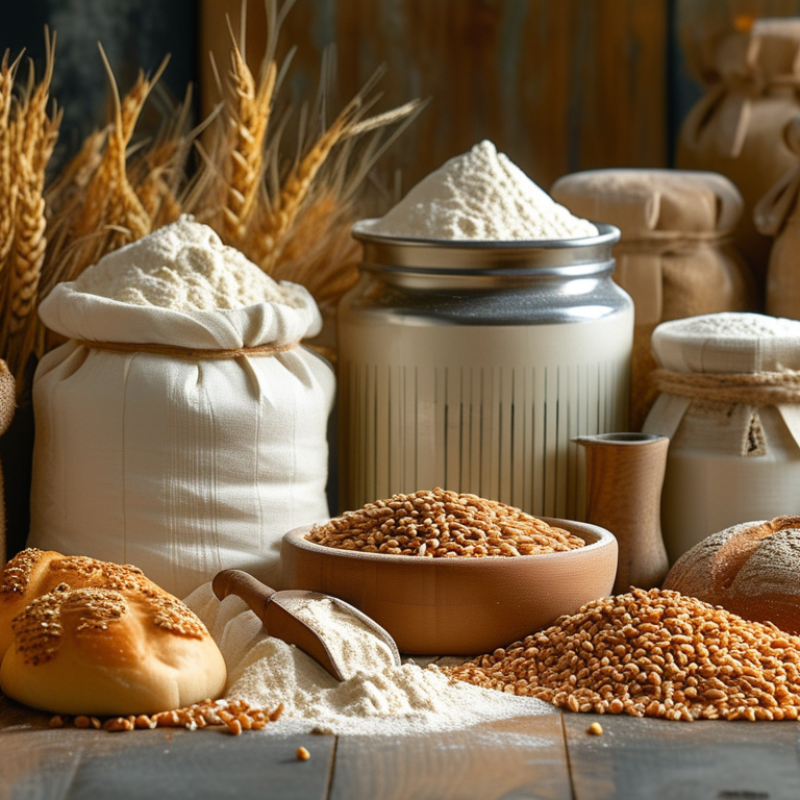
How to Start a Small Scale Flour Mill Business in 2026?

Understanding the Flour Milling Industry and Its Market Potential

The flour milling industry holds significant market potential in 2026. This sector has evolved with changing consumer preferences. People are increasingly interested in whole grain and organic products. This shift presents opportunities for small-scale flour mill businesses. They can cater to local demands by offering fresh and diverse flour options.


Starting a flour mill requires understanding local markets and consumer trends. Research is essential to identify what types of flour are in demand. Equipment selection is crucial as well. Investing in quality machinery can ensure efficiency and consistency in production. However, not everyone can afford high-end equipment. Small-scale entrepreneurs may need to consider used machines. This decision could impact their product quality and operational efficiency.


Marketing plays a vital role in business success. Building relationships with local bakers and shops can create a loyal customer base. Social media can also be a valuable tool for reaching a wider audience. Many small businesses struggle to establish their brand identity. This challenge may lead to slower growth. Continuous assessment and adaptation to market trends are necessary for long-term success.

Conducting Market Research for Your Small Scale Flour Mill Business

Conducting thorough market research is vital for starting a small-scale flour mill business in 2026. Understanding local demand helps you tailor your product. Engage with potential customers to gauge their preferences. Are they looking for whole wheat, gluten-free, or specialty flours? Surveying your community can provide insights into what might sell well.

Tips: Analyze your local competition. Visit other mills and shops. Pay attention to their pricing and product variety. This can highlight gaps in the market. Maybe there’s a demand for organic flour that isn’t being met. Keep a keen eye on market trends. They often change.

Consider the economy as well. In some areas, flour sales can fluctuate. Be prepared for seasonal changes and unexpected events. Regular adjustments to your business plan may be necessary. Establishing strong relationships with suppliers can also enhance your flexibility. Collaborating with local farms might reduce costs and support local agriculture.

Selecting the Right Location and Facilities for Your Flour Mill

Choosing the right location for your flour mill is crucial. Aim for areas with a steady supply of raw materials. Proximity to wheat farms can minimize transportation costs. Consider regions with good infrastructure, such as roads and railways. This helps in efficient distribution.

Facilities must be thoughtfully designed. Ensure adequate space for milling machines and storage areas. The layout should allow for smooth workflow, from raw grain to finished flour. Ventilation is important as milling can get dusty. Moreover, comply with local health and safety regulations. Ignoring these can lead to expensive fines or shutdowns.

Evaluate community needs. Can you source your workforce locally? Engage with potential customers to understand their expectations. This will guide your product offerings. Reflect on your choices regularly. Are you meeting your business goals? Adjusting location or facilities might be necessary as the market evolves.

Essential Equipment and Machinery for a Small Scale Flour Mill

Starting a small-scale flour mill business requires careful consideration of essential equipment and machinery. According to industry reports, the global flour milling market is projected to reach $300 billion by 2026. This growth indicates a strong demand for flour, making it a promising business venture.

Key machinery includes a grain crusher, roller mills, and mixing machines. A grain crusher is vital for breaking down grains before milling. Roller mills are essential for producing fine flour. Mixing machines help in blending flour with additives. These machines must be selected based on production capacity and the type of flour to be produced. Equipment costs can vary significantly. For instance, basic setups may cost around $50,000, while more advanced machinery can exceed $200,000.

Regular maintenance of equipment is crucial. Neglect can lead to downtime, impacting productivity. Small-scale millers should also explore local grain sourcing to minimize transportation costs. The flour quality can be influenced by machinery setup and local grain types. It’s essential to evaluate this when planning for your mill. Many millers overlook this aspect, often leading to inconsistent product quality. Investing in the right equipment and understanding local grain qualities can enhance business prospects.

Developing a Business Plan and Financial Projections for 2026

Developing a robust business plan is essential for starting a small-scale flour mill in 2026. Begin by assessing the local market. Research the demand for flour and related products. This will help in tailoring your offerings to customer needs. Consider conducting surveys or interviews with local bakers and grocery stores. The insights gained can guide your production capacity and pricing strategy.

Next, outline your financial projections. Estimate your startup costs, including equipment, rent, and labor. Don’t forget ongoing expenses like electricity and maintenance. Use realistic figures, as overestimating can lead to cash flow issues later. Create a break-even analysis to understand when you will start making a profit. Include contingency plans for potential setbacks, like equipment breakdowns or unexpected expenses.

Lastly, review and refine your plan regularly. The market can change rapidly. Perhaps a new competitor arrives or consumer preferences shift. Be open to adapting your strategy based on these factors. Maintaining flexibility will help you navigate uncertainties in the milling industry. Keep an eye on trends in healthy eating, which may impact flour demand.

FAQS

: What factors should I consider when starting a flour mill?

: Understanding local demand and consumer trends is essential. Research the types of flour that are popular in your area.

Why is equipment selection important for a flour mill?

Quality machinery ensures efficiency and consistent production. However, some may afford only used machines, affecting product quality.

How can I build a customer base for my flour mill?

Build relationships with local bakers and shops. Social media can help you reach more customers effectively.

What location is best for a flour mill?

Choose a site near raw material sources. Proximity to wheat farms can reduce transport costs and support distribution.

What are essential machines for a small-scale flour mill?

Key machines include a grain crusher, roller mills, and mixing machines. Each has a specific role in flour production.

How much can starting equipment cost?

Basic setups may start around $50,000. Advanced machinery can exceed $200,000 depending on production capacity.

What maintenance is needed for flour milling equipment?

Regular maintenance is vital. Neglecting it may lead to downtime and decreased productivity, affecting business success.

How can community needs influence my flour mill?

Engage with potential customers to understand their expectations. This can help tailor your products to meet local demands.

How does local grain quality impact flour production?

The quality of your flour can depend on the machinery setup and grain types. Evaluate these factors before you start milling.

What should I reflect on regarding my mill’s success?

Regularly assess if you are meeting business goals. Adapting your location or facilities could become necessary as market demands change.

Conclusion

Starting a small scale flour mill business in 2026 involves a strategic approach to understanding the flour milling industry and its market potential. It's essential to conduct thorough market research to identify target customers and competitors, which will inform your business strategies. Choosing the right location and facilities is crucial, as it impacts production efficiency and accessibility to raw materials.

Equipping your mill with the necessary machinery is another critical step in ensuring smooth operations. Alongside this, developing a comprehensive business plan with detailed financial projections will set a roadmap for your venture’s growth. By following these guidelines on how to start a small scale flour mill business, entrepreneurs can lay a strong foundation for success in the milling industry.

Henry

Henry

Henry is a dedicated marketing professional with a profound expertise in the company's offerings. With years of experience in the industry, he possesses an impressive understanding of the market dynamics and consumer behaviors that drive success. Henry is committed to sharing his insights through......