In the world of flour milling, the performance of roller mills is crucial. Understanding "how often should you change flour mill rollers" can significantly impact product quality and operational efficiency. According to a recent report by the American Association of Cereal Chemists, regular maintenance and timely replacement of rollers can enhance flour yield by up to 15%.
Expert David Reynolds, a leading figure in milling technology, emphasizes, "Rollers that are not replaced regularly can lead to inconsistencies in flour texture and quality." This statement resonates with many mill operators who observe a direct correlation between roller condition and output quality. Over time, wear and tear can diminish roller effectiveness, which can increase production costs and affect customer satisfaction.
While some operators may extend the life of their rollers, the consequences can be dire. With aging rollers, grain can be crushed unevenly. This inconsistency may lead to setbacks in milling performance. Thus, it’s essential to assess roller condition periodically and consider expert recommendations. Finding the right balance in maintenance can prevent costly mistakes.
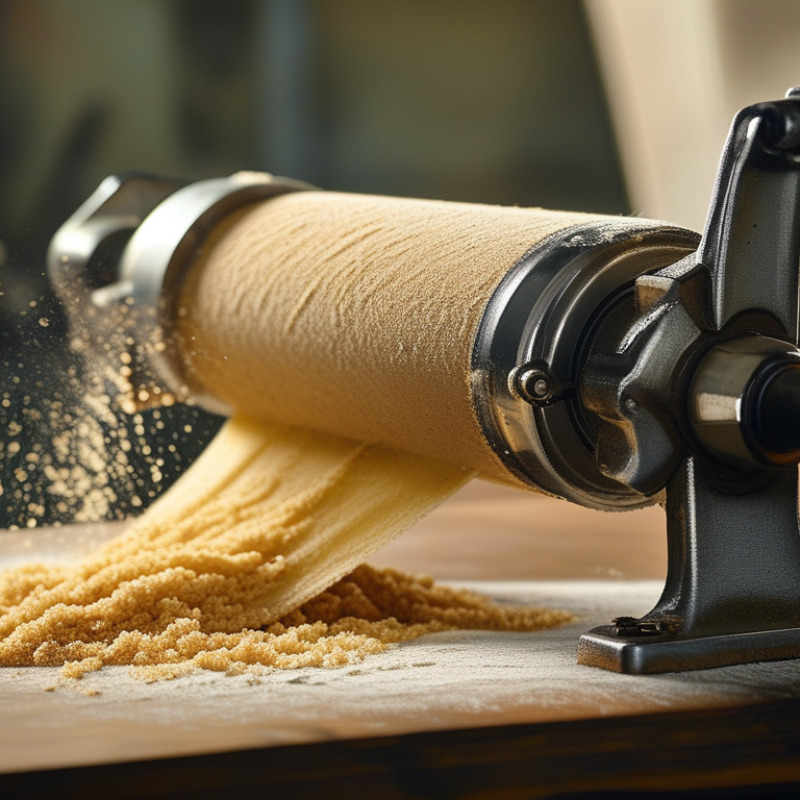
The lifespan of flour mill rollers is influenced by various factors. One key element is the material being milled. Grains with high hardness levels can lead to increased wear. According to a 2021 industry report, the average lifespan of rollers when milling hard wheat is about 1,000 to 1,500 hours. For softer grains, this can extend up to 2,000 hours or more.
Another crucial factor is the consistency of maintenance practices. Regular cleaning and proper alignment can significantly enhance roller lifespan. Some reports suggest that neglecting these practices can reduce roller efficiency by as much as 20%. Moreover, the type of lubrication used plays a vital role in performance. Insufficient or inappropriate lubrication may cause excessive friction, leading to quicker deterioration. It’s essential to evaluate these aspects regularly to ensure optimal milling processes.
Environmental conditions also matter. High humidity can affect flour quality and roller performance. Tracking changes over time can help identify patterns and areas for improvement. Over time, operators may notice diminished output even with seemingly intact rollers. Regular assessments and adjustments are necessary to maintain high efficiency in milling operations.
When it comes to maintaining flour mill rollers, understanding the right replacement frequency is crucial. Regularly replacing these rollers ensures optimal performance and efficient milling. Generally, it is recommended to inspect the rollers every six months. This allows for early detection of wear and tear. If you notice signs such as grooves or uneven surfaces, consider replacement sooner.
The lifespan of flour mill rollers can differ based on usage and environment. For mills operating at high capacity, a replacement every 8-12 months may be necessary. Professional assessments can determine if a roller upgrade is needed. Some mill operators might wait too long, risking product quality. Observing performance closely helps mitigate this risk.
In addition to regular checks, maintaining cleanliness is essential. Dust and debris can accumulate on rollers, affecting their function. A simple maintenance routine can prolong their lifespan. Consider documenting the condition of your rollers over time. This practice fosters continuous improvement. Striving for optimal performance requires vigilance and proactive measures.
| Milling Type | Recommended Replacement Frequency | Typical Lifespan (Years) | Signs of Wear |
|---|---|---|---|
| Roller Mill | Every 5-7 years | 5-10 | Reduced flour quality, uneven granulation |
| Stone Mill | Every 10-15 years | 10-20 | Hygroscopic flour, stone wear visible |
| Impact Mill | Every 2-5 years | 3-8 | Frequent jams, inconsistent particle size |
| Hammer Mill | Every 3-5 years | 4-9 | Strange noises, decreased output |
The quality of flour largely depends on the performance of the
mill rollers. Over time, these rollers wear down, impacting the end product.
Dull rollers can lead to inconsistent particle sizes. This inconsistency affects the flour’s baking characteristics.
If the flour granules are uneven, it can disrupt the absorption of water and affect dough behavior.
When maintaining a flour mill, monitoring roller wear is critical. Regular inspections can help identify issues early on.
Signs of wear include rough surfaces and uneven textures.
If overlooked, this can lead to poor flour quality. Flour with inconsistent particle size can result in baked goods
that are dense or lack proper rise. Producers must take roller replacement seriously to ensure optimal performance.
It's not just about performance; it's also about cost-effectiveness. Replacing rollers too frequently can be wasteful.
However, delaying replacement can damage reputation. Striking the right balance is key. Keep in mind that a proactive
approach to maintenance can save costs in the long run by enhancing flour quality.
When analyzing the cost-benefit of replacing flour mill rollers, several factors come into play. The performance of rollers directly affects flour quality. Worn rollers can lead to inconsistent particle size. This inconsistency can impact baking results. Therefore, regular assessments of roller condition are crucial.
Replacing rollers periodically may seem costly upfront. However, the long-term benefits often outweigh these expenses. Higher quality flour leads to better customer satisfaction. Moreover, efficient milling reduces energy costs. If rollers are neglected, they may require more costly repairs down the line.
It's essential to establish a replacement schedule based on usage and performance metrics. Regular checks can reveal wear patterns. Observing these can guide you in making informed decisions. A reactive approach may lead to unexpected downtimes. Hence, planning is key to maintaining optimal milling operations.
Flour mill roller maintenance is crucial for optimal performance. Industry standards suggest inspecting rollers every 1,000 hours of operation. Regular checks help identify wear and tear. This proactive approach can prevent costly breakdowns. Operators should measure the roll gap frequently. This ensures even product milling.
Roller replacement frequency varies. Some mills replace rollers every 6-12 months, depending on usage intensity. A common oversight is neglecting to track roller conditions accurately. Advanced visual inspection methods can be helpful. They reveal flaws not visible to the naked eye. Training staff on these methods can enhance overall mill efficiency.
Dust accumulation can affect roller operation. Regular cleaning is essential, but often overlooked. Build-up can lead to uneven wear. Refining cleaning schedules may seem tedious but pays off. Poorly maintained rollers compromise flour quality. Keeping records of maintenance activities also aids in assessing roller life. Sometimes, these logs reveal patterns that prompt timely interventions.
: Various factors influence roller lifespan, including the hardness of the grain being milled.
Rollers typically last around 1,000 to 1,500 hours with hard wheat.
Consistent maintenance and cleaning can boost roller lifespan significantly.
Inadequate lubrication can cause excess friction, leading to faster wear of rollers.
Monitoring wear prevents poor flour quality and maintains consistent particle sizes.
Rough surfaces and uneven textures indicate that rollers may need replacement soon.
High humidity can impair flour quality and roller efficiency, requiring adjustments.
Delaying roller changes can harm reputation and may lead to costly repairs.
Regular inspections should happen to identify wear patterns and decide on replacements.
Finding a balance is essential; frequent replacements may waste resources but delaying can harm quality.
In the milling industry, understanding "how often should you change flour mill rollers" is crucial for maintaining optimal performance and flour quality. The lifespan of flour mill rollers can be influenced by various factors, including the type of grain processed, the milling conditions, and the maintenance practices in place. Regular monitoring and assessment of roller wear are essential, as worn rollers can significantly impact the quality of the flour produced.
To achieve the best milling performance, it is recommended to replace flour mill rollers based on a regular schedule that aligns with industry standards and best practices. A cost-benefit analysis demonstrates that proactive replacement not only ensures superior flour quality but also minimizes downtime and repair costs. Implementing a robust maintenance plan can increase the rollers' lifespan, ensuring consistent productivity and enhancing overall operational efficiency in flour milling.

Jiujie Machine